London’s architectural landscape is a tapestry woven from centuries of history and rapid contemporary innovation. As a global hub for finance, culture, and technology, the city faces unique pressures to develop spaces that are not only aesthetically pleasing and functional but also sustainable, efficient, and truly responsive to the diverse needs of its inhabitants and workforce. With continuous new investments pouring into commercial, residential, healthcare, and public sector projects, the imperative for robust design-build post-occupancy evaluation in London becomes increasingly critical. This sophisticated process is no longer a luxury but a fundamental necessity for de-risking complex projects, ensuring faster, more efficient delivery, and ultimately, creating environments that stand the test of time and evolving demands. London’s dynamic market, characterized by high land values, strict planning regulations, and a demanding populace, amplifies the importance of getting design and construction right the first time – and learning effectively from every project. Let’s delve into the key trends shaping POE in London for 2025 and beyond.
Understanding Design-Build Post-Occupancy Evaluation in London
Design-build post-occupancy evaluation (POE) is a comprehensive and systematic process designed to assess the effectiveness and performance of a building’s design and construction after it has been completed and occupied. Far more than a simple walkthrough, it involves a rigorous examination of how the built environment functions in real-world conditions, measured against its original design intent, performance specifications, and, critically, the actual experiences of its users. This in-depth assessment provides invaluable feedback for all future projects, forming a continuous learning loop that helps to optimize design methodologies, dramatically improve user satisfaction, enhance overall building performance, and inform strategic facility management decisions.
In a bustling metropolis like London, where construction costs are high and spatial efficiency is paramount, POE serves as an indispensable tool. It transcends mere compliance checks, delving into the nuanced interactions between people and their physical surroundings. This can involve anything from evaluating the energy efficiency of HVAC systems to understanding how natural light affects occupant well-being or how office layouts impact collaboration. By collecting empirical data and qualitative feedback, POE enables stakeholders to identify gaps between design aspirations and operational realities, allowing for informed adjustments and strategic planning. It is particularly crucial in the design-build model, where a single entity is responsible for both design and construction, as it provides a holistic view of the entire project lifecycle’s success.
Why is Design-Build POE Important in London? The Pillars of Success
The unique challenges and opportunities presented by London’s urban development demand a sophisticated approach to building evaluation. Design-build POE addresses these needs by establishing several critical pillars for project success:
- Risk Mitigation: London’s construction projects are often monumental in scale and cost. POE acts as an early warning system, identifying potential design flaws, operational inefficiencies, or occupant dissatisfaction issues early on. By pinpointing these problems before they escalate, POE prevents costly rework, mitigates financial losses, and safeguards the reputation of developers, architects, and contractors. It transforms potential liabilities into actionable insights, ensuring that future capital investments are better protected and more strategically deployed.
- Faster Delivery & Optimized Project Timelines: The lessons learned from previous projects are invaluable. POE systematically captures these insights, turning past successes into repeatable best practices and past failures into avoidable pitfalls. This streamlined knowledge transfer helps to refine design-build processes, optimize material selection, and improve construction methodologies for subsequent projects. The result is a more efficient project lifecycle, leading to faster delivery times, reduced scheduling conflicts, and improved predictability for stakeholders in London’s fast-paced development environment.
- Enhanced Performance Across All Metrics: Modern buildings in London are expected to perform on multiple fronts. POE rigorously evaluates and quantifies this performance. This includes optimizing energy efficiency through meticulous analysis of HVAC systems, lighting, and insulation; enhancing space utilization by assessing actual occupant flow and functional needs; and improving overall building performance metrics such as indoor air quality, thermal comfort, and acoustic performance. The outcome is buildings that not only meet but exceed initial performance targets, contributing to long-term operational savings and higher asset value.
- Improved User Satisfaction & Well-being: Ultimately, buildings are for people. POE places the human experience at its core, ensuring that the built environment truly meets the needs, preferences, and well-being of its occupants. Through surveys, interviews, and direct observation, POE gathers crucial feedback on comfort, accessibility, functionality, and aesthetic appeal. This user-centric approach ensures that spaces are not just structures but supportive, inspiring, and productive environments, a key factor for success in competitive commercial markets and crucial for quality of life in residential and healthcare settings across London.
With over 878+ design-build post-occupancy evaluation assignments delivered across London and globally over 12+ years, and an on‑time delivery rate of 97%, it’s clear that a structured, expert-led approach to POE is vital for sustained success. This extensive track record demonstrates the tangible benefits of integrating multi‑disciplinary reviews and robust post‑occupancy support, which consistently underpin positive project outcomes. For organizations looking to leverage this expertise and ensure their London projects are future-ready, contact Skydome Designs to learn how our proven methodologies can enhance your next development.

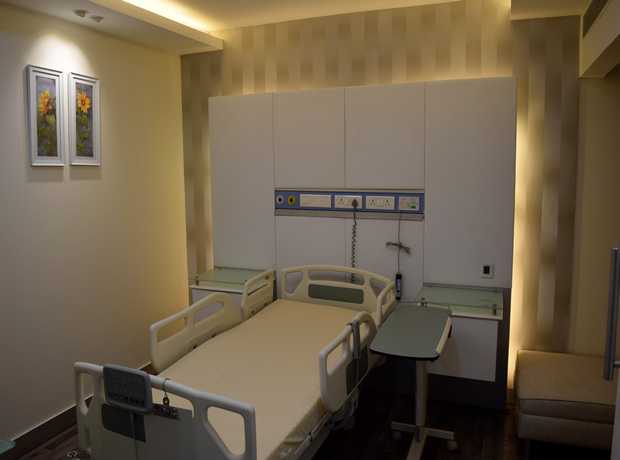
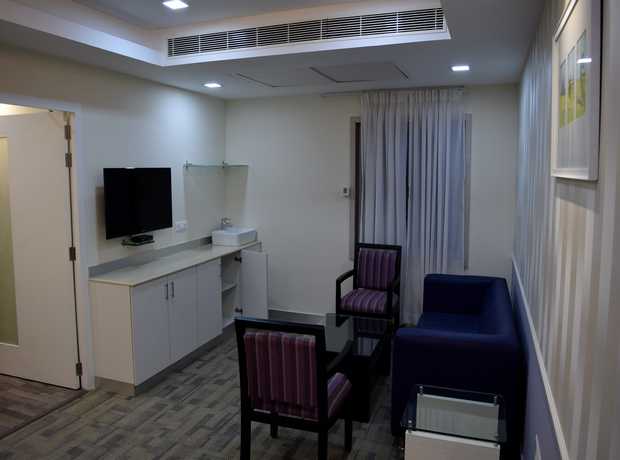

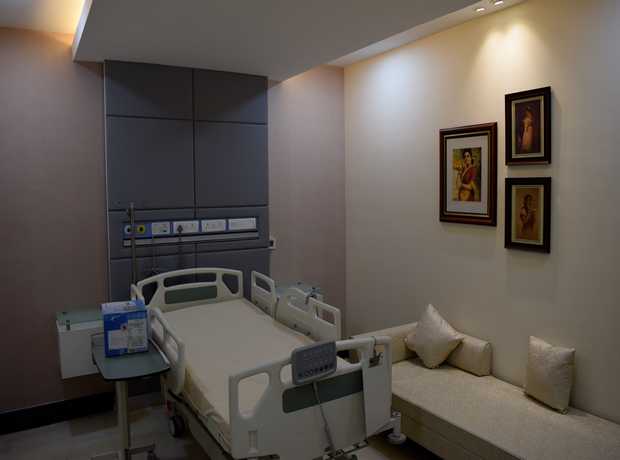
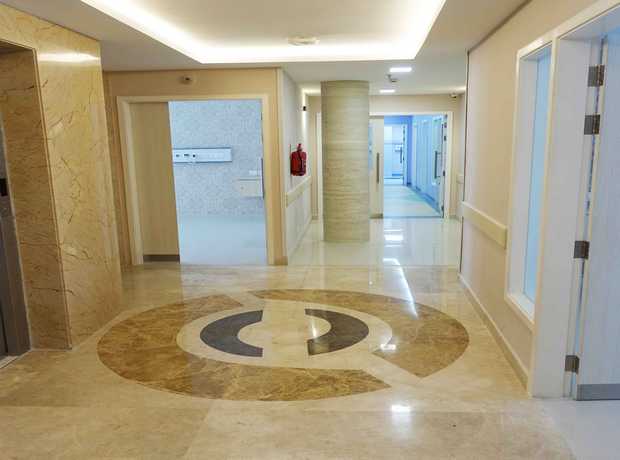


Key Trends in London Design-Build POE for 2025: A Forward Look
The landscape of building design and construction is continually reshaped by technological advancements, societal shifts, and pressing global challenges. In London, these forces are particularly potent, driving innovative trends in how we evaluate the performance of our built environments. For 2025, several key developments will redefine design-build POE, making it more comprehensive, data-driven, and user-centric than ever before.
Increased Focus on Sustainability & Circular Economy Principles
London is at the forefront of the global movement towards becoming a more sustainable and resilient city, with ambitious targets for net-zero carbon emissions. Consequently, POE will increasingly focus its lens on evaluating the environmental impact and resource efficiency of buildings throughout their operational lifespan. This goes beyond traditional assessments of energy consumption and water usage to encompass a much broader spectrum of sustainable performance indicators. Evaluators will meticulously assess waste management strategies, scrutinizing the effectiveness of recycling programs, waste reduction initiatives, and the potential for repurposing materials at end-of-life. Furthermore, the embodied carbon of materials selected during the design and construction phases will gain prominence, with POE examining the actual lifecycle emissions against projected figures. Materials selection plays an increasingly crucial role in this aspect, with a strong preference for recycled, locally sourced, low-impact, and rapidly renewable materials. POE will track the real-world performance of these materials in terms of durability, maintenance needs, and contribution to indoor environmental quality. The principles of the circular economy – design out waste and pollution, keep products and materials in use, and regenerate natural systems – will be integrated into POE frameworks, moving beyond linear “take-make-dispose” approaches to ensure buildings are designed for longevity, adaptability, and eventual deconstruction and reuse.
Importance of Acoustics: Crafting Productive and Serene Environments
While often overlooked in initial design briefs, acoustics are rapidly gaining recognition as one of the most important, yet subtle, factors profoundly influencing interior designs and overall occupant well-being. In the bustling, often noisy urban fabric of London, controlling sound becomes critical for creating truly functional and comfortable spaces. A thoughtfully designed acoustic environment can significantly improve mood, enhance concentration, reduce stress levels, and facilitate much clearer communication, whether in an open-plan office, a quiet study area, or a sensitive healthcare facility. Poor acoustics, conversely, can lead to decreased productivity, increased fatigue, heightened anxiety, and a general sense of discomfort. POE in 2025 will place a greater emphasis on measuring actual noise levels, reverberation times, and speech intelligibility within occupied spaces, comparing them against industry standards and user perceptions. This involves evaluating the effectiveness of sound-absorbing materials, noise isolation strategies, and the overall acoustic privacy provided by a building’s design. Especially in high-density areas of London, where external noise pollution from traffic, construction, and urban activity is prevalent, assessing how well a building shields its occupants from these distractions and manages internal soundscapes will be a paramount aspect of successful POE.
The Rise of Data-Driven POE & Digital Twins
Technology is fundamentally transforming the way we evaluate buildings, shifting from anecdotal evidence to empirical, quantifiable insights. Expect to see an exponential increase in the adoption of sophisticated data collection and analysis techniques being integrated into POE processes. This includes widespread deployment of Internet of Things (IoT) sensor technology to monitor environmental parameters such as temperature, humidity, CO2 levels, light levels, and occupancy rates in real-time. Building Management Systems (BMS) and smart building platforms will become primary data sources, providing granular insights into energy consumption patterns, HVAC performance, and operational efficiencies. Advanced data analytics tools, powered by artificial intelligence and machine learning, will move beyond simple reporting to identify anomalies, predict maintenance needs, and uncover hidden correlations between building performance and occupant comfort. The concept of a “digital twin” – a virtual replica of a physical building – will play an increasingly vital role. These digital twins, populated with real-time data, allow for continuous POE, simulation of different scenarios, and predictive maintenance, making the evaluation process dynamic and proactive rather than purely reactive. This data-rich approach empowers stakeholders to make evidence-based decisions for immediate improvements and long-term strategic planning, maximizing ROI in London’s competitive real estate market.
Emphasis on User Experience (UX) and Human-Centric Design
The human element is rightfully reclaiming its central position in building design and evaluation. POE for 2025 will intensify its focus on understanding how users truly interact with the built environment, and whether the space genuinely meets their psychological, physiological, and functional needs. This goes beyond mere satisfaction, delving into concepts of well-being, productivity, sense of community, and psychological comfort. Gathering feedback from occupants will become more nuanced and multi-faceted, involving a combination of structured surveys, in-depth interviews, focus groups, and ethnographic observation studies. Techniques like spatial mapping, activity logging, and even biometric monitoring (with ethical considerations) may be employed to gain deeper insights into user behavior and physiological responses to space. The goal is to move towards truly human-centric design, where buildings are not just efficient machines but supportive ecosystems that enhance the quality of life and work for their inhabitants. In London’s diverse and demanding urban environment, understanding the varied needs of a global workforce and multicultural population is paramount to creating spaces that foster belonging and optimize human potential.
Integration of BIM (Building Information Modeling) for Lifecycle Management
Building Information Modeling (BIM) has steadily become an indispensable tool throughout the design and construction process, serving as a foundational digital representation of a building’s physical and functional characteristics. POE in 2025 will leverage BIM data even more deeply to provide a comprehensive and integrated understanding of building performance across its entire lifecycle. Instead of starting from scratch, POE teams will access the rich data embedded within BIM models – from material specifications and structural details to MEP (mechanical, electrical, plumbing) layouts and asset information. This allows for more accurate baseline analysis and targeted identification of discrepancies between design intent and actual construction. Furthermore, BIM enables the visualization of POE findings within the context of the 3D model, making it easier to pinpoint locations of issues (e.g., thermal bridges, acoustic hotspots) and to communicate potential improvements to all stakeholders. BIM’s role in creating a digital handover provides a living, evolving data source for facility managers, enabling continuous monitoring and “live” POE, where performance data can be continuously fed back into the model to inform future modifications, renovations, and maintenance strategies. This integration closes the loop between design, construction, operation, and evaluation, making POE a seamless and intrinsically valuable part of the building lifecycle.
Skydome Designs: Your London Interior Experts for Design-Build POE Excellence
At Skydome Designs Pvt Ltd, we understand that successful architecture and interior design are not just about aesthetics but about creating environments that perform exceptionally for their occupants and stakeholders. Our comprehensive expertise extends to providing end‑to-end delivery for design-build post-occupancy evaluation — covering strategy, design, construction, and handover processes specifically tailored for the London market. With nearly 30 years of extensive experience garnered across India and abroad, our in-house team of highly skilled architects, specialized healthcare planners, and meticulous project managers consistently delivers award-winning, client-focused, and sustainably-minded designs. Our global design standards, combined with profound local code expertise in London, ensure that every project we undertake not only meets but exceeds international benchmarks while remaining compliant with local regulations and sensitivities.
Our commitment to excellence in POE is embedded in our core service offerings, which include:
- Strategic Space Planning: We don’t just arrange furniture; we meticulously optimize layouts for maximal functionality, workflow efficiency, and occupant comfort. Our POE process often begins by critically analyzing existing space utilization to inform future designs that truly serve their purpose, whether for a bustling office or a serene healthcare facility.
- Sustainable Materials Selection: Our expertise lies in choosing materials that are not only aesthetically appealing and durable but also inherently sustainable. Through our POE, we evaluate the real-world performance of selected materials in terms of longevity, maintenance requirements, environmental impact, and contribution to indoor air quality, ensuring long-term value and ecological responsibility.
- Advanced Acoustics Design: Recognizing the critical role of sound in human comfort and productivity, we specialize in designing for optimal sound quality and effective noise reduction. Our POE includes detailed acoustic assessments, ensuring that our designs mitigate unwanted noise and create environments conducive to concentration, healing, or lively interaction, depending on the space’s function.
- Cohesive Branding & Impactful Signage: A building’s identity is crucial. We integrate branding and signage seamlessly into the interior architecture, creating a cohesive, intuitive, and impactful brand experience. POE helps us gauge the effectiveness of these elements in terms of wayfinding, brand perception, and overall user experience post-occupancy.
Our track record speaks volumes: we consistently deliver projects on-time, on-budget, and to the highest global standards. The fact that we have delivered 878+ design-build post-occupancy evaluation assignments across London and globally over 12+ years, with an impressive 97% on-time delivery rate, underscores our unwavering dedication and proficiency. Our multi‑disciplinary reviews and robust post‑occupancy support are integral to the positive project outcomes our clients consistently experience. We invite you to learn more about our specialized services, including our highly acclaimed hospital interior design expertise, which exemplifies our commitment to creating high-performance, user-centric environments.
The Skydome Designs Advantage: A Partnership for Success
Choosing Skydome Designs means partnering with a firm that brings unparalleled depth of experience and a forward-thinking approach to every project, particularly in the complex realm of design-build post-occupancy evaluation in London. Our distinct advantages are:
- 29+ years of extensive experience across India and abroad, providing a rich foundation of diverse project insights and challenges overcome. This longevity translates into a deep understanding of industry best practices and emerging trends, particularly relevant for London’s dynamic market.
- Dedicated in-house team comprising seasoned architects, specialized healthcare planners, and meticulous project managers. This integrated team approach ensures seamless coordination, efficient communication, and a holistic perspective from concept to completion, and crucially, through post-occupancy assessment.
- Award-winning, client-focused, and sustainable designs that consistently exceed expectations. Our commitment to design excellence is matched only by our dedication to creating spaces that are both environmentally responsible and deeply responsive to client needs and occupant well-being.
- Consistent project delivery on-time, on-budget, and to rigorous global standards. Our 97% on-time delivery rate for POE assignments is a testament to our meticulous planning, efficient execution, and proactive problem-solving capabilities.
- Global design standards blended with local code expertise in London: This unique combination ensures that your project benefits from international best practices while navigating the specific regulatory and cultural nuances of the London environment. We understand the specific planning requirements, building codes, and sustainability mandates unique to London, ensuring seamless project progression and compliance.
With Skydome Designs, you gain more than just a service provider; you gain a strategic partner dedicated to optimizing your building’s performance and ensuring long-term success. Our proven ability to deliver 878+ design-build post-occupancy evaluation assignments across London and globally over 12+ years, with an outstanding 97% on-time delivery rate, demonstrates our unwavering commitment to client satisfaction and project excellence. Our multi‑disciplinary reviews and unwavering post‑occupancy support are specifically designed to underpin positive project outcomes, transforming insights into tangible improvements. Leverage our global design standards combined with invaluable local code expertise in London to ensure your project’s success. We offer end‑to‑end delivery for design-build post-occupancy evaluation — from initial strategy and visionary design through efficient construction and seamless handover in London.
Contact us today at +91 7299072144 or email info@skydomedesigns.com to discuss your design-build post-occupancy evaluation needs in London. Let us show you how our expertise can translate into superior performance for your next project.
The Evolution of POE: From Compliance to Continuous Improvement
Post-Occupancy Evaluation is not a new concept, but its application and sophistication have evolved dramatically over the decades. Initially, POE might have been seen as a basic checklist or a problem-solving exercise, primarily focused on identifying functional defects or health and safety issues. Over time, as our understanding of building science and human behavior in built environments deepened, POE matured into a more holistic assessment tool. The shift from traditional design-bid-build models to integrated design-build approaches further propelled this evolution. With design-build, the single point of responsibility means a greater imperative to get both design and construction right, making a comprehensive POE an intrinsic part of quality assurance and continuous improvement. Today, POE is moving beyond mere reactive assessment to becoming a proactive, data-driven discipline, intricately linked with digital technologies and predictive analytics. It’s no longer just about fixing what’s wrong, but about continuously optimizing performance, anticipating future needs, and contributing to a sustainable building lifecycle. This evolution mirrors London’s own journey in urban development, from practical functionality to highly performant, intelligent, and human-centric infrastructure.
Challenges in Implementing POE in London’s Complex Landscape
While the benefits of design-build POE are undeniable, its effective implementation in London comes with specific challenges:
- Cost and Time Investment: Conducting a thorough POE requires dedicated resources, both financial and temporal. Developers and project owners, often operating under tight budgets and deadlines, may sometimes view POE as an additional expense rather than a long-term investment.
- Data Privacy and Security: With the rise of data-driven POE, collecting and analyzing occupant data raises significant privacy concerns. Ensuring compliance with GDPR and other data protection regulations while gathering meaningful insights is a delicate balance.
- Stakeholder Engagement: Effective POE requires active participation from a diverse range of stakeholders, including occupants, facility managers, designers, and contractors. Securing their sustained engagement and ensuring their feedback is accurately captured and acted upon can be challenging.
- Integration with Existing Systems: Many older buildings and facilities in London may lack the smart technology infrastructure necessary for advanced data-driven POE. Integrating new sensors and data analytics platforms with legacy systems can be complex and costly.
- Translating Insights into Action: The most critical challenge is often not just collecting data, but effectively translating POE findings into actionable recommendations that lead to tangible improvements in future designs and existing operations. This requires clear communication, multidisciplinary collaboration, and a commitment to continuous learning.
Skydome Designs addresses these challenges head-on by providing structured POE frameworks, expert data analysis, and clear, actionable recommendations. Our end‑to‑end delivery for design-build post-occupancy evaluation — strategy, design, construction and handover in London — is designed to overcome these hurdles and deliver maximum value.
Methodologies and Best Practices for Effective POE
Executing a successful design-build POE requires a structured approach and adherence to best practices. Skydome Designs employs a multi-faceted methodology that typically includes:
- Pre-Occupancy Planning: Defining clear objectives, identifying key performance indicators (KPIs), selecting appropriate methodologies, and securing stakeholder buy-in before the building is occupied.
- Baseline Data Collection: Gathering initial data on building specifications, design intent, and predicted performance using BIM models, construction documents, and energy models.
- Occupant Surveys and Interviews: Distributing structured questionnaires and conducting qualitative interviews with a representative sample of occupants to gather feedback on comfort, satisfaction, functionality, and specific pain points.
- Environmental Monitoring: Deploying sensors to continuously monitor key environmental parameters such as temperature, humidity, CO2 levels, light levels, and noise levels.
- Energy and Resource Audits: Analyzing actual energy consumption, water usage, and waste generation against benchmarks and design predictions.
- Physical Walkthroughs and Observations: Conducting systematic visual inspections of the building to identify maintenance issues, functional deficiencies, and observed occupant behaviors.
- Data Analysis and Reporting: Compiling all collected qualitative and quantitative data, performing rigorous analysis, identifying patterns, discrepancies, and areas for improvement. A comprehensive report with actionable recommendations is then generated.
- Feedback Loop and Implementation: Presenting findings to stakeholders, facilitating discussions, and ensuring that the insights are integrated into future design briefs, operational adjustments, and facility management strategies.
This meticulous approach, honed over 878+ assignments, ensures that our POE results are robust, reliable, and directly applicable to improving building performance in London and beyond.
The Future of POE: Predictive and Personalized Environments
Looking beyond 2025, the future of design-build POE in London is poised for even greater integration with advanced technologies, leading to more predictive and personalized built environments. We foresee:
- Predictive POE: Leveraging AI and machine learning, future POE will move beyond retrospective analysis to predict potential performance issues or occupant dissatisfaction before they even occur. By analyzing vast datasets from previous projects, sensor data, and even external factors like weather patterns, AI algorithms can identify risk factors and recommend preventative measures.
- Hyper-Personalized Environments: Buildings will increasingly adapt to individual occupant preferences. POE will play a role in refining algorithms for personalized lighting, temperature, and even soundscapes, ensuring that each user experiences their optimal environment.
- Integration with Urban Planning: POE insights will feed not just into individual building designs but also into broader urban planning strategies, informing how new districts are developed, how public spaces are designed, and how infrastructure supports community well-being in a dense city like London.
- Ethical AI and Data Governance: As POE becomes more data-intensive, the ethical considerations around data collection, privacy, and algorithmic bias will become paramount. Robust frameworks for data governance and responsible AI will be essential.
Skydome Designs is committed to staying at the cutting edge of these developments, ensuring that our London clients benefit from the most advanced and effective POE methodologies available. Our multi‑disciplinary team is constantly exploring innovations to deliver superior outcomes.
Conclusion
As London continues its remarkable journey of growth and evolution, the significance of design-build post-occupancy evaluation will only intensify. It is the indispensable mechanism for ensuring that new construction projects not only meet immediate needs but also deliver long-term value, sustainability, and unparalleled user satisfaction. By staying acutely informed about the latest trends – from deep dives into sustainability and acoustics to embracing the power of data and BIM integration – project stakeholders can strategically position themselves for success in London’s competitive and regulated market.
Partnering with experienced London interior experts like Skydome Designs is not merely a choice; it’s a strategic imperative. Our extensive experience, proven methodologies, and unwavering commitment to client success, evidenced by 878+ design-build post-occupancy evaluation assignments delivered globally and across London over 12+ years with an exceptional 97% on-time delivery rate, position us as your ideal partner. We bring global design standards coupled with critical local code expertise in London, ensuring that your project is both visionary and compliant. By collaborating with Skydome Designs, you can optimize your building’s performance, enhance user satisfaction, and make a tangible contribution to a more sustainable and functional future for London. Our end‑to‑end delivery for design-build post-occupancy evaluation — encompassing strategy, design, construction and seamless handover in London — is tailored to bring your vision to life and ensure its enduring success.
Ready to embark on a journey of design excellence and operational optimization? Request a consultation today! Let Skydome Designs help you unlock the full potential of your next London project.
FAQ: Design-Build Post-Occupancy Evaluation in London
What is design-build post-occupancy evaluation (POE)?
Design-build post-occupancy evaluation (POE) is a structured process of assessing a building’s performance, functionality, and user satisfaction after it has been completed and occupied. It provides crucial feedback to improve future designs and optimize existing operations, particularly within the integrated design-build project delivery model.
Why is post-occupancy evaluation especially important in London?
In London’s dynamic and high-value urban environment, POE is vital for several reasons: it mitigates significant financial and reputational risks associated with large projects, accelerates future project delivery by leveraging lessons learned, enhances building performance to meet stringent sustainability targets, and ensures that buildings effectively serve a diverse and demanding user base in a competitive market.
What key factors are considered in a comprehensive POE?
A comprehensive POE considers a wide range of factors including energy efficiency, water usage, waste management, space utilization, indoor environmental quality (thermal comfort, air quality, lighting, acoustics), building functionality, maintenance requirements, and critically, overall occupant satisfaction and well-being. Modern POE also integrates data from building management systems and IoT sensors.
How can Skydome Designs help with design-build post-occupancy evaluation in London?
Skydome Designs offers end-to-end design-build post-occupancy evaluation services in London, encompassing strategy, design, construction, and handover. With nearly 30 years of experience and an in-house team of architects, healthcare planners, and project managers, we provide expert analysis, actionable recommendations, and multi-disciplinary reviews to optimize your building’s performance and user satisfaction. We combine global design standards with local code expertise.
What types of projects benefit most from design-build POE?
A wide range of projects can significantly benefit from design-build POE, including commercial office spaces, large-scale residential developments, critical healthcare facilities (e.g., hospitals, clinics), educational institutions, retail spaces, and public sector buildings. Any project where long-term performance, occupant well-being, and operational efficiency are key objectives stands to gain immense value from a thorough POE.
What is the typical timeline for conducting a POE?
The timeline for a POE can vary depending on the project’s scale and complexity. Generally, POE is conducted several months after occupation (e.g., 6-12 months) to allow occupants to settle in and building systems to stabilize. The data collection and analysis phase can take several weeks to months, followed by reporting and recommendations. Skydome Designs works efficiently, maintaining a 97% on-time delivery rate, ensuring timely insights for your London projects.