Dubai, a city synonymous with ambition, innovation, and rapid development, continues to solidify its position as a global hub for knowledge and culture. This relentless pursuit of excellence necessitates the creation of world-class infrastructure, particularly in the realms of education and research. As new investments pour into the emirate, the demand for cutting-edge library and research center design is soaring. These aren’t merely buildings to house books or laboratories; they are vibrant ecosystems designed to foster intellectual growth, collaborative discovery, and lifelong learning. However, embarking on such a critical project without expert guidance can lead to costly mistakes, delays, and facilities that fail to meet their full potential.
For organizations looking to de-risk their investments and ensure faster, more impactful delivery of their knowledge hubs, strategic planning and execution in design are non-negotiable. This comprehensive guide provides expert insights and actionable tips for 2025 and beyond, aimed at helping you navigate the complexities of designing a truly world-class library or research center in Dubai. With a legacy spanning over 12 years and more than 1005+ successful library and research center design assignments completed across Dubai and globally, Skydome Designs stands as a beacon of excellence in this specialized field. Our unwavering commitment to client satisfaction is reflected in our 97% on-time delivery rate, underpinned by rigorous multi-disciplinary reviews and dedicated post-occupancy support, ensuring outcomes that consistently exceed expectations. Contact Skydome Designs today to learn more about how we can transform your vision into an award-winning reality!
Key Considerations for Library and Research Center Design in Dubai: Building the Future of Knowledge
Designing a modern library or research center in Dubai transcends conventional architectural practices. It’s about meticulously crafting a dynamic, engaging, and highly functional space that not only facilitates learning, collaboration, and innovation but also anticipates future needs. Every element, from the grand architectural gesture to the smallest interior detail, must contribute to an environment where knowledge can flourish. Here are some critical areas that demand meticulous attention:
Acoustics: Crafting Sanctuaries for Concentration and Collaboration
The auditory environment is undeniably one of the most critical factors in a library or research center. Unwanted noise is a significant impediment to concentration, hindering productivity and diminishing the user experience. Effective acoustics are therefore paramount. The design must strike a delicate balance between fostering quiet zones for individual deep work and vibrant, yet controlled, areas for group collaboration.
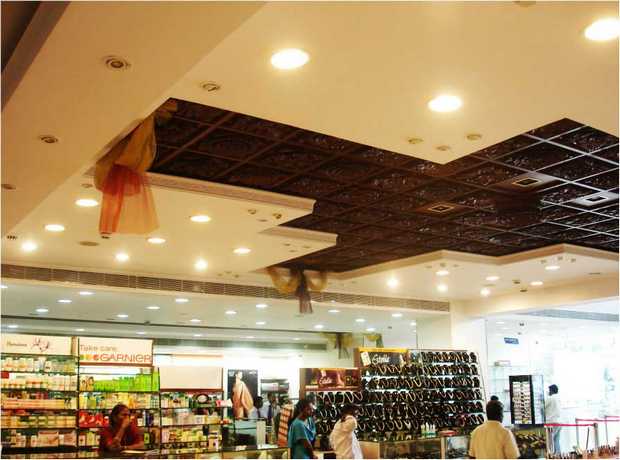
Implementing a robust acoustic strategy involves several layers. This includes the judicious selection of sound-absorbing materials for walls, ceilings, and flooring – such as acoustic panels, baffles, specialized carpeting, and perforated surfaces. Strategic space planning is equally vital; designating distinctly quiet zones for individual study, reading, and focused research, physically separated from more active areas. Collaborative spaces, while designed to encourage interaction, can benefit from localized acoustic treatments and thoughtful furniture arrangements that mitigate sound propagation. Furthermore, modern HVAC systems should be designed for minimal noise output, and internal partitions should offer high sound insulation ratings.
For large, open-plan areas, innovative solutions like sound-masking systems can create a more comfortable soundscape by introducing low-level, unobtrusive background sound that helps cover speech distractions. Consulting with a specialized acoustic design expert, as Skydome Designs often does, ensures that these complex requirements are met with precision, creating an environment where every user can find their ideal working conditions.

Materials Selection: The Foundation of Durability, Aesthetics, and Sustainability
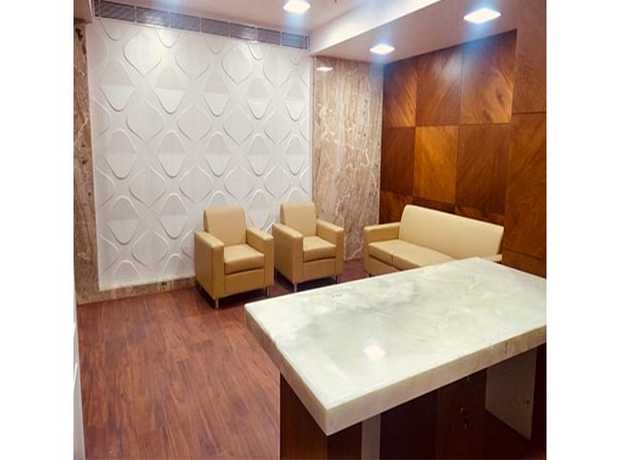
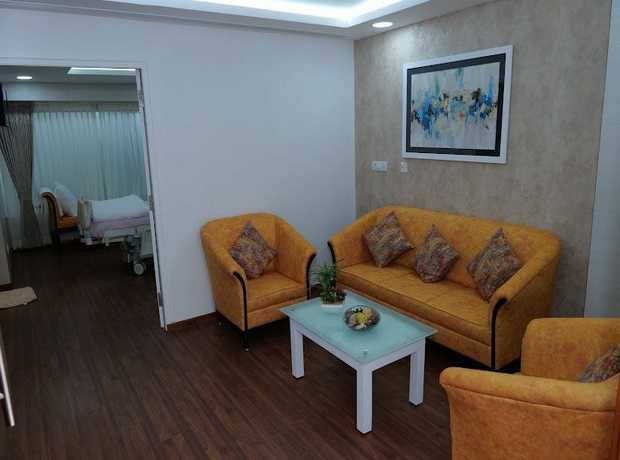
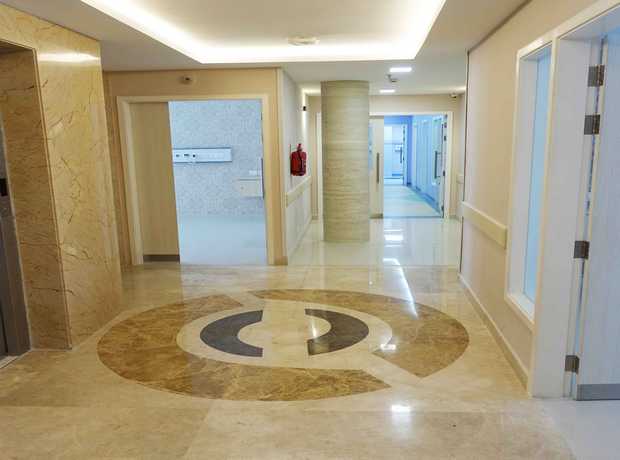
The choice of materials selection profoundly influences not only the initial aesthetics and tactile experience of your facility but also its long-term durability, maintenance requirements, and environmental footprint. In a high-traffic environment like a library or research center, materials must be robust enough to withstand constant use while retaining their aesthetic appeal.
Prioritize durable, sustainable, and aesthetically pleasing materials that align with the institution’s brand identity and Dubai’s climate. Consider materials like high-quality, resilient flooring (e.g., polished concrete, robust LVT, or sustainable wood composite) that can handle heavy foot traffic and furniture movement. Wall finishes can range from durable paints and wallpapers to elegant wood paneling or innovative recycled materials. For furniture, specify commercial-grade, ergonomic pieces made from sustainable sources that offer longevity and comfort.
Beyond durability, sustainability should be a guiding principle. Opt for materials with low VOC (Volatile Organic Compounds) content to ensure good indoor air quality. Incorporate recycled, locally sourced, or rapidly renewable materials wherever possible to minimize environmental impact and support the local economy. Furthermore, assess materials for their fire resistance, ease of cleaning, and long-term maintenance costs. Skydome Designs’ extensive experience in Dubai allows us to recommend materials that not only meet global design standards but also comply with local regulations and withstand the specific environmental conditions, ensuring a balance of beauty, function, and longevity.
Branding & Signage: Guiding and Inspiring the User Journey
Effective branding & signage are far more than just decorative elements; they are integral to enhancing the user experience, facilitating wayfinding, and reinforcing the institution’s identity. Clear, intuitive, and thoughtfully designed signage helps users navigate complex spaces effortlessly, locating specific sections, resources, or facilities with ease. This reduces frustration and improves overall efficiency.
Incorporate the institution’s core branding elements – such as logos, specific color palettes, and typography – consistently throughout the space. This creates a cohesive and recognizable identity, fostering a sense of belonging and community. Digital signage can offer dynamic information, event schedules, and interactive maps, adapting to changing needs. Environmental graphics, murals, or art installations that reflect the institution’s mission or Dubai’s cultural heritage can further enrich the experience, transforming functional areas into inspiring spaces. Skydome Designs integrates branding seamlessly into the architectural and interior design, ensuring every visual cue contributes to a holistic and memorable user journey.
Technology Integration: Future-Proofing for the Digital Age
In today’s interconnected world, a library or research center is incomplete without seamless technology integration. This is not merely about providing Wi-Fi, but about creating an intelligent, responsive environment that supports diverse digital learning, research, and communication needs. Planning for technology infrastructure must be a core component from the outset, not an afterthought.
Ensure ubiquitous, high-speed Wi-Fi coverage across the entire facility. Provide an abundance of easily accessible power outlets and data ports (USB-C, Ethernet) in study carrels, collaborative tables, and lounge areas. Integrate smart building management systems for lighting, HVAC, and security to optimize energy efficiency and user comfort. Dedicated technology zones can include computer labs, virtual reality (VR) or augmented reality (AR) labs for immersive learning, advanced multimedia creation studios, and presentation rooms equipped with the latest audiovisual technology.
Consider interactive touchscreens for information access, digital display walls for sharing research and news, and robust infrastructure for hosting online events and webinars. The design should also accommodate future technological advancements, featuring flexible cabling pathways and modular furniture that can adapt to new devices and evolving user demands. Skydome Designs’ forward-thinking approach ensures that your facility is not only current but also poised for future innovation, guaranteeing a long operational lifespan.
Flexible Interior Design: Adaptability for Evolving Needs
The landscape of education and research is constantly evolving, driven by new pedagogies, technologies, and user expectations. Therefore, interior design in libraries and research centers must inherently be flexible and adaptable. Static spaces quickly become obsolete.
Embrace modular furniture systems that can be easily reconfigured to support different activities, from individual study to large group workshops. Utilize movable walls or partitions to create adaptable zones that can expand or contract based on immediate needs. Consider multi-purpose rooms that can transform from a quiet study area to an event space or a collaborative project room. Built-in flexibility allows the institution to respond to changing user demographics, technology shifts, and emerging research methodologies without costly renovations. Skydome Designs excels at designing spaces that are not only beautiful but also inherently versatile, providing maximum long-term value. With over 1005+ library and research center design assignments delivered across Dubai and globally over 12+ years, and a stellar 97% on-time delivery rate backed by multi-disciplinary reviews and post-occupancy support, Skydome Designs ensures outcomes that exceed expectations. Partner with Skydome Designs for proven success in your next project.
Lighting Design: Illumination for Productivity and Well-being
Thoughtful lighting design is critical for both functionality and creating a comfortable, inviting atmosphere. Poor lighting can lead to eye strain, fatigue, and a diminished user experience. A comprehensive lighting strategy integrates both natural and artificial light sources.
Maximize natural daylighting through carefully designed windows, skylights, and light shelves. This not only reduces energy consumption but also creates a more pleasant and healthy environment, aligning with circadian rhythms. Complement natural light with a sophisticated artificial lighting system. This should include ambient lighting for general illumination, task lighting at desks and workstations for focused activities, and accent lighting to highlight architectural features or artwork. Utilize energy-efficient LED lighting with adjustable color temperatures and dimming capabilities to create different moods and adapt to various activities throughout the day. Glare control, through blinds or architectural elements, is essential to prevent discomfort and ensure screen visibility. Skydome Designs integrates advanced lighting solutions that enhance functionality, aesthetics, and energy efficiency, contributing to overall user well-being.
Space Planning & Zoning: Optimizing Flow and Function
Effective space planning and zoning are foundational to the success of any library or research center. It dictates how users interact with the space, how efficiently resources are accessed, and how different activities can coexist harmoniously. The goal is to create a logical, intuitive flow that minimizes disruption and maximizes productivity.
Clearly delineate functional zones: quiet study areas, collaborative workspaces, technology hubs, presentation rooms, staff offices, collection stacks, and social interaction zones (e.g., a café or lounge). Consider the relationships between these zones – for instance, placing noisy collaborative areas away from quiet study carrels. Ensure clear pathways and adequate circulation space. Design multi-purpose rooms and adaptable furniture arrangements to optimize space utilization. Pay attention to adjacencies, ensuring related functions are co-located for efficiency. For example, reference services should be easily accessible from main entry points, and break rooms should be conveniently located for staff. Skydome Designs employs meticulous space planning methodologies, informed by years of experience, to create highly efficient and user-friendly layouts.
Accessibility & Inclusivity: Designing for Everyone
A truly world-class library or research center must be accessible and inclusive to all members of the community, regardless of their physical abilities, age, or background. Accessibility and inclusivity should not be an afterthought but rather a guiding principle woven into every aspect of the design process.
Implement universal design principles, ensuring that ramps, elevators, wide doorways, and accessible restrooms are seamlessly integrated. Provide height-adjustable workstations, clear pathways free of obstructions, and tactile paving for visually impaired users. Consider diverse learning styles and sensory needs, offering a variety of seating options, quiet contemplation spaces, and clear visual cues. Digital resources should also be accessible through assistive technologies. Designing for inclusivity means creating a welcoming and equitable environment where every individual feels valued and empowered to utilize the facility’s resources. Skydome Designs is committed to creating spaces that serve the entire community, ensuring compliance with international accessibility standards and local Dubai regulations.
Sustainability & Green Building Practices: Responsible Design for a Brighter Future
In line with Dubai’s vision for a sustainable future, incorporating sustainability and green building practices into library and research center design is not just a trend but a necessity. Sustainable design minimizes environmental impact, reduces operational costs, and enhances the health and well-being of occupants.
Focus on energy efficiency by specifying high-performance glazing, well-insulated envelopes, and energy-efficient HVAC systems. Utilize renewable energy sources like solar panels where feasible. Implement intelligent lighting controls that respond to occupancy and daylight levels. Water conservation strategies include low-flow fixtures, rainwater harvesting, and greywater recycling systems. Prioritize sustainable material selection, as discussed earlier. Design for natural ventilation and maximize daylighting to reduce reliance on artificial systems. Consider achieving green building certifications such as LEED (Leadership in Energy and Environmental Design) or Estidama, Dubai’s own green building rating system, to validate your commitment to sustainability. Skydome Designs integrates these practices seamlessly, delivering environmentally responsible and cost-effective solutions that contribute to Dubai’s green agenda.
Security & Safety: Protecting People and Precious Resources
The design of a library or research center must integrate robust security and safety measures to protect users, staff, valuable collections, and sensitive research data. This involves a multi-faceted approach, balancing security needs with an open and welcoming atmosphere.
Physical security elements include controlled access points, CCTV surveillance systems, and secure storage for valuable archives or research materials. Emergency exits must be clearly marked and unobstructed, with efficient fire suppression systems and emergency lighting. Data security is paramount in research centers, requiring secure IT infrastructure and potentially restricted-access areas for sensitive data. Design elements like clear sightlines, well-lit areas, and visible staff presence can act as natural deterrents. Skydome Designs incorporates comprehensive security and safety planning from the initial stages, ensuring a secure yet inviting environment that complies with all local safety regulations.
Dubai Interior Experts: Navigating Local Regulations and Cultural Nuances
Working with experienced dubai interior experts is not merely a preference; it is an absolute necessity for the success of your project. The emirate has specific building codes, regulations, and approval processes that can be complex to navigate for those unfamiliar with the local landscape. These experts possess invaluable insights into local design trends, material availability, and cultural preferences, ensuring your project is not only compliant but also resonates with the local community.
Skydome Designs stands out in this regard. Our approach is characterized by BIM‑led coordination, which ensures unparalleled precision, minimizes errors, and facilitates seamless collaboration across all disciplines. We conduct rigorous value engineering to optimize costs without compromising on quality or functionality, and our stringent quality control measures are tailored specifically to Dubai’s standards and requirements. What truly sets us apart is our ability to deliver global design standards while possessing an unparalleled understanding of local code expertise in Dubai. With 29+ years of experience across India and abroad, our in-house team comprises seasoned architects, specialized healthcare planners (demonstrating our versatility), and meticulous project managers. Our award-winning, client-focused, and sustainable designs are not only delivered on-time and on-budget but also consistently meet and exceed global benchmarks. Skydome Designs’ local expertise combined with international excellence is your assurance of a smooth, successful, and compliant project. Discover the Skydome difference – contact us for a consultation today.
Avoiding Common Mistakes in Library and Research Center Design in Dubai
Even with the best intentions, numerous pitfalls can derail a library or research center project. Being aware of these common mistakes is the first step towards avoiding them and ensuring a smooth execution and a successful outcome:
- Insufficient Space Planning: This is a foundational error. Failing to adequately plan for all required functions – including expansive collections, diverse study areas, staff offices, administrative zones, technology infrastructure, social spaces, and potential future expansion – will lead to cramped, inefficient, and quickly outdated facilities. Proper space planning must anticipate growth and varied user needs.
- Poor Lighting Design: As discussed, inadequate illumination leads to eye strain, discomfort, and reduced productivity. Neglecting the interplay between natural and artificial light, failing to provide sufficient task lighting, or ignoring glare control can significantly detract from the user experience.
- Inadequate Technology Integration: Treating technology as an add-on rather than an integral part of the infrastructure is a critical mistake. This can result in insufficient power outlets, weak Wi-Fi coverage, outdated audiovisual systems, and a lack of support for digital resources and emerging technologies, leaving the facility ill-equipped for modern learning and research.
- Neglecting User Input: Designing a facility without consulting its primary users – students, researchers, faculty, and community members – often leads to spaces that don’t meet actual needs. User feedback should inform everything from space configurations to furniture selection.
- Static Design: Creating a rigid, inflexible space that cannot adapt to changing pedagogies, technologies, or community demands is a major oversight. Libraries and research centers are dynamic entities; their physical spaces must reflect this adaptability.
- Ignoring Cultural Context: In a vibrant, multicultural city like Dubai, overlooking local cultural nuances in design, spatial arrangements, or aesthetic choices can make a facility feel unwelcoming or alienating to a significant portion of its intended audience.
- Underestimating Budget and Timeline: Inadequate budgeting for unforeseen circumstances, specialized equipment, high-quality materials, or the full scope of technology integration can lead to compromises or delays. Similarly, unrealistic timelines create unnecessary pressure and can impact quality.
- Poor Ventilation and Indoor Air Quality: A stuffy, poorly ventilated building with poor indoor air quality negatively impacts occupant health, comfort, and cognitive function. Proper HVAC design, filtration, and use of low-VOC materials are essential.
- Lack of Future-Proofing: While impossible to predict everything, neglecting to build in flexibility for future growth, technological advancements, and evolving service models will quickly render a facility obsolete.
The Importance of Flexible Interior Design
Reiterating a critical point, the concept of flexible interior design cannot be overstressed. Libraries and research centers are no longer static repositories; they are dynamic hubs that must evolve with the times. Designing for flexibility means embracing modularity, reconfigurability, and adaptability.
Consider modular furniture systems that can be easily rearranged to create individual study nooks, collaborative group tables, or presentation setups. Incorporate movable walls, sliding panels, or partitions to transform open spaces into private meeting rooms or vice-versa. Design infrastructure elements, such as power outlets and data ports, to be accessible regardless of furniture arrangement. This foresight allows the institution to easily reconfigure spaces to accommodate workshops, seminars, quiet study periods, or community events, maximizing the utility and longevity of the investment. Skydome Designs prioritizes flexible solutions that provide enduring value and adaptability for years to come.
Why Choose Skydome Designs for Your Dubai Library and Research Center Project?
Selecting the right design partner is the single most critical decision you will make for your library or research center project in Dubai. Skydome Designs Pvt Ltd is not just an architecture and interior design firm; we are innovators, problem-solvers, and dedicated partners committed to transforming your vision into an inspiring, functional, and award-winning reality. With nearly three decades of experience, our capabilities are unparalleled:
- Unrivaled Expertise & Proven Track Record: We possess a deep, specialized understanding of the unique requirements for libraries and research centers, having successfully delivered over 1005+ such assignments across Dubai and globally. This extensive portfolio speaks volumes about our capacity to handle projects of any scale and complexity.
- Comprehensive & Integrated Services: Our offering spans the entire project lifecycle, from initial conceptualization and meticulous space planning to detailed furniture layouts, advanced lighting design, and seamless turnkey interior execution. We provide a holistic solution, ensuring consistency and quality at every stage.
- Commitment to Sustainability: As a firm dedicated to responsible design, we embed sustainable practices into every project. Our designs minimize environmental impact, optimize energy efficiency, and contribute to the long-term well-being of occupants and the planet.
- Guaranteed On-Time Delivery: We pride ourselves on an exceptional 97% on-time delivery rate. This commitment is supported by our rigorous multi-disciplinary reviews and proactive post-occupancy support, ensuring that projects are not only completed on schedule but also perform optimally long after handover.
- Dubai-Specific Excellence: Our expertise is further honed by our deep understanding of Dubai’s unique regulatory landscape. We provide BIM‑led coordination, meticulous value engineering, and stringent quality control specifically tailored to Dubai’s requirements. We seamlessly blend global design standards with unparalleled local code expertise, guaranteeing projects that are both visionary and compliant.
- Multi-Disciplinary Team: Our in-house team comprises highly skilled architects, specialized healthcare planners (a testament to our diverse problem-solving capabilities applicable to any complex facility), and experienced project managers, ensuring a holistic and integrated design approach.
Beyond libraries and research centers, Skydome Designs’ versatile expertise extends to various other sectors, demonstrating our broad capabilities in creating impactful spaces:
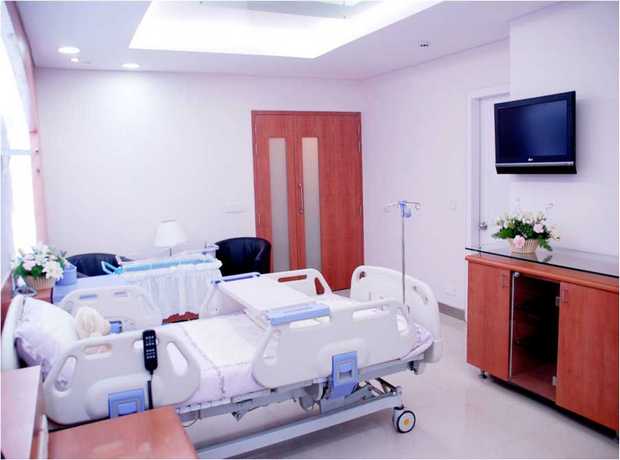
- Hospital Interior Design: We design patient-centric spaces including patient rooms, ICUs, OTs, state-of-the-art labs, comfortable consultation areas, and provide comprehensive facility planning for optimized care delivery.
- Residential Projects: Our portfolio includes elegant apartments, luxurious condos, specialized senior housing solutions, and community-focused interiors that enhance quality of life.
- Retail & Commercial Design: We create engaging environments for shopping malls, innovative mixed-use developments, efficient office spaces, and captivating entertainment centers.
Ready to Transform Your Vision into Reality?
The success of your library and research center design in Dubai hinges on partnering with a firm that possesses unparalleled expertise, a proven track record, and a deep understanding of local nuances. Don’t leave your significant investment to chance. Partner with Skydome Designs to create a space that inspires learning, fosters innovation, and serves the community as a beacon of knowledge for decades to come. Our team is ready to bring your vision to life with precision, creativity, and a commitment to excellence.
📞 Contact: +91 7299072144
✉️ Email: info@skydomedesigns.com
FAQ: Library and Research Center Design in Dubai – Your Questions Answered
Navigating the design and construction of a major knowledge facility can raise many questions. Here are some frequently asked questions about designing libraries and research centers in Dubai, addressed by our experts:
What are the key considerations for library interior design in Dubai?
The key considerations for library interior design in Dubai are comprehensive and multi-faceted. They include meticulously planned acoustics to ensure quiet study and effective collaboration zones; careful materials selection focusing on durability, aesthetics, and local climate suitability; robust branding and intuitive signage for seamless navigation; extremely flexible space planning that anticipates future changes; seamless technology integration to support digital learning and research; strategic lighting design for comfort and productivity; meticulous space planning and zoning for optimal flow; and crucial compliance with all local building codes and regulations, often requiring specialized local expertise. Furthermore, cultural integration and accessibility are vital for creating a truly inclusive space.
How can I ensure my research center design is sustainable and environmentally friendly?
Ensuring your research center design is sustainable involves a holistic approach. Begin by using sustainable materials with low embodied energy and VOC content, preferably locally sourced. Incorporate energy-efficient lighting (LEDs with smart controls) and high-performance HVAC systems. Design for maximum natural ventilation and daylighting to reduce reliance on artificial systems, minimizing energy consumption. Implement water-saving fixtures and consider greywater recycling. Evaluate the project against green building certification standards like LEED or Estidama, Dubai’s green building rating system, and work with designers who have a proven track record in sustainable architecture. Skydome Designs has extensive experience in integrating these green practices effectively.
What is the role of technology in modern library and research center design?
Technology plays a foundational and transformative role in modern library and research center design. It moves beyond simple Wi-Fi provision to encompass a fully integrated, intelligent infrastructure. This includes robust, high-speed internet connectivity across the entire facility, ample and easily accessible power outlets and data ports (including USB-C) for personal devices, and dedicated technology zones. These zones can house advanced computer labs, virtual reality (VR) or augmented reality (AR) labs for immersive experiences, multimedia creation studios, and fully equipped presentation rooms. Digital signage provides dynamic information, interactive displays offer self-service options, and smart building systems manage lighting, climate, and security. Essentially, technology is crucial for providing access to digital resources, supporting online learning, facilitating advanced research, enhancing user experience through automation, and ensuring the facility remains future-proof.
How do I find the best Dubai library and research center design company for my project?
To find the best Dubai library and research center design company, you should look for several key attributes. First, prioritize a firm with a proven track record specifically in designing libraries and research centers, evidenced by a strong portfolio and numerous completed projects. Experience in similar projects is crucial, especially those in Dubai, indicating familiarity with local regulations and cultural contexts. Look for a company with a strong commitment to client satisfaction, excellent client testimonials, and case studies that highlight their successful outcomes. A multi-disciplinary team, comprehensive service offerings (from concept to execution), and a demonstrable commitment to sustainability and on-time delivery are also vital indicators of a top-tier firm. Skydome Designs, with over 1005+ projects, 97% on-time delivery, and specialized Dubai expertise, embodies these qualities, making us an ideal partner for your ambitious project.
How important is community engagement in the design process?
Community engagement is incredibly important in the design process for libraries and research centers. These facilities are often designed to serve a diverse user base, including students, academics, researchers, and the general public. Engaging with these stakeholders through surveys, workshops, and focus groups provides invaluable insights into their needs, preferences, and aspirations for the space. This input ensures that the final design is not only functional but also welcoming, relevant, and truly reflective of the community it serves. It fosters a sense of ownership and belonging, making the facility a vibrant and well-utilized hub. Skydome Designs integrates stakeholder engagement as a critical part of our design methodology to create truly user-centric spaces.
What are the considerations for designing specialized research labs within a larger center?
Designing specialized research labs within a larger center requires distinct considerations. This includes strict adherence to safety protocols and local regulations (e.g., specific fire codes, chemical storage guidelines). The design must account for specialized equipment, requiring precise space planning for machinery, dedicated power supplies, robust ventilation (e.g., fume hoods), and specialized plumbing (e.g., deionized water). Environmental controls for temperature, humidity, and cleanliness (e.g., cleanrooms) might be necessary. Flexibility is also important for labs to adapt to evolving research needs, with modular casework and accessible utility connections. Acoustic separation from other areas of the research center is often crucial to prevent noise and vibration interference. Skydome Designs brings the necessary technical expertise to design such specialized, high-performance environments.