In the relentless pulse of Mumbai, where ambition meets opportunity, the modern workspace is undergoing a profound transformation. Beyond the gleaming glass facades and high-rise offices, a new understanding of employee value is emerging. Creating a thriving workspace in this bustling metropolis now demands more than just ergonomic desks and efficient meeting rooms; it necessitates a deep commitment to employee well-being through thoughtfully designed wellness and recreational areas. These aren’t just amenities; they are strategic investments in human capital, productivity, and organizational resilience. But how do you ensure these vital spaces are not only inspiring and truly human-centered but also delivered on time and within budget, especially with the accelerated trends and evolving expectations of 2025 and beyond? This comprehensive guide will dive deep into the key strategies, intricate considerations, and expert insights crucial for success in Mumbai’s dynamic corporate landscape.
Understanding the Paramount Need for Human-centered Employee Wellness and Recreational Areas in Mumbai
Mumbai, a global financial hub and a magnet for talent, faces intense competition in attracting and retaining its workforce. In this high-stakes environment, companies are increasingly realizing that a competitive salary alone is no longer sufficient. Employee well-being has transitioned from a fringe benefit to a core business imperative. Human-centered employee wellness and recreational areas in Mumbai are at the forefront of this shift, recognized not merely as optional perks but as essential components of a modern, forward-thinking organizational culture. These dedicated spaces offer employees invaluable opportunities to recharge, de-stress, foster genuine connections, and engage in activities that promote both physical and mental health, ultimately boosting overall performance, creativity, and loyalty.
The relentless pace of life in Mumbai, characterized by long commutes, demanding work hours, and intense urban pressures, makes the provision of such sanctuary zones even more critical. Employees need accessible avenues within their workplace to escape the daily grind, even for a brief period. From quiet meditation zones to vibrant activity areas, these spaces communicate a powerful message: that the organization values its people beyond their output, recognizing their holistic needs. This strategic investment not only enhances the immediate work environment but also contributes significantly to reducing burnout, improving job satisfaction, and cultivating a positive employer brand in a fiercely competitive talent market.
Why Prioritize Human-centered Design for Wellness Spaces?
A truly human-centered approach is the bedrock of successful wellness and recreational areas. It fundamentally considers the diverse needs, preferences, and behaviors of the actual employees who will inhabit and utilize these spaces. This isn’t about imposing a generic design template; it’s about empathetic understanding and tailored solutions. This involves a multi-faceted approach:
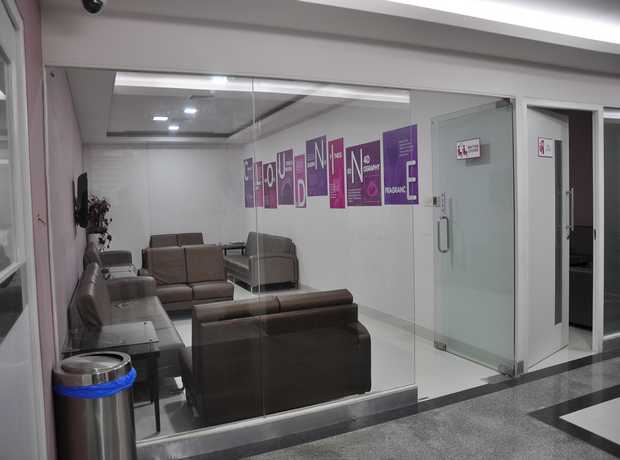
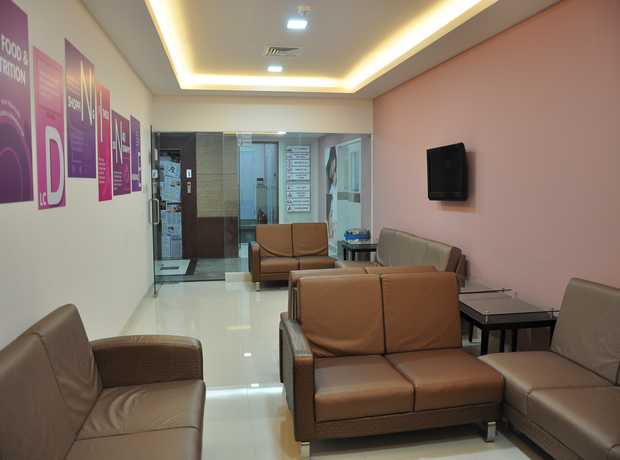
- Understanding Employee Work Styles and Preferences: Modern workforces are diverse. Some thrive in collaborative settings, while others require quiet for deep focus. A human-centered design accounts for this spectrum, offering varied zones – from lively social hubs for impromptu meetings and team-building to serene quiet rooms for meditation, mindfulness, or focused individual work away from the main desk. Surveys, workshops, and direct feedback from employees are invaluable tools to gauge what truly resonates with your specific workforce.
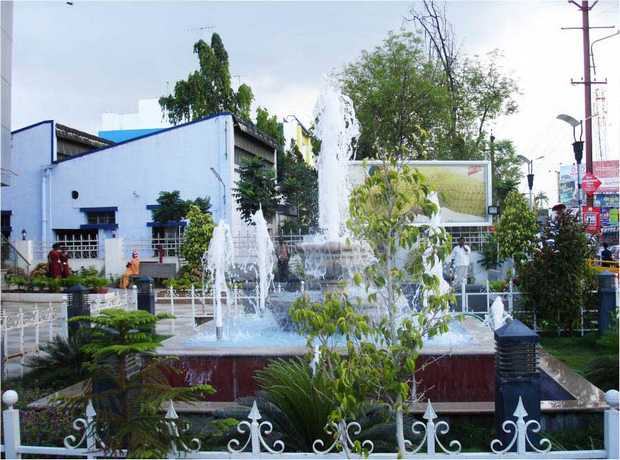
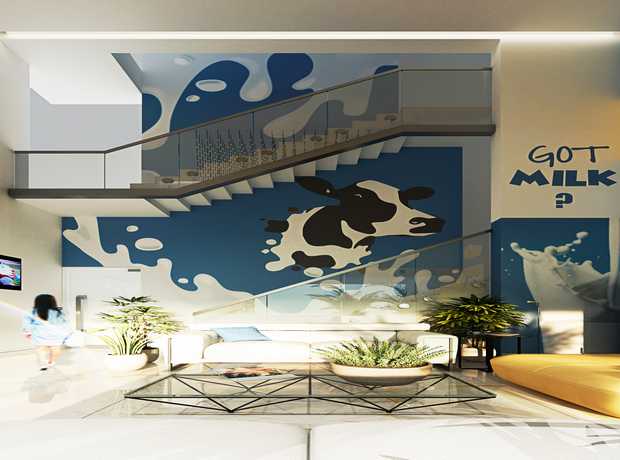
- Incorporating Elements that Promote Relaxation and Stress Reduction: The design should actively mitigate stress. This includes thoughtful choices in lighting (natural light whenever possible, adjustable artificial lighting), acoustics (sound-absorbing materials to reduce noise pollution), color palettes (calming hues), and the integration of biophilic design elements like indoor plants, water features, or natural textures. These natural elements have a scientifically proven positive impact on mood, cognitive function, and stress levels.
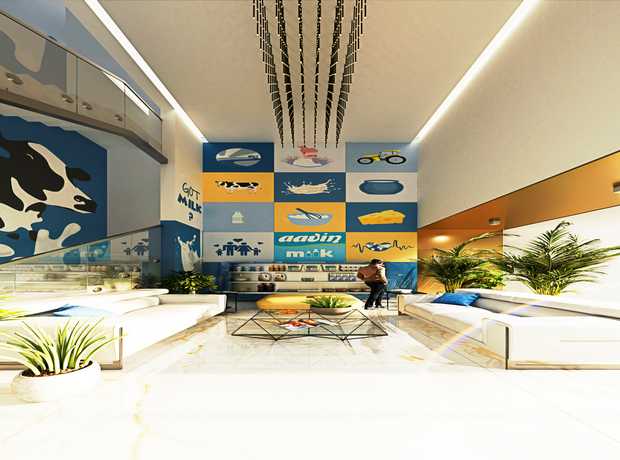
- Creating Spaces that Foster Collaboration and Social Interaction: While individual rejuvenation is key, human-centered design also recognizes the need for social connection. Casual lounges, café-style areas, game rooms, or multi-purpose halls encourage informal interactions, team bonding, and cross-departmental collaboration that might not occur in formal meeting rooms. These “third spaces” are crucial for building a strong company culture and fostering a sense of community.
- Ensuring Accessibility and Inclusivity for All Employees: A truly human-centered space is one that is accessible and welcoming to everyone. This means considering physical accessibility for employees with disabilities (ramps, wide doorways, accessible restrooms), but also neurodiversity (providing quiet zones for those sensitive to stimulation), and cultural inclusivity (offering prayer rooms or gender-neutral facilities where appropriate). The design should reflect the diversity of the workforce it serves.
- Flexibility and Adaptability: The needs of a workforce can evolve. Human-centered design incorporates flexibility, allowing spaces to be reconfigured or adapted for different uses over time. Modular furniture, movable partitions, and multi-functional zones ensure that the investment remains relevant and valuable in the long term.
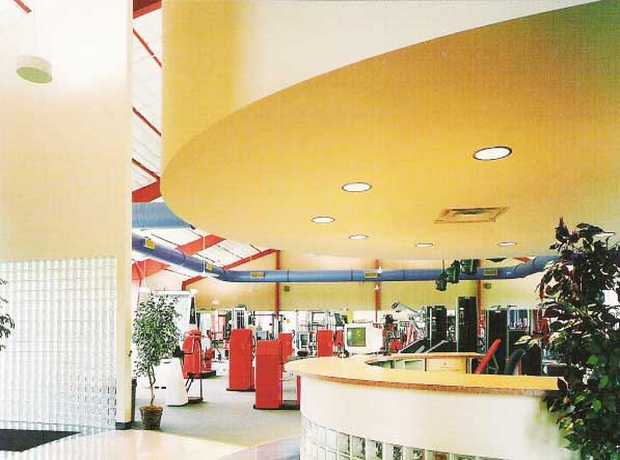
- Promoting Physical Activity: Beyond relaxation, encouraging movement is vital. This could include small in-office gyms, yoga studios, stretching areas, or even simply well-designed staircases that encourage their use over elevators. In Mumbai’s dense urban fabric, providing avenues for physical activity within the workplace is a significant advantage.
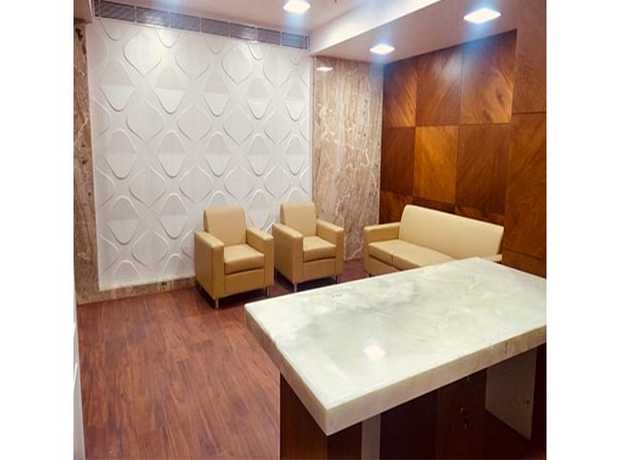
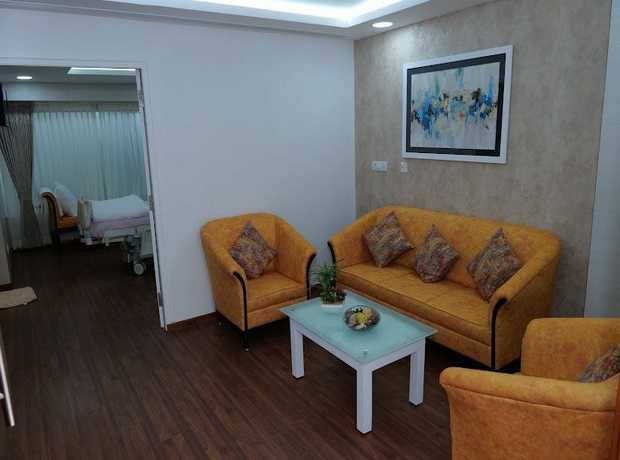

Key Strategies for On-Time and On-Budget Delivery in Mumbai’s Unique Environment
Delivering these sophisticated, human-centered spaces successfully in a complex city like Mumbai requires meticulous planning, robust execution, and an understanding of local challenges. Here’s a breakdown of essential strategies:
1. Strategic Space Planning and Intelligent Design Integration
Effective space planning is the foundational blueprint of any successful project, particularly when creating nuanced wellness and recreational zones. It begins with a deep dive into existing space analysis, identifying underutilized areas, and assessing structural limitations. This initial phase involves comprehensive needs assessment, including employee surveys, focus groups, and benchmarking against industry best practices, especially within the Mumbai corporate context. The goal is to create a layout that not only maximizes functionality and aesthetic appeal but also optimizes flow, natural light penetration, and acoustic comfort across different zones.
Consider how various zones—such as quiet meditation rooms, energetic game areas, social lounges, and fitness studios—will interact without creating disruption. Proper zoning ensures that a yoga session isn’t disturbed by a loud table tennis match. This is precisely where specialized expertise in interior design becomes invaluable. Consulting with reputable Mumbai interior experts, particularly those with a strong portfolio in corporate wellness and recreational spaces, is paramount. They bring an understanding of local regulations, material availability, and design sensibilities that resonate with the Mumbai workforce. Their insights can optimize your space utilization, ensuring every square foot contributes meaningfully to employee well-being while adhering to project constraints and future growth considerations.
Furthermore, strategic space planning in Mumbai must also factor in the city’s unique architectural characteristics and environmental conditions. Maximizing natural ventilation to combat humidity, ensuring robust air purification systems given urban air quality, and designing for ease of maintenance in a high-traffic environment are crucial considerations. A well-planned space is not just beautiful; it is inherently efficient, sustainable, and designed for longevity, providing a significant return on investment.
2. Leveraging Technology and Digital Delivery for Seamless Execution
Mumbai’s progressive embrace of technology presents unparalleled opportunities to enhance project efficiency and accuracy. Building Information Modeling (BIM) is no longer a luxury but a crucial tool for modern project delivery. BIM facilitates comprehensive 3D modeling, allowing for precise coordination between architectural, structural, and MEP (Mechanical, Electrical, Plumbing) disciplines. This proactive approach is invaluable for early clash detection, preventing costly rework and delays during construction. Beyond clash detection, BIM provides accurate quantity take-offs for precise cost estimation and budgeting, a critical factor for staying on-budget in Mumbai’s fluctuating market.
The integration of digital project management tools further streamlines the entire process. Platforms for real-time communication, progress tracking, budget management, and document sharing ensure all stakeholders—from designers and contractors to clients—are consistently informed and aligned. This transparency fosters accountability and enables swift decision-making, crucial for navigating the fast-paced nature of projects in Mumbai. In a rapidly evolving market like Mumbai, adopting these future-ready approaches significantly lowers lifecycle costs, enhances constructability, and ensures projects stay on track for their 2025 deadlines.
Advanced technologies like Virtual Reality (VR) and Augmented Reality (AR) also play a transformative role. VR allows stakeholders to virtually “walk through” the proposed wellness areas before construction begins, providing immersive design validation and facilitating early feedback. AR can overlay digital models onto existing physical spaces, aiding in site assessment and precise installation planning. These tools not only reduce design iterations but also ensure that the final product truly aligns with the human-centered vision. Moreover, Skydome Designs is at the forefront of this technological adoption, implementing BIM‑led coordination, value engineering, and quality control tailored to Mumbai. Our award‑winning team ensures transparent costs and milestone‑based reporting in Mumbai, guaranteeing precision and efficiency.
3. Careful Materials Selection: The Foundation of Durability, Aesthetics, and Wellness
Choosing the right materials selection is a pivotal decision that impacts not only the aesthetic appeal and overall budget but also the long-term sustainability, maintenance requirements, and the health and comfort of the occupants. In the context of human-centered wellness areas, material choices extend beyond mere visual appeal to encompass factors like air quality, acoustics, and durability in Mumbai’s specific climate.
Opt for sustainable and durable materials that require minimal maintenance. This might include low-VOC (Volatile Organic Compound) paints and finishes to ensure good indoor air quality, recycled content materials, or rapidly renewable resources. Durability is especially critical in high-traffic recreational areas to withstand wear and tear, reducing the need for frequent replacements and associated costs. Consider locally sourced options to not only reduce transportation costs and carbon footprint but also to support the local economy and integrate design elements that resonate culturally with Mumbai. Mumbai’s unique climate, characterized by high humidity and heat for significant parts of the year, necessitates materials that are resistant to moisture, mold, and warping. Materials like engineered wood, specific types of stone, and high-performance laminates can be excellent choices. Additionally, acoustic materials are vital in wellness zones to create serene environments for relaxation and quiet contemplation, or to contain sound in active recreational areas, preventing disturbance to adjacent workspaces.
The tactile and visual qualities of materials also contribute to the human-centered experience. Incorporating natural textures like wood, stone, and natural fibers can evoke a sense of calm and connection to nature, aligning with biophilic design principles. Strategic lighting design, especially the use of LED technology, should complement material choices, highlighting textures and colors while contributing to energy efficiency. Ultimately, thoughtful material selection is an investment in the longevity, functionality, and inherent ‘wellness’ of the space.
4. Robust Project Management and Coordinated Execution
A dedicated and experienced project manager is absolutely essential for orchestrating the myriad moving parts of a wellness area project in Mumbai. They serve as the central nervous system, overseeing all aspects from the initial design phase through procurement, construction, and final handover. Their responsibilities are extensive, encompassing:
- Team Coordination: Harmonizing the efforts of architects, interior designers, contractors, vendors, and specialized consultants.
- Timeline Management: Developing realistic schedules, setting milestones, and diligently tracking progress against these benchmarks.
- Cost Control: Monitoring expenditures, managing budgets, identifying potential cost overruns, and implementing value engineering solutions without compromising quality.
- Risk Management: Proactively identifying potential risks—be they logistical, regulatory, or supply chain-related—and developing mitigation strategies.
- Quality Assurance: Ensuring that all work aligns with design specifications, industry standards, and local building codes.
- Stakeholder Communication: Maintaining transparent communication channels and regular milestone-based reporting are vital for keeping everyone informed, managing expectations, and addressing potential issues proactively. In Mumbai, where complex regulations, logistics, and labor dynamics can present unique challenges, effective project management is not just about keeping things on track; it’s about strategic problem-solving and proactive adaptability.
Furthermore, contract management, vendor negotiation, and the meticulous handling of change orders are crucial for preventing budget creep and schedule delays. A skilled project manager anticipates problems before they escalate, leveraging their experience to navigate the intricacies of Mumbai’s construction environment. Their ability to foster collaboration, resolve conflicts, and drive accountability across all teams makes all the difference in delivering projects successfully on time and within budget. Our firm champions this approach, providing BIM‑led coordination, value engineering, and quality control tailored to Mumbai. Our award‑winning team ensures transparent costs and milestone‑based reporting in Mumbai, providing clients with unparalleled clarity and confidence throughout the project lifecycle.
5. Strategic Branding & Signage Integration
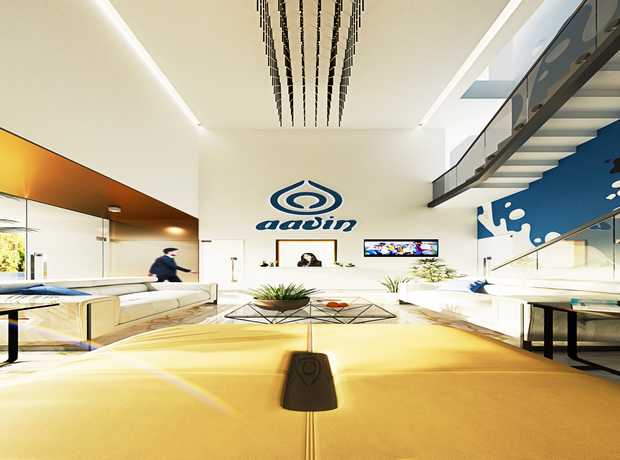
Integrating your company’s branding & signage into the wellness and recreational areas is a powerful yet often overlooked strategy. It goes beyond mere wayfinding; it reinforces company culture, values, and identity. Thoughtful branding can create a cohesive and immersive experience, making employees feel a stronger sense of belonging and pride in their workplace. This isn’t about overtly advertising; it’s about subtle integration of your brand’s ethos into the very fabric of the space.
For example, if your company promotes innovation, perhaps the signage in a brainstorming zone uses dynamic typography and vibrant colors. If sustainability is a core value, then natural materials for signage or eco-friendly graphic elements can reinforce this message. Signage should be clear, accessible, and intuitive, guiding employees seamlessly to different zones without confusion. This is particularly important in larger office complexes in Mumbai. Universal design principles should be applied, ensuring legibility for all, including those with visual impairments. The choice of fonts, colors, materials, and lighting for signage should align perfectly with the overall interior design theme, contributing to the aesthetic appeal rather than detracting from it. Well-designed signage can enhance the psychological comfort of navigating the space, reducing stress and fostering a sense of order. Moreover, integrating digital signage can offer flexibility for displaying wellness tips, event schedules, or company announcements, further enriching the employee experience.
The Evolving Landscape of Employee Wellness in 2025: Mumbai’s Perspective
As we look towards 2025, employee wellness is no longer a static concept but a dynamic, ever-evolving field. In Mumbai, these trends are amplified by the city’s unique socio-economic context. Companies must be proactive in adapting their wellness strategies to remain competitive and genuinely support their workforce. Key trends include:
- Holistic Well-being Focus: Beyond physical fitness, the emphasis is now firmly on mental health, emotional resilience, financial literacy, and social connection. Wellness spaces in Mumbai will increasingly incorporate elements for mindfulness, quiet reflection, and stress-reduction therapies.
- Personalization and Customization: One-size-fits-all approaches are fading. Employees expect personalized wellness offerings. This translates into adaptable spaces that can cater to diverse preferences, from introverted quiet zones to vibrant group activity areas.
- Technology Integration: Wearable tech, wellness apps, and smart building systems will integrate seamlessly into wellness areas, providing data on usage, ambient conditions, and even personalized wellness recommendations. Digital displays offering guided meditations or virtual fitness classes will become common.
- Biophilic Design Intensification: The innate human connection to nature will be further emphasized. More elaborate indoor gardens, living walls, and extensive use of natural materials and daylight will be key to creating truly restorative environments within Mumbai’s urban concrete jungle.
- Flexibility and Hybrid Work Support: With the prevalence of hybrid work models, wellness areas must be designed to serve both on-site employees and those who visit occasionally, fostering a sense of community regardless of daily attendance. This might include dedicated hot-desking within wellness zones or virtual-friendly activity spaces.
- Sustainability and Eco-consciousness: Employees are increasingly conscious of their environmental footprint. Wellness spaces designed with sustainable materials, energy-efficient systems, and waste reduction strategies will resonate deeply with a value-driven workforce in Mumbai.
Mumbai’s high-stress environment makes these trends particularly relevant. Companies that successfully integrate these forward-thinking wellness concepts into their workspace design will not only enhance employee satisfaction but also gain a significant edge in talent attraction and retention.
Navigating Mumbai’s Regulatory and Permitting Landscape
Undertaking any construction or renovation project in Mumbai requires a thorough understanding and careful navigation of its complex regulatory and permitting landscape. This is a critical factor for ensuring on-time and on-budget delivery. Neglecting this aspect can lead to significant delays, unforeseen costs, and even legal complications. Key considerations include:
- Building Codes and By-laws: Mumbai follows specific Building Codes and Development Control Regulations (DCR) governed by the Municipal Corporation of Greater Mumbai (MCGM). These dictate everything from structural stability, fire safety, and sanitation standards to permissible floor area ratios (FAR) and building height. Wellness areas, especially those involving structural changes or new installations (like gyms with heavy equipment or water features), must strictly adhere to these.
- Fire Safety Compliance: The Mumbai Fire Brigade has stringent regulations. Wellness and recreational areas must be designed with adequate fire exits, fire-resistant materials, sprinkler systems, and proper ventilation. Regular inspections and certifications are mandatory.
- Environmental Clearances: Depending on the scale and nature of the project, environmental clearances from various state and central bodies might be required, particularly for larger developments or those impacting green spaces.
- Occupancy Certificates: After construction, obtaining an Occupancy Certificate (OC) is crucial. This certifies that the building or renovated space is fit for occupancy and complies with all approved plans and regulations. Without an OC, the space cannot be legally occupied, causing immense project delays.
- Accessibility Standards: Indian laws and international best practices mandate accessibility for persons with disabilities. This includes ramps, accessible restrooms, tactile paving, and clear signage. Human-centered design naturally incorporates these, but they are also legal requirements.
- Professional Expertise: Partnering with architects and interior design firms like Skydome Designs, which possess extensive experience in Mumbai, is invaluable. Their in-depth knowledge of local regulations, established relationships with authorities, and proven track record in obtaining necessary approvals can significantly streamline the permitting process, preventing costly errors and ensuring compliance from the outset.
Proactive engagement with regulatory bodies and meticulous documentation are hallmarks of successful project delivery in Mumbai. An expert team can anticipate challenges, prepare necessary submissions accurately, and advocate for the project through the approval labyrinth.
Measuring the ROI of Human-centered Wellness Spaces
While the benefits of human-centered wellness and recreational areas are intuitively understood, demonstrating a measurable return on investment (ROI) is crucial for securing executive buy-in and justifying ongoing investment. In Mumbai’s competitive corporate environment, every investment must show tangible value. The ROI of these spaces can be measured through various key performance indicators (KPIs):
- Improved Employee Retention and Reduced Turnover: High employee turnover is incredibly costly. Companies investing in wellness often see higher retention rates, as employees feel valued and supported. This can be quantified by comparing turnover rates before and after the implementation of wellness initiatives.
- Enhanced Productivity and Performance: A well-rested, less-stressed workforce is more productive. Metrics like employee engagement scores, project completion rates, and even qualitative feedback on focus and creativity can indicate improvements. Reduced absenteeism and presenteeism (being at work but not productive due to stress or illness) also contribute to productivity gains.
- Reduced Healthcare Costs: Proactive wellness initiatives can lead to a healthier workforce, potentially lowering healthcare claims and insurance premiums over time.
- Stronger Employer Branding and Talent Attraction: In Mumbai’s talent war, a company known for its commitment to employee well-being becomes an employer of choice. This translates into a wider pool of qualified applicants and a stronger reputation, reducing recruitment costs.
- Increased Employee Morale and Job Satisfaction: While harder to quantify directly, high morale leads to a more positive work environment, better teamwork, and reduced conflicts. Employee satisfaction surveys are key tools here.
- Innovation and Creativity: Spaces that allow for relaxation and informal interaction can spark creativity and innovative thinking, contributing to business growth.
To effectively measure ROI, it’s vital to establish baseline metrics before implementation and consistently track relevant KPIs post-occupancy. Qualitative data, such as employee testimonials and feedback, also provides invaluable insights into the human impact of these investments. Ultimately, the ROI extends beyond monetary figures to include the invaluable asset of a healthy, engaged, and loyal workforce—a cornerstone of sustainable success in Mumbai.
The Skydome Designs Advantage: Delivering Excellence in Mumbai and Beyond
Skydome Designs Pvt Ltd stands as a preeminent architecture and interior design firm in India, renowned for its specialization across diverse sectors including hospital and healthcare interiors, residential, and dynamic retail and commercial projects. With nearly three decades of unparalleled expertise, our firm is dedicated to delivering innovative, sustainable, and highly functional spaces that profoundly enhance experiences and optimize operational efficiency for our clients. Our deep understanding of human-centered design principles ensures that every project we undertake, especially human-centered employee wellness and recreational areas in Mumbai, is crafted with the end-user’s well-being at its core.
What We Do: Our Comprehensive Service Offering
- Hospital Interior Design: We design patient-centric environments, encompassing patient rooms, intensive care units (ICUs), operating theaters (OTs), state-of-the-art laboratories, comfortable consultation areas, and holistic facility planning, all optimized for superior patient care and operational flow.
- Residential Projects: Our expertise spans a wide range of residential designs, from contemporary apartments and luxurious condominiums to specialized senior housing and vibrant community-focused interiors that elevate daily living.
- Retail & Commercial Design: We create engaging and high-performing spaces for shopping malls, innovative mixed-use developments, corporate offices, and dynamic entertainment centers, focusing on user experience and brand identity.
- Interior Solutions: Our integrated approach includes meticulous space planning, efficient furniture layouts, sophisticated lighting design, and comprehensive turnkey interior execution, ensuring a seamless and high-quality finish.
Why Choose Us: Unrivaled Expertise and Proven Success
- Extensive Experience: With 29+ years of proven experience across India and numerous international assignments, Skydome Designs brings a wealth of knowledge and a track record of excellence to every project.
- Integrated In-house Team: We boast a dedicated in-house team comprising highly skilled architects, specialized healthcare planners, and proficient project managers. This multidisciplinary approach ensures cohesive design, seamless execution, and comprehensive project oversight from concept to completion.
- Award-Winning and Client-Focused Designs: Our commitment to innovation, sustainability, and placing client needs at the forefront has earned us numerous accolades and a reputation for creating award-winning designs that truly resonate.
- Guaranteed Delivery Excellence: We pride ourselves on projects delivered consistently on-time, within budget, and to global standards of quality and functionality. This commitment to punctuality and fiscal responsibility is a cornerstone of our client relationships.
- Unmatched Expertise in Wellness Spaces: Skydome Designs has proudly delivered 203+ human-centered employee wellness and recreational areas assignments across Mumbai and globally over 24+ years. Our exceptional on‑time delivery rate of 97%, combined with rigorous multi‑disciplinary reviews and robust post‑occupancy support, underpins the superior outcomes we consistently achieve. Our profound experience ensures that your wellness project will not only meet but exceed expectations, fostering a truly restorative and productive environment for your employees.
Contact: Ready to transform your workspace and invest in your employees’ well-being? Connect with our experts today. Call us at +91 7299072144 or email us at info@skydomedesigns.com.
FAQ: Human-centered Employee Wellness and Recreational Areas in Mumbai
What are the key considerations for designing human-centered employee wellness and recreational areas in Mumbai?
Key considerations are extensive and specific to Mumbai’s context. They include a deep understanding of your specific employee needs and preferences through surveys and feedback, incorporating elements that actively promote relaxation and stress reduction (like biophilic design and calming acoustics), fostering collaboration and social interaction through varied zones, ensuring universal accessibility and inclusivity for all employees (including those with disabilities or neurodiverse needs), and critically, choosing durable, sustainable materials that can withstand Mumbai’s high humidity and heat. Furthermore, integrating local cultural nuances into the design can enhance the sense of belonging. A strong focus on selecting a reputable mumbai human-centered employee wellness and recreational areas company with local expertise is paramount to navigate these complexities.
How can I ensure my employee wellness project in Mumbai stays on budget?
Ensuring your project stays on budget in Mumbai requires a multi-pronged approach. It starts with incredibly detailed cost estimation during the planning phase, followed by continuous value engineering to identify cost-saving alternatives without compromising quality. Careful materials selection, prioritizing locally sourced and durable options, is crucial. Proactive cost management throughout the project lifecycle, including strict vendor management and contract negotiation, is essential. Leveraging advanced tools like BIM (Building Information Modeling) provides accurate quantity take-offs and clash detection, preventing costly rework. Digital project management tools enable real-time budget tracking and expense monitoring. Partnering with a firm like Skydome Designs, which emphasizes BIM‑led coordination, value engineering, and transparent costs with milestone‑based reporting tailored to Mumbai, significantly enhances budget control and predictability.
What are the benefits of incorporating wellness areas into my Mumbai office?
The benefits of incorporating dedicated wellness areas into your Mumbai office are substantial and far-reaching. They significantly improve employee morale, reduce stress levels in a high-pressure city, and demonstrably boost overall productivity and creativity. These spaces are powerful tools for attracting and retaining top talent in Mumbai’s competitive job market, showcasing a genuine commitment to employee well-being. This investment creates a more positive, engaging, and supportive work environment, ultimately enhancing your company’s reputation as a forward-thinking employer. Furthermore, they can lead to reduced absenteeism and presenteeism, contributing to a healthier and more resilient workforce.
How can I find the best interior design experts in Mumbai for my wellness area project?
To find the best interior design experts in Mumbai for your wellness area project, look for firms with a robust and proven track record specifically in designing human-centered employee wellness and recreational areas in Mumbai. Evaluate their portfolio for relevant projects that demonstrate an understanding of both design aesthetics and functionality for employee well-being. Prioritize firms that have extensive experience in the Mumbai market, possessing an in-depth understanding of local regulations, material sourcing, and logistical challenges. A client-focused approach, strong communication skills, and an in-house multidisciplinary team are also key indicators of a reliable partner. Firms like Skydome Designs, with over 29 years of experience and a history of delivering 203+ such assignments globally and in Mumbai, offer the specialized expertise and proven reliability you need.
What role does sustainability play in designing wellness areas in Mumbai?
Sustainability plays a crucial and increasing role in designing wellness areas in Mumbai. It aligns with human-centered principles by contributing to a healthier planet and healthier occupants. Sustainable design involves selecting eco-friendly, locally sourced, and low-VOC materials that improve indoor air quality. It also means incorporating energy-efficient lighting and HVAC systems, maximizing natural light and ventilation to reduce energy consumption, and implementing waste reduction strategies during construction and operation. Sustainable wellness areas not only reduce operational costs but also enhance a company’s corporate social responsibility (CSR) profile, resonating strongly with environmentally conscious employees and stakeholders in Mumbai.
Conclusion: Investing in Human Capital for a Thriving Mumbai Future
Creating thoughtfully designed, human-centered employee wellness and recreational areas in Mumbai is far more than a trend; it is a strategic and indispensable investment that pays profound dividends in employee well-being, sustained productivity, and superior talent attraction and retention. In a city as dynamic and demanding as Mumbai, these spaces are crucial for fostering a culture where employees feel valued, supported, and empowered to thrive.
By embracing strategic planning, meticulously leveraging cutting-edge technology like BIM for precision, prioritizing careful material selection for sustainability and durability, and implementing robust project management, you can confidently navigate the complexities of Mumbai’s development landscape. Partnering with experienced mumbai interior experts like Skydome Designs, who bring decades of local and international experience, ensures your project is not only conceived with visionary design but also executed flawlessly—on time and within budget.
Our proven track record speaks volumes: We have proudly delivered 203+ human-centered employee wellness and recreational areas assignments across Mumbai and globally over 24+ years. Our exceptional on‑time delivery rate of 97%, combined with rigorous multi‑disciplinary reviews and robust post‑occupancy support, underpins the superior outcomes we consistently achieve. This expertise, coupled with our commitment to BIM‑led coordination, value engineering, transparent costs, and milestone‑based reporting tailored to Mumbai, guarantees an outcome that transforms your workspace into a true asset. Ready to transform your workspace into a beacon of well-being and productivity? Contact Skydome Designs today! Let us help you craft inspiring wellness and recreational areas that elevate your company culture and secure your competitive edge in Mumbai’s vibrant future. Begin your journey with us now!