As Abu Dhabi continues its impressive urban development trajectory, marked by iconic skyscrapers, sprawling infrastructure, and world-class facilities, the efficiency with which construction and development projects are executed has become paramount. The emirate’s vision for 2025 and beyond emphasizes sustainable growth, innovation, and global competitiveness. In this dynamic environment, the seamless and efficient coordination of vendors and contractors is not merely a best practice; it is the cornerstone of project success. With increasingly stringent building codes, evolving safety standards, and ever-rising user expectations for both functionality and aesthetics, a meticulous, streamlined approach to project management is no longer a luxury, but an absolute necessity for any stakeholder hoping to thrive in this vibrant market.
This comprehensive guide is meticulously crafted to provide a definitive, step-by-step approach to master vendor and contractor coordination, tailored specifically for the unique demands and opportunities presented by Abu Dhabi projects in 2025 and the years that follow. We delve into the intricacies of planning, execution, and oversight, offering actionable insights for developers, project managers, and investors alike. Skydome Designs, a firm synonymous with excellence and innovation, brings nearly 30 years of extensive experience in navigating this complex landscape, and stands ready to assist you in transforming your project visions into tangible realities with unparalleled precision and success.
Why Vendor and Contractor Coordination is Crucial for Project Success in Abu Dhabi
Effective vendor and contractor coordination in Abu Dhabi is more than just good management; it is the linchpin that ensures projects are completed on time, within budget, and to the highest quality standards demanded by the emirate’s ambitious development goals. Poor coordination, on the other hand, can be catastrophic, leading to a cascade of negative consequences. These can range from significant delays that push project timelines far beyond initial estimates, resulting in costly penalties and lost revenue opportunities, to massive cost overruns stemming from rework, material waste, and extended labor hours. Beyond the financial and temporal aspects, subpar coordination often compromises the overall quality of work, leading to deficiencies that may require expensive rectification or, worse, result in structural or functional failures. Furthermore, a lack of clear communication and synchronized efforts can foster a blame culture, damage stakeholder relationships, and ultimately, lead to dissatisfied clients and a tarnished reputation in a market where excellence is the expected norm. Given Abu Dhabi’s unwavering commitment to setting global benchmarks in urban development and infrastructure, meticulous planning, proactive problem-solving, and seamless execution are not merely desirable attributes but absolutely paramount for achieving project success and maintaining competitive advantage.
Conversely, when vendor and contractor coordination is executed with precision, the benefits are profound. It fosters an environment of mutual understanding and shared objectives, leading to enhanced communication, reduced conflicts, and a cohesive project team. This synergy translates into optimized resource allocation, efficient scheduling, and proactive risk mitigation, all contributing to superior project outcomes. Projects are delivered not just on time and within budget, but often exceed quality expectations, securing greater stakeholder satisfaction and bolstering the reputation of all parties involved. In a competitive market like Abu Dhabi, this distinction can be the deciding factor in securing future opportunities and solidifying a firm’s standing as a reliable, high-performing partner. It is this commitment to coordinated excellence that empowers projects to meet the high standards of performance and aesthetics demanded by Abu Dhabi’s ambitious urban landscape.
Step-by-Step Guide to Mastering Vendor and Contractor Coordination in Abu Dhabi
Achieving seamless coordination for your Abu Dhabi projects requires a systematic and disciplined approach. Here’s a comprehensive, detailed guide to ensure every facet of your project is meticulously managed and perfectly aligned:

























































1. Thorough Project Planning and Definition: The Cornerstone of Success
Every successful project begins with an unshakeable foundation: a meticulously defined plan. This initial phase is absolutely critical for effective Abu Dhabi vendor and contractor coordination. It involves articulating a crystal-clear project scope, setting measurable objectives, and establishing realistic timelines. Beyond these fundamental elements, comprehensive planning encompasses the development of detailed technical specifications, architectural and engineering drawings, and precise performance criteria for every component of the project. A well-defined project plan acts as the single source of truth, guiding all subsequent decisions and actions. It eliminates ambiguity, sets clear expectations for all parties involved, and provides a benchmark against which progress can be continuously measured. This foundation is not merely a document; it is a strategic blueprint that minimizes misinterpretations, reduces potential for rework, and lays the groundwork for seamless integration of diverse vendor and contractor contributions. Ignoring this foundational step is akin to building a skyscraper on shifting sand – the eventual outcome is likely to be instability and failure. Therefore, invest sufficient time and resources here to ensure every detail is covered, every requirement is documented, and every objective is explicitly understood by all stakeholders from day one.
Furthermore, effective planning in Abu Dhabi requires an initial deep dive into the local regulatory landscape. Understanding specific building codes, environmental regulations, health and safety standards, and permit requirements at the outset can prevent costly delays and rework later in the project lifecycle. Identifying all key stakeholders – from regulatory bodies and community groups to end-users and investors – and understanding their expectations is also vital. Conducting thorough feasibility studies, including market analysis, technical viability assessments, and financial projections, will further solidify the project’s rationale and provide a robust framework for decision-making. Developing a preliminary risk register during this phase allows for proactive identification of potential challenges and the conceptualization of initial mitigation strategies. By investing meticulously in this initial planning and definition stage, project managers can significantly enhance the predictability, efficiency, and ultimate success of their Abu Dhabi projects, setting the stage for superior vendor and contractor coordination.
2. Strategic Vendor and Contractor Selection: Building Your Dream Team
The success of any project in Abu Dhabi hinges significantly on the quality and reliability of its execution team. Therefore, the process of selecting vendors and contractors must be strategic and rigorous. Look beyond just competitive pricing; prioritize their proven experience, specialized expertise, and an impeccable track record specifically within the Abu Dhabi market. This local experience is invaluable for navigating the unique regulatory environment, understanding cultural nuances, and establishing reliable supply chains. Thoroughly assess their adherence to local regulations, safety standards, and quality management systems. Crucially, evaluate their capacity to meet your project’s specific requirements, including technical capabilities, financial stability, and workforce availability. Request comprehensive portfolios, client references, and detailed case studies of similar projects. Companies with a demonstrably proven history of delivering high-quality work, such as Skydome Designs, which boasts 29+ years of experience across India and abroad, are invaluable partners. Their extensive experience not only guarantees expertise but also implies a deep understanding of complex project dynamics and efficient problem-solving capabilities. The due diligence conducted in this phase should be exhaustive, covering everything from financial health checks and insurance validity to detailed safety records and past performance evaluations. This meticulous selection process is a critical element of successful Abu Dhabi vendor and contractor coordination.
To ensure you assemble the absolute best team for your Abu Dhabi project, consider implementing a multi-stage selection process. Begin with a robust Request for Proposal (RFP) or Request for Quotation (RFQ) process that clearly outlines project requirements, scope, evaluation criteria, and submission deadlines. Conduct a comprehensive pre-qualification stage where potential vendors and contractors are assessed on their technical capabilities, financial solvency, relevant experience, health and safety records, and sustainability practices. Invite short-listed firms to present their proposals, focusing not just on cost, but also on their proposed methodology, project management approach, and understanding of the specific challenges and opportunities inherent in Abu Dhabi. Engage in face-to-face interviews to gauge their cultural fit, communication style, and collaborative spirit – qualities that are essential for effective coordination. It’s also beneficial to visit their previous project sites or conduct discussions with their past clients to gain unbiased insights into their performance and reliability. Consider their adoption of modern technologies, such as Building Information Modeling (BIM), which can significantly enhance collaboration and coordination capabilities. By taking a holistic and rigorous approach to selection, you ensure that only the most capable and aligned partners join your project, fostering an environment where seamless vendor and contractor coordination can truly flourish.
3. Precise Contract Negotiation and Agreements: Defining the Blueprint for Collaboration
Once the ideal vendors and contractors have been identified, the next critical step is to formalize the relationship through clear, comprehensive, and legally binding contracts. These agreements are the bedrock upon which all future interactions and responsibilities will rest. It is imperative to establish contracts that meticulously outline each party’s responsibilities, specific deliverables, firm timelines, and unambiguous payment terms. Crucially, these contracts must comply fully with Abu Dhabi’s legal and regulatory framework, including local commercial laws, labor laws, and construction standards. Engage legal counsel with specific expertise in UAE construction law to review and draft these documents, ensuring they cover all foreseeable eventualities and protect your interests. Key clauses should include detailed scope definitions, change order procedures, dispute resolution mechanisms (e.g., arbitration clauses compliant with UAE law), liability and indemnification provisions, insurance requirements, performance metrics, and provisions for liquidated damages in case of delays. Clear and concise contracts are not merely bureaucratic necessities; they are powerful tools for minimizing potential disputes, fostering accountability, and providing a legal framework for resolving conflicts efficiently should they arise. Ambiguity in contractual terms is a primary source of project friction and delays, making this stage paramount for robust Abu Dhabi vendor and contractor coordination.
Beyond the standard commercial terms, effective contracts for Abu Dhabi projects should also incorporate provisions that explicitly address coordination requirements. This might include mandates for participation in BIM-led coordination meetings, requirements for submission of detailed work plans, site logistics plans, safety plans, and quality assurance procedures. Specify communication protocols, reporting structures, and the frequency of progress updates. Clauses relating to intellectual property, confidentiality, and data sharing (especially relevant in BIM environments) should also be clearly defined. Consider incorporating incentive clauses for early completion or exceptional performance, and conversely, clear penalties for non-compliance or significant delays. Performance bonds and bank guarantees are often standard practice in Abu Dhabi to ensure financial commitment and mitigate risks. A well-structured contract acts as a living document that can be referenced throughout the project lifecycle, providing clarity and preventing miscommunication. By investing in robust contract negotiation and precise agreement drafting, you are not just signing a document; you are crafting a comprehensive blueprint for successful collaboration and streamlined vendor and contractor coordination, safeguarding the project’s trajectory from potential legal and operational pitfalls.
4. Dynamic Communication and Collaborative Frameworks: Fostering Synergy
In the complex environment of Abu Dhabi projects, where multiple vendors, contractors, consultants, and stakeholders operate simultaneously, the establishment of open, transparent, and consistent communication channels is non-negotiable. Effective collaboration is the lifeblood of efficient vendor and contractor coordination. This involves implementing a structured communication plan that includes regular meetings – from daily stand-ups for site teams to weekly progress reviews with key stakeholders and monthly executive summaries. Beyond formal meetings, foster a culture of proactive information sharing. Progress reports, site inspection findings, and critical updates must be disseminated promptly and clearly to all relevant parties. Utilize modern communication tools and collaboration platforms to facilitate real-time information exchange and document management. Tools like Building Information Modeling (BIM) can profoundly enhance collaboration and coordination by providing a shared, centralized digital model of the project. This allows for early clash detection, improved visualization, and better decision-making across all disciplines, significantly reducing errors and rework on site. Learn more about BIM. BIM not only streamlines design coordination but also extends into construction sequencing, facility management, and asset lifecycle management, making it an indispensable asset for large-scale projects in Abu Dhabi.
To truly foster a collaborative spirit, it’s essential to move beyond simply sharing information and actively promote an environment where all stakeholders feel empowered to contribute and raise concerns. Establish clear communication protocols, including designated points of contact for various issues, escalation procedures, and agreed-upon response times. Implement a robust Request for Information (RFI) process to ensure that questions from the site are addressed quickly and definitively. Conduct workshops and training sessions to ensure all team members are proficient in the collaborative tools being used, especially BIM software. Encourage inter-disciplinary workshops during design and pre-construction phases to identify potential conflicts and optimize solutions before they impact the construction schedule. Regular team-building activities, even informal ones, can also contribute to a stronger sense of camaraderie and shared purpose among diverse teams. By prioritizing dynamic communication and investing in advanced collaborative frameworks, project managers in Abu Dhabi can mitigate risks, accelerate decision-making, and cultivate a highly efficient and harmonious project environment, thereby elevating the standard of vendor and contractor coordination to achieve exceptional project outcomes.
5. Precision Scheduling and Optimized Logistics: The Engine of Project Delivery
The heartbeat of any construction project, particularly in the fast-paced environment of Abu Dhabi, is its schedule. Developing a meticulously detailed project schedule, often utilizing Critical Path Method (CPM) techniques, is paramount. This schedule must integrate the activities of all vendors and contractors, clearly defining dependencies, durations, and milestones. Beyond the theoretical timeline, effective vendor and contractor coordination necessitates rigorous coordination of the physical flow of materials and equipment to the project site. This involves precise logistics planning, including just-in-time delivery strategies to minimize on-site storage requirements and optimize space utilization, especially crucial in urban Abu Dhabi environments where space is a premium. Ensure that vendors and contractors are held accountable for adhering to the agreed-upon schedule, and establish clear procedures for promptly addressing any potential delays, whether they stem from supply chain disruptions, unforeseen site conditions, or resource constraints. Proactive identification of potential bottlenecks and the development of contingency plans are essential. Efficient scheduling is not just about meeting deadlines; it’s about optimizing resource utilization, minimizing idle time, and preventing a domino effect of delays that can derail an entire project and significantly impact budget. This commitment to precision drives on-time project completion.
Beyond the master schedule, consider developing sub-schedules for specific trades or phases, ensuring granular control over intricate activities. Implement a robust progress tracking system, such as earned value management, to continuously monitor actual progress against the planned schedule and budget. Utilize project management software that allows for real-time updates and provides a clear visual representation of the project’s status. Site logistics planning should cover every aspect from traffic management plans for delivery vehicles, secure storage areas for materials, waste management strategies compliant with Abu Dhabi’s environmental regulations, to temporary facilities for workers. Coordinate with local authorities for necessary permits related to transportation, crane usage, and temporary road closures. Develop clear protocols for material handling, ensuring safety and preventing damage. Proactively engage with long-lead item suppliers to mitigate risks associated with international shipping or manufacturing delays. Regularly review the schedule with all key vendors and contractors in joint planning sessions to identify potential conflicts and optimize sequences. This collaborative approach to scheduling and logistics transforms it from a mere planning exercise into a dynamic, adaptive system that fuels the efficient and timely delivery of Abu Dhabi projects, making it a critical aspect of superior vendor and contractor coordination.
6. Robust Quality Control and Assurance: Upholding Abu Dhabi’s Standards of Excellence
In Abu Dhabi, where the pursuit of excellence defines its construction landscape, implementing a robust quality control and assurance program is not just important; it is absolutely indispensable. This program must be meticulously designed to ensure that all work, from foundational elements to intricate finishes, consistently meets the highest required standards and specifications outlined in the project documentation and local regulations. It encompasses a systematic approach involving detailed inspection and test plans (ITPs) for every critical activity. Conduct regular, scheduled inspections and tests at various stages of construction to identify and address any defects, deficiencies, or non-conformances promptly. This proactive approach prevents small issues from escalating into major, costly problems. Ensure that materials delivered to the site are inspected for compliance with specifications, and that workmanship adheres to agreed-upon quality benchmarks. Document all quality checks, findings, and corrective actions rigorously. Quality control is paramount in Abu Dhabi projects, not only to meet client expectations but also to comply with stringent local building codes and international best practices, safeguarding the long-term integrity and value of the assets being created.
A truly effective quality management system for Abu Dhabi projects extends beyond reactive inspections to proactive quality assurance. This involves establishing clear quality benchmarks from the project’s inception, including mock-ups for critical finishes and systems to gain approval before full-scale implementation. Implement a non-conformance reporting (NCR) system that tracks issues from identification to resolution, ensuring accountability and preventing recurrence. Conduct regular quality audits, both internal and external, to verify compliance with the Quality Management Plan (QMP) and to identify areas for continuous improvement. Train all site personnel, including those from various vendors and contractors, on quality expectations and procedures, fostering a collective responsibility for quality. Ensure that all testing – whether for concrete strength, material integrity, or system functionality – is performed by accredited laboratories and witnessed by relevant parties. Commissioning of systems (HVAC, electrical, plumbing, etc.) should be a phased process, rigorously tested to ensure optimal performance before handover. Skydome Designs has delivered 470+ vendor and contractor coordination assignments across Abu Dhabi and globally over 24+ years, with 97% on-time delivery underpinned by multi‑disciplinary reviews, demonstrating a deep commitment to quality that aligns with Abu Dhabi’s high standards. By integrating a comprehensive quality control and assurance framework, project managers can ensure that every aspect of the project reflects the superior craftsmanship and durability expected in Abu Dhabi, enhancing both asset value and reputation.
7. Proactive Risk Management: Navigating Uncertainty in Abu Dhabi’s Dynamic Environment
In any major construction endeavor, especially those within the ambitious and rapidly evolving landscape of Abu Dhabi, potential risks are an inherent part of the project lifecycle. A cornerstone of successful vendor and contractor coordination is therefore the implementation of a robust and proactive risk management strategy. This begins with systematically identifying and assessing all potential risks that could impact the project’s schedule, budget, quality, safety, or reputation. Risks can be diverse, spanning technical challenges, financial fluctuations, operational inefficiencies, regulatory changes, environmental factors, and even geopolitical shifts. Once identified, each risk should be analyzed for its probability of occurrence and potential impact. Based on this assessment, develop comprehensive mitigation strategies to minimize their likelihood or lessen their impact should they materialize. This includes addressing potential delays through buffer times and alternative sourcing plans, managing material shortages by diversifying suppliers or securing key materials in advance, and preparing for other unforeseen circumstances through contingency reserves and flexible workarounds. A living risk register should be maintained, regularly updated, and reviewed with all key stakeholders to ensure that new risks are identified and existing ones are continuously monitored and managed. Proactive risk management transforms potential threats into manageable challenges, safeguarding the project’s successful trajectory.
To ensure a truly effective risk management framework for your Abu Dhabi projects, categorize risks into logical groups such as technical, schedule, cost, external (regulatory, market, environmental), safety, and quality. For each identified risk, define clear ownership – who is responsible for monitoring and managing it. Develop specific response strategies: can the risk be avoided entirely, mitigated to an acceptable level, transferred to another party (e.g., through insurance or specific contractual clauses), or simply accepted with a contingency plan? Quantify the potential financial impact of high-priority risks and allocate appropriate contingency reserves within the project budget. Conduct regular risk review meetings with vendors, contractors, and other stakeholders to discuss current risks, emerging threats, and the effectiveness of implemented mitigation strategies. Encourage an open culture where all team members feel comfortable reporting potential risks without fear of reprisal. Utilize scenario planning to anticipate various outcomes and prepare corresponding responses. For instance, in Abu Dhabi, understanding the implications of extreme weather conditions or changes in labor laws is crucial. By integrating proactive risk identification, thorough assessment, and strategic response planning into the core of your vendor and contractor coordination, you equip your project to weather any storm, ensuring greater stability and predictability on its path to successful completion.
8. Navigating Compliance and Securing Regulatory Approvals: The Legal Landscape of Abu Dhabi
Operating within Abu Dhabi’s stringent regulatory environment necessitates an unwavering commitment to compliance. A fundamental aspect of successful vendor and contractor coordination is ensuring that all work, from design to execution, strictly adheres to Abu Dhabi’s comprehensive building codes, environmental standards, and health and safety regulations. This requires a deep understanding of local laws enforced by authorities such as the Abu Dhabi Department of Municipalities and Transport (DMT), Abu Dhabi Civil Defense (ADCD), and the Environment Agency – Abu Dhabi (EAD). The process involves obtaining all necessary permits, licenses, and approvals from the relevant authorities at each stage of the project. This is often a complex and multi-layered process, requiring meticulous documentation, timely submissions, and proactive engagement with government bodies. Any oversight in this area can lead to significant delays, substantial fines, and even project suspension. Therefore, appoint a dedicated team or expert consultant who specializes in Abu Dhabi’s regulatory framework to manage this critical aspect. Ensuring full compliance not only avoids legal ramifications but also guarantees the safety, sustainability, and longevity of the constructed assets, aligning with Abu Dhabi’s vision for world-class infrastructure and urban development.
To effectively navigate the intricate web of compliance and regulatory approvals for your Abu Dhabi projects, start by conducting a comprehensive regulatory mapping exercise during the project planning phase. Identify all applicable codes, standards (e.g., Estidama for sustainable design), and required permits, noting their specific submission requirements and timelines. Establish a clear checklist and tracking system for all approvals, ensuring no document or deadline is missed. Proactively engage with regulatory authorities early in the design process to clarify interpretations, seek pre-approvals for innovative solutions, and build positive relationships. This can significantly streamline the approval process. Ensure all design drawings, material specifications, and construction methodologies are reviewed by qualified professionals to ensure strict compliance before submission. Train all vendors and contractors on relevant local regulations, especially concerning health, safety, and environmental protection (HSE), and enforce strict adherence on site. Regular site audits by independent third-party inspectors can help verify ongoing compliance. Skydome Designs combines global design standards with local code expertise in Abu Dhabi, providing a significant advantage in navigating these complexities. We offer BIM‑led coordination, value engineering, and quality control tailored to Abu Dhabi’s specific requirements, ensuring that all aspects of the project are not only compliant but also optimized for performance and value. By prioritizing regulatory compliance and integrating it into every phase of vendor and contractor coordination, you protect your investment, ensure operational legality, and contribute to the high standards of development Abu Dhabi is known for globally.
9. Continuous Project Monitoring and Reporting: Maintaining Control and Visibility
For any large-scale development in Abu Dhabi, continuous and rigorous project monitoring is indispensable for maintaining control and ensuring alignment with the project plan. This involves consistently tracking progress against established benchmarks and key performance indicators (KPIs) for schedule, budget, quality, and safety. Implement robust project management information systems (PMIS) or enterprise resource planning (ERP) software that can aggregate data from various sources, including daily site reports, material delivery schedules, and financial expenditures. Generate regular, transparent reports – from daily progress updates for site supervisors to weekly status summaries for project managers and monthly executive reports for stakeholders. These reports should not only present data but also provide insightful analysis of performance against the plan, highlight any deviations, identify emerging issues, and propose corrective actions. Promptly identify and address any discrepancies or deviations from the project plan, whether they pertain to schedule slippage, budget overruns, or quality concerns. An effective monitoring and reporting framework provides real-time visibility into project health, enabling agile decision-making and proactive intervention to keep the project on its intended course. Skydome Designs has delivered 470+ vendor and contractor coordination assignments across Abu Dhabi and globally over 24+ years, with 97% on-time delivery underpinned by multi‑disciplinary reviews, showcasing our expertise in meticulous monitoring and reporting.
To enhance the effectiveness of project monitoring and reporting for your Abu Dhabi project, establish a clear hierarchy of reports tailored to different audience needs. Daily reports might focus on immediate site activities and resource deployment, while weekly reports would delve into progress against the short-term schedule, resource utilization, and any immediate challenges. Monthly reports would provide a holistic overview, including earned value analysis, budget variance, risk status, quality performance metrics, and a look ahead at upcoming milestones. Utilize visual dashboards and graphical representations to make complex data easily digestible for stakeholders. Implement a formal change management process to meticulously track and approve any changes to the project scope, schedule, or budget, ensuring all impacts are assessed and communicated. Encourage an open reporting culture where issues are raised early, allowing for timely intervention rather than reactive problem-solving. Regular performance review meetings with all key vendors and contractors are crucial for discussing progress, addressing bottlenecks, and refining strategies. By maintaining diligent oversight and ensuring transparent, timely reporting, project managers can not only identify issues promptly but also foster a sense of collective accountability and shared purpose among all parties. This rigorous approach to monitoring and reporting is a critical component of exemplary vendor and contractor coordination, safeguarding project integrity and ensuring successful delivery within Abu Dhabi’s demanding construction environment.
10. Comprehensive Project Closeout: Finalizing Success and Learning for the Future
The project closeout phase, often underestimated, is as critical as the initial planning for ensuring enduring success and maximizing lessons learned. Upon the physical completion of the project in Abu Dhabi, conduct a thorough final inspection – often referred to as a “punch list” or “snag list” – to ensure that all work has been completed precisely to the required standards, specifications, and client expectations. This involves meticulous verification of all installed systems, finishes, and functional components. Address any identified defects or outstanding items promptly and ensure their satisfactory resolution before final handover. Beyond the physical inspection, the closeout phase involves the comprehensive collection and organization of all necessary certifications and approvals from relevant authorities, including occupancy permits, completion certificates, and final regulatory sign-offs. Prepare a detailed final project report that summarizes all aspects of the project, including performance against original objectives, financial reconciliation, lessons learned, and recommendations for future projects. This thorough closeout ensures that the asset is ready for operation, all contractual obligations are met, and valuable insights are captured for continuous improvement. It marks a formal transition from construction to operation, vital for the long-term success of Abu Dhabi projects.
To execute a flawless project closeout in Abu Dhabi, develop a detailed closeout checklist early in the project lifecycle. This checklist should encompass financial closeout (final payments, release of retention, closure of accounts), contractual closeout (finalizing all vendor and contractor contracts, releasing performance bonds), administrative closeout (archiving project documents, closing project offices), and operational closeout (handover of operations and maintenance manuals, as-built drawings, warranties, and training for facility management teams). Conduct a comprehensive post-occupancy evaluation (POE) to gauge client and end-user satisfaction, and to assess the building’s performance against its design intent. This feedback is invaluable for refining future designs and processes. Facilitate a “lessons learned” workshop with all key project team members, including representatives from major vendors and contractors. Document both successes and challenges, identifying best practices and areas for improvement. This institutional knowledge is a priceless asset for future endeavors in Abu Dhabi and globally. Finally, ensure all warranty periods are clearly communicated and managed, and that a clear point of contact is established for any post-handover issues. Skydome Designs emphasizes post-occupancy support, understanding that a project’s true success extends beyond its physical completion. By meticulously managing the closeout phase, you not only ensure the integrity and functionality of the delivered asset but also solidify a legacy of excellence and continuous improvement for future vendor and contractor coordination in the dynamic landscape of Abu Dhabi.
The Indispensable Role of Skydome Designs in Abu Dhabi Projects
Skydome Designs stands as a paragon of architectural and interior design excellence, specializing in a diverse spectrum of projects that include highly specialized hospital and healthcare interiors, luxurious residential developments, and dynamic retail environments. With nearly 30 years of invaluable experience in the industry, we offer comprehensive vendor and contractor coordination services that are meticulously tailored to meet the specific demands and unique challenges of Abu Dhabi projects. Our profound understanding of both international design best practices and the intricate local regulatory landscape sets us apart. We combine global design standards with local code expertise in Abu Dhabi, ensuring that every project is not only aesthetically outstanding but also fully compliant and functionally superior.
Our commitment to excellence is deeply rooted in our proven track record: Skydome Designs has successfully delivered 470+ vendor and contractor coordination assignments across Abu Dhabi and globally over 24+ years, achieving an impressive 97% on‑time delivery rate. This success is underpinned by rigorous multi‑disciplinary reviews throughout the project lifecycle and dedicated post‑occupancy support, demonstrating our unwavering commitment to client satisfaction and long-term asset performance. We pride ourselves on employing BIM‑led coordination, a cutting-edge methodology that revolutionizes collaboration, minimizes clashes, and optimizes project workflows from concept to completion. Furthermore, our services encompass meticulous value engineering to ensure cost-efficiency without compromising quality, and stringent quality control measures, all custom-tailored to Abu Dhabi’s specific requirements and high standards.
Our Comprehensive Services include:
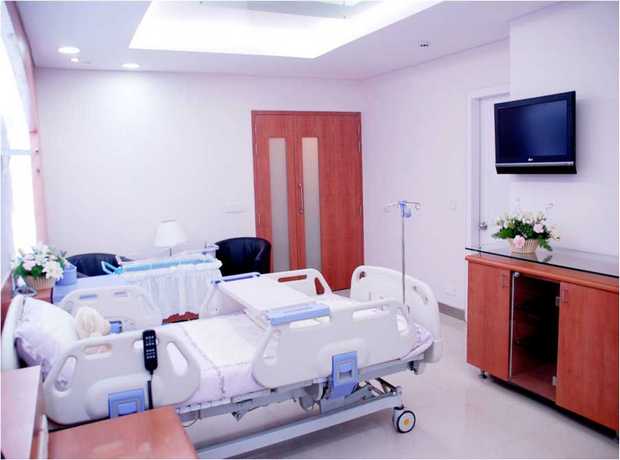
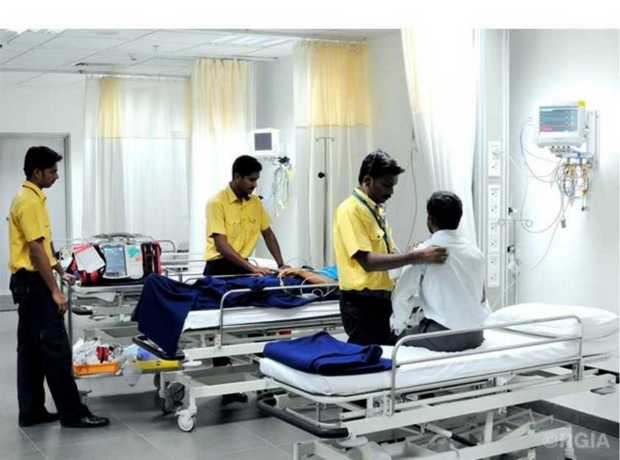
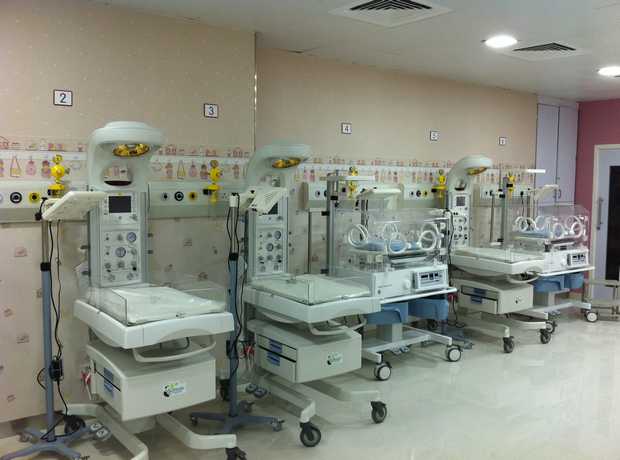
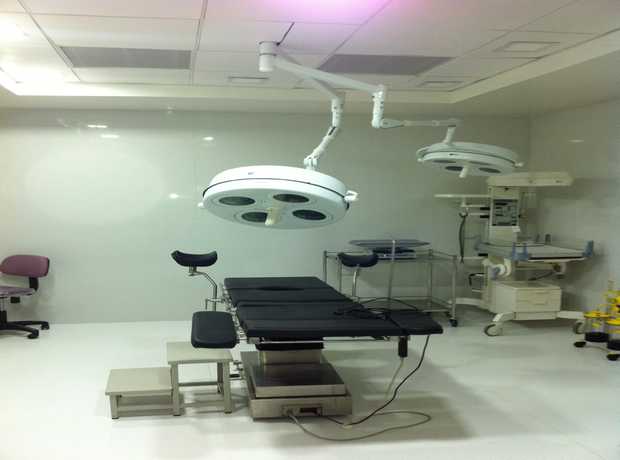
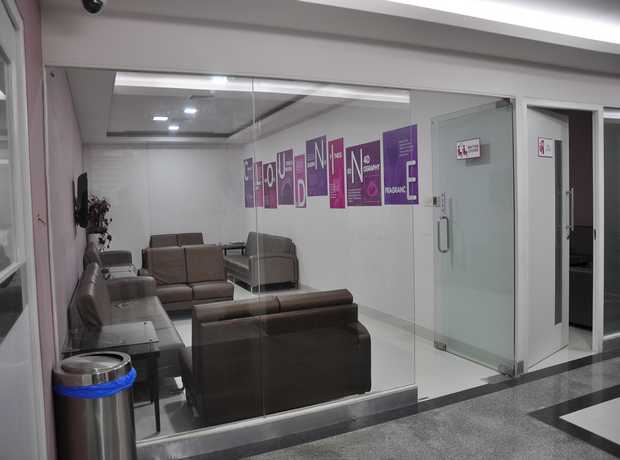
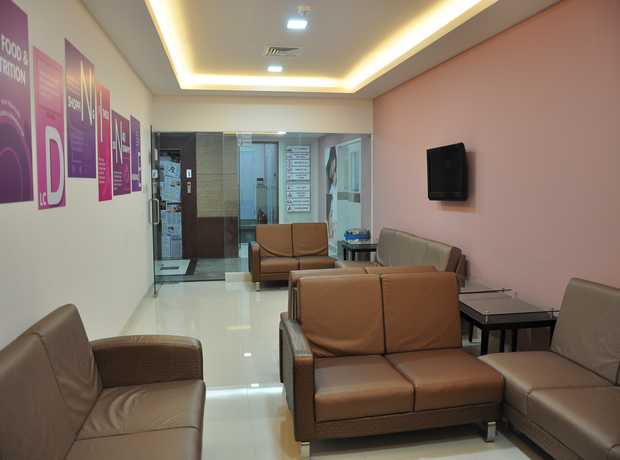
- Hospital Interior Design: We create healing environments that are both functional and aesthetically pleasing. Our expertise covers patient rooms, intensive care units (ICUs), operating theatres (OTs), state-of-the-art laboratories, comfortable consultation areas, and meticulous facility planning for optimized patient care and streamlined operational workflows.
- Residential Projects: From sophisticated apartments and opulent luxury condominiums to thoughtful senior housing solutions and vibrant community-focused interiors, our designs enhance living experiences, blending comfort, style, and practicality for diverse residential needs.
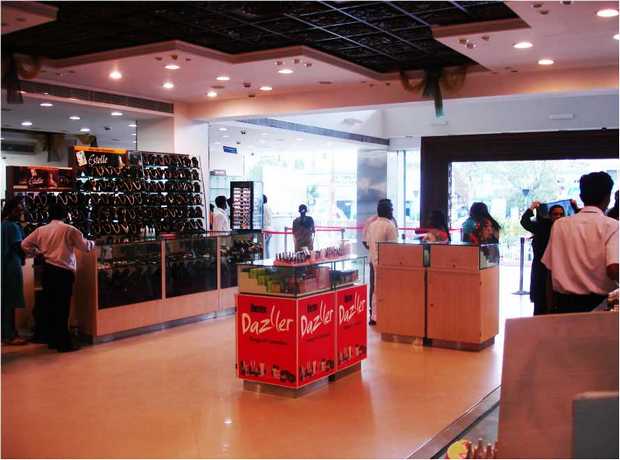
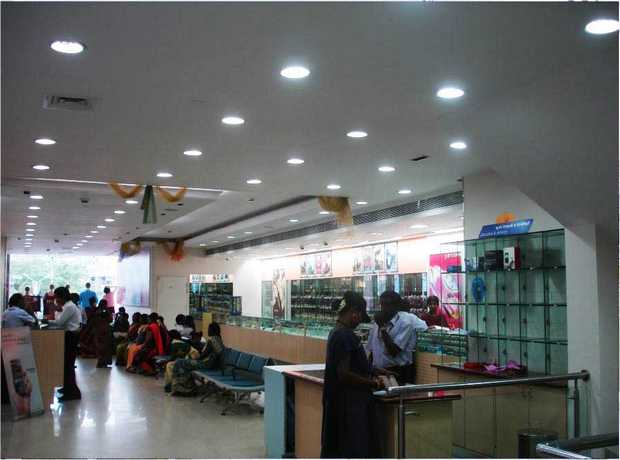
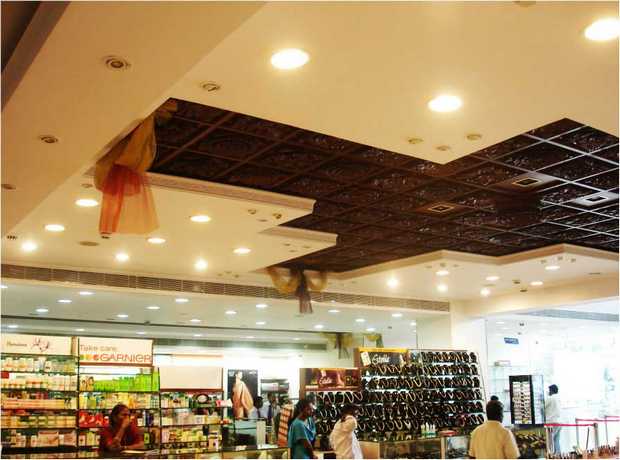
- Retail & Commercial Design: We conceptualize and execute captivating designs for bustling shopping malls, innovative mixed-use developments, corporate offices, and engaging entertainment centers, crafting spaces that drive commercial success and elevate user experience.
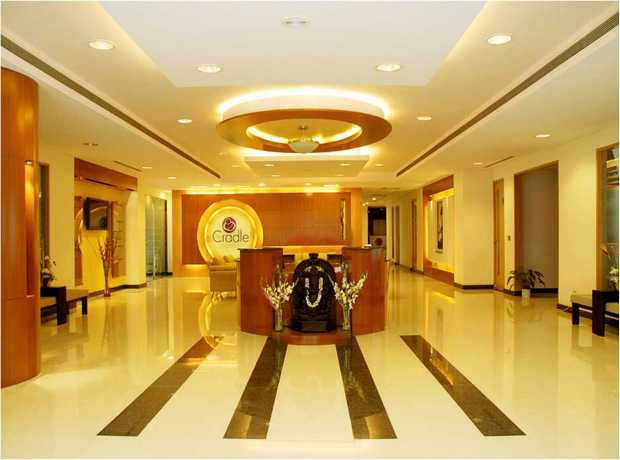
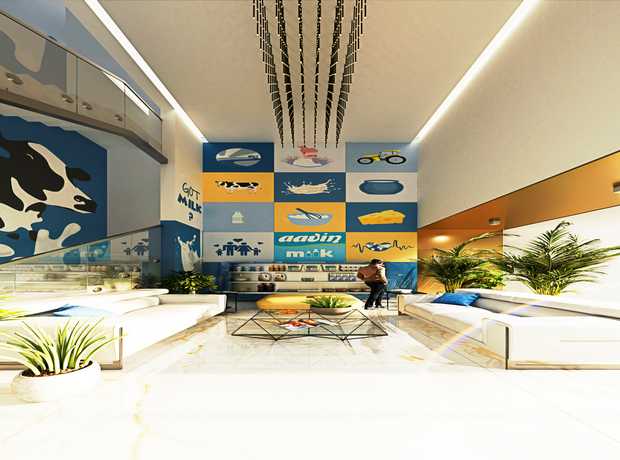
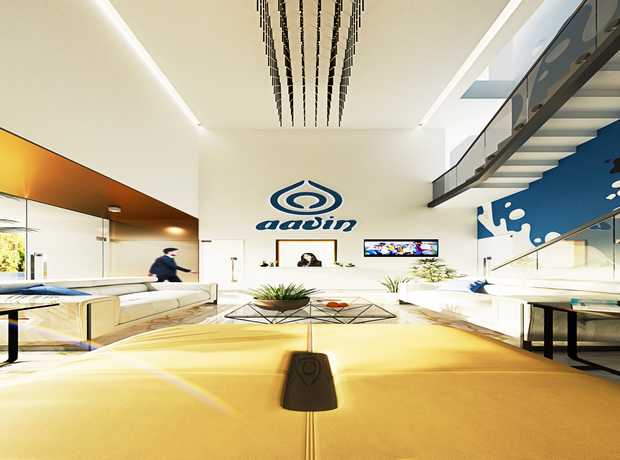
- Interior Solutions: Our holistic approach encompasses expert space planning to maximize functionality, strategic furniture layouts, innovative lighting design that sets the mood and enhances utility, impactful branding & signage for identity and navigation, and comprehensive turnkey interior execution, ensuring a seamless journey from concept to reality.
At Skydome Designs, our in-house team comprises highly skilled architects, specialized healthcare planners, and seasoned project managers. This multi-disciplinary synergy ensures that your project benefits from integrated expertise and a cohesive vision, leading to exceptional outcomes. We are passionately dedicated to ensuring that your project is delivered not just on time and within budget, but to the highest global standards of design, construction, and functionality. When seeking Abu Dhabi interior experts who understand the intricacies of complex projects and deliver with precision, look no further than Skydome Designs. We are your trusted partner in realizing your most ambitious project goals.
Ready to experience the difference that unparalleled expertise and dedicated coordination can make for your project? Contact Skydome Designs today at +91 7299072144 or email us at info@skydomedesigns.com to discuss your specific needs. Let us help you navigate the complexities of vendor and contractor coordination in Abu Dhabi and achieve outstanding results.
Leveraging Space Planning Expertise for Optimal Project Outcomes
Beyond the overarching framework of vendor and contractor coordination, the nuanced discipline of space planning emerges as another profoundly key aspect of successful project execution. Skydome Designs excels in this critical area, recognizing that truly functional and aesthetically pleasing spaces are not merely designed, but strategically planned to optimize workflow, enhance user experience, and maximize the utility of every square meter. Our expertise ensures that every architectural and interior element of a project is carefully considered, from the initial conceptualization of spatial relationships to the meticulous placement of furniture and equipment, and seamlessly integrated into the overall design. Effective space planning directly impacts operational efficiency, user comfort, and the overall success metrics of any facility. In healthcare projects, for instance, intelligent space planning can drastically improve patient flow, reduce staff travel distances, and enhance emergency response times. In retail, it can guide customer journeys, highlight merchandise, and create engaging brand experiences. For residential projects, it transforms layouts into intuitive, comfortable homes that reflect the aspirations of their occupants. This level of integrated planning significantly contributes to reduced rework during construction, improved safety, and ultimately, a more harmonious and efficient final product.
Our approach to interior design is intrinsically linked with our space planning prowess. We believe that the interior environment is not just about aesthetics; it is about crafting an experience. Every material choice, color palette, lighting scheme, and furniture selection is made with a deep understanding of human behavior, ergonomics, and the specific functional requirements of the space. This holistic perspective ensures that the interior design complements and enhances the architectural vision, creating cohesive and inspiring environments. When integrated within the broader context of vendor and contractor coordination, our space planning and interior design expertise means that these critical considerations are factored in from the earliest stages of design, preventing costly conflicts and changes during construction. It enables us to communicate precise requirements to contractors and vendors, ensuring that their work aligns perfectly with the intended spatial functionality and aesthetic vision. This comprehensive integration of design and coordination capabilities is a hallmark of Skydome Designs, ensuring that your Abu Dhabi projects are delivered not just functionally, but as truly inspired and optimized spaces.
For projects demanding meticulous space planning and exceptional interior design, choose Skydome Designs. Our dedication to crafting functional, beautiful, and efficient spaces, coupled with our robust vendor and contractor coordination processes, guarantees superior results. Connect with us today at +91 7299072144 or via email at info@skydomedesigns.com to discuss how our integrated approach can elevate your next Abu Dhabi project.
Conclusion: Elevating Abu Dhabi Projects Through Expert Coordination
In the rapidly evolving and highly competitive construction landscape of Abu Dhabi, efficient and meticulous vendor and contractor coordination is unequivocally essential for the successful completion of projects in 2025 and well into the future. The complexity of modern developments, combined with stringent regulatory requirements and high stakeholder expectations, demands a systematic, proactive, and expert-led approach. By diligently following the comprehensive ten-step guide outlined above – from robust project planning and strategic vendor selection to precise scheduling, rigorous quality control, and proactive risk management – project stakeholders can significantly mitigate common challenges and pave the way for successful outcomes. Each step is a vital link in the chain, ensuring that every component of your project is aligned, every team is synchronized, and every deliverable meets the highest standards.
However, navigating these complexities effectively often requires the deep expertise of seasoned professionals. This is precisely where experienced firms like Skydome Designs become indispensable partners. With nearly three decades of industry leadership, Skydome Designs offers unparalleled expertise in delivering projects that consistently meet and exceed client expectations. Our proven track record, including the successful completion of 470+ vendor and contractor coordination assignments across Abu Dhabi and globally over 24+ years, achieving an outstanding 97% on‑time delivery rate, is a testament to our meticulous approach. We achieve these results through rigorous multi‑disciplinary reviews, a commitment to seamless BIM‑led coordination, strategic value engineering, and unwavering quality control, all expertly tailored to the unique demands of Abu Dhabi projects. Our comprehensive services, from specialized hospital interiors to luxurious residential and vibrant retail spaces, are underpinned by our ability to blend global design standards with local code expertise in Abu Dhabi, ensuring both innovation and compliance.
Choosing the right partner for your project in Abu Dhabi is not just a decision; it’s a strategic investment in success. Skydome Designs is committed to ensuring that your projects are delivered on time, within budget, and to the highest quality standards, leaving a lasting legacy of excellence. Ready to elevate your project to the next level and ensure its seamless execution? Do not let the complexities of coordination hinder your vision. Contact Skydome Designs today at +91 7299072144 or email us at info@skydomedesigns.com to discuss your specific needs. Discover how our integrated approach and deep expertise can help you achieve your project goals and ensure unparalleled success in Abu Dhabi.
Frequently Asked Questions (FAQs)
What are the key challenges in vendor and contractor coordination in Abu Dhabi?
The key challenges in vendor and contractor coordination in Abu Dhabi often stem from its rapid development and stringent standards. These include navigating a complex and evolving regulatory landscape, managing diverse multinational teams with varied communication styles, ensuring consistent quality control across multiple trades, and proactively mitigating a wide array of potential risks such as supply chain disruptions, unforeseen site conditions, or economic shifts. Language barriers, cultural differences, and the coordination of specialized international consultants with local contractors can also add layers of complexity. Effective communication, meticulous planning, and a deep understanding of local market dynamics are crucial to overcome these multifaceted challenges and ensure project harmony.
How can Building Information Modeling (BIM) improve vendor and contractor coordination?
BIM (Building Information Modeling) serves as a transformative tool for enhancing vendor and contractor coordination by providing a comprehensive, digital representation of a building project. It allows all stakeholders to access a centralized, intelligent 3D model, enabling better visualization of the project before construction even begins. Crucially, BIM facilitates advanced clash detection, identifying potential conflicts between different building systems (e.g., HVAC ducts clashing with structural beams) early in the design phase, thereby preventing costly rework on site. This leads to improved communication, enhanced collaboration among design, engineering, and construction teams, reduced errors, and significantly boosted project efficiency. BIM also aids in accurate quantity take-offs, scheduling (4D BIM), and cost estimation (5D BIM), ensuring all parties operate from a single, consistent source of information, which is invaluable for Abu Dhabi projects.
What are the essential qualifications to look for in a vendor or contractor for Abu Dhabi projects?
When selecting a vendor or contractor for an Abu Dhabi project, look for several essential qualifications. Foremost is proven experience within the Abu Dhabi market, demonstrating familiarity with local regulations, supply chains, and operational nuances. A strong track record of successful projects of similar scale and complexity, accompanied by positive client references, is vital. Compliance with all local regulations, including health, safety, and environmental (HSE) standards, along with possession of all relevant licenses and certifications (e.g., Department of Municipalities and Transport approvals, Civil Defense certifications), is non-negotiable. Financial stability, robust quality management systems, sufficient resource capacity, and a commitment to advanced technologies like BIM are also key indicators of a reliable partner. Finally, assess their communication capabilities and collaborative approach, as these are critical for seamless coordination.
What is the pivotal role of a project manager in vendor and contractor coordination?
The project manager plays a pivotal, overarching role in vendor and contractor coordination, acting as the central hub for all project activities. Their responsibilities span planning, organizing, executing, and overseeing every aspect of the project. They are instrumental in defining the project scope, developing detailed schedules, and managing the budget. Crucially, they are responsible for ensuring that all stakeholders, including diverse vendors and contractors, are aligned with the project objectives and that their activities are seamlessly integrated. The project manager establishes communication protocols, facilitates regular meetings, resolves conflicts, monitors progress, manages risks, and implements change control processes. They ensure that all work adheres to quality standards, complies with regulations, and stays on schedule and within budget, making them the ultimate orchestrator of successful project delivery in Abu Dhabi.
How does Skydome Designs ensure on-time project delivery in Abu Dhabi?
Skydome Designs ensures exceptional on-time project delivery for its Abu Dhabi projects through a multi-pronged, highly disciplined approach. This begins with meticulous project planning and detailed scheduling, utilizing advanced techniques like the Critical Path Method. We employ proactive risk management, identifying potential challenges early and developing robust mitigation strategies to prevent delays. Our commitment to effective communication fosters transparency and collaboration among all stakeholders, ensuring everyone is aligned. We leverage a dedicated team of experienced professionals who are experts in their respective fields, supported by cutting-edge technologies like BIM-led coordination for precise planning and clash detection. Furthermore, our extensive experience of delivering 470+ projects with a 97% on-time delivery rate, underpinned by multi-disciplinary reviews and post-occupancy support, showcases our proven methodology and unwavering commitment to meeting deadlines while upholding the highest quality standards. Our deep understanding of Abu Dhabi’s local context further enhances our ability to navigate and mitigate potential delays effectively.
Contact: +91 7299072144 | Email: info@skydomedesigns.com