Sydney’s dynamic landscape, characterized by rapid growth in its healthcare, commercial, and residential sectors, presents a unique set of challenges and opportunities for construction and interior design. As new investments pour into the city, the demand for robust, infection control-compliant interior surfaces has never been more critical. In a post-pandemic world, heightened public awareness and increasingly stringent regulatory frameworks mean that delivering these projects not just to specification, but also on time and within budget, requires unparalleled expertise, meticulous planning, and flawless execution. This comprehensive guide delves into the essential strategies and considerations for achieving resounding success in this demanding and vital field in Sydney.
The imperative for superior infection control goes beyond mere compliance; it’s about safeguarding public health, enhancing operational efficiency, and building facilities that are resilient, sustainable, and future-proof. Whether it’s a state-of-the-art hospital, a bustling corporate office, or a high-end residential complex, every interior surface plays a pivotal role in the overall hygiene ecosystem. Understanding the nuances of material science, design principles, and project management – all through the lens of Sydney’s specific climate and regulatory environment – is the cornerstone of successful project delivery.
Understanding the Profound Importance of Infection Control-Compliant Interior Surfaces in Sydney
In facilities such as hospitals, clinics, aged care homes, laboratories, and even high-traffic commercial spaces throughout Sydney, infection control-compliant interior surfaces are not just a desirable feature; they are an absolute necessity. These surfaces form the first line of defense against the proliferation of pathogens, including bacteria, viruses, and fungi, significantly reducing the risk of healthcare-associated infections (HAIs) and other transmissible diseases. By minimizing the spread of harmful microorganisms, these meticulously chosen and installed surfaces contribute directly to creating safer, healthier environments for patients, medical staff, visitors, and the general public alike.
The stakes in Sydney are particularly high. With a growing population and a highly interconnected global community, the city faces ongoing challenges in managing public health. Stricter health regulations, combined with a heightened public awareness stemming from recent global health crises, have transformed infection control from a specialized concern into a universal priority for developers, designers, and facility managers. Non-compliance carries significant risks, not only for public health but also for the project stakeholders themselves. These risks include:
- Legal and Regulatory Penalties: Failure to meet Australian Standards (AS) and specific NSW Health guidelines can lead to hefty fines, project delays, and even forced closures.
- Reputational Damage: Incidents of infection outbreaks linked to poorly designed or maintained interiors can severely tarnish an organization’s brand, eroding public trust and patient confidence.
- Increased Operational Costs: Remedial work, intensive cleaning protocols, and managing infection outbreaks are far more expensive and disruptive than preventative measures.
- Adverse Health Outcomes: Most critically, inadequate infection control surfaces can directly contribute to illness, prolonged recovery times, and, in severe cases, loss of life, particularly among vulnerable populations.
Therefore, investing in the right materials and implementing meticulous, integrated designs are no longer optional expenditures. They are vital, strategic investments for de-risking projects, ensuring long-term operational success, and upholding ethical responsibilities in Sydney’s competitive and regulated environment.
Key Strategies for On-Time and On-Budget Delivery of Infection Control-Compliant Interiors in Sydney
Achieving efficient, compliant, and cost-effective delivery of infection control-compliant interior surfaces in Sydney demands a holistic, multi-faceted approach. Success hinges on precise planning, expert material selection, technological integration, and a deep understanding of both global best practices and local Sydney-specific requirements. Here are the critical elements to master:
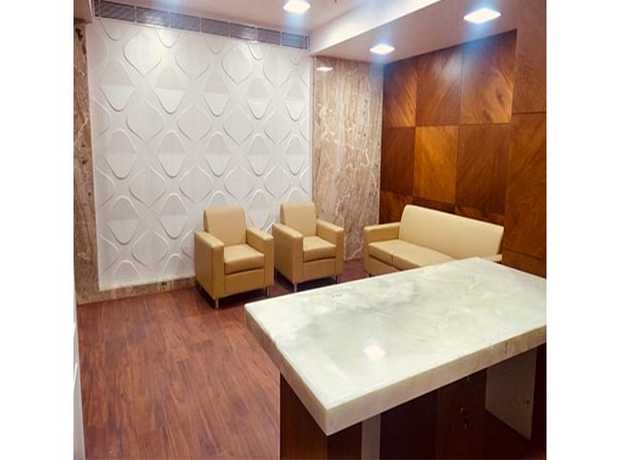
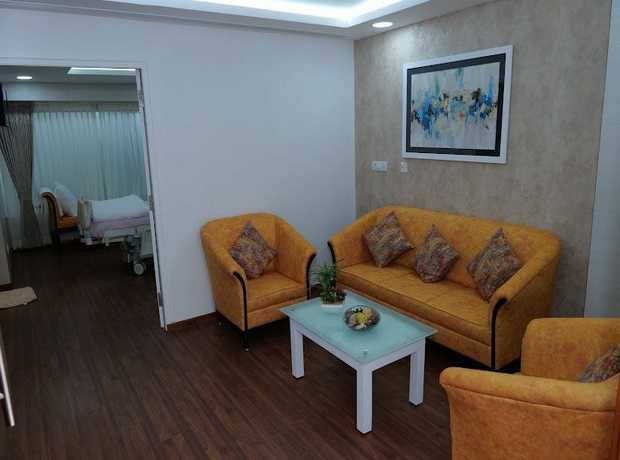
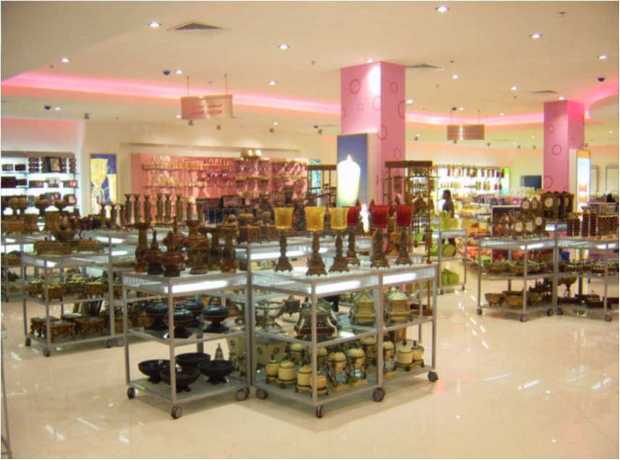
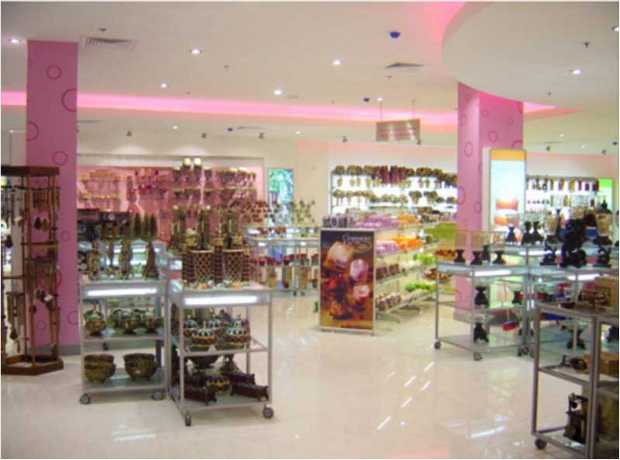
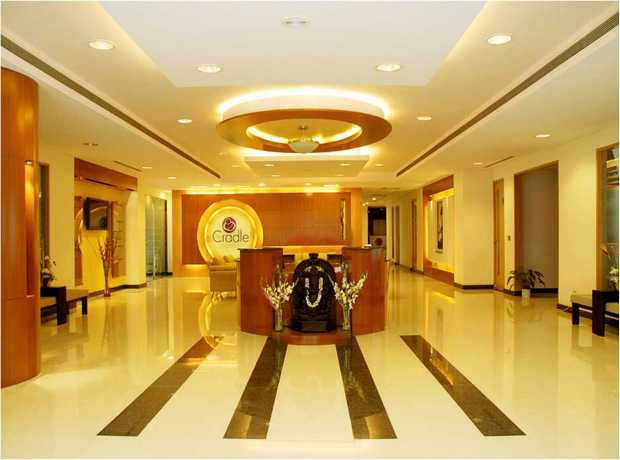
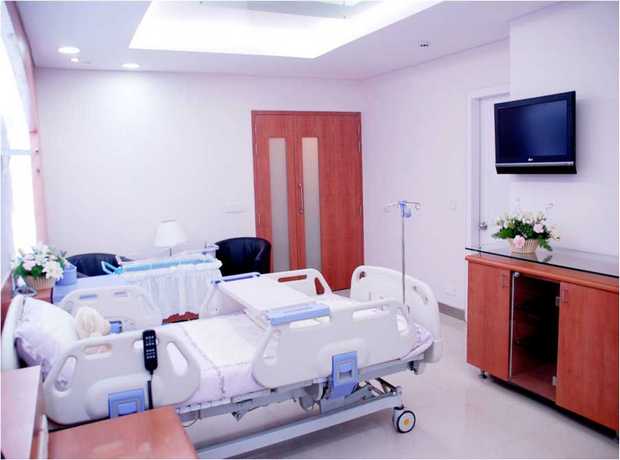
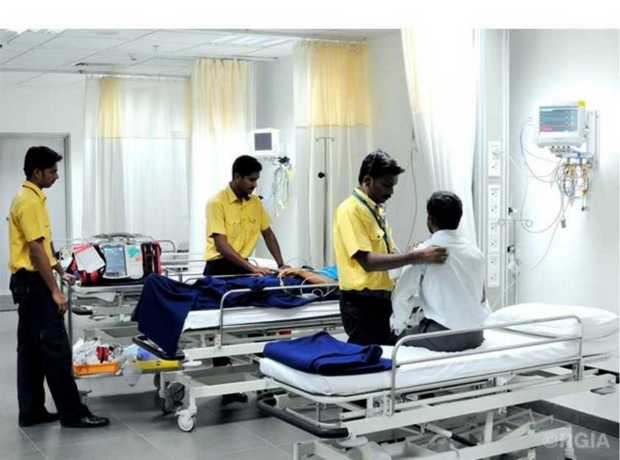
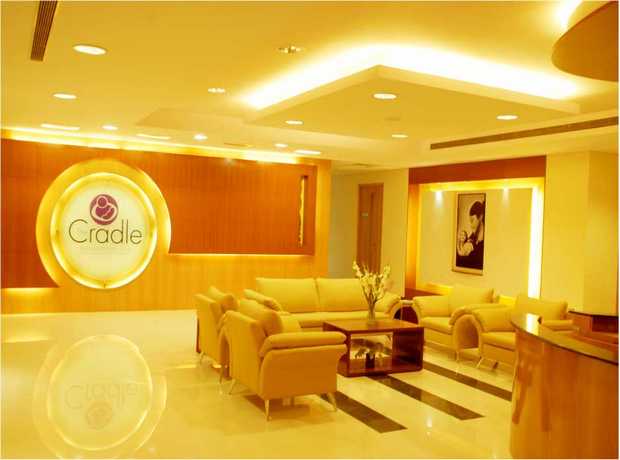
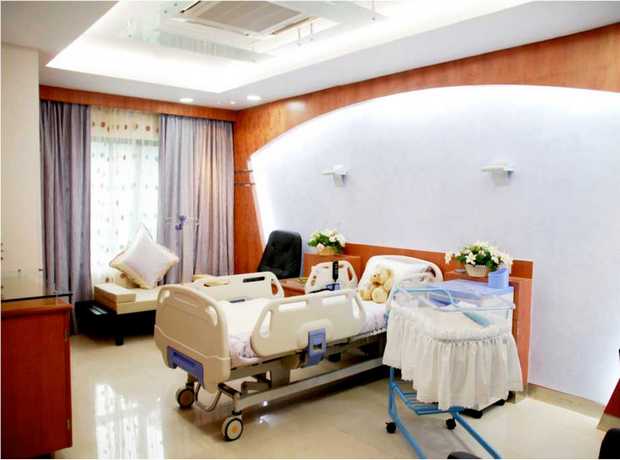
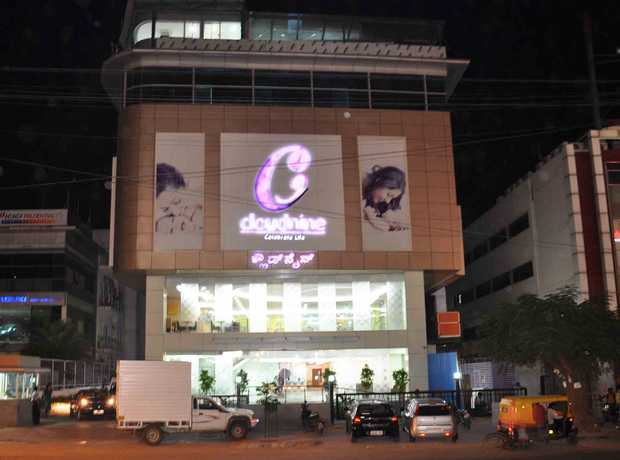
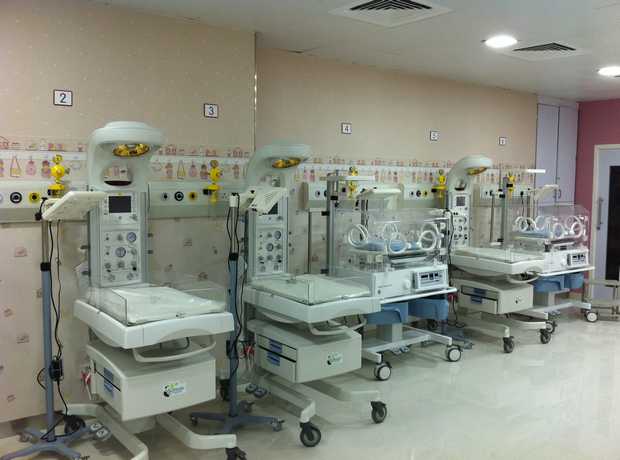
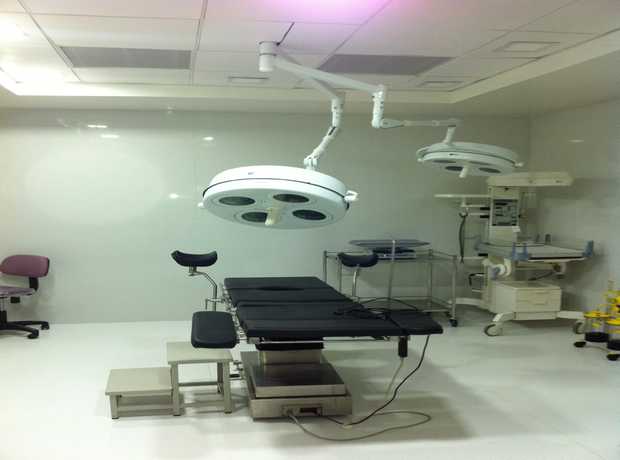
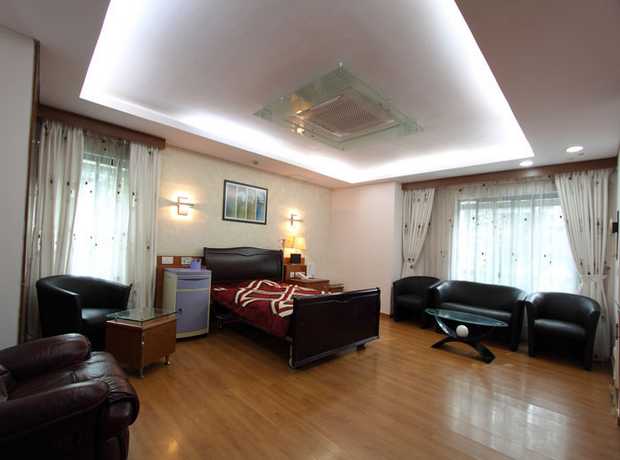
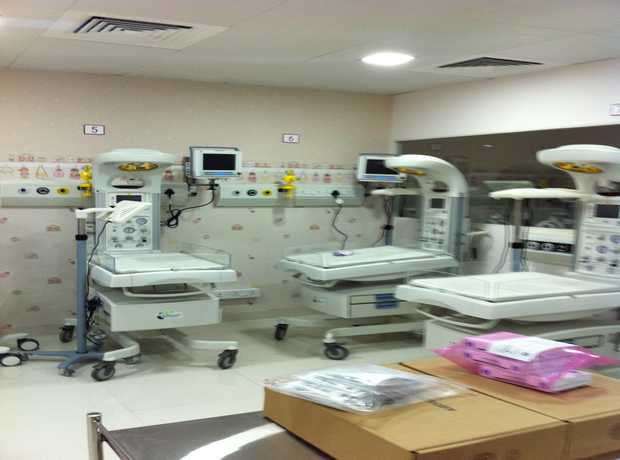

1. Expert Space Planning for Optimized Infection Control
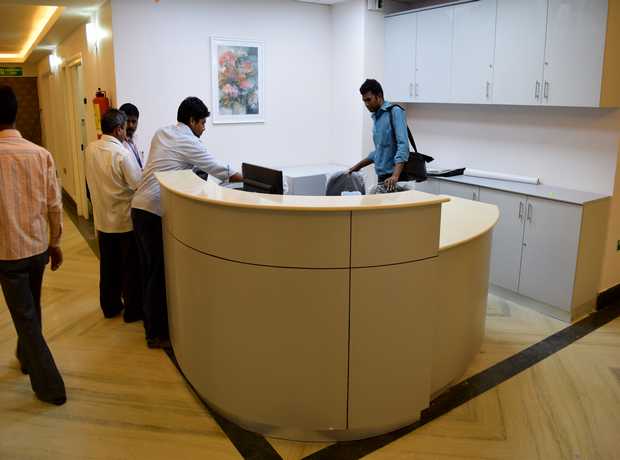
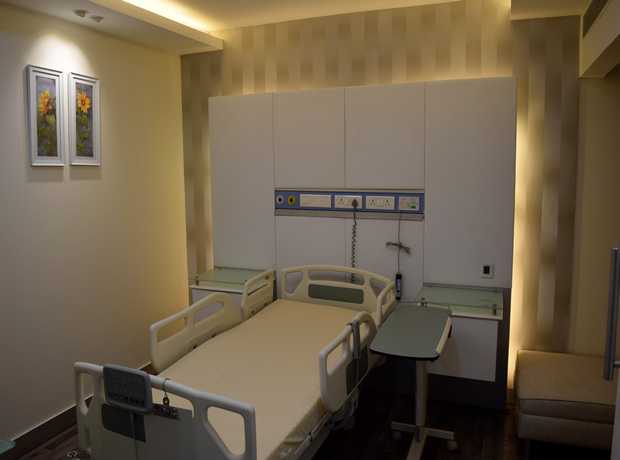
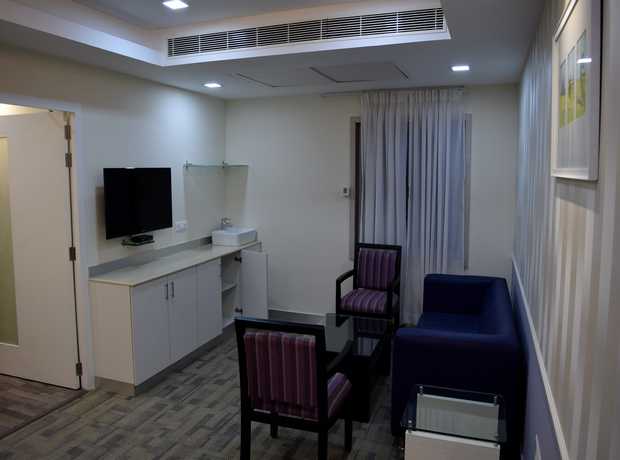
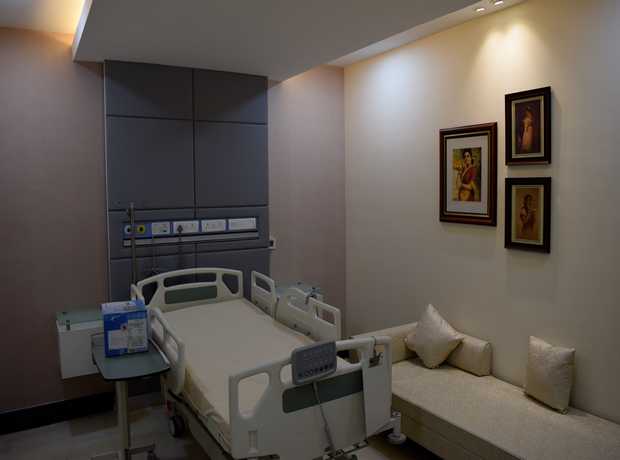
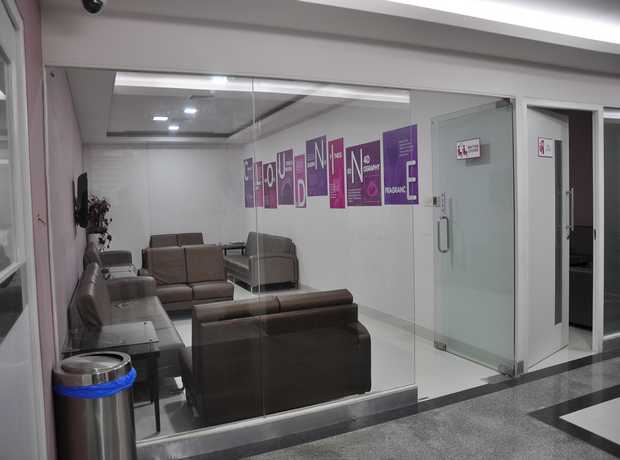
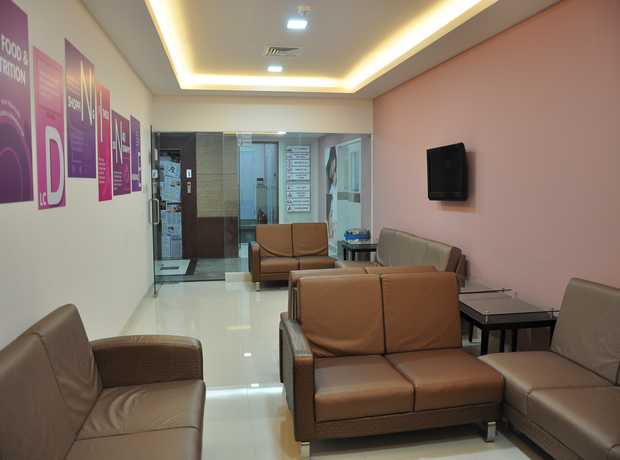
Effective space planning forms the undisputed bedrock of any infection control strategy. It’s about designing an environment that inherently reduces the risk of cross-contamination and facilitates efficient hygiene practices. Considerations extend far beyond aesthetic appeal, delving into the very mechanics of how people and pathogens move through a space. Key aspects include:
- Zoning and Segregation: Clearly defining and separating zones based on their contamination risk (e.g., sterile, clean, semi-clean, dirty) is crucial. This includes dedicated pathways for patients, staff, visitors, clean supplies, and waste, minimizing potential points of intersection. Think of surgical suites with their distinct zones, or even commercial kitchens with separate prep and wash areas.
- Traffic Flow Optimization: Designing intuitive, one-way traffic flows where possible, especially in high-risk areas, can prevent congestion and reduce inadvertent contact. This is vital in emergency departments, intensive care units (ICUs), and busy clinic corridors.
- Strategic Placement of Hand Hygiene Stations: Handwashing sinks and alcohol-based hand rub dispensers must be readily accessible and highly visible at every point of care, entry/exit points, and within all patient and staff areas. Design must ensure these stations are integrated seamlessly, not as afterthoughts.
- Dedicated Gowning/Doffing Areas: In environments requiring personal protective equipment (PPE), clearly demarcated and appropriately sized areas for donning and doffing PPE are essential to prevent contamination spread. This requires specific finishes that are easy to clean and robust enough for frequent disinfection.
- Patient and Staff Safety: Space planning must also consider patient privacy, comfort, and staff workflow efficiency, as these indirectly contribute to better adherence to infection control protocols. Adequate space around beds and equipment facilitates thorough cleaning and maintenance.
A well-planned space doesn’t just reduce the risk of cross-contamination; it significantly enhances operational efficiency, reduces staff workload, and contributes to a calmer, safer environment. This initial design phase requires a highly specialized perspective to foresee potential hygiene challenges before construction even begins.
2. Strategic Materials Selection Tailored for Sydney Environments
Choosing the right materials selection is arguably the most paramount decision in delivering infection control-compliant interiors. The materials themselves must possess inherent properties that deter microbial growth, withstand rigorous cleaning regimes, and remain durable over time, particularly in Sydney’s diverse climate conditions which can range from humid summers to mild, damp winters. Key characteristics to look for include:
- Non-Porous and Seamless: To prevent pathogens from harboring in microscopic crevices.
- Durable and Resistant: Capable of withstanding frequent impacts, chemical cleaning agents, and heavy foot traffic.
- Antimicrobial Properties: Some materials are engineered with silver ions or other agents that actively inhibit microbial growth on their surfaces.
- Moisture Resistance: Crucial for Sydney’s humidity, preventing mold and mildew growth.
- Ease of Maintenance: Surfaces must be quick and easy to clean without requiring specialized, time-consuming procedures.
- Chemical Resistance: Able to withstand common hospital-grade disinfectants without degradation or discoloration.
Some prime examples of materials that meet these stringent requirements include:
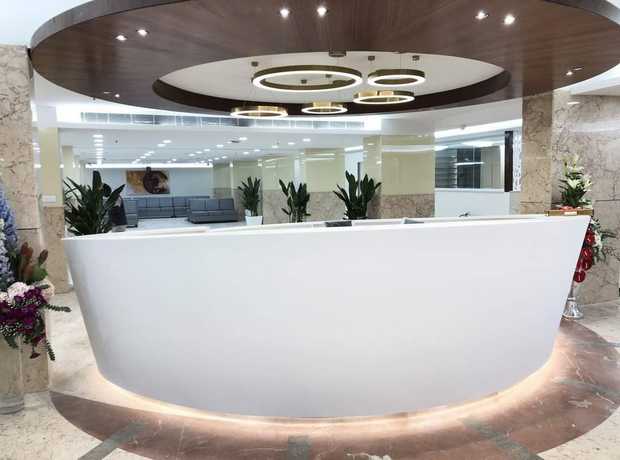
- Antimicrobial Solid Surface Materials: These engineered composites, like those from Corian or Staron, are ideal for countertops, sinks, wall cladding, and reception desks. Their non-porous nature makes them inherently hygienic, resisting the penetration of liquids and germs. They can be thermoformed into seamless designs, eliminating cracks where bacteria can hide. Furthermore, many variants incorporate antimicrobial additives directly into the material. They are repairable, allowing for localized damage to be fixed without full replacement, which is a significant cost-saving and sustainability benefit.
- Epoxy Coatings: Widely used for flooring and wall systems in operating theaters, laboratories, and heavy-duty industrial settings, epoxy coatings offer exceptional seamlessness, chemical resistance, and durability. They are available in various formulations, including self-levelling (for ultra-smooth finishes), thin-film, and broadcast systems (incorporating aggregates for slip resistance). Their monolithic nature creates an impermeable barrier that is easy to clean and maintain, critical for environments demanding strict hygiene protocols.
- Seamless Vinyl Flooring: Particularly sheet vinyl, is a staple in healthcare settings due to its robust durability, excellent cleanability, and ability to be heat-welded into seamless installations. This eliminates grout lines and seams where pathogens can accumulate. Modern vinyl options come with enhanced wear layers, antimicrobial treatments, and a wide range of aesthetic choices. Luxury Vinyl Tile (LVT) can also be used in lower-risk areas, provided proper installation techniques (e.g., tight seams, specific adhesives) are followed to minimize gaps.
- Hygienic Wall Panels: Materials like PVC or FRP (Fiber Reinforced Plastic) panels provide a robust, seamless, and easy-to-clean surface for walls, especially in wet areas or those requiring frequent disinfection. They are highly impact-resistant and prevent moisture ingress.
- Specialized Paints and Coatings: Certain paints incorporate antimicrobial agents or are formulated to be highly washable and chemical-resistant, suitable for less critical areas but still demanding good hygiene.
- High-Pressure Laminates (HPL): For cabinetry, doors, and some wall applications, HPLs offer a hard, non-porous surface that is easy to clean and resists impact and abrasion.
The selection process must always consider the specific application, expected traffic, chemical exposure, and local climate. Skydome Designs has extensive experience in navigating these material choices, ensuring optimal performance and compliance within Sydney’s environmental context.
3. BIM-Led Coordination and Intelligent Value Engineering
Building Information Modeling (BIM) has transcended its role as a mere design tool; it is now an indispensable platform for seamless coordination, risk mitigation, and intelligent cost optimization. For complex projects requiring Sydney infection control-compliant interior surfaces, BIM is particularly crucial. It transforms a disparate collection of drawings into a unified, intelligent 3D model that facilitates:
- Enhanced Collaboration: BIM allows architects, engineers, contractors, and even facility managers to collaborate in real-time on a single, shared model. This ensures everyone is working from the latest information, minimizing misinterpretations and errors.
- Clash Detection: One of BIM’s most powerful features is its ability to automatically detect clashes between different building systems (e.g., HVAC ducts interfering with structural beams or plumbing lines). This prevents costly rework and delays on-site, a common pitfall in complex healthcare projects where services are densely packed.
- Visualisation and Simulation: Stakeholders can visualize the final project in 3D, walk through the space virtually, and even simulate operational workflows. This is invaluable for identifying potential infection control weak points in traffic flow or equipment placement before any physical construction begins.
- Quantity Take-offs and Cost Estimation: BIM models can generate accurate quantity take-offs for materials, enabling more precise budgeting and procurement. This precision is vital for effective value engineering.
Value engineering, when intelligently applied, is about optimizing costs without compromising quality, compliance, or the project’s core objectives. In the context of infection control, this means:
- Material Alternatives: Identifying equally compliant but more cost-effective material options for specific applications (e.g., using certain types of vinyl in non-critical corridors instead of more expensive solid surfaces, while still maintaining hygiene standards).
- Prefabrication Strategies: Utilizing off-site prefabrication for certain elements like patient room headwalls or modular casework, which can reduce on-site labor costs, accelerate schedules, and improve quality control in a controlled factory environment.
- Lifecycle Costing: Looking beyond initial capital costs to consider the long-term operational and maintenance expenses. A slightly more expensive, durable, and easy-to-clean material may prove more cost-effective over the facility’s lifespan due to reduced cleaning labor and replacement costs.
- Optimized Procurement: Leveraging BIM data for bulk purchasing or staggered deliveries to secure better pricing and manage inventory efficiently.
By integrating BIM with value engineering principles, projects can achieve optimal cost-effectiveness and schedule adherence, ensuring that critical infection control features are delivered efficiently and without budget overruns. This integrated approach is a hallmark of Skydome Designs’ project management methodology in Sydney.
4. Global Design Standards with Local Code Expertise in Sydney
Navigating the complex regulatory landscape is paramount. Staying abreast of global best practices and international design standards (such as those from the World Health Organization or relevant clinical guidelines) while meticulously adhering to local Sydney building codes and Australian Standards (AS) is not just crucial – it’s non-negotiable. Australian Standards provide specific requirements for construction, materials, and safety, while NSW Health also issues detailed guidelines for healthcare facilities, covering everything from room dimensions to ventilation rates and surface finishes.
- Australian Standards (AS): Examples include AS 1428 (Accessibility), AS/NZS 3666 (Air-handling and water systems of buildings – Microbial control), and specific standards related to fire safety, electrical installations, and plumbing, all of which indirectly impact or directly govern elements within an infection control environment. For medical facilities, standards such as AS 4187 and AS 4815 relating to reprocessing of reusable medical devices are also critical, influencing the design of sterile processing departments and storage areas.
- National Construction Code (NCC): The NCC, developed by the Australian Building Codes Board (ABCB), sets out minimum requirements for safety, health, amenity, accessibility, and sustainability in the design and construction of new buildings throughout Australia, including Sydney.
- NSW Health Facility Design Guidelines: These detailed guidelines cover a vast array of topics specific to healthcare environments, from minimum room sizes for patient comfort and equipment access to specific requirements for surface finishes in high-risk areas like operating theatres and intensive care units, including requirements for coved skirtings and seamless wall-to-floor junctions.
- Local Council Regulations: Each local council in Sydney may have specific by-laws or planning overlays that need to be considered, especially regarding heritage conservation, environmental impact, and specific zoning requirements.
A design team intimately familiar with these layered regulations is indispensable. They can ensure compliance from the outset, avoiding costly rework, project delays, and potential legal ramifications down the line. It’s not enough to be globally excellent; local relevance and compliance are key to project approval and operational success in Sydney.
Skydome Designs uniquely blends global design standards with local code expertise in Sydney, ensuring your project meets both international best practices and stringent local regulations. Our team’s deep understanding of the National Construction Code, Australian Standards, and specific NSW Health guidelines means your project is compliant from concept to completion. Speak to our Sydney experts today about navigating complex compliance requirements for your next project, guaranteeing peace of mind and successful outcomes.
5. The Vital Role of Lighting Design in Hygiene and Well-being
Lighting design often overlooked in its contribution to infection control, plays a surprisingly vital and multi-faceted role in creating a clean, safe, and healing environment. Proper illumination is essential for several reasons:
- Enhanced Visibility for Cleaning and Maintenance: Adequate and evenly distributed light ensures that cleaning staff can clearly see and address dirt, spills, and microbial contamination on surfaces. Poor lighting can lead to missed spots, compromising hygiene protocols. Task lighting in critical areas (e.g., over examination beds, sinks) is particularly important.
- Contribution to Well-being: Beyond practical utility, well-designed lighting significantly impacts the mood, comfort, and circadian rhythm of occupants – whether patients, staff, or visitors. Natural light penetration, complemented by appropriate artificial lighting, can reduce stress, improve sleep quality, and enhance overall mental well-being, indirectly supporting a healthier environment.
- Advanced Disinfection Technologies: UV-C lighting systems can be strategically integrated into interior spaces for surface and air disinfection. These systems, often deployed when rooms are unoccupied (e.g., overnight in patient rooms or operating theaters), emit germicidal ultraviolet light that inactivates bacteria, viruses, and other pathogens. Careful planning is required to ensure safety protocols are in place for human exposure. Newer, safer forms of UV light (Far-UVC) are also being explored for continuous disinfection in occupied spaces.
- Aesthetic Impact: Bright, clean, and well-lit spaces intrinsically convey a sense of sterility and hygiene, fostering confidence among occupants.
A holistic lighting strategy considers both functional requirements for infection control and the psychological impact on building users, balancing utility with human-centric design principles.
6. Branding & Signage for Enhanced Hygiene Awareness
Clear, compelling, and strategically placed branding & signage are powerful, yet often underestimated, tools in reinforcing hygiene protocols and fostering a culture of health and safety within any facility. Effective signage can:
- Reinforce Hand Hygiene: Visible reminders at handwashing stations, facility entrances, and patient care areas can significantly improve compliance with handwashing guidelines among staff and visitors.
- Guide Waste Disposal: Clear instructions on proper waste segregation (e.g., general waste, biohazard, sharps) prevent cross-contamination and ensure safe disposal practices.
- Inform Visitors: Signage can provide essential information on visitor policies, infection control measures (e.g., mask-wearing, social distancing), and symptoms to watch out for.
- Promote Compliance: Beyond mere instructions, well-designed signage can subtly influence behaviour by creating a strong visual identity around hygiene, making it a visible priority for the institution.
- Emergency Procedures: Clear signage for emergency exits, first aid, and specific infection control procedures during an outbreak are also crucial.
The design of signage should be clear, concise, easy to understand (even for non-native English speakers or those with low literacy), and visually consistent with the facility’s branding. Strategic placement, appropriate sizing, and durable, easy-to-clean materials for the signage itself are also key considerations.
7. Advanced HVAC and Air Quality Management for Comprehensive Protection
While surfaces are paramount, air quality plays an equally critical role in infection control. Integrated HVAC (Heating, Ventilation, and Air Conditioning) systems are essential for managing airborne pathogens and ensuring a healthy indoor environment. Key considerations for Sydney projects include:
- High-Efficiency Particulate Air (HEPA) Filtration: Essential in critical environments like operating theaters, isolation rooms, and cleanrooms, HEPA filters capture microscopic particles, including bacteria, viruses, and fungal spores, significantly reducing airborne pathogen loads.
- Positive and Negative Pressure Rooms: Designating specific rooms as positive pressure (e.g., protective isolation for immunocompromised patients) or negative pressure (e.g., infectious isolation rooms for tuberculosis or highly contagious respiratory illnesses) is crucial. These systems create airflow differentials that prevent contaminated air from entering or leaving a specific space.
- Air Changes Per Hour (ACH): Ensuring adequate air exchange rates within different zones is vital to dilute airborne contaminants. Specific ACH requirements are outlined in Australian Standards and NSW Health guidelines for various facility types.
- Humidity Control: Maintaining optimal humidity levels (typically between 40-60%) can inhibit the survival and transmission of certain pathogens, and also prevent the growth of mold and mildew, which thrive in Sydney’s humid conditions.
- Ventilation System Design: Proper ductwork design, regular maintenance, and effective air distribution patterns prevent stagnant air pockets and ensure efficient removal of contaminants. UVGI (Ultraviolet Germicidal Irradiation) can also be integrated into HVAC systems for air disinfection.
A comprehensive infection control strategy must seamlessly integrate surface design with advanced air quality management, considering both the macro and micro environmental factors affecting pathogen transmission.
8. Integrated Cleaning & Maintenance Protocols in Design
True infection control compliance extends beyond initial installation; it encompasses the entire lifecycle of the facility, including its ongoing cleaning and maintenance. Excellent interior design proactively facilitates these processes. This means:
- Design for Cleanability: Surfaces should be smooth, seamless, and free of unnecessary crevices, ledges, or adornments that can trap dust, dirt, and microorganisms. Coved flooring (where the floor material curves up the wall) eliminates the difficult-to-clean junction between floor and wall, a common area for pathogen accumulation.
- Minimal Horizontal Surfaces: Reducing flat, horizontal surfaces minimizes dust accumulation and makes cleaning more efficient. Where horizontal surfaces are necessary (e.g., windowsills), they should be sloped or easily accessible for cleaning.
- Integrated Fixtures and Millwork: Recessing fixtures, cabinetry, and other elements flush with walls eliminates gaps and ledges, making surfaces easier to wipe down.
- Material Compatibility with Cleaning Agents: All selected materials must be resistant to common hospital-grade disinfectants and cleaning chemicals without degrading, staining, or losing their efficacy over time.
- Accessibility for Maintenance: Design should ensure easy access to all surfaces and equipment for routine cleaning, inspection, and repair, minimizing disruption to operations.
- Post-Occupancy Support: Providing detailed material specifications and cleaning guidelines to facility management and cleaning teams ensures that the intended hygiene standards are maintained throughout the building’s operational life. This proactive support is a key offering from Skydome Designs.
By designing with maintenance in mind, facilities in Sydney can sustain their infection control performance efficiently and economically, ensuring long-term value from their investment.
9. Proactive Risk Assessment and Mitigation Strategies
An essential component of delivering infection control-compliant interiors is a thorough, proactive risk assessment conducted during the early design phases. This involves identifying potential infection pathways and vulnerabilities inherent in the facility’s layout, operations, and material choices. Mitigation strategies are then woven into the design fabric:
- Identifying High-Risk Zones: Pinpointing areas with the highest potential for pathogen transmission (e.g., isolation rooms, sterile processing departments, restrooms, food preparation areas, waiting rooms) and applying the most stringent design and material specifications there.
- Flow Analysis: Conducting detailed analyses of patient, staff, visitor, and material flows to identify potential cross-contamination points and designing physical barriers or operational protocols to mitigate them.
- Material Resilience to Future Threats: Considering the longevity and adaptability of materials and systems to respond to emerging infectious diseases or new cleaning technologies.
- Water Management: Designing plumbing systems to prevent stagnation, ensure appropriate water temperatures, and facilitate routine flushing or disinfection protocols to control waterborne pathogens like Legionella. This is particularly relevant in large commercial and healthcare buildings.
- Waste Stream Management: Planning for efficient and safe collection, segregation, and removal of various waste streams, including general, recyclable, and biohazardous waste, minimizes spread of contamination.
By anticipating risks rather than reacting to them, projects in Sydney can embed higher levels of safety and resilience from their inception, protecting both occupants and the facility’s reputation.
10. Sustainable and Healthy Building Materials: Balancing Green with Clean
In today’s construction environment, sustainability is no longer optional. The challenge for infection control-compliant interiors is to balance rigorous hygiene requirements with environmentally responsible choices. Skydome Designs is committed to this balance:
- Low VOC Materials: Volatile Organic Compounds (VOCs) found in paints, adhesives, and sealants can negatively impact indoor air quality and occupant health. Selecting low or zero-VOC alternatives is crucial for creating healthier environments.
- Recycled Content and Recyclability: Prioritizing materials that incorporate recycled content or are themselves recyclable at the end of their lifecycle helps reduce environmental impact without compromising performance.
- Durability and Longevity: Selecting highly durable materials minimizes the need for frequent replacement, reducing waste and embodied energy over time. This aligns perfectly with the need for robust infection control surfaces.
- Healthy Building Certifications: Integrating principles from frameworks like Green Star (Australia’s leading rating system for sustainable buildings) or the WELL Building Standard can guide material selection towards healthier, more sustainable outcomes while still meeting infection control needs. This might involve careful vetting of material origins, chemical compositions, and manufacturing processes.
- Energy Efficiency: Integrating design elements that promote natural light and passive ventilation can reduce reliance on artificial systems, contributing to both sustainability and a healthier environment.
Achieving both “green” and “clean” outcomes requires careful selection and strategic implementation, where expertise in both areas becomes invaluable. Skydome Designs leverages its understanding of global sustainability trends and local Sydney environmental initiatives to deliver solutions that are both hygienic and eco-conscious.
Why Choose Skydome Designs for Your Critical Sydney Project?
Skydome Designs stands as a preeminent architecture and interior design firm, boasting nearly three decades of unparalleled experience across India and abroad. Our extensive portfolio includes a deep specialization in healthcare and other sectors demanding the most stringent infection control-compliant interior surfaces in Sydney. We understand the critical balance required between cutting-edge design, uncompromising hygiene, and efficient project delivery.
- 29+ years of experience across India and abroad has honed our expertise, allowing us to tackle projects of any scale and complexity with confidence and precision.
- Our robust in-house team comprises highly skilled architects, dedicated healthcare planners, innovative interior designers, and seasoned project managers. This multi-disciplinary approach ensures seamless coordination and comprehensive solutions from concept to completion.
- We are recognized for our award-winning, client-focused, and sustainable designs, consistently exceeding expectations and delivering spaces that are not only functional and compliant but also inspiring and environmentally responsible.
- A cornerstone of our reputation is our commitment to delivering projects on-time, on-budget, and to global standards, reflecting our meticulous planning and rigorous quality control.
- Our proven track record is exemplified by having delivered 989+ infection control-compliant interior surfaces assignments across Sydney and globally over 18+ years. Our 99% on-time delivery rate, underpinned by rigorous multi-disciplinary reviews and proactive post-occupancy support, consistently ensures optimal outcomes for our clients.
We pride ourselves on offering a comprehensive suite of specialized services, meticulously tailored to meet the diverse needs of Sydney’s dynamic market:
- Hospital Interior Design: From the intricate planning of patient rooms, advanced ICUs, and sterile operating theaters, to sophisticated laboratories, welcoming consultation areas, and holistic facility planning – we optimize every aspect for enhanced patient care, staff efficiency, and paramount infection control.
- Residential Projects: Our expertise extends to crafting inspiring apartments, luxurious condos, specialized senior housing, and community-focused interiors that blend comfort with sophisticated design and practical hygiene considerations.
- Retail & Commercial Design: We create engaging and compliant environments for bustling shopping malls, innovative mixed-use developments, corporate offices, and vibrant entertainment centers, ensuring both aesthetic appeal and robust hygiene.
- Comprehensive Interior Solutions: Our services encompass expert space planning, ergonomic furniture layouts, cutting-edge lighting design, and complete turnkey interior execution, managing every detail to perfection.
Our dedicated team provides an end-to-end service, from initial conceptualization and feasibility studies through detailed design, material specification, procurement assistance, and final execution. We combine our deep understanding of global design standards with unparalleled local code expertise in Sydney, ensuring that every project not only meets international best practices but also rigorously adheres to Australian Standards, the National Construction Code, and specific NSW Health guidelines. Our approach incorporates BIM-led coordination, intelligent value engineering, and stringent quality control, all meticulously tailored to Sydney’s unique regulatory and environmental landscape. This ensures you receive the most cost-effective solution without ever compromising on safety, quality, or compliance.
With 989+ infection control-compliant interior surfaces assignments delivered across Sydney and globally over 18+ years, achieving an outstanding 99% on-time delivery and backed by continuous multi-disciplinary reviews and dedicated post-occupancy support, Skydome Designs offers unparalleled expertise and a proven track record. We don’t just design spaces; we engineer environments that perform at the highest level of safety and efficiency. Discover the Skydome difference for your next Sydney project and experience the confidence of partnering with an industry leader.
Conclusion: Partnering for Unrivaled Success in Sydney’s Built Environment
Delivering infection control-compliant interior surfaces in Sydney, both on time and on budget, is a formidable undertaking that demands a strategic, highly detailed, and expert-driven approach. The complexities of material science, stringent regulatory frameworks, advanced design principles, and efficient project management all converge in this critical domain. By meticulously focusing on expert space planning, making strategic and informed material selections, leveraging the power of BIM-led coordination, proactively assessing and mitigating risks, integrating robust HVAC systems, and ensuring strict adherence to both global design standards and local Sydney codes, project stakeholders can significantly minimize risks and achieve truly optimal outcomes.
The health and safety of occupants, the operational efficiency of the facility, and the financial success of the project all hinge on these foundational elements. Partnering with a firm that possesses comprehensive experience, an in-depth understanding of the local Sydney context, and a proven track record of successful delivery is not just advantageous; it is essential. Skydome Designs offers this precise combination of global expertise and local insight, coupled with a commitment to innovation and client satisfaction.
Are you ready to elevate the hygiene, safety, and operational excellence of your next critical project in Sydney? Contact Skydome Designs today to initiate a discussion on how our specialized expertise and nearly three decades of experience can transform your vision into reality. We are poised to help you create safer, more efficient, aesthetically pleasing, and compliant spaces that stand the test of time and exceed expectations. Call us directly at +91 7299072144 or send an email to info@skydomedesigns.com. Let Skydome Designs be your trusted partner for delivering exceptional Sydney infection control-compliant interior surfaces, ensuring your investment yields superior results.
Frequently Asked Questions (FAQs) on Infection Control-Compliant Interiors in Sydney
What are the absolute key considerations for choosing infection control-compliant interior surfaces in Sydney?
The absolute key considerations are multi-faceted. Firstly, the material’s inherent resistance to microbial growth, its non-porous nature, and its ability to withstand rigorous disinfection cycles without degradation. Secondly, paramount importance is placed on durability, ease of cleaning, and long-term maintenance in Sydney’s specific climate conditions, which can involve high humidity. Finally, strict compliance with Australian Standards (AS), the National Construction Code (NCC), and any specific NSW Health guidelines for healthcare facilities or relevant sectors is non-negotiable. We also consider the entire lifecycle cost, not just the initial outlay, when recommending materials.
How can I ensure my project stays on budget when implementing stringent infection control measures?
Ensuring your project stays on budget while implementing stringent infection control measures requires a strategic and integrated approach. It begins with meticulous, detailed planning and accurate cost estimation during the conceptual phase. Leveraging BIM (Building Information Modeling) for precise quantity take-offs, clash detection, and optimizing material usage is crucial. Intelligent value engineering, which seeks cost-effective alternatives without compromising compliance or quality, is also key. This might involve exploring prefabrication strategies or lifecycle costing to identify long-term savings. Working with experienced Sydney interior experts like Skydome Designs, who have a proven track record of on-budget delivery and understand the local supply chain, can help identify the most cost-effective and compliant solutions.
What specific role does BIM play in delivering infection control-compliant interiors effectively and on schedule?
BIM (Building Information Modeling) plays a critical and transformative role. It facilitates unparalleled collaboration among all project stakeholders – architects, engineers, contractors, and even end-users – by providing a single, intelligent 3D model. This minimizes errors and streamlines the entire construction process. Specifically for infection control, BIM aids in:
- Visualizing Workflow: Simulating patient and staff traffic flows to identify and rectify potential cross-contamination points.
- Material Specification: Precisely specifying and tracking infection control-compliant materials throughout the design.
- Clash Detection: Identifying conflicts between complex systems (e.g., HVAC, plumbing, medical gases) before construction, preventing costly rework that could impact schedules and budgets.
- Maintenance Planning: Integrating data for future facility management, including cleaning protocols and material maintenance schedules, ensuring long-term compliance.
Ultimately, BIM leads to better coordination, reduced rework, improved cost control, and accelerated project timelines, ensuring the project is completed efficiently and within budget, with optimal infection control performance.
Where can I find reliable Sydney interior experts specializing in infection control?
Skydome Designs is a leading architecture and interior design firm with nearly 30 years of experience, including extensive specialization in delivering infection control-compliant interior surfaces globally and locally in Sydney. Our dedicated in-house team of architects, healthcare planners, and project managers possesses a deep understanding of the unique challenges and stringent requirements of such projects, ensuring compliance with both global standards and local Australian regulations.
What are some of the latest trends in infection control design that Sydney projects are adopting?
Sydney projects are increasingly integrating several cutting-edge trends in infection control design:
- Smart Materials: The use of surfaces with integrated antimicrobial agents, self-cleaning properties, and even smart sensors to monitor surface hygiene.
- Integrated UV-C and Far-UVC Lighting: Strategic implementation of UV-C systems for surface and air disinfection in unoccupied spaces, and exploration of Far-UVC for safe, continuous disinfection in occupied areas.
- Human-Centric Design: Balancing strict hygiene with designs that promote well-being, natural light, biophilic elements, and intuitive wayfinding, understanding that a less stressful environment can indirectly support better hygiene practices.
- Modularity and Prefabrication: Utilizing modular construction techniques for elements like patient rooms or bathroom pods, which are fabricated off-site in controlled environments, ensuring higher quality control and faster, cleaner on-site installation.
- Advanced Air Quality Systems: Beyond HEPA filtration, there’s growing adoption of specialized ventilation strategies, bipolar ionization, and even AI-driven HVAC systems that adapt to occupancy levels to maintain optimal air hygiene.
How does Skydome Designs handle unforeseen challenges or changes during a project in Sydney?
At Skydome Designs, our proactive project management methodology is designed to anticipate and mitigate unforeseen challenges. We utilize comprehensive risk assessment strategies from the outset, identifying potential issues and developing contingency plans. Our BIM-led coordination allows for early clash detection and visualization of potential problems, enabling us to address them before they impact construction. For changes that do arise, our agile project management team works closely with clients, leveraging our multi-disciplinary expertise to quickly assess the impact, propose efficient solutions, and implement changes with minimal disruption to schedule and budget. Our emphasis on clear communication and transparent reporting ensures clients are always informed and involved in decision-making, allowing for flexible adaptation while maintaining project integrity and compliance.
Skydome Designs Pvt Ltd
📞 Contact: +91 7299072144 | ✉️ Email: info@skydomedesigns.com