New York’s healthcare landscape is rapidly evolving, facing unprecedented demands ranging from an aging population and chronic disease management to emergency preparedness and the integration of cutting-edge medical technologies. The need for efficient, adaptable, and cost-effective healthcare infrastructure has never been more paramount. Traditional construction methods, often plagued by lengthy timelines, budget overruns, and significant on-site disruption, are increasingly proving inadequate to meet these dynamic challenges. It is within this context that modular hospital construction in New York emerges as a transformative solution, offering a paradigm shift in how healthcare facilities are conceived, developed, and delivered.
This comprehensive guide delves into the profound benefits, critical considerations, key players, and future trajectory of modular hospital construction, specifically tailored for the unique environment of New York State. As we look towards 2025 and beyond, understanding the intricacies of this innovative approach is vital for healthcare providers, investors, and policymakers aiming to enhance patient care, optimize operational efficiency, and build resilient healthcare systems. Join us as we explore how modular solutions are not just an alternative, but the future, ensuring you are well-informed to make strategic decisions.
The Ascendant Trajectory: The Rise of Modular Hospital Construction in New York
Traditional hospital construction projects are notoriously complex, often spanning years from conception to completion. This protracted timeline can lead to escalating costs, delays due to adverse weather conditions, labor shortages, and significant disruption to surrounding communities and existing hospital operations. These challenges are amplified in a dense urban environment like New York, where space is at a premium and logistics are intricate. Modular hospital construction in New York offers a compelling and timely antidote to these issues.
At its core, modular construction involves the prefabrication of hospital components – from entire patient rooms and operating theaters to complex laboratory units and administrative offices – in a controlled factory environment. These highly engineered modules are then transported to the construction site and efficiently assembled, much like sophisticated building blocks. This off-site manufacturing process allows for concurrent site preparation and foundation work, dramatically compressing the overall project schedule. The result is a faster, more predictable, and significantly less disruptive construction experience, culminating in facilities that are ready for occupancy in a fraction of the time required by conventional methods. With a proven track record of 99% on-time delivery on over 2346 modular hospital construction assignments globally, complemented by multi-disciplinary reviews and crucial post-occupancy support, the efficacy and reliability of this approach are undeniable.
Unlocking Value: Key Benefits of Modular Construction for New York Hospitals
The advantages of adopting modular construction techniques for healthcare facilities in New York extend far beyond mere speed. They encompass a spectrum of operational, financial, quality, and environmental benefits that make a strong case for its widespread adoption:
-
Faster Project Delivery: Accelerating Healthcare Access
One of the most compelling benefits is the dramatic reduction in construction timelines, often by up to 50% compared to traditional builds. This acceleration is made possible by parallel processes: while site work, foundations, and utilities are being prepared on location, modules are simultaneously being manufactured off-site. This concurrency eliminates sequential delays and reduces weather dependency. For New York hospitals facing urgent needs for expanded capacity, specialized units, or rapid response facilities (such as during public health crises), faster delivery translates directly into quicker access to critical healthcare services for the community. Imagine a new wing opening in 12-18 months instead of 2-3 years – that’s a significant impact on patient care.
-
Cost-Effectiveness: Optimizing Budgets, Maximizing Returns
Modular construction offers significant cost efficiencies across various facets of a project. Reduced labor costs are a primary driver, as much of the skilled work is performed in a factory setting where productivity is higher, and overtime is minimized. Material waste is drastically reduced through precise cutting and optimized inventory management in a controlled environment. Furthermore, the predictable nature of factory production helps in better budget control, minimizing the likelihood of unforeseen expenses and cost overruns that often plague traditional construction projects. Early project completion also means facilities can become operational sooner, generating revenue and serving patients earlier, thereby improving return on investment.
-
Higher Quality Control: Precision-Engineered for Performance
The factory environment provides unparalleled conditions for quality control. Unlike open construction sites exposed to the elements, modular units are built indoors, protected from adverse weather, dust, and debris. This controlled setting allows for stringent quality assurance protocols at every stage of manufacturing. Precision machinery and highly trained technicians ensure consistent dimensions, superior structural integrity, and meticulous finishes. Each module undergoes rigorous inspections before leaving the factory, resulting in a higher quality product with fewer defects, leading to more durable and reliable hospital infrastructure built to exacting healthcare standards.
-
Minimized Disruption: Maintaining Operational Continuity
For existing hospitals, construction can be a major source of disruption – noise, dust, vibrations, traffic congestion, and safety hazards can negatively impact patient recovery, staff productivity, and community relations. Modular construction dramatically reduces on-site activity, translating to less noise, dust, and heavy machinery traffic. The majority of the “messy” work is done off-site, leading to a cleaner, safer, and quieter construction zone. This allows existing hospital operations to continue with minimal interference, preserving the healing environment and ensuring uninterrupted patient care, a crucial benefit in the bustling healthcare ecosystem of New York.
-
Sustainability: Building Greener Hospitals for a Healthier Future
In an era of increasing environmental consciousness, modular construction stands out for its inherent sustainability benefits. Reduced material waste is a significant factor, as factory settings allow for precise inventory management and recycling programs. Energy consumption during construction is typically lower, and the controlled environment can facilitate the use of more sustainable materials and energy-efficient building techniques. Furthermore, reduced transportation of materials to the site contributes to a lower carbon footprint. Modular buildings are often designed with enhanced insulation and airtightness, leading to lower operational energy costs and a smaller environmental impact throughout the facility’s lifespan, aligning with New York’s ambitious climate goals.
-
Enhanced Safety: A Safer Construction Environment
Worker safety is paramount in any construction project. Modular construction significantly improves safety by moving a large portion of the work from hazardous outdoor sites to controlled factory floors. This reduces exposure to common construction risks like falls, heavy equipment accidents, and inclement weather. The use of specialized jigs and fixtures, along with ergonomic workstations, further enhances worker safety and well-being, leading to fewer incidents and a more productive workforce.
-
Design Flexibility and Scalability: Adapting to Future Needs
While often perceived as rigid, modular construction offers surprising design flexibility. Modern modular designs are highly customizable, allowing for unique architectural expressions and specialized clinical layouts. Moreover, modular units are inherently scalable and reconfigurable. Should a hospital need to expand its capacity, add a new specialty, or even relocate departments, modular additions or reconfigurations can be seamlessly integrated with minimal disruption. This adaptability is crucial for New York hospitals that must constantly evolve to meet changing healthcare demands and technological advancements.





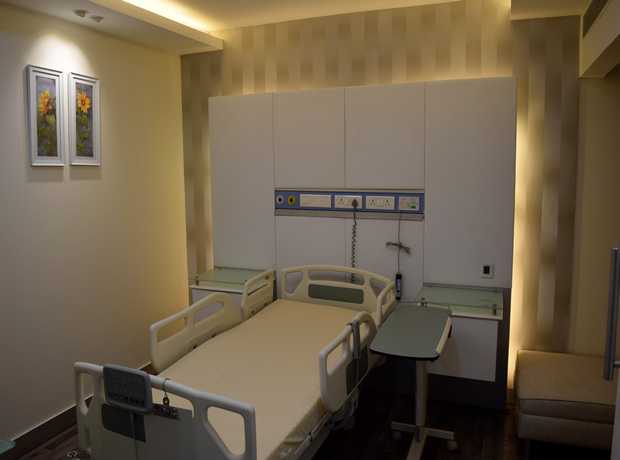
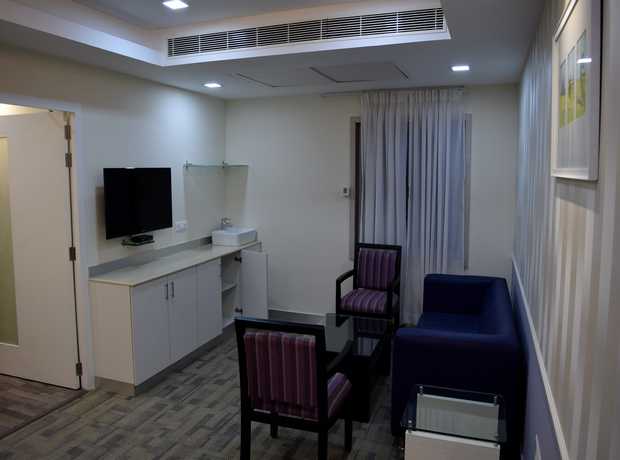

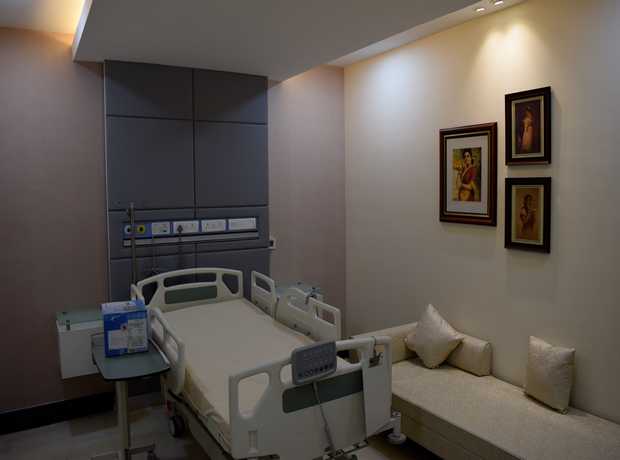
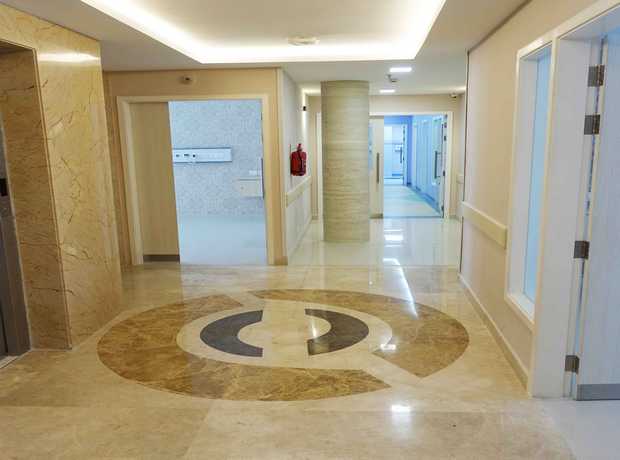
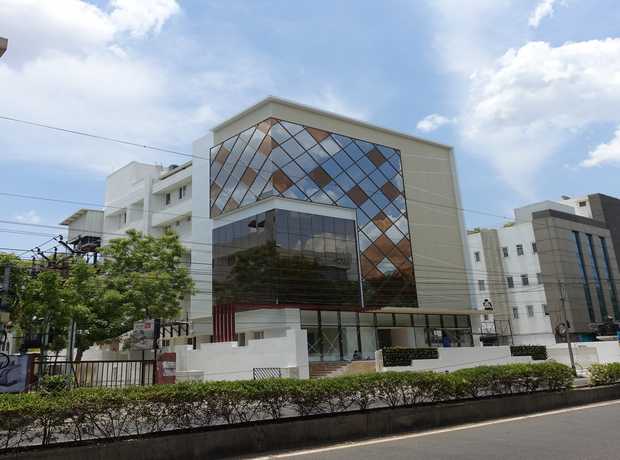
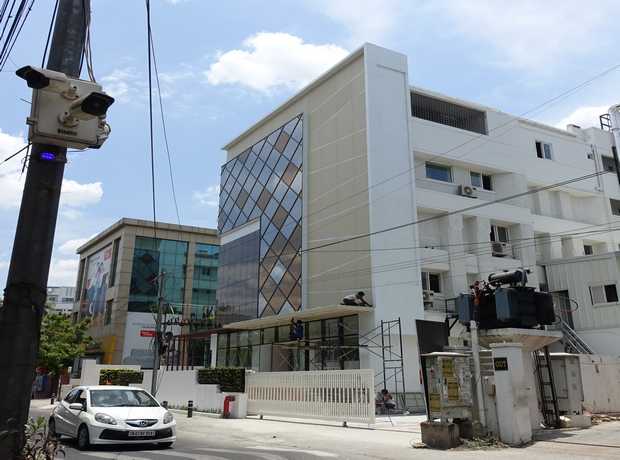
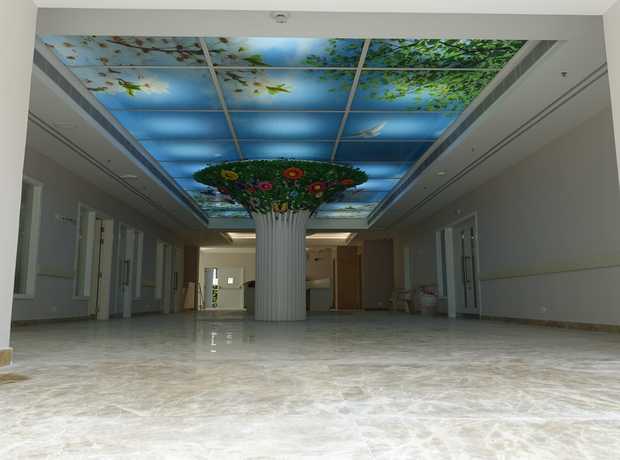
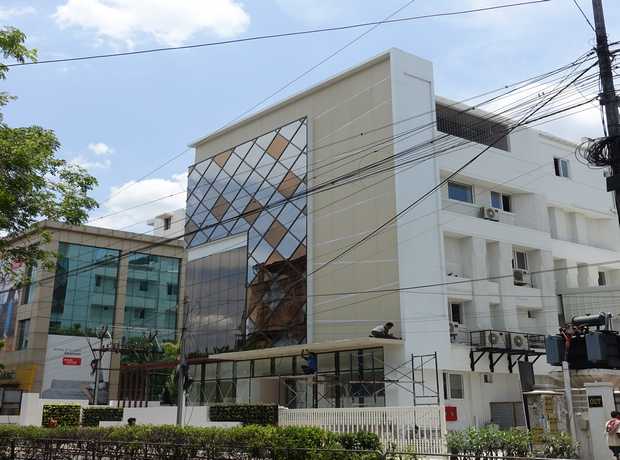


Strategic Partnership: Finding the Right New York Modular Hospital Construction Company
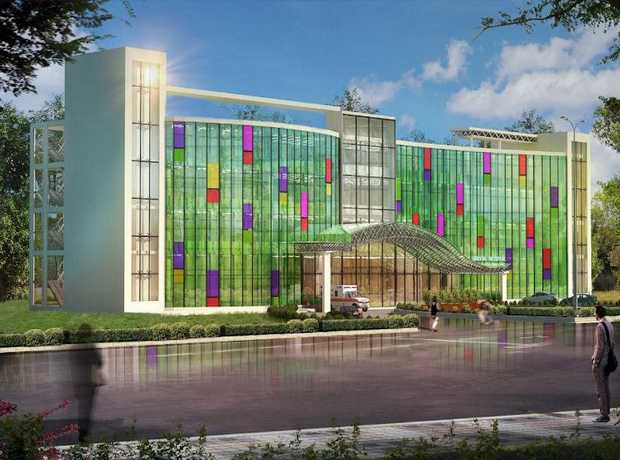
The success of any modular hospital project hinges critically on selecting the right partner. This isn’t just about general construction expertise; it demands a deep, specialized understanding of healthcare environments, regulatory compliance, and the unique challenges presented by New York’s specific codes and community needs. When seeking a New York modular hospital construction company, prioritize firms that demonstrate a proven track record, extensive healthcare expertise, a steadfast commitment to quality, and a comprehensive understanding of the full project lifecycle. Skydome Designs exemplifies these qualities, having delivered over 2346 modular hospital construction assignments across New York and globally over 12+ years, demonstrating unparalleled experience and reliability.
Key Considerations When Selecting Your Modular Healthcare Partner
Making an informed decision requires evaluating potential partners across several crucial dimensions:
-
Experience: Beyond General Construction
Look for extensive experience specifically in healthcare design and construction, not just general commercial or residential projects. The intricacies of hospital functionality, patient flow, infection control, and specialized equipment integration are vastly different from other building types. A company with a robust portfolio of successful healthcare projects understands these nuances and can anticipate challenges before they arise. Enquire about the number of modular healthcare projects completed, their scope, and their geographical spread, especially within the New York region.
-
Expertise: A Multidisciplinary Team at Your Service
The ideal partner will house an in-house team of diverse specialists. This includes not only skilled project managers and construction experts but also dedicated healthcare architects, clinical planners, biomedical engineers, and interior designers who understand the unique demands of a clinical setting. This multidisciplinary approach ensures that every aspect of the project, from initial concept to post-occupancy support, is handled with expert knowledge and seamless coordination. Skydome Designs prides itself on such an integrated, award-winning team.
-
Track Record: Verifiable Success and Client Satisfaction
A company’s past performance is the strongest indicator of future success. Request detailed case studies of previous modular hospital projects, focusing on those similar in scope and complexity to yours. Crucially, ask for client testimonials and direct references. Speak to former clients to gauge their satisfaction with project delivery, communication, quality, and post-completion support. A reliable partner will be transparent and proud of their achievements, such as Skydome Designs’ 99% on-time delivery rate and comprehensive post-occupancy support.
-
Certifications and Compliance: Adhering to the Highest Standards
Verify that the company holds all necessary industry certifications, licenses, and permits for operating in New York. This includes adherence to local building codes, state health department regulations, ADA compliance, and national standards for healthcare facilities (e.g., FGI Guidelines for Design and Construction of Hospitals and Outpatient Facilities). Furthermore, enquire about their commitment to safety standards (like OSHA) and environmental certifications (such as LEED) if sustainability is a priority for your project. Compliance ensures your facility meets all legal and operational requirements, minimizing risks.
-
Communication and Transparency: The Cornerstone of Partnership
Clear, consistent, and transparent communication is vital for any large-scale project. Choose a company that establishes robust communication protocols from the outset, including regular progress reports, access to project management tools, and dedicated points of contact. A partner committed to transparency will offer detailed cost breakdowns, milestone-based reporting, and open dialogue about any potential challenges and solutions. This fosters trust and ensures all stakeholders are informed and aligned throughout the project lifecycle. Skydome Designs is renowned for its transparent costs and milestone-based reporting in New York, offering clients peace of mind.
-
End-to-End Delivery Capabilities: A Holistic Approach
Consider a partner capable of providing end-to-end delivery for modular hospital construction — encompassing strategy, design, construction, and handover in New York. This holistic approach streamlines the entire process, minimizing coordination issues between different vendors and ensuring a cohesive vision from start to finish. A single point of responsibility simplifies project management and accelerates decision-making, leading to more efficient outcomes. Such a comprehensive service offering, coupled with a focus on multi-disciplinary reviews, ensures that every detail is considered and executed to perfection.
Ready to collaborate with a company that delivers? Contact Skydome Designs today to leverage our award-winning expertise, transparent processes, and proven record of successful modular hospital construction assignments across New York. Experience the peace of mind that comes with 99% on-time delivery and dedicated post-occupancy support. Reach out for a consultation on your upcoming project.
Beyond Bricks and Mortar: Essential Expertise for New York Hospital Projects
The successful development of a modern hospital project, especially through modular construction, requires more than just general architectural and construction skills. It demands a highly specialized understanding of the unique operational, clinical, and regulatory requirements of healthcare facilities. When considering a healthcare architect or a modular construction firm for your project in New York, their expertise in specific critical areas is non-negotiable.
Critical Areas of Specialized Expertise for Healthcare Facilities:
-
OT Design (Operating Theatre Design): The Heart of Surgical Care
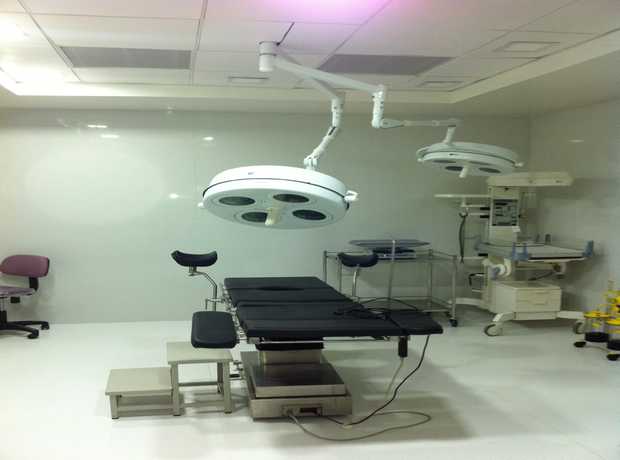
Operating Theatres (OTs) are among the most complex and critically important areas in any hospital. Their design requires specialized knowledge of stringent infection control protocols, precise air filtration and ventilation systems (e.g., positive pressure, laminar flow, HEPA filtration), specialized lighting, medical gas integration, and robust infrastructure for advanced surgical equipment. Expertise in OT design ensures compliance with regulatory standards, optimizes workflow for surgical teams, prioritizes patient safety, and accommodates future technological advancements. This includes understanding the specific requirements for different types of surgeries, from minimally invasive procedures to complex organ transplants, ensuring that the space is flexible and future-proof.
-
Infection Control: Designing for Patient Safety
Preventing healthcare-associated infections (HAIs) is a paramount concern in hospital design. Expertise in infection control dictates material choices (non-porous, easy-to-clean surfaces), layout of sterile and non-sterile zones, hands-free fixtures, appropriate air pressure differentials in isolation rooms, and efficient waste management systems. A skilled healthcare designer understands how to minimize touchpoints, optimize cleaning processes, and ensure effective patient and staff flow to break the chain of infection. This includes knowledge of specialized finishes, seamless transitions between surfaces, and integrated disinfection technologies, all critical in a post-pandemic world.
-
Clinical Planning: Optimizing Workflow and Patient Experience
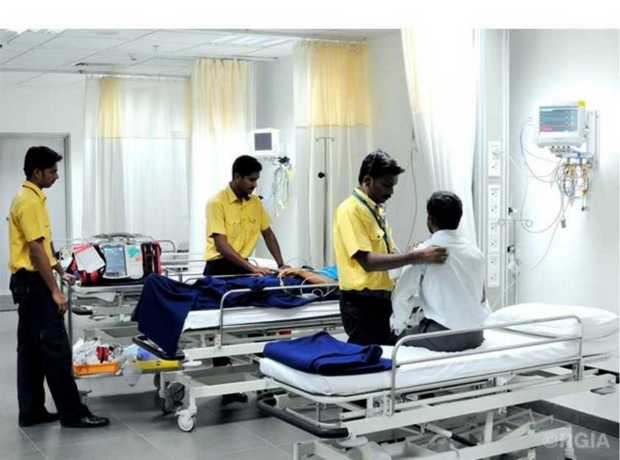
Clinical planning involves understanding the operational needs of different hospital departments – emergency rooms, ICUs, patient wards, imaging, laboratories, and outpatient clinics. It focuses on creating layouts that optimize patient flow, reduce waiting times, enhance staff efficiency, and improve overall patient experience. This includes strategic placement of departments relative to each other, efficient circulation paths for staff, patients, and supplies, and integration of technology to support clinical decision-making and communication. Effective clinical planning ensures that the facility functions as a cohesive, high-performing ecosystem, directly impacting the quality and speed of care.
-
Facility Planning: Maximizing Space and Future-Proofing
Beyond individual departments, facility planning encompasses the entire hospital campus. This involves optimizing space utilization, ensuring seamless integration between new modular additions and existing structures, planning for future expansion, and incorporating essential support services like sterile processing, dietary, and administrative functions. It also includes considerations for logistics, parking, public access, and emergency vehicle routes. Expert facility planning ensures that the hospital not only meets current needs but is also adaptable and resilient, capable of evolving with future demands and technological shifts in New York’s dynamic healthcare environment.
-
Regulatory Compliance: Navigating New York’s Complex Landscape
New York has a stringent and complex regulatory environment for healthcare facilities. Any modular hospital project must comply with a myriad of local, state, and federal codes, including those from the New York State Department of Health (NYSDOH), building codes, fire safety regulations, and environmental standards. An experienced partner will have in-depth knowledge of these requirements, ensuring that all designs and construction processes meet or exceed these standards, facilitating smoother approvals and preventing costly rework or delays. This expertise is particularly valuable in accelerating project timelines.
-
Technology Integration: Building Smart Hospitals
Modern hospitals are increasingly reliant on advanced technology, from electronic health records (EHR) systems and telemedicine infrastructure to robotic surgery suites and sophisticated diagnostic imaging. Expertise in technology integration ensures that the modular design provides adequate power, data infrastructure, and spatial allowances for current and future technological needs. This includes considerations for cybersecurity, seamless connectivity, and adaptable cabling systems that can support the rapid evolution of medical technology, making the hospital a truly smart and future-ready facility.
Our award‑winning team offers transparent costs, milestone‑based reporting, and an unparalleled depth of expertise in these critical areas, ensuring your modular hospital project in New York is delivered with precision and excellence.
For more detailed insights into creating optimal surgical environments, learn more about our dedicated OT Design solutions. Additionally, discover our innovative strategies for safeguarding patient health through cutting-edge infection control solutions.
Why Skydome Designs is Your Unrivaled Partner for New York Hospital Projects
In the complex and critical realm of healthcare infrastructure, choosing the right partner is not merely a preference; it is a strategic imperative. Skydome Designs stands as a preeminent architecture and interior design firm, specifically renowned for its specialization in hospital and healthcare interiors. With a legacy spanning nearly 30 years, our commitment is unwavering: to deliver innovative, sustainable, and supremely functional spaces that not only elevate patient experiences and optimize operational efficiency but also meet the most stringent global standards. We possess an intimate understanding of the unique challenges and vast opportunities presented by modular hospital construction in New York, and our dedication to providing clients with exceptional service and unparalleled results is at the core of our ethos.
Our Holistic Expertise: Shaping Environments for Excellence
Our diverse portfolio and specialized teams enable us to offer comprehensive solutions across various sectors, all underpinned by a foundation of design excellence and strategic planning:
-
Hospital Interior Design: Crafting Healing and Highly Functional Spaces
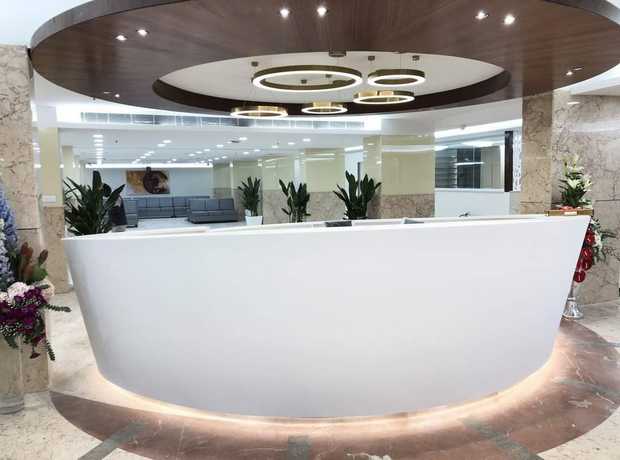
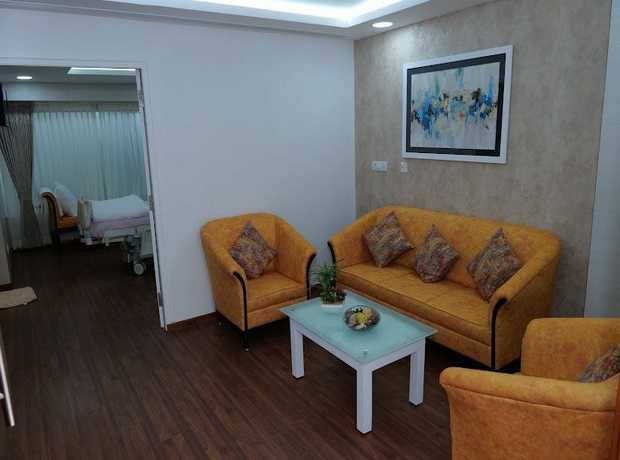
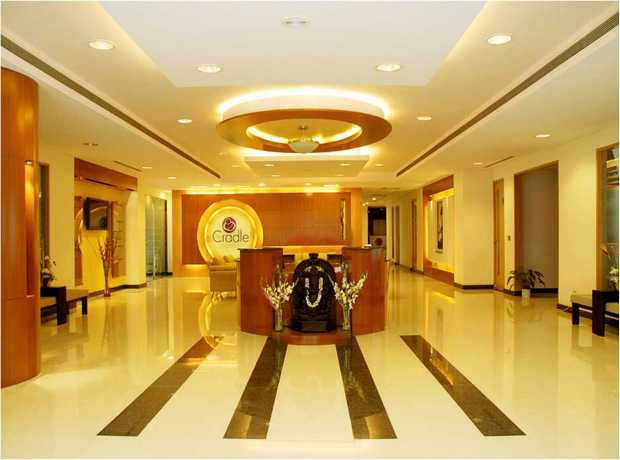
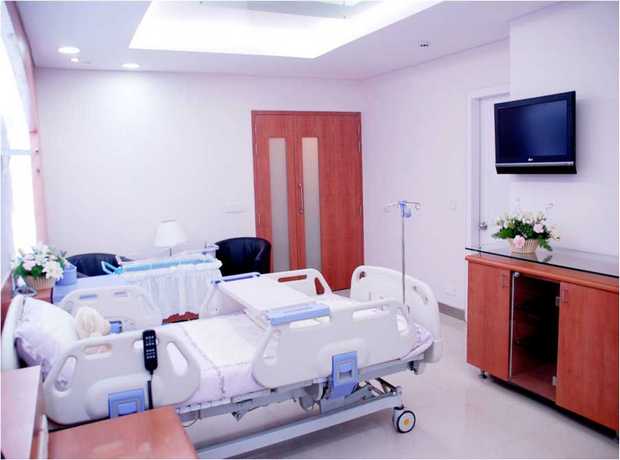
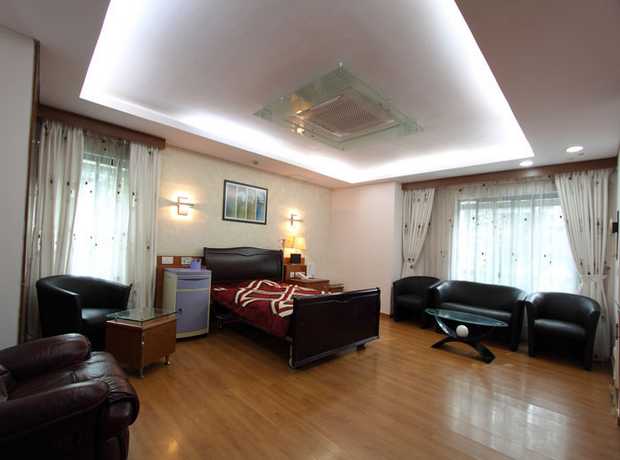
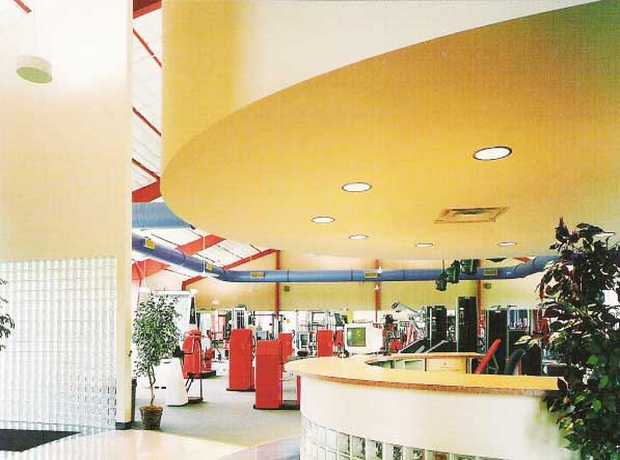
This is our core strength. We design every facet of a hospital, from serene patient rooms and technologically advanced ICUs to precision-engineered OTs, state-of-the-art laboratories, private consultation areas, and comprehensive facility planning. Our designs are meticulously crafted to optimize care delivery, enhance patient comfort, improve staff workflows, and incorporate the latest advancements in medical technology and infection control. We understand that a hospital’s interior is more than just aesthetics; it’s a critical tool for healing and operational success. Our expertise ensures intuitive navigation, robust material selection for durability and hygiene, and thoughtful integration of natural light and biophilic elements to create truly therapeutic environments.
-
Residential Projects: Applying Human-Centric Design Principles
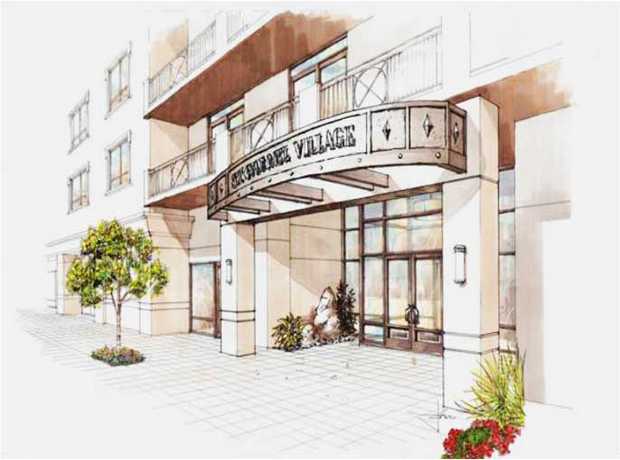
Our experience extends to creating exceptional living spaces, including luxurious apartments, high-end condos, innovative senior housing, and vibrant community-focused interiors. This deep understanding of human psychology, comfort, and functionality in residential settings informs our healthcare designs, allowing us to create hospital environments that feel less institutional and more comforting and human-centric, which is vital for patient recovery and staff well-being.
-
Retail & Commercial Design: Driving Efficiency and Engagement
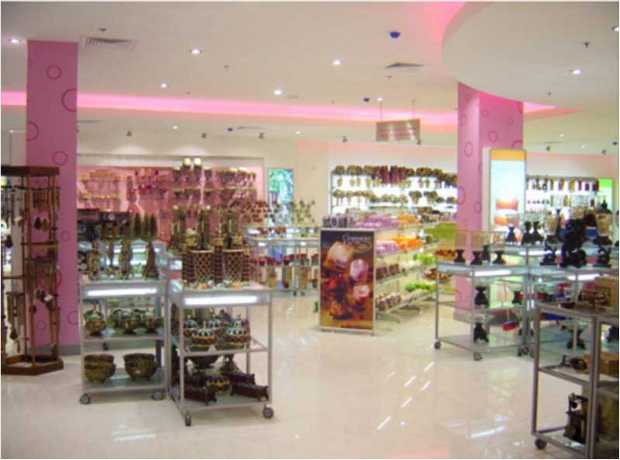
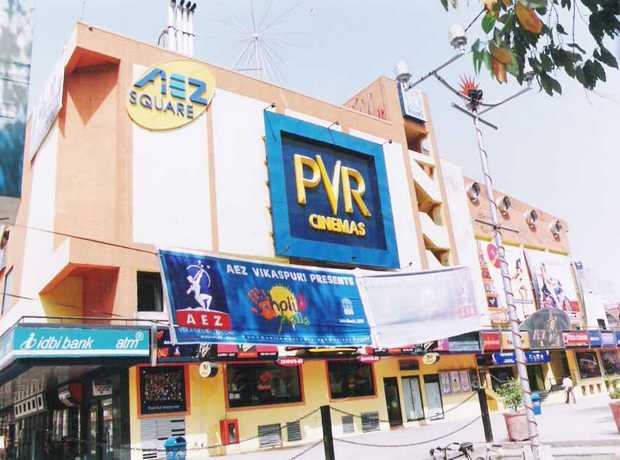
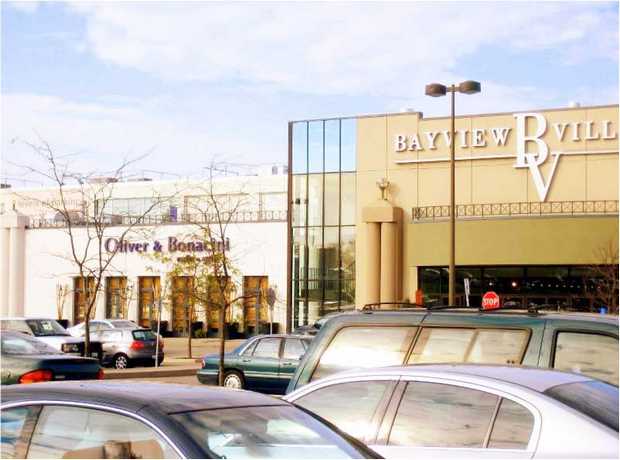
From dynamic shopping malls and versatile mixed-use developments to modern corporate offices and engaging entertainment centers, our commercial design expertise provides valuable insights into optimizing space, managing traffic flow, and creating compelling user experiences. These principles are directly transferable to hospital design, where efficient patient and visitor circulation, clear wayfinding, and inviting public spaces are crucial for overall satisfaction and operational smoothness.
-
Interior Solutions: End-to-End Execution for Flawless Delivery
We offer complete interior solutions that encompass meticulous space planning, intelligent furniture layouts, sophisticated lighting design, and comprehensive turnkey interior execution. Our integrated approach ensures that every element of your project, from the initial concept to the final finishing touch, is harmonized and perfectly executed, guaranteeing a seamless transition from design to a fully operational facility.
Why Partner with Skydome Designs? Our Commitment to Your Success:
- Nearly Three Decades of Unmatched Experience: With 29+ years of experience across India and abroad, Skydome Designs brings a wealth of knowledge and a deep understanding of evolving design trends, construction methodologies, and healthcare standards. This extensive background translates into innovative, practical, and highly effective solutions for your project. Our long-standing presence underscores our stability, reliability, and continuous adaptation to industry advancements.
- Integrated In-House Expertise: Our strength lies in our unified, in-house team comprising highly skilled architects, dedicated healthcare planners, seasoned project managers, and specialized interior designers. This integrated structure ensures seamless collaboration, consistent vision, and efficient execution from conception to completion. It minimizes communication gaps, accelerates decision-making, and delivers a cohesive, high-quality outcome, all under one roof.
- Award-Winning, Client-Focused, and Sustainable Designs: We are proud recipients of numerous awards, a testament to our commitment to design excellence. Our approach is inherently client-focused, ensuring that every solution is tailor-made to meet your specific needs, budget, and strategic goals. Sustainability is woven into the fabric of our designs, promoting eco-friendly practices and creating healthy, energy-efficient environments that benefit both people and the planet.
- Guaranteed On-Time, On-Budget, Global Standard Delivery: Skydome Designs has an unparalleled record of delivering projects on-time and within budget, adhering to the most rigorous global standards. Our disciplined project management, transparent costs, and milestone-based reporting provide clients in New York with complete clarity and predictability. With over 2346 modular hospital construction assignments delivered globally and 99% on-time delivery, complemented by multi-disciplinary reviews and post-occupancy support, we don’t just promise results; we consistently deliver them, ensuring your investment yields maximum value and operational excellence.
Ready to build the future of healthcare in New York? Partner with Skydome Designs for your next modular hospital construction project. Leverage our award-winning expertise, end-to-end delivery capabilities, and a proven track record of 2346+ successful assignments with 99% on-time delivery. Let our transparent processes and dedicated team guide your vision from strategy to successful handover. Contact us today to discuss how our solutions can elevate your healthcare facility.
The Future Horizon: New York Modular Hospital Construction in 2025 and Beyond
As healthcare demands continue to rise in complexity and scale, modular hospital construction in New York is not just a trend; it is poised for significant, transformative growth. The convergence of technological advancements, evolving patient expectations, and the pressing need for agile healthcare infrastructure will cement modular construction’s role as a cornerstone of future development. We anticipate an increased adoption of modular techniques across all scales of healthcare facilities, from entire new hospitals to specialized wings, diagnostic centers, and rapid-response clinics. This expansion will address critical capacity constraints, improve patient outcomes through optimized environments, and create more efficient, resilient healthcare systems across the state.
Key Drivers and Anticipated Trends for the Future:
-
Technological Integration: Smart Modular Builds
The future of modular construction will be deeply intertwined with advanced technologies. Building Information Modeling (BIM) will become even more sophisticated, enabling digital twins of hospitals for enhanced design, prefabrication, and lifecycle management. Virtual Reality (VR) and Augmented Reality (AR) will be routinely used for design visualization, stakeholder reviews, and even on-site assembly guidance. Robotics and automation in factory production will further enhance precision, speed, and safety. Furthermore, smart hospital technologies – from IoT-enabled patient rooms to AI-powered diagnostics – will be seamlessly integrated into modular designs from the outset, rather than being retrofitted.
-
Increased Specialization and Customization:
While standardization offers efficiency, the future will see modular construction offering greater customization. Modular components will be designed for highly specialized clinical areas, such as advanced imaging suites, infectious disease isolation units, or behavioral health wings, allowing hospitals to rapidly deploy specific services without extensive on-site construction. The flexibility of modular design will cater to highly specific needs while maintaining rapid deployment capabilities.
-
Focus on Resilience and Adaptability:
Lessons learned from recent global health crises highlight the need for healthcare facilities that can rapidly adapt to surge capacity, changing treatment protocols, or even relocation. Modular hospitals, by their very nature, are inherently more resilient and adaptable. Future modular designs will incorporate features that allow for easy expansion, reconfiguration, and even disassembly and redeployment, making them invaluable assets in emergency preparedness and long-term strategic planning for New York’s healthcare system.
-
Sustainable Practices at the Forefront:
With New York’s strong commitment to environmental stewardship, modular construction’s inherent sustainability advantages will be further leveraged. We will see greater emphasis on cradle-to-cradle design principles, using recycled and renewable materials, minimizing embodied carbon, and integrating advanced energy-efficient systems into every module. Modular facilities will lead the way in achieving net-zero energy and waste targets, contributing significantly to a greener healthcare infrastructure.
-
Policy and Funding Support:
As the benefits of modular construction become more widely recognized, we anticipate increased policy and funding support from both state and federal levels. Streamlined regulatory approval processes for modular designs, incentives for sustainable modular builds, and dedicated funding streams for rapid-response modular healthcare facilities will further accelerate its adoption across New York. This institutional backing will provide the necessary impetus for widespread integration into long-term healthcare planning.
The convergence of technology and construction, combined with an undeniable need for agile and high-quality healthcare spaces, will continue to drive profound innovation in this space. Skydome Designs is at the forefront of this evolution, continuously researching and integrating the latest advancements to ensure our clients in New York receive cutting-edge, future-proof solutions. For more information on how our award-winning team and end-to-end delivery can benefit your next project, explore our case studies and client testimonials.
FAQ: Modular Hospital Construction in New York
What exactly is modular hospital construction?
Modular hospital construction is an innovative building method where significant portions of a hospital, such as patient rooms, operating theaters, laboratories, or entire wings, are manufactured as three-dimensional modules in a controlled factory environment. These modules are built to precise specifications, complete with internal finishes, plumbing, electrical, and HVAC systems. Once completed, they are transported to the construction site in New York and assembled rapidly onto a prepared foundation. This approach significantly reduces on-site construction time and minimizes disruption while maintaining high-quality standards and strict adherence to healthcare specific regulations.
How much does modular hospital construction cost in New York?
The cost of modular hospital construction in New York can vary widely, depending on the project’s size, complexity, level of finishes, medical equipment integration, and specific site conditions. While initial per-square-foot costs might sometimes appear comparable to traditional construction, modular construction generally offers significant overall cost savings. These savings stem from reduced labor costs due to factory efficiency, minimized material waste, shorter project timelines (leading to lower financing costs and earlier revenue generation), and greater budget predictability due to the controlled manufacturing process. Long-term operational savings through superior energy efficiency can also add to the overall value. To get an accurate estimate for your specific project, it’s essential to consult with experienced modular construction companies like Skydome Designs, known for transparent costs and milestone-based reporting.
How long does it typically take to build a modular hospital in New York?
One of the most compelling advantages of modular construction is its speed. Modular construction can reduce the overall project timeline by up to 50% compared to traditional methods. While traditional construction might take 2-3 years for a new hospital wing, a modular approach could complete it in 12-18 months. The exact timeline depends on the project’s scope, the complexity of clinical spaces, the number of modules, and the efficiency of local regulatory approvals. The key time-saving factor is the ability to perform site preparation and module fabrication concurrently, rather than sequentially. Skydome Designs has a proven record of 99% on-time delivery for its modular hospital assignments, demonstrating the efficiency of this method.
Are modular hospitals as safe and durable as traditionally built hospitals?
Absolutely. Modular hospitals are built to meet or even exceed the same stringent safety standards, building codes, and regulatory requirements (including seismic, fire, and structural codes) as traditionally constructed hospitals in New York. The controlled factory environment often allows for superior quality control, precision engineering, and the use of advanced techniques that might be more challenging to implement on an open construction site. Modules are engineered to withstand the stresses of transportation and craning, making them inherently robust. Furthermore, the materials used are identical or superior to those in conventional construction, ensuring that modular hospitals are just as durable, structurally sound, and safe for patients and staff as any traditional facility. Multi-disciplinary reviews and post-occupancy support further underpin the quality and longevity of modular solutions.
Who are the leading modular hospital construction companies in New York?
Several companies specialize in modular hospital construction, with varying degrees of expertise and focus. However, when considering firms with extensive experience, a proven track record, and specialized healthcare knowledge in New York, Skydome Designs stands out as a leading provider. With nearly 30 years of experience, over 2346 modular hospital construction assignments globally, a 99% on-time delivery rate, and an in-house team of healthcare architects and clinical planners, Skydome Designs offers end-to-end delivery capabilities from strategy and design to construction and handover. When selecting a partner, look for companies that not only offer modular solutions but also deeply understand the unique demands of healthcare environments, regulatory compliance in New York, and a commitment to transparent costs and client satisfaction.
Conclusion: The Future is Modular, The Time is Now for New York Healthcare
Modular hospital construction in New York represents far more than just an alternative building technique; it is a compelling, strategic solution poised to address the escalating healthcare needs of the state with unprecedented efficiency, quality, and adaptability. By leveraging the inherent benefits of off-site manufacturing – including dramatically faster project delivery, significant cost-effectiveness, superior quality control, minimized on-site disruption, and a reduced environmental footprint – modular technology is redefining the landscape of healthcare infrastructure.
As we navigate the complexities of 2025 and envision a future-ready healthcare system for New York, embracing modular construction becomes not just an option, but a necessity. It empowers healthcare providers to expand capacity, introduce specialized services, and modernize facilities with speed and precision, ultimately improving patient outcomes and bolstering community health resilience. The future of healthcare in New York demands innovative approaches, and modular construction provides a robust framework for achieving these ambitious goals.
If you’re considering a hospital project in New York, whether it’s a new build, an expansion, or a renovation, we urge you to explore the transformative potential of modular construction. Partner with a trusted expert like Skydome Designs, a firm with nearly three decades of experience, an award-winning in-house team, and a proven track record of delivering over 2346 modular hospital construction assignments with an impressive 99% on-time delivery rate. Our end-to-end delivery approach, encompassing strategy, design, construction, and handover, along with transparent costs and milestone-based reporting, ensures your project’s success from inception to operation.
Take the decisive step towards an efficient, high-quality, and future-proof healthcare facility. Contact Skydome Designs today at +91 7299072144 or info@skydomedesigns.com to discuss your modular hospital construction project in New York. Let us help you build the future of healthcare, delivered on-time, on-budget, and to the highest global standards.
To further understand our specialized capabilities, learn more about our comprehensive OT Design solutions and our industry-leading infection control strategies.
For inquiries regarding our Residential projects, please click here.
For more information on our Retail & Commercial Design projects, please click here.
For more specific information on securing New York hospital experts committed to excellence, please feel free to contact us.
This document provides general information only and does not constitute professional advice. Always consult with qualified professionals for specific guidance related to your unique project requirements and regulatory compliance.