Delhi, a historic metropolis pulsating with rapid economic growth and burgeoning urban development, stands at a critical juncture. As new investments pour into infrastructure and real estate, the imperative to ensure the safety, stability, and resilience of its built environment has never been more pronounced. This comprehensive guide delves into the profound significance of seismic and earthquake-resistant construction in Delhi, exploring the foundational principles, cutting-edge best practices, and visionary future trends that will shape the city’s structural landscape in 2025 and beyond. Our aim is to provide an invaluable resource for developers, architects, engineers, policymakers, and property owners committed to building a safer, more sustainable Delhi.
The lessons from past seismic events globally underscore a universal truth: preparedness is paramount. In a city like Delhi, with its high population density and concentration of critical infrastructure, neglecting earthquake-resistant design is an oversight with potentially catastrophic consequences. This guide not only highlights the necessity but also offers actionable insights into how to integrate robust seismic considerations into every phase of construction, from conceptualization to completion. We will explore how leading firms like Skydome Designs are leveraging decades of expertise to deliver structures that stand resilient against seismic forces, protecting lives and investments for generations to come.
Understanding the Critical Need for Seismic and Earthquake-Resistant Construction in Delhi
Delhi’s geographical location places it squarely within a high-risk seismic zone, specifically Seismic Zone IV as per the Bureau of Indian Standards (BIS) seismic zoning map. This classification indicates a significant probability of moderate to severe earthquakes. The capital city’s history, though not marked by a major devastating earthquake in recent memory, shows evidence of past tremors, and geological studies consistently point to its susceptibility. Therefore, embracing seismic and earthquake-resistant construction in Delhi is not merely a regulatory compliance issue; it is a fundamental urban survival strategy and an ethical responsibility.
The consequences of a significant seismic event in a densely populated urban center like Delhi extend far beyond immediate structural damage. They encompass massive loss of life, widespread injuries, collapse of essential services, economic disruption, and long-term societal trauma. Investing in robust building codes and deploying specialized construction techniques are therefore not just crucial for protecting lives and minimizing physical damage but also for ensuring the continuity of civic life and the city’s economic vitality during and after seismic events.
Why is Earthquake-Resistant Design an Absolute Essential in Delhi?
The urban fabric of Delhi has transformed dramatically over the past few decades. The increased density of buildings, both residential and commercial, coupled with a surging population, magnifies the potential impact of an earthquake exponentially. Older structures, often built without modern seismic considerations, pose a significant risk, while even new constructions must strictly adhere to the latest codes. Incorporating earthquake-resistant design isn’t just about preventing collapse; it’s about minimizing structural damage, ensuring the safety of occupants during evacuation, and facilitating quicker recovery and rehabilitation post-event. This proactive approach safeguards not only the physical assets but also the human capital that drives the city forward.
Furthermore, the economic ramifications of a major earthquake on Delhi would be staggering. Billions of dollars in property damage, business interruption, and reconstruction costs could cripple the region’s economy for years. By building resiliently from the outset, we mitigate these risks, ensuring long-term stability and attracting continued investment. Partnering with experienced Delhi construction experts like Skydome Designs, who possess a deep understanding of local geological conditions and international best practices, is the most crucial first step to achieving truly resilient infrastructure.
Choosing a partner with a proven track record is vital. For over 24 years, Skydome Designs has delivered 2068+ seismic and earthquake-resistant construction assignments across Delhi and globally, with an industry-leading 97% on-time delivery rate. Our extensive experience means we understand the nuances of building safely in Delhi’s unique environment. Don’t compromise on safety; contact Skydome Designs today to discuss your earthquake-resistant construction project.








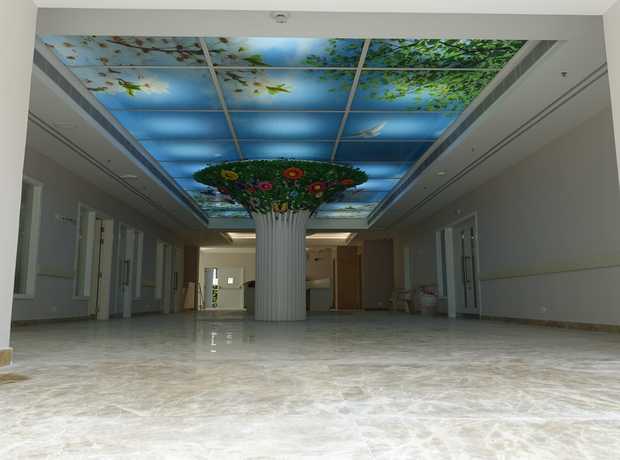
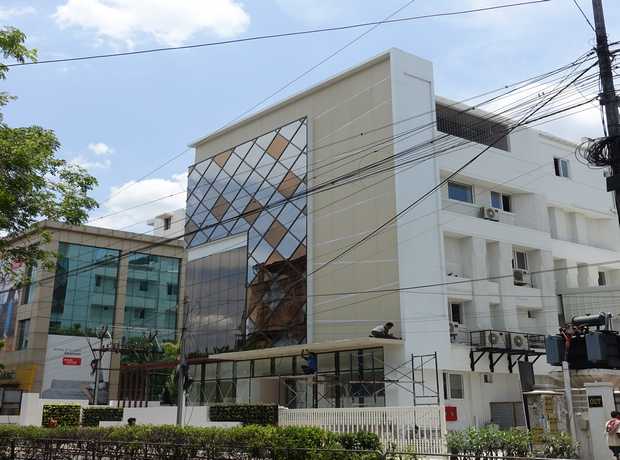
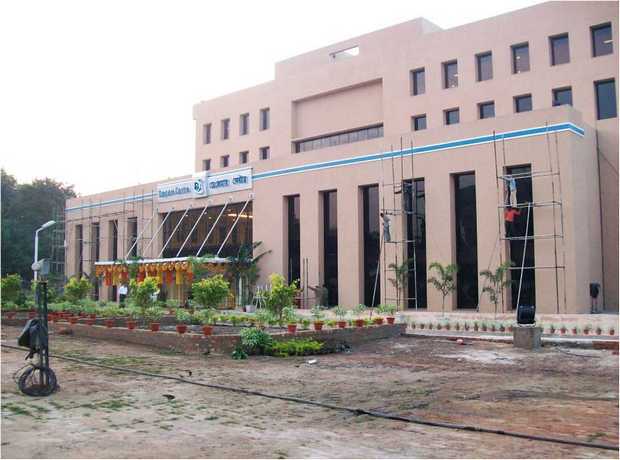
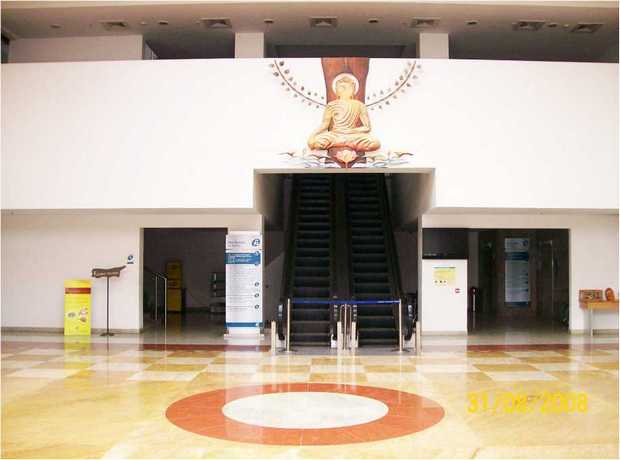





Key Principles of Seismic and Earthquake-Resistant Construction
Effective seismic-resistant construction is predicated on several fundamental engineering principles. These principles guide the design process, ensuring that a building can withstand the complex forces generated during ground motion, absorb energy, and deform without catastrophic failure. Understanding these tenets is crucial for anyone involved in the design and construction of resilient structures.
- Ductility: The Ability to Bend, Not Break
Ductility is perhaps the most critical principle in earthquake-resistant design. It refers to a material’s or structure’s ability to deform significantly under stress without fracturing or losing its load-carrying capacity. In an earthquake, a ductile structure can sway and absorb the immense energy from ground motion through controlled plastic deformation. This energy absorption prevents brittle failure, where a structure might collapse suddenly. Reinforced concrete (RCC) structures achieve ductility through careful detailing of reinforcement bars, particularly adequate confinement of concrete in critical regions like beam-column joints and column ends, which prevents concrete crushing and buckling of longitudinal bars. Steel, by its inherent nature, is highly ductile, making it an excellent material for seismic frames when designed with proper connections that allow for controlled yielding.
Designing for ductility requires meticulous attention to the amount and placement of steel reinforcement, ensuring that structural elements can yield and dissipate energy in a predictable manner without losing integrity. This prevents the “strong-column, weak-beam” scenario, where columns, critical for vertical load transfer, fail before beams, leading to progressive collapse. Skydome Designs ensures all designs incorporate advanced ductile detailing, surpassing minimum code requirements to maximize structural safety. Ready to learn more about ductile design for your next project? Email us at info@skydomedesigns.com for a consultation.
- Strength: Resisting the Unseen Forces
While ductility allows for deformation, adequate strength ensures that building components can resist the anticipated lateral forces (shear forces) and axial forces generated during an earthquake without yielding excessively or failing prematurely. This includes the ability of beams, columns, shear walls, and foundations to carry both vertical (gravity) and horizontal (seismic) loads. Structural engineers calculate these forces based on seismic zone, soil conditions, and building characteristics, then design elements with sufficient cross-sectional area and material properties. The strength of the structure’s connections – where beams meet columns, or walls meet slabs – is equally vital, as these are often points of stress concentration. Ensuring appropriate steel grades and concrete strengths, coupled with robust connection designs, is fundamental to a strong seismic-resistant structure.
- Stiffness: Controlling Movement and Preventing Collapse
Stiffness refers to a building’s resistance to lateral displacement or sway. While ductility allows for deformation, excessive sway can lead to damage to non-structural elements (e.g., partition walls, cladding), injury to occupants, and even P-delta effects (secondary moments caused by gravity loads acting on a laterally displaced structure), which can exacerbate instability. A balance between stiffness and flexibility is crucial. Very stiff buildings might attract higher seismic forces, while overly flexible buildings might experience excessive drifts. Structural systems like shear walls and braced frames significantly enhance a building’s stiffness, limiting inter-story drift to acceptable limits. Modern design often incorporates a “strong-back” or “spine” of stiffness within the building to control overall response.
- Redundancy: Multiple Paths to Safety
Redundancy in structural design means incorporating multiple load paths so that if one component or connection fails, other elements can take over and redistribute the forces. This prevents catastrophic, progressive failure and ensures that the building retains some load-carrying capacity even after significant damage. For instance, using multiple columns and beams in a frame structure, or designing multiple shear walls, provides alternative routes for seismic forces to travel down to the foundation. This layered approach enhances the overall robustness and reliability of the structure, providing a critical safety net during extreme events. Skydome Designs integrates multi-disciplinary reviews into every project, ensuring redundancy and comprehensive safety measures are thoroughly evaluated.
- Regularity in Plan and Elevation: Simplicity for Strength
Irregular building geometries, such as L or T-shaped plans, or buildings with significant setbacks or soft stories in elevation, can lead to uneven distribution of seismic forces and create torsion (twisting) effects, significantly increasing vulnerability. Regularity helps in predicting a building’s seismic response more accurately. Where irregularities are unavoidable, specific engineering solutions like separation joints, additional shear walls, or bracing systems must be employed to mitigate the risks. A well-proportioned, regular structure simplifies force distribution and enhances overall seismic performance.
- Strong Column – Weak Beam Concept: Prioritizing Vertical Support
This design philosophy dictates that in a moment-resisting frame, the beams should be designed to yield before the columns. This ensures that the primary vertical load-bearing elements (columns) remain intact, preventing the collapse of an entire story and allowing occupants to evacuate. If columns fail, the entire building’s stability is compromised. This is achieved through careful proportioning and detailing of reinforcement in both beams and columns, ensuring that the plastic hinges (points of yielding) form in the beams rather than the columns during an earthquake.
These principles, when meticulously applied by expert structural engineers, form the bedrock of truly earthquake-resistant buildings. It’s a complex interplay of material science, structural mechanics, and design philosophy aimed at ensuring safety in the face of nature’s formidable power.
Best Practices for Seismic and Earthquake-Resistant Construction in Delhi
Translating theoretical principles into practical, resilient structures requires adherence to a rigorous set of industry best practices. These encompass every stage of the construction lifecycle, from initial site analysis and design to material selection, construction techniques, and quality assurance. For Delhi, integrating global expertise with local nuances is key to achieving optimal results.
Seismic Design Standards and Codes: The Blueprint for Safety
Following established seismic design standards and building codes is not just a legal obligation but the fundamental framework for responsible construction. In India, the Bureau of Indian Standards (BIS) publishes a series of crucial codes that govern seismic design. The primary codes include:
- IS 1893 (Part 1):2016 – Criteria for Earthquake Resistant Design of Structures (General Provisions and Buildings): This is the cornerstone document, defining seismic zones, importance factors, response reduction factors, and methods for calculating seismic forces on buildings. It guides the overall seismic design philosophy.
- IS 13920:2016 – Ductile Detailing of Reinforced Concrete Structures Subjected to Seismic Forces – Code of Practice: This code specifies the special detailing requirements for reinforced concrete members (beams, columns, shear walls) to ensure ductility and prevent brittle failure during an earthquake. It dictates how reinforcement should be placed, anchored, and confined in critical zones.
- IS 4326:1993 – Earthquake Resistant Design and Construction of Buildings – Code of Practice: This code provides general guidelines for earthquake-resistant construction, particularly useful for smaller buildings and masonry structures.
- IS 13828:1993 – Improving Earthquake Resistance of Low Strength Masonry Buildings – Guidelines: Focuses on retrofitting and improving existing masonry structures.
Adherence to these codes is critical for designing and constructing buildings that can withstand specific levels of ground motion. However, merely meeting minimum code requirements is often not enough for critical structures or for those seeking enhanced resilience. Leading firms integrate global design standards with local code expertise in Delhi. This involves going beyond prescriptive codes to adopt performance-based design approaches where appropriate, aiming for a higher level of safety and functionality post-earthquake. Skydome Designs, with its international project experience, excels in this domain. Our approach involves BIM-led coordination, which ensures seamless integration of all design elements, meticulous value engineering to optimize cost without compromising safety, and stringent quality control tailored specifically to Delhi’s unique geological and regulatory landscape. Our in-house team’s deep knowledge of both Indian and international codes ensures your project benefits from the best of both worlds.
The Indispensable Role of Structural Engineering in Earthquake Resistance
Structural engineering is the backbone of seismic-resistant construction. It’s the discipline that bridges architectural vision with structural integrity and safety. Structural engineers are tasked with a multitude of critical responsibilities:
- Site Investigation and Seismic Hazard Analysis: Assessing soil conditions, potential for liquefaction, and local seismic activity to inform foundation design and overall structural response.
- Conceptual Design and System Selection: Choosing the most appropriate structural system (moment-resisting frames, shear walls, braced frames, dual systems) based on building height, architectural layout, and seismic demands.
- Advanced Structural Modeling and Analysis: Utilizing sophisticated software and techniques (e.g., finite element analysis, response spectrum analysis, time history analysis) to accurately predict how a building will behave under various earthquake scenarios.
- Design Optimization and Detailing: Proportioning structural members, designing connections, and specifying reinforcement details to ensure strength, stiffness, and ductility as per codes and best practices.
- Collaboration and Coordination: Working closely with architects, MEP engineers, and other consultants to integrate seismic considerations into all aspects of the building design, ensuring that non-structural elements are also adequately protected.
- Peer Review and Quality Assurance: Often, critical projects undergo independent peer reviews to validate the seismic design and calculations, ensuring an added layer of safety.
Skydome Designs boasts an in-house team of highly experienced structural engineers who are leaders in seismic design. Their expertise ensures that every project, whether a hospital, residential complex, or commercial building, is engineered to the highest standards of earthquake resistance. Our comprehensive design process minimizes risks and maximizes safety, a testament to our nearly 30 years of excellence. Experience the peace of mind that comes with expert structural engineering; call Skydome Designs at +91 7299072144 for a project discussion.
Choosing the Right Materials for Earthquake-Resistant Structures
The selection of appropriate construction materials is paramount for seismic resistance. Materials with high strength, inherent ductility, and excellent energy absorption capacity are preferred. The quality and specification of these materials must also be rigorously controlled.
- Reinforced Concrete (RCC): A ubiquitous material, reinforced concrete combines the compressive strength of concrete with the tensile strength and ductility of steel. For seismic applications, the emphasis is on ductile detailing (as per IS 13920), which involves specific arrangements of transverse and longitudinal reinforcement to ensure that concrete remains confined even under large deformations. This prevents brittle failure and allows the structure to absorb significant seismic energy.
- Structural Steel: Steel is highly ductile and possesses excellent strength-to-weight ratio. It’s often used in high-rise buildings and long-span structures. Connections in steel frames are critical; they must be designed to be ductile and capable of yielding in a controlled manner. Braced frames and moment-resisting steel frames are common seismic-resistant systems. The quality of welding and bolting is paramount for ensuring connection integrity.
- Engineered Wood: While less common for high-rise seismic structures in Delhi, engineered wood products (e.g., glulam, cross-laminated timber – CLT) offer good seismic performance due to their lightweight nature and inherent flexibility, particularly in low to mid-rise constructions. Connections remain key for energy dissipation.
- Masonry (Reinforced and Confined): Unreinforced masonry is highly vulnerable to earthquakes. However, reinforced masonry (where steel bars are embedded within masonry walls) and confined masonry (where walls are built within a concrete frame post-construction) can offer improved seismic performance for low to mid-rise buildings when properly designed and constructed.
Beyond the primary structural materials, the quality of other components like cement, aggregates, and even plaster can indirectly affect seismic performance by influencing overall structural integrity. Skydome Designs sources materials from trusted suppliers and implements rigorous quality control checks to ensure every component contributes to the overall resilience of the building. With 2068+ seismic and earthquake-resistant assignments delivered, we have unparalleled experience in material specification and procurement for safe structures.
Robust Foundation Design: Anchoring Against Earthquakes
The foundation is the interface between the building and the ground, responsible for transferring all loads, including seismic forces, safely to the soil. A robust foundation design is critical for earthquake resistance. Engineers consider:
- Soil-Structure Interaction: How the ground and the building interact during an earthquake. The properties of the underlying soil (its stiffness, density, and potential for liquefaction) heavily influence the seismic response of the structure.
- Foundation Type: Depending on soil conditions and building loads, different foundation types are selected, such as deep foundations (piles, caissons) for weak or compressible soils, or shallow foundations (rafts, isolated footings) for firm ground.
- Interconnected Foundations: Linking individual footings with tie beams or using a raft foundation ensures that the entire foundation system acts as a rigid unit, preventing differential settlement and improving overall seismic performance.
- Shear Transfer: Designing the connection between the superstructure and the foundation to effectively transfer lateral shear forces from the building into the ground.
Our Delhi construction experts at Skydome Designs conduct extensive geotechnical investigations to inform foundation design, ensuring that every building is securely anchored to its site, capable of withstanding the dynamic forces exerted by an earthquake.
Construction Quality and Supervision: Bridging Design to Reality
Even the most meticulously designed earthquake-resistant plans can be compromised by poor construction quality. The gap between design intent and on-site execution is a critical area that requires stringent control. Best practices include:
- Skilled Labor: Employing trained and experienced workers who understand the precise detailing required for seismic-resistant elements, especially in reinforcement placement and concrete pouring.
- Rigorous Supervision: Constant on-site supervision by qualified engineers and project managers to ensure strict adherence to design drawings, specifications, and building codes.
- Quality Control Checks: Implementing a comprehensive quality assurance and quality control (QA/QC) program, including material testing (concrete compressive strength, steel properties), inspection of reinforcement cage before concreting, and dimensional checks.
- Proper Construction Sequence: Following the planned construction sequence to maintain structural integrity throughout the building process.
At Skydome Designs, our 97% on-time delivery rate is a direct reflection of our unwavering commitment to quality control and meticulous project management. We understand that a building is only as strong as its weakest link, and we ensure that every link in the construction chain meets the highest standards. This dedication is part of why we are trusted for seismic and earthquake-resistant construction in Delhi, ensuring that designs are not just on paper, but flawlessly executed.
Skydome Designs: Your Partner in Earthquake-Resistant Construction in Delhi
For nearly three decades, Skydome Designs Pvt Ltd has stood as a beacon of excellence in the architecture and interior design landscape, particularly specializing in creating resilient and functional spaces. Our commitment to safety and innovation is exemplified in our expertise in seismic and earthquake-resistant construction in Delhi. With an in-house team of seasoned architects, expert healthcare planners, and meticulous project managers, we deliver innovative, sustainable, and highly functional spaces that prioritize structural integrity above all else.
Our track record speaks volumes: we have successfully delivered 2068+ seismic and earthquake-resistant construction assignments across Delhi and globally over 24+ years. This extensive experience demonstrates our profound understanding of diverse geological conditions, varied structural challenges, and the intricacies of applying both local and international seismic codes. Our formidable on-time delivery rate of 97% is a testament to our efficient project management, precise planning, and commitment to client satisfaction. Furthermore, our approach includes comprehensive multi-disciplinary reviews and dedicated post-occupancy support, ensuring the long-term performance and safety of every structure we build.
Our expertise isn’t just theoretical; it’s proven in thousands of successfully completed projects. We merge global design standards with local code expertise in Delhi, leveraging BIM-led coordination, meticulous value engineering, and uncompromising quality control tailored to the specific needs of our city. This holistic approach ensures that your building isn’t just compliant, but genuinely resilient.
Ready to build a structure that stands the test of time and seismic activity? Contact Skydome Designs today at +91 7299072144 or email us at info@skydomedesigns.com to learn how our proven expertise can safeguard your investment and the lives of those within your buildings.
Our Services: Integrated Seismic Safety Across Sectors
Our commitment to seismic resilience extends across a diverse portfolio of projects, integrating earthquake-resistant principles into every aspect of design and construction:
- Hospital Interior Design: Crafting Resilient Healthcare Facilities
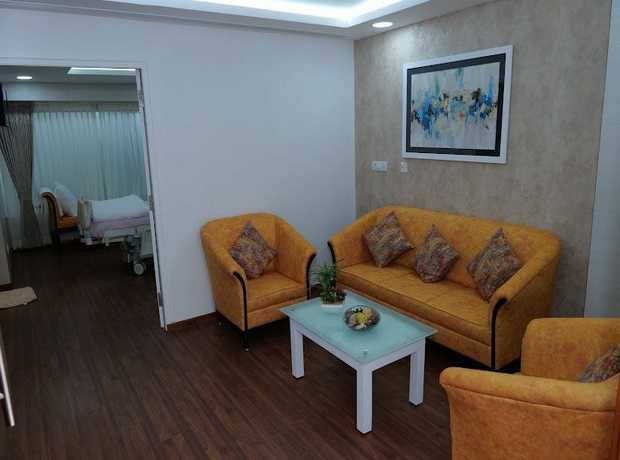
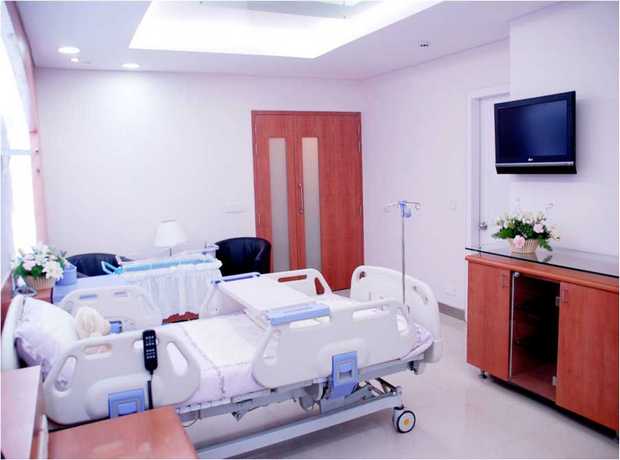
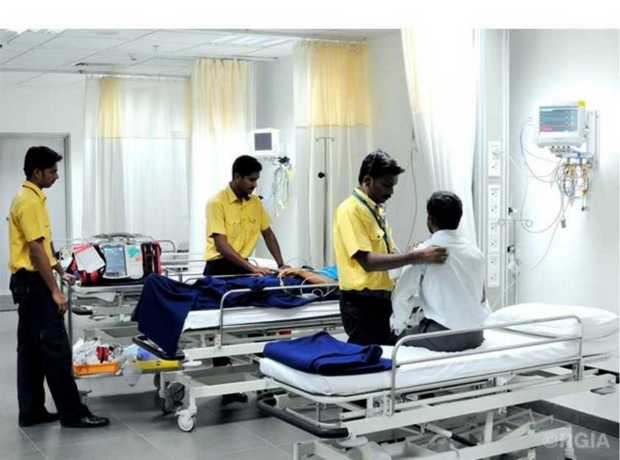
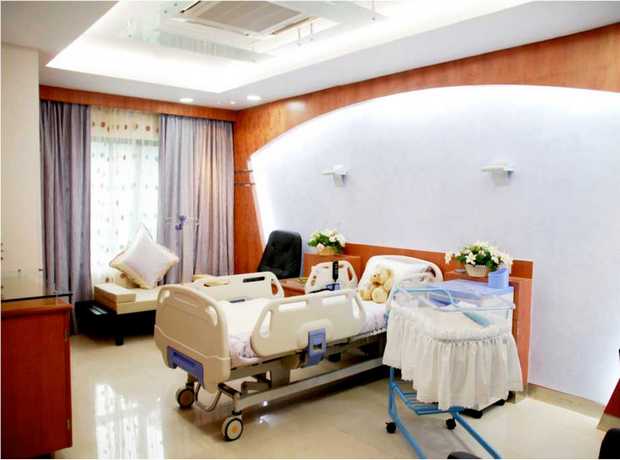
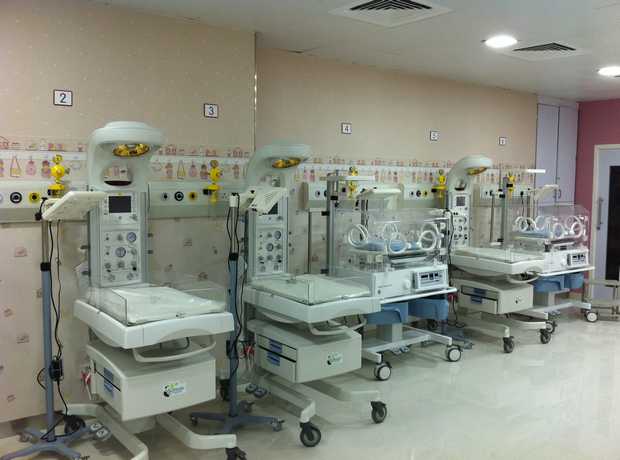
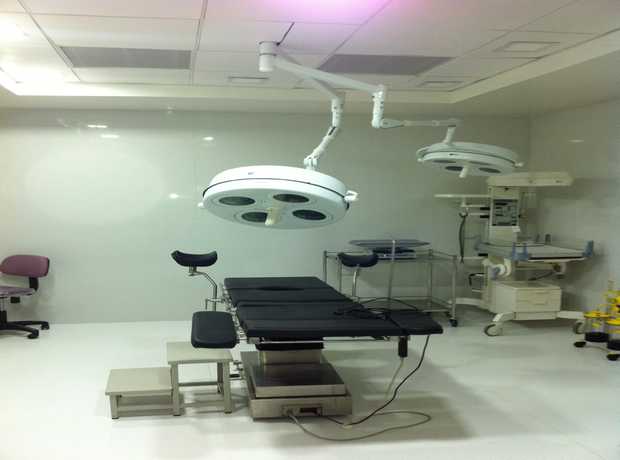
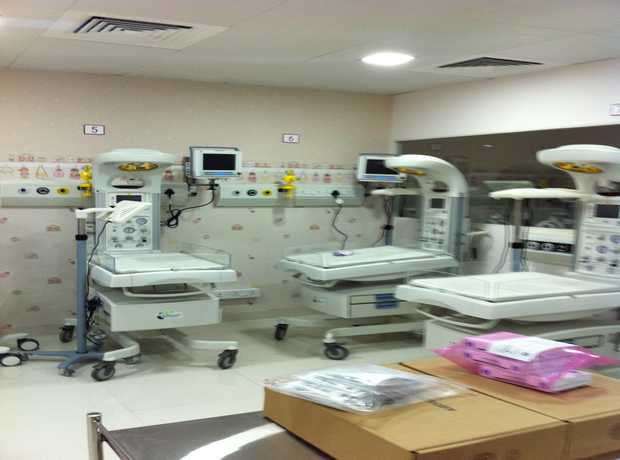
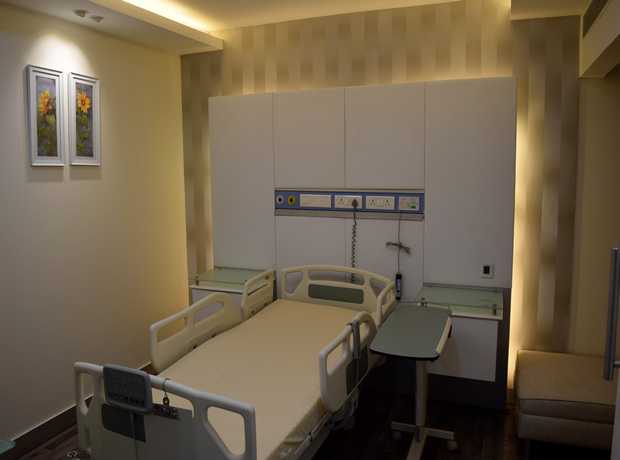
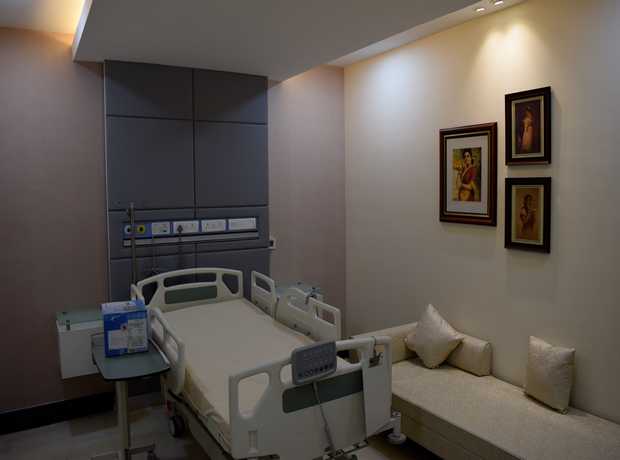
Designing hospitals and healthcare facilities demands the highest level of seismic resilience. Beyond structural frames, we focus on the seismic bracing of critical equipment (MRI machines, operating theatre equipment), flexible connections for essential utilities (medical gas lines, power), and ensuring unimpeded emergency egress routes. Patient rooms, ICUs, and labs are designed not just for functionality and hygiene but also with seismic considerations to protect occupants and ensure continuous operation during and after an event. Our healthcare planning expertise guarantees that these facilities remain functional when they are needed most. - Residential Projects: Safe Homes for Delhi’s Families
From apartments to luxury condominiums and senior housing, our residential projects prioritize the safety of occupants. We implement advanced structural systems and ductile detailing to ensure these homes can withstand seismic forces, providing peace of mind for families. Our designs also consider the seismic performance of non-structural elements within living spaces, such as securely anchored cabinetry and partition walls, to minimize injury risk during an earthquake. - Retail & Commercial Design: Protecting Business and Patrons
Shopping malls, office buildings, and mixed-use commercial developments are critical economic hubs. Our design and construction for these sectors focus on creating safe and resilient environments that protect patrons, staff, and valuable assets. This includes ensuring structural integrity, planning for effective evacuation, and securing heavy fixtures and shelving units to prevent injury and property damage during seismic events, thereby ensuring business continuity. - Interior Solutions: Seismic-Conscious Space Planning and Turnkey Execution
Beyond the primary structure, interiors play a significant role in seismic safety. Our interior solutions encompass space planning, furniture layouts, and turnkey interior execution that integrates seismic considerations. This means securely anchoring furniture, ensuring flexible connections for suspended ceilings and light fixtures, and designing partition walls to accommodate building movement without collapsing. Our multi-disciplinary approach ensures that every element of your interior contributes to the overall seismic safety of the building.
Contact us today to learn how our unparalleled experience and commitment to excellence can help you build a safer, more resilient Delhi. We are not just building structures; we are building trust and security. Call us at +91 7299072144 or email us at info@skydomedesigns.com.
The Future of Earthquake-Resistant Construction in Delhi: 2025 and Beyond
As Delhi marches towards 2025 and beyond, the field of earthquake-resistant construction is poised for transformative advancements. Emerging technologies, innovative materials, and sophisticated modeling techniques will continue to push the boundaries of structural resilience. These developments promise even safer and more sustainable buildings, capable of withstanding the most severe seismic events with minimal disruption.
Advanced Technologies and Innovative Materials: Redefining Resilience
- Base Isolation Systems: These revolutionary technologies involve placing flexible isolators (e.g., rubber bearings, friction pendulums) between the building’s foundation and its superstructure. During an earthquake, these isolators decouple the building from ground motion, significantly reducing the forces transmitted to the structure. This allows the building to “float” above the shaking ground, minimizing internal damage and ensuring continuous functionality, especially for critical facilities.
- Supplementary Damping Systems: Devices such as viscous dampers (similar to car shock absorbers), metallic yield dampers, and tuned mass dampers are integrated into the structural frame to absorb and dissipate seismic energy. These systems help control excessive building sway and reduce forces, thereby protecting the main structural elements.
- Smart Building Technologies and Structural Health Monitoring (SHM): Integrating sensors into buildings to continuously monitor their structural performance in real-time. These sensors can detect subtle changes in stress, strain, or displacement, providing early warnings of potential damage and allowing for informed decisions regarding post-earthquake assessment and repair. SHM can also inform future design improvements.
- High-Performance Materials: Research into advanced materials continues. This includes fiber-reinforced polymers (FRP) for strengthening and retrofitting existing structures, self-healing concrete that can repair micro-cracks, and advanced alloys that offer superior strength and ductility.
- Performance-Based Seismic Design (PBSD): Moving beyond prescriptive code-based design, PBSD focuses on designing buildings to achieve specific performance objectives (e.g., “immediate occupancy” or “life safety” after a defined earthquake level). This approach uses advanced analysis techniques to predict a building’s actual performance, offering greater control and optimization for critical structures.
The Growing Importance of Sustainable Construction in Seismic Resilience
The convergence of sustainable construction practices with seismic resilience is becoming increasingly vital. Sustainable building involves using environmentally friendly materials, optimizing energy efficiency, and minimizing waste throughout a building’s lifecycle. When integrated with earthquake-resistant design, this approach leads to “resilient sustainability.”
Sustainable construction often emphasizes material efficiency, reduced carbon footprint, and a longer building lifespan. A resilient building, by its nature, is also more sustainable because it is designed to endure, requiring less repair, replacement, and resource consumption over its lifetime. Using durable, locally sourced materials that are processed with low energy inputs, and designing structures that are inherently robust, contribute to both environmental stewardship and structural safety. This synergy ensures that buildings are not only safe from seismic events but also contribute positively to the environment and the well-being of their inhabitants.
Skydome Designs is committed to this dual mandate, ensuring that our structures are not only earthquake-resistant but also embody principles of ecological responsibility and long-term economic viability. We integrate lifecycle assessments into our design process, considering the environmental impact alongside structural performance. Learn more about our commitment to Sustainable Construction.
MEP Services and Earthquake Resistance: The Unsung Heroes
While the structural frame gets most of the attention, the proper design and installation of MEP services (Mechanical, Electrical, and Plumbing) are equally crucial for earthquake resistance and post-earthquake functionality. Damage to MEP systems can lead to fires, leaks, power outages, and loss of critical services, rendering an otherwise structurally sound building unusable.
- Seismic Bracing and Anchoring: All non-structural components, including large HVAC ducts, pipes, electrical conduits, light fixtures, and heavy equipment (generators, chillers, medical devices), must be securely anchored and braced to the structural frame. This prevents them from collapsing, rupturing, or becoming projectiles during shaking.
- Flexible Connections: Utility lines (water, gas, electricity, communication cables) that cross seismic joints or enter/exit the building must incorporate flexible connections. These connections allow for differential movement between building sections or between the building and the ground without breaking the lines.
- Redundancy and Emergency Systems: For critical facilities like hospitals, backup power systems, emergency water supplies, and redundant communication lines are essential to maintain operations during and after an earthquake. These systems themselves must also be seismically protected.
- Early Integration: The most effective approach is to integrate MEP seismic considerations early in the design phase, rather than as an afterthought. This requires close coordination between structural and MEP engineers.
A leading Delhi seismic and earthquake-resistant construction company like Skydome Designs ensures MEP systems are fully integrated into the overall structural design. Our multi-disciplinary team collaborates from day one to ensure that all building systems contribute to overall resilience, preventing secondary damage and ensuring functionality when it matters most. Our 2068+ assignments include rigorous MEP seismic detailing, ensuring operational continuity in critical buildings.
Policy, Regulatory Evolution, and Public Awareness
The future of earthquake-resistant construction in Delhi will also be shaped by evolving policies and regulations. There is a continuous need for governments to update building codes based on the latest research and seismic hazard assessments, improve enforcement mechanisms, and promote professional development for engineers and contractors. Public awareness and education campaigns are equally important, empowering homeowners and developers to demand and invest in safer construction practices. This collective effort, involving professionals, government, and citizens, is essential for building a truly resilient city.
FAQ: Seismic and Earthquake-Resistant Construction in Delhi
What is seismic and earthquake-resistant construction?
Seismic and earthquake-resistant construction involves designing and building structures to safely withstand the dynamic forces generated by earthquakes. The goal is to minimize structural and non-structural damage, protect occupants from injury, and ensure the building can maintain critical functions or be safely evacuated during and after a seismic event. This involves specialized engineering principles, material selection, and construction techniques focused on ductility, strength, stiffness, and redundancy.
Why is earthquake-resistant construction especially important in Delhi?
Delhi is located in Seismic Zone IV, indicating a high risk of moderate to severe earthquakes. Given its dense population, rapid urbanization, and concentration of critical infrastructure, earthquake-resistant construction is vital. It minimizes potential loss of life, reduces property damage, ensures continuity of essential services, and safeguards the city’s economy and social fabric from the devastating impacts of a major seismic event.
What are the key elements of earthquake-resistant design?
Key elements include: Ductility (the ability to deform without collapsing), Strength (resistance to seismic forces), Stiffness (control of building sway), and Redundancy (multiple load paths to prevent progressive collapse). Other important aspects include regularity in building geometry, robust foundation design, and the “strong column – weak beam” principle. These elements collectively ensure the building can absorb energy and dissipate forces safely.
How can I find reliable seismic and earthquake-resistant construction experts in Delhi?
Look for firms with extensive experience specifically in seismic zones, a strong understanding of local Indian Standard (IS) building codes, and a proven track record of delivering successful seismic-resistant projects. Verify their certifications, project portfolio, and client testimonials. Skydome Designs has 29+ years of experience across India and abroad, with an in-house team of architects, engineers, and project managers specializing in earthquake-resistant design and construction. Our 2068+ completed projects in this domain offer unmatched expertise. Don’t take chances; call Skydome Designs for expert solutions.
What are the risks if buildings are not earthquake-resistant?
Non-earthquake-resistant buildings face severe risks during a seismic event, including partial or complete structural collapse, leading to significant loss of life and injury. Beyond structural failure, there’s a high risk of damage to non-structural elements (walls, ceilings, equipment), rupture of utility lines (gas leaks, water damage, electrical fires), and widespread economic disruption due. Such buildings pose a continuous threat to their occupants and the broader community.
What is the role of non-structural elements in seismic safety?
Non-structural elements, such as partition walls, false ceilings, light fixtures, HVAC ducts, plumbing pipes, and heavy equipment, can cause significant damage and injury during an earthquake even if the main structure remains intact. Their proper seismic bracing, anchoring, and flexible connections are crucial to prevent collapse, rupture, or becoming projectiles, ensuring evacuation routes remain clear and critical services continue to function. Neglecting them can compromise the overall safety of an earthquake-resistant structure.
Can old buildings be retrofitted for earthquake resistance?
Yes, many older buildings can be successfully retrofitted to improve their earthquake resistance. Retrofitting techniques vary depending on the building’s type, age, structural system, and condition. Common methods include adding shear walls, steel bracing, concrete jacketing of columns and beams, fiber-reinforced polymer (FRP) wrapping, or even base isolation for critical structures. A thorough structural assessment by a qualified seismic expert is the first step to determine the most effective retrofitting strategy. Skydome Designs also offers expertise in structural assessments and retrofitting solutions for existing buildings.
For additional information on seismic design in India, you can refer to the official guidelines and codes published by the Bureau of Indian Standards (BIS).
Conclusion: Building a Resilient Delhi, One Structure at a Time
As Delhi continues its impressive trajectory of growth and development, the proactive prioritization of seismic and earthquake-resistant construction is not merely an option; it is an absolute necessity for forging a safer, more resilient, and sustainable future. By wholeheartedly embracing industry best practices, integrating cutting-edge advanced technologies, and forging partnerships with experienced and reputable professionals like Skydome Designs, Delhi has the power to significantly mitigate the inherent risks associated with seismic activity, thereby safeguarding its vibrant communities, vital infrastructure, and economic prosperity.
Our commitment at Skydome Designs extends beyond delivering projects; it is about building enduring legacies of safety and excellence. With nearly 30 years of specialized expertise, a staggering 2068+ successfully completed seismic and earthquake-resistant assignments across diverse regions, and an unparalleled 97% on-time delivery record, we stand as a testament to reliability and quality. Our unique capability to integrate global design standards with nuanced local code expertise, underpinned by advanced BIM-led coordination, meticulous value engineering, and uncompromising quality control, ensures that every project we undertake is a benchmark for structural integrity and resilience.
We believe that a resilient city is a thriving city. By investing in truly earthquake-resistant construction, Delhi can continue to flourish, secure in the knowledge that its buildings are engineered to protect and endure. Let us collaboratively shape a future where every structure in Delhi stands as a fortress against seismic forces, ensuring the well-being of its citizens and the sustained progress of the metropolis.
Ready to build a safer, more resilient future for Delhi? Contact Skydome Designs today for all your design-build needs. Our projects are delivered on-time, on-budget, and to global standards. Call +91 7299072144 or email info@skydomedesigns.com to discuss your project and join us in constructing a stronger Delhi.
About Skydome Designs Pvt Ltd
Skydome Designs Pvt Ltd is a leading architecture and interior design firm in India, renowned for its nearly 30 years of expertise and innovation. We specialize in designing and delivering high-performance, sustainable, and functional spaces across diverse sectors, with a particular focus on critical infrastructure and seismic resilience. Our in-house team comprises highly skilled architects, dedicated healthcare planners, expert structural engineers, and meticulous project managers, all committed to exceeding client expectations and setting new industry benchmarks.
What We Do: Our Expertise Across Key Sectors
- Hospital Interior Design: We excel in creating patient-centric healthcare environments, including state-of-the-art patient rooms, intensive care units (ICUs), operating theatres (OTs), advanced laboratories, and efficient consultation areas. Our facility planning ensures optimized workflows, enhanced patient care, and critical seismic resilience for uninterrupted operations.
- Residential Projects: Our portfolio spans modern apartments, luxurious condominiums, thoughtfully designed senior housing, and community-focused residential interiors. We prioritize safety, comfort, and aesthetics, ensuring every home is a secure sanctuary, engineered for earthquake resistance.
- Retail & Commercial Design: From expansive shopping malls and dynamic mixed-use developments to corporate offices and vibrant entertainment centers, we design spaces that are not only visually engaging and commercially viable but also structurally sound and resilient against seismic events, protecting both assets and occupants.
- Interior Solutions: Beyond structural design, our comprehensive interior solutions include strategic space planning, ergonomic furniture layouts, innovative lighting schemes, and meticulous turnkey interior execution. We integrate seismic safety into every interior element, ensuring that non-structural components are also secured and contribute to the overall resilience of the building.
Why Choose Us: A Partnership Built on Trust and Proven Performance
- 29+ Years of Unmatched Experience: Our extensive legacy spans across India and internationally, demonstrating deep market understanding and adaptability.
- Integrated In-house Expertise: A multidisciplinary team of architects, healthcare planners, structural engineers, and project managers ensures seamless coordination and holistic design.
- Award-Winning, Client-Focused, and Sustainable Designs: We are recognized for delivering innovative solutions that prioritize client needs, adhere to global sustainability standards, and have garnered industry accolades.
- Guaranteed On-Time, On-Budget, and Global Standard Delivery: Our robust project management processes ensure that every project is completed efficiently, within financial parameters, and to the highest international quality and safety standards.
- Proven Seismic Expertise: With over 2068+ successfully executed seismic and earthquake-resistant projects, our track record in resilient construction is unparalleled.
📞 Contact: +91 7299072144 | ✉️ Email: info@skydomedesigns.com