Melbourne, a city celebrated for its vibrant culture, lush green spaces, and burgeoning urban development, is experiencing unprecedented growth. As new communities flourish and existing ones expand, the demand for innovative, safe, and engaging playground and recreational area design is soaring. For developers, city planners, and community groups embarking on projects in 2025 and beyond, robust planning and meticulous execution are not just beneficial – they are essential to de-risk projects, ensure timely delivery, and create truly impactful spaces. This comprehensive, step-by-step guide will walk you through the entire process, emphasizing Melbourne-specific considerations and showcasing how partnering with experienced professionals like Skydome Designs can ensure your project stands out as a beacon of community well-being and architectural excellence.
With nearly three decades of award-winning experience, Skydome Designs brings unparalleled expertise to every project. We understand the unique challenges and opportunities presented by Melbourne’s dynamic environment, from its variable climate to its diverse community needs. Our commitment to client-focused, sustainable, and compliant designs ensures that every playground and recreational area we help create is not just a structure, but a thriving hub that enriches lives for generations.
Why High-Quality Playground and Recreational Area Design Matters in Melbourne’s Urban Landscape
Beyond being mere spaces for play, playgrounds and recreational areas are fundamental pillars of a healthy, cohesive community. In a city as forward-thinking and community-oriented as Melbourne, the quality of these spaces directly impacts residents’ physical, social, and psychological well-being. Investing in high-quality design is an investment in the future of the community, offering a myriad of benefits:
- Promoting Physical Activity and Health: Well-designed playgrounds with diverse equipment encourage children and adults alike to engage in physical activity, combating sedentary lifestyles and fostering healthy habits from a young age. Features like climbing structures, open fields, and multi-sport courts support gross motor skill development, cardiovascular health, and overall fitness. For Melbourne residents, access to outdoor activity is often a key factor in choosing where to live and thrive.
- Enhancing Social Interaction and Community Cohesion: These spaces serve as vital community hubs where people of all ages can gather, interact, and forge connections. Children learn cooperation and negotiation through play, while adults supervise, socialize, and build neighborhood bonds. Thoughtfully designed seating areas, picnic spots, and communal activity zones can significantly strengthen community ties, a crucial aspect in Melbourne’s increasingly dense urban environment.
- Stimulating Cognitive Development and Creativity: Play is a powerful learning tool. Innovative playground designs that incorporate elements of sensory play, problem-solving challenges, and imaginative scenarios stimulate cognitive functions, creativity, and critical thinking skills. Natural play elements, loose parts play, and themed zones can transport children to different worlds, fostering imaginative narratives and fostering a love for learning.
- Boosting Property Values and Attracting Residents: In Melbourne’s competitive real estate market, properties with access to attractive, safe, and well-maintained recreational areas command higher value and appeal. Families, in particular, prioritize proximity to such amenities. A standout playground or park can be a significant draw for potential residents and businesses, contributing to the overall desirability and economic vitality of a neighborhood or development.
- Contributing to Urban Green Infrastructure and Environmental Well-being: Beyond the play equipment, recreational areas often incorporate significant green spaces, trees, and native landscaping. These elements contribute to urban biodiversity, reduce the urban heat island effect, improve air quality, and provide essential habitats for local wildlife. They are critical components of Melbourne’s commitment to sustainability and liveability, offering residents a vital connection to nature within the city.
- Reflecting Modern Urban Planning Principles: Contemporary urban planning in Melbourne emphasizes mixed-use developments, walkability, and integrated public spaces. High-quality recreational design aligns perfectly with these principles, creating vibrant nodes within urban fabric that cater to diverse needs and promote a higher quality of life for all citizens.
Skydome Designs understands these profound impacts. Our approach to playground and recreational area design goes beyond aesthetics; it’s about crafting environments that enrich lives, foster connections, and stand as enduring assets for the Melbourne community.
Step 1: Initial Consultation and Comprehensive Needs Assessment for Your Melbourne Project
The foundation of any successful project, especially one as community-centric as a playground or recreational area, lies in a thorough and insightful initial consultation and needs assessment. This critical first step involves a deep dive into your vision, site specifics, and budgetary parameters, setting a clear direction for the entire design process. Without this comprehensive understanding, subsequent steps risk misalignment and inefficiencies.
At Skydome Designs, we initiate this phase by engaging in detailed discussions and site visits to gather every piece of essential information:
- Defining the Target User Group with Precision: Who is this space primarily for? The answer dramatically influences design choices.
- Children: Age ranges (toddlers, pre-school, primary, teens) dictate the type of equipment, safety surfacing, and challenge levels. Considerations include developmental stages, cognitive abilities, and sensory needs.
- Families: Spaces that cater to multiple generations, offering comfortable seating for parents/guardians, pram accessibility, and areas for picnics or gatherings.
- Seniors: Gentle exercise equipment, accessible pathways, shaded rest areas, and contemplative garden spaces promote active aging and social engagement.
- Community-wide: A multi-faceted approach that integrates elements for all age groups, creating an inclusive and vibrant community hub.
- Specific Needs: Are there particular cultural considerations or community requests? Understanding the demographics and aspirations of the local Melbourne community is paramount.
- Identifying the Available Space and its Constraints in the Melbourne Context: Every site is unique, especially in Melbourne with its diverse topography and existing infrastructure.
- Size and Shape: The overall footprint dictates the scale and potential layout of the recreational area. Irregular shapes can be challenging but also inspire unique, creative solutions.
- Terrain and Topography: Slopes, existing undulations, or flatlands influence drainage, equipment placement, and the need for earthworks. Harnessing natural slopes can create dynamic play opportunities.
- Existing Structures and Vegetation: Are there trees to be preserved, existing buildings, heritage elements, or underground services (pipes, cables) that need to be considered? Maximizing natural shade from existing trees is crucial in Melbourne’s sunny climate.
- Sun Path and Wind Direction: Understanding sun exposure throughout the day and prevailing wind patterns is vital for strategic placement of shade structures, play equipment, and seating areas, ensuring comfort and safety.
- Proximity to Roads and Residential Areas: Noise, privacy, and safety buffers are critical considerations.
- Access Points: How will users access the space? Are these points accessible for all?
- Establishing a Realistic Budget and Financial Parameters: Cost estimates are central to feasibility and prevent unexpected financial hurdles.
- Overall Project Budget: A clear understanding of the financial envelope guides material selection, equipment choices, and the scale of the design.
- Phased Development: Can the project be rolled out in stages to align with funding availability?
- Long-term Maintenance Costs: Considering the ongoing operational and maintenance budget is just as important as the initial capital outlay. Durable materials and low-maintenance landscaping can offer significant long-term savings.
- Funding Sources: Identifying grants, community contributions, or public funding opportunities.
- Determining the Desired Features and Activities: What experiences do you want to create?
- Play Equipment: Swings, slides, climbing frames, carousels, water play, sensory panels – the options are vast. Trends in natural play, adventure play, and accessible play are key considerations.
- Sports Facilities: Half-courts, multi-sport courts, open fields for informal games, fitness stations for adults.
- Green Spaces and Landscaping: Areas for passive recreation, nature exploration, community gardens, walking trails, and seating areas.
- Amenities: Public restrooms, drinking fountains, BBQ facilities, shade structures, bicycle racks, waste receptacles, and adequate lighting for evening use.
- Innovative Elements: Integrating art installations, educational signage, or smart technology for interactive experiences.
At Skydome Designs, we pride ourselves on our meticulous approach to this crucial first step. Our team actively listens, asks probing questions, and applies our extensive experience to translate your initial ideas into a tangible framework. Contact us today at +91 7299072144 or email us at info@skydomedesigns.com for a free consultation. Let us help you de-risk your Melbourne project from the very beginning, ensuring your vision is thoroughly understood and expertly planned.

Step 2: Conceptual Design and Planning Tailored for Melbourne’s Unique Climate and Community
With a comprehensive understanding gleaned from the needs assessment, the Skydome Designs team moves into the exciting phase of conceptual design. This is where ideas take shape, and the recreational area begins to materialize as a vibrant, functional space. This phase is particularly critical in Melbourne, where specific climatic conditions and community expectations must be meticulously integrated into the design fabric.
Developing Multiple Design Options and Layouts
Our experienced designers don’t just present one solution; we explore a range of possibilities, offering multiple design options that address the project’s objectives from various angles. This includes:
- Layout Exploration: Different arrangements of play zones, circulation paths, passive recreation areas, and amenities are considered. We evaluate flow, visibility (for supervision), and connectivity between different elements.
- Equipment Choices: Presenting various types of play equipment and sports facilities, considering their aesthetic, functional, and developmental benefits. This might involve contrasting traditional play structures with more nature-inspired elements or technologically integrated features.
- Zoning and Transition: How different age groups or activity types can coexist harmoniously, using landscaping or distinct surfacing to create natural transitions between zones.
- Visualizations: Creating 2D plans, 3D renderings, and even virtual walk-throughs to help stakeholders visualize the proposed designs and make informed decisions.
Considering Melbourne’s Distinct Climate and Environmental Factors
Melbourne’s climate is characterized by its “four seasons in one day” reputation, along with hot, dry summers and cool, wet winters. Designing for these conditions is paramount:
- Shade Structures and Natural Canopy: Given Melbourne’s high UV index, especially in summer, incorporating ample shade is non-negotiable. This involves strategic tree planting (native species for resilience), pergolas, shade sails, and integrated canopy structures to protect users from sun exposure.
- Durable and Weather-Resistant Materials: Materials must withstand significant temperature fluctuations, heavy rainfall, and prolonged sun exposure without degrading quickly. UV-stabilized plastics, marine-grade stainless steel, treated timbers, and resilient composite materials are preferred.
- Drainage and Water Management: Effective stormwater management is crucial to prevent waterlogging and erosion, ensuring the area remains usable after rain. Permeable paving, swales, and rainwater harvesting systems can be integrated.
- Wind Protection: While not always the primary concern, wind can impact comfort. Strategic planting or low walls can help create more sheltered zones on blustery days.
- Fire Resistance: For projects in bushfire-prone fringe areas of Melbourne, material selection and landscaping must consider fire resistance ratings and comply with relevant building codes (BAL ratings).
Ensuring Accessibility and Inclusivity for All
A truly great recreational space in Melbourne is one that welcomes everyone, regardless of age or ability. Inclusivity is a core tenet of our design philosophy:
- Universal Design Principles: Going beyond minimum compliance to create environments that are inherently usable by as many people as possible.
- Accessible Pathways: Smooth, firm, and slip-resistant pathways with appropriate gradients for wheelchairs, prams, and mobility aids.
- Inclusive Play Equipment: Integrating equipment such as sensory play panels, ground-level activities, accessible swings, wheelchair-accessible carousels, and ramps to elevated platforms.
- Diverse Sensory Experiences: Incorporating elements that appeal to various senses – tactile surfaces, auditory elements (chimes, water features), fragrant plants, and visual contrasts.
- Quiet Zones: Providing calmer areas for children or adults who may feel overwhelmed by sensory input.
- Clear Signage: Easy-to-understand signage with pictograms and tactile elements.
Integrating Sustainable Design Principles
Melbourne is a leader in sustainability, and our designs reflect this commitment:
- Minimizing Environmental Impact: Reducing waste during construction, minimizing site disturbance, and specifying locally sourced materials where possible.
- Promoting Resource Efficiency: Incorporating water-efficient landscaping, native plantings that require less irrigation, and energy-efficient lighting solutions.
- Material Selection: Prioritizing recycled content, recyclable materials, and those with low embodied energy and ethical sourcing. Examples include recycled plastic lumber, sustainably harvested timber, and rubber surfacing made from recycled tires.
- Biodiversity Enhancement: Designing with local flora to support native wildlife and creating natural habitats within urban settings.
- Future Adaptability: Creating flexible spaces that can adapt to changing community needs or technological advancements over time, extending the lifespan of the investment.
Our 29+ years of experience across India and abroad means we can tailor designs for unique environmental conditions, especially Melbourne’s distinct climatic challenges and progressive urban planning goals. We believe in award-winning, client-focused, and sustainable designs that not only meet but exceed expectations. We understand that a great design balances innovation with practicality, vision with budget, and aspiration with compliance. Learn more about our approach to residential projects, where similar design principles of community and sustainability are paramount.
Step 3: Detailed Design and Meticulous Material Selection for Melbourne’s Standards
Once a conceptual design gains approval, the project transitions into the detailed design phase – a meticulous process where every element is precisely defined and specified. This stage transforms the conceptual vision into comprehensive, actionable plans ready for construction, ensuring safety, durability, and compliance with stringent Australian standards. This is where Skydome Designs’ technical expertise truly shines, bridging the gap between imaginative design and engineering precision.
Specifying Materials and Equipment with Unwavering Quality and Safety
The choice of materials and equipment is critical for the longevity, safety, and aesthetic appeal of any recreational area. Our specifications are rigorous:
- Play Equipment: Each piece of equipment is selected based on its target age group, developmental benefits, durability, and compliance with AS 4685. We specify leading manufacturers known for their quality, safety features, and robust warranties. Materials often include powder-coated steel, high-density polyethylene (HDPE) plastic for panels, and marine-grade stainless steel for corrosion resistance.
- Safety Surfacing: The type of surfacing directly impacts safety and accessibility. We specify options like engineered wood fiber, poured-in-place rubber (wet pour), rubber tiles, and synthetic turf, all designed to meet critical fall height requirements and AS/NZS 4422. Color choices and patterns can also be integrated for aesthetic appeal and wayfinding.
- Structural Materials: Specifying treated timbers, structural steel, and reinforced concrete for foundations, retaining walls, and primary structures, ensuring they are engineered to withstand Melbourne’s environmental conditions and usage loads.
- Hardscaping Materials: Paving, concrete, and aggregates are chosen for durability, slip resistance, and aesthetic integration with the overall design. Consider permeable pavers for sustainable water management.
- Landscaping Materials: Selection of resilient native plants suitable for Melbourne’s climate, mulch, irrigation systems, and turf varieties that can withstand heavy use.
Creating Detailed Construction Drawings for Seamless Execution
The detailed design phase culminates in a comprehensive set of construction drawings and specifications that serve as the blueprint for contractors:
- Architectural Drawings: Site plans, dimensioned layouts, elevations, sections, and detailed equipment placement.
- Structural Drawings: Details for foundations, retaining walls, and any structural elements, prepared by qualified structural engineers.
- Service Drawings: Plans for irrigation, lighting, stormwater drainage, and utility connections.
- Landscaping Plans: Planting schedules, irrigation layouts, and details for garden beds and natural features.
- Material Schedules: Comprehensive lists of all specified materials, finishes, and colors.
- Technical Specifications: Written descriptions outlining the quality, performance, and installation requirements for all components.
Ensuring Compliance with Australian Safety Standards and Regulations
Adherence to Australian standards and local Melbourne regulations is non-negotiable. Our designs are meticulously checked against all relevant guidelines:
- AS 4685 (Playground Equipment and Surfacing): This multi-part standard covers everything from general requirements to specific equipment types (swings, slides, ropes courses). We ensure compliance with critical fall heights, entrapment zones, free space, and structural integrity.
- AS/NZS 4422 (Playground Surfacing – Specifications, Requirements and Test Methods): This standard specifies the requirements for impact attenuation properties of surfacing materials.
- Disability Discrimination Act (DDA) Guidelines: Ensuring all accessible elements meet the requirements for universal access.
- Local Council Regulations: Adhering to specific planning overlays, building permits, and environmental regulations enforced by Melbourne’s various local councils (e.g., City of Melbourne, City of Port Phillip, Yarra City Council). This includes noise restrictions, operating hours, and heritage considerations.
- Building Codes of Australia (BCA) / National Construction Code (NCC): For any built structures within the recreational area.
Planning for Landscaping and Amenities: The Finishing Touches
Beyond the play structures, the surrounding landscape and amenities significantly contribute to the overall experience and usability of the space:
- Incorporating Greenery: Strategic planting for shade, aesthetic appeal, biodiversity, and defining spaces. Using native Melbourne flora reduces water consumption and supports local ecosystems.
- Seating and Rest Areas: Benches, picnic tables, and shaded zones for relaxation and supervision. Materials should be durable and comfortable.
- Pathways and Circulation: Clear, accessible pathways connecting different areas, ensuring smooth flow and ease of navigation.
- Water Features: Drinking fountains, potentially interactive water play elements (designed with water efficiency in mind).
- Waste Management: Strategically placed bins for general waste and recycling, encouraging responsible waste disposal.
- Bike Racks: Encouraging active transport by providing secure bicycle parking.
- Public Toilets: Where appropriate, well-designed, accessible, and easily maintainable toilet facilities.
Melbourne Interior Experts: Branding & Signage for Cohesive Identity
Don’t overlook the vital role of branding and signage in creating a cohesive, inviting identity for your recreational area. Skydome Designs extends its expertise to provide comprehensive interior solutions, which, in the context of public spaces, translate into impactful environmental graphics. This includes:
- Wayfinding Signage: Clear and intuitive signs guiding users to different play zones, amenities, and exits, often incorporating playful designs for children.
- Interpretive Signage: Educational panels about local flora, fauna, history, or the benefits of play, adding an enriching layer to the experience.
- Branding Elements: Integrating the project’s name, logo, or thematic elements into entry signage, benches, or paving to create a distinct and memorable identity.
- Safety Signage: Clearly displaying rules, emergency contacts, and age recommendations in an easily digestible format.
Thoughtful signage enhances the user experience, aids navigation, communicates important information, and reinforces the identity of the recreational space, making it a truly integrated part of the Melbourne community.
Melbourne Interior Experts: Lighting Design and Acoustics for Enhanced Ambiance and Safety
The functionality and appeal of your recreational space extend beyond daylight hours. Lighting and acoustics play a crucial role in the overall ambiance, usability, and most importantly, the safety of your recreational area, especially during evenings or in enclosed areas like community shelters or sports pavilions. Our Melbourne interior experts specialize in designing holistic solutions:
- Strategic Lighting Design:
- Safety and Security: Ensuring all pathways, entry/exit points, and key activity zones are adequately lit to prevent accidents and deter undesirable activity.
- Ambiance and Usability: Using varying light levels and types to create inviting atmospheres. For instance, softer, warmer lighting for seating areas, and brighter, functional lighting for active play zones or sports courts.
- Energy Efficiency: Specifying LED lighting with smart controls (timers, motion sensors, dimmers) to minimize energy consumption and operational costs, aligning with Melbourne’s sustainability goals.
- Light Pollution Mitigation: Designing fixtures that minimize light spill and skyglow, respecting surrounding residential areas and nocturnal wildlife.
- Aesthetics: Integrating lighting fixtures that complement the architectural style and landscaping of the recreational area, becoming design features in themselves.
- Acoustic Considerations: While outdoor spaces have natural sound dispersion, certain elements require acoustic planning:
- Noise Mitigation: Strategically positioning noisy play equipment away from residential boundaries, or using natural sound barriers like earth mounds and dense planting.
- Community Hubs: For enclosed or semi-enclosed spaces within the recreational area (e.g., community rooms, pavilions), acoustic treatments are essential to minimize noise reverberation, enhance speech intelligibility, and create a more comfortable environment for gatherings and events.
- Material Selection: Utilizing sound-absorbing materials in shelters or underpasses to reduce echo and create more pleasant auditory experiences.
Contact us for specialized lighting design and acoustics solutions tailored to your Melbourne project. Our integrated approach ensures that every sensory aspect of your recreational space is carefully considered and expertly executed, enhancing both functionality and user experience.
Step 4: Construction and Installation in Melbourne: Bringing the Vision to Life
With detailed designs and specifications approved, the project moves into the physically intensive construction and installation phase. This stage requires rigorous project management, adherence to safety protocols, and seamless coordination among all stakeholders to ensure the playground or recreational area is built to the highest standards, on time, and within budget, especially considering Melbourne’s dynamic construction environment.
Selecting Qualified Contractors with Local Melbourne Experience
The success of the construction phase hinges on choosing the right team:
- Experience with Playground Construction: Prioritizing contractors who have a proven track record specifically in public playground and recreational area construction, demonstrating familiarity with specialized equipment, safety surfacing, and relevant standards.
- Local Knowledge: Contractors with experience working in Melbourne understand local regulations, permit processes, supply chains, and specific site conditions. This local insight can prevent costly delays and ensure smoother project execution.
- Certifications and Licenses: Verifying that contractors hold all necessary licenses, certifications, and adequate insurance coverage for public works.
- Safety Record: Reviewing their safety protocols and track record to ensure a commitment to a safe construction site, crucial for projects in public-facing environments.
- References and Portfolio: Checking references from previous clients and reviewing their portfolio of completed projects to assess quality and reliability.
Managing the Construction Process with Precision
Effective project management is key to maintaining momentum and quality:
- Detailed Project Schedule: Developing a realistic timeline with clear milestones for site preparation, equipment installation, landscaping, and final inspections.
- Regular Site Supervision: Skydome Designs provides dedicated project managers who conduct regular site visits, monitoring progress, ensuring adherence to design specifications, and maintaining quality control throughout every stage.
- Budget Monitoring: Diligent tracking of expenditures against the approved budget, with proactive identification and resolution of any potential cost overruns.
- Quality Assurance: Implementing checks at each stage of installation, verifying that all materials are correctly installed and meet specified quality standards. This includes ensuring correct fall heights for surfacing, secure equipment fixings, and proper drainage.
- Environmental Management: Overseeing measures to minimize environmental impact during construction, such as erosion control, waste segregation, and protection of existing vegetation.
Coordinating with All Stakeholders
Open and continuous communication is vital:
- Client Updates: Providing regular progress reports, addressing concerns, and seeking approvals at critical junctures.
- Contractor Communication: Maintaining clear lines of communication with the chosen contractors to resolve issues promptly and ensure everyone is aligned with the project goals.
- Local Authorities and Community Groups: Liaising with Melbourne City Council or relevant local councils for inspections, permits, and ensuring community expectations are managed.
- Utility Providers: Coordinating with electricity, water, and gas providers for any necessary service connections or disconnections.
Minimizing Disruption to the Surrounding Melbourne Area
Construction in urban or residential areas often requires sensitive management of site impacts:
- Safety Measures: Implementing robust fencing, clear signage, and designated safe zones to protect the public from construction hazards.
- Noise and Dust Control: Adhering to local council regulations regarding construction noise, and implementing measures to control dust, especially in close proximity to residential or commercial properties.
- Traffic Management: Planning for material deliveries and contractor access to minimize disruption to local traffic flow and pedestrian access.
- Community Notifications: Informing local residents and businesses about construction schedules, potential disruptions, and contact persons for inquiries.
Skydome Designs offers end-to-end delivery for playground and recreational area design — strategy, design, construction and handover in Melbourne. We utilize BIM-led coordination, value engineering, and quality control tailored to Melbourne needs, ensuring that every project is managed with precision and expertise. Our proven track record, backed by 2295+ successful projects globally, means you can trust us to deliver a superior outcome. Choose a partner with a proven track record of 2295+ successful projects and 99% on-time delivery.
Step 5: Safety Inspections, Certification, and Final Approval for Public Use
Before any playground or recreational area can be opened to the public, a rigorous process of safety inspections and official approvals is paramount. This critical step ensures that the newly constructed space is not only compliant with all Australian standards but also inherently safe for its intended users, providing peace of mind for both the client and the community. At Skydome Designs, we integrate this phase seamlessly into our end-to-end delivery process, prioritizing public safety above all else.
Thorough Equipment Inspection and Functional Checks
The first line of defense in ensuring safety is a detailed inspection of all installed elements:
- Equipment Integrity: Every piece of play equipment is meticulously checked for proper installation, secure fixings, absence of sharp edges or pinch points, and correct spacing as per AS 4685.
- Functionality Tests: Moving parts are tested for smooth operation, slides for safe descent, and swings for appropriate clearance and chain integrity.
- Material Quality Verification: Ensuring that all materials used match the specified quality and have not been damaged during installation.
- Critical Fall Heights: Verifying that the depth and type of safety surfacing meet the critical fall height requirements for each piece of equipment, as per AS/NZS 4422.
- Accessibility Features: Confirming that ramps, pathways, and accessible equipment meet DDA standards for gradients, widths, and surfacing.
Ensuring Comprehensive Compliance with Australian Safety Standards
Compliance is not just about equipment; it’s about the entire environment:
- Independent Safety Audits: We often recommend and facilitate independent post-construction safety audits by certified playground safety inspectors (CPSI). These third-party experts provide an unbiased assessment of the entire site against AS 4685 and AS/NZS 4422, identifying any non-compliances or potential hazards.
- Entrapment Zones: Verification that there are no gaps or openings that could trap a child’s head, limbs, or clothing.
- Free Space and Fall Zones: Ensuring adequate clear space around equipment to prevent collisions and sufficient fall zones for impact absorption.
- Hazard Identification: A thorough scan for any potential hazards such as exposed concrete footings, protruding bolts, trip hazards, or harmful plant species.
- Documentation Review: Verifying that all material certifications, installation logs, and maintenance manuals are complete and readily available.
Addressing Any Identified Hazards or Deficiencies
Should any issues be identified during inspections, prompt and effective rectification is crucial:
- Rectification Plan: Developing a clear plan with the contractor to address all identified deficiencies, prioritizing those that pose immediate safety risks.
- Re-inspection: Once rectified, the affected areas are re-inspected to ensure the issues have been fully resolved to standard.
- Documentation of Changes: All rectifications and amendments are documented and added to the project’s final handover package.
Obtaining Final Approval from Relevant Melbourne Authorities
The culmination of the inspection process is the official sign-off from local governing bodies:
- Local Council Approval: Depending on the project, this could involve final inspections by council building surveyors or compliance officers to ensure adherence to planning permits, building permits, and local bylaws.
- Occupancy Permits: For any enclosed structures within the recreational area (e.g., pavilions, community rooms), an occupancy permit may be required before public use.
- Handover Documentation: Skydome Designs compiles a comprehensive handover package including as-built drawings, material warranties, maintenance manuals, safety certificates, and a record of all inspections and approvals. This package is vital for the ongoing management and maintenance of the facility.
By meticulously managing this phase, Skydome Designs ensures that every playground and recreational area we design and oversee in Melbourne is not only a source of joy but also a testament to uncompromising safety and regulatory compliance, ready for the community to enjoy with confidence.
Step 6: Post-Occupancy Support and Ongoing Maintenance in Melbourne
The successful completion and opening of a playground or recreational area is just the beginning of its life cycle. To ensure its longevity, continued safety, and sustained value to the Melbourne community, ongoing support and proactive maintenance are absolutely crucial. Without a dedicated post-occupancy strategy, even the most brilliantly designed and constructed space can rapidly deteriorate, posing safety risks and undermining the initial investment. Skydome Designs understands this long-term commitment and integrates post-occupancy support as a fundamental part of our service offering.
Regular Inspections to Identify Potential Safety Issues and Wear
Consistent monitoring is key to preventative maintenance:
- Routine Visual Inspections (Daily/Weekly): Basic checks by facility managers or community representatives for obvious hazards like litter, broken equipment, vandalism, or excessive wear.
- Operational Inspections (Monthly/Quarterly): More detailed checks of equipment functionality, wear and tear on moving parts, surfacing integrity, and structural stability. This also includes checking vegetation health and irrigation systems.
- Annual Comprehensive Inspections (Independent Auditor): A thorough inspection by a certified playground safety inspector (CPSI) to assess compliance with current Australian standards, evaluate safety surfaces, and identify any long-term structural issues or design flaws. This provides a baseline for ongoing maintenance planning.
- Risk Assessment Reviews: Periodically reviewing the risk assessment for the site, especially after any incidents or changes in equipment/usage patterns.
Routine Maintenance to Keep Equipment in Good Working Order and Extend Lifespan
Proactive maintenance preserves the asset and ensures continuous safe use:
- Cleaning and Sanitization: Regular cleaning of surfaces, equipment, and amenities, especially in high-traffic areas, to maintain hygiene standards.
- Surface Management: Topping up loose-fill surfacing (e.g., engineered wood fiber) to maintain critical fall heights, and inspecting / repairing wet-pour rubber or synthetic turf for damage.
- Equipment Repair: Prompt repair or replacement of worn, broken, or damaged parts (e.g., swing seats, chains, bolts, panels) before they become safety hazards.
- Lubrication and Adjustment: Maintaining moving parts of equipment to ensure smooth and safe operation.
- Landscaping Maintenance: Pruning trees and shrubs for safety and visibility, weeding garden beds, maintaining turf areas, and ensuring irrigation systems are functioning efficiently.
- Structure Maintenance: Inspecting and repairing fences, gates, seating, shade structures, and pathways for damage or wear.
- Waste Management: Ensuring bins are regularly emptied and waste is properly disposed of.
Addressing Any User Feedback or Concerns Promptly
Community engagement doesn’t end at handover; it continues through responsive management:
- Feedback Mechanisms: Establishing clear channels for users to report issues or provide feedback (e.g., online forms, dedicated email, signage with contact details).
- Responsive Action: Prioritizing and addressing safety concerns immediately, and systematically evaluating other feedback for future improvements or adjustments.
- Community Communication: Keeping the community informed about maintenance schedules, temporary closures, or planned upgrades.
Planning for Future Upgrades or Expansions
A well-maintained recreational area is also one that evolves with its community:
- Life Cycle Planning: Developing a long-term plan for significant equipment replacement or facility upgrades based on projected lifespan and budget cycles.
- Technology Integration: Considering future opportunities to integrate smart technology, such as interactive play elements, enhanced lighting, or real-time usage data.
- Responding to Trends: Keeping abreast of new trends in playground design and recreational activities to ensure the space remains relevant and engaging for future generations of Melbourne residents.
- Expanding Capacity: Assessing whether the area needs to expand or diversify its offerings as the surrounding community grows or changes.
We’ve delivered 2295+ playground and recreational area design assignments across Melbourne and globally over 30+ years. Our on-time delivery rate is 99%, supported by multi-disciplinary reviews and post-occupancy support, ensuring the enduring quality and safety of your investment. Ensure your Melbourne project’s longevity and success – contact us today to discuss how our ongoing support can safeguard your community asset!
Addressing Common Challenges in Melbourne Playground and Recreational Area Projects
While the step-by-step guide outlines an ideal process, real-world projects, especially in a dynamic city like Melbourne, often encounter unique challenges. Anticipating and strategically addressing these hurdles is key to successful project delivery. Skydome Designs, with decades of experience, is adept at navigating these complexities.
1. Navigating Melbourne’s Complex Planning and Permit Processes
- The Challenge: Melbourne’s various local councils (e.g., City of Melbourne, City of Port Phillip, Yarra City Council, Darebin City Council) each have their own planning schemes, overlays (like heritage, environmental significance, public open space), and permit requirements. Obtaining necessary permits can be time-consuming and require extensive documentation and community consultation.
- Skydome’s Solution: Our team has extensive experience working with Melbourne’s diverse planning authorities. We conduct thorough pre-application assessments, prepare comprehensive documentation that addresses all planning criteria, and manage the permit application process proactively. Our designs are inherently compliant, minimizing delays.
2. Budget Constraints and Value Engineering
- The Challenge: Balancing ambitious design visions with realistic budget limitations. Construction costs in Melbourne can be significant, and unexpected expenses can arise.
- Skydome’s Solution: From Step 1, we work to establish realistic budgets. In detailed design, we employ value engineering principles – analyzing components to achieve the same or better function at a lower cost without compromising safety or quality. This might involve optimizing material selection, simplifying complex construction details, or phasing the project. Our BIM-led coordination allows for precise cost tracking and material optimization.
3. Site-Specific Challenges: Geotechnical, Environmental, and Existing Infrastructure
- The Challenge: Encountering poor soil conditions, underground services (water, sewer, electricity), heritage trees, or contaminated land, which can increase costs and complexity.
- Skydome’s Solution: Our initial needs assessment includes site investigations (geotechnical reports, services location). We design solutions that integrate with or mitigate these challenges, such as specialized foundations, careful root protection zones for trees, or remediation strategies for contaminated soil, ensuring compliance with EPA Victoria guidelines.
4. Community Engagement and Managing Expectations
- The Challenge: Balancing diverse community needs, preferences, and sometimes conflicting feedback from various stakeholder groups.
- Skydome’s Solution: We facilitate structured community engagement processes, from workshops to online surveys, ensuring all voices are heard. Our conceptual designs often present multiple options, allowing for iterative refinement based on community input. We are skilled at translating community desires into practical, compliant, and impactful design elements.
5. Durability and Vandalism in Public Spaces
- The Challenge: Public playgrounds are subject to heavy use and can unfortunately be targets for vandalism, leading to increased maintenance costs and safety concerns.
- Skydome’s Solution: Our detailed design emphasizes the selection of robust, vandal-resistant materials (e.g., graffiti-resistant coatings, heavy-duty fixings, durable composites). We also incorporate design principles that promote natural surveillance, such as clear sightlines and appropriate lighting, to deter antisocial behavior. Our post-occupancy support helps clients implement effective maintenance and rapid repair strategies.
6. Adapting to Climate Change Impacts
- The Challenge: Melbourne faces increasing risks from extreme heat, prolonged droughts, and intense rainfall events due to climate change, impacting the resilience and usability of outdoor spaces.
- Skydome’s Solution: Our designs actively integrate climate-resilient strategies. This includes extensive shade provision, specifying heat-resistant materials (e.g., lighter colored surfaces to reduce heat absorption), drought-tolerant native landscaping, enhanced stormwater management systems (rain gardens, permeable paving), and features like drinking fountains to support users during heatwaves.
By partnering with Skydome Designs, you gain a partner experienced in foreseeing and overcoming these common Melbourne-specific challenges, ensuring your project remains on track and delivers enduring value.
Emerging Trends in Playground and Recreational Area Design for Melbourne (2025 and Beyond)
As Melbourne continues to grow and evolve, so too do the expectations for its public spaces. The trends shaping playground and recreational area design are driven by a deeper understanding of child development, community well-being, sustainability, and technological integration. For projects in 2025 and beyond, incorporating these innovative approaches can create truly cutting-edge and future-proof spaces.
1. Nature Play and Biophilic Design Integration
- The Trend: A significant shift away from purely manufactured play structures towards integrating natural elements. This involves using logs, rocks, sand, water, earth mounds, and native vegetation as core play components. Biophilic design principles aim to connect users with nature, even in urban settings.
- Melbourne Relevance: Aligns with Melbourne’s green city initiatives and appreciation for natural environments. It encourages imaginative, open-ended play and provides sensory rich experiences, promoting calmness and focus.
- Skydome Approach: We design spaces that blur the lines between playground and park, incorporating natural landforms, water features (where appropriate), and native planting palettes that are both aesthetically pleasing and interactive for children and adults.
2. Intergenerational and Inclusive Spaces
- The Trend: Designing recreational areas that cater to all ages and abilities simultaneously. This means integrating gentle exercise equipment for seniors, challenging play for teens, imaginative play for younger children, and accessible pathways and seating for everyone.
- Melbourne Relevance: Supports social cohesion in diverse, multi-generational communities. Addresses the city’s commitment to accessibility and aging-in-place initiatives.
- Skydome Approach: Our designs meticulously zone areas for different activities while ensuring seamless transitions and shared communal spaces. We incorporate DDA-compliant equipment and universal design principles to create welcoming environments for all.
3. Smart Playgrounds and Technology Integration
- The Trend: Incorporating digital and interactive elements into traditional play. This could include augmented reality games, interactive LED panels, motion-sensing challenges, or data collection for usage patterns.
- Melbourne Relevance: As a tech-savvy city, Melbourne is ripe for smart public infrastructure. These elements can add novelty, encourage different forms of activity, and provide educational opportunities.
- Skydome Approach: While prioritizing physical activity, we explore innovative ways to integrate technology thoughtfully, ensuring it enhances, rather than detracts from, the core play experience, focusing on durability and low maintenance.
4. Community Hubs and Event-Ready Spaces
- The Trend: Recreational areas evolving beyond just play into versatile community hubs capable of hosting events, markets, outdoor performances, or fitness classes. This often includes flexible open spaces, robust infrastructure for temporary structures, and integrated amenities.
- Melbourne Relevance: Leverages the city’s love for public events and community gatherings, maximizing the utility and social return on investment of these spaces.
- Skydome Approach: We design with flexibility in mind, creating adaptable zones, accessible power points, and appropriate surfacing that can accommodate a variety of activities and community functions beyond everyday play.
5. Sustainable and Resilient Design
- The Trend: Deeper commitment to environmentally responsible design, including closed-loop material usage, advanced water harvesting, renewable energy integration (e.g., solar-powered lighting), and climate-adaptive landscaping.
- Melbourne Relevance: Directly supports Melbourne’s ambitious sustainability targets and its need to build resilience against climate change impacts like heatwaves and droughts.
- Skydome Approach: Sustainability is a core pillar of our design philosophy. We specify materials with low environmental footprints, integrate water-sensitive urban design (WSUD) principles, and optimize designs for energy efficiency and long-term ecological benefit.
6. Bespoke and Thematic Play Environments
- The Trend: Moving away from off-the-shelf equipment towards custom-designed, thematic playgrounds that tell a story, reflect local history, or celebrate specific cultural elements.
- Melbourne Relevance: Allows for unique, destination playgrounds that become landmarks, enhancing local identity and pride within specific Melbourne neighborhoods.
- Skydome Approach: Our creative team excels at developing unique concepts. We can craft bespoke play elements and entire thematic environments that are tailored to the specific context and aspirations of your Melbourne project, creating truly memorable spaces.
Embracing these trends ensures that Melbourne’s playgrounds and recreational areas are not only functional and safe but also imaginative, sustainable, and truly representative of a world-class city dedicated to the well-being of its citizens.
Frequently Asked Questions (FAQs) about Playground and Recreational Area Design in Melbourne
What are the key considerations for playground design in Melbourne?
Key considerations are multifaceted and include rigorous adherence to Australian safety standards (AS 4685, AS/NZS 4422), meticulous planning for Melbourne’s variable climate (requiring robust shade structures, durable weather-resistant materials, and effective drainage), ensuring universal accessibility for all users regardless of age or ability, and a deep understanding of the specific needs and aspirations of the target user group (children, families, seniors, or a broader community). Local council regulations and environmental overlays are also critical.
How much does it cost to design and build a playground in Melbourne?
The cost to design and build a playground or recreational area in Melbourne varies greatly, largely depending on the project’s scale, complexity, the type and quantity of play equipment chosen, the quality of materials, extent of landscaping, and inclusion of amenities (toilets, BBQ facilities, extensive lighting). Site-specific challenges, such as difficult terrain or the need for extensive earthworks, can also impact the budget. For an accurate estimate tailored to your specific project, it’s essential to get a customized quote from a reputable Melbourne playground and recreational area design company like Skydome Designs. We provide transparent cost breakdowns and value engineering options.
What are the Australian safety standards for playgrounds?
Australian playgrounds must strictly comply with key standards to ensure user safety. The primary standards are AS 4685 (Playground Equipment and Surfacing), which is a multi-part series covering general safety requirements, specific equipment types, and installation, and AS/NZS 4422 (Playground Surfacing – Specifications, Requirements and Test Methods), which dictates the impact attenuation properties of safety surfacing materials to prevent serious injuries from falls. Additionally, the Disability Discrimination Act (DDA) guidelines are crucial for ensuring accessibility.
How can I make my playground more inclusive and accessible in Melbourne?
To create a truly inclusive playground, consider incorporating accessible play equipment such as sensory play panels, ground-level activities, accessible swings, and wheelchair-accessible carousels. Ramps to elevated play structures, wider pathways, and safety surfacing suitable for wheelchairs and other mobility devices are essential. Designing quiet zones for children with sensory sensitivities and ensuring clear, accessible signage also contribute significantly to inclusivity. Consulting with an accessibility expert or a design firm experienced in universal design like Skydome Designs is highly recommended to ensure your playground meets the needs of all users.
What are the benefits of using a professional playground design company like Skydome Designs?
Partnering with a professional playground design company like Skydome Designs offers numerous benefits. Our expertise covers every aspect from initial concept to post-occupancy support, ensuring your playground is not only fun and engaging but also meets all relevant Australian safety standards and local Melbourne regulations. We optimize your budget through value engineering, streamline the complex design and construction process, and leverage our 30+ years of experience to create innovative, sustainable, and durable spaces that truly enhance community well-being and project value. Our end-to-end delivery model, BIM-led coordination, and proven track record of 2295+ successful projects globally offer unparalleled peace of mind.
How long does a typical playground project take from design to completion in Melbourne?
The timeline for a playground or recreational area project in Melbourne can vary significantly based on its size, complexity, and whether it’s a new build or an upgrade. Generally, a small-to-medium project might take 6-12 months from initial consultation to completion, including design, permitting, and construction. Larger or more complex projects, or those requiring extensive community consultation or environmental assessments, could take 12-24 months or longer. Skydome Designs provides detailed project schedules at the outset, with a 99% on-time delivery rate, ensuring realistic expectations and efficient management.
What are the considerations for sustainable playground design in Melbourne?
Sustainable design in Melbourne playgrounds involves several elements: using locally sourced, recycled, or recyclable materials (e.g., recycled plastic lumber, sustainably harvested timber); integrating water-sensitive urban design (WSUD) principles for efficient stormwater management and reduced irrigation needs; planting drought-tolerant native vegetation; designing for optimal natural shade and ventilation; and incorporating energy-efficient lighting. The goal is to minimize environmental impact, conserve resources, and create a resilient, low-maintenance space that integrates with Melbourne’s green infrastructure initiatives.
Will Skydome Designs assist with maintenance planning after completion?
Absolutely. Skydome Designs believes in the long-term success of every project. Our post-occupancy support includes providing comprehensive handover documentation, including detailed maintenance manuals, warranty information, and recommended inspection schedules. We can also advise on establishing robust routine and operational inspection plans and assist in planning for future upgrades, ensuring your Melbourne recreational area remains safe, functional, and beautiful for decades to come. Our 30+ years of experience and multidisciplinary reviews underpin the enduring outcomes of our projects.
Conclusion: Partnering for Excellence in Melbourne’s Recreational Future
Designing and constructing a successful playground or recreational area in Melbourne is a multifaceted undertaking that demands careful planning, meticulous attention to detail, a deep understanding of local conditions, and an unwavering commitment to safety, inclusivity, and sustainability. It’s an investment in community well-being, property value, and the very fabric of urban life.
By following the comprehensive step-by-step process outlined in this guide – from initial needs assessment and conceptualization through detailed design, construction, safety inspections, and crucial post-occupancy support – you can navigate the complexities and challenges inherent in such projects. However, the journey is significantly de-risked and enriched by partnering with experienced professionals who bring both global insights and local expertise.
Skydome Designs stands as your ideal partner in bringing your vision to life in Melbourne. With nearly 30 years of experience, a portfolio boasting 2295+ successful projects globally, and an impressive 99% on-time delivery rate, our multidisciplinary team is equipped to deliver end-to-end solutions. We pride ourselves on our BIM-led coordination, value engineering capabilities, and commitment to creating award-winning, client-focused, and sustainable designs that resonate with Melbourne’s unique character and community aspirations. From the strategic planning of shade and weather-resistant structures to the fine details of lighting and acoustics, our Melbourne interior experts ensure every aspect of your recreational space is perfected.
Don’t just build a playground; create a legacy. Contact Skydome Designs today at +91 7299072144 or email us at info@skydomedesigns.com to discuss your Melbourne project and receive a customized quote. Let us help you transform an idea into a vibrant, safe, and cherished community asset that will inspire and delight for generations to come. Your successful Melbourne project starts here.
Skydome Designs Pvt Ltd is a leading architecture and interior design firm in India, specializing in hospital and healthcare interiors, residential, and retail projects. With nearly 30 years of expertise, we deliver innovative, sustainable, and functional spaces that enhance experiences and operational efficiency across various sectors.
What We Do
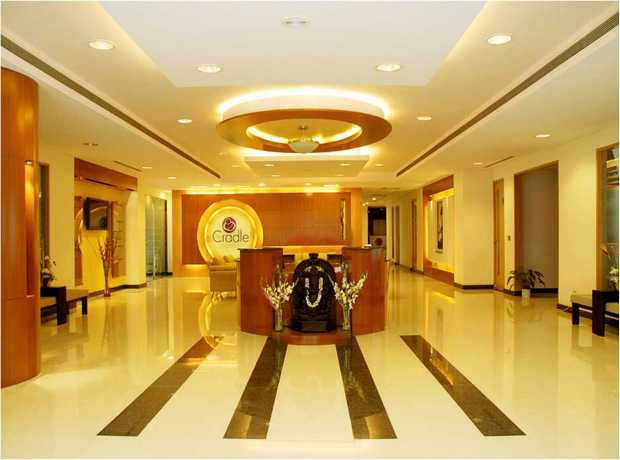
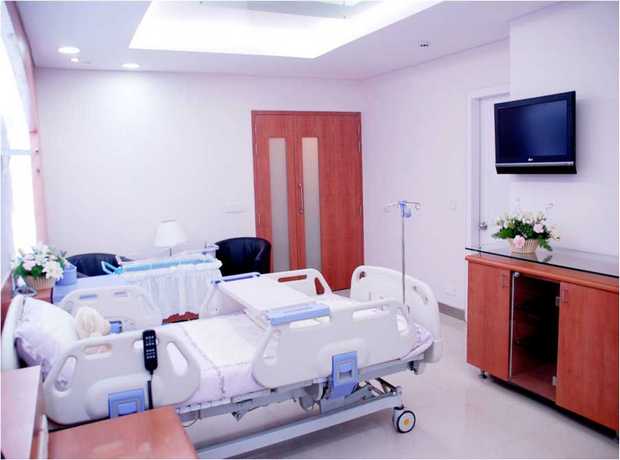
- Hospital Interior Design: Patient rooms, ICUs, OTs, labs, consultation areas, and facility planning for optimized care, safety, and operational flow.
- Residential Projects: Apartments, luxury condos, senior housing, and community-focused interiors that create comfortable, aesthetically pleasing, and highly functional living environments.
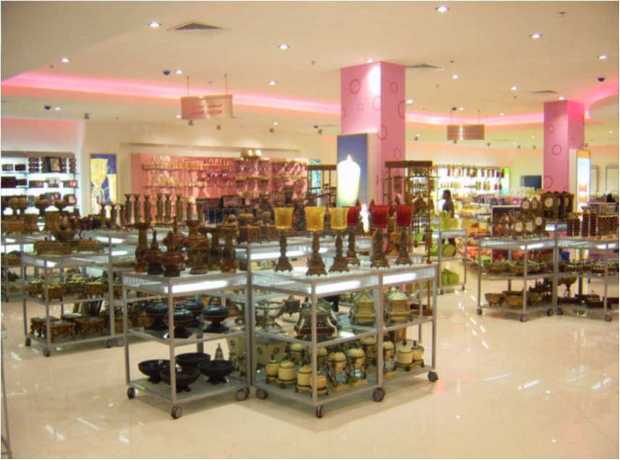
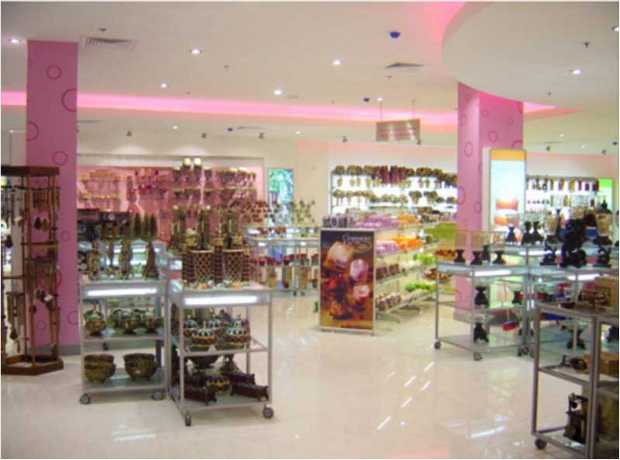
- Retail & Commercial Design: Shopping malls, mixed-use developments, offices, and entertainment centers, focusing on user experience, brand identity, and commercial success.
- Interior Solutions: Comprehensive services including space planning, furniture layouts, sophisticated lighting design, acoustic solutions, and turnkey interior execution for a seamless project delivery.
Why Choose Us
- 29+ years of extensive experience across India and abroad, bringing a wealth of knowledge to every project.
- An in-house team of highly skilled architects, healthcare planners, interior designers, and project managers ensuring integrated and efficient project execution.
- A commitment to award-winning, client-focused, and sustainable designs that are both innovative and responsible.
- A proven track record of projects delivered on-time, on-budget, and to global quality standards, backed by rigorous quality control and multi-disciplinary reviews.
📞 Contact: +91 7299072144 | ✉️ Email: info@skydomedesigns.com
Learn more about Australian Playground Surfacing Standards (AS/NZS 4422 – Example External Link)
Consider exploring our hospital interior design services or residential design services for related projects and comprehensive interior solutions.