Austin, the vibrant capital of Texas, is not just growing; it’s evolving into a beacon of sustainable innovation. As we look towards 2025, the imperative for green building design and rigorous certification for all new projects is clearer than ever. This isn’t merely a trend; it’s a fundamental shift towards resilient, efficient, and environmentally responsible construction that is rapidly becoming standard practice. For developers, architects, and property owners in Austin, understanding and mastering this process is no longer optional – it’s a strategic necessity that promises significant long-term benefits.
This comprehensive guide by Skydome Designs will meticulously walk you through the intricate, step-by-step process of achieving green building certification for your Austin projects in 2025 and beyond. By delving into the nuances of local regulations, international standards, and best practices, you can ensure your project not only meets the most stringent environmental benchmarks but also capitalizes on crucial advantages like reduced lifecycle costs, enhanced market value, and a reputation for corporate social responsibility. Let’s embark on this journey towards building a greener, more sustainable Austin, together!
Understanding Green Building Design and Certification in Austin’s Evolving Landscape
Austin’s commitment to sustainability is deeply ingrained in its municipal fabric, evident in its progressive building codes, ambitious climate plans, and a robust suite of incentives designed to foster eco-conscious development. Embracing green building design and certification in Austin transcends mere compliance; it represents a forward-thinking investment in the future. Projects that prioritize sustainability inherently benefit from lower operational costs, healthier indoor environments, and a significant competitive edge in a market increasingly valuing eco-friendly credentials. The city’s trajectory is firmly set on prioritizing sustainability and digital delivery, actively pushing for future-ready designs that not only minimize environmental impact but also maximize resource efficiency and long-term resilience.
Austin’s unique climate – characterized by hot summers and occasional droughts – makes certain sustainable strategies particularly impactful. Water conservation, heat island effect mitigation, and optimizing for efficient cooling systems are paramount. Therefore, green building in Austin isn’t a one-size-fits-all approach; it requires a deep understanding of local environmental conditions and regulatory frameworks, which is where specialized expertise becomes invaluable.
Why Green Building is More Than Just a Choice for Austin’s Future
The decision to pursue green building certification in Austin is a multifaceted one, driven by a confluence of environmental, economic, and social imperatives. The benefits extend far beyond a mere plaque on a wall, translating into tangible advantages for owners, occupants, and the broader community:
- Reduced Operational Costs: Green buildings are engineered for efficiency. This means significantly lower utility bills for energy and water over the building’s entire lifespan, translating into substantial savings for owners and tenants. High-performance envelopes, advanced HVAC systems, and smart controls contribute to this efficiency.
- Increased Property Value and Market Appeal: Certified green buildings consistently command higher rental rates and sale prices compared to conventional buildings. Their appeal to environmentally conscious businesses and residents, coupled with lower operating expenses, makes them highly desirable assets in Austin’s competitive real estate market.
- Improved Indoor Air Quality and Occupant Health: Green buildings prioritize non-toxic materials, superior ventilation, and abundant natural light, leading to healthier indoor environments. This results in reduced rates of respiratory illness, increased productivity, and enhanced comfort for occupants, a crucial factor for employee well-being in commercial spaces.
- Enhanced Brand Reputation and Corporate Social Responsibility: Achieving green certification signals a commitment to sustainability, enhancing a brand’s image and demonstrating responsible corporate citizenship. This can attract eco-conscious investors, employees, and customers, bolstering public perception and loyalty.
- Contribution to a Sustainable Future: At its core, green building is about responsible stewardship of our planet. By minimizing resource consumption, reducing waste, and mitigating carbon emissions, these projects play a vital role in Austin’s broader climate goals, contributing to a healthier environment for generations to come.
- Access to Incentives and Rebates: Austin Energy, the city’s utility, offers various incentives and rebates for energy-efficient design and construction. Green-certified projects may qualify for these, further offsetting initial investment costs and improving ROI.
- Risk Mitigation: As climate regulations tighten and resource costs fluctuate, green buildings are inherently more resilient. They are designed to adapt to environmental changes, operate efficiently even with rising energy costs, and adhere to future compliance standards, thus mitigating long-term risks.
Ultimately, Austin green building design and certification serves as a powerful catalyst for positive change, delivering holistic benefits that resonate across economic, environmental, and social dimensions. For Austin, a city renowned for its progressive values, embracing green building is not just a smart business decision; it’s an affirmation of its identity and commitment to a vibrant, sustainable future.

Step-by-Step Guide to Green Building Certification for Austin Projects (2025)
Achieving green building certification is a structured, multi-phase process that demands meticulous planning, expert execution, and thorough documentation. This guide breaks down each critical step, offering insights specifically tailored for projects aiming for success in Austin’s dynamic environment in 2025 and beyond.
Step 1: Project Assessment, Feasibility, and Strategic Goal Setting
The journey towards green building certification begins long before a single shovel breaks ground. This initial phase is crucial for laying a solid foundation for success. Begin by conducting a comprehensive assessment of your project’s potential for green building, considering its site, typology, budget, and intended use. This involves a detailed feasibility study that evaluates potential environmental impacts, resource availability, and local regulatory requirements unique to Austin.
- Site Analysis: Evaluate existing site conditions, including sun path, prevailing winds, natural topography, soil conditions, and proximity to public transport or natural amenities. How can the design leverage these elements for passive heating/cooling, daylighting, or water management?
- Preliminary Sustainability Audit: Identify key areas where your project can achieve significant environmental performance improvements. This could range from energy efficiency targets to specific water conservation goals or innovative material sourcing.
- Define Clear Sustainability Goals: Establish specific, measurable, achievable, relevant, and time-bound (SMART) sustainability objectives. Are you aiming for a specific certification level (e.g., LEED Gold, AEGB 4-Star)? What are your priorities regarding energy, water, materials, indoor environmental quality, and site impact? Austin’s hot climate often prioritizes water harvesting, high-efficiency cooling, and heat island reduction.
- Stakeholder Alignment: Ensure all project stakeholders – owners, developers, architects, engineers, and future occupants – are aligned with these green goals from the outset. Early buy-in is critical for successful integration and execution.
- Budget Allocation: Understand that while green building might have higher upfront costs, these are often offset by long-term operational savings and potential incentives. Allocate a realistic budget for green strategies and certification fees.
This foundational step is where the vision for a sustainable Austin project truly takes shape, ensuring that ambitions are grounded in practical realities and strategic advantages.
Step 2: Selecting the Optimal Certification System for Austin
Choosing the right green building certification system is a pivotal decision that will dictate your project’s design parameters, construction methodologies, and ultimate market positioning. While several reputable systems exist globally, some are particularly pertinent for Austin projects:
- LEED (Leadership in Energy and Environmental Design): Developed by the U.S. Green Building Council (USGBC), LEED is the most widely recognized global standard. It offers various rating systems for different building types (New Construction, Existing Buildings, Interiors, Neighborhood Development) and certification levels (Certified, Silver, Gold, Platinum). LEED is comprehensive, covering site sustainability, water efficiency, energy and atmosphere, materials and resources, indoor environmental quality, and innovation. It provides a robust framework that is universally understood and respected.
- Green Globes: An increasingly popular alternative, Green Globes is known for its user-friendly assessment process and flexibility. It uses a 1,000-point system across seven categories, allowing projects to choose criteria most relevant to their goals. It offers a more consultative approach, with an assessor involved earlier in the design process.
- Austin Energy Green Building (AEGB) Program: This program is arguably the most critical for local Austin projects. Established in 1990, AEGB is the nation’s oldest and most successful municipal green building program, uniquely tailored to the Austin climate, resources, and regulatory environment. It emphasizes energy and water efficiency, material selection, and indoor environmental quality within the specific context of Central Texas. AEGB offers different rating levels (1 to 5 Stars) and often aligns with local incentives from Austin Energy. For projects seeking local recognition and maximum advantage from city-specific benefits, AEGB is an invaluable choice.
When making your selection, carefully consider these factors:
- Project Type and Size: Some systems are better suited for specific building types (e.g., commercial vs. residential, small vs. large).
- Budget: Certification fees, documentation costs, and potential design/construction upgrades vary significantly between systems.
- Desired Level of Certification and Market Recognition: What level of sustainability achievement are you aiming for, and which certification will provide the greatest market advantage in Austin?
- Local Austin Incentives and Regulations: The AEGB program, in particular, often unlocks specific rebates and streamlined permitting processes from Austin Energy and the City of Austin.
Consulting with an experienced green building consultant or firm like Skydome Designs can provide invaluable guidance in this decision, ensuring your choice aligns perfectly with your project’s goals and local opportunities.
Step 3: Integrated Design and Planning – The Core of Green Building
This is where the principles of green building are seamlessly woven into the architectural and engineering blueprints. Effective design integration is paramount to achieving certification efficiently and cost-effectively. It demands a holistic, interdisciplinary approach that considers all building systems and their interactions from day one.
- Optimizing Building Orientation and Envelope: Leverage the site’s natural assets. Strategically orient the building to maximize daylighting and minimize solar heat gain, especially crucial in Austin’s hot climate. Design a high-performance building envelope with superior insulation, air sealing, and energy-efficient windows to reduce heating and cooling loads.
- Passive Design Strategies: Incorporate passive design elements such as overhangs, shading devices, natural ventilation pathways, and thermal mass to naturally regulate indoor temperatures and reduce reliance on mechanical systems. This is particularly effective in Austin for cooling.
- Advanced Energy Systems: Integrate energy-efficient HVAC systems (e.g., variable refrigerant flow (VRF) systems, geothermal), LED lighting with smart controls, and potentially renewable energy sources like rooftop solar photovoltaics. Consider energy modeling early in the design phase to predict and optimize energy performance.
- Water Conservation: Specify low-flow fixtures, water-efficient landscaping (xeriscaping), and integrate rainwater harvesting or greywater recycling systems. Austin’s frequent water restrictions make these strategies highly valuable.
- Sustainable Materials Selection: Prioritize materials with low embodied energy, recycled content, regional sourcing, durability, and low Volatile Organic Compound (VOC) emissions. This includes finishes, insulation, structural elements, and landscaping materials.
- Space Planning and Functional Efficiency: Effective space planning is not just about aesthetics; it’s critical for operational efficiency and occupant well-being. Thoughtful layouts can maximize daylight penetration, improve air circulation, and reduce the need for artificial lighting, directly impacting energy consumption. Our expertise extends to creating functional, adaptable, and beautiful spaces that inherently support green building goals.
- BIM-led Coordination and Value Engineering: At Skydome Designs, our approach for Austin projects involves cutting-edge BIM (Building Information Modeling)‑led coordination. This technology allows for comprehensive visualization, clash detection, and performance analysis, ensuring that all green building strategies are integrated efficiently and without costly conflicts. We also perform rigorous value engineering to optimize material choices and system designs, ensuring that sustainability goals are met within budget constraints.
This stage is where an experienced architectural and interior design firm like Skydome Designs truly shines. Our nearly 30 years of experience, including extensive expertise in green building design and certification, allows us to seamlessly integrate these complex requirements into a cohesive and inspiring design. Contact us today to discuss how our Austin interior experts can help realize your vision for a sustainable and future-ready project.
Step 4: Sustainable Construction and Commissioning Excellence
The transition from design to construction is a critical phase where theoretical green principles are put into practice. It requires careful management, vigilant oversight, and a commitment to sustainable construction practices. Equally important is the commissioning process, which ensures all building systems perform as intended.
- Sustainable Site Management: Implement best practices for erosion control, protect existing vegetation, and minimize site disturbance. Develop a comprehensive waste management plan for the construction phase, aiming to divert as much construction and demolition waste as possible from landfills through recycling and reuse.
- Indoor Air Quality (IAQ) Management Plan: Protect indoor air quality during construction by managing airborne contaminants, protecting HVAC ductwork, and using low-VOC adhesives, sealants, paints, and coatings. This is crucial for occupant health and a key aspect of green certification.
- Construction Materials Tracking: Diligently track all materials to document their sustainable attributes, such as recycled content, regional sourcing, and environmental product declarations (EPDs). This data is essential for certification.
- Energy and Water Monitoring During Construction: Implement temporary metering to track energy and water usage on-site during construction. This helps identify inefficiencies and encourages conservation from the earliest stages.
- Commissioning (Cx): This is a quality assurance process that verifies that all building systems (HVAC, lighting, plumbing, renewable energy, building automation) are installed, tested, and performing according to the owner’s project requirements and design intent. Commissioning is crucial for optimizing energy performance, ensuring occupant comfort, and validating the effectiveness of green strategies. It typically involves a third-party commissioning agent.
- Training for Operations Staff: Ensure the facility’s operations and maintenance staff are thoroughly trained on the efficient use and maintenance of all green building systems. This maximizes the long-term performance and benefits of the sustainable design.
Skydome Designs provides end‑to‑end delivery for green building design and certification, including meticulous oversight during the construction phase to ensure alignment with design intent and sustainability goals. Our stringent quality control measures are specifically tailored to Austin’s unique environmental and regulatory needs, guaranteeing that your project meets the highest standards from start to finish.
Step 5: Rigorous Documentation and Application Submission
Green building certification is a data-intensive process. Thorough, accurate, and organized documentation is paramount to demonstrate compliance with the chosen certification system’s requirements. This phase involves compiling all evidence gathered throughout the design and construction stages.
- Data Collection and Organization: Gather all necessary data, including architectural drawings, engineering specifications, energy models, daylighting simulations, material cut sheets, product data, manufacturers’ declarations, waste manifests, commissioning reports, and photographs.
- Narrative and Explanations: Prepare detailed narratives explaining how each credit or prerequisite has been met. This often involves explaining design decisions, construction methodologies, and performance data.
- Credit Calculators and Worksheets: Complete specific calculators and worksheets provided by the certification body (e.g., LEED credit forms, AEGB checklists) to quantify performance metrics.
- Energy Modeling Reports: Submit comprehensive energy modeling reports that compare the proposed building’s energy performance to a baseline building. This is often a critical component for energy-related credits.
- Water Use Calculations: Provide calculations demonstrating water savings compared to conventional building standards.
- Material Sourcing Documentation: Supply invoices, chain-of-custody certificates, and product declarations to prove the sustainable attributes of materials used.
- Review and Quality Assurance: Before submission, a thorough internal review is essential to catch any discrepancies or missing information. An experienced green building consultant can provide this vital quality assurance.
- Formal Application Submission: Once all documentation is compiled and verified, submit the complete application package to the chosen certification body (e.g., USGBC for LEED, Green Globes, or Austin Energy for AEGB).
Given the complexity and volume of documentation required, partnering with a firm that has extensive experience in managing these submissions is highly beneficial. Skydome Designs has delivered over 1213 green building design and certification assignments across Austin and globally over 29+ years, showcasing our proven ability to navigate these intricate processes with precision and efficiency.
Step 6: Third-Party Verification and Final Certification Award
The final stage involves the certification body’s comprehensive review of your submitted documentation, followed by a decision on your project’s certification status. This is the culmination of all efforts.
- Preliminary Review: The certification body will conduct an initial review of your application, often providing comments and requests for clarification or additional documentation. Be prepared to respond promptly and thoroughly.
- Final Review: After addressing any comments from the preliminary review, the certification body will perform a final assessment. This may include desk audits, further communication, and in some cases, site visits by an independent auditor to verify compliance with documented claims.
- Appeals Process: If certain credits are denied and you believe the decision is incorrect, most certification systems offer an appeals process to re-evaluate specific credit rulings.
- Official Certification: Upon successful completion of the review process and verification of compliance, your project will officially receive its green building certification. This comes with a formal certificate and, in many cases, public recognition through the certification body’s directories.
- Post-Occupancy Evaluation (Optional but Recommended): While not always a mandatory step for initial certification, conducting a post-occupancy evaluation can provide valuable insights into the actual performance of the building, allowing for fine-tuning of systems and informing future green building projects. Skydome Designs proudly offers post‑occupancy support to ensure your building continues to perform optimally and live up to its green promise.
This rigorous verification process ensures the integrity and credibility of green building certifications, providing confidence to owners, occupants, and the public that the building truly meets high sustainability standards. With Skydome Designs, you benefit from our multi‑disciplinary reviews and proven track record, ensuring a smooth path to achieving your desired certification in Austin.
Finding the Right Expertise in Austin: Your Green Building Partner
Navigating the complex landscape of green building design, intricate local regulations, and stringent certification processes requires more than just general architectural knowledge; it demands specialized expertise. Partnering with seasoned professionals can significantly streamline the process, optimize performance, mitigate risks, and ensure the successful, timely, and cost-effective achievement of your sustainability goals. When seeking an Austin green building design and certification company, look for a firm with a proven track record, deep local knowledge, and a comprehensive service offering.
The right partner acts as your guide through every step, from initial feasibility studies and system selection to meticulous documentation and final certification. They understand the nuances of Austin’s climate, its specific building codes, and the incentives available, translating these into tangible design and construction strategies that benefit your project. This collaborative expertise is essential for maximizing ROI and minimizing potential pitfalls.
Skydome Designs: Your Trusted Partner for Sustainable Projects in Austin
Skydome Designs Pvt Ltd stands as a beacon of excellence and experience in the architecture and interior design industry. With nearly 30 years of experience, we bring unparalleled expertise to green building design and certification, having successfully delivered over 1213 such assignments across Austin and globally. Our commitment to sustainable, future-ready design is woven into every project we undertake.
We offer comprehensive, end‑to‑end delivery for green building design and certification – encompassing strategy, design, construction, and handover right here in Austin. Our multidisciplinary team ensures seamless coordination and execution, adhering to the highest standards of quality and efficiency. We are not just designers; we are strategic partners in your sustainability journey.
What We Do – Crafting Sustainable Spaces Across Austin’s Sectors:
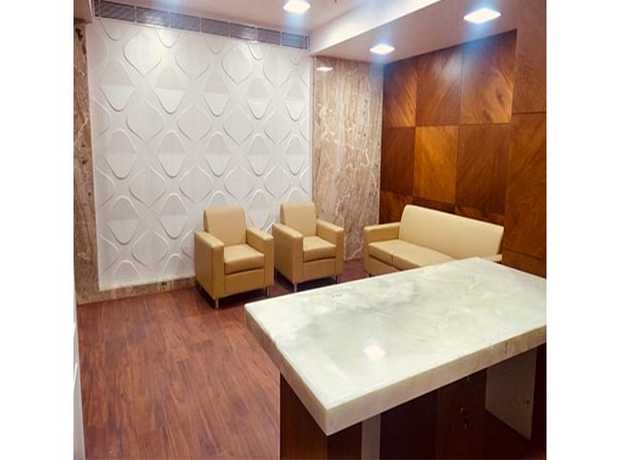
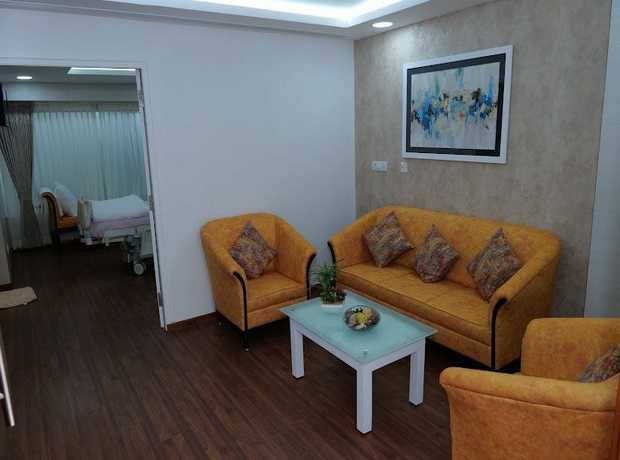
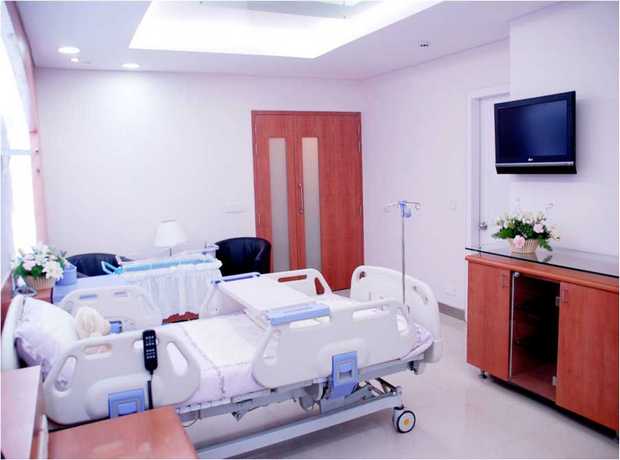
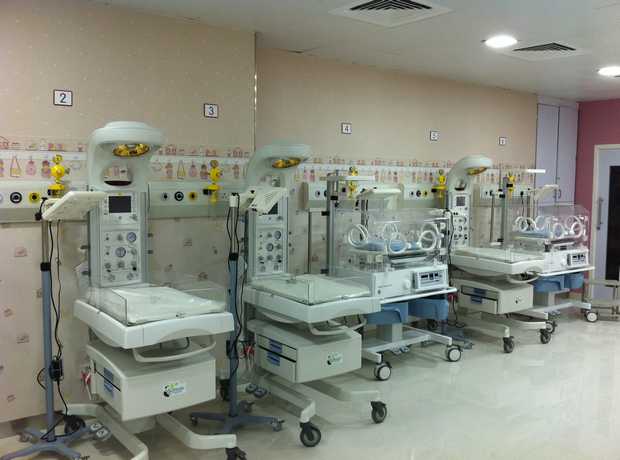
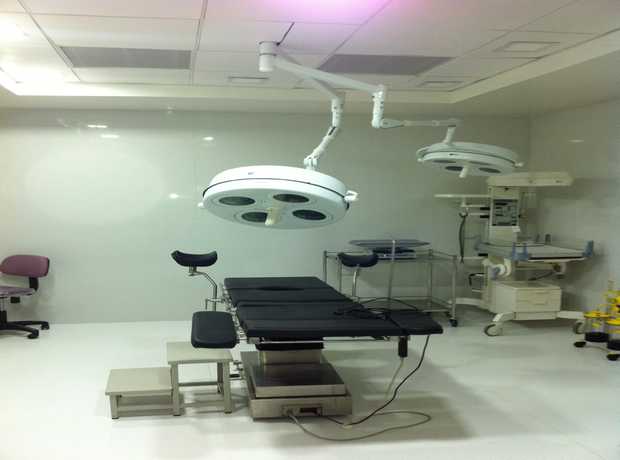
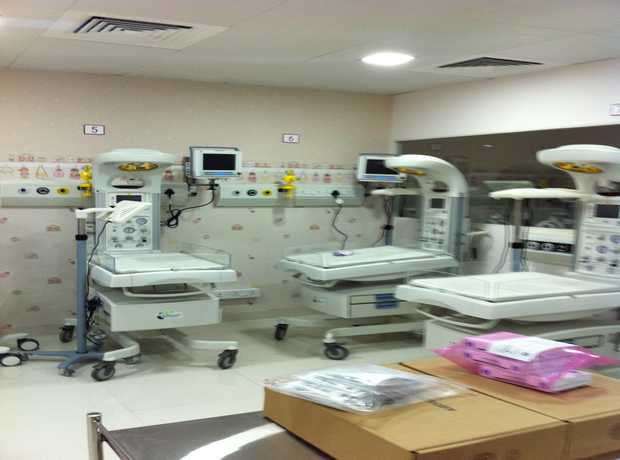
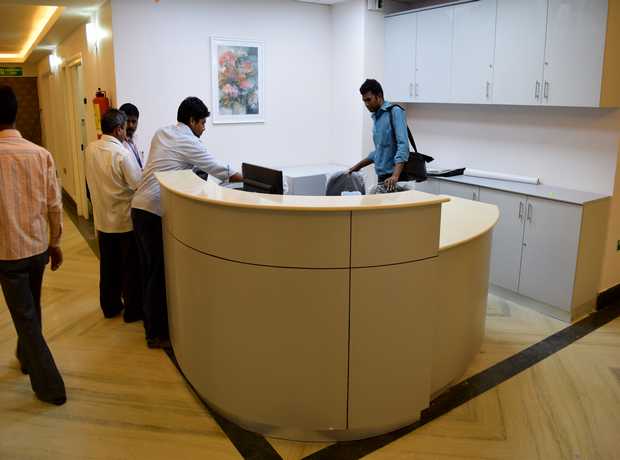
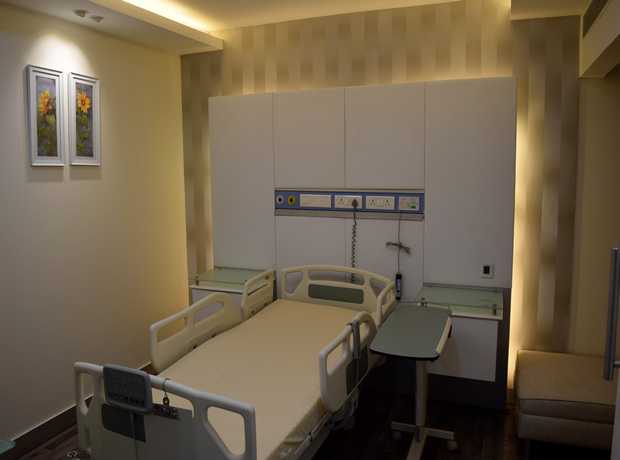
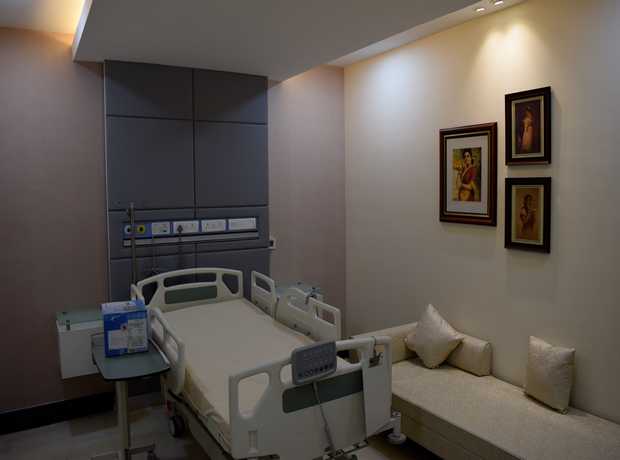
- Hospital Interior Design: Specializing in creating healing environments, our expertise covers patient rooms, ICUs, OTs, labs, consultation areas, and comprehensive facility planning. Our designs prioritize patient comfort, operational efficiency, and stringent health and safety standards, integrating green principles for healthier medical spaces.
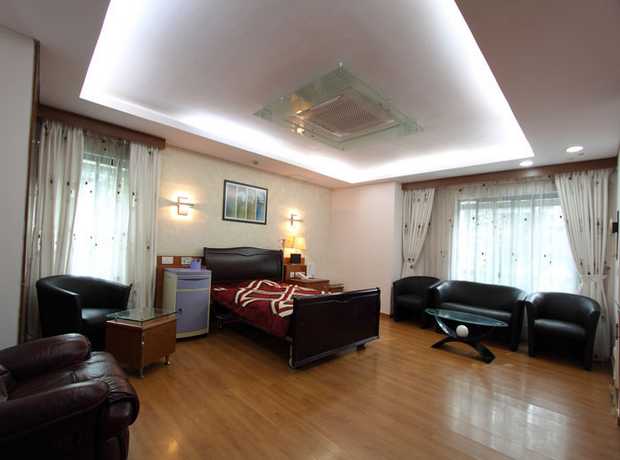
- Residential Projects: From luxury condos and modern apartments to senior housing and community-focused developments, we design homes that are both beautiful and sustainable. Our residential interiors emphasize natural light, healthy materials, and energy efficiency, enhancing the quality of life for residents.
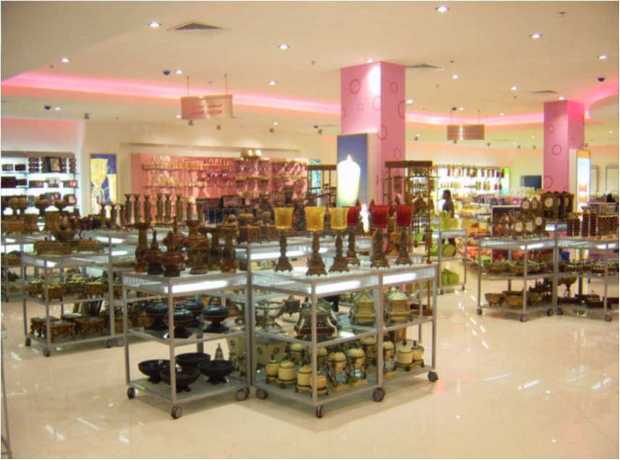
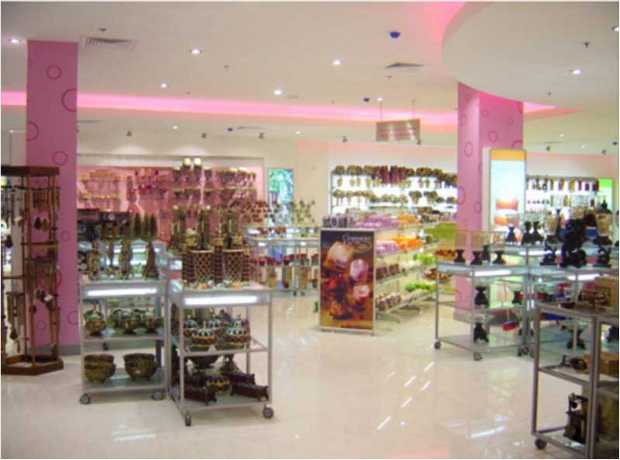
- Retail & Commercial Design: We transform shopping malls, mixed-use developments, corporate offices, and entertainment centers into vibrant, functional, and eco-conscious spaces. Our designs boost productivity, enhance customer experience, and reflect your brand’s commitment to sustainability.
- Interior Solutions & Turnkey Execution: Beyond initial design, we provide comprehensive interior solutions. This includes meticulous space planning to optimize flow and functionality, thoughtful furniture layouts, cutting-edge lighting design for energy efficiency and ambiance, and complete turnkey interior execution. We also meticulously assist with branding & signage to ensure consistency and impact, and guide optimal materials selection to enhance your project’s sustainability, aesthetic appeal, and long-term durability.
Our impressive track record speaks volumes: with over 1213 green building design and certification assignments delivered across Austin and globally over 29+ years, our experience is profound. We pride ourselves on an on‑time delivery rate of 99%, underpinned by rigorous multi‑disciplinary reviews and dedicated post‑occupancy support to ensure lasting performance and satisfaction. Our BIM‑led coordination, value engineering, and stringent quality control are specifically tailored to Austin’s unique environmental needs and regulatory landscape, guaranteeing exceptional outcomes.
Why Skydome Designs is Your Ideal Partner in Austin:
- 29+ Years of Extensive Experience: A legacy of successful projects across India and abroad, with significant expertise in the Austin market.
- In-House Multi-Disciplinary Team: Our integrated team of architects, interior designers, healthcare planners, and project managers ensures cohesive and efficient project delivery from concept to completion.
- Award-Winning, Client-Focused, and Sustainable Designs: Our commitment to innovative, aesthetically pleasing, and environmentally responsible design has earned us industry recognition and client trust.
- Proven Delivery Excellence: Projects are consistently delivered on-time, on-budget, and to the highest global standards, ensuring peace of mind for our clients.
- Local Austin Expertise: Deep understanding of Austin’s specific climate, codes, incentives, and sustainability goals.
Contact us today at +91 7299072144 or email us at info@skydomedesigns.com to discuss your project. Let our Austin interior experts guide you towards a sustainable, successful, and future-ready future. With our proven end-to-end delivery approach, we transform your green building aspirations into certified realities.
Key Elements of Exemplary Green Building Design for Austin
Achieving green building certification is a significant milestone, but true sustainability is embedded in the fundamental design elements that shape the building’s performance and impact. For Austin projects, these elements are strategically chosen to address local environmental challenges and maximize long-term benefits:
- Superior Energy Efficiency: This is often the cornerstone of green building. It involves implementing high-performance building envelopes, advanced HVAC systems with efficient zoning and controls, energy recovery ventilators, smart lighting systems utilizing daylight harvesting and occupancy sensors, and integrating renewable energy sources like solar panels. For Austin, minimizing cooling loads through passive design and high-efficiency mechanical systems is critical.
- Robust Water Conservation Strategies: Given Austin’s susceptibility to drought, water conservation is paramount. This includes specifying low-flow plumbing fixtures, ultra-low flush toilets, and water-efficient appliances. Beyond fixtures, advanced strategies involve rainwater harvesting systems for irrigation and toilet flushing, greywater recycling systems, and the use of native, drought-resistant landscaping (xeriscaping) to drastically reduce outdoor water demand.
- Thoughtful Sustainable Materials Selection: The choice of materials significantly impacts a building’s embodied energy and indoor air quality. Prioritize materials with high recycled content, locally sourced materials to reduce transportation emissions, rapidly renewable resources, certified wood (e.g., FSC certified), and materials with low Volatile Organic Compound (VOC) emissions to ensure a healthy indoor environment. Durability and ease of recycling at end-of-life are also crucial considerations.
- Optimized Indoor Environmental Quality (IEQ): A truly green building fosters the well-being of its occupants. This means prioritizing ample natural light (daylighting) to reduce reliance on artificial lighting and improve mood, providing effective ventilation systems to introduce fresh air and exhaust pollutants, utilizing advanced air filtration, and selecting non-toxic interior finishes. Thermal comfort, acoustic performance, and views to the outdoors also contribute significantly to a superior IEQ.
- Sustainable Site Development: Beyond the building footprint, green design considers the entire site. This includes selecting previously developed or infill sites, protecting and restoring natural habitats, reducing impervious surfaces to manage stormwater runoff, using light-colored or reflective materials for roofing and paving to mitigate the urban heat island effect, and providing access to public transportation and bicycle facilities.
- Innovation and Regional Priority: Green building systems often reward innovative design solutions that go beyond standard requirements. For Austin, this might include unique approaches to stormwater management, community engagement for sustainability, or hyper-efficient systems tailored to the local grid. Regional priority credits in systems like LEED also highlight specific environmental concerns relevant to Austin, encouraging projects to address them directly.
- Resilient Design: With increasing climate volatility, resilient design is becoming an integral part of green building. This means designing buildings that can withstand and recover from extreme weather events, power outages, and other disruptions. This might include passive survivability strategies, robust envelope design, and the integration of local energy generation and storage.
By meticulously integrating these key elements, Austin projects can not only achieve coveted green building certifications but also become truly sustainable assets that perform efficiently, enhance occupant well-being, and contribute positively to the urban and natural environment for decades to come.
The Future of Green Building in Austin: Trends and Outlook for 2025 and Beyond
Austin’s green building movement is dynamic and constantly evolving. As we move into 2025, several key trends are poised to shape the future of sustainable architecture and construction in the city:
- Net-Zero and Net-Positive Buildings: While energy efficiency has been a focus, the push towards net-zero energy (producing as much energy as consumed) and even net-positive energy buildings will accelerate. Austin’s ample sunshine makes solar PV a prime candidate for achieving these goals. Expect more projects integrating advanced battery storage and smart grid connectivity.
- Increased Focus on Embodied Carbon: Beyond operational energy, the carbon footprint associated with manufacturing, transporting, and installing building materials (embodied carbon) will gain prominence. Architects and developers will increasingly choose low-carbon materials, leading to greater demand for innovative concrete, mass timber, and recycled content products.
- Biophilic Design Integration: The concept of connecting building occupants with nature will move beyond simple plant installations. Biophilic design will be deeply integrated into architectural solutions, incorporating natural patterns, materials, views, and elements (like water features and living walls) to enhance well-being and productivity.
- Advanced Digital Twins and AI: Building Information Modeling (BIM) will continue to evolve into “digital twins” – virtual replicas of buildings that can be monitored and optimized in real-time throughout their lifecycle. Artificial intelligence (AI) will play a greater role in optimizing building performance, predictive maintenance, and even generative design for sustainability.
- Circular Economy Principles: The emphasis will shift from a linear “take-make-dispose” model to a circular economy in construction. This means designing for disassembly, prioritizing reuse of materials, and creating closed-loop systems for waste and resources, reducing the overall environmental impact.
- Resilience and Climate Adaptation: Given the increasing frequency of extreme weather events, resilient design will become a non-negotiable aspect of green building. Projects will integrate features that enable them to withstand shocks (e.g., severe storms, power outages) and adapt to long-term climate changes (e.g., extreme heat, water scarcity).
- Holistic Health and Well-being Certifications: Beyond environmental performance, certifications focusing on occupant health and well-being (like WELL Building Standard) will gain traction, often integrated alongside traditional green building certifications. These programs emphasize air, water, nourishment, light, fitness, comfort, and mind.
- Smart Water Management: Austin’s unique water challenges will drive innovation in smart water meters, leak detection systems, and advanced greywater/blackwater treatment and reuse systems within buildings, making water conservation even more sophisticated.
These trends highlight a future where green building is not just about compliance but about creating truly regenerative, intelligent, and healthy environments. Austin, with its progressive ethos, is perfectly positioned to lead this charge, and firms like Skydome Designs are at the forefront, ready to implement these innovations in your next project.
FAQ: Green Building Design and Certification in Austin for 2025
Here are some frequently asked questions about green building design and certification, specifically with an Austin focus, as we look towards 2025:
What are the primary benefits of pursuing green building certification for an Austin project?
For Austin projects, benefits include significant reductions in operational costs (energy, water), increased property value and marketability in an eco-conscious city, improved indoor air quality and occupant well-being, access to valuable local incentives from Austin Energy, and a strong contribution to Austin’s broader sustainability goals, enhancing your brand reputation. These advantages are increasingly critical for future-ready developments.
What are the most popular green building certification systems relevant to Austin?
The most popular systems in Austin are LEED (Leadership in Energy and Environmental Design) for its global recognition, Green Globes for its flexibility, and critically, the Austin Energy Green Building (AEGB) program. The AEGB program is uniquely tailored to Austin’s climate and regulations, making it highly relevant for local incentives and community alignment. We often guide clients on which system aligns best with their specific project goals and market.
What is involved in the LEED certification process, and how long does it take for an Austin project?
The LEED certification process for an Austin project involves six key steps: project assessment and goal setting, design and planning, construction and commissioning, rigorous documentation and submission of data (including energy models and material specifications) to the US Green Building Council, and finally, a third-party verification and certification review. The timeline can vary significantly depending on project complexity and the chosen certification level, but typically ranges from 12 to 24 months from design initiation to final certification for new construction.
How much does green building certification typically cost for a project in Austin?
The cost of green building certification in Austin varies widely based on the chosen certification system, the project’s size, its complexity, and the desired level of certification (e.g., LEED Certified vs. Platinum). Costs include certification fees, consulting fees, and potentially higher upfront design or construction costs for specific green technologies or materials. However, these are often offset by long-term operational savings, increased property value, and local incentives. A customized estimate from a qualified green building consultant, like Skydome Designs, is recommended.
What are the specific requirements of the Austin Energy Green Building (AEGB) program?
The Austin Energy Green Building (AEGB) program has detailed requirements focusing on several key areas tailored to the Austin climate and resources. These include high standards for energy and water efficiency, responsible material selection (emphasizing local and low-impact options), superior indoor environmental quality, sustainable site development, and community impact. The program offers various star ratings (1 to 5 Stars), each with increasing requirements. Detailed requirements can be found on the Austin Energy website, and our Austin interior experts are adept at navigating these specific guidelines.
Where can I find experienced Austin interior experts and green building consultants for my project?
Skydome Designs is a leading architecture and interior design firm with nearly 30 years of experience and extensive expertise in green building design and certification in Austin. We offer end-to-end delivery, from strategy and design to construction and handover, with a proven track record of over 1213 green building assignments globally and in Austin. Our in-house team of architects and project managers are equipped to guide you through every stage. Contact us to learn more about how our multi-disciplinary reviews, BIM-led coordination, and quality control can benefit your Austin project.
What role does BIM (Building Information Modeling) play in green building design in Austin?
BIM plays a crucial role in Austin’s green building projects, especially for 2025 standards. It enables comprehensive visualization, energy modeling, daylight analysis, waste reduction planning, and clash detection early in the design phase. This leads to optimized performance, reduced material waste, and more efficient coordination among project teams, ultimately saving time and costs while enhancing sustainable outcomes. At Skydome Designs, our BIM-led coordination is a cornerstone of our green building delivery.
Are there specific incentives or rebates for green building projects in Austin?
Yes, Austin Energy offers various incentives and rebates for energy and water efficiency improvements, which are often applicable to green-certified buildings. The City of Austin may also offer expedited permitting or other benefits for projects pursuing specific green certifications, particularly through the AEGB program. Consulting with Skydome Designs can help you identify and leverage all available local incentives for your project.
Conclusion: Building a Sustainable Austin, Project by Project
The future of Austin is inextricably linked to its commitment to sustainability, and green building design and certification are at the forefront of this vision. As we move into 2025, embracing these principles is not merely a regulatory exercise but a strategic investment that yields substantial environmental, economic, and social returns. By diligently following the step-by-step guide outlined above and partnering with experienced and dedicated professionals, your project can not only achieve its green building goals but also stand as a testament to innovation and responsible development in Austin.
The benefits of constructing a certified green building are clear: reduced operational costs, enhanced property value, superior indoor environments for occupants, and a tangible contribution to a healthier planet. These are the foundations of future-ready construction in a city that values progress and ecological stewardship.
Skydome Designs, with nearly three decades of experience and a proven track record of over 1213 green building design and certification assignments across Austin and globally, stands ready to be your trusted partner. Our end-to-end delivery approach, from initial strategy and design to meticulous construction oversight and seamless handover, ensures your vision is realized with precision, efficiency, and unwavering quality. Our 99% on-time delivery rate, coupled with multi-disciplinary reviews and post-occupancy support, guarantees outcomes that not only meet but exceed expectations.
Embrace sustainability. Build smarter. Build greener. Let’s work together to shape Austin’s skyline with structures that are efficient, beautiful, and profoundly sustainable for generations to come.
Ready to transform your green building vision into a certified reality in Austin? Contact Skydome Designs today for a comprehensive consultation. Let our Austin interior experts guide you through every phase, ensuring your project is a success from strategy to handover. Let’s build a sustainable Austin, together!
📞 Contact: +91 7299072144 | ✉️ Email: info@skydomedesigns.com