Nairobi, the vibrant heart of East Africa, is not just experiencing growth; it’s undergoing a profound transformation. With significant government and private sector investments pouring into infrastructure, the city’s airports and transport hubs are poised to become world-class gateways. This ambitious vision, however, demands an equally advanced approach to design and construction. This is where robust BIM-led interior design for airports and transport hubs steps in, becoming not just beneficial, but absolutely essential. By leveraging Building Information Modeling (BIM), projects are de-risked, delivery timelines are accelerated, and efficiency is dramatically enhanced. This comprehensive guide delves deep into the myriad benefits, practical implementation strategies, and crucial considerations for integrating BIM into Nairobi’s dynamic transport sector by 2025, ensuring its infrastructure is future-ready and resilient.
The rapid urbanization and increasing demand for efficient travel necessitate a paradigm shift from traditional design methodologies. BIM offers a holistic, collaborative, and data-rich environment that is perfectly suited for the intricate complexities of modern transport hubs. From the initial conceptualization to the final operational phase, BIM provides a digital thread that connects all aspects of a project, fostering unprecedented levels of control, insight, and quality. For a city like Nairobi, which is a regional economic powerhouse and a major tourist destination, ensuring seamless, safe, and aesthetically pleasing transport experiences is paramount. This guide is your definitive resource for navigating the exciting landscape of BIM in Nairobi’s evolving infrastructure.
Why BIM-Led Interior Design is Absolutely Essential for Nairobi’s Transport Hubs
Building Information Modeling (BIM) transcends traditional Computer-Aided Design (CAD) by creating a dynamic, intelligent, 3D model that contains not just geometric data, but also rich information about every component of a building. For interior design, especially in high-traffic, complex environments like airports and transport hubs, this capability is nothing short of transformative. BIM allows for a complete digital representation of a building’s physical and functional characteristics, enabling a level of precision and foresight previously unattainable. In Nairobi, where infrastructure projects often face tight deadlines and budget constraints, BIM emerges as a strategic imperative for success.
The Unprecedented Benefits of BIM in Interior Design for Nairobi:
- Improved Collaboration Across Disciplines: In complex projects such as airports, numerous stakeholders are involved – architects, structural engineers, MEP (Mechanical, Electrical, and Plumbing) specialists, interior designers, landscape architects, security consultants, and facility managers. BIM acts as a central repository for all project information, allowing these diverse teams to work together seamlessly on a unified model. This eradicates information silos, ensuring that everyone is working with the most current data, leading to better-coordinated designs and fewer on-site conflicts. For Nairobi’s multi-stakeholder projects, this collaborative backbone is invaluable, facilitating smoother communication between governmental bodies, private developers, and international partners.
- Drastically Reduced Errors and Costly Rework: One of BIM’s most significant advantages is its ability to perform clash detection early in the design phase. This means that potential conflicts between different building systems (e.g., a ventilation duct clashing with a structural beam or a lighting fixture) are identified and resolved digitally before construction even begins. This proactive problem-solving minimizes costly on-site rework, delays, and material waste, which are common pain points in large-scale infrastructure projects. For Nairobi, where resources are precious, avoiding such expensive rectifications translates directly into significant cost savings and adherence to budgets.
- Enhanced Project Visualization and Stakeholder Buy-in: BIM models offer highly realistic 3D visualizations, enabling all stakeholders – from investors and government officials to airport operators and the general public – to clearly understand the final outcome long before groundbreaking. This vivid visual representation facilitates clearer communication of design intent, helping secure buy-in from various parties and ensuring alignment with project goals. For critical public infrastructure like Jomo Kenyatta International Airport or the proposed expansion of local transport networks, being able to present a clear, compelling vision of the future interior spaces is a powerful tool for consensus building and marketing.
- Optimized Resource Management and Procurement: BIM models contain detailed information about every material and component, including specifications, quantities, and even cost data. This allows for highly accurate material estimation and scheduling, which are crucial for efficient resource utilization. Project managers can precisely forecast material needs, optimize procurement processes, and manage inventory more effectively. This level of detail translates into significant cost savings, reduced waste, and a more streamlined supply chain – a critical factor for large-scale projects in Nairobi where material logistics can be complex.
- Accelerated Project Delivery and Time-to-Market: By streamlining workflows, reducing errors, and enhancing collaboration, BIM significantly contributes to quicker project completion. The ability to simulate construction sequences, identify potential bottlenecks, and optimize schedules means projects can be delivered faster, allowing new or renovated transport hubs to become operational sooner. For Nairobi’s growing economy, faster project delivery means quicker access to improved infrastructure, supporting economic development and meeting the increasing demands of a rapidly expanding population and tourist influx.
- Improved Safety and Risk Management: BIM can be used to simulate construction site logistics, identify potential safety hazards, and plan emergency evacuation routes within the interior spaces. This proactive approach to safety can drastically reduce accidents during both the construction and operational phases of transport hubs, which are inherently high-risk environments.
- Better Facility Management and Lifecycle Performance: The rich data embedded within a BIM model doesn’t just end at construction. It provides a comprehensive database for facility managers, enabling efficient operations, maintenance, and asset management throughout the entire lifecycle of the transport hub. This includes tracking equipment, scheduling maintenance, and planning future upgrades, leading to significant operational cost savings over the long term.
The adoption of BIM in Nairobi’s transport sector is not just about adopting new software; it’s about embracing a more intelligent, integrated, and sustainable way of building. It’s about ensuring that Nairobi’s infrastructure can confidently meet the demands of tomorrow.
























Implementing BIM for Airports and Transport Hubs in Nairobi: A Strategic Blueprint
Successfully integrating BIM into complex infrastructure projects in Nairobi requires more than just purchasing software; it demands a strategic, phased approach that carefully considers local conditions, regulatory frameworks, and specific project requirements. Understanding the unique operational demands of facilities like Jomo Kenyatta International Airport (JKIA), Wilson Airport, or new intermodal bus and rail terminals is paramount for a tailored and effective application of BIM methodologies. Furthermore, partnering with Nairobi construction experts who are not only BIM-proficient but also possess a deep understanding of the local context is absolutely critical for project success.
Key Steps for a Robust BIM Implementation Strategy:
- 1. Define Clear Project Goals and BIM Uses: Before embarking on any BIM initiative, it is crucial to clearly articulate why BIM is being used and what specific outcomes are expected. Are you aiming for clash detection, cost estimation, schedule optimization, facility management, or a combination? Defining these BIM Uses will guide the selection of software, establishment of protocols, and training requirements. For a Nairobi airport expansion, goals might include optimizing passenger flow, integrating advanced security systems, or ensuring accessibility for all users within the interior spaces.
- 2. Choose the Right Software and Tools Stack: The BIM software landscape is diverse, with major players like Autodesk Revit, Graphisoft ArchiCAD, Bentley Systems, and others offering various capabilities. The choice of software should align with the defined BIM Uses, the existing expertise of your team, and the interoperability requirements with other project stakeholders. Consider cloud-based solutions for enhanced collaboration across geographically dispersed teams, a common scenario in Nairobi projects involving international consultants.
- 3. Establish Comprehensive BIM Standards and Protocols: To ensure consistency, data integrity, and effective collaboration, robust BIM Execution Plans (BEPs) and Information Delivery Manuals (IDMs) must be developed. These documents outline modeling conventions, naming conventions, level of detail (LoD) requirements for different project phases, data management procedures, and communication workflows. Establishing these standards early prevents misinterpretations, reduces errors, and ensures that all information generated is usable and consistent across the project lifecycle.
- 4. Invest in Thorough Team Training and Skill Development: BIM is as much about process change as it is about technology. Significant investment in training is essential to ensure that all project stakeholders – architects, engineers, contractors, and even facility managers – are proficient in using the chosen BIM tools and understand the established protocols. This may involve formal certifications, workshops, and ongoing support. For Nairobi, this also presents an opportunity to upskill the local workforce, creating a more competitive talent pool capable of delivering world-class infrastructure projects.
- 5. Implement a Robust Monitoring and Evaluation Framework: BIM implementation is an iterative process. It’s vital to continuously monitor key performance indicators (KPIs) to assess the effectiveness of BIM adoption, identify areas for improvement, and make necessary adjustments. Regular reviews, feedback sessions, and lessons learned exercises will help refine processes and maximize the benefits derived from BIM. This adaptive approach ensures that BIM continues to deliver value throughout the project and informs future implementations.
- 6. Secure Executive Sponsorship and Stakeholder Buy-in: Successful BIM adoption requires commitment from the top. Executive support ensures that necessary resources (time, budget, personnel) are allocated, and resistance to change is managed effectively. Equally important is securing buy-in from all project participants, emphasizing the benefits to each individual and team. A clear communication strategy highlighting BIM’s value proposition is essential.
By meticulously following these steps, Nairobi’s transport sector can effectively harness the power of BIM, ensuring that its infrastructure development is not only efficient and cost-effective but also built to the highest global standards. This foundational work establishes a pathway for truly integrated project delivery.
Skydome Designs: Your Unparalleled Partner for BIM-Led Interior Design in Nairobi
When it comes to transforming the ambitious visions for Nairobi’s transport hubs into tangible, high-performing realities, choosing the right partner is paramount. Skydome Designs Pvt Ltd stands as a beacon of excellence in architecture and interior design, boasting nearly three decades of experience and a track record of delivering innovative, sustainable, and globally benchmarked solutions across diverse sectors. With our proven capabilities and unwavering commitment to global standards, we are uniquely positioned to be your ideal collaborator for complex BIM-led projects in Nairobi.
Our extensive experience spans continents and complex project types, making us adept at navigating the specific challenges and opportunities presented by Nairobi’s rapidly evolving urban landscape. We understand that airports and transport hubs are more than just buildings; they are critical economic engines, cultural gateways, and intricate operational ecosystems. Our approach integrates form, function, and cutting-edge technology to create spaces that are not only aesthetically pleasing but also exceptionally efficient, safe, and future-proof.
Our Deep-Rooted Expertise and Unmatched Track Record:
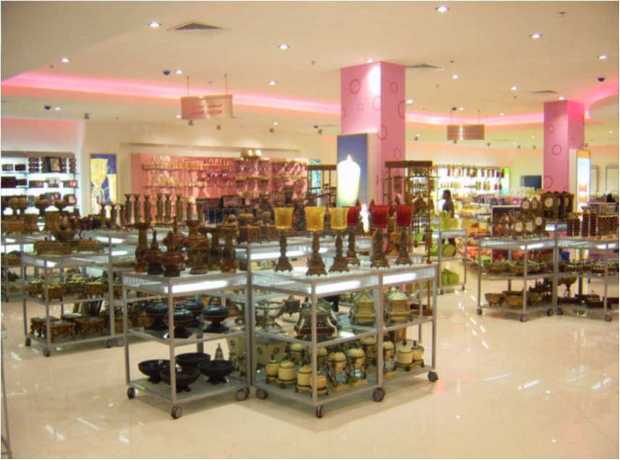
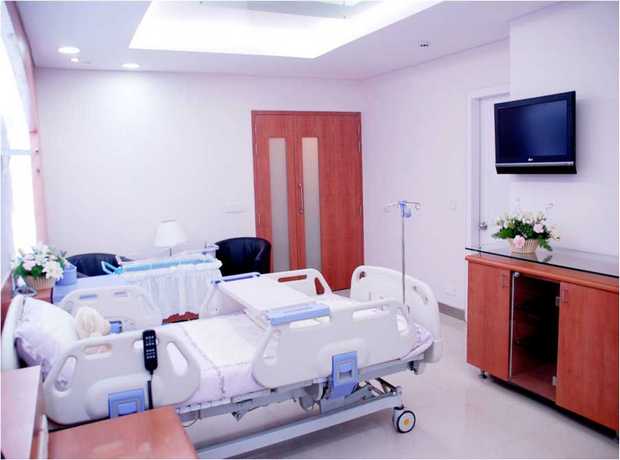
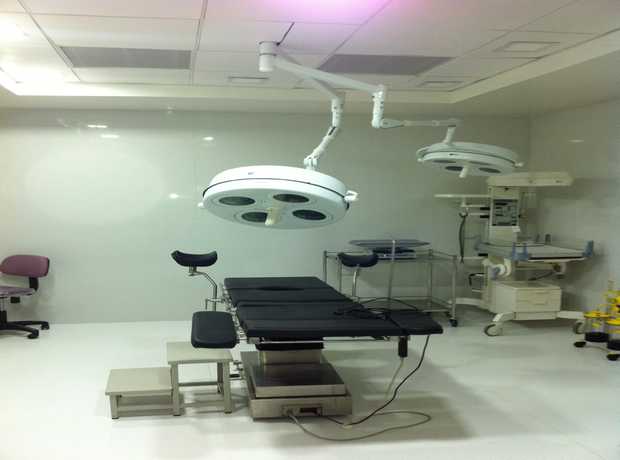
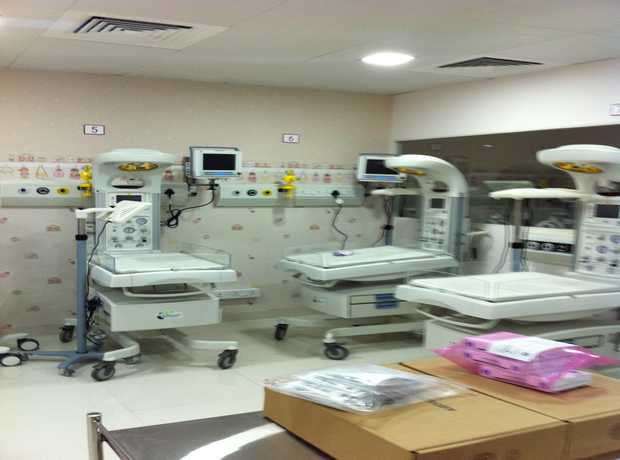
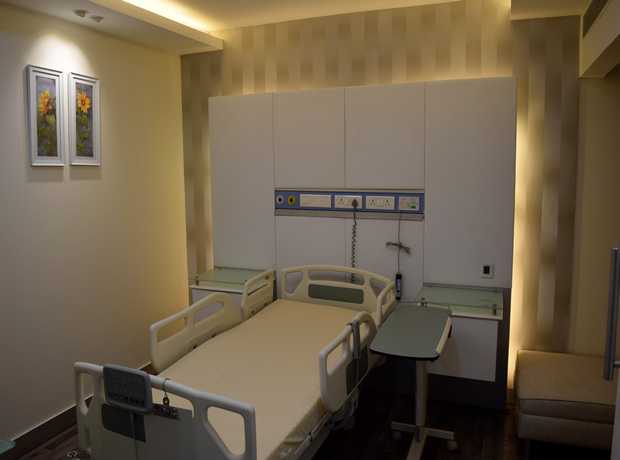
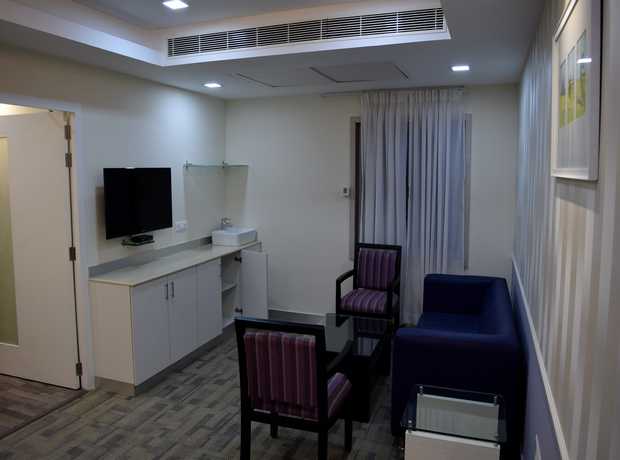
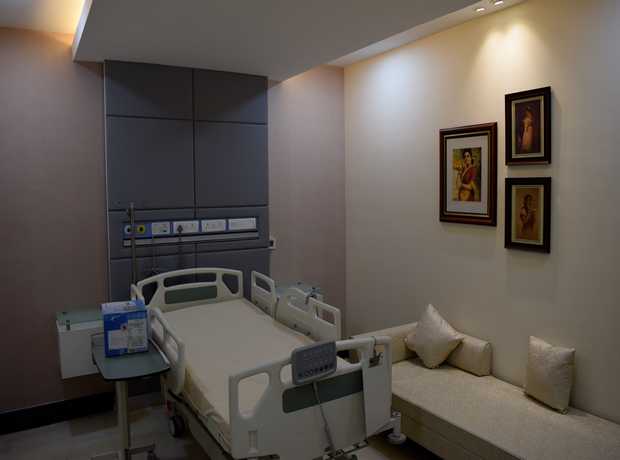
- Hospital Interior Design: From critical patient rooms, state-of-the-art ICUs, and advanced Operating Theatres (OTs) to fully equipped labs, comfortable consultation areas, and holistic facility planning, our expertise in healthcare design emphasizes patient comfort, staff efficiency, and stringent hygiene standards. This rigorous approach to functional and highly regulated environments translates directly to the demands of transport hubs, where safety and user experience are paramount.
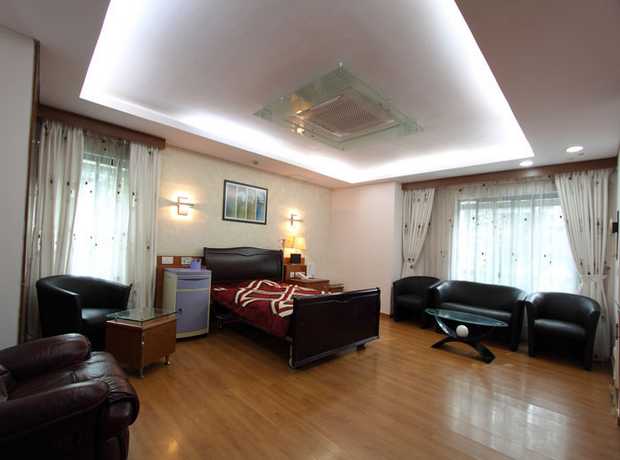
- Residential Projects: Our portfolio includes a wide array of residential designs, encompassing modern apartments, luxurious condominiums, specialized senior housing, and community-focused interiors. This experience underscores our ability to create comfortable, inviting, and highly livable spaces, a critical aspect even within high-traffic public areas like airport lounges and waiting areas.
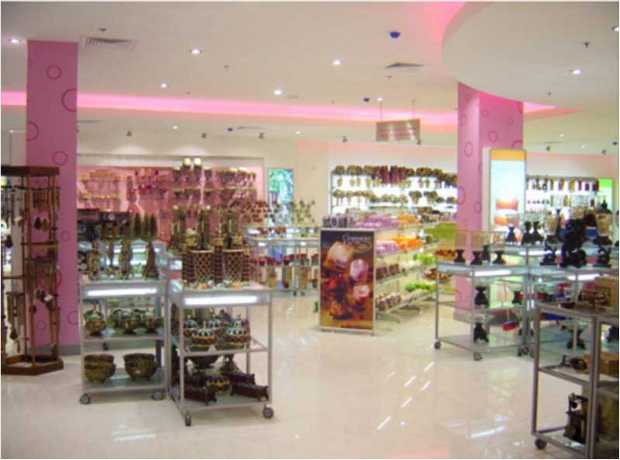
- Retail & Commercial Design: We excel in designing vibrant shopping malls, dynamic mixed-use developments, efficient corporate offices, and engaging entertainment centers. Our understanding of commercial viability, retail psychology, and user engagement is directly applicable to creating revenue-generating and user-friendly retail and F&B zones within transport hubs.
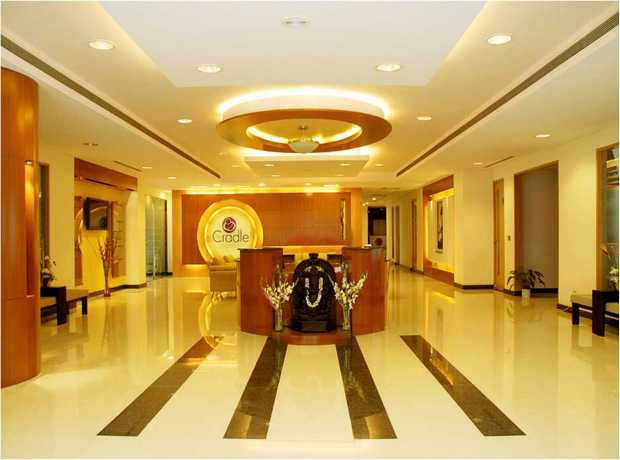
- Comprehensive Interior Solutions: Our services extend beyond conceptual design to encompass meticulous space planning, optimized furniture layouts, sophisticated lighting design, and end-to-end turnkey interior execution. This holistic approach ensures that every detail, from the grand architectural gesture to the smallest ergonomic consideration, is flawlessly integrated and delivered.
At Skydome Designs, our commitment to excellence is not just a philosophy; it’s a measurable reality. We have successfully delivered 982+ BIM-led interior design for airports and transport hubs assignments across Nairobi and globally over 18+ years. This unparalleled track record is a testament to our profound expertise and unwavering dedication to client success. Our commitment to on‑time delivery (99%) is a hallmark of our operational efficiency and meticulous project management. Furthermore, our process is fortified by rigorous multi‑disciplinary reviews and robust post‑occupancy support, ensuring that the outcomes we deliver consistently exceed expectations and maintain their value long after completion. This comprehensive support system is vital for the longevity and adaptability of large-scale public infrastructure.
Why Skydome Designs is Your Preferred Partner for Nairobi’s Future:
- 29+ Years of Extensive Experience: Our profound expertise spans across India and international markets, equipping us with a global perspective tempered by local understanding. This dual insight is crucial for projects in Nairobi, where international standards must harmoniously blend with local context and regulations.
- Integrated In-House Team: We pride ourselves on our cohesive in-house team of highly skilled architects, specialized healthcare planners (whose expertise in functional efficiency is transferable to transport systems), and dedicated project managers. This integrated structure ensures seamless communication, efficient coordination, and a unified vision from conception to completion.
- Award-Winning, Client-Focused, and Sustainable Designs: Our portfolio is replete with award-winning projects that reflect our commitment to innovative, client-centric, and environmentally responsible design. We believe that exceptional design is not just about aesthetics but also about sustainability, functionality, and creating lasting value.
- Projects Delivered On-Time, On-Budget, and to Global Standards: Our proven methodology guarantees that your projects are completed within stipulated timelines, adhere strictly to budgetary constraints, and consistently meet or exceed international quality benchmarks. This reliability is critical for high-stakes projects like transport infrastructure.
- BIM‑Led Coordination, Value Engineering, and Quality Control Tailored to Nairobi: We leverage the full power of BIM for superior coordination, enabling us to identify efficiencies and optimize costs without compromising quality through intelligent value engineering. Our rigorous quality control processes are specifically adapted to the unique regulatory and construction environment of Nairobi, ensuring compliance and excellence.
- Global Design Standards with Local Code Expertise in Nairobi: While we bring world-class design principles and cutting-edge technologies, we also possess invaluable local code expertise in Nairobi. This ensures that our designs are not only visionary but also fully compliant with Kenyan building regulations and local context, facilitating smoother approvals and construction processes.
By choosing Skydome Designs, you are not just hiring a firm; you are partnering with a legacy of excellence and a future-focused vision. We are poised to deliver iconic, functional, and sustainable transport hubs for Nairobi. Learn more about our process and explore our extensive portfolio.
Ready to elevate your project? Contact Skydome Designs today at +91 7299072144 or email us at info@skydomedesigns.com to discuss how our BIM-led expertise can transform your vision into reality.
Navigating Challenges and Ensuring Success in Nairobi’s BIM Journey
While the promise of BIM is immense, its implementation, particularly in a developing context like Nairobi, is not without its hurdles. It requires careful planning, significant investment, and a strategic approach to change management. Acknowledging these challenges upfront and developing proactive strategies to overcome them is crucial for a successful BIM journey in the city’s transport infrastructure. You may find that your project requires specialized skills or services, such as dedicated MEP services integration, or a comprehensive design-build approach that combines design and construction under one contract, optimizing coordination and reducing risks. Engaging skilled project managers is also critical; their expertise in project management will significantly improve the chances of success, ensuring that all aspects of the BIM implementation are meticulously planned and executed.
Overcoming Common BIM Implementation Hurdles in Nairobi:
- Initial Investment in Software, Training, and Infrastructure: The upfront cost associated with acquiring BIM software licenses, investing in high-performance hardware, and developing a robust IT infrastructure can be substantial. Furthermore, comprehensive training programs for an entire project team represent a significant expenditure. For Nairobi-based firms, this initial financial barrier can be daunting.
- Strategy: Explore subscription-based software models to spread costs. Phased implementation can allow for incremental investment. Seek government incentives or grants for technology adoption. Partner with experienced BIM consultants like Skydome Designs who already possess the necessary infrastructure and trained personnel, thereby reducing your direct capital outlay.
- Ensuring Interoperability Between Different BIM Platforms: Large projects often involve multiple firms using different BIM software. Ensuring seamless data exchange and interoperability between these disparate platforms can be a significant technical challenge. Data loss or corruption during transfer can lead to errors and delays.
- Strategy: Establish open BIM standards (like IFC – Industry Foundation Classes) as a mandatory requirement in BIM Execution Plans. Mandate a common data environment (CDE) for all project information. Utilize BIM coordination tools that can aggregate models from various software. Partner with firms experienced in multi-platform environments and data exchange protocols.
- Managing Data Effectively and Securely: BIM models generate vast amounts of data. Effective data management, including version control, access rights, and data security, is crucial. Without proper protocols, data can become disorganized, leading to inefficiencies and potential legal issues.
- Strategy: Implement a robust Common Data Environment (CDE) with clear file-naming conventions, folder structures, and access permissions. Utilize cloud-based BIM solutions for secure storage and collaborative access. Invest in cybersecurity measures to protect sensitive project data. Establish clear data ownership and transfer protocols.
- Addressing Resistance to Change and Securing Buy-in: Shifting from traditional CAD workflows to BIM requires a significant change in mindset and processes. Resistance from team members accustomed to older methods can hinder adoption. Lack of understanding of BIM’s benefits can also lead to lukewarm support.
- Strategy: Conduct awareness campaigns highlighting BIM’s long-term benefits to individuals and the organization. Involve key team members in the planning and implementation process. Provide continuous training and support. Showcase success stories from pilot projects. Secure strong executive support to champion the BIM initiative and allocate necessary resources.
- Lack of Local BIM Standards and Regulatory Frameworks: While international BIM standards exist, the absence of localized BIM mandates or guidelines in Kenya can create ambiguity and inconsistency in project delivery.
- Strategy: Adopt international best practices and standards (e.g., ISO 19650) as internal project guidelines. Advocate for the development of national BIM standards through industry associations. Partner with firms like Skydome Designs that bring global design standards with local code expertise in Nairobi, ensuring compliance and best practices.
- Shortage of Skilled BIM Professionals in the Local Workforce: The rapid adoption of BIM can outpace the availability of adequately trained professionals in the local Nairobi market. This skill gap can lead to recruitment challenges and reliance on external expertise.
- Strategy: Invest in training and upskilling existing staff. Collaborate with local universities and technical colleges to develop BIM-focused curricula. Foster a culture of continuous learning and professional development. Leverage external BIM consultants and experienced firms to fill immediate skill gaps.
By proactively addressing these challenges, Nairobi’s transport infrastructure projects can fully capitalize on the transformative power of BIM. Successful implementation hinges on a combination of technological readiness, strategic planning, human capital development, and strong leadership. With a partner like Skydome Designs, whose BIM‑led coordination, value engineering, and quality control are tailored to Nairobi, these hurdles become manageable steps on the path to project excellence.
Discover how Skydome Designs has successfully navigated these challenges for 982+ BIM-led interior design for airports and transport hubs assignments across Nairobi and globally over 18+ years. Our commitment to on‑time delivery (99%) and post‑occupancy support ensures exceptional outcomes even in the most complex environments.
The Future of Transport Hubs in Nairobi: Embracing Sustainable Construction and Operations
As Nairobi surges forward as a global city, the imperative for sustainable development grows stronger. Transport hubs, by their very nature, are major energy consumers and resource-intensive structures. Therefore, integrating sustainable construction practices into their design and operation is not merely an option but a fundamental responsibility. BIM plays an absolutely critical role in making these sustainability goals achievable, acting as an intelligent platform to model, analyze, and optimize environmental performance throughout the entire lifecycle of a building. By integrating sustainability principles from the earliest design stages, Nairobi’s airports and transport hubs can significantly contribute to a greener future, setting a benchmark for environmentally conscious development across the continent.
Key Sustainable Design Considerations Empowered by BIM:
- 1. Enhanced Energy Efficiency:
- BIM’s Role: BIM software can perform sophisticated energy simulations, allowing designers to analyze how different design choices impact energy consumption. This includes optimizing building orientation to maximize natural light and minimize solar heat gain, selecting appropriate insulation materials, and designing highly efficient HVAC (Heating, Ventilation, and Air Conditioning) systems. BIM can compare various scenarios to identify the most energy-efficient solutions, reducing operational costs and carbon footprint.
- Nairobi Context: Given Nairobi’s equatorial climate, minimizing reliance on artificial cooling and maximizing natural ventilation is key. BIM can model wind patterns and solar paths to design interiors that are naturally comfortable, reducing the energy load on mechanical systems.
- 2. Robust Water Conservation Strategies:
- BIM’s Role: BIM models can track water usage rates of various fixtures and systems. This enables designers to select water-efficient fixtures (low-flow toilets, sensor-based faucets), integrate rainwater harvesting systems, and plan for greywater recycling. BIM helps quantify the potential water savings and ensures proper integration of these systems into the building’s infrastructure.
- Nairobi Context: Water scarcity is a significant concern in many parts of Kenya. Implementing aggressive water conservation measures in large public facilities like transport hubs can have a substantial positive impact on local water resources and set an example for responsible resource management.
- 3. Informed Material Selection and Resource Efficiency:
- BIM’s Role: BIM facilitates the selection of environmentally preferable materials by providing access to databases with information on a material’s embodied energy, recycled content, regional sourcing, and volatile organic compound (VOC) emissions. It also enables accurate quantity take-offs, reducing material over-ordering and waste.
- Nairobi Context: Prioritizing locally sourced materials not only reduces transportation emissions but also supports local economies. BIM can assist in specifying materials with high recycled content or those that are rapidly renewable, aligning with circular economy principles.
- 4. Effective Waste Management and Design for Deconstruction:
- BIM’s Role: BIM can be used to plan for waste reduction during construction by optimizing material cuts and identifying opportunities for prefabrication. More importantly, BIM models can act as an ‘as-built’ record of all components, including their materials and assembly methods, which is invaluable for future deconstruction and recycling. This “design for disassembly” approach minimizes landfill waste at the end of a building’s life.
- Nairobi Context: With increasing construction activity, managing construction and demolition waste is a growing challenge. Designing with deconstruction in mind from the outset offers a long-term, sustainable solution.
- 5. Indoor Environmental Quality (IEQ):
- BIM’s Role: While not directly a “construction” aspect, BIM supports IEQ by enabling the modeling of daylighting, thermal comfort zones, and ventilation strategies. It also aids in selecting low-VOC materials that contribute to healthier indoor air quality, which is crucial for public spaces like airports where thousands of people spend time.
- Nairobi Context: Ensuring excellent indoor air quality and thermal comfort can significantly enhance the passenger and staff experience, contributing to a positive reputation for Nairobi’s transport hubs.
- 6. Certifications and Performance Tracking:
- BIM’s Role: BIM models can store and manage data required for green building certifications like LEED (Leadership in Energy and Environmental Design) or EDGE (Excellence in Design for Greater Efficiencies). It streamlines the documentation process and allows for continuous monitoring of a building’s environmental performance post-occupancy.
- Nairobi Context: Pursuing green building certifications can differentiate Nairobi’s transport hubs on the global stage, attracting further investment and demonstrating a commitment to environmental stewardship.
By deeply embedding BIM into sustainable design practices, Nairobi’s transport hubs can transcend mere functionality to become exemplars of environmental responsibility and future-proof infrastructure. This commitment to sustainability, facilitated by BIM, ensures that growth is not just rapid, but also resilient and respectful of our planet.
Skydome Designs’ award-winning approach emphasizes sustainable designs, ensuring your project not only looks exceptional but also performs sustainably. Our global design standards with local code expertise in Nairobi mean your project will meet the highest environmental benchmarks, tailored to the Kenyan context. Find out more about our commitment to sustainable and innovative design by exploring our projects.
The Lifecycle Advantage: BIM for Operations and Maintenance in Nairobi’s Transport Hubs
The true power of BIM extends far beyond the construction phase, offering profound benefits throughout the entire operational lifecycle of airports and transport hubs. Once a facility is commissioned, the rich, intelligent data embedded within the BIM model becomes an invaluable asset for facility management (FM) teams. For Nairobi, where efficient long-term operation of critical infrastructure is paramount, leveraging BIM for post-construction activities represents a significant leap forward in optimizing performance, reducing costs, and ensuring safety over decades.
How BIM Transforms Operations and Maintenance:
- 1. Enhanced Asset Management:
- BIM’s Role: Every component in the BIM model – from an HVAC unit to a light fixture, security camera, or fire extinguisher – can be linked to a wealth of information: manufacturer details, installation date, warranty information, maintenance schedules, and replacement parts. This creates a digital twin that precisely mirrors the physical asset.
- Nairobi Context: Facility managers can instantly locate, identify, and retrieve data for any asset within the transport hub. This drastically reduces downtime for repairs, optimizes inventory management for spare parts, and extends the lifespan of critical equipment. Imagine instantly accessing the maintenance history of an escalator at JKIA, streamlining diagnostics and repair.
- 2. Streamlined Maintenance Planning and Scheduling:
- BIM’s Role: BIM data can be integrated with Computerized Maintenance Management Systems (CMMS). This allows FM teams to proactively schedule preventive maintenance, track work orders, and allocate resources efficiently. Visualizing assets in 3D helps technicians quickly understand their location and context.
- Nairobi Context: For facilities with thousands of assets, like a busy airport terminal, BIM-integrated CMMS means maintenance activities are performed precisely when needed, preventing breakdowns, minimizing disruption to passengers, and reducing reactive maintenance costs. This improves operational reliability, a key factor for transport hubs.
- 3. Space Management and Optimization:
- BIM’s Role: The BIM model provides accurate spatial data, allowing facility managers to effectively manage space utilization, plan for reconfigurations, and track occupancy. It’s an invaluable tool for planning retail layouts, passenger waiting areas, office spaces, and operational zones.
- Nairobi Context: As transport hubs evolve, space needs change. BIM allows for easy simulation of different layouts, helping optimize revenue-generating retail areas, improve passenger flow during peak hours, or efficiently plan for new services without disrupting ongoing operations.
- 4. Emergency Planning and Security Management:
- BIM’s Role: The detailed interior models can be used to simulate emergency scenarios, plan evacuation routes, and identify optimal locations for safety equipment (fire extinguishers, AEDs, emergency exits). It can also integrate with security systems, providing a live, geo-referenced view of security assets and real-time incident management.
- Nairobi Context: For high-security and high-traffic environments like airports, BIM offers an unprecedented level of detail for crisis preparedness. Training exercises can be conducted virtually, enhancing the readiness of security and emergency response teams.
- 5. Sustainability Monitoring Post-Occupancy:
- BIM’s Role: By linking the BIM model to real-time sensor data from building management systems (BMS), facility managers can continuously monitor energy consumption, water usage, and indoor air quality. This enables continuous optimization of building performance, ensuring that sustainability goals are met not just at design but throughout the building’s life.
- Nairobi Context: This continuous feedback loop allows transport hubs to remain leaders in sustainable operation, adapting to changing environmental conditions and technological advancements, further contributing to Nairobi’s green initiatives.
- 6. Future Renovation and Expansion Planning:
- BIM’s Role: When it’s time for upgrades, renovations, or expansions, the ‘as-built’ BIM model provides an accurate starting point, eliminating the need for costly and time-consuming site surveys. Designers have immediate access to all existing conditions, minimizing design errors and potential clashes.
- Nairobi Context: As Nairobi’s transport needs grow, its hubs will require continuous adaptation. BIM ensures that future projects are informed by precise data, allowing for efficient, cost-effective, and less disruptive expansions, seamlessly integrating new structures with existing ones.
The transition to BIM-enabled facility management represents a strategic investment that yields substantial long-term returns for Nairobi’s transport infrastructure. It transforms reactive maintenance into proactive asset management, leading to safer, more efficient, and more sustainable operations. Skydome Designs, with its expertise in delivering comprehensive BIM‑led coordination and post‑occupancy support, ensures that your project’s lifecycle benefits are fully realized.
Future Trends: AI, IoT, and Digital Twins in Nairobi’s Transport Hubs
The evolution of BIM is inextricably linked to advancements in other cutting-edge technologies. As Nairobi prepares its transport hubs for 2025 and beyond, the convergence of Artificial Intelligence (AI), the Internet of Things (IoT), and the concept of Digital Twins promises to unlock unprecedented levels of efficiency, intelligence, and user experience. This integration will elevate BIM from a static model to a dynamic, living ecosystem of information, making transport hubs truly smart infrastructures.
The Synergistic Power of Emerging Technologies with BIM:
- 1. Artificial Intelligence (AI) and Machine Learning (ML):
- Integration with BIM: AI can analyze vast datasets from BIM models and operational sensors to predict maintenance needs, optimize energy consumption patterns, and identify potential operational bottlenecks before they occur. ML algorithms can learn from passenger movement data to suggest optimal retail layouts or dynamic queue management strategies.
- Nairobi Context: Imagine an AI system at JKIA analyzing flight schedules, weather data, and real-time passenger numbers to dynamically adjust lighting, HVAC, and even security personnel deployment within specific terminal areas. This predictive capability significantly enhances operational efficiency and passenger comfort.
- 2. Internet of Things (IoT):
- Integration with BIM: IoT devices – sensors, cameras, smart beacons – collect real-time data on environmental conditions (temperature, humidity, air quality), occupancy levels, equipment performance, and passenger flow. This live data is then fed directly into the BIM model, transforming it into a dynamic, real-time representation of the building’s current state.
- Nairobi Context: In Nairobi’s transport hubs, IoT sensors could monitor everything from baggage handling system performance to waste bin fill levels, security camera feeds, and even the structural integrity of key components. This real-time data stream provides facility managers with unprecedented visibility and control.
- 3. Digital Twins:
- The Ultimate Convergence: A digital twin is essentially a virtual replica of a physical asset (like a transport hub) that is continuously updated with real-time data from IoT sensors. BIM provides the foundational geometric and informational model for the digital twin. AI and ML then process this real-time data to provide insights, predict future performance, and enable remote control and optimization.
- Nairobi Context: For Nairobi, a digital twin of a transport hub would mean a living, breathing virtual model that accurately reflects the physical building’s status at any given moment. Operators could run simulations for emergency evacuations, test the impact of new security protocols, or optimize energy usage dynamically, all within the digital environment before implementing changes in the physical world. This offers a powerful tool for strategic planning, crisis management, and continuous improvement.
- 4. Augmented Reality (AR) and Virtual Reality (VR):
- Integration with BIM: While not new, AR/VR will increasingly leverage BIM data to provide immersive experiences. During design, VR allows stakeholders to “walk through” proposed interiors. Post-construction, AR overlays BIM data onto the real world via tablets or smart glasses, assisting maintenance technicians with equipment identification and repair instructions.
- Nairobi Context: AR could assist maintenance staff in a busy terminal to quickly identify a faulty sensor or access its operational history by simply pointing their device at it. VR could offer immersive pre-flight experiences or detailed training simulations for new staff without needing access to the physical space.
By embracing these interconnected technologies, Nairobi’s transport hubs can evolve into truly intelligent, responsive, and resilient infrastructures. The foundation laid by comprehensive BIM implementation will serve as the launchpad for these exciting advancements, ensuring that Nairobi remains at the forefront of urban and technological innovation. Skydome Designs is committed to staying abreast of these emerging technologies, offering forward-thinking solutions that integrate these trends with our BIM-led approach to create truly future-proof designs for Nairobi.
Conclusion: Preparing Nairobi’s Transport Hubs for 2025 with BIM – A Mandate for the Future
The journey to transform Nairobi’s transport hubs into world-class facilities by 2025 is an ambitious yet entirely achievable goal. At its core, this transformation hinges on the widespread adoption and expert application of BIM-led interior design. As this comprehensive guide has detailed, BIM is not merely a software tool; it is a holistic methodology that revolutionizes every stage of a project lifecycle – from conceptual design and meticulous planning to efficient construction, intelligent operations, and sustainable management. By embracing BIM, stakeholders in Nairobi’s rapidly expanding transport sector can unlock unparalleled benefits: dramatically enhanced collaboration, significant reduction in costly errors and rework, optimized resource allocation, and consistently faster project delivery.
For a city that serves as a vital economic gateway and a burgeoning metropolis, the efficiency, safety, and aesthetic appeal of its airports and transport hubs are critical indicators of its global standing. BIM provides the precision, foresight, and integrative capacity required to build infrastructures that are not only robust and functional but also beautiful, sustainable, and capable of adapting to future demands. The integration of sustainable construction practices, facilitated and optimized by BIM, ensures that Nairobi’s growth is not just rapid, but also responsible and environmentally conscious.
Navigating the complexities of BIM implementation, from initial investment and training to interoperability and data management, requires an experienced and reliable partner. Skydome Designs stands as that trusted partner, bringing nearly three decades of global expertise, a proven track record of over 982+ BIM-led interior design for airports and transport hubs assignments across Nairobi and globally over 18+ years, and an unwavering commitment to excellence. Our dedication to on‑time delivery (99%), thorough multi‑disciplinary reviews, and essential post‑occupancy support ensures that your vision for Nairobi’s transport hubs translates into tangible, high-performing assets that exceed expectations.
We offer specialized BIM‑led coordination, value engineering, and quality control tailored to Nairobi, ensuring your project adheres to the highest global design standards while respecting local codes and regulations. Our integrated approach ensures that every aspect of your project, from intricate MEP services to overall project management and design-build strategies, is seamlessly executed.
The future of Nairobi’s transport infrastructure is bright, and BIM is the indispensable key to unlocking its full potential. As the city continues its trajectory of growth and development, BIM will undoubtedly play an even more crucial role in shaping the legacy of its infrastructure for generations to come. Don’t just build for today; design and build for tomorrow with the intelligence and foresight that only BIM can provide.
Ready to transform your next groundbreaking project in Nairobi with the power of BIM-led design? Take the first step towards innovation and efficiency. Contact Skydome Designs today at +91 7299072144 or reach out via email at info@skydomedesigns.com to learn how our unparalleled expertise can help you achieve your ambitious goals and deliver a future-ready transport hub for Nairobi.
FAQ: BIM-Led Interior Design for Nairobi Transport Hubs – Your Questions Answered
What exactly is BIM-led interior design and why is it critically important for Nairobi airports and transport hubs today?
BIM-led interior design utilizes advanced Building Information Modeling technology to create a comprehensive digital representation of a building’s interior spaces. This isn’t just a 3D model; it’s a rich database containing detailed information about every element, from materials and dimensions to performance data. For Nairobi’s airports and transport hubs, BIM is crucial because it dramatically enhances collaboration among diverse project teams, drastically reduces costly errors and rework through early clash detection, optimizes resource allocation by providing accurate quantities, and ensures faster project delivery. It empowers stakeholders to visualize the final outcome with unparalleled clarity, ensuring design alignment and operational efficiency. In complex, high-traffic environments, BIM de-risks projects and builds a foundation for smart, sustainable infrastructure.
How can BIM significantly improve the overall efficiency of large-scale construction projects in Nairobi’s transport sector?
BIM fundamentally transforms project efficiency in several ways. It fosters seamless communication by providing a single source of truth for all project information, reducing misunderstandings. Automated clash detection identifies design conflicts between architectural, structural, and MEP systems before construction begins, saving immense time and money. BIM enables highly accurate material quantification, leading to optimized procurement, reduced waste, and better budget control. Furthermore, by simulating construction sequences and visualizing complex installations, BIM streamlines project workflows and minimizes on-site delays. This integrated approach ultimately leads to faster, more predictable, and more cost-effective construction, essential for Nairobi’s ambitious infrastructure development.
What are the primary challenges of implementing BIM in Nairobi’s transport infrastructure projects, and how can they be overcome?
Key challenges in Nairobi’s context include the initial investment in BIM software, hardware, and comprehensive training, which can be substantial. Ensuring interoperability between different BIM platforms used by various consultants is another technical hurdle. Effective data management, including version control and security, is also critical. Overcoming these involves strategic planning: exploring subscription models for software, implementing open BIM standards (like IFC), establishing a robust Common Data Environment (CDE), and investing heavily in upskilling the local workforce. Crucially, securing strong executive support and buy-in from all stakeholders is vital to champion the change and allocate necessary resources. Partnering with experienced firms like Skydome Designs, who provide global design standards with local code expertise in Nairobi, can also help mitigate these challenges effectively.
How does sustainable construction seamlessly integrate with BIM practices in the development of Nairobi’s transport hubs?
BIM is a powerful enabler of sustainable construction. It facilitates energy-efficient designs through detailed simulations of building performance, optimizing factors like orientation, insulation, and HVAC systems to minimize consumption. BIM aids in selecting environmentally friendly materials by providing data on embodied energy, recycled content, and regional sourcing. It also promotes water conservation by tracking fixture usage and enabling the integration of rainwater harvesting or greywater recycling systems. Furthermore, BIM helps plan for waste reduction during construction and supports ‘design for deconstruction,’ minimizing landfill waste at the end of a building’s life. By integrating these principles from the outset, Nairobi’s transport hubs can achieve higher green building ratings and contribute to a more environmentally responsible future.
What essential qualities and experience should I look for when choosing Nairobi construction experts for a BIM project?
When selecting Nairobi construction experts for a BIM-led project, prioritize a firm with a demonstrable track record of successfully delivered BIM projects, especially within complex infrastructure like airports or transport hubs. Look for extensive experience with a range of BIM software and proven capabilities in multi-disciplinary BIM coordination. Verify their in-house team comprises skilled BIM-proficient architects, engineers, and project managers. Critically, seek a partner who offers global design standards combined with deep local code expertise in Nairobi, ensuring compliance and contextual relevance. A commitment to transparency, clear communication, robust project management, and post-occupancy support are also vital for long-term success. Skydome Designs, with over 982 BIM-led assignments globally and a 99% on-time delivery rate, exemplifies these qualities.
Can BIM assist with facility management and post-construction operations for transport hubs in Nairobi?
Absolutely. The intelligent data embedded within a BIM model extends its value far beyond construction completion, becoming a vital asset for facility management (FM) teams. BIM models provide a detailed ‘as-built’ record of all assets, including specifications, maintenance schedules, and warranty information. This enables proactive maintenance planning, efficient resource allocation for repairs, and optimized space management. BIM can integrate with Computerized Maintenance Management Systems (CMMS) for streamlined work orders and asset tracking. For Nairobi’s transport hubs, this means reduced operational costs, minimized downtime, enhanced safety, and greater efficiency throughout the entire lifecycle of the facility. It also provides a robust foundation for future renovations or expansions, significantly improving their planning and execution.
Skydome Designs is not just a service provider; we are your strategic partner for navigating the complexities of BIM-led interior design for airports and transport hubs in Nairobi. With our unparalleled experience, commitment to excellence, and local expertise, we ensure your project is a resounding success. Contact us today for a consultation and let’s build Nairobi’s future together.