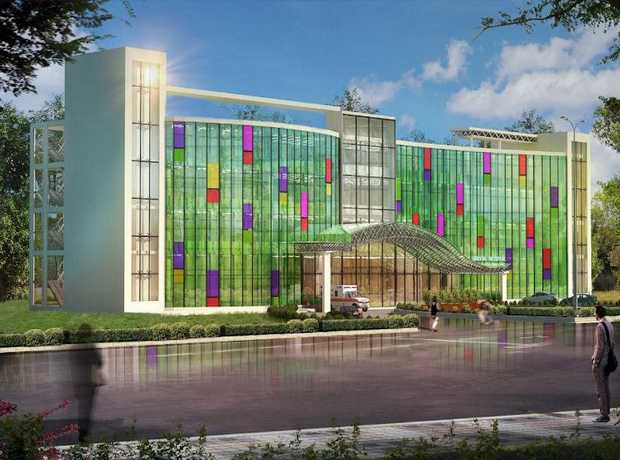
Delhi’s healthcare sector is experiencing significant growth, fueled by new investments and a growing need for advanced medical facilities. This makes hospital expansion and renovation in Delhi a critical focus. However, these projects are complex and require careful planning and execution to ensure they are delivered on time and within budget. With new investments flowing into Delhi, robust hospital expansion and renovation will be essential to de-risk and deliver faster.
The National Capital Region (NCR) of Delhi, home to millions, is a bustling hub for medical tourism and a critical provider of healthcare services to a vast and diverse population. As the city continues its rapid urbanization and demographic shifts, the demand for sophisticated, accessible, and high-quality medical infrastructure intensifies. Hospitals in Delhi are not just addressing current patient loads but are also proactively anticipating future healthcare needs, technological advancements, and evolving public health challenges. This forward-looking approach necessitates frequent and often extensive expansion and renovation projects. However, the unique urban landscape of Delhi, with its dense population, intricate regulatory environment, and logistical complexities, adds layers of challenge that demand specialized expertise and a nuanced understanding of local conditions.
Ensuring that these vital healthcare infrastructure projects are completed on-time and on-budget is paramount. Delays can lead to significant cost overruns, prolonged disruption to essential patient care, and a missed opportunity to serve a growing population efficiently. Budgetary miscalculations can jeopardize the financial stability of healthcare institutions, impacting their ability to invest in new technologies, attract top medical talent, and maintain competitive services. Therefore, a strategic, well-executed approach is not merely desirable but absolutely essential for any hospital contemplating expansion or renovation in Delhi in 2025 and beyond. This comprehensive guide will delve into the critical factors, best practices, and strategic partnerships required to navigate these complexities successfully, ensuring your project contributes positively and sustainably to Delhi’s ever-evolving healthcare landscape.
Navigating the Challenges of Hospital Expansion and Renovation in Delhi
Undertaking a Delhi hospital expansion and renovation project presents unique challenges. These include navigating local building codes, managing complex logistics within an existing hospital environment, and ensuring minimal disruption to patient care. Furthermore, staying on budget requires meticulous cost control and transparent financial management.
The Intricate Regulatory and Compliance Landscape of Delhi
Delhi’s urban development is governed by a myriad of municipal bylaws, environmental regulations, fire safety codes, and specific healthcare facility guidelines. Obtaining necessary approvals for construction, occupancy, radiation safety (from AERB), biomedical waste management, and various environmental clearances can be a protracted and intricate process. Each phase, from initial architectural plans to final operational licensing, is subject to scrutiny by multiple government bodies, including the Delhi Development Authority (DDA), Municipal Corporation of Delhi (MCD), state health departments, and various pollution control boards. A lack of familiarity with these local nuances, frequent policy updates, and the specific documentation requirements can lead to significant delays, unforeseen expenses, and even legal complications. Expert firms specializing in Delhi hospital expansion and renovation possess the institutional knowledge, up-to-date information, and established relationships to streamline this approval process, minimizing bureaucratic bottlenecks and ensuring robust compliance at every stage of the project.










Logistical Complexities in a Densely Populated Metropolis
Delhi is a bustling, densely populated city, characterized by heavy traffic, limited on-site storage space, and significant urban congestion. Managing the logistics of transporting construction materials, heavy equipment, and a large workforce to a hospital site, often located in a busy commercial or residential area, is a formidable task. This includes meticulous planning for material staging, safe waste disposal, and maintaining clear, unobstructed access for emergency services, ambulances, and daily patient traffic. Renovating within an operational hospital further amplifies these challenges, requiring precise scheduling to avoid peak operational hours, minimize noise and vibration, and manage the movement of construction workers without compromising patient safety, privacy, or the hospital’s sterile environments. Strategic planning, coupled with a highly coordinated approach and strong local networks, are vital to overcome these logistical hurdles efficiently and without causing undue disruption.
Minimizing Disruption to Patient Care: The Foremost Priority
Perhaps the most critical and sensitive challenge in any hospital renovation is ensuring that ongoing patient care and critical medical services remain uninterrupted. A hospital is a 24/7 operational facility, and any construction activity must be meticulously planned to protect vulnerable patients, maintain sterile environments, and ensure the continuous, unimpeded functioning of critical departments like emergency rooms, operating theaters, intensive care units (ICUs), and diagnostic labs. This involves implementing phased construction strategies, temporary relocations of departments, stringent infection control measures (including dust and pathogen containment), noise and vibration mitigation techniques, and clear, constant communication with hospital staff and patients. A specialized Delhi hospital expansion and renovation company understands these sensitivities implicitly and designs strategies to compartmentalize construction zones, implement robust safety and hygiene protocols, and maintain uninterrupted essential services throughout the entire project lifecycle.
Achieving Financial Prudence: The On-Budget Imperative
Hospital projects represent significant financial undertakings, and cost overruns can have severe, long-lasting implications for the institution’s financial health. Unforeseen site conditions, fluctuations in material prices, regulatory changes, scope creep, and unexpected labor costs are common pitfalls that can derail a budget. Meticulous cost control requires more than just an initial budget; it demands continuous monitoring, transparent financial reporting, proactive risk management, and stringent contract administration. Value engineering – the systematic process of finding cost-effective alternatives for materials, systems, or construction methods without compromising quality, functionality, or patient safety – is crucial for optimizing expenditure. A dedicated project management team with extensive experience in healthcare construction procurement, contract negotiation, and financial oversight is indispensable for keeping a Delhi hospital expansion and renovation project fiscally responsible and delivering true value for money.
Why Choose a Specialized Delhi Hospital Expansion and Renovation Company?
Choosing the right partner is crucial for success. A Delhi hospital expansion and renovation company with a proven track record and in-depth knowledge of the local market can significantly reduce risks and ensure a smooth project delivery. Look for companies with experience in clinical planning, hospital interior design, and project management.
General construction firms, while competent in broader civil infrastructure projects, often lack the nuanced understanding and specialized expertise required for healthcare facilities. Hospitals are not just buildings; they are highly complex, technologically advanced ecosystems designed to deliver life-saving care within a sterile and patient-focused environment. This critical distinction necessitates a partner with deep, specialized knowledge in several key areas:
- Comprehensive Healthcare Regulations and Compliance: From stringent NABH accreditation standards and Medical Council of India guidelines to local fire safety norms and specific requirements for radiation facilities (AERB), a specialized firm ensures all design and construction elements comply with national and international healthcare benchmarks. They stay abreast of changing regulations, mitigating risks of non-compliance.
- Clinical Workflow Optimization: Understanding the intricate movements and interactions of patients, medical staff, equipment, and critical supplies within a hospital is paramount. Specialized firms integrate advanced clinical planning methodologies to design spaces that enhance operational efficiency, reduce staff fatigue, minimize infection risks, and ultimately improve patient outcomes. This often involves detailed spatial analysis, workflow simulations, and direct consultation with clinicians to optimize layouts for specific departments like emergency, diagnostics, surgical suites, and outpatient clinics.
- Infection Control and Hygiene Protocols: Healthcare environments demand exceptionally high standards of cleanliness and infection prevention. Specialized companies are adept at selecting appropriate, durable, and easy-to-clean materials, designing seamless surfaces to eliminate bacterial traps, and implementing advanced HVAC systems with HEPA filtration to maintain optimal air quality and prevent cross-contamination, which is critically important for sensitive areas like OT design, ICUs, and sterile processing departments.
- Advanced Technology Integration: Modern hospitals are heavily reliant on cutting-edge technology, from advanced imaging equipment and diagnostic tools to sophisticated IT networks, building management systems, and specialized medical gas installations. A specialized firm has the technical expertise to design infrastructure that seamlessly accommodates these technologies, ensuring optimal functionality, reliable power supply, robust data connectivity, and future scalability.
- Minimizing Operational Disruption within Live Environments: As previously discussed, keeping a hospital operational during construction is a monumental task requiring precise execution. Specialized teams have refined methodologies for phased construction, temporary facility setups, robust infection barriers, and effective communication strategies to minimize impact on patient care, staff productivity, and the hospital’s reputation.
A firm like Skydome Designs, with its commitment to Global design standards with local code expertise in Delhi, brings an invaluable advantage. Their extensive experience across 1417+ hospital expansion and renovation assignments globally and in Delhi over 29+ years underscores their deep understanding of both international best practices and the specific local context of the Delhi NCR. This dual expertise ensures that your facility is not only world-class in its design and functionality but also fully compliant with all local regulations and optimally suited to the unique demands of the Delhi healthcare market. Partner with Skydome Designs for an award‑winning team, transparent costs, and milestone‑based reporting in Delhi to ensure your project’s success. Contact us at +91 7299072144 today to begin your transformative project.
Key Strategies for On-Time and On-Budget Delivery
Several key strategies can help ensure your Delhi hospital expansion and renovation project is delivered on time and within budget:
- Detailed Planning & Clinical Planning: A comprehensive plan that considers all aspects of the project, from initial design to final commissioning, is essential. This includes detailed space planning, workflow analysis, and equipment specifications.
- Experienced Team: Assemble a team of experienced professionals, including architects, engineers, and project managers with specific expertise in healthcare construction and hospital interior design. Skydome Designs has a team of architects, healthcare planners, and project managers. Learn more about our team.
- Transparent Communication: Establish clear communication channels between all stakeholders, including hospital staff, contractors, and project managers.
- Milestone-Based Reporting: Implement a system for tracking progress against key milestones and identifying potential delays early on. Global design standards with local code expertise in Delhi. Award‑winning team, transparent costs, milestone‑based reporting in Delhi.
- Value Engineering: Identify opportunities to reduce costs without compromising quality or functionality.
- Risk Management: Develop a comprehensive risk management plan to identify and mitigate potential risks.
The Foundation: Master Planning and Detailed Clinical Planning
The success of any large-scale hospital project hinges critically on the quality and thoroughness of its initial planning phases. A robust master plan considers not only the immediate needs of the facility but also future expansion possibilities, anticipated technological advancements, shifts in patient demographics, and evolving medical practices. This involves a thorough needs assessment, comprehensive feasibility studies, and detailed site analysis. Crucially, clinical planning sits at the very heart of this process. It entails a deeply collaborative effort between healthcare planners, architects, various clinical departments, administrative staff, and even patient representatives to meticulously understand patient journeys, staff workflows, interdepartmental dependencies, and operational protocols. This granular level of planning ensures that every square foot is optimized for clinical efficacy, patient safety, infection control, and staff efficiency. For example, designing an efficient emergency department requires a deep understanding of patient arrival patterns, triage protocols, rapid diagnostic pathways, and surge capacity. Similarly, optimizing an operating theatre complex involves meticulous planning of sterile zones, equipment access, rapid turnaround times, and post-operative recovery flows. Without this granular level of clinical insight and detailed foresight, even the most aesthetically pleasing or technologically advanced design can fail functionally, leading to inefficiencies and compromising patient care. This foundational planning is where Skydome Designs excels, leveraging decades of experience to create truly functional and future-ready healthcare spaces.
Assembling an Unparalleled and Integrated Expert Team
The inherent complexity and specialized nature of hospital projects demand a highly skilled, multidisciplinary team, with each member bringing specific, healthcare-focused expertise. This includes not just seasoned architects and civil engineers, but also biomedical engineers, MEP (Mechanical, Electrical, Plumbing) specialists with proven healthcare-specific knowledge, infection control specialists, medical gas system experts, and dedicated project managers who possess a deep understanding of the unique operational constraints and patient care priorities of a live hospital environment. Skydome Designs prides itself on its fully integrated, in-house team of architects, healthcare planners, and project managers. This unified approach ensures seamless coordination, consistent quality control, and a singular, coherent vision for your project from initial concept to final commissioning. An experienced and integrated team will proactively anticipate potential challenges, expertly navigate the intricate regulatory hurdles specific to Delhi, and diligently implement global best practices that ensure both regulatory compliance and clinical excellence. Learn more about Skydome Designs’ award-winning team and their unparalleled expertise in delivering 97% on-time projects across 1417+ assignments globally and in Delhi. Visit our team page to discover the talent behind our success.
Cultivating Transparent and Proactive Communication
Effective, clear, and transparent communication is the lifeblood of any successful large-scale project, and it is particularly critical within the dynamic environment of a hospital renovation or expansion. Establishing clear, frequent, and accessible communication channels among all stakeholders – including hospital management, medical and nursing staff, the design team, contractors, vendors, and relevant regulatory bodies – is absolutely paramount. Regular project meetings, detailed progress reports, a centralized communication platform, and defined escalation pathways can prevent misunderstandings, address concerns promptly, and foster a truly collaborative and unified project environment. Proactive communication about potential disruptions to services, implementation of safety protocols, and continuous progress updates can build invaluable trust and minimize anxiety among hospital staff, patients, and their families. This fosters a sense of shared ownership and ensures that critical decisions are made collectively and efficiently, keeping the project meticulously aligned with the hospital’s overarching operational needs and strategic objectives.
Rigorous Milestone-Based Reporting and Project Tracking
To rigorously ensure on-time and on-budget delivery, a robust and disciplined project management framework is indispensable. This involves meticulously breaking down the entire project into manageable phases, each with clearly defined milestones, tangible deliverables, and strict deadlines. A system of milestone-based reporting allows for continuous and granular monitoring of progress against both the predetermined schedule and the allocated budget. Any deviation or potential delay can be identified extremely early, allowing for timely corrective actions to be implemented proactively before they escalate into major problems that impact the overall project. This includes regular, comprehensive site inspections, stringent quality checks, and detailed financial audits at every stage. Skydome Designs exemplifies this disciplined approach, offering transparent costs, milestone-based reporting in Delhi, which provides clients with a clear, real-time, and comprehensive understanding of their project’s status, progress, and financial health. This unwavering commitment to accountability and transparency is a cornerstone of their impressive 97% on-time delivery success rate.
The Strategic Power of Value Engineering
Value engineering, in the context of hospital projects, is not about cutting corners or compromising quality; it is about strategically optimizing value by identifying opportunities to achieve the required functionality, performance, and quality at the most efficient cost. This involves a systematic and thorough review of design elements, material specifications, building systems, and construction methods to find more efficient, economical, or innovative alternatives without compromising patient safety, clinical functionality, long-term durability, or aesthetic appeal. For example, selecting locally sourced, highly durable, and low-maintenance materials can significantly reduce both initial construction costs and long-term operational expenses. Implementing energy-efficient mechanical systems, intelligent lighting controls, advanced water conservation technologies, and smart building management systems can also offer substantial long-term savings on utility bills and contribute to the hospital’s sustainability goals. An experienced firm like Skydome Designs integrates value engineering throughout the entire design and construction phases, ensuring that financial prudence is meticulously balanced with uncompromising quality, clinical functionality, and environmental sustainability.
Proactive Risk Management: Anticipating and Mitigating the Unforeseen
Every complex construction project carries inherent risks – from unforeseen ground conditions, material shortages, and labor disputes to regulatory changes, climatic events, and unforeseen site complications. A comprehensive risk management plan involves proactively identifying potential risks early in the project lifecycle, systematically assessing their likelihood and potential impact, and developing robust mitigation strategies. This might include detailed contingency planning, obtaining comprehensive insurance coverage, incorporating robust contractual clauses, diversifying material sourcing, and preparing alternative construction methodologies. In the specific context of Delhi, risks might include navigating the monsoon seasons, managing community expectations and traffic disruptions, or adapting swiftly to sudden shifts in government policy or public health directives. A proactive and systematic approach to risk management minimizes surprises, allows for swift and effective responses to unforeseen challenges, and crucially protects the project’s timeline and budget. Skydome Designs’ extensive experience across numerous complex projects allows them to anticipate and effectively manage a broad spectrum of risks, significantly contributing to their exceptional project delivery success.
The Importance of Hospital Interior Design and OT Design
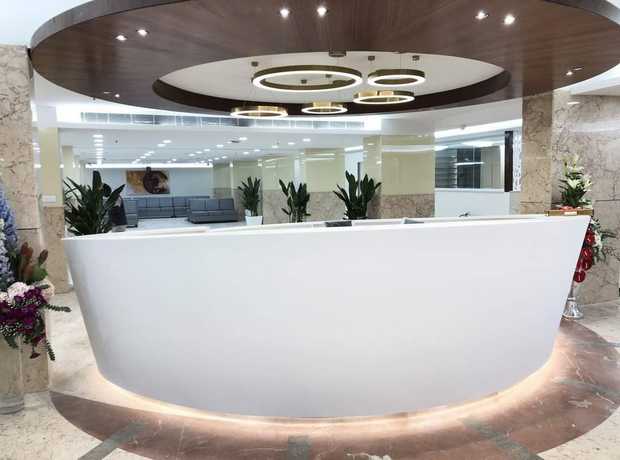
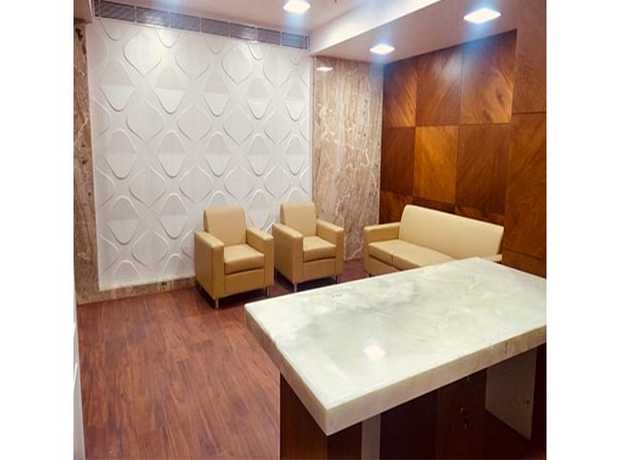
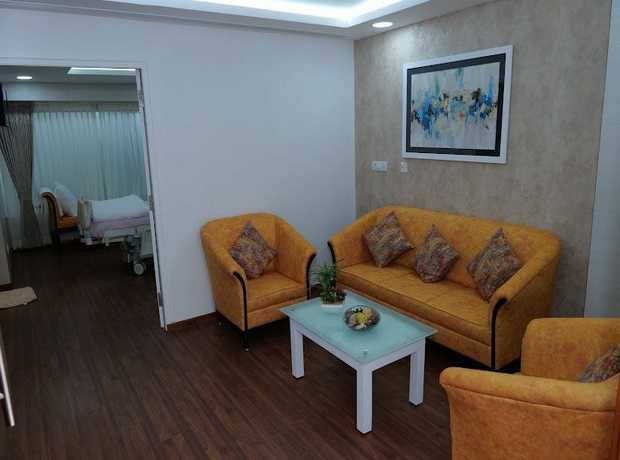
Hospital interior design plays a crucial role in creating a healing environment for patients and a productive workspace for staff. This includes factors like lighting, acoustics, and color schemes. Similarly, specialized areas like OT design require meticulous attention to detail to ensure optimal functionality and hygiene. Consider incorporating effective wayfinding solutions to improve patient and visitor experience.
Designing for Wellness and Efficiency: The Transformative Impact of Hospital Interior Design
The era of stark, purely functional hospital interiors is long past. Modern hospital interior design recognizes the profound and evidence-based impact of the physical environment on patient recovery, staff well-being, and overall operational efficiency. A thoughtfully designed interior can significantly reduce patient anxiety and stress, promote faster healing, improve sleep quality, and even decrease the perceived need for pain medication. Key elements of this human-centered design approach include:
- Biophilic Design: Integrating natural elements such as abundant natural light, indoor plants, soothing water features, and access to views of greenery has been scientifically proven to reduce stress levels, lower blood pressure, and accelerate recovery times. In Delhi’s often dense urban environment, the strategic integration of biophilic elements within the hospital is not just an aesthetic choice but a crucial therapeutic intervention.
- Color Psychology: Carefully selected calming color palettes (e.g., soft blues, greens, warm neutrals) can create a serene and comforting atmosphere, promoting relaxation and reducing agitation. Strategic pops of color can also be effectively utilized to aid in intuitive wayfinding, delineate different zones, and provide visual interest.
- Optimized Lighting Design: Maximizing natural light exposure is highly beneficial, supporting patients’ circadian rhythms and enhancing mood. Where natural light is limited, sophisticated artificial lighting systems can mimic natural light cycles, reducing circadian rhythm disruption for patients and improving alertness and concentration for staff. Layered lighting, including task lighting in clinical areas and warmer, softer ambient lighting in patient recovery zones, is a vital consideration.
- Acoustics Management: Noise can be a significant source of stress, sleep disruption, and discomfort in hospitals. Effective acoustic planning, utilizing sound-absorbing materials, strategic layouts, and noise mitigation techniques, can dramatically reduce overall noise levels, promoting essential rest for patients and improving concentration and communication for staff.
- Material Selection: All materials must be rigorously selected for durability, ease of cleaning, non-toxicity, and their contribution to infection control. Innovations in antimicrobial surfaces, seamless finishes, and low-VOC (volatile organic compound) materials are increasingly important for maintaining a healthy and hygienic indoor environment.
- Comfort and Ergonomics: From comfortable patient beds and inviting waiting area seating to ergonomically designed workstations for medical staff, comfort is paramount for both physical well-being and psychological ease. These design choices directly impact patient experience and staff productivity.
Skydome Designs’ expertise in hospital interior design goes far beyond mere aesthetics; we focus on creating spaces that are not only visually appealing and welcoming but also intrinsically supportive of the healing process and conducive to efficient clinical operations. Our award-winning, client-focused, and sustainable designs reflect a deep and holistic understanding of these critical nuances.
Precision, Sterility, and Technology: The Art and Science of OT Design
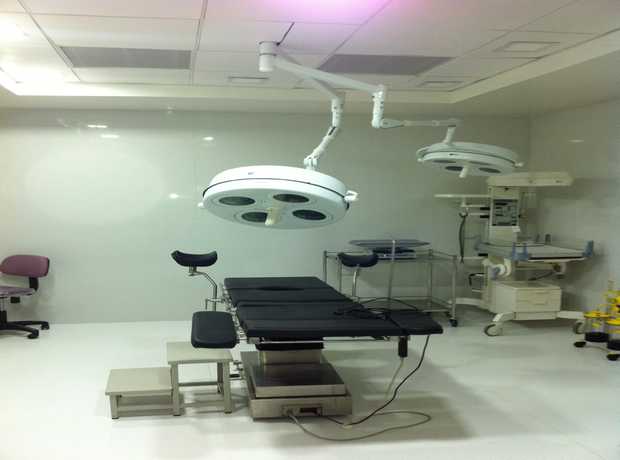
Operating Theatres (OTs) are the epicenters of surgical care and demand the absolute highest standards of precision, sterility, hygiene, and functionality. OT design is a highly specialized and intricate field that requires meticulous attention to every minute detail, from advanced air filtration systems to the precise placement of every piece of medical equipment. Critical considerations for optimal OT design include:
- Rigorous Infection Control: This is the paramount concern in any surgical environment. Design elements include state-of-the-art positive pressure ventilation systems (with HEPA filters), seamless and non-porous surfaces (for walls, floors, and ceilings) to prevent bacterial growth, and strictly dedicated zones for sterile, semi-sterile, and unsterile activities to prevent cross-contamination.
- Optimized Workflow Efficiency: The layout of the OT must facilitate efficient and safe movement of surgical teams, equipment, and patients. This includes clearly defined zones for scrubbing, induction, surgery, recovery, and material transfer, all designed to minimize unnecessary movement and potential contamination.
- Advanced Equipment Integration: Modern OTs are highly technology-intensive, accommodating sophisticated surgical equipment, advanced imaging modalities (e.g., C-arms, intraoperative MRI), robotic surgical systems, and complex anesthetic machines. The design must seamlessly accommodate these technologies, ensuring optimal connectivity, reliable power supply, medical gas outlets, data infrastructure, and ergonomic placement.
- Specialized Lighting: Advanced surgical lighting systems are crucial, providing shadow-free, high-intensity illumination with adjustable intensity and color temperature to suit various surgical procedures and individual surgeon preferences, while minimizing eye strain.
- Ergonomics for the Surgical Team: The physical environment must optimally support the surgical team, reducing fatigue and strain during long and intricate procedures. This includes adjustable operating tables, ergonomic anti-fatigue flooring, and strategically placed monitors for clear visualization.
- Future-Proofing and Flexibility: OTs should be designed with inherent flexibility to adapt to future technological advancements and evolving surgical techniques, such as the increasing demand for hybrid operating rooms that integrate advanced imaging capabilities directly within the surgical suite.
Skydome Designs brings unparalleled expertise to OT design, ensuring that these critical environments are not only fully compliant with international standards but also precisely optimized for surgical excellence, maximum patient safety, and operational efficiency. Our detailed approach to facility planning for optimized care extends to every specialized area within the hospital, guaranteeing a comprehensive solution.
Seamless Navigation: The Power of Intuitive Wayfinding
In large, often complex hospital environments, patients, visitors, and even new staff members can easily become disoriented or lost, leading to heightened stress, anxiety, frustration, and potentially missed appointments. Effective wayfinding solutions are therefore crucial for improving the overall patient and visitor experience and enhancing operational flow. This includes a strategic combination of clear and consistent signage, intuitive spatial layouts, distinct color-coding for different zones, logical numbering systems, and increasingly, integrated digital navigation tools (e.g., interactive kiosks, mobile apps). A well-implemented wayfinding strategy:
- Significantly reduces stress and anxiety for patients and their families, allowing them to focus on their health rather than navigation.
- Improves operational efficiency by reducing the amount of staff time spent giving directions and guiding visitors.
- Enhances the overall perception of the hospital as organized, efficient, and truly patient-centric.
- Can be seamlessly integrated with the hospital’s brand identity, interior design aesthetic, and overall messaging.
Skydome Designs meticulously incorporates sophisticated and user-friendly wayfinding strategies into all their hospital interior designs, ensuring that every element contributes to a smooth, positive, and stress-free journey through the facility for everyone.
Skydome Designs: Your Partner for Hospital Expansion and Renovation in Delhi
At Skydome Designs, we have nearly 30 years of experience in delivering successful hospital expansion and renovation projects across India and abroad, including numerous impactful projects in Delhi. Our in-house team of architects, healthcare planners, and project managers is committed to providing innovative, sustainable, and highly functional spaces that profoundly enhance experiences and operational efficiency.
Delivered 1417+ hospital expansion and renovation assignments across Delhi and globally over 29+ years. On‑time delivery 97%, multi‑disciplinary reviews, and post‑occupancy support underpin outcomes.
- Experience: 29+ years of experience across India and abroad, translating to unparalleled insights into diverse healthcare environments and regulatory frameworks.
- Expert Team: Our in-house team of dedicated architects, specialized healthcare planners, and seasoned project managers ensures seamless coordination, comprehensive expertise, and a unified vision from concept to completion.
- Award-Winning Design: We are recognized for our award-winning, deeply client-focused, and sustainably-driven designs that prioritize patient well-being, staff efficiency, and environmental responsibility.
- On-Time & On-Budget Delivery: With an exceptional 97% on-time delivery rate, our projects are consistently delivered on-time, on-budget, and to rigorous global quality standards, ensuring maximum return on your investment.
Our reputation as a leader in healthcare infrastructure development in Delhi and beyond is meticulously built on a foundation of proven success, unparalleled expertise, and an unwavering commitment to client satisfaction. We fundamentally understand that a hospital project is far more than just construction; it’s about building a lasting legacy of compassionate care, enabling advanced medical treatments, and creating environments that profoundly foster healing, well-being, and operational excellence. This deep-seated understanding guides every strategic decision we make and every innovative design we implement.
Unrivaled Experience and a Proven Track Record of Excellence
With an impressive 29+ years of experience across India and abroad, Skydome Designs has cultivated an unparalleled depth of knowledge and expertise in the highly specialized and demanding field of healthcare construction. Our extensive portfolio boasts over 1417+ hospital expansion and renovation assignments successfully delivered across Delhi and globally. This vast and diverse experience translates into a profound understanding of various healthcare models, complex regulatory environments, evolving technological advancements, and diverse cultural contexts. We have successfully navigated projects ranging from large-scale multi-specialty hospital expansions to critical care unit renovations, advanced diagnostic center upgrades, and entirely new greenfield hospital builds. This exceptional track record isn’t just a number; it represents thousands of hours of meticulous planning, innovative problem-solving, collaborative design, and successful project delivery, ensuring that we bring robust, reliable, and cutting-edge solutions to even the most complex challenges within Delhi’s dynamic and rapidly expanding healthcare landscape.
The Skydome Advantage: An Integrated, In-House Multidisciplinary Team
One of Skydome Designs’ most significant and strategic differentiators is our fully integrated, in-house team of architects, healthcare planners, and project managers. Unlike many firms that rely heavily on fragmented, outsourced expertise, our unified team ensures seamless coordination, consistent quality control, and a singular, cohesive vision for your entire project from its conceptualization to its final handover. Our dedicated healthcare planners bring invaluable clinical insights that inform every design decision, meticulously ensuring that spaces are not just aesthetically pleasing but supremely functional and optimized for medical processes. Our architects are master builders with a deep understanding of healthcare aesthetics, sustainable design principles, and structural integrity tailored to medical facilities. Our project managers are highly adept at navigating the intricate timelines, strict budgets, and complex logistical challenges inherent in hospital projects, particularly within a dense urban environment like Delhi. This unique collaborative ecosystem means faster decision-making, fewer communication gaps, enhanced problem-solving, and ultimately, a more efficient, streamlined, and profoundly successful project delivery for your crucial Delhi hospital expansion or renovation.
Award-Winning, Client-Focused, and Sustainably-Driven Designs
At Skydome Designs, we are not merely focused on functionality; we are deeply passionate about creating inspiring, nurturing, and truly healing environments. Our unwavering commitment to design excellence, innovation, and patient-centricity has earned us significant recognition for our award-winning, client-focused, and sustainable designs. We firmly believe that a hospital’s design should intrinsically reflect its noble mission – promoting holistic health, providing comfort, and fostering hope. This involves thoughtfully integrating abundant natural light, utilizing soothing and scientifically proven color palettes, selecting eco-friendly and durable materials, and designing for optimal energy efficiency and minimal environmental impact. Sustainability is at the very core of our design philosophy, ensuring that your hospital operates efficiently, significantly reduces its environmental footprint, and provides a healthier, more comfortable indoor environment for both patients and staff. Every design we craft is meticulously tailored to the client’s specific vision, operational needs, and the unique patient demographic it serves, making each project a distinct and powerful reflection of its purpose and values.
Unwavering Commitment to On-Time & On-Budget Delivery
The financial and operational implications of project delays or budget overruns in a critical hospital setting are severe and far-reaching. At Skydome Designs, we deeply understand this criticality. Our processes are meticulously structured, rigorously managed, and continuously refined to achieve predictable, reliable, and transparent outcomes. We boast an impressive and industry-leading on-time delivery rate of 97%, a resounding testament to our rigorous planning methodologies, proactive risk management strategies, transparent communication protocols, and highly efficient execution processes. Our comprehensive approach integrates multiple multi-disciplinary reviews at every critical stage of the project, ensuring thorough oversight and the early identification of any potential issues or deviations. Furthermore, our commitment extends well beyond project completion with dedicated post-occupancy support, ensuring that your facility performs optimally, efficiently, and effectively long after the keys have been handed over. This comprehensive and client-centric strategy ensures that your hospital expansion and renovation in Delhi projects are consistently delivered on-time, on-budget, and to rigorous global standards, providing unparalleled peace of mind and maximizing your strategic investment.
We offer a comprehensive range of services, including:
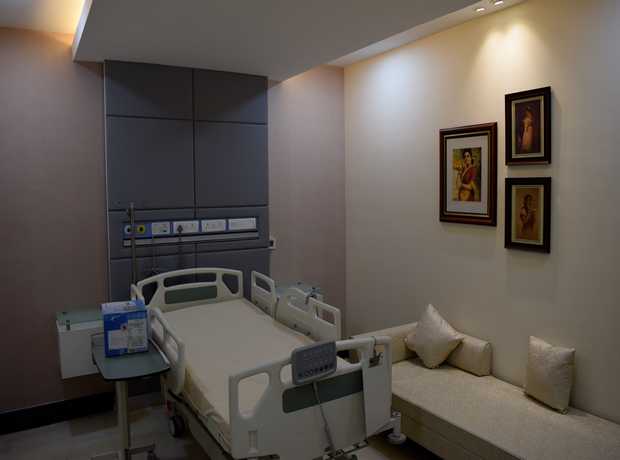
- Hospital Interior Design: From serene patient rooms, high-tech ICUs, and sterile OTs, to state-of-the-art labs, comforting consultation areas, and integrated facility planning – all meticulously designed for optimized care. This includes strategic choices in materials, finishes, furniture, and curated art, all aimed at creating a therapeutic, uplifting, and highly functional environment that supports healing and clinical excellence. Our designs prioritize paramount patient comfort, essential privacy, and universal accessibility, while simultaneously optimizing workflow efficiency for medical staff, seamlessly integrating advanced technological requirements, and strictly adhering to stringent infection control standards.
- Space Planning: Our expertise lies in precisely optimizing space utilization for improved efficiency, enhanced patient flow, and future scalability. This involves detailed analysis of departmental adjacencies, patient and staff circulation pathways, equipment placement, and careful future growth projections to create a seamless layout that enhances operational efficiency, significantly reduces wait times, and vastly improves overall functionality and experience within the hospital. We ensure that every square foot is intelligently utilized, maximizing capacity without compromising patient comfort, safety, or critical regulatory compliance.
- Furniture Layouts: We specialize in selecting and strategically arranging furniture to create comfortable, functional, and aesthetically pleasing spaces that perfectly complement the overall design aesthetic and rigorous clinical requirements. Our furniture choices prioritize extreme durability, effortless ease of cleaning, strict infection control, and ergonomic support for both patients and dedicated healthcare providers. From advanced patient beds and comfortable recovery recliners to efficient reception desks and ergonomic consultation room seating, every piece is carefully selected and precisely positioned to enhance user experience and optimize operational flow.
- Lighting Design: We implement sophisticated lighting solutions that profoundly enhance healing, improve patient well-being, and boost staff productivity. This encompasses maximizing natural light integration, utilizing advanced LED systems for superior energy efficiency, and providing specialized task lighting in intricate clinical areas. Our designs deeply consider the psychological and physiological impact of light, employing tunable white lighting to support natural circadian rhythms in patient areas and providing bright, shadow-free, and high-fidelity illumination in surgical suites, all while meticulously minimizing glare and maximizing visual comfort and acuity.
- Turnkey Interior Execution: We offer comprehensive management of all aspects of the interior construction process, from initial concept development right through to final completion and handover. This extensive turnkey service includes meticulous procurement, expert installation, rigorous quality control, and seamless coordination of all trades, ensuring a completely hassle-free and integrated experience for our valued clients. Our meticulous project management guarantees that the entire interior design vision is realized precisely, punctually, and strictly within budget, with minimal disruption to ongoing hospital operations and patient care.
Ready to transform your healthcare facility with a partner who understands Delhi’s unique challenges and opportunities? Contact us today at +91 7299072144 or email us at info@skydomedesigns.com to discuss your Delhi hospital expansion and renovation project. Let our Delhi hospital experts help you achieve your goals on time and within budget, ensuring your project meets global design standards with local code expertise in Delhi, backed by our 1417+ successful assignments.
Beyond the Basics: Advanced Considerations for Hospital Projects in Delhi
To truly excel in hospital expansion and renovation in Delhi, it is vital to look beyond standard practices and integrate advanced considerations that significantly enhance both immediate project success and long-term operational excellence. These critical considerations include comprehensive sustainability strategies, seamless technology integration, and an unwavering focus on truly patient-centric design principles.
Embracing Sustainability and Green Building Practices for a Healthier Future
In an era of increasing environmental awareness, stringent regulations, and ever-rising operational costs, integrating robust sustainable design and construction practices is no longer merely optional – it is an imperative. Green hospitals not only dramatically reduce their carbon footprint but also offer substantial long-term financial benefits through lower energy consumption, reduced water usage, and minimized waste generation. For Delhi, where air quality, resource management, and environmental concerns are critical issues, this sustainable approach is particularly relevant and impactful. Skydome Designs champions advanced sustainable methodologies, meticulously incorporating:
- Superior Energy Efficiency: Utilizing high-performance building envelopes, advanced and efficient HVAC systems, intelligent LED lighting with smart controls, and integrating renewable energy sources like rooftop solar panels can dramatically reduce energy bills and significantly lower the environmental impact of the hospital’s operations.
- Responsible Water Conservation: Implementing rainwater harvesting systems, greywater recycling programs, and installing water-efficient fixtures and landscaping contribute significantly to responsible water management, which is crucial in water-stressed regions like Delhi and its surrounding areas.
- Sustainable Material Selection: Prioritizing locally sourced, recycled content, rapidly renewable, and low-VOC (volatile organic compound) materials reduces the embodied environmental impact of construction and vastly improves indoor air quality, which is vital for both patient health and staff well-being.
- Advanced Waste Management: Designing for comprehensive construction waste reduction, implementing robust operational waste segregation systems, and planning for efficient recycling and responsible disposal support a circular economy model and reduce landfill burden.
- Optimized Indoor Environmental Quality (IEQ): Beyond material choices, excellent IEQ involves ensuring optimal thermal comfort, maximizing natural light penetration, minimizing exposure to indoor pollutants, and ensuring superior air quality through advanced ventilation, all of which profoundly contribute to a healthier, more healing, and more productive environment for patients and staff alike.
These sustainable practices align with global standards for high-performance, responsible healthcare infrastructure and ensure that your Delhi hospital project is a truly responsible, resilient, and future-proof investment that benefits both the community and the environment.
Seamless Integration of Cutting-Edge Technology for Enhanced Care
Modern hospitals are increasingly technology-driven enterprises, relying on a vast array of interconnected systems to deliver advanced care. Successful expansion and renovation projects must meticulously account for the seamless and future-proof integration of both current and emerging technologies. This includes:
- Robust Digital Infrastructure: Designing for resilient networking, ubiquitous Wi-Fi coverage, and comprehensive data cabling are essential for electronic health records (EHR), telemedicine platforms, interconnected medical devices, and advanced diagnostic equipment. Future-proofing involves planning for ever-increasing bandwidth demands and seamless wireless connectivity across all areas of the facility.
- Intelligent Building Management Systems (BMS): Integrating sophisticated smart systems for HVAC control, lighting automation, advanced security, and fire safety optimizes operational efficiency, enhances overall safety, and provides greater granular control over the hospital environment, leading to cost savings and improved responsiveness.
- Precision Medical Equipment Planning: Collaborating closely with medical equipment suppliers to ensure that spaces are designed with the correct power supply, plumbing connections, data ports, and structural requirements for specialized equipment like MRI machines, CT scanners, PET scans, robotic surgery systems, and sophisticated laboratory apparatus. This is an absolutely integral part of our rigorous clinical planning process, preventing costly retrofits.
- Telehealth and Remote Monitoring Capabilities: Designing consultation rooms and patient areas that can seamlessly support advanced telehealth services, virtual consultations, and remote patient monitoring capabilities expands access to care, improves chronic disease management, and enhances patient convenience.
Skydome Designs’ expert team works closely with hospital IT departments, biomedical engineers, and leading medical equipment vendors to ensure that all technological requirements are meticulously planned, integrated, and future-proofed, preventing costly and disruptive retrofits down the line and ensuring your hospital remains at the forefront of medical innovation.
Prioritizing Patient-Centric Design and Holistic Experience
At its very core, a hospital exists to serve the patient. A truly patient-centric design approach places the patient’s physical comfort, emotional well-being, and holistic needs at the forefront of every single design decision. This goes far beyond merely comfortable waiting areas and extends to every aspect of the patient journey, encompassing:
- Privacy and Dignity: Designing patient rooms, consultation areas, and waiting zones that offer ample privacy, respect individual dignity, and allow for personal space and quiet reflection.
- Universal Accessibility: Ensuring universal accessibility for patients with diverse mobility needs, including wider corridors, barrier-free restrooms, accessible examination tables, and clear, intuitive circulation paths throughout the facility.
- Supportive Family Zones: Creating comfortable, inviting, and supportive spaces for family members to stay, rest, and actively participate in the care process, recognizing their vital role in the patient’s healing journey. This includes comfortable seating, access to amenities, and quiet areas.
- Healing Gardens and Outdoor Spaces: Where feasible, incorporating safe, secure, and easily accessible outdoor spaces or healing gardens can provide a much-needed therapeutic respite for patients, visitors, and staff, connecting them with nature.
- Curated Art and Aesthetics: Thoughtfully curated art installations, soothing color palettes, and aesthetically pleasing environments can profoundly contribute to a positive psychological experience, reducing stress, fostering a sense of calm, and diverting attention from medical procedures.
By focusing on these advanced and human-centered considerations, Skydome Designs ensures that your Delhi hospital expansion and renovation project delivers not just a state-of-the-art building, but a truly healing, high-performing, and patient-focused healthcare facility that will stand the test of time and serve the community with excellence.
Conclusion
Successfully delivering a hospital expansion and renovation in Delhi is a complex undertaking that demands careful strategic planning, an exceptionally experienced and integrated team, and an unwavering commitment to transparent and proactive communication. By partnering with a reputable and specialized Delhi hospital expansion and renovation company like Skydome Designs, you can effectively mitigate inherent risks and ensure your project is completed on time, within budget, and to the highest global standards. Our unparalleled 29+ years of experience, an impressive 97% on-time delivery rate, and over 1417 successful assignments across Delhi and globally speak volumes about our proven expertise and reliability. From meticulous clinical planning and award-winning hospital interior design to cutting-edge OT design and comprehensive post-occupancy support, we meticulously cover every aspect of your project with precision, dedication, and an unyielding focus on excellence.
The intricate complexities and high stakes of healthcare construction in Delhi demand more than just a general contractor; they require a true strategic partner who understands the unique nuances of medical environments. Skydome Designs offers precisely that partnership, bringing together global design standards with unparalleled local code expertise, transparent cost management, and rigorous milestone-based reporting to ensure that your vision for an advanced, efficient, sustainable, and patient-centric healthcare facility becomes a tangible reality. Don’t leave your significant investment and the future of your healthcare institution to chance. Choose a partner with a proven track record of excellence, a deep understanding of Delhi’s unique healthcare landscape, and a commitment to your long-term success.
Embark on your hospital’s future with absolute confidence and a trusted partner. Call Skydome Designs now at +91 7299072144 or email info@skydomedesigns.com to schedule a comprehensive consultation with our Delhi hospital experts. Let us meticulously plan, design, and build your success story, ensuring your project is delivered on time, within budget, and to the highest standards of quality and functionality.
Frequently Asked Questions (FAQs)
What are the key considerations for hospital expansion in Delhi?
Key considerations for hospital expansion in Delhi are multi-faceted and demand specialized attention. These include navigating the often-complex local building codes, municipal bylaws, and stringent environmental regulations; securing timely environmental and fire safety clearances from various authorities; meticulously minimizing disruption to existing hospital operations, patient care, and staff workflows; ensuring strict compliance with national and international healthcare regulations (such as NABH accreditation standards and AERB guidelines for radiation facilities); and adhering to rigorous hygiene and infection control standards throughout the entire construction and renovation process. Furthermore, understanding the local supply chain dynamics, managing logistical challenges in Delhi’s densely populated urban environment, and effectively engaging with community stakeholders are crucial for efficient project execution and public relations. Skydome Designs’ deep local expertise and 29+ years of experience ensure all these critical factors are meticulously addressed from project inception to completion.
How can I ensure my hospital renovation project stays on budget?
Ensuring a hospital renovation project stays strictly on budget requires a comprehensive and disciplined approach. This begins with incredibly detailed and accurate initial planning, thorough cost estimation, and robust financial modeling. Key strategies include implementing rigorous value engineering processes to identify cost-effective alternatives without compromising quality, functionality, or patient safety; transparent and continuous cost tracking with milestone-based reporting to monitor expenditures in real-time; and developing a comprehensive risk management plan to proactively anticipate and mitigate potential unforeseen expenses. Engaging a specialized Delhi hospital expansion and renovation company like Skydome Designs, which has a proven track record of transparent costs, rigorous financial management, and an exceptional 97% on-time delivery rate across 1417+ projects, provides invaluable expert financial oversight and proactive management to help keep your project fiscally sound and achieve its financial objectives. We provide detailed financial breakdowns and regular, transparent updates to foster complete trust and accountability.
What is the role of hospital interior design in patient recovery?
Hospital interior design plays a crucial, evidence-based, and increasingly recognized role in patient recovery by deliberately creating a healing, supportive, and stress-reducing environment. This involves thoughtfully incorporating elements such as abundant natural light, calming and non-stimulating color palettes, comfortable and ergonomically designed furniture, effective noise reduction measures through acoustic planning, and integrating biophilic design elements (e.g., views of nature, indoor plants, natural materials). Good interior design reduces patient anxiety and stress levels, improves vital sleep quality, enhances mood, and can even contribute to decreasing the perception of pain, ultimately accelerating recovery times, improving overall patient satisfaction, and supporting faster discharge. Skydome Designs specializes in creating award-winning, therapeutic hospital interiors that are meticulously tailored to enhance patient well-being while simultaneously optimizing clinical efficiency and staff productivity.
How important is clinical planning in hospital expansion projects?
Clinical planning is of paramount importance and is absolutely fundamental to the success of any hospital expansion project; it serves as the operational blueprint for achieving optimal operational efficiency and delivering high-quality patient care. It involves a detailed and collaborative analysis of current and future clinical needs, precise patient flow pathways, efficient staff workflows, critical departmental adjacencies, and the strategic placement of medical equipment and technology. Effective clinical planning ensures that new or renovated spaces are specifically designed to seamlessly support medical processes, enhance interdepartmental communication, minimize unnecessary travel distances for both staff and patients, and appropriately accommodate specialized medical equipment. It prevents costly reworks and operational bottlenecks by ensuring that the facility’s physical layout and underlying infrastructure directly support the efficient, safe, and high-quality delivery of healthcare services, making the hospital functional, safe, and efficient from day one of its operation. Skydome Designs integrates expert clinical planning from the earliest, foundational stages of every project, ensuring clinical excellence.
What are the benefits of hiring a specialized hospital renovation company in Delhi?
Hiring a specialized hospital renovation company in Delhi offers numerous, distinct benefits that are critical for project success. Such a company possesses invaluable in-depth knowledge of healthcare-specific regulations, intricate local building codes, and the unique challenges inherent in constructing or renovating within operational medical facilities. They have extensive practical experience in managing complex hospital projects, including implementing stringent infection control protocols, undertaking precise logistical planning in congested urban environments, and ensuring minimal disruption to essential patient services. A specialized firm like Skydome Designs brings an integrated in-house team of expert architects, dedicated healthcare planners, and seasoned project managers, along with a robust proven track record (over 1417 projects globally and in Delhi, with an impressive 97% on-time delivery rate). Furthermore, they possess the unique ability to apply global design standards with unparalleled local code expertise, ensuring efficient, compliant, high-quality, and cost-effective project delivery. This mitigates risks, streamlines processes, and ultimately guarantees long-term operational success for your Delhi hospital, providing a superior return on your investment.
Ready to discuss your Delhi hospital expansion or renovation project with a team that delivers excellence on time and on budget? Contact Skydome Designs today at +91 7299072144 or email us at info@skydomedesigns.com. Let our award-winning team guide you to on-time and on-budget success, building the future of healthcare in Delhi!