Atlanta, a city celebrated for its vibrant growth, lush canopy, and dynamic urban core, stands at the precipice of a new era in development. As we look towards 2025 and beyond, the demands on urban and suburban landscapes are intensifying. Simply having aesthetically pleasing green spaces is no longer sufficient. Today, successful projects in the burgeoning Atlanta market, whether commercial or residential, require a sophisticated approach: performance-driven landscape architecture. This methodology transcends mere beauty, embedding sustainability, functionality, durability, and cost-effectiveness into the very fabric of outdoor spaces. It’s about creating landscapes that not only delight the eye but also significantly reduce environmental impact, enhance user experience, withstand the unique challenges of the Atlanta climate, and deliver long-term value.
The imperative for this shift is clear. With increasing regulatory scrutiny, a growing consciousness about environmental stewardship, and the continuous push for operational efficiency, developers, property managers, and homeowners in Atlanta need landscapes that perform. They need designs that integrate seamlessly with built environments, contributing positively to local ecosystems, managing stormwater effectively, and providing inviting, resilient spaces for people to live, work, and thrive. This comprehensive guide will delve into the critical aspects of achieving compliance and ensuring exceptional quality in performance-driven landscape architecture for commercial/residential projects in Atlanta for 2025, offering invaluable checklists and insights for navigating this evolving landscape.
Why Performance-Driven Landscape Architecture Matters More Than Ever in Atlanta’s Dynamic Market
In a competitive and rapidly expanding metropolitan area like Atlanta, where land value is high and environmental considerations are paramount, landscapes must deliver tangible benefits. Performance-driven landscape architecture for commercial/residential projects in Atlanta is not a luxury; it’s a strategic necessity that directly impacts a project’s long-term viability, marketability, and environmental footprint. This approach goes beyond traditional aesthetics to address a holistic set of criteria:
Sustainability: Building a Greener Atlanta from the Ground Up
At its core, performance-driven design is deeply rooted in sustainability. For Atlanta, this means actively working to reduce the environmental impact of development. Key aspects include:
- Water Conservation: Implementing smart irrigation systems, selecting drought-tolerant native and adapted plant species, and designing for rainwater harvesting to minimize reliance on potable water supplies. This is crucial in a region often subject to water restrictions.
- Native Plant Selection and Biodiversity: Prioritizing plants indigenous to the Georgia Piedmont region. Native plants are naturally adapted to the local climate, require less water and fertilizer, and provide essential habitat and food sources for local wildlife, supporting ecological balance and biodiversity.
- Responsible Material Sourcing: Opting for recycled, locally sourced, and low-embodied energy materials for hardscapes, furnishings, and other landscape elements. This reduces transportation emissions and supports the local economy.
- Stormwater Management: Integrating innovative green infrastructure solutions like rain gardens, bioswales, permeable paving, and green roofs to manage stormwater runoff on-site, reducing strain on municipal systems and mitigating urban heat island effects.
- Reduced Chemical Use: Designing landscapes that minimize the need for synthetic pesticides and fertilizers, protecting local waterways and promoting healthier ecosystems.



Functionality: Crafting Usable Spaces for Modern Lifestyles
A high-performing landscape is one that serves its intended purpose effectively, enhancing the daily lives of its users. This involves:
- Optimizing User Experience: Creating intuitive pathways, comfortable seating areas, shaded zones, and engaging activity spaces that invite interaction and promote well-being. Whether it’s a bustling commercial plaza or a tranquil residential garden, the design should cater to human needs.
- Meeting Specific Needs: Designing specific areas for dog parks, children’s play, outdoor dining, community gatherings, or quiet contemplation, ensuring each space serves a distinct and valuable function.
- Connectivity and Flow: Ensuring seamless transitions between indoor and outdoor spaces, and logical connections between different outdoor zones, enhancing navigation and overall spatial experience.
Durability: Resilient Landscapes for Atlanta’s Climate
Atlanta’s climate, characterized by hot, humid summers and occasional freezing winters, demands durable solutions. Performance-driven design anticipates these conditions:
- Climate Resilience: Selecting plants and materials that can withstand fluctuating temperatures, heavy rainfall, and prolonged periods of heat and humidity.
- Longevity of Materials: Specifying robust hardscape materials (paving, retaining walls, structures) that resist weathering, wear, and tear, minimizing the need for frequent replacement.
- Low Maintenance Design: Creating landscapes that are inherently easier to maintain, reducing the ongoing labor and resource input required to keep them looking their best.
Cost-Effectiveness: Smart Investments for Long-Term Value
While an initial investment might seem higher for a performance-driven design, the long-term cost savings are significant:
- Reduced Lifecycle Costs: Minimizing expenses related to water, energy (e.g., for pumping irrigation), fertilizer, pesticides, and replacement of plant material or hardscapes.
- Increased Property Value: High-quality, sustainable landscapes enhance curb appeal, improve marketability, and can command higher property values for both commercial and residential developments.
- Lower Operational Expenses: Efficient irrigation, durable materials, and low-maintenance plant palettes directly translate to lower ongoing operational and maintenance budgets.
- Risk Mitigation: Proactive stormwater management designs can prevent costly flood damage and compliance penalties.
This comprehensive approach ensures that every dollar invested in landscape architecture yields returns far beyond mere aesthetics, contributing to a project’s financial health, environmental responsibility, and social appeal.
The Shift Towards Digital Delivery in Atlanta Landscape Design: A Paradigm Shift for 2025
The landscape architecture industry in Atlanta is rapidly embracing digital transformation, moving away from traditional 2D drafting to more integrated, intelligent design and delivery processes. This shift is not just about using new software; it’s a fundamental change in how projects are conceived, collaborated upon, and executed, leading to significantly better outcomes, reduced risks, and enhanced efficiency across the board.
Building Information Modeling (BIM) for Landscape: The Future is Here
BIM, once primarily associated with architecture and structural engineering, is now revolutionizing landscape design. For performance-driven landscape architecture for commercial/residential projects in Atlanta, BIM offers:
- Enhanced Collaboration: All project stakeholders (architects, engineers, developers, landscape architects, contractors) can work within a shared 3D model, seeing real-time updates and identifying clashes or conflicts early in the design process. This minimizes costly revisions during construction.
- Improved Accuracy and Visualization: Detailed 3D models provide an unprecedented level of accuracy in material quantities, grading, and spatial relationships. Clients can “walk through” their future landscape using virtual reality (VR) or augmented reality (AR), gaining a clear understanding of the design well before ground breaks.
- Streamlined Documentation: BIM allows for automated generation of construction drawings, schedules, and quantity take-offs, significantly reducing manual errors and speeding up the documentation phase.
- Performance Analysis: BIM models can be integrated with analytical tools to simulate environmental performance, such as stormwater runoff calculations, solar studies for shade analysis, and even pedestrian flow, allowing for data-driven design decisions.
- Lifecycle Management: The intelligent data embedded within a BIM model can be used beyond construction for facility management, asset tracking, and maintenance planning, contributing to lower lifecycle costs.
Geographic Information Systems (GIS): Understanding the Context
GIS plays a crucial role in the initial stages of performance-driven design by providing a powerful platform for analyzing site conditions. In Atlanta, GIS can be used to:
- Site Analysis: Mapping existing vegetation, soil types, hydrological features, slope analysis, sun exposure, and microclimates.
- Regulatory Compliance: Overlaying zoning maps, tree protection ordinances, and flood plain data to ensure designs adhere to local regulations from the outset.
- Environmental Impact Assessment: Analyzing ecological corridors, habitat connectivity, and potential for green infrastructure integration.
Other Digital Tools for Efficiency and Innovation
- 3D Modeling and Rendering: Beyond BIM, specialized software allows for photorealistic visualizations that help clients envision the final product.
- Drone Technology and Lidar Scanning: Drones equipped with Lidar can create highly accurate topographical maps and existing conditions models, saving time and improving precision in site analysis.
- Cloud-Based Project Management Platforms: Facilitating seamless communication, document sharing, and progress tracking among project teams, especially valuable for large or complex projects in Atlanta.
Embracing digital delivery ensures that projects are not only beautiful but also meticulously planned, efficiently executed, and optimized for performance from conception through construction and beyond. This forward-thinking approach is what sets leading firms like Skydome Designs apart in the Atlanta market.
Key Checklists for Commercial Landscape Architecture in Atlanta (2025): Achieving Compliance and Excellence
For commercial developments in Atlanta, the stakes are high. Landscapes must not only attract tenants and customers but also adhere to a complex web of regulations while delivering operational efficiency and aesthetic appeal. A rigorous, performance-driven landscape architecture for commercial projects in Atlanta requires comprehensive planning and execution. Here are some key areas to consider for 2025 and beyond:
Permitting and Regulations: Navigating Atlanta’s Legal Landscape
Compliance with local, county, and state regulations is the foundational step. Failure here can lead to costly delays, fines, and redesigns.
- Zoning Ordinances: Understand specific setbacks, open space requirements, landscape buffers, and parking lot landscaping ratios dictated by the City of Atlanta or relevant county (e.g., Fulton, DeKalb, Cobb, Gwinnett).
- Stormwater Management Requirements: Adhere to strict mandates for managing stormwater runoff, often requiring detention/retention ponds, bioswales, permeable paving, and other green infrastructure to meet water quality and quantity targets. Atlanta’s regulations are becoming increasingly stringent to combat urban flooding and pollution.
- Tree Protection Ordinances: The City of Atlanta has robust tree protection ordinances (e.g., tree canopy preservation, replacement requirements, permitting for tree removal). Identifying existing significant trees and integrating them into the design, or developing a comprehensive tree mitigation plan, is crucial.
- Signage and Lighting Ordinances: Ensure that landscape lighting and any integrated signage comply with local light pollution and aesthetic guidelines.
- Environmental Impact Assessments: For larger projects, anticipate potential environmental review processes and incorporate mitigation strategies into the landscape design.
- Erosion and Sediment Control: Develop and implement robust plans to prevent soil erosion and sediment runoff during construction, a common requirement across all Atlanta counties.
Accessibility: Universal Design for All Users
Designing for universal accessibility is not just a legal requirement (ADA compliance) but a commitment to inclusivity, ensuring that all users, regardless of physical ability, can enjoy and navigate the commercial landscape.
- ADA Compliance: Ensure all pathways, ramps, steps, and transitions meet ADA slope, width, and surface requirements.
- Accessible Routes: Create clear, continuous, and accessible routes from parking areas and public transportation stops to building entrances and key outdoor amenities.
- Inclusive Seating and Amenities: Provide a variety of seating options, including those with backrests and armrests, and ensure amenities like water fountains and trash receptacles are within accessible reach.
- Tactile Paving and Wayfinding: Consider tactile warning surfaces at hazardous areas and clear, legible signage for wayfinding.
Plant Selection: Resilient, Attractive, and Eco-Friendly
The right plant palette is essential for a beautiful, sustainable, and low-maintenance commercial landscape in Atlanta.
- Native or Adapted Plants: Prioritize species proven to thrive in Atlanta’s climate, reducing water needs, pest susceptibility, and maintenance. Examples include Southern Magnolia, Oak species, Dogwood, Azaleas, beautyberry, and various ferns.
- Drought Tolerance: Select plants with low water requirements once established, especially critical for larger commercial sites.
- Pest and Disease Resistance: Choose varieties that are naturally resistant to common local pests and diseases, minimizing the need for chemical interventions.
- Seasonal Interest: Design for year-round visual appeal with varying bloom times, fall foliage, and evergreen elements.
- Mature Size and Growth Habits: Consider the ultimate size of plants to avoid overcrowding or conflicts with structures, utilities, and sightlines.
- Biodiversity Support: Incorporate plants that provide habitat, nectar, and food for local pollinators and wildlife, contributing to the health of the local ecosystem.
Irrigation: Smart Water Management
Efficient irrigation is a cornerstone of sustainable landscape design in Atlanta, where water conservation is a priority.
- Smart Irrigation Systems: Install weather-based controllers and soil moisture sensors that automatically adjust watering schedules based on real-time conditions, significantly reducing water waste.
- Drip Irrigation/Micro-spray: Utilize targeted irrigation methods for planting beds and individual trees to deliver water directly to the root zone, minimizing evaporation and runoff.
- Hydrozoning: Group plants with similar water needs together to optimize irrigation schedules and efficiency.
- Rainwater Harvesting: Explore systems for collecting and storing rainwater for irrigation purposes, reducing reliance on municipal water sources.
- Regular Maintenance: Plan for routine inspections and maintenance of the irrigation system to identify and repair leaks or malfunctions promptly.
Materials: Durability, Sustainability, and Aesthetic Appeal
Material selection impacts the longevity, environmental footprint, and overall aesthetic of the commercial landscape.
- Durable Hardscapes: Choose robust materials like concrete, brick, natural stone, or high-quality pavers for pathways, plazas, and retaining walls that can withstand heavy pedestrian traffic and Atlanta’s weather.
- Pervious Surfaces: Integrate permeable paving materials (e.g., permeable pavers, porous asphalt/concrete) in appropriate areas to assist with stormwater infiltration and reduce runoff.
- Recycled and Local Materials: Prioritize materials with recycled content or those sourced locally to reduce embodied energy and transportation costs.
- Sustainable Wood Products: If using wood for decks, benches, or pergolas, specify sustainably harvested (e.g., FSC certified) or reclaimed wood.
- Appropriate for Use: Ensure materials are suitable for their intended function (e.g., anti-slip surfaces for public walkways).
Maintenance: Ensuring Long-Term Health and Appearance
A comprehensive maintenance plan is crucial for preserving the integrity and beauty of a commercial landscape over its lifespan.
- Proactive Maintenance Schedule: Develop a detailed schedule for watering, fertilizing (if necessary), pruning, mulching, pest management, and hardscape cleaning.
- Integrated Pest Management (IPM): Implement strategies that prioritize biological and cultural controls over chemical applications.
- Ongoing Inspections: Regularly inspect the landscape for plant health, irrigation system function, hardscape integrity, and safety hazards.
- Tree Care: Ensure professional care for significant trees, including pruning, fertilization, and disease monitoring.
- Waste Management: Plan for efficient composting of green waste and proper disposal of other landscape debris.
- Budgeting: Factor long-term maintenance costs into the project’s financial planning.
Want to discuss your commercial project and navigate these complex requirements with ease? Contact Skydome Designs today for a consultation and let our experienced team help you achieve a high-performing, compliant, and beautiful landscape!
Essential Checklists for Residential Landscape Architecture in Atlanta (2025): Designing for Lifestyle and Value
Residential landscapes in Atlanta are deeply personal, reflecting individual lifestyles and enhancing home value. However, they are also subject to specific guidelines and environmental considerations. For performance-driven landscape architecture for residential projects in Atlanta, a thoughtful approach ensures both aesthetic appeal and practical functionality for years to come. Here’s a checklist for homeowners and developers aiming for excellence:
Homeowner Association (HOA) Guidelines: Building Community Harmony
Many residential developments in Atlanta are governed by HOAs, which have specific rules regarding landscape design.
- Review HOA Covenants: Thoroughly understand all rules regarding plant palettes, acceptable hardscape materials, fence heights, exterior lighting, and maintenance standards.
- Architectural Review Board (ARB) Approval: Anticipate the need for design submissions and approvals from the HOA’s ARB before beginning any significant landscape work.
- Proactive Communication: Engage with the HOA early in the design process to address any potential conflicts or unique requirements.
- Permitted Plant Lists: Stick to approved plant lists, if provided, to ensure compliance and avoid issues.
Property Lines and Easements: Respecting Boundaries and Utilities
Understanding legal boundaries is fundamental to avoiding future disputes and ensuring infrastructure access.
- Survey Review: Obtain and review a current property survey to accurately identify all property lines, setbacks, and easements (e.g., utility, drainage, access).
- Setback Requirements: Ensure all landscaping, structures (sheds, pergolas), and hardscapes are located within property lines and adhere to local setback ordinances.
- Easement Protection: Avoid planting large trees or constructing permanent structures within easements, as utility companies may require access for maintenance or repairs.
- Neighboring Properties: Consider the impact of your landscape design on adjacent properties, especially regarding views, shade, and drainage.
Drainage: Protecting Your Home from Atlanta’s Rains
Proper drainage is paramount in Atlanta to prevent water damage to homes, mitigate erosion, and ensure usable outdoor spaces.
- Site Grading: Design grading to direct water away from the home’s foundation, preferably towards permeable areas or designated drainage systems.
- Rain Gardens and Bioswales: Integrate green infrastructure elements to capture, filter, and slowly release stormwater on-site, reducing runoff and enriching groundwater.
- French Drains and Catch Basins: Install subsurface drainage systems in areas prone to pooling or excessive moisture to effectively manage water.
- Permeable Paving: Utilize permeable materials for patios, driveways, and pathways where appropriate to allow water infiltration.
- Downspout Management: Extend downspouts away from the foundation or connect them to rain barrels or underground drainage systems.
Privacy: Creating Your Outdoor Sanctuary
In densely populated areas of Atlanta, creating private outdoor retreats is a key desire for homeowners.
- Strategic Planting: Use evergreen hedges, tall shrubs, and trees to create natural privacy screens from neighbors or busy streets. Consider mature plant sizes for long-term effectiveness.
- Hardscape Elements: Incorporate fences, pergolas with climbing vines, or strategically placed garden walls to define private zones.
- Sound Buffering: Use dense plantings, water features, or berms to help mitigate noise pollution, enhancing tranquility.
- Layered Design: Combine different heights and textures of plants to create a sense of enclosure without feeling claustrophobic.
Outdoor Living Spaces: Extending Your Home Outdoors
Atlanta’s pleasant weather encourages extensive outdoor living, making these spaces integral to residential design.
- Functional Zones: Design distinct areas for dining, lounging, cooking (outdoor kitchens), and recreation, much like interior room planning.
- Patios and Decks: Select durable, attractive materials that complement the home’s architecture and withstand the elements.
- Shade Structures: Incorporate pergolas, gazebos, or strategic tree plantings to provide relief from Atlanta’s summer sun.
- Fire Features: Integrate fire pits or outdoor fireplaces for ambiance and extended usability during cooler months.
- Connectivity: Ensure smooth transitions from indoor living areas to outdoor spaces, blurring the lines between the two.
Lighting: Enhancing Safety, Security, and Ambiance
Thoughtful outdoor lighting elevates the residential landscape, making it more enjoyable and secure.
- Safety and Security: Illuminate pathways, steps, and entry points to prevent falls and deter intruders.
- Accent Lighting: Highlight architectural features, specimen trees, or garden art to create dramatic visual interest.
- Ambiance Lighting: Use softer, warmer lights in outdoor living areas to foster a relaxing and inviting atmosphere.
- Energy Efficiency: Specify LED lighting fixtures, which are energy-efficient and long-lasting.
- Smart Lighting Systems: Consider automated lighting controls, timers, and dimmers for convenience and energy savings.
- Dark Sky Compliance: Choose fixtures that minimize light pollution, directing light downwards and avoiding excessive brightness.
Looking for Atlanta residential experts to design your dream landscape, seamlessly integrating with innovative residential interiors and solutions? Reach out to Skydome Designs for bespoke, high-performance landscape and interior solutions that elevate your home.
End-to-End Delivery in Atlanta: Skydome Designs’ Integrated Approach
The complexity of modern development in Atlanta demands a seamless and holistic approach. For truly performance-driven landscape architecture for commercial/residential projects in Atlanta, Skydome Designs offers an unparalleled end-to-end delivery model. This comprehensive service encompasses every stage of your project, from initial concept to final handover, ensuring a cohesive vision and efficient execution. Our process includes:
- Strategy: Deep dive into your vision, goals, budget, and site-specific challenges. This foundational phase includes thorough site analysis, regulatory review, and defining key performance indicators for your landscape.
- Design: Our award-winning team translates strategy into detailed, innovative designs. We leverage digital tools like BIM for precise modeling, visualization, and integrated planning with other architectural elements.
- Construction: We oversee the implementation phase with meticulous project management, ensuring quality control, adherence to specifications, and timely completion. Our transparent costs and milestone-based reporting keep you informed and in control throughout.
- Handover: Post-construction, we provide comprehensive documentation, including maintenance plans and warranties, ensuring a smooth transition and the long-term health and performance of your new landscape.
This integrated methodology ensures that every aspect of your landscape project is aligned with your objectives and executed to the highest standards. Skydome Designs has a proven track record, having delivered 2165+ performance-driven landscape architecture for commercial/residential projects assignments across Atlanta and globally over 30+ years. Our on‑time delivery rate of 99%, multi‑disciplinary reviews, and post‑occupancy support underpin the exceptional outcomes we consistently achieve.
Finding the Right Landscape Architecture Partner in Atlanta: A Decisive Choice
The success of your commercial or residential project in Atlanta hinges significantly on selecting the right landscape architecture firm. This partner must possess not only creative vision but also deep technical expertise and a thorough understanding of the local context. When seeking a firm for your next venture, prioritize these critical attributes:
- Experience in Performance-Driven Design: Look for a firm with a demonstrable portfolio of projects that emphasize sustainability, functionality, durability, and cost-effectiveness, not just aesthetics. Ask for case studies highlighting energy savings, water conservation, or positive environmental impacts.
- A Strong Understanding of Atlanta’s Climate and Regulations: Local expertise is non-negotiable. Your partner must be intimately familiar with Atlanta’s unique subtropical climate, common soil conditions, native plant species, and the intricate web of city and county regulations (zoning, stormwater, tree protection).
- A Proven Track Record of Successful Projects: Review their past work, client testimonials, and industry awards. A history of delivering projects on time and within budget speaks volumes about their reliability and project management capabilities.
- A Commitment to Sustainability: Beyond buzzwords, inquire about their concrete sustainable practices, certifications (e.g., LEED, SITES), and how they integrate environmental stewardship into every design decision.
- Excellent Communication and Collaboration Skills: A great firm acts as an extension of your team. They should be proactive in communication, transparent in their processes, and adept at collaborating with other consultants (architects, engineers, contractors) to ensure seamless integration.
- Digital Delivery Prowess: Inquire about their adoption of modern technologies like BIM, 3D visualization, and GIS, which are crucial for accuracy, efficiency, and clear communication in contemporary projects.
With nearly 30 years of unwavering commitment to excellence, Skydome Designs embodies these crucial qualities and more. We have delivered over 2165+ performance-driven landscape architecture for commercial/residential projects assignments across Atlanta and globally, earning a reputation for innovation and reliability. Our steadfast commitment to quality is reflected in our 99% on-time delivery rate, rigorous multi-disciplinary reviews, and dedicated post-occupancy support, all designed to ensure the lasting success of your investment.
Call us today to discuss your project and discover how our expertise can transform your vision into a high-performing reality in Atlanta!
Skydome Designs: Your Partner for Performance-Driven Landscape Architecture and Beyond in Atlanta
Skydome Designs Pvt Ltd stands as a beacon of architectural and interior design excellence, with nearly 30 years of expertise dedicated to crafting innovative, sustainable, and functional spaces. Our philosophy extends beyond individual disciplines, embracing a holistic approach that ensures every project, including our landscape architecture, enhances experiences and optimizes operational efficiency. While our focus here is on performance-driven landscape architecture for commercial/residential projects in Atlanta, understanding our broader capabilities underscores the depth and integration we bring to every outdoor space we design.
Our multi-disciplinary strength means that your landscape project benefits from insights typically reserved for interior and architectural design, ensuring seamless harmony between the built environment and its surroundings. Our services include:
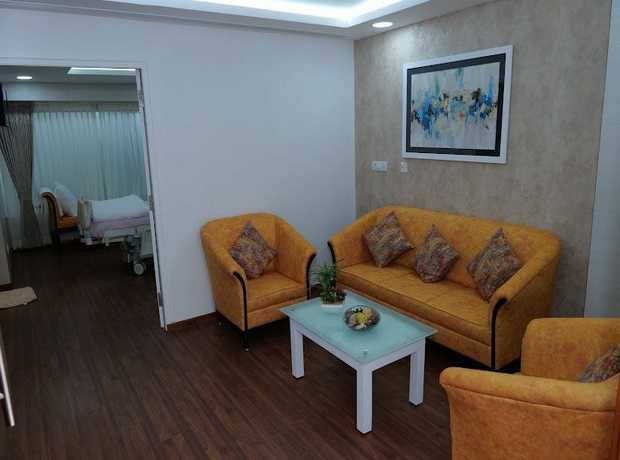
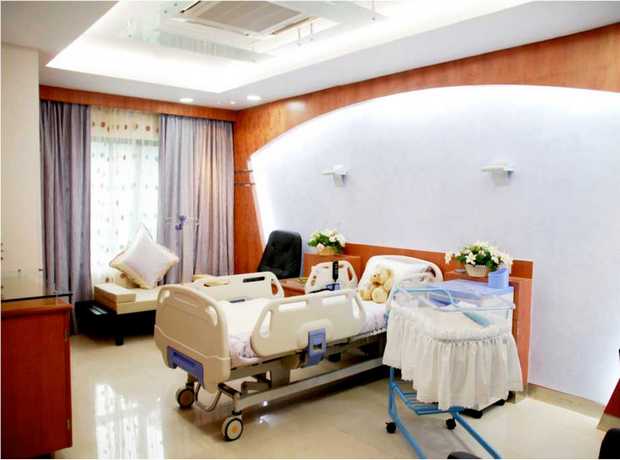
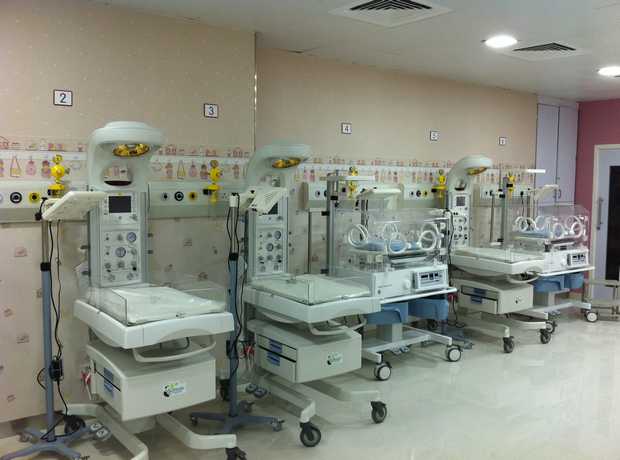
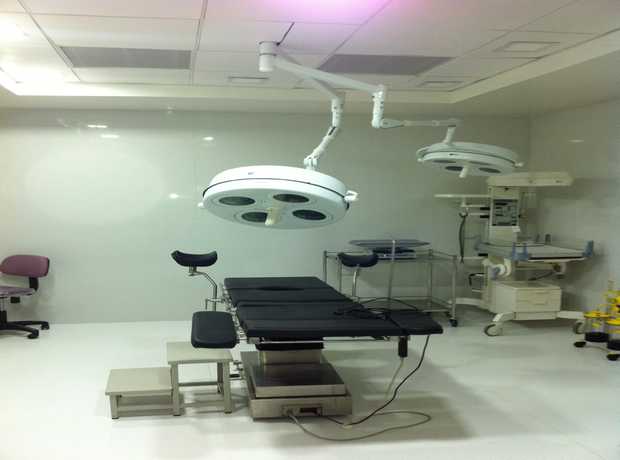
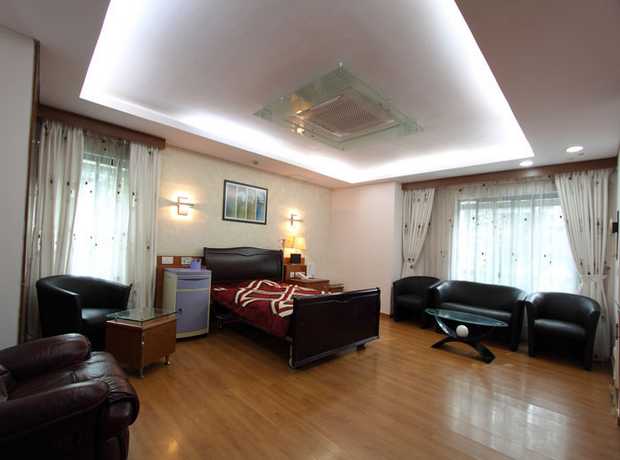
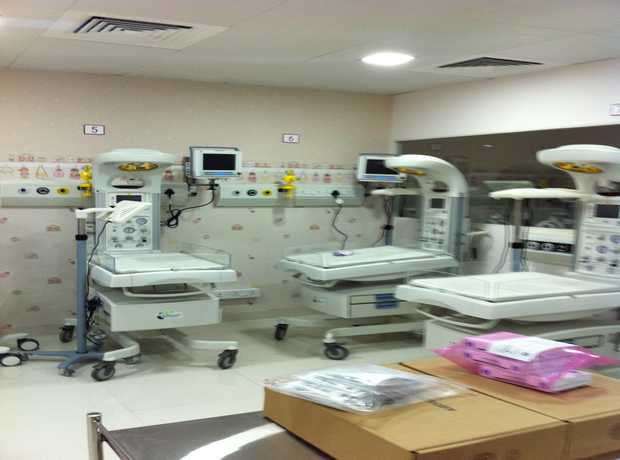
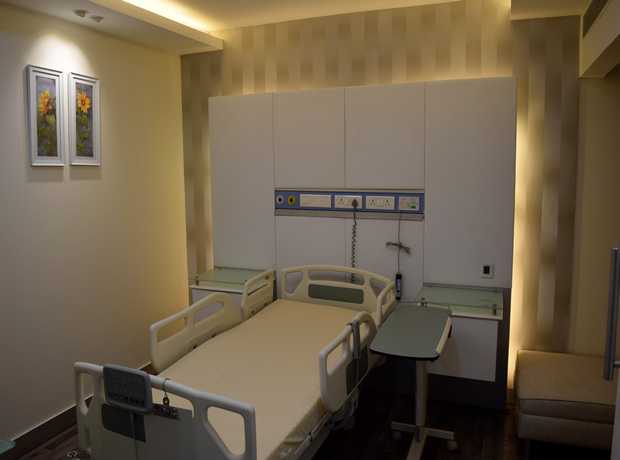
- Hospital Interior Design: We specialize in creating healing environments, designing patient rooms, ICUs, OTs, labs, consultation areas, and facility planning for optimized care delivery. This expertise in functional, user-centric design translates directly into creating highly effective and pleasant landscape spaces for commercial and public settings.
- Residential Projects: From bespoke apartments and luxury condos to senior housing and community-focused interiors, our residential expertise ensures that landscapes are designed to complement and enhance the interior living experience. Our understanding of residential interiors allows for a truly integrated indoor-outdoor aesthetic.
- Retail & Commercial Design: We design engaging spaces for shopping malls, mixed-use developments, offices, and entertainment centers. This commercial acumen informs our landscape designs, ensuring they attract, retain, and serve occupants and visitors effectively.
- Interior Solutions: Our comprehensive interior offerings include meticulous space planning, ergonomic furniture layouts, cutting-edge lighting design, and turnkey interior execution. This extends to specialized areas like FF&E (Furniture, Fixtures, and Equipment) procurement and exquisite bathroom design for luxury villa projects, demonstrating our attention to detail at every scale.
Why Choose Skydome Designs for Your Atlanta Project?
- 29+ years of experience: A deep well of knowledge cultivated across India and abroad, bringing global best practices to Atlanta.
- In-house team of architects, healthcare planners, and project managers: A truly integrated team ensures seamless coordination and expertise across all project facets, including landscape.
- Award-winning, client-focused, and sustainable designs: Our commitment to excellence is recognized by the industry and consistently delivers client satisfaction.
- Projects delivered on-time, on-budget, and to global standards: Our rigorous project management ensures predictable outcomes without compromising quality.
- End-to-end delivery: Our comprehensive approach covers strategy, design, construction, and handover, providing peace of mind and single-point accountability. This includes transparent costs and milestone-based reporting in Atlanta.
- Proven Track Record: Delivered 2165+ performance-driven landscape architecture for commercial/residential projects assignments across Atlanta and globally over 30+ years. On‑time delivery 99%, multi‑disciplinary reviews, and post‑occupancy support underpin outcomes.
Contact Skydome Designs: +91 7299072144 | Email: info@skydomedesigns.com
Conclusion
As Atlanta continues its impressive growth trajectory, the demand for sophisticated, high-performing outdoor spaces will only intensify. Achieving exceptional performance-driven landscape architecture for commercial/residential projects in Atlanta is no longer about mere embellishment; it’s about strategic planning, meticulous attention to detail, and an unyielding commitment to sustainability, functionality, and long-term value. By diligently following comprehensive checklists for compliance, embracing the advancements of digital delivery, and prioritizing durable, eco-friendly solutions, developers and homeowners can create landscapes that are not only aesthetically captivating but also economically astute and environmentally responsible.
Partnering with a firm that possesses deep local knowledge, global expertise, and a proven track record is paramount. Skydome Designs stands ready as your trusted partner, offering an award-winning team, end-to-end delivery, transparent processes, and a legacy of over 2165 successful projects globally, including numerous high-performance landscapes in Atlanta. We are dedicated to transforming your vision into vibrant, resilient, and cost-effective outdoor environments that will thrive for decades to come, enhancing the quality of life and contributing positively to Atlanta’s urban fabric for 2025 and beyond.
Ready to transform your Atlanta property with landscape architecture that performs? Contact Skydome Designs today for a consultation and let’s begin crafting your future-ready landscape!
FAQ: Performance-Driven Landscape Architecture in Atlanta
What are the key benefits of performance-driven landscape architecture for Atlanta projects?
Performance-driven landscape architecture offers numerous benefits, including significantly lower lifecycle costs, enhanced environmental sustainability through water and energy conservation, improved functionality and user experience, increased durability against Atlanta’s climate, and higher property values. It transforms outdoor spaces into strategic assets.
How can I ensure my commercial landscape design complies with Atlanta regulations for 2025?
To ensure compliance, it’s crucial to consult with experienced landscape architects who are intimately familiar with Atlanta’s specific zoning regulations, stormwater management requirements, comprehensive tree protection ordinances, and accessibility guidelines (ADA). A thorough site analysis and proactive engagement with local authorities are also key.
What are the best plants to use in Atlanta’s climate for a low-maintenance landscape?
Native and adapted plants are ideal for Atlanta’s climate as they are naturally suited to local conditions, requiring less water, fertilizer, and pest control once established. Examples include various species of Oaks, Dogwoods, Redbuds, Azaleas, Hydrangeas, Southern Magnolias, and numerous native grasses and perennials. These choices also support local biodiversity.
What is the role of digital delivery, like BIM, in modern landscape architecture projects?
Digital delivery tools, particularly Building Information Modeling (BIM), revolutionize landscape architecture by improving collaboration among project stakeholders, increasing design accuracy, streamlining documentation, and enabling advanced performance analysis (e.g., stormwater runoff, solar studies). It leads to more efficient processes, fewer errors, and better visualization throughout the project lifecycle.
How does Skydome Designs approach performance-driven landscape architecture projects in Atlanta?
Skydome Designs employs an end-to-end delivery model for performance-driven landscape architecture for commercial/residential projects in Atlanta. This comprehensive approach covers strategy, innovative design, meticulous construction oversight, and detailed handover. We focus on transparent costs, milestone-based reporting, and leverage our award-winning, multi-disciplinary team to ensure projects are delivered on-time, on-budget, and with long-term performance in mind, backed by 99% on-time delivery and post-occupancy support across 2165+ global assignments.
What distinguishes Skydome Designs’ experience in the Atlanta market?
Skydome Designs brings nearly 30 years of global and local experience to Atlanta, with a proven track record of over 2165 successful landscape architecture and design projects. Our in-house team’s multi-disciplinary expertise, commitment to sustainability, and consistent 99% on-time delivery ensure that every project is meticulously planned, expertly executed, and optimized for long-term performance and client satisfaction. We understand Atlanta’s unique challenges and opportunities.