Sydney is a vibrant, global city, rapidly evolving with a strong commitment to inclusivity, innovation, and sustainability in its urban development. As we look towards 2025 and beyond, accessibility planning for all buildings in Sydney is not merely a regulatory obligation; it is a fundamental pillar of creating future-ready, resilient, and equitable spaces for every resident and visitor. This comprehensive blog post delves into the critical importance of robust accessibility planning, offering essential checklists, detailed considerations, and expert insights to ensure your Sydney building projects not only meet but exceed compliance standards, delivering unparalleled quality and universal usability.
The vision for Sydney’s built environment is one where design barriers are systematically removed, fostering environments that empower individuals of all abilities to participate fully in economic, social, and cultural life. This means integrating accessibility from the very genesis of a project, understanding that a truly accessible building is one that considers the diverse needs of its users – from physical mobility to sensory processing and cognitive understanding. By embracing this holistic approach, we contribute to a more inclusive Sydney, enhancing the quality of life for its entire community and setting a benchmark for accessible urban design globally.
Why Accessibility Planning is Crucial for All Buildings in Sydney
In a dynamic metropolis like Sydney, prioritizing sustainability and digital delivery is intrinsically linked with ensuring that all buildings are accessible to everyone. This integrated approach ensures that the urban fabric supports a diverse population, where physical barriers do not impede participation or opportunity. Future-ready accessibility planning for all buildings in Sydney brings a multitude of benefits, extending far beyond simple legal adherence. It demonstrably lowers lifecycle costs, significantly reduces operational risks, and fundamentally enhances the usability, comfort, and safety of spaces for people of all ages and abilities. With an ever-growing, diverse population and an unwavering commitment to fostering an inclusive society, Sydney is rapidly emerging as a leading exemplar for accessible urban environments.
The economic arguments for proactive accessibility planning are compelling. Buildings designed with universal access in mind attract a broader demographic of users, including families with young children, seniors, individuals with temporary injuries, and of course, people with permanent disabilities. This expanded user base translates into increased patronage for commercial spaces, higher occupancy rates for residential developments, and greater public engagement with community facilities. Furthermore, a reputation for inclusivity positions developers and building owners as responsible, forward-thinking entities, enhancing their brand equity and market appeal.
The Enduring Benefits of Early Accessibility Planning and Universal Design Principles
The decision to integrate accessibility considerations early in the design process is perhaps the single most impactful factor in achieving truly inclusive and cost-effective outcomes. Retrofitting accessibility features into an existing structure is almost always significantly more complex, disruptive, and expensive than incorporating them from the initial conceptualisation. Universal design, a philosophy that aims to create environments and products usable by all people, to the greatest extent possible, without the need for adaptation or specialized design, is the guiding principle behind this early integration.
- Reduced Costs: It is unequivocally more cost-effective to integrate accessibility features and principles into the initial design and construction phases rather than attempting to retrofit them later. Early planning avoids costly structural modifications, re-routing of services, and aesthetic compromises that often accompany post-construction adjustments. This strategic foresight protects budgets and timelines.
- Enhanced Usability and User Experience: Accessible designs fundamentally create spaces that are more intuitive, comfortable, and user-friendly for everyone. Features like wider doorways, clear pathways, intuitive signage, and thoughtful lighting benefit not only individuals with disabilities but also parents with strollers, delivery personnel, individuals carrying heavy loads, and the elderly. This universal enhancement improves the overall user experience for the entire community.
- Robust Legal and Regulatory Compliance: Ensuring your building project meticulously meets all relevant accessibility standards, including the Australian Standards, the National Construction Code (NCC), and the Disability Discrimination Act (DDA), is paramount. Proactive compliance mitigates the risk of legal challenges, fines, reputational damage, and costly remediation orders down the line. It ensures peace of mind and operational continuity.
- Improved Reputation and Brand Enhancement: Demonstrating a genuine commitment to inclusivity and social responsibility significantly enhances your brand’s reputation. This commitment resonates with a socially conscious market, attracting a wider demographic of clients, tenants, and employees who value accessible and ethical development. It positions your organization as a leader in responsible urban development, fostering goodwill and competitive advantage.
- Increased Property Value and Market Appeal: Accessible properties often command higher market value and have broader appeal. As demographic trends show an aging population and increased awareness of disability rights, demand for accessible spaces will only grow. Future-proofing your building with superior accessibility features makes it a more attractive, resilient, and valuable asset in the long term.
- Operational Efficiency and Safety: Well-designed accessible environments contribute to smoother operations. Clear navigation, appropriate safety features, and well-placed emergency exits benefit everyone, especially during crises. Reduced incidents related to poor accessibility also lower insurance risks and improve overall workplace safety.

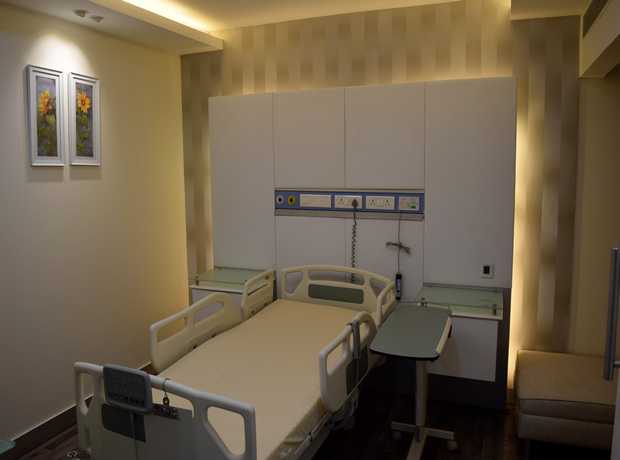
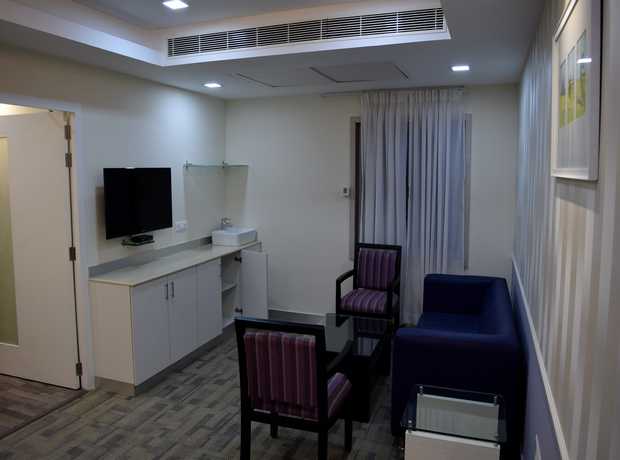

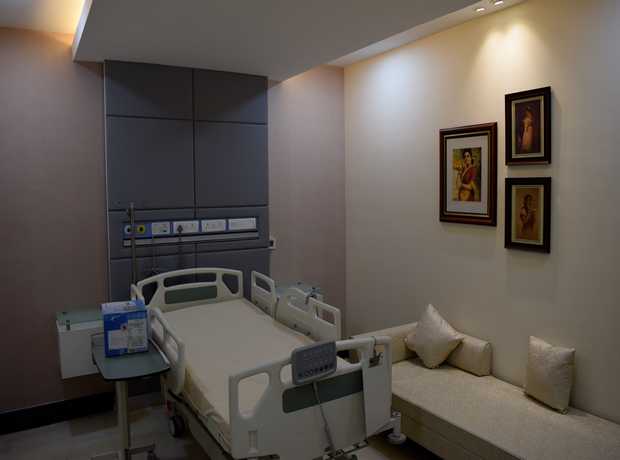
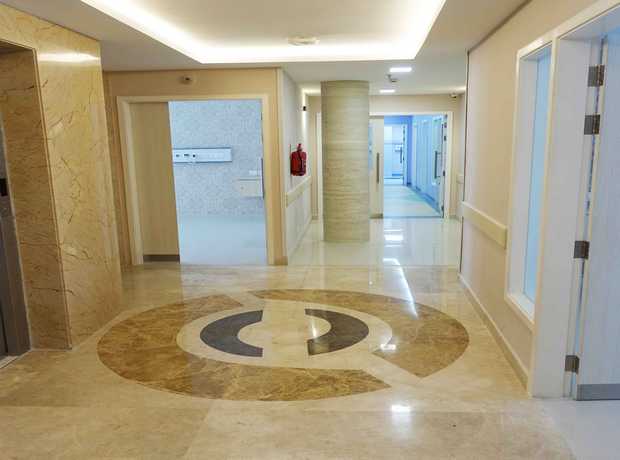
Accessibility Planning Checklist for Sydney Buildings (2025 and Beyond)
To ensure your building projects in Sydney are not only compliant with the latest regulations but also exemplify best-in-class accessibility and quality, a comprehensive and proactive planning approach is essential. Here’s an expanded checklist to guide your accessibility planning for all buildings in Sydney, ensuring every aspect of your project prioritizes inclusivity and excellence:
1. Initial Assessment, Strategic Planning, and Expert Consultation
The foundation of any successful accessible building project begins with a thorough and meticulous initial assessment of the site, existing structures (if any), and detailed building plans. This phase is critical for identifying potential challenges, understanding site-specific constraints, and uncovering opportunities for innovative accessible design solutions. Engaging with experienced accessibility consultants early in the project lifecycle is not just recommended; it is a strategic imperative. These experts can provide invaluable insights, foresee potential issues, and guide the design team toward optimal solutions from the outset, saving time and resources in the long run. Our highly experienced team at Skydome Designs has proudly delivered 938+ accessibility planning for all buildings assignments across Sydney and globally over 12+ years, building a profound understanding of diverse needs and complex regulatory landscapes. We bring this unparalleled expertise to every project. Contact us today to schedule a strategic initial consultation and discover how we can elevate your project’s accessibility: +91 7299072144.
2. Comprehensive Compliance with Australian Standards and National Regulations
Adhering to the stringent Australian Standards and national regulations is non-negotiable for any building project in Sydney. A deep understanding and meticulous application of these guidelines are essential for legal compliance and for ensuring the safety and usability of your building for all users. The primary documents to be thoroughly consulted and integrated into your design include:
- AS 1428.1 – Design for access and mobility: This standard is the cornerstone for accessible design in Australia. It specifies requirements for facilities such as ramps, stairways, doorways, toilets, and showers to ensure they are accessible to people with disabilities. Detailed adherence to its dimensions, gradients, clear spaces, and fixture placements is crucial. It covers everything from minimum circulation spaces for wheelchairs to appropriate heights for controls and fixtures.
- The National Construction Code (NCC): The NCC, comprising the Building Code of Australia (BCA) Volumes One and Two, sets out the technical provisions for the design and construction of buildings. It mandates specific accessibility requirements, often referencing AS 1428.1. Understanding the NCC’s structure, performance requirements, and deemed-to-satisfy solutions is vital for ensuring your building’s structural integrity, fire safety, and accessibility are harmonized.
- Disability Discrimination Act (DDA) 1992 (Cth): While not a building code, the DDA is a federal law that makes it unlawful to discriminate against a person on the ground of their disability. Building design and access fall squarely under its scope. Compliance with the DDA implies that a building should provide “equitable access” to people with disabilities, avoiding unjustifiable hardship. This often requires going beyond minimum building code requirements to achieve true inclusivity.
- Relevant Local Government Planning Policies: Sydney’s various local councils (e.g., City of Sydney, North Sydney Council) may have additional local environmental plans (LEPs) or development control plans (DCPs) that supplement national standards with specific accessibility provisions tailored to local contexts. These must be thoroughly reviewed and incorporated.
3. Integrating Key Accessibility Features: A Detailed Approach
The successful integration of key accessibility features is what transforms a building from merely compliant to truly inclusive. Each element must be carefully designed and implemented to ensure seamless and dignified access for everyone.
- Ramps and Lifts: Essential for navigating changes in elevation, ramps must adhere to strict gradient requirements (e.g., 1:14 or 1:20 for certain applications), provide adequate clear width, and incorporate handrails on both sides, and appropriate landings for resting and turning. Lifts must be sufficiently sized to accommodate wheelchairs and mobility scooters, equipped with tactile and audible indicators, emergency communication systems, and intuitive controls at accessible heights. Regular maintenance and reliability are paramount for lifts.
- Accessible Toilets and Ambulant Facilities: Providing accessible toilets on each floor, or within a reasonable distance, is a fundamental requirement. These facilities must offer ample clear circulation space, appropriate grab rails, accessible basins, mirrors, and fixtures. Additionally, the NCC requires a certain number of “ambulant” toilet cubicles for individuals with less severe mobility impairments who may not require a full accessible toilet but benefit from features like grab rails and increased clear space within a standard cubicle.
- Wide Doorways and Corridors: To facilitate smooth passage for wheelchair users, mobility aids, and individuals carrying luggage or pushing strollers, doorways must have a minimum clear opening width (typically 820mm or 850mm, depending on the context). Corridors must also be sufficiently wide (e.g., 1000mm to 1800mm for specific applications) to allow for comfortable passage and turning. Consideration should be given to automatic doors in high-traffic areas.
- Tactile Ground Surface Indicators (TGSIs): TGSIs are crucial for people with vision impairments, providing tactile cues about hazards (like stair edges or platform edges) or directional guidance along paths of travel. They must be strategically placed at the top and bottom of stairs and ramps, at crossings, and potentially along long walkways, adhering to specific patterns, colors (for contrast), and dimensions as per AS 1428.4.1.
- Accessible Signage: Signage must be clear, concise, and easy to read, with high contrast between text and background. Raised tactile text and Braille are often required, placed at consistent and accessible heights next to doors or at key decision points. Pictograms should be universally recognized. Wayfinding strategies should consider both visual and tactile information to guide users effectively through the building.
- Hearing Augmentation Systems: In meeting rooms, auditoriums, public counters, and other spaces where communication is critical, hearing augmentation systems (e.g., hearing loops, FM systems, or infra-red systems) must be installed. These systems assist individuals with hearing impairments, particularly those using hearing aids or cochlear implants, by reducing background noise and amplifying the desired sound source directly to their devices. Clear signage indicating the availability of such systems is also essential.
- Emergency Egress and Evacuation Planning: Accessible design must extend to emergency situations. This includes accessible paths to emergency exits, areas of refuge within fire-isolated stairwells for wheelchair users, visual and audible fire alarms, and clear emergency signage. A comprehensive emergency evacuation plan that accounts for people with diverse disabilities is fundamental.
- Accessible Parking: Where parking is provided, a suitable number of accessible parking bays must be included, clearly marked, appropriately sized (wider than standard bays), and located on the shortest, most accessible route to the building entrance.
4. Interior Design Considerations for Superior Accessibility and Universal Appeal
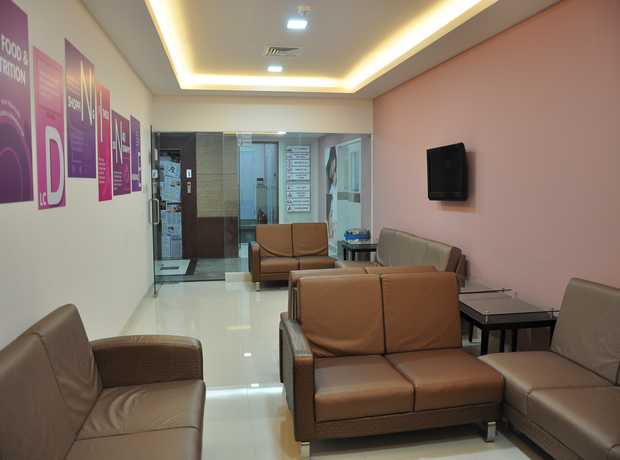
Beyond structural compliance, interior design plays an absolutely critical role in shaping the daily experience of a space, transforming a merely functional building into an truly accessible, comfortable, and aesthetically pleasing environment for all users. A thoughtful interior design approach ensures that the finishes, furnishings, and overall layout actively support universal access and usability.
- Strategic Space Planning: Optimal space planning is at the heart of an accessible interior. It involves meticulously laying out circulation paths, functional zones, and furniture arrangements to ensure ease of movement, turning, and maneuvering for individuals using wheelchairs, walkers, or pushchairs. Avoiding dead ends, providing sufficient clear floor space around fixtures (e.g., at reception desks, service counters, within offices), and designing generously proportioned breakout areas are key.
- Functional and Accessible Furniture Layouts: The selection and arrangement of furniture are paramount. Furniture should be chosen for its accessibility (e.g., appropriate heights for tables and counters, chairs with armrests, sturdy construction) and its layout should not obstruct pathways or essential features. Consider flexible and modular furniture systems that can adapt to different user needs and preferences. Avoid placing furniture in circulation zones or blocking windows and controls.
- Thoughtful Lighting Design: Implement a sophisticated lighting design strategy that provides ample and uniform illumination throughout all areas, minimizing glare and harsh shadows which can disorient individuals with vision impairments or those sensitive to light. Utilize natural light effectively, but also incorporate well-distributed artificial lighting with adjustable controls. Task lighting should be provided where necessary, and emergency lighting must be clearly visible and functional.
- Smart Materials Selection: The choice of materials has a significant impact on safety, maintenance, and sensory experience. Select flooring materials that are slip-resistant in both wet and dry conditions, avoiding highly reflective or patterned surfaces that can cause confusion or visual fatigue. Finishes should be durable, easy to clean, and contribute to good acoustics, preventing excessive reverberation which can be challenging for those with hearing impairments or sensory sensitivities.
- Color Contrast and Visual Clarity: Utilize appropriate color contrast to differentiate key elements such as doorways, handrails, changes in floor level, and controls from their surroundings. This aids individuals with vision impairments in navigating the space safely and independently. Avoid overly busy patterns or similar tones that can make distinctions difficult.
- Acoustic Comfort: Design for optimal acoustic comfort. This includes selecting sound-absorbing materials for ceilings, walls, and flooring in areas where clear communication is vital (e.g., meeting rooms, reception areas, dining spaces) to reduce reverberation and background noise, benefiting individuals with hearing loss and those who are sensitive to sound.
Skydome Designs offers comprehensive, award-winning interior solutions that seamlessly blend aesthetic excellence with full accessibility. Our approach ensures your building is not only visually appealing but also universally functional, designed to cater to a diverse user base. We leverage our extensive experience in both residential projects and retail & commercial design to create interiors that are both inclusive and inspiring.
5. Integrated Branding & Signage for Intuitive Navigation
Effective branding & signage extends beyond corporate identity; it is a critical component of accessible wayfinding and user experience. Signage must be clear, concise, and strategically placed to provide intuitive navigation for everyone, including those with cognitive impairments or who are unfamiliar with the building layout. Ensure signage employs universally recognized pictograms where appropriate, uses legible fonts (e.g., sans-serif), and maintains appropriate contrast ratios between text and background for maximum visibility. Tactile and Braille elements must be incorporated into key identification signs (e.g., room numbers, restroom identification) and placed at consistent, accessible heights. Consider the entire journey through the building, from external entry points to internal destinations, ensuring a consistent and clear signage strategy. Digital signage solutions, if used, should also incorporate accessibility features such as large text options and audio descriptions.
6. Comprehensive Documentation, Rigorous Certification, and Ongoing Quality Assurance
Meticulous documentation of all accessibility features, design decisions, and compliance measures is not just a bureaucratic task; it is a critical practice for legal protection, ongoing maintenance, and future modifications. This documentation should include detailed drawings, specifications, material selections, and records of all consultations and approvals related to accessibility. Obtaining relevant certifications from accredited bodies serves as tangible proof of your unwavering commitment to accessibility and compliance, enhancing your project’s credibility and marketability.
At Skydome Designs, our commitment to excellence is reflected in our robust project delivery framework. We bring an award-winning team to every project, ensuring transparent costs and providing detailed, milestone-based reporting in Sydney. Our approach includes rigorous BIM-led coordination to proactively identify and resolve accessibility clashes in the design phase, sophisticated value engineering to optimize accessibility solutions without compromising quality, and stringent quality control tailored specifically to the unique regulatory and environmental context of Sydney. This comprehensive process underpins the superior outcomes we consistently deliver for our clients.
Finding the Right Sydney Accessibility Planning Partner: A Strategic Choice
Choosing the right partner for your Sydney accessibility planning company needs is arguably one of the most critical decisions for the success and compliance of your building project. This partner should not only possess technical expertise but also a deep understanding of the local context and a client-focused approach. Look for a firm with specific attributes:
- Demonstrated Experience: Seek a firm with a proven and extensive track record of successful accessibility projects, particularly within the Sydney market. This indicates familiarity with local regulations, specific challenges, and effective solutions. Ask for case studies and client testimonials.
- Unparalleled Expertise: The team should comprise highly qualified and certified accessibility consultants, architects, and interior designers who are specialists in universal design principles and the relevant Australian Standards. Their collective knowledge should cover all facets of accessible design and compliance.
- Client-Focused and Collaborative Approach: The ideal partner will demonstrate a genuine commitment to understanding your unique project needs, goals, and constraints. They should be proactive listeners, offering tailored solutions and maintaining open, transparent communication throughout the entire project lifecycle.
- Transparency in Operations and Reporting: Demand clear and transparent pricing structures, detailed scope definitions, and regular, comprehensive reporting on progress. This fosters trust and ensures there are no hidden costs or unexpected delays.
- Proven On-Time and On-Budget Delivery: A firm with a strong reputation for delivering projects punctually and within the agreed budget is essential. Delays and cost overruns can significantly impact your project’s viability. Skydome Designs is proud to maintain an industry-leading on-time delivery rate of >98%, a testament to our meticulous planning, efficient execution, and proactive risk management. This commitment ensures your project progresses smoothly and effectively.
- Integrated Services Capability: A partner that can offer a holistic suite of services, from initial audits and planning to interior design and project management, can streamline communication and ensure a cohesive vision for accessibility throughout the entire project.
- Commitment to Innovation and Best Practice: Look for a firm that stays abreast of the latest advancements in accessible design technology, materials, and regulatory changes, ensuring your project benefits from cutting-edge solutions and future-proofed design.
Skydome Designs boasts an impressive 29+ years of experience across India and abroad, bringing a wealth of knowledge and insights to every project. Our in-house team of architects, healthcare planners, and project managers collaborates seamlessly to deliver integrated solutions. Our commitment to excellence is further evidenced by our exceptional on‑time delivery rate of >98%, underpinned by rigorous multi‑disciplinary reviews and invaluable post‑occupancy support that collectively ensure superior, enduring outcomes for our clients. This comprehensive approach differentiates us as a leader in accessibility planning and architectural design.
Why Choose Skydome Designs for Accessibility Planning in Sydney?
At Skydome Designs, we don’t just design buildings; we craft inclusive environments that empower communities and enhance lives. We profoundly understand that creating accessible and inclusive spaces is not merely about meeting minimum requirements, but about fundamentally transforming how people interact with their surroundings. Our dedicated team of experts offers a comprehensive and integrated range of services, meticulously designed to guide your project from concept to completion, ensuring every aspect adheres to the highest standards of accessibility, quality, and aesthetic appeal. Our extensive experience, particularly our success in delivering 938+ accessibility planning for all buildings assignments across Sydney and globally over 12+ years, positions us as a trusted leader in the field.
- Specialized Accessibility Audits and Assessments: We conduct thorough, detailed audits of existing structures and proposed designs to identify potential barriers, compliance gaps, and opportunities for enhanced accessibility. Our assessments provide a clear roadmap for achieving optimal inclusivity.
- Strategic Accessibility Planning and Design: Our planning and design services integrate universal design principles from the earliest stages of your project. We develop innovative, practical, and aesthetically pleasing solutions that meet or exceed all relevant Australian Standards and the DDA, ensuring seamless access for everyone.
- Holistic Interior Design Solutions: Beyond structural accessibility, our interior design team focuses on creating functional, comfortable, and intuitive interiors. From space planning and furniture selection to lighting and material choices, every element is considered through an accessibility lens, resulting in spaces that are both beautiful and universally usable.
- Expert Compliance Consulting and Advocacy: Navigating the complexities of accessibility regulations can be challenging. Our consultants provide expert guidance on Australian Standards, the NCC, and the DDA, ensuring your project is fully compliant and mitigating any potential legal risks. We can also act as your advocate with regulatory bodies.
- Dedicated Project Management: Our experienced project managers oversee every phase of your accessibility project, ensuring seamless coordination between all stakeholders, adherence to timelines and budgets, and meticulous quality control from inception to completion.
- Value Engineering and Cost Optimization: We actively seek opportunities for value engineering, ensuring that accessibility solutions are implemented efficiently and cost-effectively without compromising on quality or functionality. Our transparent cost structures give you complete peace of mind.
- BIM-led Coordination: Utilizing Building Information Modeling (BIM), we achieve unparalleled coordination, identifying and resolving potential clashes and accessibility challenges in the digital realm before they manifest on site, ensuring smoother execution and superior outcomes.
We are deeply committed to delivering award-winning, client-focused, and sustainable designs that not only meet but consistently exceed the highest standards of quality, functionality, and accessibility. Partner with Skydome Designs to transform your vision into an inclusive reality.
Connect with our experts today to discuss your Sydney accessibility planning project. Call us: +91 7299072144 or Email: info@skydomedesigns.com
FAQ: Accessibility Planning in Sydney – Your Questions Answered
Navigating the intricacies of accessibility planning can raise numerous questions. Here, we address some of the most common inquiries to provide clarity and guidance for your Sydney building project.
What are the fundamental accessibility requirements for buildings in Sydney?
The foundational requirements for buildings in Sydney are primarily governed by AS 1428.1 (Design for access and mobility), Volume One of the National Construction Code (NCC) which incorporates accessibility provisions, and the Disability Discrimination Act (DDA) 1992 (Cth). Key elements mandated include the provision of compliant ramps and lifts for vertical access, fully accessible toilets and ambulant facilities on relevant floors, adequate clear widths for doorways and corridors, the strategic installation of Tactile Ground Surface Indicators (TGSIs) to assist people with vision impairments, clear and accessible signage (including tactile and Braille where required), and the provision of hearing augmentation systems in public and meeting spaces. Beyond these, adequate accessible parking, emergency egress routes, and appropriate lighting are also crucial. Compliance often involves a holistic approach that considers the entire user journey through a building.
How early in the project lifecycle should I initiate accessibility planning for my building project in Sydney?
Accessibility planning should ideally commence at the absolute earliest possible stage of your project – during the initial concept and feasibility design phase. Integrating accessibility requirements from the outset significantly minimizes costs, reduces the likelihood of costly retrofits later, and ensures a seamless and holistic incorporation of accessibility features into the overall design. Early engagement with accessibility consultants allows for proactive problem-solving, informs site selection and building orientation, and ensures that accessibility is not an afterthought but a core design principle. Delaying this critical planning can lead to significant rework, budget overruns, and potential compliance issues.
What is the typical cost associated with accessibility planning for a building in Sydney?
The cost of accessibility planning for a building in Sydney is highly variable and depends on a multitude of factors, including the size, complexity, and type of the project (e.g., new build, refurbishment, heritage overlay), the specific scope of services required (e.g., audit only, full design integration, compliance consulting), and the extent of existing accessibility challenges. Engaging with an experienced and reputable firm like Skydome Designs can help optimize costs through meticulous planning, innovative value engineering, and efficient design solutions, ensuring maximum return on investment. We believe in transparent pricing and will provide a detailed estimate tailored to your project’s unique requirements. Contact us for a free, no-obligation estimate and a personalized consultation: info@skydomedesigns.com
Who holds the primary responsibility for ensuring accessibility compliance in a building project in Sydney?
Responsibility for ensuring accessibility compliance in Sydney is typically shared across multiple stakeholders. Primarily, the building owner or developer bears the ultimate legal and ethical responsibility. However, this responsibility is also significantly shared with the design team (architects, interior designers, engineers), who are tasked with integrating accessibility into the plans; the builder/contractor, who must execute the design according to specifications and compliance standards; and potentially the accessibility consultant, who provides expert advice and guidance throughout the process. All parties have a duty to ensure that the completed building adheres to the DDA, NCC, and relevant Australian Standards. Proactive communication and collaboration among all stakeholders are crucial to achieving and maintaining compliance.
Where can I access more comprehensive information about current accessibility standards and guidelines in Sydney?
For the most current and authoritative information on accessibility standards and guidelines applicable in Sydney and Australia, you can consult the following key resources:
- Standards Australia: The official source for AS 1428.1 and related accessibility standards. Their website (www.standards.org.au) provides access to these documents.
- Australian Building Codes Board (ABCB): The body responsible for the National Construction Code (NCC). Their website (ncc.abcb.gov.au) offers access to the NCC volumes, handbooks, and advisory notes on accessibility.
- Australian Human Rights Commission: Provides extensive information on the Disability Discrimination Act (DDA) and its implications for accessible environments. Their website (humanrights.gov.au) offers guidelines and resources.
- Local Government Websites: The websites of individual Sydney councils (e.g., City of Sydney, Inner West Council) may also contain local planning policies, development control plans (DCPs), and specific guidelines relevant to accessibility within their jurisdiction.
Staying informed about updates to these standards is vital, as regulations can evolve.
What are the benefits of using a BIM-led approach for accessibility planning?
A BIM (Building Information Modeling)-led approach offers significant advantages for accessibility planning. BIM creates a comprehensive 3D digital model of the building, allowing designers to visualize and simulate accessible pathways, clearances, and features in a highly accurate virtual environment. This proactive visualization helps in identifying potential accessibility clashes or non-compliant elements early in the design phase, before construction begins. It enables precise space planning for wheelchair maneuverability, accurate placement of grab rails and controls, and verification of ramp gradients. Furthermore, BIM facilitates collaborative multi-disciplinary reviews, enhancing coordination between architects, engineers, and accessibility consultants. This leads to more efficient design iterations, reduced errors, optimized material use (value engineering), and ultimately, a more robustly accessible and compliant final build, often saving significant time and cost.
Conclusion: Building a Truly Accessible Sydney for the Future
Accessibility planning for all buildings in Sydney is far more than a checklist of regulations; it is a fundamental commitment to creating an inclusive, equitable, and vibrant city for everyone. By embracing universal design principles and integrating accessibility from the earliest stages of every building project, we not only ensure compliance but also elevate the quality of our urban environments, enhancing usability, safety, and comfort for all individuals, regardless of their ability. The proactive approach outlined in this blog, encompassing meticulous planning, adherence to Australian Standards, thoughtful interior design, and robust documentation, is crucial for delivering future-ready buildings in Sydney.
The long-term benefits of this commitment are immeasurable: reduced lifecycle costs, heightened property value, enhanced brand reputation, and most importantly, a tangible improvement in the quality of life for Sydney’s diverse population. As we move towards 2025 and beyond, let us collectively aspire to create buildings that are not just functional but truly welcoming, empowering, and accessible to every person. Skydome Designs stands ready to be your trusted partner in this vital endeavor. With our award-winning team, extensive experience, and unwavering commitment to quality and transparency, we deliver accessible designs that make a real difference.
Contact Skydome Designs today to learn more about our comprehensive accessibility planning services and discover how we can help you create a truly future-ready, inclusive building that sets new benchmarks in Sydney’s urban landscape. Take the first step towards an accessible future – Call us today: +91 7299072144
Explore our specialized services to see how we integrate accessibility across various sectors:
Explore our Hospital Interior Design Services – Designing healthcare spaces that prioritize patient and staff accessibility and comfort.
Discover our Residential Design Projects – Crafting homes and communities that are universally welcoming and functional.
View our Retail & Commercial Design Portfolio – Creating engaging and accessible public and commercial environments.
Skydome Designs Pvt Ltd is a leading architecture and interior design firm in India, specializing in hospital and healthcare interiors, residential, and retail projects. With nearly 30 years of expertise, we deliver innovative, sustainable, and functional spaces that enhance experiences and operational efficiency. Our profound understanding of global standards and local contexts, combined with a commitment to excellence, positions us as a premier choice for complex and high-quality design assignments.
What We Do
- Hospital Interior Design: From patient rooms, critical care units (ICUs), and operating theatres (OTs) to state-of-the-art laboratories, comfortable consultation areas, and comprehensive facility planning, we optimize spaces for enhanced patient care, staff efficiency, and a healing environment, with accessibility at its core.
- Residential Projects: We craft bespoke interiors for apartments, luxurious condos, senior housing, and community-focused developments, ensuring every design is tailored to enhance living quality, comfort, and universal accessibility for all residents.
- Retail & Commercial Design: Our expertise extends to designing vibrant shopping malls, dynamic mixed-use developments, efficient office environments, and engaging entertainment centers, all engineered to maximize user experience, operational flow, and accessible public interaction.
- Interior Solutions: We offer end-to-end interior solutions, encompassing intelligent space planning, ergonomic furniture layouts, cutting-edge lighting design, meticulous materials selection, and comprehensive turnkey interior execution, guaranteeing a seamless and high-quality finish that prioritizes accessibility.
Why Choose Us
- 29+ years of extensive experience across India and abroad, delivering projects to global standards.
- An in-house, multi-disciplinary team of highly skilled architects, specialized healthcare planners, and proficient project managers ensuring integrated and holistic design solutions.
- A proven track record of creating award-winning, client-focused, and sustainable designs that consistently exceed expectations.
- Exceptional project delivery, with an on-time completion rate of >98%, consistently on-budget, and adhering to the highest global quality standards.
- Rigorous multi-disciplinary reviews and invaluable post-occupancy support that collectively ensure the long-term success and optimal functionality of every project.
📞 Contact: +91 7299072144 | ✉️ Email: info@skydomedesigns.com