Dubai, a metropolis synonymous with innovation, luxury, and audacious vision, is rapidly evolving its urban landscape. As it continues its trajectory towards becoming a global hub, the imperative for creating truly inclusive environments has never been more critical. The year 2025 stands as a significant marker for numerous strategic initiatives, and paramount among them is the steadfast commitment to universal accessibility. This isn’t merely about meeting regulatory benchmarks; it’s about fostering a society where every individual, regardless of their physical or sensory abilities, can navigate, experience, and contribute to the urban fabric with dignity and independence. This comprehensive guide will delve into the intricacies of accessibility planning for all buildings in Dubai, offering invaluable expert tips to help developers, architects, and project managers avoid common pitfalls and strategically future-proof their designs for a genuinely inclusive tomorrow.
The shift towards integrating accessibility from the foundational stages of any building project in Dubai is not just a moral obligation but an economic advantage. By anticipating and incorporating the needs of diverse user groups now, stakeholders can significantly enhance the long-term value, appeal, and operational efficiency of their properties. Embracing proactive accessibility planning for all buildings in Dubai transcends compliance, embedding a philosophy of universal design that ultimately benefits everyone, from parents with strollers to seniors, temporary injury sufferers, and people with permanent disabilities. This approach ensures that Dubai’s architectural marvels are not just visually stunning but also functionally welcoming to all.
The Unwavering Importance of Accessibility Planning for All Buildings in Dubai
Dubai’s forward-thinking leadership has consistently emphasized sustainability, digital transformation, and the creation of future-ready urban environments. This vision intrinsically extends to cultivating spaces that are universally accessible. The integration of robust accessibility planning for all buildings in Dubai from the conceptual phase of a project is a strategic imperative that yields substantial long-term benefits. Beyond the immediate satisfaction of meeting diverse user needs, this proactive approach can dramatically lower lifecycle costs by integrating accessibility features seamlessly into the design process, thereby circumventing the far more expensive and disruptive prospect of retrofitting existing structures later. Such foresight embodies a commitment to enduring quality and societal contribution.
Why Early Planning Is Not Just Beneficial, But Essential
The decision to integrate accessibility considerations from the outset of a building project is perhaps the most crucial one. When accessibility is treated as an afterthought, it often leads to compromises in design, functionality, and aesthetic appeal. More importantly, it almost invariably results in increased costs and delays associated with modifications, re-work, and potential legal challenges. By embedding universal design principles from day one, architects and developers can create spaces that are inherently inclusive, efficient, and cost-effective. This involves a meticulous consideration of elements such as appropriately graded ramps, spacious elevators, thoughtfully designed accessible restrooms, clear and intuitive signage, and obstacle-free circulation paths. Addressing these needs early ensures that the building genuinely serves all its potential users, fostering an environment of true belonging and reducing the need for costly and disruptive adjustments down the line. It’s about designing for people, not just for codes.






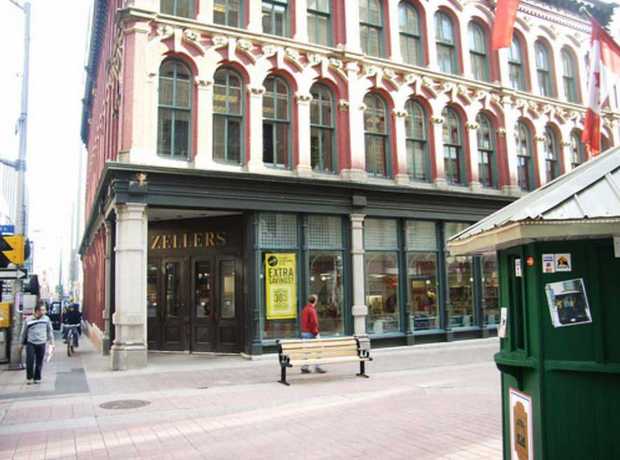
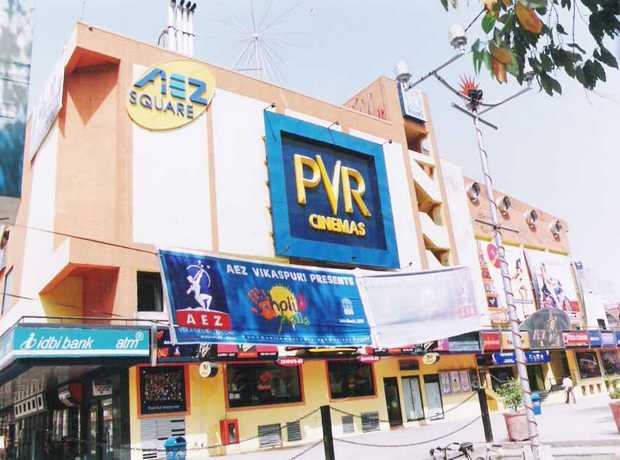
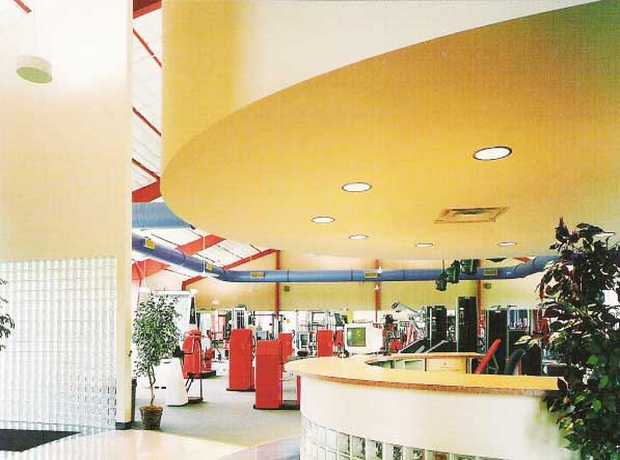
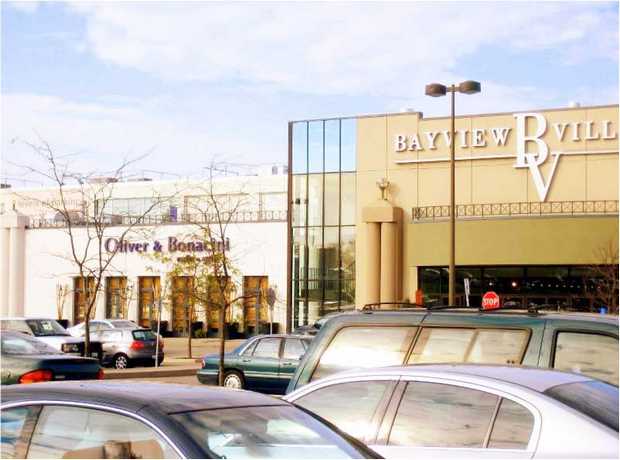
Key Considerations for Exemplary Accessibility Planning in Dubai
Achieving truly effective and future-ready accessibility planning for all buildings in Dubai demands a profound understanding of the intricate interplay between local regulatory frameworks, evolving global best practices, and the nuanced, specific needs of the diverse user populations. This holistic approach ensures that every design decision contributes to a cohesive, inclusive, and highly functional built environment. Below, we outline the pivotal areas that require focused attention and strategic execution.
Understanding Dubai’s Progressive Accessibility Codes and Standards
Dubai, through its various regulatory bodies, has established specific and comprehensive codes and standards governing accessibility in the built environment. Adherence to these regulations is not optional; it is a fundamental requirement for any construction project. Developers and design teams must meticulously familiarize themselves with these guidelines, which encompass a wide array of specifications. These often include precise requirements for ramp slopes, minimum clear door widths, the dimensions and amenities of accessible restrooms, and the placement and characteristics of informational signage. Crucially, the most successful projects combine deep knowledge of these local codes with insights from global design standards, ensuring that while local compliance is met, the building also aligns with international benchmarks for best practice. This synthesis of global design standards with local code expertise in Dubai is an absolute must for achieving outstanding accessibility outcomes. For detailed information, it is imperative to refer to relevant Dubai Municipality guidelines for more information.
Space Planning: Crafting Truly Inclusive Environments
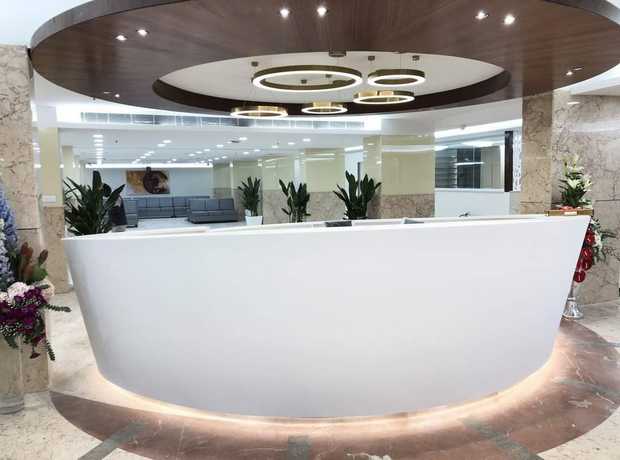
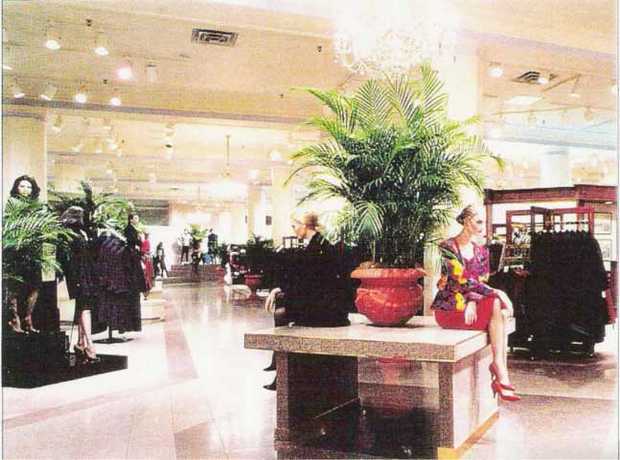
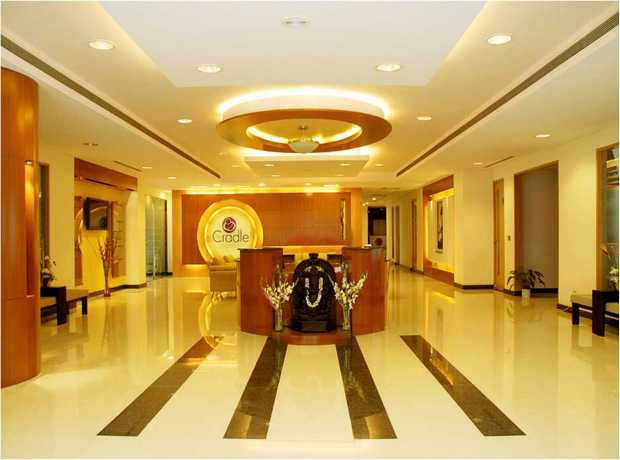
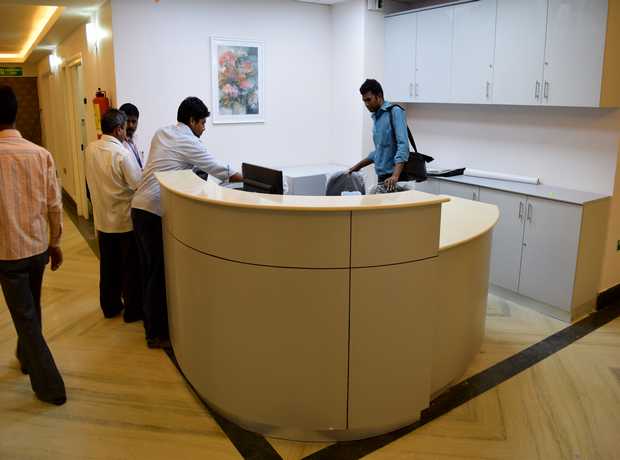
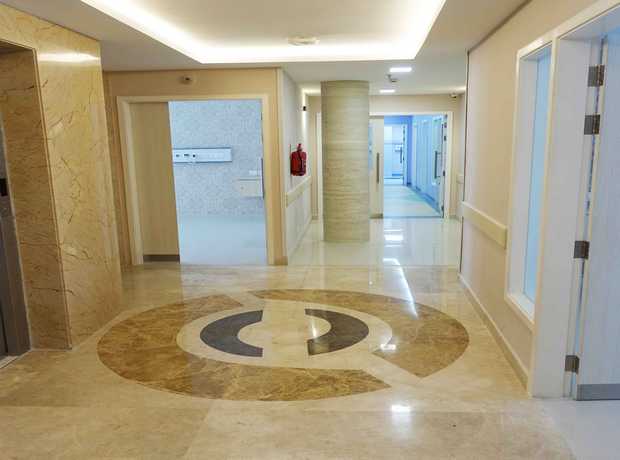
The fundamental aspect of space planning is paramount in the pursuit of universal accessibility. It dictates the ease and independence with which individuals can move through, interact with, and enjoy a building. Meticulous consideration must be given to the circulation paths within the entire building, ensuring that hallways, corridors, lobbies, and common areas are generously wide enough to comfortably accommodate wheelchairs, mobility scooters, and other assistive devices, including space for accompanying individuals. Critical attention must be paid to avoiding the creation of tight corners, narrow doorways, or unexpected obstacles that could impede movement or create hazardous situations. Beyond simple passage, effective space planning involves designing accessible routes that connect all key functional areas of the building, providing adequate turning radii in critical zones like restrooms and elevators, and ensuring sufficient clear floor space around amenities such as reception desks, ATMs, and service counters. Properly planned spaces not only enhance the overall user experience but also proactively prevent potential accessibility issues from arising, contributing significantly to a building’s longevity and adaptability. This foresight in design directly impacts the seamless flow and functional efficacy of the entire structure, making it welcoming for every visitor.
Lighting Design: Precisely Enhancing Visibility and Prioritizing Safety
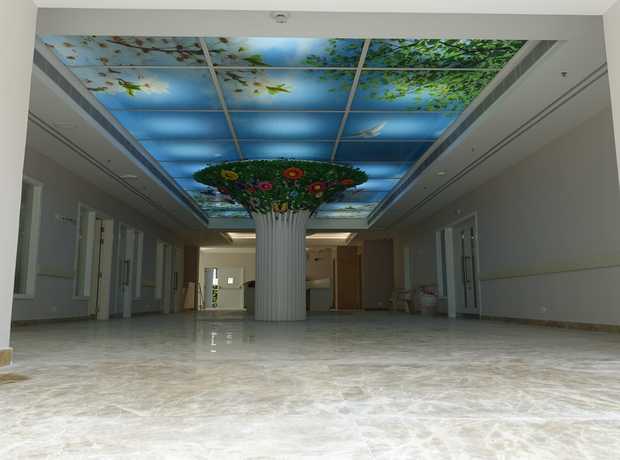
Thoughtful and effective lighting design is an often-underestimated yet absolutely vital component of accessibility. Its primary role is to ensure optimal visibility and safety for all users, particularly those with visual impairments or age-related vision decline. Lighting throughout the building must be adequate, evenly distributed, and strategically placed to minimize glare, harsh shadows, and abrupt transitions between light and dark areas, which can be disorienting and hazardous. Consider using layered lighting solutions – a combination of ambient, task, and accent lighting – to illuminate paths, highlight changes in elevation, and draw attention to important information or features. The selection of light temperatures (warm vs. cool) can also impact perception and comfort. Furthermore, contrasting colors in architectural elements such as walls, floors, and doorways, when properly lit, can significantly enhance visual cues and improve navigation and safety for individuals with limited vision. For instance, clearly illuminated tactile paving, combined with appropriate ambient light, provides essential guidance for visually impaired individuals, ensuring their independent movement within the space. Incorporating smart lighting systems that adapt to natural light conditions can further optimize visibility while also contributing to energy efficiency, demonstrating how accessibility and sustainability can converge in innovative design solutions.
Materials Selection: Choosing Accessible, Durable, and Sensory-Aware Options
The thoughtful choice of materials selection profoundly influences a building’s accessibility, safety, and long-term maintainability. Beyond aesthetics, materials must be evaluated for their functional attributes concerning universal design. Paramount among these is the choice of non-slip flooring materials, particularly in high-traffic areas, entrances, ramps, and wet zones, to significantly reduce the risk of falls for all users. The texture and color of materials also play a critical role in providing visual cues and enhancing safety. For instance, contrasting floor finishes can delineate pathways or warn of changes in level, assisting individuals with visual impairments. Tactile paving, strategically placed at decision points, ramps, and stairwells, offers essential guidance for the visually impaired. Durability is equally important; materials must be able to withstand heavy and continuous use, requiring minimal maintenance to prevent wear and tear that could compromise accessibility features. Considerations extend to acoustic properties of materials to minimize echoing and enhance speech intelligibility for those with hearing impairments, as well as the avoidance of highly reflective surfaces that can cause confusing glare. By prioritizing accessible and durable options, designers ensure that the building remains safe, comfortable, and intuitive for everyone over its entire lifespan.
Branding & Signage: Fostering Clear, Universal, and Informative Communication
Effective branding & signage extends far beyond corporate identity; it is an absolutely essential component for wayfinding, communication, and creating an inclusive user experience within any building. The principles of universal design must be at the core of signage strategies. This means utilizing clear, concise language that is easily understood by a diverse audience, combined with universally recognized symbols and pictograms that transcend language barriers. Placement is crucial: signage must be positioned at appropriate, consistent heights, ensuring it is easily visible and readable from various perspectives, whether standing, seated in a wheelchair, or approaching from a distance. Contrast between text and background is vital for legibility, and font choices should prioritize readability over elaborate styling. Incorporating tactile signage, including Braille, is a non-negotiable requirement for assisting visually impaired individuals. Furthermore, consider digital signage solutions that can offer dynamic, real-time information, often with customizable text sizes and audio read-aloud options. The overall branding should subtly reinforce the building’s commitment to inclusivity, with a consistent visual language that guides users intuitively through the space. When signage is thoughtfully designed and strategically implemented, it empowers all individuals to navigate the building independently and confidently, reinforcing a truly welcoming environment.
Skydome Designs Pvt Ltd has delivered over 1873+ accessibility planning for all buildings assignments across Dubai and globally over 30+ years. Our unparalleled commitment to quality is reflected in our 97% on‑time delivery rate, rigorous multi‑disciplinary reviews, and dedicated post‑occupancy support, all of which underpin the exceptional outcomes we consistently achieve for our clients.
Ready to ensure your building is future-proof and accessible? Email us for a consultation and discover how our expertise can transform your vision into an inclusive reality.
Avoiding Common Mistakes in Accessibility Planning for Dubai Projects
Even with the best intentions and a clear understanding of the importance of inclusivity, many building projects unfortunately fall short in achieving true accessibility. These shortcomings often stem from common, avoidable mistakes that can lead to significant cost overruns, operational inefficiencies, and, most critically, an exclusionary experience for users. Recognizing and proactively addressing these pitfalls is paramount for successful accessibility planning for all buildings in Dubai.
- Insufficient Ramp Slopes: A Frequent Misstep. One of the most common errors involves designing ramps with slopes that are too steep. While they might appear functional to an able-bodied person, an excessive gradient makes them incredibly challenging, if not impossible, for wheelchair users, individuals with mobility aids, or parents pushing strollers. Dubai’s regulations, much like international standards, stipulate maximum permissible slopes (e.g., 1:12 or 8.33%). Ensuring that ramps meet these precise standards, including appropriate landings and handrail requirements, is fundamental to making them genuinely usable and safe for everyone. Neglecting this often leads to costly reconstruction.
- Inadequate Door Widths: A Barrier to Entry. Another pervasive issue is the installation of doorways that are too narrow. A standard door width might suffice for most, but it becomes a significant barrier for wheelchairs, walkers, and even those carrying large items. All essential doorways, including entry points, internal room access, and particularly restroom entrances, must meet the minimum clear width requirements (typically around 800-900mm clear opening) to comfortably accommodate all mobility devices. Consideration should also be given to the maneuvering space immediately adjacent to doors.
- Lack of Accessible Restrooms: A Fundamental Oversight. It is astonishing how often projects neglect to provide an adequate number of truly accessible restrooms, or if provided, they lack the necessary features. Accessible restrooms must not only be spatially generous to allow for a full wheelchair turning radius but also include essential elements such as grab bars positioned correctly, lower sinks, automatic or easily operable flush mechanisms, appropriate mirror heights, and accessible soap/towel dispensers. The absence of these features renders a restroom unusable for a significant portion of the population.
- Poor Signage and Wayfinding: The Silent Disorienter. Ineffective or poorly designed signage is a major impediment to independent navigation. Common mistakes include using small fonts, low contrast colors, placement at inconvenient heights, or relying solely on visual cues. Signage must be clear, concise, use universally recognized symbols, and incorporate tactile and Braille elements for visually impaired individuals. Information must be consistently placed and logically guide users through the building, minimizing confusion and frustration.
- Neglecting Assistive Technologies: Missing Modern Solutions. While physical infrastructure is crucial, modern accessibility extends to integrating assistive technologies. A common mistake is overlooking features such as hearing loops in meeting rooms or auditoriums for individuals with hearing aids, visual fire alarms for the deaf, or accessible information kiosks. These technologies significantly enhance the experience for those with sensory disabilities and are often more cost-effective when planned early.
- Ignoring Sensory Disabilities: Beyond Physical Access. Many designs focus primarily on physical mobility, inadvertently neglecting the needs of individuals with visual, auditory, or cognitive impairments. Mistakes include high-glare surfaces, noisy environments, confusing layouts, or lack of tactile/auditory cues. A truly accessible design considers the full spectrum of human abilities and sensory experiences.
- Lack of Consultation with Disability Advocates: Designing in a Vacuum. Perhaps one of the biggest mistakes is failing to engage with disability advocacy groups or accessibility consultants early in the design process. Designing without direct input from the very people who will use the spaces often leads to well-intentioned but ultimately impractical solutions. Their lived experiences offer invaluable insights that can inform more effective and empathetic designs.
- Inadequate Emergency Egress Planning: Safety for All. A critical oversight is not ensuring that emergency exits and evacuation procedures are fully accessible. This includes clear, unobstructed pathways, accessible refuge areas for those who cannot use stairs, and visual/auditory alarms that cater to different sensory needs. Every occupant must have a safe and dignified means of evacuation.
The Pivotal Role of Dubai Interior Experts in Accessibility
The complexity of integrating comprehensive accessibility features while adhering to local regulations and global best practices necessitates specialized expertise. This is precisely where engaging experienced Dubai interior experts becomes not just beneficial, but absolutely crucial for successful accessibility planning for all buildings in Dubai. These seasoned professionals possess a deep reservoir of knowledge, spanning both the nuances of local regulatory frameworks and the intricacies of implementing cutting-edge universal design principles. They bring to the table an understanding of how to craft inclusive spaces that are not only compliant but also aesthetically pleasing, highly functional, and genuinely welcoming to all users. Their expertise ensures that accessibility is woven into the very fabric of the design, rather than being an appended afterthought.
At Skydome Designs Pvt Ltd, we pride ourselves on offering an end‑to-end delivery model for accessibility planning for all buildings. This comprehensive service covers every stage of the project lifecycle — from initial strategy and conceptual design, through meticulous construction execution, and culminating in a flawless handover in Dubai. Our unique strength lies in our ability to seamlessly combine rigorous global design standards with unparalleled local code expertise in Dubai. This integrated approach allows us to consistently deliver exceptional results that surpass expectations, ensuring every space we design is truly inclusive, sustainable, and optimized for its diverse occupants.
With our expertise, your building will not just meet, but exceed, accessibility standards. Call us to start your project today!
Why Skydome Designs Is Your Premier Partner for Accessibility Planning Needs
Skydome Designs Pvt Ltd stands as a venerable and leading architecture and interior design firm, not only in India but with a significant footprint and proven expertise in international projects, including those within the dynamic Dubai market. For nearly three decades, we have specialized in creating innovative, sustainable, and highly functional spaces across diverse sectors, including critical hospital and healthcare interiors, bespoke residential developments, and vibrant retail projects. Our extensive experience is underpinned by a philosophy that prioritizes design excellence, operational efficiency, and, crucially, universal accessibility, ensuring every space we craft truly enhances the human experience.
- 29+ Years of Unwavering Experience: Our legacy spans nearly three decades, encompassing a vast portfolio of successful projects across India and internationally. This extensive experience has honed our ability to navigate complex challenges and deliver outstanding results consistently.
- Robust In-House Team of Experts: We boast a formidable in-house team comprising highly skilled architects, specialized healthcare planners, visionary interior designers, and meticulous project managers. This multidisciplinary collaboration ensures a holistic approach to every project, where expertise is shared and integrated seamlessly from concept to completion.
- Award-Winning, Client-Focused, and Sustainable Designs: Our commitment to design excellence has earned us numerous accolades. We are driven by a client-centric philosophy, meticulously understanding and translating your vision into reality, while steadfastly adhering to sustainable practices that contribute to environmentally responsible and energy-efficient buildings.
- Consistent On-Time, On-Budget Delivery to Global Standards: Our track record speaks volumes. We are renowned for delivering projects precisely on time and within budget, without ever compromising on quality. Our adherence to stringent global standards ensures that our designs are not only compliant but also at the forefront of international best practices in design and construction.
What We Do: Integrating Accessibility Across Diverse Sectors
At Skydome Designs, our core services are meticulously designed to embed accessibility as a fundamental component, not an add-on. We understand that inclusive design is critical across all building types and user groups.
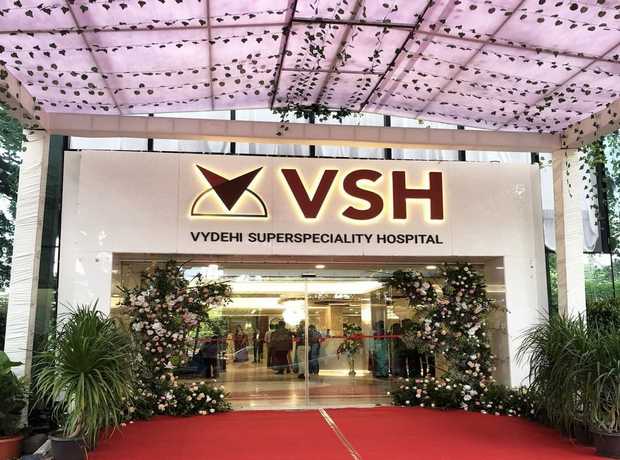
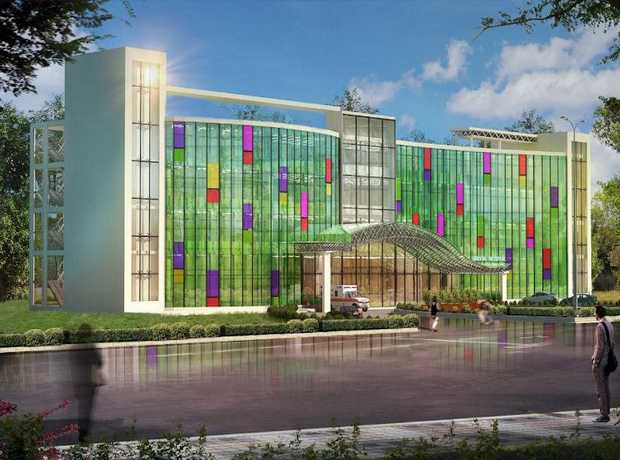
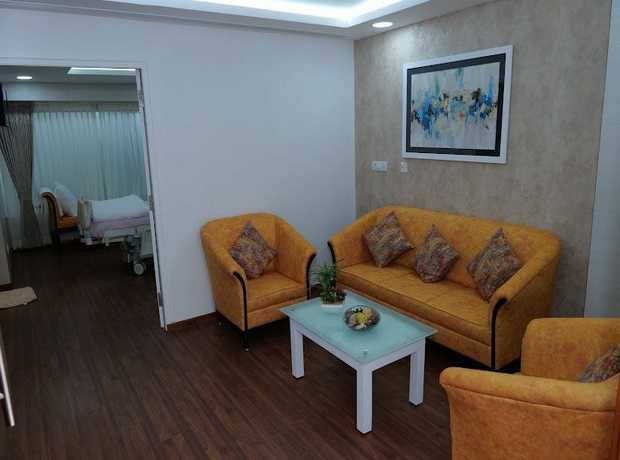
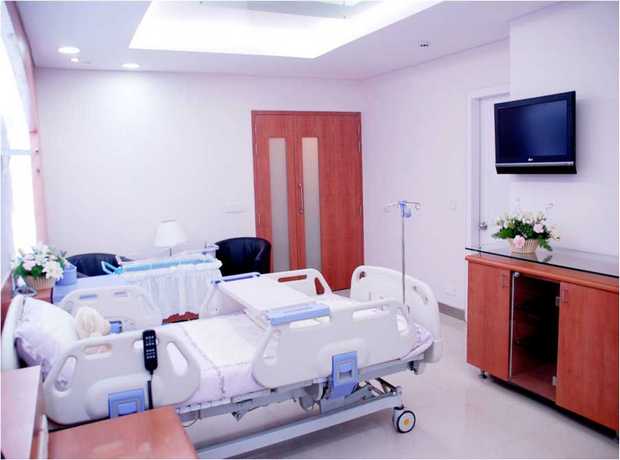
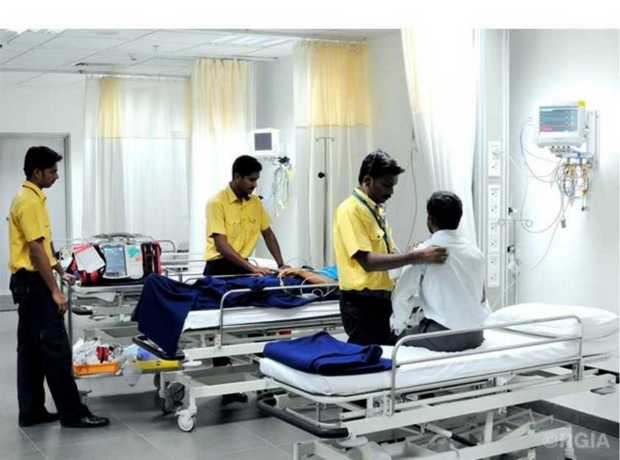
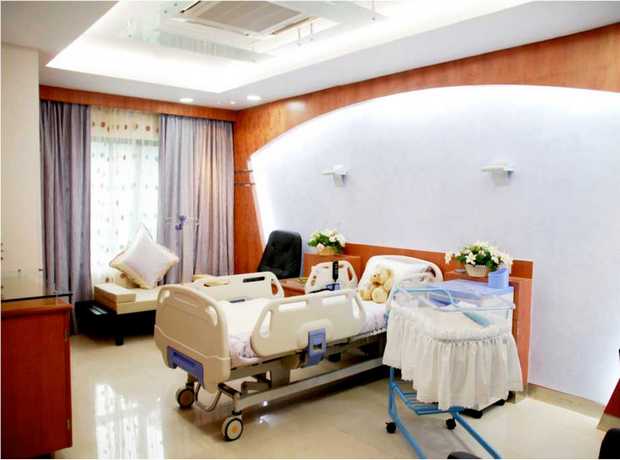
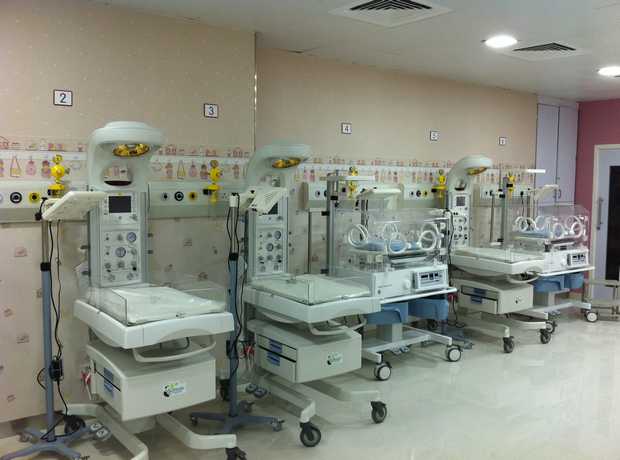
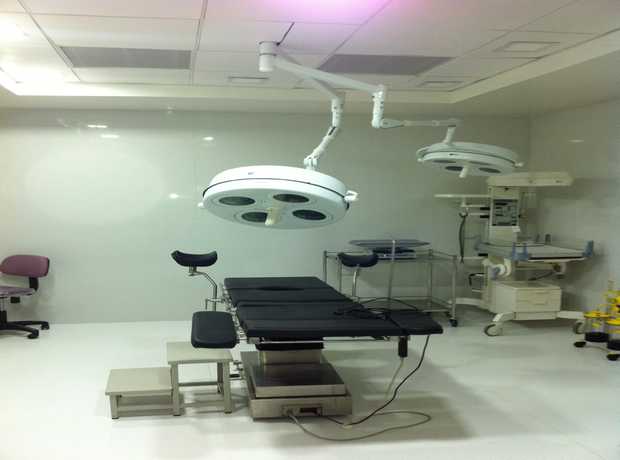
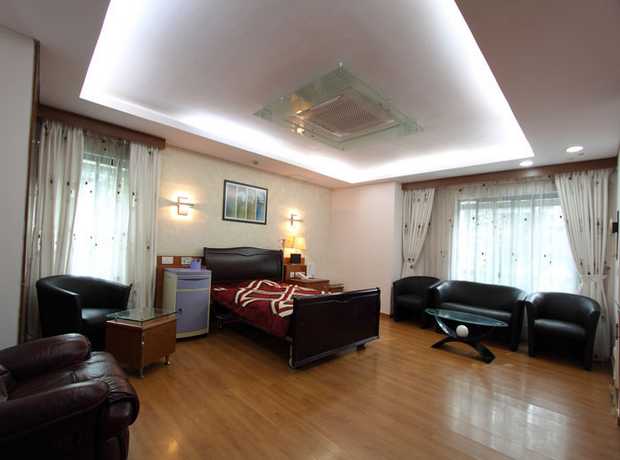
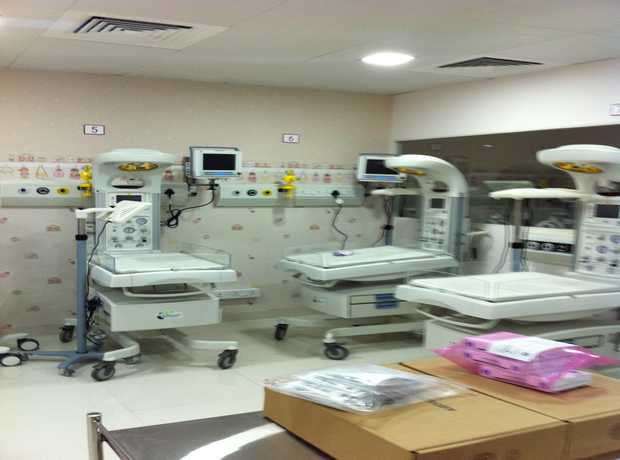
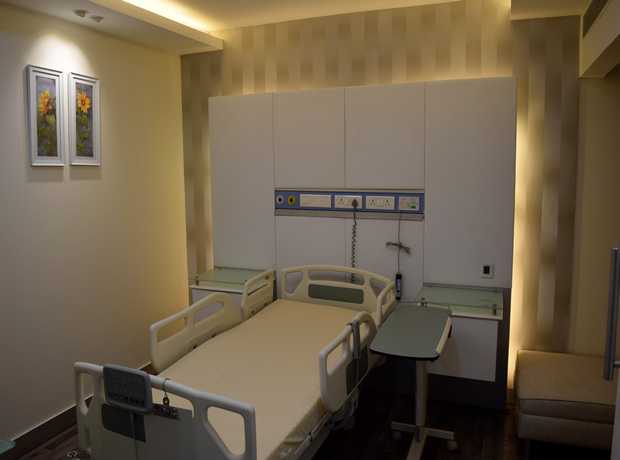
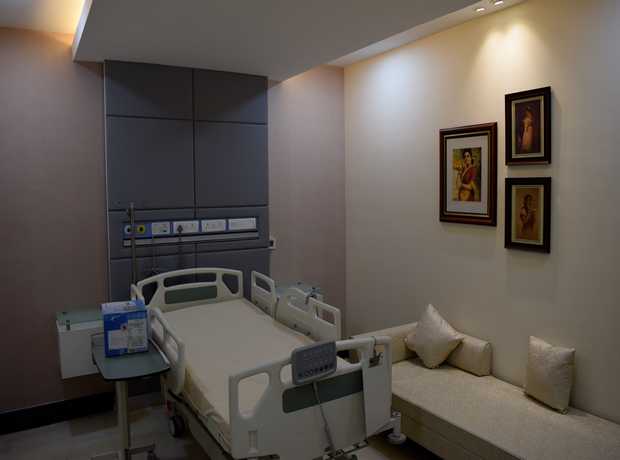
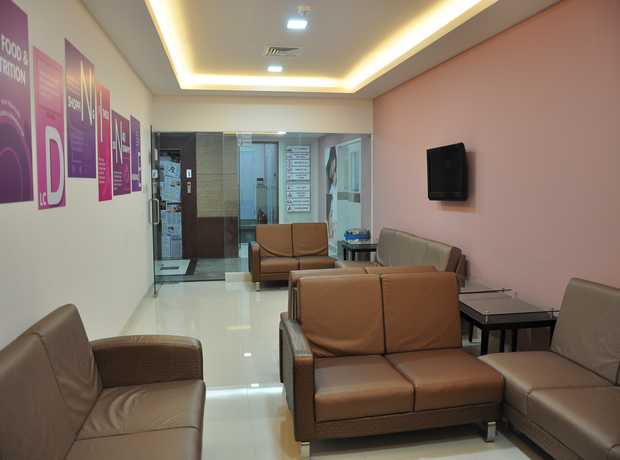
- Hospital Interior Design: Fostering Healing and Accessible Care. In healthcare environments, accessibility is paramount. We specialize in designing patient rooms, Intensive Care Units (ICUs), Operating Theatres (OTs), laboratories, consultation areas, and comprehensive facility planning. Our designs prioritize ease of access for patients, staff, and visitors, including clear circulation paths for gurneys and wheelchairs, accessible restrooms, intuitive wayfinding, and sensory-considerate environments that optimize patient care and operational efficiency.
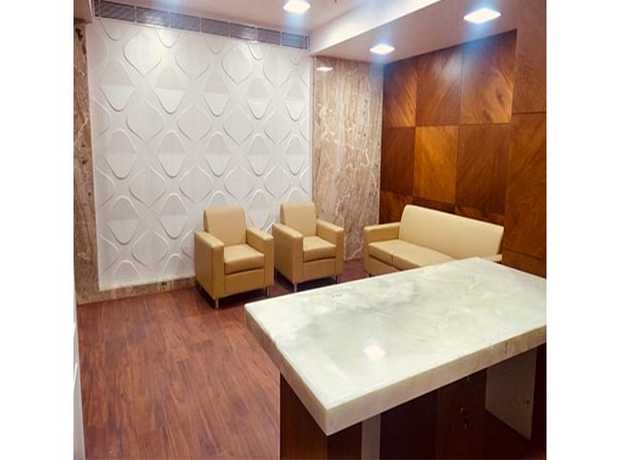
- Residential Projects: Creating Homes for Everyone. We design a wide range of residential spaces, from apartments and luxury condos to senior housing and community-focused interiors. Our approach ensures that these homes are not only beautiful but also fully accessible, incorporating features like wider doorways, accessible bathrooms and kitchens, stepless entries, and smart home technologies that enhance independence and comfort for all residents, fostering truly inclusive living.
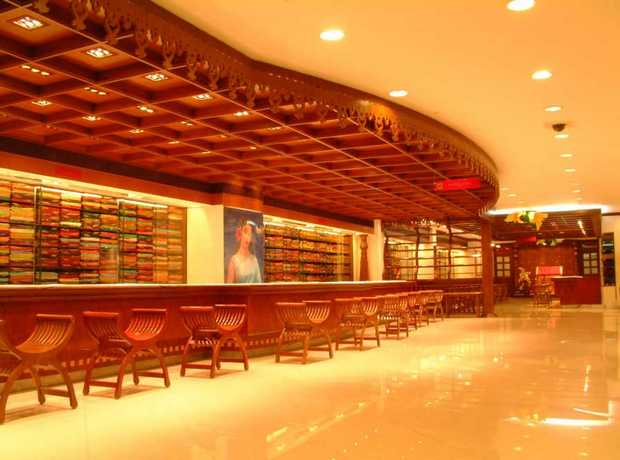
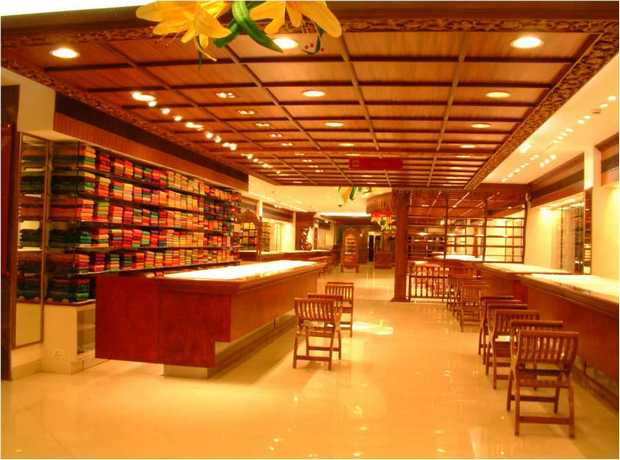
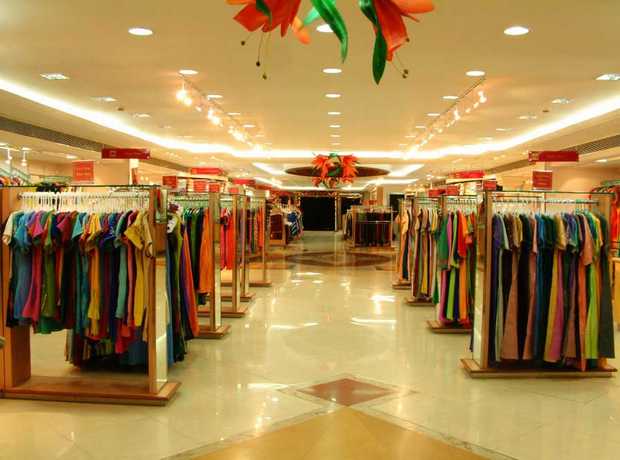
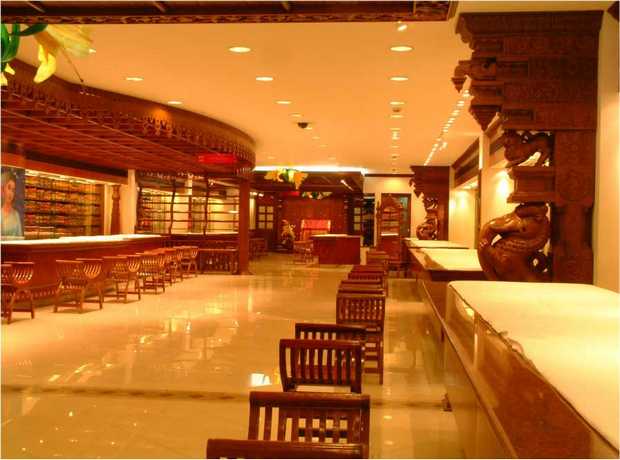
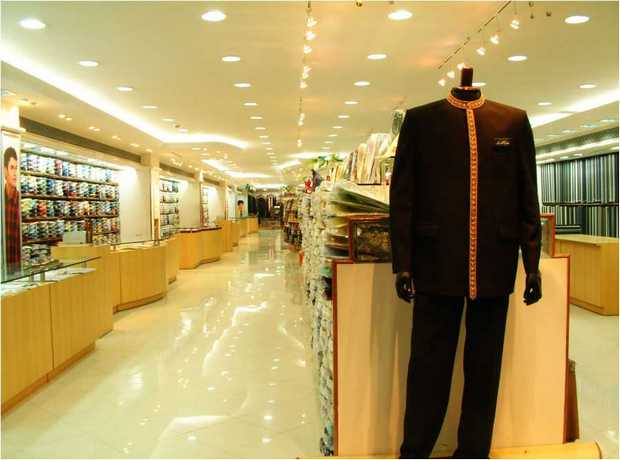
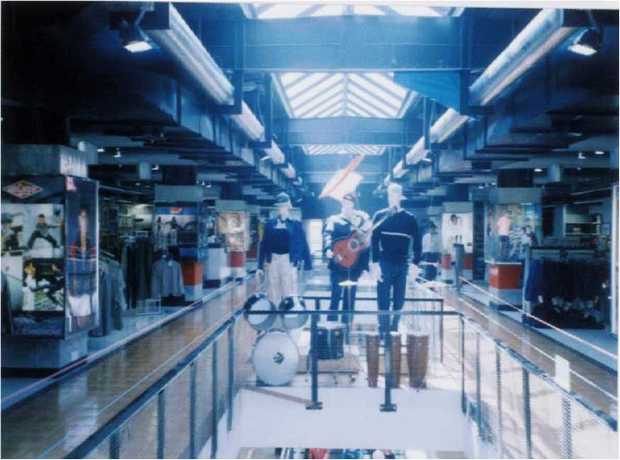
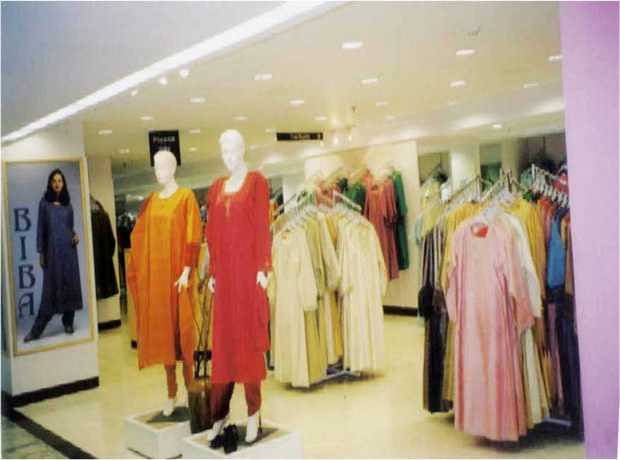
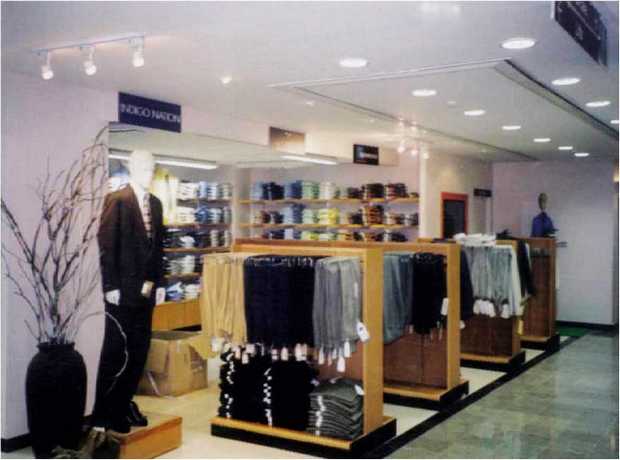
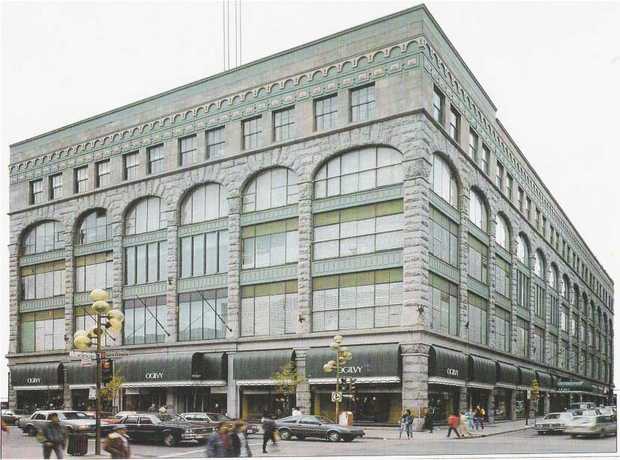
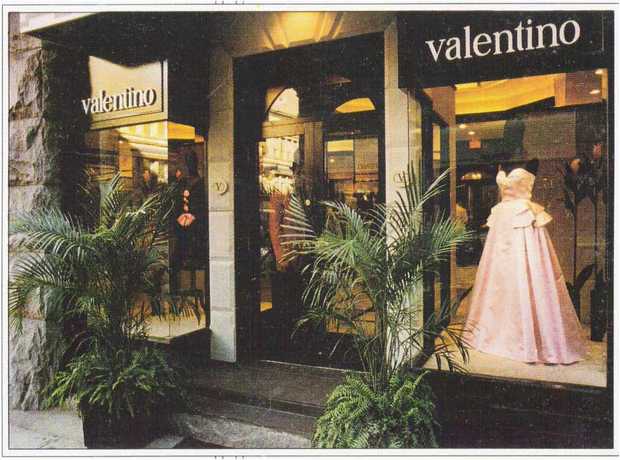
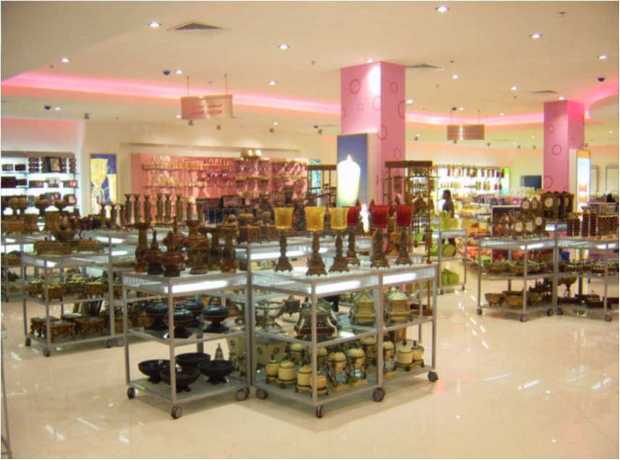
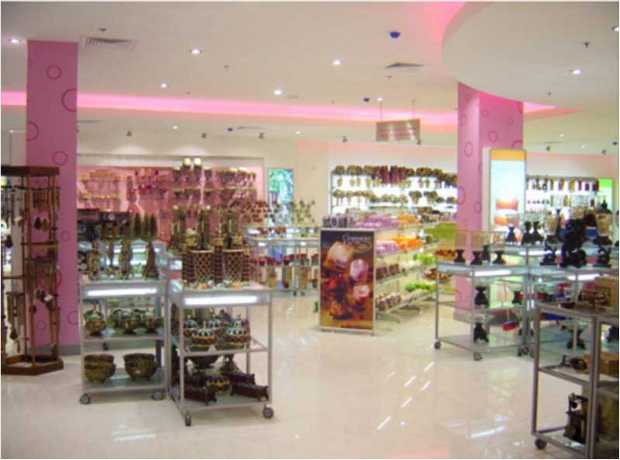
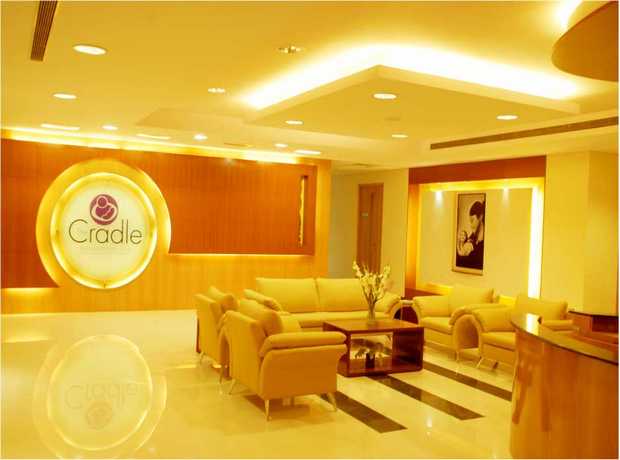
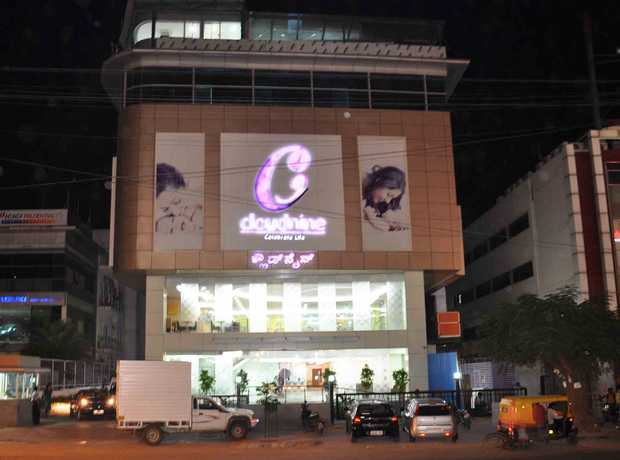
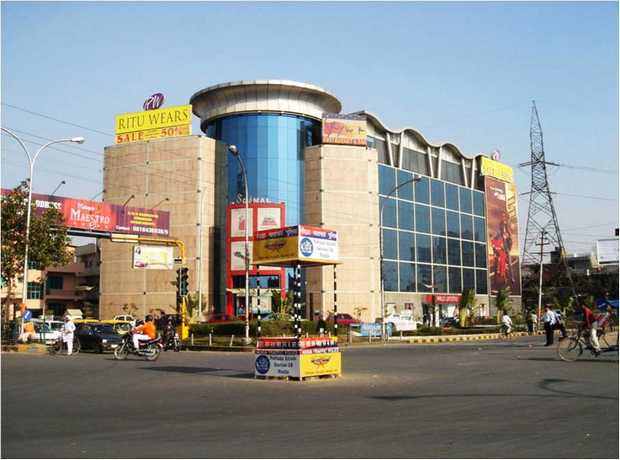
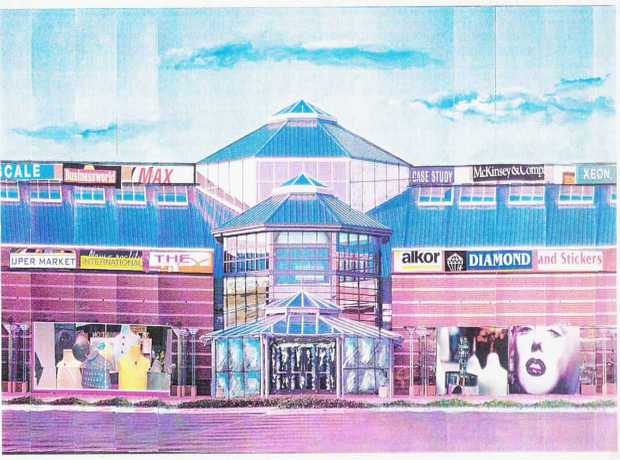
- Retail & Commercial Design: Universal Access for Enhanced Commerce. In commercial and retail settings, accessibility translates directly into wider market reach and an improved customer experience. We design shopping malls, mixed-use developments, offices, and entertainment centers with a focus on seamless movement, accessible pathways, clear signage, and compliant service areas, ensuring that businesses are welcoming and navigable for every customer and employee, thereby boosting engagement and sales.
- Interior Solutions: Comprehensive Accessible Turnkey Execution. Beyond specific sectors, our interior solutions encompass holistic space planning, efficient furniture layouts, innovative lighting solutions, and complete turnkey interior execution. Every element is chosen and implemented with accessibility in mind, ensuring a cohesive and barrier-free environment that is aesthetically pleasing, highly functional, and universally welcoming. We manage the entire process from conceptualization to final installation, guaranteeing accessible outcomes.
FAQ: Accessibility Planning in Dubai – Your Questions Answered
Navigating the requirements and benefits of accessibility planning can raise numerous questions. Here are some of the most frequently asked questions about accessibility planning in Dubai, providing clear and concise answers to help you better understand this critical aspect of modern construction.
What are the key accessibility regulations and guidelines in Dubai for 2025?
As of 2025, Dubai Municipality remains the primary authority providing comprehensive guidelines and regulations regarding accessibility in the built environment. These regulations are periodically updated to align with global best practices and local needs. They cover a wide array of aspects, including but not limited to: precise ramp slopes and dimensions, minimum clear door widths for various building types, detailed requirements for accessible restrooms (including grab bars, turning radii, and fixture heights), specific standards for tactile paving, visual and auditory alarm systems, and placement/characteristics of informative signage. It is imperative to consult the official publications and circulars from Dubai Municipality for the most current and detailed information, as well as the ‘Dubai Universal Design Code’ which sets the framework for inclusive design across the emirate. Compliance with these regulations is mandatory for all new constructions and major renovations.
How can I ensure my building project is genuinely accessible to people with visual impairments?
Ensuring accessibility for people with visual impairments requires a multi-sensory approach that goes beyond basic physical access. Key strategies include:
- Tactile Paving: Strategic placement of tactile ground surface indicators at decision points, before ramps/stairs, and along main pathways to guide navigation.
- Clear and Contrasting Signage: Utilizing high-contrast colors (e.g., dark text on light background), large print, and tactile/Braille text on all essential signage, placed at consistent and accessible heights.
- Adequate and Even Lighting: Implementing lighting design that minimizes glare and shadows, ensures consistent illumination levels throughout, and highlights changes in elevation or direction.
- Audio Cues and Information: Integrating audio announcements in elevators, public transport hubs, and at key informational kiosks. Providing audio descriptions for digital content where applicable.
- Wayfinding Consistency: Creating intuitive and consistent layouts with clear lines of sight and predictable pathways, minimizing sudden turns or obstacles.
- Material Selection: Avoiding highly reflective floor surfaces that can cause disorientation and using varied floor textures to indicate different zones or hazards.
This holistic approach considers how individuals with varying degrees of visual impairment interact with and perceive their environment, fostering true independence.
What is the indispensable role of an accessibility consultant in Dubai for my project?
An accessibility consultant, especially one with expertise in the Dubai context, plays an indispensable role throughout the entire lifecycle of a building project. Their expertise extends beyond merely checking boxes for compliance. They provide:
- Expert Guidance: Navigating the complexities of local regulations (Dubai Municipality, Dubai Universal Design Code) and integrating global best practices (e.g., ADA, BS 8300).
- Early Integration: Ensuring accessibility is considered from the conceptual design phase, preventing costly retrofits and integrating solutions seamlessly.
- Comprehensive Audits: Conducting detailed accessibility audits of existing structures or proposed designs, identifying potential barriers and recommending practical, innovative solutions.
- Stakeholder Liaison: Facilitating communication between architects, developers, contractors, and disability advocacy groups to ensure all perspectives are considered.
- Problem Solving: Offering creative and cost-effective solutions for unique site challenges or design constraints while maintaining high accessibility standards.
- Training & Education: Providing training for construction teams and facility management staff on maintaining accessibility features post-handover.
- Risk Mitigation: Helping to mitigate legal and reputational risks associated with non-compliance or inadequate accessible design.
Engaging an accessibility consultant early ensures that your project not only meets but exceeds accessibility expectations, delivering genuinely inclusive spaces. Contact us today: +91 7299072144
What are the tangible and intangible benefits of investing in accessible design for buildings in Dubai?
The benefits of investing in accessible design are extensive, encompassing both tangible economic advantages and invaluable intangible social returns:
- Enhanced Inclusivity and Social Equity: Accessible design ensures that everyone, regardless of age, ability, or temporary impairment, can access and enjoy public and private spaces, fostering a more equitable and welcoming society.
- Broader Market Reach and Economic Opportunity: By designing for all, businesses and properties can attract a wider demographic of customers, employees, and residents, including the growing market of people with disabilities, seniors, and families with young children. This translates into increased patronage, tenant satisfaction, and property value.
- Improved Safety and Reduced Risk: Features like non-slip flooring, clear pathways, and accessible emergency exits reduce the risk of accidents and injuries for all users, leading to fewer liability claims and a safer environment.
- Future-Proofing and Adaptability: Buildings designed with universal access in mind are inherently more adaptable to changing demographics and future regulations, reducing the need for costly renovations down the line.
- Enhanced User Experience and Brand Reputation: An accessible building demonstrates a commitment to social responsibility, enhancing the organization’s reputation and fostering a positive brand image. This leads to higher user satisfaction and loyalty.
- Increased Productivity and Employee Retention: For commercial buildings, accessible workplaces ensure that a diverse talent pool can be accommodated, fostering an inclusive work environment that supports productivity and reduces employee turnover.
- Compliance and Avoidance of Penalties: Adherence to accessibility codes avoids fines, legal challenges, and potential project delays, ensuring smooth operation.
Ultimately, accessible design is a wise investment that benefits the entire community and enhances the long-term viability and appeal of any building project in Dubai.
Conclusion: Architecting an Inclusive Future for Dubai
In an ambitious city like Dubai, where innovation and forward-thinking define its very essence, accessibility planning for all buildings in Dubai is far more than a regulatory obligation; it is a profound commitment to sculpting a truly inclusive, equitable, and welcoming environment for every individual. By diligently embracing universal design principles from the project’s inception, proactively anticipating diverse user needs, and meticulously avoiding common pitfalls, developers and design professionals can construct buildings that are not merely structures but vibrant, accessible ecosystems. This foresight not only future-proofs properties against evolving standards but also significantly enhances their intrinsic value, operational efficiency, and societal contribution.
The journey towards comprehensive accessibility requires specialized knowledge, unwavering dedication, and a partner who understands the intricate balance between global best practices and local regulatory nuances. Skydome Designs exemplifies this expertise, bringing nearly 30 years of experience, a multidisciplinary in-house team, and a proven track record of delivering award-winning, client-focused, and sustainable designs. Our commitment to end-to-end delivery ensures that every aspect of accessibility planning—from strategic conceptualization through meticulous construction and seamless handover—is executed with precision and a deep understanding of Dubai’s unique context.
By following these expert tips and partnering with experienced professionals like Skydome Designs, you can ensure that your building projects not only meet the immediate needs of all users but also contribute significantly to the broader vision of a more accessible and inclusive future for Dubai. Let’s build a future where every door is open, every path is clear, and every space is welcoming to all.
Ready to make your building truly accessible and a beacon of inclusivity in Dubai? Contact Skydome Designs today to discuss your project. Learn how our unparalleled expertise in accessibility planning for all buildings in Dubai can help you create innovative, barrier-free spaces that resonate with all users. Call us now to schedule a consultation: +91 7299072144.
Skydome Designs Pvt Ltd
📞 Contact: +91 7299072144
✉️ Email: info@skydomedesigns.com