Pune, often referred to as the ‘Oxford of the East’ and the ‘Detroit of India’, is a vibrant hub of innovation, education, and commerce. Its strategic location, burgeoning IT sector, robust manufacturing industry, and growing startup ecosystem have positioned it as a prime destination for business events. As the city continues its rapid urban growth and economic diversification, the demand for sophisticated, impactful, and highly effective exhibition and trade show interiors will only continue to rise exponentially. Consequently, navigating the intricacies of creating compelling and successful spaces for these crucial events becomes not just important, but absolutely paramount for businesses looking to make their mark. In this comprehensive guide, we will delve deep into the key considerations, common pitfalls, and invaluable expert tips to help you avoid costly mistakes and create truly successful exhibition and trade show interiors in Pune for 2025 and well into the future.
Understanding the Growing Demand for Exhibition and Trade Show Interiors in Pune
Pune’s economic landscape is dynamic and ever-evolving. Industries ranging from automotive, IT, manufacturing, biotechnology, and education are not only expanding but also becoming increasingly global in their outlook. This surge in economic activity naturally translates into a heightened need for platforms to showcase innovation, forge partnerships, and conduct business. Exhibitions and trade shows serve as critical touchpoints for these industries, providing unparalleled opportunities for lead generation, brand visibility, and direct customer engagement. This surge in activity necessitates well-designed exhibition and trade show interiors that go beyond mere aesthetics. They must be strategic assets that not only attract attention but also effectively communicate brand identity, facilitate meaningful interactions, and ultimately drive business objectives. Meeting stricter building codes, ensuring visitor safety, and exceeding heightened user expectations are all paramount for success in this competitive environment. Therefore, a thoughtful, professional, and strategic approach to exhibition and trade show interiors in Pune is no longer an option, but an essential investment for any forward-thinking business.
Pune’s Economic Drivers and Their Impact on Exhibition Needs:
- IT and Software Services: Pune is a major IT hub. Tech companies frequently participate in expos to showcase new software, hardware, and digital solutions, requiring interactive and technologically advanced exhibit designs.
- Automotive and Manufacturing: With a strong presence of global automotive giants and ancillary industries, trade shows are vital for launching new models, demonstrating machinery, and networking. Designs must accommodate large-scale displays and robust structures.
- Education and Research: As a city of learning, education fairs and research expos are common, demanding engaging and informative spaces for institutions and research bodies.
- Startups and Innovation: Pune’s vibrant startup ecosystem thrives on platforms to pitch ideas and products, necessitating flexible, modern, and often cost-effective exhibition solutions.
- Real Estate and Infrastructure: The city’s rapid development leads to frequent property and construction expos, where designers must create appealing and functional display homes or project showcases.

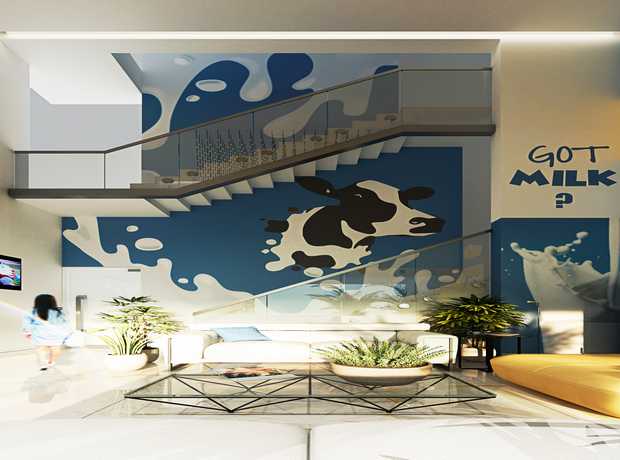
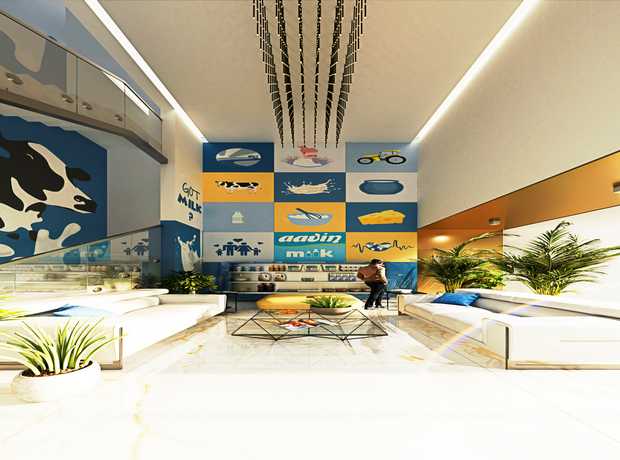
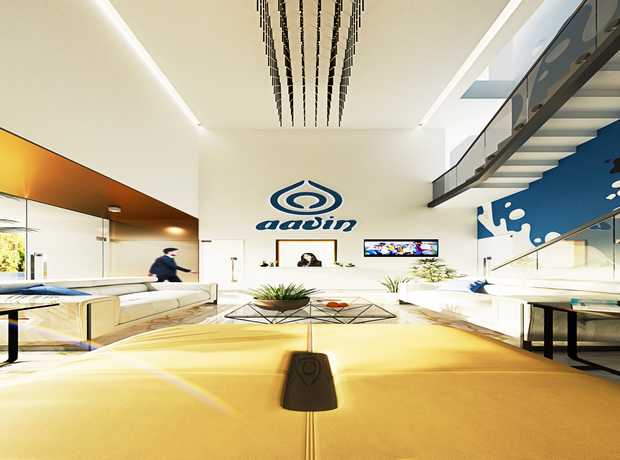
Key Mistakes to Avoid in Exhibition and Trade Show Interior Design
While the allure of a captivating exhibition space is strong, several common mistakes can derail even the most ambitious exhibition plans, leading to wasted resources, missed opportunities, and a diluted brand message. Being acutely aware of these potential pitfalls is the critical first step towards creating truly impactful and successful spaces. Here are some crucial areas where errors frequently occur, demanding your utmost attention:
1. Poor Space Planning: The Foundation of Failure
Effective space planning is unequivocally the cornerstone of a successful exhibition. It’s not just about fitting things in; it’s about orchestrating an experience. Overcrowding, inefficient layouts, and a lack of clear, intuitive pathways can severely deter visitors, create bottlenecks, and hinder meaningful engagement. Imagine a visitor struggling to navigate a cluttered booth or missing a key product display because the flow was confusing. Careful and meticulous consideration of anticipated foot traffic patterns, the desired exhibit flow, and strategic placement of interactive zones is absolutely essential. You must envision how visitors will naturally navigate the entire space, from entry to exit, and how each individual element—be it a product display, a seating area, or an interactive screen—contributes harmoniously to the overall brand narrative and visitor experience. Proper layout doesn’t just enhance the visitor’s journey; it also significantly optimizes functionality for exhibitors, ensuring their staff can operate efficiently and interact effectively. This includes designated areas for demonstrations, private meetings, product storage, and visitor registration, all seamlessly integrated without sacrificing the aesthetic or the flow.
- Lack of Clear Pathways: Visitors need clear, unobstructed paths to move freely. A confusing layout can lead to frustration and missed opportunities for engagement.
- Overcrowding: Too many elements or products crammed into a small space make the exhibit feel cramped and uninviting.
- Inefficient Zoning: Failure to create distinct zones for different activities (e.g., product display, demo area, meeting space, lead capture) leads to disorganization.
- Ignoring Sightlines: Important displays or branding elements might be obscured if sightlines are not considered during planning.
2. Inadequate Lighting Design: Dimming Your Impact
Lighting design is far more than just illumination; it’s a powerful tool that plays a crucial role in setting the mood, directing attention, and highlighting key features of your exhibit. Poorly lit areas can appear dull, unwelcoming, and even unprofessional, while conversely, overly bright or poorly distributed lighting can be overwhelming, create harsh shadows, or cause discomfort. Strategic and nuanced use of lighting can artfully draw attention to specific displays, create compelling focal points, enhance the perceived quality of your products, and significantly elevate the overall ambiance. Consider different types of lighting layers: ambient lighting for general illumination, task lighting for specific work areas or reading materials, and accent lighting to dramatically highlight products, logos, or artwork. The color temperature, intensity, and direction of light all have psychological impacts, influencing visitor mood and perception. An expertly lit booth can make your brand appear sophisticated, dynamic, and inviting.
- Insufficient Brightness: A dark booth is uninviting and makes it difficult for visitors to see products or read information.
- Harsh Lighting: Overly bright, generic lighting can wash out colors and create an uncomfortable atmosphere, failing to create warmth or focus.
- Lack of Focus: Without accent lighting, key products or branding elements might blend into the background, losing their impact.
- Poor Color Temperature: Using the wrong color temperature can misrepresent product colors or create an unappealing mood.
3. Improper Materials Selection: A Compromise on Quality and Message
The materials selection used in your exhibition interior significantly impacts its aesthetic appeal, functionality, and even its perceived value. Choosing low-quality, inappropriate, or non-durable materials can detract considerably from the overall impression, communicate a message of cheapness, and may not withstand the rigors of a high-traffic exhibition environment, leading to premature wear and tear or even safety issues. Beyond mere looks, consider the durability, ease of maintenance, sustainability, fire resistance, and visual impact of each material choice. Opt for materials that not only align seamlessly with your brand identity and budget but also contribute to a cohesive, professional, and high-quality look and feel. The right materials can subtly communicate your brand’s commitment to excellence, innovation, or sustainability, while the wrong ones can undermine your entire message.
- Low Durability: Materials that wear out quickly or damage easily during transport/setup or during the show itself reflect poorly on your brand.
- Inconsistent with Brand: Using materials that don’t align with your brand’s image (e.g., cheap plastic for a luxury brand) creates dissonance.
- Ignoring Sustainability: Failure to consider eco-friendly or reusable materials can be a missed opportunity for brand messaging.
- Safety Hazards: Using flammable or structurally unsound materials can pose serious risks and lead to non-compliance with local regulations in Pune.
4. Ignoring Accessibility: Excluding Potential Clients
Creating an inclusive and accessible environment is not merely an ethical responsibility; it’s a smart business strategy that significantly expands your potential audience and enhances your brand’s reputation. Failing to address accessibility means potentially alienating a significant segment of visitors. Ensure that your exhibition design complies with all relevant accessibility standards, such as providing ramps for elevated areas, ensuring wide aisles (typically 36-48 inches wide) for wheelchair users, incorporating tactile paving or other navigational aids for visually impaired visitors, and utilizing accessible signage with clear fonts and appropriate height. Consideration should also extend to sensory aspects, such as managing sound levels or providing quiet zones if applicable. By prioritizing the needs of all visitors, regardless of physical ability, you demonstrate a commitment to inclusivity, enhance the overall experience for everyone, and broaden your reach, reflecting positively on your brand values.
- Narrow Aisles: Restrictive pathways prevent wheelchair users or those with strollers from moving comfortably.
- Lack of Ramps: Elevated areas without ramps make sections of the exhibit inaccessible.
- Non-Accessible Signage: Information displays that are too high, too small, or lack tactile/Braille elements exclude many visitors.
- Ignoring Sensory Needs: Overly loud audio or flashing lights without consideration for sensory sensitivities can be exclusionary.
5. Neglecting Brand Storytelling: A Missed Connection
One of the most profound mistakes is treating an exhibition space as merely a display area rather than a powerful storytelling platform. Your interior design should be an immersive narrative that communicates your brand’s unique story, values, and offerings in a compelling way. Neglecting this means visitors might see your products, but they won’t feel a connection, understand your mission, or remember why your brand stands out. Every design element, from the layout to the color palette, the typography, and the interactive elements, should consistently reinforce your brand message and create an emotional resonance. Without a clear narrative thread, your exhibit risks becoming generic and forgettable, failing to differentiate you from competitors in the bustling Pune market.
- Inconsistent Messaging: Different parts of the exhibit convey conflicting or unrelated brand messages.
- Lack of Narrative Flow: The design doesn’t guide visitors through a coherent story about the brand or its products.
- Generic Aesthetics: The exhibit looks like any other, failing to incorporate unique brand elements or personality.
- Information Overload: Too much text or too many unrelated items without a clear guiding principle can overwhelm and disengage visitors.
6. Overlooking Technology Integration: Stuck in the Past
In 2025, technology is no longer an optional add-on but an intrinsic component of engaging exhibition experiences. A significant mistake is failing to strategically integrate modern technological solutions that can enhance interaction, provide deeper information, and create memorable moments. This could range from interactive touchscreens and virtual reality (VR) demonstrations to augmented reality (AR) experiences, QR codes for digital brochures, or even sensor-based engagement systems. Ignoring these tools means missing out on opportunities to captivate a tech-savvy audience, collect valuable data, and offer personalized content. Technology, when used wisely, can transform a static display into a dynamic, immersive environment that truly brings your products and services to life.
- No Interactive Elements: Relying solely on static displays fails to engage modern visitors who expect dynamic experiences.
- Outdated Tech: Using old, slow, or unreliable technology frustrates visitors and reflects poorly on your brand.
- Poor Integration: Technology elements feel tacked on rather than seamlessly woven into the overall design and brand message.
- Ignoring Data Capture: Missing opportunities to use integrated tech for lead generation, visitor tracking, or feedback collection.
7. Poor Logistics & Project Management: Delays and Disasters
The best design concept can be utterly undermined by poor execution. A common mistake is underestimating the complexities of logistics and project management inherent in exhibition builds. This includes everything from material procurement and transportation to on-site assembly, coordination with venue staff, and adherence to strict timelines. Delays in any phase can lead to rushed installations, compromised quality, increased costs, and even failure to launch on time. Without a robust project management framework, clear communication channels, and a precise understanding of local regulations and labor availability in Pune, an exhibition interior project can quickly spiral out of control. This is where partnering with experienced local experts becomes indispensable.
- Unrealistic Timelines: Setting aggressive schedules without accounting for potential delays or complexities.
- Budget Overruns: Poor planning and lack of cost control lead to exceeding allocated funds.
- Lack of Coordination: Inefficient communication between designers, builders, suppliers, and venue management causes chaos.
- Ignoring Local Regulations: Non-compliance with Pune’s specific building codes, safety standards, or labor laws can lead to fines or project stoppages.
8. Skipping Pre-show Promotion & Post-show Follow-up Planning: A Stand-alone Event
An exhibition interior is an integral part of a broader marketing strategy. A common mistake is designing the space in isolation, without considering how it integrates with pre-show promotional efforts or facilitates post-show follow-up. The design should subtly hint at what visitors can expect, creating anticipation. Furthermore, the layout and interactive elements should be optimized for easy lead capture and a seamless transition to post-event engagement. For instance, integrated digital lead forms, clear call-to-actions within the booth, or dedicated areas for quick information exchange can significantly enhance the effectiveness of your overall exhibition investment. Failing to design for this continuity means the exhibition becomes a stand-alone event rather than a powerful link in your marketing chain.
- No Pre-show Teasers: The exhibit design isn’t hinted at in pre-show marketing, missing an opportunity to build excitement.
- Poor Lead Capture Design: The booth layout doesn’t facilitate easy, efficient collection of visitor data.
- No Post-event Hooks: The design doesn’t provide clear prompts or tools for visitors to continue engaging with the brand after the show.
- Lack of Digital Integration: Failure to connect the physical space with digital assets for extended engagement.
Expert Tips for Designing Successful Exhibition Interiors in Pune
Now that we’ve thoroughly covered the common pitfalls, let’s pivot to empowering you with some expert tips and strategies to help you create truly standout, effective, and memorable exhibition interiors in Pune. These insights are drawn from years of industry experience and a deep understanding of market dynamics:
1. Leverage Local Expertise with Pune Interior Experts: Your Strategic Advantage
Partnering with local experts who possess an intimate understanding of the nuances of the Pune market, its cultural sensibilities, local regulations, and available resources can be a significant, if not decisive, advantage. A reputable Pune exhibition and trade show interiors company can provide invaluable insights into local preferences, navigate specific regulations (such as fire safety codes or material sourcing guidelines), and leverage their network of trusted suppliers and skilled labor. Their experience is crucial in helping you preempt and navigate potential challenges, ensuring a smooth, compliant, and ultimately successful exhibition build. Moreover, local firms are often more responsive and can offer better on-the-ground support throughout the project lifecycle.
Skydome Designs Pvt Ltd stands as a testament to this principle. We boast over 29 years of extensive experience delivering exceptional exhibition and trade show interiors, not just in Pune but across India and globally. Our robust, in-house team of seasoned architects, innovative designers, and meticulous project managers ensures not only on-time delivery but also adherence to the absolute highest quality standards, every single time. Our track record speaks volumes: we’ve successfully completed 1185+ exhibition and trade show interior assignments, maintaining an outstanding >98% on-time delivery rate. This means less stress for you and a guarantee that your vision will be realized precisely as planned.
CTA: Contact Skydome Designs today to discuss your exhibition needs and benefit from our unparalleled local and global expertise!
2. Embrace Innovative Design Solutions: Stand Out from the Crowd
In a competitive market like Pune, staying ahead of the curve is paramount. Incorporate innovative design solutions that not only capture immediate attention but also create a truly memorable and engaging experience. Think beyond static displays. Consider integrating interactive digital displays, immersive virtual reality (VR) or augmented reality (AR) experiences that transport visitors, gamification elements to encourage participation, or even sensor-based systems that react to visitor presence. Cutting-edge technologies, when thoughtfully integrated, can engage visitors on a deeper level and showcase your products or services in unique, dynamic ways. A fresh, forward-thinking, and innovative approach can dramatically set you apart from the competition, generate significant buzz, and leave a lasting impression that translates into leads and business. Skydome Designs possesses the technical prowess and creative vision to help you seamlessly integrate such advanced elements, ensuring they enhance, rather than overshadow, your core message.
- Interactive Touchscreens: Allow visitors to explore product catalogs, watch videos, and register for information at their own pace.
- Virtual Reality (VR) / Augmented Reality (AR): Offer immersive product tours, visualize complex data, or demonstrate products in a simulated environment without needing physical space.
- Gamification: Incorporate quizzes, challenges, or digital games related to your brand to increase engagement and data capture.
- LED Walls and Dynamic Displays: Use large, high-resolution screens for captivating visuals, live feeds, or product demonstrations that can be updated instantly.
- Sensory Experiences: Integrate elements like curated soundscapes, controlled scents, or unique textures to create a multi-sensory brand experience.
3. Focus on Brand Identity: Your Exhibition as a Brand Manifestation
Your exhibition interior is not just a space; it’s a powerful, tangible manifestation of your brand identity. It should be a direct reflection of who you are as a company. Therefore, meticulously use consistent branding elements throughout the design, including your brand’s specific color palette, corporate logos, key messaging, and even brand-aligned typography. The goal is to reinforce your brand image and create a cohesive, instantly recognizable experience. Ensure that every aspect of the design—from the choice of materials and lighting to the layout and graphics—aligns perfectly with your brand values, personality, and effectively communicates your unique selling proposition (USP). A strong brand identity creates trust, familiarity, and a sense of professionalism that resonates deeply with your target audience.
- Consistent Color Palette: Adhere to your brand’s official colors to reinforce recognition.
- Prominent Logo Placement: Ensure your logo is visible from various points and integrated tastefully.
- Brand-Aligned Graphics: Use high-quality imagery and messaging that speaks to your brand’s voice and values.
- Experiential Branding: Design elements that allow visitors to “experience” your brand’s core values, not just see them.
4. Plan for Flexibility and Adaptability: Future-Proof Your Investment
Exhibition needs and market trends can change rapidly, often requiring quick adjustments. It’s therefore essential to design for maximum flexibility and adaptability. Consider utilizing modular elements that can be easily reconfigured, expanded, or scaled down to accommodate different exhibit sizes, layouts, or even different venues. This modular approach allows you to adapt to evolving requirements, maximize the long-term utility of your investment, and extend the lifespan of your exhibition assets. For instance, using interchangeable graphic panels, movable partitions, or multi-functional furniture can provide significant cost savings and greater agility over time. Such a flexible design strategy not only future-proofs your investment but also ensures your exhibition presence remains relevant and cost-effective across multiple events or changing demands.
- Modular Components: Design elements that can be easily assembled, disassembled, and reconfigured for different layouts or event sizes.
- Multi-functional Furniture: Pieces that can serve various purposes, such as seating that doubles as storage.
- Interchangeable Graphics: Panels that can be updated or swapped out easily to reflect new campaigns or product launches.
- Scalable Designs: Solutions that can expand or contract to fit varying booth sizes without compromising aesthetics or functionality.
5. Prioritize Visitor Experience (UX): Beyond Aesthetics
A truly successful exhibition interior goes beyond just looking good; it’s meticulously designed around the visitor’s journey and experience. Prioritize comfort, ease of navigation, and opportunities for meaningful engagement. This involves more than just accessibility; consider elements like comfortable seating areas for longer interactions, clear directional signage, intuitive flow, and well-designed interactive zones. Think about the sensory experience: controlled ambient sound, pleasant lighting, and even subtle branding through scent (if appropriate). A positive and memorable visitor experience encourages longer dwell times, deeper engagement, and a greater likelihood of conversion. When visitors feel valued and comfortable, they are more receptive to your brand message and more likely to remember their interaction positively.
- Comfort Zones: Provide comfortable seating for visitors to rest or engage in longer conversations.
- Intuitive Navigation: Design the layout so visitors instinctively know where to go and what to see next.
- Clear Information Hierarchy: Present information in a digestible format, leading visitors from general awareness to specific details.
- Engagement Opportunities: Integrate areas for demonstrations, product trials, or one-on-one discussions.
6. Integrate Sustainability: Design with Responsibility
As corporate social responsibility gains increasing importance, integrating sustainability into your exhibition interior design is not just a trend but a critical expectation. This involves making conscious choices about eco-friendly materials (recycled, rapidly renewable, locally sourced), implementing energy-efficient lighting (LEDs), minimizing waste through modular and reusable designs, and considering the full lifecycle of materials. Sustainable design practices not only reduce your environmental footprint but also enhance your brand’s reputation, appealing to an increasingly eco-conscious audience and aligning with global best practices. In Pune, with its growing awareness of environmental concerns, a commitment to sustainability can be a powerful differentiator.
- Eco-friendly Materials: Choose recycled, rapidly renewable, low-VOC, or locally sourced materials where possible.
- Energy Efficiency: Utilize LED lighting and energy-saving appliances.
- Waste Reduction: Design for reusability and modularity to minimize waste post-event.
- Sustainable Sourcing: Partner with suppliers who adhere to ethical and sustainable practices.
7. Budgeting and ROI Focus: Smart Investment, Measurable Returns
While creativity is essential, a successful exhibition interior must also be a smart financial investment, directly contributing to measurable business outcomes. Work with your design team to establish a clear budget early on and prioritize elements that offer the highest return on investment (ROI). This means not just cutting costs, but strategically allocating resources to impactful areas. For instance, investing in a striking focal point, highly interactive displays, or comfortable meeting zones might yield better lead generation or brand perception than spreading the budget too thinly across less critical elements. Discussing potential ROI metrics—like lead count, conversion rates, brand recall, or media mentions—with your designers from the outset ensures that the design is strategically aligned with your business goals. Skydome Designs excels in value engineering, optimizing costs without compromising on quality or impact.
- Clear Budget Allocation: Define spending limits for different design components.
- Prioritize Impactful Elements: Focus budget on features that directly support your exhibition goals (e.g., lead generation, brand awareness).
- Track ROI Metrics: Design elements that facilitate data collection to measure the success of your investment.
- Value Engineering: Work with designers to find cost-effective solutions that deliver maximum impact without sacrificing quality.
8. Post-Event Planning & Reusability: Maximizing Value
The life of an exhibition stand doesn’t end when the event concludes. A key expert tip is to incorporate post-event planning and reusability into the initial design phase. Can elements of your stand be easily disassembled, stored, and re-used for future events? Are the materials durable enough to withstand multiple installations? Designing with reusability in mind not only offers significant cost savings over time but also aligns with sustainable practices. Furthermore, consider how the design supports the efficient collection of leads and materials for post-show follow-up. A well-thought-out design anticipates the entire lifecycle of the exhibit, from concept to potential future deployment, ensuring maximum value from your investment.
- Easy Disassembly: Components designed for quick and damage-free breakdown.
- Compact Storage: Design elements that pack efficiently to minimize storage costs.
- Durable Materials: Selection of materials that can withstand repeated use and transport.
- Documentation for Reassembly: Clear instructions and labeling for future setup.
End-to-End Exhibition Interior Solutions in Pune with Skydome Designs
Navigating the complexities of exhibition and trade show interiors demands a partner who can offer comprehensive, seamless, and reliable solutions. Skydome Designs prides itself on offering true end-to-end delivery for exhibition and trade show interiors in Pune, ensuring a holistic and stress-free experience for our clients. From the initial strategic conceptualization and innovative design to meticulous material procurement, precise construction, seamless installation, and final handover, we expertly manage every single aspect of the project. Our commitment to excellence is deeply embedded in our process.
We leverage cutting-edge BIM-led coordination, which ensures unparalleled accuracy, minimizes costly errors, and facilitates seamless communication across all project stakeholders. Our rigorous value engineering approach meticulously optimizes costs without ever compromising on design quality or functionality, ensuring you get the best possible outcome within your budget. Furthermore, our multi-disciplinary reviews and stringent quality control protocols at every stage ensure that your exhibition interior not only meets but consistently exceeds the highest industry standards. Beyond the build, we also offer post-occupancy support, demonstrating our commitment to your long-term success. We don’t believe in one-size-fits-all; our solutions are meticulously customized to meet your specific needs, brand objectives, and budget, making your vision a tangible reality.
CTA: Learn more about our comprehensive interior design services and how Skydome Designs can manage your next exhibition project in Pune from concept to completion.
Conclusion
Creating impactful and successful exhibition and trade show interiors in Pune for 2025 and beyond requires a strategic mindset, meticulous planning, and a deep understanding of both design principles and market dynamics. By diligently avoiding common mistakes such as poor space planning, inadequate lighting, improper material selection, and neglecting accessibility or brand storytelling, you lay a solid foundation for success. Furthermore, by implementing these expert tips – leveraging local expertise from trusted partners like Skydome Designs, embracing innovative design solutions, focusing intensely on brand identity, planning for flexibility, prioritizing visitor experience, integrating sustainability, maintaining a sharp focus on ROI, and designing for post-event reusability – you can create exhibition spaces that not only attract attention but genuinely engage visitors, effectively communicate your brand message, and ultimately drive tangible business results. Remember, your exhibition interior is a critical marketing asset, and investing in its professional design is an investment in your brand’s future.
As Pune continues its trajectory as a dynamic commercial and innovation hub, the demand for sophisticated and effective exhibition spaces will only intensify. Partnering with experienced Pune interior experts like Skydome Designs, with our 29+ years of proven expertise, 1185+ assignments delivered, and an outstanding >98% on-time delivery rate, can significantly enhance your chances of achieving a standout presence and enduring success in this vibrant market. Let your exhibition interior be a powerful statement of your brand’s excellence and vision.
CTA: Ready to elevate your exhibition presence and make a lasting impact in Pune? Get a free consultation with Skydome Designs today and let our experts transform your vision into a remarkable reality!
Frequently Asked Questions (FAQs) About Exhibition and Trade Show Interiors in Pune
Q1: What are the absolute key considerations for exhibition space planning in Pune for 2025?
A1: For 2025 in Pune, key considerations extend beyond basic layout. They include analyzing anticipated foot traffic flow to optimize visitor movement, strategic placement of interactive zones and product displays to maximize engagement, ensuring full accessibility for all visitors (including wheelchair users), and strict compliance with local Pune regulations and building codes. Efficient space utilization to avoid overcrowding and a clear, intuitive layout are essential for attracting and retaining visitors. Also consider dedicated areas for lead capture, private meetings, and staff operations to ensure smooth functionality.
Q2: How important is lighting design for exhibition interiors, especially in Pune’s diverse venues?
A2: Lighting design is absolutely crucial; it’s a powerful psychological tool. It goes beyond mere illumination to highlight key features, establish a brand-appropriate mood, and create a welcoming, intriguing atmosphere. Strategic lighting can dramatically draw attention to specific displays, enhance product appeal, and guide the visitor’s eye. Poor lighting can make a space feel dull, while expertly designed lighting can make it feel sophisticated and dynamic. Different venues in Pune might have varying ambient light levels, making adaptable and targeted lighting schemes (ambient, task, accent) even more vital to achieve consistent brand presentation.
Q3: What are some of the most common mistakes to actively avoid in trade show interior design?
A3: Common mistakes to actively avoid include: poor space planning leading to overcrowding and bottlenecks; inadequate or harsh lighting that detracts from displays; improper material selection compromising aesthetics, durability, and safety; ignoring accessibility standards, which alienates potential visitors; neglecting brand storytelling, making the exhibit forgettable; failing to integrate technology for modern engagement; poor logistics and project management leading to delays and budget overruns; and skipping pre-show promotion and post-show follow-up planning in the design phase.
Q4: How can I find reliable Pune interior experts for specialized exhibition design?
A4: To find reliable Pune interior experts for specialized exhibition design, look for firms with a proven track record specifically in exhibition and trade show interiors. Prioritize companies that demonstrate extensive experience (like Skydome Designs’ 29+ years and 1185+ projects), strong understanding of the local Pune market’s nuances, a portfolio showcasing innovative and successful past projects, and positive client testimonials. Check their on-time delivery rates and project management capabilities. Asking for references and scheduling initial consultations are also key steps. Skydome Designs, for example, offers multi-disciplinary reviews and post-occupancy support, indicators of a reliable partner.
Q5: What is the role of BIM (Building Information Modeling) in modern exhibition interior design, particularly with firms like Skydome Designs?
A5: BIM (Building Information Modeling) plays a transformative role in modern exhibition interior design by facilitating highly accurate 3D modeling and data-rich visualization of the entire project. For firms like Skydome Designs, BIM-led coordination ensures precise planning, efficient resource allocation, proactive clash detection (identifying potential issues before construction), and streamlined communication among all stakeholders. This leads to reduced errors, optimized construction processes, enhanced value engineering opportunities, and ultimately, higher quality outcomes delivered on time and within budget, which is especially critical for complex exhibition setups.
Q6: What are the current trends in exhibition design for 2025 that businesses in Pune should be aware of?
A6: For 2025, key trends in exhibition design include: immersive and experiential displays (using VR/AR, gamification); a strong focus on sustainability and eco-friendly materials; modular and flexible designs for reusability; data-driven customization (personalizing visitor experiences based on interactions); multi-sensory engagement (incorporating sound, scent, touch); and seamless digital integration for lead capture and post-event follow-up. Designs are moving towards creating memorable, interactive journeys rather than just static product showcases.
Q7: How can smart exhibition interior design directly contribute to a higher ROI for businesses in Pune?
A7: Smart exhibition interior design directly contributes to higher ROI by: increasing visitor engagement through interactive and captivating spaces, leading to more leads; enhancing brand recall and perception, building trust and future business; optimizing staff efficiency with well-planned operational zones; reducing operational costs through durable, reusable, and energy-efficient materials; and facilitating effective lead capture through integrated technology and intuitive flow. Ultimately, a well-designed space translates into more meaningful interactions and better conversion rates, justifying the initial investment.
Q8: What specific end-to-end services does Skydome Designs offer for exhibition and trade show interiors in Pune?
A8: Skydome Designs offers comprehensive end-to-end services for exhibition and trade show interiors in Pune, covering every stage of the project. This includes initial strategy development, conceptual and detailed design, meticulous material procurement, precise construction, seamless on-site installation, and final handover. Our services are further enhanced by BIM-led coordination, rigorous value engineering to optimize costs, multi-disciplinary reviews for quality assurance, and ongoing post-occupancy support. We customize every solution to perfectly align with your specific brand needs, objectives, and budget for a truly bespoke outcome.