As Bengaluru, India’s Silicon Valley, continues its unprecedented urban expansion and economic surge, the demand for world-class healthcare infrastructure escalates dramatically. This rapid growth isn’t just about quantity; it’s about the imperative for highly efficient, meticulously accurate, and future-ready building processes. Building Information Modeling (BIM) for hospitals in Bengaluru is no longer an optional luxury but a fundamental necessity, evolving rapidly to meet ever-stricter building codes, exceed the dynamic expectations of patients and staff, and uphold the highest possible standards of patient care and operational safety. As we rapidly approach 2025, the integration of BIM becomes critical for seamless project execution and regulatory adherence.
This comprehensive guide delves into the intricate world of BIM implementation for healthcare facilities within Bengaluru, providing an in-depth checklist for ensuring both compliance and unparalleled quality. It’s a roadmap designed to navigate the complexities of modern hospital construction and renovation. At the forefront of this transformation is Skydome Designs, a firm that not only understands the inherent challenges of hospital design and construction but also pioneers innovative solutions. With nearly 30 years of extensive experience, our multidisciplinary team of visionary architects, pragmatic healthcare planners, and meticulous project managers is singularly dedicated to delivering innovative, sustainable, and highly functional healthcare spaces that truly make a difference in people’s lives.
Why Building Information Modeling (BIM) is Indispensable for Hospitals in Bengaluru’s Evolving Landscape
BIM transcends the traditional understanding of a mere 3D model; it represents a paradigm shift in how buildings are conceived, designed, constructed, and operated. It’s a sophisticated, comprehensive process that intelligently integrates diverse data streams, optimized workflows, and cutting-edge technology to profoundly enhance every stage of a building’s lifecycle. In the demanding and intricate context of hospital projects in Bengaluru, BIM confers a multitude of crucial and transformative advantages:
- Enhanced Collaboration and Communication Synergy: BIM acts as a central digital hub, fostering unprecedented levels of seamless communication and real-time coordination among all project stakeholders. This includes architects, structural engineers, mechanical, electrical, and plumbing (MEP) engineers, contractors, facility managers, and even critical hospital operational staff. By providing a shared, accessible model, BIM minimizes information silos, mitigates misinterpretations, and ensures everyone works from the most current and accurate data. This integrated approach is vital in complex hospital projects where interdependencies are high and errors can have severe consequences.
- Significantly Reduced Errors, Rework, and Cost Overruns: One of BIM’s most powerful capabilities is its proactive clash detection. By identifying potential conflicts and design flaws (e.g., a ventilation duct clashing with a structural beam or a medical gas line intersecting an electrical conduit) early in the design phase, costly rework during the construction phase is drastically minimized. This foresight saves substantial time, materials, and labor, preventing budget blowouts and project delays that are all too common in traditional construction methodologies. BIM ensures that virtual construction precedes physical construction, allowing for meticulous error resolution.
- Profoundly Improved Efficiency and Streamlined Project Delivery: BIM systematically streamlines the entire building process, from the initial conceptual design and detailed documentation to procurement, construction sequencing, and final handover. Its data-rich models automate many manual tasks, accelerate drawing production, and improve quantity take-offs. This holistic efficiency translates into accelerated project timelines, optimized resource allocation, and a much smoother overall project execution, saving both time and invaluable resources for all parties involved. For fast-paced Bengaluru, this efficiency is paramount.
- Superior Facility Management and Lifecycle Optimization: Post-construction, BIM transforms into an invaluable asset for ongoing facility management and operational excellence. It provides a centralized, dynamic database of comprehensive building information, detailing every component from HVAC systems and lighting fixtures to medical equipment specifications and maintenance schedules. This ‘digital twin’ of the hospital enables proactive maintenance planning, efficient asset tracking, rapid troubleshooting, and informed decision-making throughout the facility’s operational lifespan, leading to reduced operational costs and extended asset longevity.
- Guaranteed Compliance with Local and Global Regulations: Navigating the labyrinth of building codes, healthcare standards, and local regulations in a city like Bengaluru can be daunting. BIM provides a robust framework to ensure strict adherence to all relevant local Bengaluru building codes, national Indian healthcare guidelines, and even global best practices in healthcare design (e.g., JCI standards, NABH accreditation requirements). Automated compliance checks within BIM software can flag potential violations, ensuring designs are inherently compliant from the outset, thereby accelerating approvals and mitigating regulatory risks.
Ready to transform your hospital project with intelligent BIM solutions? Contact Skydome Designs today and let our 29+ years of expertise guide your success. We have delivered 1332+ building information modeling (BIM) for hospitals assignments across Bengaluru and globally over 12+ years, ensuring end-to-end delivery from strategy to handover.
The Definitive BIM Checklist for Bengaluru Hospitals: Pioneering Compliance & Assured Quality (Approaching 2025)
Implementing BIM effectively requires a structured, phased approach. This meticulously detailed checklist is designed to guide you through the essential aspects of deploying BIM for your hospital projects in Bengaluru, with a keen eye on impending 2025 compliance standards and maintaining the highest quality benchmarks.


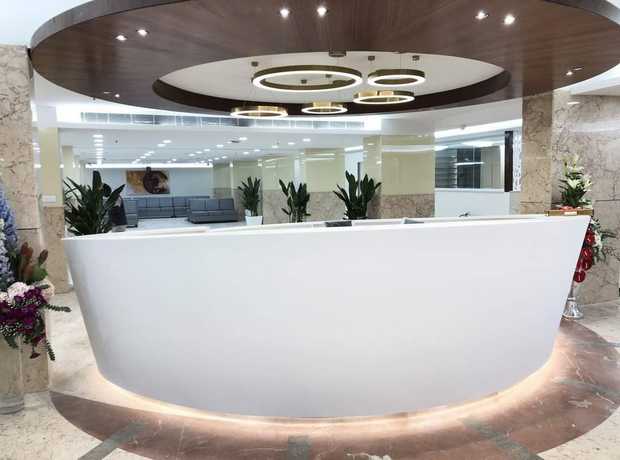

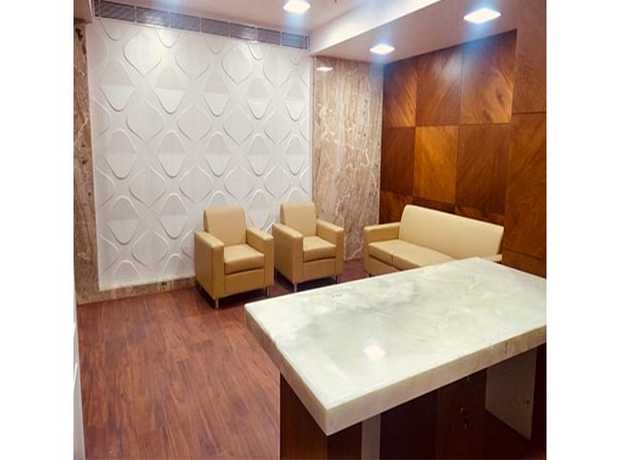
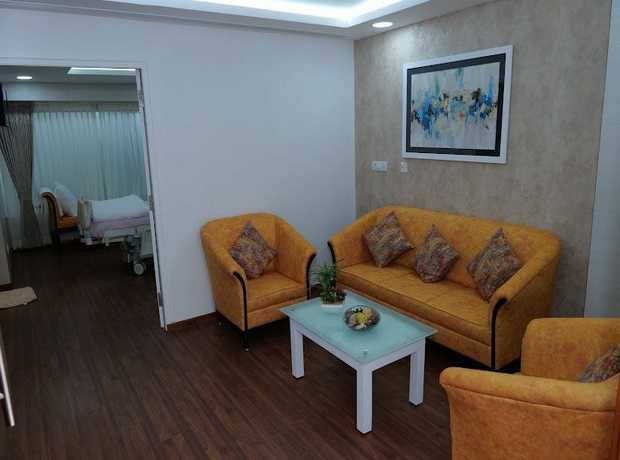








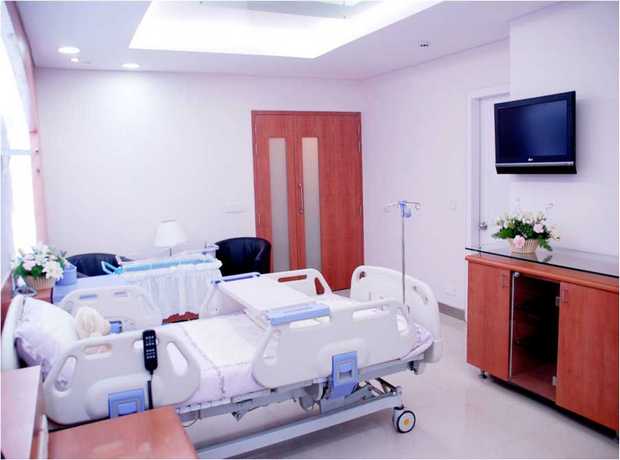
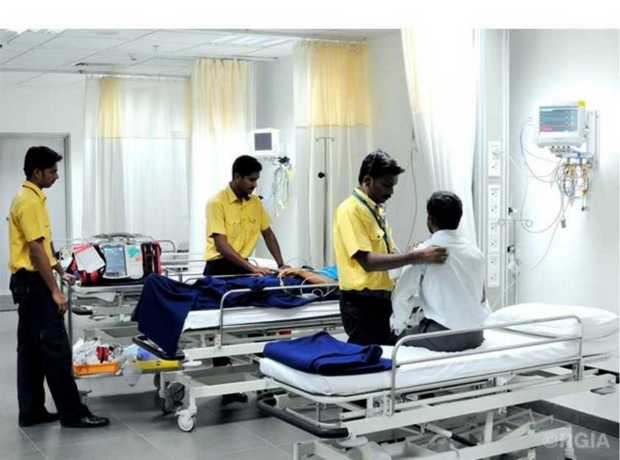
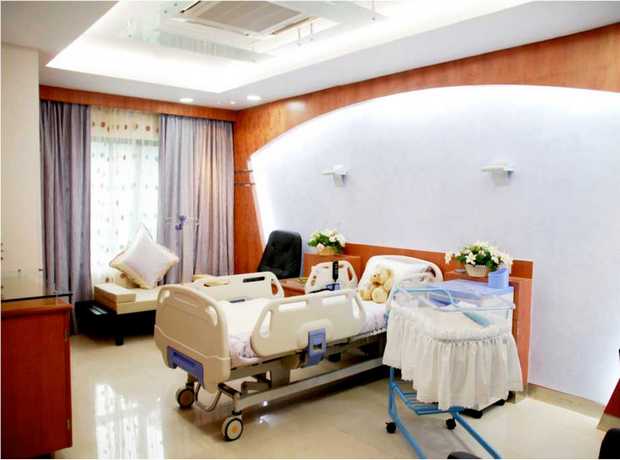
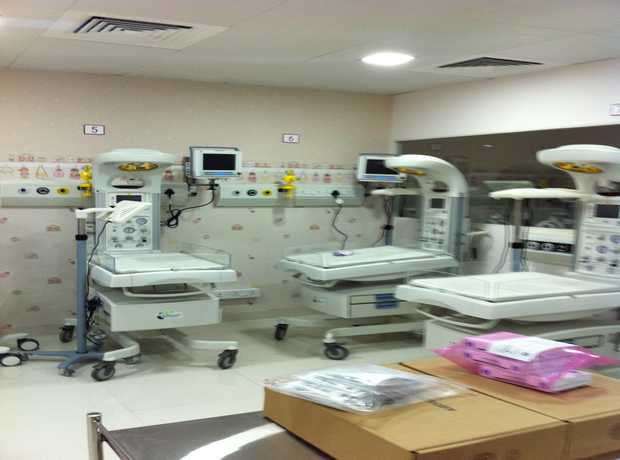
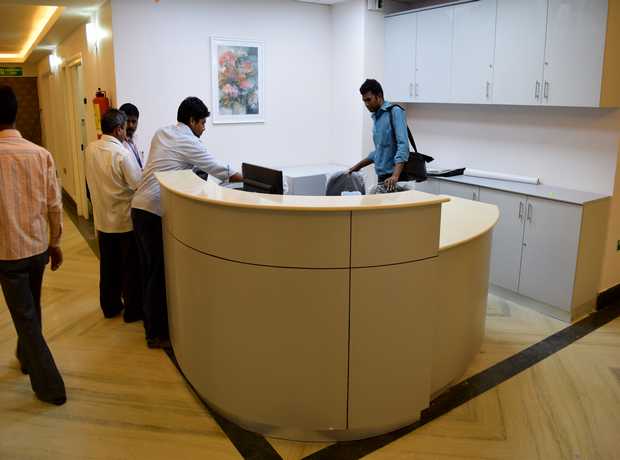
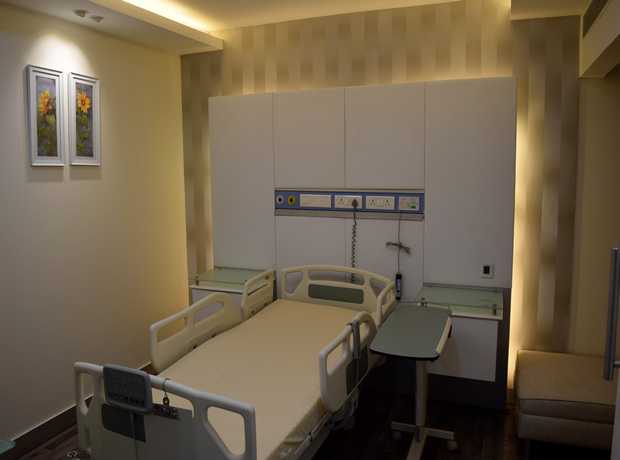
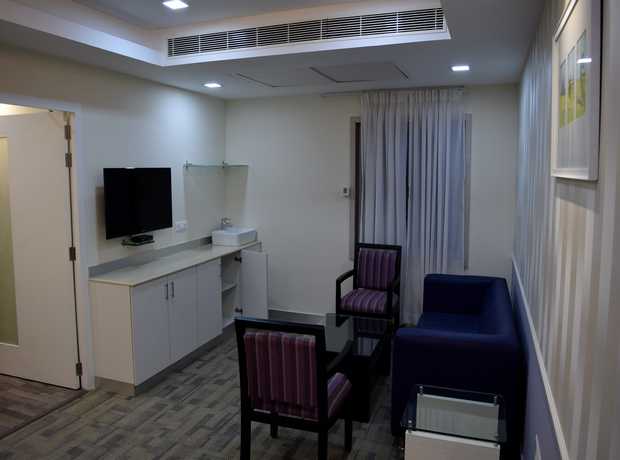





Phase 1: Strategic Vision and Meticulous Planning
- Clearly Define Project Goals and BIM Objectives: Before embarking on any BIM initiative, it is paramount to articulate crystal-clear objectives. Beyond merely “using BIM,” what specific outcomes are you striving for? Examples pertinent to a hospital might include: improving design accuracy for complex medical equipment layouts, reducing construction costs by a specific percentage, accelerating project delivery by a certain timeframe, enhancing post-occupancy facility management for critical systems, or achieving specific sustainability certifications. These goals will dictate the level of detail (LOD) required in the BIM model and the specific functionalities to be leveraged.
- Establish Comprehensive BIM Standards and an Execution Plan (BEP): A robust BIM Execution Plan (BEP) is the cornerstone of successful BIM adoption. This living document defines the entire BIM strategy for the project. It delineates the roles and responsibilities of every project stakeholder (architects, engineers, contractors, owners), outlines the specific BIM uses (e.g., clash detection, quantity take-off, energy analysis), specifies the common data environment (CDE) for information sharing, establishes naming conventions, level of detail (LOD) requirements for various model elements, and sets forth detailed workflows for information exchange and coordination. For Bengaluru hospitals, the BEP must integrate local regulatory submission requirements.
- Thoughtfully Select BIM Software, Platforms, and Interoperability Tools: The choice of BIM software and related tools is critical. Evaluate options based on project needs, team proficiency, and interoperability with other software used by various disciplines. Leading platforms like Autodesk Revit, ArchiCAD, Bentley Systems, and others offer distinct advantages. Crucially, ensure that the chosen software stack is compatible with common industry standards (e.g., IFC for openBIM) to facilitate seamless data exchange between different software applications and consultants. Consider tools for advanced analytics, visualization, and facility management integration.
- Comprehensive Team Training and Skill Development: Even the most sophisticated BIM software is ineffective without a proficient team. Invest significantly in training all project team members – from designers and detailers to project managers and facility operators – on the chosen BIM software and, equally important, on the new BIM processes and collaborative workflows. This training should be tailored to their specific roles and responsibilities within the BIM environment, ensuring everyone is comfortable and competent in utilizing the technology to its fullest potential. Continuous professional development should be encouraged to keep pace with evolving BIM technologies.
Phase 2: Precision Design and Intelligent Modeling for Healthcare
- Create a Highly Detailed and Data-Rich 3D Model: The BIM model for a hospital is far more complex than a typical commercial building. It must be a high-quality, information-rich 3D representation encompassing architectural elements (e.g., patient rooms, operating theaters, waiting areas, sterile corridors), structural components (beams, columns, foundations), and particularly intricate MEP (mechanical, electrical, and plumbing) systems. Furthermore, it must integrate medical equipment planning (e.g., MRI machines, CT scanners, surgical lights, oxygen lines), specialized gas systems, pneumatic tube systems, and even vertical transportation (elevators for patient transport). Each element should be imbued with relevant data attributes (e.g., manufacturer, serial number, maintenance schedule, life expectancy, infection control ratings).
- Rigorous and Proactive Clash Detection and Interference Resolution: Regular, systematic clash detection analysis is paramount. This process identifies and resolves any spatial conflicts or interferences between different building systems (e.g., an HVAC duct running directly through a structural beam, an electrical conduit clashing with a water pipe, or a ceiling-mounted medical device interfering with a light fixture). Early detection prevents costly on-site modifications, delays, and compromises to structural integrity or system functionality. Advanced BIM tools allow for automated clash detection and visualization, significantly streamlining the resolution process through collaborative digital mark-ups.
- Automated Code Compliance Checks and Regulatory Adherence: For hospitals in Bengaluru, adherence to a complex web of local building codes (e.g., BBMP regulations), fire safety norms, accessibility standards (e.g., for disabled patients), and stringent healthcare-specific guidelines (e.g., infection control zones, air quality standards for OTs, radiation shielding for imaging departments) is non-negotiable. BIM can be configured to perform automated checks against these predefined regulations, flagging potential non-compliance early in the design phase. This proactive approach ensures that the design is inherently compliant, accelerating regulatory approvals and reducing risks.
- Continuous Collaboration, Iteration, and Cross-Disciplinary Coordination: BIM inherently facilitates ongoing, transparent communication and coordination among the entire design team, the construction team, hospital management, and even future operational staff. Regular BIM coordination meetings, often utilizing federated models, allow stakeholders to visualize, discuss, and resolve design issues collectively. This iterative process ensures that the design evolves efficiently, incorporating feedback from all parties and culminating in a highly optimized and functionally superior hospital facility tailored to Bengaluru’s specific needs.
Phase 3: Streamlined Construction and Intelligent Handover
- 4D Simulation for Advanced Construction Sequencing and Logistics: By linking the 3D BIM model with the project schedule, 4D BIM creates a dynamic simulation of the construction process over time. This allows project managers to visualize the entire construction timeline, identify potential bottlenecks, optimize construction sequencing, plan site logistics (e.g., crane placement, material delivery routes, temporary facilities), and simulate various scenarios to mitigate risks. For complex hospital sites in a dense urban environment like Bengaluru, 4D BIM is invaluable for minimizing disruption and ensuring timely project completion.
- 5D Cost Estimation and Proactive Budget Management: Integrating detailed cost data into the BIM model transforms it into a powerful 5D tool. This enables the generation of highly accurate quantity take-offs, precise cost estimates, and real-time tracking of project expenses as design changes occur. 5D BIM facilitates continuous budget management, value engineering exercises, and proactive identification of cost-saving opportunities throughout the project lifecycle. This financial transparency is critical for ensuring projects remain on budget and stakeholders have clear visibility into expenditures.
- Enhanced Construction Coordination and Quality Control: BIM extends its utility directly to the construction site. It can be used for site layout, verifying installed components against the model, facilitating prefabrication of complex elements (e.g., MEP racks, modular patient rooms) off-site, and coordinating just-in-time material deliveries. Field crews can access the BIM model on tablets, reducing errors and improving installation accuracy. This close integration ensures that all work is performed precisely according to the design specifications, bolstering quality control and minimizing deviations.
- Comprehensive Asset Information Management for Long-Term Operations: The culmination of the BIM process in the handover phase is the creation of a rich ‘as-built’ BIM model populated with comprehensive asset information. This includes details like equipment specifications, warranty information, maintenance manuals, operational procedures, and spatial data for every installed asset. This digital asset register seamlessly integrates with Computerized Maintenance Management Systems (CMMS) or Enterprise Asset Management (EAM) platforms, providing hospital facility managers with an unparalleled resource for ongoing maintenance, energy management, space utilization analysis, and future renovation planning.
Optimize your hospital project’s lifecycle with Skydome Designs’ end-to-end BIM expertise. Our global design standards combined with local code expertise in Bengaluru ensure your project excels. Contact us for a consultation!
Finding the Right Building Information Modeling (BIM) for Hospitals in Bengaluru Partner
The success of your BIM implementation hinges critically on selecting the right strategic partner. Choosing a Bengaluru building information modeling (BIM) for hospitals company requires careful consideration of several key factors that go beyond just software proficiency:
- Demonstrated Experience and a Robust Track Record: Look for a company with an extensive and proven track record of successfully implementing BIM specifically for complex hospital and healthcare projects. Healthcare facilities have unique requirements regarding patient flow, sterile environments, equipment integration, and regulatory compliance. Generic BIM experience may not suffice. Skydome Designs stands out with an impressive record: we have delivered 1332+ building information modeling (BIM) for hospitals assignments across Bengaluru and globally over 12+ years. This unparalleled experience means we anticipate challenges and deliver solutions.
- Specialized Expertise in Healthcare Design and Construction: Ensure that the company possesses not just BIM capabilities but also a deep understanding of healthcare design principles, clinical workflows, and construction methodologies specific to hospitals. Skydome Designs prides itself on its in-house team of highly specialized architects, dedicated healthcare planners, and proficient project managers. This multidisciplinary expertise allows us to integrate clinical functionality with architectural excellence and BIM efficiency, creating truly optimal healing environments.
- Adoption of Cutting-Edge Technology and Methodologies: Choose a partner that is not only proficient in the latest BIM software but also embraces advanced technologies like parametric modeling, generative design, virtual reality (VR) for design reviews, and integration with emerging construction technologies. A forward-thinking company will leverage these tools to deliver innovative, efficient, and sustainable solutions for your hospital project.
- Strong Client References and Reputable Portfolio: Always ask for references from previous clients, especially those in the healthcare sector. Engage in detailed conversations to understand their experiences regarding communication, project delivery, problem-solving, and adherence to budgets and timelines. Additionally, review the company’s portfolio to assess the quality and complexity of their past hospital projects. Online reviews and industry accolades can also provide valuable insights into their reputation and service quality.
- Understanding of Local Bengaluru Context and Regulations: A truly effective BIM partner for a Bengaluru hospital project will have intimate knowledge of local building codes, planning regulations, environmental guidelines, and procurement processes specific to the city and state. This local expertise, combined with global best practices, ensures compliance and smooth project progression.
Don’t compromise on your hospital’s future. Partner with Skydome Designs for BIM implementation that combines global best practices with profound local insights. Call us at +91 7299072144 or email info@skydomedesigns.com to discuss your specific needs.
The Critical Role of Bengaluru Hospital Experts in BIM Implementation
Successful BIM implementation for a hospital is not solely a technological undertaking; it necessitates the profound involvement of specialized Bengaluru hospital experts. These professionals, with their deep understanding of healthcare operations and patient care, provide invaluable insights that shape the BIM model into a truly functional and life-saving facility. Their input ensures that the digital model accurately reflects real-world clinical demands and patient journeys:
- Clinical Planning and Workflow Optimization: Clinical planners are pivotal in ensuring that the hospital’s design inherently supports efficient, safe, and patient-centric clinical workflows. They analyze patient pathways, staff movement, medical equipment needs, and departmental adjacencies. Their insights, when integrated into the BIM model, allow for simulation and optimization of these workflows, reducing bottlenecks, minimizing travel distances, and enhancing the overall patient experience and staff productivity. BIM helps visualize the impact of design choices on operational efficiency long before construction begins.
- Specialized ICU Layout and Critical Care Design: Intensive Care Units (ICUs) are among the most complex and sensitive areas within a hospital. Experts in ICU layout are crucial for designing optimal configurations that maximize patient safety, ensure efficient staff response times, accommodate advanced medical equipment, and facilitate infection control. They consider aspects like line of sight for nurses, patient privacy, family waiting areas, and immediate access to life-saving technology. BIM allows for precise modeling of these critical spaces, enabling virtual walk-throughs and iterative refinement to achieve the perfect balance of functionality and comfort.
- Healthcare Architecture and Functional Design Expertise: A dedicated healthcare architect possesses specialized knowledge of hospital typology, functional programming, spatial requirements for various departments (e.g., OTs, labs, imaging), and the intricate balance between aesthetics and clinical efficacy. They translate clinical needs into architectural forms, ensuring the building’s structure and layout are optimized for healing, operational efficiency, and future adaptability. Their architectural vision, guided by healthcare principles, forms the foundation of the BIM model.
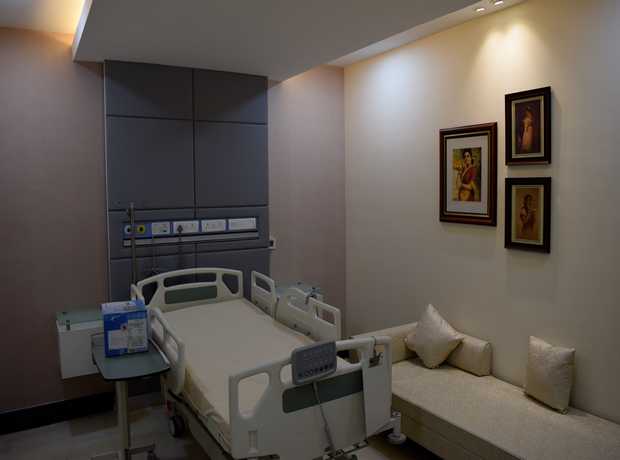
- Hospital Interior Design for Healing and Wellness: Beyond mere aesthetics, hospital interior design plays a critical role in patient recovery, staff well-being, and overall hospital experience. Interior designers specializing in healthcare focus on creating healing and welcoming interior spaces that reduce patient anxiety, promote positive distraction, and enhance comfort for both patients and staff. This includes thoughtful selection of materials for infection control, appropriate lighting design, biophilic elements, wayfinding strategies, and furniture layouts that support various patient needs. BIM allows for the visualization and detailed specification of these interior elements, ensuring they contribute to a therapeutic environment.
Skydome Designs uniquely excels in integrating these critical specializations. We don’t just provide BIM services; we are hospital interior design experts, specialists in ICU layout, and renowned healthcare architects. Our holistic approach meticulously integrates aesthetics with unparalleled functionality, ensuring optimal patient outcomes and operational excellence. Learn more about our award-winning Hospital Interior Design services.
Skydome Designs: Your Unrivaled Partner for BIM in Bengaluru Hospitals
At Skydome Designs, we pride ourselves on offering truly end-to-end delivery for Building Information Modeling (BIM) for hospitals — encompassing every stage from initial strategic planning and conceptual design to meticulous construction oversight and seamless handover in Bengaluru. Our distinctive approach combines the rigor of global design standards with unparalleled local code expertise in Bengaluru, ensuring that your hospital project not only meets but significantly exceeds the highest benchmarks of quality, safety, and regulatory compliance.
Our commitment to excellence is reflected in tangible results: our on-time delivery rate consistently stands at >98%. This reliability is a testament to our robust project management, proactive problem-solving, and efficient BIM-driven workflows. Furthermore, we provide multi-disciplinary reviews at critical project junctures, bringing together architects, engineers, healthcare planners, and specialists to scrutinize every detail and ensure comprehensive integration. Our engagement extends beyond project completion with dedicated post-occupancy support, guaranteeing long-term operational success and adaptability of your facility.
Why Skydome Designs is the Definitive Choice for Your Hospital BIM Project:
- Nearly Three Decades of Unmatched Experience: With 29+ years of rich experience spanning across India and internationally, our legacy is built on a foundation of successfully delivered, complex healthcare projects. This extensive tenure means we bring invaluable institutional knowledge and foresight to every assignment.
- Integrated In-House Multidisciplinary Team: Our strength lies in our cohesive in-house team comprising highly skilled architects, dedicated healthcare planners, and experienced project managers. This integrated structure ensures seamless collaboration, comprehensive expertise, and consistent quality control from conception to completion.
- Award-Winning, Client-Focused, and Sustainable Designs: We are not just designers; we are innovators. Our projects have received industry accolades for their creative, functional, and sustainable attributes. We adopt a deeply client-focused approach, ensuring that every design solution is tailored to your specific vision, operational needs, and patient care philosophies, while prioritizing environmental responsibility.
- Guaranteed On-Time, On-Budget, and Global Standard Delivery: Our commitment to delivering projects on schedule and within budget is unwavering. We leverage advanced BIM methodologies to provide precise cost estimations and timeline management. Every project is executed to global best practices and standards, ensuring world-class facilities for Bengaluru.
- Proven Track Record of BIM Excellence: We have successfully delivered 1332+ building information modeling (BIM) for hospitals assignments across Bengaluru and globally over 12+ years. This quantitative proof underscores our deep proficiency and consistent success in BIM implementation for healthcare.
Ready to revolutionize your hospital project in Bengaluru with the power of BIM? Don’t settle for less than exceptional. Contact Skydome Designs today at +91 7299072144 or email us at info@skydomedesigns.com to schedule a personalized consultation and discuss your project needs. Let us show you how our expertise can translate into a superior, compliant, and efficient healthcare facility.
Frequently Asked Questions (FAQ): Building Information Modeling (BIM) for Hospitals in Bengaluru
Navigating the nuances of BIM for healthcare facilities can raise several questions. Here are some frequently asked questions about BIM for hospitals in Bengaluru, providing clarity and further insight:
What exactly is BIM for hospitals and why is it distinct?
BIM (Building Information Modeling) for hospitals is a highly specialized digital representation of the physical and functional characteristics of a hospital facility. Unlike general BIM, it involves creating and managing extremely detailed, data-rich building information throughout the project lifecycle specifically for the unique complexities of healthcare environments. This includes integrating data for medical equipment, specialized ventilation, infection control zones, patient flow, and stringent safety protocols, all aimed at improving design efficiency, reducing errors, enhancing collaboration among diverse clinical and technical teams, and optimizing the patient experience.
Why has BIM become so crucial for hospital projects in Bengaluru, especially with 2025 approaching?
BIM has become crucial due to Bengaluru’s rapid urbanization, increasing demand for sophisticated healthcare, and the corresponding escalation in regulatory scrutiny. As we approach 2025, building codes are becoming more stringent, and the need for efficient, future-proof infrastructure is paramount. BIM helps to streamline the highly complex design, construction, and operation of hospitals, proactively identifying and mitigating errors, dramatically improving coordination among numerous stakeholders, and facilitating better, data-driven decision-making. This ultimately leads to significant cost savings, accelerated project timelines, and crucially, improved patient safety and outcomes, ensuring projects meet future compliance benchmarks.
What is the typical cost of BIM implementation for a hospital project, and what factors influence it?
The cost of BIM implementation for a hospital project is not a fixed figure; it varies significantly depending on several key factors. These include the size and complexity of the hospital, the required Level of Detail (LOD) for the BIM model, the specific BIM uses (e.g., clash detection, energy analysis, facility management integration), the software and hardware infrastructure utilized, and the level of experience of the BIM team. While there is an initial investment in software, training, and expert services, the long-term benefits of BIM – such as reduced rework, optimized operational efficiency, lower lifecycle costs, and faster project delivery – typically provide a substantial return on investment, far outweighing the upfront expenditure.
What are the most significant benefits of leveraging BIM for hospital design and construction?
The key benefits of using BIM for hospital design and construction are transformative. They include vastly improved design accuracy, ensuring every intricate detail of the hospital is meticulously planned and integrated; substantial reductions in construction costs by minimizing errors and rework; significantly enhanced collaboration and communication across all project disciplines; vastly superior facility management capabilities post-construction, leading to optimized operations and maintenance; and robust compliance with all relevant local and global building codes, healthcare regulations, and safety standards. BIM also supports better spatial planning, advanced visualization, and improved sustainability outcomes.
How can I identify and choose a reliable and expert BIM consultant in Bengaluru specifically for hospital projects?
To find a reliable BIM consultant for hospital projects in Bengaluru, look for companies with a demonstrable and extensive proven track record in the healthcare sector. Prioritize firms with experienced BIM professionals who possess a deep and nuanced understanding of healthcare design, clinical workflows, and construction intricacies. Always request and thoroughly check references from previous hospital clients and review online testimonials and case studies to gauge their reputation and project success. Skydome Designs, for instance, has a remarkable record of Delivered 1332+ building information modeling (BIM) for hospitals assignments across Bengaluru and globally over 12+ years, making us a highly reputable and proven choice.
Does Skydome Designs offer post-occupancy support for BIM-implemented hospital projects?
Absolutely. At Skydome Designs, our commitment extends well beyond the handover of your hospital project. We provide comprehensive post-occupancy support, which is critical for ensuring the long-term success and optimal performance of a BIM-implemented facility. This includes assistance with integrating the as-built BIM model with facility management systems, ongoing consultation for maintenance and operational optimization, and support for future modifications or expansions. Our holistic approach ensures that the investment in BIM continues to deliver value throughout the hospital’s lifecycle, underpinning operational efficiency and adaptability.
How does Skydome Designs ensure compliance with both global design standards and local Bengaluru codes?
Skydome Designs’ unique strength lies in our ability to seamlessly blend global design standards with meticulous local code expertise. Our in-house team of architects and healthcare planners are well-versed in international best practices (e.g., JCI, FGI Guidelines) while maintaining an in-depth understanding of Bengaluru’s specific building regulations, environmental clearances, and healthcare-specific mandates. This dual expertise allows us to create innovative, world-class hospital designs that are inherently compliant, ensuring swift approvals and avoiding costly delays, a crucial aspect of our end-to-end delivery for building information modeling (BIM) for hospitals — strategy, design, construction and handover in Bengaluru.
Conclusion: Paving the Way for Future-Ready Healthcare with BIM in Bengaluru
Building Information Modeling (BIM) is unequivocally transforming the way hospitals are envisioned, meticulously designed, efficiently constructed, and strategically managed in Bengaluru. By embracing the power of BIM and diligently adhering to the comprehensive checklists and best practices outlined in this guide, stakeholders can confidently ensure that their hospital project not only meets but exceeds the most stringent standards of compliance, delivers unparalleled quality, and achieves peak operational efficiency. BIM is the strategic imperative for creating healthcare facilities that are resilient, adaptable, and truly patient-centric in Bengaluru’s dynamic urban landscape, especially as we advance towards 2025 and beyond.
Skydome Designs stands as your unwavering and trusted partner in expertly navigating the intricate complexities of BIM within the demanding healthcare sector. Our decades of experience, multidisciplinary expertise, and proven track record of 1332+ successful BIM for hospitals assignments across Bengaluru and globally over 12+ years underscore our commitment to your success. We are dedicated to translating your vision into a state-of-the-art reality.
Ready to embark on a transformative journey for your hospital project? Don’t delay in harnessing the unparalleled advantages of BIM. Call Skydome Designs today at +91 7299072144 or send an email to info@skydomedesigns.com for a personalized consultation. Let us demonstrate how our expertise can empower you to achieve your ambitious project goals with precision and excellence.
Our consistent on-time delivery rate of >98%, coupled with rigorous multi-disciplinary reviews and proactive post-occupancy support, forms the bedrock of our commitment to underpinning superior project outcomes and long-term client satisfaction. This ensures a seamless transition from design to operation, making your hospital facility a benchmark of excellence.
About Skydome Designs Pvt Ltd: Pioneering Excellence in Healthcare & Architectural Design
Skydome Designs Pvt Ltd is recognized as a leading and highly innovative architecture and interior design firm in India, with an unparalleled specialization in hospital and healthcare interiors, alongside a diverse portfolio spanning high-end residential, and dynamic retail and commercial projects. With nearly three decades (29+ years) of profound expertise, we are dedicated to delivering innovative, sustainable, and highly functional spaces that profoundly enhance human experiences and optimize operational efficiency across all sectors.
What We Do: Crafting Exceptional Spaces with Vision and Precision
At Skydome Designs, our service offerings are meticulously tailored to meet the unique demands of each project, ensuring bespoke solutions that resonate with excellence and functionality:
- Hospital Interior Design: Our specialization encompasses the meticulous design of every critical area within a healthcare facility. This includes patient rooms engineered for comfort and care, state-of-the-art ICUs designed for critical intervention, technologically advanced OTs, precise medical labs, welcoming consultation areas, and comprehensive facility planning for optimized care delivery. We focus on creating environments that promote healing, ensure safety, and enhance operational efficiency.
- Residential Projects: We bring dreams to life through our expertise in designing luxurious apartments, sophisticated luxury condominiums, empathetic senior housing solutions, and vibrant community-focused interiors. Our residential designs prioritize comfort, aesthetics, and personalized living experiences that truly reflect our clients’ aspirations.
- Retail & Commercial Design: From expansive shopping malls and dynamic mixed-use developments to corporate offices and engaging entertainment centers, our designs create compelling commercial environments that captivate customers, inspire employees, and drive business success. We focus on enhancing brand identity and optimizing user flow.
- Interior Solutions & Turnkey Execution: Our comprehensive interior solutions cover every aspect of internal space creation. This includes intelligent space planning for maximized utility, ergonomic furniture layouts, innovative lighting design that blends aesthetics with functionality, and complete turnkey interior execution. We manage projects from concept to completion, ensuring flawless realization of the design vision.
Why Choose Skydome Designs: Our Pillars of Excellence
- 29+ Years of Extensive Experience: Our deep-rooted experience spans across India and international markets, providing us with a global perspective tempered by local understanding. This extensive tenure ensures that every project benefits from a wealth of accumulated knowledge and proven methodologies.
- Integrated In-House Multidisciplinary Team: Our core strength lies in our cohesive team of visionary architects, expert healthcare planners, and meticulous project managers. This synergy allows for seamless collaboration, comprehensive problem-solving, and a unified approach to design and execution.
- Award-Winning, Client-Focused, and Sustainable Designs: We are proud recipients of numerous awards, reflecting our commitment to design excellence, innovation, and sustainability. Our philosophy is deeply client-focused, ensuring every design is bespoke and aligns with your strategic objectives while championing environmentally responsible practices.
- Guaranteed On-Time, On-Budget, and Global Standard Delivery: We consistently deliver projects punctually and within the stipulated budget, thanks to our robust project management systems and transparent processes. Our commitment to global standards ensures that your facility is built to the highest international benchmarks of quality and performance.
📞 Contact: +91 7299072144 | ✉️ Email: info@skydomedesigns.com