Johannesburg, a city pulsating with economic vitality and an ever-expanding urban landscape, is currently experiencing a profound wave of new investments across various sectors. This dynamic growth translates directly into an escalating demand for meticulously planned and robustly executed clubhouse and community facility designs. In this fast-paced environment, the strategic importance of staying abreast of the latest design trends and, more critically, partnering with seasoned professionals cannot be overstated. For developers, city planners, and community stakeholders alike, understanding the evolving paradigm of communal spaces is not merely an aesthetic consideration but a critical factor in de-risking projects, ensuring faster delivery, and ultimately fostering thriving, connected communities.
As we cast our gaze towards 2025, the blueprint for successful clubhouse and community facility development in Johannesburg is being redrawn. This comprehensive guide will navigate you through the pivotal trends, technological advancements, and expert insights that will define the next generation of these essential urban amenities. Our aim is to equip you with the knowledge to make informed decisions, ensuring your projects not only meet but exceed contemporary expectations, resonate deeply with their intended users, and stand as enduring assets within Johannesburg’s vibrant tapestry.
The Rising Demand for Innovative Clubhouse and Community Facility Design in Johannesburg
The relentless pace of urbanization in Johannesburg, coupled with a growing population and a shifting cultural landscape, has ignited an unprecedented demand for high-quality, thoughtfully designed community spaces. These aren’t just buildings; they are the social arteries of modern neighborhoods, serving as indispensable hubs for interaction, recreation, personal development, and community building. In a city where connectivity and belonging are increasingly valued, investing in cutting-edge design for these facilities is not merely an expenditure but a strategic investment in the social capital and future resilience of the urban fabric itself.
Modern residents, from young families to active seniors, are seeking more than just housing; they desire holistic living environments that support their lifestyles, foster well-being, and provide opportunities for engagement. Clubhouses within residential developments, community centers in broader districts, and recreational facilities across the metropolitan area are all expected to deliver exceptional experiences. This rising expectation places immense pressure on developers and designers to innovate, creating spaces that are not only visually captivating but also deeply functional, inclusive, and forward-thinking. The emphasis has shifted from mere provision to deliberate cultivation of environments that truly enhance quality of life.
What Makes a Great Clubhouse and Community Facility Design?
Defining “great” in design terms for clubhouses and community facilities extends far beyond superficial aesthetics. A truly great design is a delicate orchestration of functionality, aesthetic appeal, and unwavering sustainability, all harmonized to serve a specific purpose and community. It is about crafting environments that are intrinsically welcoming, inspiring, and adaptable, while simultaneously being efficient to operate and gentle on the planet. This holistic approach demands meticulous attention to detail at every stage of the design process.
- Functionality: At its core, a great design must prioritize the intended uses of the space. This means intuitive layouts that facilitate easy navigation, efficient circulation paths, and optimal adjacency of different activity zones. For instance, a clubhouse might require flexible multi-purpose halls, a well-equipped gym, serene lounge areas, and dedicated children’s play zones, each designed to flow seamlessly into the next while maintaining its own distinct character. The functional flow should enhance user experience, minimize bottlenecks, and maximize the utility of every square meter.
- Aesthetics: Visual appeal plays a crucial role in creating inviting and inspiring spaces. This encompasses architectural style, interior decor, material selection, color palettes, and lighting design. A great design often reflects the local context of Johannesburg, perhaps incorporating elements of local art, natural landscapes, or cultural heritage, while simultaneously projecting a modern and sophisticated image. The goal is to create an atmosphere that resonates emotionally with users, making them feel comfortable, inspired, and proud of their communal space.
- Sustainability: In an era of increasing environmental consciousness, sustainability is no longer an option but a mandate. This involves selecting eco-friendly and locally sourced materials, implementing energy-efficient systems (such as solar panels, efficient HVAC, and smart lighting), and integrating water conservation strategies (like rainwater harvesting and greywater recycling). A sustainable design minimizes the environmental footprint of the facility, reduces operational costs over its lifespan, and contributes positively to Johannesburg’s broader green initiatives. It’s about building for the present without compromising the future.
- Accessibility: Inclusive design is paramount. A great facility is accessible to everyone, regardless of age, physical ability, or background. This includes features like ramps, elevators, accessible restrooms, clear signage, and thoughtful spatial planning that accommodates wheelchairs, strollers, and diverse user needs. Designing for accessibility ensures that the facility truly serves the entire community, fostering a sense of inclusion and belonging.
- Safety and Security: The well-being of users is non-negotiable. Robust safety measures, including clear emergency exits, fire suppression systems, and appropriate security protocols, must be integrated from the outset. Strategic lighting, natural surveillance opportunities, and controlled access points contribute to a safe and secure environment where individuals can relax and interact with peace of mind.
- Long-term Maintenance and Operability: A great design considers the entire lifecycle of the building. This means specifying durable, low-maintenance materials, designing systems that are easy to access and repair, and planning for efficient cleaning and operational workflows. A facility that is difficult or costly to maintain will quickly deteriorate, undermining its value to the community. Proactive design ensures longevity and sustained appeal.
Achieving this delicate balance requires not only creative vision but also deep technical expertise and a profound understanding of human behavior and community dynamics. It is this comprehensive perspective that distinguishes truly exceptional clubhouse and community facility design in Johannesburg.
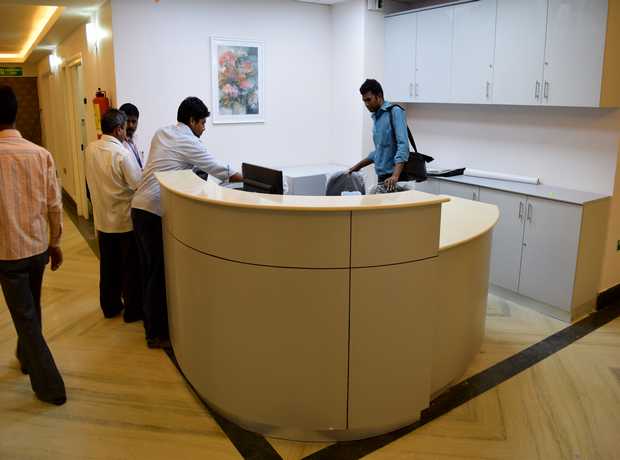
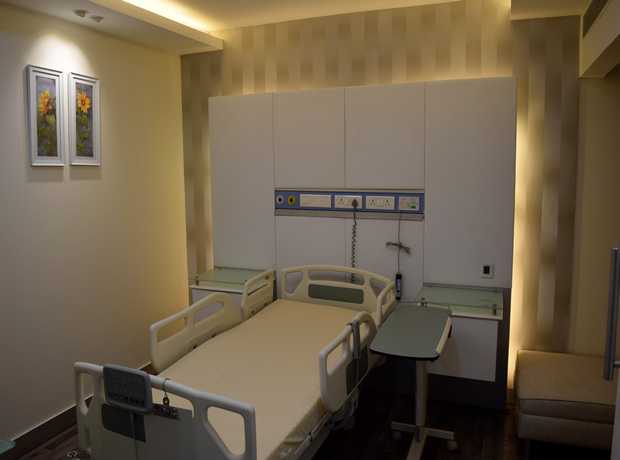
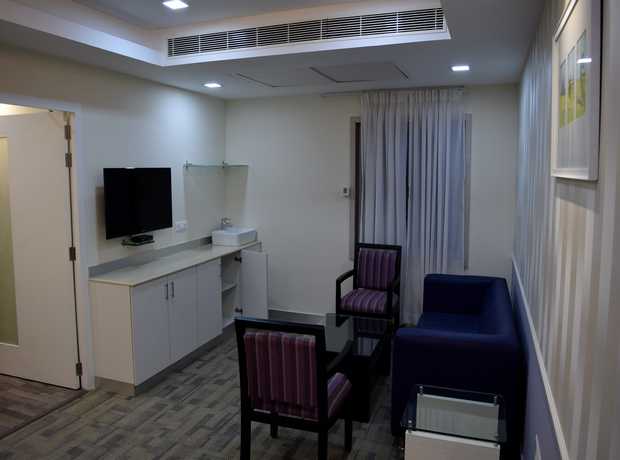

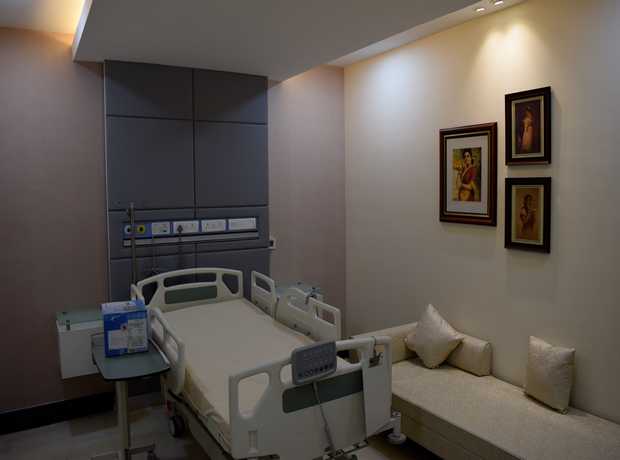
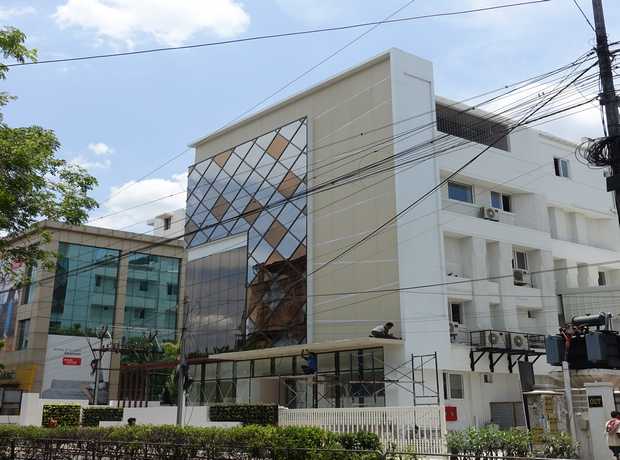
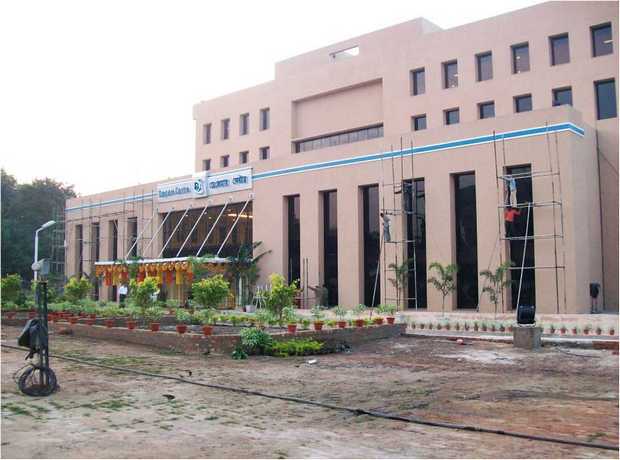
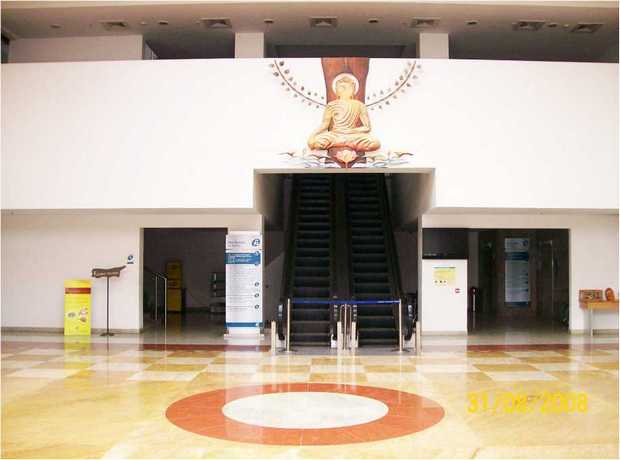
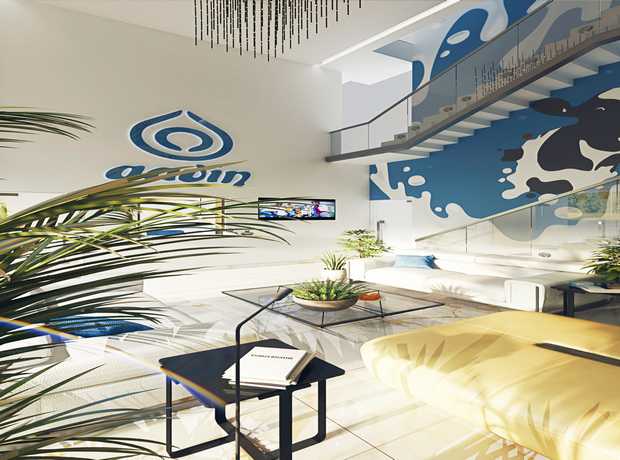
Key Trends Shaping Clubhouse and Community Facility Design in Johannesburg
Johannesburg’s urban development landscape is a crucible of innovation, with several pivotal trends dictating the future trajectory of clubhouse and community facility design. These trends are not isolated but interwoven, reflecting a collective desire for spaces that are smarter, greener, more flexible, and deeply rooted in community well-being. Understanding these shifts is crucial for anyone involved in developing or revamping such facilities.
1. Sustainability and Biophilic Design: Building Greener Futures
The call for environmentally responsible architecture has grown louder in Johannesburg, driven by global climate concerns and a local commitment to sustainable development. In 2025, sustainability in clubhouse and community facility design transcends mere compliance; it’s about holistic ecological integration.
- Eco-friendly Materials and Local Sourcing: There’s a strong pivot towards materials with low embodied energy, recycled content, and non-toxic properties. Designers are increasingly specifying local materials—such as South African timber, stone, and recycled aggregates—which not only reduce carbon footprint associated with transportation but also support local economies and impart a unique, authentic character to the buildings. Think exposed concrete finishes, responsibly sourced timber accents, and innovative use of recycled plastics or repurposed industrial elements.
- Energy-Efficient Designs: Passive design strategies are paramount. This includes optimizing building orientation for natural light and ventilation, incorporating deep overhangs or brise-soleils to mitigate solar heat gain, and utilizing high-performance glazing. Active systems like solar photovoltaic (PV) panels for electricity generation, solar water heaters, and highly efficient HVAC systems with smart controls are becoming standard. The aim is to drastically reduce reliance on the national grid and minimize operational costs.
- Water Conservation: Johannesburg, being an inland city, faces significant water challenges. Clubhouse and community facilities are responding with advanced water-saving measures. Rainwater harvesting systems collect and store precipitation for irrigation and non-potable uses. Greywater recycling systems treat water from sinks and showers for landscape irrigation or toilet flushing. Drought-resistant landscaping with indigenous plants further minimizes water demand.
- Biophilic Design Integration: This trend emphasizes connecting building occupants with nature. It involves incorporating natural elements, light, and views into the built environment. Think lush internal courtyards, extensive green walls, water features that mimic natural sounds, and large windows that offer uninterrupted views of landscaped gardens. Biophilic design has been proven to enhance well-being, reduce stress, and improve cognitive function, making facilities more pleasant and restorative. Spaces that seamlessly blend indoor and outdoor environments are highly sought after.
- Waste Management Systems: Design increasingly includes dedicated spaces for efficient waste segregation and recycling, promoting a circular economy approach within the facility’s operations.
2. Technology Integration: Smart Spaces for Enhanced Experiences
The digital revolution continues to redefine how we interact with our built environment. In 2025, technology will be seamlessly woven into the fabric of clubhouse and community facilities in Johannesburg, enhancing user comfort, safety, and operational efficiency.
- Smart Building Automation: Integrated Building Management Systems (BMS) will control lighting, climate (HVAC), security (CCTV, access control), and even energy consumption from a centralized platform. Users can interact with elements via smartphone apps for booking facilities, adjusting room temperatures, or accessing services. Occupancy sensors will optimize lighting and ventilation, ensuring resources are only used when needed.
- Digital Connectivity and Co-working Spaces: High-speed Wi-Fi and robust digital infrastructure are non-negotiable. Facilities will feature dedicated co-working zones with ample charging points, ergonomic furniture, and soundproof pods, catering to the growing demand for flexible work arrangements and hybrid lifestyles. These spaces can transform clubhouses into productive extensions of home offices, offering a vital resource for community members.
- Augmented Reality (AR) and Virtual Reality (VR) for Engagement: While primarily used in the design phase for visualization, AR/VR can also be integrated into the user experience. Imagine interactive digital displays that provide information about upcoming events, virtual tours of the facility, or even augmented reality fitness classes.
- Touchless Technology and Health Security: Post-pandemic considerations have accelerated the adoption of touchless solutions. Automatic doors, motion-sensor lighting, voice-activated controls, and touch-free bathroom fixtures are becoming standard. Advanced air filtration systems (HEPA filters, UV-C light) and enhanced ventilation strategies ensure healthier indoor environments.
- Integrated Entertainment and Wellness Systems: Smart TVs, immersive sound systems, and interactive fitness equipment will be commonplace. Booking systems for amenities like squash courts, swimming lanes, or private event spaces will be digitized and accessible via apps.
3. Flexible and Multi-functional Spaces: Adaptability is Key
Modern communities have diverse and evolving needs. Designs in 2025 must offer unparalleled flexibility, allowing spaces to transform and adapt to a multitude of activities and user demographics throughout the day, week, and year.
- Modular Furniture and Movable Partitions: Open-plan areas can be rapidly reconfigured using lightweight, modular furniture and acoustic movable partitions. A large hall might serve as a yoga studio in the morning, a meeting space at midday, and a community event venue in the evening.
- Convertible Outdoor Areas: External spaces are increasingly being designed with equal flexibility. Covered patios with retractable roofs, adaptable seating arrangements, and integrated AV systems allow outdoor areas to host everything from fitness classes to informal gatherings, market days, or open-air movie nights.
- Adaptable Acoustics and Lighting: Spaces will feature smart lighting systems that can change color temperature and intensity to suit different moods or activities. Acoustic panels and sound-dampening materials will be integrated to manage noise levels, ensuring comfortable environments whether for a quiet reading session or a lively children’s party.
- Mixed-Use Programming: The most successful facilities will combine various functions under one roof. A single space might seamlessly transition from a coffee shop to a small library, then to an informal lounge. The focus is on maximizing utility and creating dynamic environments that cater to a wide array of interests and age groups within the Johannesburg community.
4. Community Focus and Inclusivity: Fostering Belonging
At the heart of any great clubhouse or community facility is its ability to foster genuine connection and a strong sense of belonging among its users. Designs in 2025 will be hyper-focused on creating spaces that are inherently inclusive and encourage interaction.
- Design for All Ages and Abilities: Beyond basic accessibility, inclusive design means creating specific zones catering to different demographics. This includes safe and stimulating children’s play areas, comfortable and quiet lounges for seniors, vibrant youth zones, and adaptable meeting rooms. Universal design principles ensure that every member of the community feels welcomed and catered to.
- Social Gathering Zones: Emphasis will be placed on creating inviting “third spaces” – neither home nor work – where spontaneous interaction can occur. This includes comfortable seating arrangements in lobbies, inviting communal kitchens or coffee bars, and informal breakout areas that encourage conversation and collaboration.
- Cultural Integration and Local Identity: Designs will increasingly incorporate elements that reflect the rich cultural diversity and heritage of Johannesburg. This could manifest through art installations by local artists, use of indigenous patterns or colors, or even flexible spaces for cultural performances and community celebrations. The aim is to create a sense of place that residents can truly identify with and feel proud of.
- Outdoor Living and Green Spaces: Leveraging Johannesburg’s favorable climate, outdoor areas will be integral to the community experience. Landscaped gardens, communal vegetable patches, walking trails, and outdoor fitness zones will provide opportunities for recreation, relaxation, and social connection in natural settings. These spaces become extensions of the indoor facilities, blurring the lines between built and natural environments.
5. Wellness Integration: Holistic Well-being Hubs
The focus on holistic wellness has expanded beyond dedicated gyms to encompass mental, emotional, and social well-being. Clubhouses and community facilities in Johannesburg are evolving into comprehensive wellness hubs.
- Mind-Body Studios: Dedicated spaces for yoga, Pilates, meditation, and mindfulness practices, often incorporating biophilic elements, natural light, and soothing acoustics.
- Outdoor Fitness Trails and Zones: Beyond traditional gyms, facilities will offer integrated outdoor fitness equipment, running tracks, and spaces for group exercise classes in the fresh air.
- Healthy Food Options: Cafes or kiosks within the facility will increasingly offer nutritious, locally sourced food and beverage options, supporting healthy lifestyles.
- Restorative Spaces: Quiet lounges, reading nooks, and sensory gardens provide opportunities for individuals to decompress and find solace, contributing to mental well-being.
These trends collectively paint a picture of future-proof clubhouses and community facilities in Johannesburg: intelligent, sustainable, adaptable, and deeply human-centric. Successfully integrating these elements requires a blend of creative vision, technical prowess, and a nuanced understanding of the local context.
Navigating Clubhouse and Community Facility Design in Johannesburg: Expert Insights
The complexities inherent in designing and constructing world-class clubhouse and community facilities in Johannesburg demand more than just architectural flair. Successfully navigating this intricate landscape requires an unparalleled blend of technical expertise, local market knowledge, and a commitment to innovation. This is precisely where the value of a reputable Johannesburg clubhouse and community facility design company becomes indispensable, acting as a strategic partner in translating vision into tangible, high-performing assets.
The Role of Johannesburg Construction Experts
Working with local Johannesburg construction experts is not merely a preference; it’s a strategic imperative for project success. Their invaluable knowledge extends far beyond generic building principles, delving deep into the specificities of the local environment. This includes a comprehensive understanding of:
- Local Building Codes and Regulations: Johannesburg has distinct municipal by-laws, zoning ordinances, and national building regulations. Local experts possess the intricate knowledge to navigate these legal frameworks, ensuring designs are compliant from day one, thereby preventing costly delays and rework.
- Environmental Considerations: They understand the specific geological conditions, climate patterns (e.g., intense summer sun, thunderstorms), and environmental sensitivities unique to the Johannesburg region. This insight is crucial for implementing effective sustainable design strategies, from managing stormwater to optimizing natural ventilation and shading.
- Material Availability and Supply Chains: Local experts are familiar with the availability, cost-effectiveness, and performance of local materials, as well as the reliability of local supply chains. This knowledge allows for informed material selection that supports sustainability goals, keeps costs in check, and minimizes project lead times.
- Cultural and Social Context: A facility designed without an understanding of the local culture and social dynamics is unlikely to succeed. Johannesburg experts bring an appreciation for the diverse needs and preferences of the city’s communities, ensuring that spaces are culturally relevant, inclusive, and genuinely welcoming.
- Labor Market Dynamics: They have established relationships with skilled local contractors and artisans, understanding labor availability, quality standards, and fair pricing. This network is vital for ensuring high-quality construction and efficient project execution.
Their expertise ensures projects are not only completed efficiently and effectively but are also deeply integrated into their local context, enhancing their long-term value and community acceptance.
The Importance of Structural Engineering, MEP Services, and BIM
Beneath the aesthetic veneer of any impressive building lies a sophisticated interplay of engineering disciplines that guarantee its safety, functionality, and long-term viability. For clubhouses and community facilities, these foundational elements are non-negotiable.
Structural Engineering: The Backbone of Safety and Longevity
Sound structural engineering is the fundamental pillar supporting the safety, stability, and longevity of any building. It involves the meticulous design and analysis of every structural component – from foundations and columns to beams and roofs – to ensure they can safely withstand various loads (dead, live, wind, seismic) and environmental factors specific to Johannesburg. This discipline is critical for:
- Safety and Stability: Ensuring the building can stand securely against all anticipated forces, protecting occupants and assets.
- Material Optimization: Selecting appropriate construction materials (steel, concrete, timber) and designing their efficient use to achieve structural integrity without excessive cost or waste.
- Durability and Resilience: Designing structures that are resilient to the passage of time, minimizing the need for costly repairs and ensuring the facility remains a valuable community asset for decades.
- Aesthetic Integration: Collaborating closely with architects to ensure structural elements are seamlessly integrated into the overall design, often becoming features themselves.
MEP Services: The Lifeblood of Functionality and Sustainability
Efficient MEP services (Mechanical, Electrical, and Plumbing) are the lifeblood that brings a building to life, ensuring optimal functionality, comfort, and sustainability. These systems are critical for creating a comfortable and operational environment:
- Mechanical (HVAC): Designing efficient heating, ventilation, and air conditioning systems that provide optimal indoor air quality and thermal comfort while minimizing energy consumption – a crucial aspect in Johannesburg’s varied climate.
- Electrical: Planning robust electrical infrastructure, including power distribution, lighting design (both aesthetic and functional), emergency power systems, and integration of smart building technologies.
- Plumbing: Designing efficient water supply systems, drainage, wastewater management, and fire suppression systems, incorporating water conservation strategies wherever possible.
- Fire Safety: Integrating fire detection, alarm, and suppression systems that comply with stringent safety regulations, ensuring the utmost protection for occupants.
- Renewable Energy Integration: Incorporating solar PV systems, geothermal heating, or other renewable energy sources to reduce the facility’s carbon footprint and operational costs.
BIM (Building Information Modeling): Revolutionizing Design and Construction
BIM (Building Information Modeling) is rapidly revolutionizing the entire design, construction, and operational lifecycle of buildings. It is a process supported by various tools, technologies, and contracts involving the generation and management of digital representations of physical and functional characteristics of places. Its benefits are profound:
- Enhanced Collaboration: BIM creates a shared, intelligent 3D model that allows all project stakeholders – architects, engineers, contractors, and owners – to collaborate in real-time. This multidisciplinary coordination minimizes miscommunication and streamlines decision-making.
- Clash Detection: One of BIM’s most powerful features is its ability to detect clashes or interferences between different building systems (e.g., a pipe running through a structural beam) early in the design phase. This prevents costly rework and delays during construction.
- Improved Visualization: The 3D models provide highly realistic visualizations of the project, allowing clients to virtually experience the space before construction begins, leading to better-informed feedback and design iterations.
- Cost and Time Efficiency: By improving coordination, reducing errors, and enabling better planning, BIM significantly contributes to keeping projects on budget and on schedule. It allows for accurate quantity take-offs and cost estimations.
- Lifecycle Management: BIM models can be used beyond construction for facility management, providing valuable data for maintenance scheduling, asset tracking, and future renovations, ensuring the long-term efficiency of the clubhouse or community facility.
The synergistic application of these specialized fields, underpinned by experienced Johannesburg construction experts and cutting-edge BIM technology, is the bedrock upon which truly exceptional and sustainable clubhouse and community facilities are built. This integrated approach not only de-risks projects but also ensures that the final outcome is a testament to quality, efficiency, and enduring value.
Why Choose Skydome Designs for Your Clubhouse and Community Facility Project?
In the dynamic and evolving landscape of Johannesburg’s urban development, selecting the right design partner is paramount to the success of your clubhouse and community facility project. Skydome Designs Pvt Ltd stands as a beacon of excellence, a leading architecture and interior design firm distinguished by nearly 30 years of extensive experience and an unwavering commitment to innovation and client satisfaction. We don’t just design buildings; we craft immersive, functional, and sustainable environments that breathe life into communities and exceed expectations.
Our specialization in creating innovative and functional spaces is rooted in a deep understanding of evolving needs and a proactive approach to design challenges. For over 18 years, Skydome Designs has been at the forefront of clubhouse and community facility design, accumulating an unparalleled track record that speaks volumes about our expertise and reliability. We are immensely proud to have delivered 1908+ clubhouse and community facility design assignments, not just within the vibrant city of Johannesburg, but also across diverse global markets. This extensive portfolio showcases our ability to adapt to varied contexts, scales, and client requirements, consistently delivering designs that are both globally competitive and locally relevant.
Our commitment to excellence is not just a promise; it’s a measurable outcome. We maintain an impressive on-time delivery rate of 97%, a statistic that underscores our rigorous project management, meticulous planning, and the dedication of our multi-disciplinary teams. This high rate of punctuality is further bolstered by our comprehensive approach, which includes multi-disciplinary reviews at every critical juncture of a project and invaluable post-occupancy support. This ensures that our designs not only meet the initial brief but also perform optimally in real-world usage, providing sustained value and functionality for years to come. When you partner with Skydome Designs, you are choosing a firm that understands the intricacies of project timelines and is dedicated to de-risking your investment through proven efficiency and robust support.
Our Services: A Comprehensive Approach to Design Excellence
Skydome Designs offers a diverse range of specialized design services, each meticulously tailored to meet the unique demands of modern architecture and interior design, whether for Johannesburg or international clients:
- Hospital Interior Design: We specialize in creating patient-centric healthcare environments. Our expertise covers everything from efficient layouts for patient rooms, state-of-the-art Intensive Care Units (ICUs), and sterile Operating Theatres (OTs), to welcoming consultation areas, advanced laboratories, and comprehensive facility planning. Our designs optimize workflow, enhance patient comfort, and support the highest standards of medical care, directly contributing to improved patient outcomes and staff efficiency.
- Residential Projects: From luxurious apartments and sophisticated luxury condos to thoughtfully designed senior housing and community-focused residential interiors, Skydome Designs crafts living spaces that blend comfort, elegance, and functionality. We understand that a home is more than just a structure; it’s a sanctuary, and our designs reflect this philosophy, creating environments that truly enhance quality of life.
- Retail & Commercial Design: We transform commercial visions into captivating realities. Our portfolio includes large-scale shopping malls, innovative mixed-use developments, modern corporate offices, and dynamic entertainment centers. We focus on creating spaces that not only attract customers and foster productivity but also deliver memorable brand experiences and drive commercial success.
- Interior Solutions: Beyond architectural shells, we provide comprehensive interior solutions that bring spaces to life. This includes expert space planning for optimal functionality and flow, bespoke furniture layouts, sophisticated lighting design schemes, and complete turnkey interior execution. Our holistic approach ensures every detail, from finishes to furnishings, aligns with the overall design vision and client objectives.
Our Approach: Precision, Transparency, and Local Expertise
What truly sets Skydome Designs apart is our distinctive approach, meticulously honed over decades of successful project delivery, especially in demanding environments like Johannesburg:
- BIM‑led Coordination, Value Engineering, and Quality Control Tailored to Johannesburg: We leverage the full power of Building Information Modeling (BIM) to ensure unparalleled coordination across all project disciplines. This advanced digital platform allows for early clash detection, precise quantity take-offs, and seamless communication among architects, engineers, and contractors. Our commitment to BIM‑led coordination, value engineering, and quality control tailored to Johannesburg means we identify opportunities for cost savings without compromising design integrity or quality. This process is specifically adapted to Johannesburg’s unique regulatory environment, construction methodologies, and material sourcing, ensuring efficiency and compliance at every stage.
- Award‑Winning Team, Transparent Costs, and Milestone-Based Reporting in Johannesburg: Our success is driven by an award‑winning team of highly skilled architects, engineers, and interior designers who bring creativity, technical prowess, and strategic insight to every project. We operate with utmost transparency, providing clear and detailed cost breakdowns from the outset. Furthermore, our robust milestone-based reporting in Johannesburg keeps clients fully informed of project progress at every stage, fostering trust and enabling proactive decision-making. This commitment to openness and accountability ensures that projects remain on track, within budget, and aligned with client expectations.
- Global Standards with Local Relevance: While our methodologies adhere to the highest global design and construction standards, our application is always contextualized. We understand the unique challenges and opportunities presented by Johannesburg’s specific climate, cultural nuances, regulatory landscape, and socio-economic dynamics. This dual focus ensures that our designs are not only world-class but also deeply relevant and impactful within the local community.
- Client Satisfaction and Enduring Relationships: At Skydome Designs, client satisfaction is not just a goal; it is the cornerstone of our philosophy. We believe in fostering long-term partnerships built on trust, communication, and mutual respect. Our post-occupancy support is a testament to this commitment, ensuring that even after project completion, we remain a resource for our clients, guaranteeing the continued success and optimal performance of their facilities.
Choosing Skydome Designs means choosing a partner with a proven legacy of innovation, precision, and excellence. Our extensive experience, particularly with over 1908 clubhouse and community facility design assignments and a 97% on-time delivery rate, makes us the ideal firm to transform your vision into an impactful and enduring reality in Johannesburg. To explore how our award-winning team can elevate your next project with BIM-led coordination and transparent reporting, contact us today for a detailed consultation.
FAQ: Clubhouse and Community Facility Design in Johannesburg
Here are some frequently asked questions about clubhouse and community facility design in Johannesburg, offering further insights into critical aspects of these projects:
What are the key considerations for clubhouse design in Johannesburg?
Key considerations are multifaceted and include functionality (how the space will be used), aesthetics (visual appeal and atmosphere), sustainability (eco-friendly materials, energy efficiency, water conservation), accessibility (design for all abilities), safety and security, and responsiveness to specific community needs. It’s vital to create spaces that are both visually appealing and practical for the intended users, ensuring they contribute positively to the community’s well-being and endure over time. Engaging a design firm like Skydome Designs ensures these considerations are expertly balanced.
How can I find a reliable clubhouse and community facility design company in Johannesburg?
To find a reliable company, look for firms with a proven track record, extensive experience in similar projects (such as Skydome Designs’ 1908+ assignments), and a strong portfolio showcasing successful designs. Check for client testimonials, industry certifications, and evidence of local expertise in Johannesburg’s unique regulatory and environmental context. A transparent approach to costing and reporting, along with multi-disciplinary capabilities, are also strong indicators of reliability and professionalism. Consider Skydome Designs for your project; we have a 97% on-time delivery rate and offer transparent costs with milestone-based reporting in Johannesburg.
What is the role of structural engineering in clubhouse design?
Structural engineering is fundamental to the safety and stability of any building. It involves designing and analyzing all structural components—foundations, columns, beams, and roofs—to ensure they can safely withstand various loads (e.g., weight of people, furniture, wind, seismic forces) and environmental factors. In clubhouse design, structural engineers ensure the building is robust, durable, and safe for all occupants, integrating seamlessly with architectural aesthetics while adhering to local building codes in Johannesburg.
What are the cost implications of sustainable design features in a Johannesburg clubhouse?
While some sustainable design features, such as high-performance windows or solar panels, may have higher upfront costs, they typically offer significant long-term savings through reduced energy and water consumption. Furthermore, government incentives and green building certifications can offset initial investments. A truly sustainable design, like those developed by Skydome Designs through value engineering, aims for a balance between initial outlay and lifecycle cost savings, providing excellent returns on investment while benefiting the environment and enhancing the facility’s market appeal in Johannesburg.
How does Skydome Designs handle regulatory compliance for projects in Johannesburg?
Skydome Designs possesses deep local expertise in Johannesburg’s specific building codes, zoning laws, and environmental regulations. Our process includes meticulous due diligence and collaboration with local authorities from the project’s inception. Through our BIM‑led coordination, we ensure all designs are fully compliant, minimizing the risk of delays or costly revisions. Our experienced team is adept at navigating the permitting process, ensuring a smooth and efficient approval pathway for your clubhouse or community facility project in Johannesburg.
Can Skydome Designs provide project management support beyond design?
Yes, Skydome Designs offers comprehensive support that often extends beyond initial design. Our approach includes multi-disciplinary reviews and project oversight to ensure design intent is maintained during construction. We also provide post-occupancy support to address any operational aspects and gather feedback, ensuring the long-term success and optimal performance of your facility. Our award‑winning team works closely with contractors and clients throughout the entire project lifecycle, ensuring quality control and adherence to design specifications in Johannesburg.
Conclusion
The landscape of clubhouse and community facility design in Johannesburg is undergoing a significant transformation, driven by a confluence of urbanization, technological advancements, and a renewed focus on sustainability and community well-being. The trends shaping 2025 emphasize smart, adaptable, green, and human-centric spaces that foster connection and enhance quality of life for residents across the city. Navigating these complexities successfully demands more than just creative vision; it requires deep technical expertise, local market knowledge, and a steadfast commitment to excellence.
By staying informed about these pivotal trends and, crucially, by partnering with experienced professionals, you can ensure your projects not only meet the immediate needs of your community but also stand as enduring, valuable assets for the future. Skydome Designs Pvt Ltd offers precisely this synergy of experience, innovation, and local insight. With nearly 30 years in the field and an exceptional track record of delivered 1908+ clubhouse and community facility design assignments across Johannesburg and globally over 18+ years, we are uniquely positioned to transform your vision into reality.
Our commitment to an on‑time delivery rate of 97%, underpinned by meticulous multi‑disciplinary reviews and invaluable post‑occupancy support, ensures that your investment is de-risked and your outcomes are optimized. Leveraging BIM‑led coordination, value engineering, and rigorous quality control tailored specifically to Johannesburg, our award‑winning team offers transparent costs and milestone‑based reporting, providing you with clarity and confidence at every stage. We are dedicated to delivering designs that are not only aesthetically stunning and highly functional but also sustainable, technologically advanced, and deeply rooted in the unique context of Johannesburg.
To learn more about how Skydome Designs can empower your next clubhouse or community facility project, ensuring it is a landmark of innovation and community enrichment, we invite you to connect with us. Get a free consultation today! Let us help you build the future of Johannesburg, one vibrant and connected community space at a time.
Skydome Designs Pvt Ltd
+91 7299072144
info@skydomedesigns.com
Specializing in hospital and healthcare interiors, residential, retail, and community facility projects globally and across Johannesburg.