As Indore continues its rapid urban development, solidifying its position as a burgeoning economic and healthcare hub, the demand for high-quality, modern, and patient-centric healthcare facilities is soaring. This dynamic growth necessitates strategic hospital expansion and renovation projects that not only meet the escalating needs of the population but also adhere to stringent national and local regulations, prioritizing exceptional patient well-being, staff efficiency, and operational sustainability. In 2025 and beyond, navigating the inherent complexities of these mission-critical projects requires more than just construction expertise; it demands a profound understanding of evidence-based design (EBD) principles, meticulous planning, and a forward-thinking approach to healthcare infrastructure. This comprehensive blog post serves as an invaluable resource, providing essential, actionable checklists and in-depth insights for ensuring compliance, optimizing quality, and creating truly healing and high-performing environments within Indore’s vibrant and evolving healthcare landscape.
From conceptualization to post-occupancy evaluation, every stage of a hospital project presents unique challenges and opportunities. The aim here is to equip hospital owners, administrators, facility managers, and project stakeholders with the knowledge and tools necessary to undertake expansion and renovation initiatives that are not just structurally sound but also strategically aligned with global best practices in healthcare design and local regulatory frameworks. We will delve into how EBD transforms traditional design into a scientifically informed process, leading to measurably better outcomes for patients, staff, and the community at large.
The Growing Imperative for Evidence-Based Hospital Expansion and Renovation in Indore
Indore, often hailed as the cleanest city in India and a smart city in the making, is experiencing unprecedented growth. Its expanding population, coupled with an increasing influx of medical tourism, demands that existing hospitals not only adapt but also dramatically modernize their infrastructure and services. The demographic shift, with a growing elderly population and rising prevalence of chronic diseases, further amplifies the need for specialized care units, advanced diagnostic capabilities, and efficient outpatient services. This scenario makes hospital expansion and renovation not merely an option, but a strategic imperative.
However, simply adding beds or renovating a wing is insufficient. The modern healthcare environment is characterized by intense competition, heightened patient expectations regarding comfort and technology, and the constant evolution of medical science. Evidence-based design (EBD) emerges as a critical framework to ensure that these substantial investments contribute meaningfully to improved patient outcomes, enhanced staff efficiency, reduced operational costs, and optimized overall performance. Furthermore, stricter building codes, evolving healthcare regulations, and a societal push for sustainability demand a more rigorous, informed, and accountable approach to hospital development.
Hospitals in Indore face unique challenges, including land scarcity in prime locations, the need to maintain continuous operations during construction, and navigating a complex web of local and national regulations. An evidence-based approach helps mitigate these risks by providing a clear, data-driven pathway for design decisions, ensuring that every square foot and every design element contributes positively to the hospital’s mission. It helps create “future-proof” hospitals capable of adapting to technological advancements and changing healthcare delivery models.
What is Evidence-Based Design in Healthcare? A Deep Dive into Optimizing Healing Environments
Evidence-based design (EBD) is a transformative approach that rigorously utilizes credible research and empirical data to inform and justify design decisions, with the overarching goal of creating healthcare environments that improve patient safety, accelerate healing, reduce stress, minimize operational costs, and enhance the overall experience for patients, families, and staff. It moves beyond intuition and aesthetic preference, grounding design choices in scientific understanding of how physical environments impact health and behavior. This approach considers multiple interwoven factors, each backed by extensive research:
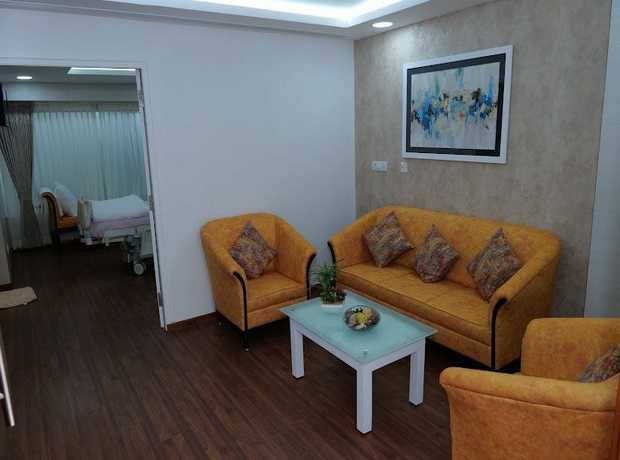
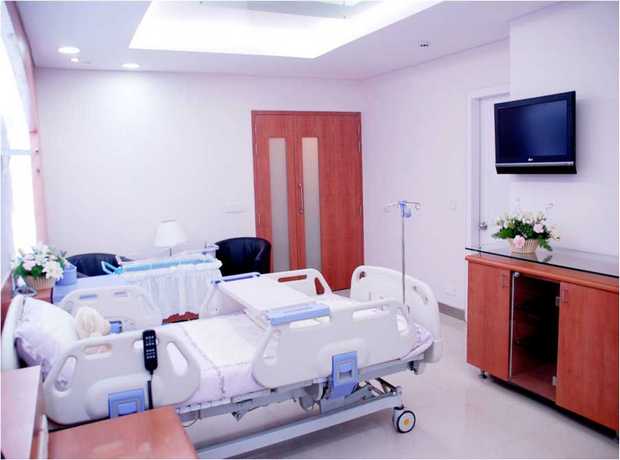
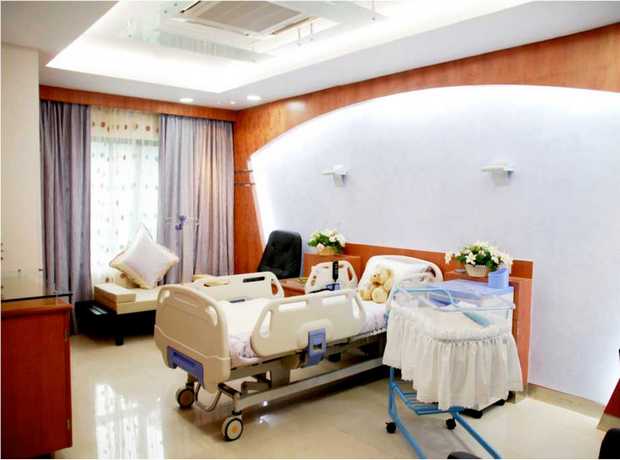
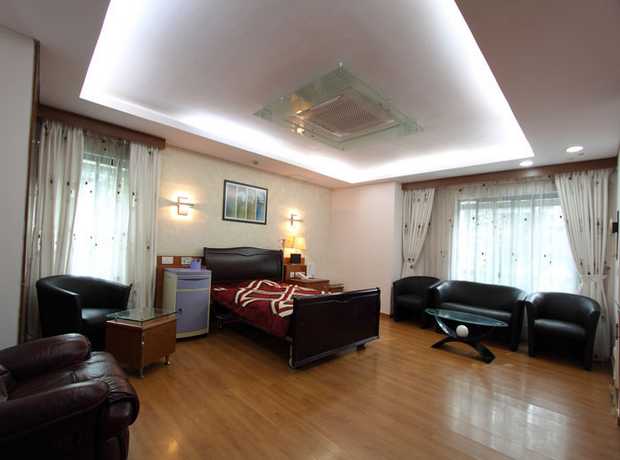
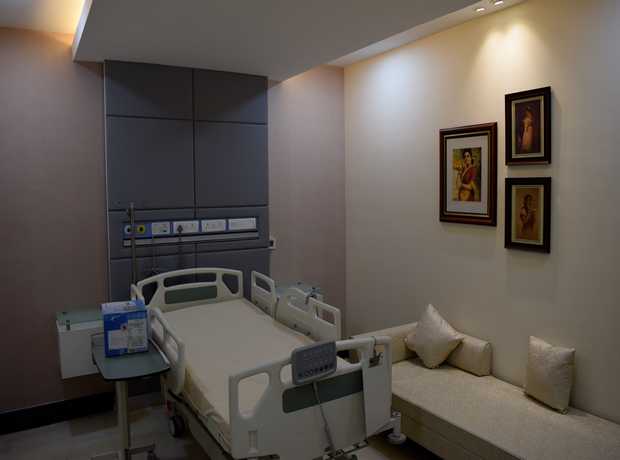
- Patient Room Layout: The design of patient rooms is paramount. EBD research strongly advocates for single-patient rooms where feasible, as they are proven to reduce infection rates, improve patient privacy and sleep quality, and decrease medical errors. Optimized layouts prioritize direct observation by caregivers, easy access to medical equipment, and dedicated zones for family members to stay comfortably, promoting family presence and support. Features like decentralized nursing stations, clear sightlines, and flexible furniture arrangements also contribute to better patient monitoring and caregiver efficiency. The aim is to create a personal sanctuary that supports healing and minimizes the feeling of institutionalization, while simultaneously ensuring clinical functionality.
- Lighting: The strategic implementation of lighting, both natural and artificial, significantly influences human physiology and psychology. EBD emphasizes maximizing natural daylight exposure, which is linked to reduced depression, decreased pain medication use, improved sleep cycles (by regulating circadian rhythms), and shorter hospital stays. Where natural light is insufficient, dynamic or circadian-friendly artificial lighting systems are employed. These systems mimic natural light cycles, providing brighter, cooler light during the day to promote alertness and warmer, dimmer light in the evening to encourage rest. Careful consideration is also given to reducing glare, providing individual control over lighting, and ensuring adequate task lighting for medical procedures.
- Acoustics: Hospital environments are inherently noisy, with alarms, conversations, equipment sounds, and footsteps contributing to a stressful atmosphere. EBD emphasizes significant noise reduction strategies. Research indicates that excessive noise can impede patient recovery, disrupt sleep, increase stress levels, and even contribute to medical errors due to impaired communication. Design solutions include specifying sound-absorbing materials for walls, ceilings, and floors; strategic placement of noisy equipment away from patient areas; designing quieter staff work zones; implementing sound-masking systems; and creating acoustic buffers. Minimizing noise not only promotes patient rest and healing but also enhances staff concentration and reduces burnout.
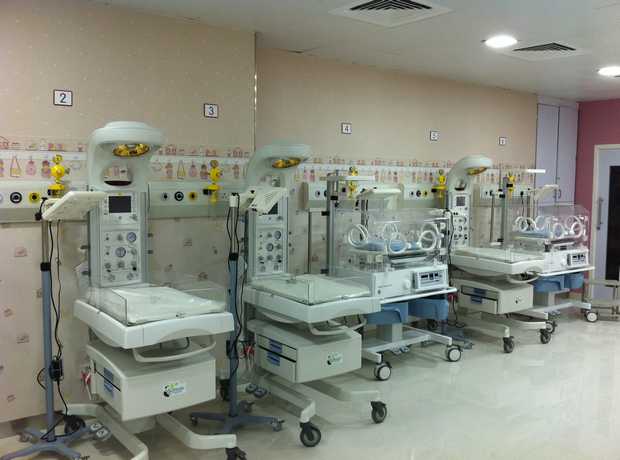
- Infection Control: The physical design of a hospital can dramatically impact the spread of healthcare-associated infections (HAIs). EBD integrates infection control measures directly into the architectural planning. This includes selecting non-porous, easy-to-clean, and antimicrobial surfaces for floors, walls, and countertops; strategically placing hand hygiene stations (sanitizers and sinks) at points of care and entry/exit zones; designing patient rooms for efficient cleaning; implementing advanced HVAC systems with proper air changes per hour and HEPA filtration to manage air quality and pressure gradients in critical areas (e.g., operating theaters, isolation rooms); and creating clear separation of clean and soiled utility areas to prevent cross-contamination.
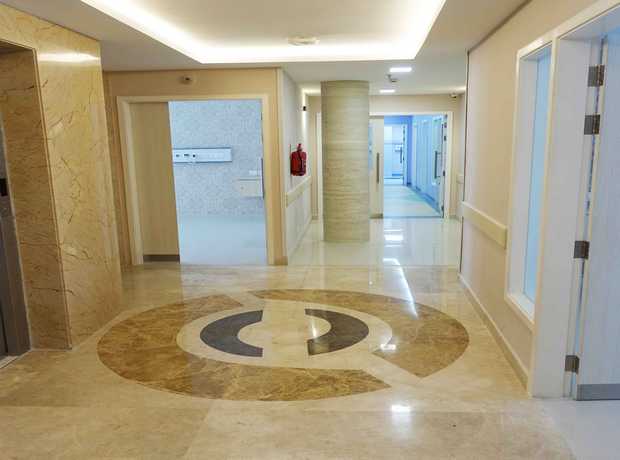
- Wayfinding and Orientation: Navigating a large hospital can be a source of stress and anxiety for patients and visitors. EBD principles advocate for intuitive and clear wayfinding systems that reduce cognitive load. This includes easily understandable signage (with universal symbols), color-coding specific zones, digital wayfinding kiosks, and incorporating distinctive visual landmarks. A well-designed wayfinding system reduces delays, improves patient and visitor satisfaction, and frees up staff time that would otherwise be spent giving directions.
- Access to Nature and Positive Distractions (Biophilic Design): Research shows that views of nature, indoor plants, and natural elements (like water features or wood textures) can significantly reduce stress, lower blood pressure, and even decrease the need for pain medication. Incorporating biophilic design principles – bringing elements of nature into the built environment – provides positive distractions that can divert attention from pain or anxiety, contributing to a more calming and healing atmosphere.
- Staff Support Areas: EBD extends beyond patient areas to include spaces designed to support healthcare professionals. Well-designed break rooms, quiet zones for focused work, ergonomic workstations, and easy access to natural light and views can reduce staff stress, improve morale, enhance productivity, and ultimately contribute to better patient care.







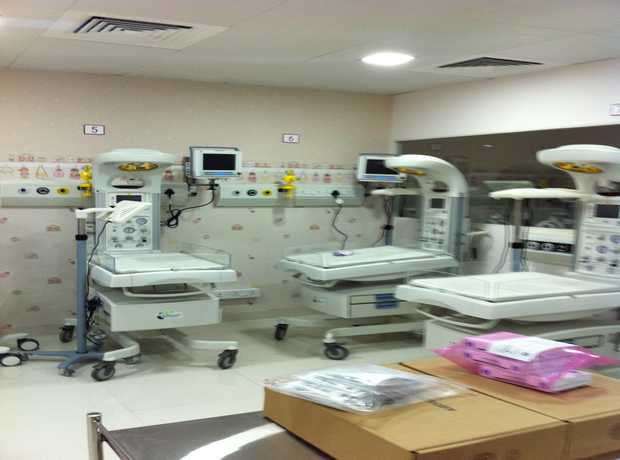
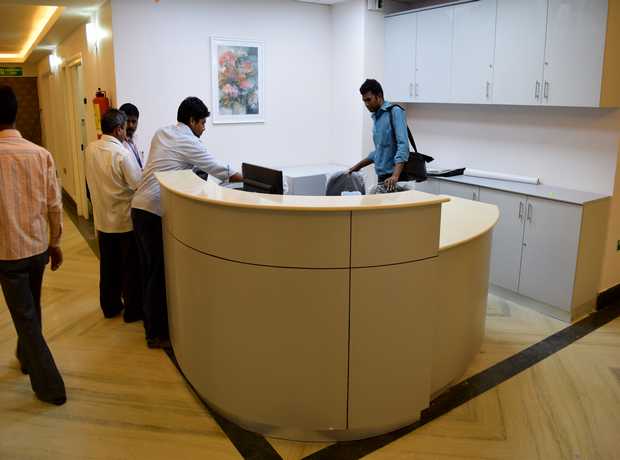
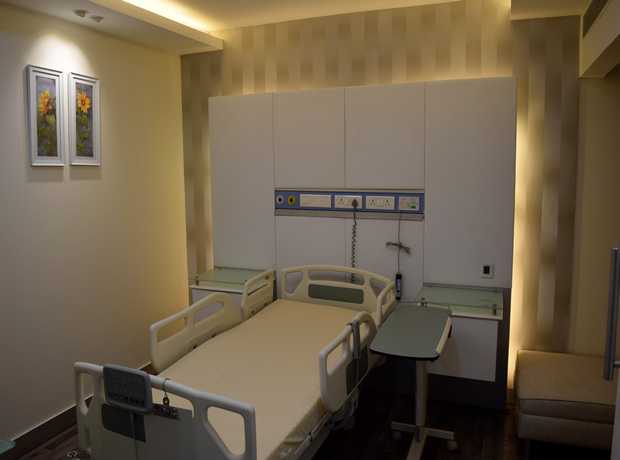
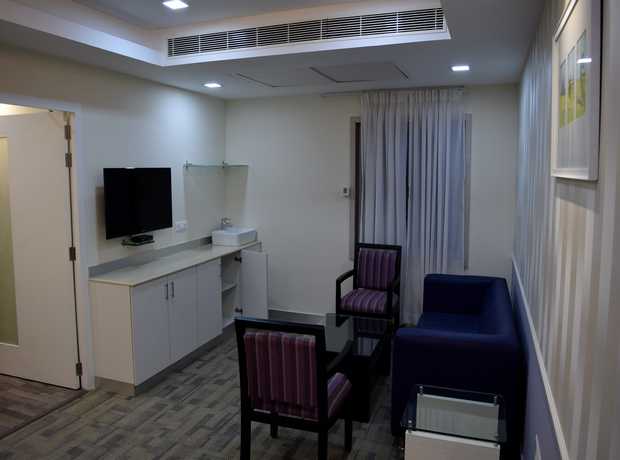

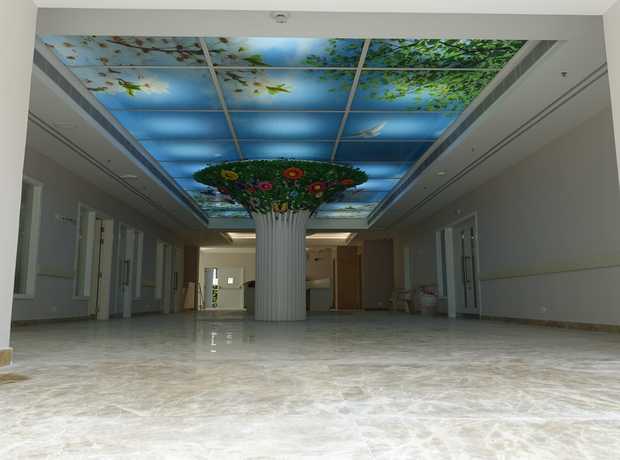
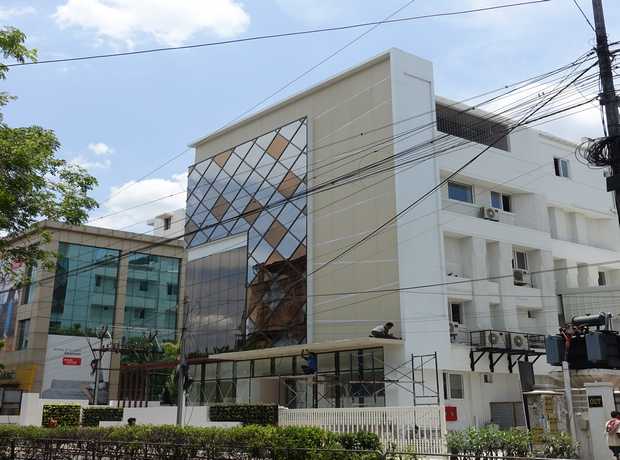
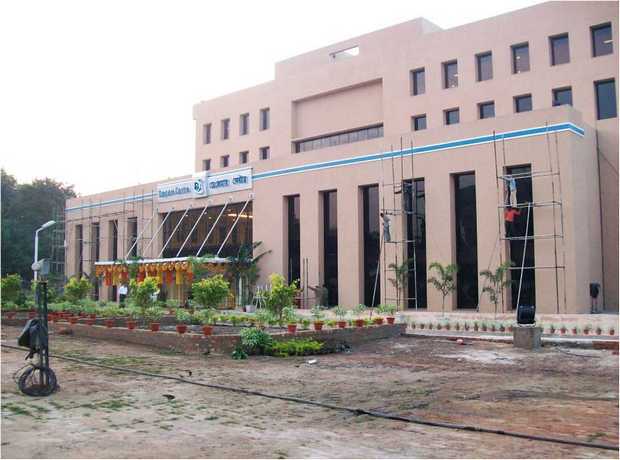
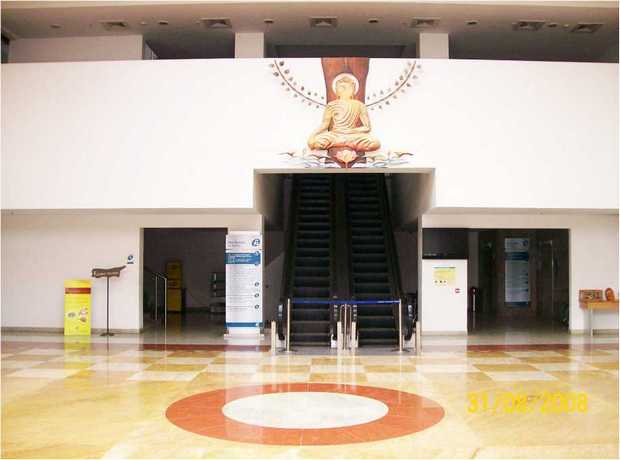



Comprehensive Checklists for Hospital Expansion and Renovation Projects in Indore (2025): A Strategic Roadmap
Successful hospital expansion and renovation projects are complex undertakings, demanding meticulous attention to detail and a systematic approach across multiple stages. The following comprehensive checklists are designed to guide your projects in Indore, ensuring compliance, optimizing quality, and fostering truly healing environments. Each phase requires a distinct focus and set of considerations to mitigate risks and maximize positive outcomes.
1. Strategic Planning & Visioning Checklist
This initial phase sets the foundation for the entire project, defining its purpose, scope, and strategic direction. A robust planning phase is crucial for long-term success and sustainability.
- Needs Assessment and Feasibility Study:
- Conduct a thorough assessment of current and projected healthcare needs in Indore, considering demographic shifts, disease prevalence, and specialized service gaps.
- Analyze existing facility strengths and weaknesses, identifying areas for improvement, expansion, or modernization.
- Evaluate service line demand projections, including potential for new specialties or increased capacity in existing ones.
- Perform a comprehensive competitor analysis to understand market positioning and identify opportunities for differentiation.
- Assess technological advancements and forecast future equipment needs to ensure the design is scalable and adaptable.
- Determine financial viability, potential return on investment (ROI), and funding mechanisms (e.g., private investment, government grants, public-private partnerships).
- Regulatory & Legal Compliance Research:
- Ensure strict adherence to all relevant building codes, including the National Building Code (NBC) of India, and specific local municipal building codes for Indore.
- Comply with fire safety regulations, accessibility standards (especially for Divyang individuals), and environmental clearances required by state and central authorities.
- Adhere to healthcare-specific regulations and licensing requirements set forth by bodies like the National Accreditation Board for Hospitals & Healthcare Providers (NABH) or other relevant health ministries.
- Obtain all necessary zoning approvals and land use permits from the Indore Municipal Corporation (IMC) and other local planning authorities.
- Consult legal experts to navigate contractual agreements, land acquisition (if applicable), and environmental impact assessments.
- Evidence-Based Design Integration Strategy:
- Develop a clear strategy for integrating EBD principles throughout the design process, from initial master planning to detailed material selection.
- Identify specific EBD research findings applicable to the project’s goals (e.g., reducing HAIs, improving patient satisfaction, enhancing staff productivity).
- Establish metrics and KPIs at this stage to measure the impact of EBD interventions post-occupancy.
- Train the design team and stakeholders on the importance and application of EBD principles.
- Comprehensive Stakeholder Engagement:
- Involve a diverse range of stakeholders early and continuously: hospital staff (doctors, nurses, technicians, administrative personnel), patients and their families (through focus groups or surveys), community representatives, facility management, and regulatory bodies.
- Facilitate workshops and regular feedback sessions to gather insights and ensure the design truly reflects user needs and operational requirements.
- Foster buy-in and ownership by clearly communicating the project vision, progress, and how feedback is incorporated.
- Detailed Budget & Realistic Timeline Development:
- Develop a comprehensive, itemized budget that accounts for all phases: planning, design, construction, equipment, commissioning, and contingencies.
- Identify potential funding sources and secure financial commitments.
- Create a realistic project timeline with clearly defined milestones, critical paths, and buffer periods for unforeseen delays.
- Implement robust risk management strategies to address potential cost overruns, material shortages, or regulatory hurdles.
- Sustainability and Environmental Impact Assessment:
- Incorporate green building principles from the outset, aiming for energy efficiency, water conservation, and waste reduction.
- Consider pursuing certifications like LEED or IGBC (Indian Green Building Council) to validate sustainable design practices.
- Plan for the use of locally sourced, sustainable, and non-toxic materials.
- Assess the project’s environmental impact and develop mitigation strategies as required by law.
2. Design Development & Documentation Checklist
Once the strategic vision is clear, the focus shifts to translating that vision into tangible architectural and engineering plans.
- Conceptual Design Review:
- Review initial spatial relationships, adjacency requirements, and functional flow diagrams.
- Assess massing studies and initial aesthetic concepts for alignment with the project vision and site context.
- Schematic Design Refinement:
- Develop detailed floor plans, elevations, and sections, ensuring optimal departmental layouts and patient/staff circulation.
- Integrate preliminary structural, mechanical, electrical, and plumbing (MEP) systems into the design.
- Select initial material palettes, considering durability, aesthetics, hygiene, and maintenance.
- Design Development & Value Engineering:
- Refine all design elements, ensuring coordination across architectural, structural, MEP, and interior design disciplines.
- Conduct value engineering exercises to optimize systems, materials, and construction methods, balancing cost-effectiveness with quality and performance without compromising EBD principles.
- Incorporate detailed medical equipment planning and coordination with vendors.
- Construction Documentation:
- Prepare comprehensive architectural, structural, MEP, and interior design drawings, schedules, and specifications for tendering and construction.
- Ensure all documentation is precise, unambiguous, and compliant with all relevant codes and standards.
- Assemble complete tender documents for contractor bidding.
- Approvals & Permits Acquisition:
- Secure all necessary building permits, environmental clearances, fire safety approvals, and medical licenses from relevant local, state, and national authorities.
- Maintain clear communication channels with regulatory bodies to facilitate timely approvals.
3. Construction & Implementation Checklist
The construction phase is where the design comes to life, demanding stringent oversight and adherence to safety and quality protocols, especially in an operational hospital environment.
- Site Management & Logistics Planning:
- Develop a comprehensive site logistics plan, including access control, material staging areas, waste disposal points, and temporary utility provisions.
- Implement site security measures to prevent unauthorized access and theft.
- Establish clear communication protocols between the hospital management, construction team, and key stakeholders.
- Rigorous Infection Control Measures During Construction:
- Implement strict infection control protocols, including dust containment barriers (e.g., hoarding, negative air pressure systems), dedicated entry/exit points for construction personnel, and stringent material handling procedures.
- Ensure regular cleaning and disinfection of construction zones and adjacent hospital areas.
- Monitor air quality continuously in proximity to active patient care areas.
- Screen construction workers for health issues and provide infection control training.
- Noise & Vibration Mitigation Strategies:
- Minimize disruptions to ongoing hospital operations by scheduling noisy work during off-peak hours or implementing advanced sound barriers and vibration dampeners.
- Regularly monitor noise and vibration levels in patient care areas to ensure they remain within acceptable limits.
- Communicate proactively with patients and staff about anticipated disruptions.
- Material Procurement & Quality Assurance:
- Source durable, sustainable, easy-to-clean, and hygienic materials that meet specified standards and EBD principles.
- Implement a robust quality control program, including regular inspections, material testing, and mock-ups, to ensure adherence to design specifications and industry best practices.
- Verify all materials meet fire safety, anti-microbial, and non-toxic requirements.
- Comprehensive Safety Protocols Implementation:
- Prioritize the safety of patients, staff, and construction workers through strict adherence to occupational health and safety standards.
- Conduct regular safety audits, provide mandatory safety training, and ensure the proper use of personal protective equipment (PPE).
- Develop and rehearse emergency response plans specific to the construction site and its interface with the operational hospital.
- Progress Monitoring & Reporting:
- Establish a system for regular progress monitoring, including daily logs, weekly reports, and monthly executive summaries.
- Conduct periodic site meetings with all stakeholders to review progress, address challenges, and make timely decisions.
- Utilize project management software for tracking schedules, budgets, and resource allocation.
- Commissioning of Building Systems:
- Oversee the thorough testing and verification of all building systems, including HVAC, electrical, plumbing, medical gas, fire detection, and security systems.
- Ensure all systems are fully functional, calibrated, and meet performance specifications before handover.
- Obtain all necessary certifications and approvals for commissioned systems.
4. Post-Occupancy & Operational Transition Checklist
The project doesn’t end at handover. This crucial phase ensures the new or renovated facility performs as intended and continues to meet evolving needs.
- Handover and Staff Training:
- Receive and review all operation and maintenance (O&M) manuals, warranties, and as-built drawings.
- Conduct comprehensive training for hospital staff on the operation of new equipment, building systems, and emergency procedures.
- Organize familiarization tours for staff and key personnel to help them adapt to the new layouts and workflows.
- Performance Monitoring & Evaluation:
- Track key performance indicators (KPIs) to assess the impact of the expansion or renovation on patient outcomes (e.g., patient satisfaction scores, reduced readmission rates, infection rates), staff efficiency (e.g., workflow improvements, reduced travel time), and operational costs (e.g., energy consumption).
- Implement data collection systems to continuously monitor facility performance against established EBD goals.
- User Feedback & Iterative Adjustments:
- Gather feedback from patients, families, and staff through formal surveys, informal interviews, and suggestion mechanisms.
- Analyze feedback to identify areas for improvement, unexpected challenges, or opportunities for optimization.
- Implement iterative adjustments to the facility or operational protocols based on user feedback to fine-tune performance.
- Comprehensive Maintenance & Asset Management Plan:
- Develop and implement a comprehensive preventive maintenance schedule for all new systems and equipment.
- Establish an inventory management system for critical spare parts.
- Consider implementing a Computerized Maintenance Management System (CMMS) to streamline maintenance operations and asset tracking.
- Ongoing Regulatory Compliance Audits:
- Conduct regular internal and external audits to ensure ongoing compliance with all regulatory requirements, including fire safety, environmental standards, and healthcare accreditation standards (e.g., NABH).
- Stay abreast of any changes in regulations and adapt facility operations or design elements accordingly.
- Marketing & Communication Strategy:
- Develop a communication plan to inform the community about the new or renovated facility, highlighting improved services, enhanced patient experience, and advanced capabilities.
- Utilize various channels (website, social media, local news, community events) to showcase the facility and its benefits.
Elevating Patient Experience and Operational Excellence through Hospital Interior Design in Indore
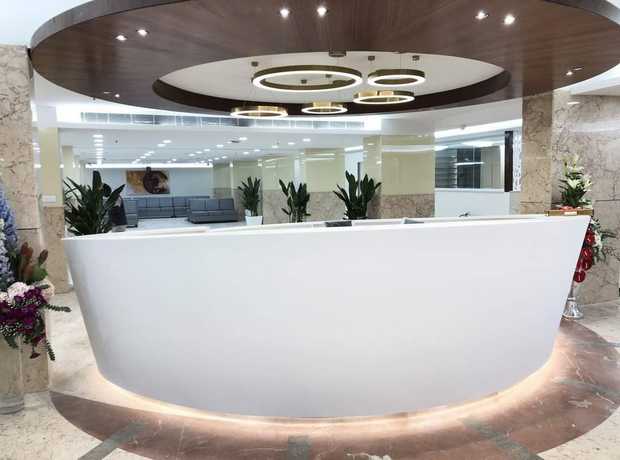
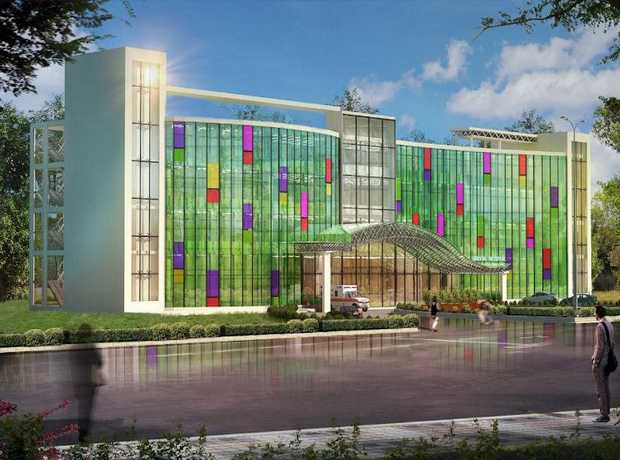
While structural integrity and compliance are fundamental, the interior design of a hospital is equally critical in shaping the patient experience, influencing healing, and maximizing staff efficiency. In Indore, where healthcare standards are continuously rising, thoughtful interior design transcends mere aesthetics; it becomes a powerful therapeutic and operational tool. Optimizing space for various departments, from patient rooms to highly specialized ICUs and operating theaters, is essential for a holistic approach to care.
- Hospital Interior Design for Healing Environments:
- The Psychology of Color: Utilize calming color palettes (e.g., soft blues, greens, neutrals) that reduce anxiety and promote tranquility, especially in patient rooms, waiting areas, and recovery zones. Avoid harsh, overly stimulating colors.
- Biophilic Elements: Integrate natural elements such as indoor plants, natural wood finishes, and artwork depicting nature scenes. Provide access to outdoor gardens or courtyards where possible. These elements are proven to reduce stress and improve well-being.
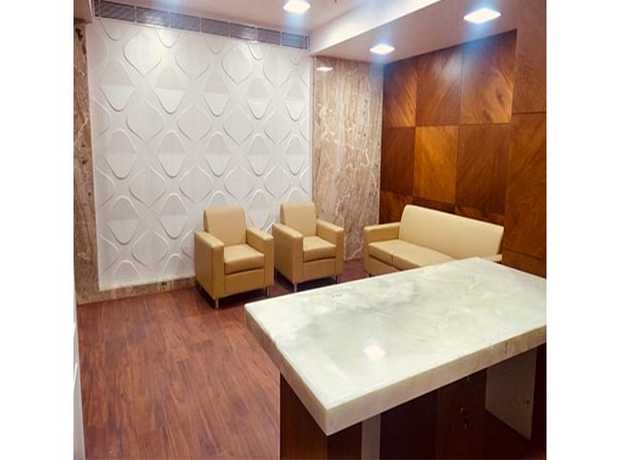
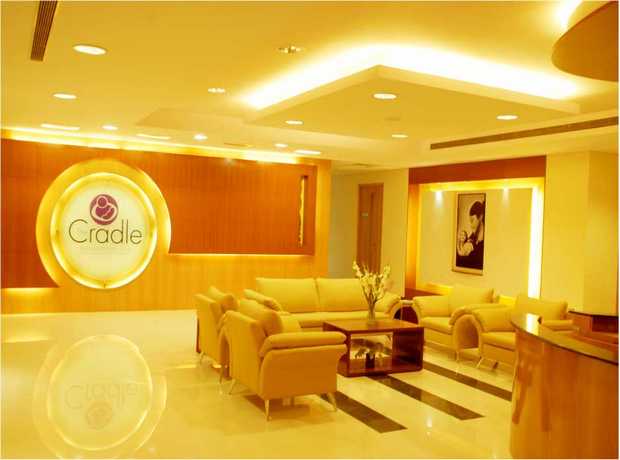
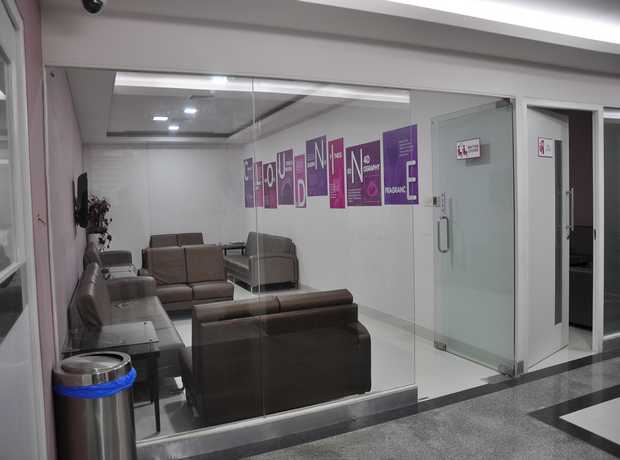
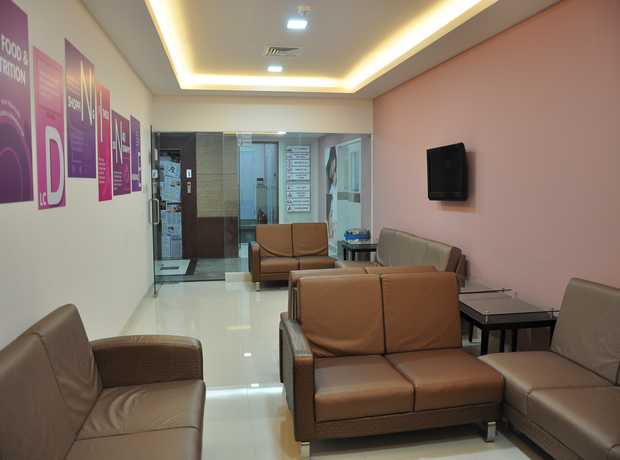
- Comfortable & Accessible Waiting Areas: Design waiting spaces with comfortable, ergonomic seating, natural light, and access to amenities like charging stations, Wi-Fi, and educational materials. Ensure accessibility for all, including those with mobility challenges.
- Art and Distraction: Thoughtfully curated artwork can provide positive distractions, reduce perceived pain, and enhance the overall ambiance, moving away from sterile, institutional aesthetics.
- Materiality: Choose materials that are not only durable and easy to clean (crucial for infection control) but also tactilely pleasing and contribute to a warm, welcoming environment.
- Optimized ICU Layout for Critical Care:
- Visibility and Observation: Design ICU rooms to allow for clear sightlines from nursing stations, ensuring continuous patient monitoring. Decentralized nursing pods can enhance this.
- Patient Dignity and Privacy: While observation is key, design should also allow for patient privacy through partitions, curtains, or individual room layouts.
- Family Presence: Incorporate dedicated, comfortable family zones within or adjacent to ICU rooms, recognizing the vital role families play in patient recovery.
- Equipment Integration: Plan for seamless integration of complex medical equipment, ensuring easy access for staff and minimizing clutter.
- Noise Control: Strict acoustic measures are crucial in ICUs to promote patient rest and minimize stress.
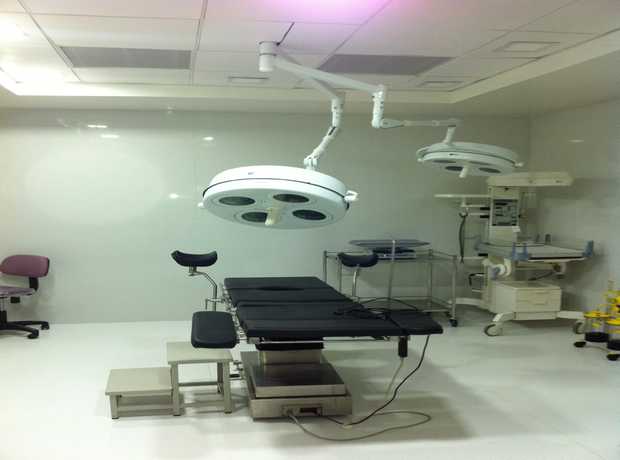
- Efficient and Sterile Operating Theatres (OTs):
- Workflow Optimization: Design OTs to support efficient clinical workflows, minimizing unnecessary movement and potential for contamination. This includes clear zones for sterile, semi-sterile, and non-sterile areas.
- Material and Waste Flow: Plan for distinct pathways for clean supplies entering and soiled waste exiting, preventing cross-contamination.
- Advanced HVAC Systems: Critical for maintaining positive air pressure, precise temperature and humidity control, and high air change rates with HEPA filtration to ensure sterile environments.
- Ergonomics and Lighting: Optimized lighting for surgical procedures and ergonomic layouts for surgical teams are essential for precision and endurance.
- Intuitive Wayfinding Systems:
- Clear Signage: Implement clear, consistent, and multi-lingual signage throughout the facility, using universal symbols and large, legible fonts.
- Color Coding and Zone Identification: Use distinct color schemes or thematic elements to differentiate departments or floors, aiding orientation.
- Visual Landmarks: Incorporate unique architectural features, artwork, or digital displays as landmarks to help visitors orient themselves.
- Digital Solutions: Explore interactive kiosks or mobile apps for digital wayfinding, offering real-time directions.
- Outpatient Departments (OPD) & Diagnostic Labs:
- Efficient Patient Flow: Design streamlined check-in, waiting, consultation, and exit pathways to reduce waiting times and patient congestion.
- Comfort and Privacy: Ensure comfortable seating, adequate waiting space, and acoustic privacy in consultation rooms.
- Integration of Technology: Plan for seamless integration of diagnostic equipment, ensuring ergonomic design for technicians and patient comfort during procedures.
- Clear Information: Provide easy access to information about procedures, test results, and follow-up care.
- Staff Support and Wellbeing Zones:
- Rest and Recharge: Dedicate well-designed break rooms, quiet lounges, and outdoor spaces for staff to decompress and recharge.
- Ergonomic Workstations: Provide ergonomic furniture and flexible workstations to support different tasks and reduce physical strain.
- Access to Amenities: Ensure easy access to lockers, changing rooms, and dining facilities.
- Mental Health Support: Consider incorporating elements that promote mental well-being, such as natural light, calming colors, and comfortable furnishings, to combat burnout and improve morale.
Skydome Designs: Your Strategic Partner for Evidence-Based Hospital Expansion and Renovation in Indore
Skydome Designs Pvt Ltd is not just an architecture and interior design firm; we are a dedicated partner in shaping the future of healthcare infrastructure. As a leading practice in India, we bring nearly 30 years of specialized expertise in hospital and healthcare interiors, alongside a robust portfolio in residential and retail projects. Our mission is to deliver innovative, sustainable, and highly functional spaces that profoundly enhance user experiences and optimize operational efficiency for our clients in Indore and across the globe.
Our commitment to excellence is reflected in our unparalleled track record. We have delivered 1302+ evidence-based hospital expansion and renovation assignments across Indore and globally over 30+ years. This extensive experience means we deeply understand the unique challenges and opportunities inherent in healthcare projects, especially in a rapidly developing city like Indore. Our projects are not merely about construction; they are about creating healing environments that are scientifically informed and meticulously planned. The consistent success of our endeavors is underpinned by our dedication to quality and client satisfaction, evidenced by our impressive on-time delivery rate of 99%, multi-disciplinary reviews, and comprehensive post-occupancy support. These pillars ensure that every project we undertake not only meets but exceeds expectations, performing optimally long after handover.
What We Offer: End-to-End Solutions for Healthcare Excellence in Indore
At Skydome Designs, we pride ourselves on offering comprehensive, end-to-end delivery for evidence-based hospital expansion and renovation projects. This integrated approach encompasses every critical stage, providing a seamless and highly coordinated process:
- Strategy: We begin with a deep dive into your vision, conducting thorough needs assessments, feasibility studies, and strategic planning. We help define project goals, identify key performance indicators, and align the design with your hospital’s mission and future growth.
- Design: Our award-winning team of in-house architects, healthcare planners, and interior designers meticulously craft designs rooted in evidence-based principles. This includes:
- Hospital Interior Design: From patient rooms to highly specialized ICUs, Operating Theaters (OTs), advanced diagnostic labs, efficient consultation areas, and comprehensive facility planning, we optimize every square foot for patient comfort, safety, and caregiver efficiency.
- Space Planning & Layout: Creating efficient, intuitive layouts that promote seamless patient flow, reduce staff fatigue, and minimize the risk of infection.
- Aesthetic & Functional Integration: Harmonizing aesthetics with robust functionality, incorporating calming color schemes, therapeutic lighting, and durable, hygienic materials.
- Construction Oversight: We provide rigorous oversight during the construction phase, ensuring adherence to design specifications, quality standards, regulatory compliance, and budget. Our project managers work closely with contractors to maintain schedules and implement stringent infection control and safety protocols.
- Handover & Post-Occupancy Support: Our involvement doesn’t end at project completion. We ensure a smooth handover, provide comprehensive operational training, and offer post-occupancy support to monitor performance and make any necessary adjustments, ensuring the facility operates at peak efficiency.
- Residential Projects: While our core strength lies in healthcare, our expertise extends to creating exceptional living spaces, including apartments, luxury condos, senior housing, and community-focused interiors, showcasing our versatility and design prowess.
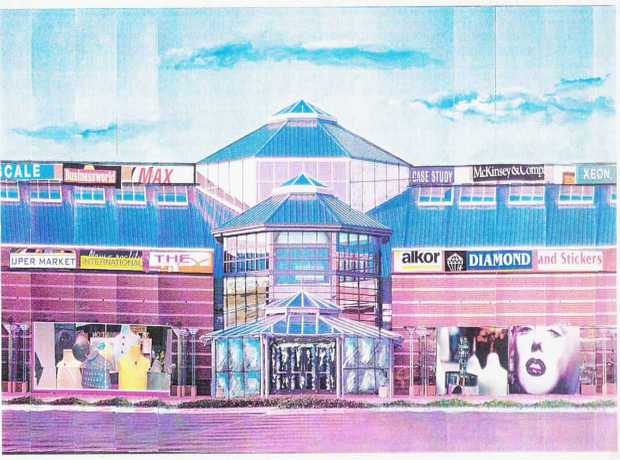
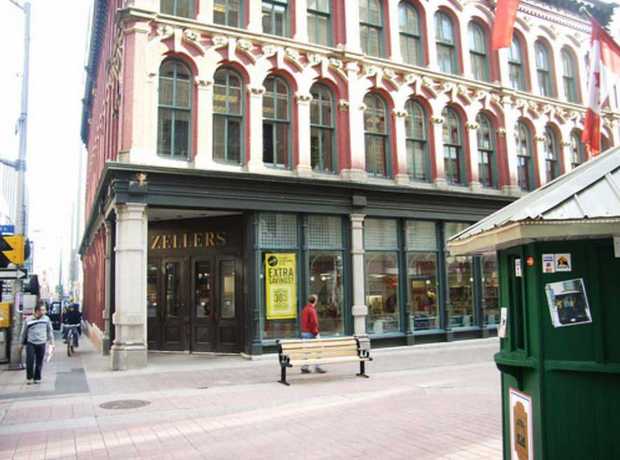
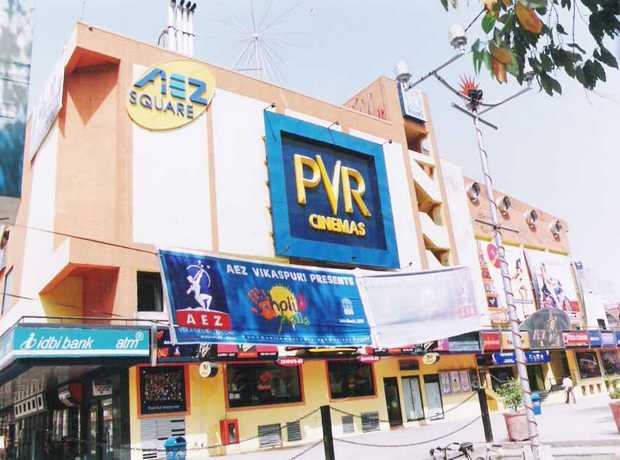
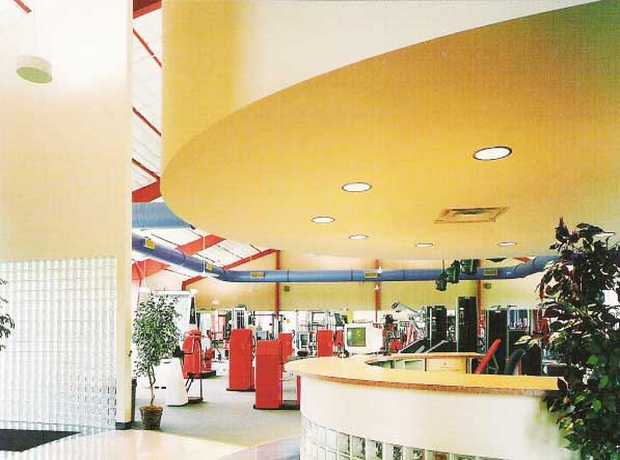
- Retail & Commercial Design: We also excel in designing impactful retail and commercial spaces, such as shopping malls, mixed-use developments, corporate offices, and entertainment centers, translating our commitment to user-centric design into diverse sectors.
- Interior Solutions: Beyond architectural design, we offer complete interior solutions, encompassing detailed space planning, innovative furniture layouts, advanced lighting schemes, and expert turnkey interior execution, ensuring a cohesive and functional outcome.
Why Choose Skydome Designs for Your Indore Hospital Project?
Choosing the right partner for your hospital expansion or renovation in Indore is a critical decision. Skydome Designs stands out for compelling reasons:
- Nearly Three Decades of Unrivaled Experience: With 29+ years of dedicated experience across India and abroad, we bring a wealth of knowledge and a proven track record to every project. This longevity in the industry signifies our stability, expertise, and adaptability.
- Integrated, In-House Expertise: Our strength lies in our in-house team of highly skilled architects, specialized healthcare planners, and seasoned project managers. This multidisciplinary approach ensures seamless coordination, efficient communication, and a holistic perspective from concept to completion, reducing complexities for our clients.
- Award-Winning, Client-Focused, and Sustainable Designs: Our commitment to innovative, client-centric, and environmentally responsible design has earned us numerous accolades. We don’t just build; we design spaces that inspire, heal, and endure, with a strong emphasis on sustainability and energy efficiency.
- Proven Excellence in Delivery: We are renowned for delivering projects on-time, on-budget, and to global standards. Our award-winning team, transparent costs, and milestone-based reporting in Indore provide our clients with complete peace of mind and full visibility throughout the project lifecycle.
- Unmatched Local and Global Experience: Having successfully completed over 1302 evidence-based healthcare assignments, we possess a deep understanding of international best practices combined with local regulatory nuances specific to Indore.
FAQs About Hospital Expansion and Renovation in Indore
Embarking on a hospital expansion or renovation project often raises numerous questions. Here are some frequently asked questions and their comprehensive answers to guide your decision-making process in Indore:
What are the key regulatory requirements for hospital expansion and renovation in Indore?
The regulatory landscape for hospital projects in Indore is multifaceted. Key requirements include strict compliance with the National Building Code (NBC) of India, local municipal building codes and bylaws specific to Indore, and fire safety regulations. Additionally, adherence to healthcare regulations set forth by relevant authorities such as the Ministry of Health & Family Welfare, and accreditation bodies like NABH (National Accreditation Board for Hospitals & Healthcare Providers) is crucial. This covers aspects like minimum space requirements per bed, infection control standards, waste management protocols, and accessibility for persons with disabilities. Environmental clearances from state pollution control boards may also be necessary depending on the project’s scale. It’s essential to engage with local experts and legal counsel to navigate these specific, often evolving, requirements effectively. Early engagement with regulatory bodies is always recommended.
How can I ensure stringent infection control during hospital renovation while maintaining ongoing operations?
Ensuring infection control during renovation in an operational hospital requires a comprehensive and proactive plan. This typically involves establishing strict dust containment barriers (e.g., hoarding, negative air pressure systems to prevent dust migration), creating dedicated and separate pathways for construction personnel and materials, implementing enhanced air filtration systems (e.g., HEPA filters), and maintaining strict hygiene protocols for workers. Daily cleaning of construction zones, regular air quality monitoring in adjacent patient areas, and surface disinfection are paramount. For critical areas, temporary isolation facilities or relocation of services might be necessary. It is highly advisable to refer to guidelines from organizations like the CDC (Centers for Disease Control and Prevention) and local health authorities for best practices and to engage a healthcare design firm experienced in infection control strategies during active construction.
What is the critical role of a specialized healthcare architect in hospital expansion projects?
A specialized healthcare architect plays an indispensable role in hospital expansion projects. Unlike general architects, they possess in-depth knowledge of the unique functional, regulatory, and patient-centric needs of healthcare facilities. Their expertise ensures that the design optimizes clinical workflows, promotes patient safety, enhances staff efficiency, and complies with stringent industry standards (like NABH). They understand complex medical equipment integration, infection control principles, and the psychological impact of design on healing. They act as a bridge between clinical requirements, operational needs, and architectural solutions, ensuring that the facility is not only aesthetically pleasing but also highly functional, adaptable, and conducive to providing exceptional patient care. They are skilled in integrating Evidence-Based Design principles to achieve measurable improvements in outcomes.
How to Find an Indore Evidence-Based Hospital Expansion and Renovation Company?
When searching for a firm for hospital expansion and renovation in Indore, look for companies with a demonstrable and proven track record specifically in healthcare projects. Key criteria include extensive relevant experience (e.g., years in business, number of completed healthcare assignments), a strong portfolio showcasing successful hospital expansions and renovations, and a deep understanding of local regulations, building codes, and licensing requirements specific to Indore. Crucially, the firm must exhibit a commitment to evidence-based design principles, demonstrating how their designs are informed by research to improve patient outcomes and operational efficiency. Always check their client testimonials, professional certifications, and awards. Schedule initial consultations to assess their approach, communication style, and cultural fit. For a consultation regarding your project, contact Skydome Designs, a firm with over 30 years of experience and a strong reputation in evidence-based healthcare design.
How can cost overruns be managed effectively in a large-scale hospital project?
Effective cost management for hospital projects involves meticulous planning from the outset. This includes developing a detailed budget with contingencies, implementing rigorous value engineering during the design phase to optimize materials and systems without compromising quality or safety, and engaging in transparent procurement processes. Continuous cost tracking, regular budget reviews, and milestone-based reporting are essential. Partnering with a firm that offers transparent cost structures and has a proven track record of delivering projects on budget can significantly mitigate risks. Skydome Designs, for instance, provides transparent costs and milestone-based reporting, which is critical for financial control.
What is the typical timeline for a major hospital expansion or renovation in Indore?
The timeline for a major hospital expansion or renovation project in Indore can vary significantly based on the project’s scale, complexity, regulatory approvals, and whether the hospital remains operational during construction. A rough estimate can range from 18 months for a medium-scale renovation to 3-5 years or more for a large-scale expansion, including planning, design, approvals, construction, and commissioning. Factors like land acquisition (if applicable), funding availability, material lead times, and unforeseen site conditions can all impact the schedule. Realistic timeline development with buffer periods and efficient project management are crucial for staying on track.
How important is technology integration in new hospital designs?
Technology integration is paramount in modern hospital design. It encompasses everything from advanced medical equipment (e.g., MRI, CT scanners, robotic surgery systems) to integrated building management systems (BMS) for energy efficiency, smart patient rooms, digital wayfinding, and robust IT infrastructure for electronic health records (EHRs) and telemedicine. Future-proofing the design with flexible infrastructure (e.g., modular wiring, adequate data cabling, adaptable clinical spaces) is essential to accommodate rapidly evolving medical technologies. An evidence-based design firm will plan for current and anticipated technological needs, ensuring seamless integration and optimal functionality.
Conclusion
Successfully navigating hospital expansion and renovation projects in Indore demands a sophisticated, strategic approach, meticulous planning, and an unwavering commitment to evidence-based design principles. The complexities of regulatory compliance, the imperative for quality, and the paramount need to create genuinely healing environments require a partner who understands these intricacies deeply. By diligently utilizing the comprehensive checklists and in-depth insights provided in this blog post, hospital stakeholders in Indore can ensure their projects are not only compliant and high-quality but also set new benchmarks for patient care and operational excellence.
Investing in evidence-based hospital design is an investment in the health and future of Indore’s community. It signifies a commitment to delivering superior patient outcomes, enhancing staff well-being, and building resilient, adaptable healthcare infrastructure for years to come. Such projects transcend mere construction; they embody a vision for a healthier, more vibrant Indore.
Ready to embark on your hospital expansion or renovation project in Indore with confidence and a partner renowned for excellence? Contact Skydome Designs at +91 7299072144 or info@skydomedesigns.com for a consultation. Let our award-winning team provide end-to-end delivery for your evidence-based hospital expansion and renovation — strategy, design, construction and handover in Indore. We bring over 30 years of experience, a 99% on-time delivery record, transparent costs, and milestone-based reporting to ensure your vision becomes a reality.
Related Topics: healthcare architect, ICU layout, wayfinding, hospital interior design, Indore hospital experts, indore evidence-based hospital expansion and renovation company, evidence-based hospital expansion and renovation in indore, evidence-based hospital expansion and renovation indore.
Skydome Designs Pvt Ltd
Phone: +91 7299072144
Email: info@skydomedesigns.com
Website: https://skydomedesigns.com/