Vancouver, a city renowned for its breathtaking natural beauty and a commitment to sustainability, stands at a pivotal moment. With a rapidly expanding urban landscape and significant new investments transforming its skyline, the demand for intelligent, forward-thinking building strategies has never been more pressing. In this dynamic environment, robust evidence-based passive cooling and ventilation planning is not just a desirable feature; it is an absolute necessity. It serves as a critical tool to de-risk projects, enhance long-term sustainability, and ensure faster, more efficient delivery across all scales of development.
This comprehensive guide, meticulously crafted by the seasoned experts at Skydome Designs, is engineered to equip developers, architects, project managers, and property owners with the in-depth knowledge and strategic insights required to master the complexities of passive cooling and ventilation within Vancouver’s unique and evolving climate. As we look towards 2025 and beyond, understanding these principles will be paramount to creating spaces that are not only aesthetically pleasing but also inherently comfortable, exceptionally healthy, and profoundly energy-efficient.
Why Evidence-Based Passive Cooling is Imperative for Vancouver’s Future in 2025 and Beyond
Vancouver’s reputation for a mild, temperate climate is gradually shifting. While still offering pleasant summers, the city is experiencing increasingly frequent and intense heatwaves, alongside periods of poor air quality. Relying solely on conventional, energy-intensive mechanical cooling and ventilation systems is no longer a viable or sustainable strategy. This is precisely where evidence-based passive cooling and ventilation planning in Vancouver distinguishes itself, offering a superior alternative rooted in scientific rigor.
An evidence-based approach harnesses comprehensive data-driven insights – including localized climate patterns, solar paths, prevailing wind directions, building physics, and occupant behavior – to inform design decisions. This meticulous analysis leads to the creation of comfortable, healthy, and supremely energy-efficient indoor environments. By significantly minimizing reliance on mechanical systems, energy consumption is drastically reduced, leading to substantial decreases in operational costs and a smaller carbon footprint. Furthermore, passive design enhances building resilience, ensuring comfort even during power outages or periods of peak energy demand. For any development looking to thrive in Vancouver’s evolving climate, this approach is not merely an option, but a fundamental pillar of responsible and intelligent design.
The Shifting Climate Landscape of Vancouver
Historically, Vancouver has enjoyed a relatively moderate climate, often avoiding the extreme heat experienced in other regions. However, recent years have seen a noticeable trend towards warmer summers and increased heat stress events. The “heat dome” event of 2021 served as a stark reminder of the vulnerability of existing building stock to extreme temperatures. Future climate projections indicate that such events are likely to become more common and more severe. This necessitates a proactive approach to building design that prioritizes natural comfort solutions.
Evidence-based passive design helps mitigate these risks by designing buildings that can naturally regulate temperature without constant energy input. This means less reliance on air conditioning during hot spells, ensuring tenant comfort and safety, and reducing the strain on the electrical grid. It’s about building for the future, not just the present.
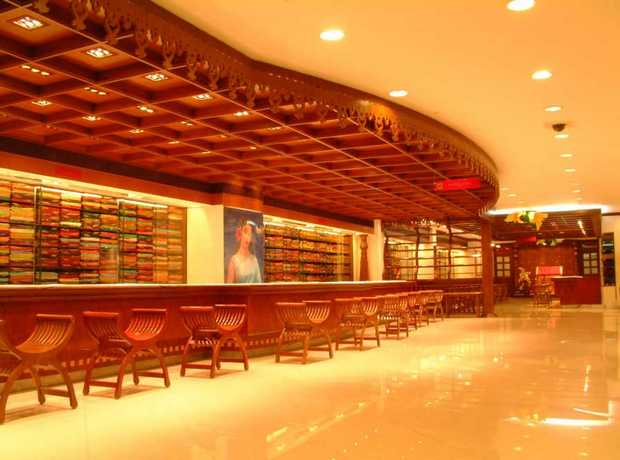
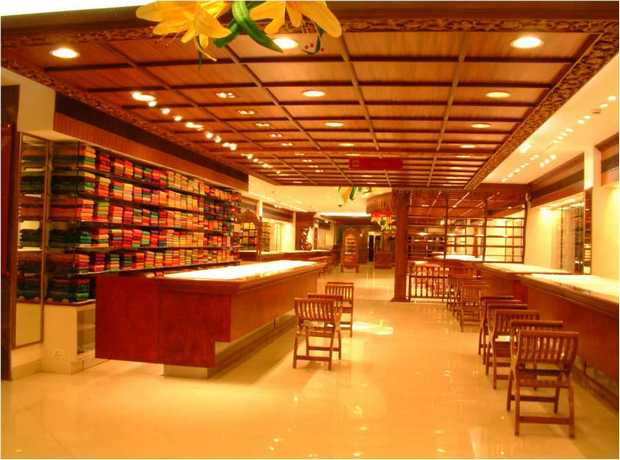
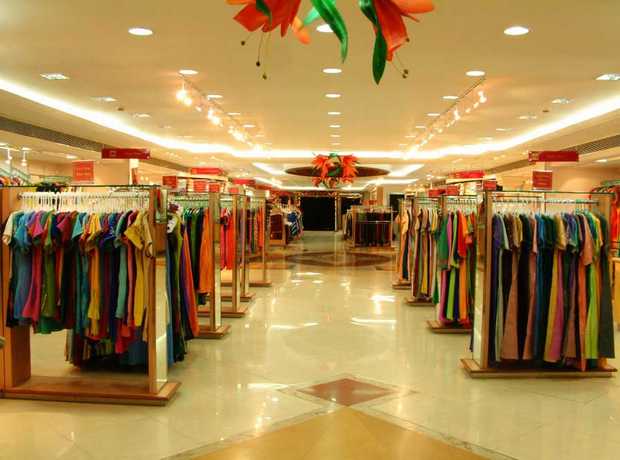
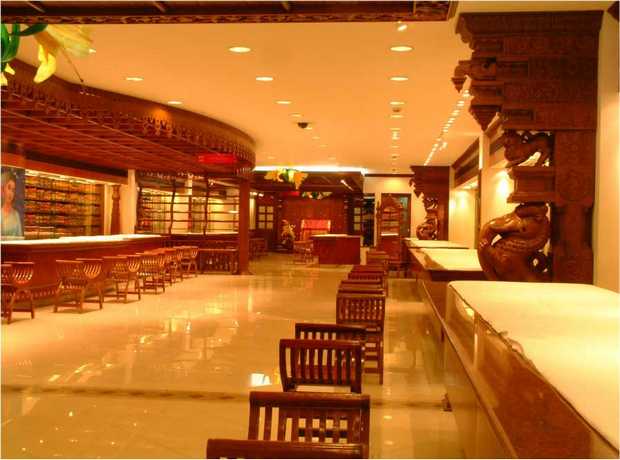
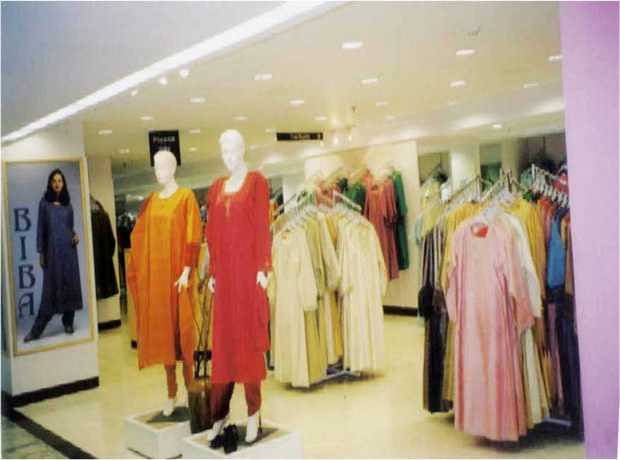
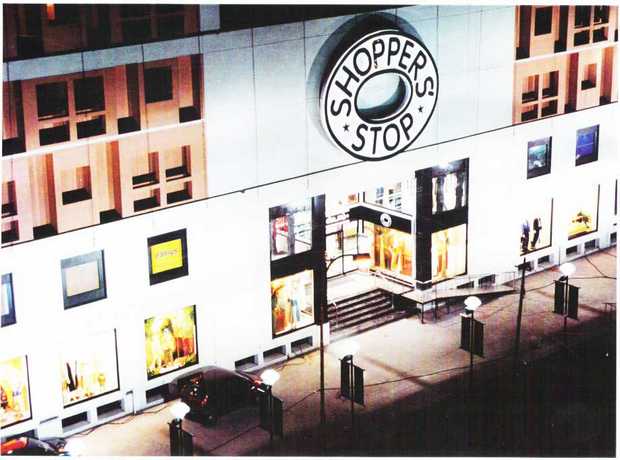
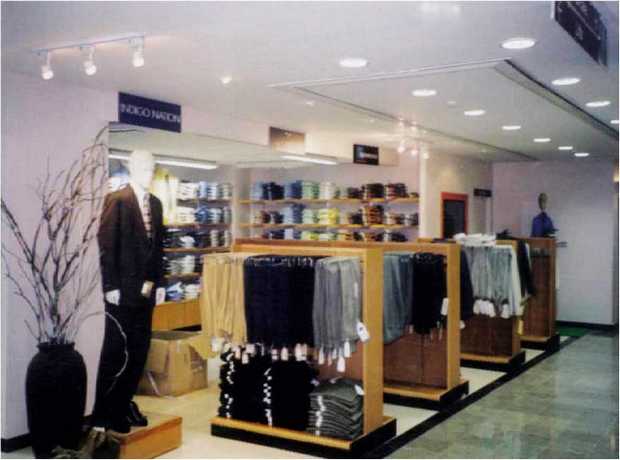
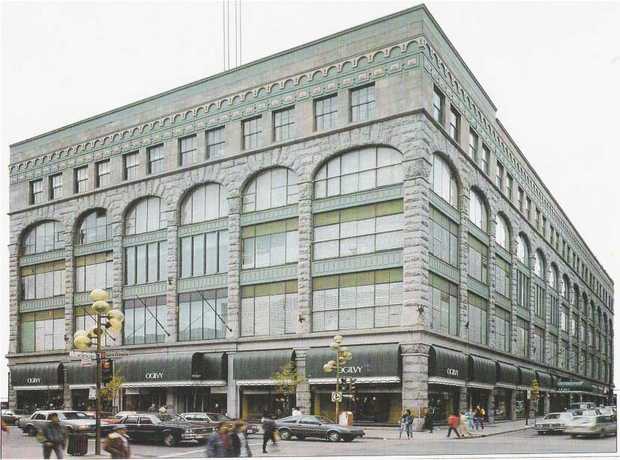
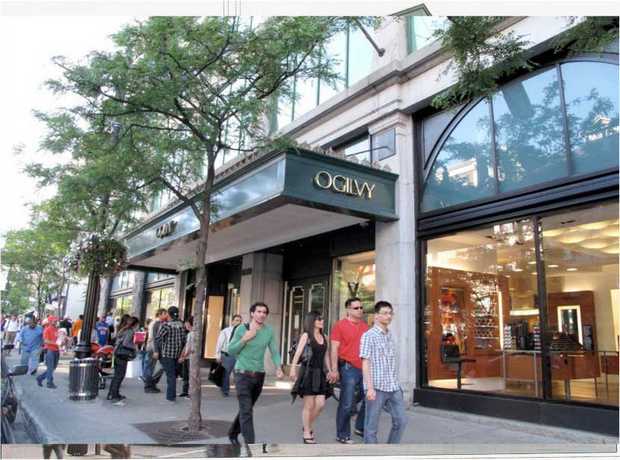
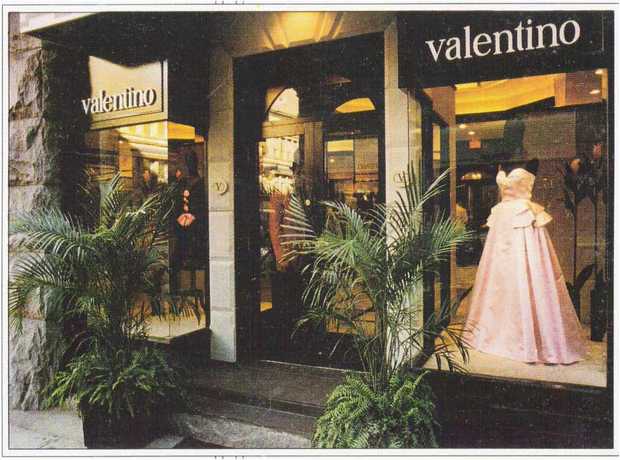
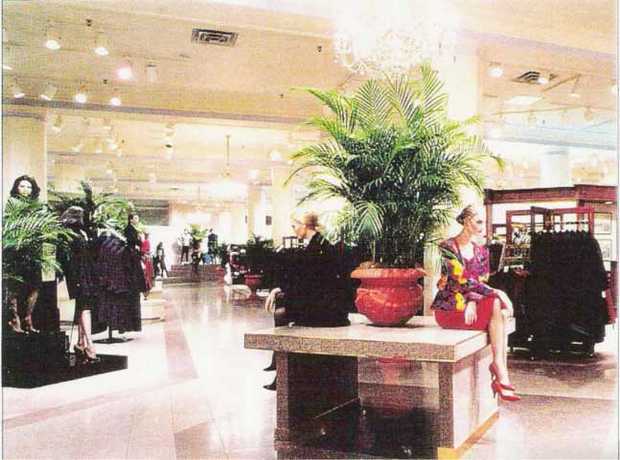
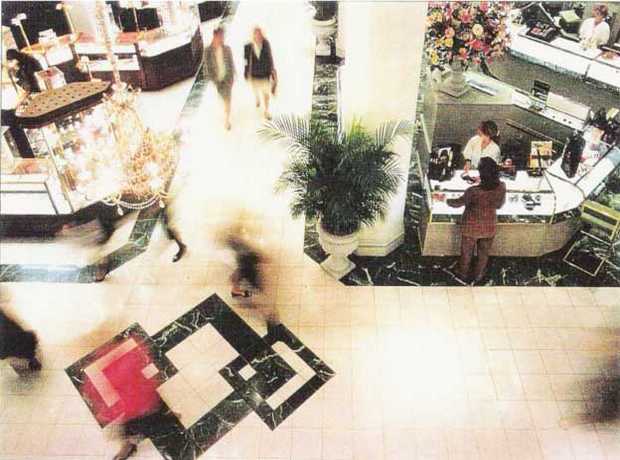
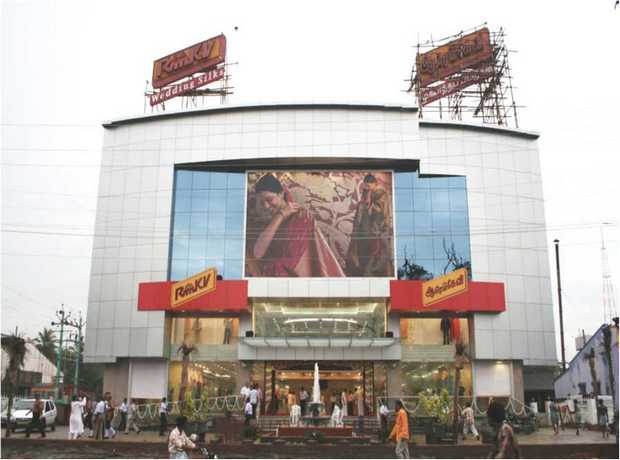
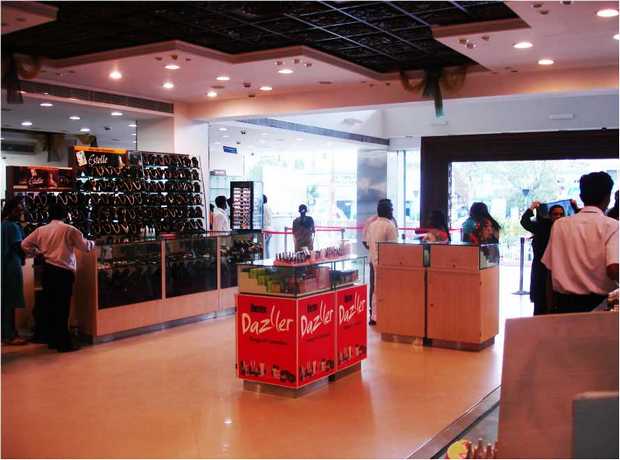
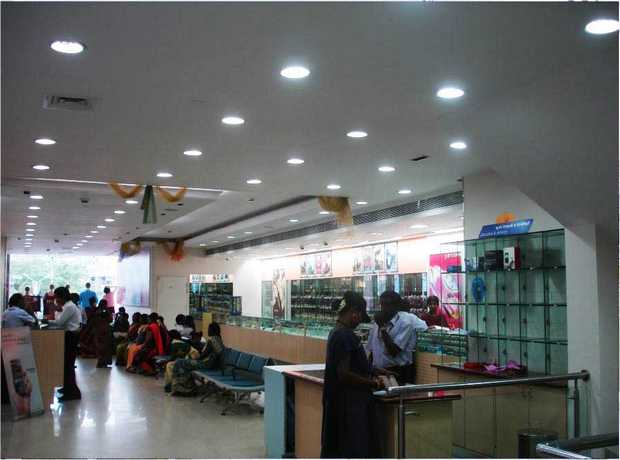
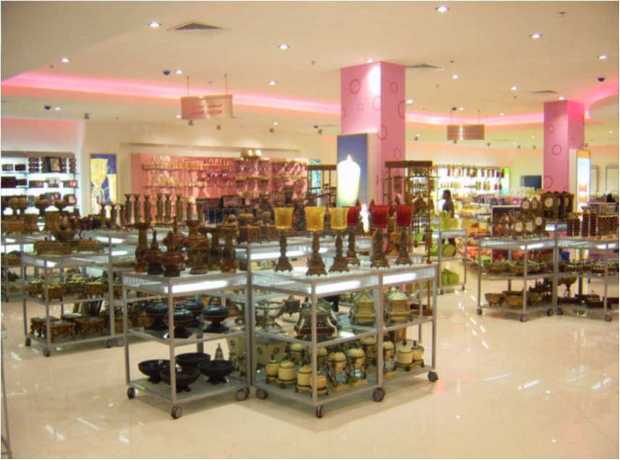
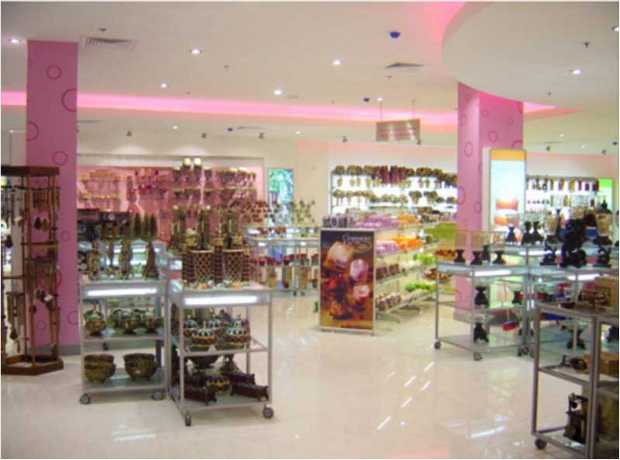
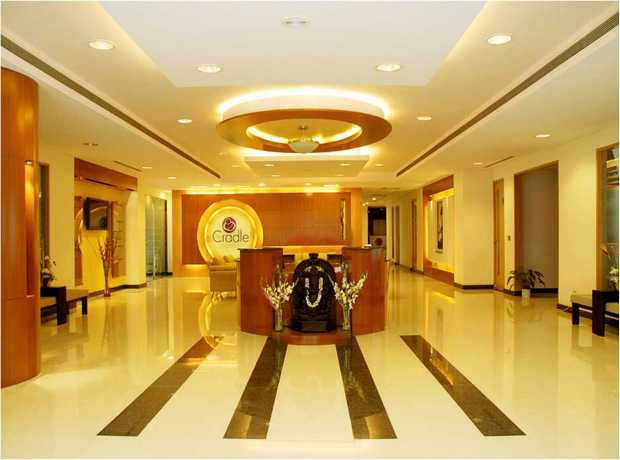
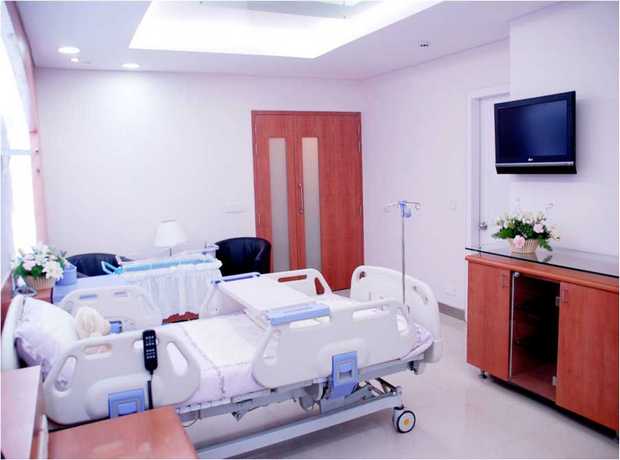
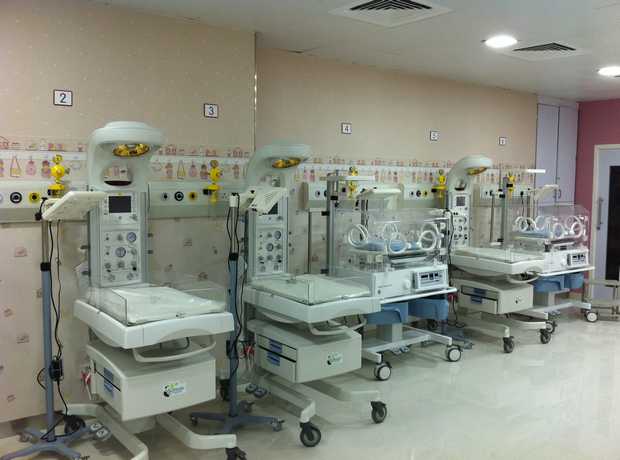
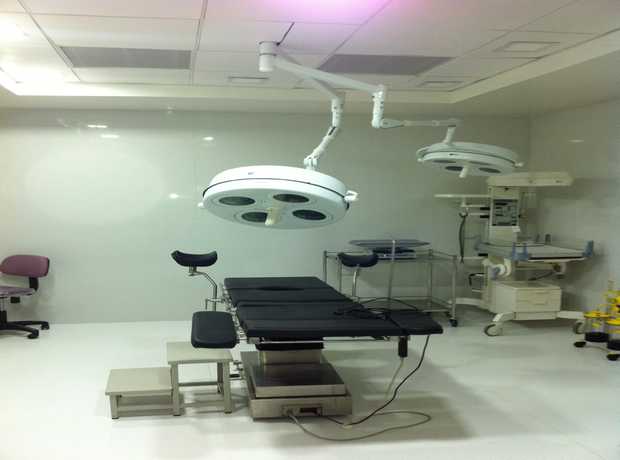
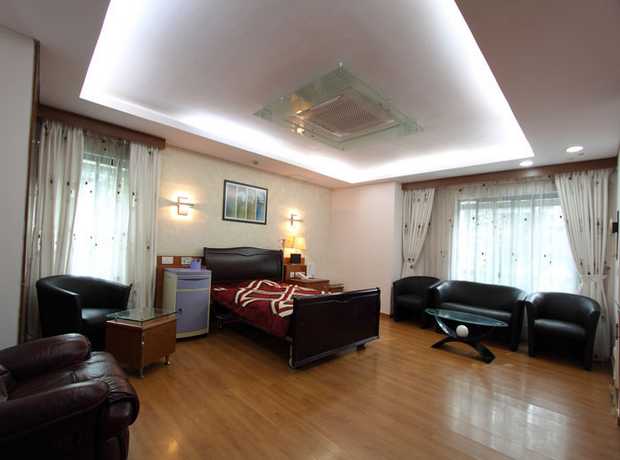
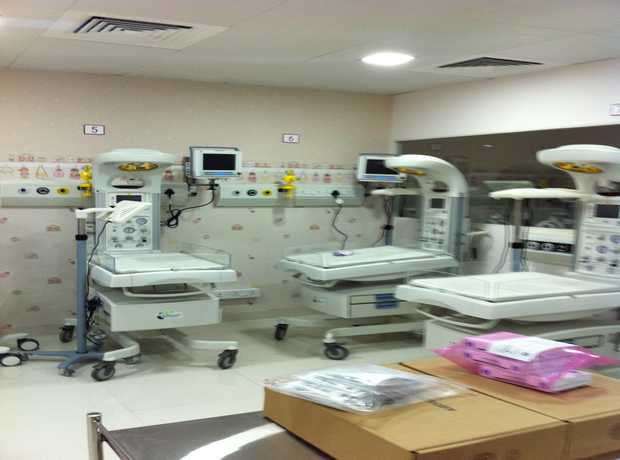
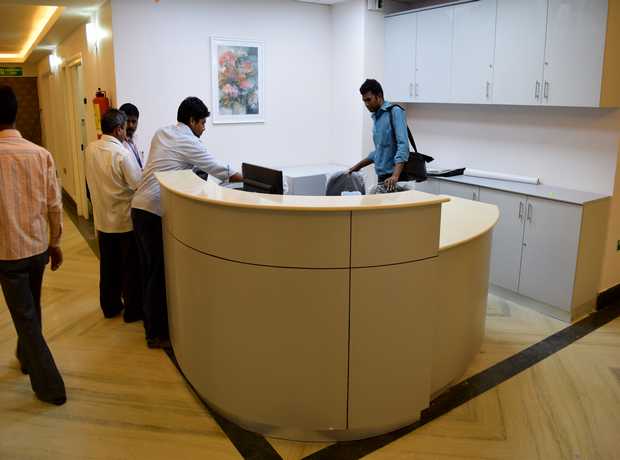
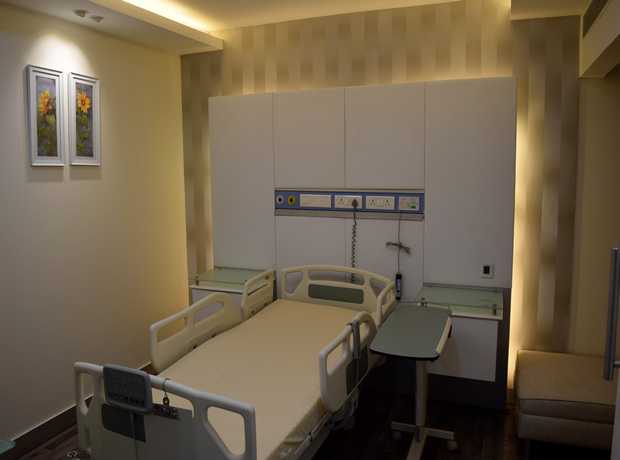
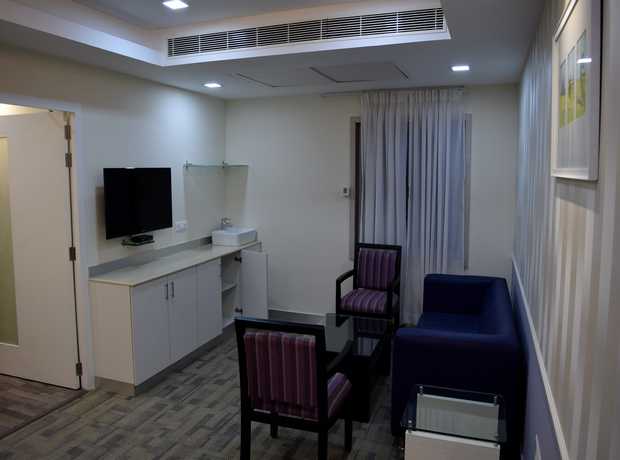

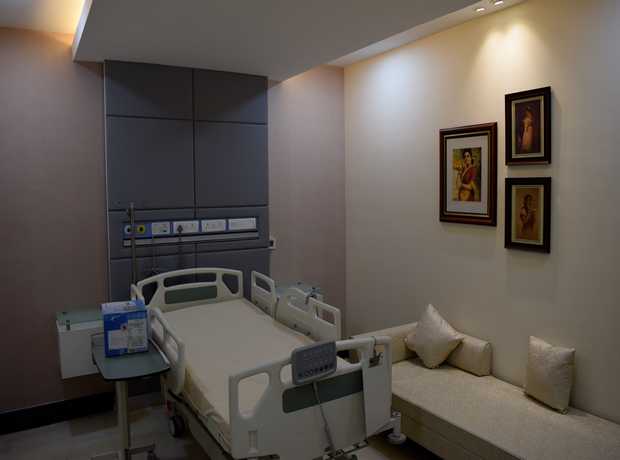
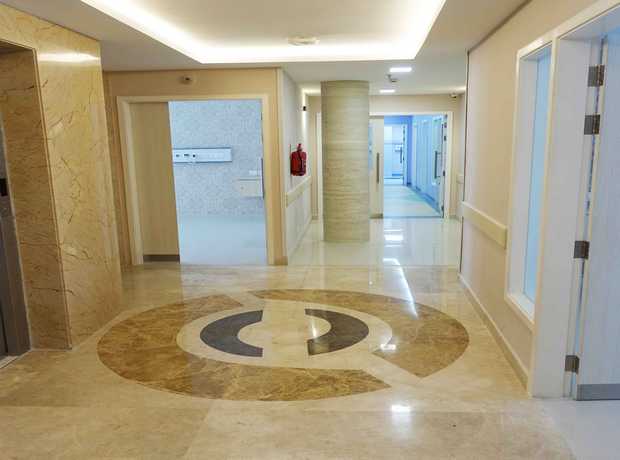
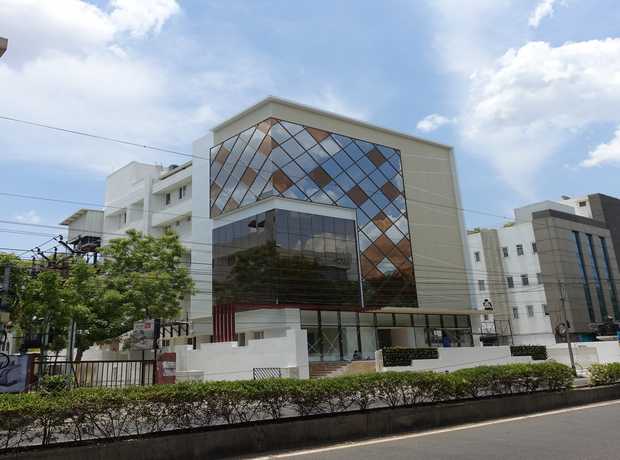
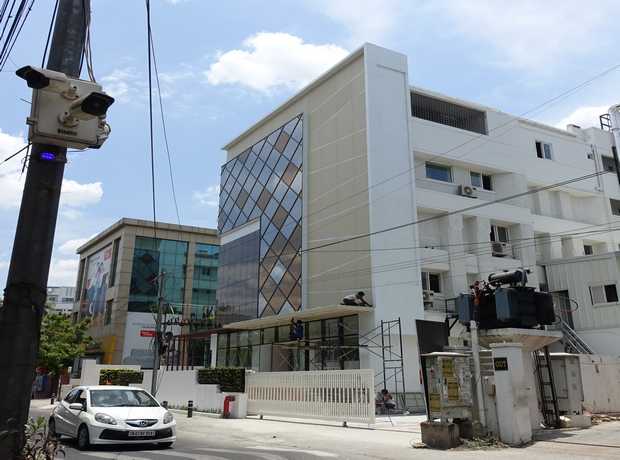
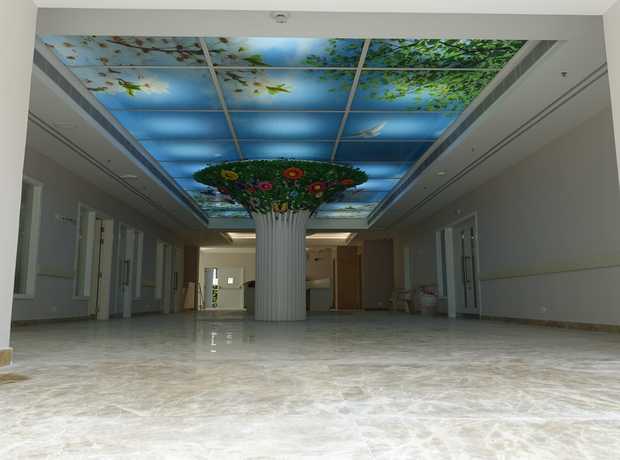
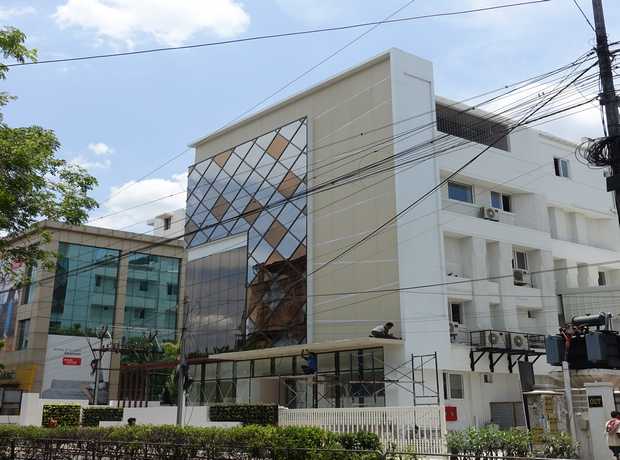
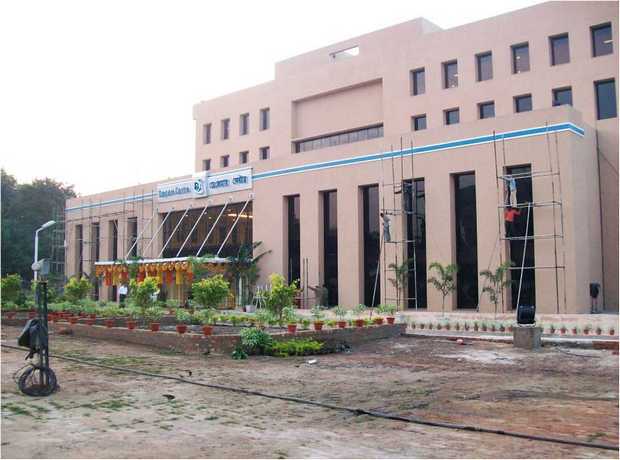
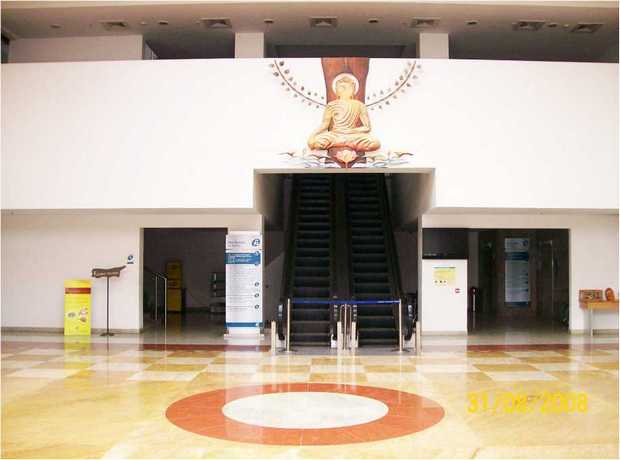
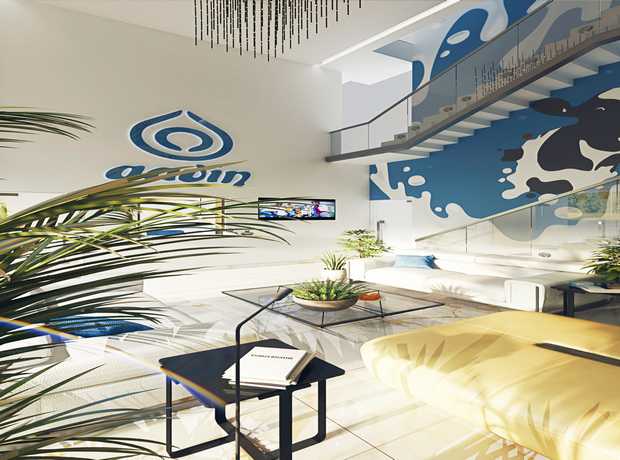
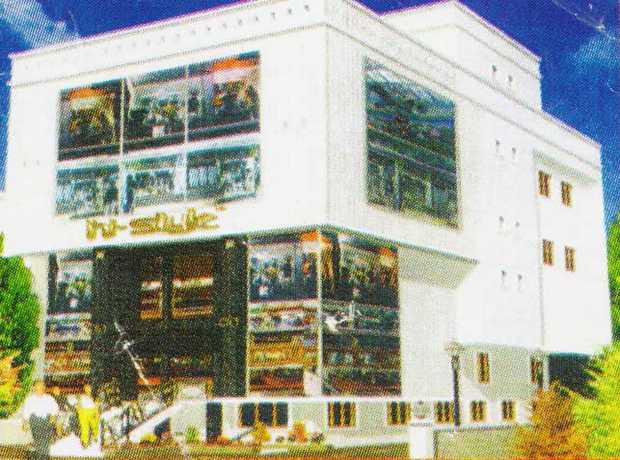
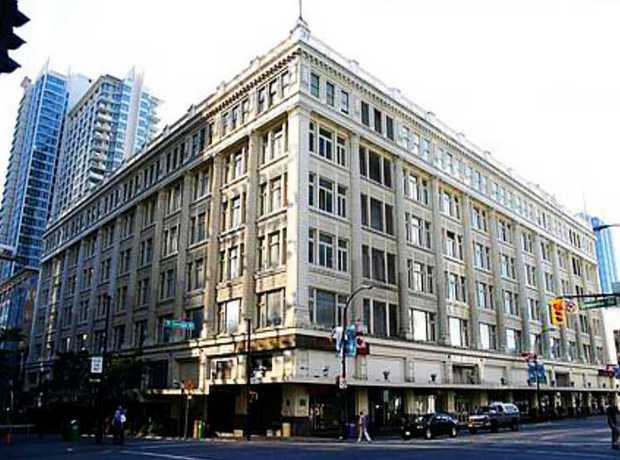
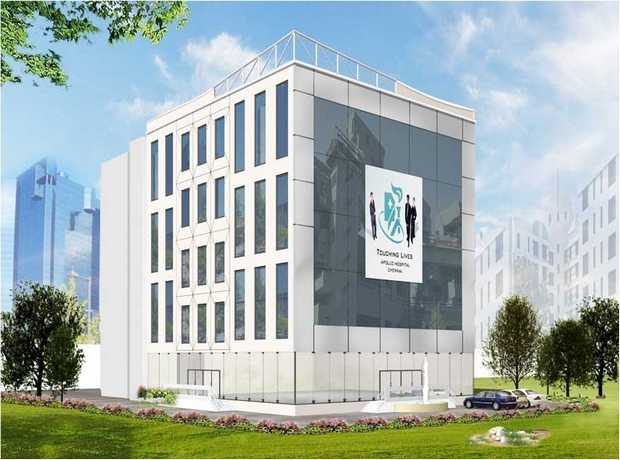
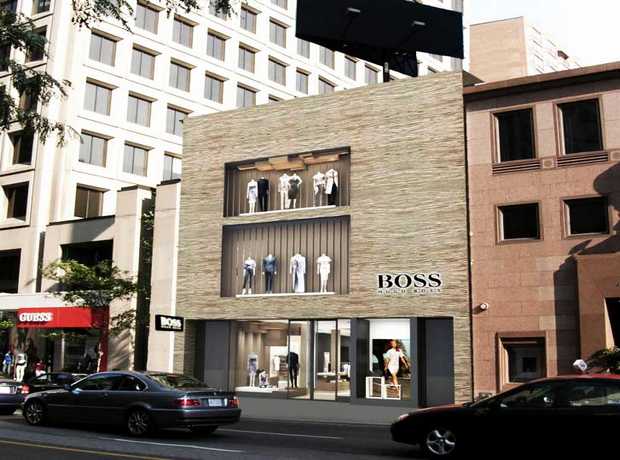
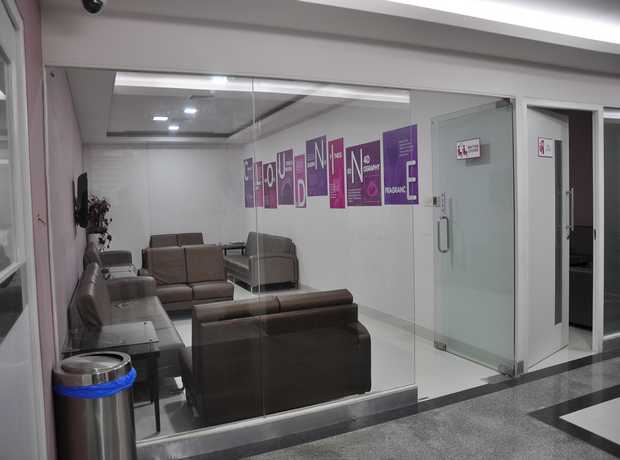
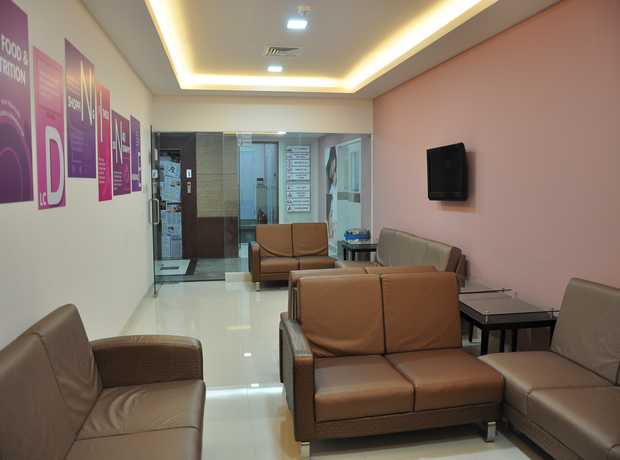
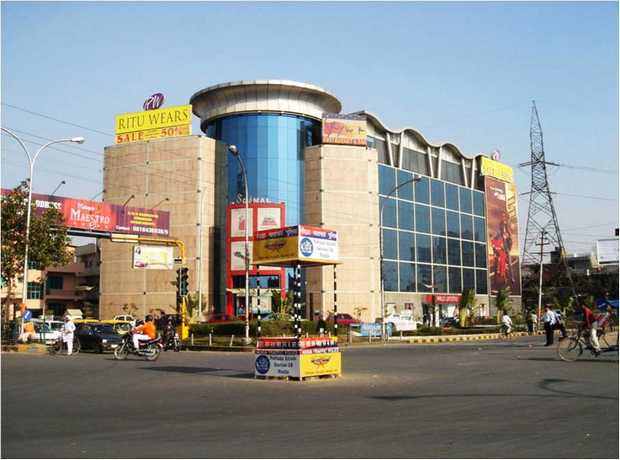
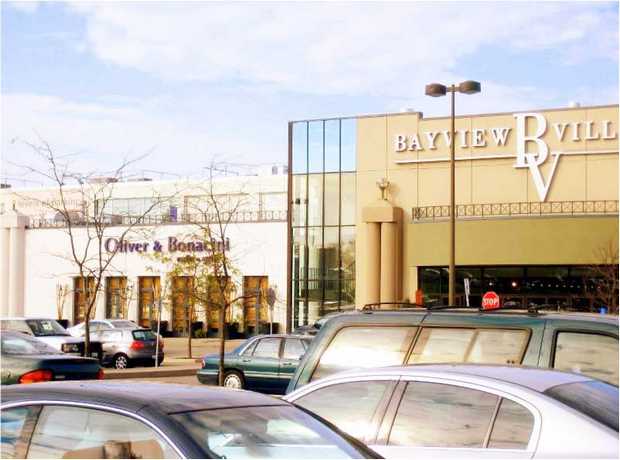
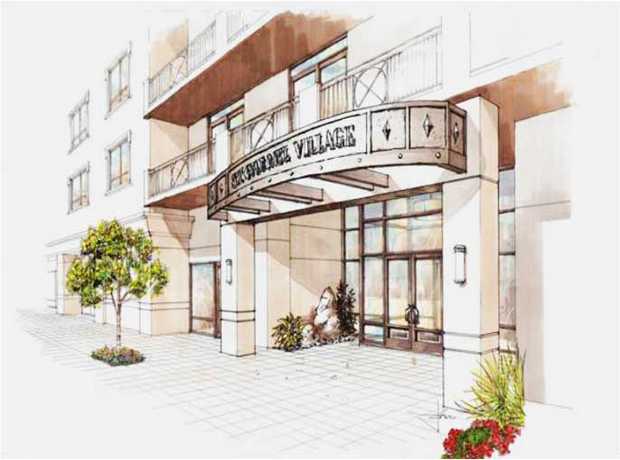
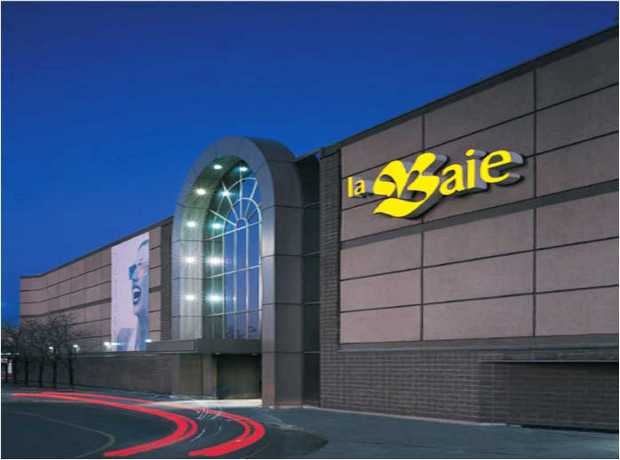
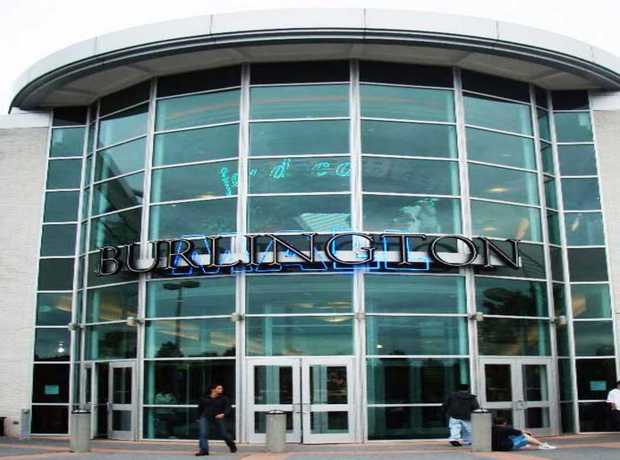
Skydome Designs: Your Foremost Vancouver Interior Experts for Sustainable Solutions
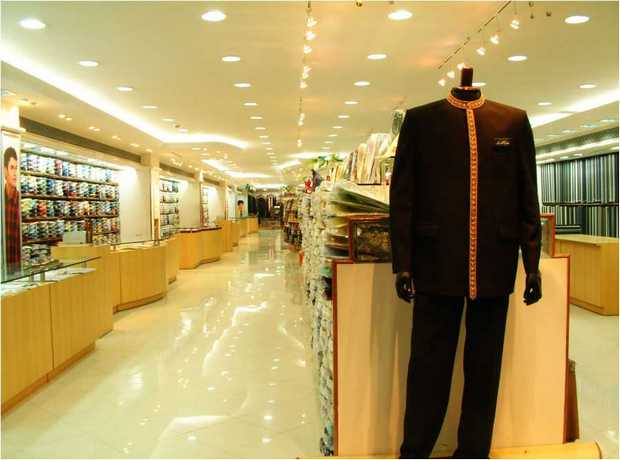
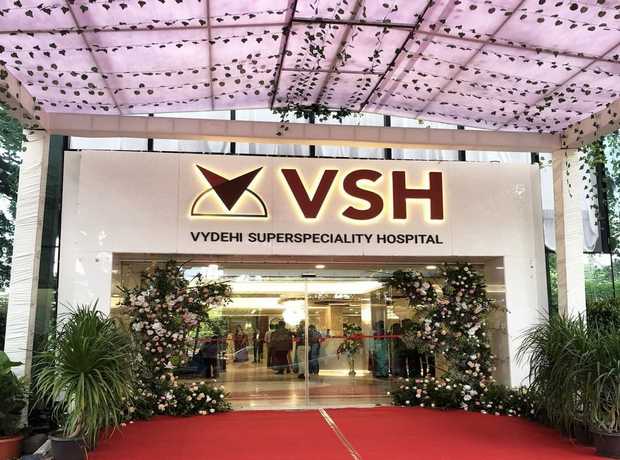
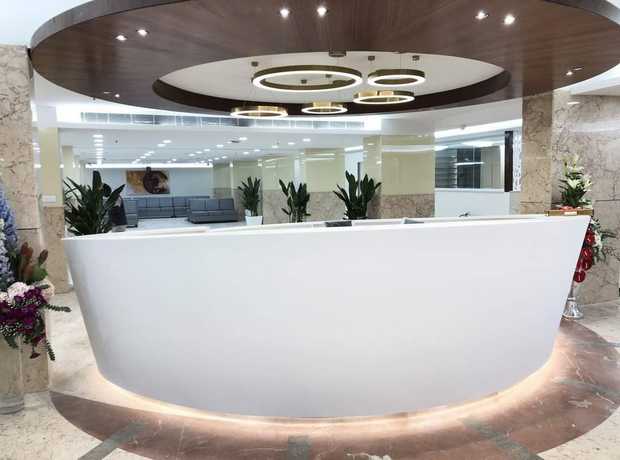
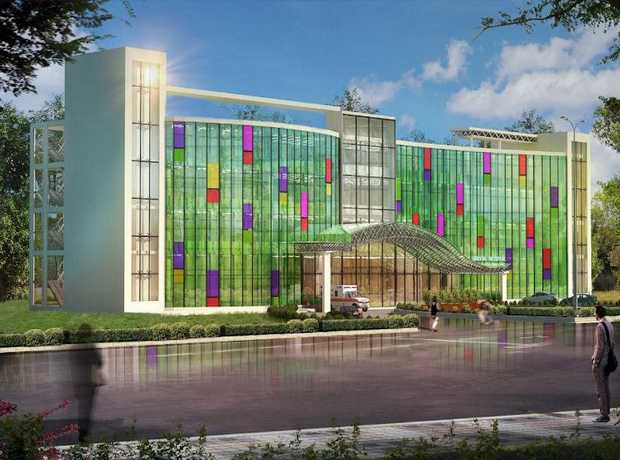
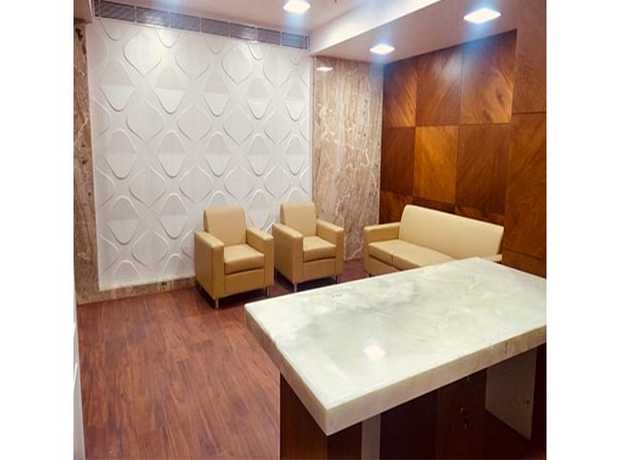
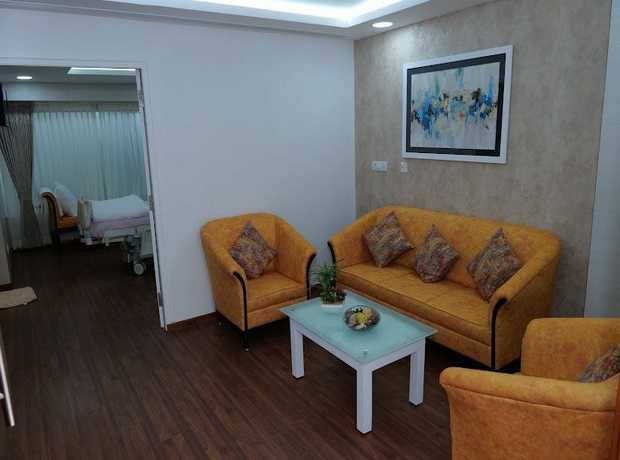
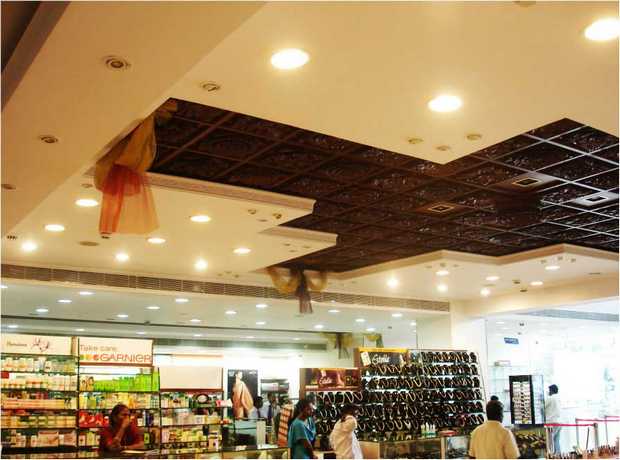
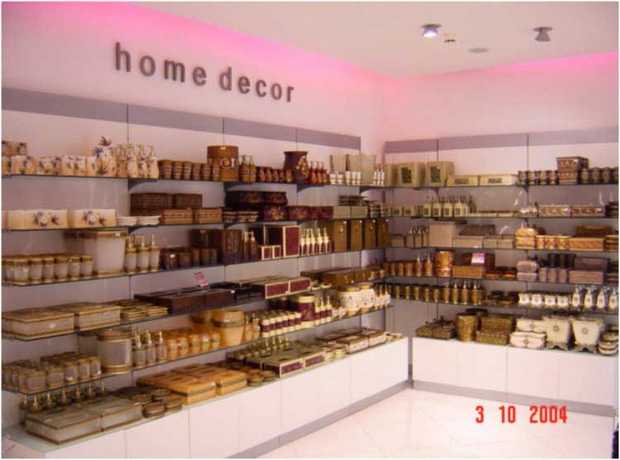
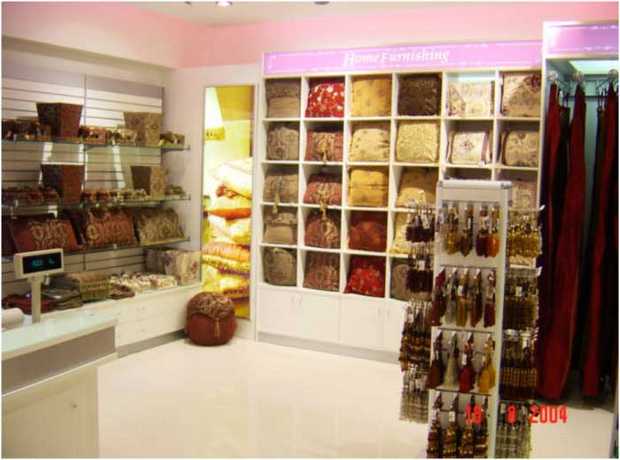
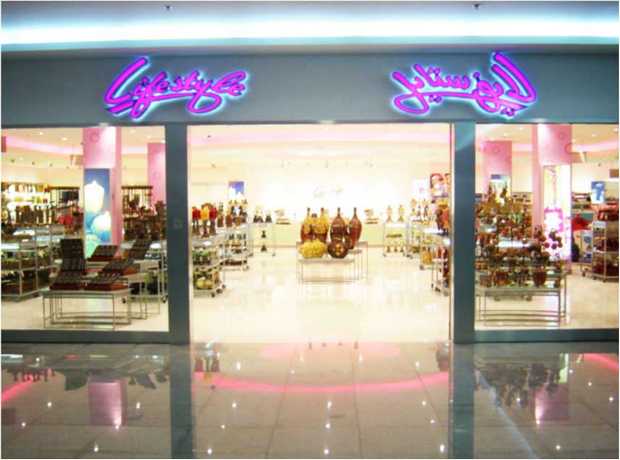
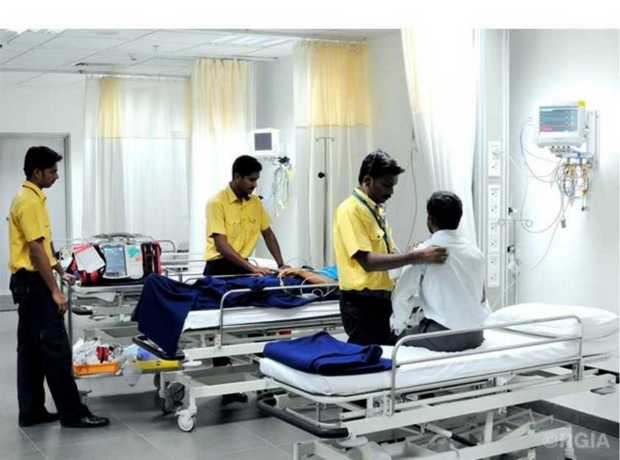
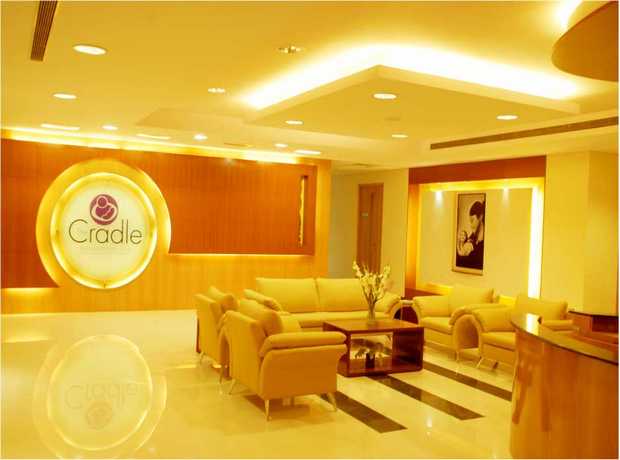
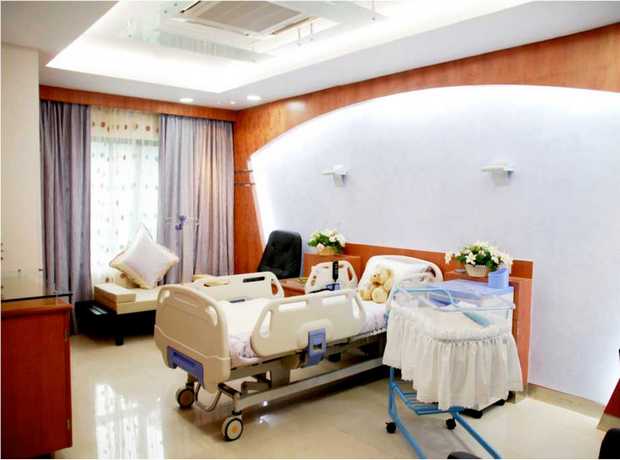
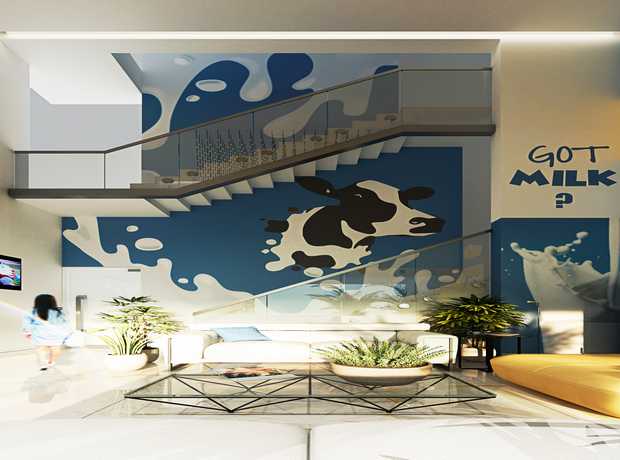
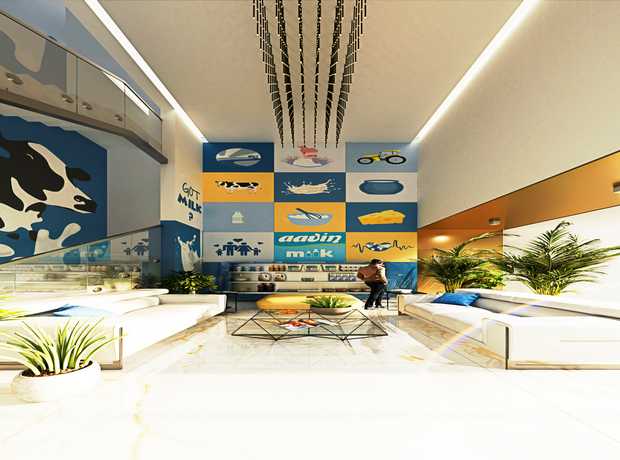
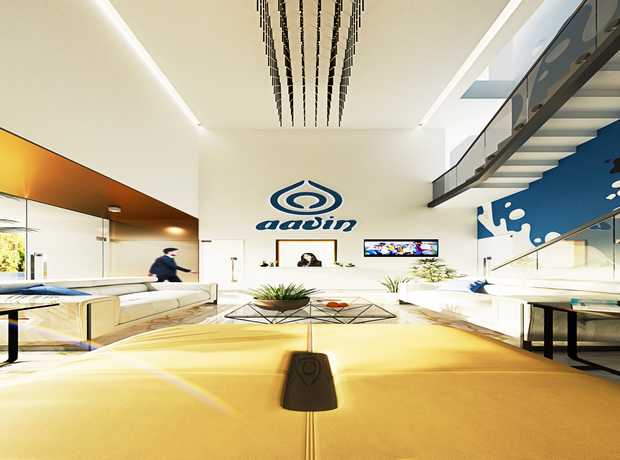
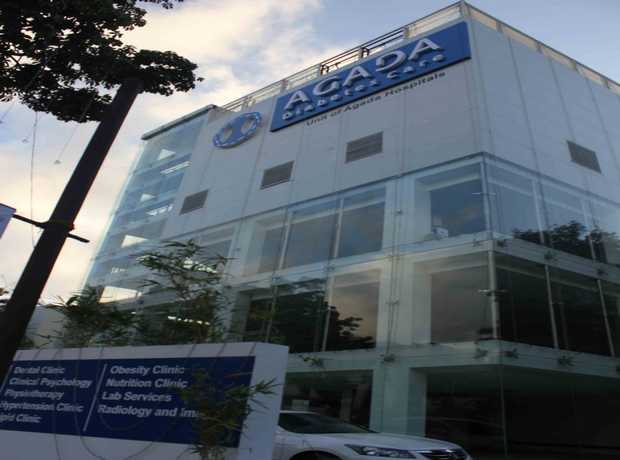
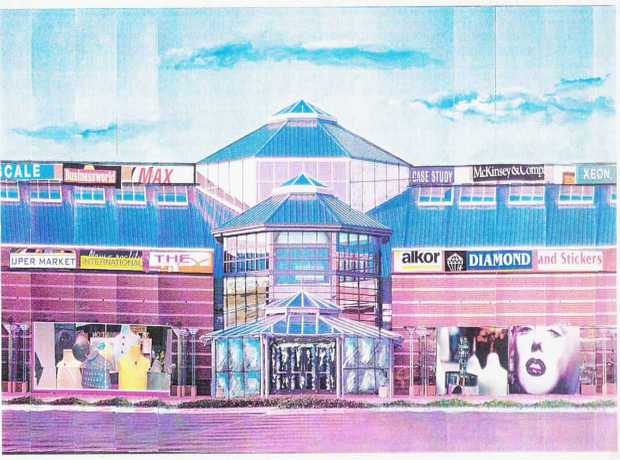
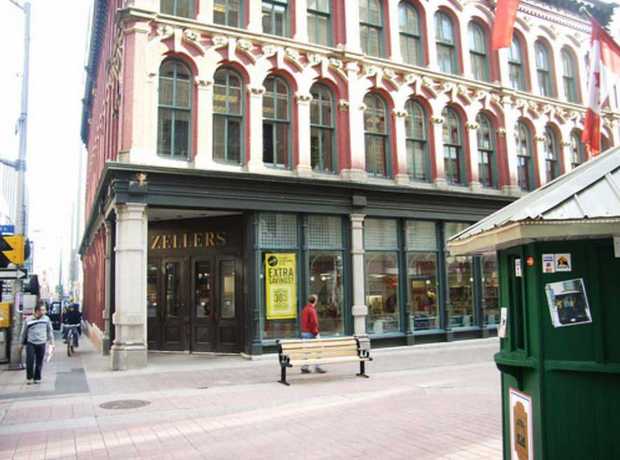
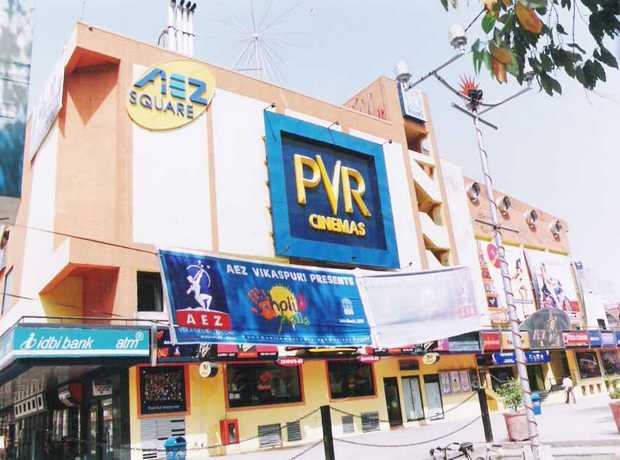
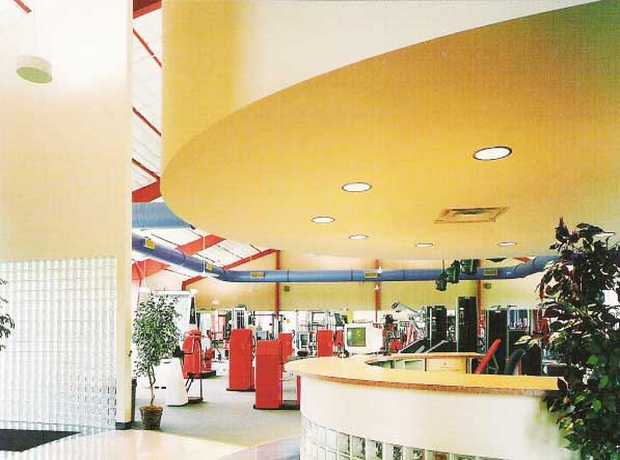
At Skydome Designs, our commitment to excellence and sustainability is etched into nearly three decades of pioneering work. With nearly 30 years of experience, we bring unparalleled expertise to Vancouver evidence-based passive cooling and ventilation planning. Our portfolio spans a diverse array of sectors, showcasing our versatility and depth of knowledge in creating innovative, sustainable, and profoundly functional spaces. From the intricate demands of hospital interiors to the welcoming ambiance of residential complexes and the dynamic energy of retail environments, our designs consistently set industry benchmarks.
What truly sets Skydome Designs apart is our fully integrated, in-house team. This multidisciplinary ensemble comprises highly skilled architects, specialized healthcare planners, meticulous project managers, and dedicated sustainability consultants. This cohesive structure ensures a seamless execution process from initial concept to final delivery, guaranteeing exceptional results that exceed expectations. We don’t just design; we collaborate, innovate, and deliver spaces that are built to last and perform optimally.
Our Comprehensive Vancouver Services Include:
- Cutting-Edge Evidence-based Passive Cooling and Ventilation Planning: Leveraging data and advanced simulations for optimal thermal comfort and energy efficiency.
- Specialized Hospital Interior Design: Crafting healing environments for patient rooms, ICUs, OTs, state-of-the-art labs, and comfortable consultation areas.
- Elegant Residential Projects: From contemporary apartments and luxurious condos to thoughtfully designed senior housing facilities.
- Innovative Retail & Commercial Design: Developing captivating shopping malls, dynamic mixed-use developments, and productive office spaces.
- Holistic Interior Solutions: Expertise spanning intelligent space planning, ergonomic furniture layouts, sophisticated lighting design, and complete turnkey interior execution.
Our profound expertise transcends mere aesthetic design; our core focus is on creating spaces that profoundly enhance human experiences and optimize operational efficiency. We are proud to have successfully delivered over 440 evidence-based passive cooling and ventilation planning assignments across Vancouver and globally over our 29+ years of operation. This extensive track record is underscored by an impressive 99% on-time delivery rate, a testament to our rigorous multi-disciplinary reviews and unwavering commitment to post-occupancy support. When you partner with Skydome Designs, you are choosing a legacy of reliability, innovation, and sustainable success.
Ready to elevate your building project with proven, sustainable design expertise? Our award-winning team is here to transform your vision into reality. Contact us today for a personalized consultation and discover how our evidence-based strategies can de-risk your project and accelerate delivery.
Key Elements of Evidence-Based Passive Cooling and Ventilation: A Deep Dive
Achieving truly effective passive cooling and ventilation relies on a synergistic integration of multiple design factors. These elements are not applied in isolation but are carefully tailored to Vancouver’s specific microclimate, site conditions, and the unique characteristics of each building project. Skydome Designs employs a holistic approach, ensuring every component works in harmony to deliver optimal performance.
1. Optimizing Building Orientation: Harnessing the Sun’s Path
The strategic orientation of a building is perhaps the most fundamental and impactful passive design decision. Proper building orientation is meticulously planned to minimize unwanted solar heat gain during peak hours, particularly in the summer, while maximizing beneficial daylight and, where appropriate, passive solar heating in cooler months. This involves a detailed analysis of the sun’s path throughout the day and across seasons, as well as an understanding of prevailing wind patterns to optimize natural ventilation.
In Vancouver, where summers are warming, southern and western facades are particularly vulnerable to intense solar radiation. Our design process involves orienting primary glazed areas to the north or south where possible. North-facing windows provide consistent, diffused daylight with minimal heat gain, ideal for workspaces or living areas requiring natural light without glare. South-facing windows, when properly shaded, can capture desirable winter sun for warmth while being protected from harsh summer sun. East and west facades, which receive low-angle morning and afternoon sun, often require more aggressive shading strategies due to the difficulty of blocking these angles effectively.
By meticulously considering these factors, Skydome Designs helps regulate indoor temperatures, significantly reducing the reliance on energy-intensive mechanical cooling systems. This foundational step is crucial for establishing a building’s inherent thermal performance and comfort baseline.
2. Strategic Shading Techniques: Mastering the Art of Solar Control
Once building orientation is optimized, strategic shading becomes the next critical layer of passive cooling. External shading devices are far more effective than internal ones, as they block solar radiation before it even enters the building, preventing heat from accumulating indoors. These elements are not merely functional; they are carefully integrated into the architectural aesthetic, enhancing the building’s visual appeal while providing optimal protection against direct sunlight without compromising natural light or views.
Skydome Designs employs a range of sophisticated shading techniques:
- Overhangs and Louvers: Horizontal projections (overhangs) are ideal for south-facing windows, blocking high-angle summer sun while allowing lower-angle winter sun to penetrate. Vertical fins or louvers are more effective for east and west facades, managing the challenging low-angle sun.
- Screens and Brise Soleils: Perforated screens or more elaborate brise soleils (sun breakers) can provide comprehensive shading while maintaining visual transparency and allowing air movement.
- Vegetation and Landscaping: Deciduous trees strategically planted on the east, west, and south sides can provide excellent seasonal shading, blocking summer sun with their leaves and allowing winter sun through their bare branches. Green walls and roofs can also contribute significantly to reducing heat gain on building surfaces.
- Dynamic Shading Systems: For advanced control, automated external blinds or responsive louver systems can track the sun’s movement, providing precise shading throughout the day and adjusting to changing weather conditions.
Our expertise ensures these shading solutions are not only effective but also durable, low-maintenance, and seamlessly integrated into the building’s overall design, reflecting Vancouver’s architectural sensibilities.
3. Natural Ventilation Strategies: The Breath of a Building
Designing buildings to maximize natural airflow is paramount for promoting air circulation, expelling internal heat, and introducing fresh outdoor air, thereby reducing indoor temperatures and improving air quality. This goes beyond simply opening windows; it involves a sophisticated understanding of aerodynamics and thermodynamics to create predictable and effective airflow patterns.
Skydome Designs employs several natural ventilation strategies:
- Cross-Ventilation: This is achieved by strategically placing operable windows or vents on opposite sides of a space, allowing prevailing winds to pass directly through. Effective cross-ventilation requires careful consideration of building depth and internal partitions.
- Stack Ventilation (Chimney Effect): Utilizing the principle that hot air rises, stack ventilation involves designing vertical shafts, atria, or double-height spaces that draw warm air upwards and out through high-level vents, simultaneously pulling cooler air in through lower-level openings. This is particularly effective in taller buildings or those with central courtyards.
- Single-Sided Ventilation: While less effective than cross-ventilation, careful placement and sizing of openings on a single facade can still induce some air movement, particularly in narrower spaces.
- Night Purging: A powerful strategy in Vancouver’s climate, night purging involves flushing buildings with cool night air. Thermal mass within the building absorbs this coolness, which then helps to moderate indoor temperatures throughout the following day. This requires automated or user-controlled operable windows and secure systems.
Proper window placement can be meticulously optimized for both acoustics and ventilation, making your project a success even in busy urban environments. We also consider factors like indoor air quality, filtering, and insect screening to ensure occupant comfort and health. Our designs balance the need for airflow with considerations for privacy, security, and weather protection, tailoring solutions specifically for Vancouver’s often damp climate.
4. Material Selection for Optimal Thermal Performance and Sustainability
The choice of building materials plays a critical role in a building’s thermal performance and its ability to passively regulate temperature. Materials interact with heat in various ways – absorbing, storing, reflecting, or transmitting it. Skydome Designs leverages this understanding to select materials that enhance passive cooling and reduce energy demand.
- Thermal Mass: Materials with high thermal mass, such as concrete, brick, or stone, can absorb and store heat during the day, preventing it from overheating the interior. At night, they release this stored heat (or “coolth” from night purging) back into the space, moderating temperature fluctuations. This is particularly effective when combined with night ventilation.
- Reflectivity and Emissivity: Light-colored roofs and walls with high solar reflectivity indexes (SRI) reflect sunlight rather than absorbing it, significantly reducing heat gain into the building envelope. Materials with high emissivity effectively radiate any absorbed heat back into the atmosphere. This is crucial for roofs and facades exposed to direct sun.
- Insulation: While insulation is often associated with heating, effective insulation also prevents heat from entering the building in the summer, maintaining cooler indoor temperatures.
- Sustainable and Locally Sourced Materials: Beyond thermal performance, Skydome Designs prioritizes sustainable and locally sourced materials to minimize environmental impact. This includes low-VOC (Volatile Organic Compound) materials for improved indoor air quality, recycled content materials, and those with low embodied energy. Our expertise in materials selection ensures optimal performance, aesthetics, and alignment with Vancouver’s green building initiatives.
By thoughtfully integrating these key elements, Skydome Designs crafts buildings that are inherently responsive to their environment, offering a paradigm shift from energy-hungry structures to self-regulating, comfortable, and sustainable spaces.
Looking for a Vancouver interior expert to integrate these sophisticated passive cooling strategies into your next project? Call us today at +91 7299072144 to discuss how our multi-disciplinary approach can deliver a project that is not just compliant, but truly exemplary.
Advanced Passive Cooling & Ventilation Strategies for Vancouver’s Evolving Climate
Beyond the foundational elements, Skydome Designs integrates several advanced passive strategies to provide even greater levels of comfort, efficiency, and resilience, specifically tailored to Vancouver’s climate challenges and opportunities.
Cool Roofs and Green Roofs: The Fifth Facade
The roof, often the largest surface exposed to direct solar radiation, offers immense potential for passive cooling.
- Cool Roofs: These roofs are designed with highly reflective and emissive surfaces, often light-colored materials, that minimize solar heat gain and radiate absorbed heat back into the atmosphere. This significantly reduces the heat absorbed by the building below, lowering cooling loads and combating the urban heat island effect.
- Green Roofs: Vegetated roofs provide multiple benefits for passive cooling. The soil and plants offer an insulating layer, reducing heat transfer into the building. Evapotranspiration from the plants has a natural cooling effect on the air above the roof. Additionally, green roofs manage stormwater, improve air quality, and enhance biodiversity, aligning perfectly with Vancouver’s ecological goals.
Skydome Designs incorporates both cool and green roof technologies, often in combination, to maximize thermal performance and environmental benefits for Vancouver’s diverse building types.
Earth Tubes and Ground-Source Heat Exchange (Passive Component)
The earth beneath a building maintains a relatively stable temperature year-round, typically cooler than the summer air and warmer than the winter air.
- Earth Tubes (Earth-Air Heat Exchangers): This system involves burying a network of pipes underground, through which outdoor air is drawn before entering the building. In summer, the cooler earth precools the incoming air. In winter, it preheats it. While not a standalone cooling solution for Vancouver’s humid summers, it can significantly reduce the load on ventilation systems and improve air quality, especially in conjunction with other strategies.
- Passive Ground-Source Heat Exchange: Even without active pumps, the ground can passively influence the temperature of elements in contact with it, such as foundations or underground structures. Designing with this in mind can help moderate indoor temperatures.
These strategies offer a silent, low-energy method to condition incoming fresh air, contributing to overall thermal comfort and reduced energy consumption.
Atrium Design and Thermal Chimneys
Large internal voids like atria serve as architectural focal points and powerful passive cooling engines.
- Atrium Design: Atria can function as large thermal chimneys, facilitating stack ventilation. Warm air accumulating at the top of the atrium rises and exits through high-level vents, drawing cooler air from lower levels into the surrounding spaces. They also bring natural light deep into the building core, reducing reliance on artificial lighting.
- Thermal Chimneys: Dedicated vertical shafts, often dark-colored to absorb solar radiation, can enhance the stack effect, creating a strong convective current that pulls hot air out of the building.
These features are particularly effective in larger commercial, institutional, and multi-unit residential buildings common in Vancouver, providing both aesthetic grandeur and significant passive cooling benefits.
Phase Change Materials (PCMs)
Phase Change Materials are innovative substances that absorb and release large amounts of latent heat during their phase transition (e.g., from solid to liquid and back again) at specific temperatures.
- How PCMs Work: Integrated into building materials (like drywall, insulation, or plaster), PCMs can absorb excess heat from the indoor environment as they melt during the day, preventing overheating. At night, as the temperature drops, they solidify, releasing the stored heat. This helps to stabilize indoor temperatures and reduce peak cooling loads.
PCMs offer a ‘thermal battery’ effect, enhancing the building’s thermal mass without adding significant weight or thickness, making them ideal for retrofits or projects with structural limitations in Vancouver.
Integrating Passive Design with Active Systems: The Hybrid Approach for Vancouver
While passive cooling and ventilation strategies are incredibly powerful, it’s important to acknowledge that in a dynamic climate like Vancouver’s, especially with future climate change projections, a purely passive approach may not always be sufficient to meet peak comfort demands or specific indoor air quality requirements. This is where a sensible hybrid approach comes into play.
Skydome Designs champions the integration of passive design as the primary strategy, reducing the load on mechanical systems rather than eliminating them entirely. This means:
- Smaller, More Efficient Mechanical Systems: By significantly lowering the baseline heating and cooling demand, buildings can utilize smaller, less complex, and more energy-efficient HVAC (Heating, Ventilation, and Air Conditioning) systems. This translates directly to lower capital costs, reduced energy consumption, and quieter operation.
- Optimized Control Systems: Intelligent building management systems (BMS) can seamlessly integrate passive and active strategies. For example, windows might automatically open for night purging when outdoor temperatures are favorable, and only when conditions become too hot or humid would the mechanical cooling system gently kick in to supplement.
- Enhanced Resilience: In the event of power outages or system malfunctions, a building designed with strong passive elements will maintain a more tolerable indoor environment for longer periods, ensuring greater occupant safety and comfort than a fully mechanically dependent structure.
- Improved Indoor Air Quality: Natural ventilation provides constant fresh air exchange, diluting pollutants and improving indoor air quality beyond what many mechanical systems can achieve on their own. Active filtration can then be used to address specific outdoor air quality concerns, such as wildfire smoke, which is becoming more prevalent in the region.
Our goal is to design buildings in Vancouver where occupants feel comfortable primarily through natural means, with mechanical systems acting as a thoughtful, energy-minimized backup for those few times when nature alone isn’t enough. This intelligent synergy is the hallmark of truly sustainable and resilient design.
Navigating Vancouver’s Regulatory Landscape with Skydome Designs
Vancouver is at the forefront of green building initiatives in North America, with ambitious targets for energy efficiency and carbon reduction. Navigating this evolving regulatory landscape requires deep expertise and a proactive approach. Evidence-based passive cooling and ventilation planning is not just good practice; it’s a strategic imperative for compliance and achieving higher sustainability ratings in Vancouver.
- BC Energy Step Code: This provincial regulation sets progressively higher energy performance targets for new construction, with municipalities often adopting higher “steps.” Passive design strategies are key to meeting these stringent requirements by drastically reducing operational energy demand.
- Vancouver Building By-law & Green Building Policies: The City of Vancouver has its own specific by-laws and policies that often exceed provincial requirements, pushing for net-zero energy readiness and high-performance buildings. Our designs are meticulously crafted to not only meet but often surpass these rigorous standards.
- LEED, Passive House, and Other Certifications: For projects aiming for leading green building certifications like LEED (Leadership in Energy and Environmental Design) or the ultra-low energy Passive House standard, passive cooling and ventilation are foundational. Skydome Designs has extensive experience guiding projects through these complex certification processes, leveraging our evidence-based approach to secure valuable credits and achieve desired ratings.
- Incentives and Rebates: Governments and utility providers often offer incentives and rebates for buildings that achieve high levels of energy efficiency and incorporate sustainable technologies. Our team can help identify applicable programs and design solutions that qualify for these financial benefits.
De-risking your project in Vancouver’s complex regulatory environment is a cornerstone of our service. With Skydome Designs, you gain a partner who understands these intricacies and can seamlessly integrate compliance requirements into innovative design solutions. This proactive approach ensures a smoother approval process, mitigates potential delays, and guarantees that your project is future-proofed against evolving regulations.
Facing the complexities of Vancouver’s green building codes? Let our expert team at Skydome Designs simplify the process and ensure your project achieves both compliance and exemplary sustainability. Email us for a consultation tailored to your regulatory challenges.
The Skydome Designs Advantage: Unrivaled Expertise in Vancouver and Beyond
Choosing Skydome Designs means partnering with a firm that embodies a rare combination of extensive experience, integrated expertise, and an unwavering commitment to client success. Our nearly three decades in the industry, coupled with a deep understanding of Vancouver’s unique design and regulatory context, position us as the premier choice for your next project.
Nearly Three Decades of Global and Local Expertise
With 29+ years of experience across India and abroad, including a significant footprint of 440+ evidence-based passive cooling and ventilation planning assignments across Vancouver and globally, our portfolio speaks volumes. This vast experience translates into profound insights into diverse climate zones, building types, and client needs. For Vancouver specifically, this means designs that are not just theoretically sound but are practically proven to perform effectively within the local environment, anticipating and addressing specific challenges like humidity, rain, and solar angles unique to the Pacific Northwest.
Integrated In-House Multidisciplinary Team
Our strength lies in our unified, in-house team. We don’t outsource critical design or project management functions. Instead, our architects, healthcare planners, interior designers, project managers, and sustainability specialists collaborate seamlessly under one roof. This integrated approach fosters:
- BIM-led Coordination: We utilize Building Information Modeling (BIM) extensively, ensuring all disciplines work from a single, accurate 3D model. This minimizes conflicts, enhances collaboration, and streamlines the design and construction process, crucial for complex projects in Vancouver.
- Value Engineering: Our multidisciplinary reviews rigorously evaluate designs for cost-effectiveness without compromising quality or performance. We identify opportunities to optimize material use, construction methods, and system efficiencies, delivering maximum value for your investment.
- Rigorous Quality Control: From concept development through detailed design and construction oversight, every stage undergoes stringent quality checks tailored to Vancouver’s unique requirements and global best practices.
Proven Track Record: On-Time, On-Budget, and Post-Occupancy Support
Our commitment to excellence is reflected in our consistent delivery metrics. We boast an astounding 99% on-time delivery rate for our projects. This reliability is achieved through meticulous planning, proactive problem-solving, and efficient project management. Furthermore, our engagement extends beyond project completion with dedicated post-occupancy support. We believe in the long-term performance of our designs and offer assistance to ensure ongoing optimal operation and occupant satisfaction. This comprehensive approach underscores our commitment to lasting value and client peace of mind.
Award-Winning, Client-Focused, and Sustainable Designs
Our dedication to innovative and sustainable design has earned us numerous accolades. While proud of our awards, our true measure of success is client satisfaction. We adopt a deeply client-focused approach, ensuring that every design solution is meticulously tailored to your specific vision, functional requirements, and budgetary considerations. Sustainability is not an afterthought but an intrinsic part of our design philosophy, delivering high-performance, environmentally responsible spaces.
Comprehensive Turnkey Interior Solutions and Branding
Skydome Designs offers a complete spectrum of interior solutions, from initial space planning and furniture layouts to sophisticated lighting design and full turnkey interior execution. Additionally, our expertise extends to branding & signage, ensuring that your building’s identity is cohesive, impactful, and visually appealing, aligning perfectly with its sustainable design principles. This holistic service means a single point of contact for a fully integrated and harmonized project.
Why settle for anything less than unparalleled expertise for your Vancouver project? Leverage our 29+ years of experience and a 99% on-time delivery record. Call Skydome Designs today at +91 7299072144 to partner with an award-winning team that guarantees exceptional results, transparent costs, and milestone-based reporting.
Hypothetical Case Studies: Passive Cooling in Action with Skydome Designs
To illustrate the practical application of our evidence-based passive cooling and ventilation strategies, let’s explore how Skydome Designs might approach different project types in Vancouver:
Case Study 1: A New Residential High-Rise in Downtown Vancouver
Challenge: Design a luxury residential tower to maximize comfort and minimize energy bills in a dense urban environment with limited exposure and potential for noise.
Skydome Designs Approach:
- Orientation & Shading: Carefully orient units to maximize north-facing views for diffused light and minimize west-facing exposure. Implement dynamic external louvers on east and west facades to manage low-angle sun. Integrated deep balconies act as self-shading elements for south-facing units.
- Natural Ventilation: Design operable windows with acoustic attenuators to allow cross-ventilation in each unit, mitigating urban noise. Incorporate a central atrium or vertical ventilation shafts to facilitate stack effect, drawing air through common areas and individual units.
- Materiality: Utilize high-thermal-mass concrete for the building structure to absorb cool night air (night purging) and moderate daytime temperatures. Specify high-SRI roofing materials to reduce heat island effect.
- Hybrid Integration: A smaller, high-efficiency VRF (Variable Refrigerant Flow) system provides supplemental cooling on the hottest days, significantly reducing the overall energy demand compared to a conventional system.
Outcome: Residents enjoy consistently comfortable indoor temperatures, lower utility bills, superior air quality, and peace of mind even during summer heatwaves, enhancing property value and occupant satisfaction.
Case Study 2: Expansion of a Healthcare Facility in Metro Vancouver
Challenge: Create a healing environment in a hospital expansion that prioritizes patient comfort, reduces infection risk through good air quality, and minimizes operational costs, all while meeting stringent healthcare regulations.
Skydome Designs Approach:
- Thermal Zoning & Orientation: Segregate heat-generating areas (e.g., equipment rooms, south-facing patient lounges) and apply tailored passive strategies. Patient rooms are oriented for gentle morning light and protected from harsh afternoon sun with external fins.
- Ventilation & Air Quality: Implement hybrid ventilation systems. Natural ventilation (via carefully screened and filtered operable windows in non-critical areas) is prioritized when outdoor air quality permits, complementing mechanical systems. Atria and light wells designed as thermal chimneys improve air movement and provide natural light, reducing reliance on artificial lighting and improving patient mood.
- Material Selection: Use materials with low VOCs and high thermal mass for interior finishes to maintain stable temperatures and superior indoor air quality. Green roofs on lower levels reduce heat gain and offer therapeutic views for patients.
- Post-Occupancy Support: Skydome Designs provides ongoing support to fine-tune building systems and educate staff on optimizing passive features, ensuring long-term performance and efficiency.
Outcome: Patients benefit from a more comfortable, naturally lit, and healthier environment, contributing to faster recovery. The facility achieves significant energy savings and operational efficiency, aligning with healthcare sector sustainability goals.
Case Study 3: A Mixed-Use Commercial & Retail Development
Challenge: Design a vibrant, attractive commercial and retail space that minimizes energy consumption, attracts tenants, and provides a comfortable experience for shoppers and employees.
Skydome Designs Approach:
- Strategic Shading & Glazing: Large retail windows are essential but can lead to massive heat gain. Implement high-performance, low-emissivity glazing combined with deep overhangs and dynamic external louvers tailored to each facade. Landscaped plazas with large deciduous trees provide additional shading.
- Natural Ventilation & Public Spaces: Design public circulation areas (malls, courtyards) with openable facades or vents and central voids to encourage stack ventilation. This creates naturally comfortable zones, reducing the need to fully condition vast spaces.
- Cool Roofs & Materials: Utilize highly reflective cool roofs over retail and office sections to prevent solar heat penetration. Employ durable, locally sourced materials with good thermal properties for facades and interiors that contribute to both aesthetics and thermal regulation.
- BIM-led Coordination: Throughout the design and construction, BIM ensures seamless integration of complex architectural features with MEP (Mechanical, Electrical, and Plumbing) systems, optimizing the performance of the hybrid passive-active approach.
Outcome: A visually appealing, energy-efficient development that offers superior comfort for occupants, lower operating costs for tenants, and enhanced sustainability credentials, attracting both businesses and customers.
Overcoming Challenges in Passive Design for Vancouver
While the benefits of evidence-based passive design are clear, Vancouver’s specific urban and climatic conditions present unique challenges that Skydome Designs is adept at navigating:
- Urban Density and Space Constraints: In a dense city like Vancouver, opportunities for optimal building orientation and extensive external shading can be limited. Skydome Designs utilizes advanced simulation tools to find the best compromises, often employing dynamic shading or integrated vertical fins, and maximizing internal daylighting strategies.
- Noise Considerations for Natural Ventilation: Urban noise can make opening windows undesirable. Our solutions include acoustic attenuators, strategically placed vents away from noise sources, and hybrid systems where natural ventilation is used when noise levels are low, and mechanical systems take over during peak noise periods.
- Humidity Management: While Vancouver isn’t as humid as tropical climates, high summer humidity can make natural ventilation less effective for comfort if not managed. We design systems that prioritize air movement to enhance evaporative cooling from occupants and integrate dehumidification capabilities within supplemental mechanical systems when necessary.
- Integration with Fire Safety and Building Codes: Large atria and ventilation shafts, while excellent for passive cooling, must be meticulously integrated with fire safety strategies. Skydome Designs ensures that passive design elements comply with all fire codes, including smoke control systems and compartmentation, often exceeding baseline requirements for enhanced safety.
- Occupant Behavior and Controls: The effectiveness of passive systems often relies on occupant interaction (e.g., opening windows). We design intuitive controls and provide clear guidance to occupants, or implement automated systems where appropriate, to ensure the building performs as intended.
Skydome Designs’ extensive experience in Vancouver and complex global projects ensures that these challenges are anticipated and addressed through innovative, practical, and code-compliant design solutions.
The Investment in Sustainability: Realizing the Return on Investment (ROI)
Embracing evidence-based passive cooling and ventilation is not just an environmental choice; it’s a sound financial investment with significant returns. For developers, investors, and building owners in Vancouver, the benefits translate directly to the bottom line:
- Lower Operational Costs: The most direct and tangible benefit is the substantial reduction in energy bills. Less reliance on mechanical heating, ventilation, and air conditioning means significant savings on electricity and natural gas consumption throughout the building’s lifespan.
- Increased Occupant Comfort and Health: Buildings that are naturally comfortable with abundant fresh air lead to higher occupant satisfaction, increased productivity in commercial settings, and improved well-being in residential and healthcare environments. This can reduce tenant turnover, increase employee retention, and enhance patient recovery rates.
- Higher Property Value and Market Appeal: Sustainable, energy-efficient buildings command higher market values and are more attractive to environmentally conscious tenants and buyers. They are seen as future-proof investments, offering long-term resilience and lower running costs.
- Enhanced Brand Reputation: Developers and businesses committed to sustainable practices build a positive brand image, demonstrating corporate social responsibility and leadership in green building. This can attract ethical investors and discerning customers.
- Reduced Carbon Footprint: Contributing to Vancouver’s aggressive climate action goals by significantly lowering greenhouse gas emissions, aligning with global efforts to combat climate change.
- Compliance and De-Risking: Proactively meeting and exceeding Vancouver’s stringent energy codes and green building regulations helps de-risk projects from future regulatory changes and potential penalties, ensuring a smoother development process and long-term viability.
Skydome Designs helps you quantify these benefits, providing clear projections on energy savings and ROI, allowing you to make informed decisions that benefit both your budget and the planet.
Future Outlook: Passive Design and Climate Resilience in Vancouver
As Vancouver faces the realities of a changing climate, passive design moves beyond merely “green” credentials to become a fundamental strategy for climate resilience. The ability of buildings to maintain comfortable and safe indoor environments even during extreme weather events – such as prolonged heatwaves or power grid stresses – will be increasingly vital. Passive cooling and ventilation are at the heart of this resilience.
Skydome Designs looks ahead, integrating predictive climate modeling into our design process. We anticipate future temperature increases, altered wind patterns, and potential shifts in precipitation to create buildings that are robust, adaptable, and inherently sustainable for decades to come. Our work contributes to a Vancouver that is not only beautiful and vibrant but also strong and secure in the face of environmental shifts.
FAQ: Passive Cooling and Ventilation in Vancouver – Your Questions Answered
Understanding the nuances of passive design is key to successful implementation. Here are some expanded frequently asked questions to provide even greater clarity:
What exactly is passive cooling and ventilation, and how does it differ from active systems?
Passive cooling and ventilation refer to architectural design strategies that leverage natural environmental forces – such as sun, wind, and material properties – to maintain comfortable indoor temperatures and fresh air, thereby minimizing or eliminating the need for mechanical heating, ventilation, and air conditioning (HVAC) systems. Unlike active systems, which rely on energy-intensive equipment like fans, compressors, and pumps to condition air, passive strategies work by intelligent building orientation, effective shading, natural airflow paths (cross-ventilation, stack effect), and the careful selection of thermally efficient materials. The goal is to create inherently responsive buildings that work with nature, not against it.
Why is passive cooling becoming increasingly important in Vancouver specifically?
Vancouver’s historically mild climate is experiencing noticeable shifts, with more frequent and intense summer heatwaves, often coupled with wildfire smoke events impacting air quality. Passive cooling is crucial in Vancouver for several reasons:
- Climate Adaptation: It helps buildings remain comfortable and safe during rising temperatures and extreme heat events, reducing health risks for occupants.
- Energy Savings: Reduces the high energy consumption associated with mechanical cooling, lowering operational costs significantly.
- Sustainability Goals: Aligns directly with Vancouver’s ambitious climate action plans and BC Energy Step Code requirements, helping the city achieve its net-zero emissions targets.
- Improved Indoor Air Quality: Promotes consistent fresh air exchange, essential for occupant health and well-being, especially when mechanical systems might be shut down or limited.
- Enhanced Resilience: Buildings with strong passive features can maintain more tolerable conditions during power outages, offering critical resilience.
How can I effectively implement passive cooling strategies in my Vancouver building project, whether new construction or a retrofit?
Implementing effective passive cooling involves a holistic and integrated design approach. Key strategies include:
- Optimizing Building Orientation: Strategically positioning the building on the site to control solar heat gain and harness prevailing winds.
- Strategic Shading Techniques: Integrating external elements like overhangs, fins, louvers, or even mature vegetation to block direct sunlight.
- Natural Ventilation Design: Planning for cross-ventilation, stack ventilation through atria or shafts, and night purging to move fresh air through spaces.
- Material Selection: Choosing materials with appropriate thermal mass, reflectivity, and insulation properties to stabilize indoor temperatures.
- Hybrid Integration: Thoughtfully combining passive strategies with smaller, more efficient mechanical systems for optimal performance and flexibility.
Consulting with experts like Skydome Designs ensures a tailored, evidence-based, and effective approach, integrating these elements seamlessly into your specific project requirements and Vancouver’s unique climate context.
What are the unique benefits of working with Skydome Designs for passive cooling and ventilation planning in Vancouver?
Choosing Skydome Designs offers a distinct advantage for your Vancouver project:
- 29+ Years of Global and Local Experience: Our extensive track record includes over 440 evidence-based passive cooling projects, ensuring deep expertise in diverse conditions.
- In-House Multidisciplinary Team: Architects, healthcare planners, project managers, and sustainability specialists collaborate to deliver integrated, high-performance solutions.
- Proven Track Record: An impressive 99% on-time delivery rate, meticulous multi-disciplinary reviews, and post-occupancy support underscore our commitment to excellence.
- Award-Winning & Client-Focused: Our designs are recognized for innovation, sustainability, and are always tailored to meet your specific vision and goals.
- Comprehensive Services: From initial planning and design to turnkey interior execution and branding, we offer a holistic approach to project delivery.
- Data-Driven Approach: Our “evidence-based” methodology means your design decisions are informed by scientific data and advanced simulations, leading to predictable and optimal performance.
Our expertise ensures your project not only meets the highest standards of performance and design but also achieves sustainable and resilient outcomes specific to Vancouver.
How does passive cooling impact indoor air quality (IAQ), especially with concerns like wildfire smoke in Vancouver?
Passive cooling generally enhances IAQ by promoting natural fresh air exchange, which dilutes indoor pollutants. However, in contexts like Vancouver where wildfire smoke events can occur, natural ventilation might need to be temporarily curtailed. Skydome Designs addresses this through a hybrid approach:
- Integrated Filtration: While natural ventilation is primary, we design for high-efficiency mechanical filtration systems (e.g., MERV 13 or higher) that can be activated to filter incoming air when outdoor air quality is poor.
- Zoned Systems: Allowing some areas to rely on natural ventilation while critical areas (e.g., hospitals) maintain mechanically controlled, filtered air.
- Smart Controls: Building Management Systems can monitor outdoor air quality and automatically switch between natural and mechanical filtered ventilation modes as needed.
This ensures that occupants benefit from natural fresh air most of the time, with robust protection during adverse air quality events.
Conclusion: Building a Sustainable, Comfortable Vancouver with Skydome Designs
The journey towards creating sustainable, comfortable, and resilient spaces in Vancouver begins with a profound understanding and strategic implementation of evidence-based passive cooling and ventilation. As our city grows and our climate evolves, these intelligent design principles are no longer just an advantage but a fundamental requirement for responsible development.
Skydome Designs stands as your trusted and experienced partner in navigating the intricate complexities of passive design. With our nearly three decades of award-winning expertise, an integrated in-house team, and a proven track record of 440+ successful assignments and 99% on-time delivery, we are uniquely positioned to ensure your project not only meets but surpasses the highest standards of performance, sustainability, and occupant well-being. Don’t wait to start planning for a more sustainable, de-risked, and energy-efficient future for your building project.
Take the decisive step towards an optimized, sustainable, and future-proof building in Vancouver. Let Skydome Designs bring our unparalleled expertise to your vision. Contact Skydome Designs today for a comprehensive consultation and discover how we can help you achieve your ambitious goals efficiently and effectively. Your sustainable future starts here.
Get a free consultation and de-risk your project with our proven expertise! Call +91 7299072144 now to speak with our experts.
About Skydome Designs
Skydome Designs Pvt Ltd is a leading architecture and interior design firm, headquartered in India with extensive global experience, specializing in high-performance hospital and healthcare interiors, transformative residential projects, and dynamic retail environments. With nearly 30 years of expertise, we are dedicated to delivering innovative, sustainable, and highly functional spaces that profoundly enhance human experiences, optimize operational efficiency, and contribute positively to the built environment. We are committed to providing exceptional interior design solutions meticulously tailored to our clients’ unique needs and aspirations.
Skydome Designs is more than a design firm; we are a partner in building a better, more sustainable future.
Connect with Skydome Designs:
- 📞 Contact: +91 7299072144
- ✉️ Email: info@skydomedesigns.com
Explore Vancouver Building Codes & Regulations (Outbound Authority Link)
Discover Our Hospital Interior Design Services (Internal Link)