Nairobi, the vibrant capital of Kenya, stands at the cusp of unprecedented growth and transformation. As the city rapidly evolves into a continental hub for commerce, technology, and culture, so too does the imperative to ensure its built environment is not only modern and functional but also robustly prepared for the challenges of tomorrow. This forward-thinking approach necessitates the widespread adoption of future-ready disaster-resilient architecture – a holistic design philosophy that seamlessly integrates sustainability, robust resilience against potential disasters, and long-term economic viability. This comprehensive blog post delves deep into the critical importance of this architectural paradigm for Nairobi and outlines a detailed, step-by-step methodology for its successful implementation in projects slated for 2025 and well into the future. By embracing these principles, Nairobi can forge a path towards a safer, more sustainable, and truly prosperous urban future.
Understanding the Urgent Need for Future-Ready Disaster-Resilient Architecture in Nairobi
Nairobi’s unique blend of dynamic environmental factors, rapid demographic shifts, and significant economic aspirations creates a compelling case for prioritizing resilient urban development. The city’s landscape, characterized by its varied topography and proximity to natural ecological systems, combined with the pressures of accelerating urbanization, exposes it to a range of potential vulnerabilities. Climate change projections, indicating increased frequency and intensity of extreme weather events, further underscore the urgency. Prioritizing future-ready disaster-resilient architecture in Nairobi is not merely about protecting physical structures; it is fundamentally about safeguarding human lives, preserving invaluable investments, ensuring business continuity, and fostering a more equitable and prosperous future for all its residents. This commitment translates into tangible benefits, from reduced post-disaster recovery costs to enhanced public safety and a significant stride towards achieving the nation’s ambitious sustainable development goals.
Nairobi’s Specific Vulnerabilities: Why Resilience is Non-Negotiable
- Climate Change Impacts: Nairobi is increasingly experiencing the effects of global climate change, manifesting as unpredictable rainfall patterns, more severe and prolonged droughts, and intensified urban heat island effects. Buildings must be designed to mitigate heat stress, manage increased stormwater runoff to prevent flooding, and conserve water resources efficiently.
- Rapid Urbanization and Infrastructure Strain: The city’s population growth has been exponential, leading to rapid, sometimes unplanned, urban expansion. This puts immense pressure on existing infrastructure, often resulting in informal settlements in high-risk areas like floodplains or unstable slopes. Resilient architecture provides a framework for structured, safe, and sustainable growth.
- Geological Risks: While not on a major fault line, Nairobi is susceptible to minor seismic activity, and its undulating terrain makes certain areas prone to landslides, especially during heavy rains. Structures must be engineered to withstand these ground movements and ensure stability.
- Economic Implications of Disasters: Disasters, whether natural or human-made, carry a hefty economic price tag. Damaged infrastructure, business interruptions, and the diversion of public funds towards recovery efforts can severely impede economic progress. Resilient buildings reduce these costs, ensuring quicker recovery and sustained economic growth.
- Social Equity and Vulnerable Populations: Disasters disproportionately affect the most vulnerable segments of society. Implementing resilient architecture in urban planning can help create safer communities for everyone, reducing displacement and social disruption, and fostering a more inclusive urban environment.
By acknowledging these multifaceted challenges, Nairobi can proactively integrate resilience into the very fabric of its urban development, ensuring that its architectural evolution is both visionary and protective.


A Comprehensive Step-by-Step Guide to Implementing Disaster-Resilient Architecture in Nairobi
The journey towards creating a truly future-ready, disaster-resilient built environment requires a systematic and integrated approach. Each step builds upon the last, culminating in structures that are not only aesthetically pleasing but also inherently robust and sustainable. Skydome Designs’ extensive experience in both local and global projects positions us uniquely to guide Nairobi through this crucial process.
1. Comprehensive Risk Assessment: Laying the Foundation for Resilience
The bedrock of any resilient design is an exhaustive understanding of the specific threats a project site may face. This initial phase goes beyond general assumptions, delving into granular detail about the local environment and its potential hazards. It involves a multi-disciplinary approach, utilizing advanced analytical tools and expert knowledge.
- Geotechnical and Hydrological Surveys: Detailed soil analyses, mapping of flood zones, understanding water flow patterns, and assessment of groundwater levels are crucial. This includes evaluating historical flood data, modeling future precipitation scenarios, and identifying potential landslide triggers.
- Seismic Activity Analysis: For areas susceptible to even minor tremors, a thorough assessment of local fault lines, soil liquefaction potential, and historical seismic data informs structural design requirements.
- Climate Projections and Vulnerability Mapping: Utilizing downscaled climate models to predict future temperature increases, altered precipitation, and extreme weather events (e.g., strong winds, prolonged droughts) allows for proactive design adjustments. This also includes mapping areas prone to urban heat island effects.
- Infrastructure Interdependency Analysis: Understanding how the project interacts with existing critical infrastructure (power grids, water supply, transportation networks) and assessing vulnerabilities in these connections is vital for holistic resilience planning.
- Stakeholder Engagement and Indigenous Knowledge: Incorporating insights from local communities, traditional building practices, and historical records can provide invaluable context and identify locally relevant solutions that might otherwise be overlooked.
This comprehensive assessment ensures that every design decision is risk-informed, tailored precisely to the project’s unique context, and prepares the structure for the most probable future challenges.
2. Prioritizing Sustainable Materials and Construction Techniques: Building Greener, Building Stronger
The choice of materials and construction methodologies profoundly impacts both a building’s environmental footprint and its long-term resilience. A future-ready approach champions materials that are not only durable and locally sourced but also minimize environmental impact throughout their lifecycle.
- Reinforced Concrete with Enhanced Properties: Utilizing high-strength concrete with advanced reinforcement techniques, including seismic-resistant rebar configurations, can significantly improve structural integrity against earthquakes and other dynamic loads.
- Locally Sourced Stone and Bricks: Beyond their aesthetic appeal and cultural relevance, local materials often have lower embodied energy due to reduced transportation. They also contribute to thermal mass, helping to regulate indoor temperatures naturally.
- Sustainably Harvested Timber: When certified sustainable, timber offers a renewable resource with excellent strength-to-weight ratios. It can be used for structural elements, cladding, and finishes, contributing to carbon sequestration.
- Innovative and Recycled Materials: Exploring materials like geopolymer concrete (which uses industrial waste as a binder), recycled steel, reclaimed timber, or composites made from agricultural waste can reduce environmental impact and offer unique performance characteristics.
- Modular and Prefabricated Construction: These techniques allow for greater quality control in factory settings, faster on-site assembly, and reduced waste. They can also facilitate easier repair and replacement of damaged components post-disaster.
- Circular Economy Principles: Designing for deconstruction, specifying materials that can be reused or recycled, and minimizing construction waste contribute to a sustainable and resilient material flow within the urban ecosystem.
This approach not only reduces the carbon footprint and supports the local economy but also results in buildings that are inherently more robust and adaptable.
3. Incorporating Passive Design Strategies: Harnessing Nature’s Resilience for Energy Efficiency
Passive design is the intelligent art of leveraging natural forces – sunlight, wind, and local climate – to optimize a building’s performance without relying heavily on mechanical systems. These strategies reduce operational costs, enhance occupant comfort, and significantly boost a building’s resilience during power outages or resource scarcity.
- Optimized Building Orientation: Strategic placement of the building on its site to maximize natural daylight penetration, minimize solar heat gain during hot periods, and harness prevailing winds for ventilation.
- Natural Ventilation Systems: Designing for cross-ventilation, stack effect ventilation (using thermal buoyancy to draw air upwards), and incorporating features like wind catchers or operable facades to ensure continuous airflow and reduce reliance on air conditioning.
- Effective Shading Devices: Implementing overhangs, louvers, brise-soleils, verandas, and green screens (vertical gardens or climbing plants) to block direct solar radiation, particularly on east and west facades, preventing overheating.
- Thermal Mass Utilization: Using heavy materials like concrete, stone, or earth in walls and floors to absorb and store heat during the day and release it slowly at night, stabilizing indoor temperatures.
- Daylighting Maximization: Integrating light shelves, atriums, strategically placed windows, and light tubes to distribute natural light deep into the building’s interior, reducing the need for artificial lighting.
- Rainwater Harvesting and Greywater Recycling: Collecting and storing rainwater for non-potable uses (irrigation, toilet flushing) and treating greywater from sinks and showers for reuse, significantly reducing reliance on municipal water supply and easing pressure on stormwater drains.
By integrating these passive solutions, projects become more self-sufficient, environmentally friendly, and comfortable, even under adverse conditions.
4. Designing for Active Disaster Resistance: Engineered Solutions for Maximum Protection
Beyond passive measures, active disaster resistance involves specific engineering solutions and material choices designed to directly counteract identified threats. This is where cutting-edge structural design and material science truly shine.
- Advanced Structural Engineering: Implementing techniques like base isolation (separating the building from its foundation to absorb seismic energy), tuned mass dampers (reducing sway in tall buildings), shear walls, and robust moment-resisting frames to provide enhanced stability against earthquakes and high winds.
- Flood-Proofing Measures:
- Elevated Foundations: Raising the building above anticipated flood levels.
- Dry Floodproofing: Sealing building components to prevent water intrusion.
- Wet Floodproofing: Designing areas to intentionally flood, using flood-resistant materials, to equalize pressure and prevent structural damage.
- Resilient Materials: Specifying water-resistant materials for lower levels that can withstand submersion and rapid drying without degradation.
- Fire Resistance: Incorporating fire-rated materials for structural components, walls, and doors; implementing compartmentalization strategies to prevent fire spread; and installing active fire suppression systems (sprinklers) alongside clearly marked, protected egress routes.
- Wind Resistance: Designing aerodynamic building shapes, strengthening connections between structural elements, and using high-impact glazing and hurricane straps to resist extreme wind forces.
- Redundancy in Critical Systems: Providing multiple independent systems for essential services such as power (e.g., solar panels with battery storage, backup generators), water supply (e.g., rainwater harvesting, boreholes with purification), and communication networks to ensure continuous operation during emergencies.
Skydome Designs stands as a pioneer in this field. We have successfully delivered 1053+ future-ready disaster-resilient architecture assignments across Nairobi and globally over 18+ years. Our unparalleled commitment to on‑time delivery (97%), rigorous multi‑disciplinary reviews, and dedicated post‑occupancy support consistently underpin exceptional outcomes, ensuring your project is not just built, but truly resilient. Contact us to know more about our proven expertise and how we can safeguard your investment.
5. Integrating Smart Technologies and IoT for Enhanced Safety and Efficiency
The intelligent integration of smart building technologies and the Internet of Things (IoT) elevates a building’s resilience from passive to active, enabling real-time monitoring, predictive analysis, and automated responses to evolving threats.
- Structural Health Monitoring Systems: Sensors embedded within the building’s structure can continuously monitor vibrations, stress levels, and material integrity, providing early warnings of potential damage from seismic events or extreme loads.
- Environmental Sensors: Deploying sensors to monitor air quality, temperature, humidity, and water leak detection (e.g., in basements or critical equipment rooms) allows for immediate identification and mitigation of environmental hazards.
- Automated Building Management Systems (BMS): A centralized BMS can control and optimize lighting, HVAC (heating, ventilation, and air conditioning), security, and fire suppression systems, enhancing energy efficiency and ensuring coordinated responses during emergencies.
- Early Warning and Communication Systems: Integrating sensors with automated alert systems can provide timely warnings of impending floods, fires, or structural issues, facilitating quick evacuation or protective actions.
- Smart Grids and Microgrids: Implementing localized energy generation (solar, wind) and storage (batteries) combined with smart grid technologies can allow buildings or entire neighborhoods to operate independently from the main grid during outages, ensuring power supply for critical functions.
- Predictive Maintenance: Data collected from smart sensors can be analyzed to predict equipment failures, allowing for proactive maintenance and reducing the likelihood of critical system breakdowns during stressful periods.
These technologies transform buildings into responsive, adaptive entities, capable of sensing, analyzing, and reacting to conditions that threaten their integrity or the safety of their occupants.
6. Focusing on Integrated Landscape Design and Green Infrastructure: Nature as an Ally
The area surrounding a building is not merely an aesthetic enhancement; it is a critical component of its disaster resilience strategy. Thoughtful landscape design, often referred to as green infrastructure, leverages natural systems to protect the built environment and enhance overall urban quality of life.
- Stormwater Management:
- Green Roofs and Vertical Gardens: Absorb and retain rainwater, reducing runoff volume and delaying its release into drainage systems, thereby mitigating flood risk.
- Permeable Pavements: Allow rainwater to infiltrate the ground rather than run off, reducing surface water accumulation and replenishing groundwater.
- Bioswales and Rain Gardens: Vegetated channels and depressions designed to slow, filter, and absorb stormwater runoff, improving water quality and reducing downstream flooding.
- Detention and Retention Ponds: Engineered basins that temporarily store excess stormwater, releasing it slowly or allowing it to infiltrate, preventing flash floods.
- Urban Heat Island Effect Mitigation: Strategically planted trees, green roofs, and vegetated surfaces provide shade and release moisture through evapotranspiration, significantly lowering ambient temperatures in urban areas.
- Biodiversity Enhancement: Incorporating native plant species in landscape design supports local ecosystems, attracts pollinators, and contributes to overall ecological health, making the urban environment more robust and sustainable.
- Soil Stabilization and Erosion Control: Vegetated slopes, terracing, and carefully selected plant species with extensive root systems help prevent soil erosion and stabilize vulnerable land, reducing the risk of landslides.
- Psychological and Social Benefits: Access to well-designed green spaces enhances mental well-being, promotes physical activity, and fosters community interaction, contributing to a more resilient and cohesive society.
By integrating these natural solutions, the built environment becomes more harmonious with its surroundings, offering both protection and a higher quality of life for its inhabitants.
7. End-to-End Delivery and Local Expertise: The Skydome Designs Advantage
Successful implementation of future-ready disaster-resilient architecture in a complex urban environment like Nairobi demands not only visionary design but also meticulous execution and deep local understanding. This is where an integrated, end-to-end delivery model, coupled with specific local expertise, becomes paramount.
- Holistic Project Lifecycle Management: End-to-end delivery means a single point of responsibility across all phases of a project – from initial conceptualization and feasibility studies, through detailed design, regulatory approvals, procurement, construction management, to final handover and even post-occupancy support. This integrated approach ensures seamless communication, consistent quality control, and adherence to the resilient design principles from start to finish.
- Understanding Local Codes and Regulations: Nairobi’s specific building codes, zoning laws, environmental regulations, and cultural nuances are unique. A firm with deep local expertise ensures that all designs are compliant, obtain necessary permits efficiently, and are culturally appropriate. This avoids costly delays and redesigns.
- Local Supply Chain and Workforce Integration: Knowledge of local material availability, reputable suppliers, and skilled local labor forces not only supports the local economy but also ensures faster procurement, reduces logistics costs, and improves project efficiency.
- Adapting Global Standards to Local Contexts: While global best practices for resilient design are crucial, they must be sensitively adapted to Nairobi’s specific climatic conditions, socio-economic realities, and resource availability. A firm adept at this translation ensures designs are both cutting-edge and practical for the local environment.
- Proactive Risk Mitigation: Local expertise allows for a more nuanced understanding of site-specific challenges, enabling proactive identification and mitigation of risks related to climate, geology, and community dynamics.
For truly future-ready disaster-resilient architecture in Nairobi, Skydome Designs offers end-to-end delivery — from initial strategy and design to meticulous construction and seamless handover. Our approach integrates global design standards with unparalleled local code expertise in Nairobi, ensuring your project is both innovative, environmentally responsible, and fully compliant with all local requirements.
Skydome Designs: Your Trusted Partner in Future-Ready Architecture for Nairobi
At Skydome Designs Pvt Ltd, our commitment extends beyond aesthetics; we are dedicated to creating innovative, sustainable, and inherently resilient spaces that stand the test of time and circumstance. With nearly three decades of experience, our in-house team of visionary architects, meticulous healthcare planners, and proficient project managers consistently delivers award-winning designs that meet the most stringent global standards while rigorously adhering to local codes and contexts. We understand that a truly future-ready building is one that safeguards its occupants, minimizes its environmental footprint, and contributes positively to its community. Our comprehensive suite of services ensures a holistic approach to every project, no matter its scale or complexity:
- Space Planning: Optimized layouts for functionality, safety, and future adaptability, considering occupant flow and emergency egress.
- Lighting Design: Integrating natural light with energy-efficient artificial systems to enhance comfort, reduce consumption, and maintain visibility during power interruptions.
- Interior Design: Creating resilient interiors using durable, sustainable, and locally sourced materials that are easy to maintain and contribute to well-being.
- Branding & Signage: Clear, intuitive wayfinding and branding that incorporates safety information and enhances the overall user experience, especially crucial during emergencies.
Why Choose Skydome Designs for Your Nairobi Project?
- 29+ years of experience: A proven track record of successful projects across India and abroad, demonstrating our capacity for diverse challenges.
- Integrated In-house Team: Our collaborative approach, driven by architects, healthcare planners, and project managers, ensures seamless coordination and comprehensive solutions from concept to completion.
- Award-Winning, Client-Focused, and Sustainable Designs: Our designs are recognized for their innovation, responsiveness to client needs, and unwavering commitment to environmental stewardship.
- Projects Delivered On-Time, On-Budget, and to Global Standards: Our rigorous project management ensures efficiency and accountability, consistently meeting deadlines and budgetary constraints while upholding the highest quality benchmarks.
Ready to build a resilient future for Nairobi? As your dedicated Nairobi interior experts and architectural innovators, Skydome Designs is poised to transform your vision into a reality. We bring not just design prowess, but a deep understanding of local challenges and global best practices to every project, making us the ideal partner for your next future-ready disaster-resilient architecture endeavor. Call us today at +91 7299072144 or email us at info@skydomedesigns.com to discuss your requirements.
The Broader Vision: Nairobi’s Path to a Resilient Urban Future
Embracing future-ready disaster-resilient architecture is more than a construction trend; it’s a fundamental pillar for Nairobi’s long-term prosperity and stability. This architectural philosophy is intrinsically linked to broader urban planning strategies and governmental policies aimed at creating a truly sustainable and equitable city. The collective effort of developers, policymakers, urban planners, and communities is essential to embed resilience into every aspect of urban development.
- Policy and Regulatory Frameworks: Governments play a crucial role in enacting and enforcing stringent building codes that mandate resilient design principles, incentivizing developers to adopt sustainable practices through tax breaks or expedited permits.
- Public-Private Partnerships: Collaborations between government entities, private developers, and international organizations can mobilize resources, share expertise, and accelerate the implementation of large-scale resilient infrastructure projects.
- Community Engagement and Capacity Building: Empowering local communities with knowledge about disaster preparedness and involving them in the design process ensures that solutions are culturally appropriate and address specific local needs. Education and training programs for local builders and craftsmen can enhance the capacity for resilient construction.
- Investment in Research and Development: Supporting local universities and research institutions to develop innovative resilient materials and technologies tailored to Nairobi’s unique challenges can foster a hub of excellence in sustainable urban development.
- Integrated Urban Planning: Moving beyond individual building resilience to district-level and city-wide planning, which considers interconnected infrastructure, green corridors, and emergency response networks, creates a robust urban ecosystem.
Nairobi’s commitment to future-ready disaster-resilient architecture is a testament to its vision of becoming a leading, resilient African metropolis – a city that not only thrives economically but also offers a safe, healthy, and sustainable environment for generations to come.
FAQ: Future-Ready Disaster-Resilient Architecture in Nairobi
Here are some frequently asked questions about future-ready disaster-resilient architecture in Nairobi, offering deeper insights into this vital field:
What is future-ready disaster-resilient architecture?
Future-ready disaster-resilient architecture is a holistic design and construction philosophy focused on creating buildings and urban infrastructure that can withstand the impacts of potential future disasters (such as climate change-induced floods, droughts, extreme heat, seismic activity, and other natural hazards) while simultaneously promoting sustainability, adaptability, and long-term cost-effectiveness. It encompasses everything from site selection and material choices to structural engineering, passive design, and smart technology integration, ensuring a structure can absorb, adapt to, and recover from disruptive events with minimal damage and downtime.
Why is disaster-resilient architecture particularly important in Nairobi?
Nairobi faces a confluence of environmental and urban challenges that make disaster-resilient architecture imperative. These include a rapidly growing population putting strain on infrastructure, increasing susceptibility to climate change impacts like intense rainfall leading to urban flooding, potential for landslides due to its topography, and minor seismic activity. Robust, resilient architecture is crucial for protecting lives, safeguarding significant property investments, ensuring the continuity of essential services and businesses, and reducing the immense economic and social costs associated with post-disaster recovery, thereby fostering stable and sustainable growth for the city.
How does sustainability play a crucial role in future-ready architecture for Nairobi?
Sustainability is not just a feature but a core principle of future-ready architecture, especially pertinent for Nairobi. It involves designing buildings that minimize their environmental footprint throughout their entire lifecycle. This includes using eco-friendly and locally sourced materials to reduce embodied carbon, optimizing energy consumption through passive design and renewable energy sources, minimizing waste generation, and conserving water through efficient systems. By integrating sustainability, Nairobi projects lower long-term operational and maintenance costs, reduce reliance on finite resources, and contribute to the city’s broader environmental goals, making them inherently more resilient and future-proof. Nairobi is explicitly prioritizing sustainability and digital delivery; future-ready architecture directly supports these objectives by significantly lowering lifecycle costs and enhancing resource efficiency.
What are the main challenges for implementing future-ready disaster-resilient architecture in Nairobi?
Key challenges include initial investment costs (though long-term savings are significant), limited awareness among some developers and property owners, the need for updated building codes and enforcement mechanisms, skill gaps in advanced construction techniques, and ensuring equitable access to resilient housing for all income levels. Overcoming these requires a concerted effort from government, industry, and educational institutions.
How does Skydome Designs ensure compliance with local regulations and codes in Nairobi?
Skydome Designs prides itself on combining global design standards with unparalleled local code expertise in Nairobi. Our in-house team possesses extensive knowledge of Kenya’s specific building codes, environmental regulations, and planning policies. We proactively engage with local authorities, conduct thorough site assessments, and integrate compliance checks throughout the design and construction phases, ensuring every project is not only innovative but also fully legal and responsible. This deep local understanding is critical for efficient project delivery.
What is the long-term cost-benefit of investing in disaster-resilient architecture?
While initial construction costs might be marginally higher, the long-term benefits are substantial. Disaster-resilient buildings experience significantly less damage from extreme events, leading to lower repair and reconstruction costs, reduced insurance premiums, and minimal downtime for businesses and residents. They also often incorporate energy-efficient and water-saving features, leading to lower operational utility bills over the building’s lifespan. Furthermore, the societal benefits—such as protecting lives, preserving community assets, and ensuring rapid recovery—far outweigh the upfront investment, contributing to sustained economic stability and growth. Indeed, Skydome Designs has seen these benefits firsthand: we have delivered 1053+ future-ready disaster-resilient architecture assignments across Nairobi and globally over 18+ years, achieving an impressive 97% on‑time delivery rate and demonstrating the enduring value of our multi‑disciplinary reviews and post‑occupancy support. These outcomes consistently underpin the long-term benefits our clients experience. Contact us to learn more about the ROI of resilient design.
How can communities be involved in the resilient design process?
Community involvement is crucial for ensuring that resilient designs are relevant, practical, and accepted. This can include participatory design workshops to gather input on local vulnerabilities and preferred solutions, incorporating traditional building knowledge, providing educational programs on disaster preparedness, and creating opportunities for local labor in resilient construction projects. Engaged communities are more likely to maintain and benefit from resilient infrastructure.
Conclusion: Building a Legacy of Resilience for Nairobi
As Nairobi continues its ambitious journey towards becoming a global urban powerhouse, the embrace of future-ready disaster-resilient architecture is not merely an option but a profound necessity. It represents a commitment to intelligent growth, environmental stewardship, and the unwavering safety and prosperity of its burgeoning population. By systematically implementing the strategies outlined in this guide – from rigorous risk assessment and sustainable material selection to advanced structural engineering, smart technology integration, and green infrastructure – developers, urban planners, and policymakers can collectively forge a built environment that is both resilient to future shocks and deeply responsible to its planet.
This isn’t just about constructing buildings; it’s about engineering a legacy of urban endurance and sustainability. It’s about ensuring that Nairobi’s iconic skyline is not only a testament to its economic might but also a beacon of its foresight and unwavering dedication to its future. Are you ready to lead this transformative charge and build a better, more resilient future for Nairobi? Contact Skydome Designs today. Let us partner with you to translate these essential principles into tangible, impactful, and enduring architectural solutions that will serve Nairobi for generations to come.
About Skydome Designs Pvt Ltd
Skydome Designs Pvt Ltd is a leader in innovative architectural and interior design, committed to creating functional, beautiful, and resilient spaces. Our extensive portfolio and specialized expertise cater to a diverse range of sectors, ensuring every project benefits from our holistic approach and global perspective with local insight:
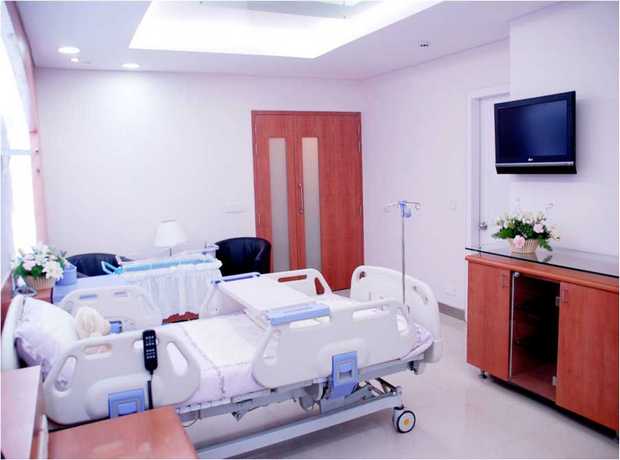
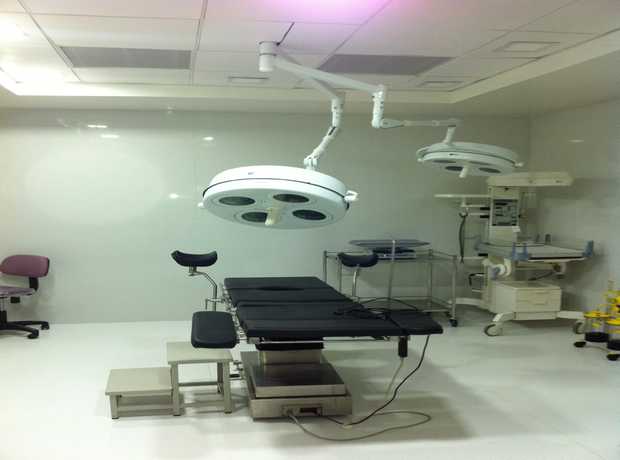
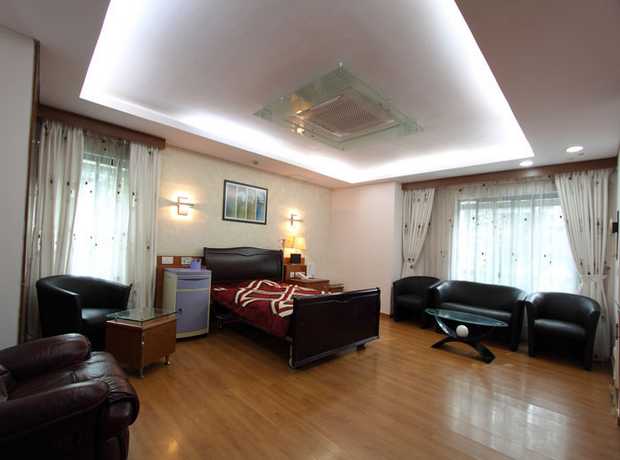
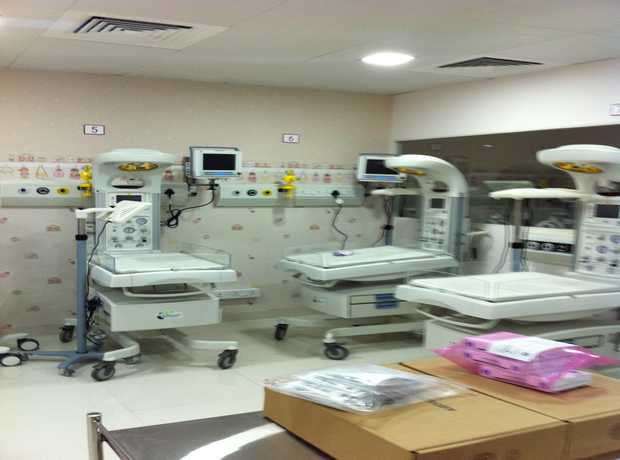
- Hospital Interior Design: We specialize in designing patient rooms, ICUs, operating theatres, laboratories, consultation areas, and comprehensive facility planning for optimized patient care, staff efficiency, and infection control, all with an emphasis on resilience.
- Residential Projects: Our expertise spans across apartments, luxury condos, senior housing, and community-focused interiors, crafting spaces that enhance quality of life, comfort, and adaptability for future needs.
- Retail & Commercial Design: From dynamic shopping malls and versatile mixed-use developments to corporate offices and engaging entertainment centers, we create environments that foster productivity, commerce, and memorable experiences.
- Interior Solutions: We offer comprehensive interior services including strategic space planning, ergonomic furniture layouts, cutting-edge lighting design, and full turnkey interior execution, ensuring every detail contributes to a cohesive and future-proof design.
📞 Contact: +91 7299072144 | ✉️ Email: info@skydomedesigns.com | 🌐 Website: skydomedesigns.com