As Adelaide continues its remarkable growth trajectory, the demand for cutting-edge, patient-centric healthcare facilities is experiencing an unprecedented surge. This expansion isn’t just about constructing new buildings; it’s about reimagining spaces that truly support healing, enhance well-being, and boost operational efficiency. At the very heart of this transformation lies an often-underestimated, yet profoundly impactful element: lighting design. Navigating the intricate complexities of healthcare lighting in today’s dynamic environment requires far more than simply placing light fixtures. It demands a deep well of expertise, an unwavering adherence to stringent international and local codes, and, crucially, an empathetic focus on the holistic well-being of both patients and the dedicated medical staff.
This comprehensive 2025 guide is meticulously crafted to offer unparalleled insights into the pivotal considerations for advanced lighting design for healthcare facilities in Adelaide. We delve into the latest trends, technological innovations, regulatory landscapes, and best practices that are shaping the future of medical environments across South Australia and beyond. Our aim is to equip facility managers, architects, designers, and stakeholders with the knowledge needed to create truly optimal, high-performing healthcare spaces.
The Profound Importance of Effective Lighting Design for Healthcare Facilities in Adelaide
Effective lighting within healthcare environments extends far beyond the basic function of mere illumination. It acts as a powerful, silent collaborator in the healing process, profoundly impacting patient recovery times, significantly enhancing staff efficiency, reducing medical errors, and contributing to the overall psychological well-being of everyone who steps through the doors. Consequently, a nuanced and comprehensive understanding of lighting design for healthcare facilities in Adelaide is not merely beneficial; it is absolutely crucial for cultivating truly optimal, safe, and restorative spaces that meet the evolving demands of modern medicine.
Poorly designed lighting can lead to visual fatigue, increased stress, disrupted circadian rhythms, and even contribute to seasonal affective disorder (SAD), all of which are detrimental in a healthcare setting. Conversely, thoughtful lighting can create an atmosphere of calm, clarity, and competence, fostering trust and improving the patient experience from the moment they arrive. It’s an investment in health, happiness, and operational excellence.
Tangible Benefits of Well-Designed Lighting in Healthcare: A Deeper Look
- Improved Patient Outcomes: Thoughtfully designed lighting systems actively contribute to faster patient recovery by supporting natural circadian rhythms, reducing anxiety, minimizing stress, and fostering a sense of control and comfort during their stay. Access to natural light and tunable artificial light can significantly improve sleep quality, which is a cornerstone of healing.
- Enhanced Staff Performance and Well-being: Optimal lighting conditions directly translate to improved visual acuity, reduced eye strain, and heightened alertness for medical professionals. This minimizes the potential for errors, boosts productivity, and creates a more comfortable, less fatiguing working environment, ultimately leading to higher staff morale and retention.
- Reduced Energy Consumption and Operational Costs: Modern lighting solutions, particularly advanced LED technology combined with intelligent control systems, offer substantial energy savings. This not only lowers operational expenses for healthcare providers but also aligns with global sustainability goals, contributing to a reduced carbon footprint.
- Creation of a Calming and Healing Environment: The judicious application of light, including carefully selected color temperatures, glare control, and dynamic lighting scenes, can transform sterile environments into inviting, therapeutic spaces. This promotes psychological comfort, offers positive distraction, and contributes significantly to the overall patient experience.
- Enhanced Safety and Wayfinding: Strategically placed and appropriately illuminated pathways, signs, and critical zones improve safety for patients and staff, particularly in emergency situations. It also aids intuitive navigation through complex facilities, reducing stress for visitors and improving operational flow.
- Infection Control Support: Certain advanced lighting technologies, such as UV-C disinfection lighting, are emerging as powerful tools to supplement traditional cleaning protocols, further enhancing safety and hygiene in critical areas.

The Human-Centric Approach: Beyond Illumination in 2025
In 2025, healthcare lighting design is firmly rooted in a human-centric philosophy. This means moving beyond merely meeting lux levels and focusing on how light interacts with the human body and mind. This approach considers:
- Circadian Rhythms: Integrating tunable white lighting that mimics natural daylight cycles to support sleep-wake patterns, vital for patient recovery and staff alertness.
- Visual Comfort: Minimizing glare, flicker, and shadows while ensuring adequate illumination for diverse tasks, from intricate surgery to reading in a patient room.
- Emotional Well-being: Using light to create specific moods and atmospheres, reducing stress, and providing a sense of warmth and security, which are crucial for mental health.
- Personal Control: Empowering patients and staff with the ability to adjust lighting in their immediate environment, fostering a sense of autonomy and comfort.
Adopting this human-centric perspective ensures that every lighting decision contributes directly to the core mission of healthcare: promoting health and healing. Skydome Designs understands this deeply, integrating human factors into every lighting solution we deliver across Adelaide and globally, ensuring designs are not only compliant but profoundly beneficial. With over 29 years of experience and 1093+ successful assignments, our approach consistently leads to superior patient and staff environments.
Key Considerations for Advanced Lighting Design in Healthcare Facilities in Adelaide
Designing lighting for modern healthcare facilities demands a meticulously multi-faceted approach, integrating scientific understanding with aesthetic sensibility and rigorous compliance. It necessitates far more than just architectural design; it calls for a holistic strategy that encompasses adherence to local and international regulations, a profound understanding of the unique and often contrasting needs of different functional areas within a hospital (from high-acuity ICUs and precision-demanding operating theatres to serene patient rooms), and a steadfast commitment to integrating sustainable, future-proof practices and technologies.
The complexity is further amplified by the rapid pace of technological innovation in lighting, the evolving understanding of light’s biological impacts, and the increasingly stringent demands for energy efficiency and environmental responsibility. A successful design synthesizes these diverse elements into a cohesive, high-performing system.
Adelaide’s Unique Lighting Standards and Regulations: Navigating the Compliance Landscape
It is absolutely paramount for any lighting design project in healthcare within Adelaide to stay not only updated but proactively informed on South Australia’s specific building codes, energy efficiency mandates, and lighting standards for healthcare facilities. Compliance is unequivocally non-negotiable and forms the bedrock of safe and effective design. Key Australian Standards that are particularly relevant include AS/NZS 1680 (Interior Lighting) series, which specifies recommended illuminance levels and quality criteria for various tasks and environments, and AS/NZS 2293 (Emergency Lighting) series, crucial for safety and egress pathways.
Beyond national standards, local council regulations in Adelaide may impose additional requirements related to light spill, environmental impact, and specific zoning considerations. Furthermore, Occupational Health and Safety (OHS) guidelines must be meticulously integrated to ensure the well-being of staff. A truly knowledgeable and experienced Adelaide lighting design for healthcare facilities company can not only navigate these intricate requirements seamlessly but also foresee potential regulatory shifts, ensuring designs remain compliant and future-proof. Skydome Designs excels in this area, combining global design standards with unparalleled local code expertise in Adelaide, providing end-to-end delivery from strategy to handover.
Navigating Compliance in 2025: A Proactive Approach
As we move into 2025, compliance is an evolving target. Future updates to energy efficiency codes, environmental impact assessments, and even specific health-related lighting guidelines (e.g., related to circadian lighting) are always on the horizon. A proactive approach involves:
- Regular training and education for design teams on the latest amendments.
- Engagement with regulatory bodies and industry associations.
- Utilizing design software that incorporates compliance checking features.
- Maintaining robust documentation for all design decisions and material specifications.
Working with a firm like Skydome Designs provides invaluable assurance. Our multi-disciplinary reviews and commitment to staying abreast of all local and international standards mean your project is not only innovative but also flawlessly compliant.
Specialized Lighting for Specific Areas: Tailoring Illumination for Diverse Needs
The “one-size-fits-all” approach has no place in healthcare lighting. Each functional area within a facility presents a unique set of demands and requires bespoke lighting solutions tailored to its specific purpose, the activities performed within it, and the occupants’ needs.
ICU Lighting: Creating a Restful and Functional Environment
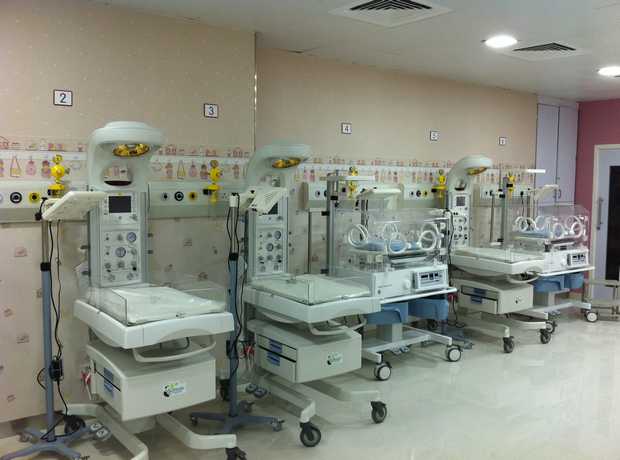
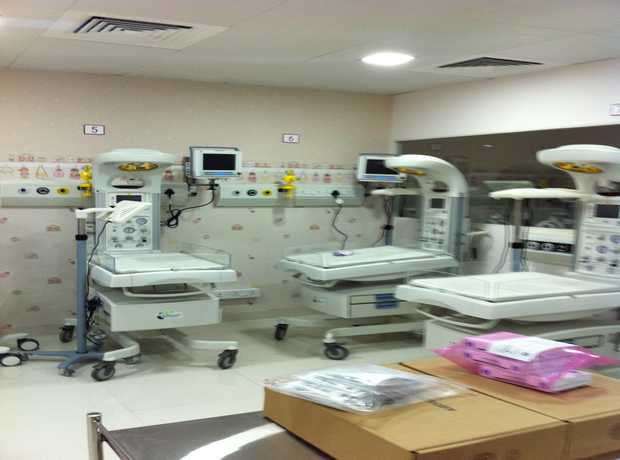
ICU layout and lighting design must delicately balance two critical, often conflicting, needs: creating a healing, restful environment for critically ill patients and providing optimal visual conditions for medical staff performing precise monitoring and interventions. Considerations should include:
- Tunable White Lighting: Allowing adjustment of color temperature and intensity to mimic natural daylight cycles, supporting patient circadian rhythms and minimizing delirium.
- Indirect and Gentle Illumination: Minimizing direct glare, which can be highly disruptive to patients. Wall-washing or cove lighting can provide soft, ambient illumination.
- Patient Control: Providing patients (or their families) with limited control over ambient light levels to enhance comfort and autonomy.
- Task Lighting for Staff: Strategically placed, adjustable examination lights that provide high illuminance for procedures without disturbing other patients or generating excessive glare.
- Night Lighting: Very low-level, warm-toned lighting for safe navigation during the night, designed to avoid disrupting sleep.
The goal is a dynamic lighting scheme that can transition seamlessly from a calming, low-intensity state to a bright, high-intensity procedural environment as needed, without abrupt changes that can distress patients.
OT Design: Precision, Sterility, and Flexibility at the Forefront
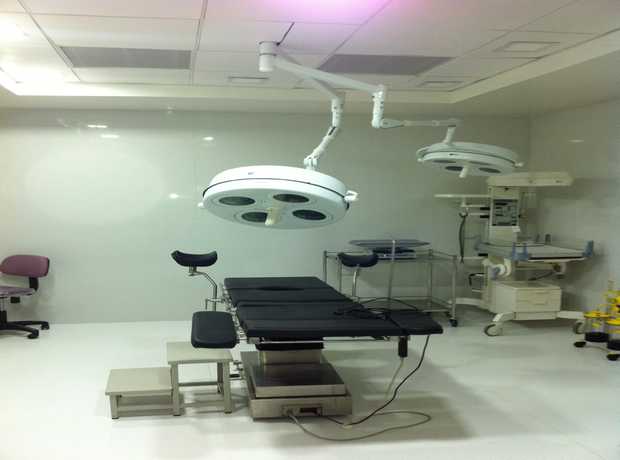
OT design necessitates the highest standards of illumination, where precision and visual clarity are paramount. Surgical procedures demand high-intensity, shadow-free lighting that ensures optimal visibility of tissues and instruments, reducing visual fatigue for the surgical team. Key elements include:
- High-Performance Surgical Luminaires: State-of-the-art LED surgical lights providing exceptional illumination levels (often 100,000 lux or more) with superior color rendering index (CRI > 90) for accurate tissue differentiation.
- Shadow Management: Advanced optics and multiple light sources to eliminate shadows cast by surgical teams, ensuring an unhindered view of the surgical field.
- Adjustability and Flexibility: Surgical lights must be easily maneuverable, positionable, and dimmable to adapt to various surgical specialities and procedures.
- Ambient OT Lighting: Dimmable, glare-free ambient lighting for the broader operating room, often set at a lower intensity than surgical lights to minimize contrast and improve visual comfort for staff.
- Emergency Lighting: Integrated battery backup systems for surgical lights and general OT illumination to ensure continuous operation during power outages.
- Integration with Imaging: Consideration for lighting that does not interfere with C-arms, endoscopes, or other imaging equipment used during surgery.
The sterile environment of an OT also influences fixture selection, requiring easy-to-clean, sealed luminaires that prevent dust and contaminant accumulation.
Patient Room Lighting: Promoting Healing, Comfort, and Autonomy
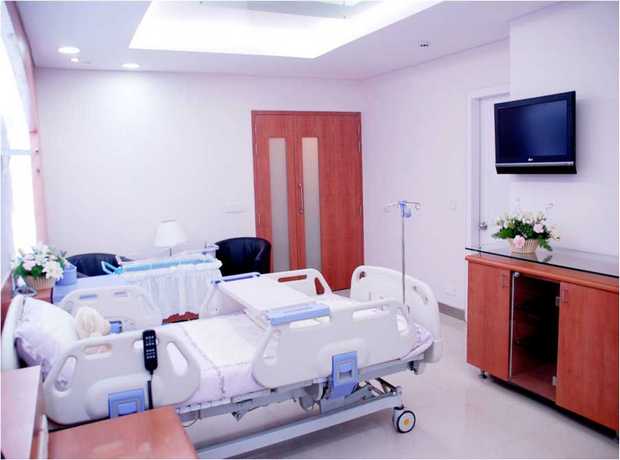
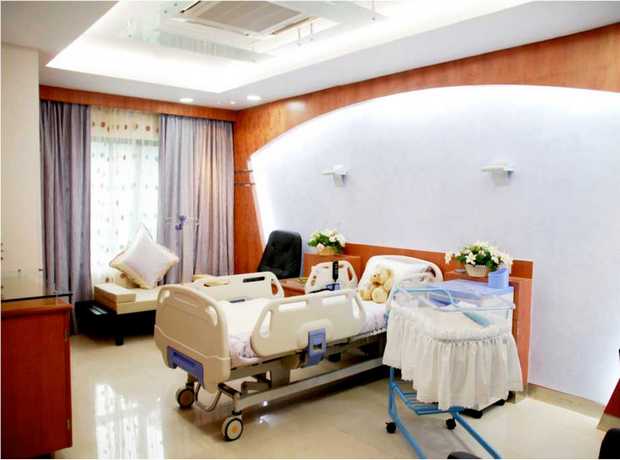
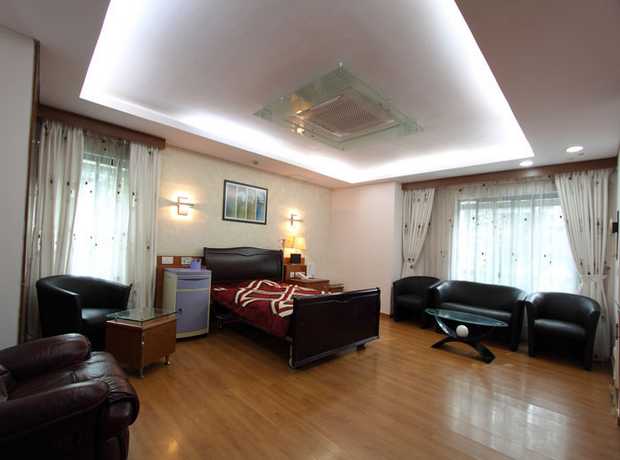
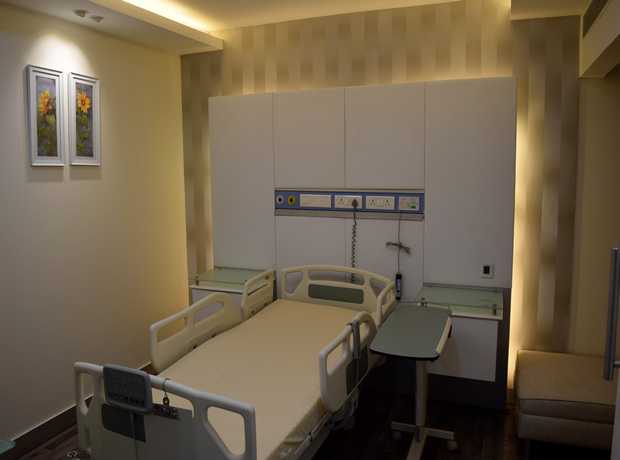
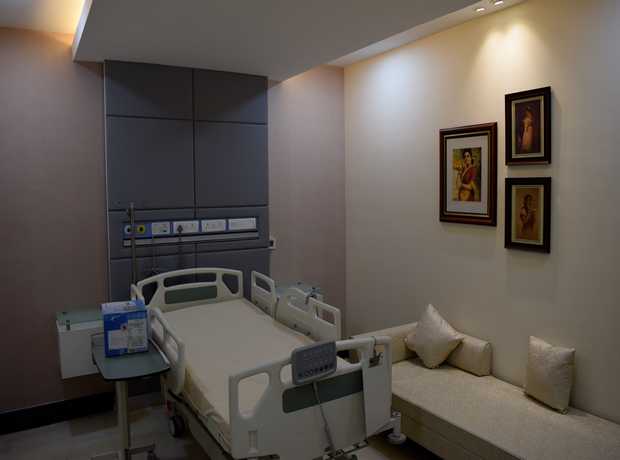
Patient rooms are sanctuaries for healing and recovery, and their lighting should reflect this. The design goal is to create a comfortable, soothing, and adaptable environment that promotes rest and fosters a sense of personal control. A multi-layered approach is essential:
- Ambient Lighting: General, soft, indirect lighting that provides overall illumination without harshness or glare, often tunable white to support circadian rhythms.
- Task Lighting: Focused lighting for reading, eating, or examinations, typically integrated into bedhead units, often dimmable and individually controllable.
- Accent Lighting: Optional decorative lighting elements or wall sconces that add warmth and a less institutional feel.
- Natural Light Integration: Maximizing access to natural daylight through windows, coupled with glare control solutions like blinds or smart glass.
- Night Lighting: Very low-level, discreet night lights for safe navigation to the bathroom without fully waking the patient.
- Personal Control: Intuitive controls at the bedside, allowing patients to adjust light levels and color temperature to their preference.
- Anti-Ligature Design: In some psychiatric or vulnerable patient rooms, all fixtures must be designed to prevent self-harm.
The emphasis is on creating a homely, less clinical atmosphere that respects patient privacy and autonomy, directly aiding the recovery process.
Emergency Rooms & Triage Areas: Clarity, Urgency, and Adaptability
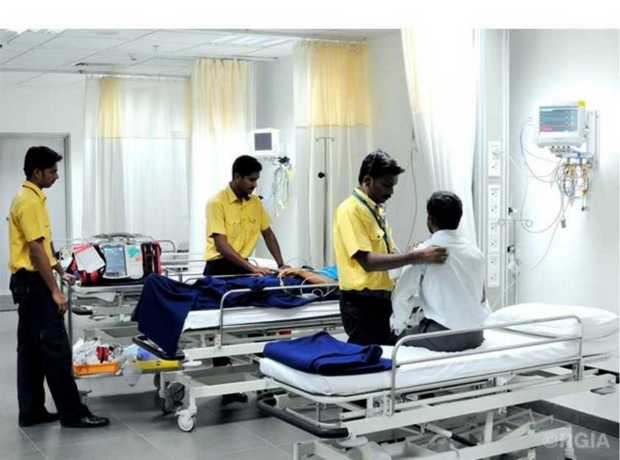
Emergency departments operate under immense pressure, requiring lighting that facilitates rapid assessment, clear communication, and efficient procedures. Lighting must be bright, uniform, and easily adjustable to cater to various situations, from quiet consultations to urgent resuscitations. High CRI is crucial for accurate diagnosis. Robust, easy-to-clean fixtures are essential due to the high traffic and infection control requirements.
Waiting Areas & Reception: First Impressions and Comfort
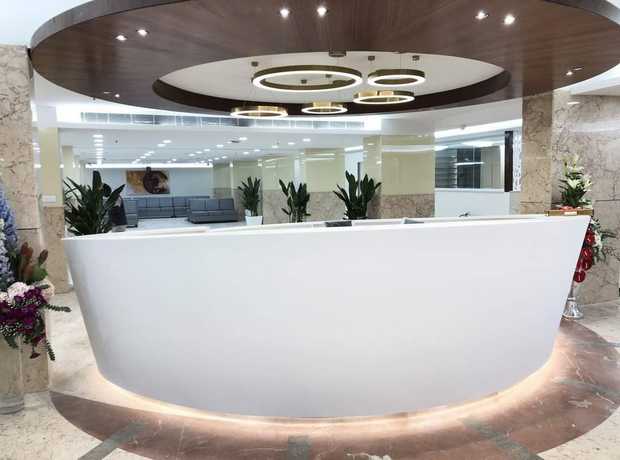
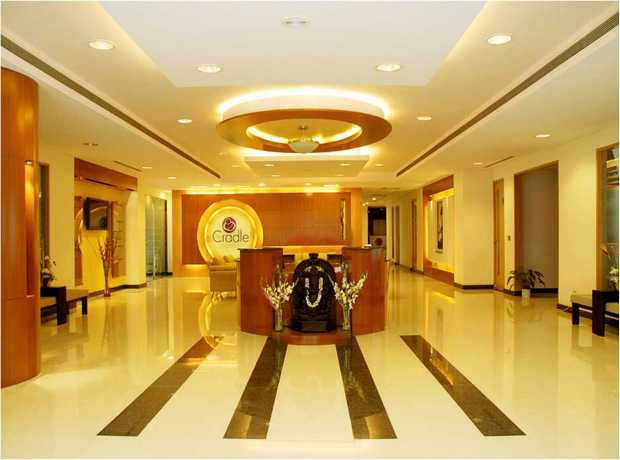
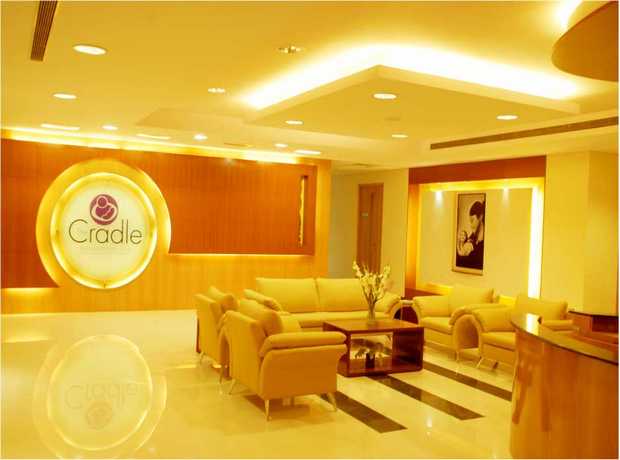
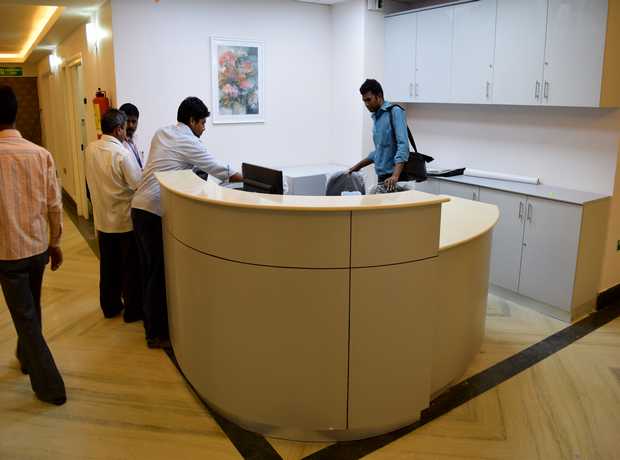
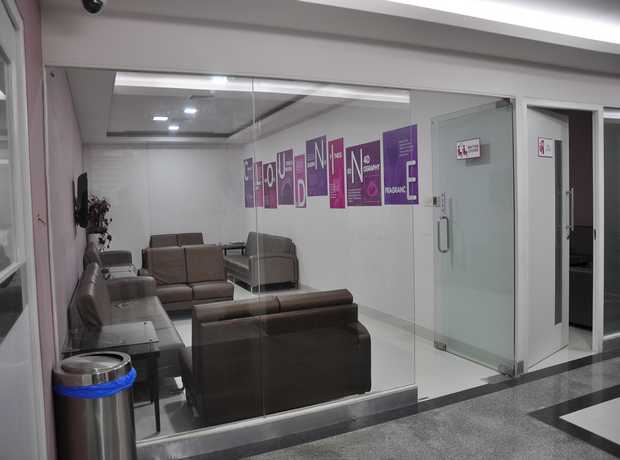
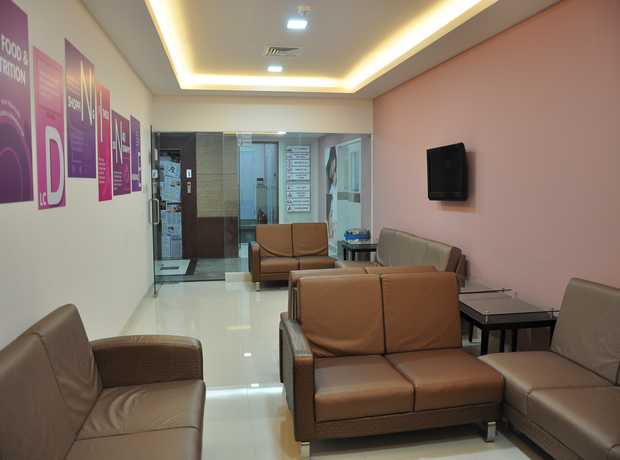
These areas serve as the patient’s first point of contact and play a significant role in setting the tone for their visit. Lighting should be welcoming, calming, and glare-free. A combination of ambient, task (for reception desks), and accent lighting can create a comfortable and visually appealing space. Natural light is highly beneficial, and light fixtures can subtly reinforce branding and wayfinding cues, reducing anxiety for visitors. Consider tunable lighting that can adapt to different times of day, enhancing comfort.
Laboratories & Pharmacies: Precision, Safety, and Accuracy
In labs and pharmacies, lighting is critical for precision tasks, accurate color rendering of samples or medications, and safety. High uniform illuminance with excellent CRI is paramount to avoid errors. Glare control is important to prevent reflections on screens and surfaces. Specialized lighting may be required for microscopes or specific analytical equipment. Fixtures must be durable, easy to clean, and resistant to chemicals where appropriate.
Corridors & Transition Zones: Safety, Wayfinding, and Continuity
Corridors are more than just pathways; they are critical for safe circulation, emergency egress, and establishing a consistent ambiance. Lighting should be uniform, glare-free, and sufficient to prevent trips and falls. Strategically placed fixtures and varying light intensity can aid in wayfinding, subtly guiding individuals. Dynamic lighting that changes color temperature or intensity can help break up long corridors and create a more pleasant experience. Emergency lighting throughout corridors is a legal and safety imperative.
Consultation Rooms: Trust, Comfort, and Examination
Consultation rooms require a delicate balance: creating a comfortable, reassuring atmosphere for patient-doctor interaction, while also providing adequate, high-CRI examination lighting when needed. Dimmable ambient lighting and a focused, adjustable examination light are key. Glare control is vital for both patient comfort and clear visibility during examinations. The lighting should support clear communication and create a sense of privacy.
Cafeterias & Staff Lounges: Relaxation and Recharge
These areas are crucial for staff to decompress and for patients and visitors to find respite. Lighting should be warm, inviting, and conducive to relaxation and social interaction. Avoiding harsh, institutional lighting is key. Biophilic design principles, incorporating views of nature and natural light, can greatly enhance these spaces. Dimmable options allow for flexibility between different times of day and uses.
Exterior & Entryway Lighting: Security, Aesthetics, and First Impressions
The exterior lighting of a healthcare facility serves multiple functions: ensuring security, enhancing aesthetic appeal, facilitating safe pedestrian and vehicular traffic, and providing crucial wayfinding to entrances. It needs to be robust, weather-resistant, and compliant with local light spill regulations. A well-lit exterior contributes significantly to a welcoming and safe environment, guiding patients and visitors even before they step inside.
Choosing the Right Adelaide Lighting Design for Healthcare Facilities Company: Your Strategic Partner
Selecting the right partner for your healthcare lighting project is not merely a procurement decision; it is a paramount strategic choice that will profoundly impact the success, functionality, and longevity of your facility. The complexities involved in healthcare lighting demand a specialist firm with a proven track record, a deep, nuanced understanding of intricate healthcare environments, and an unwavering commitment to both innovation and sustainable practices. Your chosen partner must act as an extension of your team, bringing not just technical expertise but also a shared vision for patient-centric care and operational excellence.
Skydome Designs: Your Trusted, Experienced Partner in Adelaide for Healthcare Lighting
Skydome Designs Pvt Ltd stands as a leading architecture and interior design firm, boasting an exceptional nearly 30 years of unwavering experience, specifically specializing in hospital and healthcare interiors. Our deep expertise in creating healing environments is evident in our lighting design solutions. We have proudly delivered an impressive 1093+ lighting design for healthcare facilities assignments across Adelaide and globally, a testament to our profound understanding of diverse regulatory landscapes and functional requirements.
Our comprehensive services are tailored to meet the exacting demands of modern healthcare:
- Specialized Hospital Interior Design: We craft environments for patient rooms, ICUs, OTs, laboratories, consultation areas, and undertake meticulous facility planning – all optimized for superior patient care and operational flow.
- Integrated Interior Solutions: Our expertise spans strategic space planning, ergonomic furniture layouts, cutting-edge lighting design, and seamless, turnkey interior execution.
With an exceptional on-time delivery rate of >98%, our commitment to excellence is clear. We conduct rigorous multi-disciplinary reviews at every stage and provide comprehensive post-occupancy support, ensuring optimal outcomes that exceed expectations. Our ability to blend global design standards with unparalleled local code expertise in Adelaide allows us to offer truly end-to-end delivery for lighting design for healthcare facilities — from initial strategy and conceptual design through construction and final handover.
Why Choose Skydome Designs for Your Adelaide Healthcare Lighting Project?
- 29+ Years of Specialized Experience: We bring nearly three decades of dedicated experience across India and numerous international locations, including a robust presence in Adelaide’s healthcare sector.
- Dedicated In-House Team: Our strength lies in our integrated team of expert architects, seasoned healthcare planners, and meticulous project managers who collaborate seamlessly.
- Award-Winning, Client-Focused, and Sustainable Designs: Our designs are not only recognized for their innovation and aesthetic appeal but are also driven by client needs, focusing on long-term sustainability and positive impact.
- Global Standards, Local Compliance: We deliver projects that meet the highest international benchmarks while meticulously adhering to all local Adelaide standards and regulations.
- Proven Project Delivery: Our consistent record of projects delivered on-time, on-budget, and to global standards speaks for itself. We prioritize efficiency without compromising quality.
Don’t leave your critical healthcare lighting project to chance. Contact Skydome Designs today at +91 7299072144 or via email at info@skydomedesigns.com to discuss your specific project needs. Leverage our 29+ years of experience and 1093+ successful assignments to illuminate the future of healthcare in Adelaide with confidence.
Essential Qualities to Look For in Your Lighting Design Partner: Beyond the Brochure
- Demonstrated Expertise in Healthcare Lighting: Look for a portfolio that showcases diverse healthcare projects, from small clinics to large hospitals. Inquire about their experience with specialized areas like ICUs, OTs, and patient rooms. Deep expertise translates into designs that are both innovative and practical.
- Comprehensive Knowledge of Local Regulations: The firm must be intimately familiar with Adelaide’s specific building codes, Australian Standards (AS/NZS 1680, AS/NZS 2293), and energy efficiency requirements. This prevents costly delays and ensures compliance.
- Unwavering Commitment to Sustainability: Prioritize companies that integrate energy-efficient LED technologies, smart lighting controls, and strategies for maximizing natural light. Ask about their experience with green building certifications like LEED or Green Star.
- Robust Portfolio of Past Projects and Client Testimonials: Request examples of their work, preferably within the healthcare sector. Client references and testimonials provide invaluable insight into their project management capabilities and client satisfaction.
- Exceptional Communication and Collaboration Skills: Lighting design is an inherently collaborative process. The chosen firm should demonstrate excellent communication with all stakeholders—architects, interior designers, M&E consultants, and facility managers—to ensure a cohesive and integrated design.
Beyond Illumination: The Integrated Design Approach
A truly exceptional lighting design firm operates within an integrated design framework. This means they don’t just specify fixtures; they actively collaborate with other design disciplines—mechanical, electrical, structural, and interior design teams—from the earliest conceptual stages. This ensures that the lighting scheme is seamlessly integrated into the building’s infrastructure, complements the interior finishes and spatial planning, and works harmoniously with HVAC systems and energy management strategies. This holistic approach prevents costly conflicts, enhances overall efficiency, and delivers a superior end product that is greater than the sum of its parts.
The Indispensable Role of Healthcare Architects in Adelaide Lighting Design
Healthcare architects are the orchestrators of the built environment, playing an absolutely crucial role in integrating lighting design seamlessly into the overall facility design. Their vision forms the blueprint for the entire project. They ensure that the lighting not only complements the architectural features and material palette but also profoundly contributes to the functionality, safety, and aesthetic appeal of the space. A skilled healthcare architect considers how natural light penetrates the building, how artificial light supports wayfinding, and how the interplay of light and shadow impacts the patient and staff experience. This holistic perspective ensures that lighting is not an afterthought but a fundamental, integrated component of the healing environment.
Wayfinding and Lighting: Guiding the Journey
Effective wayfinding is not merely convenient; it is absolutely essential in the often-stressful and complex environment of healthcare facilities. The design of lighting can be strategically harnessed as a powerful tool to guide patients, visitors, and staff effortlessly through the building, significantly reducing confusion, alleviating anxiety, and vastly improving the overall user experience. This goes beyond simple signage:
- Luminous Pathways: Linear lighting features embedded in floors or ceilings can create intuitive pathways.
- Color Temperature and Intensity: Varying color temperatures or intensities can denote different zones or direct traffic. For instance, warmer light in waiting areas and cooler, brighter light in clinical zones.
- Highlighting Key Destinations: Brighter illumination or accent lighting can draw attention to reception desks, information points, or department entrances.
- Dynamic Lighting: Programmable lighting systems can dynamically change to guide people during emergencies or direct them to specific areas at different times of the day.
- Integration with Signage: Well-lit signage ensures readability and prominence, especially in low-light conditions.
By leveraging light as an integral wayfinding element, healthcare facilities can enhance patient autonomy, reduce reliance on staff for directions, and contribute to a calmer, more efficient environment. Skydome Designs’ end-to-end delivery approach considers these critical elements from the earliest strategy stages, ensuring that wayfinding is intuitively woven into the lighting design of your Adelaide healthcare facility.
Biophilic Design and Natural Light Integration: Connecting with Nature
Biophilic design, which seeks to connect building occupants with nature, is increasingly recognized for its therapeutic benefits in healthcare. Natural light is a cornerstone of this approach. Maximizing access to natural daylight in healthcare facilities can significantly improve patient mood, reduce perceived pain, and shorten hospital stays. Strategies include:
- Large Windows and Glazing: Designing with ample natural light penetration while managing glare and heat gain with appropriate shading.
- Light Shelves and Atriums: Architectural features designed to reflect natural light deeper into floor plates.
- Views to Nature: Orienting rooms to provide views of gardens, landscapes, or even simulated natural scenes, further enhancing psychological well-being.
- Interior Courtyards: Creating enclosed outdoor spaces that bring natural light and greenery into the heart of the facility.
When natural light is thoughtfully integrated, it reduces reliance on artificial lighting during daylight hours, contributing to energy savings and creating a more invigorating and healing atmosphere. The interplay between natural and artificial light is a complex balance that expert designers manage to perfection.
Global Design Standards with Local Code Expertise in Adelaide: A Winning Combination
Achieving truly successful healthcare projects requires a sophisticated integration of leading global design standards with an intimate, nuanced understanding of local codes and cultural contexts in Adelaide. This dual-pronged approach ensures that the lighting design is not only innovative, cutting-edge, and aligned with international best practices (such as those from the WELL Building Standard or LEED) but also flawlessly compliant with all South Australian regulations and specific building requirements. It’s about leveraging the best the world has to offer while respecting and adhering to the specific needs of the local environment.
Skydome Designs prides itself on its unique ability to deliver this precise synergy. Our extensive international portfolio means we bring a wealth of knowledge from projects across diverse global healthcare landscapes. This global perspective is then meticulously combined with our deep, on-the-ground expertise in Adelaide’s regulatory framework, environmental considerations, and community expectations. We offer genuine end-to-end delivery for lighting design for healthcare facilities — from strategic planning and conceptual design, through detailed design and documentation, construction oversight, and final handover in Adelaide. This ensures a seamless process and an outcome that truly excels.
The Future of Healthcare Lighting in Adelaide: Trends for 2025 and Beyond
The field of healthcare lighting is continuously evolving, driven by technological advancements, deeper understanding of human biology, and the increasing demand for sustainable and patient-centric environments. For Adelaide in 2025 and beyond, several key trends will define the cutting edge:
- Advanced Tunable White and Circadian Lighting Systems: These systems will become standard, offering precise control over color temperature and intensity to mimic natural daylight cycles throughout the day. This supports optimal sleep-wake patterns for patients and maintains alertness for staff, significantly impacting recovery and performance.
- IoT (Internet of Things) and Smart Lighting Controls: Lighting systems will increasingly be integrated with building management systems, utilizing sensors for occupancy, daylight harvesting, and even patient vital signs. This allows for dynamic, adaptive lighting scenes, predictive maintenance, and highly personalized experiences, leading to greater energy efficiency and operational intelligence.
- Personalized and Modular Lighting Control: Empowering patients with intuitive, granular control over their immediate lighting environment will become a priority, enhancing comfort and a sense of autonomy. Modular systems will allow for easy adaptation and upgrades as technologies evolve.
- Hygienic Lighting Solutions: Beyond traditional UV-C disinfection, new antimicrobial lighting technologies are emerging that can continuously inhibit bacterial growth on surfaces, adding an extra layer of infection control in critical areas without harming human occupants.
- Data-Driven Design and Analytics: Designers will increasingly use data from occupancy sensors, energy consumption, and even patient feedback to refine and optimize lighting strategies, creating truly evidence-based designs that improve over time.
- Augmented Reality (AR) for Design Visualization: AR tools will allow stakeholders to visualize lighting scenarios in real-time within a proposed space, providing an immersive experience that aids decision-making and ensures alignment before construction begins.
- Emphasis on Biophilic Lighting: Incorporating lighting strategies that reinforce natural patterns and rhythms, using indirect light, and maximizing views to nature will continue to grow, aligning with the broader biophilic design movement.
Embracing these trends ensures that healthcare facilities in Adelaide remain at the forefront of patient care, staff support, and sustainable operation. Skydome Designs is at the forefront of these innovations, continually integrating them into our projects to deliver future-ready solutions.
Frequently Asked Questions: Lighting Design for Healthcare Facilities in Adelaide
Here are some frequently asked questions regarding lighting design for healthcare facilities in Adelaide, offering deeper insights into common queries:
What are the key considerations for lighting in a hospital waiting room, particularly for a large Adelaide facility?
For a hospital waiting room in Adelaide, lighting should prioritize creating a welcoming, calming, and non-glare environment that minimizes anxiety. Consider a multi-layered approach using a combination of soft, indirect ambient lighting (with a warmer color temperature, e.g., 3000K-3500K) to create a relaxed atmosphere. Strategically placed accent lighting can highlight artwork or architectural features, adding visual interest and reducing the institutional feel. Task lighting should be present for reception desks. Crucially, maximize natural light access through windows while incorporating effective glare control systems like blinds or dynamic glass to manage the harsh Australian sun. Dimmable systems that can adjust throughout the day are highly beneficial, allowing for different moods and energy savings. Durability and ease of maintenance are also key considerations due to high traffic volumes.
How does lighting significantly affect patient recovery in a hospital setting, particularly in long-term care facilities?
Proper lighting can profoundly impact patient recovery, especially in long-term care. By employing tunable white lighting systems that dynamically mimic natural daylight cycles (brighter, cooler light during the day; warmer, dimmer light in the evening), healthcare facilities can help regulate patients’ circadian rhythms. This promotes better sleep patterns, which is critical for physical and psychological healing, reduces instances of delirium and anxiety, and improves overall mood. Access to natural light and views to the outside also reduces stress and the perception of pain. Personalized control over lighting in patient rooms empowers individuals, fostering a sense of autonomy that contributes positively to their recovery journey. The right lighting can make a patient feel more comfortable and less disoriented, which is vital for long-term well-being.
What are the best lighting options for operating theatres in a major Adelaide hospital, considering new surgical technologies?
Operating theatres demand the highest quality and most technologically advanced lighting. The best options are high-intensity, shadow-free LED surgical luminaires. These offer superior color rendering (CRI > 90) for accurate tissue differentiation, exceptional energy efficiency, and a significantly longer lifespan compared to traditional halogen lamps. Key features include multiple light sources and advanced optics to eliminate shadows cast by the surgical team, dynamic adjustability of intensity and focus for different procedures, and often tunable white capabilities to match the surgeon’s preference. Integration with advanced imaging systems (like C-arms or endoscopy equipment) is also crucial, ensuring lighting does not interfere with their operation. Furthermore, fail-safe emergency lighting is essential for patient safety during power outages. Skydome Designs has extensive experience in integrating these high-tech solutions into complex OT environments.
How can lighting contribute effectively to wayfinding in a large, multi-level healthcare facility in Adelaide?
In large healthcare facilities, lighting is an extremely powerful tool for wayfinding. It can be strategically used to create visual cues, highlight key areas, and guide people along pathways, reducing stress and confusion. This includes using linear light features in floors or ceilings to create intuitive “light paths,” varying color temperatures or intensities to delineate different zones or departments, and employing accent lighting to draw attention to entrances, reception desks, or critical information points. For instance, cooler, brighter light might indicate clinical zones, while warmer light suggests waiting or administrative areas. Well-lit, consistent illumination in corridors prevents disorientation. Dynamic lighting systems can even be programmed to subtly direct people during emergencies. Combining these lighting strategies with clear, well-illuminated signage creates a robust and intuitive wayfinding system, enhancing patient and visitor experience and operational efficiency.
What is circadian lighting and why is it so important in modern healthcare environments?
Circadian lighting refers to lighting systems designed to support the human body’s natural 24-hour sleep-wake cycle (circadian rhythm) by varying the intensity and color temperature of light throughout the day, mimicking natural daylight. It delivers brighter, cooler (bluer) light during the day to promote alertness and focus, and gradually transitions to warmer, dimmer (redder) light in the evening to facilitate melatonin production and prepare the body for sleep. In healthcare, circadian lighting is immensely important because it can:
- Improve Patient Recovery: By stabilizing sleep patterns, it reduces delirium, anxiety, and depression, particularly in ICUs and long-term care.
- Enhance Staff Performance: It helps maintain alertness and reduce fatigue during long shifts, especially for night staff.
- Reduce Length of Stay: Improved sleep and mood can lead to faster healing and shorter hospitalizations.
- Boost Well-being: For all occupants, it contributes to overall physical and mental health.
This technology represents a significant leap towards truly human-centric healthcare design.
How do smart lighting systems benefit healthcare facilities in terms of operational efficiency and patient care?
Smart lighting systems, often integrated with the Internet of Things (IoT), offer a multitude of benefits for healthcare facilities:
- Energy Efficiency: Occupancy sensors, daylight harvesting controls, and automated dimming reduce energy consumption significantly by turning lights off or dimming them when not needed.
- Personalization: Patients and staff can adjust lighting in their immediate environment, enhancing comfort and control.
- Predictive Maintenance: Systems can monitor lamp life and performance, alerting facility managers to issues before they become critical, minimizing downtime.
- Data Insights: Data on space utilization, energy consumption, and even patient interactions with lighting can inform future design decisions and operational improvements.
- Integration with BMS: Seamless integration with Building Management Systems allows for centralized control and automation, optimizing HVAC and other systems alongside lighting.
- Enhanced Safety: Dynamic lighting can guide emergency egress, and integration with security systems can improve surveillance.
These systems create a more responsive, efficient, and comfortable environment for everyone.
What role does energy efficiency play in modern healthcare lighting design for Adelaide facilities?
Energy efficiency plays a crucial and ever-growing role in modern healthcare lighting design for Adelaide facilities for several compelling reasons:
- Reduced Operational Costs: Healthcare facilities operate 24/7, making electricity a major operational expense. Energy-efficient lighting, primarily LED technology, drastically reduces energy consumption and utility bills.
- Environmental Responsibility: Adhering to sustainability goals and reducing carbon footprint is increasingly important for public and private organizations. Efficient lighting contributes directly to this.
- Compliance with Regulations: Adelaide and broader Australian building codes often have stringent energy efficiency requirements (e.g., NCC Section J). Modern lighting designs must comply with these.
- Enhanced Performance: Modern LEDs offer superior light quality, longer lifespans, and reduced heat output compared to older technologies, which also contributes to HVAC efficiency.
- Eligibility for Incentives: Investing in energy-efficient upgrades can sometimes qualify facilities for government rebates or incentives, further improving the return on investment.
For Skydome Designs, sustainability and energy efficiency are core tenets of our design philosophy, ensuring long-term value for our clients.
How do you balance aesthetics with functionality in healthcare lighting design?
Balancing aesthetics with functionality in healthcare lighting design is one of the key challenges and hallmarks of expert design. It requires a nuanced understanding of how light impacts both visual and psychological comfort, while meeting stringent operational requirements:
- Layered Approach: Utilizing multiple layers of light (ambient, task, accent) allows for flexibility and addresses diverse needs without compromising visual appeal.
- Fixture Integration: Selecting luminaires that are not only functional but also seamlessly integrate with the architectural style and interior finishes, avoiding a clinical or sterile look.
- Biophilic Principles: Incorporating natural light and biophilic design elements creates visually appealing spaces that also promote healing and well-being.
- Color Temperature: Using appropriate color temperatures to create specific moods—warmer for calming areas, cooler for task-intensive zones—without sacrificing clarity.
- Glare Control: Implementing advanced glare control (e.g., diffusers, indirect lighting) ensures visual comfort, which is both functional and aesthetically pleasing.
- Dynamic Lighting: Programmable systems can shift the ambiance of a space throughout the day, allowing for both functional brightness and aesthetic warmth as needed.
The goal is to create environments that feel inviting and comfortable, while simultaneously being highly efficient, safe, and supportive of medical tasks. Skydome Designs excels at achieving this delicate balance in every project.
Conclusion: Illuminating the Future of Healthcare in Adelaide with Expert Lighting Design
Effective lighting design for healthcare facilities in Adelaide is not merely an architectural detail; it is a critical, transformative component in the creation of healing, highly functional, and operationally efficient environments. As Adelaide’s healthcare landscape continues to evolve, the demand for sophisticated, human-centric lighting solutions will only intensify. By thoroughly understanding the specific and often complex needs of different functional areas within a healthcare facility, rigorously adhering to both local and international regulations, and strategically partnering with experienced, specialist professionals, you can ensure that your facility provides optimal illumination for every patient, every staff member, and every visitor.
Skydome Designs stands ready as your premier partner in this endeavor. With an unparalleled 29+ years of dedicated experience in healthcare interiors and an impressive track record of delivering 1093+ successful lighting design for healthcare facilities assignments across Adelaide and globally, we bring a depth of expertise that is unmatched. Our commitment to global design standards, meticulously combined with our profound understanding of local codes and regulations in Adelaide, ensures that every project is not only innovative but also flawlessly compliant and future-ready. Our proven on-time delivery rate of >98%, coupled with comprehensive multi-disciplinary reviews and dedicated post-occupancy support, guarantees optimal outcomes for your investment.
Don’t just illuminate your space; elevate it to a realm where light actively contributes to healing, productivity, and well-being. Contact Skydome Designs today at +91 7299072144 or reach out via email at info@skydomedesigns.com to discuss your specific project requirements. Let our expertise illuminate the future of healthcare in Adelaide, creating environments that truly make a difference. Partner with us for end-to-end delivery for your lighting design for healthcare facilities — from initial strategy and visionary design through to precision construction and seamless handover.
Call to action: For an expert consultation on your healthcare lighting project in Adelaide that blends global standards with local precision, contact Skydome Designs today!