As New York continues to grow, serving as a global hub for business, culture, and innovation, the demand for state-of-the-art healthcare facilities, especially advanced operation theaters (OTs), is escalating dramatically. The urban landscape of New York, with its dense population and a commitment to world-class medical services, necessitates surgical environments that are not only functional but also at the cutting edge of technology, safety, and patient care. This 2025 guide provides an exhaustive and comprehensive overview of operation theater (OT) construction in New York, covering every essential aspect from foundational design considerations to intricate regulatory compliance and cost management. Whether you’re a hospital administrator planning a new surgical wing, a healthcare investor eyeing a facility upgrade, or a medical professional seeking to understand the infrastructure that underpins modern surgery, this guide will equip you with the detailed knowledge and strategic insights you need to navigate the complexities and succeed in your project.
Understanding the Dynamic Landscape of Operation Theater (OT) Construction in New York
New York’s healthcare sector is arguably one of the most dynamic, demanding, and heavily regulated in the world. Consequently, operation theater (OT) construction within this unique ecosystem demands a nuanced understanding of both universally recognized global design standards and extremely specific local building codes, environmental regulations, and healthcare mandates. The constant flux of medical technology, evolving patient demographics, and stringent public health directives means that an OT built today must be adaptable and future-proof to remain relevant and effective for decades to come.
The urban environment of New York City presents its own set of challenges, from limited space and high land costs to logistics of material delivery and construction noise ordinances. Healthcare facilities in the boroughs, Long Island, and upstate New York each face unique local considerations, yet all must adhere to the overarching state guidelines for quality and safety. Understanding these multifaceted factors from the outset is crucial for any successful OT project.
Why is OT Construction So Critical in New York Today?
The criticality of modern OT construction in New York cannot be overstated. Several converging trends underscore this urgent need:
- Aging Population and Increased Demand: New York, like much of the developed world, is experiencing an aging population. This demographic shift naturally leads to a higher incidence of age-related diseases requiring surgical intervention, from orthopedic procedures to cardiovascular operations.
- Specialized Medical Procedures: The city is a magnet for highly specialized medical procedures and complex surgeries that often require hybrid OTs or facilities equipped with advanced imaging and robotic capabilities. Patients from across the globe seek treatment in New York, driving demand for top-tier surgical environments.
- Technological Advancements: The pace of innovation in surgical technology is breathtaking. From minimally invasive robotic surgery to intraoperative imaging and AI-assisted diagnostics, modern OTs must be designed to integrate these sophisticated tools seamlessly. Older OTs often lack the space, power, or data infrastructure to support these advancements.
- Stringent Infection Control Standards: Following global health crises, public and regulatory focus on infection prevention has intensified. New York’s dense urban environment makes robust infection control paramount. OTs must be designed with state-of-the-art ventilation, antimicrobial surfaces, and sterile workflows to minimize the risk of hospital-acquired infections (HAIs).
- Pandemic Preparedness and Resilience: Recent global events have highlighted the need for healthcare facilities, including OTs, to be resilient and adaptable during public health emergencies. This includes features like negative pressure capabilities, surge capacity considerations, and flexible ventilation systems.
- Competitive Healthcare Market: New York’s healthcare market is highly competitive. Hospitals and healthcare systems continually invest in modern OTs not only to provide better patient care but also to attract top surgical talent and maintain their reputation as leading medical institutions.
These factors collectively necessitate continuous upgrades and new builds of operation theaters across the state, making expert guidance on OT construction more valuable than ever.


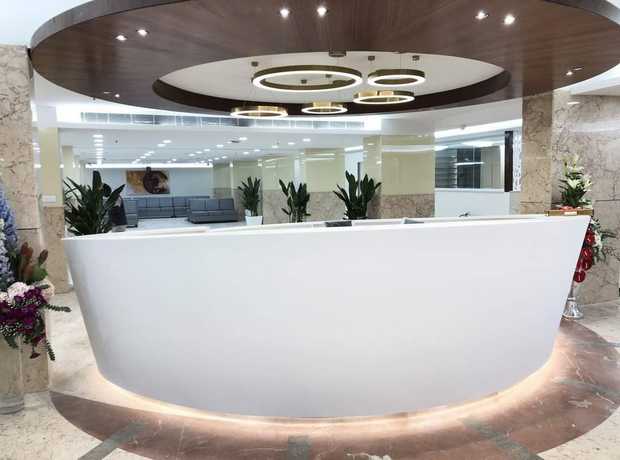
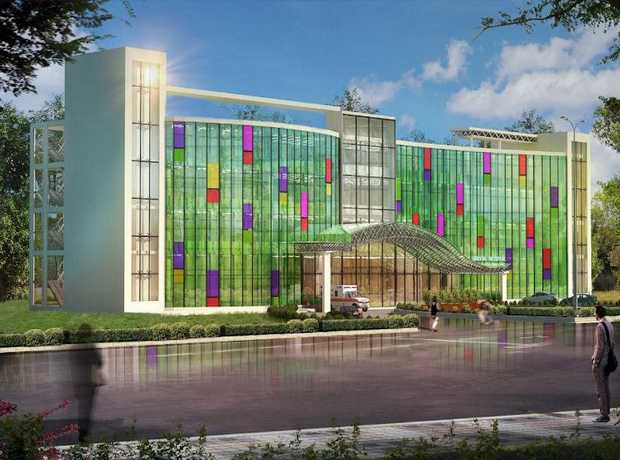
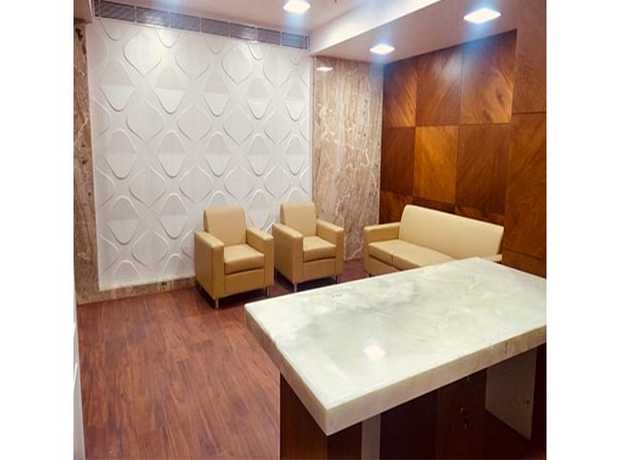
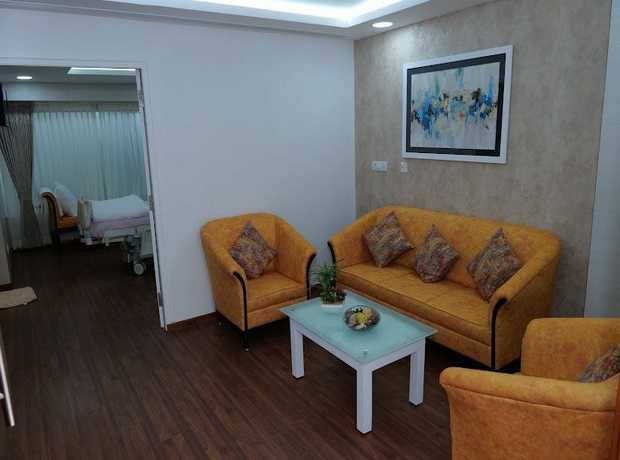





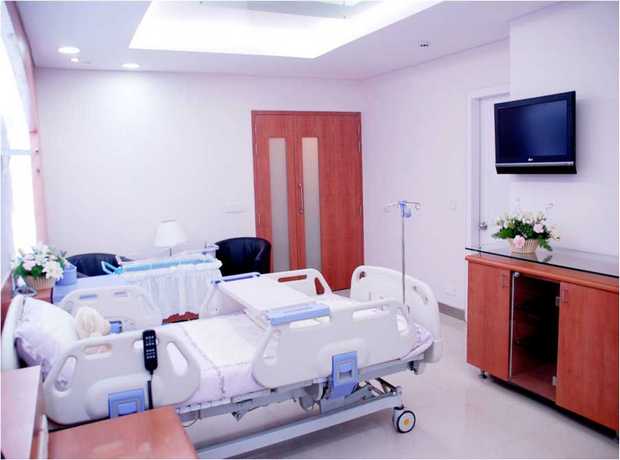
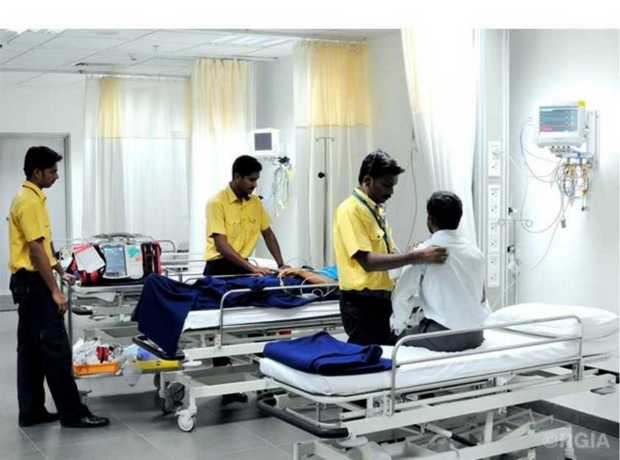
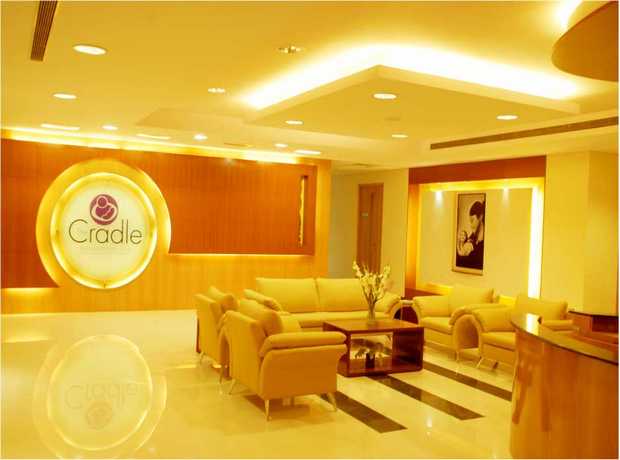
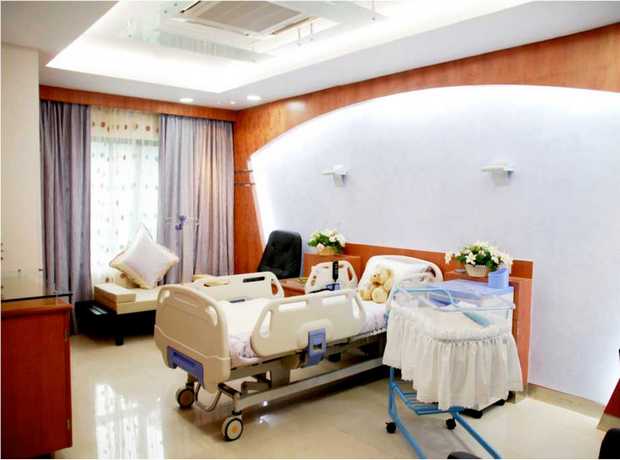
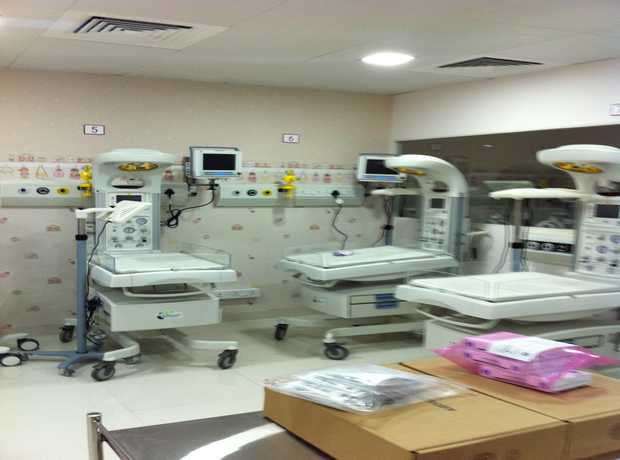
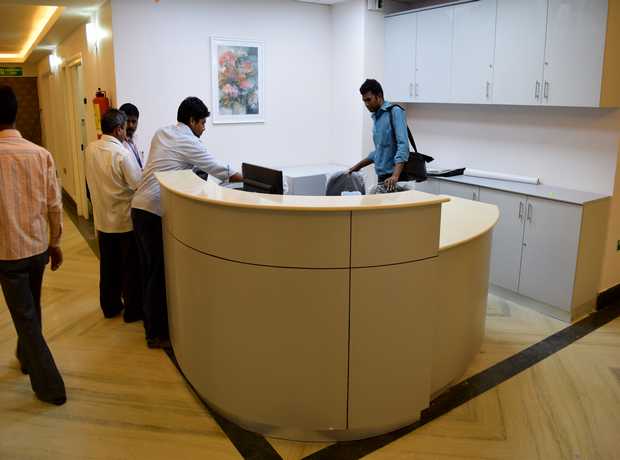
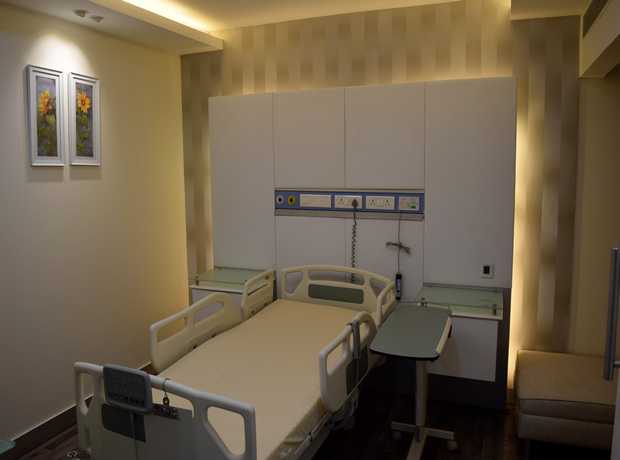
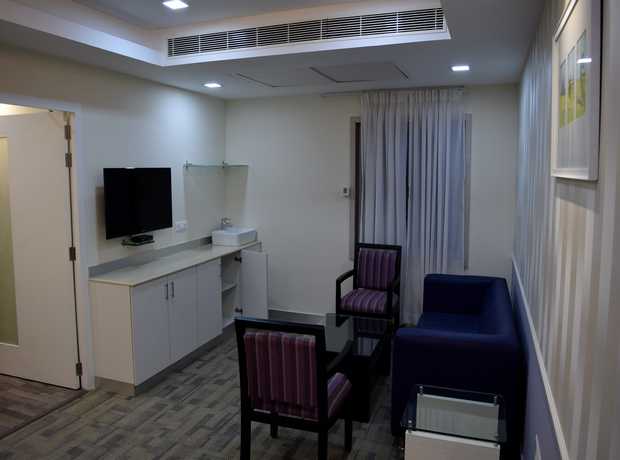

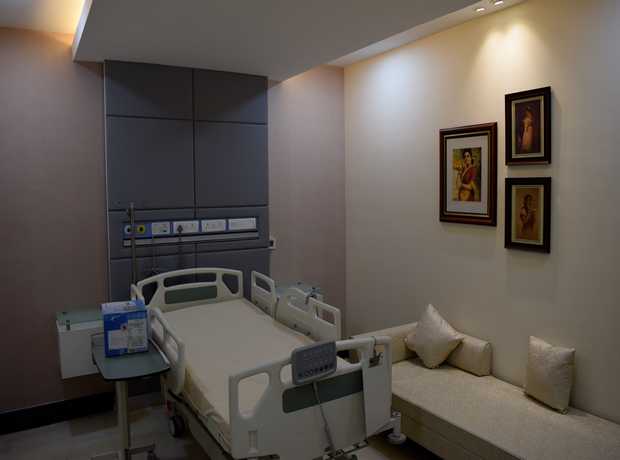
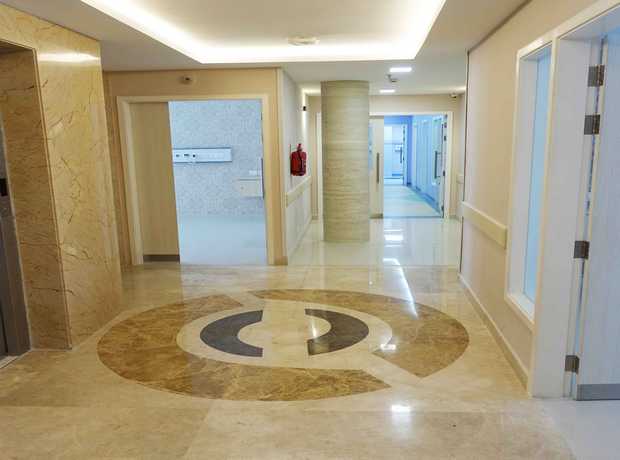
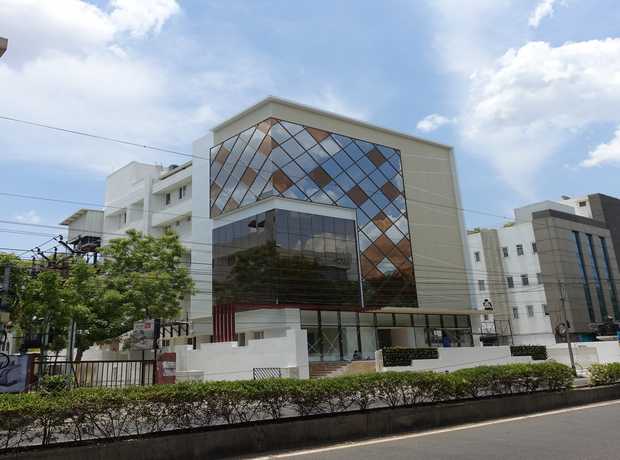
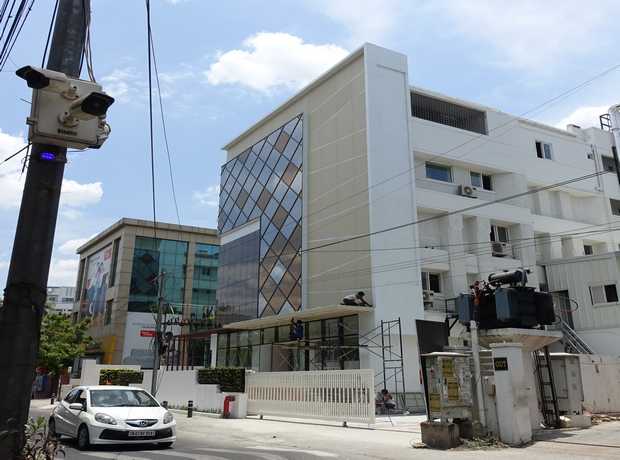
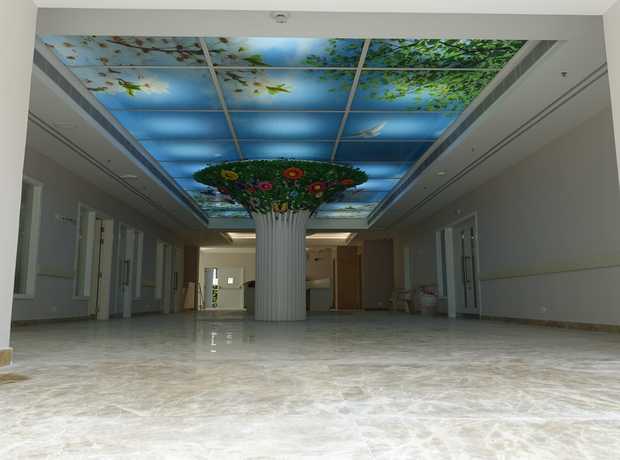
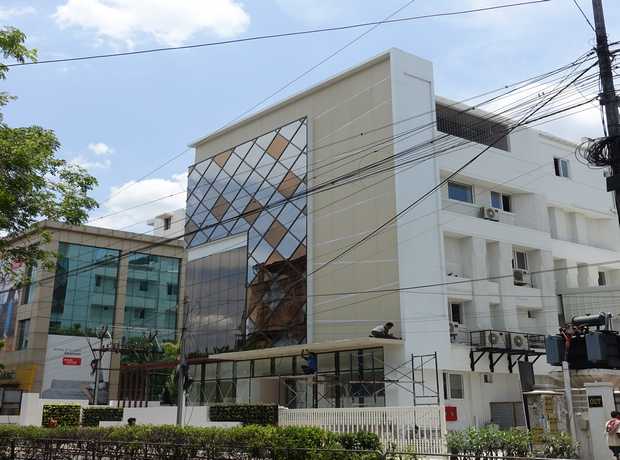
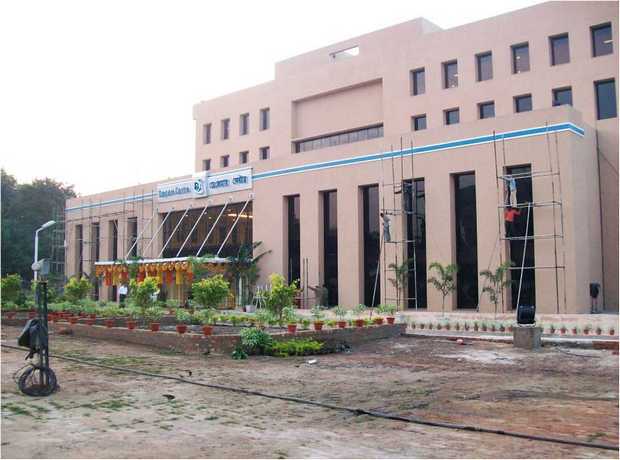
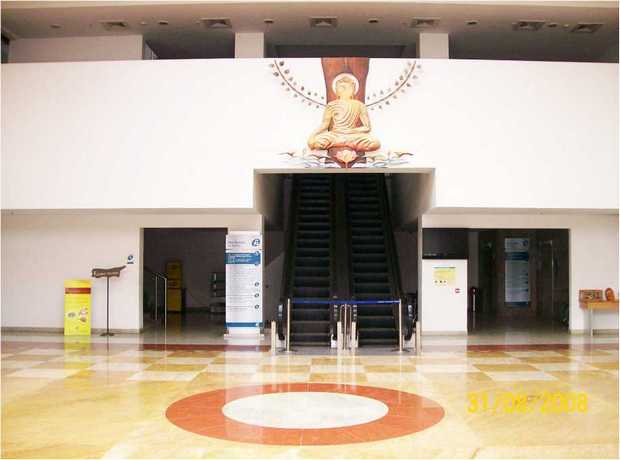


Key Considerations for Operation Theater (OT) Design in New York
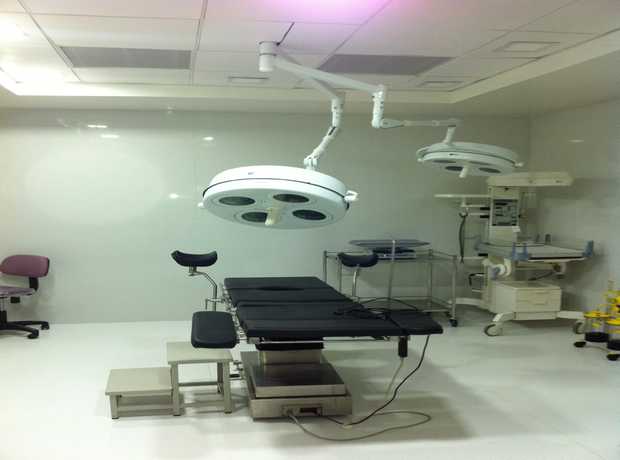
Designing an operation theater (OT) in New York involves a profoundly multifaceted approach, meticulously blending clinical functionality with uncompromising patient and staff safety. Each element must be carefully considered to create an environment that supports optimal surgical outcomes and operational efficiency. Here are some vital elements to consider, elaborated for the unique New York context:
- Infection Control: In New York’s dense urban environment, infection control is not just a best practice; it is an absolute imperative. Implementing advanced HVAC systems, such as laminar airflow and positive pressure ventilation with HEPA filtration, is paramount to minimize airborne contaminants. The selection of antimicrobial, non-porous, and seamless surfaces for walls, floors, and ceilings (e.g., epoxy flooring, surgical-grade stainless steel) further reduces pathogen harborage. Rigorous zoning, pressure differentials between sterile and non-sterile areas, and dedicated sterile processing departments are critical for preventing healthcare-associated infections (HAIs).
- Ergonomics: The physical demands on surgeons, nurses, anesthesiologists, and technicians during lengthy procedures are immense. Designing workspaces that promote comfort, reduce fatigue, and enhance efficiency is essential. This includes adjustable height operating tables and equipment booms, glare-free lighting systems (including task lighting), anti-fatigue flooring, and logical layouts that minimize unnecessary movement. Careful placement of medical gas outlets, power receptacles, and communication ports also contributes to an ergonomic and safe workspace.
- Technology Integration: Modern OTs are technological marvels. Incorporating advanced imaging systems (e.g., intraoperative MRI/CT scanners for hybrid OTs, C-arms), state-of-the-art robotic surgery equipment (e.g., Da Vinci systems), and integrated data management systems is crucial. This demands robust IT infrastructure, ample power supply, specialized shielding, and flexible infrastructure to accommodate future upgrades without significant renovation. Smart OTs with integrated control systems for lighting, temperature, and equipment management are increasingly becoming the standard.
- Space Planning: Optimizing the layout of the OT suite to ensure smooth workflow, adequate storage for instruments and disposables, and easy, unobstructed access to equipment is fundamental. This includes clear separation of sterile and non-sterile zones, dedicated clean and soiled utility rooms, patient transfer areas, and recovery spaces. Efficient circulation paths for patients, staff, and materials prevent cross-contamination and improve response times. For New York, where space is a premium, innovative vertical planning and multi-functional spaces are often required.
- Wayfinding: Clear, intuitive signage and spatial design are essential to minimize stress and confusion for patients, visitors, and even new staff members. This is particularly important in large hospital complexes typical of New York. Well-designed wayfinding systems, including color-coding, logical numbering, and digital displays, contribute to a positive patient experience and improve operational efficiency by reducing delays.
The Paramount Importance of Infection Control in New York OTs
Given New York’s dense urban environment and its status as a global transit hub, infection control in operation theaters transcends standard protocols; it becomes a paramount concern impacting public health and institutional reputation. This demands meticulous attention to detail in every phase of the OT design, construction, and ongoing maintenance.
Infection control in OTs specifically targets reducing the risk of surgical site infections (SSIs) and other hospital-acquired infections (HAIs). Key strategies include:
- Advanced Air Handling Systems: Beyond basic HVAC, New York OTs require systems that achieve specific air changes per hour (ACH), often 20-25 ACH, with at least 4 ACH of outside air. Laminar flow systems create unidirectional airflow over the surgical field, pushing contaminants away. Positive pressure differential compared to adjacent corridors ensures that air flows out of, rather than into, the sterile zone. HEPA filters (99.97% efficiency at 0.3 microns) are essential for removing airborne particulates.
- Surface Materials: All surfaces – walls, floors, ceilings, and casework – must be non-porous, seamless, and resistant to chemicals and frequent cleaning. Antimicrobial coatings, while beneficial, are secondary to proper material selection and diligent cleaning. Epoxies, vinyl sheets, and specialized paints are preferred.
- Zoning and Workflow: Strict adherence to dirty-to-clean workflow principles is critical. This involves designated zones: unrestricted (e.g., reception), semi-restricted (e.g., instrument processing), and restricted (the OT itself). Anterooms or dedicated scrub areas serve as essential transitions, preventing the direct ingress of contaminants.
- Water Quality: Beyond just surgical scrubbing, the quality of water used in sterilization and cleaning processes must meet specific medical standards to prevent waterborne infections.
- Waste Management: Efficient and segregated waste disposal systems, including dedicated channels for hazardous and biohazardous waste, prevent contamination spread.
New York State Department of Health (DOH) guidelines are exceptionally stringent regarding these aspects, and non-compliance can lead to severe penalties, operational disruption, and reputational damage. Partnering with a construction firm that deeply understands and has a proven track record of implementing these high standards is not just advantageous, it’s essential for any successful OT project in New York.
Navigating Regulations and Compliance for Operation Theater (OT) Construction in New York
Building or renovating a healthcare facility, particularly an operation theater, in New York involves navigating a complex, multi-layered web of regulations. These are designed to ensure patient safety, staff welfare, and public health, but they can be a significant hurdle for those unfamiliar with the process. Partnering with a firm that not only understands these nuances but also has decades of experience translating them into successful projects is not merely beneficial—it is absolutely crucial for avoiding costly delays, rework, and potential legal issues.
- Department of Health (DOH) Requirements: The New York State Department of Health exercises primary oversight over healthcare facilities. Compliance with all DOH guidelines, including specific articles (e.g., Article 28 pertaining to hospitals), design standards, and operational protocols, is non-negotiable. This involves obtaining Certificates of Need (CON) for new construction or significant renovations, submitting detailed architectural plans for review and approval, and undergoing rigorous inspections before occupancy. The DOH reviews everything from structural integrity to ventilation systems, fire safety, and accessibility, ensuring that the facility meets the highest standards for patient care and safety.
- Building Codes: Beyond state DOH requirements, OT construction in New York must meticulously comply with local building codes. In New York City, this means adhering to the comprehensive New York City Building Code, along with specialized regulations from departments like the Department of Buildings (DOB), the Fire Department (FDNY), and the Department of Environmental Protection (DEP). These codes cover structural integrity, fire safety (including specific NFPA standards relevant to healthcare), electrical systems, plumbing, mechanical systems, and environmental controls. For facilities outside NYC, state building codes and specific county/town regulations apply. Accessibility standards, including the Americans with Disabilities Act (ADA) and similar New York State requirements, must also be fully integrated into the design.
- Accreditation Standards: Meeting the rigorous requirements of national accreditation organizations is vital for a healthcare institution’s credibility and operational success. The Joint Commission (TJC) is perhaps the most recognized, setting standards for patient safety and quality of care that often exceed minimum regulatory requirements. Other organizations like DNV GL Healthcare and the Accreditation Association for Ambulatory Health Care (AAAHC) also offer accreditation. While not direct governmental regulations, failure to meet these standards can impact reimbursement, insurance eligibility, and institutional reputation, thus implicitly influencing construction design and quality.
- Environmental and Sustainability Regulations: New York is a leader in environmental protection and sustainable building practices. OT projects must consider compliance with energy efficiency codes (e.g., NY Stretch Energy Code, NYC Local Law 97 for carbon emissions), waste management regulations, and potentially seek green building certifications like LEED (Leadership in Energy and Environmental Design) to demonstrate commitment to environmental stewardship. These regulations often influence material selection, HVAC system design, and construction waste diversion strategies.
Navigating this intricate regulatory landscape requires more than just knowledge; it demands experience, a proactive approach, and established relationships with regulatory bodies. For expert navigation of these critical regulations and to ensure your project proceeds smoothly from concept to completion, consider consulting with Skydome Designs Pvt Ltd. With nearly three decades of experience across India and abroad, including a significant footprint in New York and globally with 1495+ operation theater (OT) construction assignments delivered over 12+ years, we possess the deep expertise required for complex healthcare projects. We pride ourselves on an on‑time delivery rate of >98%, supported by multi‑disciplinary reviews and robust post‑occupancy support, ensuring outcomes that exceed expectations. Call us on: +91 7299072144 or Email: info@skydomedesigns.com for a comprehensive consultation tailored to your New York project.
Choosing the Right New York Operation Theater (OT) Construction Company
Selecting the ideal construction partner is not just a decision; it is the cornerstone of a successful OT project in New York. The unique demands of healthcare construction, coupled with New York’s specific regulatory and logistical challenges, mean that a generic contractor simply won’t suffice. You need a specialist. Look for these crucial qualities when vetting potential partners:
- Experience: A proven track record of successfully completing similar, complex healthcare projects, specifically OTs, in New York is non-negotiable. Experience demonstrates familiarity with local conditions, supply chains, labor dynamics, and bureaucratic processes. Ask for case studies, client references, and site visits to recently completed projects.
- Expertise: Deep knowledge of healthcare regulations (DOH, building codes, TJC), specialized OT design best practices (infection control, workflow, technology integration), and cutting-edge construction techniques is paramount. The firm should have in-house architects, engineers, and project managers who specialize in healthcare environments and are abreast of the latest medical facility standards.
- Reputation: A strong industry reputation, backed by positive client testimonials, industry awards, and long-term client relationships, is a powerful indicator of reliability and quality. Check independent reviews, professional association memberships, and speak directly with previous clients about their experience with the firm’s project management, communication, and problem-solving abilities.
- Transparency: Open communication, clear and detailed cost estimates, and consistent milestone-based reporting are essential for trust and effective project management. The chosen partner should be transparent about potential challenges, offer solutions proactively, and provide regular, comprehensive updates on budget, schedule, and progress. They should operate with a “no surprises” philosophy, especially concerning costs and timelines.
- Safety Record: Given the inherent risks of construction, particularly in active healthcare environments, an impeccable safety record (low EMR rating) is critical. Inquire about their safety protocols, training programs, and commitment to maintaining a safe work environment for both their staff and the hospital’s patients and personnel.
- Financial Stability: Ensure the company is financially stable and has the resources to complete a project of your scope. This can be assessed through financial statements, bonding capacity, and insurance coverage.
Why Skydome Designs is a Leading Choice for New York Hospital Experts
Skydome Designs doesn’t just build healthcare facilities; we craft environments that elevate patient care and optimize operational efficiency. We bring nearly 30 years of unparalleled expertise in hospital and healthcare interiors, delivering innovative, sustainable, and highly functional spaces. Our commitment to excellence is deeply ingrained in our methodology, making us a preferred partner for complex OT construction and healthcare interior design projects in New York and globally. We pride ourselves on combining global design standards with local code expertise in New York, ensuring your facility meets international benchmarks while strictly adhering to state and city regulations.
Our in-house team comprises highly specialized architects, healthcare planners, biomedical engineers, and dedicated project managers. This multidisciplinary approach ensures that projects are not only delivered on-time and on-budget but also meet and exceed global standards of clinical functionality, safety, and aesthetic quality. We understand the critical nuances of healthcare construction, from stringent infection control requirements to integrating the latest medical technologies.
We offer a comprehensive suite of services specifically tailored for healthcare facilities:
- Hospital Interior Design: From critical patient rooms and state-of-the-art ICUs to high-precision OTs, advanced laboratories, welcoming consultation areas, and holistic facility planning – our designs are optimized for superior care delivery.
- Strategic Space Planning: We meticulously design efficient layouts, ergonomic furniture arrangements, optimal lighting schemes, and provide turnkey interior execution, ensuring every square foot serves a purpose and enhances the healing environment.
- Modular OT Solutions: Specializing in rapidly deployable, high-quality modular OTs that meet stringent hygiene and performance standards, ideal for expansion or renovation projects where speed and precision are paramount.
- Sustainable Design: Incorporating environmentally responsible materials and energy-efficient systems to create healthy, cost-effective, and future-proof healthcare spaces.
Our client-focused approach, combined with a portfolio of award-winning designs, underscores our commitment to creating healthcare spaces that genuinely enhance both patient experience and operational efficiency. We have proudly delivered 1495+ operation theater (OT) construction assignments across New York and globally over 12+ years, a testament to our specialized expertise and proven capability. Our track record boasts an impressive on‑time delivery rate of >98%, achieved through rigorous multi‑disciplinary reviews at every stage and comprehensive post‑occupancy support that underpins long-term operational success. With Skydome Designs, you benefit from an award‑winning team, transparent costs, and milestone‑based reporting in New York, ensuring clarity and accountability throughout your project. Contact us today to discuss your project requirements and discover how Skydome Designs can bring your vision of an advanced, compliant, and efficient operation theater to life!
Cost Considerations for Operation Theater (OT) Construction in New York
The financial investment required for OT construction in New York can vary significantly, depending on a myriad of factors including the scope, complexity, chosen technology, and specific location within the state. Unlike standard commercial construction, healthcare facility builds incur additional costs due to specialized requirements. Understanding these influencing factors from the outset is critical for accurate budgeting and financial planning:
- Design Complexity: A standard general surgery OT will naturally cost less than a highly complex hybrid OT featuring integrated angiography, MRI, or CT capabilities. Intricate designs, specialized structural requirements for heavy equipment, custom sterile environments, and advanced airflow systems significantly increase design and construction costs. The integration of advanced features such as robotic surgery suites or tele-surgery capabilities adds another layer of complexity and expense.
- Material Selection: High-quality, medical-grade, and infection-resistant materials are essential for OTs. This includes antimicrobial surfaces, seamless epoxy or vinyl flooring, surgical-grade stainless steel for casework and equipment, specialized wall finishes, and cleanroom-compliant ceiling systems. These materials are often more expensive than those used in general construction but are critical for patient safety and regulatory compliance.
- Equipment Costs: This often represents the largest portion of the budget. Advanced medical equipment, such as state-of-the-art operating tables, sophisticated anesthesia machines, integrated imaging systems, robotic surgical platforms, specialized lighting, surgical booms, and sterilization equipment, contributes significantly to the overall budget. The rapid evolution of medical technology means equipment often requires dedicated infrastructure for power, data, and cooling.
- Labor Costs: New York, particularly New York City, has some of the highest labor costs in the nation, driven by union wages and the demand for skilled tradespeople. This significantly impacts the overall project budget. Specialized healthcare construction expertise further commands premium rates.
- Regulatory Compliance: Meeting the stringent requirements of the New York State Department of Health (DOH), local building codes (e.g., NYC Department of Buildings), fire safety regulations (NFPA), and accessibility standards (ADA) necessitates specialized design, construction methods, and extensive documentation. Permit fees, inspections, and potential modifications required during the approval process can add to the cost and timeline.
- Site-Specific Conditions: Construction on a constrained urban site, renovating within an active hospital, or dealing with existing structural challenges (e.g., asbestos abatement, old infrastructure) can all drive up costs. Logistical challenges of delivering materials and equipment in dense areas also contribute to expenses.
- Contingency Planning: A significant contingency budget (typically 10-20% of the total project cost) is essential to account for unforeseen conditions, design changes, and potential regulatory revisions during the project lifecycle.
While costs can range from several million dollars for a standard OT to tens of millions for a fully integrated hybrid suite, investing in high-quality, future-proof construction is crucial. Cutting corners in an OT build can lead to long-term operational inefficiencies, increased infection risks, and costly retrofits down the line. A transparent and experienced partner like Skydome Designs provides detailed cost breakdowns and value engineering options, ensuring your investment is optimized for long-term success. We offer transparent costs and milestone‑based reporting in New York, providing you with clarity and control over your budget at every phase.
OT Design: Integrating ICU Layout and Cutting-Edge Technology for 2025 and Beyond
The modern operation theater is no longer an isolated surgical unit; it’s an interconnected hub within a broader ecosystem of acute care. For 2025 and beyond, successful OT design in New York demands seamless integration with critical care units and the incorporation of the latest technological advancements to enhance patient outcomes, improve workflow, and ensure future adaptability.
- Seamless ICU Integration:
- Proximity and Direct Access: Designing OTs in close physical proximity to Intensive Care Units (ICUs) is paramount for rapid post-operative care, especially for high-acuity patients. Direct, unimpeded access corridors minimize patient transport time, reduce the risk of complications during transfer, and allow for immediate intervention if needed. This physical adjacency also facilitates more efficient communication and collaboration between surgical and critical care teams.
- Dedicated Transfer Zones: Consideration should be given to dedicated patient transfer zones equipped with necessary monitoring and resuscitation equipment, allowing for a smooth and safe transition from the OT to the ICU.
- Shared Resources: Proximity can also enable sharing of certain resources or staff, leading to greater efficiency, though strict infection control protocols must always be maintained.
- Advanced Imaging Systems (Intraoperative):
- Hybrid OTs: These multi-functional theaters are equipped with fixed or mobile advanced imaging systems like MRI, CT, angiography suites (C-arms), or robotic fluoroscopy. This allows surgeons to perform diagnostic imaging and surgical procedures in the same room, reducing the need for patient transfers, improving surgical precision (especially for neurosurgery, cardiac, and vascular procedures), and confirming surgical success in real-time.
- Data Integration: Seamless integration of imaging data with the surgical navigation systems and electronic health records (EHR) is crucial for real-time decision-making and comprehensive patient documentation.
- Robotic Surgery Platforms:
- Enhanced Precision: Integrating robotic systems (e.g., Da Vinci, Mako) enhances surgical precision, minimizes invasiveness, reduces recovery times, and improves long-term patient outcomes for a wide range of specialties including urology, gynecology, general surgery, and orthopedics.
- Infrastructure Requirements: These platforms require specific infrastructure considerations, including dedicated floor space for the robot, robust power supplies, ample data connectivity, and strategic placement of equipment booms and control consoles to maintain an ergonomic workspace for the surgical team.
- Training Facilities: Dedicated space for robotic system setup and staff training is increasingly important.
- Integrated Data Management Systems:
- Electronic Health Records (EHR): Implementing seamless EHR systems allows for real-time access to patient history, current vitals, pre-operative imaging, and laboratory results directly within the OT.
- OR Management Systems: Integration with specialized OR management software facilitates scheduling, resource allocation, inventory management, and post-operative analysis.
- Telemedicine and Remote Consultation: Equipping OTs with high-definition video conferencing and secure data sharing capabilities enables remote consultations, surgical mentoring, and even tele-proctoring for complex cases, especially valuable in New York’s expansive healthcare network.
- AI and Machine Learning: Future OTs will increasingly leverage AI for surgical planning, intraoperative guidance, predictive analytics for patient outcomes, and automated resource management.
- Smart Operating Rooms (ORs):
- These OTs feature centralized control systems for lighting, temperature, humidity, ventilation, and even integrated audio/visual feeds. This allows the surgical team to control the environment with minimal disruption, enhancing focus and efficiency.
- Sensors and automated systems can monitor air quality, equipment status, and even staff movement to optimize workflow and safety.
- Flexible and Adaptable Design:
- Given the rapid pace of technological change, OTs should be designed with flexibility in mind. Modular wall systems, accessible ceiling plenums, and ample conduit pathways allow for easier upgrades and reconfigurations without extensive demolition.
- Consideration for future expansion or conversion to different specialties is a hallmark of intelligent, long-term design.
The convergence of these design principles and technological integrations ensures that New York’s OTs remain at the forefront of medical innovation, providing unparalleled care for patients while empowering surgical teams with the best possible tools and environments. This advanced approach is precisely what Skydome Designs delivers, leveraging our global design standards with local code expertise in New York to create future-ready surgical suites. With 1495+ operation theater (ot) construction assignments delivered across New York and globally over 12+ years, our expertise in integrating these complex systems is unmatched.
Future Trends in Operation Theater (OT) Construction in New York
The landscape of healthcare is constantly evolving, and operation theater construction must anticipate and adapt to emerging trends. In New York, these trends are particularly pronounced due to the city’s role as a medical innovation hub. Looking ahead to 2025 and beyond, several key trends will shape the design and construction of OTs:
- Modular and Prefabricated OTs: To address the need for faster construction times, cost efficiency, and consistent quality, modular and prefabricated OT components or entire surgical suites are gaining traction. These units are built off-site under controlled conditions, then transported and assembled on-site, minimizing disruption to active hospital environments and accelerating project delivery. This is particularly advantageous in space-constrained urban areas like New York.
- Sustainability and Green Building Practices: With increasing environmental awareness and stringent energy codes (like NYC’s Local Law 97), sustainable OT construction will become standard. This includes using energy-efficient HVAC systems, LED lighting, sustainable and non-toxic building materials, water-saving fixtures, and systems for waste heat recovery. Designing for natural light where appropriate and incorporating green spaces can also contribute to patient and staff well-being.
- AI and Automation in Workflow: Beyond surgical robots, AI and automation will extend to managing OR workflow. This could include AI-driven scheduling optimization, automated inventory management, robotic assistance for sterile processing, and intelligent environmental controls that adapt based on occupancy and activity.
- Enhanced Cybersecurity: As OTs become more integrated with digital systems and network-connected devices, robust cybersecurity infrastructure will be paramount to protect patient data and prevent operational disruptions from cyber threats.
- Biocontainment and Pandemic Preparedness: Future OTs will increasingly integrate features for enhanced biocontainment, such as flexible ventilation systems that can convert to negative pressure, dedicated isolation rooms within the surgical suite, and resilient infrastructure to handle future public health crises without compromising surgical services.
- Augmented Reality (AR) and Virtual Reality (VR) Integration: AR/VR technologies are poised to revolutionize surgical training, pre-operative planning, and even intraoperative guidance, allowing surgeons to overlay patient imaging data onto the surgical field in real-time. OTs will need the infrastructure to support these sophisticated visual technologies.
- Personalized Medicine and Point-of-Care Diagnostics: The trend towards personalized medicine will see OTs integrating more point-of-care diagnostic tools, allowing for real-time analysis of patient samples and tailored treatment modifications during surgery.
Embracing these future trends requires forward-thinking design and construction partners who are not only aware of current best practices but are also innovators themselves. Skydome Designs’ commitment to integrating global design standards with local code expertise in New York ensures that our projects are built for the future, resilient, and responsive to the ever-changing demands of modern medicine.
FAQ: Operation Theater (OT) Construction in New York
What are the key regulations for OT construction in New York?
Key regulations include comprehensive compliance with New York State Department of Health (DOH) guidelines (particularly Article 28 for hospitals), the New York City Building Code (or relevant state/county codes outside NYC), fire safety standards from FDNY and NFPA, accessibility standards (ADA and NYS), and environmental regulations. Additionally, meeting accreditation standards from organizations like The Joint Commission is crucial for operational licensing and reputation.
How much does it cost to build an operation theater in New York?
Costs for OT construction in New York vary widely, typically ranging from several million dollars for a standard general surgery OT to tens of millions for a highly equipped, integrated hybrid operating room. Factors influencing cost include the size, complexity of design, type and volume of integrated medical equipment, material selection, specialized HVAC and infection control systems, labor rates in New York, and specific site conditions (e.g., new build vs. renovation, urban vs. suburban). A detailed needs assessment and early engagement with an experienced firm can provide a more accurate estimate.
What are the most important considerations for OT design?
The absolute priorities for OT design are stringent infection control (e.g., laminar flow HVAC, antimicrobial surfaces), ergonomic design for staff comfort and efficiency, seamless technology integration (e.g., imaging, robotics, data systems), highly efficient space planning for workflow, and clear wayfinding. Patient safety and operational efficacy must be at the core of every design decision.
How can I ensure my OT project stays on time and within budget in New York?
To ensure your OT project stays on track, it is imperative to choose an experienced construction company with a strong, proven track record specifically in healthcare construction in New York. Look for clear communication protocols, transparent cost management practices, and robust project management methodologies. Early engagement with all stakeholders (medical staff, architects, contractors) and a detailed, realistic project plan with contingency allowances are also vital. Skydome Designs, with an on‑time delivery rate of >98% for 1495+ OT projects globally, is uniquely positioned to offer this assurance, supported by multi‑disciplinary reviews and transparent reporting.
What is a ‘hybrid OT’ and why is it important in New York?
A hybrid OT is an operating room equipped with advanced, fixed imaging systems (such as MRI, CT, or angiography systems) that allow for real-time diagnostic imaging during surgical procedures. They are important in New York because they enable surgeons to perform highly complex procedures (e.g., cardiac, neuro, vascular surgeries) with enhanced precision, confirm results immediately, and reduce the need for patient transfers, thereby improving patient safety and outcomes. They are crucial for addressing the increasing demand for specialized, minimally invasive interventions.
What role does sustainability play in modern OT construction?
Sustainability plays an increasingly critical role. Modern OT construction aims to minimize environmental impact and reduce operational costs through energy-efficient HVAC systems, LED lighting, sustainable and non-toxic material choices, and efficient waste management. Beyond environmental benefits, sustainable design can also contribute to a healthier indoor environment for staff and patients, improving overall well-being and often meeting stringent local environmental regulations like those in New York.
Conclusion: Partnering for Success in New York Operation Theater (OT) Construction
Navigating the intricate landscape of operation theater (OT) construction in New York requires not just careful planning, but also profound expert knowledge, an unwavering commitment to quality, and a truly reliable partner. The unique challenges and elevated standards of New York’s healthcare sector demand nothing less than excellence in every phase, from initial concept to final commissioning. By strategically focusing on critical considerations such as stringent infection control protocols, seamless regulatory compliance, and cutting-edge advanced technology integration, you can embark on a project that culminates in a state-of-the-art facility. Such a facility will not only enhance patient care to the highest degree but will also be fully equipped to meet the evolving needs and technological advancements of New York’s dynamic healthcare landscape for years to come.
Choosing the right partner is the most critical decision you will make. With nearly three decades of dedicated experience in hospital and healthcare interiors, Skydome Designs stands as a testament to unparalleled expertise and successful project delivery. Our track record, highlighted by 1495+ operation theater (OT) construction assignments successfully completed across New York and globally over 12+ years, speaks volumes about our specialized capabilities. We pride ourselves on an exceptional on‑time delivery rate of >98%, achieved through meticulous multi‑disciplinary reviews and comprehensive post‑occupancy support that guarantees the sustained performance and longevity of your surgical facility. We combine global design standards with local code expertise in New York, ensuring your project is both world-class and perfectly attuned to regional requirements. When you partner with Skydome Designs, you benefit from an award‑winning team, transparent costs, and milestone‑based reporting in New York, offering you clarity, control, and confidence from start to finish. Don’t leave your critical OT project to chance.
Contact Skydome Designs today for a comprehensive consultation and let us help you bring your vision of an advanced, compliant, and highly efficient operation theater to life. Your success in New York’s demanding healthcare environment is our ultimate goal. Call us on: +91 7299072144 or Email: info@skydomedesigns.com.