As Toronto accelerates its urban growth, characterized by a dynamic skyline and an ever-increasing population, the demand for performance-driven landscape architecture for both commercial and residential projects is set to skyrocket. We are entering an era where green spaces are no longer mere aesthetic afterthoughts but rather critical infrastructure, integral to the health, sustainability, and economic vitality of our urban fabric. With increasingly stringent building codes, evolving environmental regulations, and a heightened awareness among users regarding the quality of their surroundings, developers, businesses, and homeowners alike are seeking landscape designs that are not only aesthetically pleasing but also functionally efficient, environmentally responsible, and socially enriching. This comprehensive guide explores the transformative power of performance-driven landscape architecture and its profound implications for Toronto projects in 2025 and beyond.
Understanding the Imperative: Why Performance-Driven Landscape Architecture is Toronto’s Future
Toronto, a city committed to smart growth and environmental stewardship, faces unique challenges and opportunities. Rapid development, the need for climate change resilience, and the desire to maintain a high quality of life for its diverse residents all point towards a strategic approach to landscape design. Traditional landscape approaches, which often prioritized immediate visual appeal over long-term functionality and ecological impact, are no longer sufficient. The modern urban environment demands more from its green spaces – they must work harder, smarter, and integrate seamlessly with both natural and built systems.
What is Performance-Driven Landscape Architecture?
At its core, performance-driven landscape architecture transcends conventional design paradigms. It’s a holistic, evidence-based approach that extends far beyond superficial aesthetics, delving into the measurable environmental, social, and economic impact of a landscape design. This methodology embraces a proactive stance, where every design choice is made with a clear understanding of its anticipated outcomes and how these outcomes contribute to broader sustainability goals. It focuses on quantifiable metrics and verifiable results, aiming for designs that actively contribute to the well-being of the planet and its inhabitants.
In the context of Toronto, this approach is becoming not just beneficial but absolutely crucial for creating truly sustainable, resilient, and livable urban environments. It addresses critical issues such as the alleviation of the urban heat island effect, effective management of stormwater runoff, enhancement of crucial biodiversity corridors, improvement of air and water quality, and the creation of vibrant, inclusive public spaces that foster community health and interaction. By integrating these measurable outcomes into the design process from conception, performance-driven landscape architecture ensures that every green intervention serves multiple purposes and delivers tangible, lasting value.
Consider, for example, a green roof. A traditional design might focus solely on plant selection and visual appeal. A performance-driven approach, however, would meticulously analyze its capacity for stormwater retention, its contribution to building insulation and energy savings, its role in creating urban habitats, and its potential as a recreational amenity for building occupants. All these facets are considered, measured, and optimized to deliver maximum multi-faceted benefits.



Key Trends Shaping Landscape Architecture in Toronto (2025)
The landscape architecture sector in Toronto is evolving rapidly, driven by technological advancements, environmental urgency, and changing societal values. Here are the paramount trends poised to define the industry in 2025:
- Sustainability First & Regenerative Design: This is no longer a niche concept but a foundational principle. Expect a significantly greater emphasis on native plants tailored to Toronto’s specific ecological zones, facilitating biodiversity and requiring less water and maintenance. Water-wise design, including advanced rainwater harvesting and greywater recycling systems, will become standard. Designs will increasingly focus on reducing the carbon footprint of construction and ongoing maintenance, incorporating locally sourced materials, and even pioneering carbon sequestration strategies within the landscape. The ultimate goal is moving beyond ‘do no harm’ to actively restoring and regenerating ecological systems. This includes creating self-sustaining ecosystems that contribute positively to the environment over time, such as bioswales that naturally filter pollutants and recharge groundwater.
- Smart Technology Integration: The Internet of Things (IoT) is making its way into every facet of urban infrastructure, and landscape architecture is no exception. Automated, data-driven systems will transform how landscapes are managed. This includes smart irrigation systems that adjust watering schedules based on real-time weather data and soil moisture sensors, drastically reducing water waste. Smart landscape lighting will utilize motion sensors and ambient light detection to conserve energy and enhance safety. Drones may be employed for large-scale site analysis and monitoring, while predictive analytics will optimize maintenance schedules, allowing for proactive intervention rather than reactive repairs. This integration leads to more efficient, resilient, and responsive landscapes.
- Multifunctional Spaces & Experiential Design: Urban density demands that every square foot serves multiple purposes. Future landscape designs will masterfully blend recreation, relaxation, social interaction, and ecological benefits. This means public plazas that can host farmers’ markets on weekends and provide quiet seating during weekdays, or corporate campuses with outdoor meeting rooms that double as pollinator gardens. Rooftop gardens will evolve from simple green coverings to vibrant community hubs, providing urban agriculture opportunities, event spaces, and vital green infrastructure. Designs will prioritize creating immersive experiences, engaging multiple senses, and fostering a deeper connection between people and nature, whether through sensory gardens, interactive art installations, or dynamic water features.
- Community Engagement & Social Equity: Landscape architecture will play an increasingly vital role in fostering social interaction, building community cohesion, and promoting social equity. Designers will engage extensively with local communities throughout the design process, ensuring that spaces reflect the diverse needs and aspirations of residents. This trend emphasizes creating inclusive, accessible, and welcoming public spaces that encourage gathering, play, and intergenerational interaction. Community gardens, urban farms, and publicly accessible green infrastructure will become more prevalent, empowering residents to participate in the stewardship of their local environment and promoting food security. The focus will be on designing social infrastructure that supports collective well-being and strengthens local identity.
Unlocking Value: Benefits of Performance-Driven Landscape Architecture for Your Toronto Project
Investing in performance-driven landscape architecture is not just an expenditure; it’s a strategic investment that yields substantial returns across environmental, economic, and social fronts. For both commercial and residential ventures in Toronto, the advantages are compelling and measurable:
- Increased Property Value & Market Attractiveness: A meticulously designed, high-performing landscape significantly enhances the curb appeal and perceived quality of any property. For commercial developments, this translates to higher occupancy rates, attracting premium tenants and fostering a positive brand image. For residential properties, it can lead to faster sales cycles and a substantial increase in market value, as discerning buyers increasingly prioritize quality outdoor spaces, especially in a dense urban environment like Toronto. A beautiful and functional landscape signals quality, care, and a commitment to sustainability, differentiating a property in a competitive market.
- Reduced Operating Costs & Enhanced Efficiency: One of the most tangible benefits is the direct impact on long-term operational expenses. Efficient irrigation systems, often integrated with smart technology, can reduce water consumption by 30-50%. Energy-saving LED landscape lighting systems not only lower electricity bills but also extend bulb life, reducing maintenance frequency. The careful selection of drought-tolerant, low-maintenance native plant species minimizes the need for costly fertilizers, pesticides, and intensive pruning. Furthermore, strategic tree planting can provide natural shading, reducing cooling loads for adjacent buildings, while green roofs offer superior insulation, cutting heating and cooling costs year-round. These efficiencies contribute directly to a healthier bottom line.
- Enhanced Environmental Performance & Climate Resilience: Performance-driven landscapes are vital tools in mitigating the impacts of climate change and promoting urban ecological health.
- Improved Stormwater Management: Permeable paving, rain gardens, bioswales, and green roofs work in concert to capture, filter, and slowly release rainwater, reducing the burden on municipal storm sewers and minimizing urban flooding. This is critical for Toronto, which experiences increasingly frequent and intense storm events.
- Reduced Urban Heat Island Effect: Extensive tree canopy, green roofs, and vegetated surfaces provide crucial shade and release moisture through evapotranspiration, significantly lowering ambient air temperatures in urban areas. This makes public spaces more comfortable and reduces energy consumption from air conditioning.
- Increased Biodiversity: Thoughtfully chosen native plant palettes create vital habitats and food sources for pollinators, birds, and other wildlife, re-establishing ecological connections within the city and contributing to a healthier urban ecosystem.
- Improved Air Quality: Trees and plants naturally filter air pollutants, helping to improve respiratory health for urban residents.
- Carbon Sequestration: Healthy soils and robust plant life actively capture and store atmospheric carbon, contributing to climate change mitigation efforts.
- Improved User Experience & Well-being: The human-centric benefits are profound. Thoughtfully designed outdoor spaces are proven to enhance employee productivity in commercial settings by offering places for respite, informal collaboration, and access to natural light and fresh air. For residential projects, these spaces foster a stronger sense of community, provide opportunities for physical activity, and offer peaceful retreats that improve mental health and overall well-being. Parks, plazas, and green corridors become extensions of living and working environments, enriching daily life. Access to nature reduces stress, improves mood, and promotes cognitive function, making these spaces invaluable assets for any project.
At Skydome Designs, we understand these benefits intimately. We have delivered 505+ performance-driven landscape architecture for commercial/residential projects assignments across Toronto and globally over 12+ years. Our commitment to on‑time delivery (>98%), multi‑disciplinary reviews, and post‑occupancy support underpins the exceptional outcomes our clients consistently achieve. Contact us to discuss how we can bring these advantages to your next project.
For Commercial Projects: Cultivating Success Through Design
In the competitive commercial landscape of Toronto, a meticulously planned, performance-driven exterior can be a game-changer. It helps in attracting and retaining top-tier tenants and customers, fostering a positive and memorable brand image, and significantly promoting employee well-being and productivity. Imagine corporate campuses with vibrant outdoor collaboration zones, retail plazas designed with inviting pedestrian-friendly pathways that encourage lingering, or hospitality venues boasting serene green spaces that enhance the guest experience. From expansive green roofs and innovative vertical gardens that boost sustainability credentials, to dynamic outdoor patios and seamlessly integrated pedestrian walkways that improve flow and connectivity, our expert team at Skydome Designs can help you create a landscape that not only supports but actively elevates your business goals. These spaces can mitigate noise, improve accessibility, and create memorable first impressions that speak volumes about your brand’s commitment to quality and environmental stewardship. For businesses looking to stand out and thrive in Toronto, a performance-driven landscape is a powerful strategic asset.
For Residential Projects: Crafting Personal Paradises and Community Hubs
Your home in Toronto is more than just a structure; it’s a sanctuary, a gathering place, and an expression of your lifestyle. Performance-driven landscape architecture allows you to create an outdoor oasis that profoundly enhances your daily living and significantly improves your property value. Whether you envision a tranquil backyard retreat for relaxation, a vibrant space for entertaining, or a sustainable garden that connects you with nature, our team specializes in designing bespoke solutions. We focus on sustainable gardens that thrive in Toronto’s climate, innovative outdoor living spaces complete with kitchens, fire pits, and entertainment zones, and energy-efficient landscapes that minimize environmental impact and reduce utility bills. For multi-unit residential developments, this approach extends to creating shared amenities like community gardens, inviting courtyards, and safe, engaging play areas that foster a strong sense of community and provide essential green relief for residents. As Toronto residential experts, we empower you to create a space that perfectly reflects your personal style, meets your functional needs, and contributes positively to your well-being and the environment. Let us help you design and build the outdoor environment of your dreams.
Selecting the Ideal Partner: Choosing the Right Landscape Architecture Firm in Toronto
The success of your performance-driven landscape project hinges critically on selecting the right landscape architecture firm. This decision requires careful consideration, as the firm you choose will be your strategic partner in transforming your vision into a tangible reality. Look for a firm that embodies the following core attributes:
- Experience & Proven Track Record: Seek a firm with a demonstrable history of successful projects specifically within the Toronto context. This includes experience with the city’s unique climatic conditions, soil types, and specific urban development challenges. A robust portfolio of completed projects, especially those aligning with performance-driven principles, provides tangible evidence of their capabilities and expertise. Inquire about their track record with complex projects, stakeholder engagement, and their ability to navigate Toronto’s regulatory landscape.
- Deep Expertise & Local Acumen: The firm must possess a profound understanding of local regulations, including zoning bylaws, stormwater management requirements, and tree protection policies. Equally important is an intimate knowledge of Toronto’s specific climate conditions, which dictate appropriate plant species selection, irrigation strategies, and material choices for durability. Their expertise should extend to the optimal selection of native plant species that thrive in the region, promoting biodiversity and reducing maintenance. A firm that understands Toronto’s nuances can avoid costly mistakes and unlock hidden opportunities.
- Creativity & Innovative Problem-Solving: While performance is key, aesthetics remain paramount. Look for a firm with a passion for innovative design and a track record of creative problem-solving. This means a team that can translate complex functional requirements into beautiful, inspiring, and unique spaces. They should be able to think outside the box to address site-specific challenges, integrate new technologies, and develop designs that are both cutting-edge and timeless. Ask to see examples of how they’ve turned constraints into creative opportunities.
- Commitment to Collaboration & Client-Centric Approach: A successful project is a collaborative one. The ideal firm will demonstrate a strong commitment to working closely with you, actively listening to understand your needs, goals, and budget constraints. They should be transparent in their communication, proactive in seeking your input, and agile enough to adapt designs based on feedback. A truly collaborative partner ensures that the final design is not just technically sound but also deeply aligned with your vision and objectives. They should act as an extension of your team, guiding you through every step of the process.
Skydome Designs: Your Strategic Partner in Performance-Driven Landscape Architecture for Toronto
At Skydome Designs, we pride ourselves on being more than just designers; we are innovators and strategic partners dedicated to realizing your vision through a performance-driven lens. We are a leading architecture and interior design firm with nearly 30 years of experience delivering innovative and sustainable solutions for both commercial and residential projects, not just in Toronto but across a global footprint. Our multi-disciplinary team of architects, healthcare planners, and project managers is singularly dedicated to creating spaces that don’t just exist but actively enhance experiences and optimize operational efficiency.
Our commitment to excellence is evident in every project. We operate with an award‑winning team, ensuring that every design benefits from industry-leading talent and creative foresight. We believe in transparent costs and provide milestone‑based reporting specifically tailored for projects in Toronto, so you are always informed and in control. Our methodology embraces BIM‑led coordination, which ensures meticulous planning, minimizes clashes, and streamlines communication across all project stakeholders. Furthermore, our dedication to value engineering identifies opportunities for cost optimization without compromising quality or performance, while rigorous quality control processes ensure that every detail meets global standards and exceeds client expectations. This comprehensive approach, tailored specifically to the nuances of Toronto’s urban environment, is what sets Skydome Designs apart.
Our Comprehensive Services Include:
While our expertise spans traditional architectural and interior design services, our approach to landscape architecture is fully integrated, considering the outdoor environment as an extension of the indoor space.
- Space Planning for Outdoor Environments: We expertly design functional and aesthetically pleasing outdoor layouts, including patios, courtyards, rooftops, and public plazas, ensuring optimal flow, accessibility, and utility.
- Furniture, Fixtures & Equipment (FF&E) Selection for Outdoors: We curate and specify durable, weather-resistant, and stylish outdoor furniture, lighting, and decorative elements that align with the design vision and performance goals.
- Integrated Lighting Design: Our specialists craft sophisticated lighting schemes that enhance safety, extend usability, create ambiance, and minimize light pollution for all exterior spaces.
- Turnkey Exterior Execution & Project Management: We offer end-to-end management of landscape projects, from concept through construction, ensuring seamless execution and timely delivery.
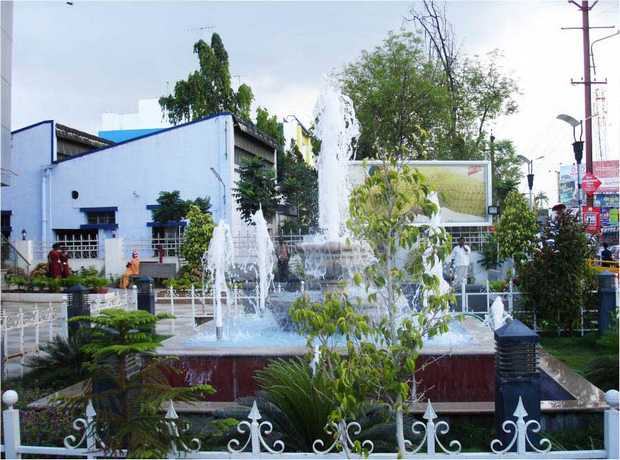
- Water Feature & Pool Design: We design stunning and sustainable water features and pools, integrating advanced filtration and water conservation technologies.
- Hardscaping & Paving Design: Selection and design of permeable paving, pathways, driveways, and retaining walls, prioritizing durability, aesthetics, and stormwater management.
- Planting Design & Horticulture: Expert selection of native, drought-tolerant, and climate-appropriate plant species that contribute to biodiversity, reduce maintenance, and thrive in Toronto’s environment.
- Smart Landscape Technology Integration: Incorporating automated irrigation, smart lighting, and environmental sensors for optimized performance and efficiency.
We provide comprehensive landscape architecture services tailored to the unique needs and ambitious goals of each project. Our expertise encompasses meticulous site analysis, innovative concept development, detailed construction documentation, and rigorous project management from inception to completion. We leverage advanced BIM-led coordination, strategic value engineering, and uncompromising quality control measures to ensure that projects are not only delivered on time and within budget but also consistently meet and often exceed global industry standards for performance and design excellence.
Ready to collaborate with an award-winning team committed to transparent costs and milestone-based reporting for your Toronto project? Call Skydome Designs today at +91 7299072144 to learn more about our unparalleled services and discuss how we can bring your vision to life.
FAQ: Performance-Driven Landscape Architecture in Toronto
Here are some frequently asked questions about performance-driven landscape architecture in Toronto, providing further clarity on this crucial approach:
What is the fundamental difference between traditional and performance-driven landscape architecture?
The core distinction lies in their primary focus. Traditional landscape architecture typically prioritizes aesthetics, visual appeal, and spatial arrangement as its main drivers. While beauty is still an integral part, performance-driven landscape architecture elevates functional outcomes to an equal, if not primary, standing. It explicitly considers and measures the environmental (e.g., stormwater retention, biodiversity support, heat island mitigation), social (e.g., community interaction, well-being, accessibility), and economic (e.g., reduced operating costs, increased property value) performance alongside the aesthetic qualities of the design. It’s about quantifiable impact, not just subjective beauty.
How can performance-driven landscape architecture lead to significant cost savings over time?
Performance-driven design incorporates a variety of strategies to reduce long-term operating costs. This includes, but is not limited to: highly efficient, smart irrigation systems that minimize water usage; energy-saving LED landscape lighting with automated controls; the strategic selection of low-maintenance, drought-tolerant native plant species that require less water, fertilizer, and pest control; and design elements like green roofs or strategic tree planting that contribute to building insulation, thereby reducing heating and cooling costs. The initial investment in a performance-driven design often pays for itself many times over through these cumulative operational efficiencies.
What are the key elements or principles of a truly sustainable landscape design in an urban context like Toronto?
Key elements of a sustainable landscape design in Toronto include:
- Native Plant Palettes: Using species indigenous to the region to support local ecosystems, require less water and maintenance, and provide habitat.
- Water-Wise Design (Xeriscaping): Implementing strategies like permeable paving, rain gardens, bioswales, and efficient irrigation to conserve and manage stormwater.
- Soil Health & Carbon Sequestration: Enhancing soil quality through organic amendments to improve water retention and sequester carbon.
- Material Selection: Prioritizing recycled, locally sourced, and low-embodied energy materials.
- Urban Heat Island Mitigation: Maximizing tree canopy cover and using reflective or vegetated surfaces.
- Biodiversity Enhancement: Creating diverse habitats through varied planting and ecological corridors.
- Accessibility & Inclusivity: Designing spaces that are usable and welcoming for people of all ages and abilities.
- Waste Reduction: Planning for composting and minimizing landscape waste.
- Integrated Pest Management: Utilizing natural methods over chemical pesticides.
How does performance-driven landscape architecture address Toronto’s specific climate challenges, such as harsh winters and summer heat?
In Toronto, performance-driven design is acutely aware of the distinct seasonal challenges. For harsh winters, designs focus on plant resilience, selecting species that can withstand freezing temperatures, heavy snowfall, and road salt exposure. Hardscaping materials are chosen for frost resistance and slip prevention. For summer heat, strategies include maximizing tree canopy for shade, using cool pavement materials, integrating green roofs and vertical gardens for evaporative cooling, and optimizing irrigation for water efficiency during dry spells. Designs also consider snow management and meltwater runoff, ensuring proper drainage and minimizing ice formation in pedestrian areas. This proactive approach ensures the landscape remains functional and attractive year-round.
Where can I find a reliable Toronto performance-driven landscape architecture company that understands local regulations and delivers on promises?
Skydome Designs is a proven leader in this field, with a track record of excellence in Toronto and globally. We have successfully delivered 505+ assignments across Toronto and around the world, specializing in performance-driven landscape architecture for both commercial and residential projects. Our commitment to transparent costs, milestone-based reporting, and robust post-occupancy support ensures client satisfaction. We possess deep expertise in local regulations and climate conditions. Contact us today to discuss your project and discover how our award-winning team can bring your vision to life with precision and innovation.
Conclusion: Paving the Way for a Greener, More Resilient Toronto
Performance-driven landscape architecture is not merely a trend; it is the definitive future of urban design and development in Toronto. As our city continues its remarkable growth and faces evolving environmental and social challenges, the strategic integration of high-performing green spaces becomes paramount. By embracing sustainable practices, leveraging innovative technologies, prioritizing measurable outcomes, and fostering a truly collaborative approach, we can collectively create landscapes that are not only breathtakingly beautiful but also profoundly functional, ecologically resilient, economically viable, and immensely beneficial to both the environment and the diverse communities that call Toronto home.
The choice to invest in performance-driven landscape architecture is a decision to invest in the long-term health, vitality, and prosperity of your property and our city. It’s a commitment to a future where green infrastructure actively contributes to a higher quality of life, reduced operational costs, and a more sustainable urban footprint. For both commercial enterprises seeking to enhance their brand and bottom line, and residential owners aspiring to create enduring outdoor sanctuaries, the advantages are clear and compelling.
Ready to transform your commercial or residential space with the power of performance-driven landscape architecture? Don’t settle for less than exceptional. Contact Skydome Designs today for a comprehensive consultation. We bring nearly three decades of experience and a track record of over 500 successful landscape projects delivered across Toronto and globally. Our award-winning team, commitment to transparent costs, BIM-led coordination, and rigorous quality control ensure your project is a resounding success. Call us directly at +91 7299072144 or send an email to info@skydomedesigns.com. Let Skydome Designs be your trusted partner in building a greener, smarter, and more vibrant Toronto.
About Skydome Designs:
Skydome Designs Pvt Ltd is a leading architecture and interior design firm in India, specializing in hospital and healthcare interiors, residential, and retail projects. With nearly 30 years of expertise, we deliver innovative, sustainable, and functional spaces that enhance experiences and operational efficiency across various sectors and geographies.