London’s retail landscape is a vibrant, ever-evolving ecosystem, a global magnet for commerce and culture. As one of the world’s leading economic hubs, the city continues its relentless urban growth, propelling an increasing demand for innovative and undeniably effective retail facade and branding design in London. The stakes are higher than ever: modern consumers are discerning, competition is fierce, and regulatory frameworks are becoming more stringent. To thrive in this dynamic environment, businesses must not merely adapt but proactively anticipate the future, staying several steps ahead to capture attention, cultivate loyalty, and secure a competitive advantage.
This comprehensive guide delves deep into the pivotal trends, strategic imperatives, and expert insights that are fundamentally reshaping retail facade and branding design in London for 2025 and well into the next decade. From sustainable practices to cutting-edge technological integration, we will explore how retailers can transform their physical presence into powerful brand statements, crafting immersive experiences that resonate with London’s diverse and demanding clientele.
The Evolving Landscape of Retail Facade Design in London
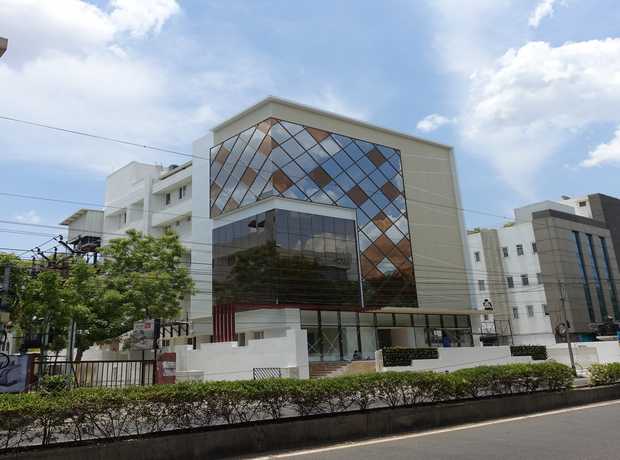
The days when a retail facade served as a mere entry point are long gone. Today, the modern consumer seeks far more than just products; they crave authentic experiences, compelling narratives, and a sense of connection. Consequently, a meticulously crafted and compelling retail facade and branding design has become an indispensable asset for attracting crucial foot traffic, fostering immediate recognition, and ultimately building enduring brand loyalty. In London, where architectural heritage meets avant-garde innovation, this imperative is amplified, given the city’s diverse demographics, discerning tastes, and fiercely competitive market.
The facade is your brand’s most public declaration, a silent yet potent salesperson working 24/7. It’s the first physical touchpoint, setting the tone for the entire customer journey. A thoughtfully designed facade communicates values, suggests quality, and invites engagement, effectively blurring the lines between architecture, art, and marketing. London’s unique blend of historic charm and modern ambition presents both exciting opportunities and complex challenges for designers, demanding solutions that are not only aesthetically captivating but also contextually appropriate and future-proof.
The Experience Economy and the Retail Facade
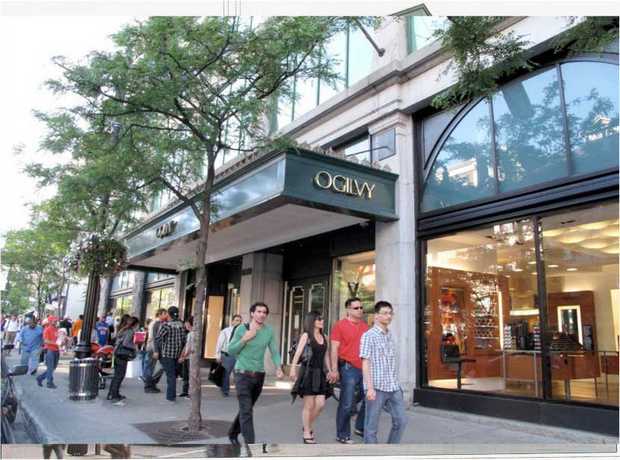
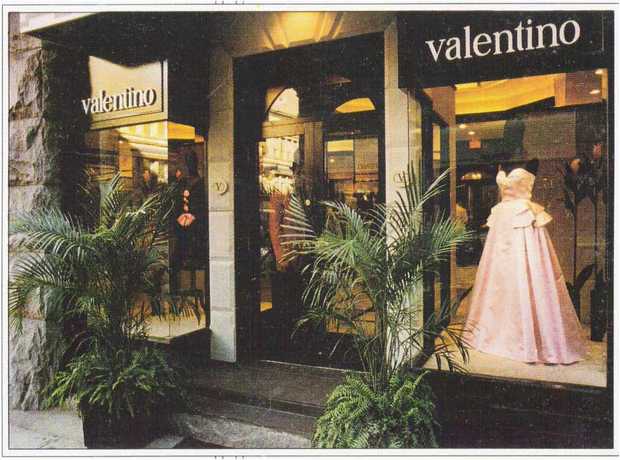
In the burgeoning experience economy, consumers are increasingly prioritizing moments and memories over material possessions. The retail facade plays a crucial role in initiating this experience even before a customer steps inside. It acts as a theatrical stage, inviting curiosity and promising an engaging narrative. For London retailers, this means creating facades that tell a story, evoke emotion, and offer an immediate glimpse into the brand’s identity and the in-store atmosphere. This can involve dramatic lighting, interactive digital screens, unique material palettes, or even subtle historical nods that connect with London’s rich past. The goal is to create a moment of intrigue, transforming a passerby into a potential patron, eager to explore the world that lies beyond the threshold.



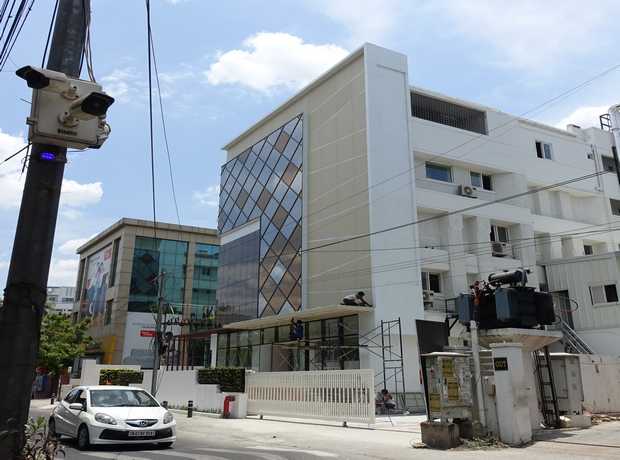
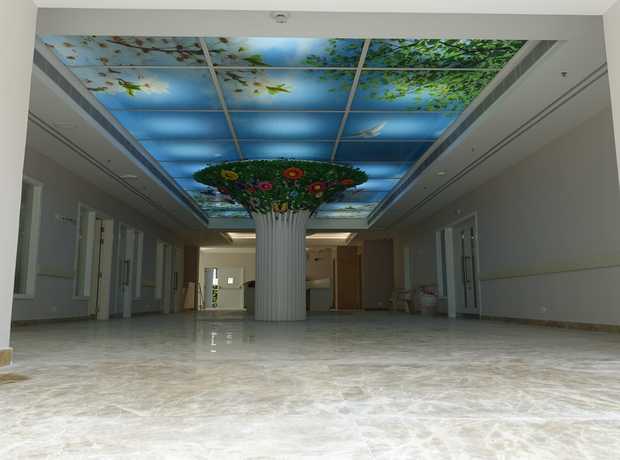
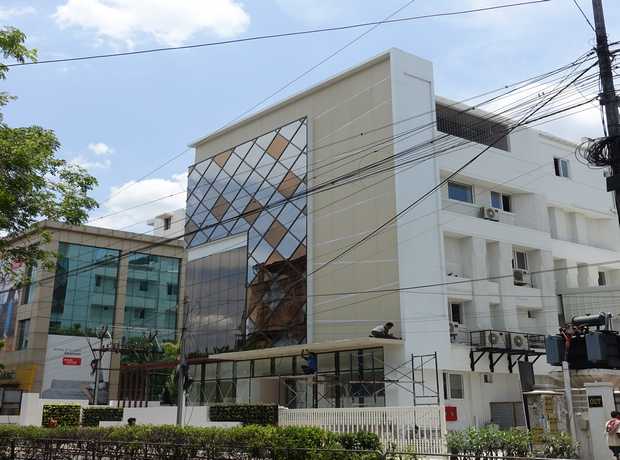
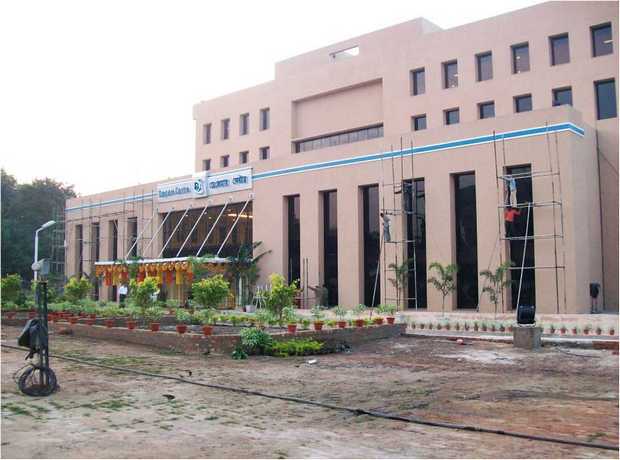
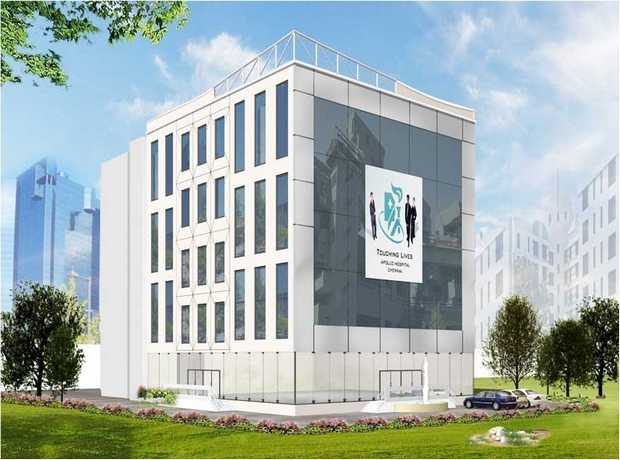
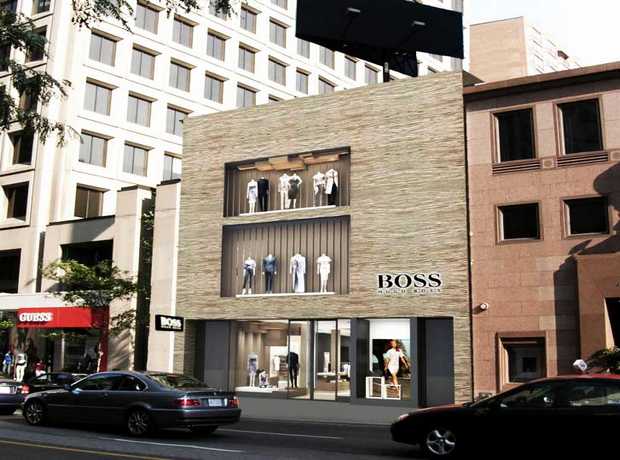
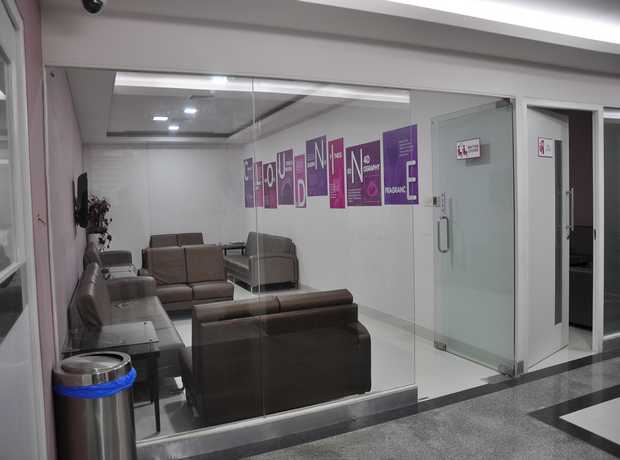
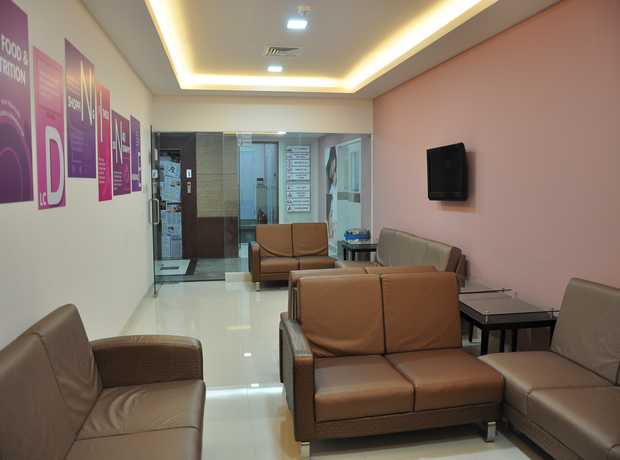
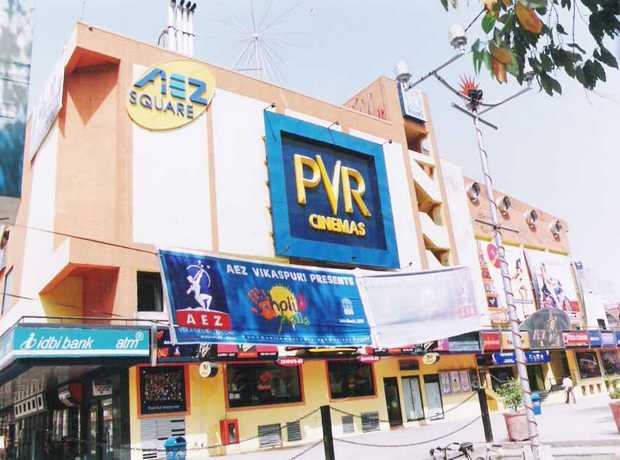
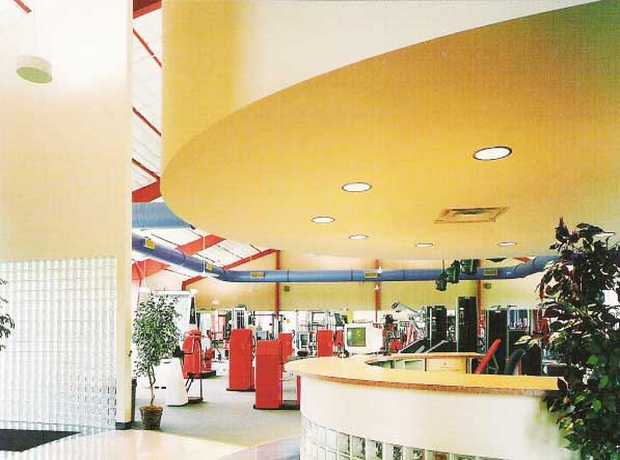
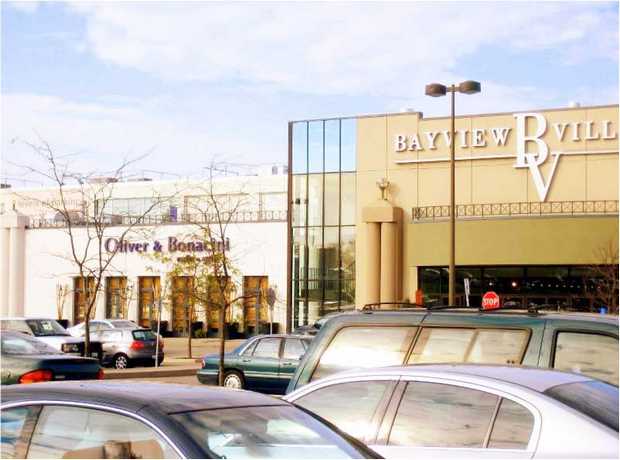
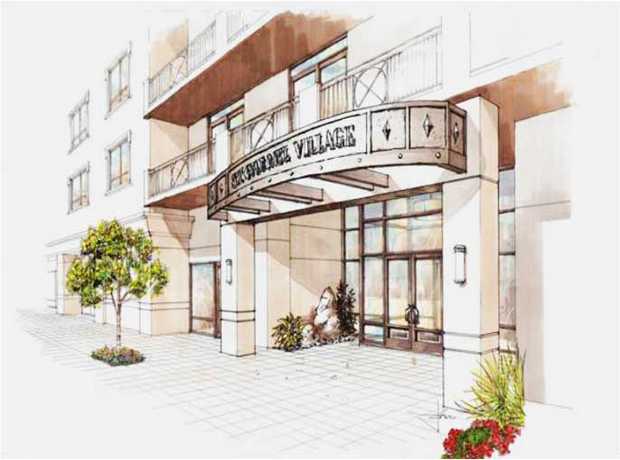
Key Trends Shaping Retail Facades in 2025
The future of retail facades in London is being shaped by several powerful and interconnected trends, pushing the boundaries of traditional design:
- Sustainability: An Ethical and Aesthetic Imperative:
Sustainability is no longer a niche consideration; it is a fundamental pillar of modern design and a core expectation for environmentally conscious consumers. In London, where urban planning emphasizes green initiatives, eco-friendly materials and energy-efficient designs are becoming increasingly important, often mandated by stricter building codes and planning regulations. This extends beyond merely selecting recycled materials; it encompasses a holistic approach to design that minimizes environmental impact throughout the facade’s lifecycle. Think green walls that improve air quality and provide natural insulation, low-carbon concrete, reclaimed timber, and innovative facade systems that harness solar energy or capture rainwater. Retailers are finding that a visible commitment to sustainability enhances their brand image, attracts a growing segment of environmentally aware customers, and often results in long-term operational cost savings. Designers are exploring circular design principles, ensuring that materials can be reused or recycled at the end of their life, further reducing waste and promoting a healthier urban environment.
- Technology Integration: The Interactive Frontier:
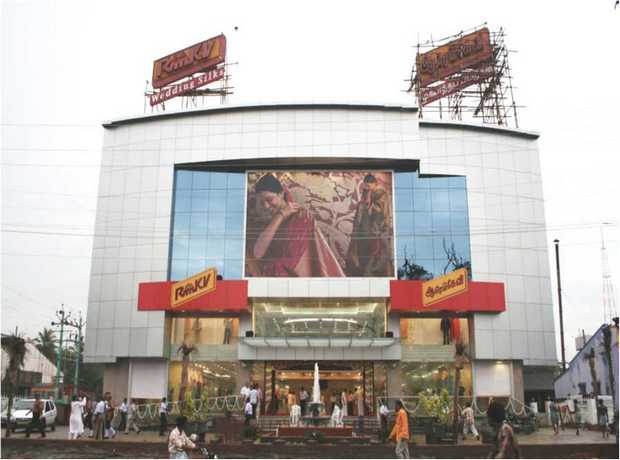
The facade of 2025 is no longer static. It’s a dynamic, interactive canvas powered by cutting-edge technology. Digital displays, once mere screens, are now high-resolution, programmable installations that can showcase dynamic content, interactive elements, and real-time promotions tailored to specific times of day or events. Smart lighting systems, featuring energy-efficient LEDs, can dynamically change color, intensity, and patterns to create different moods, highlight specific products, or respond to external stimuli. Augmented Reality (AR) overlays could allow customers to virtually ‘try on’ clothes or visualize products on the facade using their smartphones. Sensors integrated into the facade can gather valuable data on foot traffic, dwell times, and customer demographics, providing unprecedented insights into consumer behavior. These technological advancements transform the facade into a continuous communication tool, engaging passersby and offering a glimpse into the brand’s digital savviness.
- Personalization: Crafting Unique Experiences:
In a world saturated with generic commercial spaces, the drive for personalization is paramount. Creating unique and memorable experiences tailored to specific target audiences has become a hallmark of successful retail. For facades, this translates into designs that go beyond standard corporate aesthetics, reflecting the unique identity and narrative of the brand in a bespoke manner. This might involve bespoke architectural elements, custom artwork, or materials chosen for their specific cultural or historical resonance within a London neighborhood. Personalization also extends to how a facade might adapt to local events, festivals, or even individual customer preferences through interactive displays. The goal is to forge a deeper emotional connection with the consumer, making them feel seen, understood, and valued, thereby fostering a sense of belonging and loyalty that extends far beyond a simple transaction.
The Importance of Branding & Signage
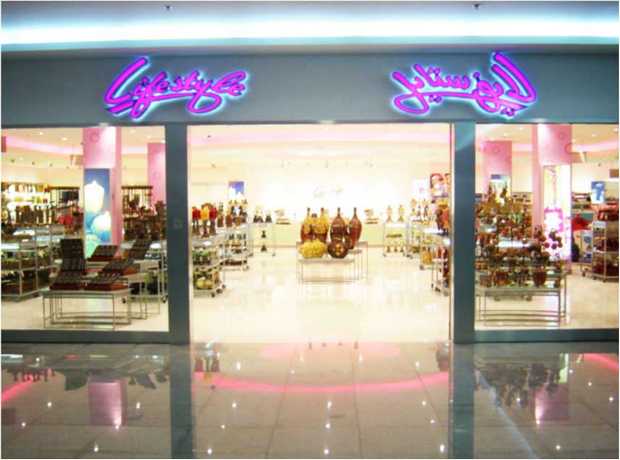
Your brand is far more than just a logo; it’s the very essence of your business, encapsulating your values, promises, and unique identity. Effective branding & signage are not merely decorative elements but vital, active components of your retail facade. They serve as the primary visual cues that communicate your brand’s personality, articulate its value proposition, and, crucially, attract the right customers. In London’s visually competitive landscape, a cohesive and impactful brand presence starts at the exterior, drawing potential customers in long before they consider entering your store.
Good signage is readable, memorable, and consistent with your overall brand identity. It acts as a beacon, guiding customers and reinforcing brand recognition. From the primary fascia sign to subtle window graphics, every element contributes to the overall message. The choice of typography, color palette, materials, and illumination all work in concert to establish a distinct presence that cuts through urban clutter and resonates with your target demographic. Ignoring the power of integrated branding and signage is akin to building a beautiful house without a clear front door – it confuses, deters, and ultimately diminishes impact.
Effective Branding Strategies for Your Facade
To maximize the impact of your facade, strategic branding and signage are non-negotiable:
- Clear Messaging: Communicating Your Core:
Every element of your signage must clearly and concisely communicate your brand’s identity and value proposition. This means more than just displaying your company name; it’s about conveying what you offer, what makes you unique, and why customers should choose you. Is your brand luxurious, playful, traditional, or avant-garde? Your signage should reflect this immediately. Use legible fonts, appropriate color schemes, and iconography that is instantly recognizable. In a city like London, where diverse languages and cultural backgrounds converge, visual clarity and universal appeal are paramount. Ambiguity leads to missed opportunities, while clear, compelling messaging invites curiosity and confidence.
- Visual Consistency: Building Trust and Recognition:
Maintaining a consistent brand aesthetic across all elements of your facade – from the main sign to window graphics, door handles, and even subtle architectural details – is crucial. Consistency builds trust, reinforces brand recall, and creates a professional, unified impression. This means adhering strictly to brand guidelines for colors, fonts, logos, and imagery. A fragmented or inconsistent visual identity can confuse customers and dilute your brand’s impact. In London’s visually rich environment, a consistent brand voice, expressed through every detail of your facade, helps your business stand out from the noise and establishes a recognizable landmark.
- Strategic Placement: Maximizing Visibility and Impact:
The placement of your signage is as critical as its design. It must be positioned in high-traffic areas to maximize visibility to both pedestrians and vehicular traffic, day and night. Consider sightlines from various angles, potential obstructions, and the flow of people in the immediate vicinity. Is your sign easily seen from a distance? Does it catch the eye of someone approaching from either direction? Illumination is also key for nighttime visibility. For projecting signs or hanging banners, consider their impact on local street aesthetics and regulatory compliance. Strategic placement ensures your brand message reaches the widest possible audience, turning casual passersby into informed potential customers.
Choosing the Right London Interior Experts
Embarking on a retail facade and branding design project in London is a significant investment, both financially and in terms of your brand’s future. Selecting the right design partner is not just essential for success; it is arguably the most critical decision you will make. When looking for London interior experts, particularly for exterior facade work, consider a comprehensive set of criteria: their proven experience, the strength and diversity of their portfolio, their deep understanding of the London market’s unique complexities, and their ability to navigate its specific regulatory landscape. A strong, experienced partner will act as your guide, helping you navigate the intricacies and nuances of retail facade and branding design in London, ensuring your vision is not only realized but optimized for maximum impact and longevity.
We at Skydome Designs pride ourselves on delivering end-to-end solutions, from the initial strategic conceptualization through meticulous design and flawless handover. Our approach is holistic, integrating architectural innovation with a keen understanding of retail psychology and market demands.
Skydome Designs Pvt Ltd is a leading architecture and interior design firm, known for its extensive expertise and unwavering commitment to excellence. With nearly 30 years of expertise, we deliver innovative, sustainable, and functional spaces that not only enhance experiences but also optimize operational efficiency. Our global presence and deep understanding of diverse markets, including London, allow us to offer unparalleled insights and execution.
What We Do: A Comprehensive Suite of Design Services
Our multidisciplinary team brings a wealth of experience to a diverse range of projects:
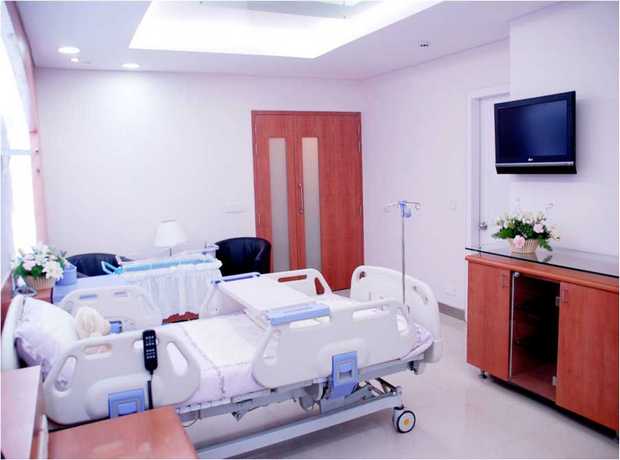
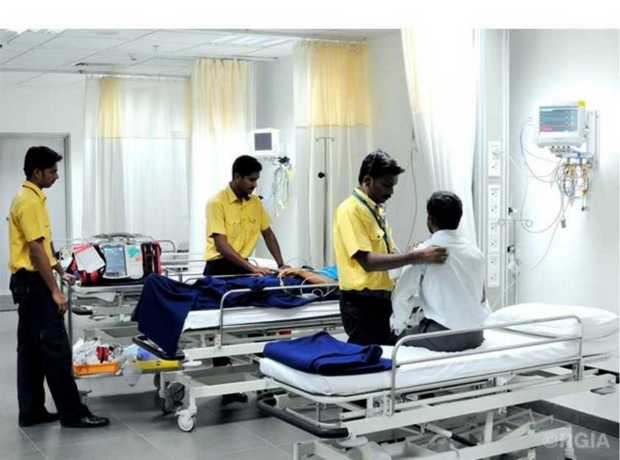
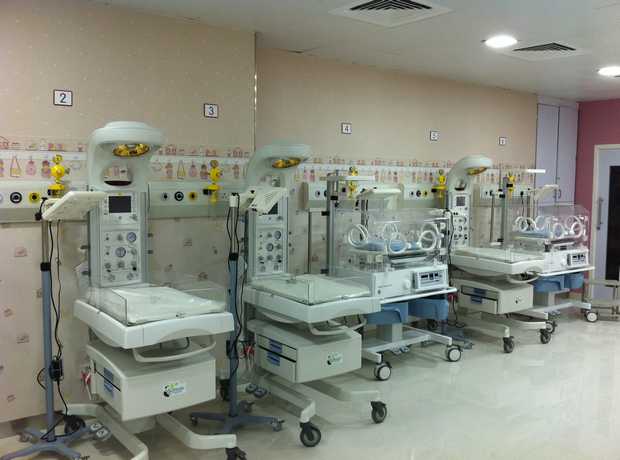
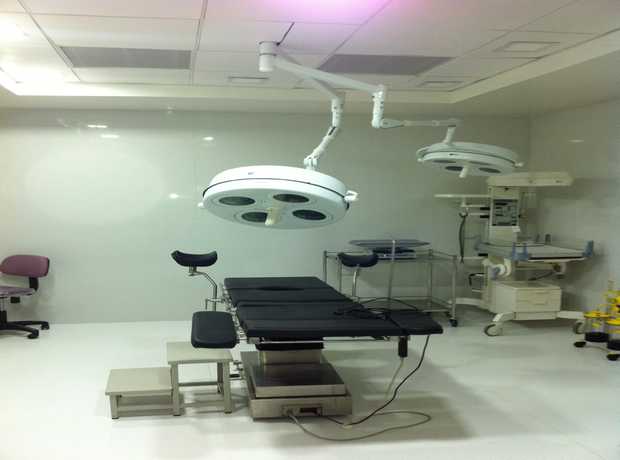
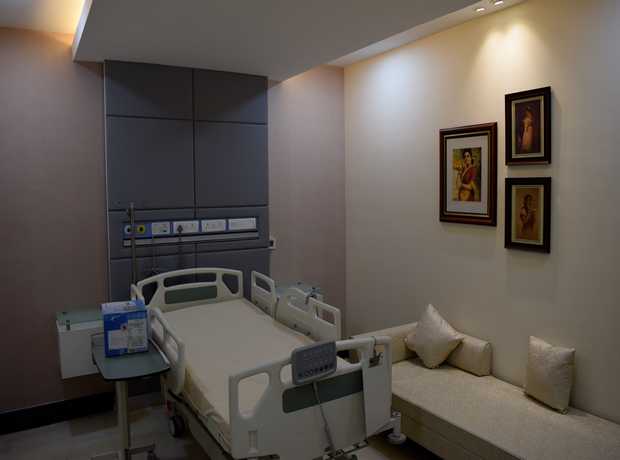
- Hospital Interior Design: We specialize in creating healing environments, encompassing patient rooms, advanced ICUs, sterile OTs, state-of-the-art labs, welcoming consultation areas, and comprehensive facility planning. Our designs prioritize patient comfort, staff efficiency, and infection control, ensuring optimized care delivery.
- Residential Projects: From contemporary apartments and luxurious condos to specialized senior housing and community-focused interiors, we design spaces that foster comfort, functionality, and a true sense of home. We understand the personal nature of residential design and craft bespoke solutions.
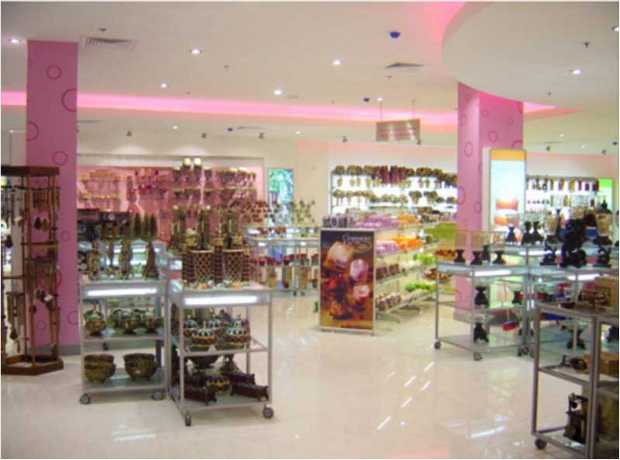
- Retail & Commercial Design: This is where our expertise in facade and branding truly shines. We design impactful shopping malls, dynamic mixed-use developments, sophisticated offices, and engaging entertainment centers. Our retail solutions are crafted to attract, engage, and convert customers, elevating the shopping experience.
- Interior Solutions: Beyond individual project types, our core interior solutions include intelligent space planning, ergonomic furniture layouts, innovative lighting strategies, and comprehensive turnkey interior execution, managing every detail from concept to completion.
Why Choose Us: Your Strategic Partner in London
When considering retail facade and branding design in London, partnering with an expert firm like Skydome Designs means you’re not just getting a design; you’re securing a strategic advantage. Our proven track record in London and globally, with 279+ retail facade and branding design assignments delivered over 12+ years, speaks to our deep understanding of market nuances and client expectations. We pride ourselves on an impressive 97% on-time delivery rate, ensuring your project progresses smoothly and efficiently. This commitment is underpinned by rigorous multi-disciplinary reviews and comprehensive post-occupancy support, guaranteeing outcomes that not only meet but exceed expectations.
- 29+ years of experience: A quarter-century of design excellence across India and abroad, bringing a global perspective with local insight.
- In-house team of experts: Our dedicated team of architects, healthcare planners, interior designers, and project managers ensures seamless coordination and integrated solutions.
- Award-winning, client-focused, and sustainable designs: Our commitment to innovative design has been recognized with numerous accolades, always with a focus on client vision and environmental responsibility.
- Projects delivered on-time, on-budget, and to global standards: Our meticulous project management and quality control processes ensure that projects are completed efficiently, within financial parameters, and meet the highest international benchmarks.
📞 Contact: +91 7299072144 | ✉️ Email: info@skydomedesigns.com
The Role of Lighting Design
Lighting design is an often-underestimated yet profoundly critical element of your retail facade, wielding immense power over the mood, ambiance, and visibility of your store. Beyond mere illumination, expertly crafted lighting design helps to create a welcoming and intriguing atmosphere, highlights key products or architectural features, and can even influence customer psychology. In the vibrant urban tapestry of London, where competition for attention is constant, lighting transforms your facade from a simple structure into a captivating beacon, inviting engagement both day and night.
The strategic use of light can dramatically alter perception, making a space feel warm and inviting, or modern and sleek. It draws the eye, creates focal points, and guides the customer’s gaze. During the day, it complements natural light, while at night, it becomes the primary visual communicator, establishing presence and enhancing security. With advancements in LED technology, designers now have unprecedented flexibility to create dynamic and energy-efficient lighting schemes that are both aesthetically stunning and environmentally responsible.
Key Lighting Considerations for Your Retail Facade
A comprehensive lighting strategy integrates several distinct types of illumination to achieve maximum effect:
- Ambient Lighting: Providing Overall Illumination:
Ambient lighting forms the foundational layer, providing general illumination for the entire facade and its immediate surroundings. Its purpose is to create a comfortable and uniformly lit base. This often involves broad washes of light across key surfaces, ensuring the store is visible and approachable. Consideration for natural light integration during the day is also crucial, ensuring a seamless transition to artificial lighting as dusk falls. In London, where natural light can vary significantly with weather and seasons, flexible ambient lighting solutions are vital to maintain a consistent visual appeal.
- Accent Lighting: Highlighting Features and Products:
Accent lighting is the artistic brushstroke of facade design, strategically employed to highlight specific displays, architectural features, signage, or products visible from the exterior. Spotlights, wall washers, or grazing lights can draw attention to a new collection in a window display, emphasize unique textures on the facade, or make a logo pop. This type of lighting creates visual interest, guides the eye, and allows retailers to direct customer focus to what matters most. It adds depth and drama, transforming a flat surface into a dynamic visual experience.
- Task Lighting: Focusing on Functional Areas:
While primarily associated with interiors, task lighting can also play a subtle but important role on the facade, particularly around functional areas such as entrances, cash points for outdoor kiosks, or interactive screens. Its purpose is to provide focused illumination for specific activities, ensuring safety, clarity, and ease of use for both customers and staff. This might involve discreet downlights above an ATM or subtle lighting around a key information panel, ensuring that practical elements of the facade are clearly visible and fully functional.
- Dynamic Lighting: Creating Engagement and Adaptability:
The frontier of facade lighting is dynamic lighting – programmable systems that can change color, intensity, or sequence to create different moods, attract attention, or reflect specific events. Modern LED technology allows for full-color spectrum control, enabling facades to shift aesthetics for seasonal promotions, national holidays, or special product launches. Imagine a facade glowing in festive reds and greens during Christmas, or subtle blues and whites for a winter sale. This adaptability makes the facade a living, breathing part of the urban environment, offering endless possibilities for engaging passersby and maintaining fresh visual appeal. Dynamic lighting is particularly powerful in London’s bustling districts, allowing brands to continuously refresh their exterior presence without physical alterations.
Materials Selection and Sustainability
The choice of materials plays a profound role not only in the overall aesthetic appeal and architectural integrity of your retail facade but also in its environmental impact and long-term performance. Sustainable materials selection is far more than just a fleeting trend; it is a fundamental responsibility that contributes to a brand’s ethos, resonates with eco-conscious consumers, and often results in operational efficiencies. Thoughtful material choices can significantly enhance your brand image, showcasing a commitment to environmental stewardship, which is increasingly valued in London’s progressive market.
Beyond aesthetics, material selection influences durability, maintenance requirements, and energy performance. A facade built with high-quality, sustainable materials will not only look good but also perform better over time, resisting wear and tear, and contributing to the building’s thermal efficiency. The tactile quality and inherent characteristics of materials—the warmth of wood, the sleekness of glass, the robustness of brick—all contribute to the overall sensory experience and psychological impact of the facade, communicating the brand’s story even before a customer enters the store.
Sustainable Material Options for a 2025 Facade
Embracing sustainability in material selection means looking beyond the immediate cost to the full lifecycle impact:
- Recycled Materials: Innovating with Reclaimed Resources:
Incorporating recycled materials into your facade design offers significant environmental benefits by diverting waste from landfills and reducing the demand for virgin resources. Examples include recycled plastic panels (often transformed into striking design elements), reclaimed timber with a rich history, recycled glass used in aggregates or striking translucent features, and recycled steel or aluminum. These materials can be aesthetically unique, offering textures and finishes that conventional new materials cannot replicate, lending a distinctive character to your facade while reinforcing your brand’s commitment to circular economy principles. London’s architectural scene is increasingly embracing these innovative materials for their story and sustainable credentials.
- Locally Sourced Materials: Reducing Footprint, Supporting Community:
Opting for locally sourced materials significantly reduces the carbon footprint associated with transportation, minimizing emissions from long-haul shipping. Furthermore, it supports local businesses and economies, fostering community connections and often allowing for greater oversight of ethical production practices. Utilizing local stone, brick, or timber can also help a facade integrate more harmoniously with the surrounding architectural context, reflecting the unique character of its London neighborhood. This approach emphasizes authenticity and regional identity, creating a facade that feels truly rooted in its location.
- Sustainable Wood: Certified and Conscientious Choices:
When selecting wood, choosing options from certified sustainable forests, such as those accredited by the Forest Stewardship Council (FSC), ensures that the timber has been harvested responsibly, protecting biodiversity and supporting ethical forestry practices. Beyond traditional hardwoods, explore rapidly renewable alternatives like bamboo, which offers excellent durability and a unique aesthetic with a minimal environmental impact. Sustainable wood can bring warmth, texture, and a natural appeal to a facade, creating a welcoming and sophisticated impression while upholding ecological principles.
- Biophilic Design Elements: Connecting with Nature:
Integrating biophilic design elements directly into the facade connects occupants and passersby with the natural world, fostering well-being and enhancing the urban environment. This includes living walls (vertical gardens) that improve air quality, provide insulation, and offer stunning visual appeal. Natural ventilation systems and strategic placement of windows can maximize daylight and fresh air. Even incorporating natural patterns, textures, and materials that mimic nature can evoke a sense of calm and vitality. For London, where green spaces are highly valued, biophilic facades offer a powerful way to make a retail space feel inviting and environmentally responsible.
- High-Performance Facade Systems: Optimizing Energy Efficiency:
Beyond material choices, the system and construction of the facade itself contribute significantly to sustainability. High-performance facade systems incorporate advanced insulation, low-emissivity (low-E) glass, and smart coatings that manage solar gain and heat loss. These systems play a crucial role in regulating indoor temperatures, reducing the reliance on artificial heating and cooling, and thereby lowering energy consumption and operational costs. Investing in a well-engineered facade system is a key step towards achieving a truly sustainable and energy-efficient retail space in London.
Navigating London’s Regulatory Landscape: A Critical Imperative
Designing a retail facade in London is not merely an exercise in aesthetics; it is a complex endeavor deeply intertwined with the city’s stringent and multifaceted regulatory landscape. For any project to succeed, a comprehensive understanding of and strict adherence to local planning permissions, building codes, and conservation policies are absolutely non-negotiable. This is where the expertise of local London interior experts becomes indispensable, as navigating this intricate web without specialized knowledge can lead to costly delays, revisions, or even outright rejection of plans.
London’s planning system is designed to preserve its unique historical character, manage urban development, and ensure public safety and accessibility. Key regulatory considerations include:
- Planning Permissions: Almost all external alterations to a commercial property require planning permission from the relevant London borough council. This involves submitting detailed drawings, material specifications, and often impact assessments. Permissions can be influenced by the building’s size, location, and proposed changes.
- Heritage Designations and Conservation Areas: London is rich in historical architecture. Many retail spaces are located within designated Conservation Areas or are themselves Listed Buildings (Grade I, II*, or II). Any changes to these properties are subject to extremely strict guidelines, often requiring like-for-like material replacements, specific aesthetic adherence, and a deep respect for historical context. Obtaining permission for alterations in these areas demands specialist knowledge and a sensitive approach.
- Signage Regulations: London boroughs often have specific policies regarding the size, illumination, projection, and placement of signage. These rules vary significantly from one area to another, with particular restrictions in heritage zones to prevent visual clutter and maintain street aesthetics.
- Accessibility Standards (Part M of Building Regulations): All new or significantly altered retail facades must comply with Part M of the Building Regulations, ensuring inclusive access for all, including people with disabilities. This covers ramp gradients, doorway widths, tactile paving, and appropriate lighting.
- Environmental Regulations: Increasingly, facades must meet specific environmental performance targets, including energy efficiency, material sustainability, and sometimes even requirements for green infrastructure like living walls to contribute to urban biodiversity and air quality.
- Advertisement Consent: In addition to planning permission, many forms of external advertising, particularly illuminated signs or large format graphics, require separate advertisement consent.
Working with a firm like Skydome Designs, which possesses a deep understanding of these specific London regulations, is crucial. Our team’s experience in managing 279+ retail facade and branding design assignments across London and globally has equipped us with the practical knowledge to proactively identify potential compliance issues, prepare robust planning applications, and liaise effectively with local authorities, ensuring a smooth and efficient approval process for your project.
Technology Integration: Beyond the Basics
While previously mentioned as a trend, the level of technology integration in retail facades is rapidly evolving beyond simple digital screens to create truly immersive and intelligent interfaces. The facade of 2025 is not just a display; it’s a dynamic, responsive, and data-gathering entity, actively engaging with the urban environment and potential customers.
- Interactive Displays & Projection Mapping: High-resolution LED screens can now be seamlessly integrated into facade materials, becoming part of the architecture rather than an add-on. These screens can feature interactive content, allowing passersby to engage with touch-sensitive surfaces, gesture controls, or even QR code scans that link to online experiences. Projection mapping can transform entire building surfaces into dynamic, animated canvases, creating breathtaking visual spectacles for events or brand launches, especially potent after dark in bustling London districts.
- Augmented Reality (AR) Experiences: Mobile AR applications can allow customers to hold up their smartphones to a facade and see virtual overlays – perhaps a new product line “appearing” in a window, a historical recreation of the building, or a gamified brand experience. This blends the physical and digital worlds, offering a personalized and engaging interaction without requiring any physical changes to the facade itself.
- Smart Sensors and Data Analytics: Facades can be equipped with discreet sensors that collect invaluable data: footfall counts, pedestrian flow patterns, dwell times in front of displays, and even anonymous demographic analysis through AI-powered vision systems. This data provides retailers with unprecedented insights into their exterior’s performance, allowing for real-time optimization of displays, content, and even opening hours.
- Internet of Things (IoT) Integration: Facade elements like smart lighting, automated blinds, and climate control systems can be interconnected through IoT, allowing for centralized management and energy optimization. For instance, external lighting could adjust intensity based on real-time weather conditions, or window displays could automatically change content based on detected customer interest.
- Dynamic Content Delivery Systems: These systems allow retailers to remotely manage and schedule content across multiple digital facade displays, ensuring consistency and relevance. Content can be updated instantly for flash sales, breaking news, or targeted advertisements, making the facade a highly agile marketing tool.
Leveraging these advanced technologies requires specialized expertise in both design and integration. Skydome Designs’ approach incorporates cutting-edge BIM-led coordination, ensuring that complex technological integrations are meticulously planned, seamlessly executed, and fully functional, providing a future-proof facade solution for the discerning London market.
Crafting the Customer Journey: From Street to Store
The retail facade is much more than a boundary; it’s the critical initial chapter in the customer’s journey, dictating whether they continue the story or turn away. Its design has a profound influence on customer perception, drawing them in, creating anticipation, and ensuring a seamless transition from the exterior allure to the interior experience. For businesses in London, understanding and meticulously crafting this journey is paramount for success.
A well-designed facade acts as a visual invitation, piquing curiosity and signaling what lies within. It should reflect the interior aesthetic and brand personality, ensuring a harmonious and consistent experience. If the facade promises luxury, the interior must deliver it. If it signals playfulness, the inside should be equally engaging. This narrative continuity prevents dissonance and builds trust. Elements like expansive windows offering enticing glimpses of products or activities, a clearly defined and welcoming entrance, and materials that hint at the store’s ambiance all contribute to this initial engagement.
Storytelling through design is key. The facade can hint at the brand’s heritage, its mission, or its unique offerings. It can evoke emotion – wonder, excitement, comfort – encouraging passersby to pause, look, and ultimately enter. The transition from the public street to the semi-private retail space should feel intuitive and inviting, almost a natural progression. This involves careful consideration of threshold design, entryway lighting, and even subtle sensory cues like ambient scents that can gently guide customers inside. In a city like London, where individual stores often compete with grand shopping centers and bustling markets, the ability of a facade to tell a compelling story and promise a fulfilling experience is a powerful differentiator.
End-to-End Delivery in London
Realizing an ambitious retail facade and branding design project in London requires more than just creative vision; it demands meticulous project management, seamless coordination, and a deep understanding of construction processes. At Skydome Designs, we offer comprehensive end-to-end delivery for retail facade and branding design in London. This means we handle every single stage of your project, from initial strategic conceptualization and innovative design through to rigorous construction management and the final, flawless handover.
Our process is meticulously managed with cutting-edge BIM-led coordination. Building Information Modeling (BIM) allows us to create detailed 3D models of the entire project, integrating architectural, structural, and M&E (mechanical, electrical, and plumbing) elements. This advanced approach ensures precision, minimizes clashes, optimizes material usage, and enhances communication across all project stakeholders, leading to greater efficiency and accuracy – a critical advantage in complex London builds.
We employ rigorous value engineering to optimize costs without ever compromising on design integrity or quality. Our experts continuously seek innovative solutions that deliver maximum value, ensuring your investment is utilized effectively. Furthermore, our strict quality control measures are specifically tailored to the unique demands and high standards of the London market, guaranteeing that every detail meets global best practices and local regulations.
Our extensive experience, including a remarkable 279+ retail facade and branding design assignments delivered across London and globally over 12+ years, underscores our proven capability and deep understanding of diverse market needs. With an impressive 97% on-time delivery rate, you can trust that your project will progress smoothly and efficiently, meeting crucial deadlines. This commitment to excellence is robustly supported by continuous multi-disciplinary reviews at every stage and dedicated post-occupancy support, guaranteeing outcomes that not only meet but consistently exceed expectations. Our holistic approach minimizes client stress, streamlines communication, and guarantees a cohesive vision from concept to reality, ensuring your retail facade stands as a testament to quality and strategic design.
Ready to transform your retail space and make an unforgettable impression in London? Contact us today to discuss your project and let our experienced team bring your vision to life, with the assurance of a 97% on-time delivery rate and award-winning design.
Frequently Asked Questions (FAQs)
What are the key considerations for retail facade design in London?
Key considerations are extensive and multi-layered. They include strict compliance with local building codes and planning permissions, particularly for heritage sites and conservation areas that are prevalent across London. Beyond regulations, it’s vital to create an aesthetically appealing design that genuinely attracts your target customers and seamlessly integrates your brand identity. Accessibility (Part M of Building Regulations) for all users, including those with disabilities, must be factored in from the outset. Crucially, sustainability in materials and energy efficiency is now a core requirement. Furthermore, considering the competitive London market, your facade needs to possess a unique visual identity that allows it to stand out while complementing its urban context. Local climate considerations (wind loads, weather resistance) are also important for material selection and long-term durability.
How much does retail facade and branding design in London cost?
The cost for retail facade and branding design in London varies significantly, making a precise general figure impossible. It depends heavily on the scope of the project (e.g., minor refresh vs. complete overhaul), the size of the facade, the complexity of the design, the choice of materials (standard vs. bespoke, sustainable vs. conventional), the level of technology integration (digital screens, interactive elements), and the specific regulatory requirements (e.g., listed building consent adds complexity and cost). Design fees, material costs, construction labor, planning application fees, and project management all contribute. It’s best to engage with a reputable design firm like Skydome Designs for a custom, detailed quote tailored to your specific vision and site conditions, ensuring transparency and value engineering.
What are the latest trends in retail facade design for 2025?
The latest trends for 2025 are driven by sustainability, technology, and experiential design. This includes the widespread use of sustainable and locally sourced materials (like recycled composites, reclaimed wood, and biophilic elements such as living walls). There’s a strong push for advanced technology integration, such as interactive digital displays, augmented reality overlays, smart lighting systems that dynamically change, and sensors for footfall analysis. Personalization remains key, with designs that create unique, memorable, and localized customer experiences. Biophilic design, which incorporates natural elements and fosters a connection to nature, is gaining significant traction for its positive impact on well-being and environmental credentials. The overall shift is towards creating facades that are not just visually appealing but also intelligent, sustainable, and deeply engaging.
How can I find the best London retail facade design company?
To find the best London retail facade design company, look for firms with a strong, diverse portfolio of successful projects, ideally within the retail sector and specifically in London. Seek out positive client testimonials and case studies that demonstrate their capability and client satisfaction. Crucially, prioritize companies with a deep understanding of the London market’s unique challenges, including its complex planning regulations, heritage considerations, and diverse demographics. Experience with end-to-end delivery, from strategy to handover, is a significant advantage. Companies like Skydome Designs, with a proven track record of 279+ retail facade and branding design assignments delivered across London and globally over 12+ years, a 97% on-time delivery rate, and comprehensive multi-disciplinary reviews and post-occupancy support, exemplify the kind of expertise you should seek. Inquire about their BIM capabilities and value engineering approach for modern, efficient project execution.
How do regulations in London affect facade design?
London’s regulations profoundly affect facade design. They dictate everything from material choices to signage size and illumination. The presence of numerous Conservation Areas and Listed Buildings means that any alterations require meticulous planning permission, often demanding specific materials, aesthetic consistency with historical context, and a lengthy approval process. Signage regulations vary by borough and street, impacting visibility and brand expression. Additionally, accessibility standards (Part M) and increasing environmental performance targets (e.g., energy efficiency, green infrastructure) must be integrated into the design. Navigating these complex regulations successfully requires deep local expertise and a proactive approach, which is a core strength of experienced firms like Skydome Designs.
What is BIM-led coordination and why is it important for retail projects?
BIM (Building Information Modeling) led coordination involves creating intelligent 3D models that integrate all aspects of a project – architecture, structure, and mechanical/electrical/plumbing systems. For retail facade projects, BIM is crucial because it enhances collaboration, allows for precise visualization and clash detection before construction begins, optimizes material quantities, and improves overall project efficiency. It ensures that complex facade elements, particularly those involving advanced technology or intricate detailing, are designed and integrated flawlessly. This minimizes errors, reduces rework, saves costs, and accelerates project timelines, especially beneficial for retail projects where speed-to-market is often critical.
Can Skydome Designs help with permits and planning applications?
Absolutely. As leading London interior experts with extensive experience in retail facade and branding design, Skydome Designs provides comprehensive support throughout the entire permit and planning application process. Our in-house team possesses a deep understanding of London’s specific regulatory frameworks, including planning permissions, heritage designations, signage regulations, and building codes. We prepare detailed documentation, liaise with local authorities on your behalf, and proactively address potential issues, streamlining what can often be a complex and time-consuming process. Our goal is to ensure your project secures timely approvals, allowing for smooth progression from concept to completion.
What is the typical timeline for a retail facade project in London?
The timeline for a retail facade project in London can vary significantly, ranging from a few months for minor cosmetic updates to over a year for complex structural changes or projects within heritage-protected areas. Key factors influencing the timeline include the scope and complexity of the design, the time required for planning permissions and regulatory approvals (which can be lengthy in London), material sourcing and fabrication, and the construction schedule. Our commitment at Skydome Designs is a 97% on-time delivery rate, which we achieve through meticulous BIM-led planning, efficient project management, and proactive handling of all stages from strategy to handover. We provide detailed project schedules at the outset, keeping clients informed every step of the way.
How can I measure the ROI of a new facade design?
Measuring the ROI of a new facade design involves tracking several key performance indicators (KPIs). These include increased foot traffic (before vs. after), higher conversion rates from passersby to customers, improved average transaction value (customers may feel more confident spending more in an attractive store), enhanced brand perception and customer loyalty, media coverage or social media engagement stemming from the new design, and positive feedback from customer surveys. Long-term benefits also include increased property value and improved energy efficiency (if sustainable materials/systems are used), leading to lower operational costs. A well-designed facade is an investment that contributes directly to sales, brand equity, and operational savings.
Conclusion
The future of retail facade and branding design in London is dynamic, challenging, and profoundly exciting. As we accelerate towards 2025 and beyond, businesses that embrace innovation, champion sustainability, and prioritize customer-centric design principles will be the ones that not only survive but truly flourish. A strategically designed retail facade is no longer just a necessity; it is a powerful, integrated tool for brand communication, customer engagement, and sustainable growth, acting as the very heartbeat of your commercial presence.
Partnering with experienced London interior experts is essential for navigating the complexities of the market, ensuring regulatory compliance, and translating your vision into an impactful reality. With nearly three decades of expertise and a proven track record, Skydome Designs stands ready to be that partner. We combine global insights with local London nuances, delivering end-to-end solutions that are not just aesthetically brilliant but also functional, sustainable, and meticulously managed.
Let Skydome Designs help you create a retail space that not only stands out but thrives in London’s competitive landscape. With our 279+ retail facade and branding design assignments delivered across London and globally over 12+ years, and a 97% on-time delivery rate, your vision is in expert hands. Contact us today for a consultation and let’s craft your brand’s next iconic statement.