As Sydney continues its impressive trajectory of urban development and population growth, the demand for cutting-edge specialized healthcare facilities, particularly Intensive Care Units (ICUs) and Coronary Care Units (CCUs), is not just increasing—it’s evolving. Modern healthcare necessitates spaces that are not only functional but also actively contribute to patient recovery, staff well-being, and operational excellence. This escalating need is further compounded by increasingly stringent building codes, evolving healthcare standards, and the sophisticated expectations of both patients and medical professionals. This comprehensive guide serves as an indispensable resource, meticulously outlining the essential steps for embarking on a journey of evidence-based ICU and CCU construction in Sydney. Our goal is to empower stakeholders to create facilities that are truly state-of-the-art, ensuring optimal patient outcomes, unparalleled operational efficiency, and a future-ready infrastructure.
At the forefront of this specialized field, Skydome Designs brings a wealth of experience, having delivered 679+ evidence-based ICU and CCU construction assignments across Sydney and globally over 24+ years. Our commitment to on‑time delivery (>98%), multi‑disciplinary reviews, and robust post‑occupancy support underpins the exceptional outcomes we achieve. We offer global design standards seamlessly integrated with local code expertise in Sydney, providing end‑to‑end delivery for evidence-based ICU and CCU construction—from initial strategy and intricate design to seamless construction and final handover.
Understanding Evidence-Based ICU and CCU Construction in Sydney
Evidence-based design (EBD) is more than just a buzzword in healthcare architecture; it’s a rigorous methodology that systematically integrates credible, peer-reviewed research findings into every facet of the design process. For high-acuity environments like ICUs and CCUs, where every detail can profoundly impact life and death, EBD translates into creating meticulously planned spaces. These spaces are specifically engineered to support patient healing through reduced environmental stressors, mitigate burnout and improve workflow for staff, and enhance overall safety and operational efficiency. In the unique context of Sydney, this sophisticated design approach must also navigate and adhere to a complex web of local building codes, stringent healthcare regulations, and specific cultural and environmental considerations.
The Genesis and Principles of Evidence-Based Design in Healthcare
The concept of EBD originated from evidence-based medicine, emphasizing clinical decisions rooted in the best available scientific evidence. Transferred to architecture, it means moving beyond intuition or aesthetic preference, and instead, basing design choices on empirical data. This involves:
- Identifying specific outcomes: Defining what improvements the design aims to achieve (e.g., reduced infection rates, decreased patient falls, improved staff retention).
- Accessing credible research: Sourcing studies, guidelines, and expert consensus from reputable sources (e.g., The Center for Health Design, academic journals, government health bodies).
- Translating research into design solutions: Applying the findings to spatial configurations, material choices, lighting strategies, and technological integrations.
- Evaluating the impact: Conducting post-occupancy evaluations to measure whether the desired outcomes were achieved, thereby contributing to the growing body of evidence.










Why is Evidence-Based Design Crucial for Sydney ICUs and CCUs?
The imperative for EBD in Sydney’s critical care settings cannot be overstated. It represents a proactive investment in the health and well-being of the community, the efficiency of healthcare delivery, and the longevity of medical infrastructure.
- Improved Patient Outcomes: EBD strategies are directly linked to a reduction in hospital-acquired infections (HAIs) through superior infection control measures and material choices. They can significantly decrease the average length of stay by fostering a more healing environment, replete with natural light and reduced noise. Enhanced patient satisfaction stems from greater privacy, control over their immediate surroundings, and improved overall comfort. These elements collectively contribute to faster recovery and reduced complications.
- Enhanced Staff Performance and Well-being: Thoughtfully designed spaces can dramatically reduce staff stress and physical fatigue by optimizing workflows, minimizing travel distances, and providing adequate break and respite areas. Improved communication is fostered through strategically placed workstations and collaborative zones. This leads to increased efficiency, reduced errors, and, crucially, higher staff retention rates in high-pressure environments, addressing a critical challenge in modern healthcare.
- Compliance with Stringent Regulations: Sydney’s healthcare facilities operate under a rigorous framework of building codes, health regulations (such as the NSW Health Facility Guidelines), and accreditation standards. EBD inherently integrates these compliance requirements into the foundational design, ensuring that the facility not only meets but often exceeds these benchmarks, thereby mitigating risks and ensuring smooth operational licensing.
- Future-Proofing Your Investment: Healthcare technology and medical practices are in a constant state of flux. Investing in EBD ensures your facility is inherently adaptable and scalable, capable of accommodating future advancements in medical equipment, digital integration (e.g., AI in diagnostics, advanced telemedicine), and evolving treatment modalities without requiring costly overhauls. This foresight protects your investment and maintains the facility’s relevance for decades to come.
- Optimized Operational Efficiency: EBD considers the entire operational lifecycle, from patient admission to discharge, from medication delivery to waste management. By streamlining processes through intelligent layout and integrated systems, facilities can achieve significant cost savings in maintenance, staffing, and energy consumption over their operational lifespan.
Step-by-Step Guide to Evidence-Based ICU and CCU Construction in Sydney
Embarking on an evidence-based ICU or CCU construction project in Sydney is a complex undertaking that demands a structured, multi-disciplinary approach. Skydome Designs, with 29+ years of experience across India and abroad, brings unparalleled expertise to navigate these intricate phases for Sydney projects. Our integrated methodology ensures that every stage, from conceptualization to commissioning, is guided by robust research and tailored to local context.
1. Strategic Planning and Needs Assessment: Laying the Foundation
The initial phase is arguably the most critical, setting the trajectory for the entire project. It involves a deep dive into the specific clinical, operational, and financial requirements of your future ICU or CCU. This phase is about asking the right questions and gathering comprehensive data to inform every subsequent decision.
- Conduct Detailed Clinical Planning: This involves extensive consultation with clinical staff, department heads, and hospital leadership. Key questions include: What patient demographics will the unit serve? What types of critical conditions will be managed? What are the projected acuity levels? How will future medical advancements impact service delivery? This planning defines the exact scope of clinical services, anticipated patient flow, and specific equipment needs.
- Define the Scope of the Project: Clearly articulate the project’s boundaries, including the number of beds, types of specialized support rooms (e.g., isolation rooms, procedure rooms, family waiting areas), and integration with existing hospital infrastructure. Will it be a new build or an expansion/renovation? This clarity prevents scope creep and ensures all stakeholders are aligned.
- Establish Comprehensive Budget and Realistic Timeline: Develop a detailed financial plan that accounts for design, construction, equipment procurement, contingency, and operational ramp-up. Simultaneously, create a project timeline with clear milestones, leveraging project management expertise to anticipate and mitigate potential delays inherent in large-scale healthcare construction.
- Engage Stakeholders and Community: Beyond clinical staff, involve facilities management, IT, infection control, and even patient advocacy groups early. Understanding diverse perspectives ensures the final design is holistic and responsive to all user needs.
- Conduct Site Analysis and Regulatory Review: For new builds, thoroughly analyze the chosen site for environmental factors, access, utilities, and potential for future expansion. For renovations, assess existing structural, mechanical, and electrical limitations. Concurrently, initiate a meticulous review of all relevant Sydney and NSW health regulations, building codes (e.g., National Construction Code of Australia), and local council planning requirements to identify potential constraints and opportunities.
Navigating the complexities of initial strategic planning requires seasoned expertise. For assistance with initial planning, clinical feasibility studies, and comprehensive needs assessments, contact Skydome Designs at +91 7299072144 or email info@skydomedesigns.com. Our team ensures your project starts on a solid, evidence-backed foundation.
2. Design Development: Integrating Evidence-Based Principles for Optimal Functionality
This phase is where the strategic vision transforms into tangible plans, deeply informed by evidence-based research. It’s about creating an environment that actively promotes healing, supports staff, and safeguards against risks. Skydome Designs excels in this intricate stage, leveraging our global expertise to create localized, high-performing designs.
- Optimized Space Planning and Workflow Efficiency:
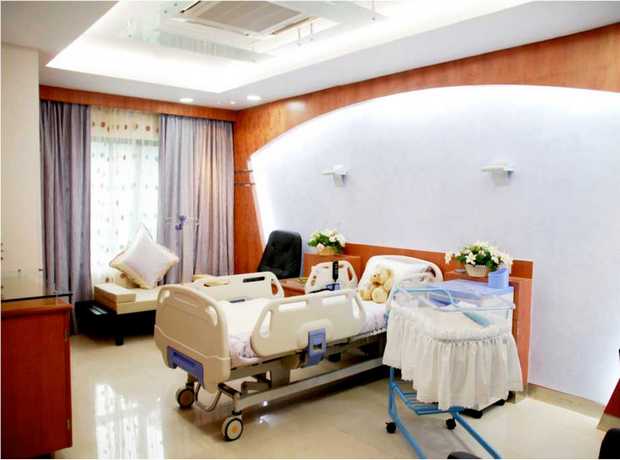
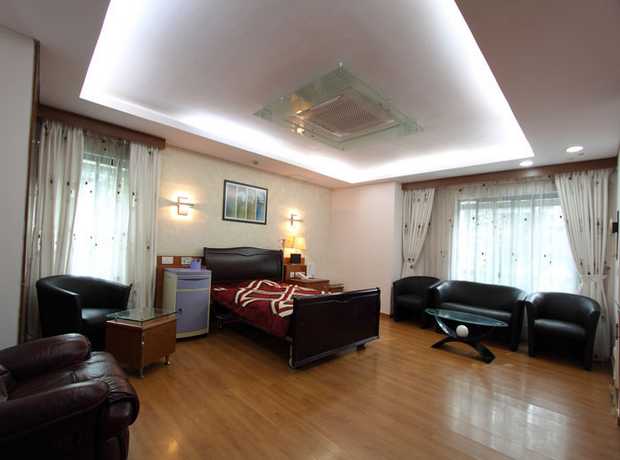
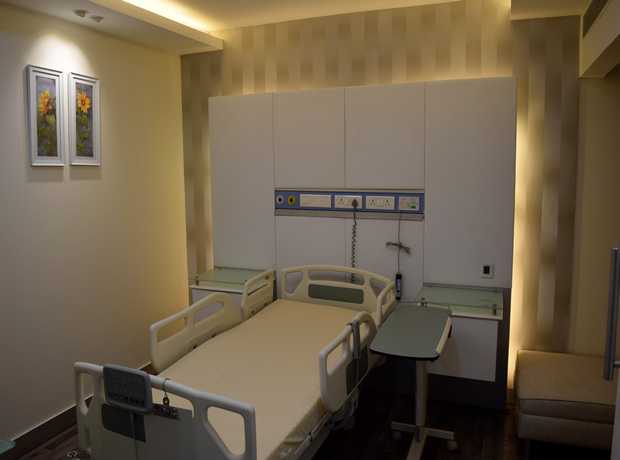
- Patient Zones: Design patient rooms that maximize privacy while maintaining clear lines of sight for staff. Consider single-patient rooms as the gold standard for infection control, noise reduction, and family presence. Each room should accommodate essential medical equipment, patient lift systems, and emergency access.
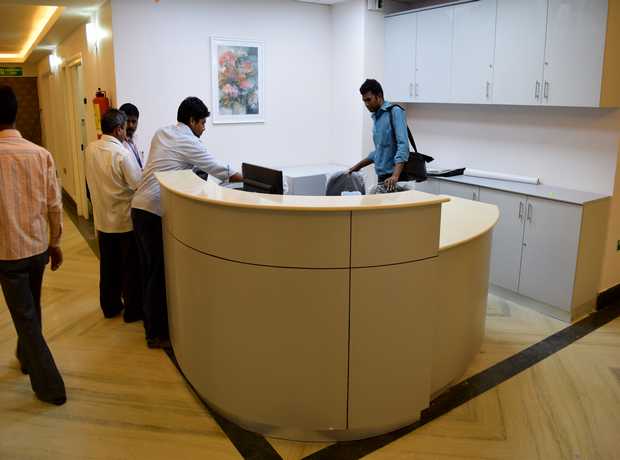
- Staff Zones: Strategically locate nursing stations, medication rooms, clean utility rooms, dirty utility rooms, and supply storage to minimize travel distances and improve response times. Create clear separation between staff circulation paths and patient/visitor paths to enhance efficiency and reduce cross-contamination.
- Support Spaces: Integrate dedicated areas for family waiting, consultation rooms, staff lounges, quiet rooms, and education spaces. These contribute significantly to the well-being of all occupants and improve operational flow.
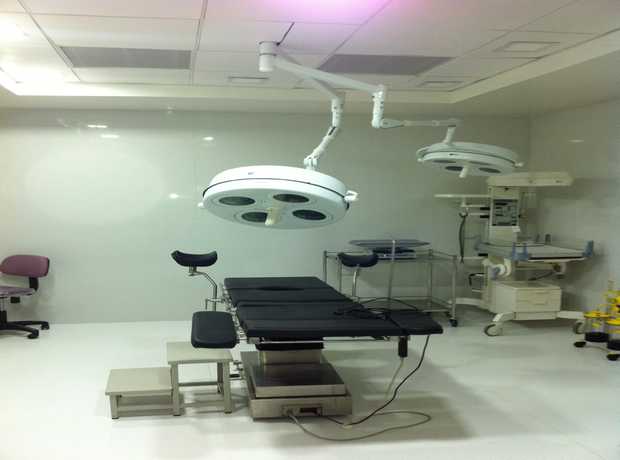
- Adjacencies: Carefully consider the adjacency of the ICU/CCU to critical departments like operating theatres (OT design), emergency departments, diagnostic imaging, and sterile supply to ensure rapid patient transfers and efficient resource sharing. Skydome Designs offers expert OT design and clinical planning services, ensuring seamless integration and optimal inter-departmental workflows.
- Advanced Patient Room Design for Healing and Comfort:
- Natural Light and Views: Maximize access to natural light and views of nature (biophilic design) to regulate circadian rhythms, reduce delirium, and improve mood for both patients and staff. Implement automated shading systems to manage glare and privacy.
- Acoustic Control: Employ sound-absorbing materials, architectural solutions (e.g., sound-isolating doors, wall constructions), and white noise systems to mitigate excessive noise, which is a major stressor in ICUs.
- Patient Control and Personalization: Allow patients (where appropriate) to control lighting, temperature, and entertainment systems in their rooms, fostering a sense of autonomy that aids recovery. Integrate family zones with comfortable seating and sleeper sofas to encourage family presence, recognized as a factor in reduced patient anxiety.
- Material Selection: Choose materials that are easy to clean, non-porous, antimicrobial, durable, and aesthetically pleasing. Avoid harsh colors; opt for calming palettes.
- Rigorous Infection Control Strategies:
- Ventilation and Air Quality: Implement advanced HVAC systems with appropriate air changes per hour (ACH), HEPA filtration, and differential air pressures for isolation rooms to prevent the spread of airborne pathogens.
- Hand Hygiene Stations: Strategically place hand washing sinks and alcohol-based hand rub dispensers at every point of care, entry/exit, and staff workstations.
- Surface Materials: Specify non-porous, seamless, and easily cleanable surfaces for walls, floors, and countertops, minimizing crevices where pathogens can harbor.
- Waste Management: Design dedicated, easily accessible, and clearly segregated waste disposal systems for clinical, general, and hazardous waste.
- Seamless Technology Integration:
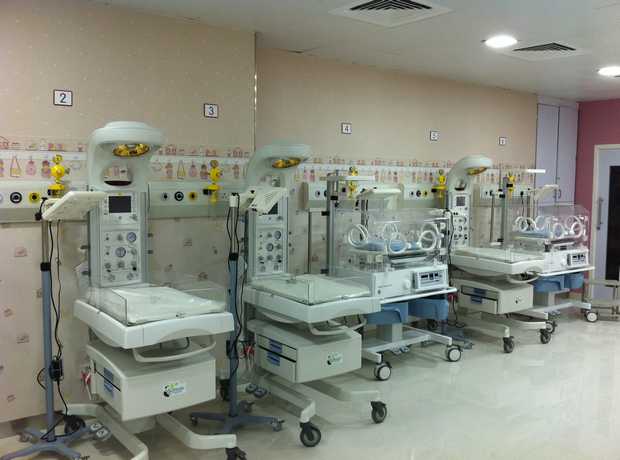
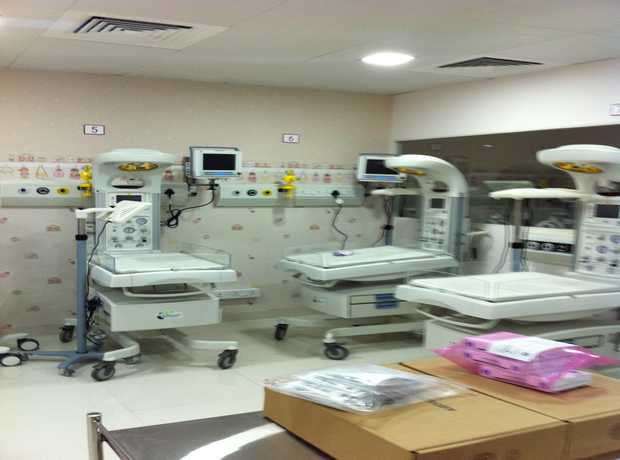
- Medical Equipment Planning: Plan for the precise placement of fixed and mobile medical equipment, ensuring sufficient power, data, and medical gas outlets. Future-proof with flexible conduit pathways for technology upgrades.
- Building Management Systems (BMS): Integrate environmental controls (lighting, temperature, air quality), security systems, and communication platforms into a centralized BMS for efficient monitoring and control.
- Communication Systems: Implement state-of-the-art nurse call systems, real-time location systems (RTLS) for equipment and staff, and robust data networks to support electronic health records (EHR) and telemedicine capabilities.
- Medical Gas and Power Redundancy: Design robust systems with built-in redundancy to ensure uninterrupted supply for life-sustaining equipment.
- Intuitive Wayfinding Systems:
- Clear Visual Cues: Utilize consistent signage, color-coding, distinctive architectural features, and artwork to guide patients, visitors, and staff.
- Digital Solutions: Integrate digital kiosks, interactive maps, and mobile apps to provide real-time directions and information.
- Spatial Orientation: Design layouts that provide clear sightlines and logical pathways, reducing disorientation and anxiety, particularly for visitors in a stressful environment.
Skydome Designs’ comprehensive approach extends to every detail, ensuring your facility meets the highest standards of safety, efficiency, and patient-centric care. Learn more about our hospital interior design services and how our expertise in clinical planning can transform your vision into reality. We combine global best practices with local Sydney insights to create truly exceptional healthcare spaces.
3. Construction and Implementation: Bringing the Vision to Life with Precision
The construction phase is where design concepts are meticulously translated into a physical structure. Given the specialized nature of ICU and CCU facilities, this phase demands unparalleled precision, adherence to stringent standards, and robust project management. Skydome Designs prides itself on its execution capabilities, ensuring that the integrity of the evidence-based design is maintained throughout construction.
- Ensure Strict Compliance with Building Codes and Healthcare Regulations: This involves continuous monitoring to meet all local Sydney building codes, fire safety regulations, accessibility standards (e.g., DDA compliance), and specific NSW Health Facility Guidelines. A dedicated compliance team or consultant is vital to navigate this complex regulatory landscape.
- Implement Rigorous Quality Control Measures: Establish comprehensive quality assurance (QA) and quality control (QC) protocols for every stage of construction, from foundation pouring to final fit-out. This includes regular inspections, material testing, and verification against design specifications to prevent costly rework and ensure structural integrity and operational readiness.
- Coordinate Closely with the Design Team and Stakeholders: Maintain open and frequent communication channels between the construction team, architects, engineers, clinical representatives, and hospital management. Regular site meetings, detailed progress reports, and swift resolution of issues are crucial to ensure the design intent is accurately realized and any on-site challenges are addressed efficiently without compromising quality or timeline.
- Focus on Infection Control During Construction: Implement strict interim dust and debris control measures, temporary barriers, and negative air pressure systems in active construction zones, particularly in existing operational facilities. This protects current patients and staff from construction-related hazards and potential pathogen spread.
- Prioritize Safety Protocols: Implement comprehensive occupational health and safety (OHS) programs for all workers on site. Healthcare construction often involves unique risks, and a proactive safety culture is paramount to prevent accidents and ensure a secure working environment.
- Commissioning and Handover: Prior to opening, a thorough commissioning process is essential. This involves testing all systems (HVAC, electrical, medical gases, IT, security, medical equipment) to ensure they function as intended and integrate seamlessly. A detailed handover process, including comprehensive documentation, training for facility staff, and robust maintenance manuals, ensures a smooth transition to operational status.
Our end‑to‑end delivery model means Skydome Designs manages this intricate phase with unparalleled expertise. We’ve achieved on‑time delivery >98% across our 679+ assignments globally, a testament to our meticulous planning and execution in evidence-based ICU and CCU construction. Our multi‑disciplinary reviews ensure every detail aligns with the design vision and operational requirements.
4. Post-Occupancy Evaluation (POE): Measuring Success and Informing Future Designs
The project doesn’t conclude at handover. A critical final step in the evidence-based design cycle is the Post-Occupancy Evaluation (POE). This systematic review assesses how well the completed ICU or CCU performs against its initial objectives and informs future design iterations.
- Gather Comprehensive Feedback: Collect qualitative and quantitative data from a wide range of stakeholders, including patients (via surveys and interviews), clinical staff (nurses, doctors, allied health professionals), administrative personnel, and facilities management. Questions should cover aspects like comfort, functionality, ease of workflow, acoustic performance, lighting quality, and overall satisfaction.
- Measure Key Performance Indicators (KPIs): Track specific metrics directly linked to EBD goals, such as rates of hospital-acquired infections, patient falls, medication errors, staff turnover, patient satisfaction scores, and energy consumption. Compare these against pre-occupancy benchmarks or industry averages.
- Identify Areas for Improvement and Adaptation: Analyze the collected data to pinpoint design elements that are highly successful and those that require refinement. This might involve minor operational adjustments, equipment reconfigurations, or informing future renovation projects.
- Contribute to the Evidence Base: Documenting the POE findings adds valuable real-world data to the broader body of evidence-based design research, contributing to continuous improvement in healthcare facility design globally. This iterative process ensures that future projects are even more refined and effective.
Skydome Designs believes in continuous improvement and offers robust post‑occupancy support, demonstrating our long-term commitment to the success and optimization of your healthcare facility. Our involvement doesn’t end at project completion; it extends to ensuring your investment delivers sustained value.
Finding a Sydney Evidence-Based ICU and CCU Construction Company: Your Critical Partner
Choosing the right partner for your evidence-based ICU and CCU construction in Sydney is arguably the most critical decision you will make. This is not a generic construction project; it requires specialized expertise, a deep understanding of healthcare operations, and a commitment to evidence-based principles. A specialized firm can translate complex clinical needs into highly functional, future-proof spaces.
When evaluating potential partners, look for a company that demonstrates:
- Extensive Experience in Healthcare Design and Construction: Prioritize firms with a proven portfolio specifically in ICU, CCU, and other critical care environments. Ask for case studies, client testimonials, and examples of how they’ve tackled unique challenges in similar projects. Experience indicates familiarity with the intricacies of medical equipment integration, strict regulatory compliance, and critical workflow optimization.
- A Strong Understanding and Application of Evidence-Based Design Principles: The firm should be able to articulate how EBD informs their process, from initial concept to material selection. They should demonstrate familiarity with key EBD research and show how they integrate these findings to improve patient outcomes, staff efficiency, and operational safety. This is not just about aesthetics; it’s about measurable improvements.
- A Proven Track Record of Delivering Projects On Time and Within Budget: Healthcare construction is notoriously complex and prone to delays and cost overruns. Look for a firm with a consistent history of meticulous project management, efficient resource allocation, and transparent financial reporting. Ask about their project management methodologies and risk mitigation strategies.
- A Commitment to Sustainability and Innovation: Modern healthcare facilities must be environmentally responsible and adaptable to future technological shifts. A forward-thinking firm will incorporate sustainable design practices (e.g., energy efficiency, water conservation, eco-friendly materials) and embrace innovative technologies (e.g., smart building systems, modular construction components) to ensure the facility remains relevant and efficient for decades.
- Deep Local Expertise and Regulatory Knowledge: While global best practices are essential, an understanding of Sydney’s specific planning regulations, building codes, and NSW Health Facility Guidelines is non-negotiable. The chosen partner should demonstrate a nuanced grasp of the local construction landscape, permit processes, and sub-contractor networks.
Skydome Designs unequivocally meets and exceeds these stringent criteria. We have delivered 679+ evidence-based ICU and CCU construction assignments across Sydney and globally over 24+ years, building a reputation for excellence. Our commitment to on‑time delivery >98%, coupled with rigorous multi‑disciplinary reviews throughout the project lifecycle and dedicated post‑occupancy support, underpins the superior outcomes we consistently achieve. We don’t just build; we partner with you to create healthcare environments that truly make a difference.
Contact us today to discuss your project and discover how our expertise can benefit your next critical care facility in Sydney.
Global Design Standards with Local Code Expertise in Sydney
The successful execution of an evidence-based ICU/CCU project in Sydney demands a delicate balance: the aspirational vision of global best practices merged with the pragmatic realities of local regulations. This dual expertise is a hallmark of Skydome Designs. We understand that while cutting-edge innovations and internationally recognized standards (suchg as those from the Facility Guidelines Institute in the US or European guidelines for critical care units) offer invaluable insights into optimal patient care and operational efficiency, these must be seamlessly adapted to the unique regulatory and environmental context of Sydney and New South Wales.
Our team at Skydome Designs ensures that your project not only adheres to the highest global benchmarks for critical care design—incorporating the latest in infection control, patient safety, staff workflow, and technological integration—but also rigorously complies with all local building codes, planning policies, and, crucially, the specific requirements outlined in the NSW Health Facility Guidelines (HFG). The HFG provides detailed planning, design, and construction standards for health facilities in NSW, covering everything from room sizes and ventilation requirements to material specifications and accessibility. Navigating these guidelines effectively requires a dedicated and experienced team.
By marrying global design standards with unparalleled local code expertise, Skydome Designs creates state-of-the-art facilities that are not only compliant and functional but also culturally and environmentally appropriate for the Sydney healthcare landscape. This integrated approach mitigates risks, streamlines the approval process, and ultimately delivers a facility that is truly world-class while being firmly rooted in its community.
End-to-End Delivery for Evidence-Based ICU and CCU Construction in Sydney
The complexity of constructing high-acuity healthcare units like ICUs and CCUs necessitates a partner capable of managing the entire project lifecycle, from initial concept to final operation. Skydome Designs offers comprehensive end-to-end delivery for evidence-based ICU and CCU construction in Sydney, providing a single point of accountability and ensuring seamless project execution. This integrated approach minimizes communication gaps, optimizes timelines, and guarantees that the original evidence-based design intent is carried through every stage.
Our end-to-end service encompasses:
- Strategy and Feasibility: Initial needs assessment, market analysis, site selection, clinical planning, and financial modeling to establish a robust project foundation.
- Concept and Schematic Design: Developing preliminary designs based on EBD principles, stakeholder input, and regulatory requirements, including spatial layouts, adjacencies, and preliminary material selections.
- Design Development and Documentation: Translating schematic designs into detailed architectural, structural, mechanical, electrical, plumbing (MEP), and interior design plans and specifications, ensuring full compliance with all codes and standards. This includes intricate OT design and critical care room layouts.
- Regulatory Approvals: Managing the complex process of obtaining all necessary planning permits, building approvals, and health department accreditations from relevant Sydney councils and NSW Health authorities.
- Construction Management: Overseeing the entire construction process, including contractor selection, scheduling, budget control, quality assurance, safety management, and proactive communication with all stakeholders.
- Commissioning and Handover: Rigorous testing of all building systems and medical equipment, comprehensive staff training, and provision of detailed operational and maintenance documentation, ensuring the facility is fully operational and ready for patient care.
- Post-Occupancy Support: Our commitment extends beyond handover with ongoing support, post-occupancy evaluations, and assistance with any necessary adjustments to ensure long-term performance and satisfaction.
Our in-house team of highly experienced healthcare architects, clinical planners, engineers, and project managers collaborates closely at every stage, fostering a cohesive and efficient delivery model. This multi-disciplinary expertise ensures that every decision is informed, every challenge is met with an integrated solution, and the final facility represents the pinnacle of evidence-based design and operational excellence.
Benefits of Partnering with Skydome Designs for Your Sydney ICU/CCU Project
Choosing Skydome Designs as your partner for evidence-based ICU and CCU construction in Sydney provides a distinct advantage, offering a blend of global expertise and localized insight that is unmatched.
- Unparalleled Experience: With over 679+ evidence-based ICU and CCU construction assignments delivered across Sydney and globally over 24+ years, our track record speaks for itself. This extensive experience translates into a deep understanding of complex clinical requirements and construction challenges.
- Guaranteed On-Time Delivery: Our consistent >98% on-time delivery rate is a testament to our meticulous project planning, efficient execution, and proactive risk management strategies. We understand the critical importance of project timelines in healthcare.
- Comprehensive Multi-Disciplinary Reviews: Throughout every project stage, we conduct rigorous multi-disciplinary reviews involving architects, engineers, clinical experts, and regulatory specialists. This ensures every detail is optimized for patient safety, staff efficiency, and operational compliance.
- Dedicated Post-Occupancy Support: Our commitment doesn’t end at handover. We provide robust post-occupancy support, including evaluations and ongoing consultation, to ensure your facility continues to perform optimally and adapt to evolving needs.
- Global Standards, Local Expertise: We seamlessly integrate the latest international best practices in healthcare design with a profound understanding of Sydney’s specific building codes, health facility guidelines, and local environmental considerations. This ensures a world-class facility that is perfectly suited for its context.
- End-to-End Project Management: From initial strategy and conceptual design to meticulous construction and final handover, we offer a fully integrated, single-source solution. Our in-house team of healthcare architects, clinical planners, and project managers ensures seamless coordination and accountability across all phases.
Partner with Skydome Designs, your trusted Sydney hospital experts, to ensure your next ICU or CCU project is not just built, but intelligently crafted for superior performance and lasting impact.
The Future of ICU and CCU Design in Sydney (2025 and Beyond)
Looking ahead to 2025 and beyond, critical care design in Sydney will continue to evolve, driven by technological advancements, demographic shifts, and lessons learned from global health challenges. Evidence-based design will remain the bedrock, but new trends will shape the next generation of ICUs and CCUs:
- Increased Flexibility and Adaptability: Units will be designed for inherent flexibility, allowing rapid conversion of standard rooms to isolation rooms or expanding capacity during surges. Modular construction techniques may play a larger role in achieving this agility.
- Enhanced Digital Integration and AI: Expect even greater integration of Artificial Intelligence (AI) for predictive analytics, smart patient monitoring, and automated environmental controls. Telemedicine and virtual consultation capabilities will become standard, extending care beyond the physical walls of the unit.
- Greater Focus on Staff Wellness: Beyond functional efficiency, designs will increasingly prioritize staff well-being, incorporating more natural light in break rooms, access to outdoor green spaces, and dedicated zones for respite and psychological support to combat burnout.
- Resilience and Sustainability: Critical care units must be resilient to external shocks, including climate events and pandemics. Designs will emphasize robust infrastructure, independent power generation, advanced air filtration for biological threats, and sustainable construction practices to reduce environmental impact.
- Hyper-Personalized Patient Environments: Leveraging smart technology, patient rooms may offer even greater levels of personalization, from dynamic lighting attuned to circadian rhythms to interactive displays providing educational content and entertainment tailored to individual preferences.
Skydome Designs remains at the forefront of these innovations, continually researching and integrating emerging best practices to ensure that the healthcare facilities we deliver today are prepared for the challenges and opportunities of tomorrow.
Conclusion
Constructing an evidence-based ICU or CCU in Sydney is a monumental undertaking that demands meticulous planning, an unwavering attention to detail, and an unshakeable commitment to excellence at every stage. It is an investment in the health of a community, the capabilities of its medical professionals, and the future resilience of its healthcare infrastructure.
By diligently following these outlined steps – from strategic needs assessment and comprehensive design development informed by robust research, through precise construction and crucial post-occupancy evaluation – stakeholders can ensure the creation of truly transformative healthcare environments. Partnering with an experienced, specialized firm like Skydome Designs is not merely a choice; it is a strategic imperative. Our proven track record of delivering 679+ assignments globally, exceptional on-time performance, and unwavering dedication to post-occupancy support ensures that your vision for a state-of-the-art critical care facility is not just realized, but optimized for superior patient outcomes, enhanced staff performance, and an enduring contribution to the overall quality of healthcare in Sydney.
Ready to transform your healthcare space with a partner who understands the intricacies of evidence-based design and local Sydney requirements? Contact Skydome Designs, your trusted Sydney hospital experts, at +91 7299072144 or email info@skydomedesigns.com for a comprehensive consultation. Let us build the future of critical care, together.
Frequently Asked Questions (FAQs)
What is evidence-based design (EBD) in healthcare?
EBD in healthcare is a systematic process of making design decisions for the built environment based on credible, peer-reviewed research and empirical data. The goal is to achieve measurable positive outcomes, such as reduced hospital-acquired infections, decreased patient stress, improved staff efficiency, and enhanced patient satisfaction. It moves beyond traditional design approaches by actively seeking and applying scientific evidence to every element of a healthcare facility’s architecture, from layout and materials to lighting and acoustics.
How does evidence-based design improve patient outcomes in ICUs and CCUs?
In ICUs and CCUs, EBD significantly improves patient outcomes by addressing critical factors that impact recovery. This includes designing single-patient rooms to reduce the spread of infections and provide privacy, incorporating natural light and views to minimize delirium and improve circadian rhythm, implementing acoustic controls to reduce noise-induced stress, and optimizing layouts for efficient staff response. These elements collectively contribute to a more therapeutic environment, leading to faster recovery times, fewer complications, lower rates of re-admission, and overall better patient experiences.
What are the key considerations for designing an ICU or CCU in Sydney?
Designing an ICU or CCU in Sydney requires a multifaceted approach. Key considerations include:
- Compliance: Strict adherence to NSW Health Facility Guidelines (HFG), the National Construction Code of Australia (NCC), local council planning policies, and fire safety regulations.
- Clinical Workflow: Optimizing layouts for efficient patient care, staff movement, and access to critical equipment.
- Infection Control: Implementing advanced HVAC systems, appropriate material selections, and strategic placement of hand hygiene stations.
- Patient-Centricity: Prioritizing privacy, natural light, acoustic comfort, and family zones to support healing.
- Technology Integration: Planning for seamless incorporation of medical gases, sophisticated patient monitoring systems, digital communication networks, and future-proofing for emerging technologies.
- Sustainability: Incorporating energy-efficient systems, water conservation strategies, and environmentally friendly materials to reduce operational costs and environmental impact.
- Resilience: Designing for adaptability to emergencies, pandemics, and potential climate challenges.
What are the benefits of hiring a specialized healthcare architect for ICU and CCU construction?
Hiring a specialized healthcare architect, particularly one experienced in ICU and CCU construction like Skydome Designs, offers numerous benefits. They possess a deep understanding of the unique and complex requirements of critical care environments, including clinical workflows, stringent regulatory compliance, infection control protocols, medical equipment integration, and the psychological needs of patients and staff. This specialization ensures that the design is not only aesthetically pleasing but also highly functional, safe, efficient, and optimized for patient care. They can navigate the intricate balance between global best practices and local Sydney regulations, minimizing risks, streamlining the design and approval process, and ultimately delivering a superior, evidence-based facility that meets all operational and clinical objectives.
How can I ensure my ICU or CCU project in Sydney is sustainable and future-proof?
To ensure your ICU or CCU project in Sydney is both sustainable and future-proof, you should:
- Integrate Sustainable Design Principles: Incorporate energy-efficient HVAC systems, LED lighting with daylight harvesting, water-saving fixtures, and renewable energy sources where feasible. Specify local, recycled, and low-VOC (Volatile Organic Compound) materials.
- Design for Flexibility and Adaptability: Plan for modularity in construction, flexible interior layouts, and readily accessible infrastructure for easy technology upgrades and changes in clinical protocols without major renovations.
- Embrace Smart Building Technology: Implement a robust Building Management System (BMS) for intelligent control of environmental conditions, energy usage, and security, allowing for data-driven optimization.
- Prioritize Durability and Maintainability: Select materials and systems known for their longevity and ease of maintenance, reducing the need for frequent replacements and associated waste.
- Consider Lifecycle Costs: Look beyond initial construction costs to evaluate the long-term operational and environmental costs, making choices that offer the best value over the facility’s lifespan.
- Partner with Experts: Work with firms like Skydome Designs who have proven experience in sustainable and future-oriented healthcare design, ensuring these principles are integrated from the project’s inception.