As Mississauga continues its dynamic growth and urban evolution, the demand for exceptionally designed senior citizen housing becomes an increasingly critical priority. Crafting a senior living project isn’t merely about constructing buildings; it’s about creating vibrant, supportive communities that empower residents to live fulfilling lives. This in-depth, step-by-step guide is designed to assist developers, investors, and community planners in navigating the intricate landscape of senior citizen housing design in Mississauga, ensuring every project not only meets but exceeds the unique needs and aspirations of its future residents, while aligning with the city’s forward-thinking vision for 2025 and beyond.
The imperative for thoughtful, future-proof design has never been clearer. With an aging population, the emphasis shifts from basic accommodation to environments that foster well-being, social engagement, independence, and dignity. This guide will meticulously detail each phase, from the foundational needs assessment to post-occupancy evaluation, incorporating best practices in architecture, interior design, technology, and sustainability, all tailored to the specific context of Mississauga.
Understanding the Evolving Landscape of Senior Citizen Housing Design in Mississauga
Mississauga stands at the forefront of urban development, prioritizing sustainability, technological integration, and resilient infrastructure. This forward-looking approach profoundly impacts the parameters for future-ready senior citizen housing design. Projects undertaken today must be conceived with a long-term perspective, focusing on lowering lifecycle costs, enhancing operational efficiency, and promoting environmental stewardship through innovative and eco-friendly solutions. From the initial conceptualization and digital prototyping to the final construction and handover, every element must be optimized for sustained value and positive community impact.
The city’s commitment to creating livable, accessible, and green communities presents both challenges and unparalleled opportunities for senior living developments. Developers must consider how their projects integrate with the existing urban fabric, contribute to local vibrancy, and embody a deep understanding of the diverse senior population within Mississauga. This requires a nuanced understanding of local bylaws, community expectations, and emerging trends in elder care and lifestyle. Skydome Designs, with its extensive experience, brings this crucial local insight to every project, ensuring designs are not only aesthetically pleasing but also perfectly attuned to the Mississauga context.
Step 1: Comprehensive Needs Assessment & Vision Planning
Before any lines are drawn or bricks are laid, a rigorous and empathetic needs assessment forms the bedrock of a successful senior living project. This initial phase is about understanding *who* you are designing for and *what* truly matters to them. It involves much more than just numbers; it’s about uncovering aspirations, challenges, and desires.
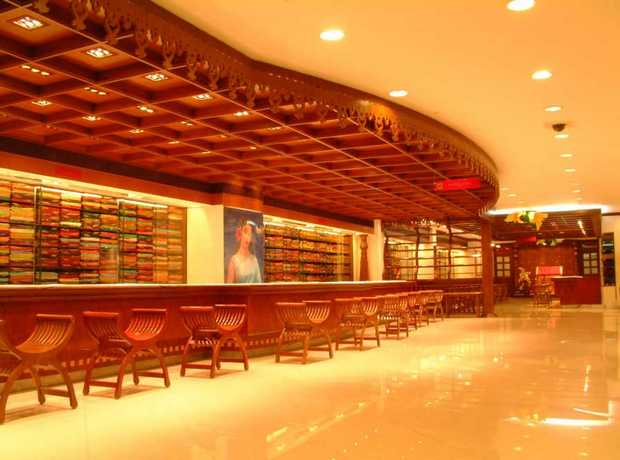
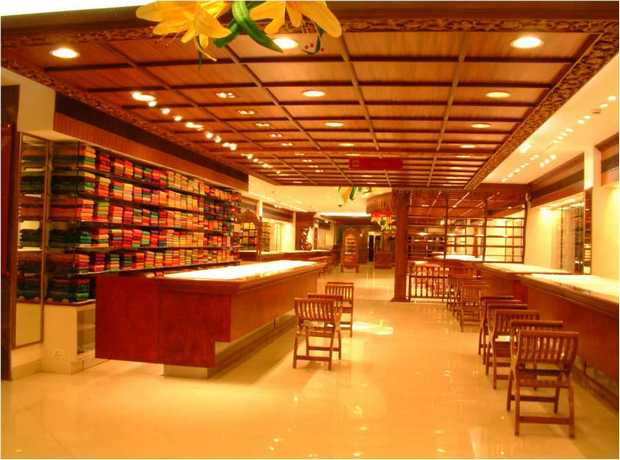
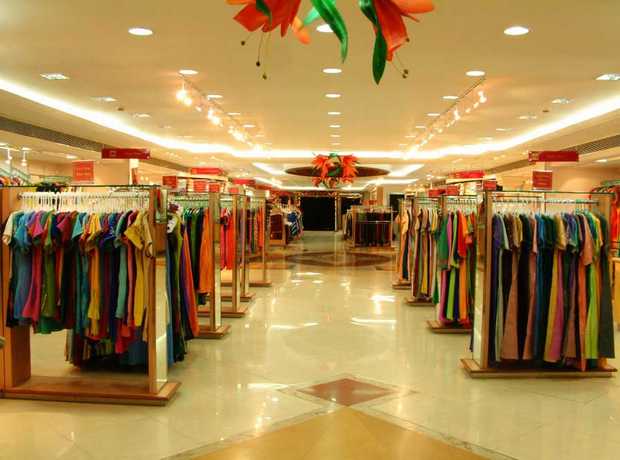
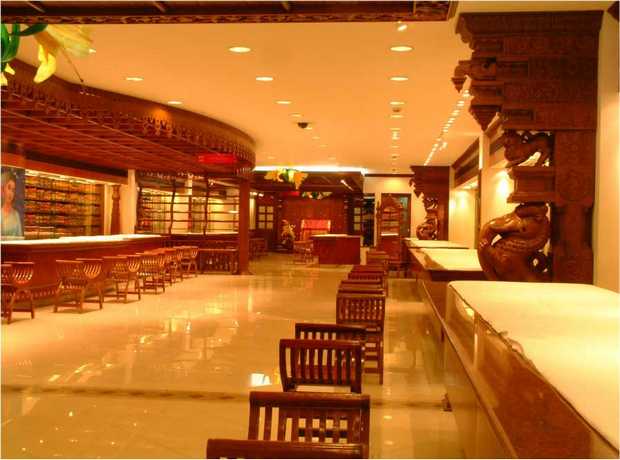

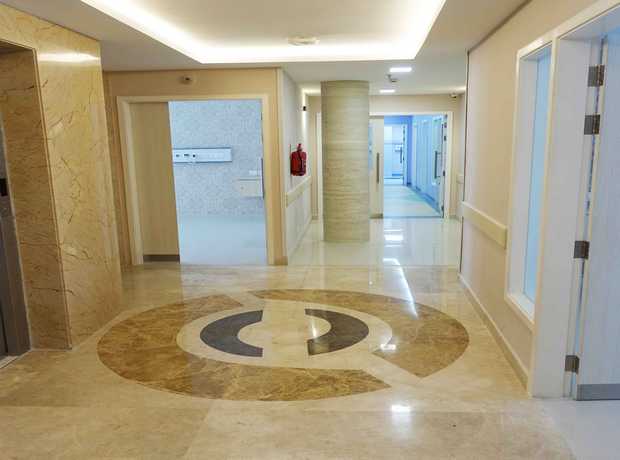
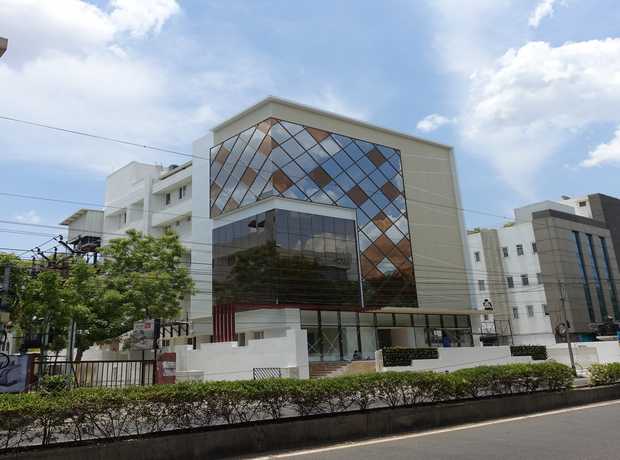
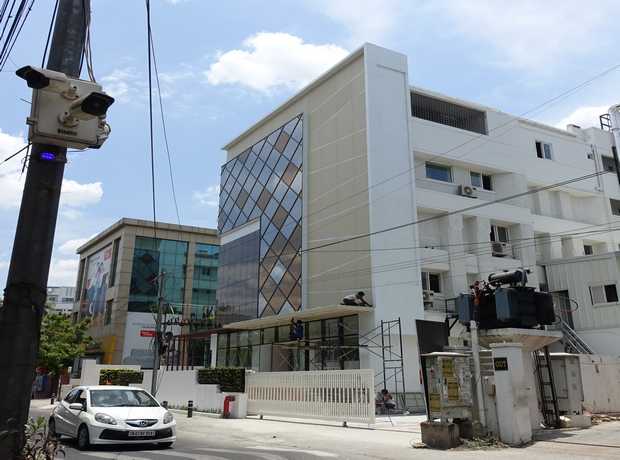
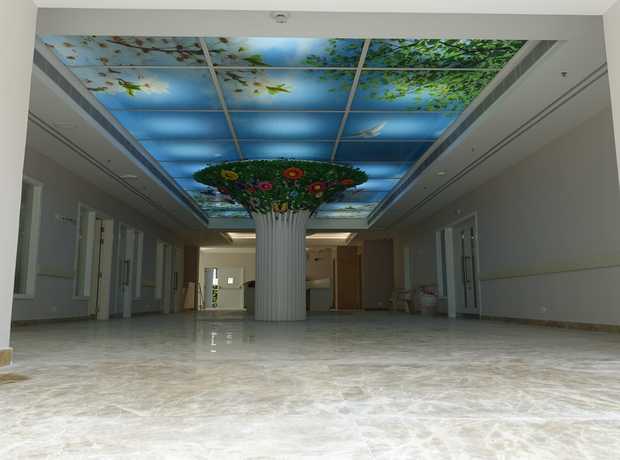


Deep Dive into Demographics and Psychographics
- Age-Specific Cohorts: Mississauga’s senior population is not monolithic. It comprises distinct age groups, from active adults in their late 60s and early 70s seeking independent living, to those in their 80s and 90s requiring varying levels of assisted care, and individuals living with cognitive impairments. Each cohort has unique expectations for lifestyle, services, and physical environment. Understanding these nuances allows for the design of diverse housing options within a single community or tailored facilities.
- Socio-economic Profiles: The economic background of potential residents influences budget constraints, expectations for luxury versus essential services, and the perceived value of amenities. This helps define the market segment your project aims to serve.
- Cultural and Linguistic Diversity: Mississauga is a multicultural hub. Sensitivity to diverse cultural practices, dietary preferences, and linguistic needs is paramount. Design elements, programming, and even staff training should reflect this rich tapestry, ensuring all residents feel welcome and understood.
Unpacking Lifestyle Preferences and Service Requirements
- Active Living vs. Supportive Care: Will the community focus on independent seniors who desire robust social calendars, fitness facilities, and educational programs? Or will it cater to those needing assistance with daily activities, memory care, or skilled nursing? Many successful models offer a continuum of care, allowing residents to age in place as their needs evolve.
- Social Engagement: What types of common areas and activities will foster community? Libraries, art studios, card rooms, hobby workshops, and multi-purpose halls are common. The design should facilitate spontaneous interaction and organized events.
- Healthcare & Wellness: Proximity to medical professionals, on-site wellness programs, fitness centers tailored for seniors (e.g., low-impact equipment), therapy rooms, and emergency response capabilities are vital. Consider partnerships with local healthcare providers.
- Dining Experiences: Move beyond institutional dining. Modern senior living emphasizes varied dining options, from formal restaurants to casual cafes, bistros, and even private dining rooms for family gatherings. Fresh, nutritious, and culturally appropriate food is key.
Analyzing Accessibility Needs Beyond Compliance
- Mobility Challenges: While basic accessibility is mandated, a deep understanding of common mobility challenges (e.g., reliance on walkers, wheelchairs, scooters) informs finer design details, such as optimal turning radii, door opening forces, and reach ranges.
- Sensory Impairments: Design should account for declining vision (high contrast, adequate lighting, tactile cues), hearing loss (acoustics, visual alarms), and cognitive changes (wayfinding, clear signage, reduced clutter).
- Universal Design Principles: Embrace universal design from the outset. This means designing environments that are usable by all people, to the greatest extent possible, without the need for adaptation or specialized design. It’s about proactive inclusivity, not reactive accommodation.
Establishing Realistic Budget & Funding Strategies
- Feasibility Studies: Conduct comprehensive financial feasibility studies to project development costs, operational expenses, potential revenue streams, and return on investment.
- Funding Models: Explore various funding mechanisms, including private investment, public-private partnerships, government grants, and financing options tailored for senior housing.
- Long-term Financial Viability: Consider how the design choices impact long-term operational costs, maintenance requirements, and potential for future upgrades or adaptations. Value engineering, integrated early in the design process, is critical for cost optimization without compromising quality.
Skydome Designs excels in this initial phase, transforming complex data into a clear vision. Our methodology ensures that the project’s foundation is robust, reflecting both market demands and resident aspirations.
Step 2: Strategic Site Selection and In-depth Analysis in Mississauga
The choice of location is arguably one of the most pivotal decisions, significantly influencing a senior community’s success, resident satisfaction, and long-term viability. In Mississauga, where urban development is dynamic, strategic site selection is paramount.
Key Site Attributes for Senior Living
- Proximity to Essential Services:
- Healthcare Facilities: Immediate access to hospitals (e.g., Trillium Health Partners), specialized clinics, diagnostic centers, and pharmacies is non-negotiable for senior residents.
- Retail & Groceries: Easy reach to grocery stores, banks, post offices, and other daily necessities promotes independence and convenience.
- Community Services: Libraries, community centers, places of worship, and recreational facilities enhance quality of life and opportunities for social engagement.
- Access to Public Transportation: A site well-served by MiWay bus routes, future Hurontario LRT stops, or GO Transit stations empowers residents to maintain their independence, connect with the wider city, and reduce reliance on private vehicles or ride services.
- Safe and Walkable Neighborhoods: Pedestrian-friendly environments with well-maintained sidewalks, clear crossings, adequate lighting, and low traffic volumes are crucial. The surrounding neighborhood should feel secure and inviting for residents to explore.
- Green Spaces and Recreational Opportunities: Proximity to parks, walking trails, gardens, and waterfront areas (e.g., along Lake Ontario) offers immense physical and mental health benefits. Biophilic design principles can be extended by integrating natural elements into the immediate surroundings.
Environmental and Regulatory Due Diligence in Mississauga
- Zoning Regulations: Thoroughly investigate local zoning bylaws, Official Plans, and secondary plans in Mississauga that pertain to senior living developments. Understand allowable building heights, setbacks, density, parking requirements, and land use designations. Changes to zoning may be complex and time-consuming.
- Environmental Impact: Assess potential environmental factors such as soil conditions, flood plains, proximity to industrial areas, noise pollution, and air quality. Incorporate strategies for remediation or mitigation if necessary.
- Infrastructure Capacity: Verify the capacity of existing infrastructure – water, sewer, electrical, and telecommunications – to support the proposed development. Upgrades can be costly and require coordination with municipal services.
- Community Integration: Consider how the project will integrate with the existing community. Will it generate traffic congestion? Will it provide amenities or services that benefit the wider neighborhood? Fostering positive community relations from the outset is vital.
Consulting with local Mississauga interior experts and architectural firms early in this process is invaluable. Their knowledge of specific neighborhoods, regulatory nuances, and community dynamics can significantly streamline the site selection process and prevent costly delays. Skydome Designs has a deep understanding of Mississauga’s urban fabric and regulatory environment, providing strategic guidance for optimal site selection.
Step 3: Innovative Architectural Design & Functional Space Planning
The architectural design of senior citizen housing transcends mere aesthetics; it’s about crafting environments that are inherently safe, profoundly comfortable, effortlessly accessible, and supportive of a high quality of life. The design should anticipate needs, foster community, and promote independence.
Adhering to Advanced Accessibility Standards
While compliance with the Accessibility for Ontarians with Disabilities Act (AODA) is a legal mandate, truly outstanding senior housing design goes beyond minimum requirements. It embraces universal design principles as a foundational philosophy, ensuring inclusivity for all residents, regardless of age, ability, or mobility level.
- Seamless Circulation Paths: Design wide, clear corridors (minimum 48 inches, ideally 60 inches or more) free of obstructions, with ample turning radii (60 inches for wheelchairs). Avoid abrupt changes in floor levels and use gentle slopes for ramps.
- Elevator Access: Strategically place spacious, easily accessible elevators with visual and auditory signals, Braille signage, and grab bars. Ensure sufficient elevator capacity for peak times and emergencies.
- Wider Doorways: All doorways, especially unit entryways and bathroom doors, should be a minimum of 36 inches wide (clear opening of 32 inches) to accommodate wheelchairs, walkers, and assistance devices. Lever-style door handles are easier to operate.
- Accessible Bathrooms: Incorporate roll-in showers with grab bars, shower seats, and handheld sprayers. Toilets should have grab bars and appropriate heights. Sinks should be wall-mounted or pedestal-style to allow for wheelchair access underneath. Non-slip flooring is critical.
- Emergency Systems: Integrate sophisticated emergency call systems in all private and common areas, with both pull cords and easily reachable buttons. Ensure clear visual and auditory fire alarms.
- Tactile and Visual Cues: Use contrasting colors for wall-floor transitions, raised lettering and Braille on signage, and textured surfaces to aid wayfinding for those with visual impairments.
Thoughtful Functional Space Planning for Community and Independence
Effective space planning is the art of organizing spaces to maximize utility, minimize obstacles, and foster desired behaviors. For senior living, this means creating layouts that promote ease of movement, encourage social interaction, and support a wide range of activities.
- Common Areas as Community Hubs:
- Dining Facilities: Design flexible dining rooms that can accommodate various group sizes, with natural light and pleasant views. Include private dining rooms for family celebrations.
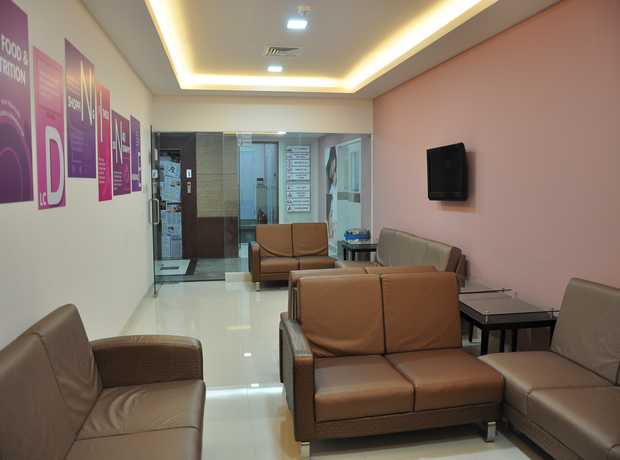
- Lounges & Social Spaces: Offer a variety of comfortable seating arrangements, from intimate nooks for quiet conversation to larger areas for group gatherings.
- Activity & Wellness Rooms: Dedicated spaces for fitness classes, yoga, art studios, libraries, game rooms, and multi-purpose halls that can host lectures, performances, or religious services.
- Outdoor Spaces: Design accessible courtyards, sensory gardens, walking paths, and shaded seating areas. These provide opportunities for fresh air, gardening, and connection with nature.
- Clear Wayfinding: Implement intuitive architectural cues, clear signage with appropriate font sizes and contrast, and logical layouts to help residents orient themselves and navigate the facility independently, especially crucial for those with cognitive decline.
- Adaptable and Multi-functional Spaces: Design common areas that can easily transform to serve different purposes. For example, a lounge that can also host a small concert or a library area that doubles as a reading club meeting point.
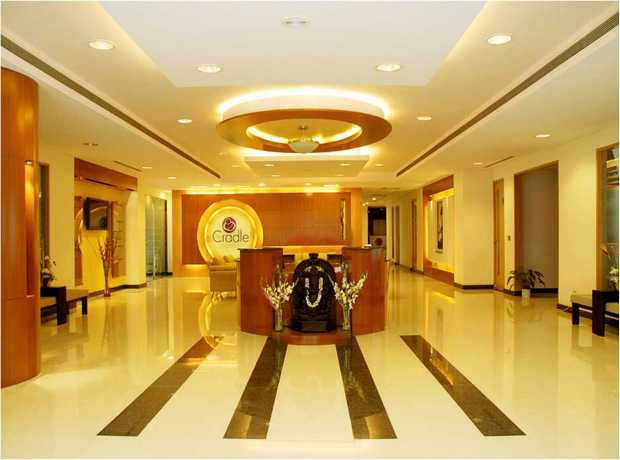
Skydome Designs specializes in creating functional and engaging spaces that prioritize resident well-being and operational efficiency. We believe that thoughtful planning can transform a building into a thriving community. Explore our residential projects for inspiration on how we achieve this balance between aesthetic appeal and practical functionality.
Designing Private Living Spaces for Independence and Comfort
Individual units are sanctuaries where residents seek privacy, comfort, and the ability to maintain autonomy. Design must maximize independence while integrating discreet safety features.
- Variety of Unit Types: Offer a range of options, from efficient studios to spacious one- and two-bedroom apartments, to cater to diverse needs and preferences.
- Aging in Place Features:
- Kitchenettes: Equip units with functional kitchenettes (microwave, small refrigerator, sink) to allow residents to prepare light meals and snacks, promoting a sense of normalcy and control.
- Bathroom Safety: Beyond accessibility, ensure non-slip surfaces, easily reachable controls, and ample space for assistance.
- Adaptable Storage Solutions: Design storage that is accessible without excessive bending or reaching, with adjustable shelving and pull-out drawers.
- Emergency Call Systems: Integrate discreet but easily accessible emergency call buttons in bathrooms and bedrooms, connected to a central monitoring station.
- Comfortable Flooring: Use soft, resilient flooring materials (e.g., carpet tiles, luxury vinyl plank) that provide cushion for falls and reduce noise, while still being easy to clean.
- Personalization: Encourage residents to personalize their private spaces with their own furniture, art, and décor, fostering a sense of belonging and familiarity.
- Views and Natural Light: Maximize natural light and provide pleasant views from private units, enhancing mood and connection to the outside world.
Step 4: Elevating the Interior Environment Through Design & Material Selection
The interior environment plays a profound role in the psychological and physical well-being of senior residents. It’s about creating spaces that are not just safe and functional, but also comforting, stimulating, and beautiful, evoking a sense of home rather than an institution.
Strategic Lighting Design for Health and Safety
Adequate and thoughtfully planned lighting design is non-negotiable for visibility, safety, and enhancing mood. As we age, our eyes require more light and are more susceptible to glare. Lighting must be meticulously planned to compensate for these changes.
- Layered Lighting: Employ a combination of natural, ambient, task, and accent lighting.
- Natural Light: Maximize daylighting through large windows, skylights, and light wells. Position seating areas to take advantage of natural light.
- Ambient Lighting: Provide soft, diffused general illumination throughout all spaces, minimizing harsh shadows.
- Task Lighting: Ensure strong, focused light in areas for reading, hobbies, or grooming (e.g., above kitchen counters, bedside lamps, bathroom vanity lights).
- Accent Lighting: Use to highlight artwork, architectural features, or pathways, adding aesthetic appeal and aiding wayfinding.
- Glare Reduction: Minimize glare from windows (use blinds or sheer curtains) and artificial light sources (use diffused luminaires, recessed lighting, or indirect lighting). Matte finishes on surfaces also help reduce reflection.
- Color Temperature: Opt for warmer color temperatures (2700K-3500K) in living and social areas to create a cozier, more homelike atmosphere. Cooler temperatures might be used in task-oriented areas if appropriate, but overall warmth is preferred.
- Circadian Lighting Systems: Integrate advanced circadian lighting to support healthy sleep patterns and regulate residents’ body clocks. This involves dynamic lighting that mimics natural daylight cycles, with brighter, bluer light during the day and warmer, dimmer light in the evenings.
- Emergency Lighting: Ensure robust emergency lighting systems are in place, clearly illuminating exit paths and critical areas during power outages.
Skydome Designs integrates innovative and health-conscious lighting solutions into all projects, recognizing its profound impact on well-being and safety. Contact us to discuss your specific lighting needs and how we can illuminate your senior living project with expertise.
Optimizing Acoustics for Tranquility and Clarity
Effective acoustics are crucial for minimizing disruptive noise, promoting clear communication, and cultivating a peaceful and comfortable environment. Older adults are often more sensitive to noise, and hearing impairments can make conversations challenging in noisy settings.
- Noise Source Identification: Identify potential noise sources (mechanical systems, elevators, common area activities, external traffic) and implement strategies to mitigate them at the source.
- Sound Transmission Control:
- Wall and Floor Assemblies: Use sound-absorbing and insulating materials within walls, ceilings, and floors (e.g., staggered stud walls, resilient channels, mass loaded vinyl) to reduce sound transmission between units and from common areas. Specify appropriate STC (Sound Transmission Class) and IIC (Impact Isolation Class) ratings.
- Door and Window Selection: Choose solid core doors with proper seals and double-pane windows to reduce noise infiltration.
- Reverberation Control: In common areas, dining rooms, and activity spaces, use sound-absorbing materials to reduce reverberation (echo).
- Acoustic Ceilings: Install acoustic ceiling tiles or panels with high NRC (Noise Reduction Coefficient) ratings.
- Wall Treatments: Integrate acoustic wall panels, upholstered furniture, and heavy draperies.
- Flooring: Use carpets or resilient flooring with acoustic backing in appropriate areas to absorb impact noise and airborne sound.
- Creating Quiet Zones: Designate specific “quiet zones” or contemplative spaces where residents can retreat for peace and solitude, free from high levels of activity or noise.
- Speech Intelligibility: In areas where communication is key (e.g., reception, common lounges, activity rooms), design for optimal speech intelligibility by controlling background noise and reverberation.
Thoughtful Material Selection for Durability, Safety, and Aesthetics
The choice of interior materials impacts not only the aesthetic appeal but also the long-term durability, maintenance, safety, and indoor air quality of the facility.
- Durability & Maintenance: Select materials that can withstand heavy traffic and frequent cleaning. Prioritize commercial-grade finishes for flooring, wall coverings, and furniture that are robust and easy to sanitize.
- Safety & Slip Resistance: Non-slip flooring is paramount in all areas, especially bathrooms, kitchens, and entryways. Choose materials with appropriate COF (Coefficient of Friction) ratings. Avoid highly reflective or patterned flooring that can cause confusion or visual distortions for seniors.
- Healthy Indoor Air Quality: Prioritize materials that are low-VOC (Volatile Organic Compounds) to promote healthy indoor air quality. This includes paints, adhesives, flooring, and furniture. Specify Greenguard-certified products where possible.
- Biophilic Design: Incorporate natural materials (wood, stone), patterns, and colors that connect residents to nature. Introduce plants and elements that mimic natural environments to reduce stress and improve well-being.
- Color Psychology: Use warm, inviting, and calming color palettes. Avoid overly stimulating or stark colors. Strategic use of contrasting colors can aid wayfinding and distinguish important elements (e.g., door frames, handrails).
- Tactile Richness: Introduce a variety of textures through fabrics, finishes, and furnishings to provide sensory stimulation and a homelike feel.
- Aesthetic Appeal: While functionality is key, the environment should also be aesthetically pleasing and welcoming, avoiding an institutional feel. Create spaces that residents are proud to call home.
Step 5: Seamless Technology Integration for Enhanced Living
Technology is no longer a luxury but an essential component in modern senior living, significantly enhancing the quality of life, safety, and operational efficiency. Integrating smart solutions can empower residents, provide peace of mind, and streamline care delivery.
Smart Home and Automation Features
- Personalized Environment Control: Smart thermostats that learn resident preferences or can be easily controlled via voice or a simple interface. Automated blinds or curtains that adjust for daylight or privacy.
- Intelligent Lighting: Motion-activated lighting in bathrooms and corridors for nighttime safety. Smart lighting that adjusts intensity and color temperature, as discussed in the lighting section, to support circadian rhythms.
- Enhanced Security: Smart locks with keyless entry (fobs, codes) for residents and staff. Door/window sensors, and integrated surveillance systems in common areas.
- Voice Assistants: Integration of voice-activated assistants (e.g., Alexa, Google Assistant) to control lights, answer questions, make calls, or play music, reducing the need for physical dexterity.
Advanced Telehealth and Remote Monitoring Capabilities
- Virtual Consultations: Dedicated spaces or in-room tablets for remote medical consultations with physicians, specialists, or therapists, reducing the need for travel.
- Wearable Technology Integration: Systems that integrate with wearable devices for monitoring vital signs, activity levels, sleep patterns, and fall detection, alerting staff to potential issues.
- Medication Management: Smart medication dispensers that remind residents to take their medication and track adherence.
- Remote Diagnostics: Basic diagnostic tools (e.g., blood pressure cuffs, glucometers) that can securely transmit data to healthcare providers for remote assessment.
Assistive Technologies for Enhanced Mobility and Independence
- Wander Management Systems: For memory care units, integrate discreet wander management systems using RFID or GPS technology to ensure resident safety while maintaining a sense of freedom.
- Smart Sensors: Motion sensors that can detect falls or prolonged inactivity, alerting staff to potential emergencies. Bed and chair sensors can monitor presence and restlessness.
- Automated Door Openers: For common area doors or frequently used entrances, automated door openers can significantly assist residents with mobility challenges.
- Communication Platforms: Easy-to-use communication platforms for residents to connect with family, staff, and other residents, featuring large fonts, clear interfaces, and video call capabilities.
Robust Connectivity and Infrastructure
- High-Speed Wi-Fi: Ensure ubiquitous, reliable, and high-speed Wi-Fi connectivity throughout the entire facility, including private units, common areas, and outdoor spaces.
- Cybersecurity: Implement robust cybersecurity measures to protect resident data, privacy, and the integrity of interconnected systems.
- Future-Proof Infrastructure: Design the technological infrastructure with scalability and flexibility in mind, allowing for easy upgrades and integration of future technologies without major overhauls.
Step 6: Integrating Sustainability into Mississauga Senior Living Projects
Embracing sustainable design practices is not just environmentally responsible; it also translates into significant long-term operational cost reductions, improved indoor environmental quality, and enhanced market appeal. Mississauga’s commitment to sustainability makes this a vital aspect of any new development.
Energy Efficiency Strategies
- High-Performance Building Envelope: Invest in superior insulation for walls, roofs, and foundations, and specify high-efficiency windows (e.g., triple-pane, low-E coatings) to minimize heat loss in winter and heat gain in summer.
- Energy-Efficient HVAC Systems: Implement high-efficiency heating, ventilation, and air conditioning (HVAC) systems, potentially including geothermal heating and cooling, or variable refrigerant flow (VRF) systems. Zone control allows for individual temperature preferences and reduces energy waste.
- Smart Building Management Systems (BMS): Integrate a sophisticated BMS to monitor and optimize energy consumption across all building systems, including HVAC, lighting, and hot water.
- LED Lighting: Utilize 100% LED lighting throughout the facility, paired with occupancy sensors and daylight harvesting controls, for significant energy savings and longer bulb life.
- Energy-Efficient Appliances: Specify ENERGY STAR® certified appliances in all private and common area kitchens.
Water Conservation Measures
- Low-Flow Fixtures: Install low-flow toilets, showerheads, and faucets throughout the facility, significantly reducing water consumption.
- Water-Efficient Landscaping: Design outdoor spaces with drought-tolerant native plants (xeriscaping) and efficient irrigation systems (e.g., drip irrigation, smart controllers).
- Rainwater Harvesting: Explore rainwater harvesting systems for irrigation or non-potable uses like toilet flushing.
- Greywater Recycling: Consider systems for recycling greywater from sinks and showers for irrigation or toilet flushing, where permissible by local regulations.
Renewable Energy Integration
- Solar Photovoltaic (PV) Panels: Install rooftop solar panels to generate clean electricity, offsetting grid demand and reducing operating costs.
- Solar Thermal Systems: Utilize solar thermal collectors for water heating, further reducing reliance on fossil fuels.
- Geothermal Systems: Leverage the stable temperature of the earth to provide highly efficient heating and cooling.
Green Building Materials and Waste Management
- Recycled Content Materials: Specify materials with high recycled content (e.g., steel, aluminum, gypsum board, insulation).
- Locally Sourced Materials: Prioritize building materials sourced from within a reasonable proximity to Mississauga to reduce transportation emissions and support local economies.
- Certified Wood Products: Use wood products certified by organizations like the Forest Stewardship Council (FSC) to ensure sustainable forest management.
- Construction Waste Diversion: Implement a robust construction waste management plan to divert a high percentage of waste from landfills through recycling and reuse.
- Operational Waste Management: Design for easy separation and recycling of operational waste (e.g., dedicated recycling chutes, composting facilities).
Aligning your project with Mississauga’s environmental goals, such as the Climate Change Action Plan, not only benefits the planet but also positions your facility as a leader in responsible development. Skydome Designs integrates these sustainable practices from conceptualization, ensuring long-term value and ecological responsibility.
Step 7: Navigating Regulatory Compliance & Permitting in Mississauga
The regulatory landscape for construction projects in Ontario, and specifically in Mississauga, is multifaceted and requires meticulous attention. Successful navigation of this process is critical to avoiding costly delays and ensuring the legality and safety of your senior living project.
Understanding the Multi-Layered Regulatory Environment
- Provincial Legislation: Adherence to the Ontario Building Code, Fire Code, and the Accessibility for Ontarians with Disabilities Act (AODA) is mandatory. These provincial acts set minimum standards for structural safety, fire protection, and accessibility.
- Municipal Bylaws and Official Plan: Mississauga’s specific zoning bylaws, Official Plan, and any relevant secondary plans dictate land use, density, building height, setbacks, parking, and specific requirements for senior living facilities.
- Health and Safety Regulations: Compliance with various health and safety regulations, particularly concerning assisted living and long-term care components, is critical. This includes requirements for infection control, food service, and resident care standards.
- Environmental Approvals: Depending on the site and scope, environmental assessments and approvals from provincial or municipal bodies may be necessary.
The Permitting Process
- Pre-Application Consultation: Engage in early consultation with the City of Mississauga planning department and relevant agencies. This helps identify potential challenges and requirements before formal submissions.
- Zoning By-law Amendment / Official Plan Amendment: If your proposed project does not conform to current zoning or the Official Plan, these complex and time-consuming applications will be necessary.
- Site Plan Approval: This process involves detailed review of the site layout, landscaping, parking, servicing, and building elevations to ensure compliance with urban design guidelines and municipal standards.
- Building Permits: Submission of comprehensive architectural, structural, mechanical, and electrical drawings for review and approval by the City’s building division. This ensures compliance with the Ontario Building Code.
- Fire Code Compliance: Specific approvals and inspections from the Mississauga Fire and Emergency Services are required throughout design and construction.
- Occupancy Permits: Prior to residents moving in, final inspections by various departments (building, fire, health) are required to grant an occupancy permit.
Navigating this complex permitting process effectively requires deep local expertise. Consulting with local architects, planners, and legal experts who are intimately familiar with Mississauga’s specific regulations is essential. Skydome Designs possesses this invaluable local knowledge and has a proven track record of successfully guiding projects through the full regulatory gauntlet, ensuring compliance and smooth progression.
Step 8: Expert Construction Management & Project Delivery
Once the design is finalized and permits are secured, the focus shifts to bringing the vision to life through efficient and high-quality construction. This phase demands meticulous planning, rigorous oversight, and effective communication.
Selecting a Reputable Contractor
- Experience in Senior Living: Prioritize contractors with a demonstrated history of successfully completing senior citizen housing projects. They understand the specific requirements, sensitivities, and complexities involved.
- Safety Record: Evaluate their safety record and commitment to maintaining a safe construction site, particularly given the potential for nearby communities or future residents.
- Financial Stability: Ensure the contractor is financially sound and has the resources to complete the project without disruptions.
- Collaboration and Communication: Choose a contractor known for excellent communication, transparency, and a collaborative approach with the design team and project owner.
Implementing a Robust Project Management Plan
- Detailed Scheduling: Develop a comprehensive master schedule, broken down into critical path activities, milestones, and dependencies. Regular monitoring and adjustments are crucial.
- Budget Management: Implement strict cost control measures, including regular budget reviews, change order management, and value engineering exercises to ensure the project remains within financial parameters.
- Quality Control and Assurance: Establish a rigorous quality control program with regular inspections, material testing, and adherence to specifications to ensure the highest standards of construction.
- Risk Management: Proactively identify potential risks (e.g., material delays, labor shortages, adverse weather) and develop mitigation strategies.
- Communication Protocols: Establish clear lines of communication between the owner, design team, contractor, and subcontractors, with regular progress meetings and reporting.
Skydome Designs offers comprehensive, end-to-end delivery for senior citizen housing design projects. This includes strategy, design, construction oversight, and seamless handover in Mississauga. Our approach integrates BIM (Building Information Modeling)-led coordination, which ensures precise planning, clash detection, and optimized material usage. We apply value engineering principles throughout the construction phase to achieve cost efficiencies without compromising quality or design intent. Our stringent quality control processes are specifically tailored to the unique demands and high standards expected in Mississauga developments, ensuring every detail meets global excellence.
Step 9: Post-Occupancy Evaluation & Continuous Improvement
The completion of construction and the arrival of residents mark a new beginning, not an end. A post-occupancy evaluation (POE) is a critical step for assessing the building’s performance, gathering invaluable feedback, and informing future projects.
Purpose and Methodology of POE
- Assessing Effectiveness: Evaluate how well the design meets the functional, comfort, safety, and psychological needs of its residents and the operational requirements of the staff.
- Gathering Feedback: Systematically collect input from residents through surveys, interviews, and focus groups. Ask about their experiences with common areas, private units, amenities, lighting, acoustics, and overall satisfaction.
- Staff Input: Collect feedback from staff on operational efficiency, maintenance issues, functionality of workspaces, and how the design impacts their ability to provide care and services.
- Performance Monitoring: Monitor building systems (HVAC, lighting, energy consumption) to ensure they are performing as designed and identify areas for optimization.
Benefits of POE and Skydome Designs’ Commitment
- Identifying Areas for Improvement: Uncover design flaws, unforeseen challenges, or opportunities for enhancement that can be addressed in existing facilities or integrated into future projects.
- Validating Design Decisions: Confirm which design elements are successful and truly enhance the quality of life for residents.
- Enhancing Future Projects: The lessons learned from a POE are invaluable for refining design methodologies, improving specifications, and ensuring continuous innovation in senior housing design.
- Long-term Success: A commitment to POE demonstrates a dedication to resident well-being and fosters a culture of continuous improvement and excellence.
Skydome Designs doesn’t just deliver projects; we ensure their long-term success. We offer robust post-occupancy support, underpinning outcomes with real-world performance data and resident satisfaction. Our firm has a rich history of delivering 191+ senior citizen housing design assignments across Mississauga and globally over 30+ years, achieving an exceptional on-time delivery rate of 99%. Our multi-disciplinary reviews and dedicated post-occupancy support are integral to our commitment to excellence, ensuring every project truly enhances the quality of life for its residents and remains operationally efficient for years to come.
Why Choose Skydome Designs for Your Mississauga Senior Housing Project?
Skydome Designs Pvt Ltd is not just an architecture and interior design firm; we are innovators with nearly three decades of experience, dedicated to creating spaces that enrich lives and enhance operational excellence. As your trusted Mississauga senior citizen housing design company, we bring unparalleled expertise, a global perspective, and a deep understanding of local nuances to every project.
Our in-house team comprises highly skilled architects, specialized healthcare planners, and meticulous project managers. This integrated approach ensures seamless coordination, from initial concept to final handover, all driven by a singular vision: to deliver award-winning, client-focused, and sustainable designs that stand the test of time.
Our Specialized Expertise Includes:
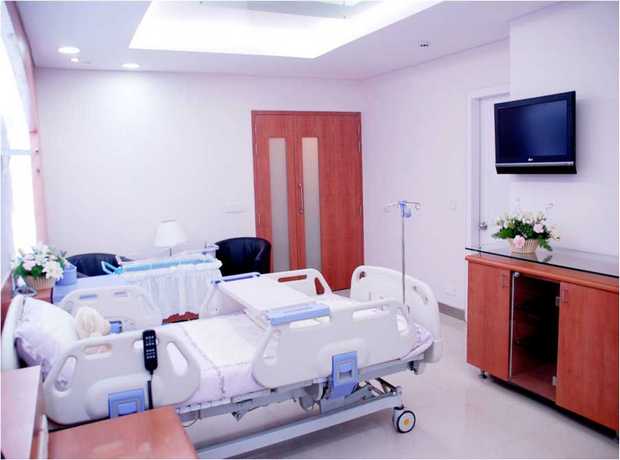
- Hospital Interior Design: We apply our profound understanding of patient-centric design, focusing on creating healing environments in patient rooms, state-of-the-art ICUs, and optimizing overall care environments. This expertise is directly transferable to the health and wellness aspects of senior living.
- Residential Projects: Our extensive portfolio includes a diverse range of residential projects, from contemporary apartments and luxury condos to community-focused interiors, all designed with an emphasis on comfort, functionality, and aesthetic appeal.
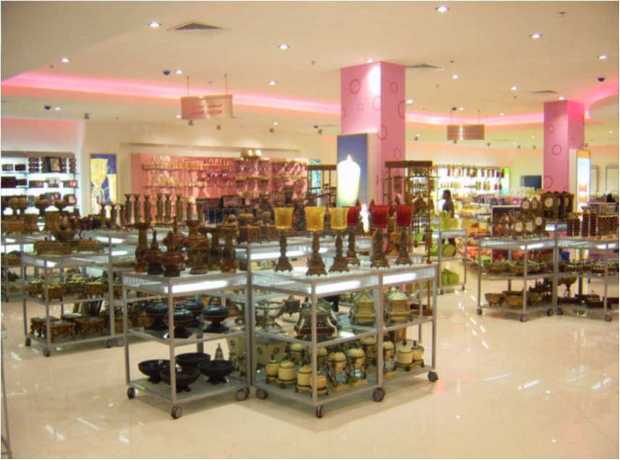
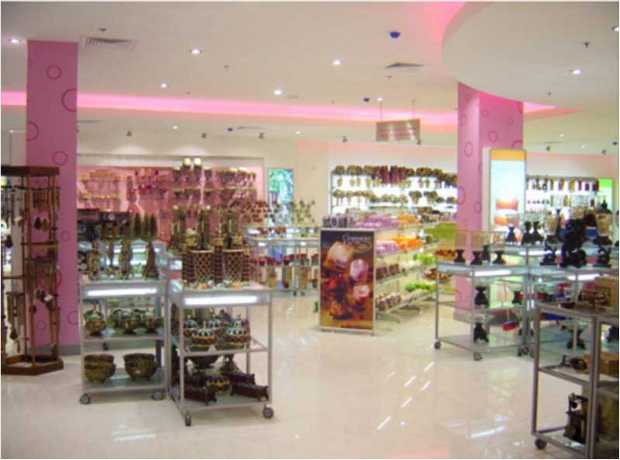
- Retail & Commercial Design: We create engaging, high-traffic spaces for shopping malls and mixed-use developments, demonstrating our ability to design for varied user experiences and operational demands.
- Comprehensive Interior Solutions: We provide end-to-end interior design services, encompassing meticulous space planning, thoughtful furniture layouts, bespoke material selection, and expert lighting and acoustic integration, all tailored to create inspiring and efficient interiors.
With a proven track record of successful projects across India and abroad, we are renowned for our commitment to excellence. Our projects are not just completed; they are delivered on-time, on-budget, and consistently meet stringent global standards, underpinned by our commitment to post-occupancy support and continuous improvement. When you partner with Skydome Designs, you are choosing a firm that combines visionary design with practical, results-driven execution.
Embark on your next transformative senior living project with confidence. Contact Skydome Designs today at +91 7299072144 or email us at info@skydomedesigns.com to discuss your Mississauga senior citizen housing design aspirations. Let us help you create a community where seniors thrive.
Conclusion: Building a Brighter Future for Seniors in Mississauga
Designing and developing senior citizen housing in Mississauga is a profound undertaking that demands a comprehensive, empathetic, and forward-thinking approach. It requires a deep understanding of the unique needs and evolving preferences of the aging population, coupled with an unwavering commitment to safety, comfort, sustainability, and technological integration. By diligently following this detailed step-by-step guide and partnering with experienced and visionary professionals like Skydome Designs, you can create not just a building, but a vibrant, safe, and profoundly supportive community. Such a community will not only enhance the quality of life for its residents but also stand as a testament to thoughtful urban development in Mississauga for generations to come. Let us collaborate to build spaces where seniors can truly live their best lives.
FAQ: Senior Citizen Housing Design in Mississauga
Here are some frequently asked questions about senior citizen housing design and development in Mississauga, offering quick insights into common queries:
What are the absolute key considerations for senior citizen housing design in Mississauga, especially for projects launching in 2025?
For 2025 projects, key considerations extend beyond basic accessibility. They include comprehensive safety features, optimal comfort and psychological well-being, strategic proximity to essential services and community amenities, robust sustainable design principles to meet Mississauga’s environmental goals, and seamless, future-proof technology integration for enhanced quality of life and operational efficiency. Furthermore, understanding Mississauga’s specific demographic shifts and urban planning directives is paramount.
How do I identify and select a reputable senior citizen housing design company in Mississauga?
When selecting a design company, look for extensive experience specifically in senior citizen housing, a proven track record of successful projects (preferably with local examples), positive client testimonials, a strong portfolio showcasing innovative and sustainable designs, and a deep understanding of local Mississauga regulations and community needs. A firm offering end-to-end services, like Skydome Designs, that integrates strategy, design, construction coordination, and post-occupancy support is highly advantageous.
What are the specific accessibility requirements for senior citizen housing in Mississauga, and how do they impact design?
Accessibility requirements in Mississauga projects adhere to the Accessibility for Ontarians with Disabilities Act (AODA) and the Ontario Building Code. This mandates features such as wider doorways (minimum 36 inches), ramps with specified slopes, accessible elevators, grab bars in bathrooms, roll-in showers, and clear circulation paths. Beyond legal compliance, universal design principles should be adopted to ensure inclusivity for all mobility levels, impacting everything from furniture selection to signage and floor plans.
How can advanced technology truly improve the quality of life and safety for seniors in modern housing facilities?
Advanced technology significantly enhances senior living by offering smart home features for personalized environment control (lighting, temperature), integrating telehealth capabilities for remote medical consultations and monitoring, providing assistive technologies like fall detection sensors and wander management systems for increased safety, and fostering social connection through easy-to-use communication platforms and robust Wi-Fi connectivity. It empowers residents with greater independence and provides peace of mind for families and caregivers.
What are the long-term benefits of implementing sustainable design in senior citizen housing projects in Mississauga?
Sustainable design in senior citizen housing offers numerous long-term benefits. These include a substantial reduction in environmental impact, lower operating and maintenance costs due to energy-efficient systems and water conservation, improved indoor air quality contributing to resident health and well-being, and enhanced market appeal as residents increasingly seek eco-friendly living options. Aligning with Mississauga’s sustainability goals also boosts the project’s reputation and community integration, contributing to its lasting value.