Toronto’s skyline is not just changing; it’s undergoing a profound transformation. With continuous record-breaking investments pouring into its real estate and infrastructure sectors, the city stands as a beacon of growth in North America. This unprecedented expansion presents exhilarating opportunities for developers, investors, and urban planners alike. However, this dynamic growth also demands a sophisticated and forward-thinking approach to urban development, particularly concerning the long-term viability and operational efficiency of new and existing structures. At the heart of this strategic imperative lies robust value-engineered building lifecycle maintenance planning, a crucial discipline designed to de-risk projects, optimize resource allocation, and ensure faster, more efficient delivery of sustainable and high-performing assets. This comprehensive guide will illuminate a step-by-step methodology for planning your Toronto projects in 2025 and well into the future, guaranteeing that your investments not only meet but exceed expectations over their entire lifespan.
Understanding Value-Engineered Building Lifecycle Maintenance Planning in Toronto
The concept of value-engineered building lifecycle maintenance planning in Toronto extends far beyond conventional cost-cutting measures. It represents a holistic, systematic methodology for scrutinizing every facet of a building’s components, systems, and operational requirements from conception through to demolition or repurposing. The objective is to meticulously analyze, evaluate, and refine every element to identify opportunities where efficiency can be dramatically improved, performance enhanced, and long-term costs minimized, all without compromising the critical benchmarks of quality, functionality, safety, or aesthetic appeal. This proactive approach ensures that buildings are designed, constructed, and operated to deliver maximum value over their entire lifespan, making them resilient, adaptable, and economically sound investments.
Our extensive experience, garnered over 29+ years with more than 1507+ value-engineered assignments successfully completed across Toronto and globally, positions us uniquely to understand the intricacies of this dynamic market. This depth of expertise allows us to seamlessly integrate local regulatory nuances, climate considerations, and market demands into our planning processes. We pride ourselves on an on-time delivery rate exceeding 98%, a testament to our meticulous planning and execution. Our commitment is further reinforced through multi-disciplinary reviews involving a diverse team of architects, engineers, and sustainability experts, ensuring every angle is considered. Furthermore, our post-occupancy support guarantees optimal outcomes, providing ongoing guidance and adjustments to maintain peak performance and address evolving needs, cementing the longevity and value of your Toronto assets.
Why is Value Engineering Imperative for Toronto Projects?
- High Construction Costs: Toronto’s real estate and construction markets are among the most competitive globally, characterized by escalating land values, high labour costs, and premium material prices. These factors combine to push initial construction budgets significantly higher than in many other major cities. Value engineering serves as an indispensable tool to counteract these pressures. By systematically analyzing material selections, construction methodologies, and design solutions, value engineering aims to optimize expenditures without sacrificing structural integrity, functional performance, or aesthetic quality. It encourages the exploration of innovative alternatives, smarter procurement strategies, and efficient project sequencing, ensuring that every dollar invested generates maximum return and avoids unnecessary overheads.
- Long-Term Sustainability: Beyond immediate financial concerns, the growing emphasis on environmental responsibility and operational longevity makes sustainability a cornerstone of modern construction. Value-engineered maintenance planning is inherently geared towards long-term sustainability by focusing on reducing future expenses and minimizing environmental impact throughout the building’s operational lifecycle. This involves selecting durable, energy-efficient materials, designing for maintainability and adaptability, and integrating sustainable technologies. By forecasting maintenance needs, anticipating material lifespans, and planning for upgrades, projects can significantly lower their carbon footprint, reduce waste, and decrease reliance on non-renewable resources, contributing positively to Toronto’s green building initiatives and future resilience.
- Regulatory Compliance: Navigating Toronto’s complex web of building codes, zoning bylaws, and environmental regulations is a critical, and often challenging, aspect of any construction project. These standards, which include the Ontario Building Code, Toronto Green Standard, and various accessibility requirements, are continually evolving. Value engineering plays a pivotal role in ensuring that projects not only meet but exceed these regulatory mandates in the most cost-effective and efficient manner. By proactively identifying and addressing compliance issues during the early planning stages, it helps avoid costly redesigns, delays, and potential penalties. It allows for the strategic integration of compliant systems and materials, often finding innovative solutions that satisfy regulations while also delivering enhanced value and performance.
- Maximizing ROI: For any real estate investor or developer, the ultimate goal is to maximize the return on investment (ROI). Effective lifecycle maintenance planning, underpinned by value engineering principles, directly contributes to this objective by increasing property value, attracting and retaining high-quality tenants, and reducing vacancy rates. Buildings that are well-maintained, energy-efficient, and thoughtfully designed for longevity command higher rents and resale values. Reduced operational costs due to optimized maintenance schedules, lower utility consumption, and extended asset lifespans translate into improved net operating income. Furthermore, a reputation for delivering high-quality, sustainable buildings enhances marketability and strengthens brand perception, fostering long-term success in Toronto’s competitive real estate landscape.

Step-by-Step Guide to Value-Engineered Building Lifecycle Maintenance Planning
- Initial Assessment and Goal Setting: The foundation of any successful value engineering initiative is a crystal-clear understanding of the project’s parameters and desired outcomes. This initial phase involves a deep dive into defining specific project objectives, establishing realistic budget constraints, and setting measurable performance requirements. For your Toronto project, ask yourself: What are the absolute priorities? Is it achieving LEED certification, targeting net-zero energy, maximizing tenant density, ensuring unparalleled durability in harsh climates, or cultivating a specific aesthetic appeal? This stage necessitates intensive stakeholder engagement, bringing together owners, developers, architects, engineers, facility managers, and even prospective tenants. Comprehensive data collection, including site surveys, existing building analyses (for renovations), market research, and regulatory reviews, is crucial. Success metrics must be tangible, allowing for objective evaluation throughout the project lifecycle. This foundational step aligns all parties towards a common vision and defines the framework within which all subsequent value engineering efforts will operate, ensuring that optimizations are always congruent with the overarching business and operational objectives.
- Component and System Analysis: With goals firmly established, the next step involves a granular evaluation of every building component and system. This comprehensive analysis covers everything from the macro-level structural framework and building envelope down to the micro-level details of HVAC systems, electrical infrastructure, plumbing networks, vertical transportation (elevators), fire safety systems, security systems, and interior finishes. For each element, a detailed lifecycle cost analysis (LCCA) is performed, factoring in not just initial purchase and installation costs, but also projected operational expenses, maintenance requirements, repair costs, anticipated lifespan, and eventual replacement costs. Factors such as energy consumption, environmental impact, availability of parts, and ease of maintenance are meticulously assessed. This stage also includes a thorough risk assessment, identifying potential failure points, obsolescence risks, and environmental vulnerabilities specific to Toronto’s climate and urban conditions. Understanding the interdependencies between systems is paramount, as a change in one area can have ripple effects across the entire building.
- Identify Value Engineering Opportunities: Armed with a detailed analysis, the team then systematically identifies areas ripe for optimization. This phase involves creative problem-solving and critical thinking to pinpoint opportunities where costs can be reduced, performance enhanced, or both, without compromising the project’s core objectives. Opportunities may arise from exploring alternative materials that offer better durability or lower maintenance costs (e.g., high-performance façade systems, self-cleaning glass, durable flooring), innovating construction methods (e.g., prefabrication, modular construction to reduce on-site labour and waste), or refining design solutions to optimize space utilization and operational efficiency. For instance, a revised building orientation might reduce solar heat gain, significantly cutting cooling costs. Particular attention is given to high-cost or long-lifecycle components. Consider lighting design: transitioning to advanced LED systems with smart controls can drastically reduce energy consumption and maintenance needs over decades. Similarly, judicious materials selection for high-traffic areas can lead to substantial savings in repair and replacement costs. This iterative process demands an open mind and a collaborative approach, often challenging conventional wisdom to uncover truly innovative solutions.
- Develop and Evaluate Alternatives: Once opportunities are identified, the next stage involves generating a diverse range of alternative solutions for each potential area of improvement. This is a brainstorming phase where innovative ideas are encouraged, no matter how unconventional they may seem initially. For example, if a traditional HVAC system is deemed too costly in its lifecycle, alternatives such as geothermal systems, VRF (Variable Refrigerant Flow) systems, or even passive cooling strategies might be explored. Each alternative is then rigorously evaluated against a comprehensive set of criteria, including potential upfront cost savings, long-term operational cost reductions, performance implications (e.g., energy efficiency, comfort levels, noise reduction), constructability, regulatory compliance, environmental impact, and aesthetic considerations. This comparative analysis often involves financial modelling, risk assessment, and detailed technical specifications. The goal is to objectively weigh the advantages and disadvantages of each option, quantifying their impacts to provide clear data for informed decision-making.
- Implementation and Monitoring: With the selected value engineering solutions approved, the project moves into the implementation phase. This requires meticulous project management, stringent quality assurance, and close coordination across all disciplines. The chosen solutions are integrated into the design and construction documents, and contractors are briefed on the specific requirements. But the process doesn’t end there. Continuous monitoring is absolutely critical to ensure that the desired results are achieved and sustained. This involves tracking key performance indicators (KPIs) such as actual costs versus projections, energy consumption data, maintenance frequencies, tenant feedback, and environmental impact metrics. Regular audits and performance reviews are conducted to identify any deviations and implement corrective actions promptly. This commitment to ongoing vigilance, coupled with Skydome Designs’ integrated post-occupancy support, ensures that the building continues to operate at peak efficiency throughout its lifecycle, adapting to changing needs and technologies, and delivering sustained value as initially envisioned.
Utilizing BIM for Enhanced Planning in Toronto
The complexity of modern building projects, particularly in a dense urban environment like Toronto, necessitates advanced tools for effective planning and execution. This is where BIM (Building Information Modeling) becomes not just an advantage, but a necessity. Skydome Designs leverages BIM-led coordination, value engineering, and quality control specifically tailored to Toronto’s dynamic needs. BIM creates a comprehensive, intelligent 3D model that serves as a single source of truth for all project information. This digital representation allows for an unprecedented level of detail and accuracy in analyzing building systems – from structural integrity and mechanical flows to electrical layouts and energy performance. With BIM, multi-disciplinary teams can collaborate in real-time, facilitating earlier clash detection and resolution, which dramatically reduces costly errors and rework during construction. Furthermore, BIM enables sophisticated simulations for energy performance, daylighting, and material usage, leading to more informed design decisions. This holistic visualization and data-rich environment translate directly into optimized value-engineered building lifecycle maintenance planning in Toronto. By integrating maintenance schedules, component lifespans, and operational data directly into the BIM model, facility managers gain a powerful tool for predictive maintenance, asset management, and long-term operational efficiency, ensuring that the value engineering applied during design truly pays dividends throughout the building’s entire life.
Key Considerations for Toronto’s Unique Environment
Toronto’s distinct climate, geology, and urban fabric present a unique set of challenges and opportunities for building design, construction, and long-term maintenance. Successfully navigating these specific conditions is paramount for the longevity and performance of any project.
- Freeze-Thaw Cycles: Toronto’s climate is characterized by significant temperature fluctuations, especially during winter and transitional seasons, leading to frequent freeze-thaw cycles. This phenomenon can be highly damaging to building materials, causing expansion and contraction that lead to cracking, spalling, and deterioration of concrete, masonry, and even certain metals. To mitigate this risk, value-engineered planning must prioritize the selection of highly durable, weather-resistant materials specifically rated for extreme freeze-thaw conditions. This includes high-performance concrete mixes, specially formulated mortars, durable roofing membranes, and façade materials with low water absorption. Furthermore, robust preventative maintenance measures are essential, such as ensuring proper drainage away from foundations, regular inspection and sealing of cracks, and protecting exposed surfaces with appropriate coatings. Intelligent design features like sloped roofs and overhangs also play a crucial role in diverting water and reducing exposure.
- Air Quality: As a major metropolitan hub, Toronto’s air quality, while continually improving, can still impact building systems. Airborne pollutants, dust, and allergens can accumulate within HVAC systems, reducing efficiency, increasing maintenance frequency, and potentially affecting indoor air quality (IAQ). Effective value engineering here involves implementing advanced filtration systems (e.g., HEPA filters, MERV 13+ ratings) designed to capture these particulates. Regular, scheduled maintenance of these systems, including filter replacements and duct cleaning, becomes critical to ensure optimal indoor air quality and prolong the life of mechanical components. Furthermore, incorporating energy recovery ventilation (ERV) systems can improve IAQ while minimizing energy losses, balancing fresh air intake with energy efficiency. IAQ monitoring systems can also provide real-time data to optimize ventilation strategies.
- Urban Density: Toronto’s increasingly dense urban environment poses significant logistical and operational challenges for both construction and ongoing building maintenance. Limited site access, congested streets, strict noise bylaws, and the need to minimize disruption to surrounding businesses and residents demand meticulous planning. During design, considerations for vertical construction, just-in-time material delivery strategies, and the efficient staging of equipment are critical. For maintenance, this means planning for specialized access equipment, coordinating deliveries during off-peak hours, and designing building systems that allow for easy access and repair in compact spaces. Furthermore, community relations and public safety protocols are heightened in dense areas, requiring careful management of site operations and communication with local stakeholders.
- Green Building Initiatives & Energy Efficiency: Toronto is a leader in sustainable development, with the Toronto Green Standard (TGS) providing a comprehensive set of environmental performance standards for new private and city-owned developments. Value engineering in this context means proactively integrating TGS requirements and aiming for higher tiers of performance from the outset. This involves exploring opportunities for renewable energy integration (solar panels, geothermal), high-performance building envelopes, advanced energy management systems, and water conservation technologies. The lifecycle cost benefits of these investments, including reduced operational costs and potential incentives, are a core focus, demonstrating how sustainability and economic value are intrinsically linked.
- Heritage Preservation: Many new developments in Toronto are situated in areas with significant historical buildings or are subject to heritage conservation district bylaws. Integrating modern, value-engineered maintenance planning with the requirements of heritage preservation demands a specialized approach. This involves carefully selecting materials and methods that are sympathetic to the historic fabric of a building while introducing modern efficiencies where appropriate and permissible. Value engineering in this context seeks to prolong the life of heritage elements through conservation-focused maintenance, ensuring compliance with heritage guidelines while also optimizing the building’s operational performance for the 21st century.
Choosing the Right Toronto Value-Engineered Building Lifecycle Maintenance Planning Company
The success of your Toronto project hinges significantly on selecting the right partner for value-engineered building lifecycle maintenance planning. This decision should be based on a rigorous evaluation of capabilities, experience, and a shared vision for long-term value. Look for a company that embodies the following critical attributes:
- Proven Experience in Toronto: Local knowledge is not merely a preference; it’s a non-negotiable asset. A company with a demonstrable track record of successful projects specifically within the Toronto area will possess an intimate understanding of local building codes, municipal bylaws, climate challenges, material supply chains, and labour market dynamics. This localized expertise ensures that value engineering solutions are not just theoretically sound but are practical, compliant, and optimized for Toronto’s unique environment. It also signifies established relationships with local regulators and contractors, streamlining approval processes and facilitating smoother project execution.
- Expertise in Value Engineering: The chosen partner must exhibit a deep, specialized understanding of value engineering principles, methodologies (such as the SAVE International Value Methodology standard), and best practices. This includes a team of certified value specialists or professionals with extensive experience in applying VE techniques across diverse project types and scales. They should be proficient in conducting comprehensive lifecycle cost analyses, facilitating multi-disciplinary workshops, and developing innovative alternatives that balance cost, quality, and performance. Their expertise should extend beyond simple cost-cutting to encompass a holistic approach to maximizing functional value.
- Strong Project Management Skills: Even the most brilliant value engineering insights are ineffective without robust project management. Look for a company with a proven ability to manage complex projects effectively and efficiently, adhering to strict timelines and budgets. This includes strong communication protocols, transparent reporting, proactive risk identification and mitigation strategies, and excellent coordination capabilities across all project stakeholders – from designers and contractors to suppliers and regulatory bodies. Effective project management ensures that value-engineered solutions are integrated seamlessly into the overall project lifecycle without causing delays or escalating costs.
- Comprehensive Service Offering: An ideal partner provides an end-to-end delivery model for value-engineered building lifecycle maintenance planning. This means they can guide your project through every critical phase: from initial strategic planning and concept development, through detailed design and documentation, overseeing construction implementation, and finally, managing the seamless handover and providing crucial post-occupancy support. This integrated approach ensures consistency, reduces coordination complexities, and guarantees that the value engineering principles applied at the outset are carried through to the operational life of the building in Toronto.
Skydome Designs stands as a paragon of these attributes. With 29+ years of experience across India and abroad, and having delivered over 1507+ value-engineered building lifecycle maintenance planning assignments, we bring unparalleled expertise to your Toronto project. Our in-house team of award-winning architects, specialized healthcare planners, and seasoned project managers work collaboratively, ensuring multi-disciplinary reviews and achieving an on-time delivery rate exceeding 98%. We are unequivocally client-focused, committed to delivering innovative, sustainable designs that meet global standards and are always on-budget. Our comprehensive service offering, underpinned by BIM-led coordination and rigorous quality control, ensures end-to-end delivery for value-engineered building lifecycle maintenance planning — strategy, design, construction and handover in Toronto. We also provide vital post-occupancy support to secure optimal long-term outcomes for your investment. Don’t leave your project’s future to chance.
Contact us to discuss your Toronto value-engineered building lifecycle maintenance planning needs and discover the Skydome Designs advantage. Call us today: +91 7299072144 | Email: info@skydomedesigns.com
Interior Design and Space Planning Expertise for Toronto Projects
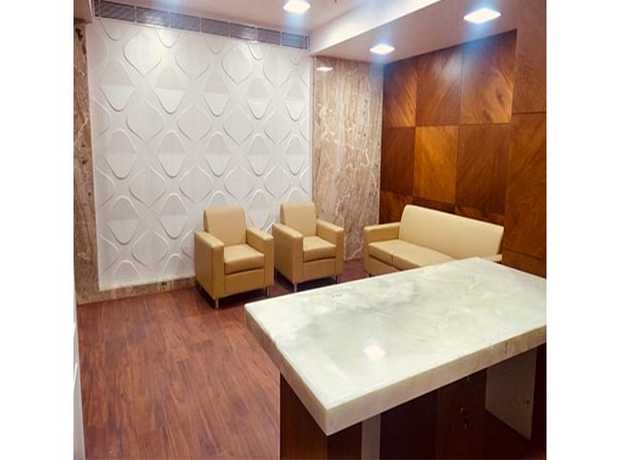
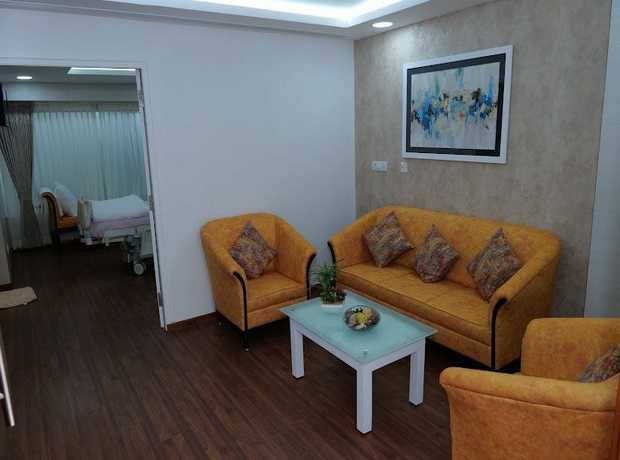
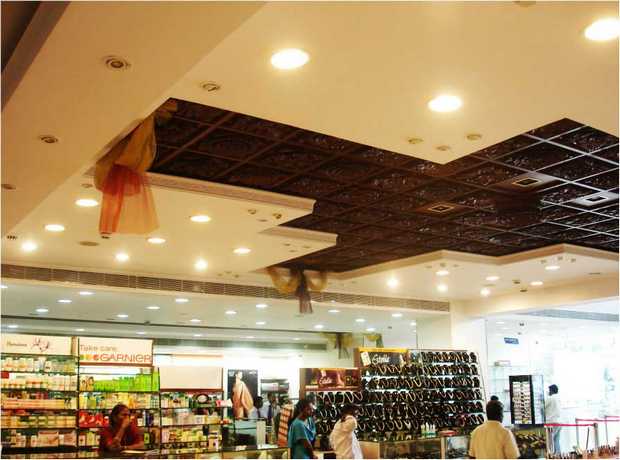
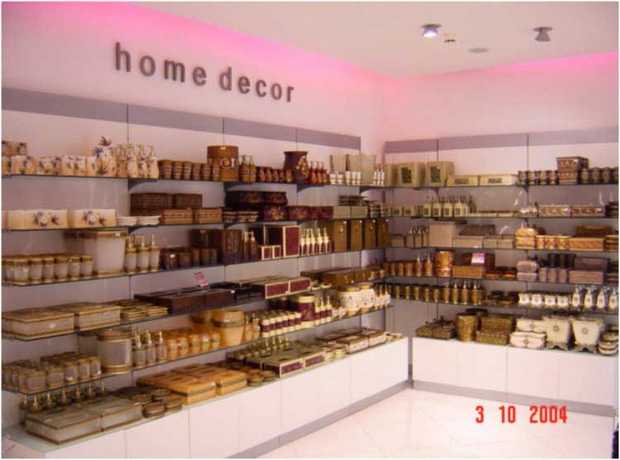
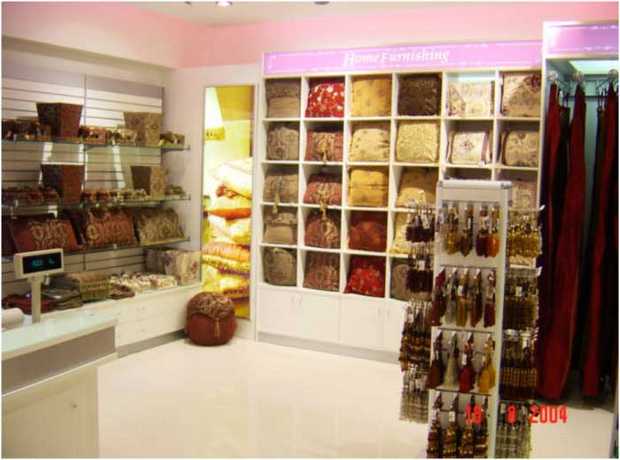
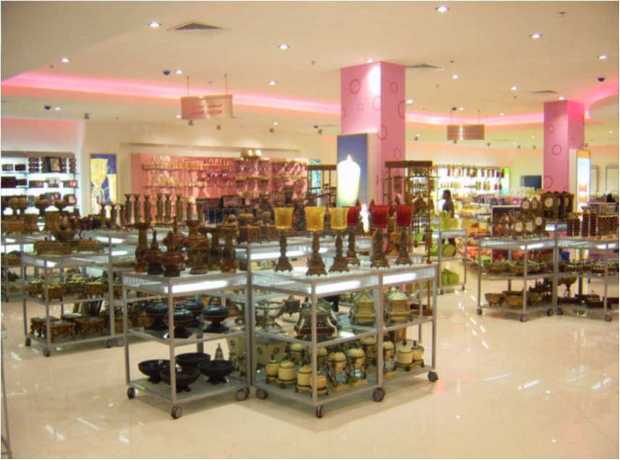
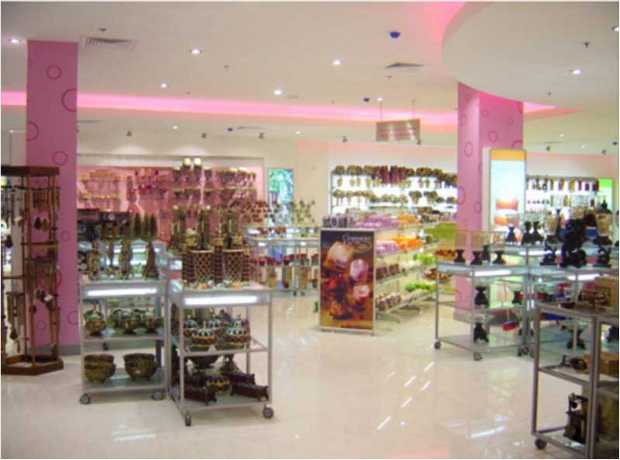
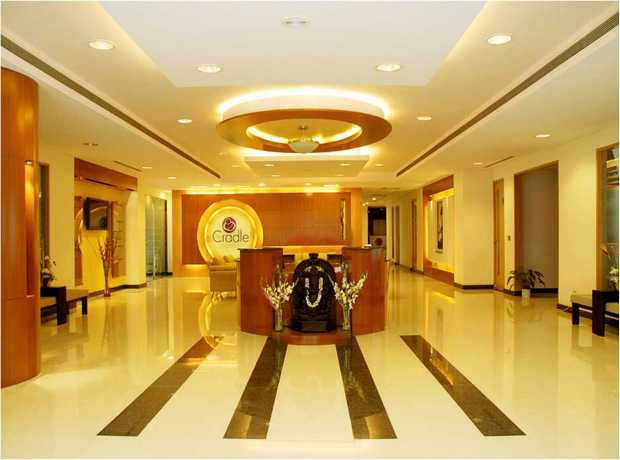
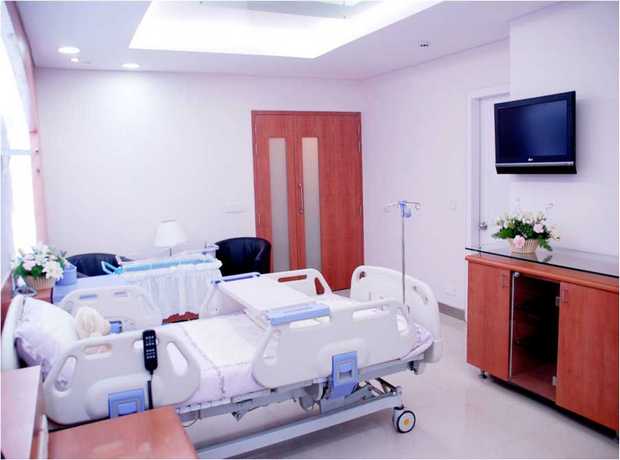
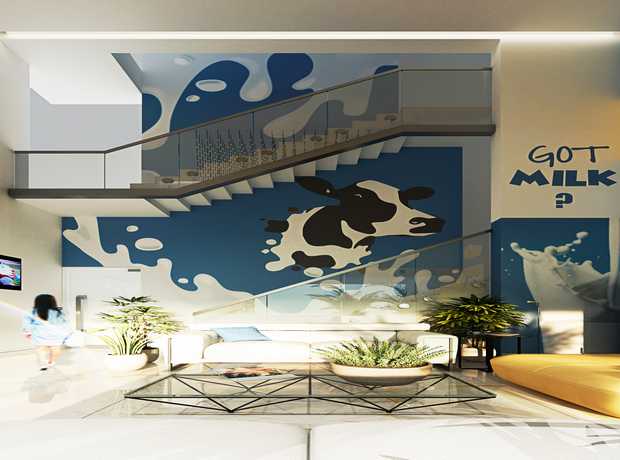
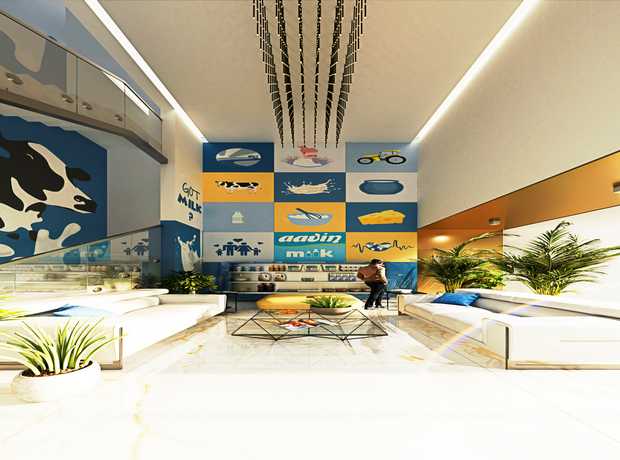
Beyond the structural and mechanical aspects of building lifecycle maintenance, the strategic importance of interior design and space planning in your Toronto building’s long-term value cannot be overstated. Effective space planning and thoughtful interior solutions are not merely about aesthetics; they profoundly impact tenant satisfaction, operational efficiency, user experience, and ultimately, the overall building value and market appeal. A well-designed interior maximizes usable area, promotes workflow, enhances natural light, and adapts to evolving needs, reducing the need for costly renovations down the line. Skydome Designs specializes in creating functional, aesthetically pleasing, and highly sustainable interior spaces across diverse project types, including high-rise residential, vibrant retail environments, cutting-edge healthcare facilities, and dynamic corporate offices.
Our expertise in interior design and space planning extends to:
- Optimizing space utilization for maximum efficiency and flexibility, ensuring that every square foot contributes to the building’s purpose and value.
- Selecting durable, high-quality, and aesthetically pleasing materials and finishes that are resistant to wear and tear, easy to maintain, and aligned with the building’s brand identity. This choice significantly impacts lifecycle maintenance costs and interior longevity.
- Designing sophisticated lighting systems that not only enhance the atmosphere and user comfort but also dramatically reduce energy consumption through intelligent controls and LED technology.
- Creating flexible and modular interior layouts that can easily adapt to future changes in tenant requirements or market trends, thereby extending the useful life of the interior space and minimizing renovation expenses.
- Integrating sustainable interior finishes and furniture, contributing to healthier indoor environments and overall building sustainability goals.
Partnering with experienced Toronto interior experts like Skydome Designs means elevating your project beyond simple maintenance. We deliver interiors that are not only beautiful and functional but also intrinsically linked to the building’s long-term performance and value, creating a truly exceptional and enduring space that resonates with occupants and investors alike.
Branding & Signage for a Lasting Impression
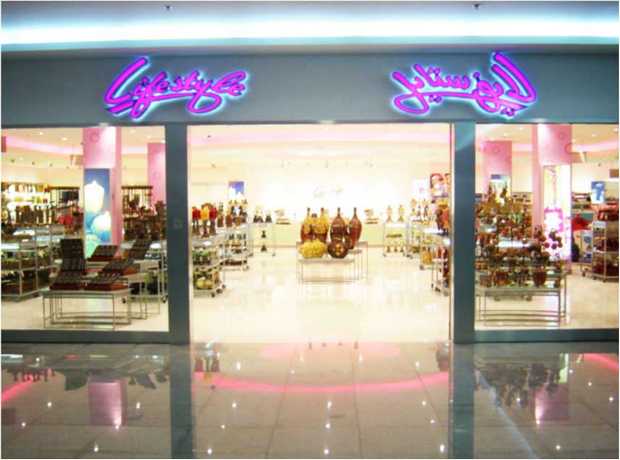
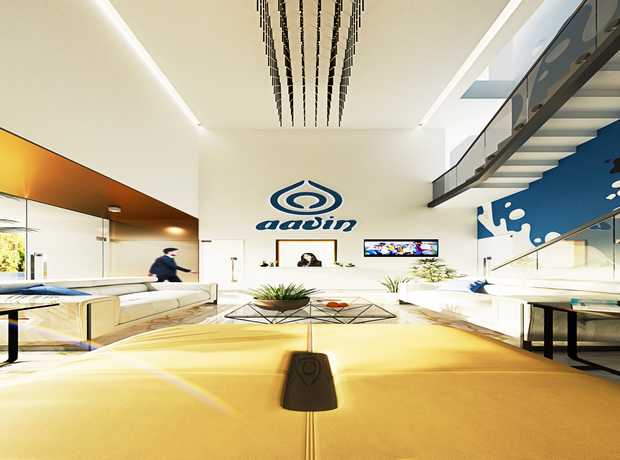
In Toronto’s competitive urban landscape, a building is more than just a structure; it’s a statement, a brand, and an experience. Don’t underestimate the profound power of effective branding & signage in conveying this identity and creating a lasting impression. Well-designed, strategically placed signage does more than just help people navigate your building; it reinforces your brand identity, communicates quality, and significantly enhances the overall user experience. From monumental exterior signage that defines a landmark to intuitive interior wayfinding, and from compelling promotional displays to subtle yet impactful environmental graphics, strategic branding and signage contribute immensely to the success and perceived value of your Toronto project.
Consider these critical aspects when planning your branding & signage as part of your value-engineered lifecycle approach:
- Visibility and readability: Ensuring signs are easily seen and understood from various distances and angles, considering urban sightlines and pedestrian flow.
- Consistency with your brand guidelines: Maintaining a cohesive visual identity across all touchpoints, from digital presence to physical signage, to build a strong, recognizable brand.
- Durability and weather resistance: Given Toronto’s climate, selecting materials and fabrication methods that can withstand harsh winters, UV exposure, and moisture, minimizing future repair and replacement costs.
- Compliance with local regulations: Navigating Toronto’s specific bylaws regarding sign sizes, illumination, placement, and heritage restrictions, to avoid costly re-fabrication or penalties.
- Integration with the building’s architecture: Designing signage that complements and enhances the building’s architectural style, rather than detracting from it.
- Accessibility: Ensuring signage incorporates accessible design principles, including tactile information and appropriate contrast for all users.
By integrating thoughtful branding and signage into your value-engineered planning from the outset, you not only create a more navigable and user-friendly environment but also craft a powerful visual narrative that elevates your building’s stature and contributes to its long-term marketability and tenant appeal.
The Skydome Designs Advantage: Your Partner in Toronto’s Future
In a city as vibrant and demanding as Toronto, you need a partner who understands the intricate balance between ambition, innovation, and long-term viability. Skydome Designs offers a distinct advantage, honed over 29+ years of delivering architectural excellence and strategic value engineering across diverse global projects, including over 1507+ assignments in Toronto. Our unparalleled experience is not just a number; it represents a wealth of accumulated knowledge in overcoming complex challenges, navigating dynamic markets, and consistently delivering superior results.
Our commitment to your project’s success is unwavering, characterized by an on-time delivery rate exceeding 98%. This achievement is a direct result of our meticulous planning, sophisticated project management, and collaborative approach. We believe that true value is born from multi-disciplinary insights. Our in-house team comprises seasoned architects, specialized healthcare planners, and expert project managers, ensuring that every aspect of your project—from strategic conception to the finest design detail—benefits from a collective intelligence. This integrated expertise enables comprehensive reviews that anticipate potential issues and identify hidden opportunities for optimization, guaranteeing a holistic and resilient design.
Skydome Designs is at the forefront of technological integration, leading with BIM-led coordination, value engineering, and quality control specifically tailored to Toronto’s evolving standards. This advanced approach facilitates unparalleled precision, reduces risks, and streamlines the entire project workflow, translating into significant efficiencies and superior outcomes. We offer an end-to-end delivery model for value-engineered building lifecycle maintenance planning, encompassing every stage: from initial strategy and conceptual design, through detailed construction documentation, seamless execution, to successful handover. But our partnership doesn’t conclude at handover; our dedicated post-occupancy support ensures that your building continues to perform optimally, adapting to future needs and maximizing its lifecycle value.
When you choose Skydome Designs, you’re not just hiring a service provider; you’re gaining a strategic ally dedicated to enhancing your project’s ROI and ensuring its enduring legacy in Toronto’s dynamic skyline. We deliver award-winning, sustainable designs that are functional, innovative, and perfectly aligned with your vision and budget. Let us help you transform your aspirations into tangible, high-performing assets.
Ready to elevate your Toronto project with proven expertise and a commitment to excellence? Connect with Skydome Designs today and explore how our value-engineered solutions can secure your investment’s future. Call us at +91 7299072144 or email info@skydomedesigns.com.
Conclusion
In Toronto’s vibrant and competitive real estate market, investing in value-engineered building lifecycle maintenance planning is not merely an option; it is an essential strategy for maximizing the value, longevity, and sustainability of your projects. By adopting a systematic, comprehensive approach from the earliest stages and keenly considering Toronto’s unique environmental and regulatory landscape, you can effectively optimize costs, significantly improve performance, and secure a sustainable and profitable future for your buildings. This proactive methodology transforms challenges into opportunities, ensuring that your investment stands the test of time and delivers exceptional returns.
Let Skydome Designs be your trusted partner in navigating the complexities of Toronto’s construction landscape. With our proven track record of 29+ years, successful completion of 1507+ value-engineered assignments, and an unwavering commitment to excellence, we deliver innovative, sustainable, and highly functional spaces. Our end-to-end delivery capabilities, coupled with BIM-led coordination and dedicated post-occupancy support, ensure that your projects not only meet but exceed expectations, enhancing experiences and operational efficiency for decades to come.
Ready to optimize your Toronto project and ensure its long-term success? Contact Skydome Designs today and embark on a partnership that builds lasting value. Call us at +91 7299072144 or email info@skydomedesigns.com. Your vision, engineered for tomorrow.
FAQ: Value-Engineered Building Lifecycle Maintenance Planning in Toronto
What is value-engineered building lifecycle maintenance planning?
Value-engineered building lifecycle maintenance planning is a systematic and holistic approach to analyzing all building components and systems. Its primary goal is to identify opportunities for optimizing costs and enhancing performance throughout the building’s entire lifespan—from initial design and construction through operation, maintenance, and eventual decommissioning—without compromising quality, functionality, or safety. It considers both initial capital expenditures and long-term operational expenses.
Why is value engineering important for Toronto construction projects?
Value engineering is crucial for Toronto projects due to several factors: high construction costs in a competitive market, the imperative for long-term sustainability and reduced environmental impact, strict and evolving regulatory compliance requirements (like the Toronto Green Standard), and the desire to maximize return on investment. It helps optimize resource allocation, mitigate risks, and ensures projects are delivered efficiently and effectively, securing their value for decades.
How can BIM help with building lifecycle maintenance planning in Toronto?
BIM (Building Information Modeling) provides a comprehensive, data-rich digital representation of a building. This enables superior visualization, clash detection, and accurate analysis of all building systems, leading to more informed decision-making and significantly reduced errors during design and construction. For lifecycle maintenance, BIM facilitates predictive maintenance, integrates asset management, and helps optimize operational performance, directly contributing to superior value-engineered outcomes for Toronto buildings.
What should I look for in a Toronto value-engineered building lifecycle maintenance planning company?
When choosing a company, prioritize those with proven experience specifically in Toronto, demonstrating an understanding of local regulations and conditions. Look for deep expertise in value engineering principles, strong project management capabilities, and a comprehensive service offering that covers strategy, design, construction, and handover, including post-occupancy support. A track record of on-time delivery and multi-disciplinary reviews is also a strong indicator of reliability and quality.
How does Toronto’s climate affect building lifecycle maintenance planning?
Toronto’s harsh winters, characterized by extreme cold and frequent freeze-thaw cycles, can severely damage building materials. Building lifecycle maintenance planning must account for these conditions by specifying durable, weather-resistant materials, implementing robust insulation, and designing effective drainage. Air quality in an urban environment also necessitates advanced HVAC filtration and regular maintenance. Furthermore, urban density influences logistics, material selection, and site access planning for maintenance.
What role does interior design play in value-engineered lifecycle maintenance?
Interior design and space planning are crucial for long-term value. By optimizing space utilization, selecting durable and maintainable materials, and designing flexible layouts, lifecycle costs associated with renovations and replacements can be significantly reduced. Effective interior design also enhances tenant satisfaction and operational efficiency, directly contributing to higher property value and reduced vacancy rates over the building’s lifespan.
How can Skydome Designs specifically benefit my Toronto project?
Skydome Designs brings 29+ years of global experience and over 1507+ value-engineered assignments, including many in Toronto. We offer BIM-led coordination, value engineering, and quality control tailored to Toronto’s market. Our comprehensive end-to-end service covers strategy, design, construction, and handover, with an on-time delivery rate exceeding 98% and dedicated post-occupancy support. Our multi-disciplinary team ensures optimal, sustainable, and cost-effective outcomes, maximizing your ROI.