Melbourne is rapidly embracing sustainability, making sustainable post-occupancy evaluation (POE) more critical than ever. As we move towards 2025, ensuring buildings meet sustainability goals and offer optimal performance is paramount. This comprehensive guide explores essential POE checklists, compliance requirements, and how expert services from Skydome Designs can help you achieve both unparalleled sustainability and uncompromising quality in your Melbourne projects. In a dynamic urban landscape like Melbourne, where environmental responsibility and occupant well-being are at the forefront of development, neglecting the post-occupancy phase is a missed opportunity. A meticulously executed sustainable POE ensures that a building not only meets its initial design specifications but also continuously adapts to evolving sustainability standards and occupant needs, solidifying its long-term value and positive impact.
Why Sustainable Post-Occupancy Evaluation Matters in Melbourne’s Progressive Landscape
In a city consistently recognized for its livability and its ambitious sustainability targets, sustainable post-occupancy evaluation in Melbourne is no longer optional – it’s an absolute necessity. Melbourne’s commitment to achieving net-zero emissions, enhancing green infrastructure, and fostering healthy communities translates directly into more stringent building performance expectations. A robust POE process is the critical link between design aspirations and operational realities. It not only verifies if a building performs as intended – from energy consumption to indoor air quality – but also proactively identifies areas for improvement, leading to significantly reduced lifecycle costs, enhanced occupant well-being, and a minimized environmental footprint. Moreover, Melbourne’s forward-thinking approach to urban development, which increasingly integrates digital delivery and smart city technologies, aligns perfectly with modern, data-driven POE methodologies. This holistic approach ensures that buildings remain assets, not liabilities, in Melbourne’s rapidly evolving future.
The Economic Imperative: Driving Down Lifecycle Costs and Enhancing Asset Value
For any property owner, developer, or facility manager in Melbourne, the long-term economic viability of a building is paramount. Sustainable POE directly contributes to this by pinpointing inefficiencies that escalate operational expenses. Energy waste, excessive water consumption, and suboptimal maintenance routines can silently erode profitability over time. By identifying and rectifying these issues early, POE leads to substantial savings in utility bills and maintenance costs. Furthermore, buildings that demonstrably perform well against sustainability metrics often command higher market values and attract premium tenants or buyers. In a competitive Melbourne property market, a proven track record of sustainability and occupant satisfaction provides a significant competitive edge, future-proofing your investment against rising energy costs and evolving market demands for green buildings.

The Social Imperative: Cultivating Health, Productivity, and Community Well-being
Buildings are more than just structures; they are environments where people live, work, heal, and learn. Sustainable POE places a strong emphasis on Indoor Environmental Quality (IEQ), recognizing its direct impact on occupant health and productivity. Poor ventilation, inadequate lighting, thermal discomfort, and excessive noise can lead to sick building syndrome, decreased concentration, and reduced morale. Through detailed IEQ assessments, POE helps create healthier, more comfortable, and more inspiring spaces. This human-centric approach aligns with Melbourne’s vision for a city that prioritizes its residents. Happy, healthy occupants are more productive in commercial settings, recover faster in healthcare facilities, and thrive in residential environments. By focusing on the human experience, POE contributes to the social fabric of Melbourne, fostering a stronger, healthier community.
The Environmental Imperative: Reducing Carbon Footprint and Conserving Resources
Melbourne has set ambitious environmental targets, including becoming a net-zero emissions city. Every building plays a role in achieving this goal. Sustainable POE is an indispensable tool for understanding and reducing a building’s environmental impact. It goes beyond mere compliance, seeking genuine performance optimization. By meticulously evaluating energy consumption, water usage, and waste generation, POE uncovers opportunities for significant environmental improvements. This could involve optimizing HVAC schedules, upgrading to more water-efficient fixtures, implementing advanced waste segregation programs, or even assessing the performance of renewable energy systems. Such measures contribute directly to reducing greenhouse gas emissions, conserving precious natural resources, and mitigating the urban heat island effect, all crucial steps towards a more resilient and sustainable Melbourne.
The Digital Alignment: Integrating POE with Smart City Initiatives
Melbourne is rapidly evolving into a smart city, leveraging technology to improve urban living and environmental management. Modern sustainable POE methodologies integrate seamlessly with this digital transformation. The use of advanced sensors, Building Management Systems (BMS) data analytics, Internet of Things (IoT) devices, and sophisticated modeling tools allows for real-time performance monitoring and data-driven insights. This digital integration means POE is no longer a one-off event but a continuous process that feeds into predictive maintenance, adaptive control systems, and ongoing optimization strategies. By embracing digitally-enabled POE, Melbourne’s buildings can become truly intelligent, responsive, and contribute to the city’s broader smart and sustainable infrastructure goals.
The Benefits of a Comprehensive POE Checklist: A Strategic Advantage for Melbourne Projects
Implementing a thorough sustainable post-occupancy evaluation (POE) is not just about meeting a checklist; it’s a strategic investment that yields multifaceted returns for any building project in Melbourne. The advantages extend far beyond immediate compliance, influencing long-term financial performance, occupant satisfaction, and environmental stewardship. By embedding POE into your project lifecycle, you significantly contribute to Melbourne’s sustainability goals and future-proof your investment against evolving regulations and market expectations.
- Reduced operational costs through energy and resource efficiency improvements: A detailed POE identifies exactly where energy and water are being wasted, allowing for targeted interventions. This can translate to tens of thousands, if not hundreds of thousands, of dollars in annual savings, making a direct impact on the building’s profitability.
- Improved occupant satisfaction and productivity through enhanced Indoor Environmental Quality (IEQ): When occupants are comfortable – with optimal air quality, lighting, acoustics, and thermal conditions – their well-being, health, and ability to perform are significantly boosted. This is particularly crucial for commercial and institutional buildings where productivity directly impacts organizational success. For residential spaces, it means a healthier, happier home.
- Enhanced building performance and longevity, extending asset lifespan: POE helps identify systemic issues or underperforming components before they lead to major failures or premature degradation. By optimizing systems and addressing design flaws, the building’s overall performance is enhanced, and its useful life is extended, protecting your investment.
- Ensured compliance with Melbourne’s increasingly stringent sustainability regulations and reporting requirements: Melbourne’s regulatory landscape for sustainable building is dynamic. A comprehensive POE provides the empirical data necessary to demonstrate compliance with benchmarks like BESS, NCC, and various local council overlays. It also prepares buildings for future regulatory shifts, minimizing the risk of penalties.
- Elevated brand reputation and marketability as a leader in sustainable design and operation: In a market increasingly valuing environmental and social responsibility, buildings with verified sustainable performance gain a significant advantage. This attracts environmentally conscious tenants, buyers, and investors, enhancing your organization’s reputation and market standing.
- Valuable feedback loop for future designs, fostering continuous improvement: The insights gained from POE are invaluable. They inform future design decisions, allowing architects and developers to learn from past projects, refine their approaches, and continuously improve the sustainability and functionality of subsequent builds. This institutional learning drives innovation and excellence across the industry.
Ready to transform your building’s performance and embrace genuine sustainability? Contact Skydome Designs today for a comprehensive POE consultation. Our 24+ years of global and local expertise in Melbourne means we deliver actionable insights that truly make a difference. Call us at +91 7299072144 or email info@skydomedesigns.com.
Key Elements of a Sustainable POE Checklist for Melbourne (2025): A Comprehensive Framework
To ensure a building in Melbourne genuinely meets sustainability and quality benchmarks, a robust POE checklist must cover a broad spectrum of performance indicators. For 2025 and beyond, this framework integrates both quantitative data analysis and qualitative occupant feedback, ensuring a holistic understanding of building efficacy. Skydome Designs has perfected these checklists over 24+ years, delivering 1433+ sustainable post-occupancy evaluation assignments globally, with an unparalleled understanding of Melbourne’s specific context.
1. Energy Performance Monitoring: The Heart of Building Efficiency
Assessing energy consumption against design predictions is foundational. This involves meticulous collection and analysis of utility bills, sub-metering data, and Building Management System (BMS) logs. The goal is to identify areas where energy usage can be optimized, often revealing discrepancies between predicted and actual performance. Are HVAC systems, lighting controls, and building envelope components performing at peak efficiency? Do passive design strategies, such as natural ventilation and daylighting, truly reduce reliance on active systems as intended? This segment of the POE checklist also evaluates the effectiveness of renewable energy installations, if present, ensuring they contribute maximally to the building’s energy independence. Skydome Designs can engage a specialized Melbourne interior expert from our team to analyze building systems, spatial layouts, and operational protocols to identify opportunities for significant energy improvements, ensuring every watt counts.
- Data Collection & Analysis: Review electricity, gas, and other energy bills. Implement or leverage smart metering and sub-metering data to isolate consumption by specific zones or equipment. Analyze BMS trend data for HVAC, lighting, and other major systems.
- Benchmarking: Compare actual energy use to design targets, energy models, and industry benchmarks (e.g., NABERS ratings in Australia). Identify deviations and their root causes.
- HVAC System Optimization: Evaluate chiller and boiler efficiency, pump and fan performance, control sequences, and thermostat settings. Assess air distribution balance and duct leakage.
- Lighting Efficiency: Analyze lighting power density, control strategies (daylight harvesting, occupancy sensors), and luminaire performance. Evaluate the effectiveness of natural light penetration.
- Building Envelope Performance: Assess insulation levels, window U-values and SHGC, air tightness, and thermal bridging. Identify potential heat gains/losses through infra-red thermography.
- Renewable Energy Systems: Monitor the performance of solar PV, solar thermal, or wind energy systems. Verify actual generation against predictions.
2. Indoor Environmental Quality (IEQ) Assessment: Prioritizing Occupant Well-being
IEQ is a cornerstone of sustainable design, directly impacting occupant health, comfort, and productivity. This assessment evaluates various parameters to ensure a healthy and comfortable indoor environment. Key metrics include air quality, thermal comfort, lighting levels, and acoustics. Issues such as elevated CO2 levels, poor ventilation, uncomfortable temperatures, glare, or excessive noise can significantly detract from the occupant experience and lead to health problems. Skydome Designs recognizes the critical role of sound management; we provide specialized services for acoustics and other internal solutions, ensuring that your spaces are not only visually appealing but also acoustically balanced for optimal comfort and function. Our multidisciplinary team includes experts who understand how to integrate these elements seamlessly.
- Air Quality: Measure CO2, VOCs (Volatile Organic Compounds), particulate matter (PM2.5, PM10), humidity, and temperature. Assess ventilation rates and the effectiveness of air filtration systems.
- Thermal Comfort: Conduct occupant surveys on temperature satisfaction. Measure air temperature, radiant temperature, air velocity, and relative humidity. Analyze passive strategies like shading and natural ventilation.
- Lighting Quality: Measure illuminance levels, evaluate glare potential, and assess color rendering. Examine the effectiveness of daylight integration and automated lighting controls.
- Acoustics: Measure ambient noise levels (e.g., reverberation time, background noise). Assess sound privacy, speech intelligibility, and impact of external noise. Address issues that may arise from building services or adjacent spaces.
- Occupant Feedback: Utilize surveys and interviews to gather qualitative data on occupant perceptions of air quality, temperature, light, and sound.
3. Water Usage Analysis: Conserving a Precious Resource
Water scarcity is an increasing concern globally, and Melbourne is highly conscious of water conservation. This element of the POE checklist involves monitoring water consumption across different building functions and identifying potential leaks or inefficiencies. The goal is to implement water-saving measures, such as installing water-efficient fixtures, optimizing landscape irrigation, and exploring rainwater harvesting or greywater recycling systems, all to reduce the building’s environmental impact. Skydome Designs provides the expertise to identify these critical areas, helping your building contribute meaningfully to Melbourne’s water security efforts.
- Meter Data Review: Analyze monthly water bills and sub-metering data for different end-uses (e.g., domestic hot water, toilets, irrigation).
- Fixture Efficiency: Audit all water fixtures (taps, toilets, showers) for WELS (Water Efficiency Labelling and Standards) ratings and assess their actual performance.
- Leak Detection: Systematically check for leaks in plumbing systems, irrigation lines, and water tanks.
- Landscape Irrigation: Evaluate irrigation schedules, system efficiency, and the use of drought-tolerant planting.
- Alternative Water Sources: Assess the performance and potential for rainwater harvesting, greywater recycling, or stormwater management systems.
4. Waste Management Review: Embracing Circular Economy Principles
Effective waste management is crucial for reducing landfill contributions and promoting circular economy principles. This review assesses waste generation rates, current recycling practices, and the overall effectiveness of the building’s waste management strategies. It includes auditing waste streams, evaluating the adequacy of waste segregation infrastructure, and assessing occupant participation in recycling programs. The objective is to optimize waste reduction, reuse, and recycling efforts, minimizing the building’s environmental footprint. Skydome Designs can help design intuitive waste management systems and educational programs that encourage responsible disposal.
- Waste Audits: Conduct regular waste audits to quantify different waste streams (general waste, recycling, organics, specialty waste).
- Segregation Infrastructure: Assess the availability, accessibility, and clarity of signage for waste separation bins.
- Recycling Rates: Monitor the percentage of waste diverted from landfill through recycling and composting initiatives.
- Occupant Engagement: Evaluate the effectiveness of communication and educational campaigns for waste reduction and recycling.
- Operational Practices: Review waste collection schedules, contractor performance, and opportunities for waste reduction at source (e.g., bulk purchasing, digital documentation).
5. Occupant Satisfaction Surveys: The Human Element of Performance
Ultimately, a sustainable building must serve its occupants effectively. Occupant satisfaction surveys are a vital qualitative tool to gather direct feedback on their experiences within the building. These surveys identify areas where the building can better meet their needs and preferences, uncovering design flaws or operational shortcomings that quantitative data might miss. Happy, comfortable, and productive occupants are vital for a successful project, and their input provides invaluable insights for continuous improvement. Skydome Designs places significant emphasis on this human-centric approach, ensuring the building truly delivers on its promise of an optimal environment.
- Survey Design: Develop clear, concise, and anonymous questionnaires covering various aspects like thermal comfort, air quality, lighting, noise levels, spatial layout, maintenance, and overall satisfaction.
- Distribution & Collection: Administer surveys through digital platforms or physical forms. Ensure a high response rate through clear communication and incentives.
- Data Analysis: Analyze quantitative ratings and qualitative comments to identify patterns, common issues, and areas of high satisfaction.
- Feedback Integration: Translate survey findings into actionable recommendations for design adjustments, operational changes, or maintenance improvements.
- Post-Feedback Action: Communicate findings and planned actions back to occupants to demonstrate responsiveness and foster trust.
6. Materials and Resources Assessment: Beyond Construction
While often focused during the construction phase, a sustainable POE extends the materials assessment into the operational life of the building. This involves evaluating the durability, maintenance requirements, and environmental impact of materials in place, particularly those that are frequently replaced or upgraded. It also considers the ongoing consumption of consumables within the building. Are materials holding up as expected? Are maintenance teams using sustainable cleaning products? Are replacement materials chosen with sustainability in mind (e.g., recycled content, low VOC)? This segment aligns with circular economy principles, promoting long-lasting, healthy, and resource-efficient material use throughout the building’s lifecycle. Skydome Designs applies our deep knowledge of sustainable materials from our interior design and interior solutions services to this post-occupancy assessment.
- Durability & Lifecycle: Evaluate the condition and performance of installed materials. Assess their expected lifespan versus actual wear and tear.
- Maintenance Requirements: Analyze the resources (water, cleaning agents, replacement parts) and frequency required for material upkeep. Identify opportunities for more sustainable maintenance practices.
- Consumables Audit: Review the types and quantities of consumables used (e.g., paper, cleaning products, office supplies) and identify environmentally preferable alternatives.
- End-of-Life Planning: For materials reaching their end-of-life during the POE period, assess the ease of repair, reuse, or recycling options.
7. Site and Ecology Assessment: Connecting to the Urban Fabric
A building’s sustainability extends beyond its walls to its immediate environment. This element of the POE checklist evaluates the building’s impact on and integration with its site and local ecology. For Melbourne, this means assessing factors like stormwater management, contribution to the urban heat island effect, and the presence and health of green spaces. Is stormwater being effectively managed to prevent runoff and replenish groundwater? Are green roofs, permeable paving, and tree canopies contributing to cooling and biodiversity? This assessment also considers the building’s connection to public transport and local amenities, fostering sustainable transit options for occupants. Skydome Designs understands the importance of integrating buildings harmoniously with their urban context, a philosophy we apply across our residential projects and commercial design services.
- Stormwater Management: Assess the performance of stormwater harvesting, raingardens, permeable paving, and retention systems. Monitor water quality if applicable.
- Urban Heat Island Effect: Evaluate the use of high-albedo materials, green roofs, and tree canopy cover on site. Measure ambient temperatures to assess cooling effectiveness.
- Biodiversity & Landscaping: Assess the health and diversity of on-site vegetation. Evaluate the effectiveness of biophilic design elements.
- Sustainable Transport: Evaluate the provision and utilization of bicycle parking, electric vehicle charging stations, and proximity to public transport.
Navigating Compliance in Melbourne: POE and the Evolving Regulatory Landscape
Melbourne’s building codes and sustainability regulations are not static; they are constantly evolving to meet the city’s ambitious environmental goals and adapt to global best practices. A comprehensive sustainable post-occupancy evaluation in Melbourne is not just about identifying opportunities for improvement; it’s a powerful tool to help you stay ahead of the curve and ensure ongoing compliance with the city’s increasingly stringent requirements. By providing empirical data on actual building performance, POE makes it possible to demonstrate adherence to critical standards and proactively address any shortfalls before they become compliance issues. Our team at Skydome Designs possesses the local code expertise necessary to guide you through this complex process, ensuring your projects are not only sustainable but also fully compliant with all Victorian and Melbourne-specific regulations.
Key Regulatory Frameworks Influencing Sustainable Buildings in Melbourne:
- National Construction Code (NCC): The NCC sets minimum standards for the design, construction, and performance of buildings in Australia, including energy efficiency (through Section J) and accessibility. Regular POE can verify that energy performance targets are being met in operation, going beyond just design compliance.
- Building Environmentally Sustainable Development (BESS) Assessment: BESS is a crucial planning tool used by many Victorian councils, including the City of Melbourne, to assess and approve proposed developments against a range of ESD (Environmentally Sustainable Development) categories. POE provides the real-world data to compare against BESS commitments, demonstrating the actual environmental performance post-occupancy.
- Green Star Ratings (Green Building Council of Australia – GBCA): While voluntary, Green Star certification is a widely recognized benchmark for sustainable buildings in Australia. POE data can be vital for buildings seeking “Performance” ratings or verifying the long-term sustainability performance initially targeted during design and construction.
- City of Melbourne’s Climate Change Strategy and Zero Carbon Buildings: The City of Melbourne has bold targets for a net-zero emissions future. Their strategy includes initiatives for existing buildings to improve energy efficiency, reduce waste, and manage water sustainably. POE is instrumental in measuring progress against these city-wide goals and identifying areas where individual buildings can contribute more effectively.
- Victorian Planning Provisions & Local Planning Overlays: Beyond state-level regulations, specific planning overlays within different Melbourne municipalities might impose additional sustainability requirements, such as minimum landscaping provisions, stormwater management, or urban heat island mitigation. POE helps verify the effectiveness of these measures in practice.
The regulatory landscape is not static. Future compliance will likely require not just initial design certifications but ongoing reporting and demonstration of actual operational performance. POE provides the robust data required for this, transforming compliance from a one-off event into a continuous, data-driven process. It mitigates risks, avoids potential penalties, and supports the building’s social license to operate in an increasingly environmentally conscious city. By partnering with Skydome Designs, you leverage our intricate understanding of these regulations and our proven ability to deliver results, ensuring your projects consistently meet and exceed expectations.
Ensure your Melbourne project is not just compliant, but a leader in sustainability. Skydome Designs has delivered 1433+ sustainable post-occupancy evaluation assignments across Melbourne and globally over 24+ years. Our on-time delivery exceeds 98%, and our multi-disciplinary reviews and post-occupancy support underpin outcomes that guarantee compliance and optimized performance. Contact us today to discuss your specific needs. Call +91 7299072144 or email info@skydomedesigns.com.
Working with a Melbourne Sustainable Post-Occupancy Evaluation Company: The Strategic Imperative
Choosing the right partner for your POE is not merely a logistical decision; it’s a strategic imperative that dictates the depth of insights, the effectiveness of recommendations, and the long-term sustainability outcomes for your Melbourne project. A specialist company brings not only technical expertise but also a crucial understanding of local nuances, regulatory frameworks, and market expectations. This partnership is vital for transforming complex data into actionable strategies that genuinely enhance building performance and value.
- Proven experience in sustainable post-occupancy evaluation in Melbourne: Look for a track record that demonstrates successful completion of diverse POE projects within the Melbourne context. This indicates an understanding of local building types, environmental challenges, and occupant behaviors. Skydome Designs, with 1433+ sustainable post-occupancy evaluation assignments delivered across Melbourne and globally over 24+ years, offers unparalleled experience. Our consistent on-time delivery exceeding 98% and robust multi-disciplinary reviews underscore our reliability and expertise.
- A deep understanding of local regulations and building codes: Melbourne’s regulatory landscape is unique and continually evolving. An expert partner will possess an intimate knowledge of the National Construction Code, BESS requirements, City of Melbourne planning overlays, and other relevant environmental sustainability policies. This ensures that POE findings are framed within a compliance context and recommendations are legally sound and effective.
- A multidisciplinary team of experts: Effective POE requires more than just one specialty. It demands a team comprising architects, mechanical engineers, electrical engineers, sustainability consultants, data analysts, and interior designers. This integrated expertise ensures a holistic assessment, capable of diagnosing complex interdependencies between building systems and occupant behavior.
- A commitment to transparent costs and milestone-based reporting: Clarity in project scope, timelines, and financial commitments is crucial. A reputable firm will provide detailed proposals, regular progress updates, and reporting aligned with predefined milestones. This transparency builds trust and ensures that you are consistently informed about the project’s advancement and findings.
- Capacity for long-term partnership and post-occupancy support: The value of POE extends beyond the initial report. The ideal partner offers ongoing support, helping implement recommendations, monitoring changes, and providing further evaluations as needed. This continuous engagement ensures sustained performance improvement and adaptation to future challenges. Skydome Designs prides itself on delivering comprehensive post-occupancy support, ensuring the longevity and continued success of your projects.
By entrusting your sustainable POE to a highly experienced and locally knowledgeable firm like Skydome Designs, you are not just conducting an evaluation; you are securing a strategic advantage. You gain access to insights that optimize performance, ensure compliance, enhance occupant well-being, and ultimately, increase the value and resilience of your Melbourne properties. Our award-winning team adheres to global design standards while deeply understanding local code expertise in Melbourne, providing transparent costs and milestone-based reporting.
Skydome Designs: Your Unparalleled Partner for Sustainable POE in Melbourne and Beyond
Skydome Designs stands as a beacon of excellence in architecture and interior design, boasting nearly 30 years of unwavering expertise. Our firm is dedicated to delivering innovative, sustainable, and functional spaces that not only meet but exceed client expectations. Our commitment to sustainable post-occupancy evaluation is rooted in this philosophy. We have successfully delivered an impressive 1433+ sustainable post-occupancy evaluation assignments across Melbourne and globally over 24+ years. This extensive experience means we bring a profound depth of knowledge and a proven track record to every project. Our operational efficiency is demonstrated by an on-time delivery rate exceeding 98%, underpinned by rigorous multi-disciplinary reviews and comprehensive post-occupancy support. We don’t just assess; we partner with you for continuous improvement and lasting results.
What We Do: Integrating Design and Performance for Lasting Impact
Our holistic approach to building environments means that our expertise in sustainable POE is inherently linked to our broader suite of design services. We understand how design choices impact performance, and how performance can inform design. This integrated knowledge makes our POE recommendations exceptionally insightful and actionable.
- Interior Design: Our award-winning team excels in creating functional and aesthetically pleasing spaces. We design interiors that not only look good but also perform sustainably, enhancing IEQ and optimizing energy use – elements rigorously evaluated during POE.
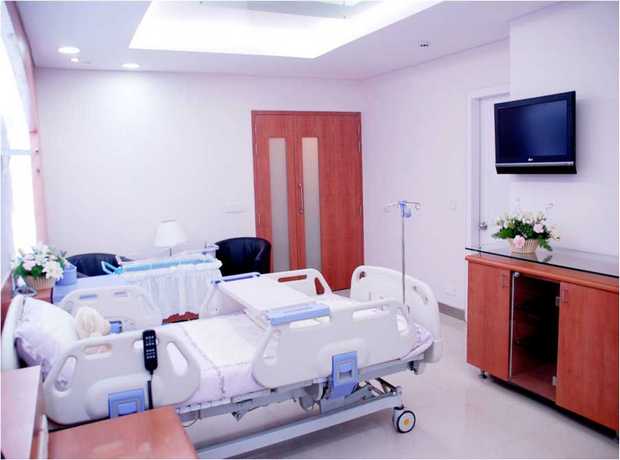
- Hospital Interior Design: We are specialists in optimizing healthcare environments for patient care, staff efficiency, and infection control. Our POE for hospitals focuses on critical factors like thermal comfort, acoustics for healing, air quality, and robust material performance.
- Residential Projects: Designing comfortable, healthy, and sustainable living spaces is a core strength. Our POE for residential buildings ensures that homes truly deliver on energy efficiency, water conservation, and occupant well-being, translating into lower bills and higher satisfaction.
- Retail & Commercial Design: We enhance customer experiences and operational efficiency through intelligent design. Our POE in these sectors focuses on optimizing energy for lighting and HVAC, managing waste effectively, and ensuring customer and employee comfort and productivity.
- Interior Solutions: From comprehensive space planning to meticulous execution, our interior solutions are designed for longevity and sustainability. POE helps verify that these solutions perform as intended over time, providing valuable feedback for future projects.
- Branding & Signage: We seamlessly integrate brand identity within the built environment. While not directly a POE metric, effective wayfinding and visual communication contribute to occupant satisfaction, which is a key POE component.
- Lighting Design: Our experts create optimal illumination for functionality, ambiance, and energy efficiency. POE critically evaluates lighting performance, ensuring that our designs achieve the intended lux levels, minimize glare, maximize daylight, and consume minimal energy.
- Acoustics: Recognizing the profound impact of sound on comfort and productivity, we specialize in managing sound for serene, productive spaces. Our POE includes detailed acoustical assessments, ensuring the built environment supports clear communication and minimizes unwanted noise.
Why Choose Us for Your Melbourne Sustainable POE?
Our commitment to excellence and our proven track record distinguish us as the premier choice for sustainable POE in Melbourne:
- 29+ years of experience across India and abroad: Our nearly three decades in the industry equip us with a vast pool of knowledge and a refined process applicable to diverse climates and regulatory environments, including Melbourne’s unique context.
- In-house team of architects, healthcare planners, and project managers: This multidisciplinary strength allows for integrated problem-solving. When we conduct a POE, our experts understand every facet of building design, construction, and operation, leading to more comprehensive insights and practical recommendations.
- Award-winning, client-focused, and sustainable designs: Our accolades are a testament to our innovative and responsible design philosophy. We prioritize client needs while embedding sustainability into the core of every project, ensuring POE validates these foundational principles.
- Projects delivered on-time, on-budget, and to global standards: Our consistent performance is a hallmark of our professionalism. We bring this same disciplined approach to our POE services, ensuring efficient execution and reliable results.
We combine global design standards with local code expertise in Melbourne. Our award-winning team offers transparent costs and milestone-based reporting, ensuring clarity and accountability throughout the POE process. When you choose Skydome Designs, you’re not just getting a report; you’re gaining a strategic partner dedicated to optimizing your building’s performance and ensuring its long-term sustainable success in Melbourne.
Contact us today for a consultation: +91 7299072144 | Email: info@skydomedesigns.com. Let Skydome Designs unlock the full sustainable potential of your Melbourne project.
Future-Proofing Your Melbourne Projects with Sustainable POE: A Long-Term Vision for Resilience and Value
By embracing sustainable post-occupancy evaluation, you are not merely addressing immediate building performance or compliance needs; you are making a strategic investment that fundamentally future-proofs your Melbourne projects. In a world increasingly defined by climate change, resource scarcity, and evolving societal expectations, buildings must be resilient, adaptable, and genuinely sustainable to maintain their value and relevance. Proactive measures implemented during and after the building process, guided by comprehensive POE, provide significant future-ready advantages that extend far beyond simple energy savings.
Enhanced Asset Value and Marketability
In Melbourne’s competitive property market, buildings with a verifiable track record of sustainable performance command a premium. POE provides the concrete data and insights to demonstrate this performance, making your asset more attractive to environmentally conscious tenants, buyers, and investors. Sustainable buildings are perceived as lower risk, more efficient to operate, and aligned with corporate social responsibility (CSR) goals, thus increasing their market appeal and overall asset value over their lifecycle. This also mitigates the risk of “stranded assets” – properties that become financially unviable due to high operational costs, low energy ratings, or failure to meet future regulatory standards.
Reduced Risk of Obsolescence and Future-Proofed Compliance
The regulatory landscape for building sustainability in Melbourne is dynamic. What is compliant today may be outdated tomorrow. A continuous POE process acts as an early warning system, identifying potential non-compliance issues before they escalate. By regularly assessing and optimizing building performance, you ensure your project remains ahead of anticipated changes in codes and standards, reducing the risk of costly retrofits or penalties in the future. This proactive approach ensures your building remains relevant and compliant for decades to come.
Contribution to a Resilient and Sustainable Melbourne
Every sustainable building contributes to the broader vision of a resilient and sustainable Melbourne. By optimizing energy and water use, minimizing waste, and enhancing indoor environmental quality, your project plays a crucial role in reducing the city’s overall environmental footprint. This collective effort strengthens Melbourne’s infrastructure, mitigates the impacts of climate change, and enhances the well-being of its citizens, fostering a city that is healthy, livable, and prosperous for generations to come. Your building becomes part of the solution, not the problem.
Attracting and Retaining Talent (for Commercial Buildings)
In the highly competitive market for skilled talent, employers increasingly use their workplaces as a tool for attraction and retention. Sustainable buildings, verified by POE to provide superior indoor environmental quality, comfort, and a commitment to health and well-being, are highly desirable. Employees prefer working in environments that support their health and align with their values. For commercial property owners, this translates to higher occupancy rates, reduced tenant turnover, and a more engaged workforce.
Enhanced Corporate Social Responsibility (CSR) Profile
Demonstrating a genuine commitment to sustainability through measurable building performance, backed by POE, significantly enhances an organization’s CSR profile. This resonates positively with stakeholders, from customers and employees to investors and the wider community. It builds trust, strengthens brand reputation, and positions your organization as a responsible leader in the built environment sector.
Ready to optimize your building’s performance and ensure its long-term success? Contact Skydome Designs today to learn more about our unparalleled Melbourne sustainable post-occupancy evaluation company services. Our 24+ years of expertise and a track record of 1433+ successful assignments mean we deliver tangible, sustainable results. Email us or call us at +91 7299072144. Let us help you build a greener, more efficient, and more valuable future for your Melbourne project.
FAQ: Sustainable Post-Occupancy Evaluation in Melbourne
What is post-occupancy evaluation (POE)?
Post-occupancy evaluation (POE) is the systematic process of evaluating a building’s performance after it has been occupied for a period. It assesses how well the building meets its design intentions, the needs of its users, and its operational efficiency, identifying both successes and areas for improvement across various parameters.
Why is sustainable post-occupancy evaluation important for Melbourne projects?
Sustainable POE is crucial in Melbourne because it ensures that buildings are performing in an environmentally responsible manner in a city committed to net-zero targets. It helps identify opportunities to reduce energy and water consumption, minimize waste, improve indoor environmental quality (IEQ), and ensure compliance with Melbourne’s stringent sustainability regulations, ultimately reducing operating costs and enhancing asset value.
How often should a post-occupancy evaluation be performed?
A comprehensive POE should ideally be performed within the first year of occupancy, typically 6-12 months after handover, to capture initial performance and occupant experiences. Subsequent, less intensive evaluations can then be performed periodically (e.g., every 3-5 years) to monitor ongoing performance, detect any long-term degradation, and adapt to changing occupant needs or regulatory requirements.
What specific factors are considered in a sustainable POE checklist?
A comprehensive sustainable POE checklist considers a wide range of factors, including energy performance monitoring (HVAC, lighting, renewables), water usage analysis (fixtures, irrigation, alternative sources), waste management review (audits, recycling rates), Indoor Environmental Quality (air quality, thermal comfort, lighting, acoustics), occupant satisfaction surveys, materials and resources assessment, and site ecology impact.
What is the difference between POE and commissioning?
Commissioning verifies that building systems and equipment are installed correctly and operate according to the owner’s project requirements and design specifications *before* or *immediately after* occupancy. POE, on the other hand, evaluates the actual performance of the building *after* it has been occupied and used by real people, assessing how well it meets their needs and its operational sustainability in practice. POE goes beyond functional testing to evaluate the human experience and long-term environmental performance.
How does POE contribute to Green Star ratings in Melbourne?
For buildings pursuing Green Star “Performance” ratings, POE data is invaluable. It provides the empirical evidence required to demonstrate actual operational energy and water efficiency, waste diversion rates, and IEQ outcomes. Even for design and as-built ratings, POE can provide a feedback loop, helping to inform future projects and ensure that design aspirations translate into verified operational performance.
Can sustainable POE be applied to existing buildings, or just new constructions?
Sustainable POE is highly applicable to both new constructions and existing buildings. For new buildings, it verifies initial performance against design. For existing buildings, it’s a powerful tool for identifying operational inefficiencies, uncovering opportunities for retrofits and upgrades, improving occupant comfort, and enhancing the building’s overall sustainability performance and market value. Many of Skydome Designs’ 1433+ POE assignments have been for existing buildings.
What kind of report can I expect from Skydome Designs after a sustainable POE?
Skydome Designs provides a detailed, comprehensive report that includes all data collected, thorough analysis of findings (both quantitative and qualitative), identification of performance gaps against benchmarks and design goals, and a prioritized list of actionable recommendations for improvement. Our reports also include cost-benefit analyses for key recommendations and an implementation roadmap, all presented with transparent costs and milestone-based reporting.
How long does a typical POE process take with Skydome Designs?
The duration of a POE process varies depending on the building’s size, complexity, and the scope of the evaluation. A typical comprehensive POE can take anywhere from 8 to 16 weeks, including data collection, analysis, occupant surveys, and report generation. Skydome Designs prides itself on its over 98% on-time delivery rate, ensuring efficient and timely project completion.
How can Skydome Designs help with sustainable POE in Melbourne?
Skydome Designs offers comprehensive sustainable POE services in Melbourne, leveraging our nearly 30 years of expertise and 1433+ global assignments. Our services include initial consultation, detailed data collection and analysis, advanced IEQ and energy assessments, occupant satisfaction surveys, expert reporting, and actionable recommendations for improvement. Our multidisciplinary team ensures compliance with local regulations and optimized building performance, providing a truly holistic solution. Learn more about our services and our commitment to sustainable design.