San Diego’s vibrant construction landscape is undergoing a significant transformation, driven by an urgent need for sustainable practices, innovative solutions, and enhanced efficiency. As we look towards 2025 and beyond, the integration of BIM (Building Information Modeling) into budget planning and cost management is no longer a luxury but a strategic imperative. This digital revolution promises unparalleled precision and control, yet without a clear understanding and robust strategy, common pitfalls can quickly erode its benefits, leading to costly delays and budget overruns. This comprehensive guide is crafted for developers, contractors, architects, and project managers in San Diego, offering indispensable expert tips to navigate the complexities of BIM-led budget planning and cost management, ensuring your projects are not only successful but also exemplary in the evolving market.
Understanding BIM-Led Budget Planning and Cost Management in San Diego
At its core, BIM is far more than just 3D modeling; it is a holistic process that integrates comprehensive data throughout the entire project lifecycle. This integration significantly enhances project efficiency, minimizes errors, and fosters superior collaboration among all stakeholders. In San Diego, a city deeply committed to environmental stewardship, smart growth, and technological advancement, BIM-led budget planning and cost management are critical enablers for achieving lower lifecycle costs, optimizing resource utilization, and delivering projects that stand as beacons of innovation and sustainability.
Traditional construction budgeting often relies on fragmented data, leading to estimates that can be prone to inaccuracies and delays as changes occur. BIM, conversely, provides a centralized, dynamic model that updates in real-time, reflecting every design alteration, material specification, and construction sequence. This inherent transparency and data richness empower project teams to make informed decisions proactively, safeguarding budgets and timelines from the earliest conceptual stages through to facility operation.
The Importance of BIM for San Diego Construction Projects in a Competitive Market
San Diego’s construction market is characterized by high demand, stringent regulatory requirements, and an increasing emphasis on sustainable building practices. To thrive in such a competitive environment, leveraging BIM offers a distinct and decisive advantage:
- Reduced Design Clashes and Rework: BIM’s ability to simulate construction sequences and detect clashes virtually before any physical work begins drastically cuts down on costly on-site rework, a common source of budget overruns.
- Improved Communication and Collaboration: By providing a single source of truth, BIM models facilitate seamless communication and real-time collaboration among architects, engineers, contractors, and owners, reducing misunderstandings and accelerating decision-making.
- Enhanced Cost Estimation Accuracy: 5D BIM integrates cost data directly into the model, allowing for highly accurate, real-time quantity take-offs and cost estimations. This precision is invaluable in San Diego where material costs and labor rates can fluctuate significantly.
- Optimizing Resource Allocation: With detailed insights into quantities and schedules (4D BIM), projects can optimize the procurement of materials and deployment of labor, minimizing waste and maximizing efficiency.
- Facilitating Sustainable Design Practices: San Diego’s aggressive climate action goals make sustainability paramount. BIM enables detailed analysis of energy performance, material lifecycle assessments, and waste reduction strategies, supporting LEED certification and other green building initiatives, which can also lead to long-term operational cost savings.
- Streamlined Regulatory Compliance: BIM models can be used to demonstrate compliance with local building codes and environmental regulations, speeding up the permitting process and reducing potential fines or delays.























Common Mistakes to Avoid in BIM-Led Budget Planning and Cost Management
While the benefits of BIM are extensive, its effective implementation requires careful planning and execution. Overlooking critical aspects can undermine its potential and lead to significant financial setbacks. Here are some of the most common mistakes that San Diego construction projects should actively avoid:
1. Inadequate BIM Implementation Strategy and Lack of Clear Goals
One of the most frequent errors is treating BIM as merely a software tool rather than a transformative process. Without a well-defined BIM implementation strategy, projects can become chaotic and inefficient. This mistake often manifests as:
- Undefined Goals: Lacking clear objectives for what BIM is intended to achieve (e.g., reducing rework by X%, improving estimation accuracy by Y%).
- Poor Scope Definition: Not establishing appropriate Levels of Detail (LOD) for the BIM model at various project stages, leading to either too much unnecessary detail or insufficient information.
- Lack of Standardized Workflows: Without consistent processes for data exchange, model creation, and information management, teams operate disparately, negating BIM’s collaborative advantages.
To circumvent this, it is crucial to define your specific goals, establish clear workflows, and ensure all team members are thoroughly trained on the necessary software and processes. Consider partnering with a reputable San Diego BIM-led budget planning and cost management company like Skydome Designs to develop a robust, tailored strategy, benefiting from our 29+ years of expertise and over 2155 successful assignments globally and in San Diego.
2. Lack of Collaboration and Communication Among Stakeholders
BIM’s power lies in its ability to foster integration and collaboration. When project stakeholders operate in silos, the full potential of BIM is lost. This includes:
- Siloed Information: Information not being shared across disciplines, leading to duplicated efforts or conflicting data.
- Ineffective Communication Channels: Not establishing clear protocols for how and when BIM data is shared and reviewed.
- Excluding Key Stakeholders: Failing to involve crucial parties like facility managers or operations teams early in the process, missing opportunities for valuable input on long-term costs.
Ensure all stakeholders—architects, engineers, contractors, owners, and even suppliers—are actively involved and communicate effectively throughout the project lifecycle. Leverage BIM’s collaborative features, such as cloud-based platforms, to share information, conduct virtual clash detection meetings, and resolve issues swiftly, maintaining a single source of truth for the project’s financial health.
3. Poor Data Management and Inconsistent Information
BIM models generate an immense volume of data, from geometric information to material specifications and cost attributes. Without a robust data management system, this valuable information can become disorganized, inaccurate, or inaccessible, leading to:
- Inconsistent Naming Conventions: Varying ways of naming elements or files, causing confusion and difficulty in searching for information.
- Lack of Version Control: Multiple versions of models existing simultaneously without clear tracking, leading to errors when incorrect versions are used for decision-making.
- Data Security Risks: Insufficient measures to protect sensitive project data from unauthorized access or corruption.
- Poor Data Quality: Inaccurate or incomplete data entered into the BIM model, rendering cost estimations and analyses unreliable.
Implementing strict data management protocols, including establishing naming conventions, version control systems, and data security measures, is paramount. Regularly auditing data quality and ensuring that information is consistent across all models will maintain data integrity and reliability for accurate cost control.
4. Ignoring Lifecycle Costs and Focusing Only on Initial Capital Outlay
One of BIM’s most significant advantages is its capacity to facilitate the consideration of a building’s entire lifecycle cost, not just the upfront construction cost. Failing to leverage this capability is a shortsighted mistake that can result in:
- Higher Operational and Maintenance Expenses: Design decisions made without considering energy consumption, durability of materials, or ease of maintenance can lead to significantly increased costs over the building’s lifespan.
- Missed Opportunities for Value Engineering: Not using BIM to explore alternative materials or systems that offer better long-term value, even if they have a slightly higher initial cost.
- Non-Compliance with Sustainability Mandates: San Diego’s focus on green building means ignoring lifecycle costs can lead to buildings that fail to meet environmental targets, incurring potential penalties or reduced market appeal.
Factor in energy consumption, maintenance requirements, replacement costs, and even potential deconstruction costs early in the design phase. BIM allows for detailed simulations of a building’s performance over its operational life, enabling proactive decisions that optimize long-term financial health and environmental impact.
5. Insufficient Training, Expertise, and Resistance to Change
BIM software is sophisticated, and its effective implementation demands a skilled workforce. A lack of investment in training or resistance from team members can severely hinder BIM adoption and efficacy, resulting in:
- Underutilized Software Capabilities: Teams only scratching the surface of BIM’s potential, using it as a fancy CAD tool rather than a data-rich modeling platform.
- Inefficient Workflows: Teams struggling with new software or processes, leading to slower project execution and increased labor costs.
- High Turnover: Frustration with new systems leading to experienced personnel leaving, creating knowledge gaps.
Invest significantly in training your team, or strategically partner with experienced San Diego construction experts like Skydome Designs, who possess deep BIM expertise and a proven track record of delivering successful BIM-led budget planning and cost management assignments. Our award-winning team has nearly three decades of experience guiding projects through successful digital transformation.
Expert Tips for Successful BIM-Led Budget Planning and Cost Management in San Diego
To truly harness the power of BIM and ensure your construction projects in San Diego are not only on budget but also set new standards for efficiency and sustainability, integrate these actionable expert tips into your project methodology:
1. Start with a Detailed and Comprehensive BIM Execution Plan (BEP)
A well-crafted BEP is the blueprint for your BIM implementation, outlining precisely how BIM will be utilized throughout every phase of the project lifecycle. For San Diego projects, a robust BEP should include:
- Project Goals and Objectives: Clearly defined, measurable objectives for BIM usage (e.g., specific targets for cost reduction, schedule optimization, sustainability metrics).
- Roles and Responsibilities: Assigning clear roles (e.g., BIM Manager, Modeler, Coordinator) and outlining their specific responsibilities, communication protocols, and reporting structures.
- Information Exchange Protocols: Detailing how, when, and in what format BIM data will be exchanged between all project participants, including common data environments (CDEs).
- Software and Hardware Requirements: Specifying the exact BIM software, versions, and hardware specifications to ensure compatibility and optimal performance across all teams.
- Data Standards and Naming Conventions: Implementing consistent naming conventions for models, files, and elements, alongside standardized data classification systems to maintain data integrity and searchability.
- Level of Development (LOD) Requirements: Defining the required LOD for the BIM model at each project stage (e.g., LOD 100 for conceptual design, LOD 350 for construction documentation), ensuring appropriate detail for cost estimation and construction.
- Quality Control and Assurance: Establishing procedures for model checking, clash detection, and data validation to maintain model accuracy and prevent errors.
A meticulously developed BEP ensures alignment, clarity, and efficiency, setting the foundation for precise budget control from day one. Skydome Designs can assist in developing a BEP that aligns with San Diego’s unique project demands and regulatory landscape.
2. Integrate BIM with Advanced Cost Management Tools and ERP Systems
The true power of 5D BIM lies in its ability to connect geometric and non-geometric data directly with cost. Integrating your BIM model with specialized cost management software and Enterprise Resource Planning (ERP) systems allows for real-time cost tracking, analysis, and comprehensive financial control. This integration provides:
- Automated Quantity Take-Offs: Instantly generate accurate material quantities from the BIM model, reducing manual errors and saving time.
- Real-Time Cost Tracking: Monitor actual project expenditures against the estimated budget in real time, enabling immediate identification of potential cost overruns.
- Impact Analysis of Changes: Quickly assess the financial implications of design changes or material substitutions, facilitating informed decision-making.
- Cash Flow Projections: Generate precise cash flow forecasts based on the project schedule and cost data, optimizing financial planning.
- Procurement Optimization: Link material quantities directly to procurement systems, allowing for more efficient purchasing and inventory management.
By breaking down data silos between design and finance, you gain unprecedented visibility into project expenditures, helping identify potential cost overruns and allowing for proactive mitigation strategies. This is especially vital in San Diego’s dynamic market where material and labor costs can fluctuate.
3. Leverage 4D, 5D, 6D, and 7D BIM for Comprehensive Project Insight
Beyond basic 3D modeling, leveraging higher dimensions of BIM offers increasingly granular control over project costs and performance:
- 4D BIM (Schedule Integration): Adds the dimension of time to the model, visually simulating the construction sequence. This allows for detailed construction sequencing, identifying potential scheduling conflicts, optimizing resource allocation, and ensuring that project timelines are realistic and achievable. By visualizing the construction process, project managers can anticipate and mitigate delays that often translate directly into cost overruns.
- 5D BIM (Cost Integration): Integrates cost data directly with the 3D model and 4D schedule. This enables accurate, real-time cost estimation, budget control, and value engineering throughout the project lifecycle. With 5D BIM, you can analyze the cost impact of design changes instantly, track actual costs against planned costs, and generate precise financial reports, providing unparalleled transparency and control over your budget.
- 6D BIM (Sustainability and Lifecycle Analysis): Focuses on integrating data for energy performance analysis, material lifecycle assessments, and environmental impact. For San Diego’s green building initiatives, 6D BIM is invaluable. It allows teams to optimize designs for energy efficiency, select sustainable materials, and predict operational costs related to utilities and maintenance, ensuring the project aligns with long-term environmental goals and delivers significant lifecycle cost savings.
- 7D BIM (Facility Management and Asset Management): Extends BIM data into the post-construction phase, providing a rich database for facility management. This includes information on equipment specifications, maintenance schedules, warranty details, and operational manuals. 7D BIM streamlines maintenance processes, improves asset performance, and significantly reduces operational costs over the building’s lifespan, contributing to the overall financial health of the asset long after handover.
Utilizing these advanced BIM dimensions ensures optimal project timelines, robust budget adherence, and long-term operational efficiency, a hallmark of successful San Diego construction projects. Skydome Designs specializes in delivering projects with this multi-dimensional BIM approach, leveraging our 2155+ assignments to ensure superior outcomes.
4. Embrace Cloud-Based BIM Collaboration and Common Data Environments (CDEs)
Cloud-based BIM platforms and Common Data Environments (CDEs) are transformative for fostering seamless collaboration and data sharing among diverse project stakeholders, irrespective of their geographical location. In the fast-paced San Diego market, this approach ensures:
- Real-Time Access: Everyone has access to the latest models and data, reducing errors caused by working on outdated information.
- Enhanced Security: Cloud platforms often offer robust security protocols, safeguarding sensitive project data.
- Version Control: Automated version tracking prevents confusion and ensures an auditable history of changes.
- Streamlined Workflows: Facilitates concurrent work, allowing multiple disciplines to collaborate on the same model simultaneously, accelerating project timelines.
- Improved Communication: Integrated communication tools within cloud platforms allow for instant feedback, markups, and issue resolution.
By centralizing project information in a secure, accessible cloud environment, you empower your team to contribute effectively, resolve conflicts faster, and ensure all decisions are based on the most current and accurate data, directly impacting budget adherence and schedule efficiency.
5. Prioritize Sustainability and Long-Term Value Through BIM
San Diego is a leader in sustainability, with stringent regulations and a strong community demand for environmentally responsible construction. BIM is an unparalleled tool for integrating sustainability into every facet of project planning and cost management:
- Energy Performance Analysis: Use BIM to simulate building performance, optimizing insulation, glazing, HVAC systems, and natural lighting to reduce energy consumption and operational costs.
- Material Optimization and Waste Reduction: BIM facilitates precise quantity take-offs, minimizing material waste during procurement and construction, contributing to San Diego’s landfill diversion goals. It also aids in selecting locally sourced, recycled, or low-impact materials.
- Water Conservation: Model and analyze water usage, implementing efficient fixtures and landscaping solutions that align with San Diego’s drought-conscious initiatives.
- Lifecycle Assessment (LCA): Conduct detailed LCAs of materials and systems to understand their environmental impact and long-term cost implications from cradle to grave.
- Certification Support: BIM provides the necessary documentation and data to support certifications like LEED, ensuring compliance and enhancing the project’s market value.
By prioritizing sustainability through BIM, you not only meet local regulations but also build assets with lower operational costs, higher market appeal, and a positive environmental footprint, securing long-term financial and ecological benefits. Our award-winning team at Skydome Designs has extensive experience in integrating sustainable practices into BIM-led projects, ensuring your project aligns with San Diego’s ambitious green goals.
Why Choose Skydome Designs for Your BIM Needs in San Diego?
For construction projects in San Diego aiming for excellence in budget planning and cost management, selecting the right partner is paramount. Skydome Designs offers an unmatched combination of experience, expertise, and a proven track record of success. We have:
- Delivered 2155+ BIM-led budget planning and cost management assignments across San Diego and globally over 29+ years. Our extensive experience translates into unparalleled insights and efficient project execution.
- An award-winning team with extensive BIM expertise: Our in-house architects, healthcare planners, and project managers are leaders in BIM technology and best practices, ensuring innovative and cost-effective solutions tailored to your project.
- Transparent costs and milestone-based reporting in San Diego: We believe in complete financial transparency. Our detailed, milestone-based reporting keeps you fully informed of project progress and expenditures, ensuring no surprises.
- End-to-end delivery for BIM-led budget planning and cost management — strategy, design, construction, and handover in San Diego: From initial conceptualization and strategic planning to detailed design, construction oversight, and final handover, we provide comprehensive, integrated solutions that cover every phase of your project.
- On-time delivery rates exceeding 98%: Our commitment to meticulous planning and proactive management ensures projects are completed on schedule, minimizing delays that can significantly impact budgets.
- Multi-disciplinary reviews and post-occupancy support underpin outcomes: Our holistic approach includes rigorous multi-disciplinary reviews to catch potential issues early, coupled with post-occupancy support to ensure long-term operational efficiency and client satisfaction.
Our in-house team of architects, healthcare planners, and project managers provides comprehensive solutions tailored to your specific needs, whether it’s optimizing complex hospital layouts, designing luxury residential spaces, or creating efficient retail environments. We understand the nuances of the San Diego market and are dedicated to delivering projects that exceed expectations while adhering to stringent budget controls.
Ready to leverage decades of expertise and a proven track record for your next project? Contact us today at +91 7299072144 to learn how we can help you achieve your project goals with precision and confidence.
BIM Services Offered by Skydome Designs: Tailored for San Diego’s Diverse Needs
At Skydome Designs, our deep understanding of BIM technology allows us to provide specialized services across various sectors, perfectly suited for the diverse construction demands of San Diego:
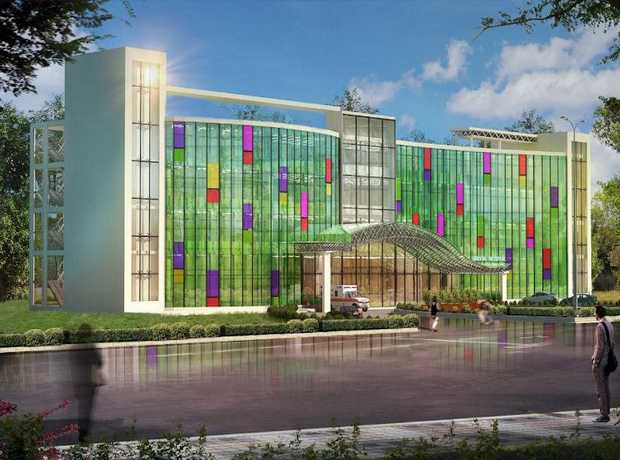
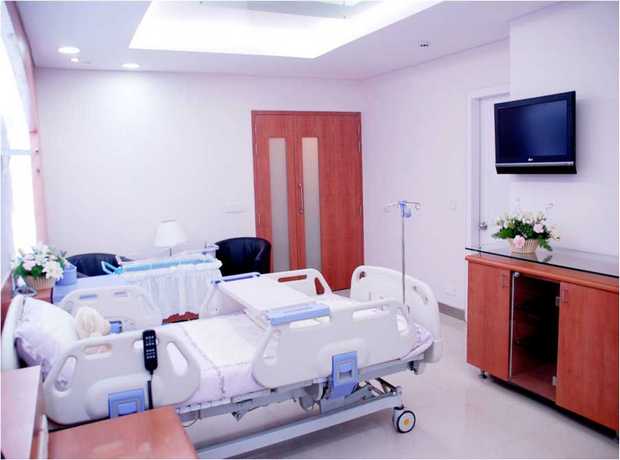
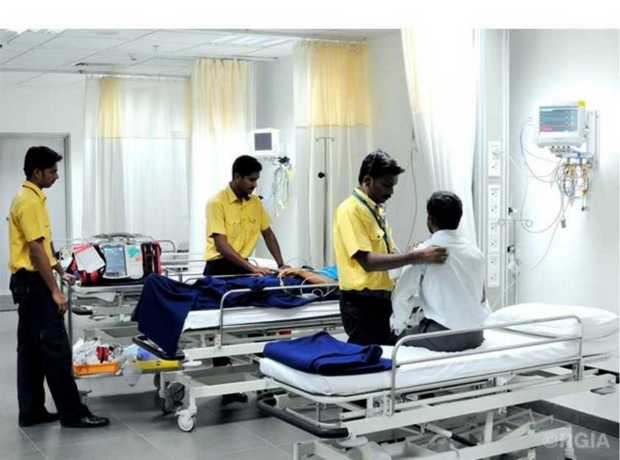
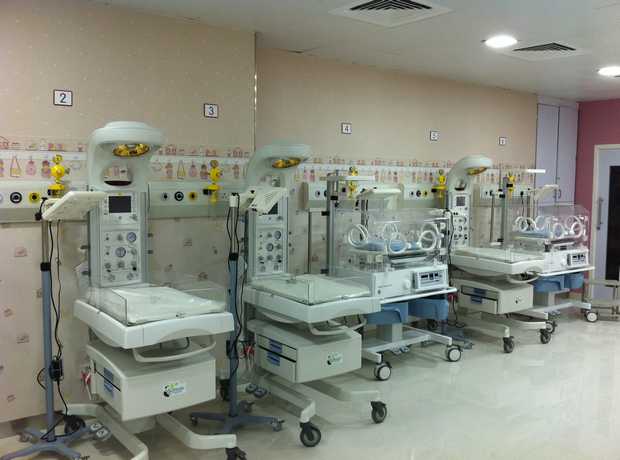
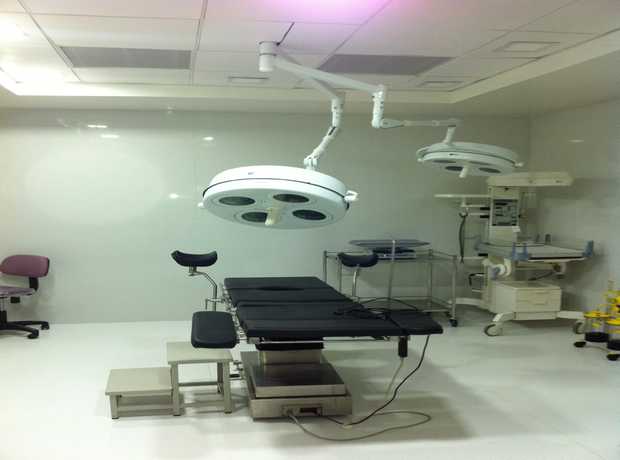
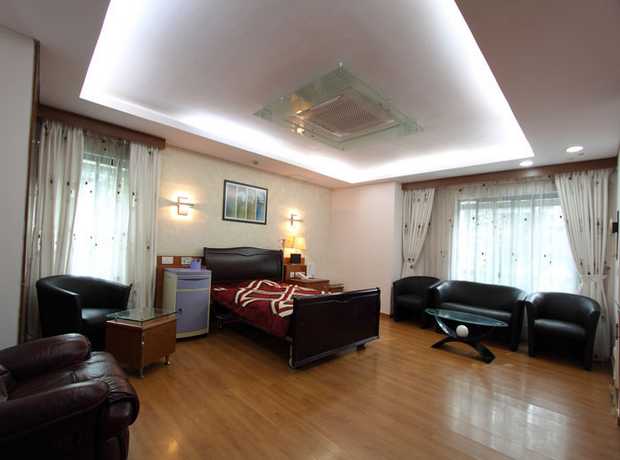
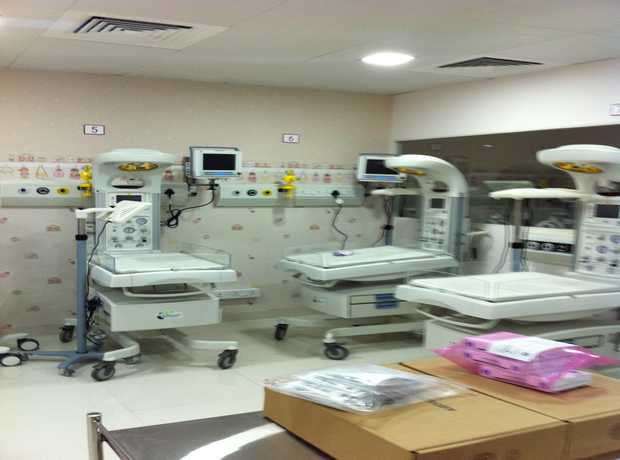
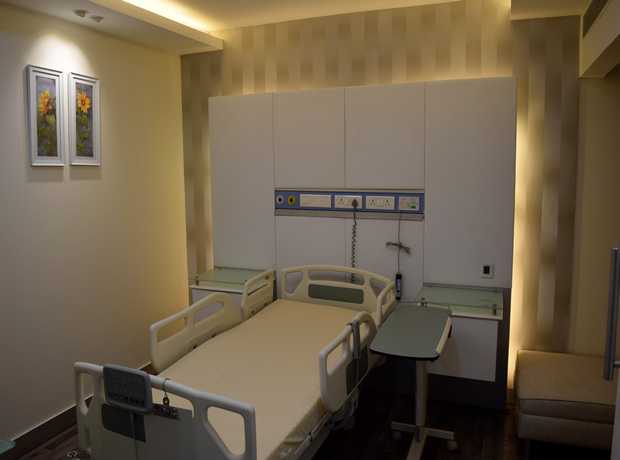
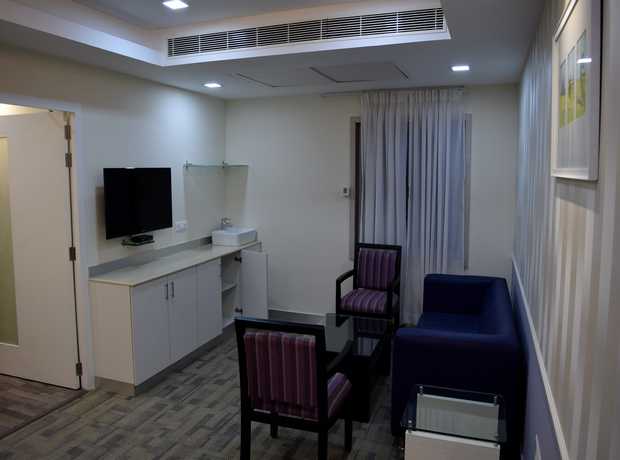
- Hospital Interior Design: Precision is paramount in healthcare. Our BIM services for hospitals encompass everything from patient rooms, intensive care units (ICUs), operating theaters (OTs), and sophisticated labs to consultation areas and comprehensive facility planning. We optimize layouts for patient care, staff efficiency, infection control, and future adaptability, all while ensuring budget adherence through detailed 5D BIM analysis.
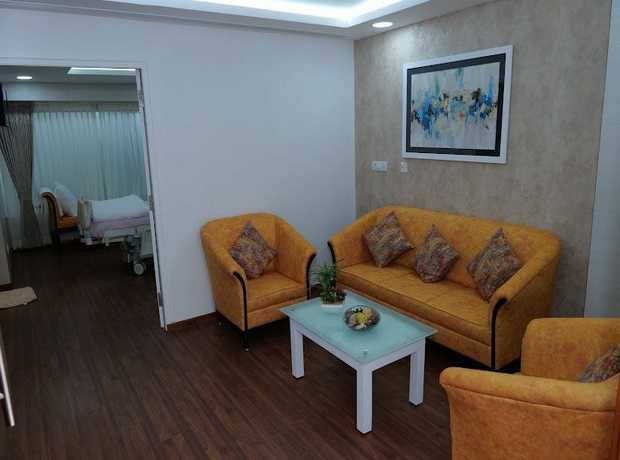
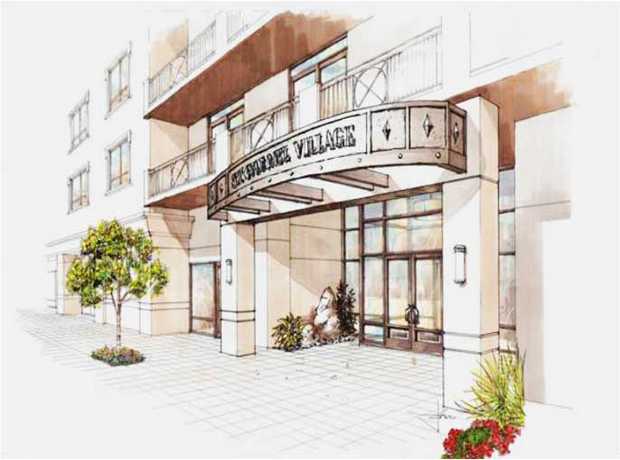
- Residential Projects: Whether it’s high-rise apartments, luxury condominiums, specialized senior housing, or vibrant community-focused interiors, our BIM expertise ensures efficient space planning, accurate material take-offs, and cost-effective design solutions. We help clients visualize their dream homes and ensure the construction process is smooth, timely, and within budget, delivering projects that enhance living experiences in San Diego.
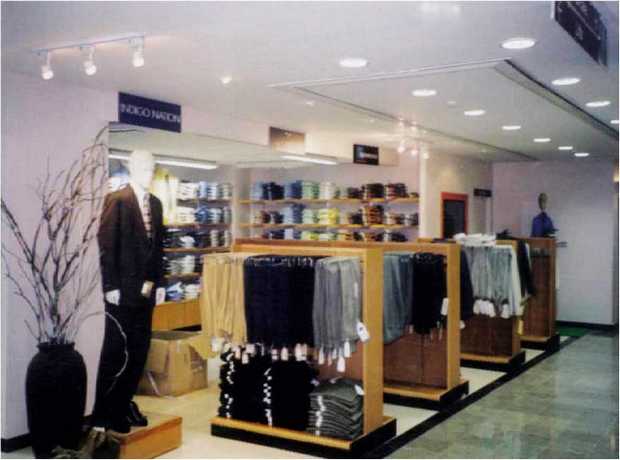
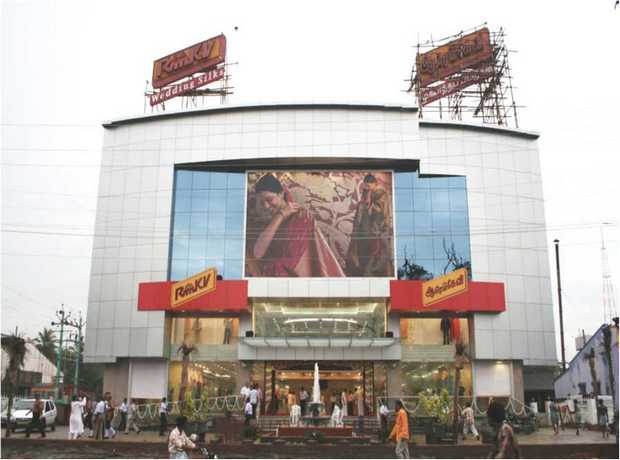
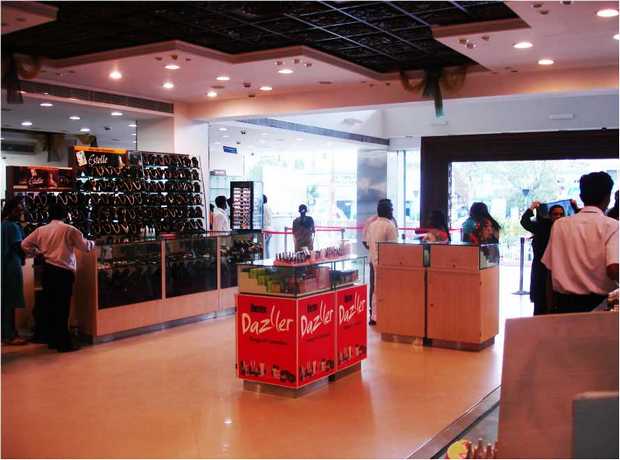
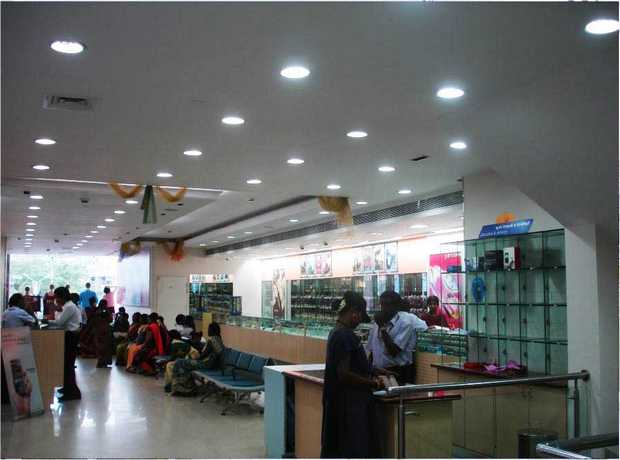
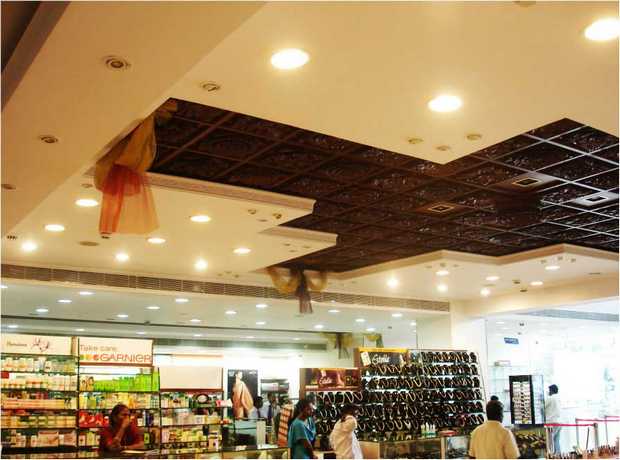
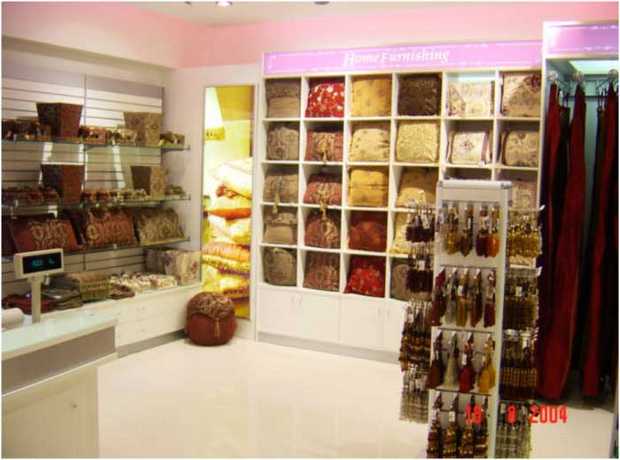
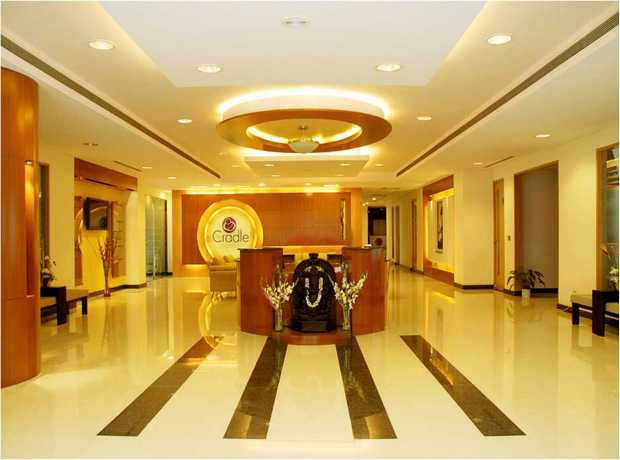
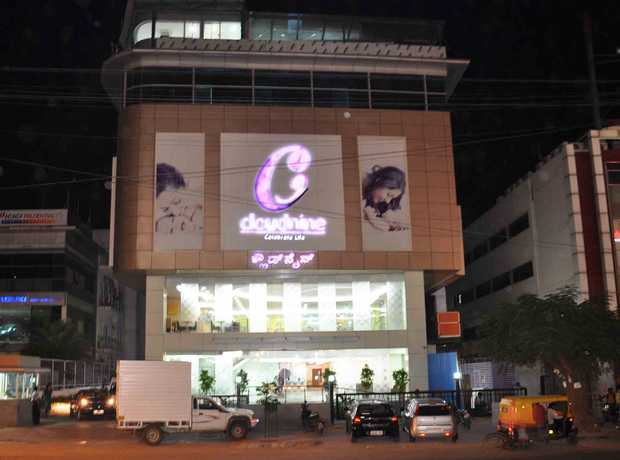
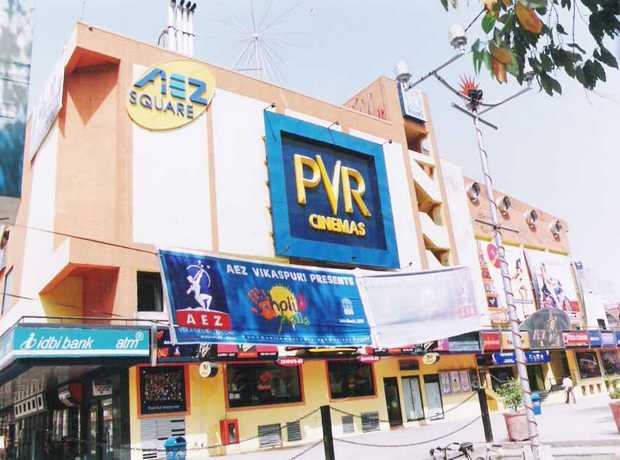
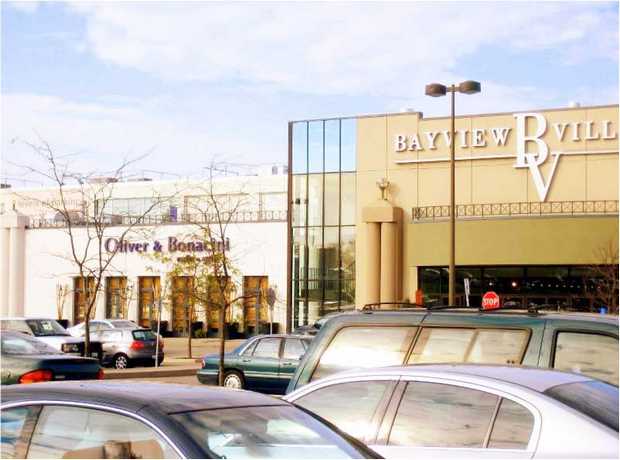
- Retail & Commercial Design: In the competitive retail and commercial landscape, speed to market and operational efficiency are crucial. We provide BIM-led design and cost management for shopping malls, mixed-use developments, corporate offices, and entertainment centers. Our services optimize layouts for customer flow, integrate branding elements seamlessly, and ensure construction aligns with tenant requirements and opening deadlines, all while tightly controlling costs.
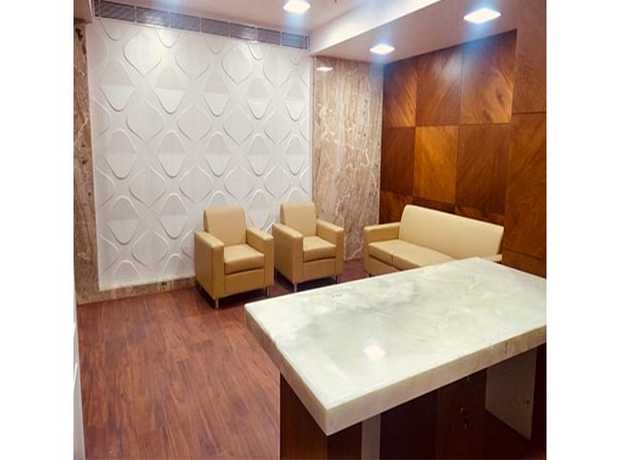
- Interior Solutions: Beyond structural elements, the interiors define a space. Our comprehensive interior solutions, backed by BIM, include meticulous space planning, precise furniture layouts, innovative lighting design, and full turnkey interior execution. BIM ensures every detail is coordinated, clashes are avoided, and material costs are accurately managed, resulting in functional, aesthetically pleasing, and budget-friendly interiors.
Getting Started with BIM in San Diego: A Step-by-Step Guide
Implementing BIM may seem like a significant undertaking, but by breaking it down into manageable steps, the process becomes clear and achievable. For San Diego construction teams, here’s a practical guide:
1. Assess Your Current Needs and BIM Readiness
Before diving in, conduct a thorough assessment of your existing workflows, software capabilities, and team’s BIM proficiency. Determine your specific project requirements and identify areas where BIM can provide the most value, such as improving cost estimation accuracy, reducing rework, or enhancing sustainability analysis. This foundational step helps in setting realistic expectations and identifying specific pain points BIM can address.
2. Develop a Comprehensive BIM Strategy and Execution Plan (BEP)
Based on your needs assessment, create a comprehensive BIM strategy that clearly defines your goals, objectives, and the specific applications of BIM for your project. This strategy should then be formalized into a detailed BIM Execution Plan (BEP), as discussed earlier. A well-articulated BEP ensures alignment across all stakeholders and provides a roadmap for successful implementation.
3. Choose the Right BIM Software and Technologies
Select BIM software and related technologies that best meet your project needs, budget, and compatibility requirements. Consider factors such as interoperability with existing tools, features relevant to your project type (e.g., structural analysis, energy modeling), ease of use, vendor support, and industry adoption in San Diego. Investing in the right technology stack is crucial for long-term success.
4. Invest in Comprehensive Training for Your Team
BIM is only as effective as the people using it. Provide your team with the necessary training to effectively utilize the chosen BIM software and processes. This should include both theoretical understanding of BIM principles and practical, hands-on experience. Consider bringing in expert consultants for specialized training or to bridge knowledge gaps, ensuring your team is proficient and confident in their BIM capabilities.
5. Start Small with a Pilot Project and Scale Up
Instead of rolling out BIM across all projects immediately, begin with a pilot project. This allows you to test your BIM implementation, refine your workflows, identify challenges, and gather lessons learned in a controlled environment. Once successful, you can gradually scale up your BIM adoption to larger, more complex projects, incorporating the insights gained from your pilot phase. This iterative approach minimizes risk and maximizes the chances of successful, widespread BIM integration.
Advanced BIM Strategies for San Diego’s Future Construction Landscape
As San Diego continues its rapid evolution towards smarter, more sustainable urban development, BIM is also advancing. Incorporating these cutting-edge strategies will further optimize budget planning and cost management:
1. Implementing Digital Twins for Lifecycle Cost Optimization
A Digital Twin is a virtual replica of a physical asset, system, or process. When linked to BIM, it allows for real-time monitoring, analysis, and simulation of a building’s performance throughout its operational life. For San Diego projects, digital twins offer unprecedented advantages for cost management:
- Predictive Maintenance: By analyzing sensor data from the physical building, digital twins can predict equipment failures, allowing for proactive maintenance and reducing costly emergency repairs.
- Optimized Energy Consumption: Real-time energy performance monitoring and simulation enable continuous optimization of HVAC, lighting, and other systems, leading to significant reductions in utility bills.
- Space Utilization Optimization: Tracking how spaces are used helps identify inefficiencies, leading to better allocation and potential revenue generation.
- Enhanced Facility Management: Provides facility managers with a live, interactive model of the building, streamlining operations, maintenance, and future renovation planning, directly impacting long-term operational costs.
Digital twins extend the value of BIM far beyond construction, creating a continuous feedback loop that ensures peak operational efficiency and sustained budget performance.
2. Leveraging AI and Machine Learning in BIM for Predictive Cost Analytics
Artificial Intelligence (AI) and Machine Learning (ML) are poised to revolutionize BIM-led cost management. By analyzing vast datasets from past projects (including costs, schedules, and risk factors), AI/ML algorithms can provide:
- Highly Accurate Predictive Cost Estimates: AI can quickly analyze complex project variables to generate more precise cost estimates, minimizing the margin of error inherent in human estimation.
- Early Identification of Cost Overrun Risks: ML models can detect patterns and anomalies that indicate potential budget deviations much earlier than traditional methods, allowing for timely intervention.
- Optimized Material Procurement: AI can analyze market trends, supplier performance, and project schedules to recommend optimal procurement strategies, potentially negotiating better prices and reducing lead times.
- Automated Risk Assessment: ML algorithms can assess the financial impact of various project risks, helping prioritize mitigation strategies and allocate contingency funds more effectively.
Integrating AI/ML into BIM workflows transforms cost management from reactive to predictive, offering a powerful advantage in managing complex San Diego projects.
3. Integrating Modular Construction and Prefabrication with BIM for Efficiency
Modular construction and prefabrication are gaining traction for their ability to deliver projects faster, more affordably, and with higher quality. BIM is the crucial enabler for these methods:
- Enhanced Design for Manufacturing and Assembly (DfMA): BIM allows for precise design and detailing of modular components, ensuring they fit together perfectly on-site.
- Reduced On-Site Labor Costs: By shifting much of the construction to controlled factory environments, BIM-driven modularization reduces expensive on-site labor and associated risks.
- Minimized Material Waste: Factory production allows for greater control over material usage, significantly reducing waste compared to traditional on-site construction, aligning with San Diego’s sustainability goals.
- Faster Project Timelines: Concurrent off-site fabrication and on-site foundation work dramatically compress project schedules, leading to earlier project completion and quicker returns on investment.
BIM’s precision in modeling and coordination makes it indispensable for successfully implementing modular and prefabricated elements, directly contributing to significant cost and time savings.
4. Ensuring Regulatory Compliance with BIM in San Diego
San Diego has specific building codes, zoning regulations, and environmental mandates that can be complex to navigate. BIM can streamline the compliance process, reducing the risk of costly delays and rejections:
- Automated Code Checking: BIM software can be integrated with code-checking tools to automatically identify potential violations during the design phase, allowing for corrections before submission.
- Streamlined Permitting: Rich BIM models provide comprehensive documentation needed for permit applications, potentially accelerating approval processes.
- Environmental Impact Assessment: As discussed with 6D BIM, the model can generate data to demonstrate compliance with energy efficiency standards, water conservation mandates, and material sourcing requirements relevant to San Diego.
- Transparency for Stakeholders: BIM models offer clear, visual representations of compliance, fostering better understanding and collaboration with regulatory bodies.
By using BIM to proactively address compliance issues, projects can avoid costly revisions, fines, and delays, ensuring smoother project progression and adherence to budget.
Key Takeaways for 2025: Mastering BIM-Led Budget Planning and Cost Management in San Diego
For successful BIM-led budget planning and cost management in San Diego in 2025, remember the following critical strategies:
- Prioritize a well-defined and comprehensive BIM Execution Plan (BEP) that aligns with your project’s unique goals and San Diego’s regulatory landscape.
- Foster active collaboration and transparent communication among all stakeholders, leveraging cloud-based platforms to maintain a single source of truth.
- Leverage the full spectrum of 4D, 5D, 6D, and 7D BIM for advanced insights into scheduling, real-time cost tracking, sustainability performance, and long-term facility management.
- Focus on sustainability and lifecycle costs from the outset, using BIM to inform decisions that reduce operational expenses and meet San Diego’s environmental commitments.
- Integrate BIM with advanced cost management tools and ERP systems for automated quantity take-offs, real-time tracking, and proactive financial control.
- Embrace advanced strategies like Digital Twins, AI/ML analytics, and modular construction to push the boundaries of efficiency and cost optimization.
- Partner with experienced BIM and design-build experts like Skydome Designs, who bring nearly three decades of global and local experience, a >98% on-time delivery rate, and comprehensive end-to-end solutions to ensure your project’s success.
Conclusion
In the dynamic and forward-thinking construction market of San Diego, BIM-led budget planning and cost management are no longer an option but an indispensable tool for achieving project success, financial resilience, and environmental stewardship. By proactively avoiding common mistakes and rigorously implementing the expert tips outlined in this guide, you can optimize your projects, reduce costs, enhance sustainability, and future-proof your investments.
The journey towards full BIM integration can be complex, but with the right partnership, it becomes a strategic advantage. Skydome Designs is your trusted ally in navigating this landscape. With our 29+ years of experience and over 2155 successful BIM-led assignments across San Diego and globally, we offer an award-winning team, transparent costs, milestone-based reporting, and an unwavering commitment to on-time delivery and post-occupancy support. We provide end-to-end solutions – from strategy and design to construction and handover – ensuring your project not only meets but exceeds expectations. Ready to transform your construction projects and ensure unparalleled budget control and efficiency? Contact Skydome Designs today for a consultation and discover how our expertise can help you achieve your goals and lead the way in San Diego’s construction future. Call us at +91 7299072144.
Frequently Asked Questions (FAQs)
What is BIM and why is it important for construction projects?
BIM (Building Information Modeling) is a sophisticated process of creating and managing a digital representation of a building’s physical and functional characteristics. It’s crucial for construction projects because it enhances collaboration among all stakeholders, significantly reduces design errors and rework, improves the accuracy of cost estimations, optimizes project schedules, and facilitates better overall project management from conception to operation.
How can BIM help with budget planning and cost management effectively?
BIM plays a pivotal role in budget planning and cost management by providing a highly accurate, data-rich model. Specifically, 5D BIM allows for automated quantity take-offs, real-time cost tracking, and precise impact analysis of design changes on the budget. This integration helps in optimizing resource allocation, reducing material waste, and generating reliable cash flow forecasts, leading to better budget control and significant cost reductions throughout the project lifecycle.
What are the specific benefits of using BIM in San Diego construction projects?
In San Diego, BIM offers distinct advantages by helping projects prioritize sustainability through 6D BIM (energy analysis, material optimization), lower overall lifecycle costs, and streamline digital delivery in line with the city’s focus on innovation and environmental stewardship. It also aids in navigating competitive markets and complex regulatory environments by improving efficiency and reducing risks.
How does Skydome Designs support BIM-led projects to ensure success?
Skydome Designs supports BIM-led projects with an award-winning team, nearly 30 years of global experience including over 2155 successful assignments, and a commitment to transparent costs with milestone-based reporting. We offer end-to-end delivery – from strategy and design to construction and handover – with an on-time delivery rate exceeding 98%, multi-disciplinary reviews, and essential post-occupancy support, ensuring client satisfaction and optimal project outcomes.
What types of projects benefit most from BIM implementation, especially in San Diego?
While all types of construction projects can benefit from BIM, it is particularly impactful for large-scale, complex projects with multiple stakeholders, intricate design requirements, or ambitious sustainability goals. This includes critical infrastructure like hospitals, multi-family residential complexes, large-scale retail developments, and mixed-use commercial properties in San Diego, where the precision, collaboration, and cost-saving capabilities of BIM are invaluable.
What is the ROI of implementing BIM for budget planning?
The Return on Investment (ROI) from BIM implementation for budget planning can be substantial. It typically manifests through significant reductions in rework costs (due to clash detection), improved accuracy in cost estimates (leading to fewer budget overruns), faster project delivery (reducing overheads), better resource utilization (minimizing waste), and reduced operational costs over the building’s lifecycle (through 6D and 7D BIM). While specific figures vary, industry studies often report ROI in terms of saved time and money ranging from 5-20% of project value.
About Skydome Designs
Skydome Designs Pvt Ltd is a leading architecture and interior design firm in India, specializing in hospital and healthcare interiors, residential, and retail projects. With nearly 30 years of expertise and a global presence including significant work in San Diego, we deliver innovative, sustainable, and functional spaces that enhance experiences and operational efficiency. Our commitment to excellence is reflected in our 2155+ successful assignments and over 98% on-time delivery rate, making us a trusted partner for complex construction and design challenges.
What We Do
- Hospital Interior Design: Specializing in patient rooms, ICUs, OTs, labs, consultation areas, and comprehensive facility planning for optimized care, patient comfort, and staff efficiency.
- Residential Projects: Crafting bespoke designs for apartments, luxury condos, senior housing, and community-focused interiors that prioritize aesthetics, functionality, and sustainability.
- Retail & Commercial Design: Creating compelling and efficient spaces for shopping malls, mixed-use developments, corporate offices, and entertainment centers that drive engagement and optimize business operations.
- Interior Solutions: Providing end-to-end interior services including strategic space planning, elegant furniture layouts, innovative lighting solutions, and full turnkey interior execution, meticulously managed with BIM.
Why Choose Us
- 29+ years of extensive experience across India and abroad, with a strong portfolio in San Diego.
- In-house team of award-winning architects, healthcare planners, and project managers ensuring integrated and expert-led solutions.
- Client-focused and sustainable designs that are not only aesthetically pleasing but also environmentally responsible and cost-effective.
- Projects delivered on-time, on-budget, and to global standards, backed by transparent costs and milestone-based reporting.
- Proven track record with over 2155 successful assignments and a greater than 98% on-time delivery rate.
- End-to-end delivery from initial strategy to final handover, including multi-disciplinary reviews and post-occupancy support.
📞 Contact: +91 7299072144 | ✉️ Email: info@skydomedesigns.com