Cape Town is rapidly evolving, a vibrant nexus of culture, commerce, and innovation on the southern tip of Africa. With this dynamism comes a critical need for sustainable and forward-thinking urban development. As we look towards 2025 and beyond, the adaptive reuse of commercial buildings is not merely a trend but a foundational strategy for sustainable growth, economic resilience, and urban regeneration. This approach involves thoughtfully repurposing existing structures, breathing new life into older buildings, and transforming them into functional, modern spaces that meet contemporary demands. It’s a powerful alternative to demolition and new construction, offering a host of environmental, economic, and social benefits.
In a city as historically rich and architecturally diverse as Cape Town, adaptive reuse becomes particularly pertinent. It allows for the preservation of architectural heritage while simultaneously addressing the urgent need for environmentally conscious, energy-efficient, and digitally advanced spaces. This comprehensive guide will explore the key trends, challenges, and opportunities shaping the future of adaptive reuse in Cape Town, offering insights into how this practice is creating future-ready commercial buildings, lowering lifecycle costs, and enhancing urban vitality.
Why Adaptive Reuse is Gaining Momentum in Cape Town
The increasing popularity of adaptive reuse in Cape Town is driven by a confluence of factors, each contributing to its growing appeal among developers, urban planners, and the community alike. Understanding these drivers is crucial to appreciating the significance of this architectural and urban planning approach.
1. The Imperative of Sustainability and Reduced Environmental Impact
At the forefront of adaptive reuse’s momentum is the global and local emphasis on sustainability. Traditional new construction is a resource-intensive process, consuming vast amounts of raw materials, energy, and generating significant waste. By contrast, adaptive reuse dramatically reduces the carbon footprint associated with a project. It minimizes the energy expended in manufacturing new materials and transporting them to site, and it diverts tons of demolition waste from landfills. Cape Town, with its stunning natural environment and a population increasingly conscious of climate change, sees adaptive reuse as a tangible step towards a greener, more sustainable future. Developers adopting this approach are not just building structures; they are contributing to a circular economy model in construction.

2. Preservation of Architectural Heritage and Unique Character
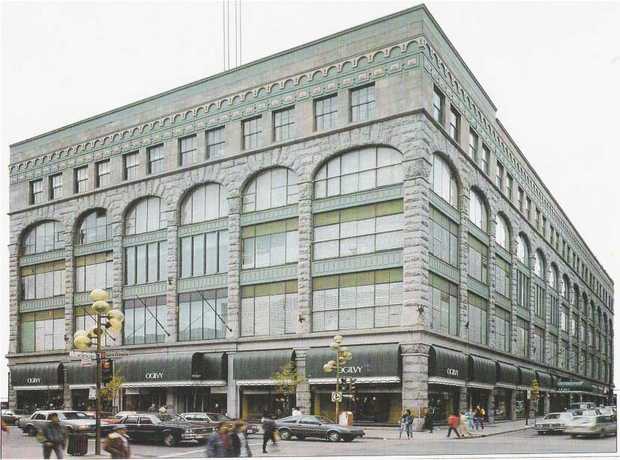
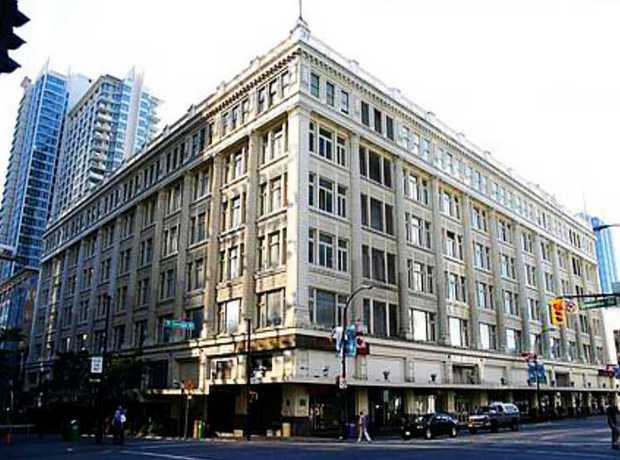
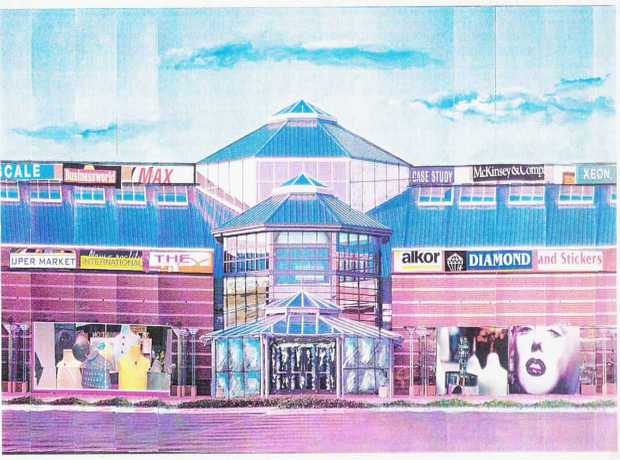
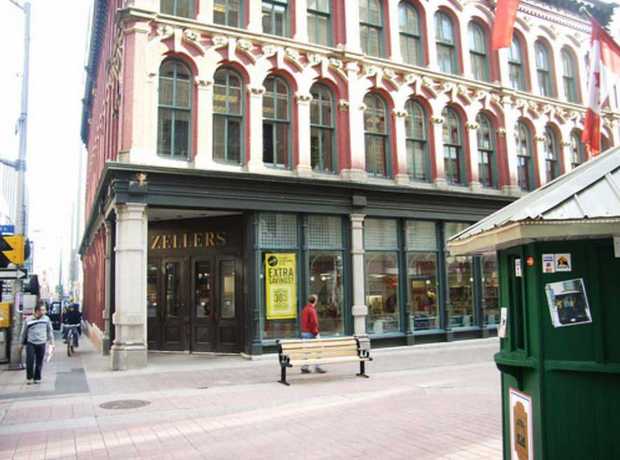
Cape Town boasts a rich tapestry of architectural styles, from elegant Victorian and Edwardian buildings to distinctive Art Deco structures and robust industrial complexes. Many older commercial buildings possess unique aesthetic and historical character that is irreplaceable. Adaptive reuse allows for the preservation and enhancement of these architectural gems, maintaining the city’s unique identity and sense of place. Rather than erasing history, it integrates it into the urban fabric, creating spaces with inherent character and stories that resonate with occupants and visitors. This is particularly vital in districts like the CBD, Woodstock, and Salt River, where historical buildings offer immense potential for transformation.
3. Economic Viability and Cost Efficiency
While often requiring specialized skills, adaptive reuse can frequently be more cost-effective than new construction. It can reduce expenses related to site acquisition, demolition, and the extensive foundation work often required for new builds. Additionally, existing infrastructure, such as utility connections and road networks, is already in place, leading to further savings and faster project timelines. This economic advantage makes adaptive reuse an attractive option for developers looking for sustainable yet profitable ventures in Cape Town’s competitive real estate market.
4. Urban Regeneration and Densification
Cape Town faces the common urban challenge of sprawl and the need for densification. Adaptive reuse contributes significantly to smart urban growth by revitalizing underutilized or vacant buildings within established areas. This rejuvenates neighborhoods, increases population density where infrastructure already exists, and reduces the pressure to develop greenfield sites on the city’s periphery. It transforms urban blight into vibrant hubs, enhancing the overall appeal and functionality of the city.
5. Meeting Evolving Market Demands
The commercial real estate landscape is constantly shifting, accelerated by technological advancements and changes in work culture. Adaptive reuse provides the flexibility to transform outdated spaces – like redundant office blocks or disused factories – into high-demand typologies such as co-working spaces, mixed-use developments, residential units, or boutique hotels. This adaptability allows Cape Town to respond agilely to market needs, ensuring its commercial offerings remain relevant and competitive.
6. Prioritizing Sustainability and Digital Delivery
Cape Town’s strategic vision explicitly prioritizes sustainability and digital innovation. Future-ready adaptive reuse projects inherently align with these goals. By extending the life of buildings and integrating smart technologies from the outset, these projects demonstrate a commitment to long-term environmental stewardship and operational efficiency, thereby lowering lifecycle costs significantly. The integration of digital delivery methods also streamlines project management, enhances communication, and improves overall project outcomes, making adaptive reuse a prime candidate for showcasing Cape Town’s commitment to a digitally advanced future.
Key Trends in Adaptive Reuse of Commercial Buildings in Cape Town for 2025
The future of adaptive reuse in Cape Town is dynamic, characterized by several intersecting trends that promise to reshape the city’s built environment. These trends are not isolated but form a holistic approach to creating resilient, efficient, and engaging spaces.
1. Sustainability and Green Building Practices: Beyond Compliance
The commitment to environmental stewardship in adaptive reuse is deepening. In 2025, projects will go beyond mere compliance, aiming for truly regenerative designs. This means:
- Advanced Energy Efficiency: Implementation of high-performance envelopes, smart glazing, advanced insulation, and intelligent HVAC systems. The goal is often net-zero energy or even net-positive buildings.
- Renewable Energy Integration: Widespread adoption of rooftop solar photovoltaic (PV) arrays, even vertical axis wind turbines in suitable locations. Battery storage solutions are becoming standard to maximize self-sufficiency.
- Water Conservation: Comprehensive greywater recycling systems for irrigation and toilet flushing, rainwater harvesting, and drought-resistant landscaping are becoming essential, especially in water-scarce regions like Cape Town.
- Eco-Friendly Materials: A preference for locally sourced, recycled, and low-embodied carbon materials. This includes timber from sustainable forests, recycled concrete aggregates, and salvaged components from other demolition sites. Emphasis on non-toxic, healthy materials for interior finishes.
- Green Building Certifications: A strong drive towards achieving certifications like LEED (Leadership in Energy and Environmental Design), Green Star SA, and increasingly, the WELL Building Standard, which focuses on occupant health and well-being. These certifications are no longer just marketing tools but fundamental design principles.
- Circular Economy Principles: Designing for deconstruction and future adaptability, ensuring materials can be reused or recycled at the end of the building’s extended life cycle.
2. Digital Integration and Smart Building Technologies: The Intelligent Structure
The digital transformation of buildings is accelerating, turning inert structures into intelligent, responsive environments. In adaptive reuse, this is about integrating cutting-edge technologies to enhance functionality, efficiency, and occupant experience:
- Internet of Things (IoT) Sensors: Networks of sensors monitoring everything from occupancy levels, air quality, temperature, and humidity to light levels and structural integrity. This data feeds into central Building Management Systems (BMS).
- AI-Powered Building Management Systems: Artificial intelligence algorithms analyze data from IoT sensors to optimize energy consumption, predict maintenance needs, and personalize environmental controls. This leads to significant operational cost savings and improved comfort.
- Predictive Maintenance: Smart systems can anticipate equipment failures, scheduling maintenance proactively rather than reactively, minimizing downtime and extending asset life.
- Digital Twins: Virtual replicas of physical buildings that allow for real-time monitoring, simulation of scenarios, and predictive analytics for design optimization, energy management, and future modifications.
- Advanced Security and Access Control: Biometric scanners, smart card systems, and integrated surveillance create secure yet seamless access for occupants and visitors.
- Seamless Digital Delivery: Utilizing Building Information Modeling (BIM) throughout the project lifecycle, from initial design and clash detection to construction management and facility operations. This enhances collaboration, reduces errors, and ensures efficient project delivery. Skydome Designs excels in delivering projects with integrated digital workflows, ensuring precision and efficiency.
- Enhanced Connectivity: Ensuring robust and ubiquitous Wi-Fi, 5G readiness, and smart cabling infrastructure to support a future where every device is connected.
3. Focus on Community and Placemaking: More Than Just Buildings
Adaptive reuse projects in Cape Town are increasingly recognized as opportunities to create vibrant social and cultural hubs, not just standalone structures. This involves:
- Mixed-Use Developments: Transforming single-purpose commercial buildings into dynamic mixed-use complexes that integrate residential, retail, office, hospitality, and cultural functions. This creates 24/7 activation and fosters a sense of community.
- Public Amenities and Green Spaces: Incorporating publicly accessible elements such as pocket parks, plazas, outdoor seating areas, art installations, and performance spaces into the design.
- Cultural Integration: Designing spaces that celebrate local art, history, and community narratives, often involving local artists and artisans in the design and execution.
- Accessibility and Inclusivity: Ensuring that all spaces are designed for universal access, accommodating people of all abilities, fostering a welcoming environment for everyone.
- Enhancing Local Identity: Projects aim to reflect and strengthen the unique character of the surrounding neighborhood, becoming positive anchors for community interaction and engagement.
4. Global Design Standards with Local Code Expertise: The Best of Both Worlds
Successful adaptive reuse projects in Cape Town require a sophisticated synthesis of international best practices and a granular understanding of the local context. This is where expertise truly shines:
- International Best Practices: Drawing on innovative design methodologies, sustainable technologies, and successful adaptive reuse models from around the world. This ensures projects are world-class in their functionality, aesthetics, and environmental performance.
- Deep Understanding of Local Building Codes: Navigating the intricacies of Cape Town’s specific building regulations, zoning ordinances, heritage protection laws, and safety standards. This prevents costly delays and ensures compliance.
- Local Materiality and Craftsmanship: Integrating local materials, cultural influences, and artisanal skills into the design, creating a sense of authenticity and supporting local economies.
- Climate-Responsive Design: Applying global passive design strategies adapted to Cape Town’s unique climate – optimizing for natural light, ventilation, and solar gain or shading as appropriate.
Achieving this delicate balance is a hallmark of truly exceptional adaptive reuse. As a firm with extensive international experience and a strong commitment to local execution, Skydome Designs ensures that all our projects meet Global design standards with local code expertise in Cape Town, guaranteeing both innovation and compliance.
5. Hybrid Work Models and Flexible Spaces: Adapting to the New Normal
The post-pandemic landscape has fundamentally altered how and where people work. Adaptive reuse is uniquely positioned to address these shifts:
- Fluid Layouts: Designing interiors with modular furniture, movable partitions, and reconfigurable spaces that can easily switch between individual work, collaborative team sessions, and large presentations.
- Co-working and Hot-desking Integration: Repurposing traditional office blocks into agile co-working environments that offer various membership tiers and flexible access, catering to freelancers, startups, and remote workers.
- Focus on Collaboration and Social Hubs: While individual work can happen anywhere, offices are becoming destinations for collaboration and social connection. Adaptive reuse projects are creating inviting communal areas, cafes, and specialized meeting rooms.
- Integration of Home-like Comforts: Bringing elements of residential design into commercial spaces to create a more relaxed, welcoming, and productive atmosphere – comfortable lounges, quiet zones, and break-out areas.
6. Wellness and Biophilic Design: Creating Healthier Environments
There’s a growing recognition that the built environment profoundly impacts human health and well-being. Adaptive reuse projects are increasingly prioritizing biophilic design principles:
- Maximizing Natural Light and Views: Opening up existing structures to natural light and providing views of nature, reducing reliance on artificial lighting and connecting occupants to the outdoors.
- Integrating Greenery: Incorporating indoor plants, living walls, rooftop gardens, and outdoor terraces to bring nature into the built environment.
- Access to Fresh Air: Designing for natural ventilation where possible, and ensuring high-quality indoor air filtration systems.
- Use of Natural Materials: Employing wood, stone, and other natural textures and finishes that evoke a connection to nature.
- Acoustic Comfort: Designing spaces that minimize noise pollution and provide areas for quiet contemplation, improving concentration and reducing stress.
Adaptive Reuse Typologies Transforming Cape Town
The potential for adaptive reuse across Cape Town’s diverse commercial building stock is immense. Different types of older buildings lend themselves to specific transformations, each contributing uniquely to the city’s regeneration:
1. Industrial-to-Residential/Commercial (e.g., Woodstock, Salt River, Paarden Eiland)
Cape Town’s historical industrial zones, like Woodstock and Salt River, are prime examples of successful industrial adaptive reuse. Old warehouses, factories, and textile mills, often characterized by robust structures, high ceilings, large windows, and open floor plans, are being transformed into:
- Loft Apartments: Capitalizing on the open spaces and industrial aesthetics, these provide trendy residential options.
- Creative Hubs and Co-working Spaces: Ideal for artists, designers, and startups, these spaces foster collaboration and innovation.
- Boutique Retail and Eateries: The unique character of these buildings offers distinctive settings for shops and restaurants, creating destination spots.
- Art Galleries and Cultural Institutions: The expansive interiors are perfect for exhibiting large artworks or hosting performances.
2. Office-to-Residential (Addressing Vacant CBD Offices)
With shifts in work patterns and the rise of remote work, some older, less efficient office buildings in the CBD are facing vacancies. Adaptive reuse offers a brilliant solution:
- Affordable and Mid-Market Housing: Converting offices into residential units helps address Cape Town’s housing challenges, bringing more residents into the city center and invigorating urban life after business hours.
- Student Accommodation: Proximity to universities makes these conversions ideal for student housing, fostering vibrant academic communities.
- Mixed-Use Towers: Ground floors can retain retail or hospitality, while upper floors become residential, creating dynamic vertical communities.
3. Heritage Buildings-to-Boutique Hotels/Cultural Hubs
Cape Town’s rich architectural legacy includes numerous heritage-listed buildings. Adaptive reuse here is about delicate preservation combined with new function:
- Boutique Hotels: Historic mansions, old bank buildings, or colonial structures can be meticulously restored and reimagined as luxurious boutique hotels, offering unique guest experiences rooted in history.
- Cultural Centers and Museums: Transforming significant historical buildings into public cultural spaces ensures their continued relevance and accessibility.
- High-End Retail or Restaurants: The grandeur and character of heritage buildings provide unparalleled settings for premium retail experiences or fine dining establishments.
4. Retail-to-Mixed Use (Reimagining Shopping Centers)
The retail sector is undergoing significant disruption. Large, single-purpose retail buildings, especially older shopping centers, are ripe for adaptive reuse:
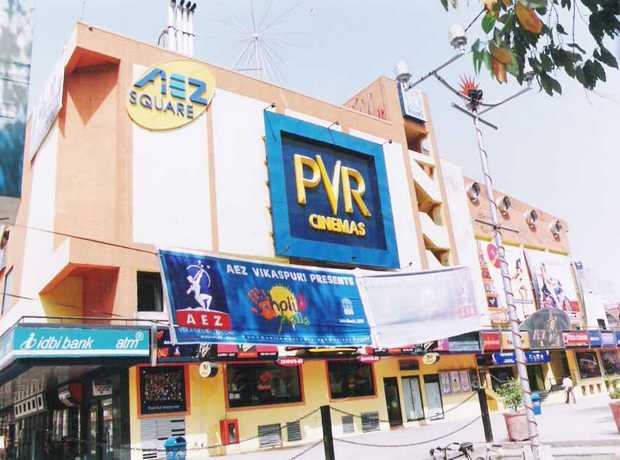
- Entertainment and Leisure Hubs: Portions of malls can be converted into cinemas, indoor sports facilities, family entertainment centers, or performance venues.
- Community Services: Integrating healthcare clinics, educational facilities, or government service centers makes these spaces more essential to the community.
- Residential Integration: Adding residential units above or adjacent to retail, creating a “live, work, shop” environment.
- Logistics and Micro-Fulfillment Centers: Capitalizing on existing transport links, some retail spaces can be repurposed for urban logistics, supporting e-commerce.
Challenges and Solutions in Cape Town Adaptive Reuse
While the benefits of adaptive reuse are numerous, implementing these projects in Cape Town comes with its unique set of challenges. Understanding and proactively addressing these can ensure smoother, more successful outcomes.
1. Structural Integrity and Hidden Issues
- Challenge: Older buildings may have unknown structural deficiencies, outdated systems (electrical, plumbing), or hazardous materials like asbestos or lead paint, which can significantly increase costs and project timelines.
- Solution: Thorough due diligence is paramount. This includes comprehensive structural assessments, detailed surveys of existing services, and hazardous material audits by specialized consultants before acquisition or design commencement. Investing in advanced diagnostic tools like laser scanning and 3D modeling can reveal hidden issues early.
2. Permitting and Regulatory Hurdles (Especially Heritage)
- Challenge: Cape Town has strict building codes, zoning regulations, and particularly stringent heritage protection laws for designated structures. Obtaining approvals can be complex, time-consuming, and require expert navigation.
- Solution: Engaging a design and project management firm with deep local expertise and strong relationships with regulatory bodies is critical. Skydome Designs, with its Global design standards with local code expertise in Cape Town, excels in navigating these complexities, ensuring projects comply with all local ordinances while preserving historical integrity. Early engagement with heritage councils and urban planning departments is advised.
3. Financing and Return on Investment (ROI)
- Challenge: Securing financing for adaptive reuse can sometimes be more challenging than for new builds, as lenders may perceive higher risks due to unknown conditions or extended permitting processes. Quantifying ROI can also be tricky.
- Solution: Detailed feasibility studies and robust financial modeling are essential. Highlighting the long-term sustainability benefits, reduced lifecycle costs, and unique market appeal of adaptively reused spaces can attract impact investors and green financing options. Government incentives or tax breaks for heritage restoration can also play a role.
4. Design Complexity and Technical Expertise
- Challenge: Integrating new functions and modern systems into an existing, often irregularly shaped, or structurally unique building requires specialized architectural and engineering expertise.
- Solution: Partnering with experienced architects and engineers who specialize in adaptive reuse. Skydome Designs boasts an in-house team of architects, healthcare planners, and project managers with nearly 30 years of experience, equipped to handle the unique technical and design challenges of repurposing existing structures. Our multi-disciplinary approach ensures comprehensive solutions.
5. Market Perception and Tenant Attraction
- Challenge: Convincing potential tenants or buyers of the value and functionality of a repurposed building, especially if they are accustomed to new builds.
- Solution: Highlighting the unique character, sustainability credentials, advanced smart technologies, and community-focused aspects of the adaptive reuse project. Effective branding, marketing, and creating compelling narratives around the building’s history and future vision are crucial. Showcasing successful global and local examples can help shift perceptions.
The Role of Technology in Streamlining Adaptive Reuse
Technology is not just a trend in building operations; it is revolutionizing the entire adaptive reuse process, from initial assessment to project handover. Its application significantly enhances efficiency, accuracy, and collaboration.
1. Building Information Modeling (BIM)
- Integrated Design: BIM creates a comprehensive digital model of the building, integrating architectural, structural, and MEP (mechanical, electrical, plumbing) designs. This allows for early clash detection, minimizing errors and rework during construction.
- Lifecycle Management: BIM models can be used throughout the building’s lifecycle, from design and construction to operations and maintenance, providing a single source of truth for all building information.
2. Laser Scanning and 3D Modeling
- Accurate Existing Conditions: Laser scanning technology captures precise point cloud data of existing structures, creating highly accurate 3D models. This is invaluable for understanding the exact dimensions, irregularities, and conditions of an older building, allowing designers to plan interventions with precision.
- Reduced Site Visits: Virtual tours and detailed models reduce the need for multiple site visits, saving time and resources.
3. Artificial Intelligence (AI) for Design Optimization and Material Selection
- Generative Design: AI algorithms can explore thousands of design permutations, optimizing layouts for space utilization, energy efficiency, and occupant comfort based on predefined parameters.
- Material Sourcing: AI can assist in identifying optimal material choices, considering factors like cost, sustainability (embodied carbon), local availability, and structural properties.
4. Advanced Project Management Software for Digital Delivery
- Centralized Collaboration: Cloud-based platforms allow all project stakeholders – architects, engineers, contractors, clients – to collaborate in real-time on documents, drawings, and schedules.
- Streamlined Communication: Digital tools facilitate efficient communication, task tracking, and progress monitoring, ensuring that projects stay on schedule and budget. This is a core part of Skydome Designs’ commitment to efficient project execution.
- Risk Management: Data analytics within these platforms can help identify potential risks early, allowing for proactive mitigation strategies.
By leveraging these technological advancements, adaptive reuse projects in Cape Town can be delivered with unprecedented levels of precision, efficiency, and sustainability, contributing to future-ready spaces and lowering lifecycle costs for owners.
Skydome Designs: Your Partner in Adaptive Reuse Projects in Cape Town
At the intersection of global expertise and local understanding, Skydome Designs Pvt Ltd stands as a leading architecture and interior design firm, perfectly positioned to guide your adaptive reuse journey in Cape Town. With nearly three decades of experience, we specialize in creating innovative, sustainable, and functional spaces that respond to the evolving needs of urban environments.
Our extensive portfolio spans successful hospital, residential, and retail projects across India and abroad, demonstrating our capacity to deliver complex assignments to the highest international standards. This global perspective, combined with a deep appreciation for local context, makes Skydome Designs the ideal partner for adaptive reuse projects in Cape Town.
Our Expertise in Adaptive Reuse
We offer a holistic suite of services tailored specifically for the unique demands of adaptive reuse, ensuring every aspect of your project is meticulously planned and expertly executed:
- Space Planning: Our approach goes beyond mere layout. We meticulously analyze existing spatial volumes to maximize utilization, creating efficient, flexible, and future-proof layouts that enhance flow, functionality, and aesthetic appeal. We understand how to reconfigure challenging existing footprints into highly desirable and functional spaces.
- Materials Selection: We are committed to choosing sustainable, durable, and contextually appropriate materials. Our expertise lies in selecting materials that not only enhance the building’s aesthetic appeal but also minimize environmental impact, contribute to indoor air quality, and often pay homage to the original structure’s character or local vernacular.
- Lighting Design: Lighting is transformative in adaptive reuse. We implement sophisticated, energy-efficient lighting solutions that masterfully blend natural light harvesting with intelligent artificial lighting. This creates comfortable, visually appealing environments that enhance productivity and well-being, while optimizing energy consumption.
- Acoustics: In repurposed buildings, especially those with new mixed uses, acoustic performance is critical. We design spaces with optimal acoustic treatments to reduce noise transmission, improve speech intelligibility, and create serene environments suitable for their new functions – whether it’s a quiet office, a bustling retail space, or a peaceful residential unit.
- Branding & Signage: Adaptive reuse often creates a new identity for an old structure. We craft cohesive branding and signage solutions that articulate this new identity, enhance the building’s presence, and provide intuitive wayfinding. This ensures the transformed building is easily navigable and memorable for its users and the wider community.
End-to-End Delivery for Adaptive Reuse in Cape Town
Skydome Designs offers comprehensive, seamless services for the adaptive reuse of commercial buildings in Cape Town. Our integrated approach covers every stage of the project lifecycle, from initial conceptualization to final handover. Our in-house team of architects, healthcare planners, and dedicated project managers ensures seamless execution, precision, and adherence to timelines and budgets, from concept to completion.
We provide truly End‑to‑end delivery for adaptive reuse of commercial buildings — strategy, design, construction and handover in Cape Town, managing every detail to ensure your vision becomes a reality.
- Strategy: We begin with a deep dive into feasibility, market analysis, and risk assessment. We develop a clear vision and strategic roadmap for your adaptive reuse project, aligning it with your business objectives and Cape Town’s urban development goals. This includes identifying opportunities for value creation and mitigating potential challenges.
- Design: Our design process is iterative and collaborative, involving conceptual design, schematic design, and detailed design phases. We create innovative and sustainable designs that not only meet the client’s specific needs but also enhance the building’s inherent value and character. Our designs seamlessly integrate modern functionality with historical integrity, where applicable, ensuring optimal performance and aesthetic appeal. We also manage all necessary permitting processes.
- Construction: Our experienced project managers meticulously oversee the construction process. This includes contractor selection, site supervision, quality control, budget management, and schedule adherence. Our robust digital delivery systems ensure transparency, real-time progress tracking, and efficient problem-solving, guaranteeing on-time and on-budget delivery with minimal disruption.
- Handover: We provide comprehensive handover support, including commissioning of all building systems, training for facility management teams, and providing all necessary documentation. Our commitment extends to post-occupancy support, ensuring a smooth transition and optimal performance of the transformed space.
Why Choose Skydome Designs for Your Cape Town Project?
When embarking on an adaptive reuse project in a dynamic city like Cape Town, choosing the right partner is paramount. Skydome Designs offers unparalleled advantages:
- Nearly 3 Decades of Experience: With 29+ years of experience spanning across India and diverse international locations, we bring a wealth of knowledge and a proven track record to every project. This extensive experience translates into efficient problem-solving and innovative solutions for complex challenges inherent in adaptive reuse.
- Integrated In-House Team: Our strength lies in our multidisciplinary in-house team of highly skilled architects, specialized healthcare planners, and seasoned project managers. This integrated structure ensures seamless coordination, efficient communication, and cohesive execution from concept to completion, eliminating the complexities of managing multiple external consultants.
- Award-Winning, Client-Focused, and Sustainable Designs: We are passionate about design excellence that is both aesthetically compelling and fundamentally sustainable. Our client-focused approach means we deeply understand your unique objectives, translating them into award-winning designs that are not only innovative but also environmentally responsible and economically viable.
- Proven Track Record of On-Time, On-Budget Delivery: We understand the critical importance of project timelines and financial prudence. Our rigorous project management methodologies and digital delivery systems ensure that projects are consistently delivered on-time, on-budget, and to global standards, providing peace of mind and maximizing your investment.
- Unmatched Expertise and Global-Local Synergy: We are proud to state that we have Delivered 540+ adaptive reuse of commercial buildings assignments across Cape Town and globally over 24+ years. On‑time delivery >98%, multi‑disciplinary reviews, and post‑occupancy support underpin outcomes. This unparalleled experience ensures that we can navigate the specific nuances of Cape Town’s regulatory landscape and market conditions, while leveraging international best practices to achieve superior results.
Looking for Cape Town interior experts for your project? Or perhaps a firm that truly understands the intricate balance of heritage and innovation? Look no further than Skydome Designs.
Case Studies and Examples of Adaptive Reuse in Cape Town (Generalised)
While specific project details often remain confidential, the spirit of adaptive reuse is vividly alive across Cape Town. Here are generalized examples that illustrate the trends we’ve discussed:
1. The Old Biscuit Mill, Woodstock: Industrial to Retail/Creative Hub
Perhaps one of Cape Town’s most iconic adaptive reuse success stories, The Old Biscuit Mill transformed a derelict industrial complex into a bustling hub of artisanal food, designer shops, creative businesses, and vibrant markets. It perfectly exemplifies placemaking and community focus, drawing visitors from across the city and internationally, breathing new economic and social life into a once-forgotten area. Its success highlights the power of retaining industrial character while introducing modern, diverse functions.
2. CBD Office Conversions: From Corporate Towers to Residential Living
Several projects in Cape Town’s central business district have seen older, less efficient office buildings undergo significant makeovers to become residential units. These projects respond directly to the demand for urban living and contribute to the revitalization of the CBD after office hours. They often incorporate modern amenities, green spaces on rooftops, and intelligent building systems, showcasing digital integration and sustainable design within existing structures.
3. Heritage Building Rebirths: Boutique Hotels and Cultural Venues
Across the city, historic buildings – from old guesthouses in the Bo-Kaap to grand colonial structures – are being meticulously restored and repurposed as boutique hotels or unique cultural venues. These projects carefully preserve the architectural integrity and historical narratives of the buildings while introducing modern comforts and functionalities, demonstrating a strong commitment to heritage preservation and high-quality design standards.
The Future Outlook: Cape Town in 2030 and Beyond
The trajectory for adaptive reuse in Cape Town is one of continued growth and increasing sophistication. As the city matures and faces ongoing pressures from population growth, climate change, and economic shifts, adaptive reuse will only become more central to its urban development strategy.
1. Accelerated Urban Regeneration
Adaptive reuse will play a pivotal role in transforming more of Cape Town’s underutilized areas, particularly in transitioning industrial zones and older commercial districts. This will lead to more vibrant, mixed-use neighborhoods that are well-connected and provide diverse opportunities for living, working, and leisure.
2. Policy and Incentive Evolution
We anticipate further evolution in local government policies, potentially including new incentives, tax breaks, and streamlined permitting processes to encourage adaptive reuse. These policy shifts will likely focus on projects that align with sustainability goals, heritage preservation, and the provision of affordable housing.
3. Cape Town as a Model City
With its unique blend of heritage, natural beauty, and a proactive approach to sustainability, Cape Town has the potential to become a leading model city for adaptive reuse in developing economies. Its projects can demonstrate how to balance growth with preservation, and innovation with environmental responsibility.
4. Focus on Resilience and Climate Adaptability
Future adaptive reuse projects will increasingly incorporate climate resilience measures, preparing buildings for potential impacts of climate change such as water scarcity or extreme weather events. This means designing for greater self-sufficiency and durability.
The future of Cape Town’s commercial buildings is not just about new construction but about reimagining and revitalizing what already exists. Adaptive reuse is the key to unlocking this potential, creating a city that is rich in history, dynamic in its present, and sustainable for its future generations.
FAQ: Adaptive Reuse in Cape Town
- What is adaptive reuse of commercial buildings?
- Adaptive reuse is the strategic process of repurposing an existing building for a new function or use, distinct from its original purpose. It involves carefully modifying the building’s structure, layout, and systems to accommodate the new function while consciously preserving or enhancing its original character, architectural features, and historical significance where applicable. It’s about giving an old building a new lease on life.
- Why is adaptive reuse important in Cape Town?
- Adaptive reuse is vitally important in Cape Town for several compelling reasons. Firstly, it champions sustainability by significantly reducing construction waste and the carbon footprint associated with new builds. Secondly, it plays a crucial role in preserving Cape Town’s rich architectural heritage and unique urban character. Thirdly, it facilitates urban regeneration and densification, revitalizing neglected areas. Lastly, it offers economic benefits through potentially lower costs and faster project completion compared to ground-up construction, aligning with the city’s goals for sustainable and smart development.
- What are the benefits of adaptive reuse?
- The benefits of adaptive reuse are multi-faceted:
- Reduced Environmental Impact: Minimizes waste, conserves materials, and lowers embodied energy compared to new construction.
- Cost Savings: Can be more economical by leveraging existing structures and infrastructure.
- Preservation of Heritage: Maintains historical and architectural character, contributing to a city’s identity.
- Urban Revitalization: Breathes new life into neglected areas, increasing property values and community engagement.
- Unique Spaces: Creates distinctive, characterful buildings that often have a strong sense of place and history.
- Faster Project Completion: Can often be completed quicker than new builds, especially when navigating complex new construction permits.
- Lower Lifecycle Costs: By focusing on sustainable designs and digital integration, future-ready adaptive reuse projects can significantly reduce operational and maintenance costs over the building’s lifespan.
- What are the common challenges in adaptive reuse projects?
- Common challenges include assessing the structural integrity of older buildings, identifying and managing hazardous materials (e.g., asbestos), navigating complex permitting processes (especially for heritage-listed buildings), managing unexpected site conditions, and securing appropriate financing. These challenges necessitate experienced architectural and project management expertise.
- What kind of buildings are suitable for adaptive reuse?
- Many types of buildings are suitable, including industrial warehouses (for residential or creative hubs), older office buildings (for residential or mixed-use), historic institutional buildings (for hotels or cultural centers), and underperforming retail spaces (for entertainment or community services). Buildings with robust structures, generous floor-to-ceiling heights, and flexible layouts are often excellent candidates.
- What is the role of an architect in an adaptive reuse project?
- An architect’s role is crucial. They conduct initial feasibility studies, assess structural and historical constraints, develop innovative designs that integrate new functions with existing character, navigate complex regulations (including heritage), specify sustainable materials, and manage the design process through to construction documentation. They are key to transforming vision into reality.
- What is ‘placemaking’ in the context of adaptive reuse?
- Placemaking in adaptive reuse refers to the process of creating high-quality public spaces that people want to use and where they feel a strong sense of connection. It involves designing beyond the building’s walls to incorporate public amenities, green spaces, cultural elements, and accessible areas that foster social interaction and contribute positively to the surrounding community’s social and cultural fabric.
Conclusion
Adaptive reuse of commercial buildings is poised to profoundly transform Cape Town’s urban landscape in 2025 and for decades to come. By embracing a holistic approach that prioritizes sustainability, leverages digital integration, fosters community-focused design, and adheres to global standards with local expertise, developers can create spaces that are not only highly functional and efficient but also deeply contribute to the city’s economic vitality, social cohesion, and environmental resilience.
This isn’t just about renovating old buildings; it’s about pioneering a future where development is symbiotic with preservation, and innovation is harmonized with sustainability. The future-ready adaptive reuse of commercial buildings in Cape Town not only lowers lifecycle costs but also creates iconic, characterful spaces that resonate with their context.
Skydome Designs is not just observing this exciting trend; we are at the forefront, driving it forward. Our extensive experience, integrated in-house expertise, and commitment to excellence make us the ideal partner to bring your adaptive reuse vision to life. From initial strategy and design to construction and seamless handover, we ensure your project aligns with the most current trends and delivers enduring value.
For further reading on sustainable practices, consider visiting the U.S. Green Building Council (USGBC) website for insights into LEED and green building principles.
Explore our portfolio for a case study on a successful adaptive reuse project in Cape Town (Internal Link Suggestion: Please ensure this link points to an actual page on your website with a relevant case study).