The healthcare sector in Dubai is a dynamic and rapidly evolving landscape, continuously pushing the boundaries of medical innovation, patient care, and facility design. With a burgeoning population and a strategic vision to become a global healthcare hub, there’s an increasing demand for state-of-the-art hospitals and clinics that are not only efficient and aesthetically pleasing but also embody the highest standards of hygiene and safety. A critical, yet often underestimated, aspect of achieving this is the selection of the right flooring and surface solutions. Making the wrong choices in this foundational element can lead to a cascade of costly mistakes, compromise patient safety, hinder infection control, and ultimately impact the operational efficiency and reputation of a healthcare facility.
This comprehensive guide, meticulously crafted by Skydome Designs, a leading architecture and interior design firm with a nearly three-decade legacy of excellence, will delve deep into the nuances of choosing the right affordable hospital flooring and surface solutions in Dubai for 2025 and beyond. We aim to equip healthcare developers, hospital administrators, and design professionals with the expert insights needed to navigate this complex decision-making process, ensuring optimal outcomes for patients, staff, and stakeholders.
Why Choosing the Right Hospital Flooring Matters in Dubai’s Evolving Healthcare Landscape
Dubai is not just a city of skyscrapers; it’s a forward-thinking metropolis that is increasingly prioritizing sustainability, technological integration, and digital delivery across all sectors, especially healthcare. This paradigm shift means that future-ready affordable hospital flooring and surface solutions must go beyond mere aesthetics. They must embody principles that lower lifecycle costs, enhance energy efficiency, and support advanced medical technologies. The right flooring system is far more than a decorative element; it’s an integral component of the healing environment, a frontline defense in infection control, a key contributor to safety, and a fundamental factor in overall operational efficiency.
Impact on Patient Well-being and Safety: A Holistic Approach
Patient well-being is at the core of hospital design, and flooring plays a surprisingly significant role. Hospital flooring must possess superior slip-resistant properties to prevent falls, which are a major concern, particularly for elderly patients, those recovering from surgery, or individuals with mobility issues. Beyond preventing accidents, the flooring should also be comfortable underfoot, offering a degree of shock absorption. This ergonomic comfort is vital not only for patients taking their first steps towards recovery but also for the medical staff who spend long, arduous hours on their feet, traversing hospital corridors. Fatigue can impact focus, and comfortable flooring can mitigate some of this strain, indirectly improving the quality of care.
Furthermore, the material composition of the flooring is critical for indoor air quality. It must be non-toxic, emit low levels of volatile organic compounds (VOCs), and contribute to a healthy internal environment. Acoustic properties are another often-overlooked aspect; flooring that absorbs sound can significantly reduce ambient noise levels, creating a calmer, more serene healing environment crucial for patient rest and recovery, and minimizing stress for both patients and staff. The visual aspect, including color and pattern, also contributes to the psychological well-being of patients, with calming colors promoting relaxation and wayfinding patterns aiding orientation within the facility.














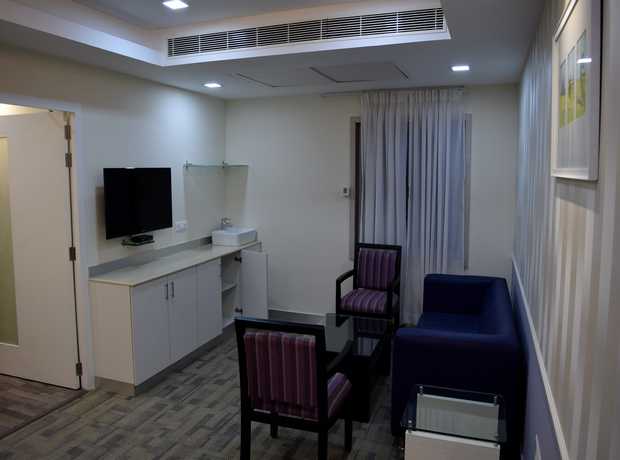

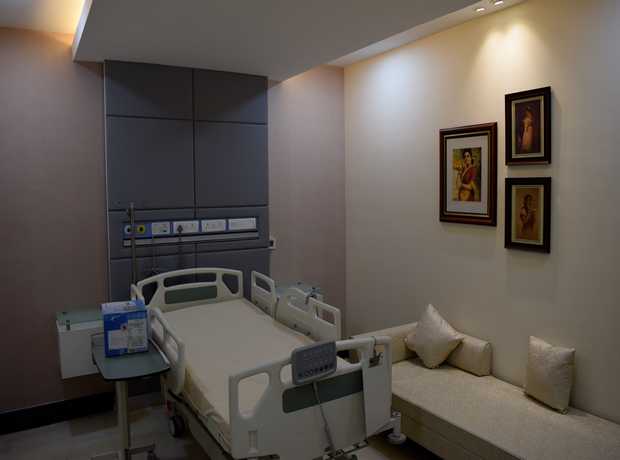
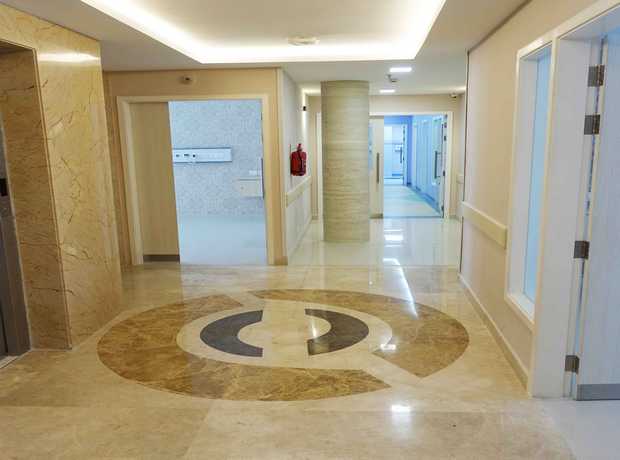
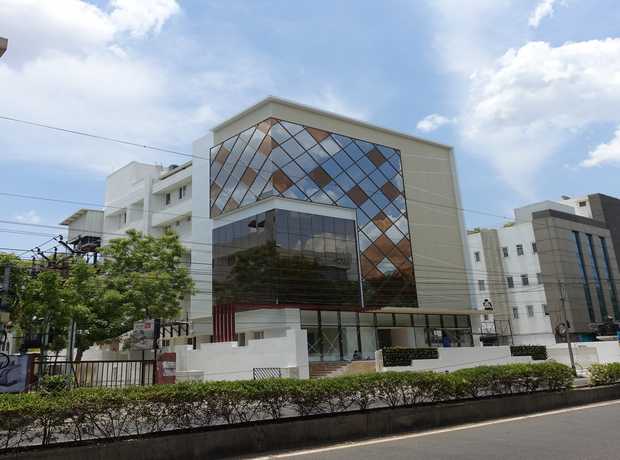












Meeting Stringent Hygiene Standards: The Frontline of Infection Control
Infection control is arguably the most paramount consideration in any healthcare setting. Hospital flooring is on the frontline of defense against healthcare-associated infections (HAIs). Therefore, it must be exceptionally easy to clean and disinfect, resisting the penetration of bodily fluids, chemicals, and contaminants. This necessitates materials with minimal seams, cracks, or grout lines where bacteria, viruses, and fungi can accumulate and thrive, proving difficult to eradicate. Seamless installation, therefore, becomes a non-negotiable requirement. Choosing materials with inherent antimicrobial properties or those treated with antimicrobial agents can provide an additional layer of protection, actively inhibiting the growth of microorganisms and significantly enhancing overall hygiene protocols. The ability of the flooring to withstand rigorous and frequent cleaning with harsh disinfectants without degrading is also essential for maintaining long-term sterility.
Key Considerations for Affordable Hospital Flooring and Surface Solutions in Dubai
Before embarking on the critical decision of selecting hospital flooring, a thorough evaluation of numerous essential factors is imperative. A balanced approach that weighs initial investment against long-term performance, safety, and hygiene is key to making a truly affordable and sustainable choice.
- Durability and Longevity: Healthcare environments endure immense wear and tear. Flooring must be engineered to withstand continuous heavy foot traffic, rolling loads from medical equipment (beds, trolleys, wheelchairs), and the constant movement of furniture. Opt for materials renowned for their resilience, abrasion resistance, and ability to maintain their structural integrity and appearance over many years, minimizing the need for frequent repairs or premature replacement.
- Hygiene and Infection Control: As previously emphasized, this is non-negotiable. Prioritize non-porous and impermeable options that prevent the absorption of liquids and inhibit microbial growth. Materials should be stain-resistant and able to withstand strong chemical cleaning agents without damage. Seamless installation is paramount to eliminate crevices where pathogens can hide.
- Safety: Slip resistance is crucial for patient and staff safety. Flooring must meet or exceed international slip-resistance standards, even when wet. Additionally, consider the ergonomic comfort of the flooring, opting for materials with some degree of cushioning to reduce fatigue for staff who spend extensive periods on their feet. Impact absorption can also protect patients from severe injuries during falls.
- Aesthetics: While functionality is primary, the visual appeal of hospital flooring significantly impacts the healing environment. Choose designs, colors, and patterns that promote a calming and healing atmosphere, reduce visual clutter, and can aid in wayfinding. Biophilic design principles, incorporating natural elements or patterns, can contribute to patient well-being.
- Cost-Effectiveness: This extends beyond the initial purchase price. True cost-effectiveness factors in the lifecycle costs, including installation, daily maintenance, cleaning chemical usage, energy savings (e.g., thermal insulation properties), potential repair costs, and expected lifespan. A cheaper upfront option might prove far more expensive over its lifetime due to high maintenance or frequent replacement needs.
- Chemical Resistance: Hospitals use a wide array of harsh chemicals for cleaning, disinfection, and medical procedures. The flooring must be highly resistant to these substances to prevent degradation, discoloration, and damage, ensuring its integrity and appearance are maintained over time.
- Acoustic Performance: Noise levels in hospitals can be high and disruptive. Flooring materials that offer good sound absorption can significantly reduce impact sound transmission and ambient noise, contributing to a quieter, more conducive environment for healing and concentration.
- Ease of Repair and Maintenance: Even the most durable flooring can suffer damage. Consider materials that are relatively easy and cost-effective to repair or replace in sections without disrupting large areas of the hospital, minimizing downtime.
- Sustainability: In line with Dubai’s vision, consider environmentally friendly options. Look for materials made from recycled content, those that are recyclable at the end of their life, or materials with low environmental impact during manufacturing. Certifications like LEED or BREEAM compliance can guide sustainable choices.
Types of Hospital Flooring Suitable for Dubai’s Unique Climate and Demands
Dubai’s often hot and humid climate, coupled with the intensive operational demands of healthcare facilities, necessitates specific material properties. The chosen flooring must be able to withstand significant temperature fluctuations, resist humidity-related issues like warping or moisture accumulation, and maintain its integrity under extreme conditions. Several options stand out:
- Epoxy Flooring: This seamless, highly durable, and chemical-resistant solution is ideal for high-traffic areas, operating theaters, laboratories, and other critical zones. It’s applied as a liquid, curing into a hard, non-porous surface that is exceptionally easy to clean and disinfect. Epoxy flooring offers excellent resistance to impact, abrasion, and a wide range of chemicals, making it a robust choice for sterile environments. Its seamless nature eliminates grout lines, significantly reducing areas where bacteria can harbor. It can also be customized with various colors and non-slip aggregates for enhanced safety.
- Vinyl Flooring (PVC): Highly versatile and cost-effective, vinyl flooring is a popular choice for many hospital areas, including patient rooms, corridors, and waiting areas. It comes in various forms, including sheet vinyl and luxury vinyl tile (LVT). Modern healthcare-grade vinyl is often infused with antimicrobial agents, making it an excellent option for infection control. It is resilient, comfortable underfoot, and relatively easy to clean. Sheet vinyl is preferred for clinical areas due to its fewer seams. Its wide range of colors and patterns also allows for aesthetic flexibility, contributing to a more welcoming environment.
- Rubber Flooring: Renowned for its exceptional slip resistance, comfort, and sound-absorbing properties, rubber flooring is highly suitable for high-traffic areas, emergency rooms, physical therapy zones, and staff breakrooms. It provides excellent ergonomic benefits, reducing fatigue for staff, and offers superior impact absorption, which is beneficial in areas where falls are a concern. Rubber is durable, resistant to chemicals, and easy to maintain. Many modern rubber flooring options are also made from recycled materials, aligning with sustainability goals.
- Linoleum Flooring: An environmentally friendly alternative, linoleum is made from natural, renewable raw materials such as linseed oil, wood flour, cork dust, and resins. It is naturally antimicrobial, biodegradable, and recyclable. Linoleum offers good durability, is comfortable underfoot, and comes in a wide array of colors. It is a seamless option that contributes positively to indoor air quality and sustainability initiatives.
- Terrazzo Flooring: While often associated with grand commercial spaces, modern epoxy terrazzo can be an excellent, durable, and aesthetically pleasing option for hospital lobbies, main corridors, and public areas. It is exceptionally hard-wearing, seamless, and can be customized with intricate designs. Its longevity and low maintenance requirements can make it a cost-effective choice in the long run, despite higher initial installation costs.
- ESD (Electrostatic Discharge) Flooring: For specialized areas like operating theaters, radiology suites, and server rooms where sensitive electronic equipment is present, ESD flooring is crucial. It dissipates electrostatic charges, preventing damage to equipment and ensuring patient and staff safety during delicate procedures. These specialized floors are often based on vinyl or rubber formulations with conductive properties.
Avoiding Common Mistakes When Selecting Hospital Flooring: Learning from Experience
Making informed decisions in hospital design requires an understanding not only of best practices but also of common pitfalls to avoid. Many mistakes, particularly with flooring, can lead to significant cost overruns, operational disruptions, and compromises in safety and hygiene. Skydome Designs has leveraged its nearly 30 years of global experience to identify these critical errors.
- Ignoring Stringent Infection Control Requirements: This is perhaps the gravest mistake. Opting for porous materials like certain types of carpet or unsealed concrete in clinical areas, or choosing tiles with wide, difficult-to-clean grout lines, creates ideal breeding grounds for bacteria and pathogens. Such choices actively undermine infection prevention efforts, jeopardizing patient health and leading to potential outbreaks and reputational damage. The focus must always be on non-porous, seamless, and easily decontaminable surfaces.
- Compromising on Durability for Lower Upfront Costs: The allure of cheap options can be strong, but it’s a false economy in a hospital setting. Inexpensive flooring often lacks the resilience to withstand heavy traffic, rolling loads, and frequent chemical cleaning. This leads to premature wear, unsightly damage, and the need for frequent repairs or, worse, complete replacement, incurring far greater costs and operational downtime over the long term than the initial savings.
- Neglecting Crucial Safety Standards: Failing to ensure adequate slip resistance, especially in areas prone to spills or heavy foot traffic, is a direct threat to patient and staff safety. Slip-and-fall incidents can result in severe injuries, lawsuits, and a negative perception of the facility. Always verify that selected materials meet or exceed local and international slip-resistance coefficients. Similarly, ignoring the ergonomic impact of flooring can lead to increased staff fatigue and associated issues.
- Poor Installation Practices: Even the highest quality materials can fail if not installed correctly. Improper subfloor preparation, inadequate adhesives, or faulty seam sealing can lead to lifting, cracking, moisture ingress, and the creation of bacterial traps. This compromises hygiene, durability, and aesthetics, leading to premature failure and requiring costly re-installation. This is why partnering with installers who understand the precise demands of healthcare environments is absolutely non-negotiable.
- Overlooking Specific Area Requirements: A hospital is not a monolithic entity; different zones have vastly different needs. Using the same flooring for an operating theater as for a waiting lounge is a mistake. Operating theaters require seamless, ESD, chemical-resistant, and easily sterilizable surfaces, while patient rooms might prioritize comfort, acoustics, and aesthetics. A one-size-fits-all approach is inefficient and ineffective.
- Failing to Consider Long-Term Maintenance Costs: The initial cost is just one piece of the puzzle. Some flooring materials, while affordable to purchase, demand extensive, specialized, and costly maintenance regimes over their lifespan. Factor in the cost of cleaning solutions, equipment, labor, and potential repairs or recoating when evaluating the true affordability of a solution.
- Ignoring Manufacturer’s Recommendations and Warranties: Deviation from manufacturer guidelines for installation or maintenance can void warranties, leaving the facility exposed to unforeseen costs if issues arise. Always adhere strictly to recommended practices and choose reputable manufacturers with robust warranties.
- Not Consulting with Expert Healthcare Planners and Designers: Attempting a complex hospital flooring project without expert input is a recipe for disaster. Healthcare design involves highly specialized knowledge of regulations, workflow, infection control, and patient psychology. Experts like Skydome Designs can bridge the gap between architectural vision and functional reality.
Expert Tips for Choosing Truly Affordable and High-Performing Solutions
Navigating the vast array of options for affordable hospital flooring and surface solutions in Dubai requires a strategic and informed approach. Here are Skydome Designs’ expert tips to ensure you make choices that are both fiscally responsible and functionally superior:
- Conduct Thorough Research and Due Diligence: Do not rush the decision. Invest ample time in researching different flooring materials, their properties, applications, and suitability for various hospital zones. Compare specifications, performance data, and real-world case studies from various reputable suppliers and manufacturers. Gather independent reviews and certifications.
- Consult with Experienced Healthcare Architects and Planners: Leverage the expertise of professionals who specialize in healthcare design. Firms like Skydome Designs possess invaluable knowledge of regulatory compliance, operational workflows, infection control protocols, and the unique challenges of hospital environments. Their insights can save you from costly mistakes and guide you toward optimal solutions.
- Request Samples and Conduct Real-World Testing: Theoretical specifications are one thing; practical application is another. Always request large samples of potential flooring materials. Test them under simulated hospital conditions – expose them to common chemicals, attempt to clean them, and assess their slip resistance when wet. Walk on them to gauge comfort and acoustic properties. This hands-on evaluation is crucial.
- Consider Lifecycle Costs, Not Just Initial Price: As mentioned, affordability is about more than the upfront cost. Develop a comprehensive financial model that factors in the initial purchase and installation, projected daily cleaning and maintenance expenses, energy costs (e.g., if underfloor heating is considered), potential repair costs, and the material’s estimated lifespan. A higher initial investment in a durable, low-maintenance material often proves significantly cheaper over its 10-20 year lifespan.
- Prioritize Quality and Certifications: Never compromise on the quality of materials, especially for areas critical to patient care. Look for materials that come with robust certifications for infection control, slip resistance, fire safety, and environmental impact (e.g., GreenGuard, LEED). These certifications provide assurance of performance and compliance.
- Understand Local Regulations and International Standards: Dubai’s healthcare sector operates under specific regulations. Ensure that all chosen flooring materials and their installation methods comply with local building codes, healthcare authority guidelines, and relevant international standards (e.g., JCI accreditation requirements). Expert healthcare designers, like our Dubai hospital experts at Skydome Designs, are adept at navigating these complex regulatory frameworks.
- Check References and Visit Existing Installations: Ask potential suppliers and installers for references from other healthcare facilities they have worked with. Where possible, visit these installations to observe the flooring’s performance, durability, and appearance after several years of use. This provides invaluable insights into long-term viability.
- Negotiate Smartly and Plan for Bulk Purchases: For large-scale hospital projects, leverage the volume of your purchase to negotiate better rates with suppliers. Planning for bulk purchases can significantly reduce per-unit costs and freight expenses.
The Unquestionable Importance of Professional Installation for Hospital Flooring
The best flooring material in the world is only as good as its installation. This truth is magnified in healthcare settings, where flaws in installation can have severe consequences, compromising not only the aesthetic integrity but, more importantly, infection control and patient safety. Proper installation is not just about laying a floor; it’s about creating a perfectly sealed, hygienic, and long-lasting surface that can withstand the unique rigors of a hospital.
Professional installers possess specialized knowledge of subfloor preparation, moisture mitigation, adhesive application techniques specific to different materials, and crucial seam welding or sealing. For seamless solutions like epoxy or sheet vinyl, the expertise to create a truly monolithic, watertight surface is paramount. Any gaps, bubbles, or unevenness can become traps for pathogens, making cleaning ineffective and compromising sterility. They also understand the critical curing times, environmental conditions required for installation, and how to minimize disruption in an active healthcare environment.
At Skydome Designs, we don’t just recommend quality materials; we ensure their flawless execution. We have proudly delivered 1517+ affordable hospital flooring and surface solutions assignments across Dubai and globally over 24+ years. Our commitment to excellence is reflected in our on‑time delivery rate of 99%, underpinned by rigorous multi‑disciplinary reviews and robust post‑occupancy support. This meticulous approach guarantees that our flooring solutions not only look impeccable upon completion but also perform optimally and hygienically throughout their extensive lifespan.
Skydome Designs: Your Strategic Partner for Hospital Interior Design in Dubai
Skydome Designs Pvt Ltd stands as a venerable and leading architecture and interior design firm, uniquely specializing in hospital and healthcare interiors. With a rich legacy spanning nearly three decades, we have consistently delivered innovative, sustainable, and supremely functional spaces that profoundly enhance patient experiences, optimize operational efficiency, and contribute to positive healing outcomes. Our approach is holistic, integrating cutting-edge design with an unwavering commitment to healthcare-specific requirements.
Our Extensive Expertise Includes:
- Hospital Interior Design: We excel in crafting every facet of hospital interiors, from tranquil patient rooms designed for comfort and recovery to highly specialized environments such as ICUs, OTs (Operating Theatres), diagnostic laboratories, and consultation areas. Our comprehensive facility planning ensures optimized care delivery pathways, streamlined workflows, and intuitive navigation. We pay special attention to intricate details like OT design, ensuring sterile zones and efficient surgical flows; ICU layout, optimizing patient monitoring and staff response times; and intuitive wayfinding systems that reduce patient and visitor stress while enhancing overall experience.
- Residential Projects: Our design prowess extends to creating bespoke residential spaces, including luxurious apartments, opulent condos, specialized senior housing facilities that blend comfort with accessibility, and community-focused interiors that foster a sense of belonging and well-being.
- Retail & Commercial Design: We bring our innovative design philosophy to the retail and commercial sectors, designing dynamic shopping malls, versatile mixed-use developments, cutting-edge corporate offices, and engaging entertainment centers that captivate audiences and drive commercial success.
- Interior Solutions & Turnkey Execution: Beyond conceptual design, Skydome Designs offers comprehensive interior solutions. This includes meticulous space planning, optimized furniture layouts for maximum functionality and comfort, sophisticated lighting design that enhances mood and visibility, and complete turnkey interior execution. This end-to-end service ensures seamless project delivery, from initial concept to the final finishing touches.
Why Choose Skydome Designs for Your Next Healthcare Project?
Partnering with Skydome Designs means choosing a legacy of excellence, a commitment to innovation, and a guarantee of unparalleled quality in healthcare interior design and flooring solutions:
- 29+ Years of Global and Local Expertise: Our extensive experience spans across India and numerous international locations, providing us with a global perspective tempered by local market understanding. This allows us to deliver designs that are world-class yet perfectly suited to the unique demands of Dubai.
- Dedicated In-House Multidisciplinary Team: We boast a formidable in-house team comprising highly skilled architects, specialized healthcare planners, meticulous project managers, and talented interior designers. This integrated approach ensures seamless coordination, efficient communication, and a cohesive design vision from inception to completion.
- Award-Winning, Client-Focused, and Sustainable Designs: Our commitment to design excellence has been recognized through numerous awards. Every project is deeply client-focused, ensuring that individual needs and visions are meticulously brought to life. Sustainability is not an afterthought but a core principle, integrated into every design choice, from material selection to energy efficiency. Our Dubai hospital experts are adept at ensuring all designs meet and exceed stringent local and international healthcare standards, including JCI guidelines.
- Proven Track Record of On-Time, On-Budget Delivery: We understand the critical importance of project timelines and financial accountability in healthcare development. Our projects are consistently delivered on-time and within budget, adhering to global standards of quality and efficiency. We are an award‑winning team, known for transparent costs, and robust milestone‑based reporting in Dubai. Our unparalleled expertise in navigating global design standards with local code expertise in Dubai ensures a seamless and compliant execution every time.
Don’t leave your hospital’s foundational elements to chance. Contact us today to discuss your hospital flooring and comprehensive interior design needs. Let Skydome Designs transform your vision into a reality that is both affordable and exemplary. 📞 Contact: +91 7299072144 | ✉️ Email: info@skydomedesigns.com
The Future of Hospital Flooring: Emerging Trends to Watch in Dubai
As Dubai continues its ambitious investment in healthcare infrastructure and aims to cement its status as a global medical tourism destination, the landscape of hospital flooring and surface solutions is constantly evolving. Staying ahead of these trends is crucial for creating future-proof facilities.
- Increased Focus on Sustainability and Green Building Materials: The demand for eco-friendly materials and sustainable practices is rapidly gaining prominence. This includes flooring made from recycled content, natural renewable resources (like linoleum), materials with low VOC emissions, and those that can be recycled at the end of their life cycle. Hospitals are increasingly seeking certifications like LEED or Estidama, driving innovation in sustainable flooring production and installation.
- Smart Flooring Technologies and IoT Integration: The advent of the Internet of Things (IoT) is extending to flooring. Future hospital floors may integrate sensors for a myriad of functions: monitoring patient movement to detect falls, tracking equipment location, assessing foot traffic patterns for operational efficiency, and even monitoring environmental conditions like temperature and humidity directly from the floor surface. This data can provide invaluable insights for patient safety, staff workflows, and facility management.
- Modular and Flexible Designs for Adaptability: Healthcare needs can change rapidly. Modular flooring systems that can be easily reconfigured, repaired, or replaced without significant disruption are gaining traction. This flexibility allows hospitals to adapt to new technologies, expand departments, or update aesthetics with minimal downtime, ensuring the facility remains agile and responsive to evolving demands.
- Enhanced Aesthetics and Biophilic Designs: The psychological impact of the environment on patient recovery is increasingly recognized. Future flooring will emphasize enhanced aesthetics, moving beyond purely functional designs. Biophilic designs, which incorporate natural patterns, textures, and colors, aim to connect patients with nature, promoting a sense of calm and reducing stress. Customized digital prints and artistic installations on floors will become more common, contributing to a less institutional and more therapeutic atmosphere.
- Advanced Coatings and Self-Healing Materials: Research is ongoing into advanced coatings that can provide enhanced antimicrobial properties, improved scratch resistance, and even “self-healing” capabilities, where minor scuffs or damages can repair themselves over time. These innovations will further extend the lifespan and hygiene of hospital flooring.
- Improved Acoustic Performance: As hospitals become busier, the need for quieter healing environments increases. Flooring materials with superior sound absorption will be further developed and utilized to mitigate noise pollution, enhancing patient comfort and improving communication for staff.
Conclusion: Investing Wisely in Your Hospital’s Foundation
Choosing the right affordable hospital flooring and surface solutions in Dubai is a decision of paramount importance, one that profoundly impacts patient well-being, staff safety, operational efficiency, and the long-term financial health of your healthcare facility. It’s a foundational element that dictates the very atmosphere, hygiene, and functionality of your space.
By meticulously considering the critical factors outlined in this comprehensive guide – prioritizing hygiene, durability, safety, and a holistic understanding of lifecycle costs – you can make informed choices that yield optimal returns. Avoiding common pitfalls and embracing expert advice from seasoned professionals are crucial steps toward success. Remember, true affordability lies not in the lowest upfront cost, but in the long-term value, performance, and peace of mind that quality brings.
Partnering with experienced professionals like Skydome Designs, with our nearly three decades of specialized healthcare interior design expertise, ensures that your vision for a world-class healthcare environment is realized. We bring a proven track record, an award-winning team, transparent processes, and an unwavering commitment to delivering spaces that are not only functional and aesthetically pleasing but also rigorously compliant with the highest standards of infection control and patient safety. Let us help you navigate the complexities and create a healthcare environment that truly heals and inspires.
FAQ – Affordable Hospital Flooring and Surface Solutions in Dubai
What are the most important factors to consider when choosing hospital flooring?
The most important factors include hygiene and infection control (non-porous, seamless, antimicrobial properties), durability (to withstand heavy traffic and equipment), safety (slip resistance, ergonomic comfort), ease of maintenance, chemical resistance, acoustic performance, and long-term cost-effectiveness.
What types of flooring are best for hospitals in Dubai’s climate?
Due to Dubai’s climate and the demanding nature of healthcare, excellent choices include epoxy flooring (seamless, durable, chemical-resistant), high-grade sheet vinyl flooring (antimicrobial options, versatile, easy to clean), and rubber flooring (slip-resistant, comfortable, sound-absorbing). Linoleum and specialized ESD flooring are also suitable for specific areas.
How can I ensure proper infection control with hospital flooring?
To ensure proper infection control, choose non-porous, seamless materials with minimal or no grout lines where bacteria can accumulate. Opt for materials with inherent antimicrobial properties or those treated with antimicrobial agents. Implement regular, rigorous cleaning and disinfection protocols using approved hospital-grade chemicals. Professional, seamless installation is also crucial to prevent hidden breeding grounds for pathogens.
What is the typical lifespan of high-quality hospital flooring?
The lifespan of hospital flooring varies based on the material, traffic levels, and maintenance quality. However, with proper installation and consistent, high-standard maintenance, quality hospital flooring like epoxy, commercial-grade vinyl, or rubber can last for 10-20 years, and sometimes even longer, proving to be a wise long-term investment.
How can Skydome Designs help with my hospital flooring and interior design project in Dubai?
Skydome Designs offers comprehensive, end-to-end hospital interior design services in Dubai, encompassing expert flooring selection, precise professional installation, and ongoing post-occupancy support. With nearly 30 years of specialized experience in healthcare facilities globally and locally, our Dubai hospital experts provide unparalleled guidance. We ensure your project adheres to the highest standards of hygiene, safety, functionality, and aesthetics, delivering on-time, on-budget, and to global quality standards. We handle everything from OT design and ICU layout to overall facility planning, integrating best practices in infection control and wayfinding.
Is sustainability a factor in hospital flooring choices in Dubai?
Absolutely. Dubai is increasingly focused on sustainability. Hospitals are encouraged to choose eco-friendly flooring options made from recycled content, natural renewable resources, or materials with low VOC emissions. Sustainable choices contribute to healthier indoor air quality, reduced environmental impact, and can support green building certifications, aligning with Dubai’s vision for a sustainable future.