Nairobi, a vibrant economic hub in East Africa, is experiencing an unprecedented surge in urban development. This growth isn’t just about constructing new buildings; it’s about crafting spaces that resonate, inspire, and perform. From sprawling commercial complexes to boutique residential projects and state-of-the-art healthcare facilities, the demand for sophisticated, functional, and aesthetically captivating interior branding and thematic design is at an all-time high. In this dynamic environment, where innovation meets strict regulatory frameworks and ever-evolving client expectations, traditional design methods are no longer sufficient. This is where Building Information Modeling (BIM) emerges not merely as an advantage, but as an absolute necessity.
This comprehensive guide delves deep into the nuances of BIM-led interior branding and thematic design in Nairobi, offering invaluable insights for architects, developers, interior designers, and project managers. Our aim is to equip you with the knowledge to navigate the complexities of modern design, avoid costly pitfalls, and ensure your projects are not only successful but also future-proof, sustainable, and impactful. We will explore how BIM transforms every stage of the design and construction lifecycle, from initial concept to post-occupancy evaluation, with a specific focus on the unique challenges and opportunities presented by the Nairobi market as we look towards 2025 and beyond.
Why BIM is Crucial for Interior Branding & Thematic Design in Nairobi
BIM is far more than just 3D modeling; it’s an intelligent process that creates and manages information on a construction project throughout its lifecycle. It’s a game-changer for the Architecture, Engineering, and Construction (AEC) industry, and particularly indispensable for interior branding and thematic design. In a rapidly evolving market like Nairobi, where precision, efficiency, and cost-effectiveness are paramount, BIM is fundamentally revolutionizing how interior spaces are conceived, developed, and realized. Its adoption signifies a shift from siloed workflows to integrated, collaborative project delivery, minimizing errors and maximizing value at every turn.
Improved Collaboration and Coordination: The Heart of BIM in Nairobi
The essence of BIM lies in its ability to facilitate unparalleled collaboration. By enabling all project stakeholders – including architects, interior designers, structural engineers, Mechanical, Electrical, and Plumbing (MEP) specialists, quantity surveyors, and contractors – to work concurrently on a single, shared, and intelligent 3D model, BIM acts as a central repository of truth. This fosters seamless communication, reduces inter-disciplinary conflicts, and significantly streamlines the entire design and construction process. Imagine a complex interior branding project for a new hotel in Nairobi; without BIM, coordinating the intricate details of thematic lighting, custom furniture, bespoke finishes, and integrated technology across multiple teams would be a logistical nightmare. With BIM, clashes are identified and resolved digitally before they manifest as costly on-site delays or rework, ensuring a cohesive and harmonious final product.
This improved coordination is particularly vital in Nairobi’s fast-paced construction environment, where project timelines are often aggressive and resources need to be optimized. For instance, Skydome Designs prides itself on its rigorous BIM-led coordination and multi-disciplinary reviews, a cornerstone of our success in delivering over 2194+ BIM-led interior branding and thematic design assignments across Nairobi and globally over 18+ years. This proactive approach ensures that architectural intent, structural integrity, and MEP services are seamlessly integrated from day one, reflecting our commitment to over 98% on-time project delivery.


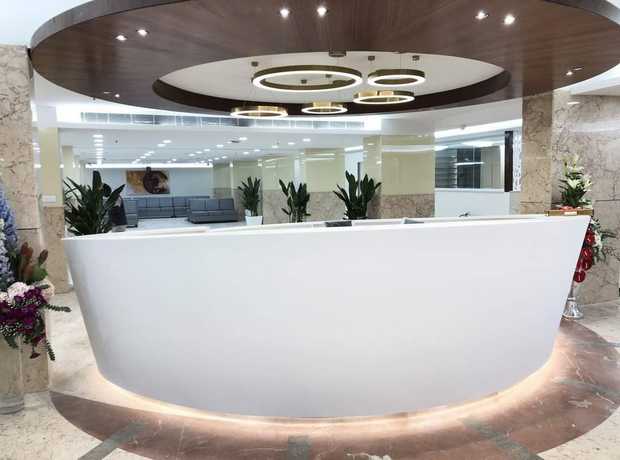
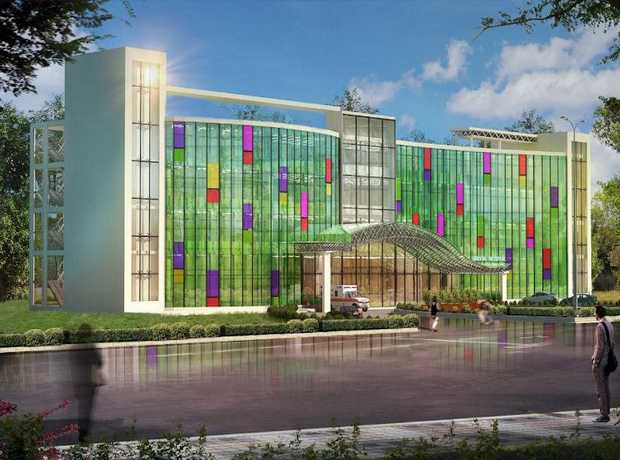
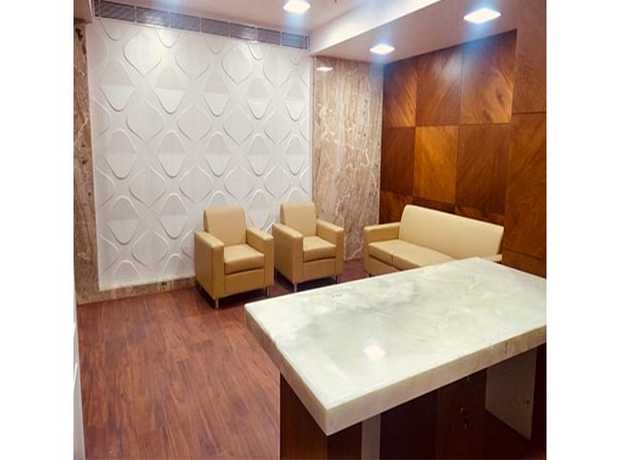
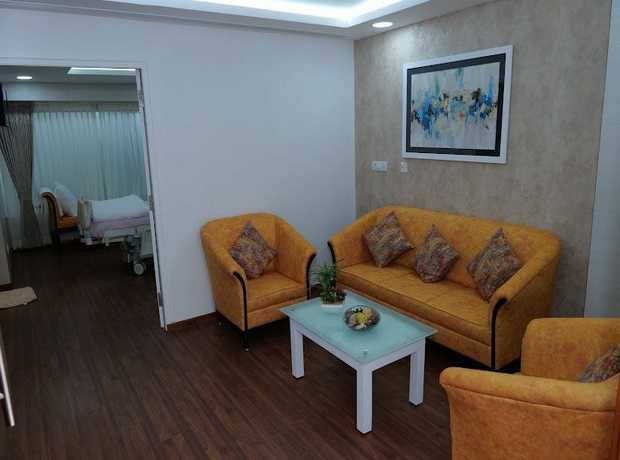


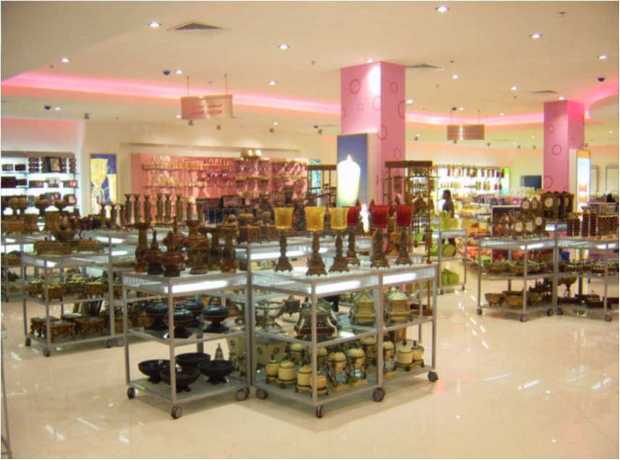
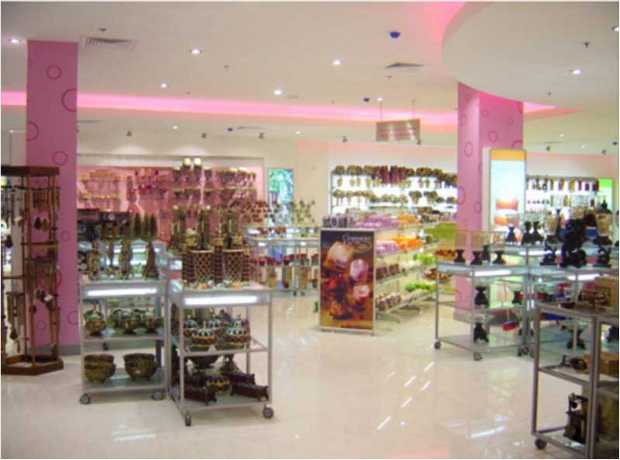
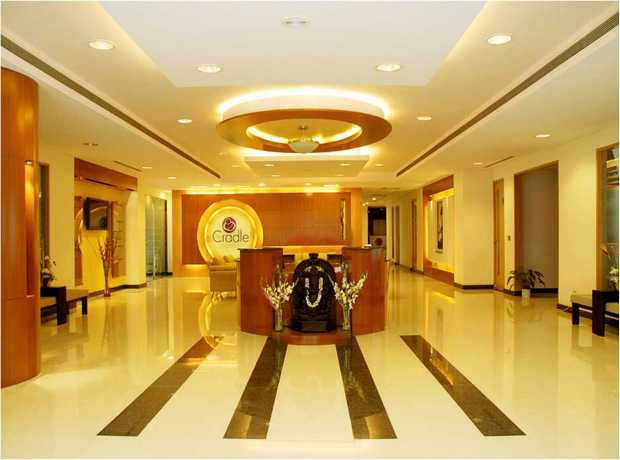
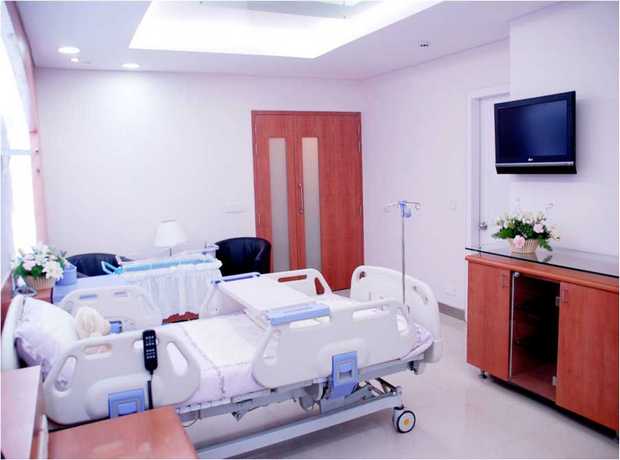

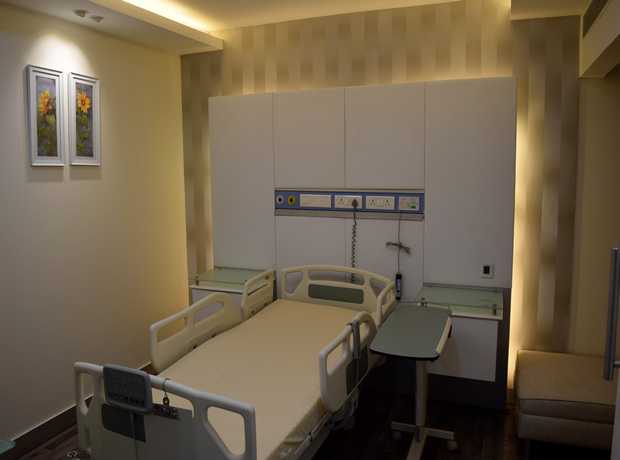
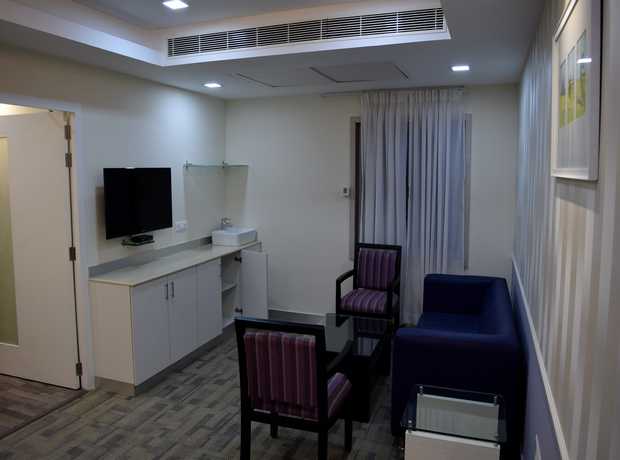

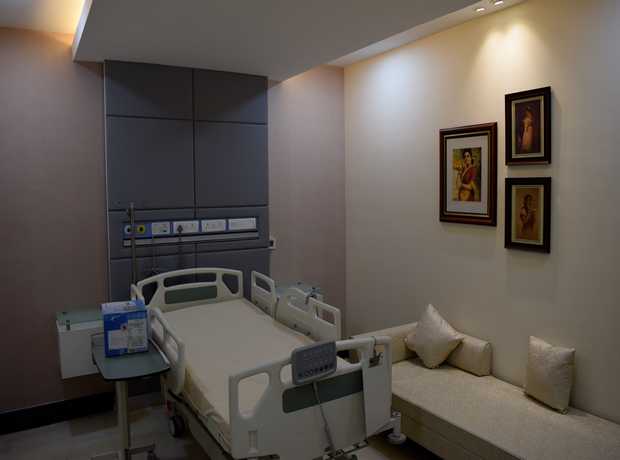
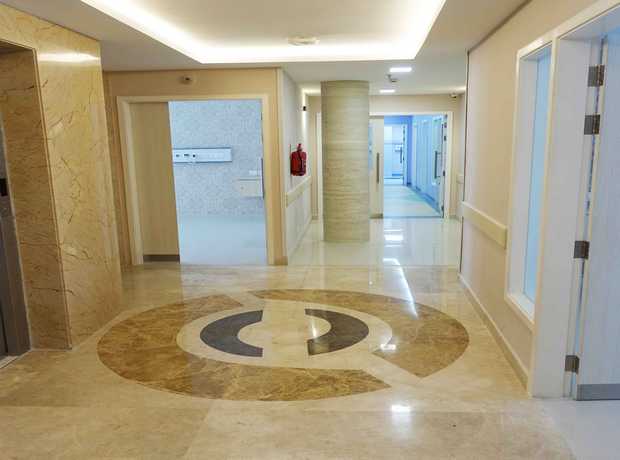
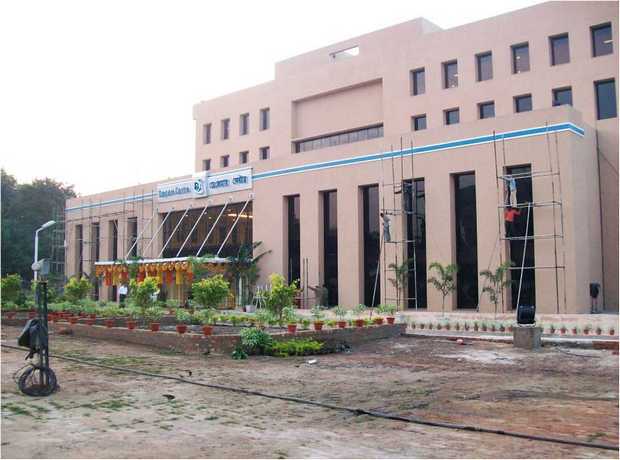
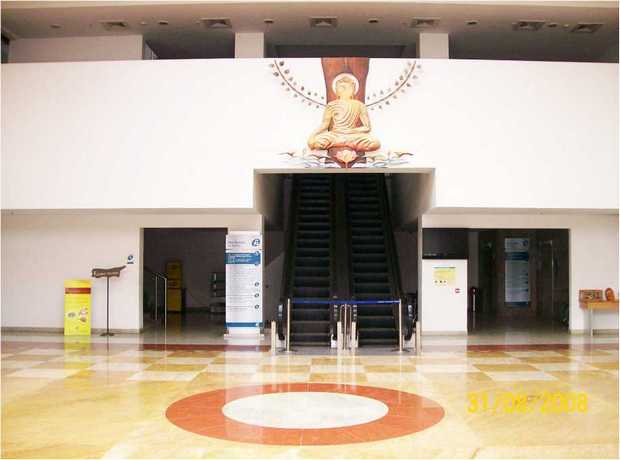
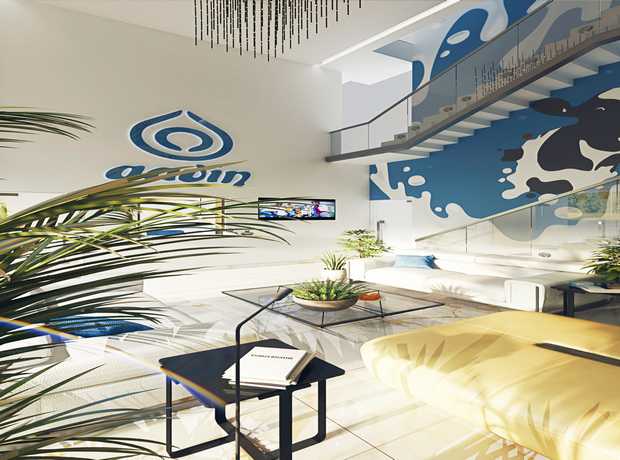
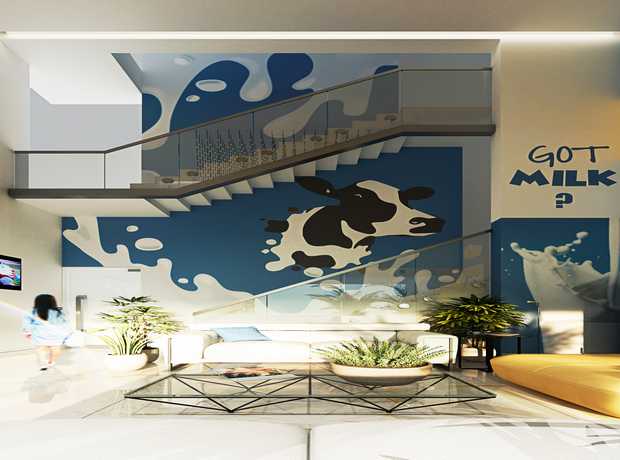
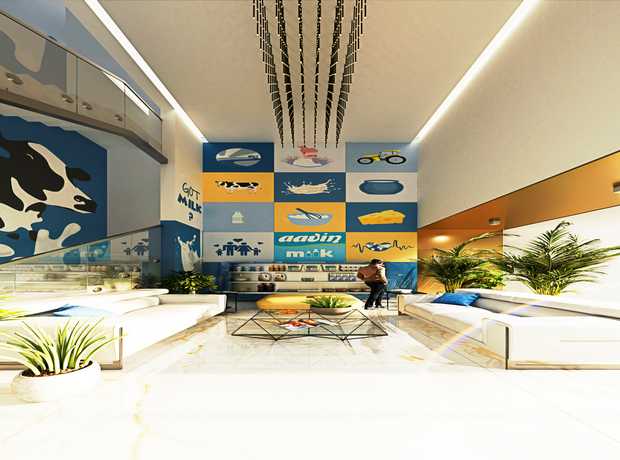
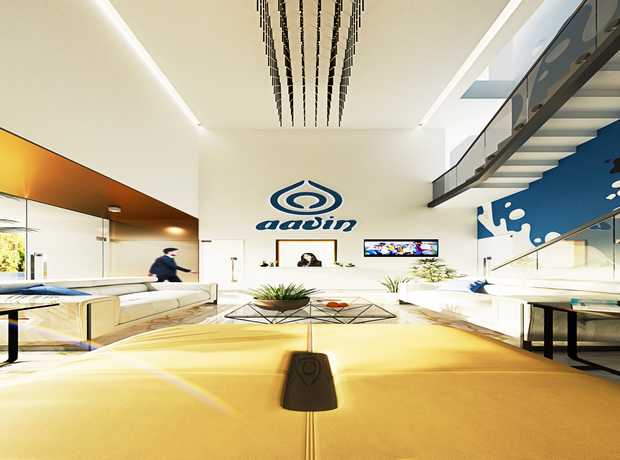


Enhanced Visualization and Design Validation: Bringing Visions to Life
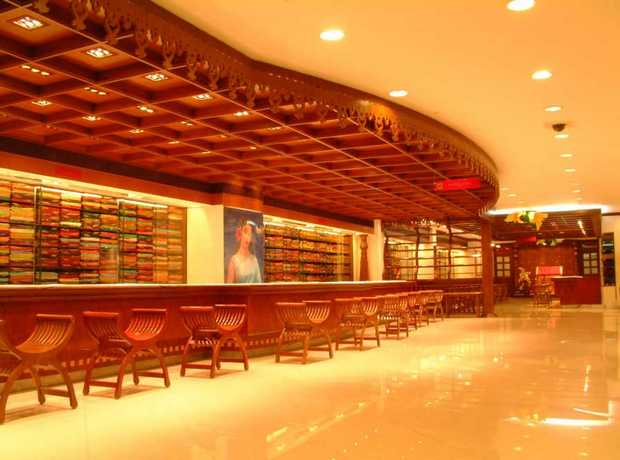
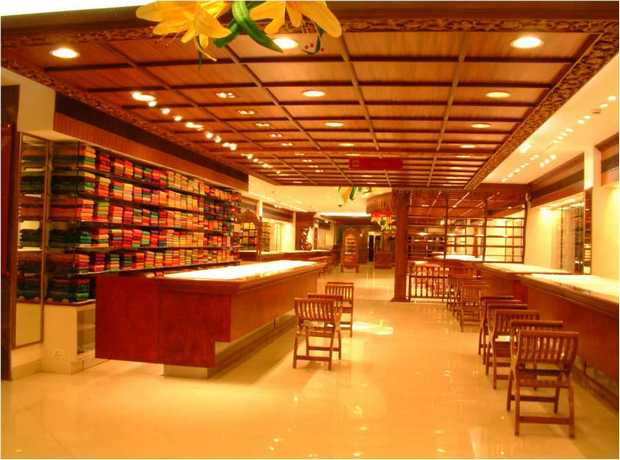
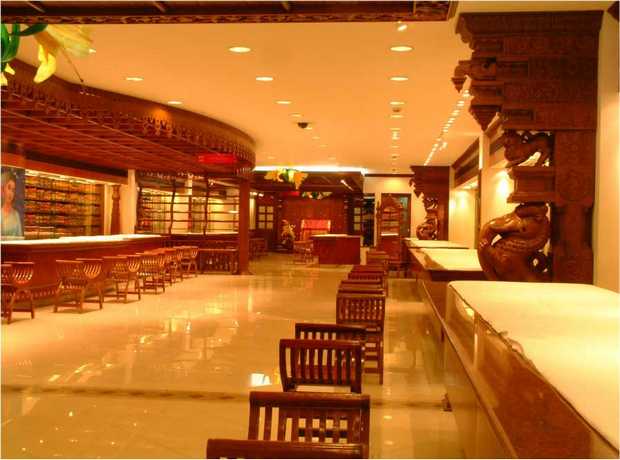
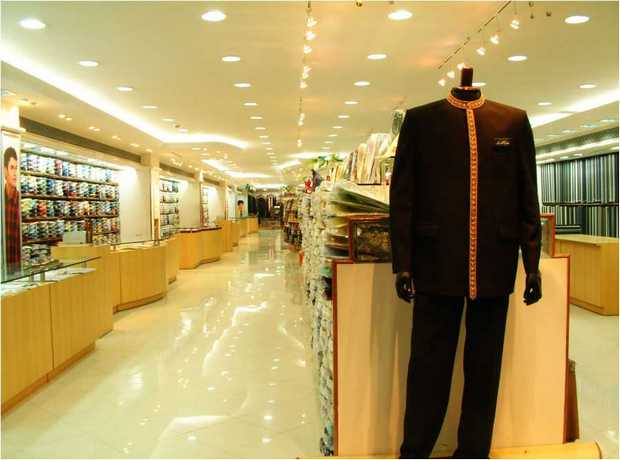
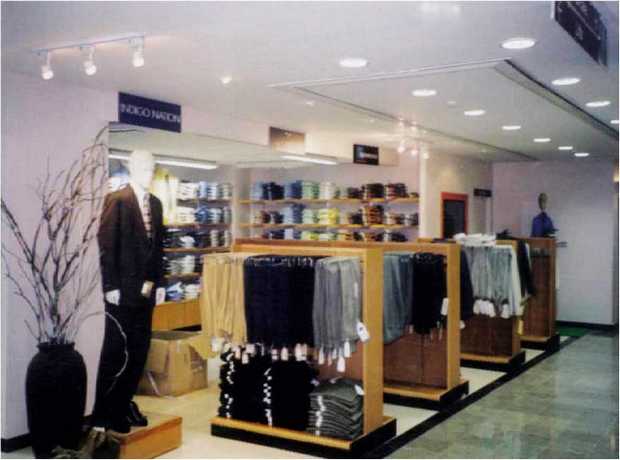
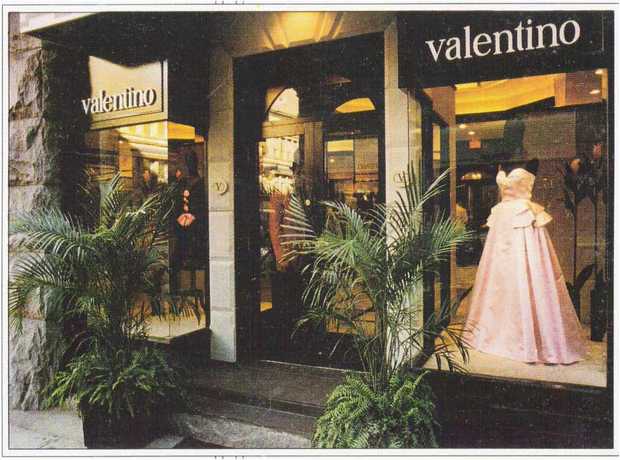
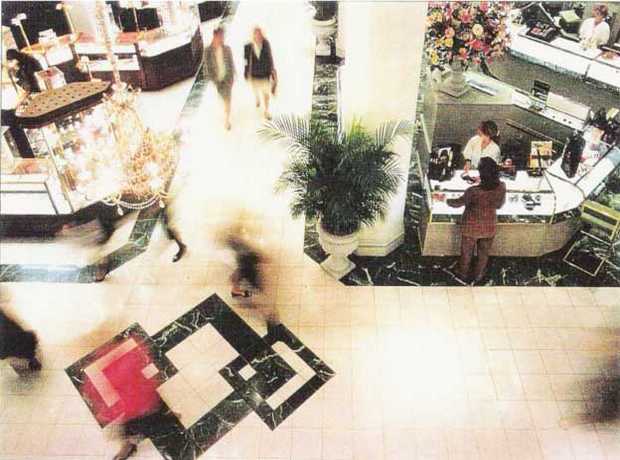
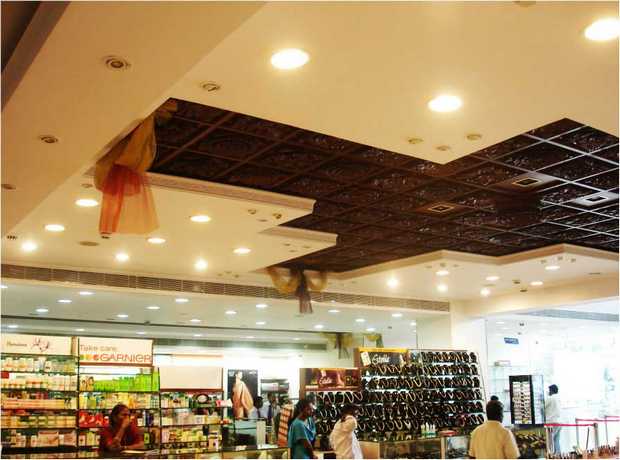
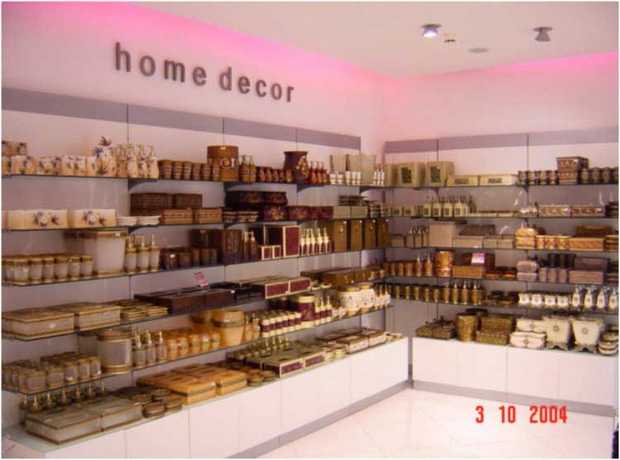
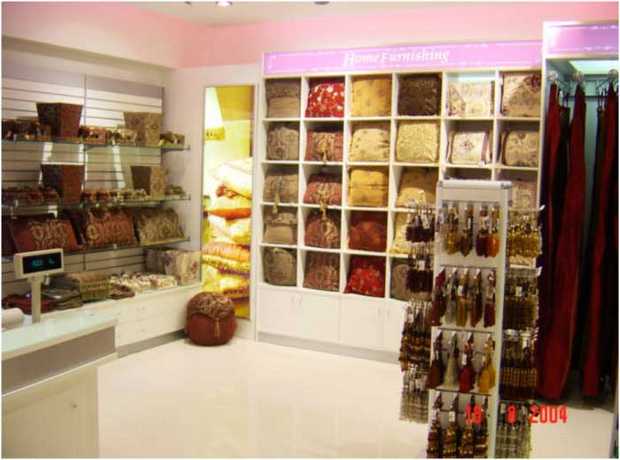
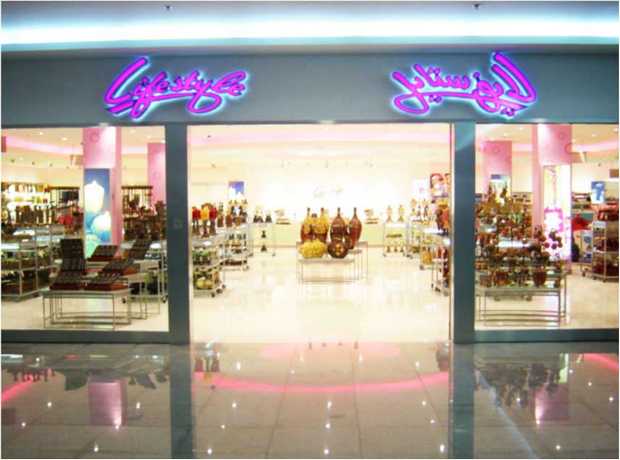
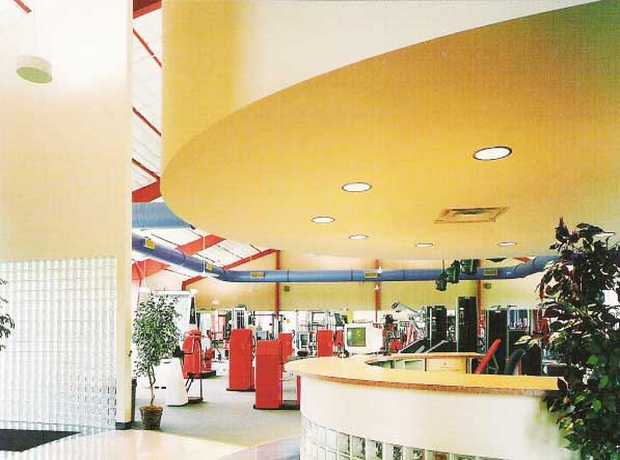
One of BIM’s most immediate and impactful benefits for interior design is its capacity for enhanced visualization. BIM models provide a realistic, comprehensive virtual representation of the final interior space, complete with materials, textures, lighting, and furniture. This capability helps clients, even those without a design background, intuitively understand the design intent and truly ‘experience’ the space before construction even begins. Imagine presenting your client with a fully rendered, interactive walkthrough of their new BIM-led interior branding and thematic design in Nairobi for a retail store or a hospital wing, allowing them to provide informed feedback on everything from spatial flow to color palettes and material choices. This early design validation is crucial for identifying potential issues, fine-tuning aesthetics, and making necessary adjustments in the digital realm, thereby saving significant time, money, and emotional investment down the line.
Furthermore, BIM enables designers to conduct various analyses, such as daylighting studies, energy performance simulations, and accessibility checks, directly within the model. This moves beyond mere aesthetics, allowing for data-driven design decisions that enhance functionality, sustainability, and user experience – all critical considerations for interior projects in Nairobi’s competitive landscape.
Reduced Errors and Rework: A Direct Path to Cost Savings
Perhaps the most compelling financial argument for BIM adoption is its profound impact on reducing errors and subsequent rework. By identifying clashes, inconsistencies, and constructability issues during the design phase – long before any physical work commences – BIM significantly mitigates the risk of costly delays, material waste, and on-site modifications. For a multi-story office interior in Nairobi, this means detecting conflicts between ceiling bulkheads, HVAC ducts, and lighting fixtures virtually, rather than discovering them during installation, which would necessitate tearing down completed work. Such preemptive problem-solving leads to faster project completion, adherence to budgets, and higher quality construction outcomes.
The meticulous nature of BIM, combined with comprehensive multi-disciplinary reviews, drastically minimizes the chances of misinterpretations or oversights that plague traditional 2D workflows. This level of precision is not just about saving money; it’s about building trust, enhancing reputation, and ensuring that complex BIM-led interior branding and thematic design projects in Nairobi are delivered with unwavering reliability and excellence.
Optimized Cost Efficiency and Budget Management
Beyond reducing errors, BIM inherently supports robust cost efficiency and budget management. Integrated within the BIM model are not just geometric data but also extensive information about materials, quantities, specifications, and even cost data. This allows for automated quantity take-offs, more accurate cost estimations, and real-time tracking of budget implications as design changes occur. For any developer or client undertaking a significant interior project in Nairobi, having a clear, transparent, and continuously updated view of project costs from conceptualization through construction is invaluable. BIM facilitates meticulous value engineering and quality control tailored to Nairobi‘s market, enabling teams to explore different design options, materials, and construction methods to achieve the desired aesthetic and functional outcomes within budget constraints without compromising quality.
Enhanced Project Lifecycle Management and Facility Operations
The benefits of BIM extend far beyond the construction phase. A well-developed BIM model contains rich data that can be leveraged for facility management and operations throughout the building’s entire lifecycle. For instance, after a hospital wing with sophisticated BIM-led interior branding and thematic design is completed in Nairobi, the BIM model can provide facility managers with critical information on equipment locations, maintenance schedules, warranty details, and even energy consumption data for specific systems. This facilitates proactive maintenance, optimizes operational efficiency, and significantly reduces long-term operational costs. For clients investing heavily in thematic design, ensuring longevity and ease of maintenance is paramount, and BIM delivers precisely that, providing a digital twin for ongoing management and future renovations.
Sustainability Integration and Performance Optimization
As global awareness of environmental impact grows, sustainable construction practices are becoming non-negotiable, particularly in forward-thinking cities like Nairobi. BIM is an unparalleled tool for integrating sustainability throughout the interior design process. Designers can use BIM to analyze a project’s environmental performance, including energy consumption, material selection, waste generation, and daylighting efficiency. This allows for informed decisions regarding sustainable materials, passive design strategies, and energy-efficient systems, leading to interiors that are not only beautiful but also environmentally responsible and cost-effective to operate. For a modern office space or a retail establishment aiming for green building certifications in Nairobi, BIM provides the analytical power to achieve ambitious sustainability targets, ensuring the thematic design aligns with eco-conscious principles.
Common Mistakes to Avoid in BIM-Led Interior Branding Projects
While BIM offers transformative advantages, its successful implementation is not automatic. Even with the most sophisticated software, human error, lack of strategic planning, or insufficient commitment can undermine its potential. When undertaking BIM-led interior branding and thematic design in Nairobi, being aware of common pitfalls is the first step towards avoiding them and ensuring your project stays on track, on budget, and meets its ambitious objectives.
Inadequate Planning and Data Input: The Foundation of Failure
The adage “garbage in, garbage out” applies emphatically to BIM. The effectiveness and reliability of a BIM model are directly proportional to the quality and accuracy of the data it contains. Rushing the initial planning phase, failing to define clear project goals, or neglecting to input detailed, verified data can lead to cascading errors. This includes incorrect dimensions, outdated material specifications, or insufficient information about existing conditions. For complex interior branding projects, every detail – from the exact shade of paint to the specification of a custom-fabricated display unit – must be meticulously documented. Spending the time upfront to accurately populate the BIM model with comprehensive, validated data is not merely a task; it’s a critical investment that yields significant dividends in accuracy, efficiency, and cost savings during the entire design and construction phases.
For instance, if a design calls for a specific themed wall paneling, not accurately capturing its dimensions, thickness, material composition, and installation method in the BIM model can lead to fabrication errors, clashes with hidden services, and costly delays on-site. Skydome Designs emphasizes a robust pre-design and data validation phase, leveraging our extensive experience from over 2194+ projects to ensure that every piece of information fed into our BIM models is precise and reliable.
Lack of Collaboration and Communication: Undermining BIM’s Core Strength
BIM is fundamentally a collaborative platform. Its power is diminished, if not entirely negated, if team members operate in silos, fail to communicate effectively, or are unwilling to share information openly and regularly. True BIM implementation requires a cultural shift towards integrated project delivery, where architects, interior designers, engineers, clients, and contractors actively engage with the shared model. In a diverse market like Nairobi, where multiple consultants from various backgrounds might be involved, establishing clear communication protocols, holding regular multi-disciplinary BIM coordination meetings, and using shared platforms are absolutely essential. Without this, conflicting information can emerge, leading to confusion, disputes, and rework, which BIM is designed to prevent.
Effective communication is also about timely feedback and decisive decision-making. Delays in approving changes or providing input can stall the BIM process and impact project timelines. Skydome Designs’ success, marked by over 98% on-time delivery, is intrinsically linked to our structured approach to communication and collaborative workflows, ensuring all stakeholders are aligned and informed throughout the project lifecycle, especially when dealing with intricate BIM-led interior branding and thematic design schemes.
Ignoring Local Building Codes and Regulations: A Costly Oversight
Nairobi, like any major city, has its own unique and often complex set of building codes, zoning regulations, and local authority requirements (such as those from the National Construction Authority or county governments). A common and extremely costly mistake is to proceed with design and construction without a thorough understanding and strict adherence to these local stipulations. Failing to comply can lead to significant delays, hefty fines, mandatory redesigns, and even project shutdowns. For interior branding, this can relate to fire safety standards, accessibility requirements, material restrictions, ventilation norms, and structural considerations that impact thematic elements. It is imperative that your design team possesses a deep, nuanced understanding of Nairobi’s specific regulatory landscape.
This is where Global design standards with local code expertise in Nairobi becomes a critical differentiator. Skydome Designs specializes in integrating cutting-edge international design trends with an unparalleled grasp of local building codes and regulations. This ensures that your designs are not only innovative, functional, and aesthetically pleasing but also fully compliant and poised for swift approval. Our experience spanning nearly three decades, delivering projects across India and abroad, has honed our ability to navigate diverse regulatory environments, making us an ideal partner for your Nairobi ventures.
Insufficient Training and Expertise: Underestimating the Learning Curve
BIM software, while powerful, requires specialized skills, knowledge, and ongoing training to be utilized to its full potential. Assuming that existing design personnel can simply ‘pick up’ BIM without dedicated education and practice is a recipe for inefficiency and frustration. Insufficient training leads to suboptimal use of the software, manual workarounds that negate BIM’s automation benefits, and a higher propensity for errors. Investing in proper, continuous training for your internal team is essential. Alternatively, partnering with Nairobi construction experts and design firms like Skydome Designs, who have a proven track record in BIM implementation and a team of highly proficient BIM professionals, can mitigate this risk. Our in-house team of architects, healthcare planners, and project managers are not just users of BIM; they are masters of its application, ensuring that your BIM-led interior branding and thematic design projects benefit from world-class expertise.
Over-Reliance on Technology Without Process Adaptation
BIM is a technological tool, but it’s also a fundamental shift in process. A common mistake is to acquire BIM software without simultaneously adapting internal workflows, project management strategies, and team structures. Simply porting old 2D drafting habits into a 3D BIM environment will not yield the desired benefits. The entire project delivery methodology must evolve to embrace BIM’s collaborative, data-rich nature. This involves establishing clear BIM execution plans (BEPs), defining levels of detail (LOD) for various project stages, and fostering a culture of information sharing and model-centric decision-making. Failing to adapt the process means you’re underutilizing BIM’s potential, turning it into an expensive 3D drafting tool rather than a powerful project management and optimization platform.
Neglecting Data Security and Interoperability
BIM models contain a vast amount of sensitive project data. Neglecting data security protocols can expose proprietary information or critical project details to risks. Similarly, interoperability – the ability for different software applications to exchange and utilize data from the BIM model – is crucial. A common mistake is selecting software or establishing workflows that create data silos, preventing seamless information exchange between different disciplines (e.g., architectural BIM software struggling to integrate with structural analysis tools or MEP design platforms). This necessitates manual data re-entry, increasing errors and wasting time. Ensuring robust security measures and planning for interoperability from the outset, often through open BIM standards like IFC (Industry Foundation Classes), is vital for a smooth and efficient project.
Ignoring Post-Occupancy Support and Lifecycle Data
Many projects view BIM as concluding at construction handover. However, one of BIM’s most significant, yet often overlooked, advantages is its utility for facility management and post-occupancy support. Failing to plan for how the BIM model will be maintained, updated, and utilized after project completion is a missed opportunity. The rich data within the ‘as-built’ BIM model is invaluable for maintenance schedules, asset tracking, space management, and future renovations. For sophisticated interior branding with intricate thematic elements, knowing the exact specifications and installation details of every component throughout its lifespan can save immense time and cost. Skydome Designs specifically emphasizes post-occupancy support as a key component of our service, ensuring that the value generated by BIM extends well beyond the ribbon-cutting ceremony.
Expert Tips for Successful BIM-Led Interior Branding in Nairobi in 2025
Achieving excellence in BIM-led interior branding and thematic design in Nairobi requires more than just avoiding mistakes; it demands proactive strategies and a forward-thinking approach. As we look towards 2025, the competitive landscape and technological advancements necessitate a refined methodology. Here are some expert tips, deeply informed by Skydome Designs’ extensive experience, to ensure your projects stand out, perform exceptionally, and contribute positively to Nairobi’s evolving urban fabric.
Embrace Global Design Standards with Local Code Expertise: The Skydome Advantage
The most successful interior branding projects in Nairobi will be those that strike a perfect balance between global aesthetic trends and strict local compliance. It’s about drawing inspiration from international best practices in design, sustainability, and functionality, while simultaneously possessing an in-depth, granular understanding of Nairobi’s specific building codes, cultural nuances, and material availability. This approach prevents designs from feeling generic or, conversely, from running into regulatory roadblocks. For example, applying a minimalist Nordic design aesthetic to a Nairobi retail space would require careful consideration of local material sourcing, climate control needs, and fire safety regulations that might differ significantly from European standards.
This synergy is precisely what Skydome Designs specializes in. We integrate cutting-edge global design standards with a deep, practical knowledge of Nairobi’s architectural and regulatory environment. Our 29+ years of experience across India and abroad, coupled with a track record of over 2194+ successful projects, equips us to deliver designs that are both innovative and impeccably compliant. Choosing a partner who masterfully bridges this gap is paramount for seamless project execution in Nairobi. Contact Skydome Designs today at +91 7299072144 to discuss how our global design perspective and local expertise can elevate your Nairobi project.
Prioritize Value Engineering and Rigorous Quality Control Tailored to Nairobi
BIM is an extraordinary enabler of value engineering. By creating a digital model, designers can explore a myriad of design options, materials, and construction methodologies without physical prototypes. This allows for rigorous analysis of cost implications versus performance and aesthetic outcomes. Prioritize using BIM to identify cost-saving opportunities, optimize material use, and streamline construction sequences without ever compromising on the design intent or quality. For a thematic interior design, this might involve exploring alternative sustainable materials that offer a similar aesthetic effect at a lower cost, or optimizing fabrication processes for custom elements to reduce waste.
Beyond initial design, implementing rigorous quality control measures throughout the BIM process is non-negotiable. This involves regular model audits, clash detection sessions, and adherence to established BIM execution plans. The goal is to ensure the accuracy, reliability, and consistency of your BIM models from conception to handover. Skydome Designs excels in this area, embedding meticulous value engineering and quality control tailored to Nairobi’s specific market conditions and project complexities. This proactive approach minimizes unforeseen issues and ensures predictable outcomes, a hallmark of our over 98% on-time project delivery rate.
Focus on Sustainable Construction Practices and Biophilic Design
Sustainability is no longer a niche concern but a core requirement for modern design. In Nairobi, incorporating sustainable design principles into your BIM-led interior branding and thematic design models is not only environmentally responsible but also economically savvy. BIM allows for comprehensive analyses of energy performance, material lifecycle assessments, and waste reduction strategies. This includes specifying locally sourced, recycled, or rapidly renewable materials, optimizing natural light and ventilation, and integrating smart building technologies for energy management.
Furthermore, consider integrating biophilic design principles – connecting occupants with nature – through natural light, indoor planting, natural materials, and views to the outdoors. Such designs improve occupant well-being, productivity, and overall experience, which is particularly valuable for healthcare, hospitality, and corporate interiors. Collaborating with experts in sustainable construction, such as Skydome Designs, can help you optimize your designs for maximum environmental benefit and long-term operational savings, creating healthier, more comfortable, and highly appealing spaces.
Leverage Design-Build Advantages for Streamlined Delivery
The traditional design-bid-build model can often lead to adversarial relationships and communication breakdowns between the design and construction teams. A design-build approach, where a single entity or integrated team is responsible for both design and construction, offers significant advantages, especially for complex BIM-led interior branding projects. This method fosters unparalleled collaboration from the outset, allowing for continuous feedback between designers and builders, which improves constructability, reduces risks, and often accelerates project timelines. It simplifies communication channels, streamlines decision-making, and creates a unified vision for the project, leading to more efficient and higher-quality outcomes.
For developers in Nairobi seeking predictable project delivery and enhanced accountability, the design-build model, especially when anchored by robust BIM processes, can be highly effective. This approach minimizes change orders and budget overruns, ensuring that the thematic design vision is realized faithfully and efficiently. To learn more about how a design-build approach powered by BIM can benefit your next project, talk to Skydome Designs today.
Ensure BIM-Led Coordination and Multi-Disciplinary Reviews for Seamless Integration
The true power of BIM in complex interior projects is unlocked through rigorous, proactive coordination. This isn’t just about running clash detection reports; it’s about establishing a systematic process for multi-disciplinary reviews where every stakeholder – from architects and interior designers to structural engineers and MEP consultants – actively engages with the shared BIM model. These reviews are critical for ensuring that the intricate details of interior branding, such as custom joinery, integrated lighting, themed art installations, and specialized equipment, harmonize perfectly with the underlying building systems.
Our extensive experience, having delivered over 2194+ BIM-led interior branding and thematic design assignments across Nairobi and globally over 18+ years, has cemented our commitment to this approach. Our more than 98% on‑time delivery rate is a direct result of meticulous multi‑disciplinary reviews and precise BIM‑led coordination. This ensures a seamless integration of architectural aesthetics, robust structural engineering, and efficient MEP services, preventing costly conflicts and rework on-site. When you partner with Skydome Designs, you’re investing in a methodology that guarantees coherence and precision from concept to completion. Call Skydome Designs today at +91 7299072144 to discuss your project and experience the power of truly coordinated design.
Strategic Partner Selection: Choose Expertise and Experience
The success of your BIM-led interior branding and thematic design in Nairobi heavily relies on the expertise of your project team. Selecting a partner with a proven track record, deep BIM proficiency, and relevant experience in your specific project type (e.g., healthcare, retail, residential) is paramount. Look for firms that not only use BIM software but truly understand the underlying processes and can leverage its full capabilities for design optimization, clash detection, and project management. Their ability to integrate global design standards with local code expertise in Nairobi is a non-negotiable criterion. A partner like Skydome Designs, with nearly 30 years of experience and a history of delivering complex projects globally, offers an invaluable advantage, ensuring your project is handled with seasoned professionalism and innovative solutions.
Continuous Learning and Technology Integration
The world of BIM and design technology is constantly evolving. New software versions, plugins, and methodologies emerge regularly. To stay at the forefront, project teams must commit to continuous learning and be open to integrating new technologies. This could include adopting virtual reality (VR) or augmented reality (AR) tools for more immersive client presentations, utilizing generative design for exploring optimal layouts, or employing advanced data analytics to extract deeper insights from BIM models. Staying updated ensures that your BIM-led interior branding and thematic design projects benefit from the latest efficiencies and innovative possibilities, keeping you competitive in Nairobi’s dynamic market.
Robust Client Engagement and Feedback Loops
While BIM enhances the technical aspects of design, effective client engagement remains critical for subjective elements like branding and thematic design. Establish clear, regular feedback loops with clients using BIM models as the primary communication tool. The enhanced visualization capabilities of BIM allow clients to interact with the design in a meaningful way, fostering clearer understanding and accelerating decision-making. Ensure that client feedback is systematically captured, integrated into the BIM model, and reviewed collaboratively. This iterative process not only refines the design but also builds client confidence and satisfaction, ensuring the final interior branding perfectly aligns with their vision and strategic objectives.
Comprehensive Risk Management and Contingency Planning
No project, regardless of the tools used, is entirely free from risks. However, BIM significantly aids in identifying and mitigating potential risks early in the design phase. By visualizing construction sequences, detecting clashes, and simulating various scenarios, project teams can proactively develop contingency plans. For a complex interior branding project involving bespoke elements or imported materials, understanding potential supply chain delays or fabrication challenges through BIM can help in planning for alternative solutions. Implement a robust risk management framework that leverages the data-rich environment of BIM to anticipate challenges and maintain project momentum, a strategy central to Skydome Designs’ successful project delivery across diverse geographical contexts.
Post-Occupancy Evaluation and Performance Monitoring
The lifecycle benefits of BIM extend into post-occupancy. Incorporate a plan for post-occupancy evaluation (POE) where the performance of the completed interior space is assessed against its initial design goals, especially for thematic designs and branding elements. This involves gathering data on user satisfaction, energy consumption, maintenance needs, and the effectiveness of the branding message. The ‘as-built’ BIM model serves as an invaluable resource for this, providing a baseline for comparison and informing future design decisions. Skydome Designs understands the importance of this long-term perspective, emphasizing post-occupancy support underpin outcomes, ensuring that the spaces we create continue to deliver value and perform optimally well into the future.
Skydome Designs: Your Partner for BIM-Led Interior Branding in Nairobi
Skydome Designs Pvt Ltd is not just an architecture and interior design firm; we are innovators, problem-solvers, and custodians of design excellence with a profound commitment to client success. With nearly 30 years of rich experience, our journey has spanned diverse geographies and complex project typologies, delivering transformative spaces that resonate with their purpose and inspire their occupants. We are a leading force in the industry, specializing in hospital and healthcare interiors, sophisticated residential projects, and dynamic retail & commercial spaces. Our methodology is rooted in delivering innovative, sustainable, and highly functional spaces that not only enhance experiences and operational efficiency but also stand as testaments to meticulous planning and execution.
Our extensive track record speaks for itself: we have proudly delivered over 2194+ BIM-led interior branding and thematic design assignments across Nairobi and globally over 18+ years. This vast portfolio reflects our deep expertise and unwavering commitment to quality. Our consistently high performance, marked by an impressive on-time delivery rate exceeding 98%, is a testament to our robust processes, including rigorous multi-disciplinary reviews and comprehensive post-occupancy support, which collectively underpin the exceptional outcomes we achieve for our clients.
What We Do: Crafting Excellence in Every Detail
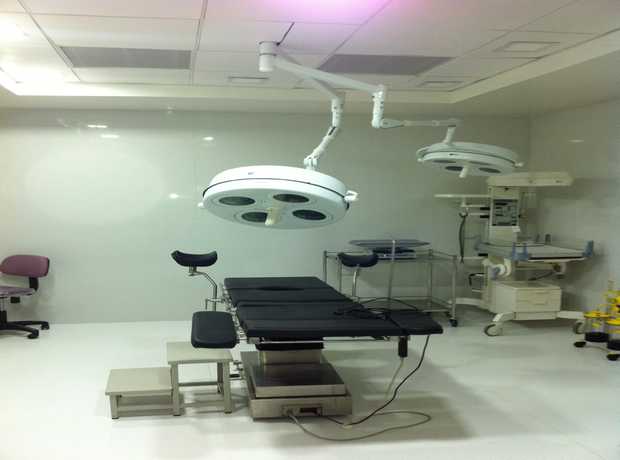
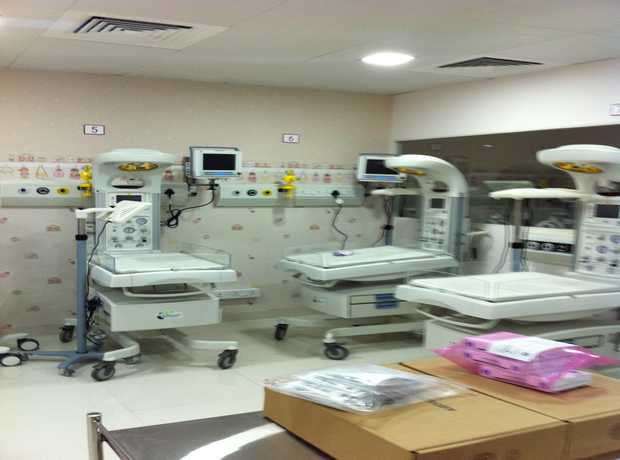
- Hospital and Healthcare Interior Design: From critical patient rooms, Intensive Care Units (ICUs), and Operation Theatres (OTs) to advanced laboratories, serene consultation areas, and comprehensive facility planning, we meticulously design spaces optimized for patient care, staff efficiency, and a healing environment. Our BIM-led approach ensures that complex medical equipment, safety protocols, and intricate thematic elements are flawlessly integrated.
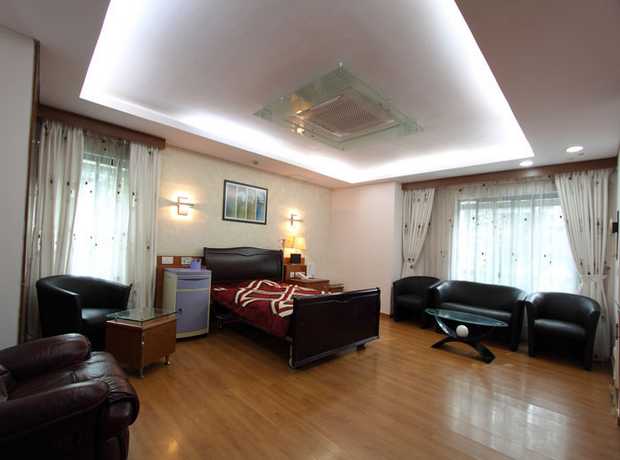
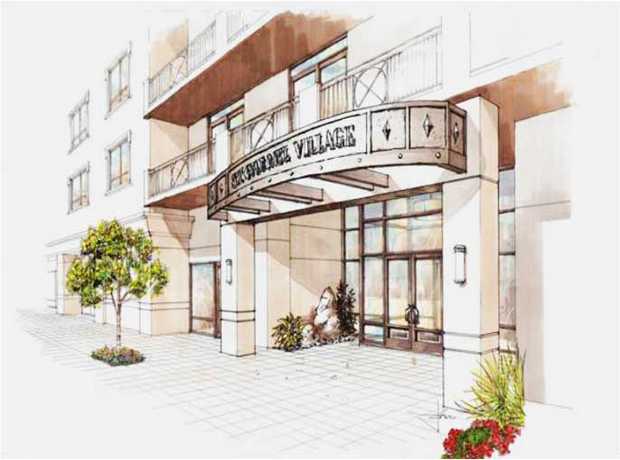
- Residential Projects: We craft inspiring living spaces, whether it’s luxury apartments, sophisticated condominiums, senior housing facilities, or community-focused interiors. Our designs blend aesthetic appeal with functional elegance, creating homes that truly reflect the aspirations and lifestyles of their inhabitants, always leveraging BIM for precision and client visualization.
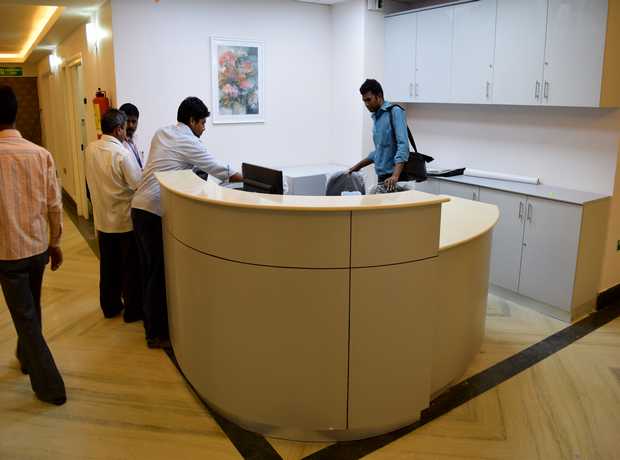
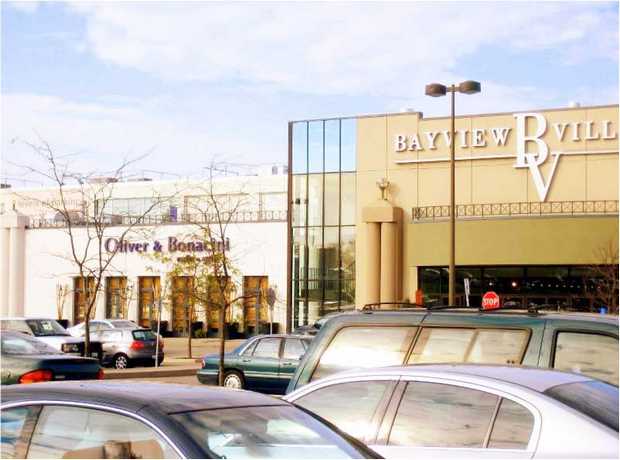
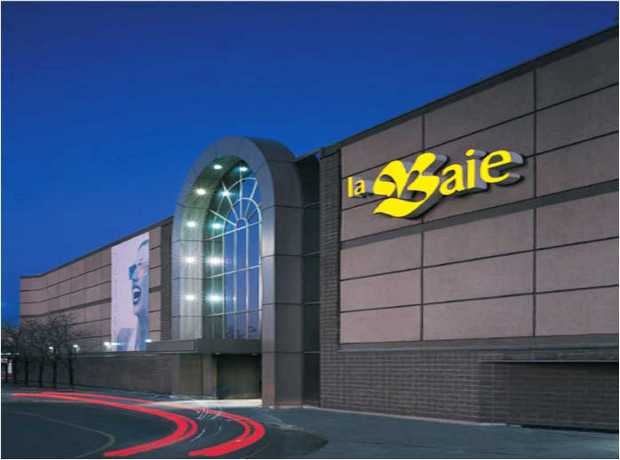
- Retail & Commercial Design: From sprawling shopping malls and vibrant mixed-use developments to innovative corporate offices and captivating entertainment centers, we design commercial spaces that enhance brand identity, optimize customer flow, and drive business success. Our thematic designs are strategically crafted to create memorable experiences and resonate with target audiences in Nairobi’s competitive market.
- Comprehensive Interior Solutions: Our services encompass every facet of interior design, including intelligent space planning, ergonomic furniture layouts, cutting-edge lighting design, and full turnkey interior execution. We provide end-to-end solutions, ensuring that every element of your interior branding and thematic design is executed to perfection, supported by robust BIM processes for accuracy and efficiency.
Ready to transform your vision into a remarkable reality? Contact Skydome Designs today at +91 7299072144 to discuss your project or email us at info@skydomedesigns.com. Let our expertise be the foundation of your success in Nairobi.
Why Choose Us: Unmatched Expertise and Proven Results
- 29+ Years of Extensive Experience: Our nearly three decades of design and architecture experience span across India and numerous international markets, including significant projects that align with the demands of Nairobi. This global exposure ensures a nuanced understanding of diverse design challenges and solutions.
- In-House Multi-Disciplinary Team: We boast a dedicated in-house team of highly skilled architects, specialized healthcare planners, expert interior designers, and meticulous project managers. This integrated approach fosters seamless communication and coordination, ensuring that every aspect of your project, from conceptualization to execution, is handled by top-tier professionals.
- Award-Winning, Client-Focused, and Sustainable Designs: Our commitment to excellence has been recognized through numerous accolades. We pride ourselves on creating designs that are not only aesthetically stunning but also deeply client-focused, tailored to specific needs and aspirations, and fundamentally sustainable, contributing positively to the environment and operational efficiency.
- Projects Delivered On-Time, On-Budget, and to Global Standards: Our stellar track record of over 98% on-time delivery and adherence to budget is a testament to our rigorous project management and BIM-led processes. We consistently deliver projects that meet and exceed global design and construction standards, ensuring superior quality and client satisfaction, particularly vital for complex BIM-led interior branding and thematic design in Nairobi.
- Global Design Standards with Local Code Expertise in Nairobi: We uniquely combine cutting-edge international design trends with a profound understanding of Nairobi’s local building codes and cultural context. This dual expertise guarantees designs that are innovative, compliant, and perfectly suited to the Kenyan market. Our BIM-led coordination, value engineering, and quality control are precisely tailored to Nairobi, ensuring optimal project outcomes.
If you’re seeking a reliable and innovative Nairobi BIM-led interior branding and thematic design company that delivers results, look no further. Contact Skydome Designs today! We are ready to bring your vision to life with precision, creativity, and proven excellence.
FAQ: BIM-Led Interior Branding and Thematic Design in Nairobi
Understanding the intricacies of BIM and its application in interior design can spark numerous questions. Here are some frequently asked questions to provide further clarity on BIM-led interior branding and thematic design in Nairobi:
What is BIM and why is it important for interior design?
BIM, or Building Information Modeling, is an intelligent 3D model-based process that gives architecture, engineering, and construction (AEC) professionals the insight and tools to more efficiently plan, design, construct, and manage buildings and infrastructure. For interior design, it is paramount because it transforms traditional 2D workflows into a collaborative, data-rich environment. This facilitates superior visualization of the final space, enhances inter-disciplinary coordination (especially for complex thematic elements), reduces errors and rework significantly, and provides comprehensive data for facility management post-construction. Essentially, BIM makes interior design projects in Nairobi more efficient, cost-effective, and aligned with client expectations.
How much does BIM-led interior design cost in Nairobi?
The cost of BIM-led interior design services in Nairobi can vary significantly based on several factors, including the project’s size, complexity, the level of detail required in the BIM model (LOD), the scope of services (e.g., design-only vs. design-build), and the specific expertise of the firm. While initial investment in BIM software and training might seem higher, BIM often leads to substantial long-term cost savings by drastically reducing errors, minimizing rework, accelerating project timelines, and optimizing material use. These efficiencies translate to overall lower project costs and better return on investment. It’s an investment in precision and predictability. For a tailored cost estimate for your specific project, we recommend contacting Skydome Designs for a detailed consultation.
What are the key benefits of using BIM for interior branding?
The key benefits of using BIM for interior branding are multifaceted:
- Enhanced Visualization: Clients can virtually experience the brand’s aesthetic and thematic elements before construction, ensuring alignment with their vision.
- Improved Collaboration: Seamless coordination among designers, branding specialists, and contractors ensures a cohesive implementation of the brand identity.
- Reduced Errors and Rework: Clash detection prevents conflicts between design elements and building systems, saving time and money.
- Better Cost Control: Accurate quantity take-offs and value engineering opportunities lead to optimized budgeting and resource allocation.
- Faster Project Completion: Streamlined workflows and reduced on-site issues contribute to quicker project delivery.
- Consistent Brand Application: BIM ensures every thematic element, from finishes to fixtures, consistently reflects the brand guidelines.
- Sustainable Design Integration: Easily incorporate and analyze sustainable materials and practices into branded spaces.
How can I find qualified BIM professionals and firms in Nairobi?
To find qualified BIM professionals and firms in Nairobi, look for several key indicators:
- Proven Track Record: Examine their portfolio for past BIM-led projects, particularly those related to interior branding and thematic design. Ask for client testimonials and references.
- Experience and Years in Business: Firms with extensive experience (like Skydome Designs’ nearly 30 years) often possess a deeper understanding of BIM’s nuances and practical application.
- Trained and Certified Professionals: Inquire about their team’s BIM software proficiency and relevant certifications.
- Local Expertise: Ensure they have a strong understanding of Nairobi’s building codes, regulations, and local market conditions.
- Multi-Disciplinary Capabilities: A firm that offers comprehensive services (architectural, structural, MEP coordination) under one roof can be more efficient.
- Commitment to Quality and On-time Delivery: Look for firms that emphasize quality control, value engineering, and have a high rate of on-time project completion.
By using these criteria, you can identify partners who are truly equipped to handle complex BIM-led interior branding and thematic design projects in Nairobi.
What BIM software is commonly used for interior design projects?
Several BIM software platforms are widely used for interior design projects, each with its strengths:
- Autodesk Revit: This is perhaps the most dominant BIM software, offering comprehensive tools for architectural, structural, MEP, and interior design. Its collaborative features are excellent.
- Archicad: Known for its intuitive interface and strong capabilities for architectural and interior design, often preferred by smaller to medium-sized practices.
- Vectorworks Architect: A robust solution that combines 2D drafting, 3D modeling, and BIM features, popular for its flexibility and strong visualization tools.
- Trimble SketchUp (with BIM plugins): While primarily a 3D modeling tool, SketchUp can be enhanced with various plugins to incorporate BIM functionalities, making it accessible for conceptual interior design.
- Rhino + Grasshopper (with BIM plugins): Often used for more complex, parametric, and generative design approaches, particularly for highly thematic and unique interior elements.
The choice of software often depends on project complexity, team expertise, and desired interoperability with other project consultants.
How does BIM support sustainable interior branding in Nairobi?
BIM plays a crucial role in supporting sustainable interior branding in Nairobi by:
- Material Selection and Specification: BIM models can store data on material properties, including their embodied energy, recycled content, and local availability, aiding in specifying sustainable, locally sourced materials.
- Energy Performance Analysis: Integrating with analysis tools, BIM allows designers to simulate daylighting, ventilation, and energy consumption, optimizing lighting and HVAC systems for efficiency.
- Waste Reduction: Precise quantity take-offs from BIM models reduce material waste during procurement and construction, contributing to a circular economy.
- Lifecycle Assessment: BIM can track the environmental impact of materials and components throughout their lifespan, from manufacturing to disposal.
- Integration of Green Technologies: Smart building systems, renewable energy components, and water-saving fixtures can be modeled and analyzed within BIM for optimal performance.
This holistic approach ensures that the thematic and branding elements are not only aesthetically appealing but also environmentally responsible and cost-effective in the long run.
Can BIM help with post-occupancy facility management for branded interiors?
Absolutely. One of BIM’s most valuable, yet often underutilized, aspects is its support for post-occupancy facility management (FM). The ‘as-built’ BIM model serves as an intelligent digital twin of the completed interior space. This model can be populated with comprehensive data about every asset within the branded interior – from furniture and fixtures to HVAC components, lighting systems, and custom thematic installations. Facility managers can use this data for:
- Asset Tracking: Quickly locate and identify specific elements for maintenance or replacement.
- Maintenance Scheduling: Access warranty information, maintenance protocols, and service histories for all assets.
- Space Management: Optimize space utilization, plan for future reconfigurations, and track occupancy.
- Energy Performance Monitoring: Integrate with building management systems to monitor and optimize energy consumption.
- Troubleshooting: Use the model to quickly diagnose issues and identify affected systems, reducing downtime.
For branded interiors, this ensures that the aesthetic and functional integrity of the design is maintained over time, extending the lifespan and effectiveness of the branding investment. Skydome Designs specifically integrates post-occupancy support into its offerings, understanding that true value extends beyond project completion.
Conclusion
The future of interior branding and thematic design in Nairobi is inextricably linked with the advancements and adoption of Building Information Modeling. By embracing BIM, meticulously planning, fostering unparalleled collaboration, adhering to local regulations with global foresight, and continuously investing in expertise, you can navigate the complexities of modern construction and design with confidence and precision. The journey from conceptual sketch to a fully realized, impactful interior space is fraught with challenges, but with BIM, these challenges transform into opportunities for innovation, efficiency, and excellence.
Remember to prioritize the fusion of cutting-edge design with sustainable practices and robust project management. Skydome Designs stands as your ideal partner in this endeavor, bringing nearly three decades of award-winning experience, over 2194+ successfully delivered BIM-led projects, and a steadfast commitment to delivering your vision on time, on budget, and to the highest global standards, all while deeply understanding the Nairobi context. We are experts in providing BIM-led coordination, value engineering, and quality control tailored to Nairobi, ensuring seamless integration of architectural, structural, and MEP services.
Ready to elevate your interior branding project with the unmatched power of BIM and the seasoned expertise of Skydome Designs? Don’t leave your project’s success to chance. Contact us today for a comprehensive consultation and let’s craft spaces that truly inspire and perform.
Email us at info@skydomedesigns.com or Call Skydome Designs today at +91 7299072144 to discuss your project and discover how our proven BIM-led solutions can make a tangible difference.