Dhaka, a bustling metropolis in the heart of Bangladesh, is a city defined by its vibrant culture, rapid urbanization, and a dynamic populace. As its population continues to burgeon, so too does the demand for essential public infrastructure, chief among them being well-designed and functional community centers. These centers are not just buildings; they are the social arteries of neighborhoods, fostering connection, offering vital services, and providing spaces for collective growth. As we cast our gaze towards 2025 and beyond, the architectural landscape of Dhaka’s community centers must evolve, embracing innovation while meticulously avoiding common pitfalls. This comprehensive guide, brought to you by Skydome Designs, delves deep into the critical considerations and expert tips necessary to ensure your community center project in Dhaka is not merely a structure, but a thriving cornerstone of its community.
The journey of designing a community center in Dhaka is multifaceted, involving a nuanced understanding of local socio-economic dynamics, environmental conditions, and regulatory frameworks. It requires a vision that balances immediate needs with long-term sustainability, an eye for aesthetic appeal, and an unwavering commitment to functionality. At Skydome Designs, with a legacy spanning over three decades and a track record of excellence both in Dhaka and globally, we understand these complexities intimately. Our goal is to empower stakeholders—from government bodies and NGOs to local community groups and private developers—with the knowledge to create spaces that truly resonate with the people they serve.
Essential Considerations for Community Center Architecture in Dhaka
Creating a successful community center is an intricate process that demands meticulous planning and flawless execution. To truly serve its purpose, a community center must be more than just a roof over people’s heads; it must be a responsive, adaptable, and inspiring environment. Several pivotal areas require diligent attention from the outset to avert costly mistakes and guarantee a space that precisely meets the diverse and evolving needs of the community.
Understanding the Needs of the Community: The Foundation of Design
The first and arguably most critical step in designing any community center is a profound understanding of its intended users. Before any architectural blueprint is even contemplated, thorough research and genuine community engagement are indispensable. What are the demographic characteristics of the surrounding area? Is it predominantly young families, senior citizens, a mix of diverse ethnic groups, or a student population? What specific activities, services, and amenities are most urgently needed and desired by the residents? Are there gaps in existing local provisions, such as educational workshops, health clinics, vocational training, recreational spaces, or cultural performance venues?
Engaging directly with potential users through surveys, focus groups, community workshops, and public consultations can yield invaluable insights. This participatory design approach ensures that the center is not just an architect’s vision, but a collective aspiration. It dictates the types and sizes of spaces required, the flexibility needed, and even the cultural nuances that should be reflected in the design. Ignoring this foundational step often leads to underutilized facilities that fail to address genuine community requirements, becoming white elephants rather than vibrant hubs.
Skydome Designs has delivered 2009+ community center architecture assignments across Dhaka and globally over 30+ years. We excel in conducting comprehensive needs assessments, ensuring that our designs are intrinsically tailored to meet community needs and foster genuine engagement. Contact us to learn how we can tailor your project to meet community needs.

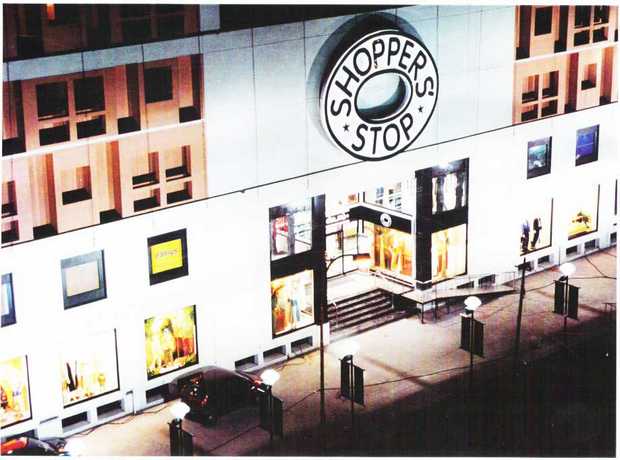
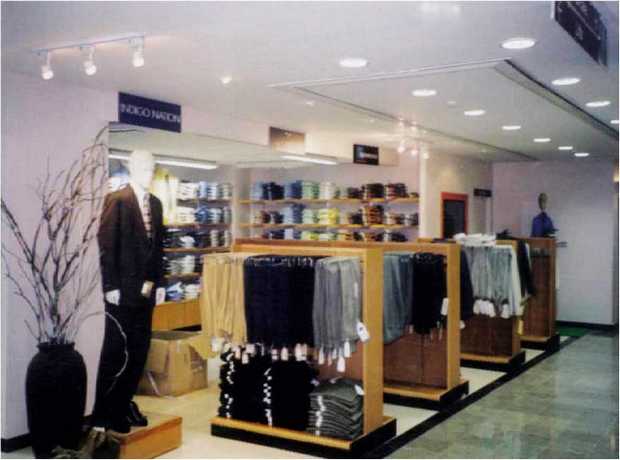
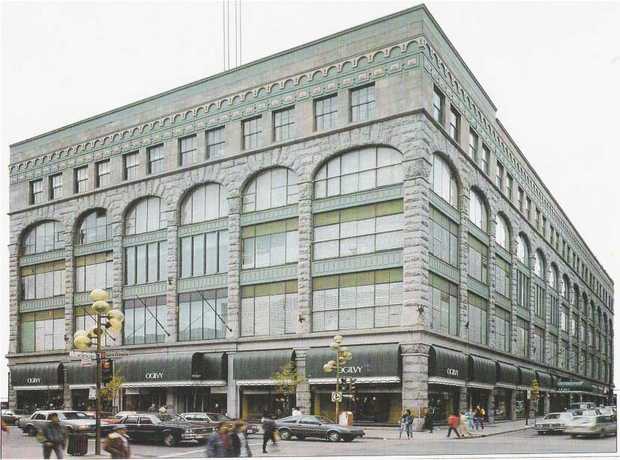
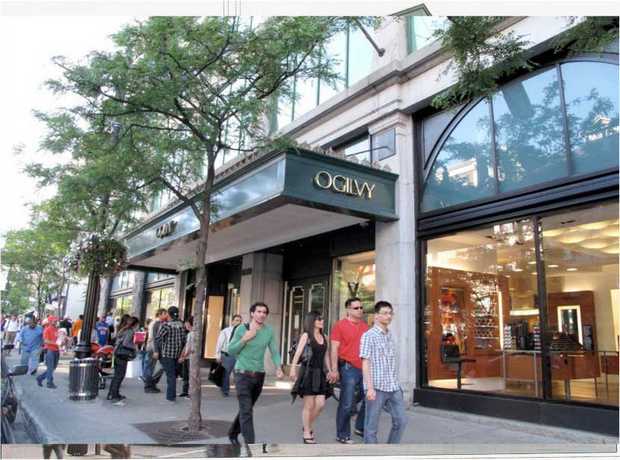
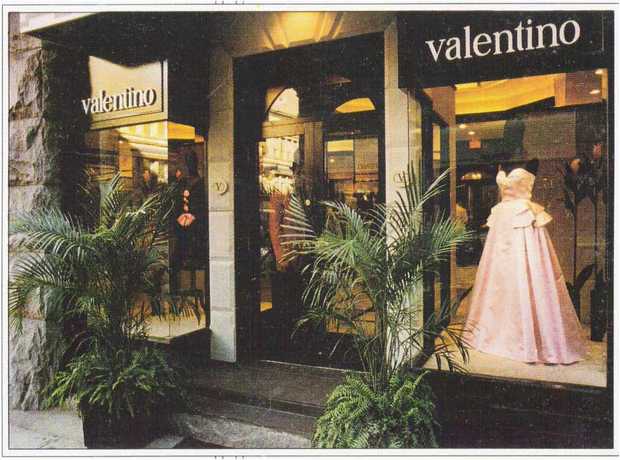
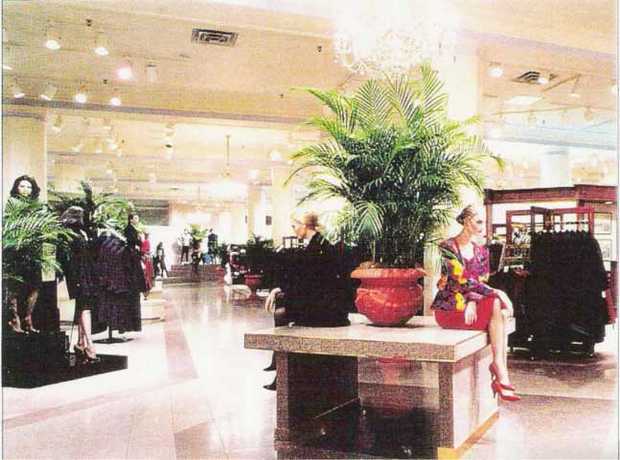
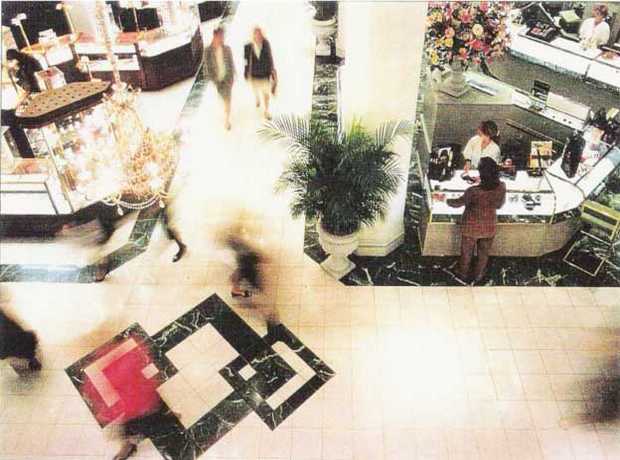
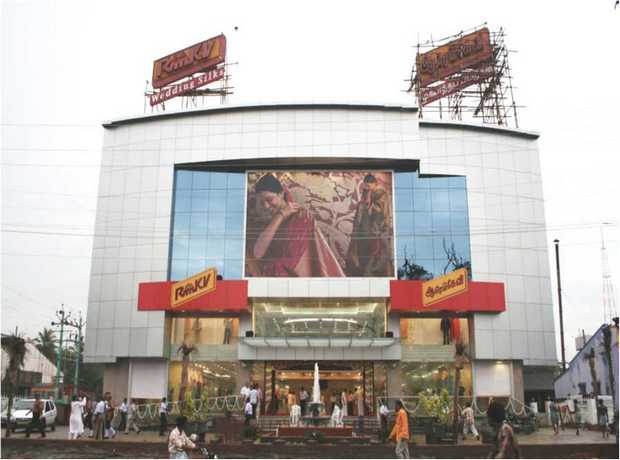
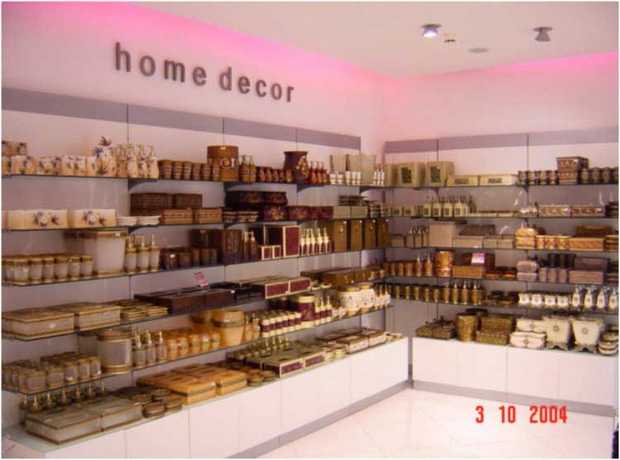
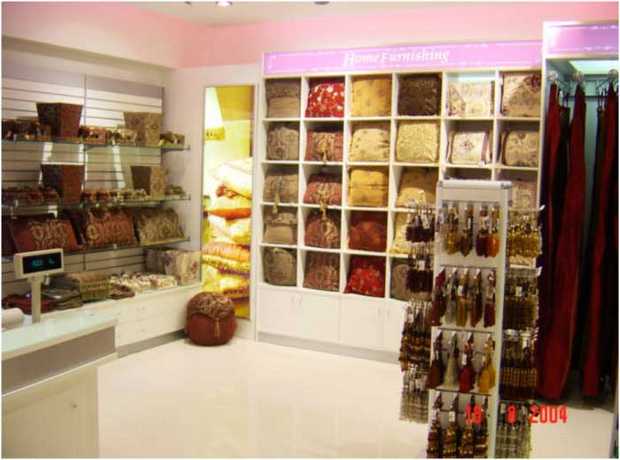
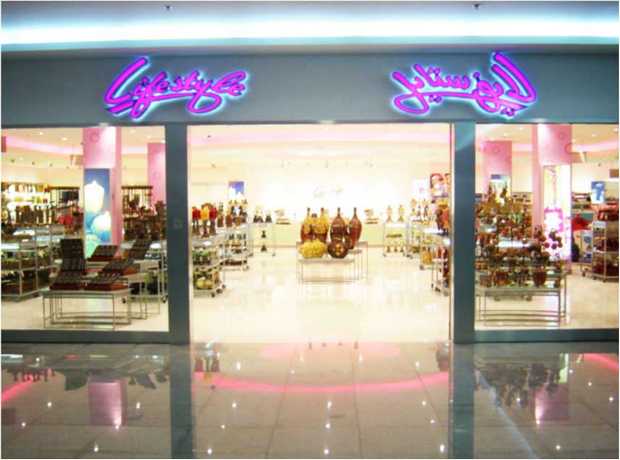
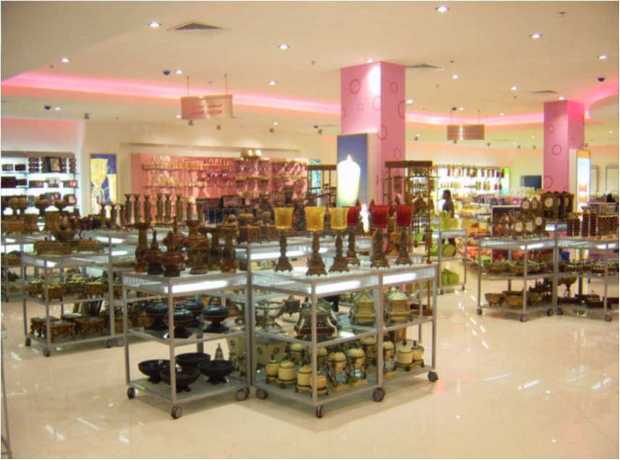

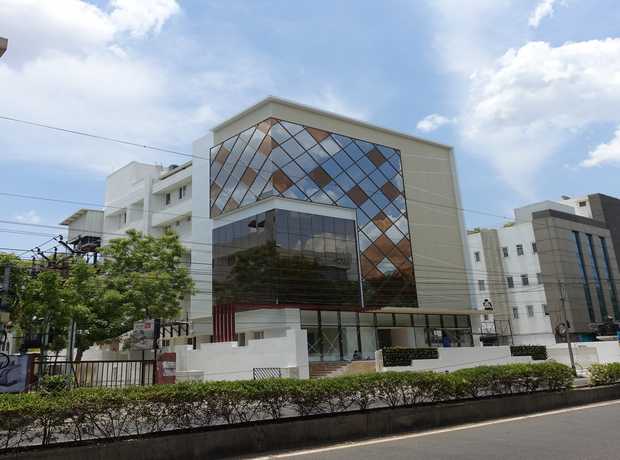
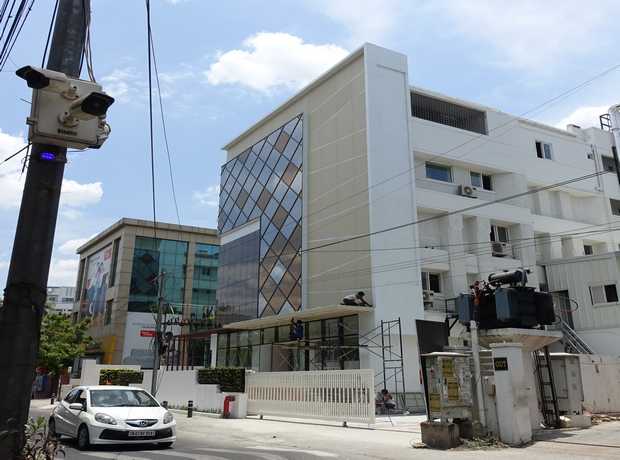
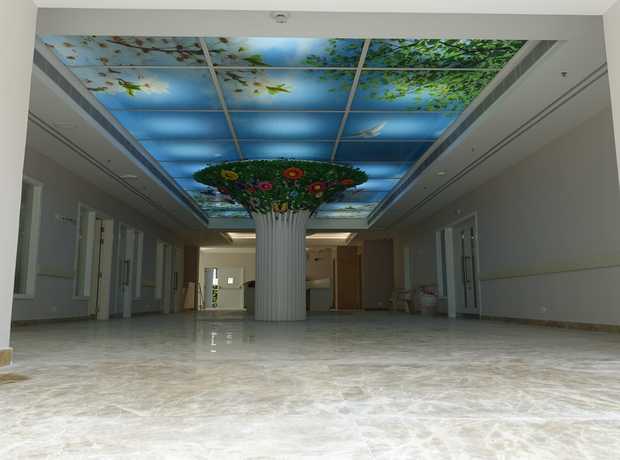
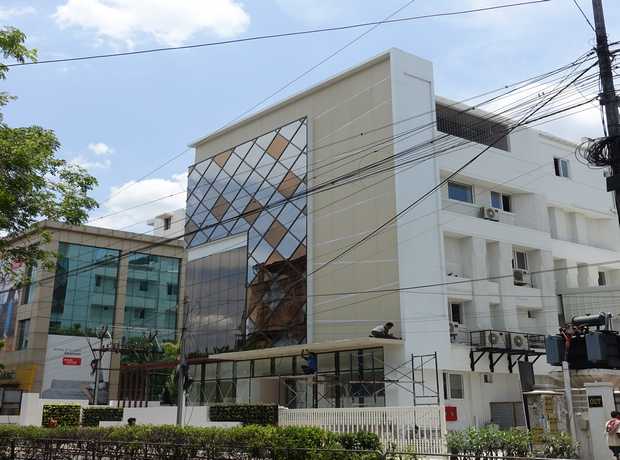
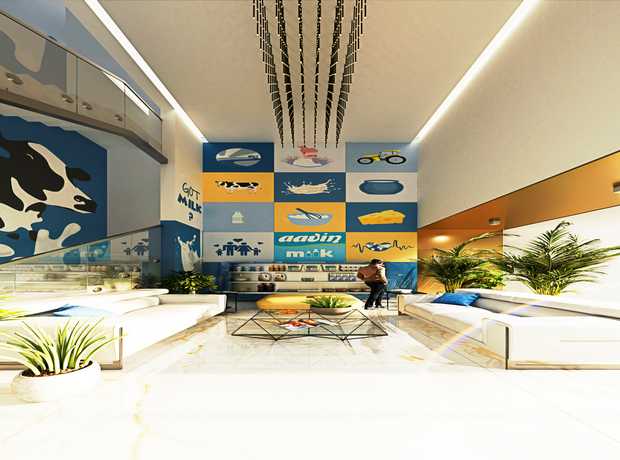
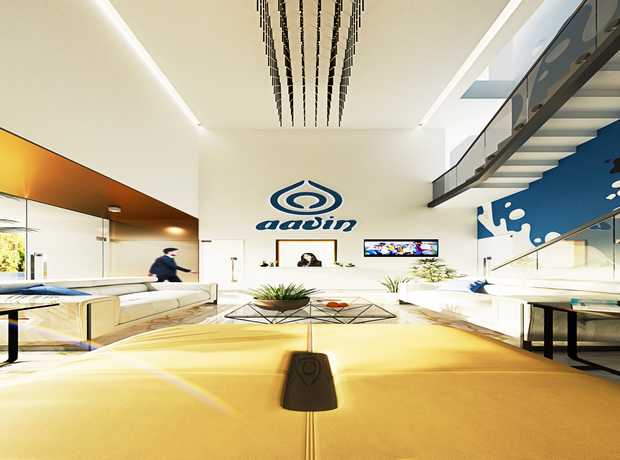
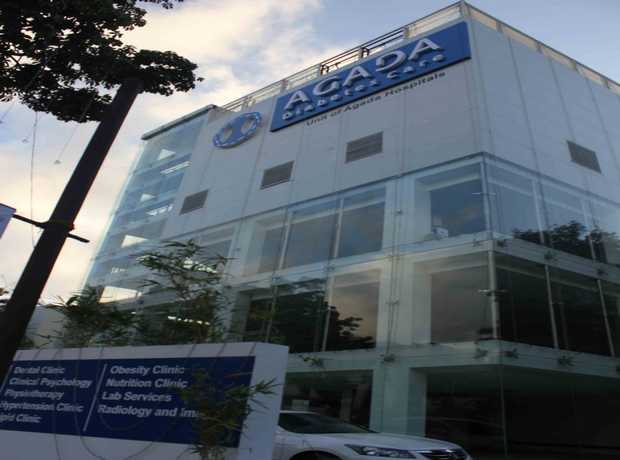
Strategic Site Selection and Contextual Integration
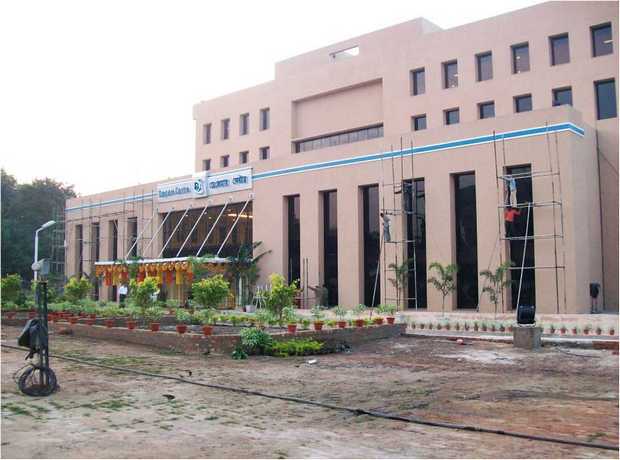
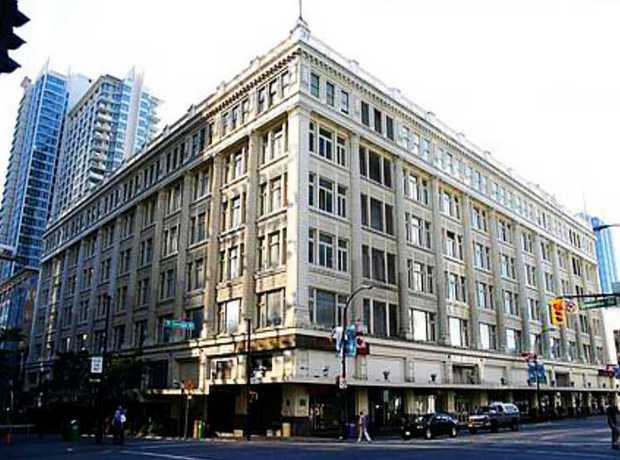
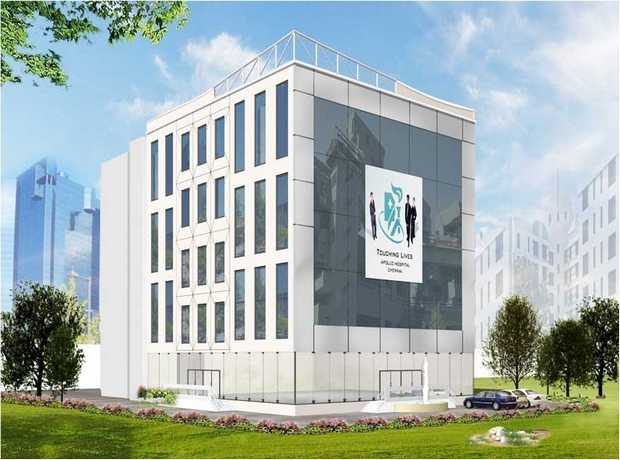
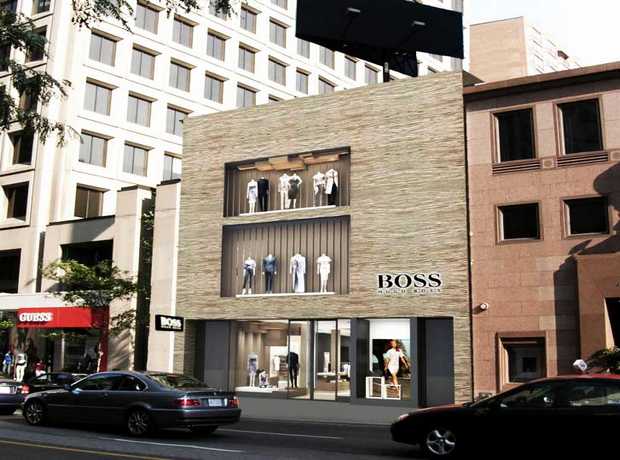
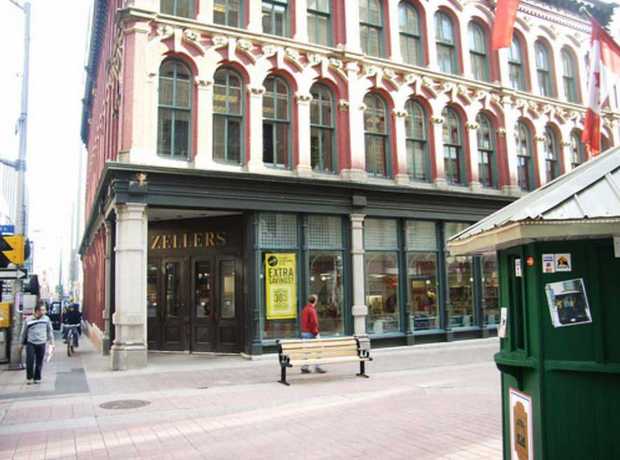
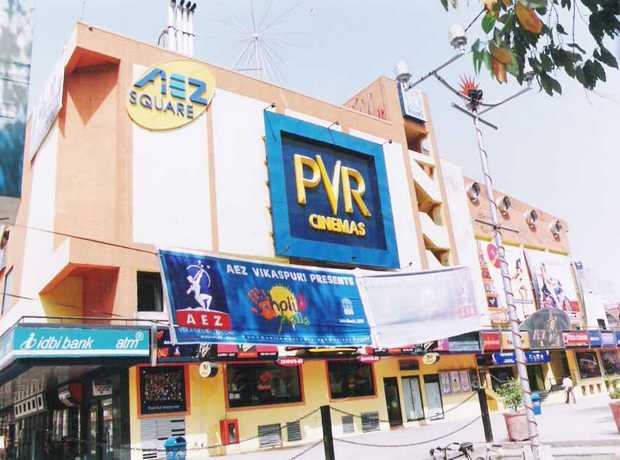
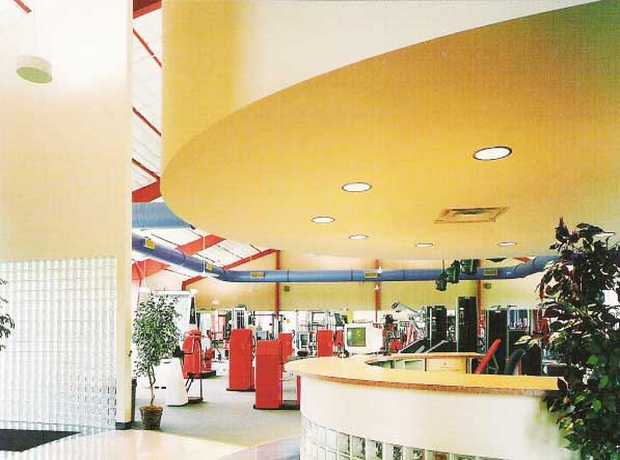
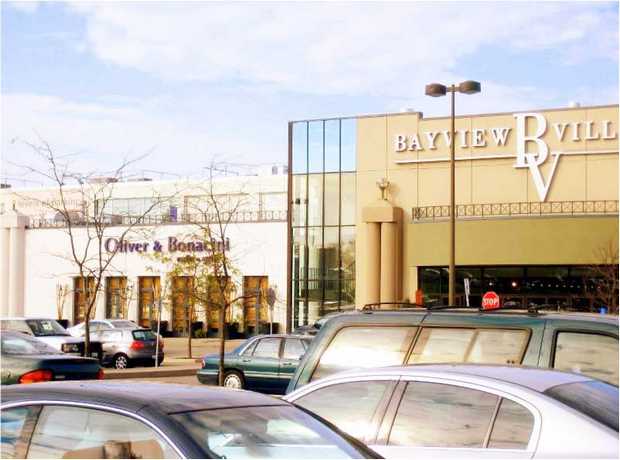
The choice of location for a community center in Dhaka is paramount and extends beyond mere availability of land. A well-selected site enhances accessibility, visibility, and integration into the existing urban fabric. Considerations include proximity to public transport hubs, residential areas, schools, and markets. Is the site easily walkable? Is it safe and secure? How does it interact with its immediate surroundings?
Contextual design is equally vital. Dhaka’s urban environment is dense and often chaotic. A community center should not only fit harmoniously within this context but also offer a sense of calm and order. This involves understanding local architectural styles, material palettes, and urban patterns, while simultaneously introducing modern design principles. The orientation of the building, its relationship to natural light and ventilation, and the provision of green spaces are all influenced by the site and its context. A building that feels alien to its surroundings will struggle to gain community acceptance and utilization.
Common Mistakes to Avoid in Community Center Design
Even with the best intentions, several common pitfalls can significantly derail a community center project, leading to cost overruns, delays, and ultimately, a facility that falls short of its potential. By understanding and proactively addressing these potential problems, you can pave the way for a more successful and impactful development.
Ignoring Local Building Codes and Regulations: A Costly Oversight
Dhaka’s regulatory landscape for construction is complex and constantly evolving. Ignorance of, or non-adherence to, specific local building codes, zoning laws, fire safety regulations, and environmental impact assessments can have catastrophic consequences. These can range from significant project delays and hefty fines to forced design alterations, demolition orders, or even complete project abandonment. Specific regulations often dictate factors like Floor Area Ratio (FAR), building setbacks, maximum heights, seismic resistance standards, and accessibility requirements.
Navigating this labyrinth of rules requires specialized local expertise. Partnering with a Dhaka community center architecture company like Skydome Designs, which possesses an intimate understanding of the local regulatory environment, is not just advisable, but absolutely crucial. We ensure that your design not only meets global standards of excellence but also meticulously complies with every local stipulation, safeguarding your investment and timeline.
Skydome Designs offers end-to-end delivery for community center architecture — strategy, design, construction and handover in Dhaka. We ensure global design standards with local code expertise in Dhaka. Call us today at +91 7299072144 to prevent regulatory setbacks.
Poor Space Planning and Layout: The Bottleneck of Functionality
Inefficient space planning is a pervasive issue that can severely compromise the functionality and comfort of a community center. A poorly planned layout can lead to frustrating overcrowding in high-traffic areas, while other spaces remain perpetually underutilized. This often stems from a lack of foresight regarding user flow, activity adjacency, and future flexibility.
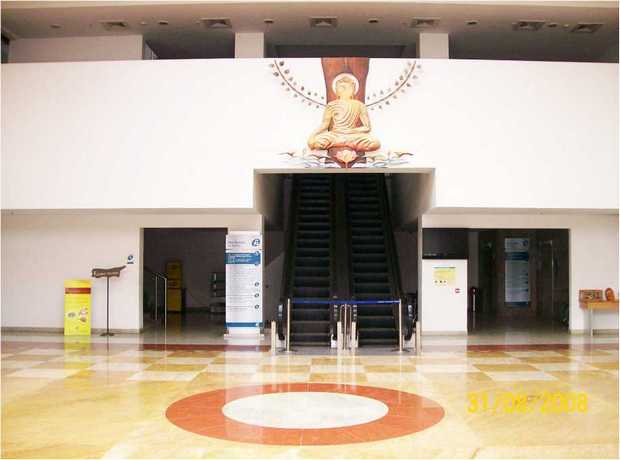
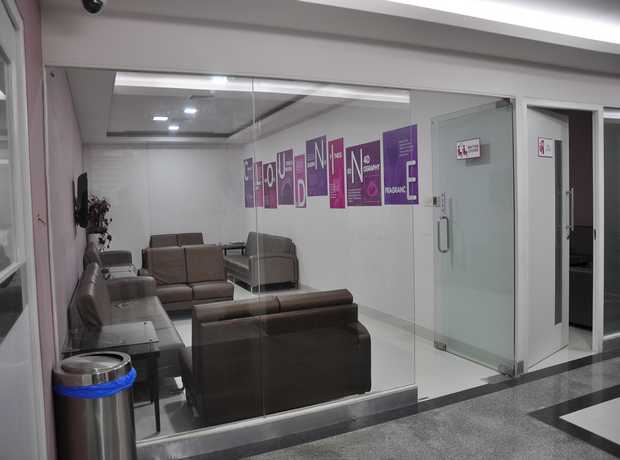
Consider the seamless flow of people from the entrance to various activity zones—classrooms, multi-purpose halls, clinics, or quiet reading areas. Are waiting areas adequate? Are corridors wide enough to accommodate peak usage? Accessibility for individuals with disabilities (including ramps, elevators, and accessible restrooms) must be integrated from the initial design phase, not as an afterthought. Furthermore, the ability to reconfigure spaces for diverse activities—from a large gathering to multiple small workshops—is key. A rigid layout can quickly render parts of the building obsolete. Collaborating with experienced Dhaka interior experts such as Skydome Designs is vital to optimize your space for maximum efficiency, comfort, and adaptability, ensuring every square foot serves a purpose.
Neglecting Acoustics: The Unseen Barrier to Communication
Acoustics are an often-overlooked yet profoundly critical element in creating a comfortable, functional, and user-friendly environment, particularly in multi-purpose community centers. Poor acoustic design can transform what should be a vibrant space into a cacophony of distractions, leading to difficulty in communication, discomfort, and an overall unpleasant experience. Imagine a workshop where attendees can’t hear the speaker due to echo, or a quiet reading room disturbed by noise from an adjacent activity.
Effective acoustic planning involves careful consideration of sound absorption, reflection, and diffusion, tailored to the specific function of each space. Multi-purpose halls, for instance, require versatile acoustic treatments that can be adjusted for different events, from loud performances to quiet lectures. Classrooms need to minimize external noise and internal reverberation. Materials choice plays a significant role, as do ceiling heights, wall textures, and spatial configurations. Specialized acoustic design services ensure that sound is managed intelligently, promoting clear communication, privacy where needed, and a generally more pleasant atmosphere for all users. This investment significantly enhances the utility and appeal of the center.
Inadequate Material Selection: A Foundation for Future Problems
Material selection is a pivotal decision that impacts not only the initial construction cost but also the long-term durability, maintenance requirements, aesthetic appeal, and sustainability of the community center. Choosing the wrong materials can lead to an array of problems: premature wear and tear, susceptibility to Dhaka’s often harsh climate (humidity, heavy rainfall, heat), increased maintenance costs, and a significantly shortened lifespan for the building.
Materials should be carefully chosen based on several criteria: their ability to withstand local climatic conditions, their durability under heavy foot traffic, their ease of cleaning, their aesthetic contribution, and their environmental footprint. Locally sourced materials, such as specific types of brick, timber, or stone, can not only be more cost-effective but also reduce transport emissions and support local industries. Furthermore, considering materials that are resistant to dampness, mold, and pests is essential in the tropical climate of Dhaka. Investing in high-quality, appropriate materials from the outset will undoubtedly reduce lifecycle costs and ensure the building remains a valuable asset for decades.
Ignoring Branding and Signage: Losing Identity and Direction
Effective branding and signage are far more than mere decorative elements; they are essential tools for identity, navigation, and creating a welcoming atmosphere within a community center. Ignoring these aspects can leave visitors feeling lost, make the center appear anonymous, and diminish its overall impact. Clear, intuitive, and consistent signage is paramount for wayfinding, especially in multi-functional buildings with various activities happening simultaneously.
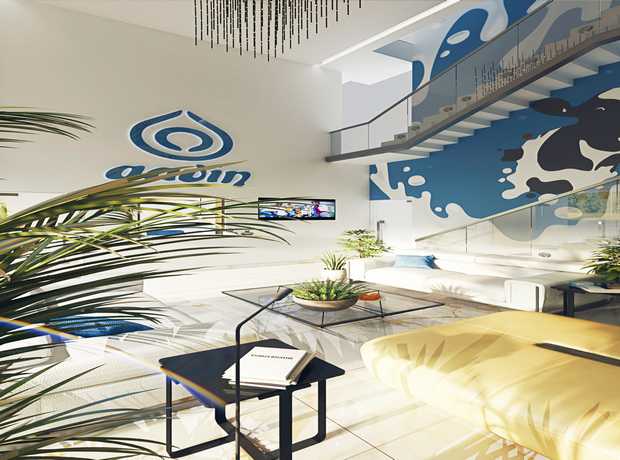
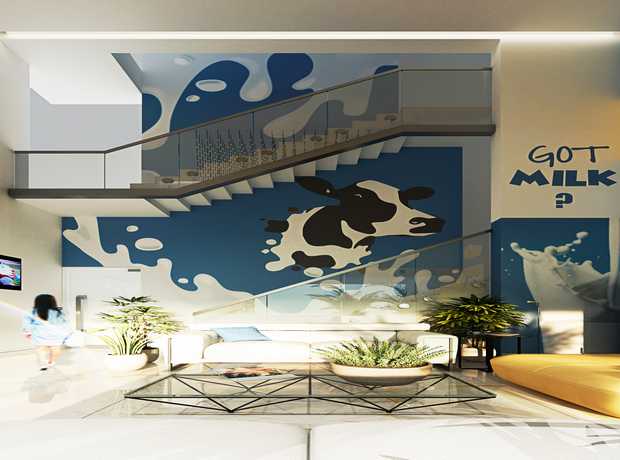
Branding, on the other hand, helps to establish the center’s unique identity, communicating its purpose and values to the community. This includes the chosen color palette, typography, architectural features, and overall aesthetic. When these elements are thoughtfully integrated, they create a cohesive and recognizable presence that fosters a sense of belonging and pride. For a community center in Dhaka, signage should also consider local languages and potentially incorporate universally recognized symbols to ensure maximum accessibility for all demographic groups. A strong brand identity, coupled with clear directional cues, enhances the user experience and ensures the center is easily identifiable and utilized by those it aims to serve.
Lack of Future-Proofing: Designing for Obsolescence
A significant mistake is designing a community center with only present-day needs in mind, neglecting the rapid pace of social, technological, and environmental change. Dhaka is a city that evolves quickly, and a static design can quickly become obsolete. Future-proofing involves considering how the building can adapt to new technologies, changing community demographics, and emerging social trends.
This includes planning for potential expansion, incorporating flexible infrastructure for future technological upgrades (e.g., enhanced wiring for advanced AV systems, charging stations, smart environmental controls), and designing spaces that can serve multiple, unforeseen functions. Building information modeling (BIM) can be invaluable here, allowing for virtual testing of future scenarios. A lack of foresight in future-proofing can necessitate expensive renovations down the line or lead to a building that can no longer adequately serve its community.
Expert Tips for Success in 2025: Building Future-Ready Community Centers
As we look ahead to 2025 and beyond, the architectural paradigm for community centers in Dhaka is being shaped by several transformative trends. Embracing these innovations is key to creating facilities that are not only functional today but also resilient, responsive, and relevant for future generations.
Embracing Sustainability and Green Building Practices: A Moral and Economic Imperative
In an era of increasing environmental consciousness and climate vulnerability, incorporating sustainable design principles is no longer a luxury but an absolute necessity. For Dhaka, a city particularly susceptible to the impacts of climate change, green building practices offer both environmental stewardship and long-term economic benefits. Consider passive design strategies such as optimal building orientation to maximize natural light and minimize solar heat gain, effectively reducing reliance on artificial lighting and air conditioning. Cross-ventilation and strategic placement of windows can provide natural cooling.
Further sustainable interventions include energy-efficient LED lighting with motion sensors, solar panels for renewable energy generation, and efficient HVAC systems. Water conservation strategies like rainwater harvesting for irrigation and toilet flushing, and greywater recycling, are crucial. The selection of materials should prioritize those that are locally sourced, recycled, low-VOC (volatile organic compounds), and possess high thermal mass. Incorporating green roofs and vertical gardens not only enhances biodiversity and aesthetic appeal but also helps in urban heat island reduction and stormwater management. Such practices not only reduce the environmental footprint but also significantly lower operating costs, making the center more financially viable in the long run.
Seamless Technology Integration: Enhancing Connectivity and Services
In an increasingly digital world, integrating technology into community centers is paramount for enhancing functionality, accessibility, and user engagement. For 2025, this goes beyond basic Wi-Fi connectivity. Consider implementing smart lighting systems that adapt to natural light levels and occupancy, optimizing energy use. Interactive digital displays can provide information on upcoming events, local services, and public health campaigns, engaging visitors dynamically.
Dedicated digital literacy centers with high-speed internet and computing facilities can bridge the digital divide within the community. Furthermore, the integration of smart building management systems can provide centralized control over HVAC, security, and energy, enabling efficient operations. Telemedicine consultation points, virtual reality (VR) educational tools, and advanced audio-visual equipment in multi-purpose halls can attract a wider range of users and offer access to valuable resources that might otherwise be out of reach. Ensuring robust IT infrastructure and scalability for future technological advancements is also critical.
Designing for Flexibility and Adaptability: The Agile Architecture
The needs of a community are dynamic and can shift dramatically over time. Therefore, designing for flexibility and adaptability is an overarching principle that ensures the community center remains relevant and useful for decades. Rigid, single-purpose spaces are a recipe for future obsolescence. Instead, architects should conceptualize modular spaces that can be easily reconfigured to accommodate a diverse range of activities, from a large public meeting to several smaller, simultaneous workshops or classes.
This can be achieved through the clever use of movable partitions, sliding walls, multi-functional furniture (e.g., stackable chairs, foldable tables), and reconfigurable AV systems. Spaces that can seamlessly transition from a daytime educational hub to an evening cultural performance venue maximize utilization and return on investment. The underlying infrastructure—electrical outlets, data ports, and lighting—should also be flexible enough to support various layouts. An adaptable building is a resilient one, capable of evolving with its community and serving a multitude of unforeseen purposes in the future.
Proactive Community Engagement in the Design Process: Co-Creating Shared Spaces
While understanding community needs is the initial step, ongoing and proactive community engagement throughout the entire design process is an expert tip for truly successful outcomes. This means involving community members, local leaders, and potential user groups at various stages, from initial concept development to design reviews and even post-occupancy evaluations. This collaborative approach fosters a sense of ownership and ensures that the final design reflects the genuine aspirations and cultural values of the people it serves.
Workshops where residents can provide feedback on floor plans, material samples, and proposed functionalities can lead to more intuitive and culturally appropriate designs. This iterative process allows for adjustments based on direct user input, minimizing the risk of a center that feels disconnected from its community. When people feel heard and see their ideas reflected in the final building, they are far more likely to embrace and actively utilize the space, transforming it into a cherished community asset.
Prioritizing Security and Safety: A Prerequisite for Trust
A community center, by its very nature, is a public space that must be perceived as safe and secure for all users, at all times. Prioritizing robust security and safety measures from the initial design phase is non-negotiable. This includes careful consideration of access control points, clear sightlines within and around the building, adequate lighting in all areas (indoors and outdoors), and the strategic placement of CCTV cameras.
Emergency preparedness is also crucial. This involves designing clear and multiple emergency exits, accessible fire extinguishers, and adherence to all fire safety codes. Public address systems, first-aid rooms, and designated assembly points in case of emergencies are also vital. Furthermore, the design should deter loitering in undesignated areas and promote a sense of natural surveillance. A secure and safe environment builds trust within the community, encouraging greater participation and ensuring the center can operate effectively without concerns for personal safety.
Skydome Designs: Your Partner in Community Center Architecture Excellence
Skydome Designs Pvt Ltd stands as a beacon of architectural innovation and interior design expertise in India, with a significant footprint extending across diverse global projects, including the dynamic landscape of Dhaka. For nearly 30 years, we have been at the forefront of creating spaces that are not only aesthetically captivating but also profoundly functional, sustainable, and tailored to specific client and community needs. Our specialization encompasses a broad spectrum of sectors, including hospital and healthcare interiors, residential developments, and retail and commercial ventures, bringing a holistic perspective to every project.
Our philosophy is rooted in a deep understanding that architecture shapes experiences and enhances operational efficiency. We pride ourselves on transforming visions into reality through meticulous planning, cutting-edge design, and unwavering commitment to quality. Our legacy is built on a foundation of trust, innovation, and client satisfaction, delivering spaces that truly make a difference.
What We Do: Comprehensive Architectural and Interior Solutions
- Community Center Architecture: From initial strategy and conceptual design to construction oversight and final handover, we provide end-to-end services. Our expertise ensures that community centers are thoughtfully designed to foster engagement, provide diverse services, and stand as vibrant hubs.
- Hospital Interior Design: Specializing in creating healing environments, our designs cover patient rooms, ICUs, operating theaters, laboratories, consultation areas, and overall facility planning for optimized care delivery and patient well-being.
- Residential Projects: We craft inspiring living spaces, from modern apartments and luxurious condos to specialized senior housing and community-focused residential interiors, each designed for comfort, functionality, and aesthetic appeal.
- Retail & Commercial Design: Our portfolio includes designing dynamic shopping malls, innovative mixed-use developments, efficient corporate offices, and engaging entertainment centers that enhance user experience and commercial success.
- Interior Solutions: Beyond structural architecture, we offer comprehensive interior design services, including detailed space planning, bespoke furniture layouts, sophisticated lighting design, and full turnkey interior execution, ensuring every detail aligns with the overall vision.
Why Choose Us: A Legacy of Excellence and Reliability
- 29+ Years of Proven Expertise: Our extensive experience across India and abroad, including significant projects in Dhaka, gives us an unparalleled understanding of diverse architectural challenges and solutions.
- Integrated In-house Team: We boast a multidisciplinary team of highly skilled architects, specialized healthcare planners, expert interior designers, and seasoned project managers, ensuring seamless coordination and comprehensive project delivery.
- Award-Winning & Client-Focused Designs: Our designs consistently earn accolades for their innovation, sustainability, and direct responsiveness to client needs, always prioritizing user experience and functionality.
- Unwavering Commitment to Quality & Timeliness: We are renowned for projects delivered on-time, within budget, and to the highest global design and construction standards. Our processes are underpinned by rigorous multi-disciplinary reviews and proactive post-occupancy support.
On‑time delivery 97%, multi‑disciplinary reviews, and post‑occupancy support underpin outcomes. Contact us at +91 7299072144 to ensure your community center project in Dhaka is completed successfully, on schedule, and to exacting standards.
📞 Contact: +91 7299072144 | ✉️ Email: info@skydomedesigns.com
Conclusion
Designing and constructing a successful community center in Dhaka is a profound undertaking—one that holds the potential to profoundly shape the social fabric and future well-being of its residents. It demands a holistic approach, beginning with an in-depth understanding of local community needs and extending through meticulous adherence to local building codes, innovative space planning, thoughtful acoustic considerations, and prudent material selection. Furthermore, embracing the trends of 2025, such as sustainability, seamless technology integration, and paramount flexibility, will ensure these centers are not just relevant today, but future-proofed for the evolving demands of tomorrow.
Avoiding common mistakes, from regulatory non-compliance to inadequate future-proofing, is not merely about cost savings; it’s about delivering a facility that truly serves its purpose and stands as a cherished asset for generations. With Dhaka’s unique urban challenges and vibrant community spirit, the expertise of a seasoned architectural partner is indispensable. Skydome Designs, with its nearly three decades of experience and a proven track record of delivering over 2009+ community center assignments across Dhaka and globally, is uniquely positioned to guide your project to unparalleled success.
We combine global design sensibilities with a deep understanding of local nuances, offering end-to-end delivery for community center architecture—from strategic conceptualization and detailed design to efficient construction and seamless handover. Our commitment to global design standards paired with local code expertise ensures your vision is not only realized but optimized for the specific context of Dhaka. Contact Skydome Designs today to discuss your project and ensure its success. Our specialized expertise in community center architecture in Dhaka can help you transform your vision into a vibrant, functional, and enduring reality that truly enriches the lives of thousands.
Ready to elevate your community center project in Dhaka? Skydome Designs is your trusted partner for excellence. Reach out for a consultation at +91 7299072144 or email info@skydomedesigns.com.
Frequently Asked Questions (FAQs) About Community Center Architecture in Dhaka
Here are some common and critical questions people have about designing and building community centers in Dhaka, along with expert insights:
What are the absolute key considerations for community center design in Dhaka?
The absolute key considerations for community center design in Dhaka include: conducting a thorough community needs assessment to ensure relevance; scrupulous adherence to local building codes, zoning laws, and seismic regulations; optimizing space planning for multi-functionality and efficient user flow; implementing effective acoustic design for diverse activities; selecting durable, climate-appropriate, and locally sourced materials; and integrating clear branding and intuitive signage for identity and navigation. Beyond these, incorporating sustainable practices and future-proofing for technological advancements and changing community needs are paramount for long-term success.
How can I ensure my community center project in Dhaka is truly sustainable and environmentally friendly?
To ensure your community center project in Dhaka is truly sustainable, integrate passive design strategies (optimal orientation, natural ventilation, daylighting), incorporate renewable energy sources like solar panels, implement robust water conservation measures (rainwater harvesting, greywater recycling), and prioritize energy-efficient systems (LED lighting, high-performance HVAC). Choose materials that are low-impact, recycled, locally sourced, and durable for Dhaka’s climate. Pursue green building certifications where possible, and ensure the design includes ample green spaces, such as green roofs or vertical gardens, to mitigate urban heat island effects. Partnering with architects experienced in green building practices, like Skydome Designs, is crucial for achieving these goals.
What are the most common and costly mistakes to avoid in community center architecture in Dhaka?
The most common and costly mistakes include:
1. Ignoring local building codes and regulations, which can lead to severe fines, delays, or even demolition.
2. Poor space planning that results in inefficient layouts, overcrowding, and underutilization.
3. Neglecting acoustics, which compromises functionality and comfort in multi-purpose spaces.
4. Inadequate material selection, leading to premature wear, high maintenance costs, and a shortened building lifespan due to Dhaka’s climate.
5. A lack of future-proofing, making the building quickly obsolete as community needs and technology evolve.
6. Insufficient community engagement, resulting in a center that doesn’t meet actual user needs or gain local acceptance.
How do I choose the right architect for my community center project in Dhaka, given its unique challenges?
Choosing the right architect is critical. Look for a firm with:
1. Extensive experience specifically in community center architecture, with a portfolio demonstrating successful projects.
2. A deep and proven understanding of Dhaka’s specific building codes, regulations, and climatic conditions.
3. A commitment to sustainable and innovative design principles.
4. A track record of strong community engagement and participatory design processes.
5. An integrated team capable of end-to-end delivery—from strategy and design to construction oversight. Check their client testimonials, project completion rates (like Skydome Designs’ 97% on-time delivery), and post-occupancy support. Skydome Designs has a proven track record and expertise in this area, offering global design standards with local code expertise.
Ready to start your community center project in Dhaka with confidence and expertise? Contact Skydome Designs today for a comprehensive consultation tailored to your vision.
What is the role of technology integration in modern community centers in Dhaka for 2025?
Technology integration is pivotal for modern community centers in Dhaka. It encompasses:
1. Smart Building Systems: For energy efficiency, security, and climate control.
2. Advanced Connectivity: High-speed Wi-Fi and robust network infrastructure for digital literacy programs and remote work.
3. Interactive Displays: For announcements, wayfinding, and educational content.
4. Digital Learning Hubs: Equipped with computers, tablets, and access to online resources.
5. Enhanced AV Equipment: For multi-purpose halls to support various events, from online webinars to cultural performances. These integrations enhance accessibility, provide valuable resources, and attract a wider, more technologically savvy demographic.
Internal Links: Explore our diverse portfolio of successful projects | Learn more about our architectural and interior design services | Discover the Skydome Designs legacy
Outbound Links: Dhaka Urban Development Authority (RAJUK) | UNDP Bangladesh – Sustainable Development Goals | Archnet – Architecture in Bangladesh