Abu Dhabi’s exhilarating pace of development and ambitious urban vision present unparalleled opportunities for architects, developers, and investors alike. However, leveraging these opportunities demands an uncompromising commitment to precision, foresight, and meticulous attention to detail, particularly during the critical initial phases of conceptual design and schematic planning. As we look towards 2025 and beyond, understanding the emirate’s rapidly evolving landscape, increasingly stringent regulatory frameworks, and sophisticated user expectations is not merely advantageous; it is an absolute imperative for project success. This comprehensive guide delves deep into the nuances of design and planning in the UAE capital, offering invaluable expert tips to help you navigate complexities, mitigate risks, and critically, avoid common, costly pitfalls in your Abu Dhabi projects. Our aim is to empower you to create designs that are not only innovative and aesthetically compelling but also fully compliant, sustainable, and poised for enduring success in this dynamic global hub.
The Indispensable Role of Conceptual Design and Schematic Planning in Abu Dhabi’s Vision 2030
Every truly successful project in Abu Dhabi, whether it’s a sprawling masterplan, a cutting-edge healthcare facility, a luxurious residential tower, or a vibrant retail destination, traces its genesis to a robust foundation laid by comprehensive conceptual design and schematic planning. These formative stages transcend mere preliminary sketching; they are the intellectual crucible where the project’s entire vision is meticulously forged, its scope rigorously defined, and its long-term feasibility thoroughly stress-tested. Decisions made during these critical phases cast a long shadow, profoundly influencing every subsequent stage of development—from granular budget allocations and intricate construction timelines to anticipated operational efficiencies and the project’s ultimate environmental and economic sustainability. In a market as competitive and regulated as Abu Dhabi, getting these foundational elements unequivocally right from the very outset is not just a matter of convenience; it is an absolute prerequisite for achieving a successful, cost-effective, and truly impactful project that resonates with the emirate’s ambitious developmental trajectory and Vision 2030 framework.
Understanding Abu Dhabi’s Unique Landscape: Climate, Culture, and Commercial Imperatives
Abu Dhabi stands as a captivating synthesis of ancient heritage and futuristic ambition, positioning itself at the vanguard of global urban development. This unique juxtaposition creates a distinctive tapestry of design challenges and unparalleled opportunities for architects, engineers, and developers. A genuinely successful design in this context must demonstrate an intrinsic sensitivity to the local environment, extending far beyond superficial aesthetics. It necessitates a profound understanding of the arid desert climate, which demands sophisticated, innovative, and passive sustainable design practices. This includes advanced strategies to mitigate extreme heat gain, conserve precious water resources through intelligent systems, and select resilient, high-performance materials capable of withstanding the harsh environmental conditions of the Arabian Gulf.
Furthermore, incorporating specific cultural considerations is paramount. This encompasses designing spaces that respect local traditions, such as providing for privacy, potentially including gender-segregated areas where culturally appropriate, and integrating design motifs or architectural elements that subtly yet powerfully resonate with Emirati heritage. This holistic approach ensures that built environments are not merely functional structures but are also culturally relevant, deeply embraced by the local community, and contribute positively to the emirate’s social fabric. Economic drivers, including a robust tourism sector, burgeoning financial services, and a rapidly diversifying knowledge-based economy, also dictate design requirements, from high-end hospitality to innovative commercial spaces. Integrating climate resilience, cultural reverence, and economic dynamism is what truly differentiates exemplary conceptual design and schematic planning in Abu Dhabi.
The emirate’s ambitious Vision 2030 provides a comprehensive strategic blueprint for fostering a diversified, knowledge-based economy. This vision underscores a commitment to sustainable development, infrastructure excellence, and an enhanced quality of life for all residents. These overarching goals permeate every facet of urban planning and architectural design in Abu Dhabi. Designers are therefore expected to propose projects that actively contribute to these objectives, from adopting smart city technologies that enhance urban efficiency to prioritizing green building initiatives that secure environmental stewardship. This forward-thinking alignment ensures that projects not only meet immediate regulatory requirements but are also inherently future-proof, contributing meaningfully to Abu Dhabi’s long-term prosperity and global standing.



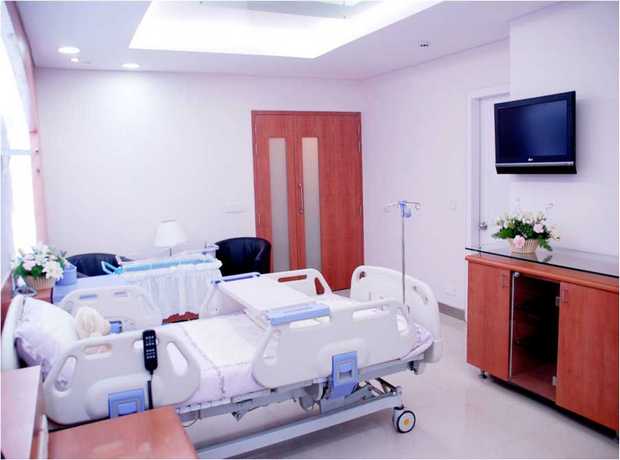
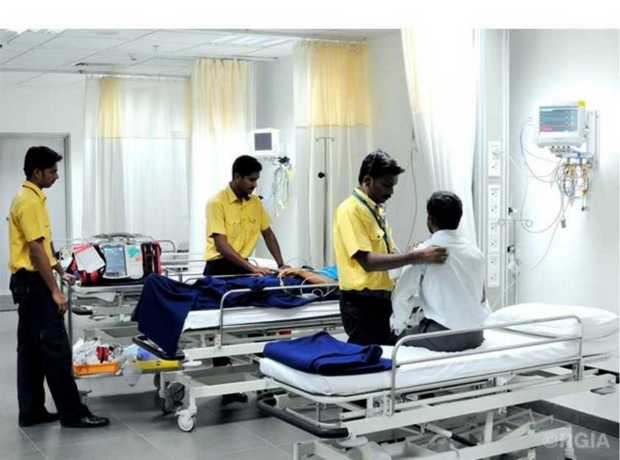
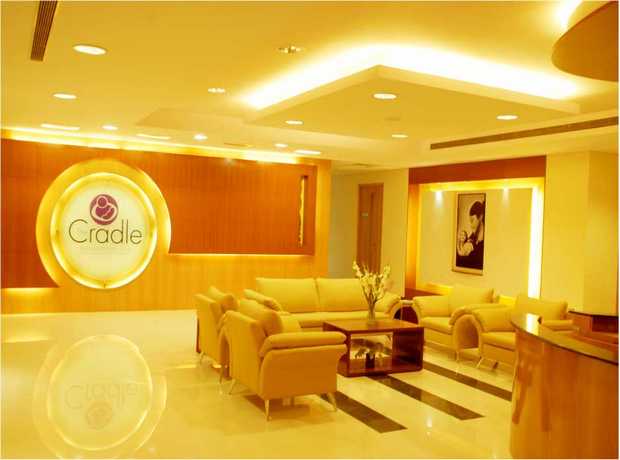
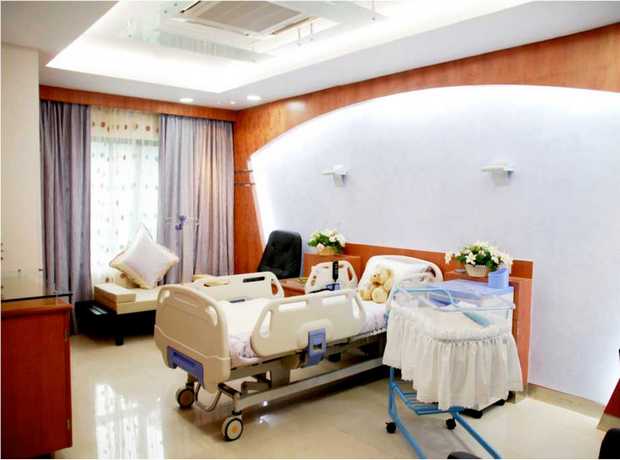

Key Areas Demanding Meticulous Focus During Conceptual Design and Schematic Planning in Abu Dhabi
The initial phases of design are profoundly foundational, demanding meticulous attention to several critical areas. These fundamental elements, when carefully planned, integrated, and optimized, serve as the bedrock upon which a project evolves from a nascent idea into a tangible, high-performing, and enduring asset. A comprehensive and integrated consideration of these aspects ensures that the design is not only visually captivating but also profoundly functional, operationally efficient, and impeccably aligned with the overarching project objectives and stakeholder expectations.
Space Planning: Optimizing Functionality, Enhancing User Experience, and Ensuring Seamless Flow
Effective space planning is unequivocally the backbone of any successful architectural endeavor, especially within the context of a dynamic and diverse environment like Abu Dhabi, where a wide array of user needs and cultural sensitivities must be expertly accommodated. This critical discipline transcends the mere arrangement of rooms; it embodies the strategic organization of functional zones, the maximization of usability, and the meticulous crafting of a seamless, intuitive flow throughout the built environment. Designers must painstakingly consider a multitude of interlocking factors: anticipated user needs (including demographic analysis and activity patterns), intricate traffic patterns (both pedestrian and vehicular), robust accessibility requirements (adhering to both international best practices and stringent local standards for universal design), and the crucial potential for future adaptability and flexibility. A meticulously planned space dramatically elevates the overall user experience, optimizes operational efficiency, and significantly contributes to the long-term value and resilience of the property. Skydome Designs, with a remarkable track record spanning over 24 years and having successfully delivered 2320+ conceptual design and schematic planning assignments across Abu Dhabi and globally, stands as a paragon of excellence in creating optimized spaces that brilliantly marry innovative vision with pragmatic functionality.
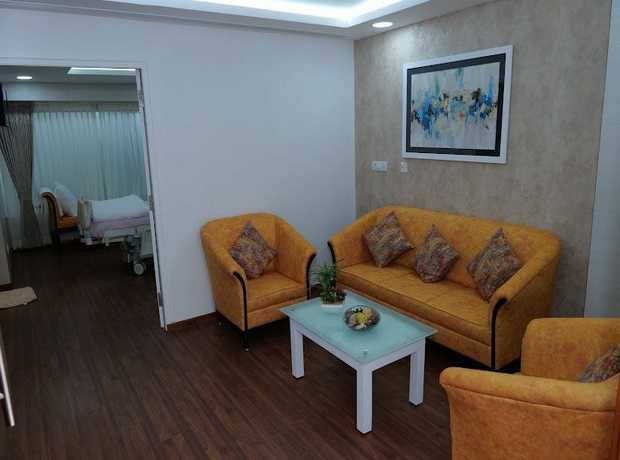
Skydome Designs, a leading architecture and interior design firm renowned for its comprehensive, data-driven approach, is uniquely positioned to help you create exceptionally optimized and human-centric spaces perfectly tailored for your specific needs, whether you are developing a state-of-the-art hospital, a luxurious residential complex, or a high-traffic retail outlet. We invite you to explore our specialized expertise in hospital interior design and residential project capabilities, where our intelligent space planning translates directly into enhanced patient care, elevated living experiences, and maximized commercial viability. Our unwavering focus on efficient space utilization, intuitive navigation, and adaptable layouts is a distinguishing hallmark of our profound design philosophy, ensuring long-term success for your investment.
Materials Selection: A Strategic Balance of Aesthetics, Uncompromising Durability, and Paramount Sustainability
The judicious and informed choice of materials exerts a profound influence over a project’s aesthetics, its enduring longevity, and, critically, its overall environmental footprint. In Abu Dhabi’s uniquely challenging climatic conditions, material selection transcends mere visual appeal; it evolves into a strategic imperative that dictates the building’s performance and long-term viability. Designers must meticulously select materials that are not only visually engaging and harmonious with the design vision but also inherently resistant to the harsh Abu Dhabi climate—capable of enduring extreme heat, persistent high humidity, relentless UV radiation, and abrasive sandstorms. Comprehensive consideration must extend to factors such as superior thermal performance to minimize heat gain, robust UV protection to prevent premature degradation and fading, and ease of maintenance to ensure long-term cost-effectiveness and aesthetic preservation. Furthermore, prioritizing sustainable, low-embodied carbon, and locally sourced materials, where technically and economically feasible, makes a significant contribution to the project’s Estidama Pearl rating and reduces its overall environmental impact. This thoughtful, holistic approach ensures that materials perform optimally throughout the building’s entire lifecycle, providing an exquisite blend of beauty, resilience, and environmental responsibility.
Lighting Design: Sculpting Ambiance, Maximizing Functionality, and Embracing Energy Efficiency
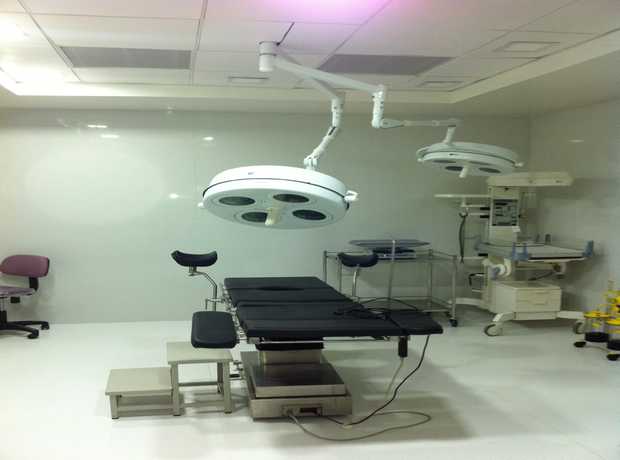
Lighting design is both an intricate art and a precise science, playing an undeniably pivotal role in shaping the desired ambiance, profoundly enhancing functionality, and significantly influencing the psychological well-being and productivity of occupants within any given space. In Abu Dhabi, where natural daylight can be exceptionally intense and solar glare a challenge, strategic and intelligent lighting design is paramount. Expert designers must meticulously consider and integrate both natural daylight penetration and sophisticated artificial light sources. The overarching goal is to precisely optimize lighting levels for a diverse array of activities—ranging from the exacting precision required for surgical tasks in a hospital operating theatre to the relaxed comfort of family gatherings in a residential setting—while seamlessly incorporating advanced, energy-efficient LED solutions and intelligent, responsive control systems. Exceptional lighting design not only dramatically reduces energy consumption but also profoundly impacts mood, enhances visual comfort, boosts productivity, and contributes to the creation of truly dynamic, adaptive, and human-centric environments. The integration of smart lighting systems that dynamically adapt to daylight availability, occupant presence, and specific task requirements is rapidly becoming a standard for sustainable and high-performance design in the region, aligning with Abu Dhabi’s smart city initiatives.
Acoustics: Crafting Serene Environments for Enhanced Comfort and Optimized Productivity
Acoustics, frequently underestimated and often overlooked during the crucial initial design phases, are absolutely fundamental for cultivating comfortable, productive, and healing environments. Poor acoustic planning can lead to pervasive user dissatisfaction, significantly impacting everything from patient recovery rates and staff concentration in hospitals to focused work in office settings and peaceful relaxation in residential complexes. Designers must proactively and meticulously consider ambient noise levels from both external sources (such as traffic or construction) and internal sources, sound transmission between distinctly different functional zones, and reverberation times within various spaces. Incorporating sophisticated sound-absorbing materials (such such as specialized acoustic panels, high-performance acoustic ceilings, and insulated walls) and strategically designed architectural elements (like staggered door alignments, sound locks, or buffer zones between noisy and quiet areas) helps significantly to minimize intrusive noise pollution, enhance speech intelligibility, and ensure critical levels of privacy. This is particularly vital in sensitive environments such as advanced healthcare facilities, rigorous educational institutions, and high-end residential projects, where tranquility, clear communication, and personal privacy are paramount for overall well-being and operational effectiveness. A well-designed acoustic environment directly contributes to occupant satisfaction and the overall quality of the built space.
Beyond the Basics: Integrating Smart City Concepts and Future-Proofing in Abu Dhabi Design
As Abu Dhabi steadfastly continues its trajectory as a leading global smart city and a beacon of innovation, conceptual design and schematic planning must increasingly move beyond traditional paradigms to embrace advanced technologies and robust future-proof strategies. This forward-thinking approach means designing for pervasive connectivity, intelligent data integration, and inherent adaptability, ensuring that today’s projects remain relevant and high-performing in tomorrow’s urban landscape.
Designing for Ubiquitous Connectivity and Intelligent Infrastructure
The foundational bedrock of any smart city project lies in its ubiquitous and robust connectivity. During conceptual design, it is absolutely vital to plan for a sophisticated digital infrastructure that serves as the nervous system of the building: integrated fiber optics, comprehensive 5G readiness, and extensive sensor networks capable of gathering vast amounts of real-time data. This proactive foresight enables buildings to transcend their conventional roles and become truly “smart assets,” capable of autonomously managing energy consumption, enhancing security protocols, optimizing occupant comfort through environmental controls, and facilitating seamless operations—all through intricately interconnected and intelligent systems. Whether for highly integrated smart homes within luxury residential complexes or advanced intelligent hospital management systems that optimize patient flow and resource allocation, the physical infrastructure must be meticulously planned to robustly support and enable this digital future, ensuring a truly connected and responsive environment.
Adaptability and Resilience in the Face of Unforeseen Change
Abu Dhabi’s extraordinary pace of development and its dynamic socio-economic landscape demand designs that are inherently adaptable, flexible, and resilient to unforeseen changes. Conceptual plans should therefore meticulously consider multi-functional spaces that can be easily reconfigured, embrace modular construction possibilities for future expansion or repurposing, and incorporate infrastructure that can be readily upgraded or modified without extensive demolition. This proactive future-proofing minimizes the risk of rapid obsolescence and significantly maximizes the long-term value of the investment, allowing buildings to gracefully evolve and adapt in consonance with the city’s changing needs, technological advancements, and shifting market demands. Furthermore, resilience extends beyond mere structural integrity; it encompasses environmental factors, mandating the design of structures that can effectively withstand the impacts of extreme weather events and potential climatic shifts, thereby safeguarding the investment and ensuring continuous functionality.
Common Mistakes to Avoid in Abu Dhabi Conceptual Design and Schematic Planning: Learning from Experience
While the opportunities for groundbreaking development in Abu Dhabi are undeniably vast and enticing, the inherent complexities of its regulatory landscape, unique climate, and cultural nuances are equally significant. Several common mistakes, if not promptly identified and rigorously rectified during the pivotal initial design phases, can lead to costly delays, extensive and unexpected rework, significant budgetary overruns, and in severe cases, even outright project failure. Being acutely aware of these pervasive potential pitfalls is the critical first step toward successful navigation of the development process and the proactive avoidance of both financial and reputational setbacks.
Ignoring Local Building Codes, Regulatory Frameworks, and Approval Processes
Abu Dhabi operates under a comprehensive, intricate, and continually evolving set of building codes, diverse regulations, and multi-layered approval processes that demand unwavering and rigorous adherence. Ignorance of, or casual non-compliance with, these intricate frameworks can lead to devastating consequences, including protracted project delays, exorbitant financial penalties, mandated and costly design revisions, and even outright project halts. Designers must ensure their conceptual and schematic proposals strictly comply with all applicable local codes, encompassing rigorous safety standards (e.g., those mandated by Abu Dhabi Civil Defense and international fire safety codes adapted locally), robust accessibility requirements (e.g., universal design principles for persons with disabilities), and stringent sustainability mandates (e.g., the Estidama Pearl Rating System, which is mandatory for all new buildings). Failure to integrate these critical requirements from the conceptual stage invariably results in significant project setbacks, substantial budgetary overruns, and severe penalties. Skydome Designs possesses not only global design standards but also unparalleled, in-depth expertise in navigating and seamlessly integrating all local codes and complex regulatory requirements within Abu Dhabi, ensuring your project achieves robust and seamless compliance from its very inception. Contact us today to learn more about our robust code compliance assurance and streamlined approval navigation services, safeguarding your investment from regulatory pitfalls.
Underestimating the Relentless Impact of the Abu Dhabi Climate
Abu Dhabi’s harsh and demanding climate—characterized by extreme ambient temperatures, pervasive and often suffocating humidity, and frequent, abrasive sandstorms—presents formidable and unique design challenges. Critically underestimating the profound impact of these relentless environmental forces can lead to fundamental design flaws, premature material failures, significantly increased energy consumption for cooling, and compromised occupant comfort. A truly resilient and sustainable design must proactively incorporate sophisticated strategies for passive cooling (e.g., natural ventilation, thermal massing), integrate highly effective shading devices (such as deep overhangs, intricate louvers, external screens, and strategically placed landscaping), and meticulously select materials specifically engineered to robustly withstand the elements. This includes specifying high-performance, low-emissivity glazing, installing robust thermal insulation, and selecting durable exterior finishes that resist UV degradation, sand abrasion, and salt corrosion. Failing to design with the climate as a central driver not only compromises structural integrity and aesthetic longevity but also leads to uncomfortable interiors, excessively high operational cooling costs, and an inability to meet sustainability targets, thereby undermining the project’s long-term viability and return on investment.
Lack of Collaborative Engagement and Fragmented Communication Among Stakeholders
Effective, transparent, and continuous collaboration and communication among all project stakeholders are not merely desirable attributes; they are absolutely fundamental and utterly crucial for project success in complex, multi-disciplinary environments like Abu Dhabi. This expansive group encompasses architects, structural engineers, MEP (Mechanical, Electrical, and Plumbing) engineers, interior designers, landscape architects, specialist consultants (e.g., acoustics, lighting, sustainability), contractors, and, most importantly, the client and end-users. Misunderstandings, conflicting requirements, unaddressed concerns, and a lack of shared vision can rapidly and catastrophically derail a project, leading to delays and cost overruns. Establishing regular, structured meetings with clear agendas, implementing unambiguous and robust communication channels, and crucially, utilizing collaborative design tools (such as advanced BIM platforms) are indispensable strategies. These measures help prevent misinterpretations, ensure that everyone is intrinsically aligned with the project vision and objectives, and guarantee that all stakeholder needs, regulatory requirements, and technical interdependencies are thoroughly addressed, fostering a unified, efficient, and harmonious project delivery ecosystem.
Inadequate Budgeting and Neglecting Comprehensive Life-Cycle Costing
A prevalent and costly pitfall in project development is the tendency to focus myopically on initial capital costs without giving due, comprehensive consideration to the long-term operational and maintenance expenses. In Abu Dhabi, where energy for cooling and water consumption can represent a significant portion of a building’s operating budget, neglecting robust life-cycle costing (LCC) during the conceptual and schematic phases is a critical and short-sighted mistake. Decisions made during these early stages—such as material selection, choices of HVAC (Heating, Ventilation, and Air Conditioning) systems, insulation levels, and building envelope design—have profound and lasting financial implications for a building’s operating budget over several decades. An inadequate initial budget, without a robust buffer for unforeseen issues or a thorough LCC analysis, can compel designers and developers to make detrimental compromises during construction, resulting in inferior quality, escalating operational costs, and ultimately, a reduced return on investment. Robust financial planning, meticulously inclusive of LCC, is absolutely essential for a truly sustainable, economically viable, and financially robust project in Abu Dhabi.
Ignoring the Human Element: Neglecting User Experience, Comfort, and Well-being
Ultimately, all buildings are conceived, designed, and constructed for people. A significant and often overlooked mistake is to prioritize purely aesthetic, structural, or regulatory considerations at the expense of the human element. Neglecting user experience, comfort, and well-being from the conceptual stage can lead to the creation of spaces that, while potentially beautiful or structurally sound, are fundamentally impractical, deeply uncomfortable, confusing to navigate, or even detrimental to the health, productivity, and overall satisfaction of their occupants. This includes issues such as inadequate natural light penetration, poor indoor air quality due to insufficient ventilation, uncomfortable thermal conditions, confusing wayfinding, and a lack of integrated amenity spaces that support daily activities. Human-centered design (HCD) principles must be intrinsically woven into the very fabric of the conceptual design process, ensuring that the spaces created are intuitive, inspiring, accessible, and profoundly conducive to the intended activities and the emotional well-being of all users. For instance, in advanced healthcare design, this means prioritizing patient comfort and privacy, optimizing staff efficiency, and creating a healing, stress-reducing environment.
Advanced Strategies and Expert Tips for Exemplary Conceptual Design and Schematic Planning in Abu Dhabi
To truly excel and distinguish projects within Abu Dhabi’s highly competitive and dynamic construction landscape, designers and developers must proactively embrace advanced methodologies, cutting-edge technologies, and strategic, forward-thinking approaches. These expert tips move beyond basic compliance, aiming instead for profound innovation, unparalleled efficiency, superior quality, and long-term value creation, ensuring projects are future-ready and set new benchmarks for excellence.
Embrace BIM (Building Information Modeling) for Unrivaled Coordination and Project Oversight
BIM (Building Information Modeling) is no longer just an emerging trend or a desirable tool; it is a foundational pillar and an indispensable prerequisite for sophisticated, efficient, and integrated project delivery, particularly in a complex and technology-driven market like Abu Dhabi. BIM represents a transformative paradigm shift from traditional 2D drafting to intelligent, data-rich, 3D model-based processes that provide unprecedented insights, superior coordination capabilities, and holistic project oversight across all aspects of a building project. Embracing BIM from the earliest conceptual design phase allows for comprehensive visualization, immediate and proactive clash detection among disparate building systems (architectural, structural, mechanical, electrical, plumbing, fire protection), and robust performance simulations (e.g., energy consumption, daylighting analysis, structural integrity). This integrated, collaborative approach significantly enhances communication among all project disciplines, drastically reduces errors and inconsistencies, and fosters exceptionally informed collaborative decision-making among all stakeholders. BIM streamlines the entire design process, ensures a smoother execution phase, minimizes costly rework and change orders, and cultivates a truly integrated and transparent project environment, ultimately leading to higher quality and faster delivery. Skydome Designs is at the forefront of this technological revolution, offering comprehensive BIM-led coordination, rigorous value engineering, and stringent quality control, all meticulously tailored specifically for Abu Dhabi projects. Our adherence to global design standards is seamlessly integrated with deep, localized expertise in local codes within Abu Dhabi, providing our clients with a unique and powerful competitive advantage. Contact us to leverage our advanced BIM expertise and integrated services for your next groundbreaking Abu Dhabi venture.
Prioritize Value Engineering (VE) for Optimal Resource Allocation and Cost-Effectiveness
Value engineering (VE) is a systematic, highly creative, and function-oriented process specifically focused on analyzing a project’s components and systems to identify opportunities for achieving the essential functions at the lowest total life-cycle cost, while strictly adhering to required performance, reliability, quality, and safety standards. It is fundamentally not about indiscriminately cutting costs; rather, it is about strategically optimizing value and maximizing efficiency. Conducting a thorough and proactive value engineering analysis during the schematic design phase is paramount for all Abu Dhabi projects. This early and iterative approach allows for the identification of innovative design solutions, the exploration of alternative, high-performance materials, and the optimization of construction methods that can significantly reduce both initial capital costs and long-term operational expenses without compromising the intrinsic quality, core functionality, or aesthetic intent of the design. By challenging conventional assumptions, rigorously analyzing alternatives, and fostering creative problem-solving early on, value engineering ensures that resources are allocated with unparalleled effectiveness, thereby maximizing the return on investment and profoundly enhancing the overall value proposition of the project. Skydome Designs integrates a rigorous and systematic value engineering process from the earliest conceptual stages, ensuring your project remains financially robust, sustainably viable, and delivered without sacrificing an iota of design excellence.
Integrate Sustainability as a Core Principle: Beyond Compliance to True Stewardship
Sustainability in Abu Dhabi is far more than just a regulatory requirement (exemplified by the mandatory Estidama Pearl Rating System); it is an ethical imperative, a strategic advantage, and a cornerstone of the emirate’s long-term vision. True sustainable design transcends mere compliance, embedding eco-conscious principles and environmental stewardship into the very fabric of the conceptual design. This involves implementing robust, high-performance energy efficiency strategies (e.g., advanced building envelopes, efficient HVAC systems, pervasive renewable energy integration like solar panels and passive solar design), comprehensive water conservation measures (e.g., greywater recycling, low-flow fixtures, rainwater harvesting, drought-tolerant native landscaping), and the judicious use of recycled, regionally sourced, and low-VOC (Volatile Organic Compound) materials. Sustainable buildings are not only demonstrably environmentally responsible but also offer compelling and quantifiable long-term benefits, including dramatically reduced operating costs, enhanced occupant comfort and productivity, improved indoor air quality, and a positive corporate or brand image. By deeply prioritizing sustainability, projects in Abu Dhabi can achieve higher overall performance, greater market appeal, and contribute positively and meaningfully to the emirate’s ambitious green initiatives and climate resilience goals. Skydome Designs is renowned for its award-winning and sustainable designs, consistently delivered on-time and on-budget, reflecting a profound commitment to environmental stewardship, design excellence, and long-term client success. Interested in developing sustainable, functional, and award-winning spaces that set new benchmarks for environmental responsibility? Contact Skydome Designs for a comprehensive consultation on your green building aspirations.
Proactive Risk Management and Comprehensive Contingency Planning
In any large-scale development project, particularly in a complex regulatory, climatic, and socio-economic setting like Abu Dhabi, various risks are inherently present and unavoidable. Expert conceptual and schematic planning absolutely must incorporate robust risk identification, thorough assessment, and proactive mitigation strategies from the project’s very outset. This critical process involves systematically identifying potential technical challenges (e.g., difficult ground conditions, complex structural requirements, unforeseen site constraints), environmental risks (e.g., long-term climate change impacts, resource scarcity, extreme weather events), regulatory hurdles (e.g., evolving codes, potentially protracted approval times), and financial risks (e.g., market fluctuations, unexpected material cost increases, currency volatility). Developing comprehensive and well-thought-out contingency plans for all identified risks helps significantly to safeguard the project timeline, protect the allocated budget, and ensure greater predictability, resilience, and operational continuity throughout the entire development lifecycle. Proactive risk management is an indisputable cornerstone of responsible project leadership and a hallmark of successful conceptual design in Abu Dhabi.
Leveraging Digital Twin Technology for Enhanced Operational Insights and Predictive Management
Building upon the powerful capabilities of BIM, the strategic integration of Digital Twin technology during conceptual and schematic planning offers a revolutionary and transformative approach to comprehensive project lifecycle management. A digital twin is essentially a virtual, real-time replica of a physical asset, process, or system that creates a seamless, dynamic bridge between the physical and digital worlds. By meticulously creating a digital twin early in the design process, designers, operators, and developers can simulate myriad operational scenarios, accurately predict potential performance issues, and optimally fine-tune complex building systems long before any physical construction commences. This extraordinary foresight is invaluable for fine-tuning designs for maximum efficiency, enhancing predictive maintenance capabilities (reducing downtime and operational costs), and dramatically improving overall facility management post-handover. In Abu Dhabi’s relentless drive for intelligent smart cities and high-performance urban infrastructure, digital twins are rapidly becoming an indispensable tool for achieving unparalleled efficiency, sustainability, and operational excellence across all building typologies.
Skydome Designs: Your Unrivaled Partner for Architectural and Interior Excellence in Abu Dhabi
Skydome Designs Pvt Ltd proudly stands as a distinguished beacon of innovation, design excellence, and unparalleled expertise within the architecture and interior design industry, fortified by nearly 30 years of extensive and proven experience. We are not merely designers; we are visionary partners deeply dedicated to meticulously transforming audacious aspirations into tangible, high-performing, and aesthetically resonant realities. Our specialized expertise spans critical and demanding sectors, including state-of-the-art hospital and healthcare interiors, luxurious and supremely functional residential complexes, and dynamic, commercially vibrant retail and commercial environments. Our core mission is to consistently deliver innovative, sustainable, and profoundly functional spaces that not only significantly enhance user experiences and well-being but also dramatically optimize operational efficiency and deliver superior returns on investment.
With an extensive and impeccably proven track record across a diverse portfolio of projects throughout India and internationally, including a substantial and impactful footprint within Abu Dhabi’s competitive landscape, our fundamental strength resides in our formidable in-house team. This exceptional team comprises highly skilled and licensed architects, specialized healthcare planners, meticulously organized project managers, and seasoned interior design professionals. Together, they ensure that every single project is conceived, managed, and executed to the highest global standards of design excellence, technical precision, and ethical integrity. Our unwavering commitment to delivering projects on-time, strictly within-budget, and without compromising an iota on quality or design intent, forms the very cornerstone of our respected reputation. We pride ourselves on a highly collaborative, client-focused approach that consistently anticipates and exceeds expectations, ensuring that your unique vision is realized with unmatched precision, creative passion, and strategic acumen.
What We Do: Comprehensive Design Solutions Meticulously Tailored for Abu Dhabi’s Demands
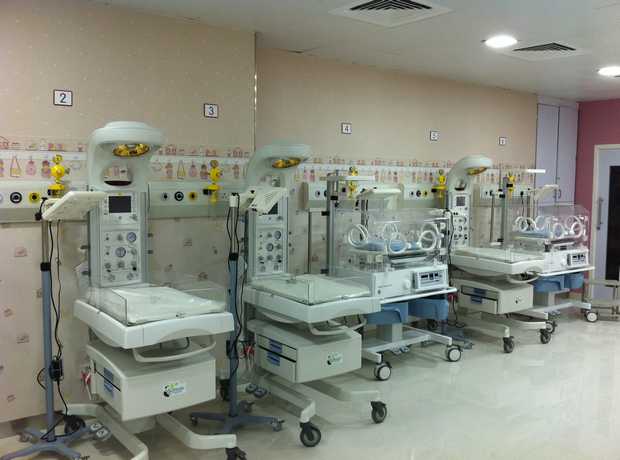
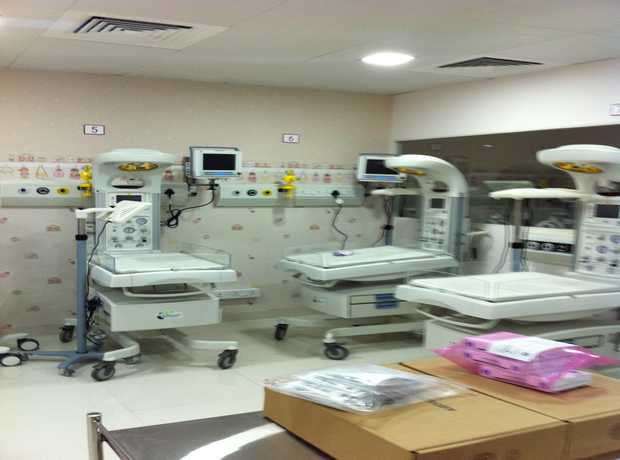
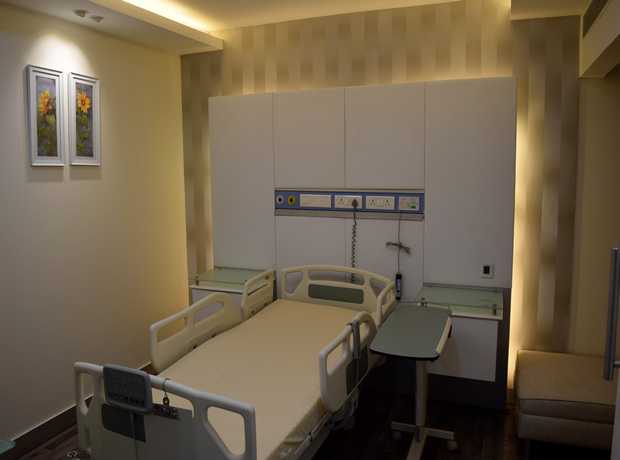
- Hospital & Healthcare Interior Design: We are recognized experts in crafting profoundly healing, efficient, and patient-centric environments. Our comprehensive services range from optimal patient room layouts, high-intensity ICUs (Intensive Care Units), cutting-edge operating theatres (OTs), sterile laboratories, and efficient consultation areas to holistic facility planning. Our designs are meticulously engineered to optimize clinical workflows, significantly enhance patient comfort and safety, and steadfastly support the highest international standards of medical care and operational excellence, directly contributing to improved health outcomes.
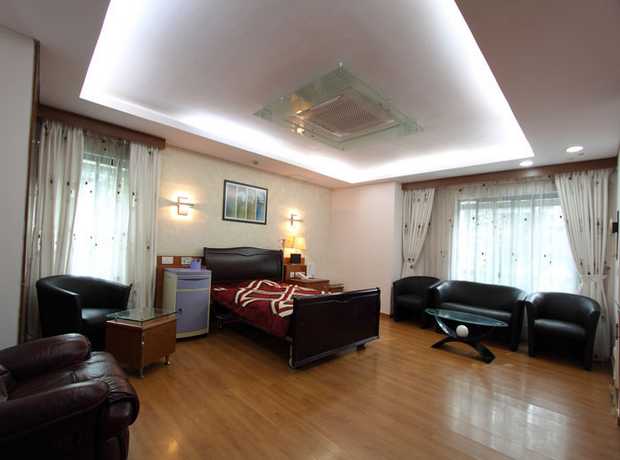
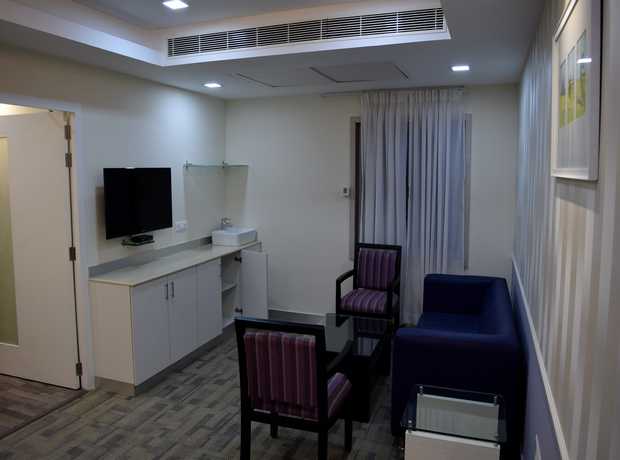
- Residential Projects: Our extensive portfolio encompasses a diverse spectrum of residential design solutions, including contemporary apartments, opulent luxury condominiums, specialized senior housing facilities meticulously designed for comfort, accessibility, and community, and community-focused interiors that foster a profound sense of belonging and enhanced well-being. We create bespoke homes that are both aesthetically stunning and supremely functional, thoughtfully reflecting the distinct lifestyles and aspirations of their discerning occupants.
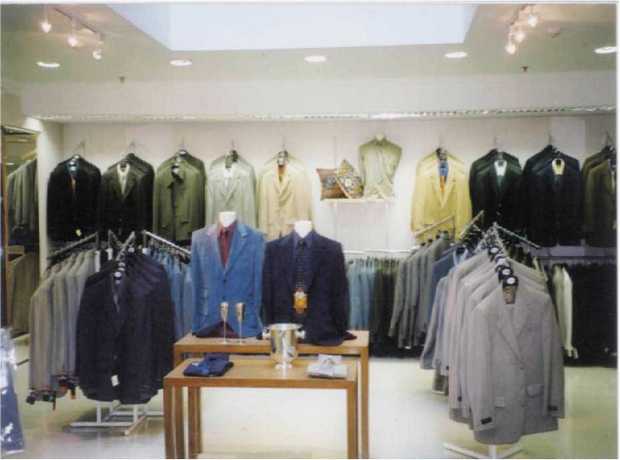
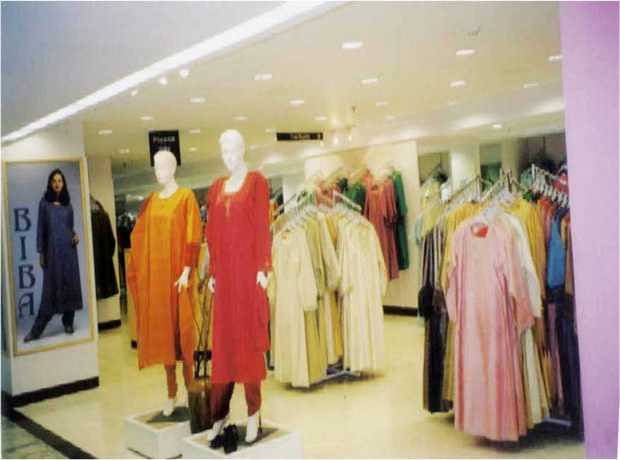
- Retail & Commercial Design: From sprawling, high-traffic shopping malls and dynamic mixed-use developments to sophisticated corporate offices and engaging entertainment centers, our designs are conceptualized to create immersive, commercially successful, and memorable environments. We place a strategic focus on enhancing customer journeys, optimizing brand presence and visibility, and ensuring efficient operational flow to maximize business potential and tenant satisfaction.
- Interior Solutions & Turnkey Execution: Beyond initial conceptualization, we offer end-to-end, integrated interior solutions. This includes meticulous space planning, innovative and ergonomic furniture layouts, advanced and energy-efficient lighting strategies, and seamless, high-quality turnkey interior execution. Our holistic approach ensures a cohesive and integrated design vision from inception through to flawless completion, delivering ready-to-use spaces of exceptional quality, functionality, and aesthetic appeal.
Why Choose Skydome Designs for Your Abu Dhabi Project: A Partnership for Unparalleled Success
- 29+ years of extensive and invaluable experience across diverse markets in India and internationally, coupled with a profound and nuanced understanding of varied market demands, including the specific cultural, climatic, and regulatory complexities of Abu Dhabi.
- A robust and multidisciplinary in-house team of highly skilled architects, specialized healthcare planners, and dedicated project managers, ensuring integrated expertise, seamless coordination, and comprehensive project oversight across all phases of development.
- A celebrated legacy of award-winning, profoundly client-focused, and intrinsically sustainable designs that consistently push creative boundaries, achieve unparalleled aesthetic and functional excellence, and often set new industry benchmarks.
- An unwavering, demonstrated commitment to project success, evidenced by a proven track record of consistently delivering projects on-time, meticulously within-budget, and to the highest global standards of quality, craftsmanship, and design integrity.
- Our remarkable track record includes the successful delivery of 2320+ conceptual design and schematic planning assignments across Abu Dhabi and globally over 24+ years. This exceptional performance is underpinned by an impressive on-time delivery rate of 99%, rigorous multi-disciplinary reviews at every stage, and dedicated post-occupancy support that collectively ensure superior, enduring outcomes for every project.
Are you ready to embark on your next groundbreaking project in Abu Dhabi, confident in a strategic partnership that unequivocally promises innovation, regulatory compliance, unparalleled quality, and guaranteed long-term value? Contact Skydome Designs today for a personalized, no-obligation consultation and discover how our deep expertise, proven methodologies, and passionate commitment can transform your ambitious vision into a landmark reality that stands the test of time and market scrutiny.
Conclusion: Paving the Way for Architectural Excellence and Sustainable Growth in Abu Dhabi
Mastering conceptual design and schematic planning in Abu Dhabi is a profoundly multifaceted and intricate endeavor, demanding a deep and nuanced understanding of local codes and evolving regulatory frameworks, astute environmental considerations, an unwavering commitment to cutting-edge sustainability, and a keen sensitivity to sophisticated user expectations. By consciously and proactively avoiding common yet critical mistakes—such as neglecting local regulations, fundamentally underestimating climatic impacts, fostering fragmented communication among stakeholders, or overlooking comprehensive life-cycle costing—and by diligently implementing advanced expert tips like embracing BIM for unparalleled coordination, prioritizing value engineering for optimal resource allocation, and integrating sustainability as a core design principle from the earliest stages, developers and designers can ensure that their projects are not only aesthetically captivating and structurally sound but also profoundly functional, economically viable, environmentally responsible, and fully compliant with the emirate’s ambitious vision for intelligent, sustainable urban development.
Partnering with experienced, globally recognized, and locally astute firms like Skydome Designs provides an invaluable strategic advantage. Our nearly three decades of extensive expertise, coupled with our dedicated in-house team of multidisciplinary professionals and a proven track record of successful, high-quality deliveries across Abu Dhabi and worldwide, offers the invaluable guidance, technical prowess, and strategic execution essential for navigating the inherent complexities of the market. At Skydome Designs, we don’t just design structures; we envision, meticulously plan, and expertly deliver excellence, ensuring your investments yield enduring value, contribute meaningfully to Abu Dhabi’s progressive urban fabric, and stand as testaments to architectural innovation. Contact us today to ensure unparalleled success on your upcoming projects, transforming your visionary concepts into iconic, impactful realities.
FAQ: Conceptual Design and Schematic Planning in Abu Dhabi – Your Essential Questions Answered
Here are some frequently asked questions about conceptual design and schematic planning in Abu Dhabi, providing clarity and expert insights into these critical initial phases of any successful project:
What precisely is conceptual design and schematic planning in the context of Abu Dhabi’s development?
Conceptual design and schematic planning represent the foundational and formative phases of any building project in Abu Dhabi. This is where the overarching vision, broad scope, and preliminary layout of the project are meticulously defined. It involves the creation of initial sketches, preliminary drawings, high-level space allocations, and the articulation of the project’s core goals. It’s a critical exploratory stage where various design options are considered, evaluated, and refined to align with client aspirations, specific site constraints, and the stringent regulatory requirements unique to Abu Dhabi’s diverse and dynamic environment.
Why is meticulous schematic design absolutely crucial for projects in Abu Dhabi?
Schematic design is paramount as it meticulously sets the foundation and establishes the strategic direction for the entire project lifecycle. This early stage enables the proactive identification of potential design flaws, structural challenges, or regulatory compliance issues before they escalate into costly problems during later, more advanced construction phases. It ensures that the design comprehensively aligns with the client’s needs, budget constraints, and the stringent local building codes of Abu Dhabi. Moreover, it helps in establishing a realistic budget, a feasible timeline, and a clear, robust framework for subsequent detailed design development and documentation, thereby significantly mitigating risks, optimizing resource utilization, and ensuring overall project success.
What are the foremost key considerations for conceptual design and planning specifically in Abu Dhabi?
Key considerations are multifaceted and deeply intertwined with Abu Dhabi’s unique context. They include, but are not limited to, strict and comprehensive compliance with local building codes (e.g., Abu Dhabi Municipality regulations, Abu Dhabi Civil Defense standards), strategic climate adaptation strategies (e.g., passive cooling, effective shading, material resilience to extreme heat), comprehensive sustainability integration (e.g., water conservation, energy efficiency, use of local and low-impact materials), acute cultural sensitivity in spatial arrangements and aesthetic expression, and proactive, continuous collaboration with local authorities and stakeholders for streamlined approvals. Furthermore, integrating smart city principles and future-proofing for technological advancements is increasingly vital.
How can I identify and select a reliable conceptual design and schematic planning company for my Abu Dhabi project?
To secure a trustworthy and expert partner for your Abu Dhabi project, prioritize companies with a demonstrably proven track record of successful projects within the emirate or in similar complex, high-stakes environments. Look for extensive relevant experience, a robust and diverse portfolio showcasing their capabilities across various typologies, and compelling positive client testimonials that attest to their professionalism, quality of work, and ability to deliver. Furthermore, verify their certifications, professional organization memberships, and, critically, their in-depth understanding and expertise in navigating local Abu Dhabi regulations, market dynamics, and cultural sensitivities. Skydome Designs boasts a distinguished proven track record, a comprehensive portfolio, and glowing client testimonials from across diverse sectors and geographies. We invite you to explore our portfolio to gain deeper insights into our expertise and unwavering commitment to excellence.
What are the tangible benefits of incorporating BIM (Building Information Modeling) into conceptual design and schematic planning in Abu Dhabi projects?
The benefits of utilizing BIM in Abu Dhabi projects are extensive, transformative, and yield significant returns. BIM profoundly enhances collaboration among all project teams, dramatically improves design accuracy by actively reducing errors and inconsistencies, and facilitates superior, data-driven decision-making through advanced visualization and intelligent data integration. It allows for early and proactive clash detection among disciplines, comprehensive performance simulations (e.g., energy usage, daylight analysis, wind flow), and streamlines the entire information flow from design through construction to efficient facility management. For Abu Dhabi projects, BIM is crucial for navigating complex regulatory approval processes, optimizing resource allocation, achieving ambitious sustainability targets (like Estidama), and ultimately leading to more efficient, cost-effective, and high-quality project outcomes with reduced risk.
What specific local regulations and sustainability initiatives should be top-of-mind during early design phases in Abu Dhabi?
During the early design phases in Abu Dhabi, primary regulations to consider include those meticulously set by the Abu Dhabi Municipality (ADM) for urban planning and construction permits, the Abu Dhabi Department of Urban Planning and Municipalities (DPM) for master planning guidelines, and the rigorous standards of the Abu Dhabi Civil Defense (ADCD) for fire and life safety. Critically, the Estidama Pearl Rating System is Abu Dhabi’s mandatory green building program, demanding the proactive integration of sustainability principles from conception through to construction across various crucial categories like energy efficiency, water conservation, material selection, and overall liveability. Understanding and proactively designing for these ensures regulatory compliance, enhances project value, and directly contributes to Abu Dhabi’s ambitious vision for sustainable and resilient urban development. Skydome Designs provides global design standards with unparalleled local code expertise in Abu Dhabi, ensuring your project seamlessly meets all these stringent requirements.
📞 Contact: +91 7299072144 | ✉️ Email: info@skydomedesigns.com