The healthcare landscape in Doha is rapidly evolving, driven by ambitious national visions and an unwavering commitment to providing world-class medical facilities. As Qatar gears up for 2025 and beyond, a significant focus is placed on sustainability, the integration of cutting-edge digital technologies, and the delivery of patient-centric care. In this dynamic environment, the process of bringing a new hospital online—from its architectural blueprints to its first patient intake—demands precision, foresight, and an unyielding adherence to best practices. This is where future-ready, evidence-based hospital commissioning and handover services in Doha become not just advantageous, but absolutely critical.
Ensuring a seamless and well-orchestrated transition from the intensive construction phase to full operational readiness is an intricate dance of systems, personnel, and regulatory compliance. When executed flawlessly, this process not only minimizes disruptive delays and operational hiccups but also significantly lowers lifecycle costs, enhances patient safety, and optimizes staff efficiency from day one. This comprehensive guide provides expert tips to help healthcare stakeholders, developers, and facility managers in Doha navigate the complexities of hospital commissioning and handover, enabling them to avoid common, often costly, mistakes and optimize their processes for 2025 and the decades to come.
With an understanding that every detail matters in a healthcare setting, from the sophisticated HVAC systems to the intuitive wayfinding, our aim is to empower you with the knowledge needed to ensure your new or upgraded hospital facility in Doha is truly fit for purpose, delivering unparalleled care and operational excellence.
Why Evidence-Based Hospital Commissioning and Handover is Crucial in Doha’s Evolving Healthcare Sector
Doha stands at the forefront of healthcare innovation in the Middle East, with ongoing investments in state-of-the-art medical infrastructure. The vision extends beyond mere construction; it encompasses the creation of intelligent, sustainable, and highly efficient healthcare ecosystems. In this high-stakes environment, where ambitious healthcare projects are not just buildings but vital pillars of community well-being, meticulous planning and execution of hospital commissioning and handover are absolutely paramount.
An evidence-based approach to commissioning is fundamentally about systematic verification and validation. It ensures that all systems, equipment, and processes within a hospital are thoroughly tested, proven to perform as intended, and optimized according to the owner’s project requirements and global best practices, all before the hospital opens its doors to patients. This proactive and data-driven strategy serves as an indispensable safeguard, minimizing operational risks, enhancing overall efficiency, and, most importantly, directly contributing to superior patient outcomes.
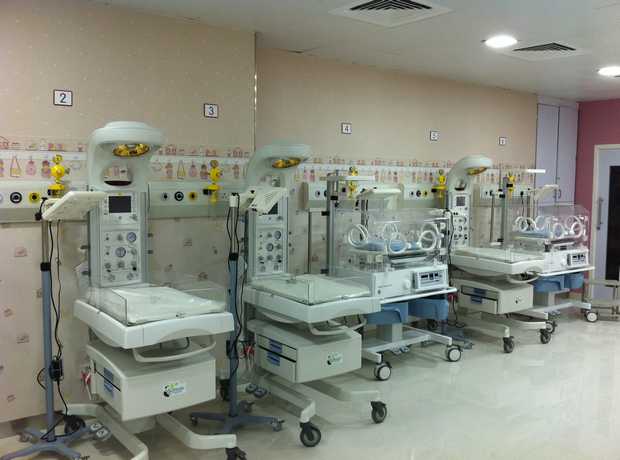
Consider the myriad interconnected systems in a modern hospital: complex medical gas systems, intricate HVAC for critical care areas, highly sensitive imaging equipment, integrated IT networks for patient records, and robust life safety systems. Each component must function flawlessly, both individually and in concert with others. An evidence-based methodology provides the structured framework to achieve this, moving beyond mere checklist verification to a deeper level of performance assurance.
The Tangible Benefits of an Evidence-Based Approach in the Doha Context
- Reduced Operational Costs Over the Lifecycle: By identifying and rectifying design flaws, installation errors, or equipment malfunctions early in the commissioning phase, healthcare facilities can avoid immensely costly repairs, emergency shutdowns, and energy inefficiencies that would inevitably arise during live operation. Proactive problem-solving translates into significant long-term savings on maintenance, utilities, and potential legal liabilities. This aligns perfectly with Doha’s emphasis on sustainable and economically viable infrastructure.
- Enhanced Patient Safety and Clinical Reliability: In a hospital, every system directly or indirectly impacts patient care. Thorough testing and validation of medical equipment, environmental controls (like air quality in operating theatres or isolation rooms), and critical support systems ensure that the facility is safe and ready for patient occupancy from day one. An evidence-based approach minimizes the risk of system failures that could compromise patient well-being, providing peace of mind for both staff and patients.
- Improved Staff Efficiency and Morale: A hospital that is properly commissioned and handed over means that all systems function as designed, training on equipment is comprehensive, and operational workflows are optimized. Well-trained staff, familiar with the hospital’s specific systems, equipment, and emergency protocols, can perform their duties with greater confidence and efficiency. This not only enhances productivity but also significantly contributes to staff satisfaction and retention, a critical factor in Doha’s competitive healthcare talent market.
- Rigorous Compliance with International and Local Standards: Adhering to a complex web of global design standards (e.g., JCI, ASHRAE, NFPA) and specific local codes and regulations in Doha is non-negotiable. An evidence-based commissioning process systematically verifies that all aspects of the facility meet these stringent requirements, mitigating regulatory risks and ensuring the hospital operates legally and ethically. This is crucial for maintaining licensure and accreditation.
- Optimized Building Performance and Sustainability: Modern hospitals are energy-intensive. Evidence-based commissioning includes rigorous testing of HVAC, lighting, and other energy-consuming systems to ensure they operate at peak efficiency. This directly supports Doha’s sustainability goals, reducing the environmental footprint of the hospital and contributing to Qatar National Vision 2030’s environmental development pillar.
In essence, choosing an evidence-based approach for hospital commissioning and handover services in Doha is an investment in the longevity, safety, and operational excellence of your healthcare facility. It transforms a complex undertaking into a manageable, verifiable, and ultimately successful transition.












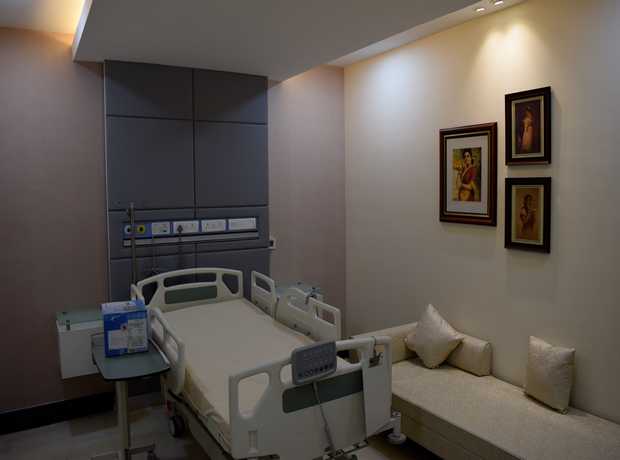
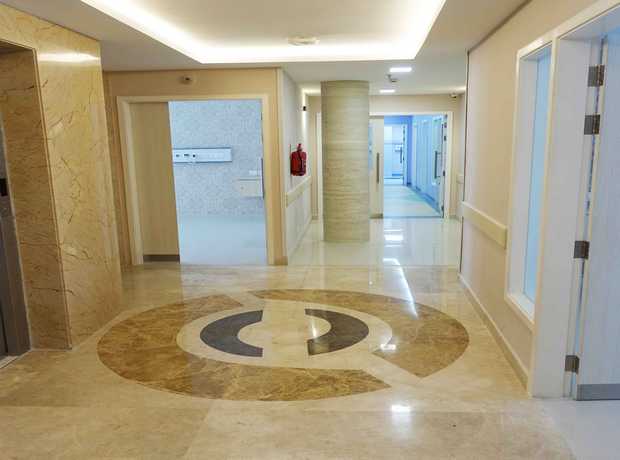
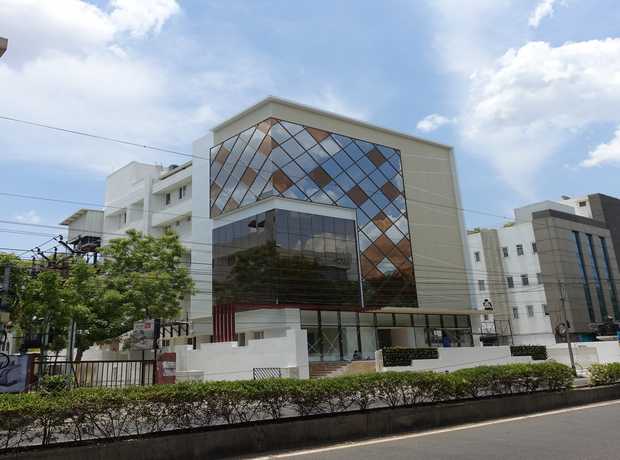
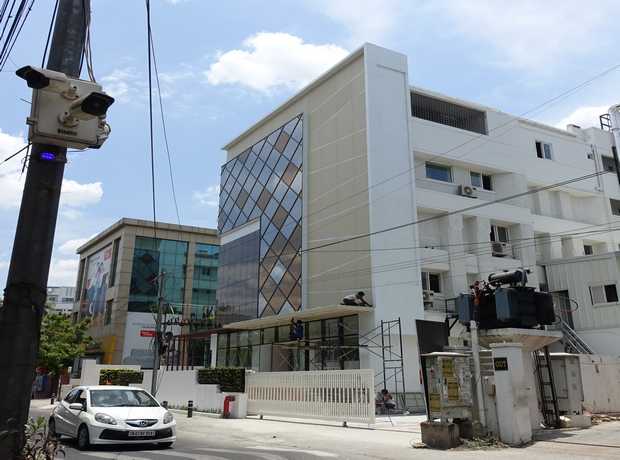






Common Mistakes to Avoid During Hospital Commissioning and Handover in Doha
Even with the most ambitious visions and substantial investments, the path to a fully operational hospital can be fraught with challenges. Understanding and actively avoiding common pitfalls is as crucial as knowing the best practices. Here are some prevalent mistakes observed during hospital commissioning and handover, particularly pertinent to the intricate nature of projects in Doha:
- Lack of Early Planning and Integration: One of the most significant errors is perceiving commissioning as a post-construction activity. Commissioning should ideally begin during the conceptual design phase, not after construction is complete. Failing to integrate commissioning requirements and strategies from the outset can lead to costly redesigns, reworks, and delays as operational deficiencies are identified too late in the process. Without early input, design choices may inadvertently complicate testing and maintenance down the line.
- Inadequate or Inconsistent Documentation: Comprehensive, accurate, and easily accessible documentation is the backbone of successful hospital operation and maintenance. A common mistake is fragmented documentation, where system manuals, as-built drawings, test reports, and operational procedures are scattered or incomplete. Poor documentation severely hampers future maintenance, troubleshooting, upgrades, and regulatory audits. For a complex facility like a hospital in Doha, this oversight can be paralyzing.
- Insufficient and Untimely Staff Training: Bringing in state-of-the-art equipment without adequately training the staff who will operate and maintain it is a recipe for inefficiency and potential safety hazards. Training should be planned well in advance of handover, ideally in phases, involving medical staff, technicians, and facility management teams. Waiting until the last minute or providing superficial training can lead to operational errors, equipment misuse, and a steep learning curve during live operations.
- Poor Communication and Lack of Stakeholder Alignment: Hospital projects involve a vast array of stakeholders: owners, architects, engineers, contractors, sub-contractors, equipment vendors, IT specialists, medical staff, and facility managers. A breakdown in communication channels or a lack of clear understanding of roles and responsibilities can lead to misunderstandings, duplicated efforts, or critical oversights. Effective, continuous communication and a unified commissioning team are paramount for a smooth handover process in Doha.
- Ignoring Local Codes and Regulatory Nuances: While adhering to international best practices is vital, neglecting specific local building codes, healthcare regulations, and licensing requirements unique to Doha and Qatar can lead to serious compliance issues, delays in licensure, and potentially costly modifications. It’s essential to have expert knowledge of both global design standards and specific local code expertise in Doha, understanding how they intersect and where local interpretations apply.
- Underestimating the Complexity of Medical Equipment Integration: Modern hospitals are heavily reliant on integrated medical technology. A mistake is often made in underestimating the time and expertise required to properly install, calibrate, network, and test all medical equipment, ensuring it communicates seamlessly with IT systems (EHR, PACS) and meets clinical specifications. This is particularly challenging with highly specialized equipment like MRI machines, robotic surgery systems, or advanced laboratory diagnostics.
- Insufficient Budget and Time Allocation for Commissioning: Commissioning is often seen as an overhead rather than a critical investment. Under-budgeting and under-scheduling for commissioning activities can force corners to be cut, leading to incomplete testing, rushed training, and ultimately, a less reliable facility. The true cost of not commissioning properly far outweighs the initial investment.
- Neglecting Post-Occupancy Support and Performance Monitoring: Handover is not the finish line. A common mistake is to cease support immediately after the facility opens. The initial period of operation often reveals unforeseen issues or opportunities for optimization. Neglecting post-occupancy support and ongoing performance monitoring means missing opportunities for continuous improvement and early detection of potential long-term problems.
By actively recognizing and strategically avoiding these common pitfalls, healthcare project teams in Doha can significantly enhance the success rate of their hospital commissioning and handover processes, ensuring a robust, compliant, and highly functional facility.
Expert Tips for Successful Hospital Commissioning and Handover in Doha for 2025 and Beyond
Achieving excellence in hospital commissioning and handover in Doha requires more than just avoiding mistakes; it demands a proactive, integrated, and expert-led approach. Here are expanded expert tips to ensure your project’s success, positioning your facility for optimal performance in 2025 and well into the future:
1. Engage a Specialist in Evidence-Based Hospital Commissioning and Handover Services in Doha from Day One
The single most impactful decision you can make is to partner with a company specializing in evidence-based hospital commissioning and handover services in Doha early in the project lifecycle. These experts are not merely contractors; they are strategic partners who bring invaluable experience, a proven methodology, and deep understanding of both global best practices and local regulatory landscapes to the table. Their involvement from the very conceptual stages ensures that commissioning requirements are baked into the design, rather than being an afterthought.
A specialized firm will establish a comprehensive commissioning plan, define owner’s project requirements (OPR), develop basis of design (BOD) documents, and oversee the entire verification process. They act as an independent third party, ensuring that the interests of the owner and future facility operators are paramount. For example, Skydome Designs, with nearly 30 years of experience and a track record of delivering 2387+ evidence-based hospital commissioning and handover services assignments across Doha and globally over 24+ years, exemplifies this expertise. Their proven methodology, achieving on‑time delivery 97%, coupled with multi‑disciplinary reviews and robust post‑occupancy support, underpins optimal outcomes. Learn more about our comprehensive hospital interior design and commissioning services.
2. Implement a Robust BIM-Led Coordination Strategy
Building Information Modeling (BIM) is no longer a luxury but a necessity for complex healthcare projects. BIM facilitates seamless coordination and collaboration among all project stakeholders—architects, structural engineers, MEP engineers, contractors, and medical equipment planners. By creating a digital twin of the hospital, BIM allows for clash detection early in the design phase, identifying spatial conflicts between various building systems (e.g., HVAC ducts, electrical conduits, medical gas lines) before they become costly physical errors on site.
In Doha, where projects are often grand in scale and complexity, BIM-led coordination, value engineering, and quality control tailored specifically for projects in Doha can significantly improve efficiency, reduce rework, and minimize errors. It provides a single source of truth for all project information, enhancing decision-making and ensuring that the commissioned facility accurately reflects the design intent and operational requirements. This digital framework also aids in creating robust facility management systems post-handover.
3. Focus on Proactive Value Engineering Throughout the Project
Value engineering is often misunderstood as simply cost-cutting. In reality, it is a systematic, creative process aimed at identifying opportunities to enhance functionality, improve performance, and reduce lifecycle costs without compromising quality or safety. For hospital projects in Doha, where construction costs can be substantial, proactive value engineering is particularly important. It involves an intensive review of design elements, material specifications, and construction methods to find more efficient or cost-effective alternatives.
An evidence-based approach to value engineering ensures that any proposed changes are supported by data and analysis, guaranteeing that operational efficiency, patient outcomes, and regulatory compliance are maintained or even improved. This continuous process, from design to construction, helps optimize resource allocation and ensures the facility delivers maximum value. Contact us to discuss how our expertise in value engineering can benefit your hospital project in Doha.
4. Prioritize Rigorous Quality Control and Assurance
Quality control is the bedrock of successful hospital commissioning. It encompasses a systematic process of inspecting, testing, and verifying that all systems, equipment, and installations meet the specified design criteria, performance requirements, and regulatory standards. This is not a superficial check; it involves meticulous examination at every stage—from material procurement to installation, and through pre-functional and functional testing.
Rigorous quality control throughout the commissioning process is essential to ensure that all systems and equipment meet the required performance standards. This includes factory acceptance testing (FAT), site acceptance testing (SAT), and comprehensive performance verification. Skydome Designs emphasizes multi-disciplinary reviews involving experts from various fields (MEP, medical, IT, structural) to ensure all facets are covered. Furthermore, their commitment to post-occupancy support is critical to achieving the best long-term outcomes, addressing any unforeseen issues that arise during the initial operational period and continuously optimizing performance.
5. Integrate Intuitive Wayfinding Solutions from the Outset
In the complex environment of a modern hospital, effective wayfinding is not just a convenience; it’s a critical component of patient experience, operational efficiency, and even safety. Patients and visitors, often under stress, need clear, intuitive guidance to navigate large facilities. Staff also benefit from well-designed wayfinding for efficient movement between departments and in emergencies.
Incorporating wayfinding solutions early in the design process, rather than as an afterthought, ensures a user-friendly and less stressful environment. This includes strategic placement of signage, color-coding, use of landmarks, and integration with digital navigation tools. A well-planned wayfinding strategy complements the overall hospital interior design, contributing significantly to a positive patient journey and staff productivity.
6. Optimize Hospital Interior Design and Clinical Planning for Peak Performance
The design of a hospital goes far beyond aesthetics; it profoundly impacts operational efficiency, patient recovery, and staff well-being. Thoughtful hospital interior design and meticulous clinical planning are integral to creating functional, safe, and healing environments. This involves a deep understanding of patient flow, staff workflows, material management, infection control principles, and the psychological impact of space.
- Patient-Centric Layouts: Designs should minimize travel distances for patients and staff, promote privacy, and incorporate natural light and views to enhance patient comfort and recovery.
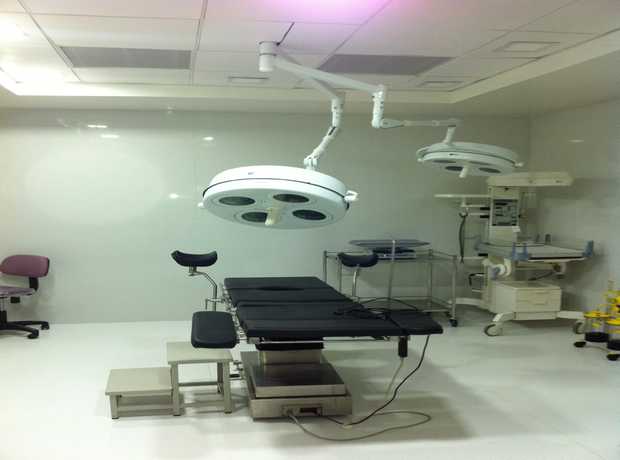
- Efficient Workflow Zones: Clinical planning must optimize the layout of patient rooms, ICUs, operating theatres (OTs), laboratories, and consultation areas to support seamless care delivery. Proper OT design, for instance, is paramount for optimal surgical outcomes, requiring specific considerations for sterile zones, equipment placement, and air circulation.
- Aesthetic and Healing Environments: The choice of colors, materials, lighting, and acoustics can significantly reduce stress and promote a sense of calm for patients, visitors, and staff.
- Future Flexibility: Designing with future expansion and technological upgrades in mind ensures the hospital remains adaptable to evolving healthcare needs without major overhauls.
Skydome Designs excels in integrating these elements, creating spaces that are not only beautiful but are highly functional, sustainable, and conducive to healing.
7. Prioritize Comprehensive Training and Handover Protocols
A well-commissioned hospital is only as good as the team operating it. Develop and execute a comprehensive training program for all relevant staff—clinical, technical, administrative, and maintenance—well before the official opening. This training should cover:
- System Operations: How to operate all new equipment and building systems.
- Emergency Procedures: Protocols for power outages, medical gas failures, fire alarms, and other critical events.
- Maintenance Schedules: Understanding preventive maintenance requirements for all assets.
- IT Systems: Training on Electronic Health Records (EHR), Picture Archiving and Communication Systems (PACS), and other integrated digital platforms.
The handover process itself should be a structured event, formally transferring responsibility and knowledge from the project team to the operational team, complete with all necessary documentation, warranties, and contacts. This ensures continuity and prepares the facility for immediate and efficient operation.
8. Embrace Digital Integration and Smart Hospital Technologies
For 2025 and beyond, hospitals in Doha must leverage digital technologies not just in patient care but also in facility management. Incorporate smart hospital concepts from the design phase:
- Building Management Systems (BMS): Centralized control and monitoring of HVAC, lighting, security, and fire systems for optimized energy use and operational response.
- Internet of Things (IoT): Sensors for real-time monitoring of equipment performance, environmental conditions, and asset tracking.
- Predictive Maintenance: Using data analytics to anticipate equipment failures before they occur, reducing downtime and costs.
- Integrated IT Infrastructure: A robust, secure, and scalable network that supports all clinical, administrative, and building systems seamlessly.
Commissioning should verify the functionality and interoperability of all these digital systems, ensuring they contribute to a truly intelligent and efficient healthcare environment.
Skydome Designs: Your Trusted Partner for Evidence-Based Hospital Commissioning and Handover in Doha
When the stakes are as high as patient lives and community health, choosing the right partner for your hospital project in Doha is paramount. Skydome Designs Pvt Ltd stands as a leading architecture and interior design firm, with a specialized focus and nearly 30 years of unwavering commitment to hospital and healthcare interiors. Our extensive experience, spanning across India and internationally, positions us uniquely to deliver innovative, sustainable, and highly functional spaces that not only enhance patient experiences but also optimize operational efficiency.
Our journey began with a vision to transform healthcare environments into places of healing, efficiency, and comfort. This vision has led us to deliver 2387+ evidence-based hospital commissioning and handover services assignments across Doha and globally over 24+ years. Our dedication to precision is reflected in our remarkable 97% on‑time delivery rate, a testament to our meticulous planning, rigorous execution, and comprehensive project management. Our approach is underpinned by extensive multi‑disciplinary reviews and dedicated post‑occupancy support, ensuring that the performance and functionality of your facility are optimized long after handover.
What Skydome Designs Does for Healthcare in Doha
- Comprehensive Hospital Interior Design: We go beyond aesthetics to create functionally superior spaces. This includes patient rooms designed for comfort and recovery, highly specialized Intensive Care Units (ICUs), state-of-the-art Operating Theatres (OTs), advanced laboratories, welcoming consultation areas, and holistic facility planning engineered for optimized care delivery. We understand the nuances of designing for infection control, patient privacy, and clinical workflow efficiency.
- Specialized OT Design & Clinical Planning: Our expertise includes the intricate requirements of operating theatres, ensuring optimal layouts for surgical teams, sterile environments, advanced equipment integration, and seamless material flow, all critical for superior surgical outcomes.
- Value Engineering & Quality Control Tailored to Doha: Leveraging our deep understanding of the local market and global standards, we implement proactive value engineering strategies to reduce costs without compromising quality. Our rigorous quality control processes ensure that every aspect of the project adheres to the highest international standards and specific Doha regulations.
- BIM-Led Coordination: We utilize advanced Building Information Modeling (BIM) for enhanced coordination among all stakeholders, minimizing clashes, improving design accuracy, and streamlining construction, leading to efficient project delivery in Doha.
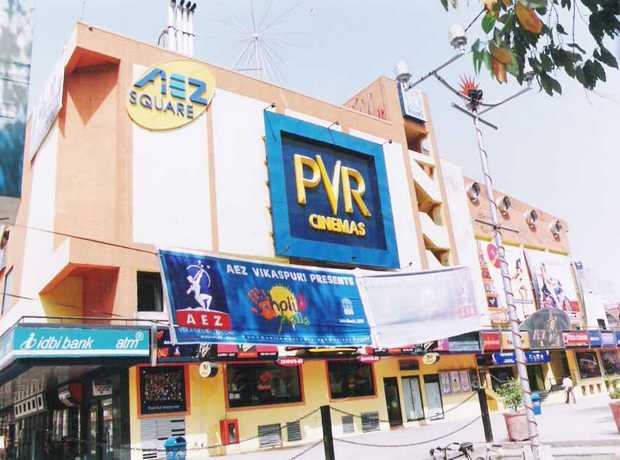
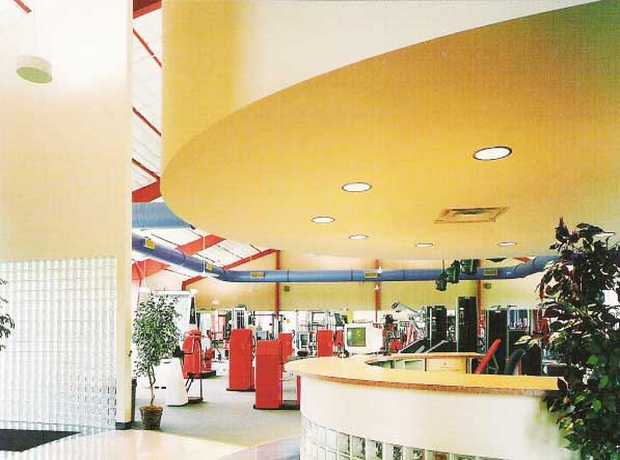
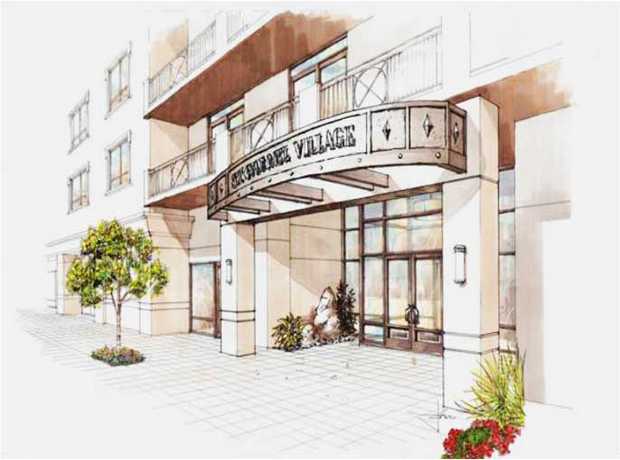
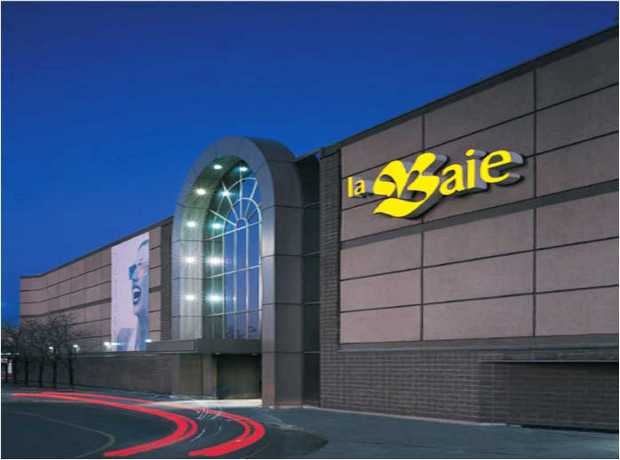
- Residential & Commercial Design Expertise: While our healthcare focus is strong, our broader architectural and interior design capabilities extend to residential projects (apartments, luxury condos, senior housing, community-focused interiors) and retail & commercial designs (shopping malls, mixed-use developments, offices, entertainment centers), showcasing our versatility and comprehensive design acumen.
- Integrated Interior Solutions: From strategic space planning and ergonomic furniture layouts to sophisticated lighting designs and comprehensive turnkey interior execution, we provide end-to-end solutions that bring your vision to life.
Why Choose Skydome Designs for Your Doha Project?
- 29+ Years of Unmatched Experience: Our extensive legacy across India and abroad means we bring a wealth of knowledge and a deep understanding of diverse project challenges and successful solutions.
- Dedicated In-House Team: We pride ourselves on our integrated team of seasoned architects, expert healthcare planners, and meticulous project managers, all working cohesively to deliver excellence.
- Award-Winning & Client-Focused Approach: Our designs are recognized for their innovation, sustainability, and—most importantly—their ability to meet and exceed client expectations. We believe in collaborative partnerships.
- Global Standards with Local Code Expertise: We ensure your project adheres to the most stringent international design standards while rigorously complying with all relevant local codes and regulations specific to Doha, Qatar.
- Proven Track Record: Projects delivered on-time, on-budget, and to global standards are our hallmark. Our 97% on-time delivery rate for hospital commissioning assignments is a testament to our commitment to excellence and efficiency.
Skydome Designs is not just about building structures; it’s about building legacies of health and operational efficiency. We understand that a hospital is more than concrete and steel; it’s a living entity dedicated to healing. Let us bring our unparalleled expertise in evidence-based hospital commissioning and handover services in Doha to your next project.
Ready to transform your healthcare vision into a perfectly operational reality? Contact Skydome Designs today! Our team is eager to discuss how our bespoke solutions and proven methodologies can ensure the success of your hospital project in Doha. 📞 +91 7299072144 | ✉️ info@skydomedesigns.com
FAQ: Evidence-Based Hospital Commissioning and Handover Services in Doha
Understanding the intricacies of hospital commissioning and handover is vital for any healthcare developer or facility manager in Doha. Here are some frequently asked questions that shed more light on our evidence-based services:
What exactly is evidence-based hospital commissioning?
Evidence-based hospital commissioning is a highly systematic and data-driven process designed to ensure that all hospital systems, equipment, and infrastructure are not only installed correctly but are also thoroughly tested, validated, and capable of being operated and maintained precisely according to the owner’s detailed project requirements (OPR). It moves beyond basic verification, relying on documented evidence and adherence to global best practices to confirm that the facility performs as intended, safely, efficiently, and compliantly. This process ensures every component contributes to a fully functional and optimized healthcare environment.
Why is meticulous hospital commissioning particularly important in Doha?
Hospital commissioning is crucial everywhere, but it holds unique importance in Doha due to several factors: the significant investments in advanced healthcare infrastructure, the ambition to meet world-class patient care standards, and the need to integrate complex digital technologies within new facilities. Doha’s projects often aim for high sustainability ratings and require strict adherence to both international standards (e.g., JCI accreditation) and local Qatari regulations. Proper commissioning ensures patient safety, optimizes operational efficiency from day one, guarantees regulatory compliance, and protects substantial investments by mitigating future operational issues and costs.
How much does professional hospital commissioning typically cost, and is it a worthwhile investment?
The cost of hospital commissioning varies significantly based on the size, complexity, specialization, and technological sophistication of the project. While it represents an initial investment, its value is overwhelmingly positive. The benefits of comprehensive commissioning, such as drastically reduced operational costs (through energy efficiency and fewer breakdowns), enhanced patient safety, improved staff efficiency, avoidance of costly delays, and guaranteed compliance, far outweigh the upfront expenditure. It acts as an insurance policy, preventing much larger financial and reputational losses that could arise from poorly performing systems or unforeseen issues post-opening. Think of it as investing in the long-term health and efficiency of your facility.
What are the key steps involved in an evidence-based hospital commissioning process?
An evidence-based hospital commissioning process is multi-phased and comprehensive:
- Planning and Scoping: Defining owner’s project requirements (OPR) and basis of design (BOD), developing a detailed commissioning plan, and assembling the commissioning team.
- Design Phase Review: Thorough review of architectural, structural, MEP, medical gas, and IT designs to ensure commissionability, maintainability, and compliance.
- Construction Phase Verification: Regular site inspections, installation verification, and functional checks during construction.
- Pre-Functional Testing: Verification that all systems are ready for functional testing (e.g., power is on, controls are wired).
- Functional Performance Testing: Rigorous testing of individual components and systems under various operating conditions to confirm they meet design intent.
- Integrated Systems Testing: Testing how different systems interact and perform together (e.g., HVAC with fire alarm, medical gases with monitoring systems).
- Staff Training: Comprehensive training for all facility operators, medical staff, and maintenance personnel on new systems and equipment.
- Documentation & Handover: Compilation of all commissioning reports, O&M manuals, as-builts, and formal transfer of facility knowledge and responsibilities.
- Post-Occupancy Support & Optimization: Ongoing monitoring, fine-tuning, and support during the initial operational period to address any emergent issues and optimize performance.
How can I find a reputable and experienced hospital commissioning provider in Doha?
When selecting a hospital commissioning provider in Doha, look for firms with extensive experience specifically in healthcare projects, a proven track record of success (ask for case studies and references), and a deep understanding of both global best practices and local Qatari codes and regulations. Expertise in BIM, value engineering, and sustainability is also crucial. Prioritize providers who offer comprehensive services from design review through post-occupancy support. Consider Skydome Designs, with 29+ years of experience and a track record of 2387+ assignments across Doha and globally, as your trusted partner for unparalleled expertise and guaranteed outcomes. Contact us today to learn more about our tailored solutions!
What specific advantages does Skydome Designs offer for hospital commissioning in Doha?
Skydome Designs brings nearly three decades of specialized experience in healthcare infrastructure. Our advantages include:
- A proven methodology that has delivered 2387+ evidence-based hospital commissioning and handover services assignments across Doha and globally over 24+ years, with a 97% on-time delivery rate.
- Deep expertise in global design standards with local code expertise in Doha, ensuring full compliance.
- Advanced techniques like BIM‑led coordination, value engineering, and quality control tailored to Doha projects, enhancing efficiency and cost-effectiveness.
- A dedicated in-house team of architects, healthcare planners, and project managers.
- A commitment to multi-disciplinary reviews and post-occupancy support, ensuring long-term operational excellence and continuous improvement.
These factors combine to provide a superior, risk-mitigated commissioning experience for your hospital project in Doha.
Conclusion: Paving the Way for Healthcare Excellence in Doha with Skydome Designs
Navigating the complex landscape of hospital commissioning and handover in Doha demands more than just adherence to timelines and budgets; it requires careful planning, a steadfast commitment to evidence-based practices, and the invaluable expertise of experienced professionals. As Doha continues its rapid development and investment in world-class healthcare infrastructure, ensuring that new facilities are fully operational, safe, efficient, and compliant from day one is paramount. Avoiding common mistakes—such as late engagement of commissioning experts, inadequate documentation, insufficient training, or neglecting local regulations—is crucial for preventing costly delays and operational inefficiencies.
By embracing the expert tips outlined in this article, including early engagement with specialists, implementing BIM-led coordination, prioritizing value engineering and quality control, and optimizing design for patient flow and staff efficiency, healthcare stakeholders in Doha can ensure a smooth, successful, and sustainable transition from construction to operation. These strategies are not merely about opening a building; they are about establishing a foundation for exceptional patient care and operational excellence that will serve the community for decades.
Skydome Designs stands ready as your trusted partner in this critical endeavor. With our nearly 30 years of specialized experience in healthcare interiors and a proven track record of delivering 2387+ evidence-based hospital commissioning and handover services assignments across Doha and globally over 24+ years, we bring unparalleled expertise to your project. Our commitment to on-time delivery (97%), rigorous multi-disciplinary reviews, and comprehensive post-occupancy support ensures that your hospital in Doha will not only meet but exceed expectations, embodying the highest standards of safety, efficiency, and design.
Let us guide you through every intricate step of the process, transforming your vision for healthcare excellence into a perfectly commissioned and flawlessly operating reality. Choose a partner that understands the unique demands of Doha’s healthcare sector and possesses the expertise to deliver truly future-ready facilities.
Ready to ensure your hospital project in Doha achieves operational perfection and unparalleled patient care? Contact Skydome Designs today to learn more about our evidence-based hospital commissioning and handover services in Doha. Our expert team is here to answer your questions and help you plan for success. 📞 +91 7299072144 | ✉️ info@skydomedesigns.com