Chennai’s vibrant and dynamic healthcare landscape is undergoing an unprecedented transformation, driven by an increasing population, rising health awareness, the burgeoning medical tourism sector, and rapid advancements in medical technology. Hospitals across the city are experiencing growing patient volumes and a pressing need to modernize facilities to meet contemporary demands. However, embarking on a hospital expansion or renovation project in Chennai is a monumental undertaking, fraught with complexities, significant capital investment, and critical operational implications. Any misstep can lead to exorbitant costs, project delays, compromised patient care, and a diminished reputation.
To navigate this intricate process successfully, adopting a meticulous, evidence-based approach is not merely beneficial; it is absolutely essential. This comprehensive guide provides expert, actionable tips for ensuring your Chennai hospital’s expansion or renovation project not only avoids common pitfalls but also emerges as a resounding success in 2025 and well into the future. From initial strategic planning to the intricate details of design and execution, we will explore the critical elements that differentiate a triumphant project from a costly miscalculation. Partnering with seasoned professionals, such as Skydome Designs, who bring a wealth of local and global expertise, is the first definitive step towards building future-ready healthcare facilities that genuinely serve the community.
The Indispensable Role of Evidence-Based Hospital Expansion and Renovation in Chennai’s Healthcare Future
Evidence-based hospital expansion and renovation in Chennai represents a paradigm shift from traditional design methodologies, which often relied on anecdotal experience or established norms, to a data-driven, research-informed decision-making framework. In an environment as critical as healthcare, where every design choice can directly impact patient safety, clinical outcomes, operational efficiency, and staff well-being, this approach is paramount. It ensures that every square foot of space, every material selection, and every strategic layout decision is justified by empirical data, proven best practices, and a deep understanding of human behavior within a clinical setting.
The benefits of this approach are multi-faceted and profound. It dramatically minimizes inherent risks associated with large-scale projects, such as design flaws, budget overruns, and scheduling delays. By optimizing resource allocation based on predictive models and user needs, it fosters efficiency, leading to long-term operational savings and improved return on investment. Furthermore, an evidence-based design inherently champions a patient-centered approach, crafting environments that are not only functional but also healing, calming, and intuitive. For Chennai, a city increasingly focused on sustainable development and seamless digital integration, embracing future-ready, evidence-based hospital expansion and renovation strategies is critical for lowering lifecycle costs, enhancing operational agility, and solidifying a hospital’s position as a leader in healthcare innovation. Selecting an experienced partner with a robust track record, like Skydome Designs, is integral to translating these principles into tangible, high-performing healthcare spaces.
What Defines Evidence-Based Design in Healthcare?
Evidence-based design (EBD) in healthcare is a rigorous methodology that involves making design decisions for buildings and interior spaces based on credible research to achieve the best possible outcomes for patients, staff, and visitors. It integrates four core components:
- Best Available Research Evidence: Utilizing peer-reviewed studies, meta-analyses, and industry reports on how physical environments affect health outcomes.
- Clinical Expertise and Stakeholder Input: Incorporating the practical knowledge and perspectives of doctors, nurses, administrators, and patients.
- Contextual Understanding: Adapting global best practices to the specific local cultural, economic, and regulatory landscape of Chennai.
- Post-Occupancy Evaluation (POE): A commitment to measuring the effectiveness of design interventions after the facility is occupied to refine future projects and ensure continuous improvement.
This holistic approach ensures that every design element, from the layout of an operating theatre to the choice of wall colors in a waiting area, is thoughtfully considered for its potential impact, moving beyond aesthetics to focus on functionality, safety, and well-being. Our 29+ years of experience across India and abroad means Skydome Designs seamlessly integrates these pillars into every project, creating spaces that are not just beautiful but powerfully effective.

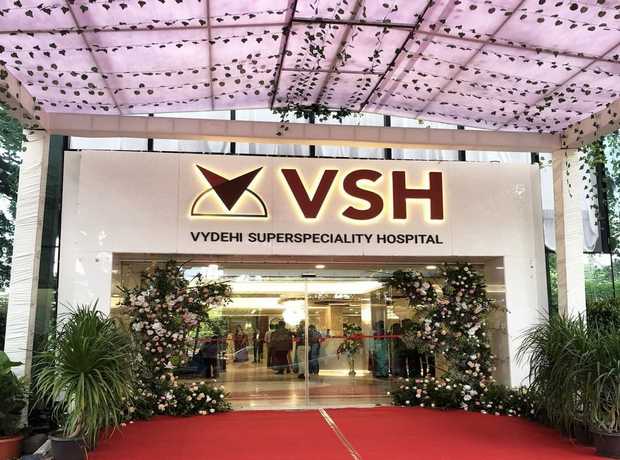
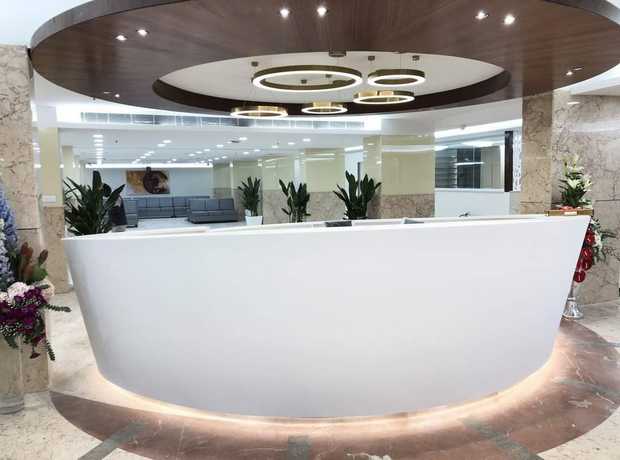
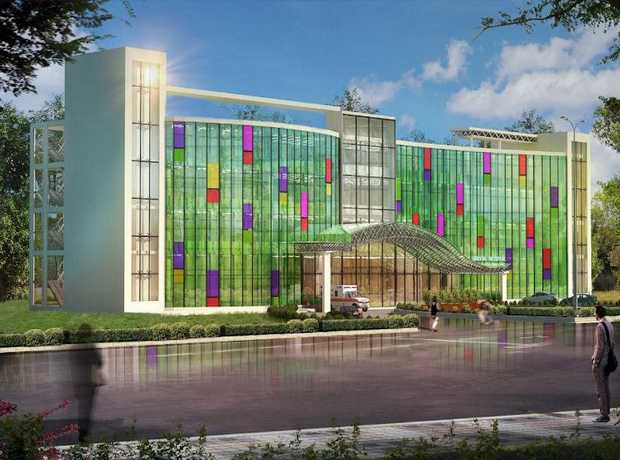
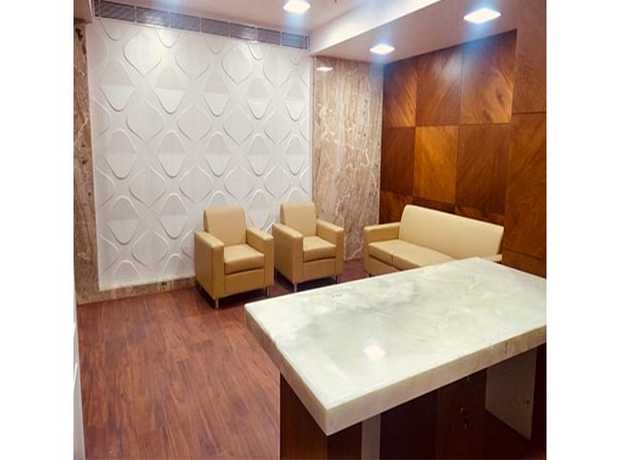
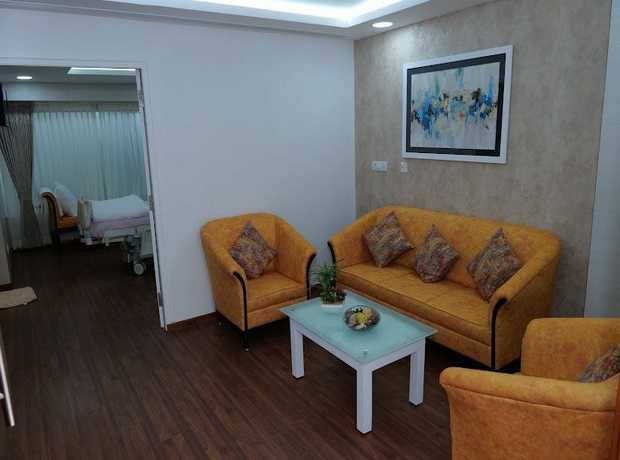







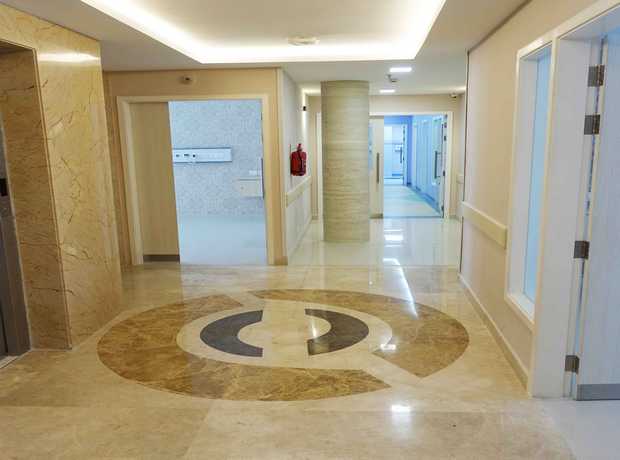
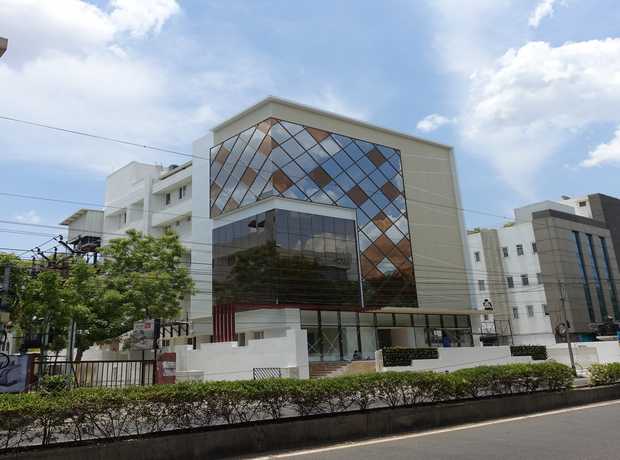
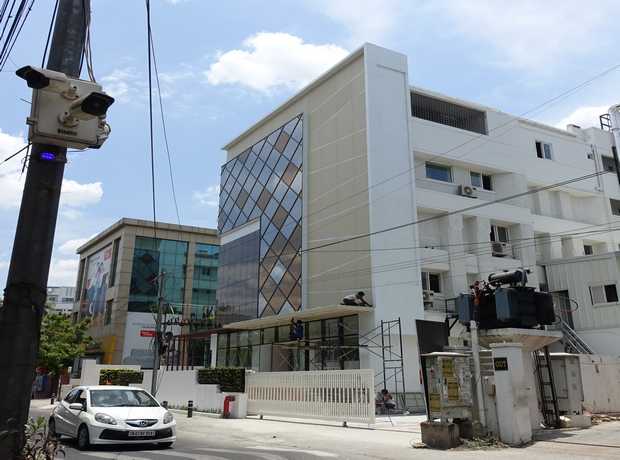
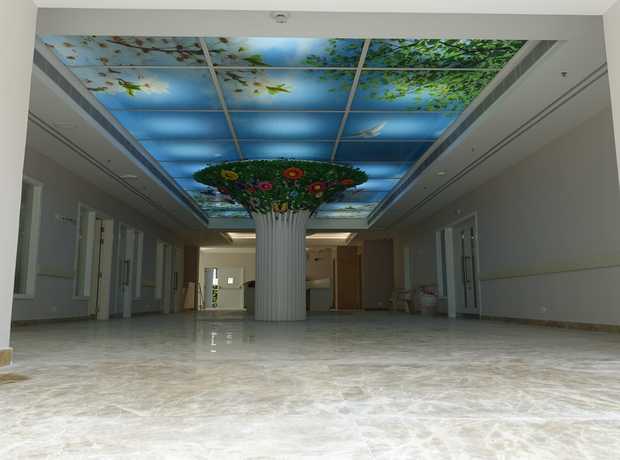
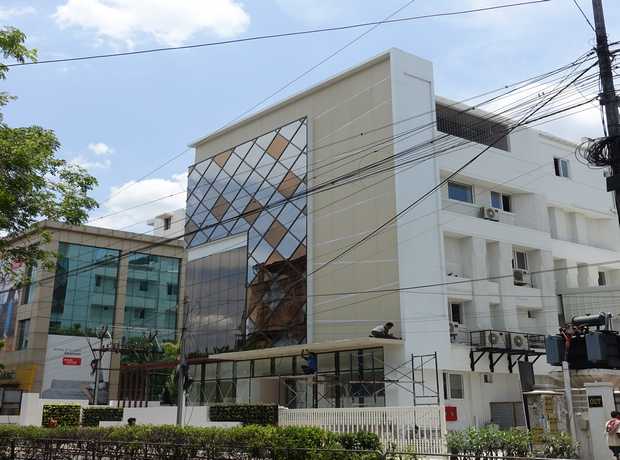
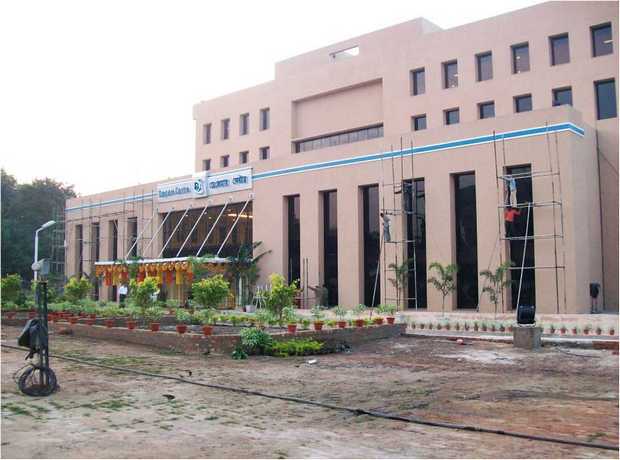
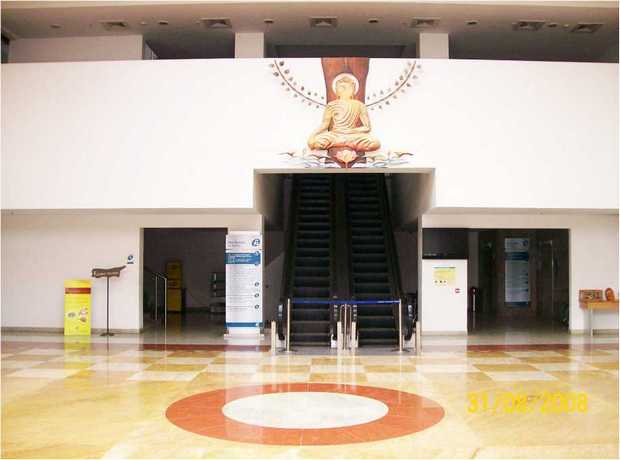
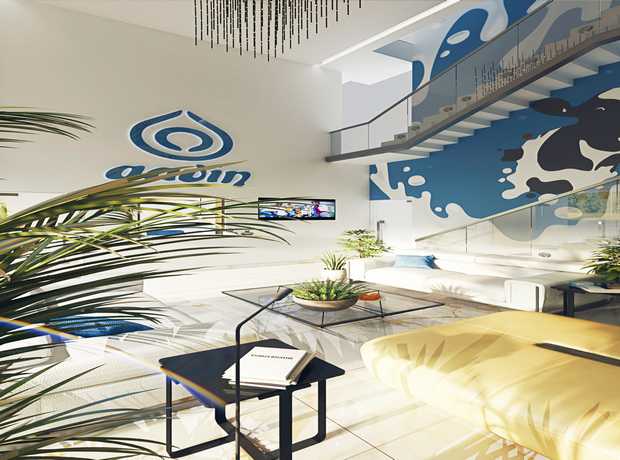
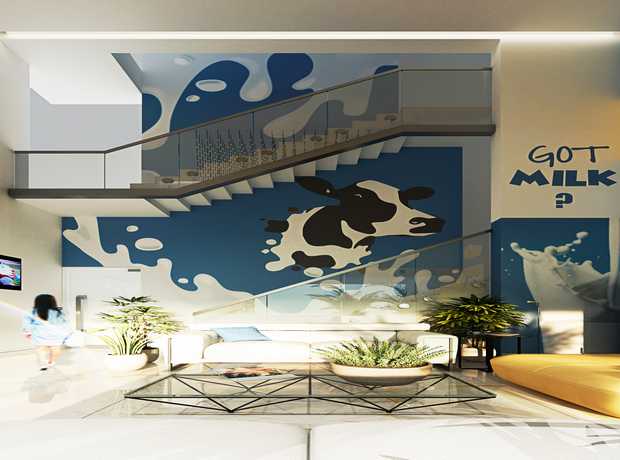
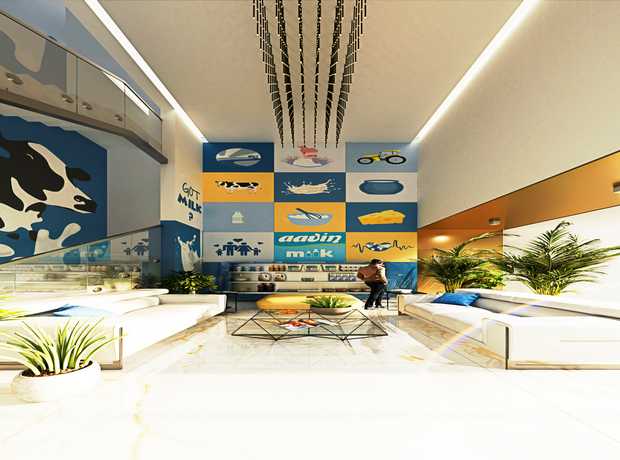
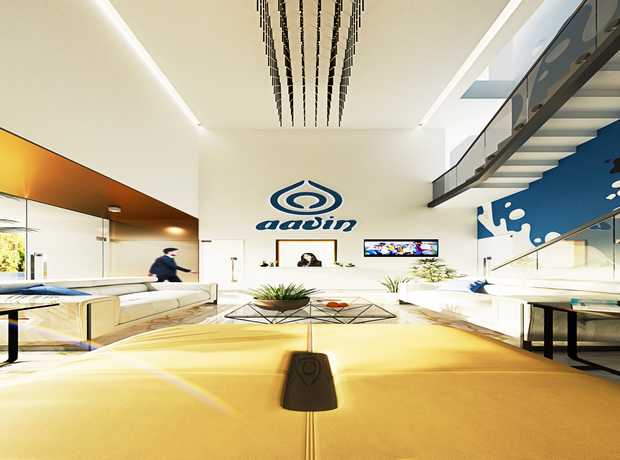


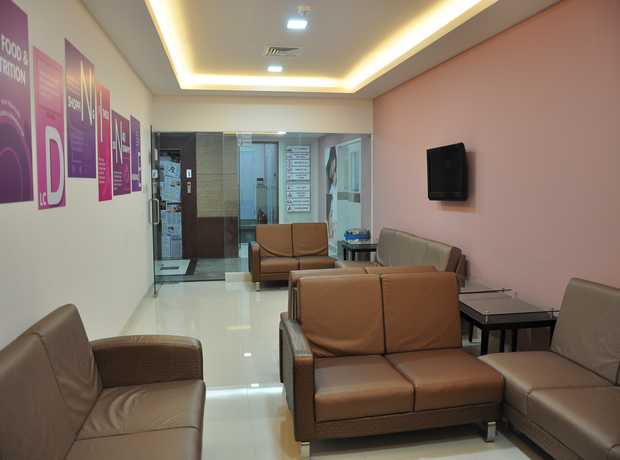
Key Considerations for Your Chennai Hospital Project: A Deep Dive into Success Strategies for 2025
Embarking on a hospital expansion or renovation project in Chennai necessitates a comprehensive understanding of several critical domains. Each consideration, when addressed with an evidence-based and forward-thinking mindset, contributes significantly to the project’s overall success, patient satisfaction, and operational longevity. Skydome Designs offers unparalleled expertise in navigating these intricate considerations, ensuring that your facility is future-ready and impactful.
1. Clinical Planning and Functional Programming: The Blueprint for Optimal Care
The foundation of any successful hospital project lies in an exceptionally well-defined clinical plan and rigorous functional programming. This is not merely about adding beds or expanding departments; it is a strategic foresight exercise that meticulously analyzes your hospital’s current operational dynamics, accurately projects future healthcare demands, and precisely delineates the specific functional requirements of each department. This comprehensive process, often overlooked in its complexity, should encompass:
- Detailed Workflow Analysis: A thorough examination of existing patient journeys, staff movements, material flows, and information pathways to identify bottlenecks, inefficiencies, and opportunities for optimization. This ensures that new spaces actively support streamlined operations, reduce staff fatigue, and enhance response times.
- Space Programming Based on Patient Volumes and Service Delivery Models: Quantifying space requirements based on projected patient acuity levels, anticipated service growth, and the adoption of innovative care models (e.g., outpatient surgical centers, integrated primary care). This involves careful calculation of examination rooms, consultation areas, treatment spaces, diagnostic imaging suites, and support areas, ensuring flexibility for future adaptation.
- Equipment Planning and Advanced Technology Integration: A forward-looking strategy for incorporating cutting-edge medical equipment, digital infrastructure, and smart hospital technologies from the outset. This includes planning for adequate power, data connectivity, specialized ventilation, and structural support for advanced imaging machines, robotics, and electronic health record (EHR) systems.
By meticulously planning these interconnected aspects, you can ensure that the renovated or expanded facility not only effectively supports current clinical operations but also possesses the adaptability to embrace future advancements in medical practice and technology. Our experienced team at Skydome Designs specializes in developing comprehensive clinical plans and functional programs, working collaboratively with your clinical leadership to tailor solutions that align precisely with your specific needs and long-term strategic vision for healthcare delivery in Chennai. Our multi-disciplinary reviews ensure every aspect is covered. Discover how our hospital interior design services create highly functional and patient-centric spaces.
2. Wayfinding and Patient Experience: Navigating Towards Comfort and Clarity
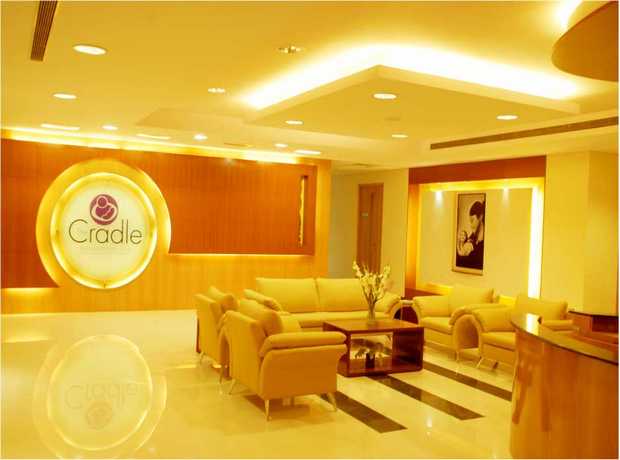
The experience of navigating a hospital environment can often be a source of significant stress and anxiety for patients, their families, and even new staff members. In a bustling metropolitan city like Chennai, where facilities can be vast and complex, effective wayfinding is not merely a convenience; it is an essential component of creating a welcoming, reassuring, and user-friendly environment. Thoughtful wayfinding design contributes directly to patient satisfaction, reduces missed appointments, and optimizes operational flow by minimizing confusion. Key considerations include:
- Clear and Intuitive Signage: Utilizing consistent typography, universally understood symbols, and strategic placement of signs at decision points. Signage should be multilingual where appropriate, especially given Chennai’s diverse population and medical tourism influx, and accessible for individuals with visual impairments.
- Color-Coded Pathways and Architectural Cues: Employing distinct color schemes, floor patterns, or architectural elements (e.g., unique wall textures, art installations) to delineate specific zones or pathways. These visual cues serve as subliminal guides, reducing reliance on text and improving intuitive navigation.
- Digital Wayfinding Solutions: Integrating modern technology such as interactive kiosks, mobile apps with indoor positioning, and digital display boards that provide real-time directions and appointment information. These digital tools can significantly enhance the user experience, offering personalized navigation and reducing the need for staff intervention.
A well-designed wayfinding system directly reduces anxiety, improves patient flow, and significantly enhances the overall patient experience. It empowers individuals to navigate independently, fostering a sense of control and reducing the psychological burden of being in an unfamiliar medical environment. Skydome Designs specializes in creating visually appealing, contextually relevant, and highly functional wayfinding solutions for hospitals in Chennai, ensuring clarity and comfort for every visitor. Contact us today to discuss how we can transform your hospital’s navigation and elevate the patient experience.
3. Optimizing ICU Layout and Patient Room Design: Enhancing Care and Recovery
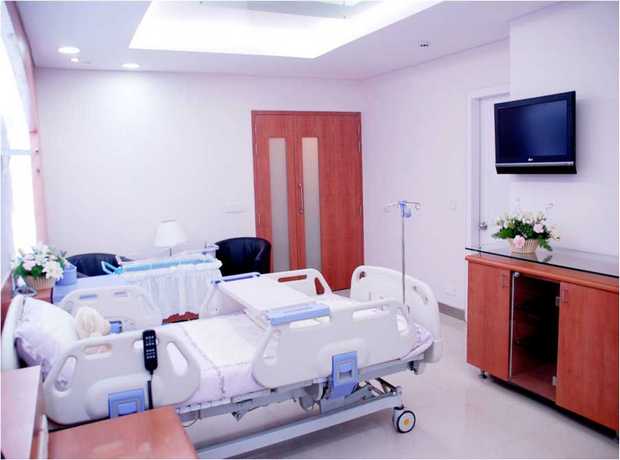
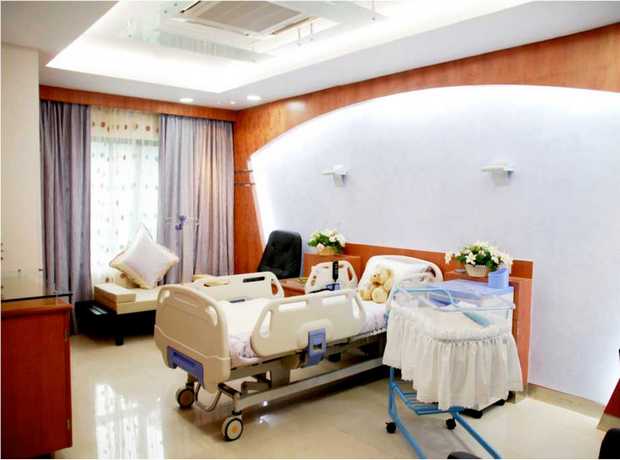
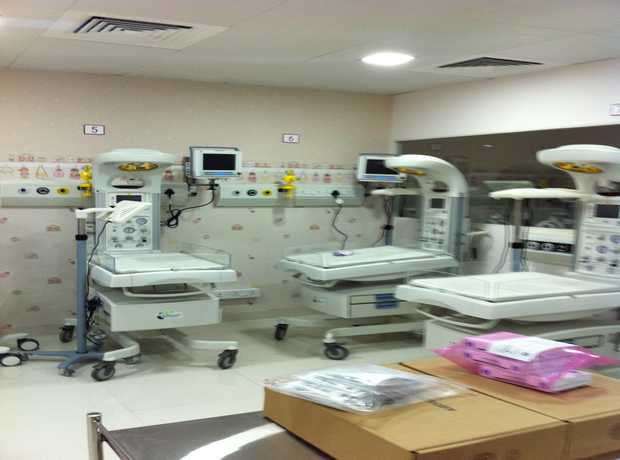
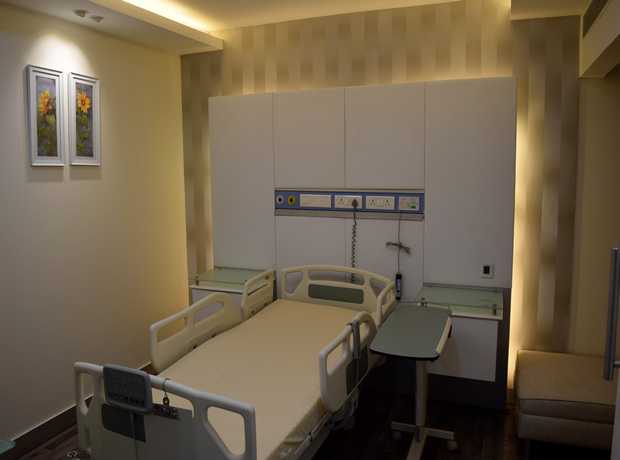
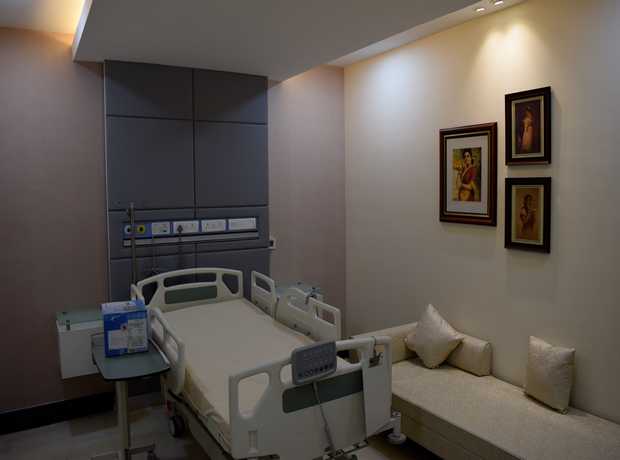
The design of the ICU layout and individual patient rooms holds profound implications for the quality of patient care, the efficiency of medical staff, and the overall healing environment. An evidence-based approach to these critical areas must meticulously focus on a confluence of factors known to improve patient outcomes, reduce stress, and enhance staff performance:
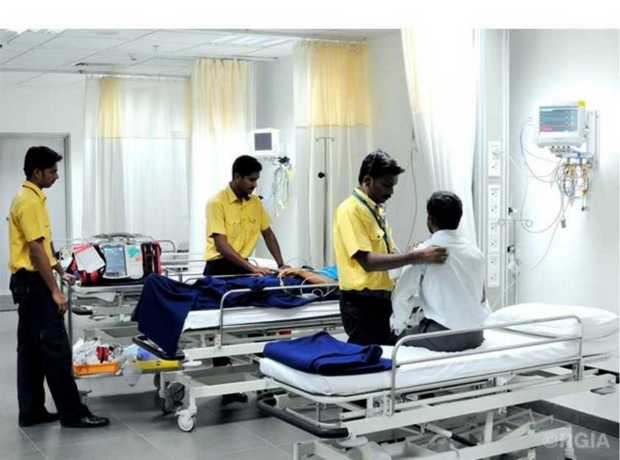
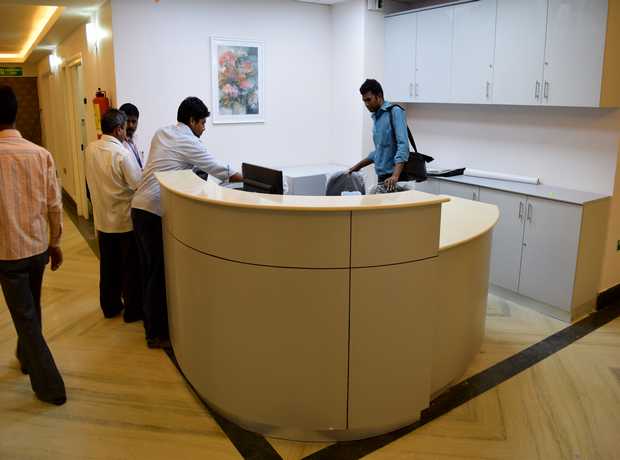
- Maximizing Visibility for Staff: Designing ICU units with clear sightlines from nursing stations to patient beds allows for continuous monitoring, enabling rapid response to emergencies and reducing patient falls. Decentralized nursing stations or satellite work areas within multi-bed units can also enhance proximity to patients.
- Creating Adaptable and Flexible Spaces: Modern healthcare demands rooms that can accommodate varying patient acuities and future technological upgrades. This includes modular furniture, flexible medical gas outlets, and adequate space for portable equipment, ensuring the room can adapt without requiring extensive renovation.
- Incorporating Natural Light and Views to Promote Healing: Extensive research confirms the positive impact of natural light and views of nature on patient recovery, reducing pain perception, shortening hospital stays, and improving mood. Strategic window placement, access to outdoor spaces, and circadian lighting systems are crucial.
- Ensuring Adequate Space for Equipment and Patient Movement: Patient rooms and ICUs must have sufficient clear floor area to accommodate complex medical equipment (e.g., ventilators, dialysis machines), facilitate safe patient transfers, and allow ample space for family members to visit comfortably, supporting their role in the healing process.
- Prioritizing Infection Control: Material selection (easy-to-clean, non-porous surfaces), layout (single-patient rooms where feasible), and integration of advanced HVAC systems are paramount to minimizing healthcare-associated infections (HAIs).
- Noise Reduction Strategies: Implementing acoustic panels, sound-absorbing materials, and thoughtful zoning to mitigate noise, which is a significant stressor for both patients and staff in critical care environments.
Careful consideration and integration of these factors are proven to improve patient outcomes, significantly reduce the risk of infection transmission, enhance staff satisfaction by creating more efficient and less stressful work environments, and ultimately contribute to a more positive healing journey. Skydome Designs brings unparalleled global design standards combined with incisive local code expertise to Chennai, ensuring your ICU and patient rooms are meticulously optimized for peak performance, unparalleled patient well-being, and long-term adaptability. Our detailed planning minimizes the need for costly future reconfigurations.
4. Leveraging BIM and Advanced Technology: Precision and Efficiency in Project Delivery
In the evolving landscape of construction and design, Building Information Modeling (BIM) has emerged as an indispensable and powerful tool, revolutionizing how hospital projects are planned, designed, executed, and managed. BIM is far more than just 3D modeling; it is a collaborative process that creates a comprehensive, intelligent 3D model-based platform, encapsulating not only geometry but also data related to every element of the building. Embracing BIM allows for:
- Improved Coordination Between Different Disciplines: BIM facilitates real-time data sharing and collaboration among architects, structural engineers, MEP (mechanical, electrical, plumbing) engineers, medical equipment planners, and contractors. This integrated approach ensures that all systems are designed to work harmoniously, preventing conflicts.
- Early Detection of Potential Conflicts (Clash Detection): By identifying clashes between structural elements, ductwork, piping, and other systems in a virtual environment before construction begins, BIM dramatically reduces costly on-site rework, delays, and change orders. This proactive problem-solving saves both time and money.
- Enhanced Visualization and Communication: The 3D models provide an intuitive and clear representation of the project, allowing all stakeholders, including hospital administration and clinical staff, to visualize the proposed design, understand spatial relationships, and provide informed feedback, thereby improving decision-making and consensus building.
- Accurate Cost Estimation and Quantity Take-offs: BIM models contain embedded data about building components, enabling precise estimation of material quantities and associated costs. This accuracy aids in robust budgeting and cost control throughout the project lifecycle.
- Lifecycle Management and Facilities Management: Beyond construction, BIM models serve as an invaluable asset for facility operations, maintenance, and future renovations. They provide a digital twin of the hospital, containing information on equipment specifications, maintenance schedules, and building systems, thus optimizing long-term facility management.
Chennai is increasingly prioritizing digital delivery in its infrastructure projects; therefore, adopting a BIM‑led approach for coordination, value engineering, and quality control tailored specifically to the local context is paramount for ensuring project success. By embracing BIM, you can not only streamline the entire construction process and significantly reduce costs but also elevate the overall quality, functionality, and future maintainability of your hospital project. Skydome Designs integrates advanced BIM capabilities into every project, ensuring precision and optimal outcomes.
5. Sustainable Design Practices: Building Healthier, Greener Hospitals
As environmental consciousness grows and resource scarcity becomes a global concern, sustainability is no longer an optional add-on but a fundamental imperative in healthcare design, particularly in a rapidly developing urban center like Chennai. Implementing sustainable design practices in hospital expansion and renovation projects yields significant benefits, extending beyond environmental stewardship to impact operational costs, patient health, and corporate social responsibility:
- Reduce Energy Consumption: Incorporating strategies such as high-performance building envelopes, energy-efficient HVAC systems (including heat recovery and zoning), LED lighting with occupancy sensors, and integrating renewable energy sources (e.g., rooftop solar panels) can dramatically lower a hospital’s energy footprint and utility bills.
- Lower Operating Costs: Beyond energy savings, sustainable design reduces water consumption through low-flow fixtures, rainwater harvesting, and greywater recycling. It also minimizes waste generation through efficient material usage and robust recycling programs, all contributing to substantial long-term operational cost reductions.
- Create a Healthier Environment for Patients and Staff: Sustainable design emphasizes indoor environmental quality (IEQ) through improved ventilation, use of low-VOC (volatile organic compound) materials, maximizing natural light, and incorporating biophilic design elements (connection to nature). These factors are proven to reduce respiratory issues, improve cognitive function, and contribute to a more therapeutic and less stressful environment.
- Responsible Material Selection: Prioritizing locally sourced materials to reduce transportation emissions, using recycled or rapidly renewable content, and selecting durable, non-toxic finishes that require minimal maintenance.
- Water Conservation: Beyond fixtures, strategic landscape design with drought-tolerant native plants and efficient irrigation systems reduces potable water demand.
Consider incorporating these features into your project to not only benefit the environment but also significantly improve your hospital’s financial bottom line and enhance its reputation as a responsible corporate citizen. Future-ready, evidence-based hospital expansion and renovation inherently lowers lifecycle costs by optimizing resource consumption and minimizing environmental impact. Skydome Designs is committed to integrating cutting-edge sustainable solutions that are contextually appropriate for Chennai’s climate and regulatory environment.
6. Regulatory Compliance and Approvals in Chennai: Navigating the Local Landscape
Undertaking a hospital expansion or renovation in Chennai requires a profound understanding and meticulous adherence to a complex web of local building codes, healthcare regulations, and environmental guidelines. The approval process can be intricate and time-consuming, necessitating expertise in navigating various governmental bodies. Key compliance areas include:
- Chennai Metropolitan Development Authority (CMDA) Regulations: Zoning laws, Floor Space Index (FSI) limitations, setback requirements, and building height restrictions.
- Local Health Department Clearances: Specific standards for hygiene, infection control, waste management, and facility layout unique to healthcare environments.
- Fire and Life Safety Codes: Strict requirements for fire suppression systems, emergency exits, structural integrity, and material flammability, which are particularly stringent for healthcare facilities.
- Pollution Control Board Norms: Guidelines for biomedical waste management, wastewater treatment, and air quality control to mitigate environmental impact.
- Accessibility Standards: Ensuring compliance with national and local regulations for universal accessibility for persons with disabilities.
Failure to comply with any of these regulations can lead to significant delays, substantial penalties, or even project cessation. This underscores the critical importance of partnering with a Chennai-based architecture firm that possesses extensive, up-to-date knowledge of local building codes and established relationships with relevant approval authorities. Skydome Designs has a proven track record of ensuring projects meet and exceed these stringent requirements. Our approach integrates global design standards with unparalleled local code expertise in Chennai, ensuring not only compliance and safety but also smooth and expedited project approvals.
7. Budgeting and Cost Management Strategies: Ensuring Financial Prudence
Hospital projects are inherently capital-intensive, making meticulous budgeting and stringent cost management paramount to financial success. Unforeseen expenses and cost overruns are common pitfalls that can derail even the most well-intentioned projects. Effective strategies include:
- Comprehensive Feasibility Studies: Before commencing design, conducting detailed analyses of market demand, financial viability, and potential operational savings.
- Detailed Cost Estimation: Utilizing sophisticated tools and expert knowledge to provide accurate cost projections at every stage, from conceptual design through construction.
- Value Engineering (VE): A systematic, organized approach to finding opportunities to reduce costs while maintaining or improving project functionality and quality. This involves evaluating alternative materials, systems, and construction methods. Skydome Designs specializes in BIM-led value engineering tailored to Chennai’s market conditions.
- Lifecycle Costing: Considering not just initial construction costs but also the long-term operational and maintenance expenses. Investing more upfront in energy-efficient systems or durable materials can yield substantial savings over the facility’s lifespan.
- Contingency Planning: Allocating a realistic contingency budget (typically 10-20% of the total project cost) to absorb unexpected expenses or scope changes without derailing the project.
- Transparent Reporting and Project Controls: Implementing robust systems for tracking expenses, managing contracts, and providing regular, transparent financial reports to stakeholders.
Skydome Designs employs a proactive and transparent approach to budgeting and cost management, leveraging our deep experience and advanced tools to help clients maximize their investment while ensuring project delivery remains on-budget. Our commitment to on-time delivery, exceeding 98%, is a testament to our rigorous project controls and efficient management.
8. Phased Renovation and Minimizing Operational Disruption: Maintaining Continuity of Care
For existing hospitals undergoing renovation or expansion, a critical challenge is maintaining continuous, high-quality patient care and minimizing disruption to ongoing operations. This requires an exceptionally detailed and carefully orchestrated phasing plan. Strategies for successful phased projects include:
- Strategic Zoning: Dividing the hospital into distinct zones, allowing renovation to proceed in one area while others remain fully operational. This requires meticulous planning to reroute patient and staff traffic, utilities, and emergency services.
- Temporary Facilities and Service Relocation: Establishing temporary clinical areas, diagnostic services, or administrative offices to accommodate displaced functions during construction. This might involve modular units or repurposing existing spaces.
- Rigorous Infection Control Measures During Construction: Implementing stringent dust and noise control, air filtration, negative pressure zones, and comprehensive hoarding systems to prevent contamination of active clinical areas and protect vulnerable patients.
- Detailed Communication Plans: Maintaining open and continuous communication with staff, patients, and visitors about construction progress, access changes, and potential disruptions. Clear signage and regular updates are essential.
- After-Hours Work and Off-Peak Scheduling: Performing noisy or disruptive work during nights, weekends, or other off-peak hours to minimize impact on patient care.
Skydome Designs excels in developing comprehensive phasing plans that prioritize patient and staff safety while ensuring minimal interruption to critical healthcare services. Our project managers and healthcare planners work closely with hospital administration to devise strategies that maintain operational integrity throughout the construction lifecycle. We understand that continuity of care is non-negotiable.
9. Infection Control and Advanced HVAC Systems: Safeguarding Patient Health
In no other environment is infection control more critical than in a hospital. The design of the physical space, particularly the Heating, Ventilation, and Air Conditioning (HVAC) systems, plays a pivotal role in preventing the spread of healthcare-associated infections (HAIs). An evidence-based approach to infection control focuses on:
- Advanced HVAC Systems: Implementing high-efficiency particulate air (HEPA) filtration, precise temperature and humidity control, and specific air changes per hour (ACH) rates. Designing for appropriate pressure differentials – negative pressure in isolation rooms for airborne diseases and positive pressure in sterile environments like operating theaters – is crucial.
- Material Selection for Cleanliness: Choosing non-porous, easily cleanable, durable surfaces for walls, floors, and countertops that resist microbial growth. Seamless finishes, minimal joints, and coved bases simplify cleaning protocols.
- Hand Hygiene Stations: Strategic placement of handwashing sinks and alcohol-based hand rub dispensers throughout patient care areas, entry points, and staff zones.
- Layout for Workflow and Segregation: Designing layouts that support clean and soiled utility separation, minimize cross-contamination pathways, and provide designated areas for waste management and equipment reprocessing.
- Air Quality Monitoring: Integrating smart systems that continuously monitor indoor air quality and adjust HVAC performance to maintain optimal conditions.
By integrating these sophisticated infection control strategies into the design and renovation, hospitals in Chennai can significantly enhance patient safety, reduce morbidity and mortality rates, and instill greater confidence in their facilities. Skydome Designs ensures that all designs adhere to the strictest global and local standards for infection prevention, using BIM to model and optimize these critical systems.
10. Technology Integration: Beyond BIM into Smart Hospital Concepts
The modern hospital is rapidly transforming into a ‘smart hospital,’ where technology permeates every aspect of operations, diagnostics, and patient care. Designing for current and future technology integration is crucial for any forward-thinking hospital expansion or renovation in Chennai. Key areas of focus include:
- Internet of Medical Things (IoMT) Infrastructure: Designing robust network infrastructure to support a myriad of connected devices, from smart beds that monitor vital signs to wearable sensors for patient tracking and asset management.
- Telemedicine and Virtual Care Capabilities: Building in dedicated spaces and infrastructure for telehealth consultations, remote monitoring, and virtual family visits, allowing for expanded access to care and improved patient convenience.
- Artificial Intelligence (AI) and Machine Learning (ML) Readiness: Planning for data centers and network capacity to support AI-driven diagnostics, predictive analytics for patient outcomes, and automated administrative tasks.
- Electronic Medical Records (EMR) Integration: Ensuring seamless access to EMR systems throughout the facility, with strategically placed workstations and wireless connectivity.
- Cybersecurity Infrastructure: Building in advanced cybersecurity measures from the ground up to protect sensitive patient data and critical hospital systems from evolving threats.
- Robotics and Automation: Designing for automated guided vehicles (AGVs) for material transport, robotic surgery suites, and automated pharmacy systems, which require specific spatial and power considerations.
Designing spaces that are agile enough to accommodate rapid technological advancements is paramount. This includes flexible conduit pathways, adaptable server rooms, and scalable IT infrastructure. Skydome Designs helps hospitals in Chennai envision and implement a technology roadmap, ensuring that facilities are not only equipped for today but also resilient for tomorrow’s innovations.
11. Staff Well-being and Ergonomics: Supporting the Healthcare Heroes
The well-being of healthcare professionals directly impacts the quality of care they provide. Hospital design should prioritize staff comfort, efficiency, and mental health, especially given the demanding nature of their work. Designing with staff well-being and ergonomics in mind involves:
- Efficient Workflow and Reduced Travel Distances: Optimizing layouts to minimize unnecessary walking for staff, placing supplies, equipment, and support spaces strategically to reduce fatigue and increase time at the bedside.
- Ergonomic Workstations and Equipment: Providing adjustable desks, comfortable seating, and user-friendly equipment that reduces physical strain and repetitive motion injuries.
- Access to Natural Light and Views: Ensuring staff break rooms, offices, and even clinical work areas have access to natural light and views of the outdoors, which are known to reduce stress and improve mood.
- Dedicated Break and Respite Areas: Creating comfortable, quiet, and aesthetically pleasing break rooms, lounges, and outdoor spaces where staff can decompress, recharge, and collaborate away from clinical pressures.
- Support for Mental Health: Integrating elements like quiet rooms for contemplation, access to green spaces, and soothing aesthetics that contribute to a less stressful work environment.
- Acoustic Comfort: Implementing sound-absorbing materials to reduce noise levels in work areas, improving concentration and reducing staff burnout.
By designing spaces that actively support the physical and psychological needs of staff, hospitals can improve morale, reduce turnover, enhance productivity, and ultimately elevate the standard of patient care. Skydome Designs understands that a well-supported staff is the backbone of any successful healthcare institution, and our designs reflect this commitment.
12. Post-Occupancy Evaluation (POE) and Continuous Improvement: A Commitment to Excellence
The completion of a hospital expansion or renovation project should not be the end of the design process, but rather a crucial milestone for learning and continuous improvement. Post-Occupancy Evaluation (POE) is a systematic process of evaluating the performance of a building after it has been occupied for some time. For hospitals, POE is invaluable as it helps to:
- Assess Design Effectiveness: Determine if the facility is functioning as intended and if the design decisions have achieved their desired outcomes (e.g., improved patient flow, reduced infection rates, enhanced staff satisfaction).
- Gather User Feedback: Collect qualitative and quantitative data from patients, staff, and visitors about their experiences with the new or renovated spaces. This feedback is critical for identifying areas of success and opportunities for refinement.
- Identify Performance Gaps: Pinpoint any operational inefficiencies, environmental comfort issues, or maintenance challenges that were not anticipated during the design phase.
- Inform Future Projects: The lessons learned from POE can be directly applied to future expansion or renovation projects, refining design strategies and preventing recurring issues.
- Demonstrate Accountability: Show a commitment to creating high-performing, user-centric facilities and to continuous improvement in healthcare delivery.
Skydome Designs’ commitment extends beyond project completion. We believe in the power of post-occupancy support, working with our clients to evaluate the effectiveness of our designs and offering insights for ongoing optimization. This commitment underpins the exceptional outcomes we deliver, ensuring that your investment continues to yield maximum benefit long after the ribbon-cutting ceremony. Our >98% on-time delivery rate and multi-disciplinary reviews are part of a continuous quality improvement cycle that includes this crucial post-occupancy support.
Finding the Right Healthcare Architect in Chennai: Your Partner in Vision Realization
The selection of the right healthcare architect is arguably the single most critical decision you will make in your hospital expansion or renovation journey. This partner will translate your strategic vision into a tangible, functional, and healing environment. When searching for a firm in Chennai, look for one that possesses:
- Extensive Experience in Hospital Design and Renovation: A proven track record specifically in healthcare projects, understanding the unique complexities of clinical environments, regulatory demands, and patient-centered design. This includes experience with various departmental designs, from operating theaters to patient wards.
- A Proven Track Record of Successful Projects: Evidence of successfully completed projects, demonstrated through client testimonials, case studies, and a strong portfolio that showcases diverse healthcare facility designs.
- A Deep Understanding of Healthcare Regulations and Best Practices: Expertise in navigating local building codes (CMDA), health department mandates, infection control standards, and international best practices for patient safety and quality of care.
- Strong Communication and Collaboration Skills: The ability to effectively engage with diverse stakeholders—from hospital leadership and clinical staff to engineers and contractors—ensuring that all voices are heard, and the design process is transparent and collaborative.
- Commitment to Evidence-Based Design: A firm that actively integrates research, data, and post-occupancy evaluations into their design methodology, ensuring that solutions are backed by proven outcomes.
- Technological Proficiency: Demonstrated expertise in leveraging advanced tools like BIM for efficient design, coordination, and project management.
Skydome Designs Pvt Ltd is not just an architecture and interior design firm; we are specialized creators of future-ready healthcare spaces. As a leading firm in India, we have nearly 30 years of unparalleled expertise, focusing intensely on hospital and healthcare interiors, alongside successful residential and retail projects. Our legacy is built on delivering innovative, sustainable, and highly functional spaces that profoundly enhance experiences and operational efficiency. We have proudly delivered 1381+ evidence-based hospital expansion and renovation assignments across Chennai and globally over 29+ years. Our exceptional on‑time delivery rate of >98%, rigorous multi‑disciplinary reviews, and dedicated post‑occupancy support are the pillars that underpin our consistent, outstanding outcomes. We bring global design standards to Chennai, paired with an intimate understanding of local codes and regulations. Learn more about our unparalleled expertise and how we can bring your vision to life.
Skydome Designs: Your Premier Chennai Evidence-Based Hospital Expansion and Renovation Company
When the search for a top-tier Chennai evidence-based hospital expansion and renovation company begins, the journey often leads directly to Skydome Designs. Our reputation as a trusted leader in healthcare architectural and interior design is forged from decades of dedicated service, a relentless pursuit of excellence, and an unwavering commitment to client success. We are not just designers; we are strategic partners in your hospital’s growth and evolution.
What sets Skydome Designs apart is our fully integrated, in-house team of highly qualified architects, specialized healthcare planners, and meticulous project managers. This multidisciplinary synergy allows us to offer a seamless, holistic approach to every project, ensuring continuity, efficiency, and exceptional quality from concept to completion. We are singularly dedicated to delivering award-winning, client-focused, and sustainable designs that not only meet but exceed contemporary healthcare demands. Our operational prowess ensures that projects are consistently delivered on-time, strictly within budget, and always to global standards of excellence, meticulously adapted for the Chennai context. Our BIM‑led coordination, value engineering, and stringent quality control processes are precisely tailored to the specific dynamics and requirements of Chennai’s construction environment, guaranteeing robust and future-proof facilities. With Skydome Designs, you gain a partner committed to transforming your vision into a landmark healthcare facility.
Chennai Hospital Experts: Why Skydome Designs is the Unrivaled Choice
Skydome Designs has meticulously cultivated its reputation as one of the preeminent Chennai hospital experts through years of unwavering dedication, groundbreaking innovation, and a stellar record of successful project delivery. Our distinction is rooted in a unique combination of extensive experience, integrated expertise, and a steadfast commitment to unparalleled quality. We offer a compelling suite of advantages that position us as the ideal partner for your next hospital project:
- 29+ Years of Unmatched Experience Across India and Abroad: Our nearly three decades in the industry have afforded us an invaluable depth of knowledge, allowing us to navigate the most complex healthcare design challenges. We have successfully executed projects not only across diverse regions of India but also internationally, bringing a global perspective while understanding local nuances. This vast experience ensures that no project is too complex and no challenge is insurmountable for our seasoned team.
- In-House Team of Architects, Healthcare Planners, and Project Managers: Unlike firms that outsource critical functions, Skydome Designs boasts a cohesive, integrated in-house team. This means seamless communication, direct accountability, and a holistic approach where architects, specialized healthcare planners, and dedicated project managers collaborate from day one. This synergy ensures that clinical functionality, patient experience, and operational efficiency are integrated into every design decision, leading to fewer conflicts and faster resolutions.
- Award-Winning, Client-Focused, and Sustainable Designs: Our commitment to design excellence has been recognized through numerous accolades, reflecting our ability to create spaces that are not only aesthetically distinguished but also profoundly functional and healing. Every design is meticulously crafted around our client’s unique vision and operational goals, ensuring bespoke solutions rather than generic templates. Furthermore, sustainability is woven into the fabric of our design philosophy, resulting in eco-friendly facilities that reduce lifecycle costs and promote healthier environments.
- Projects Delivered On-Time, On-Budget, and to Global Standards: Our track record speaks for itself. With an exceptional on-time delivery rate exceeding 98% and a rigorous commitment to budget adherence, we provide clients with unparalleled peace of mind. Our processes incorporate multi‑disciplinary reviews throughout the project lifecycle, ensuring meticulous attention to detail and preventing costly errors. We consistently apply global design standards, adapting them with expert local code knowledge for Chennai, guaranteeing facilities that meet international benchmarks for safety, quality, and performance.
- Unwavering Post-Occupancy Support: Our relationship with clients extends well beyond project completion. We offer dedicated post-occupancy support, conducting evaluations and providing assistance to ensure your new or renovated facility continues to operate at peak efficiency. This long-term commitment underscores our confidence in our designs and our dedication to your sustained success.
Choosing Skydome Designs means selecting a partner deeply invested in the success of your hospital, capable of delivering state-of-the-art, future-ready facilities that truly make a difference in healthcare delivery in Chennai. Our BIM‑led coordination, value engineering, and quality control strategies are specifically tailored to Chennai, ensuring meticulous execution.
FAQ: Evidence-Based Hospital Expansion and Renovation in Chennai
What are the key benefits of evidence-based design in hospital renovations?
Evidence-based design in hospital renovations leads to a multitude of benefits, including significantly improved patient outcomes, enhanced staff efficiency and satisfaction, substantial reductions in operational costs, lower risks of healthcare-associated infections, and an overall enhanced patient and staff experience within the facility.
How can I ensure my hospital renovation project in Chennai meets local building codes?
To ensure full compliance, it is crucial to partner with a Chennai-based architecture firm like Skydome Designs that possesses extensive, up-to-date experience with local building codes, CMDA regulations, health department mandates, and environmental guidelines. Our firm expertly blends global design standards with precise local code expertise in Chennai, guaranteeing compliance, safety, and a streamlined approval process.
What is BIM and how can it significantly help with hospital expansion?
BIM (Building Information Modeling) is a revolutionary digital representation of a building’s physical and functional characteristics. In hospital expansion, BIM allows for vastly improved coordination among all disciplines, enables early and precise detection of conflicts (clash detection), and provides enhanced visualization, ultimately streamlining the entire construction process, reducing errors, and significantly lowering costs throughout the project lifecycle. Skydome Designs utilizes BIM‑led coordination, value engineering, and quality control tailored for Chennai.
How can I improve wayfinding in my hospital to reduce patient stress?
Improving wayfinding can drastically reduce patient and visitor stress. Implement clear, intuitive, and consistent signage (potentially multilingual), utilize color-coded pathways and distinct architectural cues, and incorporate modern digital wayfinding solutions such as interactive kiosks or mobile apps. Skydome Designs specializes in creating engaging and effective wayfinding systems.
What are some sustainable design strategies for hospitals in Chennai?
Sustainable design strategies for hospitals in Chennai focus on reducing environmental impact and operational costs. These include using energy-efficient lighting and HVAC systems, water-saving fixtures, rainwater harvesting, selecting local and recycled sustainable materials, and optimizing natural light and ventilation to create a healthier, more cost-effective environment. Our future-ready evidence-based approaches explicitly lower lifecycle costs.
How do you manage complex regulatory approvals in Chennai for healthcare projects?
Our in-house team at Skydome Designs possesses deep expertise in Chennai’s specific regulatory environment, including CMDA, Health Department, and Pollution Control Board requirements. We proactively integrate compliance into the design process and manage all necessary documentation and liaison with authorities, ensuring a smooth and timely approval process for your hospital project.
What strategies do you employ to keep hospital renovation projects on budget?
We employ rigorous budgeting and cost management strategies, including comprehensive feasibility studies, precise cost estimation, proactive value engineering (often BIM-led and tailored to Chennai), detailed lifecycle costing, and robust contingency planning. Our transparent project controls and strong vendor relationships contribute to our >98% on-time and on-budget delivery rate.
How do you minimize disruption during hospital renovations while maintaining patient care?
Minimizing disruption is paramount. We develop meticulous phased renovation plans, strategically zone construction areas, establish temporary facilities, implement stringent infection control measures, and maintain clear, continuous communication with staff and patients. Our goal is to ensure uninterrupted, high-quality patient care throughout the renovation process.
What is post-occupancy support, and why is it important for hospitals?
Post-occupancy support involves evaluating the building’s performance and user satisfaction after it’s occupied. It’s crucial for hospitals because it helps verify if design goals were met, identify areas for operational improvement, gather feedback from staff and patients, and inform future design decisions, ensuring continuous optimization and long-term facility success. Skydome Designs provides this essential support as part of our commitment to enduring outcomes.
Conclusion: Charting a Course for Future-Ready Healthcare in Chennai
The journey of hospital expansion or renovation in Chennai is a complex yet profoundly rewarding endeavor that demands visionary leadership, strategic foresight, and an unwavering commitment to excellence. By wholeheartedly embracing an evidence-based approach, meticulously leveraging cutting-edge technology like BIM, and prioritizing sustainable design practices, you are not merely constructing a building; you are actively shaping the future of healthcare delivery in Chennai. You are creating a facility that is not only robust and efficient but also deeply healing, environmentally responsible, and poised to adapt to the rapidly evolving demands of tomorrow.
The path to avoiding costly mistakes and ensuring a truly successful project lies in selecting the right strategic partner—one with unparalleled experience, specialized expertise, and a proven track record. Skydome Designs stands as that definitive partner. Our 29+ years of experience, marked by the successful delivery of 1381+ evidence-based hospital expansion and renovation assignments across Chennai and globally, underscore our capability and dedication. With an exceptional on‑time delivery rate exceeding 98%, rigorous multi‑disciplinary reviews, and comprehensive post‑occupancy support, we guarantee outcomes that consistently exceed expectations. Our unique blend of global design standards with meticulous local code expertise, coupled with BIM‑led coordination, value engineering, and stringent quality control specifically tailored to Chennai, ensures that your investment yields maximum return.
Do not leave the future of your hospital to chance. Partner with the undisputed Chennai hospital experts who can transform your vision into a state-of-the-art reality. We are ready to bring our extensive knowledge, innovative design solutions, and unwavering commitment to your project, ensuring your new or renovated facility is a beacon of health and operational efficiency for decades to come. Take the decisive step towards creating a truly future-ready healthcare facility.
Ready to embark on your hospital expansion or renovation journey with confidence? Contact Skydome Designs now to schedule a comprehensive consultation. Call us directly at +91 7299072144 or send us an email at info@skydomedesigns.com. We are eager to collaborate with you to craft an enduring legacy of healthcare excellence in Chennai.