Ahmedabad, a burgeoning educational hub, is currently witnessing an unprecedented surge in demand for high-quality student housing. With its numerous universities, colleges, and professional institutions expanding their capacities and attracting students from across India and even internationally, the need for thoughtfully designed, functional, and sustainable dormitories has never been more critical. However, the endeavor of constructing successful student housing extends far beyond mere brick and mortar; it necessitates meticulous planning, a profound understanding of contemporary student needs, and an unwavering commitment to evidence-based design principles. This comprehensive guide is specifically crafted to equip developers, educational institutions, and stakeholders with the knowledge to circumvent common pitfalls and to successfully create future-ready evidence-based student housing and dormitories in Ahmedabad for 2025 and the decades that follow. We delve deep into the nuances of modern student living, emphasizing the strategic advantage of data-driven design in crafting environments that truly foster academic excellence and personal growth.
Understanding the Imperative for Evidence-Based Student Housing in Ahmedabad
The paradigm of student living has undergone a significant transformation. The era of merely providing a rudimentary bed, a shared bathroom, and a generic desk has long passed. Today’s students, particularly those in a dynamic city like Ahmedabad, are discerning; they seek more than just basic amenities. They aspire for spaces that are meticulously designed to foster a vibrant sense of community, actively support their rigorous academic pursuits, and holistically promote their physical and mental well-being. This is precisely where the concept of evidence-based student housing becomes not just beneficial, but absolutely indispensable. This approach is rooted in utilizing rigorous research, empirical data, and best practices from behavioral science, environmental psychology, and architectural studies to inform every design decision. The objective is to construct environments that are demonstrably proven to enhance student outcomes, ranging from improved academic performance and increased retention rates to heightened social interaction and reduced stress levels. In the context of Ahmedabad, a city that is rapidly embracing technological innovation, urban sustainability, and digital integration as core priorities, this data-driven approach to dormitory design is particularly salient. It ensures that investments in student housing are not just aesthetically pleasing but are also strategically sound, yielding tangible benefits for both the students and the institutions.
The benefits of an evidence-based approach extend to several crucial areas:
- Enhanced Academic Performance: Designing quiet study zones, collaborative learning spaces, and environments with optimal lighting and acoustics has a direct positive impact on concentration and learning outcomes.
- Improved Well-being: Incorporating natural light, green spaces, ergonomic furniture, and opportunities for physical activity contributes significantly to mental and physical health.
- Stronger Community & Belonging: Thoughtful layout of common areas, dining halls, and recreational zones encourages social interaction, reducing feelings of isolation and fostering a supportive peer network.
- Increased Student Retention: A positive and supportive living environment is a key factor in students choosing to remain at an institution.
- Operational Efficiency & Sustainability: Data-backed decisions lead to more efficient use of resources, lower energy consumption, and reduced maintenance costs over the lifecycle of the building.
- Future-Proofing: Understanding long-term trends and student preferences allows for designs that can adapt to future technological advancements and pedagogical shifts.
By investing in evidence-based student housing and dormitories in Ahmedabad, institutions are not just building structures; they are crafting ecosystems designed for success.
Common Mistakes to Avoid in Ahmedabad Student Housing Projects
Despite the best intentions, several pitfalls can significantly undermine the success and long-term viability of student housing developments. Recognizing and proactively addressing these common mistakes is the foundational step in ensuring a project’s triumph. Here are some prevalent issues that developers and institutions in Ahmedabad must vigilantly guard against:
- Ignoring Student Needs: This is perhaps the most critical oversight. It involves failing to conduct thorough, nuanced research into the actual preferences, daily routines, academic requirements, and social inclinations of the target student demographic. The consequence is often a dormitory that feels generic, lacks specific functionalities, and fails to resonate with its occupants, leading to low satisfaction and utilization rates of facilities.
- Poor Space Planning: Inefficient and unimaginative use of available space invariably leads to cramped, uncomfortable, and impractical living conditions. This can manifest in small bedrooms, inadequate storage, poorly designed common areas, or convoluted circulation paths. Such poor space planning not only diminishes the quality of life but also hinders functionality and can negatively impact student well-being and academic focus.
- Lack of Sustainability Integration: Overlooking the principles of energy-efficient design, neglecting the incorporation of sustainable and locally sourced materials, and ignoring water conservation strategies are significant errors. This results in higher operational costs over the building’s lifecycle, a larger carbon footprint, and a failure to meet the increasing environmental consciousness of today’s students and Ahmedabad’s civic priorities.
- Inadequate Technology Integration: Failing to seamlessly incorporate modern technology solutions relevant to contemporary learning, robust security protocols, and efficient communication systems renders a dormitory outdated before it even opens. Today’s digital-native students expect ubiquitous, high-speed internet, smart systems, and integrated digital tools, and their absence is a major deterrent.
- Ignoring Local Context and Regulations: Neglecting to consider the specific climatic conditions of Ahmedabad (e.g., heat, monsoon), the rich cultural nuances of the region, and the intricate local building codes and regulations can lead to designs that are uncomfortable, culturally insensitive, non-compliant, and ultimately unsustainable. A successful project must be harmonious with its environment and community.
- Underestimating Operational and Maintenance Costs: Focusing solely on upfront construction costs without a thorough lifecycle cost analysis is a common error. This can lead to selection of materials or systems that are cheap initially but expensive to maintain or replace, ultimately burdening the institution with high long-term operational expenses.
- Lack of Flexibility for Future Adaptation: Designing rigid spaces that cannot be easily reconfigured or repurposed to meet evolving student needs, technological advancements, or pedagogical shifts will quickly render the facility obsolete. Modern housing needs to be adaptable.
By consciously avoiding these mistakes, developers and institutions can lay a strong foundation for creating truly successful and enduring student housing projects in Ahmedabad. Investing in expert consultation from the outset can save significant resources and prevent costly rework down the line.

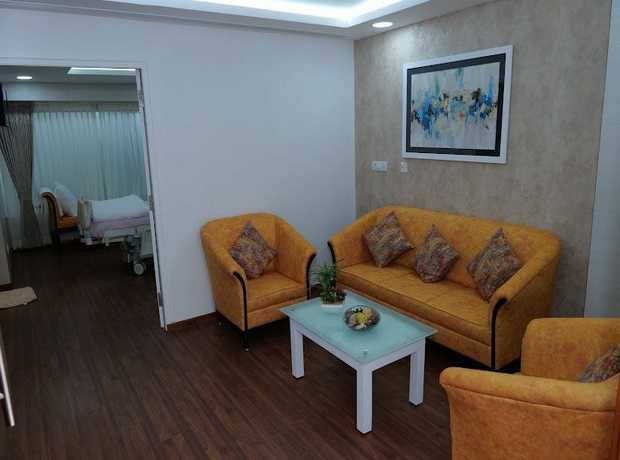



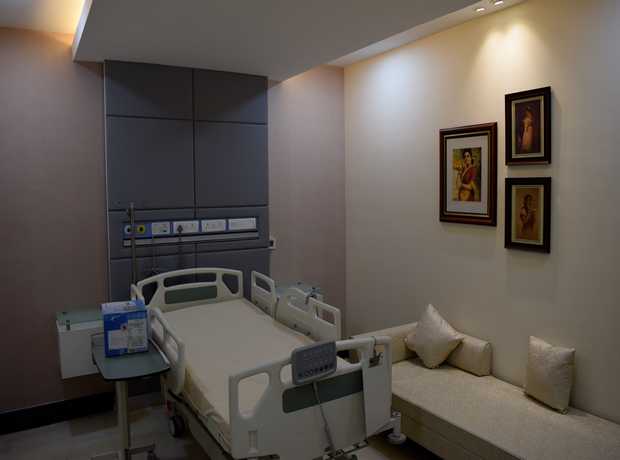
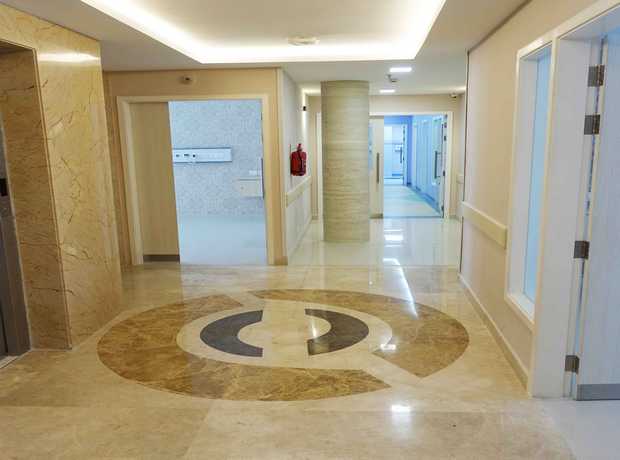
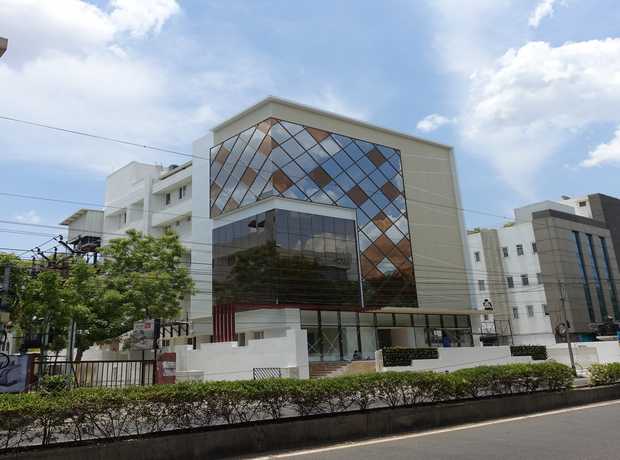
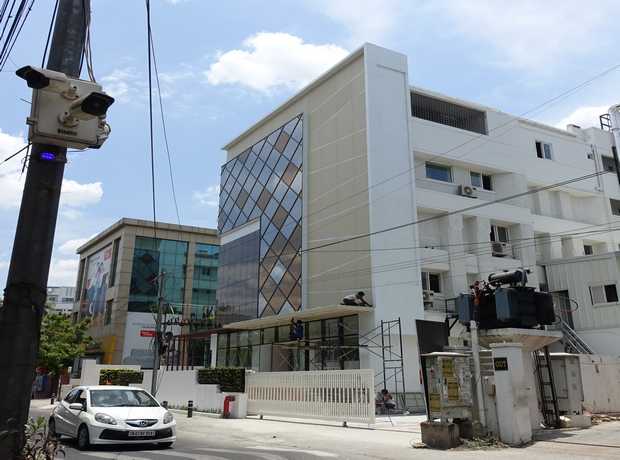
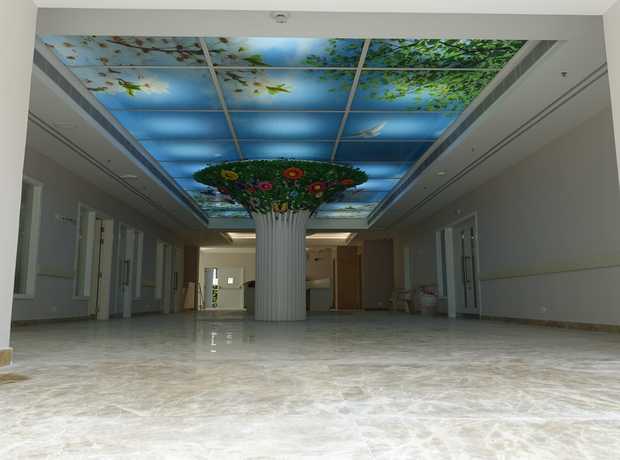
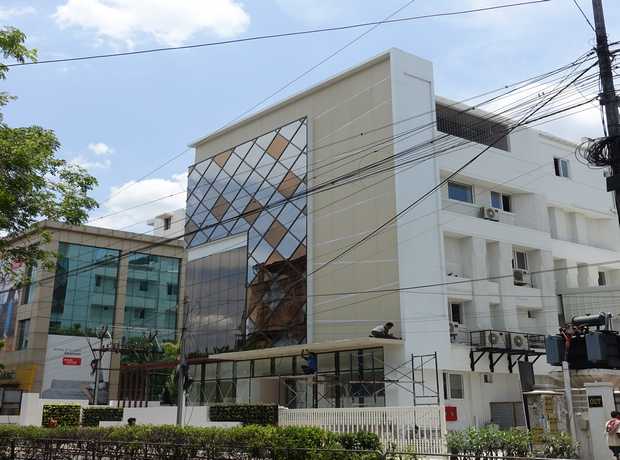
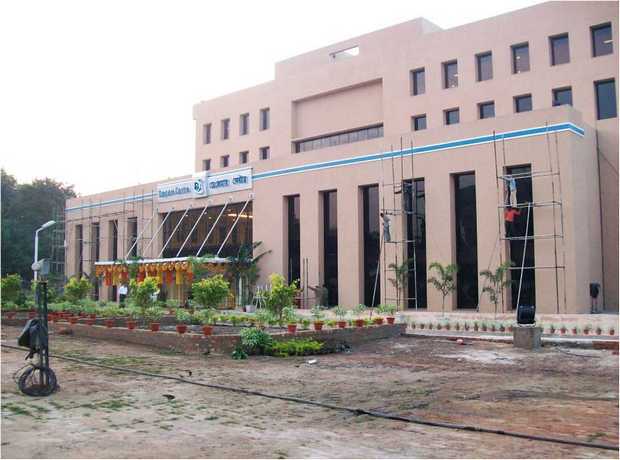
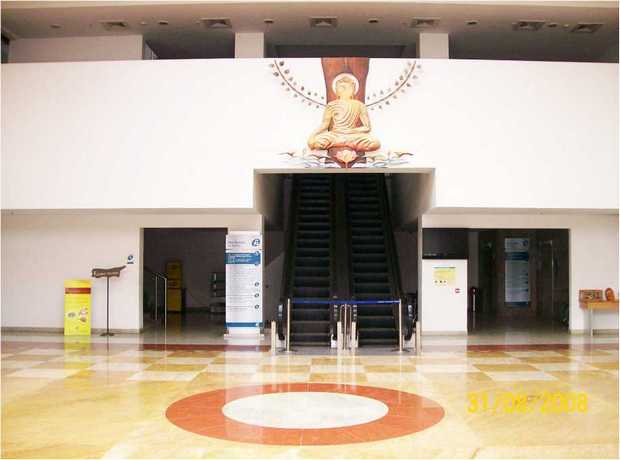

Expert Tips for Creating Successful Evidence-Based Student Housing and Dormitories in Ahmedabad
Navigating the complexities of student housing development requires a strategic, informed, and forward-thinking approach. To avoid the common pitfalls and to construct dormitories that genuinely thrive and serve their purpose, here are some expert tips, distilled from years of industry experience and a deep understanding of student needs and architectural excellence:
1. Conduct Thorough and Ongoing Research
The cornerstone of evidence-based student housing is a deep, ongoing understanding of your target users. Engage robustly with current students, prospective students, faculty members, and administrative staff to comprehensively understand their evolving needs, preferences, pain points, and aspirations. Utilize a diverse array of research methodologies, including structured surveys to gather quantitative data, insightful focus groups for qualitative depth, and one-on-one interviews to capture individual perspectives. Beyond internal stakeholders, conduct ethnographic studies to observe student behavior in existing housing environments. Analyze demographic shifts, academic trends, and lifestyle changes relevant to Ahmedabad’s student population. This extensive research will provide invaluable insights into ideal room configurations, preferred communal amenities, essential technological requirements, and desired social programming. The data gathered should not be a one-time exercise but an iterative process, informing design decisions at every stage and allowing for adjustments as new evidence emerges.
2. Prioritize Intelligent Space Planning and Dynamic Functionality
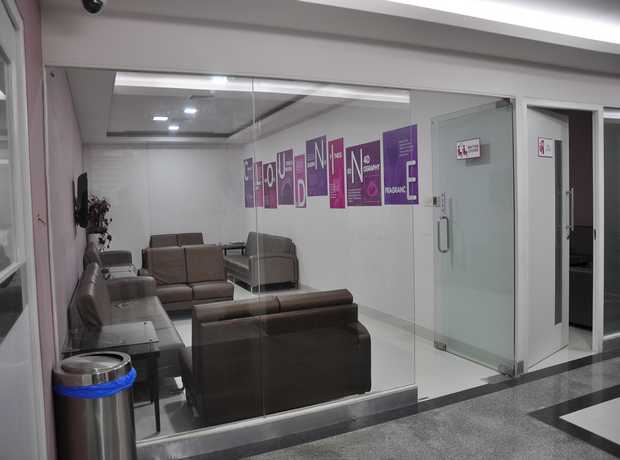
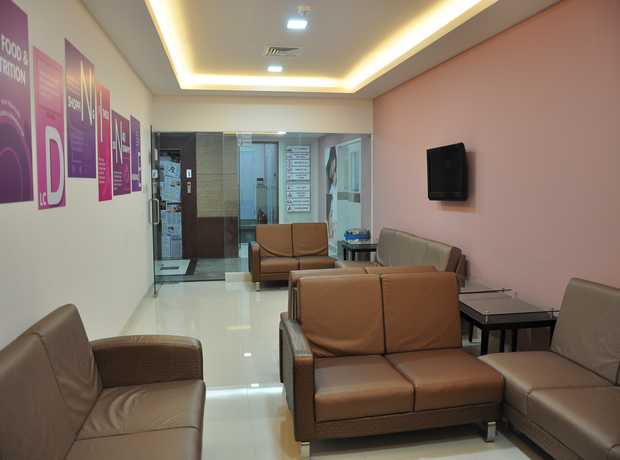
Optimal space utilization is paramount to creating comfortable, highly functional, and inspiring living environments. Every square foot within a dormitory project must be meticulously planned. Consider a variety of room configurations – from single occupancy to shared suites – each designed with smart storage solutions, ergonomic study zones, and adequate personal space. Beyond individual rooms, devote significant attention to communal areas. These should be versatile and multi-functional, supporting various activities such as quiet individual study, collaborative group projects, social gatherings, and recreational pursuits. Think about designated zones for different activities, ensuring clear circulation paths and maximizing natural light and ventilation. Engaging Ahmedabad interior experts early in the process is not just beneficial but absolutely crucial, as their specialized knowledge in optimizing layouts, ensuring flow, and selecting materials will significantly enhance both aesthetics and practicality, making every space count towards a richer student experience. A well-planned dormitory feels intuitive, supports diverse needs, and minimizes wasted space, ultimately contributing to a higher sense of satisfaction.
3. Embrace Comprehensive Sustainability from Conception to Operation
In an era of increasing environmental consciousness and rising utility costs, integrating robust sustainable design principles is no longer optional but a fundamental requirement. This commitment to sustainability goes beyond mere compliance; it’s about creating responsible, resilient, and cost-effective structures. Focus intensely on strategies that reduce the environmental impact throughout the building’s lifecycle and significantly lower long-term operating costs. This includes adopting energy-efficient lighting systems, such as LED technology with occupancy sensors, and implementing advanced water conservation measures like low-flow fixtures, rainwater harvesting systems, and greywater recycling. Prioritize the use of eco-friendly, durable, and preferably locally sourced materials that have a low embodied carbon footprint. Incorporate passive design strategies such as optimal building orientation for natural light and ventilation, shading devices, and high-performance insulation. Ahmedabad is proactively prioritizing sustainability and digital delivery in its urban development; thus, designing future-ready evidence-based student housing and dormitories with strong sustainable foundations inherently lowers lifecycle costs, enhances the institution’s reputation, and aligns with the values of modern students. Consider renewable energy sources like rooftop solar panels to further reduce reliance on grid electricity.
4. Seamlessly Integrate Cutting-Edge Technology
Today’s students are digital natives, and their living environments must reflect this reality. Providing ubiquitous, high-speed internet access is a baseline requirement, not a luxury. Go further by integrating smart building systems for climate control, lighting management, and security that can be controlled via mobile apps. Incorporate digital learning resources directly into the dormitory infrastructure, such as smart boards in common study areas, dedicated virtual reality labs for specialized courses, and robust video conferencing facilities for remote collaboration. Consider implementing features like online portals for streamlined maintenance requests, digital access control systems, and smart parcel lockers for secure package delivery. The goal is to create a technologically advanced environment that enhances both convenience and learning, preparing students for a digitally integrated world. This also extends to smart utility monitoring, enabling students and management to track and optimize energy and water consumption.
5. Focus Intently on Authentic Community Building
A dormitory is more than just a place to sleep; it’s a crucible for social development and community formation. Design a diverse range of communal spaces that actively encourage positive interaction, spontaneous collaboration, and a sense of belonging among residents. This includes vibrant game rooms equipped with various entertainment options, comfortable and inviting lounges for informal relaxation, dedicated movie screening areas, and versatile multi-purpose halls for events and workshops. Equally important are well-designed outdoor recreation areas, such as courtyards, sports courts, or rooftop gardens, which provide opportunities for fresh air and informal social interaction. Consider flexible furniture arrangements that allow students to reconfigure spaces to suit different group sizes and activities. The strategic placement of these shared amenities can foster a strong sense of community, reduce feelings of isolation, and create a supportive environment where students can thrive both academically and socially. Programming events within these spaces can further activate them and reinforce community bonds.
6. Optimize Branding & Informative Signage for a Cohesive Experience
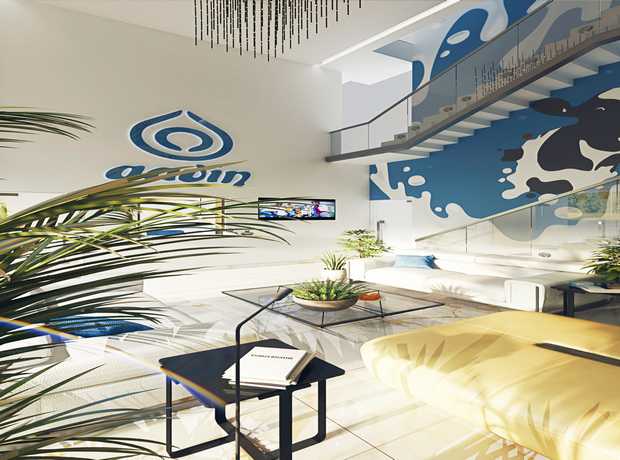
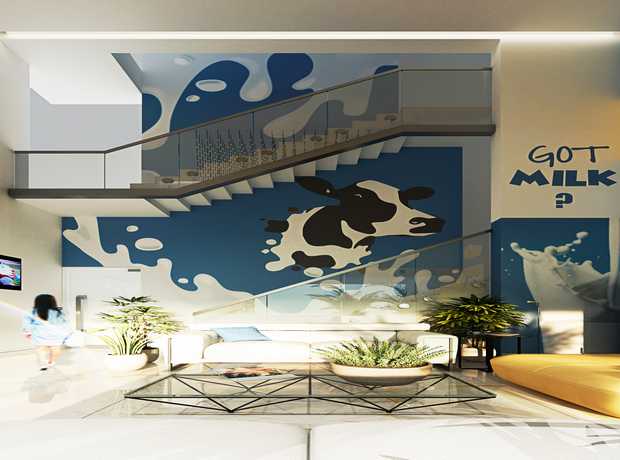
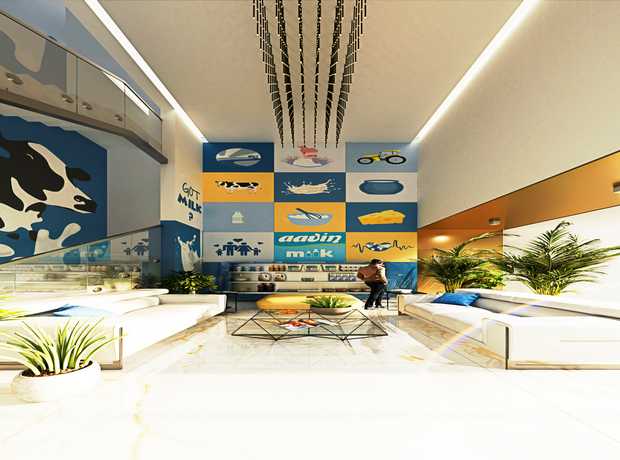
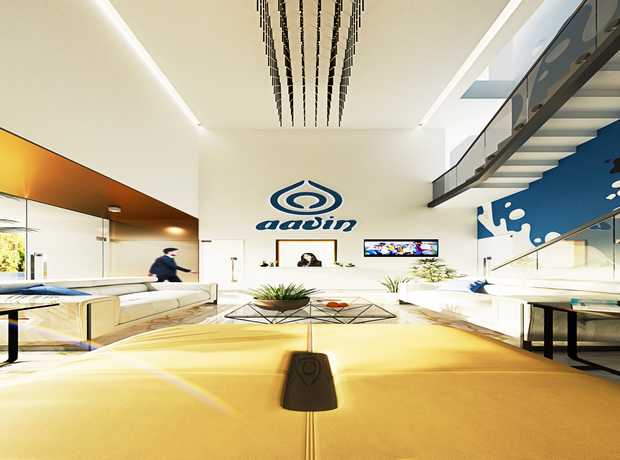
Effective branding & signage plays a pivotal role in shaping the overall student experience, going beyond mere aesthetics. A strong brand identity for the student housing facility helps to create a welcoming, recognizable, and distinct environment, fostering a sense of pride and belonging among residents. This involves consistent application of color schemes, logos, and architectural elements that reflect the institution’s values or the dormitory’s unique identity. Equally important is intuitive and informative signage, which is crucial for seamless wayfinding, especially for new students. Clear directional signs, room numbers, emergency exits, and instructions for facility use not only enhance safety and efficiency but also reduce confusion and anxiety. Thoughtful signage can also convey important messages, highlight campus resources, and promote a positive atmosphere. When branding and signage are expertly integrated, they contribute significantly to creating a cohesive, functional, and aesthetically pleasing environment that enhances the overall student experience and operational efficiency.
7. Invest in Intelligent and Adaptable Lighting Design
The impact of good lighting design on mood, concentration, and overall well-being cannot be overstated. Beyond simply illuminating spaces, intelligent lighting design optimizes both natural and artificial light to create environments that are comfortable, productive, and energy-efficient. Maximize natural light infiltration through strategic window placement and building orientation, which has proven benefits for circadian rhythms and mood. Supplement this with artificial lighting that is flexible, dimmable, and task-specific. For study areas, provide focused, glare-free task lighting. In communal lounges, opt for warmer, ambient lighting that encourages relaxation and social interaction. Use energy-efficient LED fixtures with smart controls that can adapt to occupancy and daylight levels. A well-executed lighting plan not only improves visual comfort and reduces eye strain but also contributes to energy savings and creates a more dynamic and inviting atmosphere, positively impacting student productivity and overall satisfaction within the dormitory. Considerations for diverse needs, such as adjustable color temperatures, can further enhance the user experience.
8. Choose the Right Interior Design Firm in Ahmedabad with Proven Expertise
The success of your student housing project hinges significantly on the expertise of your design partner. It is absolutely critical to partner with an experienced Ahmedabad evidence-based student housing and dormitories company that possesses a profound understanding of the unique challenges and vast opportunities inherent in student housing development. Look for a firm with a demonstrable and proven track record of consistently delivering successful projects, not just aesthetically pleasing ones, but those that meet functionality, sustainability, and budget requirements, all while adhering to strict timelines. The firm should ideally have a portfolio that showcases projects relevant to your scale and vision, coupled with a transparent process for client engagement and project management. At Skydome Designs, we bring unparalleled expertise to this specialized domain. We have successfully delivered an impressive 666+ evidence-based student housing and dormitory assignments across Ahmedabad and globally over 29+ years. Our commitment to excellence is reflected in our on-time delivery rate of 97%, our rigorous multi-disciplinary reviews, and our comprehensive post-occupancy support, all of which underpin consistently superior outcomes. We understand the nuances of creating spaces that truly serve student needs while maximizing developer ROI. Contact us today to discuss how our experience can benefit your project.
The Skydome Designs Advantage: Your Premier Partner for Evidence-Based Student Housing in Ahmedabad
Skydome Designs Pvt Ltd stands as a distinguished and leading architecture and interior design firm, renowned across India and internationally. Our nearly three decades of expertise encompass a diverse range of sectors, including specialized hospital and healthcare interiors, sophisticated residential projects, dynamic retail spaces, and, notably, innovative student housing solutions. We are committed to delivering designs that are not merely aesthetically pleasing but are fundamentally innovative, rigorously sustainable, and highly functional, all meticulously crafted to enhance user experiences and optimize operational efficiency for our clients.
What We Bring to Your Student Housing Project:
- Specialized Expertise in Student Housing: Leveraging our vast experience, we design student living spaces that are responsive to contemporary educational trends and student lifestyle demands.
- Residential Projects: Our expertise spans across designing modern apartments, luxurious condominiums, thoughtful senior housing, and engaging community-focused interiors, ensuring comfort and functionality in every detail.
- Comprehensive Interior Solutions: We provide end-to-end interior services, including strategic space planning for optimal flow and utility, intelligent furniture layouts that maximize flexibility, cutting-edge lighting design to enhance mood and productivity, and meticulous turnkey interior execution to ensure flawless realization of the design vision.
Why Partner with Skydome Designs for Your Ahmedabad Project:
- Unrivalled Experience: Boasting 29+ years of extensive experience, our portfolio covers a multitude of successful projects executed across India and internationally, giving us a unique global perspective tempered with local insight.
- Integrated In-House Team: Our strength lies in our formidable in-house team, comprising highly skilled architects, specialist healthcare planners (whose rigorous approach applies to all sectors including student housing), and meticulous project managers, ensuring seamless coordination and execution at every stage.
- Award-Winning & Client-Focused Designs: Our commitment to innovative, sustainable, and client-centric design has earned us numerous accolades and a reputation for excellence, always prioritizing your vision and goals.
- Proven Delivery Excellence: We pride ourselves on a consistent track record of delivering projects on-time, within budget, and to the highest global standards, ensuring peace of mind for our clients.
At Skydome Designs, we offer end-to-end delivery for evidence-based student housing and dormitories — encompassing strategy, design, construction, and seamless handover in Ahmedabad. Our process is bolstered by BIM-led coordination, ensuring precision and efficiency; rigorous value engineering to optimize costs without compromising quality; and stringent quality control protocols, all specifically tailored to meet the unique demands and regulatory environment of Ahmedabad. Our experience in delivering 666+ evidence-based student housing and dormitory assignments across Ahmedabad and globally over 29+ years, coupled with an impressive on-time delivery rate of 97% and robust post-occupancy support, makes us the ideal partner. We ensure that every project is a success story, from conceptualization to occupancy. Do not hesitate to contact us today at +91 7299072144 or info@skydomedesigns.com to discuss your project requirements and discover how we can transform your vision into a thriving reality.
The Future Landscape of Student Living in Ahmedabad: Beyond 2025
As we look beyond 2025, the evolution of student housing in Ahmedabad will be driven by several emerging trends, all rooted in enhancing the student experience and ensuring long-term sustainability and adaptability. The concept of evidence-based student housing and dormitories in Ahmedabad will become even more refined, integrating insights from diverse fields to create truly holistic living and learning environments.
1. Hyper-Flexible and Adaptable Spaces
The future will demand even greater flexibility. Dormitories will incorporate modular furniture, movable walls, and multi-functional rooms that can easily transform from study spaces to social hubs, or even to small workshop areas. This adaptability will cater to varying group sizes, pedagogical needs (e.g., hybrid learning models), and individual preferences, ensuring the longevity and relevance of the infrastructure.
2. Enhanced Focus on Mental Wellness
Recognizing the increasing challenges to student mental health, future dormitories will integrate dedicated wellness spaces. This might include quiet meditation rooms, dedicated yoga or fitness zones, access to telehealth consultation rooms, and abundant biophilic design elements (indoor plants, natural views) to reduce stress and promote psychological well-being. Outdoor spaces will be specifically designed for mindfulness and relaxation.
3. Seamless Integration of Smart Ecosystems
Beyond basic smart devices, future student housing will feature integrated smart ecosystems. Imagine AI-powered systems that optimize energy consumption based on occupancy patterns, smart sensors that monitor air quality and adjust ventilation, and personalized environmental controls accessible via a single student portal. Security will be multi-layered, incorporating facial recognition and drone surveillance for larger campuses, while maintaining student privacy.
4. Eco-Positive Design and Circular Economy Principles
Sustainability will evolve into “eco-positive” design, where dormitories not only minimize harm but actively contribute positively to the environment. This includes advanced wastewater treatment for reuse, on-site energy generation that feeds back into the grid, vertical gardens for food production, and construction using recycled and upcycled materials with a clear pathway for deconstruction and material reuse at the end of the building’s life. Ahmedabad’s focus on green initiatives will push these boundaries.
5. Diverse and Inclusive Living Environments
Student demographics are becoming increasingly diverse. Future housing will be designed with a strong emphasis on inclusivity, accommodating students with varying physical abilities, cultural backgrounds, and gender identities. This means accessible design features, gender-neutral facilities, and culturally sensitive communal spaces that foster belonging for everyone.
6. Learning Commons and Hybrid Learning Support
With the rise of hybrid learning models, dormitories will feature robust learning commons that blend traditional library functions with modern tech-enabled collaborative zones. These spaces will offer advanced AV equipment, dedicated quiet study pods, and flexible layouts to support both in-person and remote academic activities, bridging the gap between living and learning spaces.
7. Integration with the Urban Fabric of Ahmedabad
Future student housing may move beyond isolated campus models to become more integrated into Ahmedabad’s urban fabric, offering amenities that serve both students and the local community. This could include shared cafes, laundromats, or co-working spaces, fostering a symbiotic relationship between the educational institution and the city. Such integration aligns with Ahmedabad’s smart city vision.
By anticipating and incorporating these future trends, developers and institutions in Ahmedabad can ensure their student housing projects remain relevant, attractive, and highly functional for generations to come. Partnering with forward-thinking design firms like Skydome Designs, which specializes in evidence-based student housing and dormitories in Ahmedabad, is crucial for navigating this evolving landscape and delivering truly future-proof solutions. We are equipped to guide you through these transitions with our innovative design and strategic foresight.
FAQ: Evidence-Based Student Housing and Dormitories in Ahmedabad
Here are some frequently asked questions about student housing and dormitories, optimized for Google’s “People Also Ask” feature, providing detailed and informative answers:
What are the key considerations for designing student housing in Ahmedabad?
Designing student housing in Ahmedabad requires a multi-faceted approach. Key considerations include conducting thorough research into specific student needs and preferences, optimizing space planning for both individual comfort and communal interaction, rigorously integrating sustainability practices (given Ahmedabad’s climate and environmental goals), ensuring robust technology integration for modern learning and living, fostering a strong sense of community, and strict adherence to local building codes and cultural sensitivities. Ahmedabad is increasingly prioritizing sustainability and seamless digital delivery in its new urban and educational infrastructure projects, making these aspects paramount in design. Moreover, factors like climate control, water management, and material sourcing must be tailored to the local context.
How can I ensure my student housing project in Ahmedabad is truly sustainable and cost-effective in the long run?
To ensure a sustainable and cost-effective student housing project in Ahmedabad, you must incorporate a holistic approach to green design. This involves implementing energy-efficient lighting (e.g., LED with sensors), advanced water conservation measures (low-flow fixtures, rainwater harvesting, greywater recycling), and prioritizing the use of eco-friendly, durable, and locally sourced building materials to reduce transportation emissions and support the local economy. Beyond these, integrating passive design strategies like optimal building orientation, effective shading, and natural ventilation significantly reduces energy consumption. Partnering with a design firm experienced in sustainable building practices, such as Skydome Designs, is crucial. They can perform lifecycle cost analysis to demonstrate long-term savings and ensure compliance with emerging green building standards relevant to Ahmedabad.
What are the tangible benefits of applying evidence-based design principles for student dormitories?
The benefits of evidence-based design for student dormitories are numerous and tangible. It creates spaces that are demonstrably proven to improve student outcomes across multiple dimensions: enhanced academic performance through optimal study environments, improved mental and physical well-being via access to natural light and green spaces, stronger social interaction and a sense of community fostered by thoughtfully designed communal areas, and increased student retention due to a more satisfying living experience. Furthermore, this approach leads to more efficient resource utilization, lower operational costs, and future-proofed designs that can adapt to changing needs, ultimately maximizing the return on investment for developers and institutions. Skydome Designs has demonstrated these benefits across 666+ assignments over 29+ years, showcasing the real-world impact.
How much does it typically cost to build modern student housing in Ahmedabad, and what factors influence this?
The cost to build modern student housing in Ahmedabad can vary significantly, ranging from approximately INR 1,500 to INR 3,000+ per square foot, or even higher for luxury projects. These costs are influenced by a multitude of factors. Key determinants include the project’s location (land costs in prime areas are higher), the overall size and scale of the development, the quality and type of materials chosen (e.g., premium finishes versus standard), the extent of amenities and facilities included (gyms, cafes, specialized learning labs), the level of technology integration (smart systems, high-speed networking), and the degree of sustainable design features. Furthermore, labor costs, regulatory compliance, and unforeseen site-specific challenges can impact the final budget. For a detailed and accurate estimate tailored to your specific project vision and requirements, it is highly recommended to contact a reputable local construction or design firm like Skydome Designs for a comprehensive consultation and feasibility study. We excel in value engineering to optimize costs without compromising quality.
What are the current and future trends shaping student housing design globally and specifically in Ahmedabad?
Current trends in student housing design are heavily influenced by the demands of a new generation of students. These include a strong emphasis on sustainability (eco-friendly materials, energy efficiency), seamless technology integration (smart dorms, high-speed internet, virtual learning support), the creation of highly flexible and adaptable spaces (modular furniture, multi-purpose rooms), and a significant focus on community building through diverse communal areas and programming. Looking to the future, trends will intensify towards hyper-personalization, enhanced mental wellness facilities, integration of AI and IoT for predictive maintenance and personalized environments, circular economy principles in construction, and the development of truly inclusive living environments that cater to diverse student populations. In Ahmedabad, these global trends are further shaped by the city’s unique climatic conditions, cultural context, and its push towards becoming a smart, sustainable city, prioritizing digital delivery and green infrastructure in all new developments. Skydome Designs stays ahead of these trends to deliver future-ready solutions.
Conclusion: Planning for the Future of Student Living in Ahmedabad with Expert Partnership
The landscape of student living in Ahmedabad is undergoing a profound transformation, driven by a new generation of discerning students and the city’s ambitious vision for sustainable and digitally integrated urban development. By deeply understanding the evolving needs of today’s students and resolutely embracing the principles of evidence-based student housing and dormitories in Ahmedabad, developers and educational institutions have an unparalleled opportunity to create living spaces that are not just accommodation but powerful ecosystems. These environments are meticulously designed to actively support academic success, foster holistic personal growth, and significantly enhance the overall well-being of every resident.
To navigate this dynamic environment successfully, it is imperative to consciously avoid common mistakes, prioritize comprehensive sustainability initiatives, and most critically, partner with experienced and proven professionals. Skydome Designs stands as that expert partner, bringing an unrivalled depth of experience and a track record of excellence to your project. We have a distinguished history of delivering 666+ evidence-based student housing and dormitory assignments across Ahmedabad and globally over 29+ years. Our impressive 97% on-time delivery rate, meticulous multi-disciplinary reviews, and dedicated post-occupancy support are testaments to our commitment to ensuring superior outcomes for every client. We provide end-to-end delivery for evidence-based student housing and dormitories — from strategic planning and innovative design to precise construction and seamless handover in Ahmedabad, all underpinned by BIM-led coordination, rigorous value engineering, and stringent quality control specifically tailored to Ahmedabad’s unique requirements.
Do not leave the success of your critical student housing project to chance. Take the decisive step towards creating exceptional student living environments that will stand the test of time. Contact us today at +91 7299072144 or reach out via email at info@skydomedesigns.com to learn more about how Skydome Designs can meticulously help you bring your vision to life. Let’s initiate a discussion about your specific Ahmedabad evidence-based student housing and dormitories company needs and embark on building the future of student living together.