As Jeddah continues to experience rapid growth, driven by ambitious vision 2030 initiatives and significant new investments across various sectors, the imperative to ensure healthy, sustainable, and comfortable indoor environments has become more critical than ever. With 2025 swiftly approaching, a robust and forward-thinking approach to indoor air quality planning in Jeddah is no longer merely an advantageous consideration; it is an essential foundation for de-risking projects, fostering occupant well-being, enhancing productivity, and ensuring faster, more successful project delivery. This comprehensive guide delves into the nuances of IAQ planning in Jeddah, providing expert tips, revealing common pitfalls to circumvent, and highlighting strategic approaches to secure optimal indoor air quality for any development. By prioritizing IAQ from the outset, developers, architects, and facility managers can safeguard their investments and contribute to a healthier, more vibrant Jeddah.
The Paramount Importance of Indoor Air Quality Planning in Jeddah
Jeddah’s distinctive climate, characterized by high temperatures and humidity, coupled with its dynamic urban development, extensive construction activities, and increasing population density, presents a unique set of challenges and opportunities for indoor air quality. The prevailing weather patterns can exacerbate issues like mold growth and hinder natural ventilation, while the urban environment contributes to outdoor air pollutants that can infiltrate buildings. Consequently, neglecting IAQ can lead to a cascade of negative consequences:
- Health Implications: Poor IAQ is directly linked to a range of health problems, from acute symptoms like headaches, dizziness, and respiratory irritation to chronic conditions such as asthma, allergies, and other respiratory diseases. Vulnerable populations, including children, the elderly, and individuals with pre-existing health conditions, are particularly susceptible. A proactive approach to IAQ planning safeguards the health and well-being of occupants, reducing instances of sick building syndrome.
- Reduced Productivity and Performance: In commercial and educational settings, compromised indoor air quality has been shown to significantly impair cognitive function, concentration, and overall productivity. Employees and students in poorly ventilated or polluted indoor environments often experience fatigue, difficulty focusing, and increased absenteeism. Investing in superior IAQ translates directly into a more engaged, healthier, and productive workforce and learning environment.
- Decreased Property Value and Operational Costs: Buildings with documented IAQ issues can suffer from reduced market value and difficulty attracting tenants or buyers. Furthermore, rectifying IAQ problems post-construction often involves costly retrofits, legal disputes, and reputational damage. Conversely, buildings designed with excellent IAQ are more attractive, command higher rents, and benefit from lower long-term operational costs due to efficient systems and reduced health-related complaints.
- Sustainability and Environmental Responsibility: Effective IAQ planning is an integral component of sustainable building practices. It often aligns with efforts to reduce energy consumption through efficient ventilation and HVAC systems, and promotes the use of environmentally friendly, low-emitting materials. This commitment reflects positively on an organization’s environmental stewardship and aligns with global sustainability goals.
Therefore, proactive indoor air quality planning in Jeddah is not merely a compliance task; it is a strategic investment that safeguards occupants’ well-being, enhances building performance, and contributes to the broader vision of sustainable and high-quality urban living in Saudi Arabia.
Common Mistakes to Avoid in Jeddah Indoor Air Quality Planning
Failing to address indoor air quality comprehensively and upfront can lead to substantial financial burdens, operational inefficiencies, and significant health-related issues. Project developers and managers in Jeddah must be acutely aware of these frequent mistakes to ensure their projects meet the highest standards of indoor air quality:
- Ignoring Local Regulations and International Standards: Jeddah operates within Saudi Arabia’s specific building codes and environmental regulations. A common mistake is assuming general international standards suffice without verifying local compliance. It is imperative to ensure your IAQ plan not only complies with all applicable Saudi Arabian standards, but also considers best practices from international bodies like ASHRAE, LEED, and WELL Building Standard, which often raise the bar for healthy indoor environments. Failure to do so can result in costly project delays, fines, and mandatory rework.
- Inadequate Ventilation Design and Implementation: Ventilation is the cornerstone of good IAQ. Insufficient fresh air exchange can trap pollutants, lead to CO2 buildup, and, critically in Jeddah’s climate, increase indoor humidity. Elevated humidity levels are a primary driver for mold and mildew growth, which not only degrade air quality but also damage building materials and pose significant health risks. A common error is designing ventilation systems based on minimum code requirements rather than actual occupancy levels and pollutant loads, or failing to properly commission and balance the systems post-installation.
- Poor Material Selection and Specification: One of the most insidious mistakes is choosing building materials, finishes, furnishings, and adhesives that emit volatile organic compounds (VOCs) and other harmful chemicals. These emissions, known as off-gassing, can significantly degrade indoor air quality, contributing to a range of health issues from respiratory irritation to more severe conditions. Many conventional products contain high levels of VOCs. The mistake lies in not prioritizing low-VOC and sustainable materials, often due to cost perceptions or lack of awareness, leading to a polluted indoor environment from day one.
- Neglecting HVAC System Maintenance and Filtration: Even the most advanced HVAC system will underperform and potentially become a source of pollution if not maintained regularly. A frequent oversight is neglecting routine tasks such as filter replacement, coil cleaning, and duct inspection. Clogged filters reduce airflow and filtration efficiency, allowing pollutants to circulate. Dirty coils can foster microbial growth, and uncleaned ducts can harbor dust, allergens, and mold spores, which are then distributed throughout the building. This neglect not only compromises IAQ but also leads to increased energy consumption and premature system failure.
- Lack of Post-Occupancy Monitoring and Feedback: The completion of construction is not the end of IAQ management. A significant mistake is failing to implement continuous or periodic monitoring of IAQ parameters (e.g., CO2, VOCs, particulate matter, humidity) after occupants move in. Without this monitoring, potential issues arising from occupant activities, furniture outgassing, or system malfunctions can go undetected for extended periods, leading to persistent IAQ problems and occupant discomfort. Post-occupancy evaluation provides crucial data for fine-tuning systems and addressing unforeseen challenges promptly.
- Underestimating the Impact of Outdoor Air Pollution: Jeddah’s urban environment and proximity to industrial zones can mean outdoor air quality is often challenging. A common mistake is designing buildings without sufficient consideration for the infiltration of outdoor pollutants. This includes inadequate sealing of the building envelope, using low-efficiency outdoor air filters, or failing to account for specific local pollutants in HVAC design.
- Budgeting Oversights for IAQ: Often, IAQ measures are viewed as an “add-on” rather than an intrinsic part of the project budget. This leads to compromises on material quality, advanced filtration systems, or comprehensive testing. The mistake is not integrating IAQ costs from the initial feasibility studies, which then forces reactive, more expensive solutions later.
- Lack of Stakeholder Collaboration: IAQ is a multidisciplinary challenge. Architects, interior designers, MEP engineers, contractors, and facility managers all play a crucial role. A common mistake is operating in silos, where decisions made by one team (e.g., material selection by interiors) are not adequately communicated or coordinated with another (e.g., ventilation design by MEP), leading to conflicting outcomes detrimental to IAQ.
By actively identifying and mitigating these common mistakes, projects in Jeddah can lay a strong foundation for superior indoor air quality, ensuring long-term success and occupant satisfaction. Partnering with a knowledgeable Jeddah indoor air quality planning company like Skydome Designs can provide the necessary expertise to navigate these complexities.



Expert Tips for Successful Indoor Air Quality Planning in Jeddah
Achieving exemplary indoor air quality in Jeddah requires a holistic, integrated, and expert-driven approach. By following these advanced tips, project stakeholders can ensure their buildings are not only aesthetically pleasing and functional but also promote the health and well-being of their occupants:
1. Engage Jeddah Interior Experts Early On
The single most critical step towards ensuring superior IAQ is the early engagement of experienced professionals. Partnering with a firm specializing in indoor air quality planning in Jeddah from the project’s conceptualization phase is paramount. A reputable Jeddah indoor air quality planning company brings invaluable local knowledge, expertise in regulatory compliance, and a deep understanding of climactic challenges. Their insights inform critical decisions regarding design, material specification, and ventilation strategies, preventing costly rework later. Skydome Designs, with nearly three decades of experience and a track record of having delivered 1654+ indoor air quality planning assignments across Jeddah and globally, offers unparalleled expertise. Our team integrates IAQ considerations into every stage, ensuring a robust foundation for healthy indoor environments. Our award‑winning team provides transparent costs and milestone‑based reporting, ensuring your IAQ strategy is executed with precision from the very start.
2. Prioritize Integrated Space Planning and Interior Design
Effective space planning is not just about aesthetics or functionality; it’s a fundamental aspect of optimizing airflow and minimizing pollutant sources. During the initial design phase, meticulous consideration must be given to the placement of ventilation systems, air returns, high-pollutant-emitting equipment, and potential contamination sources. Thoughtful interior design can significantly contribute to improved IAQ by:
- Optimizing Natural Light and Ventilation: Strategic window placement, atrium design, and building orientation can maximize natural light and facilitate cross-ventilation, reducing reliance on mechanical systems and improving air circulation.
- Material Selection and Finishes: Beyond just low-VOC materials, consider surfaces that are easy to clean, resist microbial growth, and do not trap dust and allergens.
- Layout and Flow: Design layouts that prevent the spread of pollutants from one area to another (e.g., isolating printing rooms or cleaning supply storage). Ensure adequate space for HVAC maintenance access.
- Humidity Control Integration: In Jeddah’s humid climate, space planning must integrate systems for precise humidity control, preventing conditions conducive to mold growth.
A well-conceived interior design, therefore, serves as a proactive measure in creating healthy and comfortable indoor spaces, intrinsically linked to IAQ success. Skydome Designs excels in integrating these principles into every project, ensuring IAQ is woven into the very fabric of your building’s design.
3. Implement Robust and Diversified Ventilation Strategies
Adequate ventilation is the cornerstone of good indoor air quality, particularly crucial in Jeddah’s specific climate conditions. A multi-pronged approach combining various ventilation strategies is often the most effective:
- Natural Ventilation: Where feasible, maximize the use of natural ventilation through thoughtfully designed operable windows, louvers, and strategically placed openings. This can reduce energy consumption and provide a sense of connection to the outdoors. However, in Jeddah, natural ventilation must be carefully balanced with thermal comfort and outdoor air quality considerations, often requiring sophisticated controls to ensure fresh air without adverse temperature or humidity swings.
- Mechanical Ventilation with Advanced Filtration: Implement high-efficiency mechanical ventilation systems that bring in filtered outdoor air and exhaust stale indoor air. This is vital in Jeddah to manage humidity and filter out outdoor particulate matter (PM2.5, PM10) and other urban pollutants. Employ multi-stage filtration, including MERV 13+ filters for particulates and activated carbon filters for gaseous pollutants and odors. Consider heat recovery ventilators (HRVs) or energy recovery ventilators (ERVs) to pre-condition incoming fresh air, reducing the energy load on cooling systems while maintaining optimal humidity levels.
- Demand-Controlled Ventilation (DCV): Utilize advanced sensors (e.g., CO2, VOCs, particulate matter, occupancy sensors) to dynamically adjust ventilation rates based on real-time occupancy levels and indoor air quality conditions. DCV optimizes energy use by providing ventilation only where and when it’s needed, preventing both over-ventilation (energy waste) and under-ventilation (poor IAQ). This intelligent approach is a hallmark of high-performance buildings and a key strategy for sustainable IAQ in Jeddah.
- Targeted Exhaust Ventilation: Install dedicated exhaust systems in specific high-pollutant areas such as kitchens, bathrooms, cleaning supply closets, and laboratories to directly remove contaminants at their source before they can spread throughout the building.
The effective integration and control of these systems are critical for maintaining a balanced and healthy indoor environment.
4. Choose Low-Emitting Building Materials and Furnishings
The selection of building materials, finishes, adhesives, sealants, paints, and even furniture plays an enormous role in determining long-term indoor air quality. Volatile organic compounds (VOCs) and semi-volatile organic compounds (SVOCs) released from these products can persist for years. To mitigate this:
- Prioritize Certified Products: Actively seek out and specify materials and products that have been independently tested and certified for low emissions. Look for certifications from reputable organizations such as GreenGuard Gold, FloorScore, SCS Global Services, and products meeting stringent criteria like those for LEED (Leadership in Energy and Environmental Design) or WELL Building Standard compliance. These certifications assure that products meet rigorous chemical emissions limits.
- Specify Low-VOC Options: Demand low-VOC or no-VOC paints, coatings, adhesives, sealants, and flooring. For example, water-based paints are generally preferable to oil-based options.
- Consider Material Composition: Opt for natural and minimally processed materials where appropriate, as they often have lower chemical emissions. Be mindful of formaldehyde in pressed wood products; specify formaldehyde-free or low-formaldehyde options.
- Sustainable and Healthy Choices: Whenever possible, choose sustainable materials that also contribute to healthier indoor environments. This dual benefit aligns with modern building principles.
- Pre-occupancy Flush-Out: After construction, consider a ‘building flush-out’ period with enhanced ventilation before occupancy to dissipate initial off-gassing from new materials, further enhancing IAQ from day one.
This meticulous attention to material specification upfront can prevent a lifetime of IAQ challenges.
5. Integrate Branding & Signage with IAQ in Mind
Even elements that seem peripheral to structural IAQ, such as branding & signage, can have an impact. While often overlooked, the materials and inks used in interior and exterior signage can contribute to VOC emissions. To ensure comprehensive IAQ planning:
- Select Low-VOC Inks and Substrates: For all interior signage, murals, and branded elements, specify low-VOC or water-based inks and non-toxic, certified substrates. Avoid solvent-based inks which are known for high VOC emissions.
- Ventilation During Installation: Ensure adequate ventilation during the installation of any new signage or graphic applications, especially those involving adhesives.
- Consider Material Longevity: Choose durable, high-quality materials for signage that do not degrade easily, preventing the release of particulate matter over time.
Incorporating these considerations ensures that every element within your project, right down to the visual branding, supports a healthy indoor environment. Skydome Designs’ holistic approach ensures even these details are covered within our end‑to‑end delivery for indoor air quality planning.
6. Implement Robust Regular Monitoring, Maintenance, and Management
Ongoing vigilance is crucial for sustaining good indoor air quality throughout a building’s lifecycle. An effective IAQ management plan includes:
- Continuous Monitoring Systems: Deploy smart IAQ sensors throughout the building to continuously monitor key parameters such as CO2, TVOCs (Total Volatile Organic Compounds), PM2.5, temperature, and humidity. These systems can provide real-time data, alert facility managers to anomalies, and even integrate with building management systems (BMS) to automatically adjust ventilation rates (as in DCV).
- Proactive HVAC Maintenance Schedule: Develop and strictly adhere to a comprehensive preventive maintenance schedule for all HVAC systems. This includes regular inspection, cleaning, and replacement of filters (e.g., every 1-3 months, depending on usage and outdoor air quality), cleaning of coils and drain pans, inspection of ductwork for leaks or contamination, and calibration of sensors and controls.
- Professional Duct Cleaning: Periodically (e.g., every 3-5 years, or as needed based on inspection) engage professional services for thorough duct cleaning to remove accumulated dust, debris, and microbial growth.
- Water Management and Leak Detection: Implement measures to prevent water intrusion and promptly address any leaks or water damage. High humidity and moisture are primary drivers for mold growth. Ensure proper drainage, waterproofing, and humidity control strategies are in place.
- Integrated Pest Management (IPM): Pests can introduce allergens and contaminants. An IPM strategy focuses on prevention and non-toxic control methods to minimize chemical use while effectively managing pest populations.
- Regular IAQ Testing: Conduct periodic, independent IAQ testing by certified professionals to validate the performance of your systems and identify any unforeseen issues. This provides an objective assessment of overall indoor air quality.
- Occupant Education and Feedback: Educate occupants on how their actions can impact IAQ (e.g., proper waste disposal, chemical use, reporting issues). Establish channels for occupants to provide feedback on air quality concerns.
This multi-faceted approach ensures that IAQ remains optimal over the long term, protecting both occupants and the building itself. Our commitment to post‑occupancy support at Skydome Designs ensures that IAQ performance is maintained well beyond handover.
Ensure the long-term health of your building with expert IAQ monitoring and maintenance plans. Connect with Skydome Designs for comprehensive support.
7. Leverage Smart Building Technologies for Predictive IAQ
In the digital age, smart building technologies offer unprecedented opportunities for proactive IAQ management. Integrating advanced sensors, IoT devices, and AI-driven analytics can elevate IAQ planning beyond reactive measures to predictive capabilities. This involves:
- Predictive Analytics: Using AI and machine learning to analyze historical IAQ data, weather patterns, occupancy trends, and system performance to predict potential IAQ issues before they arise. This allows for proactive adjustments to HVAC systems or maintenance schedules.
- Integrated Building Management Systems (BMS): A central BMS can consolidate data from all IAQ sensors, HVAC systems, and building controls, providing a single dashboard for monitoring and managing indoor environments. This allows for optimized responses to real-time conditions.
- Automated Fault Detection & Diagnostics (FDD): FDD tools within a BMS can automatically identify issues like sensor malfunctions, clogged filters, or inefficient fan operation that impact IAQ, triggering alerts for immediate attention.
- Personalized Environmental Control: In some advanced settings, occupants might have control over localized environmental parameters (temperature, airflow, lighting) through apps, empowering them to customize their comfort while remaining within overall IAQ guidelines.
Embracing these smart technologies positions projects in Jeddah at the forefront of healthy building design and operation, aligning with the Kingdom’s vision for smart cities. Skydome Designs integrates these cutting-edge solutions as part of our comprehensive, end‑to‑end delivery approach.
Skydome Designs: Your Partner for Unrivaled Indoor Air Quality Planning in Jeddah
Skydome Designs Pvt Ltd stands as a beacon of excellence in the architecture and interior design landscape, boasting nearly 30 years of unwavering commitment to delivering innovative, sustainable, and health-conscious solutions. Our deep-rooted experience extends across India and abroad, with a profound understanding of diverse environmental and regulatory contexts, including the specific challenges and opportunities presented by Jeddah.
We offer comprehensive indoor air quality planning in Jeddah, seamlessly integrating it into every project phase. Our methodology ensures the creation of healthier, more comfortable, and highly productive environments for all building occupants. We are proud to have delivered 1654+ indoor air quality planning assignments across Jeddah and globally, a testament to our expertise, reliability, and client satisfaction. Our unparalleled track record demonstrates our capability to handle complex IAQ challenges with precision and foresight.
What We Do
Our multidisciplinary expertise covers a broad spectrum of project types, where IAQ is a foundational element:
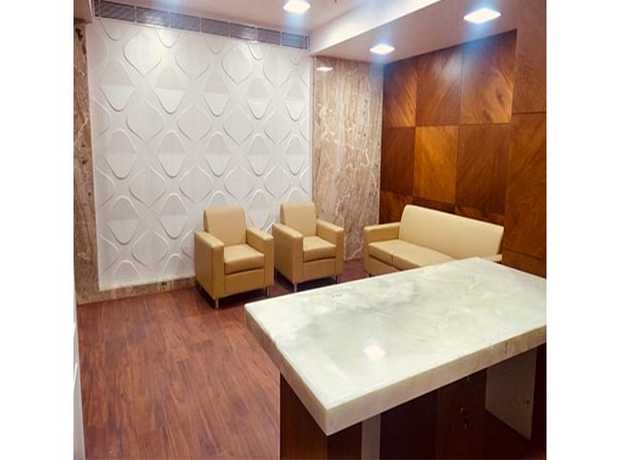
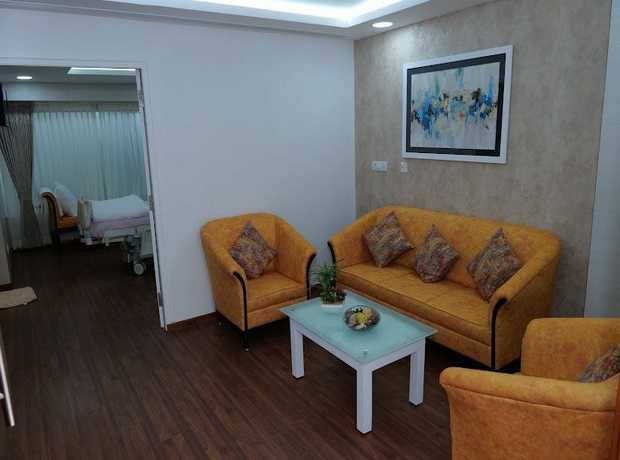
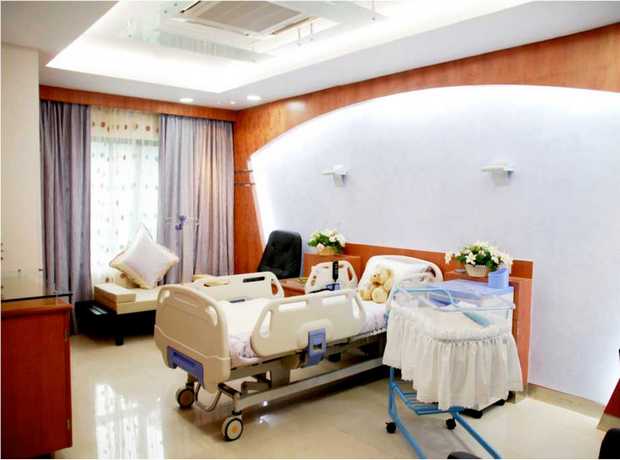
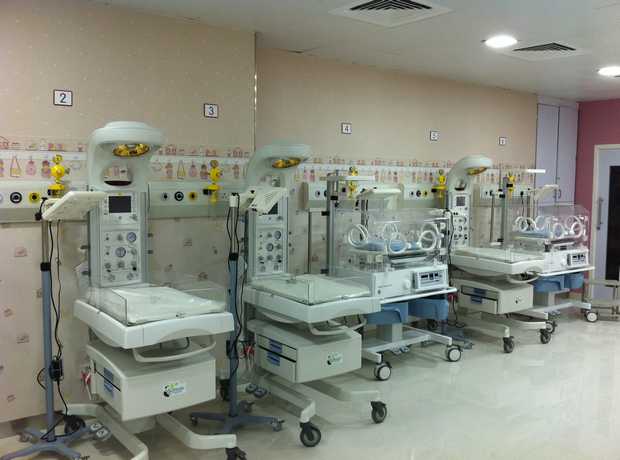
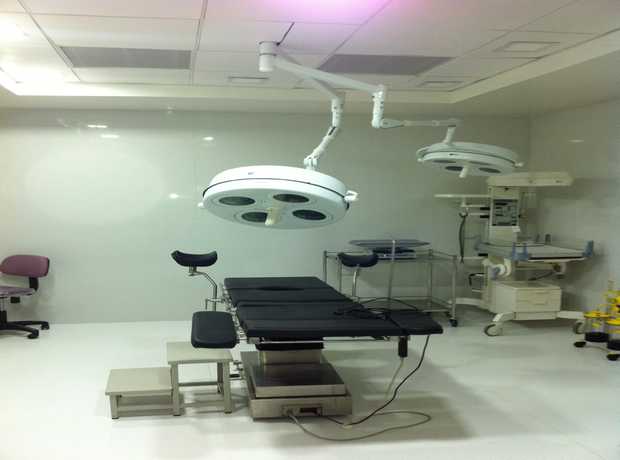
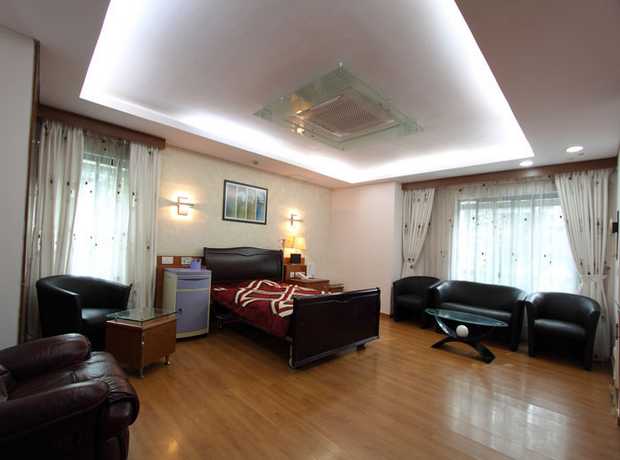
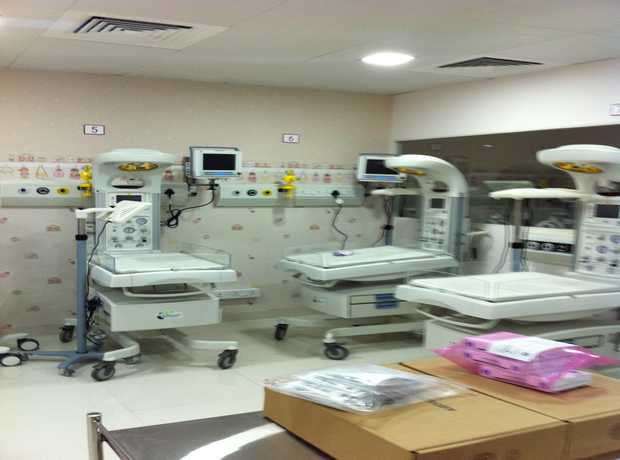
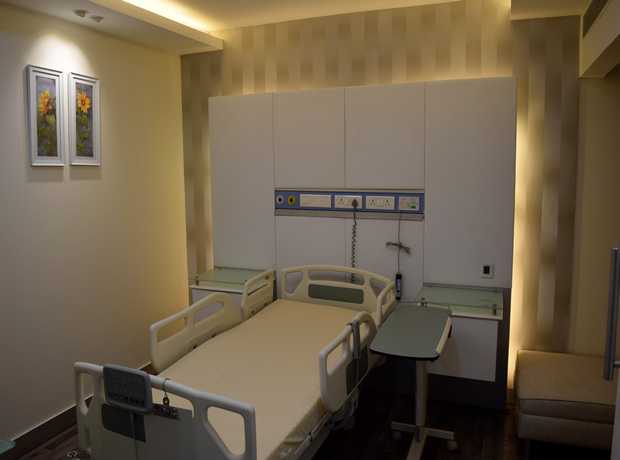
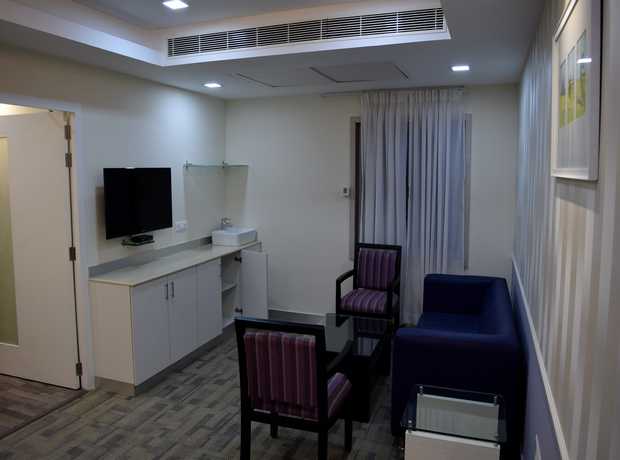
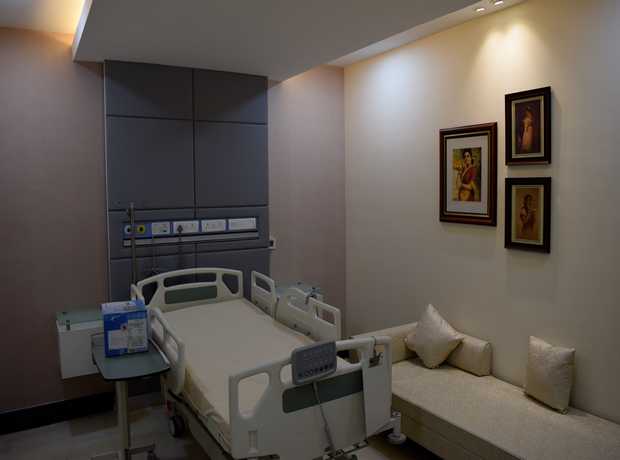
- Hospital Interior Design: In critical healthcare environments, IAQ is non-negotiable. We design patient rooms, ICUs, OTs, labs, and consultation areas with advanced filtration, controlled ventilation, and antimicrobial materials to minimize infection risks and enhance patient recovery and staff well-being. Our designs prioritize sterile environments without compromising comfort.
- Residential Projects: For apartments, luxury condos, senior housing, and community-focused interiors, we create living spaces that are sanctuaries of health. We focus on low-VOC materials, natural ventilation optimization, efficient HVAC systems, and humidity control tailored to Jeddah’s climate, ensuring families breathe easy in their homes.
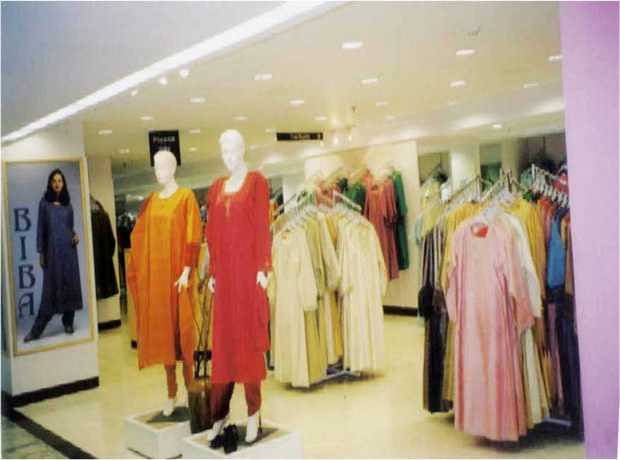
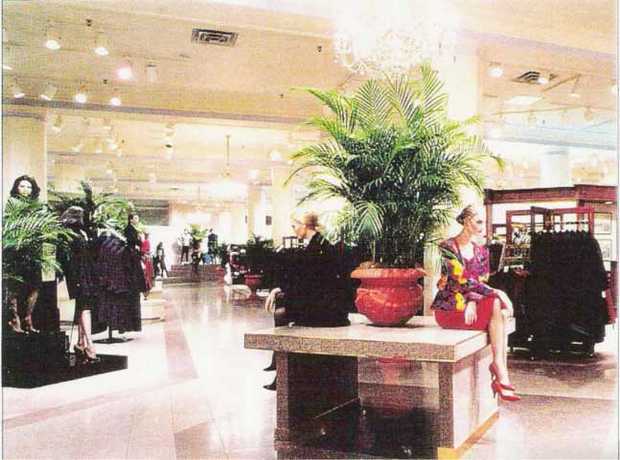
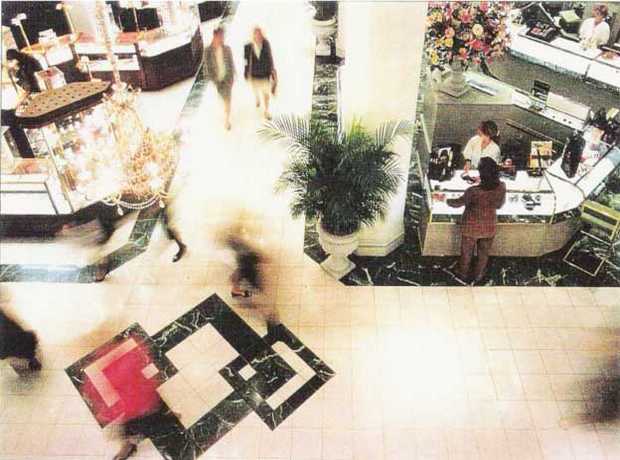
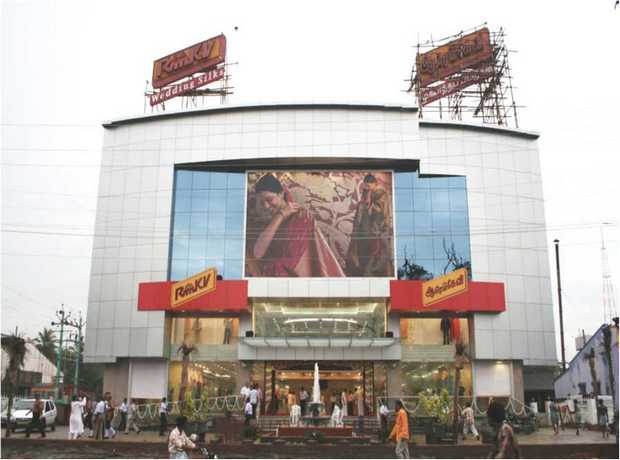
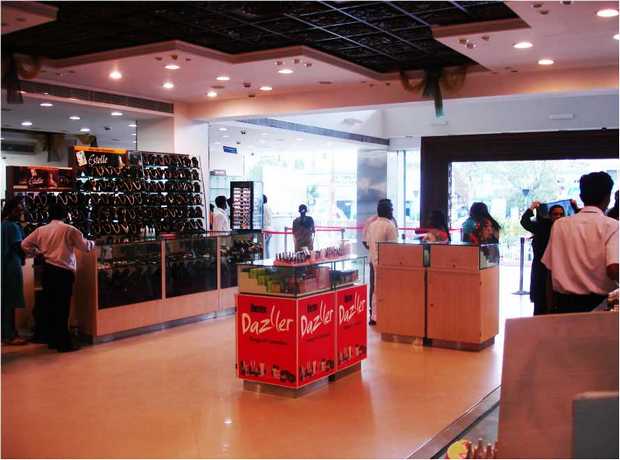
- Retail & Commercial Design: From shopping malls and mixed-use developments to corporate offices and entertainment centers, we understand that healthy indoor air directly impacts customer experience, employee productivity, and business success. Our designs incorporate robust ventilation, air purification, and strategic material choices to foster vibrant and healthy commercial spaces.
- Interior Solutions: Our expertise spans detailed space planning, ergonomic furniture layouts, cutting-edge lighting design, and full turnkey interior execution. We ensure that every element, from finishes to furnishings, contributes positively to the overall IAQ, providing a seamless and integrated delivery.
Why Choose Us for Your Jeddah IAQ Needs
Selecting Skydome Designs means partnering with a firm dedicated to excellence, innovation, and client success:
- 29+ years of unparalleled experience: Our extensive tenure across India and abroad provides us with a depth of knowledge that few can match, making us exceptionally well-equipped for the Jeddah market.
- In-house multidisciplinary team: We boast a formidable in-house team of seasoned architects, healthcare planners, and meticulous project managers. This integrated approach ensures seamless coordination and comprehensive solutions, all under one roof.
- Award‑winning team with transparent processes: We are an award‑winning team recognized for our design prowess and project execution. We operate with complete financial transparency, offering clear costs and milestone‑based reporting specifically tailored for projects in Jeddah, ensuring you are always informed and in control.
- End‑to-end delivery for indoor air quality planning: Our commitment is to holistic project success. We provide comprehensive end‑to-end delivery for indoor air quality planning — encompassing initial strategy, innovative design, precise construction oversight, and final handover in Jeddah. This turnkey approach guarantees consistency and quality across all stages.
- Proven On-time, On-budget, Global Standards Delivery: We pride ourselves on efficiency and reliability. Our projects are delivered with an exceptional on‑time delivery rate of 97%. This precision, combined with our rigorous multi‑disciplinary reviews and invaluable post‑occupancy support, underpins the superior outcomes we consistently achieve for our clients in Jeddah. We adhere strictly to global standards, ensuring your project is world-class.
Ready to ensure superior indoor air quality for your Jeddah project? Don’t leave IAQ to chance. Partner with the experts who have a proven track record of excellence. Contact Skydome Designs today for a comprehensive consultation! Let us bring our 29+ years of global experience and 1654+ IAQ assignments to your next project. Call us at +91 7299072144 or email us at info@skydomedesigns.com to take the first step towards a healthier, more sustainable indoor environment.
FAQ: Indoor Air Quality Planning in Jeddah
Here are some frequently asked questions about indoor air quality planning in Jeddah, addressing common concerns and providing expert insights:
What are the main sources of indoor air pollution in Jeddah?
In Jeddah, common sources of indoor air pollution are multi-faceted. These include emissions from new construction materials (VOCs from paints, adhesives, furniture), infiltration of outdoor air pollution (dust, vehicular emissions, industrial pollutants), tobacco smoke, biological contaminants (mold and mildew exacerbated by high humidity), inadequate ventilation trapping pollutants, and byproducts from cooking, cleaning products, and even certain electrical equipment. The arid climate also means dust can be a significant indoor pollutant if not properly managed.
How can I effectively improve the indoor air quality in my Jeddah home or office?
To effectively improve IAQ, a multi-pronged approach is recommended. This includes ensuring proper and consistent ventilation by using efficient HVAC systems with high-MERV filters, supplementing with natural ventilation when outdoor conditions are favorable. Prioritize using low-VOC building materials and furnishings. Implement a regular cleaning schedule focusing on dust and allergen removal. Crucially, control humidity levels to prevent mold growth, which is vital in Jeddah’s climate. Regular professional maintenance of HVAC systems is non-negotiable, and consider portable air purifiers with HEPA and activated carbon filters for targeted areas.
What are the specific regulations and standards for indoor air quality in Jeddah and Saudi Arabia?
Jeddah adheres to national building codes and environmental regulations set by Saudi Arabian authorities, often referencing international standards like ASHRAE for ventilation and indoor environmental quality. Key regulatory bodies include the Ministry of Environment, Water and Agriculture (MEWA) and the Saudi Standards, Metrology and Quality Organization (SASO). While specific standalone “IAQ regulations” might be less prescriptive than in some Western countries, IAQ is addressed through various building codes (e.g., ventilation requirements), occupational health and safety standards, and environmental protection laws. Consulting with local experts, such as Skydome Designs, is essential for understanding and complying with the precise, current requirements for your specific project type in Jeddah.
How often should I test the indoor air quality in my building in Jeddah?
Regular IAQ testing is highly recommended, especially after major construction or renovation projects to ensure new materials have sufficiently off-gassed. In buildings with known IAQ issues, frequent testing (e.g., quarterly) is advisable to monitor improvement. For general preventive measures, annual or biannual testing by certified professionals is a good starting point. Continuous monitoring systems can provide real-time data, complementing periodic professional assessments and offering immediate alerts to potential problems, allowing for swift corrective action.
What is the critical role of ventilation in maintaining optimal indoor air quality?
Ventilation is paramount because it facilitates the removal of indoor air pollutants, excess moisture, and stale air, simultaneously introducing fresh, filtered outdoor air. In Jeddah’s climate, effective ventilation systems help manage the indoor humidity load, preventing mold growth and creating a more comfortable thermal environment. Without adequate ventilation, pollutants from various sources accumulate indoors, leading to poor air quality, increased CO2 levels, and adverse health effects. Properly designed and maintained ventilation systems are fundamental to a healthy and productive indoor space.
How does Jeddah’s climate, particularly humidity, impact indoor air quality, and what can be done?
Jeddah’s high humidity is a significant factor impacting IAQ. Elevated indoor humidity (above 60%) creates an ideal breeding ground for mold, mildew, dust mites, and bacteria, all of which release allergens and irritants into the air. High humidity can also lead to condensation on cool surfaces, further exacerbating mold issues. Effective strategies include designing buildings with robust vapor barriers, implementing high-efficiency HVAC systems capable of significant dehumidification, using energy recovery ventilators (ERVs) to manage moisture in incoming fresh air, and prompt remediation of any water intrusion. Continuous monitoring of relative humidity is essential.
Can sustainable design principles contribute to better indoor air quality?
Absolutely. Sustainable design principles are inherently linked to better IAQ. Features like maximizing natural ventilation, utilizing low-VOC and recycled materials, incorporating biophilic design elements (indoor plants that can help filter air), optimizing daylighting to reduce reliance on artificial lighting (which can produce heat and sometimes VOCs), and integrating high-efficiency HVAC systems with energy recovery contribute significantly to a healthier indoor environment while reducing the building’s environmental footprint. Many green building certifications, such as LEED and Estidama, have stringent IAQ requirements.
What are the benefits of a professional IAQ assessment for my Jeddah property?
A professional IAQ assessment by experts like Skydome Designs offers numerous benefits. It provides an objective, scientifically backed evaluation of your building’s air quality, identifying specific pollutants, their sources, and concentrations. This information is crucial for developing targeted remediation plans, ensuring compliance with local standards, safeguarding occupant health, and potentially validating a “healthy building” status for marketing purposes. It can prevent costly future health issues, legal challenges, and inefficient energy use. Our team performs multi-disciplinary reviews to ensure thoroughness and accuracy.
Conclusion: Investing in Superior Indoor Air Quality for Jeddah’s Future
Prioritizing comprehensive indoor air quality planning in Jeddah is far more than a regulatory box to tick; it is a fundamental, strategic investment in the health, well-being, and sustained productivity of building occupants, alongside the long-term value and performance of your property. As Jeddah continues its rapid ascent as a global hub, ensuring healthy indoor environments will be a key differentiator for successful projects. By understanding and proactively avoiding common mistakes and, crucially, by implementing expert-driven strategies, developers, architects, and facility managers can consistently create healthier, more sustainable, and ultimately more valuable indoor environments.
The complexities of Jeddah’s climate, coupled with rapid urbanization, demand a specialized approach to IAQ. This is where the unparalleled expertise of a trusted partner becomes indispensable. Skydome Designs stands ready to be that partner, offering nearly three decades of experience and a proven track record of excellence in delivering innovative and sustainable IAQ solutions across the globe and specifically within Jeddah. Our commitment to end‑to‑end delivery for indoor air quality planning, from initial strategy and bespoke design to meticulous construction and seamless handover, ensures that every project achieves optimal IAQ.
With 1654+ indoor air quality planning assignments delivered across Jeddah and globally, an on‑time delivery rate of 97%, rigorous multi‑disciplinary reviews, and dedicated post‑occupancy support, Skydome Designs guarantees outcomes that not only meet but exceed global standards. We don’t just design buildings; we craft environments where health, comfort, and productivity flourish. Let us help you de-risk your project and ensure it is a resounding success.
Ready to ensure superior indoor air quality for your Jeddah project and deliver a truly healthy and sustainable environment? Don’t settle for less than the best.
- Call us today to discuss your project: +91 7299072144
- Email us for a detailed consultation: info@skydomedesigns.com
Let Skydome Designs transform your vision into a breath of fresh air!
Related Links and Resources: Sustainable Building Practices in Modern Architecture | Essential HVAC System Maintenance for Optimal Performance | Principles of Healthy Building Design