The monumental task of planning an interior design project for a healthcare facility in Riyadh is not merely an aesthetic endeavor; it is a complex orchestration of functionality, safety, and patient well-being. The stakes are profoundly high. Every design decision, from the choice of flooring to the layout of critical care units, directly impacts patient recovery, staff efficiency, and the overall operational effectiveness of the institution. As Riyadh continues its ambitious trajectory towards becoming a global healthcare hub, driven by Vision 2030, ensuring your project’s success in 2025 and beyond is paramount. It’s crucial not just to aim for good design, but to actively anticipate and avoid common pitfalls and adopt industry-leading best practices. This definitive guide, meticulously crafted and brought to you by Skydome Designs – renowned as leading experts in healthcare interior design and project management – provides essential, actionable tips for successful interior project management for healthcare facilities in Riyadh. Our insights are grounded in nearly three decades of experience, ensuring your investment translates into a future-ready, patient-centric, and highly efficient healthcare environment.
The Evolving Landscape of Healthcare Interior Design in Riyadh: Meeting Future Demands
Riyadh is not just growing; it’s transforming. The healthcare sector, in particular, is experiencing an unprecedented boom, fueled by significant government investment and a burgeoning population demanding access to world-class medical services. This growth translates into an increasing demand for modern, highly efficient, and profoundly patient-centric facilities. But the evolution goes deeper than just capacity. Riyadh is increasingly prioritizing sustainability, digital integration, and advanced technological solutions in all its new infrastructure projects. This means that interior project management for healthcare facilities must now be inherently future-ready. Your design choices today will have profound, lasting implications on operational costs, environmental impact, and the facility’s adaptability for decades to come. Think about how rapidly medical technology advances, how patient expectations shift, and how global health crises can redefine operational parameters overnight. A forward-thinking design must consider modularity, adaptability, and scalability, integrating smart building technologies, and prioritizing energy efficiency. This strategic foresight not only lowers lifecycle costs but also positions your facility as a leader in innovative healthcare delivery. Skydome Designs understands these evolving demands, bringing a holistic approach that marries global best practices with acute local understanding, ensuring your project isn’t just for 2025, but for the next generation of healthcare in Riyadh.
Key Considerations for Exemplary Interior Project Management in Riyadh
Successful interior project management for healthcare facilities in Riyadh transcends mere aesthetics or space planning. It demands a sophisticated and nuanced understanding of intricate medical workflows, a comprehensive grasp of stringent regulatory requirements, and an empathetic appreciation for the specific needs of diverse patient populations and dedicated healthcare staff. Overlooking any of these critical dimensions can lead to costly rework, operational inefficiencies, and, most importantly, compromised patient care. Here are some of the most crucial areas that demand meticulous focus and expert execution:
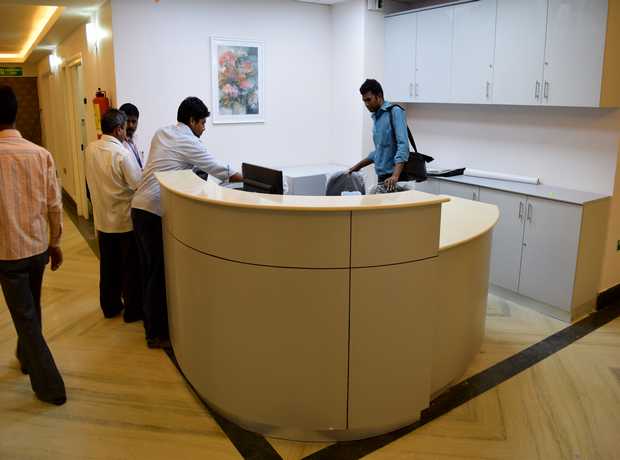
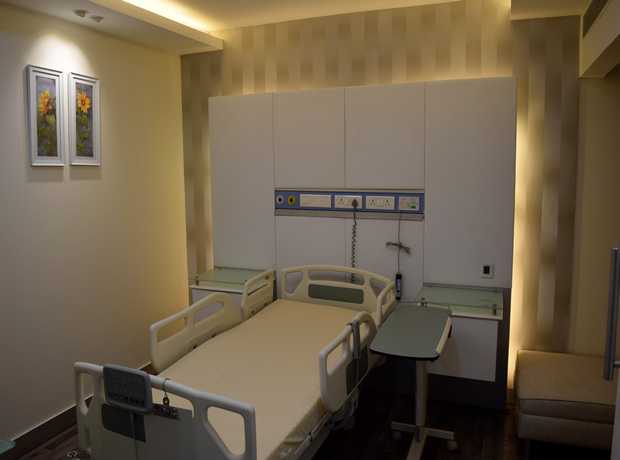
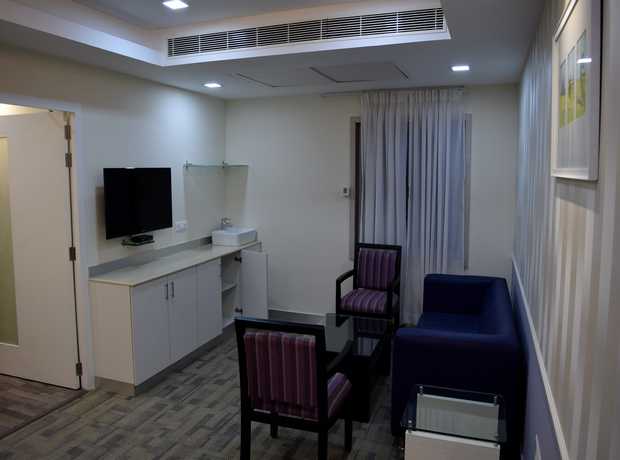

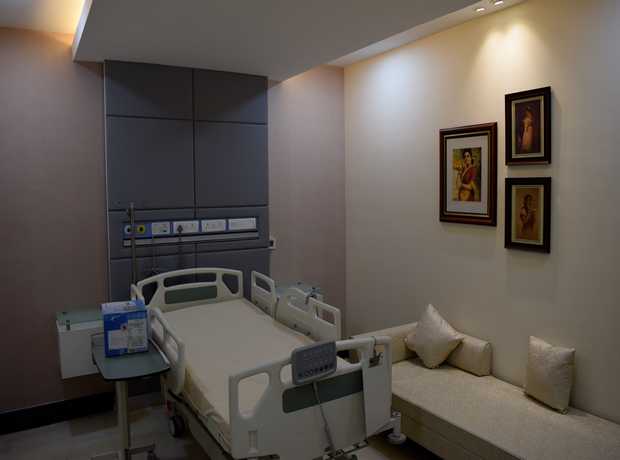
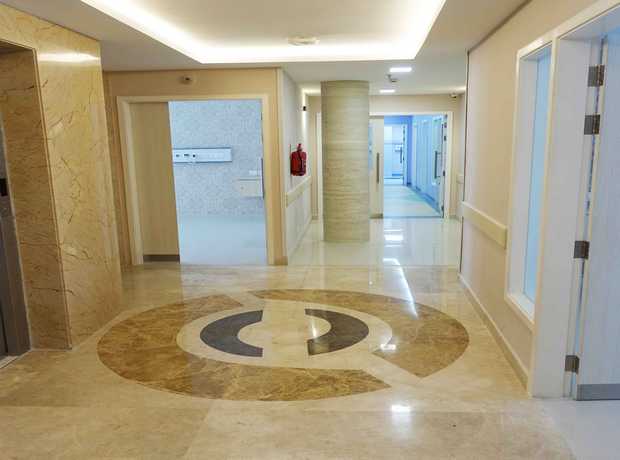
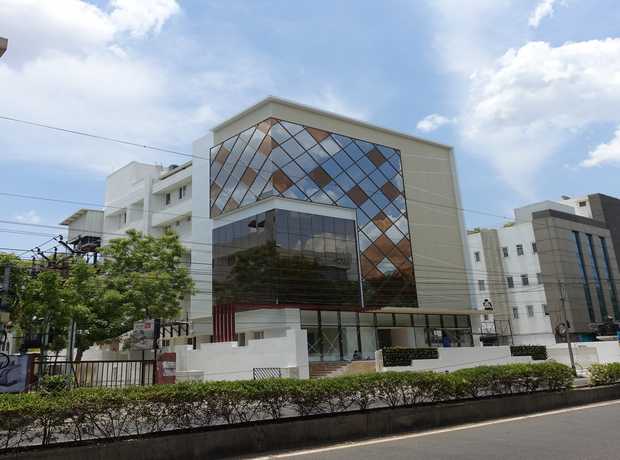
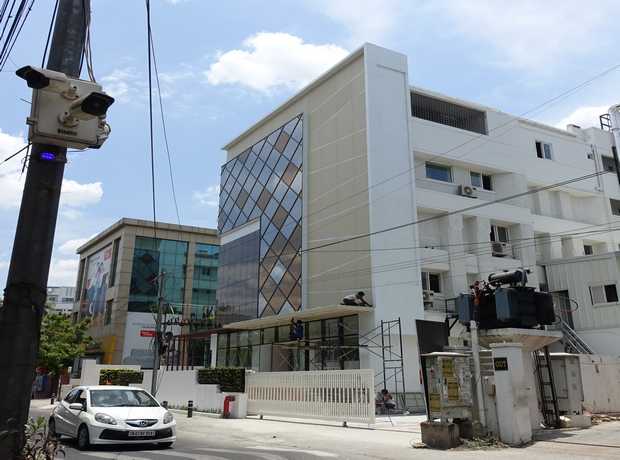
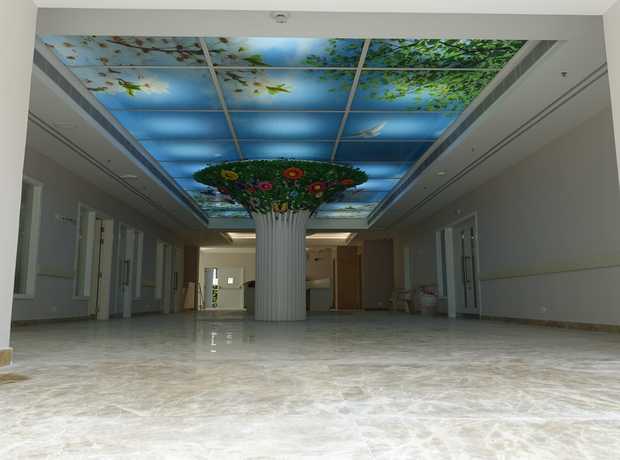
1. Uncompromising Compliance and Regulations: Navigating the Legal Labyrinth
Navigating the complex and often stringent regulatory landscape in Riyadh and across Saudi Arabia is not merely a formality; it is an absolute critical foundation for any healthcare project. Non-compliance can lead to severe project delays, substantial financial penalties, and even legal repercussions, jeopardizing the entire investment. Your design must meticulously adhere to all local building codes, fire safety regulations, and, crucially, specific healthcare standards set by entities such as the Ministry of Health (MOH) and the Saudi Commission for Health Specialties. This includes detailed specifications related to structural integrity, electrical systems, plumbing, HVAC, emergency exits, and highly specialized requirements for medical gas systems and waste management. Furthermore, many modern healthcare facilities in Riyadh aspire to meet international accreditation standards like those from the Joint Commission International (JCI), which adds another layer of complexity to design and operational planning. These global standards, while rigorous, often elevate the quality of care and patient safety. Engaging with experts who possess deep, up-to-date knowledge of both local governmental regulations and international healthcare accreditation guidelines is not just essential, it is a strategic imperative. At Skydome Designs, we pride ourselves on a proven, extensive track record of meticulously delivering projects that not only meet but often exceed global design standards while rigorously adhering to the intricate tapestry of local codes and regulations in Riyadh. Our proactive approach ensures that compliance is integrated from the conceptual phase, mitigating risks and ensuring a smooth approval process, allowing you to focus on delivering exceptional patient care.
CTA: Don’t let regulatory hurdles delay your vision. Partner with Skydome Designs for seamless compliance in your Riyadh healthcare project. Our award-winning team has expertise in global design standards and local code adherence. Call us at +91 7299072144 or email us at info@skydomedesigns.com for a free consultation.
2. Paramount Infection Control: Designing for Patient Safety and Well-being
Infection control is, without exaggeration, the single most paramount consideration in any healthcare setting, and its importance has been further magnified by recent global health events. The design of your facility’s interior plays a pivotal role in preventing Healthcare-Associated Infections (HAIs), which can have devastating consequences for patients and significant financial burdens on the institution. Therefore, every material choice, every surface finish, and every spatial arrangement must be carefully scrutinized through the lens of infection prevention. This means prioritizing materials that are inherently non-porous, easy to clean, and highly resistant to disinfectants and harsh chemicals, such as certain types of solid surfaces, specialized vinyl, and high-pressure laminates. Consider incorporating antimicrobial surfaces in high-touch areas to further reduce microbial load. Beyond materials, design strategies are equally vital: implementing clear zoning to separate clean and soiled areas, optimizing air filtration systems (HEPA filters), ensuring adequate ventilation, and strategically placing hand hygiene stations throughout the facility. Hands-free technologies for doors, faucets, and soap dispensers also significantly reduce contact transmission. The infection control aspect simply cannot be overstated. Improper material selection or a poorly conceived design can directly lead to increased HAI rates, extended patient stays, and tragically, negative patient outcomes. Skydome Designs integrates these critical principles from the initial planning stages, leveraging our 29+ years of experience to create environments that actively support rigorous infection control protocols, protecting both patients and staff, and contributing to a safer, healthier healing environment.
3. Seamless Wayfinding and Universal Accessibility: Guiding and Including Everyone
A healthcare facility, by its very nature, can be a source of stress and anxiety for patients and visitors alike. Clear, intuitive wayfinding is therefore not just a convenience; it’s a therapeutic element that reduces stress, promotes autonomy, and enhances the overall patient and visitor experience. Imagine trying to navigate a complex hospital layout while already feeling unwell or anxious about a loved one. Effective wayfinding employs a multi-sensory approach: clear, consistent signage with easily recognizable symbols and multilingual text; strategic use of color-coding for different departments or zones; distinctive architectural elements or artwork as memorable landmarks; and even digital wayfinding solutions via mobile apps or interactive kiosks. Beyond guiding, the design must also be unequivocally accessible to individuals with disabilities, meticulously complying with the relevant accessibility standards in Saudi Arabia, which often align with international universal design principles. This encompasses wide corridors, barrier-free entryways, ramps alongside stairs, appropriately designed restrooms, tactile paving for the visually impaired, and accessible counters. But accessibility extends beyond physical barriers; it also considers cognitive and sensory needs. Good lighting, minimized glare, and effective acoustics that reduce noise levels are crucial for creating a comfortable and easily navigable space for everyone, including the elderly and those with cognitive impairments. A well-designed facility, with thoughtful wayfinding and universal accessibility, not only promotes operational efficiency by reducing confusion and delays but also significantly reduces stress for patients, visitors, and even staff, fostering an environment of calm and confidence. Our approach at Skydome Designs prioritizes these human-centric design elements, ensuring that every individual feels guided, respected, and cared for within your facility.
4. Precision in Specialized Areas: Optimizing ICU Layout and OT Design
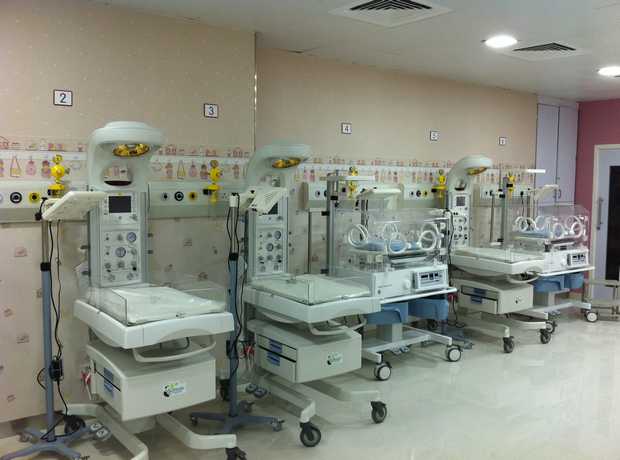
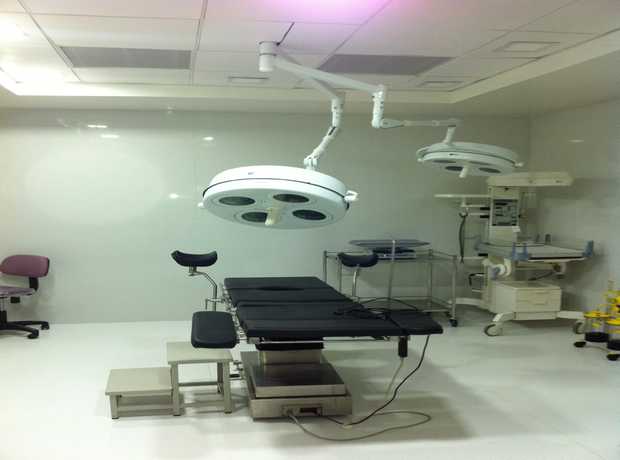
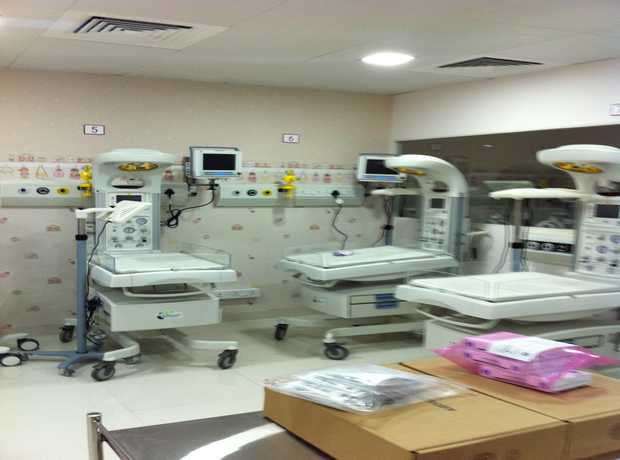
The design of specialized areas within a healthcare facility, such as the Intensive Care Unit (ICU) and Operating Theatres (OT), represents the pinnacle of meticulous planning and highly specialized expertise. These zones are not just rooms; they are sophisticated ecosystems engineered for critical care, precision surgery, and life-saving interventions. Therefore, their design must optimize workflow, facilitate continuous patient monitoring, and seamlessly accommodate highly advanced medical equipment. For an ICU layout, critical considerations include: sufficient space around each bed for multiple care providers and equipment; clear lines of sight from nursing stations to patient beds; integration of medical gases, power outlets, and data ports; noise reduction strategies to promote patient healing; dedicated family zones that offer comfort and privacy; and flexibility for future equipment upgrades. The psychological impact of the ICU environment on both patients and staff is also crucial – elements like natural light, views to nature, and calming color palettes can make a significant difference. Similarly, OT design demands extreme precision. This involves strict zoning for sterile and non-sterile areas, precise air filtration and pressure differentials to prevent contamination, ergonomic layouts for surgical teams, integration of surgical booms, medical lights, and imaging equipment, and efficient material flow for instruments and supplies. Furthermore, facilities often require specialized areas like Cardiac Catheterization Labs, Radiology suites (MRI, CT, X-ray), and Emergency Departments, each with unique requirements for equipment, shielding, and patient flow. Collaboration with medical professionals—surgeons, intensivists, nurses, and technicians—is not just essential but indispensable to ensure that the design precisely meets their specific operational needs and supports their critical work. At Skydome Designs, we possess extensive experience in crafting functional, highly efficient, and future-proof spaces for optimal critical and surgical care, planning every detail for optimized care delivery. Our multi-disciplinary team engages extensively with clinical staff to translate complex medical requirements into brilliantly functional architectural and interior solutions.
CTA: For specialized areas like ICU and OT that demand meticulous planning and expert execution, trust Skydome Designs. We’ve delivered 2172+ healthcare interior assignments, ensuring optimal functionality and patient care. Reach out to our Riyadh hospital experts at +91 7299072144 or info@skydomedesigns.com.
5. Transparent Budget Management and Financial Acumen: Delivering Value and Avoiding Surprises
Maintaining a tight and realistic budget is consistently one of the foremost concerns for any interior project, especially within the capital-intensive healthcare sector. However, effective budget management goes far beyond simply minimizing costs; it encompasses a holistic approach to value engineering, lifecycle costing, and transparent financial reporting. This means evaluating material choices not just on initial procurement cost but also on their durability, maintenance requirements, and long-term operational expenses (OpEx vs. CapEx). A slightly higher initial investment in robust, easy-to-clean materials, for example, can dramatically reduce maintenance costs and extend the lifespan of an interior, yielding significant savings over the facility’s operational life. Effective budget management also requires detailed cost breakdowns at every stage, robust contingency planning for unforeseen circumstances, and proactive risk management strategies to mitigate potential cost overruns. For stakeholders, clear communication about project costs, potential financial risks, and the strategies for managing them effectively is absolutely crucial. This is where partnering with an award-winning team that prioritizes transparent costs and milestone-based reporting in Riyadh becomes invaluable. Such a partner ensures that all stakeholders are continuously informed, understand where every dirham is allocated, and can track progress against financial milestones. Clear milestone-based reporting keeps everyone on track, fostering trust and accountability. Skydome Designs provides this level of financial transparency and meticulous oversight, drawing on our 99% on-time delivery rate and proven methodologies to ensure your project remains within budget while delivering exceptional quality and value. We believe in providing comprehensive financial clarity, allowing you to make informed decisions and safeguard your investment.
CTA: Achieve your healthcare facility goals on budget and on time with Skydome Designs. Our transparent costs and milestone-based reporting ensure no surprises. Get a free consultation by calling +91 7299072144 or emailing info@skydomedesigns.com.
Strategic Phases of Interior Project Management for Healthcare Excellence
A successful healthcare interior project is not a single event but a carefully choreographed sequence of interdependent phases. Each stage requires specific expertise, meticulous planning, and rigorous execution to ensure a cohesive and high-quality outcome. Understanding these phases is crucial for any client seeking to oversee or manage such a complex undertaking.
I. Conception and Feasibility: Laying the Groundwork
This initial phase is about defining the project’s vision, scope, and viability. It begins with a thorough needs assessment, understanding the facility’s mission, patient demographics, and the services it will provide. Site analysis evaluates the physical constraints and opportunities of the location. Preliminary budgets are developed, and a comprehensive review of local and international regulatory requirements is conducted. This stage often involves detailed consultations with hospital administrators, medical staff, and key stakeholders to crystallize functional requirements and aspirational goals. Feasibility studies assess financial, operational, and technical viability. At Skydome Designs, our team of healthcare planners works extensively during this stage to translate your vision into a concrete, executable plan, ensuring that the foundational decisions align with long-term strategic objectives and regulatory mandates in Riyadh.
II. Design Development: From Vision to Blueprint
Once feasibility is established, the project moves into detailed design. This phase typically includes:
- Schematic Design: Initial floor plans, spatial relationships, and aesthetic concepts are developed, often presented through sketches and basic 3D renderings.
- Detailed Design (Design Development – DD): Architectural, structural, mechanical, electrical, and plumbing (MEP) systems are integrated. Material specifications, finishes, lighting plans, and furniture layouts are refined. This is where patient flow, staff circulation, and equipment placement are meticulously planned.
- Construction Documentation (CD): Comprehensive drawings, specifications, and schedules are produced, forming the basis for bidding and construction. These documents are extremely precise, ensuring every aspect of the design is clearly communicated to contractors.
Mock-ups of critical areas (e.g., patient rooms, nursing stations) might be created to validate functionality and aesthetics before full-scale implementation. Skydome Designs employs a multi-disciplinary team of architects and interior designers to ensure that every design element, from the largest spatial configuration to the smallest material detail, is optimized for healthcare functionality, patient comfort, and operational efficiency.
III. Procurement and Tendering: Sourcing Excellence
This phase involves the careful selection and acquisition of materials, equipment, and services required for the project. It starts with preparing tender documents based on the detailed design specifications. A rigorous tendering process follows, where potential contractors and suppliers are invited to submit bids. Evaluation criteria extend beyond just cost to include experience, quality of work, financial stability, and adherence to timelines. Contract negotiation is a critical step, ensuring favorable terms and conditions. Supply chain management, particularly in a dynamic market like Riyadh, requires expert coordination to ensure materials are sourced efficiently, meet quality standards, and arrive on schedule. Skydome Designs’ extensive network and experience in the region allow us to manage this complex phase effectively, ensuring high-quality procurement and transparent contractor selection, safeguarding your investment from potential delays or compromises in quality.
IV. Construction and Implementation: Bringing the Design to Life
This is the physical execution phase, where the design concepts are brought to life. It involves:
- Site Supervision: Regular site visits and inspections by the project management team ensure that construction adheres strictly to the approved designs, specifications, and quality standards.
- Quality Control: Implementing rigorous checks on materials, workmanship, and installation practices to prevent defects and ensure longevity.
- Scheduling and Coordination: Managing multiple trades (e.g., civil, electrical, plumbing, interiors) to ensure seamless workflow, minimize disruptions, and maintain the project timeline.
- Health and Safety: Ensuring all construction activities comply with stringent health and safety regulations to protect workers and visitors.
Throughout this phase, effective communication and problem-solving are paramount. Unexpected site conditions or design adjustments may arise, requiring quick, informed decisions. Our project managers at Skydome Designs are adept at managing these complexities, ensuring that construction proceeds smoothly, safely, and to the highest standards, supported by our 99% on-time delivery rate.
V. Commissioning and Handover: The Final Touch
As construction nears completion, the commissioning phase begins. This involves thorough testing of all building systems – HVAC, electrical, plumbing, fire safety, medical gas systems, and specialized equipment – to ensure they are functioning correctly and meet performance specifications. Operational readiness is assessed, and staff training on new systems and technologies is conducted. The project culminates in the official handover, where all necessary documentation, warranties, and operation and maintenance manuals are transferred to the client. A comprehensive walkthrough is typically performed to confirm all elements are complete and satisfactory. Skydome Designs ensures a smooth handover process, providing detailed documentation and ensuring your team is fully prepared to operate the new facility effectively.
VI. Post-Occupancy Evaluation (POE) and Support: Continuous Improvement
A hallmark of truly exceptional project management is extending support beyond handover. Post-occupancy evaluation involves gathering feedback from patients, visitors, and staff on their experience within the new environment. This feedback is invaluable for identifying areas of success and opportunities for minor adjustments or future improvements. Skydome Designs offers post-occupancy support, demonstrating our commitment to the long-term success and optimal performance of your healthcare facility. This ongoing engagement ensures that the design continues to serve its intended purpose efficiently and effectively, adapting as needs evolve.
CTA: Experience end-to-end excellence in healthcare interior project management. From conception to post-occupancy support, Skydome Designs is your reliable partner in Riyadh. Connect with our experts today at info@skydomedesigns.com or call +91 7299072144.
Common Mistakes to Avoid: Safeguarding Your Investment
While the path to a successful healthcare interior project in Riyadh is clear with expert guidance, it’s equally important to be aware of the common pitfalls that can derail even the most well-intentioned endeavors. Avoiding these mistakes can save significant time, money, and frustration, ensuring your project meets its objectives without unnecessary complications:
- Underestimating the importance of proper planning: Rushing the initial planning stages – neglecting detailed needs assessments, thorough site analysis, or comprehensive regulatory reviews – is a recipe for disaster. This often leads to design changes midway through construction, budget overruns, and significant delays. Adequate time spent on robust planning, feasibility studies, and stakeholder engagement is the cornerstone of success.
- Selecting materials that are not durable or easy to maintain: In healthcare environments, high traffic, frequent cleaning, and exposure to various chemicals demand materials that are incredibly robust and resilient. Choosing aesthetically pleasing but impractical materials can lead to rapid wear and tear, increased maintenance costs, compromised infection control, and a shorter lifecycle for the interior. Prioritize performance, cleanability, and longevity over fleeting trends.
- Ignoring the needs of staff and patients: A facility designed without genuine empathy for its primary users – patients seeking care and staff delivering it – will fall short. Overlooking staff workflow, break areas, ergonomic considerations, or patient comfort factors like natural light, privacy, and clear wayfinding can lead to inefficiencies, staff burnout, and a suboptimal patient experience. Design must be human-centric.
- Failing to comply with regulatory requirements: As discussed, the regulatory landscape in Riyadh is complex. A failure to meticulously adhere to local building codes, fire safety standards, and healthcare-specific regulations can result in severe penalties, project shutdowns, and the inability to obtain necessary operating licenses. This mistake is entirely avoidable with expert guidance.
- Lack of transparency in project costs: Ambiguous contracts, hidden fees, or a lack of detailed financial reporting can erode trust and lead to budget disputes. A lack of transparency makes it impossible to accurately track spending, manage contingencies, and hold parties accountable. Insist on clear, milestone-based reporting and open communication about all financial aspects.
- Poor communication among stakeholders: Healthcare projects involve numerous parties – owners, architects, designers, contractors, medical staff, regulatory bodies. A breakdown in communication channels can lead to misunderstandings, duplicated efforts, missed deadlines, and costly errors. Establish clear communication protocols from the outset.
- Lack of flexibility and future-proofing: Designing a facility that is rigid and unable to adapt to future technological advancements, changes in medical practice, or evolving patient needs will quickly become obsolete. Incorporate modularity, adaptable infrastructure, and scalable solutions to future-proof your investment.
- Overlooking cultural sensitivities: In a culturally rich city like Riyadh, ignoring local customs, traditions, and privacy considerations in design can alienate patients and visitors. This includes gender segregation where appropriate, dedicated prayer spaces, and culturally resonant aesthetic choices.
By consciously recognizing and actively working to circumvent these common pitfalls, your interior project management for healthcare facilities in Riyadh can proceed more smoothly, efficiently, and ultimately, more successfully, delivering a facility that meets and exceeds expectations.
Why Choose Skydome Designs for Your Riyadh Healthcare Project?
When embarking on an interior project for a healthcare facility in Riyadh, selecting the right partner is the most critical decision you will make. Skydome Designs is not just another architecture and interior design firm; we are a dedicated partner with a profound understanding of the intricacies involved in healthcare environments. Our nearly 30 years of expertise, including extensive, specialized experience in hospital and healthcare interiors, sets us apart. We have a demonstrable track record, having meticulously delivered over 2172+ interior project management for healthcare facilities assignments across Riyadh and globally over the past 12+ years. This depth of experience translates into unparalleled insight and foresight for your project.
Our commitment to excellence is reflected in our remarkable 99% on-time delivery rate, a testament to our robust project management methodologies, rigorous multi-disciplinary reviews, and unwavering dedication to post-occupancy support. We understand that a project isn’t truly complete until it’s functioning flawlessly and exceeding expectations.
We offer a comprehensive suite of advantages:
- Unmatched Experience: Our 29+ years across India and abroad have endowed us with a diverse portfolio and a deep understanding of varied healthcare contexts, from large-scale hospitals to specialized clinics. This global perspective is seamlessly integrated with our acute local knowledge of Riyadh’s unique requirements.
- In-house Expertise: We boast a cohesive, in-house team comprising highly skilled architects, specialized healthcare planners, and seasoned project managers. This integrated approach ensures seamless coordination, efficient communication, and a holistic understanding of every project facet, from initial concept to final execution.
- Award-Winning and Sustainable Designs: Our designs are not only aesthetically pleasing but are primarily client-focused, sustainable, and optimized for functionality. We believe in creating healing environments that are recognized for their innovation and positive impact, often earning industry accolades. Our commitment to sustainability also means lower lifecycle costs and a healthier planet.
- Unwavering Reliability: We have built our reputation on trust and consistent performance. Our projects are delivered on-time, strictly within budget, and to the highest global design standards, meticulously adhering to local codes and regulations in Riyadh. We provide transparent costs and milestone-based reporting, offering you complete peace of mind.
Looking for a reliable Riyadh interior project management for healthcare facilities company that understands the nuances of your vision and the complexities of the local environment? Look no further than Skydome Designs. Contact us today to discuss your project and discover how our expertise can transform your healthcare vision into a reality. Our team of dedicated Riyadh hospital experts is ready to assist you with unparalleled professionalism and a commitment to outstanding outcomes.
CTA: Get a free consultation for your healthcare interior project in Riyadh! Partner with the experts who deliver on time and on budget. Call us at +91 7299072144 or email us at info@skydomedesigns.com
Future-Proofing Your Healthcare Facility: Designing for Tomorrow’s Challenges Today
The healthcare industry is in a constant state of flux, driven by technological advancements, evolving patient demographics, and unexpected global health crises. A truly successful interior project in Riyadh must therefore be inherently future-proof, designed with the foresight to adapt and thrive amidst future changes. This proactive approach significantly extends the functional lifespan of the facility and protects your investment.
Modularity and Flexibility in Design
One of the cornerstones of future-proofing is designing for modularity and flexibility. This involves creating spaces that can be easily reconfigured or repurposed with minimal disruption and cost. Think about non-load-bearing partitions that allow for easy expansion or contraction of departments, modular casework in patient rooms that can be updated or changed, and universal room designs that can serve various functions (e.g., medical-surgical beds that can be quickly converted to isolation rooms during a pandemic). Designing infrastructure (power, data, medical gases) with excess capacity and accessible pathways also allows for seamless integration of future technologies without major renovation.
Integration of Smart Technologies
The advent of the Internet of Things (IoT) and Artificial Intelligence (AI) offers unprecedented opportunities for smart building management in healthcare. Future-proof designs incorporate infrastructure to support:
- Smart environmental controls: Automated lighting, temperature, and ventilation systems that optimize energy consumption and enhance patient comfort.
- Digital wayfinding: Interactive kiosks and mobile apps that guide patients and visitors, reducing staff workload and patient anxiety.
- Real-time location systems (RTLS): For tracking equipment, patients, and staff, improving efficiency and safety.
- Telehealth integration: Dedicated spaces and robust IT infrastructure to support remote consultations and virtual care delivery.
- Predictive maintenance: AI-driven systems that monitor building components and predict maintenance needs, minimizing downtime and costs.
Skydome Designs meticulously plans for the seamless integration of these technologies, ensuring your facility remains at the cutting edge of healthcare delivery.
Sustainability Features and Environmental Responsibility
Riyadh’s commitment to sustainability aligns perfectly with the imperative for eco-friendly healthcare design. Future-proof facilities embrace:
- Energy efficiency: High-performance glazing, efficient HVAC systems, LED lighting with occupancy sensors, and potentially renewable energy sources.
- Water conservation: Low-flow fixtures, greywater recycling systems, and drought-tolerant landscaping.
- Sustainable materials: Sourcing local, recycled, and rapidly renewable materials that have low VOCs (Volatile Organic Compounds) to improve indoor air quality.
- Waste reduction: Designing spaces that facilitate easy segregation and recycling of waste, and minimizing construction waste through careful planning.
These features not only reduce the environmental footprint but also lead to significant operational cost savings over the long term.
Adaptability for Pandemics and Future Health Crises
The recent global pandemic underscored the critical need for healthcare facilities to be adaptable to emergent health threats. Future-proof designs consider:
- Convertible spaces: Ability to rapidly transform standard patient rooms into negative pressure isolation rooms.
- Redundant systems: Ensuring critical infrastructure has backup capabilities.
- Strategic zoning: Clear demarcation and separation of patient flows to minimize cross-contamination.
- Enhanced air filtration and ventilation: Systems capable of meeting higher air exchange rates and filtration standards.
- Non-contact technologies: Increased use of hands-free operations wherever possible.
Skydome Designs incorporates these crucial lessons learned into our planning, ensuring your facility is resilient and prepared for any eventuality.
Prioritizing Staff Well-being Spaces
The well-being of healthcare staff is intrinsically linked to patient care quality. Future-proof designs acknowledge this by incorporating:
- Restorative break rooms: Access to natural light, comfortable seating, and amenities.
- On-site fitness facilities or quiet zones: To help staff de-stress and rejuvenate.
- Efficient workflow design: Reducing physical strain and mental fatigue through optimized layouts.
- Access to nature: Biophilic design elements that connect staff to the natural environment.
By investing in staff well-being, facilities can improve morale, reduce turnover, and enhance overall productivity. Future-proofing your healthcare facility with Skydome Designs means creating a robust, adaptable, and sustainable environment that can meet the evolving demands of healthcare in Riyadh for decades to come, ensuring long-term success and superior patient outcomes.
CTA: Future-proof your healthcare facility with award-winning, sustainable, and adaptive designs from Skydome Designs. Our global standards and local Riyadh expertise ensure your project is built for tomorrow. Contact us today at info@skydomedesigns.com to start a conversation.
Cultural Sensitivity in Riyadh Healthcare Design: Reflecting Local Values
Designing a healthcare facility in Riyadh necessitates a profound understanding and integration of local cultural norms, values, and traditions. A culturally sensitive design not only enhances the patient and visitor experience but also demonstrates respect for the community it serves. Ignoring these nuances can lead to discomfort, dissatisfaction, and a perception of disconnect from the local population. Skydome Designs places immense importance on weaving cultural considerations seamlessly into every design aspect.
Privacy Considerations: Respecting Personal Space and Family Dynamics
Privacy is paramount in Saudi culture, particularly in healthcare settings. Design elements must reflect this:
- Gender-separated waiting areas: Ensuring distinct and comfortable waiting spaces for males and females where appropriate.
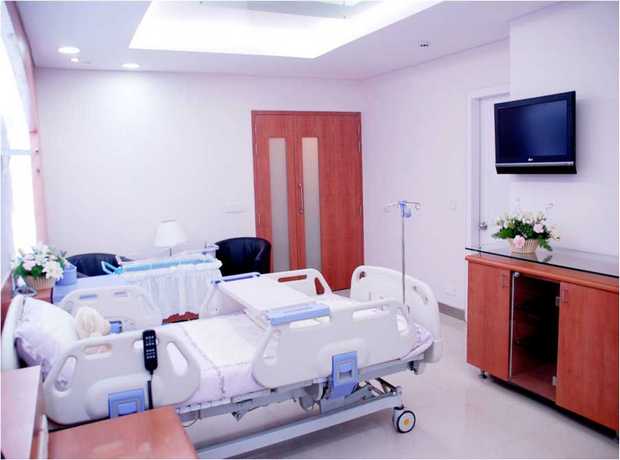
- Enhanced patient room privacy: Providing robust visual and acoustic privacy in patient rooms, including consideration for family presence.
- Dedicated family waiting and consultation areas: Families play a crucial role in patient support, requiring comfortable, private spaces for gathering and discussions with medical staff.
- Screens and partitions: Thoughtful use of architectural screens, privacy curtains, and thoughtful layouts to provide visual separation without feeling restrictive.
Our designs prioritize creating dignified and respectful environments that cater to these specific cultural needs.
Aesthetics: Incorporating Local Art, Patterns, and Natural Elements
The aesthetic appeal of a healthcare facility in Riyadh should resonate with local tastes and heritage. This involves:
- Incorporating Islamic geometric patterns and calligraphy: Utilizing these rich artistic traditions in subtle or prominent design features, such as wall panels, flooring, or lighting fixtures.
- Local materials and craftsmanship: Integrating materials like natural stone, wood, and textiles that reflect Saudi Arabian heritage and artisanal skills.
- Color palettes: Choosing calming and sophisticated color schemes that are culturally appropriate and contribute to a healing atmosphere.
- Biophilic design: Maximizing natural light and incorporating elements of nature (indoor gardens, water features, desert-inspired landscaping) that connect occupants to the local environment and promote well-being.
These elements transform a clinical space into a welcoming and familiar healing environment.
Prayer Rooms and Contemplation Spaces: Supporting Spiritual Needs
As an overwhelmingly Muslim society, access to prayer facilities is a fundamental requirement. Healthcare facilities must include:
- Clearly designated prayer rooms (Musalla): Separate for men and women, strategically located for easy access, and equipped with ablution facilities (wudu areas).
- Quiet contemplation areas: Spaces designed for reflection and solace, not necessarily for formal prayer but offering a sense of peace and privacy.
These spaces acknowledge and support the spiritual well-being of patients, visitors, and staff.
Material Choices Reflecting Local Climate and Tastes
The arid climate of Riyadh influences material selection not only for durability but also for aesthetic and comfort reasons:
- Thermal performance: Materials that contribute to insulation and mitigate heat gain are crucial for energy efficiency and indoor comfort.
- Durability: Resistance to dust, sand, and high temperatures is important for external and internal surfaces.
- Texture and finish: Incorporating rich textures and natural finishes that are perceived as cooling and calming in the local context.
Skydome Designs’ deep knowledge of the Riyadh context ensures that cultural sensitivity is not an afterthought but an integral part of the design process, creating environments that are respectful, comforting, and highly functional for the community they serve. Our multi-disciplinary reviews include cultural assessments to ensure alignment with local expectations and traditions.
CTA: Ensure your healthcare facility in Riyadh is both world-class and culturally sensitive. Skydome Designs delivers designs that respect local values and global standards. Reach out for a consultation that understands your unique needs: info@skydomedesigns.com or +91 7299072144.
Conclusion
Successful interior project management for healthcare facilities in Riyadh is a multifaceted undertaking that demands meticulous planning, unwavering attention to detail, and a profound understanding of the unique challenges and immense opportunities present in the region. It’s about more than just building; it’s about creating healing environments that are functional, efficient, safe, adaptable, and deeply patient-centered. By diligently avoiding common mistakes and proactively partnering with experienced professionals who possess specialized healthcare expertise, like Skydome Designs, you are not just constructing a building, but investing in a future-ready institution that will deliver exceptional care and stand as a testament to quality and innovation in Riyadh’s burgeoning healthcare landscape. Our comprehensive approach, combining nearly three decades of global experience with acute local insights, ensures that every aspect of your project is handled with precision and foresight. From navigating complex regulatory landscapes and implementing stringent infection control measures to designing highly specialized units and managing budgets with complete transparency, Skydome Designs is your trusted partner in bringing your vision to life.
CTA: Ready to transform your healthcare facility in Riyadh into a beacon of modern medical care? Contact Skydome Designs today for a customized solution that guarantees excellence, on-time delivery, and unmatched expertise. Email us at info@skydomedesigns.com or call +91 7299072144 to begin your journey to success.
FAQ – Interior Project Management for Healthcare Facilities in Riyadh
What are the key considerations for healthcare interior design in Riyadh?
Key considerations are extensive and include comprehensive compliance with local Saudi Arabian regulations (e.g., Ministry of Health, Saudi Building Code) and international standards (like JCI), stringent infection control strategies, intuitive wayfinding, universal accessibility, specialized area design (such as highly optimized ICU layouts and OT designs), robust and transparent budget management, and crucially, cultural sensitivity reflecting local values and traditions. Additionally, future-proofing through modularity and smart technology integration is vital.
How can I ensure my healthcare facility design complies with Riyadh regulations?
To ensure full compliance, it is imperative to partner with an experienced firm that possesses in-depth, up-to-date knowledge of local building codes, fire safety standards, and specific healthcare regulations mandated by the Saudi Ministry of Health. Skydome Designs has a proven track record of meticulously adhering to and integrating all Riyadh regulations and international best practices into its designs, ensuring a smooth approval process and risk mitigation.
Why is infection control so important in healthcare facility design?
Infection control is paramount because it directly minimizes the spread of pathogens, significantly reduces healthcare-associated infections (HAIs), and ultimately improves patient outcomes and safety. The design impacts infection control through material selection (non-porous, antimicrobial surfaces), strategic zoning, optimal air filtration systems, and the placement of hand hygiene stations. Improper design can lead to increased HAIs and operational challenges.
What makes Skydome Designs a good choice for my healthcare project in Riyadh?
Skydome Designs stands out due to its nearly 30 years of extensive experience, including specialized expertise in over 2172+ healthcare interior projects globally and in Riyadh. We boast a dedicated in-house team of architects, healthcare planners, and project managers, delivering award-winning, client-focused designs. Our reliability is demonstrated by a 99% on-time delivery rate, transparent costs, milestone-based reporting, multi-disciplinary reviews, and post-occupancy support, all while adhering to global design standards and local Riyadh code expertise.
How does Skydome Designs ensure transparent budget management for Riyadh projects?
Skydome Designs is committed to complete financial transparency. We provide detailed cost breakdowns, proactive risk management strategies, and clear, milestone-based reporting throughout the project lifecycle. This approach ensures all stakeholders are continuously informed about project costs, potential financial risks, and how they are being managed effectively, giving clients full control and confidence in their investment.
What is “future-proofing” in healthcare interior design and why is it important for Riyadh?
Future-proofing involves designing healthcare facilities with the foresight to adapt to technological advancements, evolving medical practices, and potential health crises. It’s crucial for Riyadh due to rapid growth and a focus on innovation. This includes modular and flexible layouts, integration of smart building technologies (IoT, AI), sustainable features, and adaptability for pandemics, ensuring the facility remains relevant and efficient for decades, protecting long-term investment.
Internal Links