The creation of therapeutic and safe environments is paramount in modern healthcare, especially when it comes to mental health wards. In Doha, a city rapidly advancing with a keen eye on innovation, sustainability, and patient-centric care, the nuances of mental health ward interior design are more critical than ever. This comprehensive guide delves into expert tips and strategies to help you navigate the complexities of designing such sensitive spaces, ensuring you avoid common pitfalls and create environments that truly promote healing, well-being, and dignity for patients and staff alike. With Doha’s unwavering commitment to sustainability and digital delivery, future-ready design is not just a preference but a necessity, directly contributing to lower lifecycle costs and superior patient outcomes.
The year 2025 marks a pivotal point where cutting-edge design principles, advanced materials, and an empathetic understanding of psychological needs converge to redefine mental healthcare facilities. Our aim is to provide actionable insights that empower designers, architects, and healthcare providers in Doha to craft spaces that are not only aesthetically pleasing but also profoundly functional, safe, and conducive to recovery. The goal extends beyond mere compliance; it’s about fostering an atmosphere of calm, security, and hope, integrated seamlessly with the unique cultural and environmental context of Qatar.
Why Mental Health Ward Interior Design in Doha Requires Special Attention
Designing mental health facilities transcends conventional interior design; it is a specialized discipline that integrates architecture, psychology, and clinical understanding. The environment plays a significant role in a patient’s recovery journey, influencing mood, behavior, and overall therapeutic engagement. In a vibrant and rapidly evolving metropolis like Doha, this responsibility is amplified by several factors:
- Cultural Sensitivity: Designs must respect local customs, privacy norms, and cultural preferences, ensuring all patients feel comfortable and understood within their healing space.
- Rapid Urban Development: Doha’s impressive growth means new facilities are often built to state-of-the-art standards, incorporating smart technologies and sustainable practices from inception. This demands designs that are scalable, adaptable, and future-proof.
- Diverse Patient Demographics: As an international hub, Doha serves a diverse population. Mental health wards must be designed to accommodate a wide range of ages, backgrounds, and clinical needs, requiring versatile and inclusive design solutions.
- Evolving Healthcare Landscape: Qatar is heavily investing in its healthcare infrastructure, emphasizing preventative care, advanced treatments, and holistic well-being. Interior design in mental health wards is integral to this holistic approach, supporting clinical excellence through environmental therapy.
- Climate Considerations: Doha’s hot climate necessitates robust climate control, glare management, and the strategic use of natural light without compromising thermal comfort.
Ultimately, the objective is to create an environment that actively supports recovery, reduces anxiety, minimizes agitation, and promotes a profound sense of safety and security. It is about transforming what could be perceived as an institutional setting into a nurturing sanctuary, reflecting Doha’s commitment to world-class healthcare.
The Evolving Landscape of Mental Healthcare in Doha
Qatar’s National Health Strategy has a clear vision for mental health services, emphasizing accessibility, quality, and community-based care. This strategic focus translates directly into the demands for innovative mental health infrastructure. New facilities are expected to be at the forefront of design, incorporating evidence-based practices that demonstrate measurable improvements in patient outcomes. This includes:
- Integrated Care Models: Facilities designed to support multidisciplinary teams, facilitating seamless collaboration between psychiatrists, psychologists, nurses, occupational therapists, and social workers.
- Focus on Rehabilitation and Reintegration: Spaces that encourage the development of life skills, vocational training, and social interaction to aid patients in returning to their communities.
- Digital Health Integration: Infrastructure that supports telemedicine, digital therapy tools, and electronic health records, enhancing efficiency and patient engagement.
The design of mental health wards in Doha is therefore not just about creating beautiful spaces; it is about building foundational elements for a progressive healthcare system that genuinely cares for its citizens and residents, aligning with Qatar National Vision 2030.
To ensure your mental health ward design aligns with these evolving standards and delivers exceptional value, it’s crucial to partner with experts who understand both global best practices and local nuances. Skydome Designs has delivered 1343+ mental health ward interior design assignments across Doha and globally over 12+ years, consistently achieving an impressive 99% on‑time delivery rate. Our extensive experience ensures that your project benefits from multi‑disciplinary reviews and post‑occupancy support, underpinning successful outcomes from conception to completion.




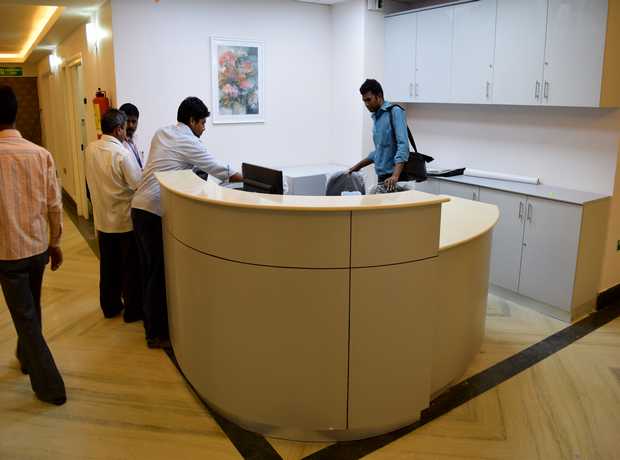
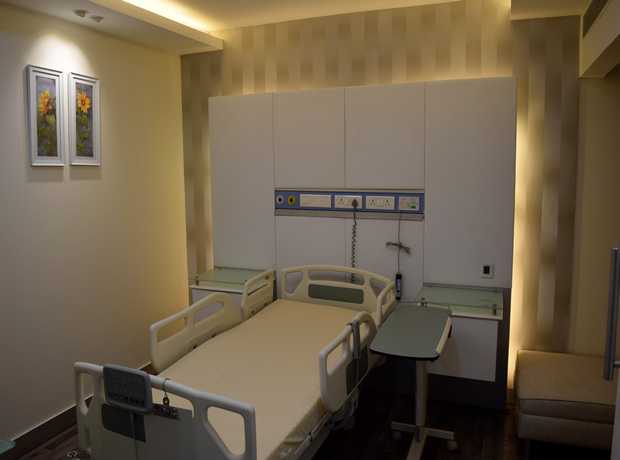
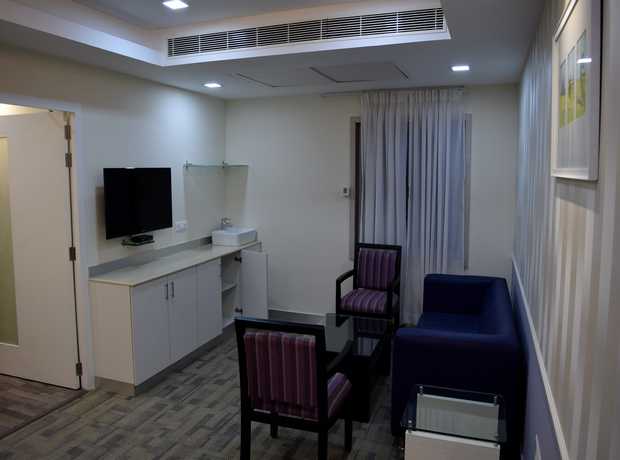

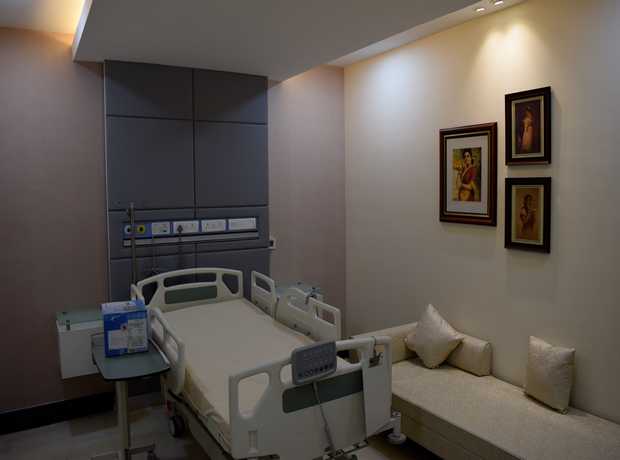




Key Considerations for Mental Health Ward Interior Design in Doha
Space Planning: Creating Functional and Safe Zones
Effective space planning is arguably the most critical foundation of any successful mental health ward. It’s an intricate balance of creating functional areas while prioritizing patient safety, security, and therapeutic efficacy. This involves meticulously considering the layout to ensure:
- Clear Lines of Sight: Staff must have unobstructed views of patient areas to ensure safety and respond quickly to any emerging situations. This requires thoughtful placement of furniture, walls, and architectural features.
- Minimizing Potential Hazards: Designs must proactively eliminate ligature points, reduce access to potentially harmful objects, and ensure secure perimeters. This often involves specialized hardware and architectural details.
- Distinct Zones for Activities: Creating separate, clearly defined areas for different functions helps reduce confusion and manage patient flow. These typically include:
- Quiet Zones/Solitude Rooms: Spaces where patients can retreat for privacy, reflection, or to de-escalate without feeling isolated.
- Active Zones/Communal Areas: Areas for group therapy, dining, social interaction, and recreational activities, designed to foster community.
- Therapy Rooms: Dedicated spaces for individual and group therapy, designed with acoustics and privacy in mind.
- Staff Zones: Secure and functional areas for staff to work, rest, and observe, minimizing their stress and maximizing their efficiency.
- Family Visit Areas: Welcoming and comfortable spaces for patients to interact with family, supporting their social connections.
- Sensory Rooms: Increasingly vital, these multi-sensory environments offer a controlled space for relaxation, stimulation, or de-escalation, crucial for managing various conditions.
- Intuitive Navigation (Wayfinding): Good flow reduces stress and promotes a sense of calm. Patients and staff should be able to navigate the space easily without feeling disoriented. This integrates closely with clear signage.
- Flexibility and Adaptability: Designs should allow for future modifications or changes in treatment modalities without requiring major overhauls, anticipating the evolving needs of mental healthcare.
Each element of space planning must be considered through the lens of patient safety and clinical effectiveness, ensuring that every square meter contributes positively to the healing process.
Materials Selection: Durability, Safety, and Aesthetics
The choice of materials selection is paramount, impacting not only the functionality and aesthetics of the ward but also patient safety, infection control, and long-term maintenance costs. Opt for materials that are:
- Durable and Resilient: Able to withstand heavy use, cleaning agents, and potential impact. This includes high-traffic flooring (e.g., resilient sheet vinyl, rubber), robust wall finishes (e.g., impact-resistant panels, washable paints), and commercial-grade furniture.
- Easy-to-Clean and Non-Porous: Essential for infection control. Surfaces should resist the growth of bacteria and fungi, and be easily sanitized.
- Non-Toxic and Low VOC: Contributing to better indoor air quality, which is vital for patient and staff health.
- Anti-Ligature and Tamper-Resistant: All fixtures, hardware, and furniture must be designed to prevent self-harm, a critical safety consideration in mental health settings. This includes anti-ligature door hinges, showerheads, furniture, and window hardware.
- Visually Appealing and Calming: Contribute to a soothing atmosphere. Textured materials, natural wood finishes, and non-reflective surfaces can soften the environment. Avoid sharp edges, opting for rounded corners on furniture and architectural details.
- Sound Absorbing: Materials like acoustic wall panels, ceiling tiles, and certain flooring types can significantly reduce noise levels, creating a more peaceful environment.
Balancing these functional requirements with aesthetics is a challenge that requires expert knowledge of healthcare-specific materials and an understanding of their lifecycle implications. Investing in high-quality, specialized materials upfront can lead to substantial savings in maintenance and replacement costs over time.
Lighting Design: Balancing Natural and Artificial Light
Effective lighting design is a powerful therapeutic tool. It significantly influences mood, regulates circadian rhythms, and impacts visual comfort. A well-designed lighting scheme integrates both natural and artificial light sources:
- Maximize Natural Light: Where possible, incorporate large windows or skylights to bring in daylight. Exposure to natural light improves mood, reduces depression symptoms, and helps regulate sleep cycles. Ensure windows are securely glazed with impact-resistant materials and have appropriate blinds or films to control glare and maintain privacy.
- Supplement with Warm, Adjustable Artificial Lighting: Artificial light should mimic natural light cycles where beneficial. Use lighting that is:
- Warm and Inviting: Avoid harsh, fluorescent lighting that can feel institutional. Opt for warmer color temperatures (2700K-3500K) to create a more homely atmosphere.
- Adjustable and Dimmable: Allowing patients and staff to control the intensity of light in their immediate environment can foster a sense of autonomy and comfort. Dimmable fixtures can create different moods for different activities.
- Glare-Free: Recessed lighting, diffusers, and indirect lighting can prevent glare, which can be irritating or triggering for some patients.
- Circadian-Friendly: Advanced lighting systems can dynamically adjust color temperature and intensity throughout the day to support natural human circadian rhythms, promoting better sleep and wakefulness.
- Strategic Lighting for Different Zones: Bright, energizing light for activity areas; soft, ambient light for relaxation zones; focused task lighting for reading or therapeutic activities.
The careful orchestration of light can significantly enhance the healing environment, contributing to improved patient outcomes and a better working environment for staff.
Color Psychology and Biophilic Design: Connecting with Nature and Emotion
Beyond functionality, the emotional and psychological impact of the environment cannot be overstated. Two crucial elements in this regard are color psychology and biophilic design.
- Color Psychology: Colors have a profound impact on human emotions and behavior. In mental health wards, the palette should be chosen to promote calm, reduce anxiety, and foster positivity.
- Soft, Neutral Tones: Beiges, grays, and muted pastels (e.g., soft blues, greens, lavenders) are often recommended as primary colors for their calming effects.
- Accent Colors: Small splashes of warmer, brighter colors (e.g., soft yellows, oranges) can be used to add warmth and stimulate mild activity in communal areas, but sparingly to avoid over-stimulation.
- Avoid Overly Bright or Stark Colors: These can be overwhelming or institutional.
- Consider Cultural Meanings: While general principles apply, specific cultural interpretations of colors should be considered in Doha.
- Biophilic Design: This approach incorporates natural elements into the built environment, recognizing the innate human connection to nature. Benefits include reduced stress, improved cognitive function, and enhanced healing.
- Views to Nature: Maximize outward views of gardens, courtyards, or natural landscapes.
- Indoor Plants: Safe, non-toxic, and robust indoor plants (secured to prevent misuse) can purify air and add a touch of nature.
- Natural Patterns and Textures: Use materials that mimic natural forms, wood grains, stone textures, and organic patterns.
- Water Features: Gentle, secured water features can provide soothing sounds and visual interest.
- Access to Secure Outdoor Spaces: Healing gardens, courtyards, or balconies allow patients to safely experience fresh air and sunlight.
Integrating these elements thoughtfully can transform a clinical setting into a nurturing, restorative haven, significantly enhancing the therapeutic experience.
Acoustics and Noise Control: Creating a Peaceful Environment
Noise is a significant source of stress and agitation, particularly for individuals in mental health recovery. Effective acoustics and noise control are therefore vital for creating a peaceful and therapeutic environment.
- Soundproofing: Employ sound-insulating materials in walls, floors, and ceilings between rooms, especially for patient rooms, therapy spaces, and quiet zones.
- Sound Absorption: Use sound-absorbing materials within rooms to reduce reverberation and echo. This includes acoustic ceiling tiles, wall panels, heavy drapes, and certain types of flooring (e.g., carpet tiles in appropriate areas, rubber flooring).
- Strategic Layout: Locate noisy areas (e.g., dining, activity rooms) away from quiet zones and patient rooms.
- HVAC System Design: Ensure HVAC systems are designed for minimal noise output.
- Controlled Entry Points: Doors should be solid and well-sealed to prevent sound leakage.
A serene auditory environment contributes significantly to patient comfort, sleep quality, and the ability to engage in therapy.
Furniture Selection and Fixtures: Safety, Comfort, and Durability
Every piece of furniture and every fixture in a mental health ward must be selected with a trifecta of safety, comfort, and durability in mind.
- Anti-Ligature Design: This is paramount. All furniture and fixtures (beds, chairs, wardrobes, grab bars, door handles, light fixtures) must be designed to eliminate any potential points where a ligature could be attached.
- Durability: Furniture must withstand heavy use, frequent cleaning, and potential impact. Commercial-grade, reinforced construction is essential.
- Ease of Cleaning: Non-porous, easily wipeable surfaces are necessary for infection control.
- Comfort: While safety is primary, comfort is crucial for promoting relaxation and reducing agitation. Ergonomically designed seating, comfortable mattresses, and supportive backrests are important.
- Weight and Stability: Furniture should be heavy and stable enough to prevent it from being easily moved or used as a projectile, or bolted down where necessary.
- Rounded Edges: All furniture should have rounded corners to minimize the risk of injury.
- Secure Storage: Patient storage should be secure, yet accessible, and staff storage robust and lockable.
- Fixture Design: Showerheads, faucets, mirrors, and toilets must also adhere to anti-ligature and tamper-resistant standards. Mirrors, for instance, are often polished stainless steel or shatterproof acrylic.
The careful selection of these elements reinforces a commitment to patient well-being while managing practical operational needs.
Branding & Signage: Creating a Welcoming and Informative Environment
Clear, compassionate branding & signage are essential for both wayfinding and creating a sense of orientation and dignity within the ward. It should alleviate anxiety, not contribute to it.
- Clear Wayfinding: Use universally understood symbols, large, easy-to-read fonts, and multilingual text where appropriate for Doha’s diverse population. Directional signage should be strategically placed at decision points.
- Non-Stigmatizing Imagery: The overall branding and visual identity should project a sense of calm, support, and hope, avoiding any imagery or terminology that could be perceived as institutional or stigmatizing.
- Informative and Reassuring: Signage can also provide helpful information about daily schedules, therapeutic activities, and emergency procedures in a clear, non-alarming manner.
- Integrated Design: Signage should be integrated seamlessly into the overall interior design scheme, using complementary colors and materials. Avoid overly busy or stark designs.
- Accessibility: Ensure all signage is accessible, including consideration for visually impaired individuals (e.g., tactile signage).
Effective branding and signage contribute significantly to a welcoming, less stressful environment, allowing patients to feel more in control and less disoriented.
Technology Integration and Smart Design: Enhancing Care and Efficiency
In line with Doha’s forward-thinking approach, technology integration is becoming increasingly vital in mental health ward design. Smart design can enhance both patient care and operational efficiency.
- Patient Monitoring Systems: Non-invasive, discreet monitoring technologies can enhance safety without feeling intrusive, providing staff with crucial information.
- Telehealth Capabilities: Dedicated spaces with robust internet connectivity and appropriate audiovisual equipment can facilitate remote consultations and therapy sessions, expanding access to specialists.
- Interactive Therapy Tools: Digital whiteboards, virtual reality (VR) for exposure therapy, and interactive screens for cognitive exercises can be integrated into communal or therapy rooms, offering engaging therapeutic modalities.
- Smart Environmental Controls: Systems that allow for centralized or localized control of lighting, temperature, and even natural light blinds can optimize comfort and conserve energy.
- Staff Communication Systems: Efficient internal communication tools, including discreet call systems and secure messaging platforms, can improve staff response times and coordination.
- Security Systems: Advanced access control, CCTV (strategically placed and ethically managed), and alarm systems enhance safety for both patients and staff.
The key is to integrate technology thoughtfully, ensuring it supports therapeutic goals, enhances safety, and simplifies operations, without creating a cold or overly clinical atmosphere.
Safety and Security Measures: A Non-Negotiable Priority
While creating a welcoming environment, safety and security remain non-negotiable. Every design decision must prioritize the well-being of patients and staff.
- Anti-Ligature Features: As mentioned, this applies to all fixtures, fittings, furniture, and architectural elements to prevent self-harm.
- Secure Access Control: Controlled entry and exit points are crucial. Electronic access systems, reinforced doors, and clear protocols for visitor access are standard.
- Staff Visibility: Designs that allow for clear lines of sight from staff stations into communal patient areas are essential.
- Tamper-Resistant Fixtures: Ensuring that items cannot be easily disassembled or used as weapons.
- Emergency Protocols and Exits: Clearly marked, easily accessible (but controlled) emergency exits are vital, along with robust fire safety systems.
- Glazing Security: Windows must be constructed with shatterproof or impact-resistant glass, securely framed, and potentially fitted with tamper-proof screens or grilles, allowing natural light without compromising security.
- Supervised Outdoor Spaces: If outdoor areas are provided, they must be securely fenced, supervised, and free of potential hazards.
Balancing these stringent security requirements with a non-institutional feel is a design challenge that demands specialized expertise and a deep understanding of mental health facility operations. Skydome Designs excels in this area, leveraging our 29+ years of experience across India and abroad to implement solutions that meet global safety standards while fostering healing environments.
Common Mistakes to Avoid in Mental Health Ward Interior Design in Doha
Even with the best intentions, certain design choices can inadvertently hinder the therapeutic process or compromise safety. Being aware of these common pitfalls is the first step to avoiding them:
-
Over-Stimulation:
Mistake: Using overly bright colors, busy patterns, excessive decor, or allowing high noise levels. This can include stark white walls, neon lighting, or crowded communal areas.
Consequence: For patients with heightened sensitivities, anxiety, or specific psychiatric conditions, such environments can be overwhelming, triggering agitation, stress, or even psychotic episodes. The goal is to calm, not to excite.
Solution: Opt for muted, calming color palettes, simple aesthetics, controlled lighting, and prioritize acoustic dampening. Introduce visual interest through natural textures and subtle art rather than bold patterns.
-
Lack of Privacy:
Mistake: Designing patient rooms with insufficient visual or auditory privacy, communal bathrooms without individual stalls, or open therapy spaces that offer no sense of seclusion.
Consequence: A lack of privacy can erode a patient’s sense of dignity and security, leading to feelings of vulnerability, anxiety, and reluctance to engage in personal reflection or therapy. It can also exacerbate paranoia in some individuals.
Solution: Ensure individual patient rooms have solid doors and privacy curtains/blinds. Provide private, lockable spaces within communal bathrooms. Create distinct, acoustically treated consultation and therapy rooms. Offer quiet zones for retreat.
-
Poor Acoustics:
Mistake: Neglecting sound control, leading to echoing hallways, thin walls between rooms, and noisy communal areas where conversations carry easily.
Consequence: Constant background noise or sudden loud sounds can be highly distracting and distressing for patients, particularly those experiencing auditory hallucinations, anxiety, or sleep disturbances. It impedes concentration during therapy and reduces overall comfort.
Solution: Incorporate sound-absorbing materials in ceilings, walls, and flooring. Strategically place noisy functions away from quiet zones. Use solid, well-sealed doors. Optimize HVAC systems for minimal noise.
-
Inadequate Safety Measures:
Mistake: Failing to implement comprehensive anti-ligature design, using breakable objects, furniture that can be weaponized, or poor visibility for staff.
Consequence: This is perhaps the most critical mistake, directly endangering patient lives through self-harm or injury to others. It also compromises staff safety and creates a pervasive sense of insecurity for everyone.
Solution: A rigorous anti-ligature audit of all fixtures, fittings, and furniture. Use tamper-proof, impact-resistant materials. Ensure clear lines of sight for staff. Implement secure access controls and emergency protocols. All designs should consider “defensible space” principles.
-
Neglecting Staff Needs:
Mistake: Focusing solely on patient areas and overlooking the needs of the staff, leading to cramped workstations, inadequate break rooms, and high-stress environments.
Consequence: Burnout, high staff turnover, reduced morale, and impaired ability to provide optimal patient care. Stressed staff cannot create a calm environment.
Solution: Design dedicated, comfortable, and private staff break rooms, adequate storage, efficient workstations with good lighting, and clear sightlines for observation while maintaining staff privacy. Easy access to amenities and natural light for staff areas is also important.
-
Ignoring Cultural Context:
Mistake: Implementing designs that do not consider local cultural norms, such as appropriate gender segregation where culturally preferred, prayer facilities, or specific dietary needs in dining areas.
Consequence: Patients may feel alienated, disrespected, or uncomfortable, leading to reduced engagement with therapy and a feeling of being misunderstood, particularly in a multicultural city like Doha.
Solution: Integrate design elements that respect Qatari traditions and cater to diverse international patient groups. This includes prayer rooms, appropriate privacy levels, and potentially culturally relevant art or landscaping.
-
Lack of Flexibility:
Mistake: Creating rigid, single-purpose spaces that cannot adapt to evolving treatment modalities, patient numbers, or future technological advancements.
Consequence: Facilities quickly become outdated, inefficient, and expensive to modify, limiting the ability to deliver cutting-edge care.
Solution: Design with flexibility in mind – modular furniture, adaptable room layouts, robust infrastructure for future tech integration, and multi-functional spaces that can be reconfigured as needs change. This future-ready approach significantly lowers lifecycle costs.
Avoiding these common mistakes requires a holistic and expert-led approach to mental health ward design. This is precisely where Skydome Designs brings unparalleled value.
The Skydome Designs Advantage: Why Partner with Us for Your Doha Project
At Skydome Designs Pvt Ltd, we don’t just design spaces; we craft healing environments. We understand the unique challenges and stringent requirements of mental health ward interior design in Doha, combining global best practices with local insights. With nearly 30 years of experience in healthcare architecture and interior design, our expertise is built on a foundation of profound understanding, innovative thinking, and a steadfast commitment to client success.
Our specialization lies in creating innovative, sustainable, and highly functional spaces that not only enhance patient experiences but also optimize operational efficiency for healthcare providers. Our integrated team of architects, healthcare planners, and project managers are dedicated to delivering award-winning, client-focused designs that consistently meet and exceed global standards.
What sets Skydome Designs apart for your critical mental health ward project in Doha?
-
Proven Track Record: We’ve delivered an impressive 1343+ mental health ward interior design assignments across Doha and globally over 12+ years. This extensive portfolio means we’ve successfully tackled diverse challenges, ranging from small-scale renovations to large, complex new builds, for a variety of patient populations and clinical needs. Our designs are not theoretical; they are proven in practice.
-
Unwavering Reliability: Our commitment to project timelines is unmatched, underscored by a remarkable 99% on‑time delivery rate. We understand that delays in healthcare projects have significant financial and operational implications. Our robust project management methodologies, coupled with rigorous scheduling and proactive problem-solving, ensure your project stays on track.
-
Comprehensive Quality Assurance: Every Skydome Designs project undergoes intensive multi‑disciplinary reviews. This means architects, interior designers, healthcare planners, and safety specialists collaborate closely at every stage, scrutinizing designs from every angle to ensure compliance, functionality, safety, and aesthetic excellence. Our commitment extends to post‑occupancy support, ensuring the delivered environment continues to perform as intended and allowing for any necessary fine-tuning, thereby underpinning superior long-term outcomes.
-
Cutting-Edge Technology & Efficiency: We leverage BIM‑led coordination (Building Information Modeling) for all our projects. BIM provides a highly accurate, 3D model that allows for precise planning, clash detection, and visualization before construction begins. This reduces errors, minimizes rework, and streamlines the construction process, leading to significant time and cost savings. Our approach also includes proactive value engineering to ensure optimal functionality and aesthetics are achieved within budget, without compromising on quality or safety.
-
Tailored to Doha’s Vision: Our quality control is specifically tailored to Doha’s unique requirements, including local regulations, climate considerations, and cultural sensitivities. We understand that Doha is prioritizing sustainability and digital delivery, and our future-ready mental health ward interior design lowers lifecycle costs by incorporating eco-friendly materials, energy-efficient systems, and adaptable layouts from the outset.
-
Recognized Excellence: We are an award‑winning team, recognized for our innovative and impactful designs. Our client-focused approach prioritizes clear communication, with transparent costs and detailed milestone‑based reporting in Doha, ensuring you are always informed and confident in your project’s progress and financial standing.
Choosing Skydome Designs means partnering with a firm that brings unparalleled experience, a commitment to quality, and a deep understanding of the specialized needs of mental healthcare environments in Doha. We transform challenges into opportunities, creating spaces that heal, inspire, and endure.
Our Expertise Includes:
- Hospital Interior Design: From patient rooms, ICUs, and OTs to labs, consultation areas, and comprehensive facility planning for optimized care delivery.
- Interior Solutions: End-to-end services encompassing meticulous space planning, innovative furniture layouts, advanced lighting design, and seamless turnkey interior execution.
Ready to collaborate with a leader in healthcare interior design? Contact us today to discuss your project! Let’s build a healing future for mental health in Doha.
📞 Contact: +91 7299072144 | ✉️ Email: info@skydomedesigns.com
FAQs about Mental Health Ward Interior Design
What are the key elements of good mental health ward design?
The key elements of good mental health ward design are multifaceted and interconnected. They include creating a safe and secure environment free from ligature points and hazards; implementing calming color palettes; ensuring optimal lighting, balancing abundant natural light with adjustable, warm artificial lighting; selecting comfortable, durable, and anti-ligature furniture; integrating effective noise reduction strategies; providing access to nature through views or secure outdoor spaces (biophilic design); and designing distinct zones for both individual retreat and group therapeutic activities. Additionally, intuitive wayfinding, respect for privacy, and adherence to cultural sensitivities are paramount.
How can interior design improve patient outcomes in mental health wards?
Thoughtful and evidence-based interior design can profoundly improve patient outcomes. By creating a comfortable, supportive, and non-institutional environment, design can significantly reduce stress and anxiety, improve mood, and foster a greater sense of safety and security. Good design facilitates better sleep, promotes social interaction (where appropriate), and encourages engagement in therapeutic activities. It can minimize agitation, reduce the need for restraint, and even shorten hospital stays. Ultimately, by creating an environment conducive to recovery, interior design becomes an integral part of the healing process, empowering patients on their journey to well-being.
What are the specific challenges of designing mental health wards?
Designing mental health wards presents unique and complex challenges. Foremost is the need to meticulously balance safety and security with the imperative to create a welcoming, non-institutional, and humane environment. This involves eliminating potential hazards like ligature points while avoiding a ‘fortress’ feel. Other challenges include addressing the diverse and often rapidly changing needs of varied patient populations (e.g., acute vs. long-term care, different age groups), managing stringent infection control requirements, and selecting materials that are durable, safe, and easy to maintain. Furthermore, ensuring privacy, managing acoustics, and integrating technology discreetly within a therapeutic framework all add layers of complexity.
How does Doha’s focus on sustainability influence mental health ward design?
Doha’s strong commitment to sustainability significantly influences mental health ward design by encouraging environmentally responsible practices at every stage. This means prioritizing the use of eco-friendly, recycled, and locally sourced materials wherever possible to reduce the carbon footprint. It drives the integration of energy-efficient lighting (e.g., LED with daylight harvesting), high-efficiency HVAC systems, and water-saving fixtures. Designs often incorporate strategies for waste reduction during construction and throughout the facility’s lifecycle. A focus on sustainability also contributes to a healthier indoor environment (e.g., low VOC paints, improved air quality) which directly benefits patients and staff. Pursuing certifications like LEED or GSAS (Global Sustainability Assessment System, specific to Qatar) for your project demonstrates this commitment and is increasingly expected.
What is the role of technology in modern mental health ward design?
Technology plays an increasingly important role in modern mental health ward design, transforming both patient care and operational efficiency. This includes non-invasive patient monitoring systems to enhance safety, telehealth infrastructure for remote consultations and expanded access to specialists, and interactive digital tools for therapy and cognitive exercises. Smart environmental controls for lighting, temperature, and privacy blinds optimize comfort and energy use. Robust security systems (access control, discreet CCTV) are integrated for safety. The key is to implement technology seamlessly and discreetly, ensuring it supports therapeutic goals and improves clinical outcomes without creating an overly clinical or intrusive atmosphere.
How important is patient and staff involvement in the design process?
Patient and staff involvement is critically important in the design process of mental health wards. Engaging future occupants through surveys, workshops, and focus groups provides invaluable insights into their practical needs, preferences, and concerns. Patients can offer perspectives on what makes them feel safe, calm, or anxious in a space, while staff can highlight operational efficiencies, safety challenges, and functionality requirements from a clinical perspective. This co-design approach ensures that the final environment is not only clinically effective but also genuinely user-centered, fostering a sense of ownership, improving satisfaction, and ultimately leading to better outcomes for all.
What are anti-ligature designs and why are they crucial?
Anti-ligature designs refer to architectural elements, fixtures, fittings, and furniture specifically designed to prevent individuals from attaching a ligature (such as a cord, rope, or sheet) to self-harm. This is achieved by eliminating or minimizing points where such items could be tied or wrapped around. Features include sloped surfaces, rounded edges, recessed elements, and tamper-proof fastenings. These designs are crucial in mental health wards because they directly address a significant risk factor for self-harm and suicide. Implementing comprehensive anti-ligature measures across all aspects of the environment is a non-negotiable safety imperative, reflecting a facility’s commitment to patient protection and well-being.
Conclusion
Designing a mental health ward in Doha is a complex yet profoundly rewarding endeavor, demanding meticulous consideration of myriad factors—from intricate space planning and the thoughtful selection of materials to advanced lighting design, intuitive signage, and comprehensive safety measures. By proactively avoiding common mistakes and, more importantly, by partnering with experienced and specialized professionals like Skydome Designs, you can confidently create a therapeutic and profoundly healing environment. This environment will not only support the holistic well-being of patients but also foster a more efficient and less stressful workplace for staff.
The impact of thoughtful and expertly executed Doha mental health ward interior design cannot be underestimated. It is an investment in human dignity, recovery, and a healthier future for the community. With Doha’s commitment to sustainability and digital innovation, a future-ready design is not just advantageous but essential for long-term operational efficiency and cost-effectiveness.
Are you ready to transform your mental health ward into a benchmark of therapeutic design and operational excellence? Contact Skydome Designs today for a comprehensive consultation! We bring unparalleled expertise, a proven track record with 1343+ mental health ward interior design assignments delivered across Doha and globally over 12+ years, and a commitment to 99% on-time delivery underpinned by multi-disciplinary reviews and post-occupancy support. Let us leverage our BIM-led coordination, value engineering, and award-winning team to bring your vision to life, tailored precisely to Doha’s unique context.
Skydome Designs Pvt Ltd is a leading architecture and interior design firm in India, specializing in hospital and healthcare interiors, residential, and retail projects. With nearly 30 years of expertise, we deliver innovative, sustainable, and functional spaces that enhance experiences and operational efficiency.
What We Do
- Hospital Interior Design: From patient rooms, ICUs, OTs, labs, and consultation areas to comprehensive facility planning for optimized care delivery.
- Residential Projects: Crafting bespoke designs for apartments, luxury condos, senior housing, and community-focused interiors that enrich daily life.
- Retail & Commercial Design: Creating dynamic and functional spaces for shopping malls, mixed-use developments, corporate offices, and entertainment centers.
- Interior Solutions: End-to-end services encompassing meticulous space planning, innovative furniture layouts, advanced lighting design, and seamless turnkey interior execution.
Why Choose Us
- 29+ years of experience across India and abroad, bringing a wealth of knowledge and insights to every project.
- An integrated in-house team of architects, healthcare planners, and project managers ensures seamless coordination and comprehensive expertise.
- A portfolio of award-winning, client-focused, and sustainable designs that consistently push the boundaries of innovation and functionality.
- A proven track record of projects delivered on-time, on-budget, and to global standards, guaranteeing peace of mind and superior results.
📞 Contact: +91 7299072144 | ✉️ Email: info@skydomedesigns.com
For more insights into our specialized healthcare solutions, learn more about our hospital interior design services.