As Kampala, the vibrant capital of Uganda, continues its remarkable trajectory of urban growth and economic development, the demand for sophisticated, efficient, and high-quality healthcare infrastructure is skyrocketing. The city’s rapidly expanding population, coupled with evolving health needs and increasing medical tourism, necessitates a strategic overhaul and modernization of its healthcare facilities. In this dynamic environment, the interior design of patient rooms plays a pivotal role, directly influencing patient recovery, operational efficiency, and overall institutional reputation. Specifically, modular patient room interior design in Kampala is emerging as a transformative solution, offering unparalleled advantages in terms of speed, cost-effectiveness, and adaptability.
However, the journey towards implementing successful modular designs is fraught with potential pitfalls. Without expert guidance and meticulous planning, what promises to be an innovative solution can quickly devolve into costly errors and suboptimal outcomes. This comprehensive guide, meticulously crafted by the seasoned professionals at Skydome Designs, is your definitive roadmap for navigating the complexities of modular patient room interior design in Kampala for 2025 and beyond. We aim to equip you with critical insights and actionable strategies to circumvent common mistakes, ensuring your healthcare facility not only meets but exceeds contemporary standards of care and comfort. Our nearly three decades of global and local experience, including numerous successful projects in Kampala, position us uniquely to offer these expert tips.
The Unstoppable Rise of Modular Patient Room Interior Design in Kampala
The concept of modular design, where components are manufactured off-site and then assembled on-site, has revolutionized various industries, and healthcare is no exception. For Kampala, a city grappling with rapid expansion, limited urban space, and a pressing need for quick infrastructure development, modular solutions present a compelling proposition. This approach effectively addresses several critical challenges faced by healthcare providers and developers in the region.
Speed and Efficiency: Traditional construction methods are often time-consuming, labor-intensive, and susceptible to weather delays. Modular construction, conversely, allows for parallel processing – site preparation can occur simultaneously with off-site fabrication of room modules. This significantly compresses project timelines, enabling facilities to become operational much faster, a crucial advantage in a high-demand market like Kampala.
Cost-Effectiveness and Predictability: By streamlining the manufacturing process and reducing on-site labor and material waste, modular design often translates to significant cost savings. Furthermore, the controlled factory environment minimizes unexpected delays and rework, leading to greater cost predictability – a major concern for any large-scale development project. For healthcare investors in Kampala, this financial transparency and efficiency are invaluable.
Design Flexibility and Scalability: Modern healthcare is dynamic, with evolving patient needs, technological advancements, and shifting operational requirements. Modular patient rooms are inherently flexible. They can be easily reconfigured, expanded, or even relocated with minimal disruption. This inherent scalability makes them ideal for facilities that anticipate future growth or require adaptive spaces. Imagine a hospital in Kampala that can quickly add or re-purpose wings based on changing epidemiological needs or service demands.
Enhanced Quality Control: Manufacturing in a controlled factory environment allows for rigorous quality checks at every stage, from material selection to assembly. This ensures a higher level of precision, consistency, and structural integrity compared to traditional on-site construction, which can be vulnerable to varied skill levels and environmental factors. This superior quality directly contributes to patient safety and the longevity of the infrastructure.
Sustainability and Reduced Environmental Impact: Modular construction typically generates less waste, both during fabrication and on-site assembly. Materials can be optimized and recycled more effectively in a factory setting. This aligns with global calls for more sustainable building practices and offers an environmentally conscious solution for Kampala’s urban development. By reducing construction noise and disruption, modular approaches also minimize the impact on surrounding communities.
In Kampala, these benefits are magnified. With stricter building codes, a growing emphasis on infection control, and increasingly discerning patient expectations, innovative and functional interior designs are not just desirable – they are imperative. Modular patient room design offers a pathway to meet these evolving demands head-on, delivering state-of-the-art facilities that are efficient, aesthetically pleasing, and conducive to healing.
Common Mistakes to Avoid in Modular Patient Room Design in Kampala
While the advantages of modular design are compelling, its successful implementation demands careful attention to detail. Overlooking critical aspects can transform its inherent efficiencies into costly liabilities. Based on our extensive experience, here are some frequent and often avoidable mistakes we’ve observed in modular patient room projects, particularly relevant to the context of Kampala:
- Poor Space Planning: This is perhaps the most fundamental error. Inadequate consideration of patient flow, staff workflow, and equipment placement can severely compromise functionality. A cramped layout hinders movement, creates bottlenecks during emergencies, and negatively impacts the patient experience. It leads to inefficiency, increased staff stress, and potential safety hazards.
- Substandard Materials: The allure of cost savings can sometimes lead to the selection of inferior materials. In a healthcare environment, low-quality finishes, flooring, or fixtures will quickly degrade under frequent use, harsh cleaning chemicals, and constant disinfection. This not only compromises hygiene and durability but also leads to higher maintenance costs and the need for premature replacements, undermining the initial cost-effectiveness.
- Ignoring Lighting Design: Lighting is more than just illumination; it’s a therapeutic tool. Insufficient, harsh, or inappropriately designed lighting can negatively impact patient well-being, disrupt circadian rhythms, and even impede accurate clinical assessments. Glare, shadows, and a lack of natural light can create a sterile, unwelcoming atmosphere that delays healing and contributes to patient anxiety.
- Neglecting Branding & Signage: In a bustling facility, clear and consistent branding and wayfinding signage are crucial. A lack of intuitive signage can cause confusion, frustration, and stress for patients and visitors already under duress. Poor branding can also dilute the facility’s identity and professional image, making it difficult for individuals to navigate independently.
- Insufficient Storage: Clutter is the enemy of efficiency and hygiene in a patient room. Inadequate storage space for medical supplies, patient belongings, cleaning equipment, and personal protective equipment (PPE) leads to disorganized environments, infection control breaches, and wasted staff time searching for items. This often results from underestimating the sheer volume of items required in a modern healthcare setting.
- Lack of Flexibility/Adaptability for Future Needs: Designing a modular room as a static, unchangeable entity is a critical oversight. Healthcare technology, treatment protocols, and even patient demographics evolve rapidly. A room unable to adapt to these changes without significant structural modification becomes quickly outdated and inefficient, leading to costly renovations down the line.
- Poor Acoustics and Noise Control: Hospitals are inherently noisy environments. Failure to incorporate sound-absorbing materials and design strategies for noise reduction can significantly impact patient rest, recovery, and privacy. Persistent noise contributes to patient delirium, staff burnout, and an overall uncomfortable environment.
- Inadequate Infection Control Design: This mistake can have severe consequences. Modular design must inherently support robust infection prevention. Overlooking details like seamless surfaces, appropriate ventilation, hands-free fixtures, and easy-to-clean layouts can create breeding grounds for pathogens, jeopardizing patient safety and increasing healthcare-associated infections (HAIs).
- Ignoring Staff Well-being and Efficiency: Patient rooms are also workplaces for healthcare providers. Designs that fail to consider ergonomic principles, efficient workflow paths, and areas for staff respite can lead to increased fatigue, errors, and high staff turnover. A well-designed room supports both the patient and the provider.
- Failure to Integrate Technology: Modern patient rooms are increasingly technology-driven. Neglecting to plan for data infrastructure, power outlets, integrated patient monitoring, and entertainment systems from the outset results in expensive retrofits, visible cabling, and an inability to leverage advancements that improve care and patient experience.
- Budget Overruns Due to Poor Planning: While modular promises cost-effectiveness, poor initial planning, scope creep, and a lack of transparent cost management can still lead to financial distress. Underestimating the total cost of ownership, including maintenance and future adaptability, is a common trap.









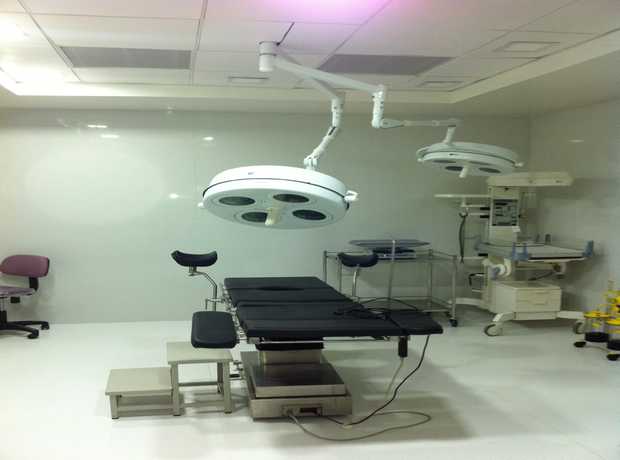
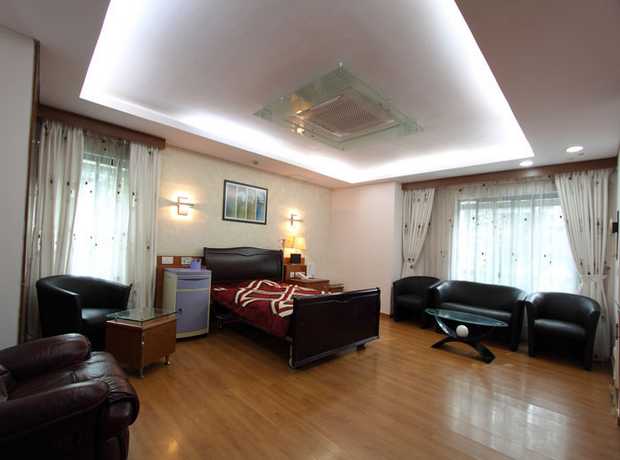
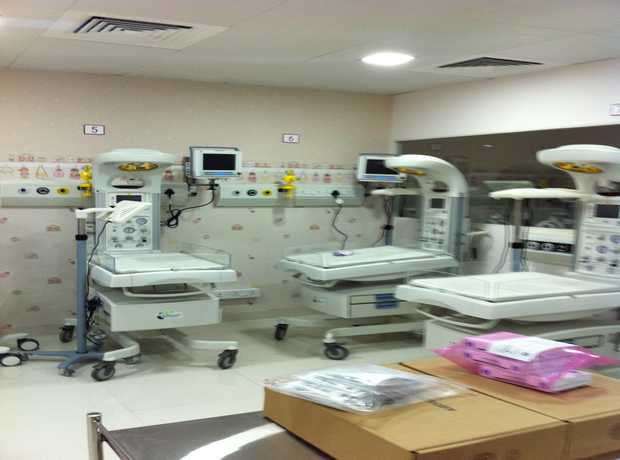
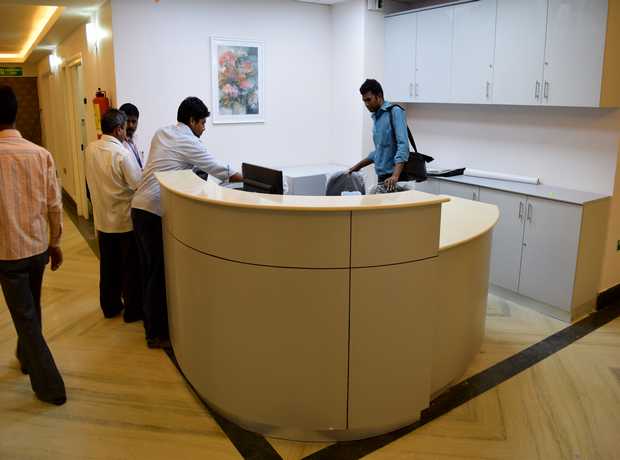
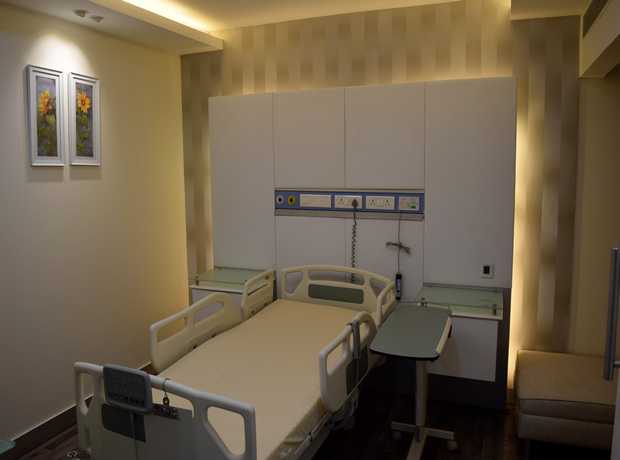
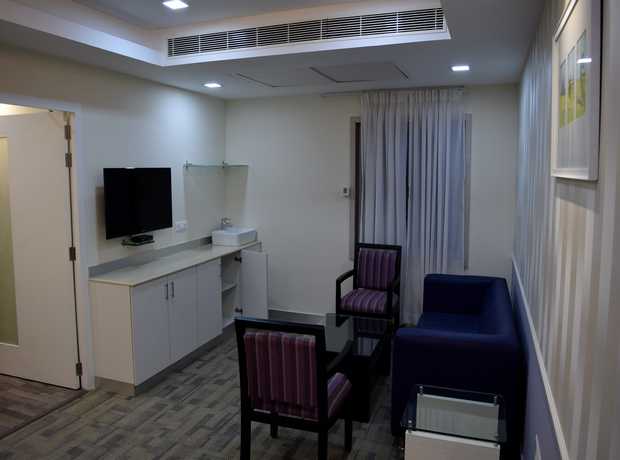

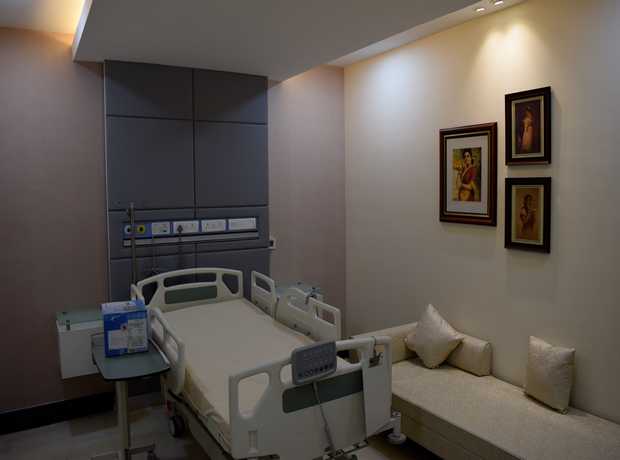
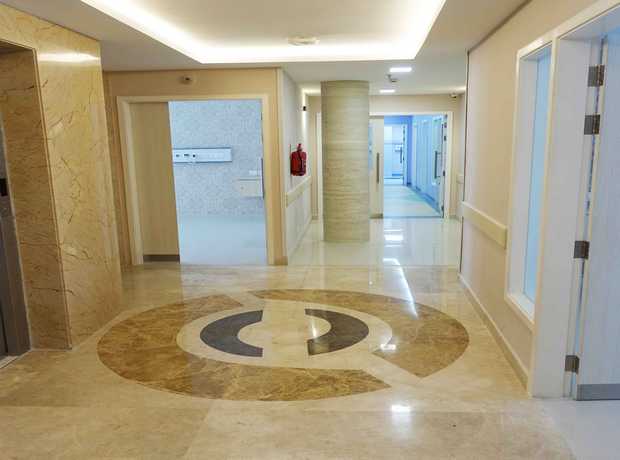







Expert Tips for Successful Modular Patient Room Interior Design in Kampala
To transcend these common pitfalls and ensure your modular patient room project in Kampala is a resounding success, drawing on the vast experience of Skydome Designs, we present these comprehensive expert tips. These strategies are tailored to the unique demands and opportunities within Kampala’s healthcare landscape for 2025 and beyond.
1. Prioritize Meticulous Space Planning and Workflow Optimization
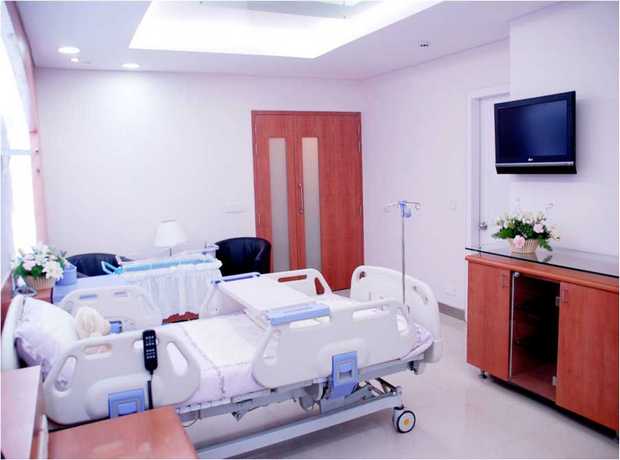
Effective space planning is not merely about arranging furniture; it is an intricate exercise in choreography, orchestrating the movement of patients, staff, and equipment within a confined but critical environment. It is paramount to adopt a holistic approach, considering the distinct needs of both the patient and the diverse healthcare providers who interact with them. For every patient room, consider distinct zones: the patient care zone (bed, bedside table), the family zone (seating, storage for personal items), and the clinician zone (medical gas outlets, equipment space, charting area). Ensure ample room for critical movements – transferring patients to and from beds, accommodating wheelchairs and stretchers, and allowing staff to access equipment safely and efficiently. A well-planned layout minimizes unnecessary steps for nurses, optimizes the placement of essential medical equipment, and crucially, enhances the overall patient experience by reducing clutter and fostering a sense of order. Skydome Designs excels in comprehensive space planning, leveraging advanced simulation tools and decades of real-world experience to create layouts that are not just aesthetically pleasing but supremely functional and safe. We conduct thorough patient journey mapping and staff workflow analyses to tailor designs specifically to the unique operational requirements of Kampala healthcare facilities, ensuring every square meter is maximized for optimal utility and comfort.
2. Select Durable, Hygienic, and Regionally Appropriate Materials
Materials selection in healthcare environments is a high-stakes decision. The chosen materials must perform on multiple fronts: extreme durability to withstand constant cleaning and heavy traffic, inherent antimicrobial properties to combat infection, ease of maintenance, and resistance to chemical disinfectants. Avoid porous surfaces where bacteria can harbor. Consider specific materials such as vinyl sheet flooring or rubber flooring for seamless, easy-to-clean surfaces that also offer sound dampening. For countertops, solid surface materials like Corian or similar composites are ideal, being non-porous and repairable. Wall finishes should be washable, scuff-resistant, and ideally incorporate antimicrobial additives, such as specific paints or wall panels. When feasible, opting for locally sourced materials can offer significant benefits in Kampala. This not only reduces costs and transportation-related carbon footprint but also supports the local economy. However, local materials must meet stringent healthcare standards for safety and longevity. Our Kampala interior experts at Skydome Designs possess deep knowledge of both international best practices and local material availability and performance, guiding you through selections that balance quality, cost, and sustainability. We ensure every material contributes to a safe, durable, and easily maintainable healing environment.
3. Optimize Lighting Design for Healing and Functionality
Effective lighting design is far more than illumination; it is a fundamental component of creating a truly healing environment. Natural light, where available, should be maximized to leverage its positive impact on patient mood, sleep cycles, and overall well-being. Large windows, strategically placed, can connect patients to the outside world, reducing feelings of isolation. However, natural light must be controlled with appropriate window treatments (blinds, curtains) to prevent glare and allow for privacy. Beyond natural light, a thoughtful combination of artificial light sources is essential. This includes ambient lighting for general illumination, task lighting for clinical procedures (often adjustable and high CRI for accurate color rendering), and night lighting that is dim enough not to disturb sleep but sufficient for safe navigation. Incorporate adjustable lighting controls accessible to patients, empowering them to personalize their environment and promote a sense of autonomy. This small detail can significantly enhance patient comfort. Poor lighting design, characterized by stark fluorescents or inadequate brightness, is a common, yet easily avoidable mistake that can negatively impact patient recovery and staff performance. Skydome Designs prioritizes lighting strategies that support circadian rhythms, enhance visual comfort, and reduce energy consumption, making sure every lumen serves a purpose in the patient’s recovery journey.
4. Integrate Intuitive Branding & Clear Signage for Seamless Navigation
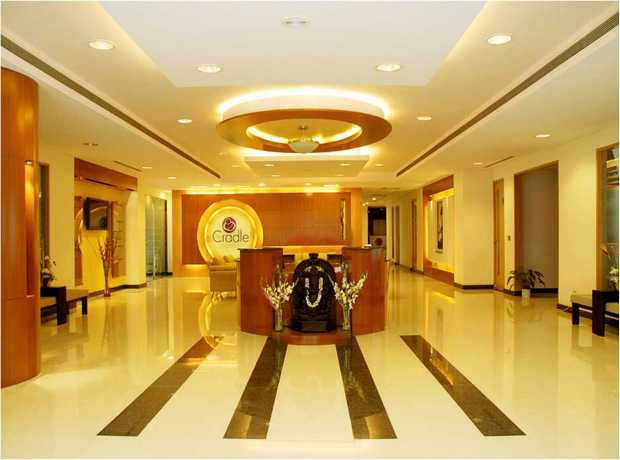
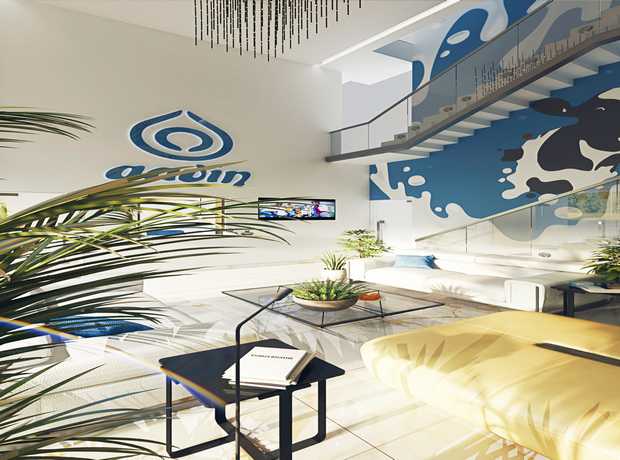
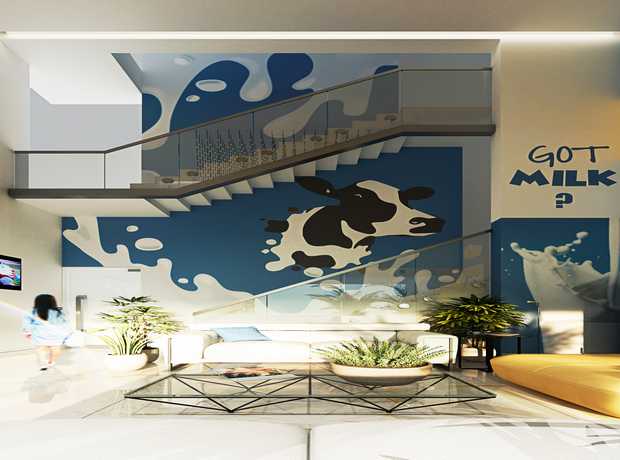
Clear and consistent branding & signage are indispensable for any modern healthcare facility, especially in a growing metropolis like Kampala. Beyond simply directing people, well-designed signage reduces anxiety for patients and visitors who may already be feeling vulnerable. It fosters a sense of orientation and confidence within the facility. Use easily readable fonts, high-contrast colors, and universal symbols to ensure accessibility for individuals of all literacy levels and visual acuities. Signage should be visible, strategically placed at decision points, and consistent in its design language throughout the patient room and the broader facility. This consistency reinforces the facility’s identity, professional ethos, and commitment to clear communication. Furthermore, branding elements, such as consistent color palettes, logos, and mission statements, subtly convey the institution’s values and quality of care. Skydome Designs, your trusted Kampala modular patient room interior design company, understands the psychological impact of design and ensures that branding and signage are not an afterthought but an integral part of the overall patient experience, seamlessly woven into the interior architecture to create an intuitive and reassuring environment.
5. Plan for Comprehensive and Adaptable Storage Solutions
Sufficient and intelligently designed storage space is absolutely essential for maintaining a clutter-free, organized, and hygienic environment within a patient room. Clutter not only looks unprofessional but also poses infection control risks and can impede emergency responses. Integrate diverse storage solutions tailored to specific needs: secure cabinets for medical supplies, dedicated patient wardrobes or drawers for personal belongings, and discreetly integrated bins for waste management and soiled linen. Consider modular storage units that offer flexibility and can be easily reconfigured or expanded as needs change, or as new equipment is introduced. These modular units can be pre-fabricated and seamlessly integrated into the room design, maintaining a sleek appearance while offering maximum utility. Furthermore, think about ergonomic access for staff, ensuring supplies are within easy reach but out of the way of patient areas. For example, bedside lockers for patients, recessed wall cabinets for medical tools, and dedicated spaces for cleaning supplies are all critical. Skydome Designs’ approach to storage in modular patient rooms in Kampala focuses on maximizing efficiency without sacrificing aesthetics, ensuring every item has its place and contributing to a safer, more efficient care delivery model.
6. Design for Inherent Flexibility and Future Adaptability
One of the core strengths of modular design, if leveraged correctly, is its inherent flexibility. A common mistake is to design a modular room as a static, unchangeable entity. Instead, conceptualize your modular patient rooms with future adaptability in mind. This means designing for easy reconfigurability of internal layouts, ensuring access points for future technological upgrades (e.g., additional power outlets, data ports for new medical devices, smart bed integrations), and selecting finishes that can be updated without major structural overhauls. Consider “universal design” principles that allow a room to easily convert from a standard medical-surgical room to a semi-intensive care unit or isolation room with minimal modification. This future-proofing minimizes costly renovations and downtime, ensuring your facility remains cutting-edge and responsive to evolving healthcare demands in Kampala. Skydome Designs employs a forward-thinking design philosophy, incorporating strategies for modularity within modularity, preparing your investment for the healthcare challenges and innovations of tomorrow.
7. Ensure Robust Infection Control Through Design
In a post-pandemic world, infection control is paramount, especially in healthcare settings in Kampala. Modular patient room design must be meticulously crafted to support stringent infection prevention protocols. This involves careful selection of non-porous, seamless, and easy-to-clean materials for all surfaces – floors, walls, countertops, and even furniture. Focus on minimizing crevices and joints where pathogens can accumulate. Design for optimal air quality and ventilation, potentially integrating advanced HVAC systems with HEPA filtration or negative pressure capabilities for isolation rooms. Incorporate hands-free fixtures (e.g., motion-sensor sinks, automatic doors where appropriate) to reduce touchpoints. Strategic placement of hand hygiene stations (sanitizers, sinks) is also critical. Ensure clear separation of clean and dirty zones within the room or adjacent areas. Even the layout of furniture should facilitate thorough cleaning. Skydome Designs’ award-winning team has extensive experience in designing infection-resilient healthcare environments, integrating these critical features from the earliest conceptual stages to safeguard patient and staff health.
8. Prioritize Acoustics and Noise Reduction for Patient Well-being
Noise is a significant stressor in healthcare environments and can severely impede patient recovery, sleep quality, and even communication. Modular patient rooms in Kampala should be designed with a strong emphasis on acoustic comfort. This involves strategically incorporating sound-absorbing materials in walls, ceilings, and flooring. Consider acoustic panels, specific types of insulation within modular walls, and even noise-reducing window glazing. The layout of the room and its adjacency to other noisy areas (e.g., nurse stations, utility rooms) should also be carefully planned to minimize sound transmission. Attention to detail, such as soft-closing drawers and doors, and careful selection of quiet medical equipment, can collectively contribute to a more tranquil healing environment. Reducing ambient noise significantly improves patient satisfaction and promotes faster recovery, directly impacting the quality of care perceived by patients and their families. Skydome Designs understands the profound impact of acoustics on the healing process and integrates advanced sound management strategies into every modular design project.
9. Focus on Staff Well-being and Operational Efficiency
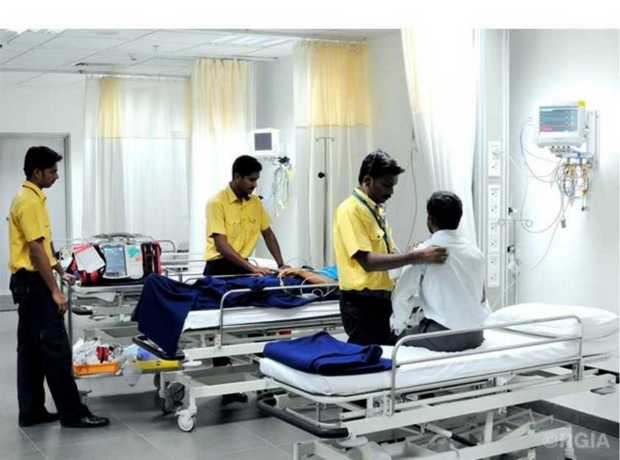
A patient room is not just for patients; it’s also a high-intensity workplace for healthcare staff. Designs that prioritize staff well-being and efficiency translate directly into better patient care and reduced burnout. Ensure ergonomic design principles are applied to nurse charting areas, medication preparation zones, and equipment storage. Provide adequate clear space for staff to maneuver around beds and equipment, reducing physical strain and potential for error. Consider access to natural light for staff working long shifts, even if it’s indirect. Optimize workflow paths to minimize unnecessary movement and maximize time spent on direct patient care. Integrating staff-focused amenities, even small ones like a comfortable chair for charting or a well-placed waste receptacle, can make a significant difference. A happy, efficient staff is a cornerstone of a high-quality healthcare facility. Our comprehensive design approach at Skydome Designs considers all stakeholders, creating spaces that empower healthcare professionals to deliver their best care.
10. Seamlessly Integrate Cutting-Edge Technology
The modern patient room is increasingly a hub of technology. Failure to plan for seamless integration from the outset is a major oversight. This includes robust data infrastructure for electronic health records (EHR), high-speed internet access, adequate power outlets placed strategically, and conduits for future wiring. Consider integrating smart bed technology for patient monitoring, patient entertainment systems (e.g., smart TVs with internet access, educational content), and even telehealth capabilities. Explore options for integrated nurse call systems, environmental controls accessible by patients (lighting, temperature), and secure charging stations for patient and visitor devices. The goal is to make technology intuitive and accessible, enhancing both patient comfort and clinical efficiency. Future-proofing the infrastructure for emerging technologies like AI-powered diagnostics or IoT-enabled medical devices is also a crucial consideration. Skydome Designs has a proven track record of designing technologically advanced healthcare spaces, ensuring your modular patient rooms in Kampala are ready for the innovations of today and tomorrow.
11. Adhere to Local Regulations and Cultural Context in Kampala
While international best practices are important, successful modular patient room design in Kampala must also rigorously adhere to local building codes, healthcare regulations, and critically, cultural sensitivities. Uganda has specific guidelines for healthcare construction and operation that must be met for compliance and safety. Beyond regulations, understanding the local cultural context is vital. For instance, preferences regarding privacy, the role of family presence in patient care, or even color preferences can significantly impact patient comfort and acceptance. Designs might need to accommodate more family members or specific cultural practices. Incorporating locally available materials and construction techniques, where appropriate and compliant with quality standards, can also be beneficial. This localized approach ensures that the resulting facility is not just functional but also resonates deeply with the community it serves. Skydome Designs’ extensive experience in Kampala provides us with an unparalleled understanding of the local landscape, enabling us to tailor designs that are both globally excellent and locally relevant.
12. Comprehensive Budgeting and Value Engineering for Long-Term Success
Even with the cost-efficiencies of modular construction, comprehensive budgeting and value engineering are critical to prevent budget overruns and ensure long-term financial viability. This means looking beyond the initial construction cost to consider the total cost of ownership (TCO) over the facility’s lifecycle. Factors like maintenance costs, energy consumption, durability of materials, and ease of future upgrades all contribute to TCO. Value engineering is not about cutting corners but about optimizing solutions to achieve the desired functionality and quality at the most efficient cost. This might involve exploring alternative materials, optimizing modular configurations, or phasing project implementation. Transparent cost breakdowns, milestone-based reporting, and rigorous financial oversight are crucial throughout the project. Skydome Designs offers transparent cost management and utilizes value engineering expertise to deliver superior outcomes within budgetary constraints, ensuring your investment in modular patient rooms in Kampala yields maximum returns and sustainable operations.
Why Choose Skydome Designs for Your Modular Patient Room Project in Kampala?
When embarking on a project as critical as designing modular patient rooms, selecting the right partner is paramount. Skydome Designs brings nearly 30 years of unwavering expertise, innovation, and a profound understanding of healthcare interior design to your projects. Here’s why we are the unequivocally ideal partner for your modular patient room project in Kampala:
- Unmatched Experience: We have a demonstrable and robust track record, having delivered 2008+ modular patient room interior design assignments across Kampala and globally over 18+ years. This extensive portfolio showcases our deep proficiency and adaptability across diverse healthcare contexts, with a specific emphasis on the unique challenges and opportunities within Kampala.
- Consistent On-Time Delivery: We understand that in healthcare, time is often critical. Our commitment to punctuality is reflected in our remarkable 97% on-time delivery rate. This exceptional performance is underpinned by rigorous multi-disciplinary reviews at every stage of the project and robust post-occupancy support, which together ensure that project outcomes consistently meet or exceed expectations.
- Award-Winning Quality & Transparency: Our commitment to excellence has been recognized through numerous accolades, reflecting our dedication to world-class design and execution. We operate with complete financial transparency, providing clear and transparent costs and detailed milestone-based reporting in Kampala. This ensures you are always informed and in control, fostering trust and a strong partnership.
- Innovation & Localized Expertise: We are at the forefront of design technology, leveraging BIM-led coordination for superior precision, conflict detection, and visualization. Our commitment to value engineering ensures optimal resource utilization without compromising quality. Crucially, our quality control processes are tailored to Kampala’s specific regulatory environment and local conditions, guaranteeing designs that are not only innovative but also practical, compliant, and sustainable in the regional context.
Ready to elevate your healthcare facility with world-class modular patient room design? With Skydome Designs, you’re not just building rooms; you’re crafting environments that heal, operate efficiently, and stand the test of time. Our proven experience, commitment to quality, and client-centric approach make us the definitive choice for your next project in Kampala. Contact us today to discuss your project and learn how we can help you create exceptional patient rooms that truly make a difference.
FAQs about Modular Patient Room Interior Design in Kampala
What are the primary benefits of modular patient room design in Kampala?
Modular patient room design in Kampala offers a multitude of benefits, making it an ideal choice for the region’s rapidly developing healthcare sector. These include significantly faster construction times due to off-site fabrication, leading to quicker facility launch. It often results in considerable cost savings through optimized material use and reduced on-site labor. Furthermore, modular designs provide exceptional flexibility and scalability, allowing facilities to adapt to evolving healthcare needs and future expansion easily. The controlled factory environment ensures superior quality control and precision, minimizing defects and enhancing safety. Finally, modular construction tends to be more sustainable, generating less waste and reducing environmental impact, aligning with global green building initiatives and local desires for responsible development.
How much does modular patient room design cost in Kampala?
The cost of modular patient room design in Kampala is highly variable and depends on several key factors. These include the size and number of rooms required, the complexity of the design, the specific materials selected (e.g., standard vs. premium finishes, specialized antimicrobial surfaces), the level of integrated technology, and site-specific conditions. While modular construction often presents a more cost-effective solution than traditional methods, a detailed assessment is crucial. Skydome Designs offers transparent cost breakdowns and will provide a comprehensive, detailed quote tailored specifically to your project’s unique requirements and scope. We also engage in value engineering to ensure you achieve the best possible outcomes within your specified budget without compromising on quality or functionality.
What materials are best for patient room interiors to ensure hygiene and durability?
For patient room interiors, the selection of materials is critical for ensuring both hygiene and long-term durability, especially in a high-traffic environment like a hospital. Ideal materials are non-porous, seamless, easy to clean, and resistant to harsh chemical disinfectants. Common and highly recommended choices include seamless vinyl or rubber flooring for ease of cleaning and infection control, solid surface countertops (e.g., Corian, quartz) for their non-porous and antimicrobial properties, and washable, scuff-resistant wall finishes like specific paints or wall panels with antimicrobial additives. Epoxy coatings are excellent for highly demanding areas. Fabrics for seating should be bleach-cleanable and durable, often with a moisture barrier. These materials collectively contribute to an environment that actively reduces the risk of healthcare-associated infections and stands up to the rigors of continuous use.
How can I ensure optimal patient comfort and a healing environment in a modular patient room?
Ensuring optimal patient comfort and fostering a healing environment in a modular patient room requires a multi-faceted approach. Prioritize maximizing natural light, as it significantly impacts mood and circadian rhythms; complement it with adjustable artificial lighting controls for personalized comfort. Select comfortable, ergonomic furnishings that are easy to clean. Implement effective noise reduction measures through acoustic materials in walls, floors, and ceilings. Design the layout to provide adequate personal space and privacy. Integrate patient-controlled amenities like adjustable bed positions, individual temperature controls (where feasible), and access to entertainment or educational content. Strategic use of calming color palettes and biophilic design elements (e.g., views of nature, indoor plants where appropriate) can also profoundly contribute to a soothing and welcoming atmosphere that promotes patient well-being and faster recovery.
What is the typical timeline for a modular patient room project with Skydome Designs in Kampala?
One of the significant advantages of modular patient room design is its expedited timeline compared to traditional construction. While specific project durations vary based on scope, number of rooms, and complexity, a typical modular project can be completed significantly faster. With Skydome Designs, our process begins with detailed planning and design, followed by concurrent off-site fabrication of modules and on-site groundwork. This parallel approach substantially compresses the overall schedule. We are proud of our 97% on-time delivery rate. We will provide a detailed project timeline at the outset of your project, including key milestones and delivery dates, ensuring transparent communication throughout the process.
How does modular design contribute to sustainability in healthcare construction?
Modular design inherently promotes sustainability in several ways. Firstly, off-site construction in a controlled factory environment significantly reduces material waste compared to traditional on-site building, as materials can be precisely cut and repurposed. Secondly, it often allows for the use of more energy-efficient materials and construction techniques, contributing to lower operational energy consumption for the finished facility. Thirdly, the process minimizes site disruption, noise pollution, and dust, benefiting the surrounding community and environment. Furthermore, the ability to easily reconfigure or relocate modules extends the lifecycle of the building components, reducing the need for new construction. Skydome Designs emphasizes sustainable design practices, choosing eco-friendly materials and energy-efficient systems to align with global environmental goals and local initiatives in Kampala.
Can modular patient rooms be customized to suit specific hospital needs or branding?
Absolutely. A common misconception is that modular means generic or standardized without customization. In reality, modern modular patient room design offers extensive customization possibilities. While core structural components may be standardized for efficiency, the interior finishes, color schemes, lighting fixtures, built-in furniture, technology integrations, and even room layouts can be highly tailored to meet the specific needs, branding, and aesthetic preferences of your hospital. Skydome Designs works closely with clients to understand their unique vision, operational requirements, and brand identity. We leverage our design expertise to create modular patient rooms that are not only functional and efficient but also reflect the distinctive character and quality of your healthcare institution, ensuring they are truly bespoke while retaining the benefits of modular construction.
What role does technology play in modern modular patient rooms?
Technology plays an increasingly central role in modern modular patient rooms, transforming patient care, comfort, and operational efficiency. Integrated technologies include smart beds with advanced monitoring capabilities, interactive patient entertainment systems (providing education, communication, and diversion), telemedicine capabilities for remote consultations, and intuitive room controls for lighting, temperature, and blinds. Robust data infrastructure is crucial for electronic health records (EHR) and seamless communication between medical devices. Furthermore, modular designs can easily accommodate future technological upgrades, ensuring the room remains relevant. Skydome Designs’ approach embraces cutting-edge technology, planning for its seamless integration from the initial design phase to create future-ready, high-tech healing environments that enhance patient experience and support advanced medical care.
How important is patient and staff feedback in the modular design process?
Patient and staff feedback are critically important and invaluable throughout the modular design process. These end-users provide direct insights into the daily functionality, pain points, and preferences within a healthcare environment. Engaging patients and staff (nurses, doctors, technicians) through surveys, focus groups, and even mock-ups of modular rooms can uncover crucial requirements for workflow efficiency, ergonomic design, comfort, privacy, and safety that might otherwise be overlooked. This collaborative approach ensures that the final design is truly patient-centered and staff-supportive, leading to higher satisfaction levels, improved outcomes, and greater operational efficiency. Skydome Designs champions a participatory design process, actively soliciting and integrating feedback to refine designs and create spaces that genuinely meet the needs of those who use them most.
Conclusion: Building the Future of Healthcare in Kampala with Skydome Designs
The future of healthcare in Kampala hinges on innovation, efficiency, and a steadfast commitment to patient-centered design. Modular patient room interior design stands out as a powerful solution to meet these demands, offering speed, cost-effectiveness, quality, and adaptability in a rapidly evolving urban landscape. However, realizing the full potential of modular construction requires navigating a complex array of design considerations and avoiding common pitfalls.
By meticulously prioritizing space planning, selecting durable and hygienic materials, optimizing lighting, integrating intuitive signage, planning for ample storage, designing for flexibility, ensuring robust infection control, managing acoustics, supporting staff well-being, seamlessly integrating technology, adhering to local context, and employing comprehensive budgeting, you can create functional, efficient, and profoundly patient-centered modular patient rooms in Kampala. These are not merely rooms but environments designed to promote healing, enhance operational excellence, and uphold the highest standards of care.
Skydome Designs stands as your trusted and experienced partner in this transformative journey. With our nearly three decades of expertise, including 2008+ modular patient room interior design assignments across Kampala and globally over 18+ years, we possess the unique insights and capabilities to guide your project to unparalleled success. Our commitment to 97% on-time delivery, transparent processes, award-winning quality, and innovative, BIM-led coordination tailored to Kampala, ensures that your vision for exceptional healthcare interior design becomes a tangible reality. Let us help you transform your aspirations into spaces that truly make a difference in the lives of patients and caregivers across Kampala.
Ready to start your project and build the future of healthcare in Kampala? Don’t let common mistakes hinder your progress. Partner with the experts who understand the nuances of modular design and the local context. Contact Skydome Designs today for a comprehensive consultation. Call us directly at +91 7299072144 or send us an email at info@skydomedesigns.com. Let our proven track record and innovative approach bring your vision to life.
About Skydome Designs
Skydome Designs Pvt Ltd is a leading architecture and interior design firm in India, specializing in hospital and healthcare interiors, residential, and retail projects. With nearly 30 years of expertise, we deliver innovative, sustainable, and functional spaces that enhance experiences and operational efficiency.
What We Do
- Hospital Interior Design: Patient rooms, ICUs, OTs, labs, consultation areas, and facility planning for optimized care. Our designs focus on creating healing environments that are also highly efficient and compliant with international standards.
- Residential Projects: Apartments, luxury condos, senior housing, and community-focused interiors. We blend aesthetics with functionality to create personalized living spaces.
- Retail & Commercial Design: Shopping malls, mixed-use developments, offices, and entertainment centers. Our commercial designs enhance brand presence and customer engagement.
- Interior Solutions: Comprehensive space planning, innovative furniture layouts, advanced lighting solutions, and full turnkey interior execution, ensuring a seamless project delivery from concept to completion.
Why Choose Us
- 29+ years of experience across India and abroad, giving us a unique global perspective combined with local relevance.
- In-house team of highly qualified architects, specialized healthcare planners, and dedicated project managers, ensuring seamless coordination and expertise across all project phases.
- Award-winning, client-focused, and sustainable designs that consistently exceed expectations and contribute positively to the environment.
- Projects delivered on-time, on-budget, and to global standards, ensuring reliability and exceptional quality control for every client.
📞 Contact: +91 7299072144 | ✉️ Email: info@skydomedesigns.com
Internal Linking Suggestions: For more insights into optimizing healthcare spaces, see our other articles on healthcare design trends and explore how we integrate sustainable building practices into our projects.
Outbound Authority References: For general healthcare guidelines, consult the World Health Organization (WHO), and for economic and business insights relevant to Kampala, refer to the Uganda Business Directory.