In the dynamic and ever-evolving landscape of modern healthcare, the journey of creating truly effective and healing spaces extends far beyond the initial blueprints and grand opening ceremonies. It demands a continuous cycle of observation, adaptation, and refinement. At the heart of this crucial ongoing process lies Patient-Centric Post-Occupancy Evaluation (POE) – a systematic approach designed to understand how a healthcare facility genuinely performs once it is inhabited, and more importantly, how it impacts the very individuals it serves: the patients.
This methodology is not merely a quality check; it is a fundamental shift towards prioritizing human experience in built environments. This is particularly vital in a rapidly developing metropolitan region like Noida, which is quickly emerging as a hub for advanced healthcare, sustainability initiatives, and cutting-edge digital delivery systems. Healthcare infrastructure in Noida is experiencing unprecedented growth, with new hospitals and clinics integrating smart technologies and aspiring to global standards of patient care. In such a competitive and forward-thinking environment, ensuring that a facility truly resonates with patient needs and supports optimal health outcomes is paramount.
At Skydome Designs, with a profound legacy spanning nearly 30 years in architecture and interior design, we have been at the forefront of shaping environments that not only meet but exceed contemporary expectations. Our expertise in healthcare facility design, coupled with our deep understanding of the local nuances in Noida, positions us uniquely to help healthcare providers navigate the complexities of optimizing their spaces. Through meticulous patient-centric POE, we empower facilities to enhance patient experiences, bolster operational efficiency, and ultimately, cultivate environments that genuinely heal and uplift.
The Indispensable Role of Patient-Centric Post-Occupancy Evaluation in Noida’s Healthcare Renaissance
Noida’s healthcare sector is not just expanding; it is transforming. There is an unmistakable and growing emphasis on holistic wellness, sustainable practices, and the seamless integration of digital health solutions. Within this progressive ecosystem, a patient-centric POE becomes more than a valuable tool; it becomes an indispensable strategic asset. It serves as a diagnostic lens, revealing the true operational efficacy and experiential quality of a facility from the perspective that matters most – the patient’s.
By meticulously evaluating various facets of the space through the patient’s eyes, healthcare providers can unlock profound insights. These insights are not just theoretical; they are actionable intelligence that directly informs improvements related to comfort, safety, accessibility, emotional well-being, and overall satisfaction. For example, subtle but impactful elements such as a thoughtfully conceived lighting design can profoundly influence mood and recovery, while intuitive and culturally sensitive branding & signage can significantly reduce patient anxiety and improve navigation within complex medical campuses. These elements, often underestimated, collectively contribute to a healing environment that fosters trust and promotes quicker recovery.
Furthermore, the data gleaned from such evaluations contributes directly to lowering lifecycle costs by identifying inefficiencies, optimizing resource utilization, and guiding targeted investments in facility upgrades. It’s an investment in continuous improvement that yields significant returns in patient satisfaction, staff morale, and the long-term viability and reputation of the healthcare institution.
Why Patient-Centricity is Non-Negotiable in Noida’s Evolving Healthcare Landscape
In a region like Noida, characterized by its diverse population, rapid urbanization, and increasing expectations for world-class services, patient-centricity is no longer merely a desirable attribute; it is a foundational principle. A healthcare facility that prioritizes the patient experience from the ground up, and then continuously validates and refines that experience through POE, is one that will thrive.
This approach moves beyond the traditional metrics of clinical outcomes alone, recognizing that the physical environment itself is a critical therapeutic agent. When patients feel comfortable, respected, and safe within a facility, their anxiety levels decrease, their cooperation with treatment plans improves, and their overall healing journey is positively impacted. This holistic view acknowledges that a sterile, impersonal environment, regardless of the quality of medical staff, can inadvertently hinder recovery. Therefore, POEs that rigorously prioritize the patient’s perspective are not just about aesthetics; they are about creating authentic healing environments that promote physical, mental, and emotional well-being, thereby elevating the overall quality of care to new heights.







Mastering Patient-Centric POE in Noida: Expert Tips and Strategic Imperatives for 2025
To successfully implement a truly impactful patient-centric Post-Occupancy Evaluation in Noida, healthcare organizations must adopt a forward-thinking, comprehensive, and technologically integrated approach. Here are expert tips for 2025, designed to ensure your POE yields actionable insights and drives meaningful improvements:
- Focus on Data-Driven Insights: The Cornerstone of Objective Evaluation
In the digital age, anecdotal evidence is insufficient. A robust patient-centric POE hinges on the systematic collection and rigorous analysis of data. This involves leveraging advanced technology to gather comprehensive information on patient experiences, staff workflows, and the granular performance of the building itself. This includes:
- Quantitative Data: Utilizing IoT sensors for real-time environmental monitoring (temperature, humidity, air quality, noise levels), analyzing patient flow patterns through RFID or location-tracking systems, measuring wait times, and tracking facility utilization rates.
- Qualitative Data: Gathering rich, nuanced insights through patient satisfaction surveys (both digital and paper-based), in-depth interviews, focus groups, suggestion boxes, and online review analysis. It’s crucial to employ methodologies that capture the emotional and experiential aspects of a patient’s journey.
- Staff Feedback: Recognizing that staff are also users of the space and often proxies for patient experience. Gathering feedback from nurses, doctors, administrative staff, and facility managers about operational bottlenecks, ergonomic challenges, and environmental concerns.
- Performance Analytics: Integrating data from building management systems (BMS) to understand energy consumption, HVAC efficiency, and lighting usage patterns, correlating these with patient comfort and operational costs.
By synthesizing these diverse data streams, facilities can move beyond assumptions, identify genuine pain points, and pinpoint areas where design interventions can have the most significant positive impact.
- Prioritize Patient Feedback: Giving Voice to the Heart of Healthcare
The “patient-centric” aspect of POE is meaningless without actively listening to patients themselves. Their direct feedback is invaluable and often reveals aspects of the environment that design teams or administrators might overlook. Effective strategies for gathering this crucial feedback include:
- Structured Surveys: Designing questionnaires that are easy to understand, comprehensive, and cover various aspects of the patient journey – from arrival and waiting to consultation, treatment, and discharge. These can be administered digitally (e.g., via tablets at discharge, QR codes) or traditionally.
- In-depth Interviews: Conducting one-on-one interviews with a representative sample of patients to delve deeper into their experiences, perceptions, and suggestions. This allows for qualitative insights that surveys might miss.
- Focus Groups: Bringing together small groups of patients with similar experiences (e.g., those who underwent a specific procedure, or frequented a particular department) to discuss their collective perceptions and generate collaborative ideas for improvement.
- Digital Feedback Platforms: Implementing accessible digital kiosks or mobile applications where patients can provide real-time feedback during their stay or after their visit.
- Patient Advocacy Councils: Establishing ongoing councils composed of former patients and community members to provide continuous input on facility design and operational practices.
It’s vital to create a safe and empathetic environment for feedback, ensuring patients feel heard and valued. Understanding cultural preferences and language diversity within Noida’s patient population is also critical for effective engagement.
- Assess Environmental Factors: Crafting Sensory Comfort and Well-being
The physical environment plays a profound role in a patient’s physiological and psychological state. A comprehensive POE must meticulously evaluate various environmental factors to ensure they contribute to an optimal healing atmosphere:
- Lighting Design: Beyond mere illumination, effective lighting design considers natural daylight integration, glare control, color temperature, and circadian rhythm support. Evaluate how lighting impacts patient mood, reduces fatigue for staff, and supports clinical accuracy. Is there adequate task lighting? Is there too much artificial light causing discomfort? Does the lighting scheme contribute to a sense of calm or stress?
- Noise Levels: Hospitals can be inherently noisy places, yet excessive noise is a significant source of patient distress and sleep disruption. Assess ambient noise levels in patient rooms, corridors, waiting areas, and clinical zones. Identify sources of noise (equipment, foot traffic, conversations) and evaluate the effectiveness of acoustic treatments (sound-absorbing materials, sound masking systems).
- Air Quality and Ventilation: Crucial for infection control, patient comfort, and staff health. Evaluate HVAC system performance, air filtration efficacy, temperature consistency, and humidity levels. Are there areas of stagnant air? Are patients experiencing drafts or overheating?
- Temperature Control: Individualized temperature control options for patient rooms can significantly enhance comfort and reduce complaints. Assess the consistency of temperature across different zones and the responsiveness of climate control systems.
- Thermal Comfort: Beyond just temperature, this includes humidity, air movement, and radiant heat. A holistic assessment ensures patients feel neither too hot nor too cold, contributing to their overall sense of ease.
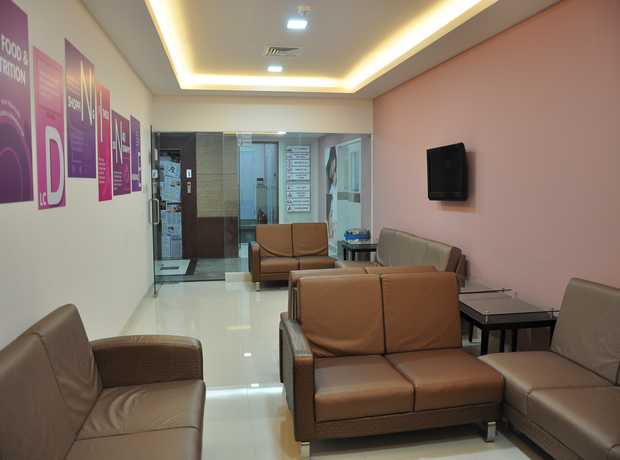
- Visual Aesthetics & Biophilia: Evaluate the impact of interior finishes, artwork, views to nature, and the presence of natural elements (plants, water features) on patient and staff well-being. Does the environment feel welcoming, calming, and restorative?
Each of these factors, individually and collectively, shapes the patient’s sensory experience and can either accelerate or impede the healing process.
- Optimize Space Planning: Enhancing Efficiency and Intuitive Navigation
Effective space planning is the skeleton upon which a successful healthcare facility is built. A patient-centric POE critically analyzes how effectively the physical layout supports patient flow, staff workflows, and overall operational efficiency. This includes:
- Patient Journey Mapping: Tracing typical patient paths from arrival to departure, identifying bottlenecks, unnecessary travel distances, and points of confusion or anxiety.
- Staff Workflow Analysis: Observing staff movements, adjacency of critical functions (e.g., nurses’ stations to patient rooms, labs to treatment areas), and ergonomic considerations to reduce fatigue and improve response times.
- Privacy and Dignity: Assessing whether the layout provides adequate privacy for consultations, examinations, and personal care, respecting cultural norms and individual needs.
- Flexibility and Adaptability: Evaluating how well spaces can be reconfigured or adapted to changing healthcare needs, technologies, or patient volumes – a crucial consideration for future-proofing facilities in Noida.
- Wayfinding and Navigation: Beyond just signage, this involves the intuitive layout of the facility itself. Are entrances clear? Are departments easily locatable? Does the layout contribute to a sense of orientation or disorientation?
Optimized space planning not only improves efficiency but significantly reduces patient stress and enhances their sense of control and understanding within the environment.
- Incorporate BIM for Enhanced Coordination and Lifecycle Management
Building Information Modeling (BIM) is no longer just a design tool; it’s a powerful asset for Post-Occupancy Evaluation and ongoing facility management. Implementing BIM provides a digital twin of the facility, offering unprecedented advantages for coordination, value engineering, and quality control, especially when tailored to Noida’s specific building standards and regulatory environment.
- Data-Rich Models: BIM models integrate vast amounts of data about every building component, from materials and specifications to maintenance schedules and performance metrics. This provides a comprehensive repository for POE data.
- Visualization and Simulation: BIM allows for virtual walkthroughs and simulations, helping to visualize proposed changes and predict their impact before physical implementation. This can be invaluable for presenting POE findings and recommendations to stakeholders.
- Clash Detection: Identifying potential conflicts or inefficiencies in the building systems or layout.
- Lifecycle Management: BIM supports the entire lifecycle of a building, enabling facilities managers to track asset performance, schedule maintenance, and plan future upgrades based on POE findings.
- Value Engineering: Using BIM to analyze the cost-effectiveness of different design solutions proposed as a result of POE, ensuring that improvements are not only impactful but also economically viable.
By leveraging BIM, Skydome Designs ensures that POE recommendations are not only well-informed but also seamlessly integrated into the facility’s digital framework, paving the way for more efficient implementation and long-term optimization. We offer BIM‑led coordination, value engineering, and quality control tailored to Noida’s unique infrastructure and regulatory landscape, ensuring every intervention is strategic and effective.
- Ensure Compliance with Local Codes & Global Standards: The Dual Mandate
Designing and evaluating healthcare facilities in Noida requires a delicate balance: adhering to the highest global design standards for patient safety and comfort, while rigorously ensuring full compliance with local building codes, regulations, and specific healthcare guidelines applicable in Noida and the wider Indian context. This dual mandate is critical for legal compliance, patient safety, and operational legitimacy.
- Local Building Codes: Familiarity with Noida’s specific regulations regarding fire safety, structural integrity, accessibility (Divyangjan-friendly design), environmental clearances, and specific healthcare licensing requirements is non-negotiable.
- International Best Practices: Incorporating design principles from global leaders in healthcare architecture that promote evidence-based design, infection control, staff ergonomics, and patient experience.
- Sustainability Mandates: Aligning with Noida’s push for green buildings and energy efficiency, integrating sustainable materials and energy-saving systems that meet local benchmarks.
- Healthcare-Specific Standards: Adhering to guidelines from bodies like NABH (National Accreditation Board for Hospitals & Healthcare Providers) in India, which set benchmarks for quality and patient safety.
Skydome Designs possesses a nuanced understanding of both global design standards and the intricate local requirements in Noida. Our team meticulously navigates these complexities, ensuring that every POE recommendation is not only innovative and patient-centric but also fully compliant and contextually appropriate. We provide global design standards with local code expertise in Noida, delivering solutions that are both visionary and grounded in practical reality.
Skydome Designs understands the intricacies of both global standards and local requirements in Noida. We can help you navigate these complexities to create a POE framework that delivers actionable insights and sustainable improvements.
Leveraging Technology for Enhanced POE: A Glimpse into the Future (and Present)
The future of POE is inextricably linked with technological advancement. Embracing digital tools and sophisticated platforms is essential to streamline data collection, analysis, and reporting processes, making POE more efficient, accurate, and insightful. This includes:
- Mobile Applications for Real-time Feedback: Equipping patients and staff with easy-to-use apps to report issues, provide suggestions, or rate experiences instantly.
- IoT Sensors for Environmental Monitoring: Deploying sensors that continuously track ambient conditions (temperature, humidity, CO2 levels, light intensity, noise) in various zones, providing objective, longitudinal data.
- Data Visualization Dashboards: Utilizing business intelligence tools to create interactive dashboards that present complex POE data in an easily digestible, visual format, facilitating quicker identification of trends and areas for intervention.
- Artificial Intelligence (AI) and Machine Learning (ML): Applying AI to analyze vast datasets of patient feedback, identify sentiment, predict potential issues, and suggest optimal design modifications. AI can also analyze operational data to find patterns of inefficiency.
- Virtual Reality (VR) and Augmented Reality (AR): Employing VR for simulating proposed design changes identified through POE, allowing stakeholders to “experience” the revised space before physical construction. AR can overlay digital information onto the real environment, aiding in facility management and maintenance based on POE findings.
- Digital Twins: Creating comprehensive virtual models of facilities that are continuously updated with real-time data from IoT sensors, BMS, and patient feedback. This “digital twin” acts as a living, breathing model for ongoing POE and predictive maintenance.
These technologies transform POE from a periodic assessment into a continuous, intelligent feedback loop, ensuring that healthcare spaces in Noida remain responsive, adaptive, and truly patient-centric over their entire lifecycle.
Skydome Designs: Your Unrivaled Noida Patient-Centric POE Partner with Decades of Expertise
Skydome Designs Pvt Ltd stands as a venerable and leading architecture and interior design firm in India, with an illustrious history spanning nearly 30 years. Our specialization encompasses a diverse portfolio, including groundbreaking hospital and healthcare interiors, bespoke residential projects, and innovative retail and commercial developments. Our unwavering commitment is to deliver innovative, sustainable, and supremely functional spaces that not only enhance human experiences but also optimize operational efficiency across the board.
For over two decades, Skydome Designs has been a pioneer in the realm of patient-centric Post-Occupancy Evaluation. We are immensely proud to state that we have delivered over 1758+ patient-centric post-occupancy evaluation assignments across Noida and globally over 24+ years. This unparalleled experience means we bring a depth of understanding that few can match, coupled with a proven track record of tangible, positive outcomes. Our commitment to excellence is reflected in our remarkable 97% on‑time delivery rate, which is consistently achieved through rigorous multi‑disciplinary reviews, a collaborative stakeholder engagement process, and comprehensive post‑occupancy support that underpins every outcome we deliver.
What Skydome Designs Does: A Holistic Approach to Design and Optimization
- Hospital Interior Design & Healthcare Planning: We craft environments that are not just aesthetically pleasing but are meticulously optimized for healthcare delivery. This includes patient rooms, intensive care units (ICUs), operation theatres (OTs), diagnostic labs, consultation areas, waiting zones, and comprehensive facility planning aimed at enhancing care pathways, infection control, and staff ergonomics.
- Residential Projects: Our expertise extends to creating comforting and functional living spaces, from modern apartments and luxurious condos to specialized senior housing and community-focused interior designs that prioritize well-being and connectivity.
- Retail & Commercial Design: We design vibrant and efficient commercial spaces, including shopping malls, mixed-use developments, corporate offices, and entertainment centers, understanding that the user experience is paramount for business success.
- Interior Solutions & Turnkey Execution: Beyond conceptual design, we offer end-to-end interior solutions, encompassing detailed space planning, strategic furniture layouts, sophisticated lighting design, and full turnkey interior execution, ensuring seamless project delivery from concept to completion.
- Branding & Signage: We integrate thoughtful branding & signage strategies that are not just directional but also enhance a facility’s identity, reduce patient anxiety, and create an intuitive, welcoming environment, particularly crucial in a bustling city like Noida.
Why Choose Skydome Designs for Your POE in Noida? A Legacy of Trust and Innovation
- 29+ Years of Unmatched Experience: Our extensive tenure across India and internationally grants us a unique perspective and a wealth of knowledge in diverse architectural and design contexts. This longevity translates into deep insights into evolving design trends and healthcare needs.
- Integrated In-house Expertise: We boast a formidable in-house team comprising highly skilled architects, specialized healthcare planners, meticulous interior designers, and seasoned project managers. This multi-disciplinary collaboration ensures a holistic approach to every project, from conceptualization through to post-occupancy evaluation.
- Award-Winning, Client-Focused, and Sustainable Designs: Our commitment to excellence has been recognized through numerous awards. We pride ourselves on creating designs that are not only innovative and aesthetically superior but are also deeply client-focused, tailored to specific needs, and inherently sustainable, minimizing environmental impact while maximizing long-term value.
- Global Standards, Local Acumen: We have a proven track record of delivering projects that adhere to the highest international design and construction standards, yet are meticulously adapted to local cultural sensitivities, climate conditions, and regulatory frameworks specific to Noida and India.
- On-Time, On-Budget Delivery: Our meticulous project management methodologies ensure that every project is delivered efficiently, within agreed timelines, and strictly within budget, providing peace of mind to our clients.
- Proven POE Leadership: With over 1758 patient-centric POE assignments completed globally and specifically within Noida over 24 years, our expertise in this critical domain is unsurpassed. We don’t just evaluate; we provide actionable strategies for continuous improvement.
- Comprehensive Post-Occupancy Support: Our engagement doesn’t end with the evaluation report. We offer ongoing support, guidance on implementation, and re-evaluation to ensure that the suggested changes lead to measurable positive outcomes.
Our profound experience and dedication to excellence mean that when you partner with Skydome Designs, you’re not just getting a service provider; you’re gaining a strategic ally committed to enhancing patient well-being and optimizing your healthcare facility for long-term success in Noida.
Take the next step towards an optimized healthcare environment. Contact us today for a consultation and discover how our unparalleled experience in patient-centric POE can transform your facility.
Contact: +91 7299072144 | Email: info@skydomedesigns.com
Are you actively looking for Noida interior experts who can provide specialized assistance with your patient-centric POE and broader healthcare design needs? Contact Skydome Designs today for a detailed consultation. Let our decades of experience and patient-focused approach help you create a healthcare environment in Noida that truly prioritizes patient well-being, operational excellence, and a future-ready design.
Common Mistakes to Avoid in Patient-Centric POE: Navigating the Pitfalls for Meaningful Outcomes
While the concept of patient-centric POE is profoundly beneficial, its execution can be fraught with common errors that undermine its effectiveness. To ensure your evaluation provides genuinely valuable, actionable insights and avoids wasteful efforts, it’s crucial to be aware of and deliberately circumvent these pitfalls:
- Neglecting Patient Perspectives: The Gravest Error
This is arguably the most fundamental mistake, rendering the “patient-centric” label hollow. Failing to actively and genuinely prioritize patient feedback, or focusing solely on operational data and expert opinions, defeats the very purpose of this approach. Without the patient’s voice, evaluations can lead to design interventions that solve for perceived problems but miss the actual lived experiences and needs. This can result in costly modifications that fail to improve satisfaction or, worse, inadvertently create new points of friction for patients. It is essential to develop robust mechanisms for collecting, analyzing, and truly listening to patient input.
- Insufficient or Biased Data Collection: The Flaw in Foundation
A POE is only as good as the data it collects. Insufficient data – either too little information or data from too narrow a segment – makes it impossible to identify meaningful trends, patterns, and causal relationships. Equally damaging is biased data collection, where methods or sampling skew results (e.g., only surveying highly satisfied patients, or asking leading questions). This can lead to skewed conclusions, misallocation of resources, and a failure to identify critical issues. Ensure a diverse range of data sources (quantitative, qualitative, patient, staff, environmental) and a rigorous, unbiased methodology for collection and analysis.
- Lack of Actionable Recommendations: The “So What?” Dilemma
A POE report filled with observations but lacking concrete, measurable, and implementable recommendations is essentially useless. Recommendations that are too vague, theoretical, or impractical to execute (due to budget, logistical, or regulatory constraints) will gather dust. Each identified issue should be accompanied by specific, phased, and realistic solutions, complete with estimated costs, timelines, and responsible parties. The goal is not just to identify problems, but to provide a clear roadmap for improvement.
- Ignoring Local Context and Cultural Nuances: The Noida Specific Blind Spot
Healthcare experiences are deeply influenced by cultural background, socio-economic factors, and local expectations. A POE approach developed in one cultural context may not translate effectively to another, especially in a diverse city like Noida. Ignoring the specific needs, preferences, and sensitivities of the local patient population – including language, family involvement in care, dietary preferences, and privacy expectations – will inevitably lead to suboptimal design solutions. For instance, waiting area design might need to accommodate larger family groups typical in Indian culture, or signage might require multiple languages common in Noida. A truly effective POE in Noida must be culturally intelligent and locally informed.
- Failing to Involve All Key Stakeholders: A Myopic View
A POE focused solely on patients or designers without consulting other critical stakeholders—such as clinical staff, administrative personnel, facility managers, and even support services (cleaning, catering)—will provide an incomplete picture. Staff intimately understand operational challenges, while facility managers have insights into maintenance issues and building performance. Their perspectives are crucial for identifying friction points, operational inefficiencies, and potential solutions that improve the overall ecosystem of care.
- Treating POE as a One-Off Event: Missing the Continuous Improvement Cycle
The built environment is dynamic; patient needs, technology, and medical practices evolve. Viewing POE as a single, isolated event rather than an ongoing process for continuous improvement is a significant mistake. A truly effective POE framework integrates periodic re-evaluations, monitors the impact of implemented changes, and feeds insights back into future design and operational adjustments. It’s an iterative cycle, not a final destination.
- Ignoring Operational Processes in Favor of Pure Design: The Interconnectedness Gap
While POE focuses on the physical space, it’s critical to recognize that design is deeply intertwined with operational processes. A poorly designed process can make even a well-designed space perform inadequately, and vice-versa. For example, if patient check-in processes are cumbersome, no amount of beautiful waiting area design will alleviate the frustration. A holistic POE should consider how the physical environment enables or hinders various operational workflows and recommend improvements that span both design and process.
- Lack of an Implementation Plan and Follow-Through: The Unfinished Business
A POE that identifies issues and suggests solutions but lacks a clear strategy for implementation and subsequent follow-through is a wasted effort. Resources must be allocated, responsibilities assigned, and timelines established for executing the recommendations. Without dedicated commitment to implementation, even the most insightful POE will fail to translate into tangible improvements in patient experience or operational efficiency.
By diligently avoiding these common mistakes, healthcare facilities in Noida can ensure their patient-centric POE efforts are not only effective but also highly impactful, leading to sustainable improvements in patient care and facility performance.
Benefits of Proactive Patient-Centric POE: A Strategic Investment for Healthcare Facilities in Noida
Engaging in patient-centric Post-Occupancy Evaluation is far more than a compliance exercise; it is a strategic investment that yields a multitude of tangible and intangible benefits for healthcare facilities, especially in the competitive and discerning environment of Noida. These benefits extend across patient outcomes, operational efficiency, financial viability, and institutional reputation.
- Enhanced Patient Satisfaction and Experience: This is the most direct benefit. By understanding and addressing patient pain points, comfort needs, and preferences, facilities can significantly improve overall satisfaction scores. A positive patient experience contributes to better perception of care quality, increased loyalty, and positive word-of-mouth referrals.
- Improved Patient Outcomes: A well-designed, patient-centric environment has a direct impact on clinical outcomes. Reduced stress, better sleep, improved orientation, and a greater sense of control can lead to faster recovery times, decreased reliance on pain medication, and fewer complications. Healing environments are proven to accelerate the healing process.
- Optimized Operational Efficiency and Staff Workflow: POE uncovers spatial inefficiencies that hinder staff productivity. By streamlining workflows, reducing unnecessary travel distances, and optimizing adjacencies, staff can focus more on direct patient care, leading to increased productivity, reduced stress, and enhanced job satisfaction for healthcare professionals.
- Reduced Operational Costs and Lifecycle Expenses: Identifying design flaws related to energy consumption, maintenance, or material durability through POE allows for targeted interventions that lower utility bills, minimize repair costs, and extend the lifespan of building components. This contributes to a healthier bottom line.
- Increased Staff Morale and Retention: Healthcare staff are also users of the space. Environments that are safe, comfortable, and ergonomically sound improve staff well-being, reduce burnout, and contribute to higher morale and better staff retention rates, which is crucial in a demanding sector like healthcare.
- Strengthened Brand Reputation and Competitive Advantage: In Noida’s burgeoning healthcare market, a facility known for its patient-centric design and commitment to continuous improvement stands out. A superior patient experience enhances the institution’s brand image, attracts more patients, and fosters a competitive edge.
- Informed Decision-Making for Future Investments: POE provides concrete data and insights that guide future capital investments. Whether planning an expansion, renovation, or a new build, the lessons learned from POE ensure that future designs are evidence-based, avoiding past mistakes and maximizing the impact of new projects.
- Facilitating Accreditation and Compliance: Many accreditation bodies (like NABH in India) increasingly emphasize patient experience and quality of the physical environment. A robust POE process can help facilities demonstrate their commitment to these standards, aiding in accreditation and regulatory compliance.
- Adaptability and Future-Proofing: By continuously evaluating and adapting spaces, facilities can better respond to evolving healthcare technologies, changing patient demographics, and emerging medical practices, ensuring the facility remains relevant and effective for decades to come.
Ultimately, a proactive patient-centric POE transforms a healthcare facility from a static structure into a dynamic, responsive, and truly healing environment, delivering unparalleled value to patients, staff, and the organization as a whole.
Future Trends in Patient-Centric Healthcare Design and POE (2025 and Beyond) for Noida
As Noida continues its trajectory as a smart city and a beacon of modern healthcare, the future of patient-centric design and Post-Occupancy Evaluation will be shaped by several transformative trends. Healthcare facilities that embrace these innovations will be better positioned to meet the demands of tomorrow’s patients and deliver truly exceptional care.
- Hyper-Personalized Healthcare Environments:
The move towards personalized medicine will extend to personalized spaces. Future designs will incorporate adaptable elements that can be customized to individual patient preferences – from lighting and temperature to visual stimuli and soundscapes. POE will focus on collecting highly individualized feedback and validating the effectiveness of these adaptable features.
- Seamless Integration of Telehealth and Physical Spaces:
The distinction between virtual and physical care is blurring. Future healthcare spaces will be designed to seamlessly support telehealth consultations, remote monitoring, and digital diagnostics, both for patients within the facility and those interacting from home. POE will evaluate how effectively the physical environment supports these hybrid models of care, ensuring privacy, technological readiness, and user-friendliness.
- AI-Driven Facility Management and Predictive Maintenance:
Artificial Intelligence will play an increasingly prominent role. AI algorithms will analyze real-time data from IoT sensors, patient feedback, and operational systems to predict maintenance needs, optimize energy consumption, and even suggest proactive design adjustments. POE will leverage AI for deeper analysis of vast datasets, identifying subtle patterns that human analysis might miss.
- Biometric Monitoring for Real-time Comfort and Stress Assessment:
Wearable technology and non-invasive sensors will allow for real-time monitoring of patient biometrics (heart rate, skin conductance, sleep patterns) in relation to their environment. This objective data will provide unprecedented insights into how design elements impact patient stress levels and comfort, enabling immediate adjustments and more precise POE assessments.
- Modular, Flexible, and Resilient Design:
Healthcare facilities need to be inherently adaptable to pandemics, technological shifts, and evolving patient needs. Future designs will emphasize modularity and flexibility, allowing spaces to be easily reconfigured or expanded. POE will assess the effectiveness of these flexible designs in supporting varied uses and rapid adaptation to unforeseen circumstances.
- Intensified Focus on Mental Well-being and Holistic Healing:
Beyond physical healing, there’s a growing recognition of the impact of the environment on mental and emotional health. Designs will increasingly incorporate elements that promote psychological comfort, such as therapeutic gardens, calming color palettes, art integration, and dedicated quiet zones. POE will include metrics to assess the psychological impact of spaces on patients and staff.
- Circular Economy Principles in Design and Construction:
Sustainability will move beyond energy efficiency to embrace circular economy principles – designing for disassembly, using recycled materials, and minimizing waste throughout the building’s lifecycle. POE will include assessments of material performance, waste generation, and the long-term environmental impact of design choices.
- Augmented and Virtual Reality for Patient Education and Wayfinding:
AR/VR technologies will be used not just for design, but also for enhancing patient experience. Virtual tours of facilities before arrival, AR-powered wayfinding through complex campuses, and immersive educational content will become more common. POE will evaluate the usability and effectiveness of these digital interfaces within the physical space.
Skydome Designs is committed to staying at the forefront of these trends, continuously integrating the latest innovations into our patient-centric POE methodologies and design solutions. By partnering with us, healthcare providers in Noida can ensure their facilities are not just meeting today’s standards, but are actively shaping the future of healthcare delivery.
FAQ: Patient-Centric Post-Occupancy Evaluation in Noida – Your Questions Answered
Understanding patient-centric POE is crucial for any healthcare provider in Noida aiming for excellence. Here are some frequently asked questions to provide further clarity:
What precisely is patient-centric post-occupancy evaluation (POE)?
Patient-centric post-occupancy evaluation (POE) is a specialized, systematic process of assessing a healthcare facility’s performance after it has been occupied, specifically from the perspective of its primary users: the patients. It focuses on understanding their experiences, comfort levels, functional interactions with the space, emotional well-being, and overall satisfaction within the built environment. Unlike traditional POE, which might focus primarily on technical building performance or operational efficiency, patient-centric POE places the human experience at its core.
Why is patient-centric POE of such critical importance in a city like Noida?
In Noida’s rapidly expanding and increasingly sophisticated healthcare sector, patient-centric POE is essential for multiple reasons. It ensures that facilities are not just clinically effective but also profoundly healing and supportive. Given Noida’s diverse population and increasing demand for world-class care, understanding local patient needs and preferences is paramount for creating environments that resonate culturally, promote faster recovery, enhance satisfaction, and ultimately, build the institution’s reputation and competitive advantage in a highly dynamic market.
How can a specialized Noida patient-centric post-occupancy evaluation company, like Skydome Designs, provide assistance?
A specialized firm like Skydome Designs brings invaluable expertise, experience, and an unbiased perspective to the POE process. We assist by designing comprehensive evaluation methodologies, utilizing advanced data collection tools (surveys, interviews, IoT), conducting rigorous analysis of both quantitative and qualitative data, and translating findings into concrete, actionable recommendations. Our team possesses deep knowledge of healthcare design principles, local Noida regulations, and global best practices, ensuring that our recommendations are not only impactful but also feasible and compliant. We act as a strategic partner to optimize healthcare spaces for improved patient experiences and operational efficiency. Contact us today to learn more about how our proven process, refined over 1758+ assignments globally and in Noida, can benefit your facility.
What key factors are meticulously considered in a patient-centric POE?
A comprehensive patient-centric POE considers a wide array of factors, all viewed through the lens of the patient’s experience. These include crucial environmental elements such as optimal lighting design (natural vs. artificial, glare control), manageable noise levels (acoustic comfort), superior air quality and effective temperature control, the impact of interior design on mood and orientation, intuitive branding & signage for easy navigation, efficient space planning that minimizes stress and optimizes flow, and crucially, direct patient feedback on their overall journey within the facility. The interaction between patients, staff, and the physical environment is holistically assessed.
What are the tangible and intangible benefits of diligently conducting a patient-centric POE?
The benefits of conducting a patient-centric POE are extensive and impactful. They include significantly improved patient satisfaction and loyalty, enhanced staff workflows and morale, optimized space utilization leading to greater efficiency, reduced operational costs through identification of inefficiencies, faster patient recovery times, a stronger institutional brand reputation, and the creation of a more healing, supportive, and safe environment for everyone within the facility. It’s a key driver for continuous quality improvement and long-term success.
Is patient-centric POE only for new healthcare facilities or can it be applied to existing ones?
Patient-centric POE is highly valuable for both new and existing healthcare facilities. For new facilities, it acts as a critical validation tool, ensuring that the initial design intent translates into actual user satisfaction and performance. For existing facilities, it is an essential diagnostic tool to identify long-standing issues, bottlenecks, or areas for improvement, guiding renovation strategies and operational adjustments. In Noida, with its mix of established hospitals and new constructions, POE is applicable and beneficial across the spectrum.
How long does a typical patient-centric POE take, and what is the investment involved?
The duration and cost of a patient-centric POE can vary significantly depending on the size and complexity of the facility, the scope of the evaluation, and the depth of data collection required. A typical comprehensive POE might range from several weeks to a few months. The investment involved is project-specific but should be viewed as a strategic allocation of resources that yields substantial ROI through improved patient outcomes, operational efficiencies, and long-term cost savings. Skydome Designs provides tailored proposals after an initial consultation to accurately scope and cost each project.
What kind of team is involved in a comprehensive patient-centric POE?
A comprehensive patient-centric POE typically involves a multi-disciplinary team. This often includes architects, interior designers, healthcare planners, data analysts, human-factors specialists, sociologists, and project managers. At Skydome Designs, our in-house team brings together this diverse expertise, ensuring a holistic and deeply insightful evaluation. We also collaborate closely with the client’s facility management, clinical staff, and administrative teams to gather crucial internal perspectives.
Conclusion: Shaping the Future of Healing Environments in Noida with Patient-Centric POE
In the dynamic and patient-focused healthcare landscape of Noida, the journey towards creating truly effective and profoundly healing spaces is a continuous endeavor. Patient-centric post-occupancy evaluation is not merely a beneficial practice; it is an absolutely vital strategic imperative for any healthcare institution committed to delivering exceptional care, optimizing operational efficiency, and securing long-term success. By systematically prioritizing patient feedback, diligently leveraging data-driven insights, and actively collaborating with experienced, specialized partners, healthcare providers can transform their facilities into environments that not only meet but exceed the evolving expectations of patients and staff alike.
At Skydome Designs, we don’t just understand the nuances of healthcare design and post-occupancy evaluation; we are pioneers in the field, with a track record spanning nearly three decades. Our unparalleled experience, encompassing over 1758 patient-centric post-occupancy evaluation assignments across Noida and globally over 24+ years, underscores our profound expertise and unwavering commitment to excellence. We deliver tangible results, marked by a 97% on‑time delivery rate, achieved through rigorous multi‑disciplinary reviews and robust post‑occupancy support that is embedded in every project.
Don’t leave the critical performance of your healthcare facility to chance or assumption. Embrace the power of patient-centric POE to uncover hidden potential, rectify overlooked issues, and elevate the overall care experience. Partner with Skydome Designs to embark on a transformative journey towards creating a healthcare environment in Noida that truly prioritizes patient well-being, fosters innovation, and ensures sustainable success for years to come. Your patients deserve the best, and we are here to help you deliver it.
Ready to optimize your healthcare facility for superior patient experiences in Noida? Contact Skydome Designs today for a consultation and let’s discuss how our expert patient-centric POE services can benefit your institution. Together, we can build better, more humane healing spaces.