Chennai, the vibrant capital of Tamil Nadu, is a city experiencing unprecedented growth and transformation. As its population expands and its economy diversifies, the demand for robust, efficient, and forward-thinking public infrastructure escalates. From sprawling transportation networks to essential civic amenities and green spaces, the quality of public infrastructure directly impacts the quality of life for millions of residents and underpins the city’s future prosperity. As we look towards 2025 and beyond, it’s not merely about building more; it’s about building smarter, more sustainably, and with an acute awareness of future challenges. This comprehensive guide delves into critical strategies to avoid common pitfalls in public infrastructure design in Chennai, offering expert tips to ensure your projects are sustainable, efficient, and truly future-ready, optimized for the unique urban, environmental, and social context of Chennai.
The ambition for Chennai’s infrastructure development extends beyond mere functionality. It encompasses a vision for a city that is resilient to climate change, inclusive for all its citizens, and environmentally conscious. Achieving this requires a paradigm shift in design and execution, moving away from conventional approaches towards innovative, integrated, and data-driven methodologies. This guide will serve as an invaluable resource for urban planners, developers, architects, engineers, and policymakers committed to shaping a better Chennai. We will explore the pivotal role of sustainable practices, the transformative power of digital delivery through Building Information Modeling (BIM), the imperative of future-proofing against environmental challenges, and the non-negotiable importance of community engagement and accessibility. By understanding and proactively addressing these elements, stakeholders can ensure that public infrastructure projects in Chennai not only meet immediate needs but also contribute to a lasting legacy of urban excellence and resilience.
The Future of Public Infrastructure Design in Chennai: A Holistic Approach
The trajectory of Chennai’s development is inextricably linked to its public infrastructure. The future demands an approach that is holistic, integrating technological advancements with environmental stewardship and social equity. Chennai is prioritizing sustainability and digital delivery not just as buzzwords, but as fundamental pillars to lower lifecycle costs, enhance operational efficiency, and improve urban livability. Future-ready public infrastructure design is no longer a luxury but an absolute necessity for a metropolis facing rapid urbanization and the palpable impacts of climate change. So, what are the key areas that merit intense focus and strategic investment to truly future-proof Chennai’s public infrastructure?
The challenges are significant, ranging from managing urban sprawl and traffic congestion to ensuring equitable access to resources and mitigating environmental degradation. However, these challenges also present immense opportunities for innovation. By embracing cutting-edge design philosophies and leveraging advanced technologies, Chennai can leapfrog traditional development models and establish itself as a benchmark for sustainable urbanism in India. This involves a commitment to not just ‘build green’ but to ‘design smart,’ ensuring that every project, whether a new flyover, a public park, or a water treatment plant, contributes positively to the city’s environmental, economic, and social fabric. The emphasis is on creating infrastructure that is adaptable, modular, and capable of evolving with the city’s changing needs, rather than becoming obsolete within a few decades.
Key Areas for Improvement: Paving the Way for a Resilient Chennai
- Sustainable Materials and Practices: The cornerstone of eco-conscious development. This involves a rigorous selection process for materials that minimize environmental impact throughout their lifecycle, coupled with construction practices that reduce waste, energy consumption, and pollution.
- Digital Delivery and BIM (Building Information Modeling): The technological backbone for precision and efficiency. BIM transcends traditional CAD drawings, offering a collaborative, data-rich 3D model that streamlines every phase of a project, from conceptual design to facility management.
- Future-Proofing for Climate Change: A critical imperative for a coastal city like Chennai. Designing infrastructure to withstand extreme weather events, rising sea levels, and increased heat stress is not just advisable, but essential for long-term resilience and safety.
- Community Engagement and Accessibility: Ensuring that infrastructure serves all citizens. This involves active participation from local communities in the design process and a steadfast commitment to universal design principles, making spaces usable by people of all abilities.




Common Mistakes in Public Infrastructure Design in Chennai: Lessons Learned
History is replete with examples of infrastructure projects that, despite good intentions, fell short of their potential or even exacerbated existing problems due to design flaws. In a rapidly developing city like Chennai, where resources are precious and the stakes are high, understanding and actively avoiding these common mistakes is paramount. These errors can lead to astronomical cost overruns, debilitating delays, public dissatisfaction, and ultimately, infrastructure that fails to serve its intended purpose or becomes a burden on the city. By scrutinizing these pitfalls, we can arm ourselves with the knowledge to make more informed decisions and steer Chennai’s development towards truly impactful and sustainable outcomes.
The consequences of neglecting these fundamental aspects extend far beyond financial losses. They manifest as traffic gridlock, recurring flooding, inadequate public spaces, and a general erosion of trust between the populace and urban planners. Learning from past shortcomings, both locally and globally, allows us to adopt a proactive stance, embedding best practices into every stage of the infrastructure lifecycle, from initial conceptualization to post-occupancy evaluation. The goal is to move beyond reactive problem-solving to anticipatory design that addresses potential issues before they materialize, fostering a resilient and adaptable urban environment.
- Ignoring Local Context: This is perhaps one of the most detrimental mistakes. Chennai possesses a unique blend of historical heritage, a distinct cultural ethos, a tropical climate with specific hydrological patterns (monsoons, coastal proximity), and diverse socio-economic communities. Failing to consider these unique attributes can lead to designs that are functionally unsuitable, culturally insensitive, or environmentally unsustainable. For instance, infrastructure that does not account for Chennai’s intense heat and humidity might lack adequate shading or ventilation, making it uncomfortable or even unusable. Similarly, not understanding local traffic dynamics or informal economies can lead to underutilized spaces or displacement. The vibrant street life, the monsoon-driven drainage challenges, and the strong community ties are all integral parts of Chennai’s context that must inform every design decision.
- Lack of Sustainability: In an era dominated by climate concerns, constructing “grey infrastructure” without a sustainability mandate is a grave error. This includes relying heavily on non-renewable resources, generating excessive waste, or designing systems with high operational carbon footprints. Using unsustainable materials and designs not only increases the environmental impact through greenhouse gas emissions and resource depletion but also leads to higher lifecycle costs due to accelerated deterioration, increased energy demands for maintenance, and the need for frequent repairs or replacements. A lack of sustainability also means missing out on opportunities to integrate green infrastructure that can offer multiple co-benefits, such as improved air quality, urban heat island mitigation, and enhanced biodiversity.
- Poor Planning: Inadequate space planning and inefficient use of resources are hallmarks of flawed infrastructure design. This mistake manifests in various forms: congested traffic arteries due to insufficient road capacity or poor intersection design; public spaces that are uninviting or unsafe because they lack proper human-scale design; buildings that consume excessive energy or water due to poor orientation or material choices. Poor planning often stems from a lack of integrated vision, where different infrastructure components are designed in silos without considering their interplay. It can also involve an inability to anticipate future growth or changing demographic needs, leading to infrastructure that quickly becomes obsolete or overwhelmed. This often results in inefficient resource allocation, wasted public funds, and a reduced return on investment for the community.
- Neglecting Digital Integration: In the 21st century, overlooking the benefits of Building Information Modeling (BIM) and other digital tools is no longer excusable. Digital integration, or the lack thereof, has a profound impact on project efficiency, accuracy, and long-term asset management. Without a digital framework, projects are prone to miscommunication, design clashes, rework, and cost overruns. Traditional 2D drawing methods are inherently limited in their ability to visualize complex interactions and manage vast amounts of data. Neglecting digital tools means foregoing opportunities for advanced simulation, real-time collaboration, precise quantity take-offs, and robust facilities management systems, all of which are crucial for delivering high-quality, cost-effective public infrastructure in a timely manner.
Expert Tips for Successful Public Infrastructure Design in Chennai: A Blueprint for Excellence
Building on the lessons learned from common mistakes, let’s pivot towards actionable strategies that ensure public infrastructure projects in Chennai are not just successful, but exemplary. These tips, informed by the extensive experience of Chennai interior experts and global best practices, provide a comprehensive framework for design and execution. They emphasize a forward-thinking approach that prioritizes long-term value, community well-being, and environmental stewardship. By integrating these expert insights, stakeholders can confidently navigate the complexities of urban development and deliver infrastructure that truly elevates Chennai.
The successful delivery of public infrastructure demands a multi-faceted approach, balancing technical innovation with a deep understanding of human needs and environmental imperatives. Each tip outlined below is designed to empower project teams with the knowledge and tools necessary to overcome challenges and unlock new opportunities for creating resilient, equitable, and sustainable urban spaces. From the initial conceptualization to the final operational phase, these principles should guide every decision, ensuring that Chennai’s infrastructure legacy is one of foresight, efficiency, and enduring positive impact.
1. Prioritize Sustainability: Building Green from the Ground Up
Sustainability in public infrastructure design goes far beyond mere compliance; it’s a commitment to creating systems that are environmentally benign, economically viable, and socially equitable throughout their entire lifecycle. In Chennai, with its unique climate and resource pressures, prioritizing sustainability means making conscious choices at every stage. Choose eco-friendly materials and construction methods to reduce environmental impact and lower lifecycle costs. Consider options like recycled concrete, which reduces demand for virgin aggregates and diverts waste from landfills. Locally sourced materials not only shrink the carbon footprint associated with transportation but also support local economies and ensure materials are inherently suitable for the regional climate. Green roofing, permeable pavements, and bioswales are excellent examples of integrating natural systems into urban infrastructure, aiding in stormwater management, reducing the urban heat island effect, and enhancing biodiversity. Furthermore, consider energy-efficient designs that incorporate natural ventilation and lighting, solar power generation for public buildings and streetlights, and smart grid technologies to optimize energy consumption. Water conservation is critical; implement rainwater harvesting systems, greywater recycling for landscaping, and efficient irrigation techniques in public parks and green spaces. By embedding sustainability from the outset, projects can achieve greater resilience, reduce operational costs, and foster a healthier urban environment for all.
2. Embrace Digital Delivery with BIM: The Future of Project Management
Building Information Modeling (BIM) is a revolutionary process that goes far beyond 3D modeling, offering a digital representation of a project’s physical and functional characteristics. Utilizing BIM for efficient design, coordination, and project management is no longer an option but a strategic imperative. In Chennai’s dynamic development landscape, BIM-led coordination ensures unparalleled accuracy in planning, enables rigorous value engineering to optimize costs without compromising quality, and facilitates meticulous quality control specifically tailored to Chennai’s unique challenges, such as monsoon-induced drainage requirements or seismic considerations. BIM allows for the creation of a common data environment where all stakeholders – architects, engineers, contractors, and clients – can collaborate in real-time, reducing errors, minimizing clashes, and accelerating decision-making. This digital twin approach enhances space planning for optimal functionality, ensures precise material take-offs, and provides a powerful tool for visual simulation and stakeholder engagement. Furthermore, BIM extends into the operational phase, providing valuable data for facility management, predictive maintenance, and future upgrades, thereby significantly lowering the total lifecycle cost of infrastructure assets and ensuring longevity and adaptability. With BIM-led coordination, value engineering, and quality control tailored to Chennai, projects are not just built, but intelligently managed from conception to completion.
3. Future-Proof for Climate Change: Designing for Resilience
Chennai is highly vulnerable to the impacts of climate change, including increasingly frequent and intense monsoons, severe heatwaves, and the looming threat of sea-level rise along its extensive coastline. Therefore, designing infrastructure that can withstand extreme weather events and adapt to future climatic conditions is not just prudent but essential for safeguarding lives and investments. Implement resilient designs, such as improved urban drainage systems that incorporate green infrastructure like wetlands and permeable surfaces to manage stormwater runoff more effectively and reduce urban flooding. Elevated structures for critical infrastructure in flood-prone areas, robust coastal protection measures, and the use of climate-resistant materials are crucial. Beyond physical resilience, infrastructure should also be designed for adaptive capacity, meaning it can be modified or expanded to respond to changing climate scenarios. This might include modular designs for easy upgrades, flexible land-use planning around critical infrastructure, and integrating natural flood barriers like mangrove forests. Furthermore, considering urban heat island mitigation strategies through increased green cover, cool pavements, and reflective surfaces can significantly improve thermal comfort in public spaces during scorching summers. Proactive climate-proofing ensures that Chennai’s infrastructure remains functional and safe for generations to come.
4. Engage the Community: Building with People, For People
Public infrastructure, by definition, serves the public. Therefore, involving local communities in the design process is not just good practice but a fundamental requirement for creating infrastructure that truly meets their needs and preferences, fosters a sense of ownership, and encourages sustained use. This includes conducting comprehensive surveys to gather quantitative data on community needs and priorities, holding accessible public forums and workshops to facilitate qualitative feedback and open dialogue, and incorporating this feedback meaningfully into the final design. Participatory design processes can reveal critical local insights that expert teams might miss, leading to more context-appropriate and culturally sensitive solutions. For example, understanding preferred routes for pedestrians or cyclists, identifying desired amenities in public parks, or addressing concerns about noise and displacement can significantly enhance project acceptance and effectiveness. Active community engagement helps build trust, reduce potential conflicts, and ensures that the infrastructure genuinely reflects the aspirations of the people it serves, fostering a stronger sense of civic pride and responsibility. It ensures the infrastructure is not just functional but also socially inclusive and beloved by its users.
5. Focus on Accessibility: Universal Design for an Inclusive City
An equitable city is one where everyone, regardless of age, ability, or socio-economic status, can access and utilize public spaces and services with dignity and ease. Therefore, designing infrastructure that is accessible to all members of the community, including people with disabilities, seniors, families with young children, and pregnant women, is a moral and legal imperative. This means going beyond minimum compliance with accessibility standards and embracing the principles of Universal Design. Incorporate features like seamless ramps with appropriate gradients, spacious elevators in multi-level structures, tactile paving for visually impaired individuals, audible signals at crosswalks, and accessible restrooms with ample space and grab bars. Ensure pathways are wide, obstruction-free, and well-maintained. Public transportation hubs must be designed for easy boarding and alighting for all users. Child-friendly elements in parks and public spaces, such as age-appropriate play equipment and safe surfaces, also fall under this umbrella. By designing for the broadest range of human abilities from the outset, we eliminate barriers, promote social inclusion, and ensure that Chennai’s public spaces are welcoming and functional for every single citizen, reinforcing the city’s commitment to equity and human rights. This comprehensive approach enriches the urban experience for everyone, making Chennai a truly inclusive metropolis.
How Skydome Designs Can Help with Public Infrastructure Design in Chennai
Skydome Designs Pvt Ltd is not just an architecture and interior design firm; we are innovators and problem-solvers dedicated to shaping the future of urban landscapes. With nearly 30 years of extensive experience across India and globally, our expertise is particularly relevant to the intricate demands of public infrastructure design in Chennai. We specialize in creating innovative, sustainable, and highly functional spaces that are not only aesthetically pleasing but also significantly enhance user experiences and operational efficiency. Our track record speaks volumes: we have successfully delivered 1675+ public infrastructure design assignments across Chennai and globally over 24+ years, demonstrating our deep understanding of diverse project complexities and contexts. Our commitment to excellence is reflected in our remarkable 97% on-time delivery rate, a testament to our meticulous planning, efficient execution, and unwavering dedication to client satisfaction.
At Skydome Designs, we believe that successful infrastructure is a product of collaborative thinking, cutting-edge technology, and a profound commitment to quality. Our multi-disciplinary approach ensures that every project benefits from a wide spectrum of expertise, from initial conceptualization to final handover. We understand the unique challenges faced by Chennai – its rapid urbanization, environmental sensitivities, and diverse community needs. Our award-winning team brings a blend of global perspectives and local insights, ensuring designs are not just world-class but also deeply rooted in the Chennai context. We pride ourselves on transparent costs and milestone-based reporting in Chennai, providing clients with clear visibility and control throughout the project lifecycle. Our use of BIM-led coordination, value engineering, and rigorous quality control is specifically tailored to Chennai’s unique infrastructural requirements, guaranteeing robust, cost-effective, and future-ready solutions. With Skydome Designs, you are partnering with a firm that delivers not just designs, but sustainable legacies.
What We Offer: A Spectrum of Expertise for Chennai’s Infrastructure Needs
Our diverse portfolio of services directly contributes to the holistic development of public infrastructure. We don’t just design buildings; we design integrated solutions that enhance the urban fabric:
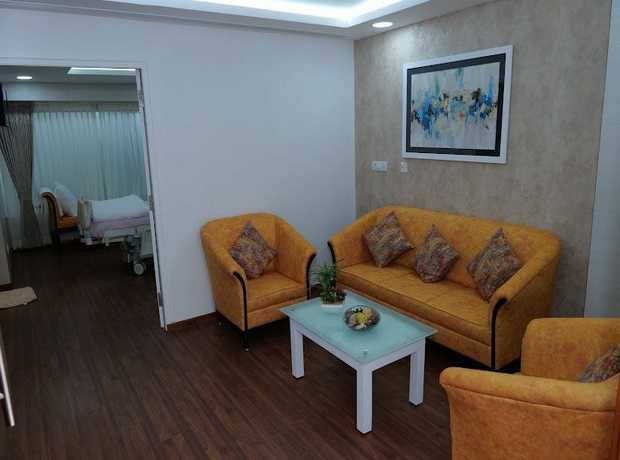
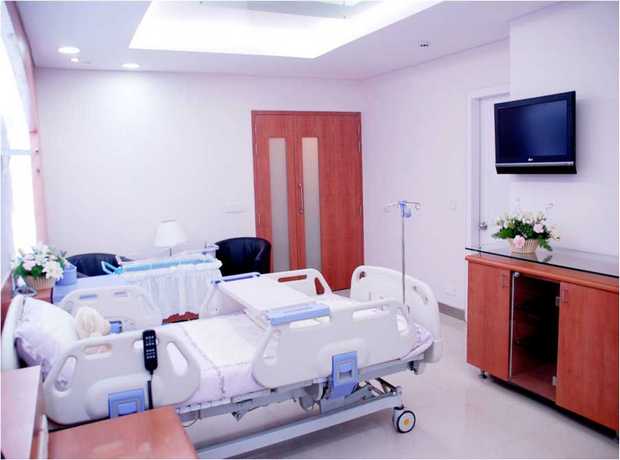
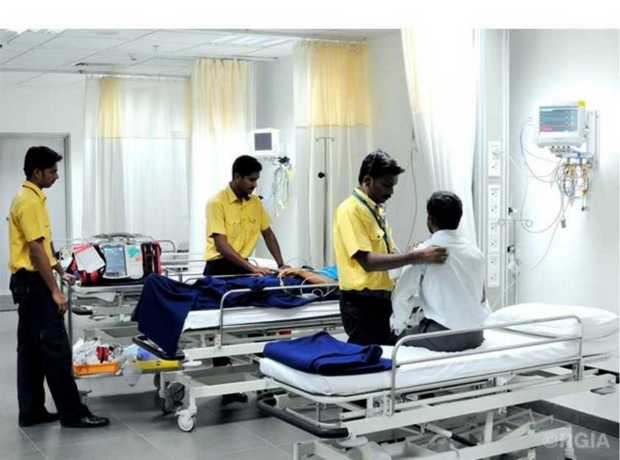
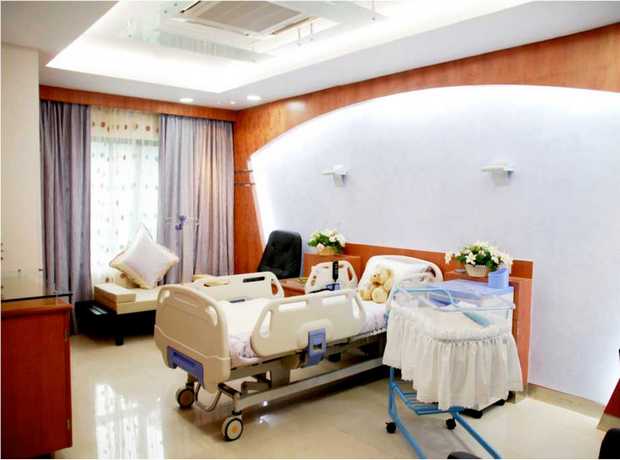
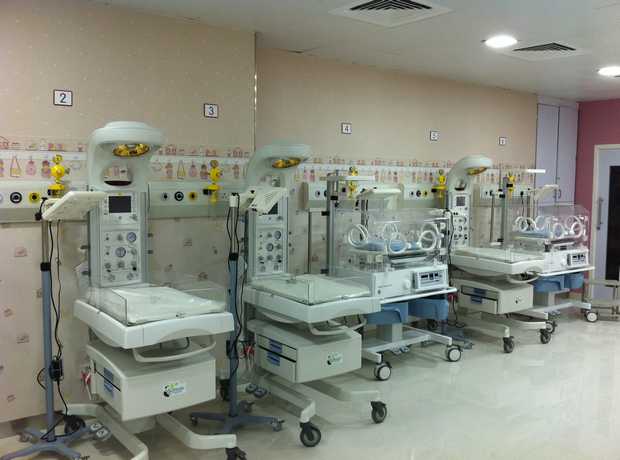
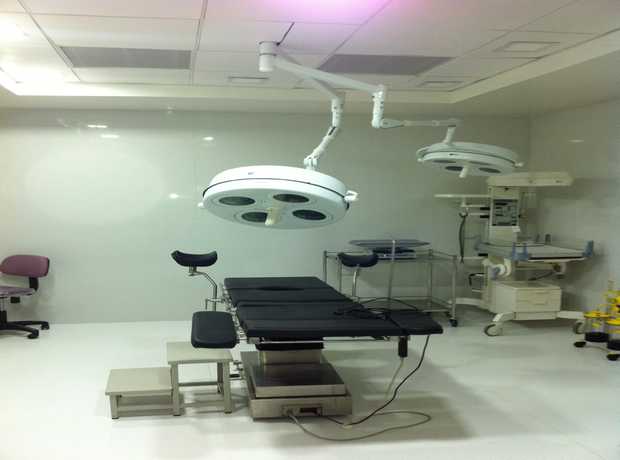
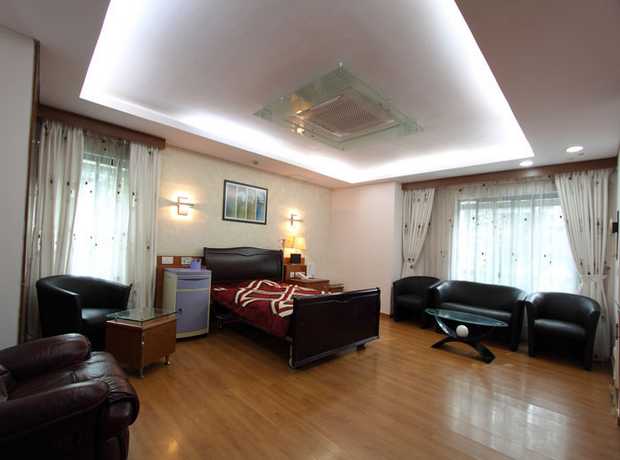
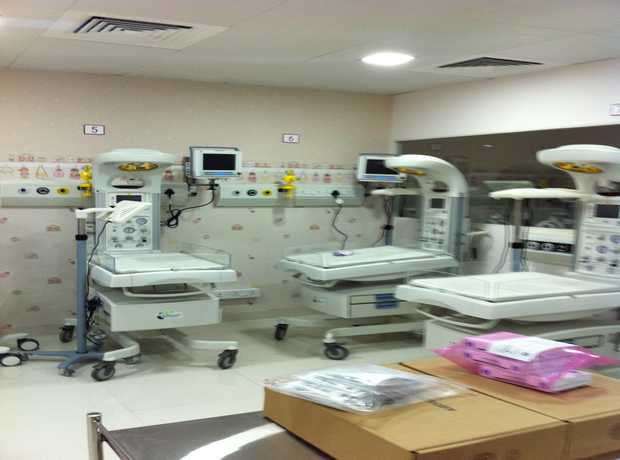
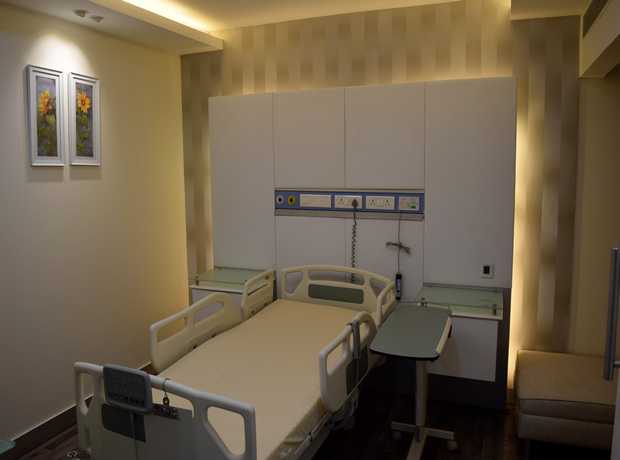
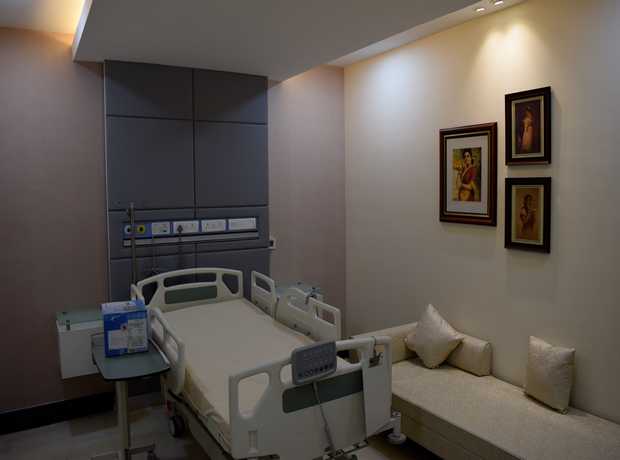
- Hospital Interior Design: Public health infrastructure is paramount. We specialize in optimizing patient rooms, ICUs, OTs, labs, and consultation areas for efficient care delivery, patient comfort, and staff well-being. Our designs ensure seamless flow, infection control, and a healing environment, which are critical components of a robust public health system. This contributes directly to the societal well-being enabled by public infrastructure.
- Residential Projects: Addressing urban housing needs is a key public infrastructure challenge. We design apartments, luxury condos, and senior housing with a community-focused approach, ensuring livable, sustainable, and integrated residential solutions. These projects contribute to orderly urban growth and the provision of essential living spaces for Chennai’s diverse population.
- Retail & Commercial Design: Thriving commercial hubs are vital economic infrastructure. We excel at creating engaging shopping malls, dynamic mixed-use developments, efficient offices, and vibrant entertainment centers. These designs foster economic activity, create employment, and provide essential services and recreational opportunities for the public, enhancing the overall urban experience.
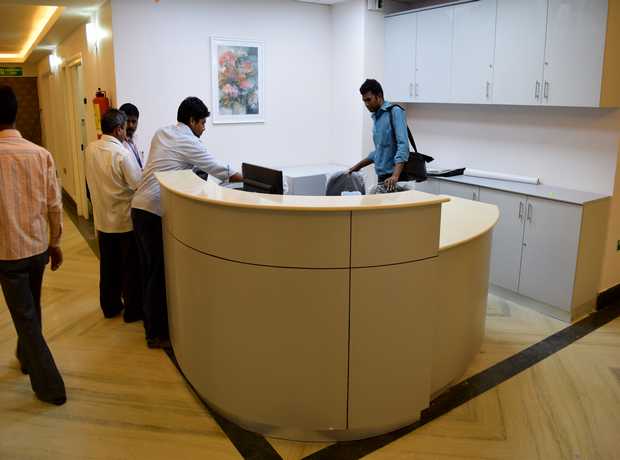
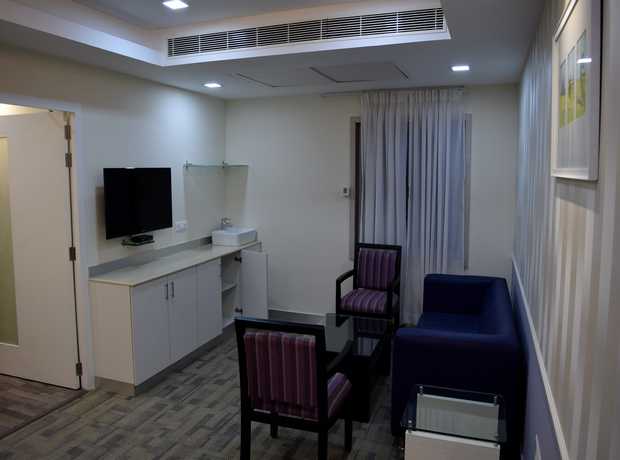
- Interior Solutions: Beyond the shell, the interior defines functionality and experience. We provide comprehensive space planning, ergonomic furniture layouts, innovative lighting design, and complete turnkey interior execution. For public buildings like municipal offices, community centers, or libraries, these solutions ensure optimal functionality, user comfort, and durability, directly impacting public service delivery and accessibility.
- Branding & Signage: Effective public spaces require clear communication and identity. We develop cohesive branding and intuitive wayfinding solutions to enhance the user experience in public infrastructure. This includes signage for transportation hubs, public parks, and civic buildings, ensuring ease of navigation and a strong sense of place for residents and visitors alike.
- Materials Selection: As emphasized earlier, material choice is fundamental to sustainability and longevity. We guide you in choosing the best materials for durability, aesthetics, and sustainability, considering Chennai’s climate and specific project requirements. Our expertise ensures that every material selected contributes to the project’s long-term value and environmental performance.
Why Choose Us? Your Partner in Building Chennai’s Future
When you choose Skydome Designs, you are choosing a partner with a proven track record and an unwavering commitment to excellence:
- 29+ years of experience across India and abroad: Our extensive tenure and diverse portfolio give us unparalleled insight into the challenges and opportunities of public infrastructure design.
- In-house team of architects, healthcare planners, and project managers: Our integrated team ensures seamless coordination, efficient communication, and a holistic approach to every project, from concept to completion.
- Award-winning, client-focused, and sustainable designs: Our commitment to quality and innovation has earned us accolades, and our client-centric approach ensures your vision is realized with integrity and creativity. Our award-winning team delivers transparent costs and milestone-based reporting in Chennai, ensuring clarity and accountability.
- Projects delivered on-time, on-budget, and to global standards: Our rigorous project management methodologies and commitment to quality ensure that your infrastructure projects are completed efficiently, economically, and to the highest international benchmarks.
With multi-disciplinary reviews and post-occupancy support, we underpin successful outcomes for every project. Our commitment to quality control specifically tailored to Chennai ensures the development of lasting infrastructure solutions that truly serve the city for generations. We pride ourselves on the fact that our multi-disciplinary reviews, and post-occupancy support underpin outcomes, ensuring the longevity and continued success of our projects. This holistic approach ensures not only successful delivery but also sustained performance and adaptability over time. Our deep understanding of Chennai’s urban landscape allows us to deliver solutions that are not just technically sound but also culturally resonant and environmentally responsible.
Ready to transform your public infrastructure project in Chennai with a partner who understands your vision and the city’s unique needs? With our proven track record of delivering 1675+ public infrastructure design assignments across Chennai and globally over 24+ years, a remarkable 97% on-time delivery rate, and an award-winning team dedicated to transparent costs and milestone-based reporting, Skydome Designs is your ideal choice. Our expertise in BIM-led coordination, value engineering, and quality control tailored to Chennai ensures your project’s success. Contact us today for a consultation and let us bring our three decades of experience to your next venture! Call us directly at +91 7299072144 or send an email to info@skydomedesigns.com. Let’s build the future of Chennai together.
FAQ: Public Infrastructure Design in Chennai
Here are some frequently asked questions about public infrastructure design in Chennai, providing concise answers to common queries:
What are the key considerations for public infrastructure design in Chennai in 2025?
Key considerations include prioritizing sustainability with eco-friendly materials and practices, ensuring climate resilience against extreme weather events, fostering deep community engagement, guaranteeing universal accessibility, and fully embracing digital integration through BIM for efficient project management and lifecycle cost reduction.
How can BIM specifically improve public infrastructure projects in Chennai’s unique context?
BIM significantly enhances design accuracy and coordination, crucial for complex urban projects in Chennai. It enables precise value engineering to optimize costs and rigorous quality control specifically tailored to local challenges like monsoon drainage or urban density. BIM also improves project management, reduces costly errors, and provides a robust digital foundation for long-term asset management, thereby ensuring better outcomes and operational efficiency for Chennai’s infrastructure.
What sustainable materials are most suitable and recommended for public infrastructure in Chennai?
Suitable sustainable materials for Chennai include recycled concrete to reduce waste and resource extraction, locally sourced materials to minimize transportation emissions and support local economies, and green roofing or permeable pavements for effective stormwater management and urban heat island mitigation. Additionally, materials with low embodied energy and high durability are preferred to ensure longevity and reduce replacement cycles.
How can effective community engagement be successfully incorporated into public infrastructure design processes in Chennai?
Effective community engagement can be incorporated through multi-channel approaches such as conducting comprehensive surveys to capture diverse opinions, holding accessible public forums and design workshops to facilitate direct dialogue, creating digital feedback platforms, and forming local advisory committees. The key is to genuinely listen to feedback, integrate it meaningfully into the design process, and ensure transparent communication throughout the project lifecycle to build trust and ownership.
How can I ensure universal accessibility in public infrastructure projects in Chennai, beyond basic compliance?
To ensure universal accessibility, go beyond minimum standards by embracing comprehensive Universal Design principles from the project’s inception. This includes incorporating features like seamlessly graded ramps and elevators, tactile paving for navigation, audible signals at crossings, accessible restrooms with ample maneuvering space, clear and consistent wayfinding signage, and wide, obstruction-free pathways. Designing for the broadest range of human abilities ensures public spaces are welcoming and functional for everyone, including people with disabilities, seniors, and families.
Why is future-proofing for climate change particularly critical for Chennai’s public infrastructure?
Future-proofing is critical for Chennai due to its significant vulnerability to climate change impacts, including increased frequency of extreme monsoons causing flooding, rising sea levels affecting coastal infrastructure, and more intense heatwaves. Designing for resilience ensures that vital infrastructure can withstand these stresses, minimize damage, maintain functionality during and after extreme events, and adapt to long-term climatic shifts, thereby protecting public safety and long-term investments.
What are the benefits of partnering with an experienced firm like Skydome Designs for public infrastructure in Chennai?
Partnering with Skydome Designs brings nearly three decades of experience, a remarkable 97% on-time delivery rate from 1675+ global projects, and an award-winning team committed to transparent costs and milestone-based reporting in Chennai. Our expertise in BIM-led coordination, value engineering, and tailored quality control ensures that your projects are sustainable, efficient, and future-ready. We offer multi-disciplinary reviews and post-occupancy support, guaranteeing successful outcomes and lasting infrastructure solutions for Chennai.
Conclusion
The future of Chennai hinges significantly on the foresight and precision with which its public infrastructure is designed and executed. By diligently avoiding common mistakes such as ignoring local context, neglecting sustainability, engaging in poor planning, and failing to embrace digital integration, Chennai can lay a robust foundation for enduring urban development. The imperative is to prioritize sustainability, leverage the power of digital delivery through BIM, actively future-proof against the escalating impacts of climate change, foster genuine community engagement, and ensure universal accessibility in every project. These strategies are not merely best practices; they are essential commitments to creating a truly resilient, equitable, and vibrant metropolis.
The task of shaping Chennai’s infrastructure for 2025 and beyond is monumental, requiring expertise, innovation, and a deep understanding of the city’s unique pulse. Partnering with experienced Chennai interior experts like Skydome Designs Pvt Ltd provides a distinct advantage. With our track record of delivering 1675+ public infrastructure design assignments across Chennai and globally over 24+ years, a proven 97% on-time delivery rate, and a steadfast commitment to transparent costs and milestone-based reporting, we bring unparalleled reliability and quality to your projects. Our award-winning team, specializing in BIM-led coordination, value engineering, and quality control tailored to Chennai, ensures your infrastructure is not just built, but intelligently crafted for the future. From multi-disciplinary reviews to post-occupancy support, we underpin successful outcomes that stand the test of time.
Ready to elevate your public infrastructure project in Chennai and ensure it contributes positively to the city’s future? Take the proactive step towards excellence. Contact us today to learn more about how Skydome Designs can transform your vision into reality! Reach out to us directly at +91 7299072144 or drop us an email at info@skydomedesigns.com. Let’s collaborate to shape a better, more sustainable, and truly innovative future for Chennai through thoughtful and expert public infrastructure design.