Pune, often hailed as the Oxford of the East and an emerging IT and manufacturing hub, is witnessing an unprecedented boom in its real estate and infrastructure sectors. As the city continues its rapid expansion, the demands for sophisticated, sustainable, and digitally-driven design solutions are escalating. For interior branding and thematic design projects, this translates into a critical need for precision, efficiency, and robust compliance – areas where Building Information Modeling (BIM) shines brightest. As we hurtle towards 2025, BIM is not just an advantage; it’s an indispensable tool for ensuring unparalleled quality, adherence to evolving regulations, and future-readiness in interior spaces that truly resonate with their purpose and audience.
The embrace of BIM-led methodologies is more than a technological upgrade; it’s a strategic investment. By integrating BIM from conception to completion, projects benefit from significantly lowered lifecycle costs, streamlined workflows, and smoother project delivery. This guide delves deep into the essential checklists and strategic insights required to navigate BIM-led interior projects successfully in Pune. Our aim is to ensure that every design not only meets stringent global design standards but also expertly incorporates local code expertise, cultural nuances, and environmental considerations. Skydome Designs Pvt Ltd stands at the forefront of this transformative wave, delivering award-winning, innovative, and sustainable interior solutions across India and globally. With nearly three decades of experience and a track record of over 2236 successful assignments, we are your trusted partner in realizing visionary interior spaces. To learn more about how we can elevate your next project, contact us today at +91 7299072144 or info@skydomedesigns.com.
The Rise of BIM-Led Interior Branding and Thematic Design in Pune’s Dynamic Landscape
Pune’s urban fabric is evolving rapidly, driven by smart city initiatives, a burgeoning population, and a discerning clientele that expects nothing less than excellence. This evolution has led to a significant shift in how interior spaces are conceived, executed, and managed. The era of generic, one-size-fits-all design is fading, replaced by a demand for bespoke, brand-aligned, and thematically rich interiors that enhance user experience and reflect organizational values. In this environment, BIM-led interior branding and thematic design emerges as a game-changer, fostering a future-ready approach that inherently lowers lifecycle costs and promotes sustainable practices.
BIM offers a unified, collaborative platform that seamlessly integrates every facet of design, construction, and maintenance. This holistic approach ensures an unprecedented level of efficiency, accuracy, and predictability throughout the entire project lifecycle. For interior branding and thematic design, where aesthetics, intricate functionality, and regulatory compliance must coalesce flawlessly, BIM becomes not just an asset but a necessity. It provides the digital backbone for crafting spaces that are not only visually stunning but also inherently smart, sustainable, and economically viable.
Why BIM is Crucial for Pune’s Interior Design Projects: Beyond the Blueprint
The advantages of adopting BIM for interior design projects in Pune extend far beyond traditional design methodologies. It’s about empowering stakeholders with real-time data, predictive capabilities, and a shared understanding of the project’s vision.
- Enhanced Collaboration & Communication: BIM transcends geographical and disciplinary boundaries. It facilitates real-time collaboration among a diverse team of architects, interior designers, structural engineers, MEP consultants, brand strategists, and contractors. This shared digital model acts as a single source of truth, minimizing misinterpretations, reducing communication gaps, and thereby decreasing costly errors and rework. Every change is immediately reflected and visible to all, ensuring everyone is on the same page.
- Improved Accuracy and Precision: By providing a detailed, intelligent 3D model, BIM allows for precise planning and execution down to the minutest detail. This eliminates discrepancies between 2D drawings and real-world conditions, preventing on-site conflicts and ensuring that design intent is translated perfectly into the built environment. From furniture placement to intricate lighting schemes and material specifications, BIM ensures unparalleled accuracy.
- Significant Cost Efficiency and Control: One of BIM’s most compelling benefits is its ability to identify and resolve potential issues early in the design phase, long before they become expensive problems on the construction site. Clash detection (identifying overlaps or conflicts between different building systems), accurate quantity take-offs for materials, and detailed phasing simulations help in minimizing costs associated with design changes, material wastage, and construction delays. This proactive problem-solving leads to predictable budgeting and improved financial outcomes.
- Promoting Sustainability and Green Design: As Pune prioritizes green building initiatives, BIM becomes an invaluable tool for sustainable interior design. It enables designers to optimize resource utilization, perform energy performance analyses, assess material environmental impacts, and integrate sustainable design practices effectively. BIM supports the selection of eco-friendly materials, optimization of natural light and ventilation, and design of energy-efficient systems, contributing significantly to a project’s green certifications like LEED or IGBC.
- Lifecycle Management and Future-Readiness: A BIM model isn’t just for design and construction; it’s a rich data repository that serves the building throughout its entire lifecycle. This “digital twin” can be used for facility management, maintenance scheduling, space optimization, and even future renovations, making buildings smarter and more adaptable over time.
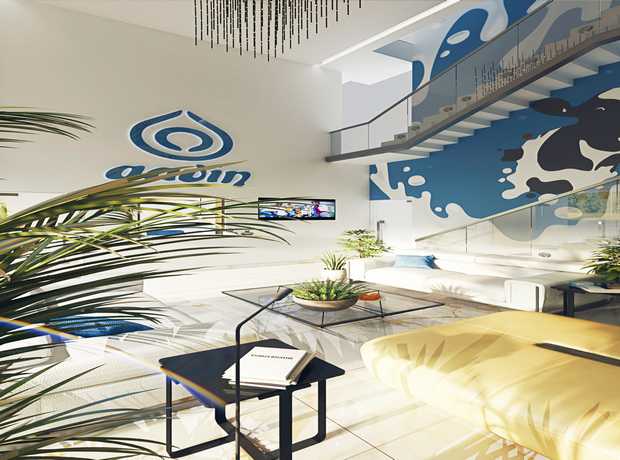
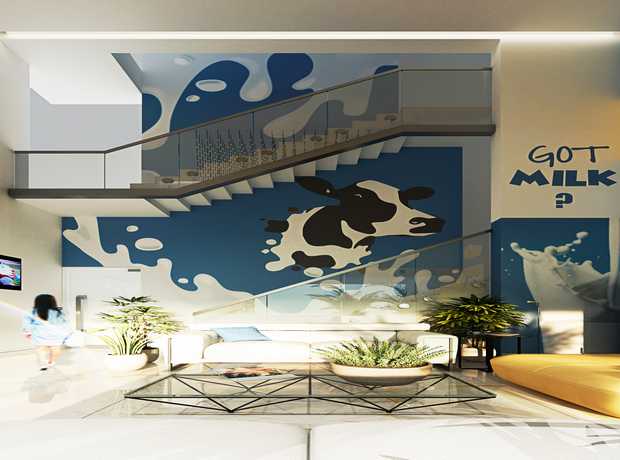
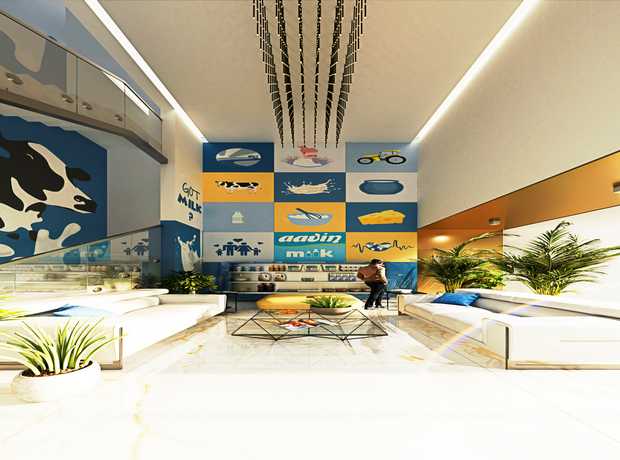
- Superior Visualization and Client Engagement: BIM offers incredibly realistic 3D renderings, walkthroughs, and even virtual reality (VR) experiences. This allows clients to visualize their future space with unprecedented clarity, fostering better feedback, earlier buy-in, and a more satisfying design process. For thematic designs, this is crucial for communicating the narrative and atmosphere effectively.
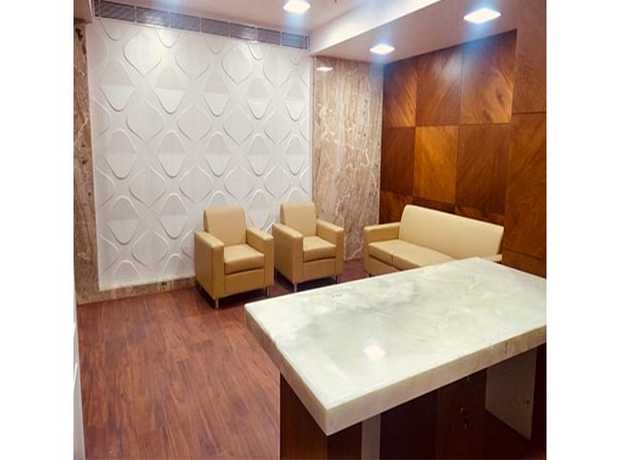
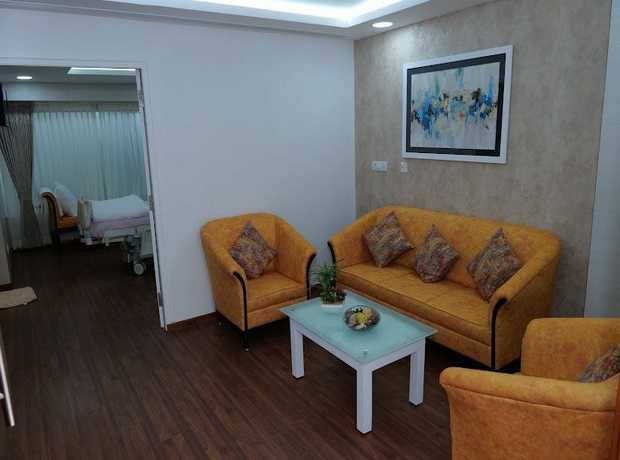
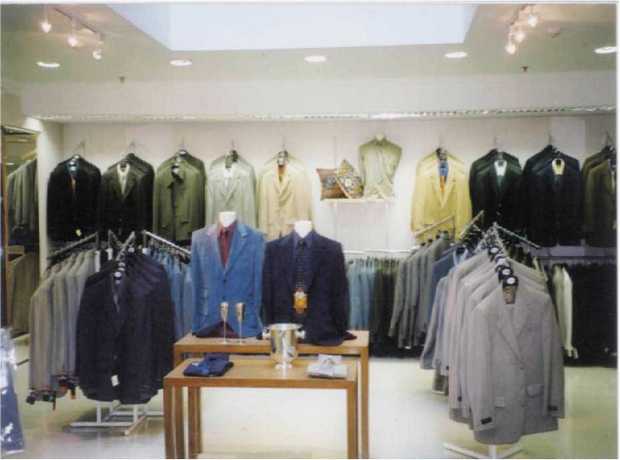


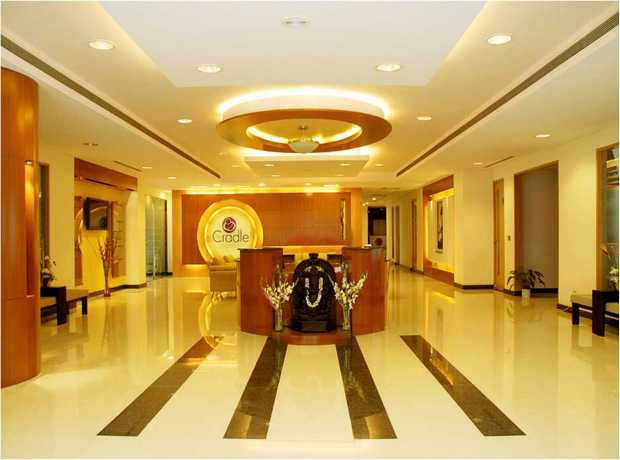
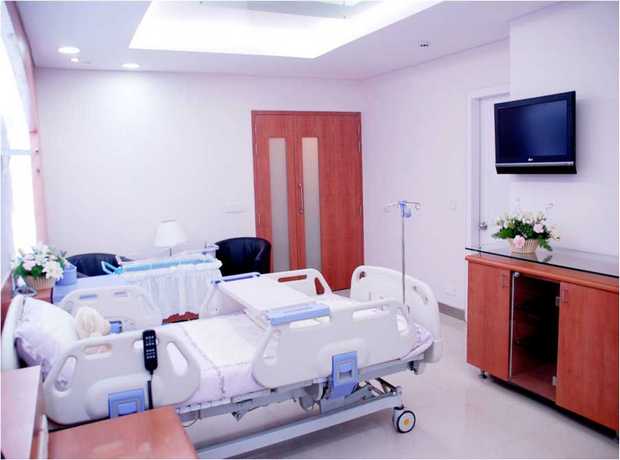
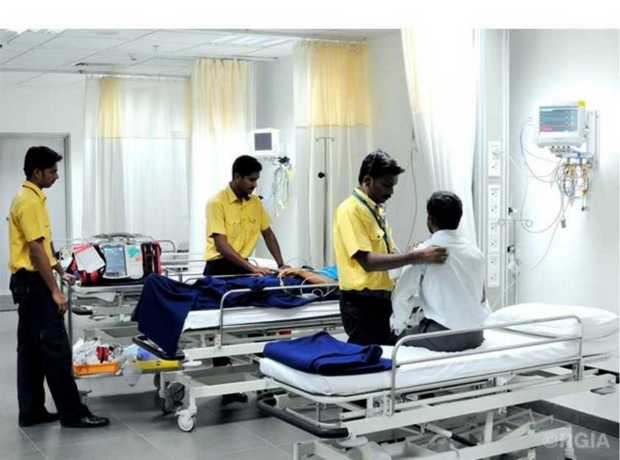
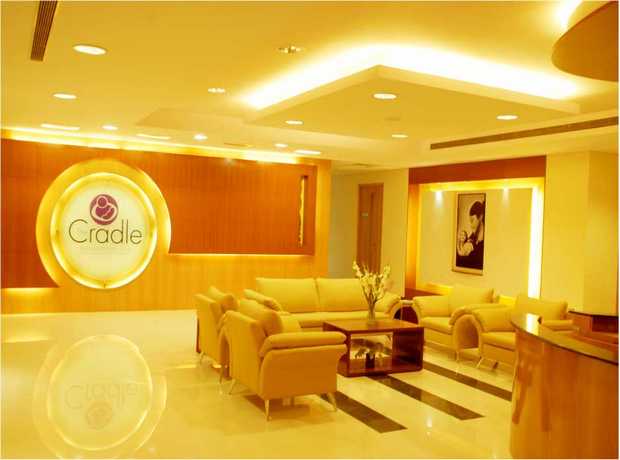
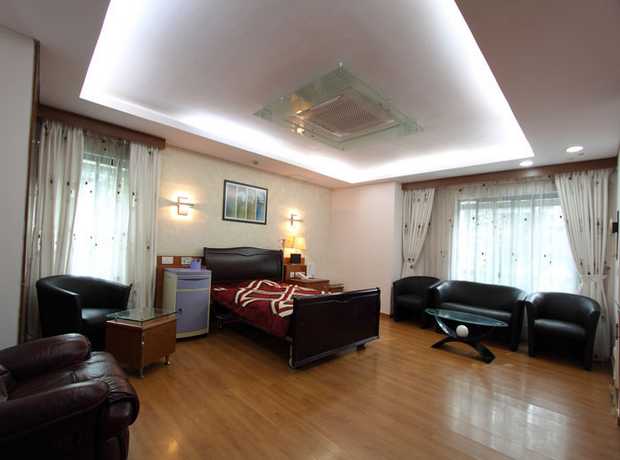
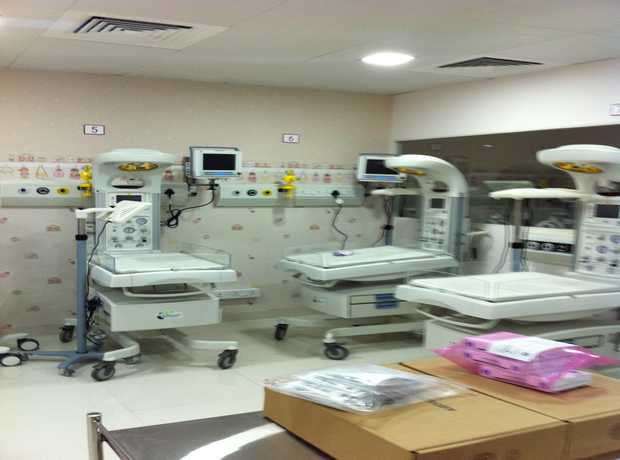
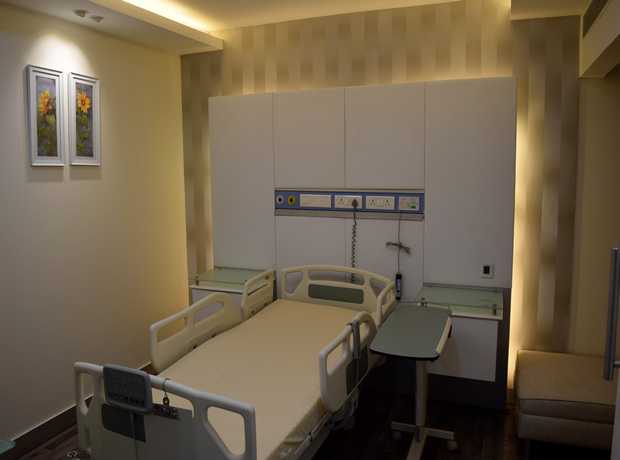
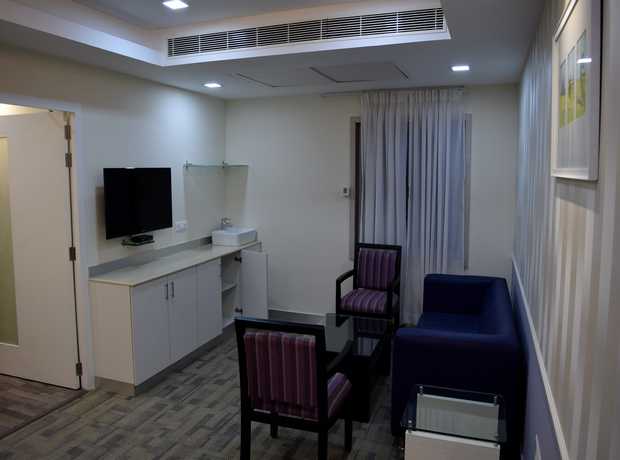

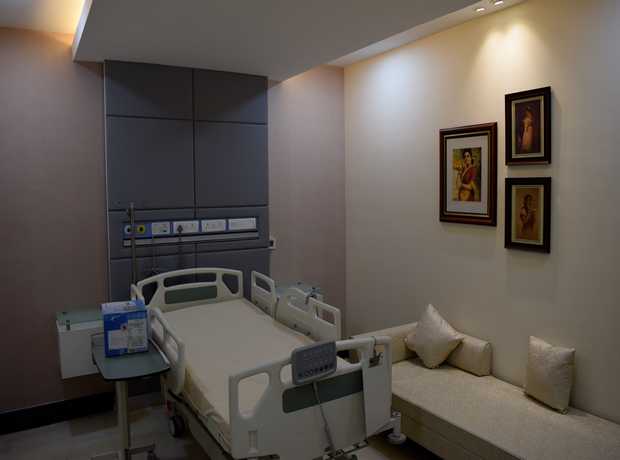
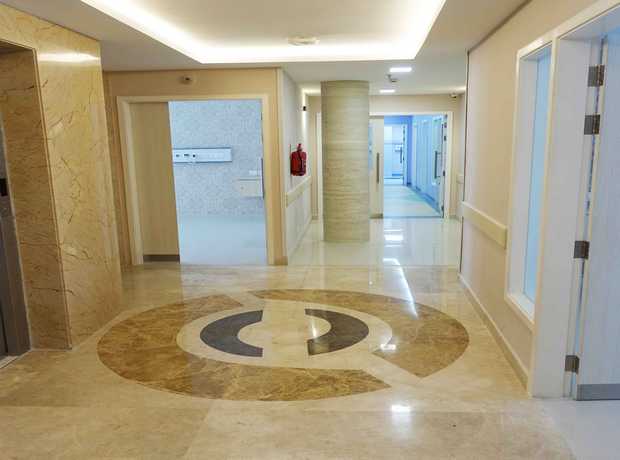
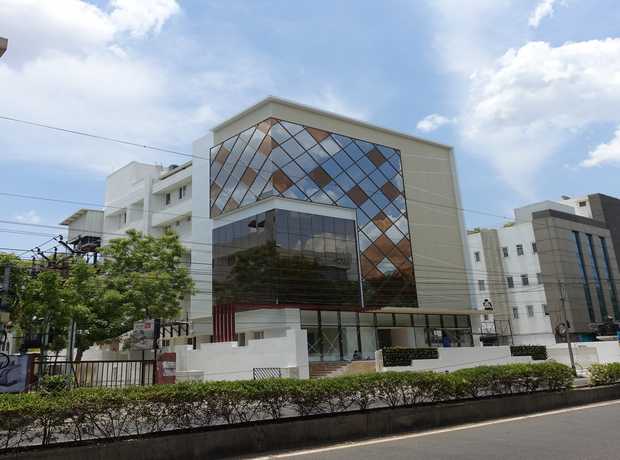

Essential Checklists for BIM-Led Interior Branding and Thematic Design in Pune: A Phased Approach
To ensure your interior branding and thematic design projects in Pune are not only BIM-compliant but also achieve the highest standards of quality and efficiency, a structured approach guided by comprehensive checklists is imperative. These checklists break down the project into manageable phases, ensuring thoroughness and accountability at every step.
Phase 1: Project Initiation and Planning – Laying the Digital Foundation
This initial phase is critical for setting up the entire BIM workflow and aligning all stakeholders on the project’s vision and technical parameters.
- Define Project Goals and Brand Vision: Clearly outline the holistic objectives of the interior branding and thematic design project. This includes understanding the client’s brand identity, target audience, functional requirements, desired aesthetic, budget constraints, timeline, and measurable success criteria. For thematic designs, establishing the core narrative and experiential goals is paramount.
- Establish BIM Execution Plan (BEP) and Standards: This is the cornerstone of a successful BIM project. The BEP defines how the BIM model will be developed, used, and managed throughout the project. Key elements include:
- Level of Development (LOD): Specifying the graphical and information detail required at different project stages (e.g., LOD 100 for conceptual, LOD 500 for as-built).
- Common Data Environment (CDE): Establishing a central, collaborative platform for sharing and managing project information (e.g., Autodesk Construction Cloud, Trimble Connect).
- Data Exchange Protocols: Defining file formats (e.g., IFC, RVT), naming conventions, and revision control procedures.
- Model Quality Requirements: Setting standards for model accuracy, completeness, and adherence to specific software guidelines.
- Roles and Responsibilities: Clearly assigning BIM roles (BIM Manager, BIM Coordinators) to team members.
- Assemble the Multi-Disciplinary Team: Identify and onboard experienced BIM professionals across all relevant disciplines. This includes BIM-savvy architects, interior designers, structural engineers, MEP engineers, landscape architects (if applicable), lighting designers, acousticians, FF&E specialists, and construction managers. Ensure everyone understands their role within the BIM workflow.
- Conduct Comprehensive Site Assessment and Data Acquisition: Evaluate the existing site conditions meticulously. This involves not just traditional surveys but also leveraging advanced techniques like laser scanning or drone photogrammetry to create a precise point cloud of the existing environment. This data is then used to create an accurate existing conditions BIM model, crucial for renovation projects, structural integrity assessments, and identifying potential environmental factors.
Phase 2: Design and Modeling – Crafting the Vision in 3D
This phase is where the creative vision meets digital precision, with BIM providing the tools for detailed design, analysis, and refinement.
- Create a Detailed 3D Intelligent Model: Develop a comprehensive BIM model that intricately details architectural elements (walls, floors, ceilings), structural components, and all MEP (Mechanical, Electrical, Plumbing) elements. Crucially, for interiors, this extends to furniture, fixtures, equipment (FF&E), material finishes, custom millwork, and lighting systems. Each element is an intelligent object carrying rich data.
- Incorporate Branding Elements and Thematic Storytelling: Integrate the client’s branding guidelines, color palettes, material specifications, typography, and specific thematic elements directly into the BIM model. This allows designers to visualize how brand identity translates into spatial experiences, enabling iterative design and refinement. Virtual Reality (VR) and Augmented Reality (AR) tools linked to the BIM model can offer immersive experiences for early client feedback.
- Conduct Proactive Clash Detection and Resolution: Utilize BIM software to automatically identify any clashes or interferences between different building systems (e.g., a plumbing pipe intersecting a structural beam, or a light fixture clashing with HVAC ductwork). This proactive identification allows for resolution in the design phase, avoiding costly on-site conflicts and delays. Comprehensive clash reports and resolution workflows are essential.
- Perform Energy Analysis and Sustainability Optimization: Leverage BIM’s analytical capabilities to evaluate the energy performance of the design. This includes analyzing daylighting potential, thermal performance, ventilation strategies, and solar heat gain. Optimize the design for energy efficiency by making informed decisions on fenestration, insulation, material selection, and HVAC system integration, thereby contributing to the project’s sustainability goals and reducing operational costs.
- Automated Cost Estimation and Material Take-off: BIM models contain embedded data about every element. This allows for automated and highly accurate quantity take-offs for all materials and components. This data can be directly linked to cost databases, providing real-time cost estimates throughout the design process, enabling better budget control and informed value engineering decisions. This also aids in procurement planning and waste reduction.
At Skydome Designs, our in-house team of architects, interior designers, healthcare planners, and project managers ensures that all designs are delivered on-time, on-budget, and to global standards. With our 29+ years of experience and 2236+ successfully delivered BIM-led interior branding and thematic design assignments across Pune and globally, we bring unparalleled expertise to every project. Learn more about our award-winning, client-focused, and sustainable designs.
Phase 3: Construction and Execution – Bridging Design to Reality
This phase focuses on leveraging the detailed BIM model for efficient construction, coordination, and quality assurance on-site.
- Utilize BIM for Advanced Construction Coordination: The BIM model serves as the central hub for coordinating all construction activities. This includes 4D BIM (linking the 3D model with construction schedules for visual sequencing), 5D BIM (integrating cost data for real-time budget tracking), and comprehensive site logistics planning. It allows for precise scheduling of material deliveries, equipment movement, and trade installations, minimizing downtime and optimizing workflows.
- Monitor Progress Against the Digital Model: Continuously track construction progress against the BIM model using techniques like digital field verification, site photography, or drone surveys. Any deviations from the planned model can be identified promptly, allowing for immediate corrective actions and preventing snowballing problems. This ensures transparency and accountability.
- Ensure Rigorous Quality Control and Assurance: Conduct regular inspections to ensure that the construction work precisely aligns with the design specifications and BIM standards. Digital checklists, integrated into the BIM environment, can streamline quality checks, document inspections, and manage non-conformance reports. This proactive approach minimizes errors and ensures the final built quality meets or exceeds expectations.
- Implement Robust Change Management with BIM: Inevitable changes during construction are managed efficiently through BIM. Any modifications to the design or construction process are documented, modeled, and analyzed for their impact on schedule and cost within the BIM environment. This systematic approach ensures all stakeholders are updated, changes are approved digitally, and the “as-built” model remains accurate throughout.
Phase 4: Handover and Maintenance – The Digital Twin for Lifecycle Management
The final phase focuses on transitioning the rich BIM data to the client for ongoing operations and maintenance, ensuring the longevity and optimal performance of the interior space.
- Provide Accurate As-Built Documentation: Deliver a comprehensive and accurate as-built BIM model that precisely reflects the final constructed state of the project, incorporating all modifications made during construction. This model is a rich repository of information, including equipment specifications, warranty details, maintenance schedules, and material data, far exceeding traditional paper documentation.
- Train Facility Managers for BIM Integration: Provide thorough training to facility managers and operations staff on how to effectively use the BIM model for ongoing maintenance and operations. This training should cover navigating the model, accessing embedded data, understanding asset information, and utilizing its capabilities for troubleshooting and planning. Interactive models and VR simulations can be particularly effective training tools.
- Integrate with Facility Management Systems (FMS): Seamlessly integrate the as-built BIM model with existing or new facility management systems (e.g., Computer-Aided Facility Management – CAFM, Computerized Maintenance Management Systems – CMMS). This integration enables efficient predictive maintenance, asset tracking, space management, energy monitoring, and overall lifecycle management, significantly reducing operational costs and extending asset life.
- Conduct Post-Occupancy Evaluation (POE) Support: While not strictly part of handover, Skydome Designs’ commitment to post-occupancy support involves using the BIM data to analyze building performance and user satisfaction after occupation. This valuable feedback loop helps refine future designs, identify areas for improvement, and ensure that the interior branding and thematic design continue to serve their intended purpose effectively over time.
The Indispensable Role of Pune Construction Experts in BIM Implementation
Engaging experienced Pune construction experts is not just beneficial, it is absolutely crucial for the successful implementation of BIM in interior branding and thematic design projects within the city. Local experts bring an invaluable understanding of the unique challenges and opportunities presented by Pune’s specific construction environment. Their deep-rooted expertise ensures that projects not only comply with global design standards but also stringently adhere to local building codes, regulations, and environmental norms set by authorities like the Pune Municipal Corporation (PMC) and Maharashtra Pollution Control Board (MPCB).
Moreover, local experts possess intimate knowledge of regional material availability, local labor practices, and the supply chain, which can significantly impact project costs and timelines. They understand the nuances of local climate conditions and their implications for sustainable design, material durability, and energy efficiency. For instance, selecting materials suitable for Pune’s monsoon season or designing for optimal natural ventilation in its climate are areas where local expertise, informed by BIM analysis, becomes paramount. Furthermore, it is also crucial to consider the existing structural engineering in existing designs to ensure building safety, structural integrity, and longevity, especially when undertaking renovations or interior fit-outs that involve significant modifications. Pune’s unique architectural heritage and evolving urban planning also necessitate this localized understanding.
Skydome Designs: Your Strategic Partner for BIM-Led Interior Design in Pune
Skydome Designs Pvt Ltd has established itself as a pioneering leader in providing exemplary BIM-led interior branding and thematic design in Pune and beyond. Our journey of nearly 30 years is marked by a relentless pursuit of excellence, innovation, and client satisfaction. We have successfully delivered an astonishing 2236+ assignments across Pune and globally, a testament to our profound experience and unwavering commitment to quality. This extensive portfolio showcases our ability to handle projects of varying scales and complexities, from intricate hospital interiors to expansive commercial spaces and luxurious residential designs.
Our commitment to excellence is reflected in our robust project delivery metrics: an impressive 97% on-time delivery rate speaks volumes about our meticulous planning, efficient processes, and effective project management methodologies. This reliability ensures that your projects are completed within stipulated timelines, minimizing disruptions and maximizing value. Our approach integrates rigorous multi-disciplinary reviews at every stage, ensuring comprehensive vetting of designs from architectural, structural, MEP, and interior perspectives. This holistic review process identifies and resolves potential issues proactively, guaranteeing design integrity and constructability. Furthermore, our dedication extends to unparalleled post-occupancy support, ensuring that the designed spaces continue to perform optimally and evolve with client needs, underpinning exceptional long-term outcomes.
We pride ourselves on offering truly end-to-end delivery for BIM-led interior branding and thematic design — encompassing strategy, design, construction, and handover in Pune. This integrated service model means clients benefit from a single point of accountability, streamlined communication, and seamless transition across project phases. Our unique blend of global design standards with local code expertise in Pune allows us to craft world-class interiors that are not only aesthetically superior and functionally efficient but also fully compliant with local regulations and culturally resonant. Our expertise ensures that every detail, from space planning to material selection, is executed with precision and local sensitivity.
At Skydome Designs, we specialize in a diverse range of sectors, bringing our BIM-led approach to each one:
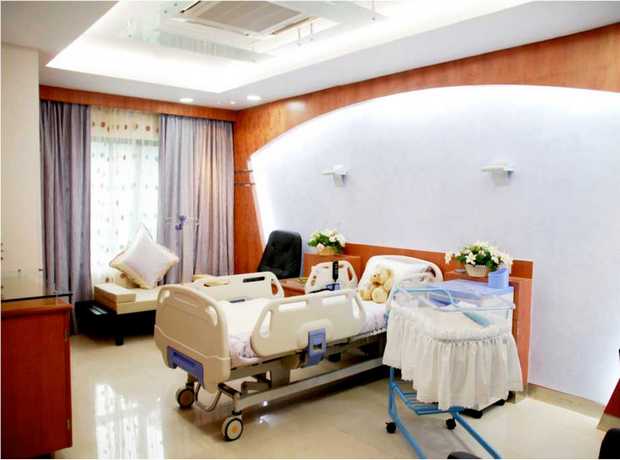
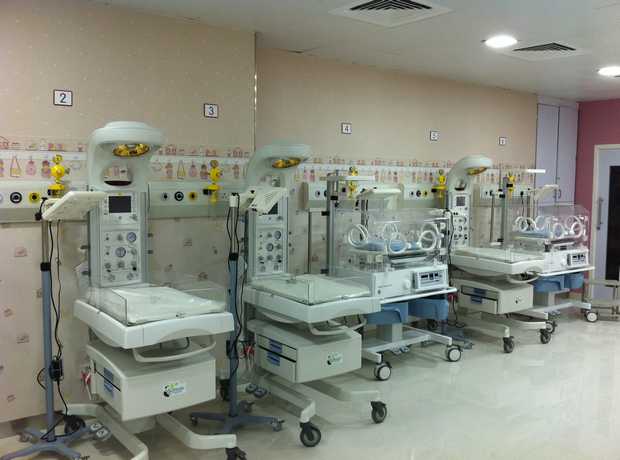
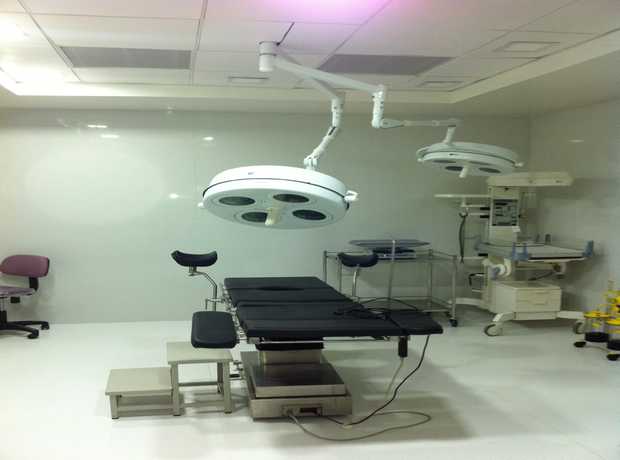
- Hospital Interior Design: Crafting healing environments that prioritize patient well-being, staff efficiency, and stringent hygiene standards, all integrated through BIM for optimal functionality and future adaptability.
- Residential Projects: Designing bespoke homes that reflect individual lifestyles, incorporating smart technologies and sustainable practices, visualized with BIM for ultimate client satisfaction.
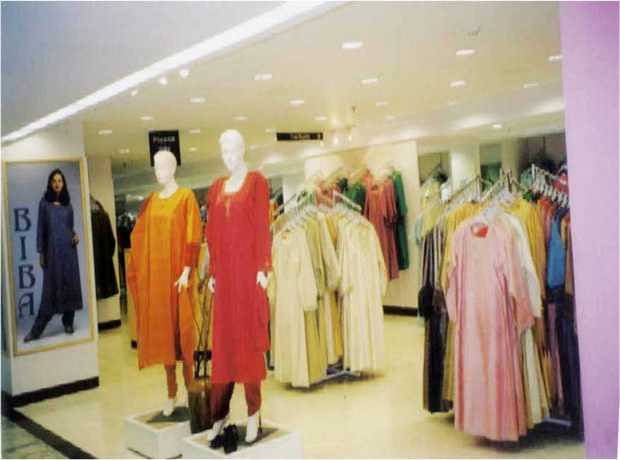
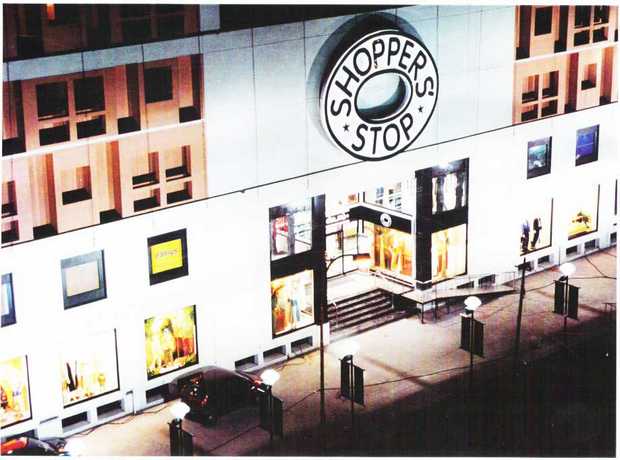
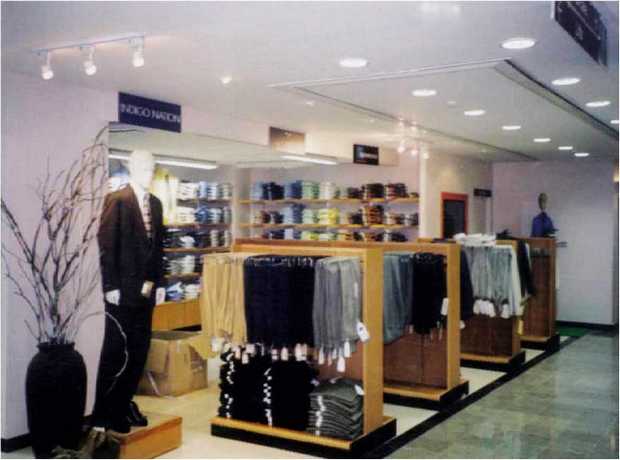
- Retail & Commercial Design: Creating immersive brand experiences and productive workspaces that drive engagement and business success, with BIM ensuring precise brand integration and spatial efficiency.
- Comprehensive Interior Solutions: Our services extend to intricate space planning, ergonomic furniture layouts, innovative lighting design, and complete turnkey interior execution. With BIM, every element is coordinated and visualized in 3D, guaranteeing a cohesive and flawless final product.
Partner with Skydome Designs to transform your interior visions into tangible, compliant, and captivating realities. Our proven track record and commitment to BIM excellence make us the ideal choice for your next project in Pune. Discover the Skydome difference—contact us today!
Sustainable Construction and BIM: A Perfect Match for Pune’s Green Ambitions
Pune’s commitment to becoming a smarter, greener city is evident in its growing emphasis on sustainable construction practices. In this evolving landscape, BIM plays an absolutely vital and transformative role in achieving ambitious environmental goals. By harnessing the power of BIM, designers, engineers, and developers can optimize every aspect of building performance, significantly reduce energy consumption, and minimize waste throughout the project lifecycle. BIM is not merely a design tool; it is a powerful platform for informed decision-making that strikes the perfect balance between innovative design and responsible resource management.
The intricate data held within a BIM model allows for unparalleled analysis and simulation, empowering project teams to make sustainable choices from the earliest conceptual stages. This proactive approach is crucial for meeting certifications like LEED India and IGBC (Indian Green Building Council) which are gaining increasing prominence in Pune’s commercial and residential sectors. For instance, BIM can accurately predict the energy performance of various design options, test the impact of different material choices, and even simulate local climate conditions to optimize passive design strategies.
How BIM Champions Sustainability in Interior Design and Construction:
- Optimized Material Usage and Waste Reduction: BIM enables precise material quantification, allowing for accurate ordering and procurement. This minimizes material wastage during construction, a significant contributor to environmental impact. Furthermore, BIM can facilitate the selection of local, recycled, and low-VOC (Volatile Organic Compound) materials by providing a central database of material properties and environmental certifications. This not only reduces the carbon footprint associated with transportation but also promotes healthier indoor air quality.
- Enhanced Energy Efficiency and Performance: BIM allows for sophisticated energy performance analysis, enabling designers to optimize critical building elements. This includes analyzing building orientation for optimal daylight harvesting, designing efficient insulation strategies for thermal comfort, and optimizing HVAC (Heating, Ventilation, and Air Conditioning) systems for minimal energy consumption. Simulation tools within BIM can predict energy loads, evaluate the effectiveness of shading devices, and model the impact of renewable energy sources, leading to significantly lower operational energy costs and reduced carbon emissions.
- Reduced Carbon Footprint Across the Lifecycle: By facilitating the selection of sustainable materials, optimizing logistics, and promoting energy-efficient design, BIM collectively contributes to a substantial reduction in the overall carbon footprint of a project. It allows for lifecycle assessment (LCA) of materials, guiding choices towards options with lower embodied carbon. Furthermore, by improving construction efficiency and minimizing rework, BIM reduces waste and resource consumption throughout the construction phase itself.
- Advanced Water Conservation Strategies: BIM can assist in designing efficient plumbing systems, integrating low-flow fixtures, and planning for rainwater harvesting or greywater recycling systems. The precise modeling allows for accurate calculation of water consumption and identification of opportunities for reduction, aligning with Pune’s need for responsible water management.
Looking for expert assistance in integrating sustainable design principles into your next project with the power of BIM? Skydome Designs has a proven track record of delivering green and energy-efficient interiors. Contact us today at +91 7299072144 or info@skydomedesigns.com to discuss how we can help you achieve your sustainability goals.
Design-Build and Project Management with BIM in Pune: Streamlining Success
The design-build approach, a method where a single entity assumes responsibility for both design and construction, is gaining significant traction in Pune due to its inherent efficiencies. When seamlessly coupled with effective project management and the transformative capabilities of BIM, this approach streamlines the entire construction process, fosters innovation, and consistently ensures superior project outcomes. BIM acts as the central nervous system, facilitating unparalleled communication and coordination between the design and construction teams from day one, thereby minimizing delays, costly rework, and budget overruns.
In a traditional design-bid-build model, separate contracts for design and construction can lead to fragmentation, finger-pointing, and communication breakdowns. The design-build model, powered by BIM, eradicates these inefficiencies by creating a unified team with a common goal. This integrated approach fosters a collaborative environment where designers, constructors, and clients work hand-in-hand, making informed decisions collectively throughout the project lifecycle. This synergy leads to greater innovation, as constructability and cost implications are considered right from the conceptual design stages.
Tangible Benefits of Design-Build with BIM:
- Faster Project Delivery and Accelerated Timelines: By overlapping design and construction phases (fast-tracking), the integrated design-build process, enhanced by BIM’s ability to provide detailed information early, significantly reduces overall project timelines. This means projects are completed sooner, allowing clients to occupy their new spaces faster and realize their investments more quickly.
- Improved Communication and Enhanced Transparency: BIM provides a common visual language—the 3D intelligent model—that all project stakeholders can understand, regardless of their technical background. This facilitates clear, concise, and unambiguous communication, reducing misinterpretations and fostering trust. Real-time updates and clash detection within the BIM environment ensure everyone is always working with the most current information.
- Reduced Costs and Enhanced Budget Certainty: Early collaboration and comprehensive clash detection, enabled by BIM, minimize costly rework, design changes, and unforeseen issues during construction. This proactive problem-solving leads to greater cost predictability and better adherence to budgets. Value engineering opportunities can also be identified and implemented more effectively within an integrated BIM workflow.
- Single Point of Responsibility and Accountability: With a design-build firm taking sole responsibility for both design and construction, clients benefit from a single point of contact and accountability. This simplifies contract management, reduces administrative burdens, and minimizes the potential for disputes, as the entire team is aligned under one contract and one overall project goal.
- Greater Innovation and Value Engineering: The continuous feedback loop between design and construction within a BIM-led design-build framework encourages innovative solutions. Constructability reviews are integrated into the design process, leading to optimized designs that are easier, faster, and more cost-effective to build without compromising quality or aesthetic intent.
Skydome Designs excels in delivering integrated design-build solutions, leveraging our 29+ years of experience and a track record of 2236+ assignments. Our end-to-end delivery model, from strategy and design to construction and handover, ensures a seamless and efficient project journey for clients in Pune. Experience the advantage of integrated expertise – contact us at +91 7299072144 or info@skydomedesigns.com.
Future Trends in BIM-Led Interior Design for Pune: Innovation on the Horizon
As Pune marches forward, the landscape of interior design, particularly with BIM at its helm, is poised for revolutionary advancements. These emerging trends promise to further enhance efficiency, creativity, and user experience, cementing BIM’s role as the foundation for future-ready spaces.
- AI and Machine Learning Integration: Artificial Intelligence (AI) and Machine Learning (ML) will increasingly integrate with BIM platforms. This means AI can assist in optimizing space layouts based on user flow and preferences, generating design alternatives, predicting material performance, and even automating repetitive design tasks, freeing designers for more creative work.
- Virtual Reality (VR) and Augmented Reality (AR) for Immersive Design Review: While already in use, VR/AR will become more sophisticated and accessible. Clients will be able to ‘walk through’ their future interiors with photorealistic detail, interact with design elements, and make informed decisions long before construction begins. AR can overlay BIM models onto actual construction sites for real-time verification and progress monitoring.
- Modular Construction and Design for Manufacturing and Assembly (DfMA): BIM is perfectly suited for facilitating modular construction, where components are fabricated off-site and assembled on-site. This approach, driven by BIM-enabled DfMA principles, offers faster construction times, higher quality control, and reduced waste, aligning perfectly with Pune’s push for efficiency and sustainability.
- IoT Integration for Smart Interiors: The rise of the Internet of Things (IoT) will see BIM models incorporating data from smart building sensors. This allows for real-time monitoring of environmental conditions (temperature, humidity, air quality), occupancy patterns, and energy consumption. BIM will serve as the hub for managing and optimizing these smart interior systems, creating truly responsive and intelligent spaces.
- Digital Fabrication and Mass Customization: BIM models can directly inform digital fabrication processes, allowing for mass customization of interior elements. From custom furniture to intricate wall panels, designs created in BIM can be sent directly to CNC machines or 3D printers, reducing lead times, enhancing precision, and opening up new possibilities for unique interior branding.
- Data-Driven Post-Occupancy Performance: Future BIM applications will increasingly focus on analyzing post-occupancy performance using integrated IoT data. This feedback loop will provide invaluable insights for refining design strategies, optimizing facility management, and informing evidence-based design for subsequent projects.
Navigating Challenges in BIM Implementation in Pune: Expert Solutions
While the benefits of BIM are extensive, its implementation, particularly in a rapidly developing urban center like Pune, can present certain challenges. Recognizing these obstacles is the first step towards successful integration, and partnering with experienced firms like Skydome Designs provides a clear pathway to overcoming them.
- Initial Investment Costs: The upfront cost for BIM software licenses, hardware upgrades, and specialized training can be substantial.
Skydome Solution: As an established firm with a long-standing commitment to BIM, Skydome Designs has already absorbed these initial costs. Clients gain access to cutting-edge BIM capabilities without the need for their own significant capital expenditure.
- Skill Gap and Training: There’s a persistent shortage of adequately trained BIM professionals in the market, and existing teams may require significant upskilling.
Skydome Solution: Our in-house team comprises highly skilled and experienced BIM architects, designers, and engineers who undergo continuous professional development. We bring ready expertise to your project, eliminating the need for clients to train their own staff.
- Interoperability Issues: Different software platforms used by various consultants (e.g., architectural, structural, MEP) can sometimes struggle to exchange data seamlessly, leading to information loss.
Skydome Solution: We adhere to strict BIM Execution Plans (BEP) and utilize common data environments (CDE) with robust data exchange protocols (like IFC) to ensure seamless information flow. Our multi-disciplinary team is proficient in various industry-standard software, expertly managing data integration.
- Resistance to Change: Adopting new technologies often meets resistance from traditional design and construction professionals accustomed to conventional workflows.
Skydome Solution: Our extensive experience in BIM implementation includes effective change management strategies. We demonstrate the tangible benefits of BIM through clear deliverables, improved coordination, and successful project outcomes, fostering acceptance and enthusiasm.
- Data Security and Management: Managing vast amounts of project data in a collaborative environment raises concerns about data security, access control, and version management.
Skydome Solution: We employ secure CDEs with granular access controls and robust versioning systems, ensuring data integrity, confidentiality, and traceability throughout the project lifecycle.
- Integration with Local Supply Chain: Convincing local contractors and suppliers to adapt to BIM-driven workflows can be challenging if they are less familiar with the technology.
Skydome Solution: With our deep roots in Pune and nearly 30 years of local engagement, Skydome Designs has cultivated strong relationships with BIM-savvy contractors and suppliers who are aligned with our digital delivery processes. We also provide necessary guidance to less experienced partners.
By partnering with a seasoned expert like Skydome Designs, you leverage decades of experience, cutting-edge technology, and a dedicated team, transforming potential challenges into assured successes for your BIM-led interior branding and thematic design projects in Pune.
The Economic Advantage of BIM-Led Interiors in Pune: A Smart Investment
Beyond the technical benefits and enhanced quality, adopting BIM for interior branding and thematic design projects in Pune offers significant economic advantages. It’s a strategic investment that delivers a compelling return on investment (ROI) throughout the entire lifecycle of a facility.
- Reduced Project Rework and Change Orders: BIM’s ability to perform comprehensive clash detection and visualize design iterations in 3D before construction dramatically reduces errors and subsequent rework on-site. This directly translates to fewer change orders, which are notorious for causing budget overruns and schedule delays in traditional projects.
- Improved Cost Prediction and Control: With 5D BIM (which integrates cost data with the 3D model and 4D schedule), project teams can generate accurate cost estimates and track budgets in real-time. This enhanced financial visibility allows for proactive cost management, value engineering opportunities, and greater certainty in financial planning.
- Faster Time to Market/Occupancy: The streamlined collaboration, efficient coordination, and reduced delays enabled by BIM, especially within a design-build framework, lead to faster project completion. For commercial and retail spaces, this means earlier occupancy, quicker revenue generation, and a competitive edge in Pune’s dynamic market.
- Enhanced Asset Value and Lifecycle Management: The as-built BIM model serves as an intelligent digital twin, providing a rich data repository for facility management. This allows for optimized maintenance schedules, efficient space utilization, reduced operational costs, and informed decision-making for future renovations or expansions. A well-managed asset retains its value and performs better over its lifespan.
- Better Risk Management: By identifying potential issues early in the design phase and through robust project monitoring during construction, BIM significantly mitigates risks associated with construction delays, budget overruns, and safety concerns. This proactive risk management protects investments and ensures smoother project delivery.
- Increased Sustainability Equals Long-Term Savings: BIM-enabled sustainable design choices, such as optimized energy performance and efficient material usage, lead to lower operational costs (energy bills, water consumption) over the building’s lifetime. This long-term saving adds significant economic value, especially as energy prices continue to fluctuate.
In Pune’s competitive and cost-conscious environment, the economic advantages of BIM are clear. It’s not just about building better; it’s about building smarter, more efficiently, and more profitably. Skydome Designs’ track record of 97% on-time delivery and cost-effective solutions exemplify these economic benefits for our clients.
FAQ: BIM-Led Interior Branding and Thematic Design in Pune
What is BIM in interior design, and how does it differ from traditional CAD?
BIM (Building Information Modeling) in interior design is a digital representation of physical and functional characteristics of a space. Unlike traditional CAD (Computer-Aided Design), which primarily generates 2D drawings or static 3D models, BIM creates intelligent 3D models where every element (walls, furniture, lights, materials) carries rich data. It’s a collaborative process allowing architects, designers, engineers, and contractors to plan, design, construct, and manage a building or interior space using this data-rich, interconnected model. This intelligence facilitates analysis, coordination, and lifecycle management that CAD cannot.
How does BIM specifically improve interior design projects in Pune?
BIM improves interior design projects in Pune by enhancing collaboration among diverse teams, improving design accuracy, and reducing costs through early clash detection and precise material quantification. It promotes sustainable design practices crucial for Pune’s green initiatives and facilitates better project management. For interior branding, BIM allows for immersive visualization of thematic elements, ensuring brand consistency and client alignment before construction, making projects more efficient, compliant, and impactful in Pune’s competitive market.
Why is BIM important for construction projects in Pune’s current development phase?
BIM is critically important for construction projects in Pune because the city is prioritizing sustainable and digital delivery in its rapid urban development. BIM helps ensure compliance with local building codes (PMC, MPCB), promotes sustainable construction practices aligned with Pune’s green ambitions, facilitates efficient project management through 4D/5D capabilities, and significantly reduces lifecycle costs. It also supports complex thematic designs and large-scale branding projects that are becoming common in Pune’s commercial and hospitality sectors.
How can I find a reliable BIM-led interior design company in Pune that understands local nuances?
To find a reliable Pune BIM-led interior branding and thematic design company, look for firms with extensive experience in both BIM implementation and local Pune projects. Key indicators include a strong portfolio showcasing diverse projects, a commitment to global BIM standards alongside local code expertise, robust client testimonials, and industry recognition. Skydome Designs Pvt Ltd, with nearly 30 years of expertise, 2236+ delivered assignments across Pune and globally, and a dedicated in-house BIM team, is a leading choice that combines global standards with deep local understanding.
What are the key benefits of using BIM for sustainable construction specific to Pune’s climate and resources?
For Pune, using BIM for sustainable construction offers several key benefits. It enables optimized material usage, reducing waste and promoting local, sustainable material sourcing suited for Pune’s climate. BIM facilitates detailed energy performance analysis, allowing designers to optimize building orientation, insulation, and HVAC systems for Pune’s tropical wet and dry climate, reducing reliance on artificial cooling. It also helps in designing efficient water conservation strategies, crucial for the region, and contributes to reducing the overall carbon footprint, aligning with local environmental goals and certifications like IGBC and LEED India.
What kind of post-occupancy support does Skydome Designs offer for BIM-led projects?
Skydome Designs’ commitment extends beyond project handover. For BIM-led projects, we provide comprehensive post-occupancy support. This includes delivering an accurate as-built BIM model rich with operational data for facility management, offering training to facility managers on how to effectively utilize the BIM model for maintenance and operations, and assisting with integration into existing facility management systems. Our post-occupancy support is designed to ensure the long-term optimal performance and adaptability of your interior space, maximizing its value over its lifecycle.
Can BIM be effectively used for interior renovation projects in existing buildings in Pune?
Absolutely. BIM is exceptionally effective for interior renovation projects in existing buildings in Pune. By starting with a precise laser scan of the existing structure, a highly accurate “as-is” BIM model can be created. This model facilitates detailed clash detection with existing services, allows for structural integrity assessments, and enables designers to seamlessly integrate new thematic designs and branding elements while respecting the existing framework. It significantly reduces unforeseen issues during renovation, ensuring smoother execution and compliance.
How does Skydome Designs ensure compliance with Pune’s local building codes and regulations in BIM projects?
Skydome Designs ensures rigorous compliance with Pune’s local building codes and regulations by integrating “local code expertise” with “global design standards.” Our experienced team, deeply familiar with PMC (Pune Municipal Corporation) and other local regulatory requirements, incorporates these stipulations directly into the BIM execution plan. We use BIM to verify code compliance for aspects like fire safety, accessibility, structural integrity, and environmental clearances during the design phase, proactively addressing potential issues and facilitating smooth approvals. Our multi-disciplinary reviews specifically include local compliance checks.
Conclusion
As Pune continues its trajectory as a beacon of innovation and sustainability, BIM-led interior branding and thematic design is undeniably set to become the gold standard for ensuring unparalleled quality, stringent compliance, and strategic future-readiness in every built space. By diligently adhering to the comprehensive checklists outlined in this guide and, crucially, by partnering with experienced and forward-thinking firms like Skydome Designs Pvt Ltd, you can ensure that your projects not only meet but exceed the highest standards of excellence.
Our nearly 30 years of extensive experience, validated by over 2236 successfully delivered BIM-led interior branding and thematic design assignments across Pune and globally, attest to our profound capabilities. Our unwavering commitment to 97% on-time delivery, coupled with rigorous multi-disciplinary reviews and comprehensive post-occupancy support, forms the bedrock of our exceptional project outcomes. Skydome Designs offers true end-to-end delivery – encompassing strategy, design, construction, and handover – ensuring a seamless journey from concept to reality. Our unique strength lies in combining world-class global design standards with unparalleled local code expertise in Pune, making us the ideal partner to navigate the city’s dynamic design landscape. Get in touch with us today to explore how our BIM-led solutions can help you achieve your most ambitious interior design goals, transforming your vision into impactful, sustainable, and compliant spaces.
Ready to transform your interior design projects in Pune with the power of BIM and Skydome Designs’ expert leadership? Contact us today at +91 7299072144 or email us at info@skydomedesigns.com. Let us bring your vision to life with precision, compliance, and unparalleled quality!