Nairobi’s vibrant and rapidly expanding urban landscape is undergoing a significant transformation, with its healthcare sector at the vanguard. As Kenya’s economic hub, Nairobi is increasingly becoming a regional leader in healthcare provision, demanding not just more facilities, but facilities that are state-of-the-art, efficient, and resilient. The traditional methods of hospital design and construction are no longer sufficient to meet these complex demands. Enter Building Information Modeling (BIM) – a revolutionary methodology that is reshaping how healthcare infrastructure is conceived, delivered, and managed. This comprehensive guide delves into the indispensable role of BIM in ensuring unparalleled compliance, superior quality, and enduring efficiency for hospital projects across Nairobi, with a forward-looking perspective towards the opportunities and challenges of 2025 and beyond.
The imperative for adopting BIM in Nairobi’s healthcare landscape stems from a confluence of factors: a growing population, an increasing demand for specialized medical services, and a global shift towards sustainable and digitally integrated development. BIM stands as a cornerstone technology capable of unifying diverse project stakeholders, mitigating risks, and ultimately delivering healthcare facilities that are not only functional but also future-ready. It transitions projects from mere drawings to intelligent, data-rich models, fostering a collaborative ecosystem from inception to operation. As Nairobi marches towards its vision of becoming a global metropolis, its hospitals must embody innovation, safety, and operational excellence, all of which are profoundly enhanced by a robust BIM implementation strategy.
Why Building Information Modeling (BIM) for Hospitals in Nairobi is Essential for a Sustainable Future
Nairobi’s strategic development plans heavily prioritize sustainability, digital delivery, and long-term economic viability. Within this context, Building Information Modeling (BIM) for hospitals emerges as an unequivocally essential tool, particularly for its ability to significantly lower lifecycle costs of complex healthcare facilities. Unlike conventional design methods, BIM is not merely about creating a 3D model; it’s about generating a rich, intelligent database that informs every stage of a hospital’s existence. This digital intelligence empowers stakeholders to make informed decisions that optimize every aspect of the project, from initial design iterations to eventual demolition or repurposing.
At its core, BIM offers an unparalleled collaborative platform. It breaks down the silos that often characterize traditional construction projects, enabling architects, structural engineers, MEP (mechanical, electrical, plumbing) engineers, medical equipment planners, facility managers, and even clinical staff to work in a truly integrated environment. This seamless exchange of information and real-time coordination is instrumental in minimizing design discrepancies and costly errors that can plague large-scale hospital developments. The result is a streamlined construction process, marked by reduced rework, optimized material procurement, and significantly shorter project timelines, all contributing to a more efficient and cost-effective delivery of critical healthcare infrastructure in Nairobi.
Key Benefits of BIM for Nairobi Hospitals: Elevating Standards and Efficiency
- Improved Design Accuracy and Visualization:
BIM’s capacity for creating highly detailed and spatially accurate 3D models fundamentally transforms the design process. It allows for advanced clash detection, identifying conflicts between various building systems (architectural, structural, MEP, medical equipment layouts) early in the design phase, long before construction begins. This proactive approach saves substantial costs and time by preventing expensive on-site rework. Furthermore, BIM models offer unparalleled visualization capabilities, enabling virtual walk-throughs and immersive experiences. Architects, designers, and crucially, hospital administrators and clinical staff, can explore the proposed facility in detail, understand spatial relationships, optimize patient flow, and ensure that every clinical space, from operating theatres to patient rooms, meets stringent functional and aesthetic requirements. This level of precision and clarity minimizes ambiguity and ensures that the final design aligns perfectly with operational needs.
- Reduced Construction Costs and Enhanced Efficiency:
The financial implications of BIM are profound. By providing highly accurate quantity take-offs directly from the model, BIM minimizes material waste and allows for more precise budgeting and procurement strategies. It facilitates prefabrication opportunities for complex components like MEP racks or modular patient rooms, leading to faster installation times and superior quality control. Through 4D modeling (linking the 3D model to the project schedule) and 5D modeling (integrating cost data), BIM enables granular control over project timelines and budgets. This level of foresight helps in managing cash flow, optimizing resource allocation, and mitigating financial risks, ultimately driving down overall construction costs for Nairobi hospital projects. The efficiency gained translates into quicker delivery of critical healthcare services to the community.
- Enhanced Collaboration and Communication:
A central tenet of BIM is its ability to foster an integrated project delivery (IPD) approach. By establishing a Common Data Environment (CDE), all project stakeholders can access, share, and update information in real-time, ensuring everyone is working from the most current data. This transparency and immediate feedback loop vastly improve communication channels, reducing misunderstandings and accelerating decision-making. For a complex project like a hospital, where numerous specialists (e.g., radiologists, surgeons, pathologists, IT specialists) have critical input, BIM provides a unified platform where their requirements can be harmonized and visually validated, ensuring the final facility truly serves its diverse users.
- Better Facility Management and Lifecycle Performance:
One of BIM’s most transformative benefits for hospitals is the creation of a “digital twin” – a living, breathing digital representation of the physical asset. This intelligent model, enriched with data on every component (manufacturer, installation date, maintenance schedule, warranty information), seamlessly transitions from the construction phase into operations. Facility managers can leverage this data for predictive maintenance, optimized energy management, space utilization analysis, and rapid response during emergencies. This leads to significantly lower operational costs over the hospital’s typical 50-100 year lifespan, maximizing the return on investment and ensuring the facility remains efficient, safe, and functional for decades. For hospitals in Nairobi, this means sustainable operations and better long-term patient care environments.
- Compliance with Local and International Regulations:
Navigating the complex web of building codes, healthcare standards, and regulatory compliance is a formidable challenge for any hospital project. BIM acts as a powerful compliance validation tool. Designers and engineers can embed local requirements, such as the Nairobi City County Building Code, Ministry of Health guidelines, fire safety regulations, and accessibility standards (e.g., for disabled access), directly into the model. Automated checks can then flag potential non-compliance issues early on, significantly reducing the risk of costly rework, delays in approvals, or even penalties. BIM models can also be directly used for submission to regulatory authorities, streamlining the approval process and demonstrating rigorous adherence to all necessary standards, including international healthcare standards like those from the Joint Commission International (JCI) or ISO, which are increasingly important for hospitals aiming for global recognition and healthcare tourism.
Indeed, the intricate demands of modern healthcare infrastructure necessitate a partner with unparalleled experience and a proven track record. Skydome Designs has diligently delivered 2463+ building information modeling (bim) for hospitals assignments across Nairobi and globally over 12+ years. Our commitment to on‑time delivery, exceeding 98% success rate, is bolstered by multi‑disciplinary reviews and invaluable post‑occupancy support that fundamentally underpin the exceptional outcomes we achieve. Contact us today to learn more about how we can help you with your next hospital project and ensure it is a resounding success.



















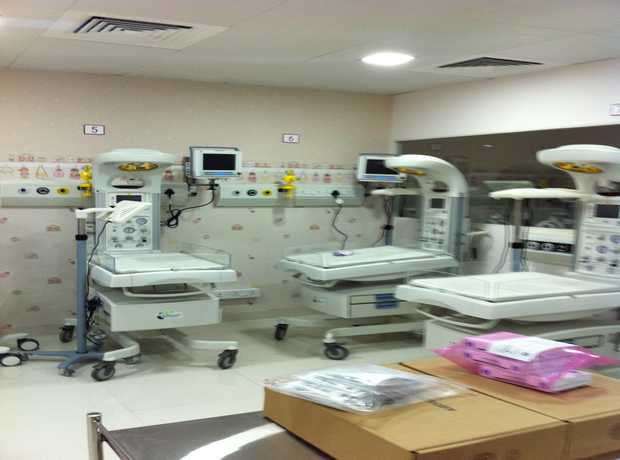
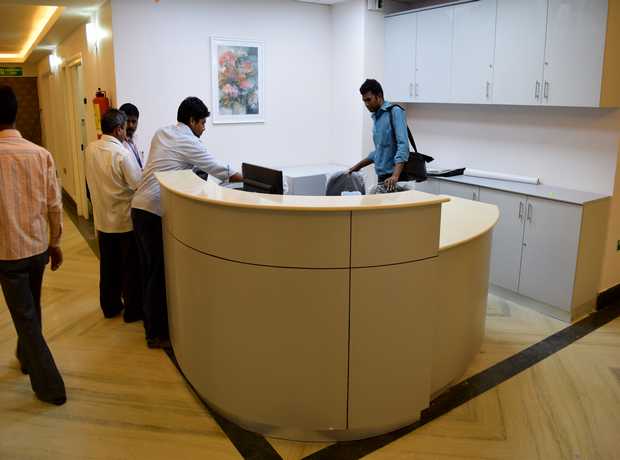
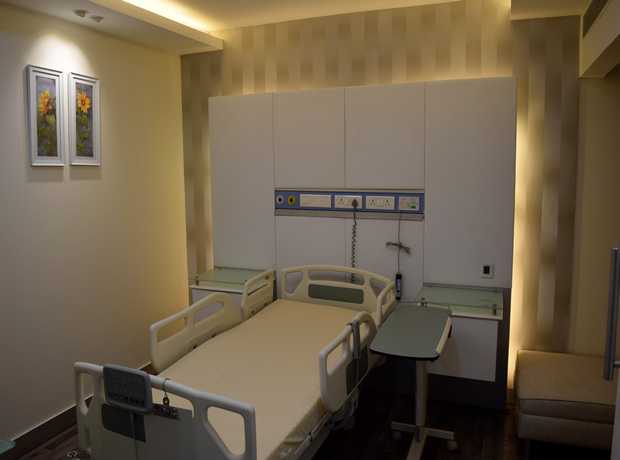
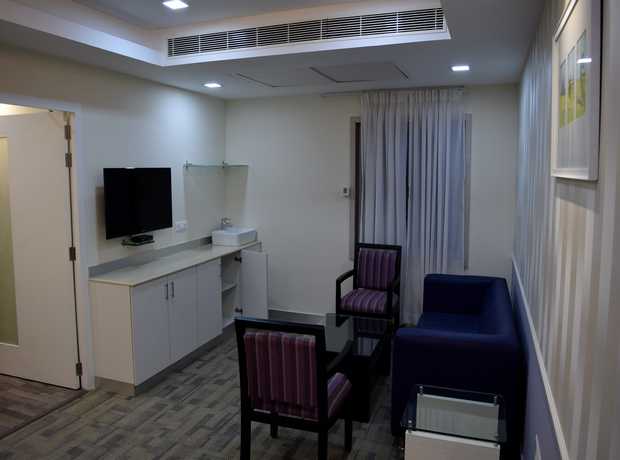













Checklist for Comprehensive BIM Implementation in Nairobi Hospitals (2025)
Implementing BIM effectively in a complex environment like a hospital in Nairobi requires more than just acquiring software; it demands a strategic, structured, and phased approach. The following checklist outlines the critical steps to guide a successful BIM implementation process, tailored to the unique context and evolving standards of Nairobi’s healthcare sector as we look towards 2025.
Phase 1: Planning & Strategy – Laying the Digital Foundation
- Define Project Goals and BIM Use Cases:
Before embarking on any BIM journey, it is paramount to clearly articulate what you aim to achieve. Beyond general improvements, specify SMART (Specific, Measurable, Achievable, Relevant, Time-bound) objectives. For a Nairobi hospital, these might include reducing construction duration by 15%, achieving a specific LEED certification, optimizing energy consumption by 20%, or enhancing facility management integration from day one. Detail specific BIM “use cases,” such as 3D visualization, clash detection, quantity take-offs, 4D scheduling, 5D cost estimation, facility management integration, energy analysis, or spatial validation. These goals will dictate the level of detail and data required in your BIM models.
- Establish BIM Standards and Protocols:
Consistency is key to effective collaboration. Develop a comprehensive BIM Execution Plan (BEP) that outlines project-specific BIM processes, roles, responsibilities, and deliverables. This document should detail information requirements (EIR), Level of Development (LOD) standards for different project stages, model element naming conventions, coordinate systems, data exchange formats (e.g., IFC), and quality control procedures. For Nairobi projects, aligning with international standards like ISO 19650 can provide a robust framework, which then needs to be adapted to local regulations and stakeholder preferences to ensure interoperability and data integrity across all disciplines.
- Select and Empower a Dedicated BIM Team:
A successful BIM implementation hinges on the expertise and commitment of the project team. Assemble a multidisciplinary team including a dedicated BIM Manager or Coordinator, BIM Modelers for various disciplines (architecture, structure, MEP), and IT support. Ensure this team possesses not only technical proficiency in BIM software but also a deep understanding of healthcare design and construction processes. Invest in continuous training and professional development to keep the team updated with the latest BIM technologies, methodologies, and local regulatory changes, fostering a culture of innovation and continuous improvement.
- Choose Appropriate BIM Software and Ecosystem:
The selection of BIM software is a critical decision, as it impacts collaboration, data exchange, and overall project workflow. Consider the capabilities of leading BIM platforms such as Autodesk Revit, Graphisoft ArchiCAD, Bentley Systems, and Tekla Structures for authoring. Complement these with specialized tools for clash detection (e.g., Autodesk Navisworks, Solibri), structural analysis, energy performance analysis, and facility management integration. Emphasize interoperability – the ability of different software applications to exchange data seamlessly – and explore cloud-based solutions for enhanced real-time collaboration among geographically dispersed teams, a common scenario in international projects or for large Nairobi developments.
Phase 2: Design & Modeling – Building the Digital Hospital
- Create a Detailed, Intelligent BIM Model:
This phase involves the actual creation of the comprehensive 3D digital model of the hospital. Beyond geometry, the model must be enriched with critical data – material properties, specifications, operational requirements, sustainability attributes, and cost information. This includes detailed architectural components, structural framing, exterior envelopes, interior finishes, and specialized healthcare elements like medical gas outlets, specialized equipment mounting locations, and infection control zones. The level of detail will progress from conceptual (LOD 100) to highly specific (LOD 400/500) as the design matures, ensuring that every element of the hospital is digitally represented and intelligently linked.
- Incorporate Complex MEP Systems and Medical Equipment:
Hospitals are incredibly dense with sophisticated Mechanical, Electrical, and Plumbing (MEP) systems, alongside specialized medical equipment. BIM allows for the precise modeling and spatial coordination of these intricate systems – HVAC ducts, medical gas lines, electrical conduits, communication networks, plumbing, and fire suppression systems. Crucially, it facilitates the integration of vendor-specific medical equipment (MRI machines, CT scanners, operating room equipment) models into the overall building model. This ensures that spatial allowances, structural support, power requirements, and necessary services are meticulously planned, avoiding conflicts and ensuring optimal functionality of high-tech medical zones within the Nairobi hospital.
- Conduct Rigorous Clash Detection and Resolution:
One of BIM’s most powerful capabilities is automated clash detection. Regular, systematic checks are performed to identify any interferences or conflicts between different building systems or disciplines. This could be a structural beam clashing with a duct, or a plumbing pipe interfering with electrical conduits, or critical medical equipment infringing on required circulation space. Early identification of these clashes – often thousands in a complex hospital project – allows for their resolution in the virtual environment, preventing costly and time-consuming rework on the construction site. This iterative process of detection, communication, and resolution significantly improves constructability and reduces project delays.
- Ensure Data Accuracy, Consistency, and Interoperability:
The intelligence of a BIM model lies in its data. Throughout the design and modeling phase, stringent protocols must be in place to validate the accuracy of all information embedded within the BIM model. This involves model auditing, data validation against design specifications, and ensuring consistency across disciplines. Furthermore, establishing interoperable workflows, perhaps through open standards like Industry Foundation Classes (IFC), is vital to ensure that data can be seamlessly exchanged between different software applications and stakeholders, facilitating smooth transitions between design, analysis, and construction phases. This ensures the digital model is a reliable single source of truth for the entire project lifecycle.
Looking for a reliable Nairobi Building Information Modeling (BIM) for Hospitals company? Skydome Designs has extensive experience in healthcare design and construction, with a proven track record of successful BIM implementations that deliver precision and efficiency for complex medical facilities across the region.
Phase 3: Construction & Handover – From Digital Model to Physical Reality
- Use BIM for On-Site Coordination and Logistics:
During construction, the BIM model becomes an invaluable tool for site coordination, logistics planning, and safety management. 4D BIM, which links the 3D model to the construction schedule, allows teams to visualize the construction sequence, identify potential bottlenecks, and optimize site logistics, including material delivery routes, crane placements, and temporary facility locations. BIM can also be used for detailed safety planning, simulating hazardous operations, and ensuring compliance with site safety regulations, thereby enhancing worker safety and site efficiency in Nairobi’s busy urban environment.
- Monitor Progress and Performance Against Plan:
The BIM model serves as a benchmark against which actual construction progress can be meticulously monitored. Technologies like laser scanning and drone surveys can capture as-built conditions, which can then be compared to the BIM model in real-time. This comparison helps in identifying deviations from the plan early, allowing for timely corrective actions. Performance metrics, such as budget adherence and schedule compliance, can also be tracked and visualized within the BIM environment, providing project managers with clear insights into project status and potential risks.
- Effectively Manage Design Changes and Variations:
Even with the most thorough planning, changes and variations are inevitable during construction, particularly for a dynamic project like a hospital. BIM provides a structured framework for managing these changes efficiently. All design revisions, RFI (Request For Information) responses, and change orders can be documented, tracked, and incorporated into the central BIM model. This ensures that all stakeholders are working with the most up-to-date information, minimizing confusion, preventing rework, and providing a transparent audit trail for all modifications, which is crucial for cost control and accountability.
- Create Comprehensive As-Built Documentation and Data Handover:
Upon completion of construction, the BIM model is updated to reflect the final “as-built” condition of the facility. This comprehensive digital record includes all modifications, installed equipment, and material specifications. This as-built BIM model, along with associated operational manuals, warranties, and maintenance schedules, is then handed over to the hospital’s facility management team. This digital handover is a significant upgrade from traditional paper-based documentation, providing an intelligent, interactive database that forms the foundation for efficient post-occupancy operations and maintenance, ensuring the long-term sustainability and performance of the Nairobi hospital.
Phase 4: Operations & Maintenance – Maximizing Lifecycle Value
- Integrate BIM with Facility Management (FM) Systems:
The true power of BIM unfolds in the operations phase. Integrating the as-built BIM model with Computer-Aided Facility Management (CAFM) and Computerized Maintenance Management Systems (CMMS) creates a robust platform for managing the hospital. This integration links the visual and data-rich BIM model with work order management, space planning, asset tracking, and emergency response protocols. For example, a facility manager can click on a boiler in the BIM model and immediately access its maintenance history, performance data, and manufacturer details, streamlining asset management and operational efficiency.
- Utilize BIM for Predictive and Preventive Maintenance Planning:
With the detailed asset information embedded in the BIM model, facility managers can transition from reactive repairs to proactive maintenance strategies. BIM supports the scheduling of preventive maintenance activities based on equipment lifecycle data and usage patterns. Furthermore, by integrating with IoT sensors, BIM can facilitate predictive maintenance, identifying potential equipment failures before they occur, thus minimizing downtime, extending asset lifespans, and ensuring continuous, reliable operation of critical hospital systems, which is paramount for patient care.
- Optimize Energy Efficiency and Sustainability Performance:
BIM models contain rich data on building materials, insulation properties, glazing types, and MEP system efficiencies, allowing for sophisticated energy performance analysis. Post-occupancy, this data can be combined with real-time sensor data to monitor energy consumption, identify areas for improvement, and optimize building systems for maximum energy efficiency. This helps Nairobi hospitals reduce their carbon footprint, achieve sustainability targets, and significantly lower utility costs over the facility’s lifespan, contributing to a greener urban environment.
- Train Staff and Foster a Data-Driven Culture:
To fully leverage the capabilities of BIM in operations, comprehensive training for facility managers, maintenance personnel, and even relevant clinical staff is essential. This training should cover how to navigate the BIM model, access critical data, generate reports, and utilize the integrated FM systems. Fostering a data-driven culture within the hospital’s operations team ensures that the intelligence embedded in the BIM model is continuously used to inform decisions, optimize workflows, and enhance the overall efficiency and responsiveness of facility management services.
Skydome Designs offers end‑to‑end delivery for building information modeling (bim) for hospitals — encompassing strategy, meticulous design, efficient construction, and seamless handover in Nairobi. Our expertise combines adherence to global design standards with unparalleled local code expertise in Nairobi, ensuring projects are both innovative and fully compliant. Need a dedicated and experienced healthcare architect in Nairobi? Contact Skydome Designs for expert assistance that transcends expectations.
The Indispensable Role of Nairobi Hospital Experts in BIM Implementation
While BIM technology provides an incredible framework, its successful implementation in healthcare projects, especially in a dynamic city like Nairobi, hinges critically on engaging with specialized Nairobi hospital experts. A generic BIM model, however sophisticated, simply cannot capture the nuanced complexities of a functioning hospital without input from those who deeply understand clinical operations, patient pathways, and specific medical equipment requirements. Engaging expert healthcare architects, clinical planners, and other specialists is crucial for ensuring the BIM model accurately reflects the intricate needs, safety protocols, and operational workflows of the hospital, translating technological capability into real-world functional excellence.
Skydome Designs brings nearly 30 years of expertise to the table, uniquely positioning us to deliver innovative, sustainable, and functional hospital spaces that not only meet but enhance patient experiences and operational efficiency. Our deep understanding of local healthcare dynamics in Nairobi, combined with global best practices, allows us to translate complex medical requirements into precise, intelligent BIM models.
Essential Expertise Required for Optimal BIM Integration in Healthcare:
- Healthcare Architecture:
Healthcare architects specialize in designing environments that are not only aesthetically pleasing but also highly functional, safe, and conducive to healing. Their expertise is vital in a BIM process to ensure that the model incorporates optimal functional adjacencies (e.g., proximity of operating rooms to sterile processing), efficient patient and staff flow, robust infection control measures, future adaptability for technological advancements, and compliance with specific departmental requirements. They ensure the spatial configuration derived from the BIM model supports clinical workflows and patient comfort while adhering to critical regulatory standards.
- Clinical Planning:
Clinical planners are the bridge between medical practitioners and the design team. Their role in BIM implementation is to meticulously analyze current and future clinical workflows, conduct patient journey mapping, and optimize departmental relationships. They ensure that the layout of examination rooms, laboratories, imaging suites, and consultation areas within the BIM model aligns with best practices for patient care, staff efficiency, and resource utilization. Their input ensures that the digital model translates into a physical facility that genuinely enhances healthcare delivery and supports the operational realities of a bustling Nairobi hospital.
- OT (Operating Theatre) Design Specialization:
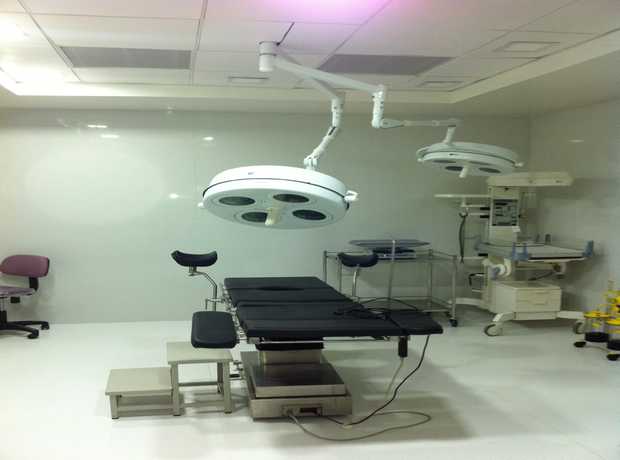
Operating Theatres (OTs) are among the most technologically advanced and critical areas within a hospital. Specialized OT designers possess in-depth knowledge of unique requirements, including stringent air handling and filtration systems (e.g., laminar flow), sterile zones, precise equipment integration (surgical lights, pendants, medical gas columns), data infrastructure for telemedicine, and sophisticated audiovisual setups. Integrating this specialized knowledge into the BIM model from the outset is paramount to avoiding costly redesigns and ensuring these vital areas meet uncompromising standards for safety, functionality, and infection control.
- Wayfinding and Patient Experience Design:
In large, complex hospital environments, effective wayfinding is crucial for reducing patient and visitor stress, improving operational efficiency, and enhancing the overall experience. Wayfinding specialists work with BIM to develop intuitive navigation systems, incorporating clear signage strategies, digital interactive kiosks, and logical spatial layouts. By simulating patient journeys within the BIM model, they can identify potential areas of confusion and design solutions that promote independent navigation, contributing significantly to a positive and less overwhelming environment for patients and their families in Nairobi hospitals.
Skydome Designs specializes in comprehensive hospital interior design, creating patient-centric spaces that include state-of-the-art patient rooms, critical ICUs, meticulously designed OTs, advanced labs, and welcoming consultation areas. Our expertise ensures every aspect of the hospital interior contributes to optimized care and comfort. Call us to discuss your project requirements and discover how we can transform your healthcare facility.
Ensuring Unwavering Compliance and Superior Quality with BIM in Nairobi
For any hospital project in Nairobi, adherence to local building codes, national healthcare guidelines, and often international standards is not merely a legal requirement but a fundamental ethical imperative. The stakes are incredibly high when dealing with human health and safety. Building Information Modeling (BIM) stands as an unparalleled tool in ensuring rigorous compliance and upholding superior quality throughout the entire project lifecycle, transforming regulatory adherence from a bureaucratic hurdle into an integrated design and construction principle.
BIM’s ability to embed critical regulatory information directly into the digital model fundamentally changes how compliance is managed. Designers and engineers can integrate specific requirements – such as minimum room sizes for patient wards, accessibility standards for ramps and doorways, fire compartmentalization strategies, egress routes, ventilation rates for critical areas, and structural load capacities – directly into the model. Automated rules-based checking within BIM software can then flag potential non-compliance issues in real-time, allowing for immediate correction rather than costly rectifications during or after construction. This proactive approach significantly reduces legal risks, avoids project delays caused by failed inspections, and ultimately delivers a facility that is inherently safe and code-compliant from its very foundation.
Furthermore, BIM facilitates rigorous quality control by enabling thorough reviews and simulations long before a single brick is laid. Virtual mock-ups of critical spaces, such as operating theatres or ICU rooms, allow clinical staff to validate the design against operational workflows. Detailed construction simulations (4D BIM) help optimize sequencing and identify potential constructability issues, leading to higher quality construction. Precise quantity take-offs reduce material waste and ensure correct material specification, directly contributing to the overall quality of the build. The collaborative nature of BIM, with a Common Data Environment (CDE), ensures that all stakeholders are working with the most accurate and up-to-date information, minimizing errors and fostering a collective commitment to excellence in every detail of the hospital’s construction.
Key Compliance Considerations for Nairobi Hospital Projects (2025):
- Nairobi City County Building Code:
This is the primary local regulatory framework governing all construction within Nairobi. BIM helps ensure strict adherence to its provisions, including structural integrity, fire safety regulations, sanitary provisions, occupancy classifications, and general building safety standards. The BIM model can be used to generate specific drawings and data required for planning permission submissions and compliance checks by county authorities, streamlining the approval process and reducing the likelihood of costly revisions.
- Ministry of Health Guidelines (Kenya):
Beyond general building codes, hospitals must comply with specific national healthcare guidelines issued by the Ministry of Health. These often cover critical aspects such as infection prevention and control (e.g., ventilation requirements for isolation rooms, material specifications for sterile zones), patient safety protocols, medical gas system standards, equipment calibration space, and accessibility for various medical services. BIM allows for these highly specialized requirements to be integrated and verified within the digital model, ensuring the hospital meets national health infrastructure standards.
- International Healthcare Standards (e.g., ISO standards, JCI Accreditation):
As Nairobi positions itself as a regional healthcare hub, many hospitals aspire to meet or exceed international standards to attract medical tourism and ensure world-class care. Standards from organizations like the Joint Commission International (JCI) or various ISO standards (e.g., ISO 13485 for medical devices, ISO 9001 for quality management) often dictate specific design and operational parameters. BIM provides an excellent mechanism to incorporate these global best practices into the design, track their implementation, and generate documentation for accreditation purposes, demonstrating a commitment to global benchmarks of quality and safety.
- Environmental and Sustainability Regulations:
With a growing focus on green building, hospitals in Nairobi are increasingly expected to comply with environmental regulations and pursue sustainability certifications (e.g., LEED, EDGE). BIM enables comprehensive environmental analysis, including energy performance simulations, daylighting studies, and lifecycle assessments of materials. This helps in designing energy-efficient systems, optimizing natural light, and selecting sustainable materials, ensuring compliance with evolving environmental mandates and contributing to a healthier planet.
FAQ: Building Information Modeling (BIM) for Hospitals in Nairobi
Here are some frequently asked questions about Building Information Modeling (BIM) for hospitals in Nairobi, providing further insights into its application and benefits in the local context:
What is Building Information Modeling (BIM) for hospitals?
BIM for hospitals is a cutting-edge digital methodology that involves creating an intelligent, 3D model-based process to manage information throughout a hospital’s entire lifecycle. It’s a digital representation of a hospital’s physical and functional characteristics, allowing for collaborative design, detailed construction planning, and efficient long-term management of the facility. Unlike traditional CAD drawings, a BIM model is data-rich, meaning every element within the model carries specific information crucial for various project stages, from planning patient rooms to managing complex operating theatre equipment.
How does BIM help in hospital construction in Nairobi?
In Nairobi’s dynamic construction environment, BIM significantly helps by improving design accuracy through clash detection, which eliminates costly on-site errors. It reduces construction costs by enabling precise quantity take-offs and optimizing resource allocation. BIM enhances collaboration among architects, engineers, contractors, and specialized medical planners, leading to smoother coordination and faster project delivery. Furthermore, it facilitates better facility management post-construction, ensuring the hospital operates efficiently and sustainably throughout its lifespan, delivering maximum value to the Nairobi community.
What are the benefits of using BIM for hospital design in Nairobi?
The benefits for hospital design in Nairobi are extensive. BIM enables superior design visualization, allowing stakeholders to virtually walk through the proposed facility and refine layouts to optimize patient flow and staff efficiency. Its clash detection capabilities prevent design conflicts between architectural, structural, and complex MEP systems, critical in a dense hospital environment. BIM also supports performance analysis for energy efficiency, daylighting, and acoustics, leading to more comfortable, healing, and sustainable hospital spaces tailored to Nairobi’s climate and urban setting. It ensures designs comply with local regulations and international healthcare standards from the outset.
What are the key considerations for BIM implementation in Nairobi hospitals?
Key considerations for successful BIM implementation in Nairobi hospitals include clearly defining comprehensive project goals and specific BIM use cases (e.g., for cost estimation, energy analysis, or facility management integration). It’s crucial to establish robust BIM standards and protocols tailored to the local context and potentially aligned with international best practices like ISO 19650. Selecting an experienced and multidisciplinary BIM team, choosing appropriate and interoperable BIM software, and ensuring continuous training for all personnel involved are also vital for a smooth and effective transition to BIM workflows.
How can I find a reliable BIM company for my hospital project in Nairobi?
When searching for a reliable BIM company for your hospital project in Nairobi, look for firms with demonstrable expertise and a strong portfolio specifically in healthcare design and construction. Prioritize companies that possess a robust, multidisciplinary BIM team, a proven track record of successfully delivered healthcare projects, and a deep understanding of both global BIM standards and local Nairobi building codes and healthcare regulations. Skydome Designs is a leading firm with extensive experience in this specialized field, offering end-to-end BIM services for complex healthcare infrastructure.
What are the long-term benefits of BIM for hospital owners in Nairobi?
For hospital owners in Nairobi, BIM offers significant long-term benefits beyond construction savings. It creates a “digital twin” of the facility, enabling highly efficient operations and maintenance throughout the hospital’s lifecycle. This includes optimized energy management, proactive predictive maintenance for critical medical equipment, streamlined space utilization, and rapid response capabilities during emergencies. Ultimately, BIM reduces operational costs, extends the lifespan of assets, ensures continuous high-quality patient care, and provides valuable data for future expansion or renovation projects, securing the hospital’s financial and operational sustainability.
How does BIM impact project timelines and risk management in Nairobi hospital construction?
BIM positively impacts project timelines by enabling more accurate scheduling (4D BIM) and identifying potential delays through early clash detection, preventing costly rework. This streamlined process often leads to faster project delivery. For risk management, BIM provides greater transparency and visualization of potential issues (e.g., budget overruns with 5D BIM, safety hazards on-site, design flaws), allowing for proactive mitigation strategies. This reduces overall project risk, minimizes unforeseen challenges, and enhances certainty in project outcomes for complex hospital builds in Nairobi.
Conclusion: Future-Proofing Nairobi’s Healthcare with BIM – A Strategic Imperative for 2025 and Beyond
The journey towards advanced, efficient, and resilient healthcare infrastructure in Nairobi is inextricably linked with the widespread adoption of Building Information Modeling (BIM). As Nairobi continues its trajectory as a regional powerhouse and a beacon of innovation, its healthcare facilities must evolve in tandem, embracing methodologies that guarantee not only structural integrity but also operational excellence, sustainability, and patient-centric design. BIM is not merely a technological upgrade; it represents a fundamental paradigm shift that empowers healthcare providers, designers, and constructors to collaborate with unprecedented precision and foresight.
By comprehensively integrating BIM into every stage – from strategic planning and meticulous design to streamlined construction and intelligent facility management – Nairobi’s hospitals can ensure unwavering compliance with stringent local and international standards. This commitment to compliance is intrinsically tied to a commitment to superior quality, as BIM facilitates thorough reviews, clash resolution, and data validation that significantly reduce errors and enhance constructability. The result is the creation of efficient, sustainable facilities that are not only capable of meeting the immediate needs of a growing and diverse community but are also future-proofed against evolving medical technologies, operational demands, and environmental considerations.
Embracing BIM is a strategic imperative for any healthcare institution in Nairobi aiming for long-term success and leadership in the healthcare sector. It promises a future where healthcare infrastructure is delivered on time, within budget, and to the highest standards of safety, functionality, and sustainability. To unlock the full potential of BIM for your next hospital project in Nairobi, we invite you to connect with industry leaders who possess deep expertise in this specialized domain. Contact Skydome Designs today to explore how our unparalleled experience and innovative approach to BIM can transform your vision into a state-of-the-art reality.
We boast extensive experience in critical areas such as comprehensive healthcare planning, specialized OT design, intuitive wayfinding solutions, and strategic clinical planning. Our integrated services ensure every aspect of your hospital project is meticulously managed and optimized for peak performance and patient well-being. Do not hesitate to Call us at +91 7299072144 or email us at info@skydomedesigns.com to get started on building a healthier future for Nairobi.
Skydome Designs Pvt Ltd is a leading architecture and interior design firm in India, with a formidable global presence and an extensive portfolio specializing in hospital and healthcare interiors, alongside prestigious residential and impactful retail projects. With nearly 30 years of unparalleled expertise, our commitment is to deliver innovative, sustainable, and highly functional spaces that profoundly enhance experiences and optimize operational efficiency for our diverse clientele.
- Hospital Interior Design: We are experts in crafting patient-centric environments, encompassing state-of-the-art patient rooms, critical Intensive Care Units (ICUs), meticulously engineered Operating Theatres (OTs), advanced laboratories, and welcoming consultation areas. Our comprehensive facility planning ensures optimized care delivery, superior patient comfort, and seamless clinical workflows.
- Residential Projects: Our residential expertise spans across luxurious apartments, bespoke luxury condos, specialized senior housing solutions, and community-focused interior designs. We create living spaces that are not only aesthetically pleasing but also embody comfort, functionality, and a profound sense of belonging.
- Retail & Commercial Design: We design impactful retail environments, including vibrant shopping malls, dynamic mixed-use developments, cutting-edge corporate offices, and engaging entertainment centers. Our designs are strategically crafted to enhance brand identity, optimize customer experience, and maximize return on investment for our commercial clients.
- Interior Solutions: Beyond core design, we offer comprehensive interior solutions including meticulous space planning, innovative furniture layouts, sophisticated lighting design, and end-to-end turnkey interior execution. Our approach ensures every detail contributes to the overall coherence and functionality of the space.
Why Choose Us: Your Partner in Excellence
- 29+ years of experience: Our extensive legacy spans across India and international markets, demonstrating a deep understanding of diverse architectural and design challenges and opportunities.
- In-house multidisciplinary team: We pride ourselves on our integrated team of highly skilled architects, dedicated healthcare planners, and experienced project managers, ensuring seamless coordination and comprehensive expertise under one roof.
- Award-winning, client-focused, and sustainable designs: Our commitment to design excellence is recognized through numerous awards, always prioritizing client vision and integrating sustainable practices for environmentally responsible and future-proof solutions.
- Projects delivered on-time, on-budget, and to global standards: Our proven track record speaks for itself, with a consistent ability to deliver complex projects punctually, within financial parameters, and adhering to the highest international benchmarks of quality and performance.