Hyderabad is experiencing unprecedented growth, particularly in its healthcare sector. With significant new investments pouring into medical infrastructure, the demand for high-quality, compliant, and operationally efficient clinical office interiors is skyrocketing. For healthcare providers, investors, and developers in this vibrant city, undertaking a new clinic or hospital interior project can be complex. To effectively de-risk your investment, accelerate project delivery, and ensure long-term success, comprehensive checklists are not just beneficial—they are absolutely crucial. This guide offers an in-depth, practical framework designed to help you achieve unparalleled compliance and superior quality in your Hyderabad clinical office interiors throughout 2025 and beyond.
Why Clinical Office Interiors Matter in Hyderabad’s Growing Healthcare Sector: A Deeper Dive
The landscape of healthcare in Hyderabad is dynamic, driven by a burgeoning population, increasing health awareness, and a significant rise in medical tourism. This expansion necessitates clinical spaces that are far more than just aesthetically pleasing; they must be highly functional, safe, and conducive to healing. A well-designed clinical office space is a foundational element that profoundly impacts every facet of a healthcare operation. It directly influences patient comfort and safety, optimizes staff workflow and efficiency, and underpins the overall operational success and financial viability of the facility.
Robust interior design goes hand-in-hand with stringent infection control protocols, preventing the spread of pathogens and ensuring a sterile environment. It plays a pivotal role in enhancing patient safety, minimizing risks, and creating a comfortable, reassuring healing environment that alleviates anxiety and promotes recovery. As Hyderabad’s healthcare sector continues its rapid ascent, adhering to the highest standards and best practices in interior design becomes not just a competitive advantage, but an ethical imperative. Thoughtful design contributes significantly to a positive patient experience, improved clinical outcomes, and even staff retention by providing an ergonomic and supportive workspace.
Key Checklists for Hyderabad Clinical Office Interiors (2025)
Achieving excellence in clinical office interiors in Hyderabad demands a systematic approach. The following essential checklists cover various critical aspects of design, construction, and operation, ensuring your project meets all regulatory compliance, quality benchmarks, and functional requirements specific to the Hyderabad context.


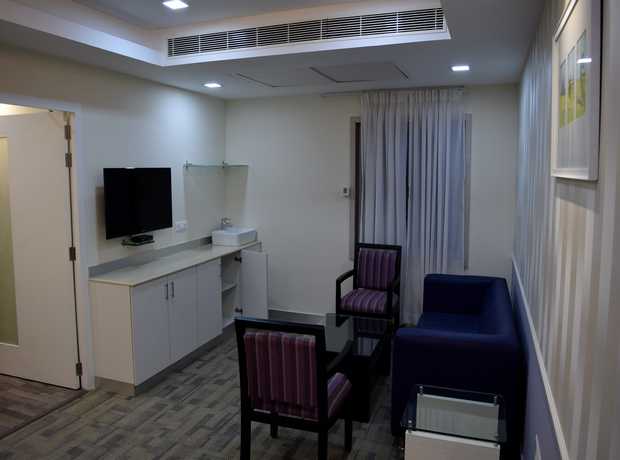

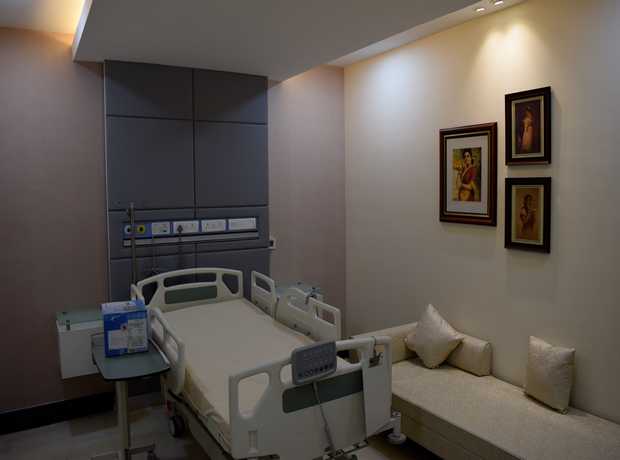
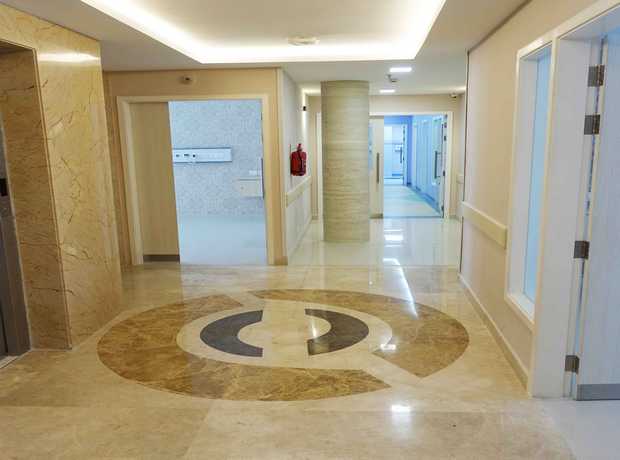
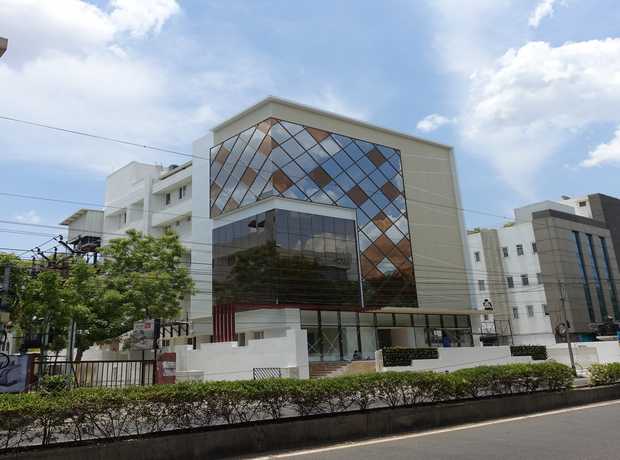

1. Regulatory Compliance Checklist: Navigating Hyderabad’s Healthcare Landscape
Adhering to local, state, and national regulations is unequivocally non-negotiable for any healthcare facility in Hyderabad. This comprehensive checklist is designed to ensure your project not only meets but anticipates all legal requirements, mitigating risks and delays.
- Building Codes and Permitting (Hyderabad Municipal Corporation – HMC):
- Verification of land use zoning and obtaining necessary approvals from the Hyderabad Urban Development Authority (HUDA) or its successor bodies.
- Compliance with the latest HMC building codes regarding structural integrity, seismic resistance, fire resistance ratings for materials, and occupancy classifications.
- Securing all required permits: building permit, occupancy certificate, water and drainage connections, and electrical safety clearance from the relevant Hyderabad authorities.
- Adherence to floor area ratio (FAR) and setback requirements specific to clinical facilities in Hyderabad.
- Healthcare-Specific Regulations and Accreditations:
- NABH (National Accreditation Board for Hospitals & Healthcare Providers) Guidelines: If applicable to your facility (e.g., hospitals, diagnostic centers, day-care centers), ensure design elements support NABH standards for patient safety, infection control, facility management, and patient rights. This includes specific spatial requirements, material specifications, and operational flows.
- Clinical Establishments (Registration and Regulation) Act, 2010: Compliance with the Telangana State Rules for registration and minimum standards for various categories of clinical establishments. This often dictates infrastructure, staffing, and equipment requirements that directly influence interior design.
- Medical Council of India (MCI) / National Medical Commission (NMC) Regulations: For teaching hospitals or medical colleges, adherence to specific infrastructure norms for lecture halls, laboratories, and patient care areas.
- Fire Safety Compliance: Ensuring Patient and Staff Protection:
- Strict adherence to the Telangana State Disaster Response and Fire Services Department regulations for healthcare facilities.
- Implementation of passive fire protection measures: fire-rated walls, doors, ceilings, and appropriate compartmentalization to prevent fire spread.
- Installation of active fire protection systems: automatic sprinkler systems, smoke detectors, manual call points, fire extinguishers, and a robust fire alarm system centrally monitored.
- Clear and illuminated exit routes, emergency lighting, and readily accessible fire exits, all clearly marked with internationally recognized symbols.
- Emergency evacuation plans prominently displayed and designed into the facility layout, considering patient mobility.
- Accessibility Standards (Rights of Persons with Disabilities Act, 2016):
- Ensuring accessibility for all, including patients, visitors, and staff with disabilities, in strict accordance with the Rights of Persons with Disabilities (RPWD) Act, 2016.
- Implementation of ramps with appropriate slopes, handrails, and tactile warnings.
- Wide doorways (minimum 900mm clear width) and corridors for wheelchair access.
- Accessible restrooms with grab bars, sufficient maneuvering space, and accessible fixtures.
- Installation of accessible lifts with auditory announcements, braille buttons, and adequate interior space.
- Tactile pathways for visually impaired individuals and clear, contrasting signage at appropriate heights.
Navigating these complex regulations requires deep local knowledge and experience. For seamless compliance, partnering with a design firm that understands the intricacies of the Hyderabad regulatory environment is paramount.
2. Infection Control Checklist: A Cornerstone of Clinical Design
Minimizing the risk of healthcare-associated infections (HAIs) is paramount in any clinical setting. This checklist focuses intensely on design elements, material choices, and spatial planning that actively promote hygiene and rigorously prevent the spread of pathogens. For more comprehensive information about infection control measures and best practices, authoritative sources like the Centers for Disease Control and Prevention (CDC) provide invaluable guidelines, which often inform national standards.
- Material Selection for Optimal Hygiene:
- Prioritizing the use of non-porous, seamless, and easily cleanable materials for all surfaces, including flooring, walls, countertops, and furniture.
- Specification of antimicrobial materials (e.g., those infused with silver ions or copper alloys) for high-touch surfaces like door handles, light switches, and bed rails.
- Use of high-pressure laminates (HPL) or solid surface materials for countertops in examination rooms, nurses’ stations, and laboratories, ensuring chemical resistance.
- Selection of resilient sheet flooring (e.g., seamless vinyl or linoleum) with coved bases to eliminate dust and dirt traps at wall-floor junctions.
- Avoidance of fabrics and finishes that are difficult to disinfect or harbor microbes in high-risk areas.
- Cleanability and Maintenance Integration:
- Designing surfaces to be resistant to common disinfectants and cleaning agents, preventing degradation over time.
- Elimination of unnecessary ledges, grooves, and intricate details that can accumulate dust and pathogens.
- Integration of hand-free fixtures for sinks and waste receptacles wherever possible to minimize contact points.
- Ensuring easy access to all surfaces for thorough cleaning, especially in areas like patient rooms, operating theaters, and sterile processing departments.
- Advanced Ventilation and Air Quality Systems:
- Implementation of sophisticated HVAC systems designed specifically for healthcare environments, capable of controlling temperature, humidity, and air pressure differentials.
- Utilization of HEPA (High-Efficiency Particulate Air) filters in critical areas like operating theaters, isolation rooms, and sterile compounding areas to remove airborne contaminants.
- Design of positive pressure rooms for immunocompromised patients and negative pressure rooms for infectious patients (e.g., airborne infection isolation rooms), ensuring controlled airflow.
- Adherence to recommended air changes per hour (ACH) for different clinical zones to rapidly dilute airborne pathogens.
- Strategic Hand Hygiene Stations:
- Placement of hand sanitizing stations at every entry point to patient care areas, within patient rooms, and at nurses’ stations.
- Installation of handwashing facilities (sinks with elbow-operated or sensor faucets) in all clinical rooms, treatment areas, and staff common areas, ensuring soap and towel dispensers are always stocked.
- Designated areas for personal protective equipment (PPE) donning and doffing, complete with accompanying hand hygiene stations.
- Waste Management and Segregation:
- Clear demarcation of segregated waste bins (color-coded for general waste, biomedical waste, sharps, etc.) throughout the facility.
- Designated, easily accessible, and properly ventilated biomedical waste storage areas, ensuring secure and timely disposal by approved Hyderabad waste management agencies.
- Dedicated pathways for waste removal that do not intersect with sterile or patient pathways, minimizing cross-contamination risks.
Designing for optimal infection control requires specialized expertise that goes beyond conventional interior design. Skydome Designs, with its 679+ clinical office interiors assignments delivered across Hyderabad and globally over 12+ years, deeply understands these critical requirements. Our experience ensures your facility meets the highest hygiene standards, protecting both patients and staff.
3. Functional Design Checklist: Enhancing Workflow and Experience
A truly functional design is the backbone of an efficient clinical office. It seamlessly optimizes workflow, significantly enhances staff productivity, and ultimately elevates the overall patient experience. This checklist focuses on creating spaces that work intuitively for everyone.
- Efficient Space Planning and Workflow Optimization:
- Strategic adjacencies: ensuring that related departments and services are located in close proximity (e.g., diagnostic labs near consultation rooms, pharmacy near waiting areas).
- Clear circulation paths: separating patient, staff, and supply flows to minimize congestion and maintain privacy.
- Optimized room layouts: designing examination rooms, treatment areas, and offices with logical placement of furniture, equipment, and medical supplies to reduce staff movement and improve response times.
- Ergonomic workstation design: ensuring that all staff workstations, from reception to nurses’ stations, are ergonomically configured to prevent injury and promote comfort during long shifts.
- Flexibility and modularity: designing spaces that can be easily reconfigured or expanded to adapt to future needs, technological advancements, or changes in service offerings.
- Intuitive Wayfinding Systems:
- Implementation of clear, consistent, and multi-modal wayfinding strategies (visual, tactile, auditory).
- Use of color-coded zones, distinctive architectural landmarks, and graphic elements to help patients and visitors navigate easily.
- Clear and concise signage in multiple languages (considering Hyderabad’s diverse linguistic demographic) at decision points, elevators, and critical areas.
- Integration of digital signage and interactive kiosks that can provide directions, appointment information, and educational content.
- Creating a sense of orientation through natural light and views, helping users to understand their location within the facility.
- Acoustics and Sound Management:
- Strategic soundproofing and acoustic treatments to reduce noise levels in waiting areas, corridors, and patient rooms, promoting a calmer environment.
- Use of sound-absorbing materials in ceilings, walls, and flooring to mitigate echo and reverberation.
- Ensuring patient privacy during consultations and examinations through adequate sound attenuation between rooms (e.g., sound-rated doors, wall construction).
- Implementation of sound masking systems in open-plan areas or waiting zones to reduce speech intelligibility and enhance confidentiality.
- Optimized Lighting Strategies:
- Provision of adequate and appropriate lighting for various tasks: bright, shadow-free lighting for examination and treatment, softer ambient lighting for waiting areas, and task-specific lighting for reading and administrative work.
- Integration of natural daylight through windows and skylights, which has proven benefits for patient recovery and staff well-being.
- Use of high Color Rendering Index (CRI) lighting in clinical areas to ensure accurate perception of skin tones and diagnostic colors.
- Implementation of circadian rhythm-supportive lighting systems in patient rooms, mimicking natural light cycles to improve sleep patterns and recovery.
- Emergency lighting systems that automatically activate during power outages, ensuring safe egress and continued critical care.
Skydome Designs’ expertise in functional design ensures that every square foot of your Hyderabad clinical office interior is optimized for peak performance and superior user experience. Our designs prioritize the seamless flow of patients and staff, translating into tangible operational efficiencies and enhanced patient satisfaction.
4. Patient Comfort Checklist: Creating a Healing Environment
The patient experience extends far beyond medical treatment; it encompasses every interaction with the clinical environment. Creating a comfortable, welcoming, and reassuring atmosphere can significantly reduce patient anxiety, improve their overall experience, and contribute positively to recovery outcomes. This checklist focuses on human-centric design elements.
- Welcoming and Calming Waiting Areas:
- Design of comfortable, varied seating options that cater to different patient needs (e.g., individual chairs, small group seating, seating with armrests for elderly patients).
- Adequate spacing between seating arrangements to ensure privacy and prevent overcrowding.
- Incorporation of calming color palettes, soothing artwork, and natural elements (biophilic design) to create a relaxed atmosphere.
- Provision of amenities such as charging stations, Wi-Fi connectivity, and subtle entertainment (e.g., nature documentaries, calming music) to distract and engage patients.
- Clear, accessible restrooms located nearby.
- Ensuring Patient Privacy and Dignity:
- Design of consultation rooms to ensure visual and auditory privacy during discussions with healthcare providers.
- Use of privacy curtains or screens in multi-bed areas or treatment bays.
- Confidential check-in and reception areas that prevent overheard conversations.
- Thoughtful placement of windows and architectural elements to allow natural light without compromising privacy.
- Consideration of cultural sensitivities in design, ensuring that spaces respect diverse patient backgrounds.
- Optimized Temperature Control and Environmental Comfort:
- Maintaining comfortable and consistent temperature levels throughout the facility, with zonal control where appropriate (e.g., warmer pediatric areas, cooler surgical zones).
- Effective humidity control to prevent discomfort and inhibit microbial growth.
- Ensuring good air circulation and fresh air intake to avoid stuffiness.
- Offering individual temperature controls in patient rooms where feasible, empowering patients to adjust their immediate environment.
- Aesthetics and Biophilic Design:
- Incorporating calming and therapeutic color schemes (e.g., blues, greens, neutrals) that promote tranquility and reduce stress.
- Strategic placement of artwork, sculptures, or decorative elements that are uplifting and culturally appropriate.
- Integration of natural elements (biophilic design principles) such as indoor plants (non-allergenic, easy to maintain), natural wood finishes, and views of greenery.
- Maximizing natural light to enhance mood and reduce the need for artificial lighting, creating a brighter, more open feel.
- Design elements that reduce visual clutter and create a clean, organized appearance, contributing to a sense of calm and competence.
- Comfort in Treatment Areas:
- Selection of comfortable and easy-to-clean patient seating and beds.
- Consideration of privacy screens or partitions in treatment areas.
- Ambient lighting that can be adjusted to patient preference.
Skydome Designs understands that patient comfort is a critical component of healing. Our designs integrate these elements seamlessly, creating environments in Hyderabad that are not only clinically superior but also deeply empathetic and patient-focused.
5. Equipment and Technology Integration Checklist: The Future-Ready Clinic
Modern clinical offices are increasingly reliant on sophisticated medical equipment and advanced technology to deliver high-quality care. This checklist ensures that your interiors are designed to seamlessly integrate these complex systems, future-proofing your facility and optimizing operational efficiency.
- Robust Power Supply and Electrical Infrastructure:
- Provision of adequate and reliable power supply for all medical equipment, including specialized outlets and dedicated circuits for sensitive devices.
- Implementation of redundant power systems, such as Uninterrupted Power Supplies (UPS) and backup generators, to ensure continuous operation of critical equipment during power outages, common in some areas of Hyderabad.
- Strategic placement of power outlets at easily accessible locations, considering future equipment needs and minimizing visible cabling.
- Compliance with electrical safety standards and earthing requirements specific to healthcare facilities.
- Advanced Data Cabling and Connectivity:
- Installation of structured cabling systems (e.g., Cat6, fiber optics) for seamless data transfer, high-speed internet, and reliable network connectivity throughout the facility.
- Dedicated pathways and conduits for data cables to facilitate easy upgrades, maintenance, and expansion without disrupting operations.
- Integration of Wi-Fi infrastructure that provides secure and robust connectivity for staff, patients, and medical devices.
- Planning for secure server rooms or data closets with appropriate cooling and access control.
- Strategic Equipment Placement and Workflow:
- Careful planning of equipment layouts to optimize workflow, minimize staff travel distances, and enhance efficiency in examination rooms, treatment areas, and diagnostic labs.
- Ensuring adequate clearance around equipment for safe operation, maintenance, and emergency access.
- Consideration of equipment-specific requirements such as ventilation, water lines, and waste disposal.
- Designing modular spaces that can accommodate different types or generations of equipment without major structural modifications.
- Ergonomics for Staff and Equipment Use:
- Designing workstations and equipment layouts to promote ergonomic comfort and prevent musculoskeletal injuries for healthcare professionals.
- Adjustable furniture and equipment to accommodate different users and tasks.
- Clear sightlines for patient monitoring and interaction while using equipment.
- Integration of smart storage solutions near equipment to keep supplies organized and easily accessible.
- Telehealth and Remote Monitoring Integration:
- Designating specific rooms or zones with enhanced connectivity and acoustic properties for telehealth consultations.
- Incorporating infrastructure for remote patient monitoring devices, including secure network access and charging points.
- Planning for future integration of AI-powered diagnostic tools and robotic assistance within the clinical workflow.
The seamless integration of technology is a hallmark of a modern, efficient clinical office. Skydome Designs’ extensive experience ensures that your Hyderabad facility is not only ready for today’s technology but is also robustly prepared for the innovations of tomorrow.
6. Sustainability & Green Design Checklist: Building for a Healthier Future
In today’s environmentally conscious world, sustainable design is no longer an option but a necessity. Incorporating green principles into your Hyderabad clinical office interiors not only benefits the planet but also offers long-term operational cost savings and creates a healthier indoor environment for patients and staff.
- Energy Efficiency:
- Implementation of high-efficiency LED lighting systems with occupancy sensors and daylight harvesting controls.
- Specification of energy-efficient HVAC systems with smart controls and zonal capabilities to reduce energy consumption.
- Maximizing natural ventilation through strategic window placement and building orientation where appropriate.
- Use of high-performance insulation in walls, roofs, and windows to minimize heat gain and loss, crucial for Hyderabad’s climate.
- Consideration of renewable energy sources like solar panels for water heating or supplementary power generation.
- Water Conservation:
- Installation of low-flow faucets, toilets, and showerheads to significantly reduce water usage.
- Implementation of rainwater harvesting systems for landscape irrigation or non-potable uses.
- Specification of water-efficient landscaping with native plants that require less irrigation.
- Advanced water treatment and recycling systems for specific clinical uses where feasible.
- Sustainable Material Selection:
- Prioritizing materials with high recycled content, locally sourced materials to reduce transportation emissions, and rapidly renewable materials (e.g., bamboo, cork).
- Specification of low Volatile Organic Compound (VOC) paints, adhesives, sealants, and flooring to improve indoor air quality and reduce health risks.
- Selection of durable, long-lasting materials that reduce the need for frequent replacement, minimizing waste.
- Use of certified wood products (e.g., FSC certified) to ensure responsible forestry practices.
- Waste Reduction and Management:
- Developing a comprehensive construction waste management plan to divert maximum waste from landfills through recycling and reuse.
- Designing for modularity and deconstruction, allowing for easy disassembly and recycling of components at the end of the building’s life cycle.
- Provision of dedicated spaces for recycling and composting within the operational facility.
- Indoor Environmental Quality (IEQ):
- Maximizing natural light and views to the outdoors to enhance occupant well-being and reduce reliance on artificial lighting.
- Ensuring optimal thermal comfort and robust ventilation to maintain excellent indoor air quality.
- Designing with natural sounds and acoustic treatments to create a serene environment.
- Green Building Certifications:
- Pursuing certifications like IGBC (Indian Green Building Council) or LEED (Leadership in Energy and Environmental Design) to validate sustainable practices and demonstrate environmental commitment.
Integrating sustainability into clinical interior design not only fulfills corporate social responsibility but also offers tangible benefits through reduced operational costs and an enhanced brand image. Skydome Designs is committed to delivering sustainable clinical solutions for Hyderabad, ensuring your facility is future-ready and environmentally responsible.
Finding the Right Hyderabad Clinical Office Interiors Company
The success of your clinical office interiors project in Hyderabad hinges critically on selecting the right design and build partner. Given the specialized requirements of healthcare environments, merely choosing a general interior design firm is insufficient. You need a company with a profound understanding of clinical office interiors in Hyderabad, a proven track record, and an unwavering commitment to quality and compliance.
When evaluating potential partners, consider their specific expertise in hospital interior design and their deep understanding of the unique challenges and stringent requirements of the healthcare sector in Hyderabad. They must be more than just designers; they should be problem-solvers who understand the nuances of local regulations, patient psychology, clinical workflows, and technological integration. Ensure they genuinely comprehend what it means to be Hyderabad hospital experts, capable of navigating local logistical, cultural, and regulatory landscapes. Look for:
- Specialized Healthcare Design Experience: A portfolio rich with clinical projects, demonstrating a clear understanding of healthcare-specific needs.
- Local Market Knowledge: Familiarity with Hyderabad’s building codes, municipal regulations, and local supply chains.
- Comprehensive Service Offering: From initial concept and planning to execution, project management, and post-occupancy support.
- Regulatory Acumen: A team that is up-to-date with NABH, fire safety, and accessibility standards applicable in Hyderabad.
- Client Testimonials and References: Proof of successful past projects and satisfied clients within the healthcare domain.
- Innovation and Technology: A forward-thinking approach to integrating new medical technologies and sustainable design practices.
- Transparent Processes: Clear communication, detailed budgeting, and structured reporting throughout the project lifecycle.
Skydome Designs Pvt Ltd stands as a leading architecture and interior design firm in India, specializing in hospital and healthcare interiors, alongside residential and retail projects. With nearly three decades of expertise, we consistently deliver innovative, sustainable, and highly functional spaces that significantly enhance both human experiences and operational efficiency across diverse sectors.
Why Choose Skydome Designs for Your Hyderabad Project? Unmatched Expertise and Proven Results
Choosing Skydome Designs means partnering with a firm that brings unparalleled experience and a deep understanding of the healthcare sector, particularly within the dynamic Hyderabad market. Our comprehensive approach ensures that your clinical office interiors project is not just completed, but truly excels.
- 29+ Years of Unrivaled Expertise: Our extensive experience spans across India and international borders, providing us with a global perspective tempered with acute local insights. This long tenure means we’ve seen trends evolve and have refined our methodologies to deliver timeless and effective designs.
- Integrated In-house Team: We boast a dedicated in-house team comprising expert architects, specialized healthcare planners, and seasoned project managers. This multi-disciplinary collaboration ensures seamless coordination from concept to completion, translating into efficiency and precision for your project in Hyderabad.
- Award-Winning, Client-Focused, and Sustainable Designs: Our commitment to excellence is reflected in our numerous awards. We pride ourselves on creating designs that are not only aesthetically pleasing but also inherently sustainable and meticulously tailored to meet your unique client requirements and long-term goals.
- Timely and Budget-Conscious Delivery to Global Standards: We have a steadfast commitment to delivering projects on-time and within budget, adhering to the highest global standards of quality and execution. Our rigorous project management ensures predictability and reliability for your investment.
Our extensive track record speaks for itself: We’ve delivered 679+ clinical office interiors assignments across Hyderabad and globally over 12+ years. This vast experience ensures we understand the intricacies and specific demands of diverse clinical settings, from specialized clinics to large multi-specialty hospitals. Our on‑time delivery rate of an impressive 97% is not merely a statistic; it’s a testament to our meticulous planning, rigorous multi‑disciplinary reviews, and unwavering commitment to client satisfaction. Furthermore, our robust post‑occupancy support ensures that your facility continues to function optimally long after handover, maximizing your return on investment.
Partnering with Skydome Designs means entrusting your vision to an award‑winning team that consistently pushes the boundaries of design excellence. We believe in complete transparency, offering transparent costs and providing detailed, milestone‑based reporting tailored specifically to the unique operational and financial dynamics of the Hyderabad market. Our approach is characterized by advanced methodologies, including BIM‑led coordination (Building Information Modeling) for precise planning and clash detection, strategic value engineering to optimize costs without compromising quality, and stringent quality control protocols at every stage. These practices collectively ensure superior outcomes, guaranteeing that your clinical office interiors are not just built, but meticulously crafted to exceed expectations and support optimal patient care and operational efficiency.
Case Study Highlight: Revolutionizing a Hyderabad Diagnostic Center
Consider a recent project in Hyderabad: a 15,000 sq. ft. advanced diagnostic center seeking to establish itself as a premier facility. The client’s challenge was to integrate cutting-edge imaging equipment (MRI, CT, PET-CT) within a space that also fostered patient comfort and efficient workflow, all while adhering to NABH standards. Skydome Designs leveraged its BIM-led coordination to precisely map out equipment placement, ensuring optimal clearances and seamless connectivity for power and data. We implemented specialized acoustic treatments in the imaging rooms to minimize noise and anxiety for patients, alongside circadian lighting to create a soothing environment. For infection control, seamless vinyl flooring with coved bases and antimicrobial surfaces were specified throughout. The result was a highly functional, future-ready diagnostic center delivered ahead of schedule and within budget, setting a new benchmark for patient experience and operational excellence in Hyderabad.
The Future of Clinical Office Interiors in Hyderabad: Trends and Innovations
The healthcare landscape is constantly evolving, and clinical office interiors must adapt to these changes. In Hyderabad, several key trends are shaping the future of design:
- Personalized and Patient-Centric Care: Design will increasingly focus on individual patient needs, offering flexible spaces, private consultation zones, and amenities that cater to diverse preferences and conditions.
- Integration of Smart Technology and AI: Expect more AI-powered diagnostic areas, IoT-enabled environmental controls, smart asset tracking, and seamless telehealth consultation rooms. Interiors must provide the robust infrastructure to support these innovations.
- Biophilic Design for Wellness: The incorporation of natural elements, natural light, and views will become even more pronounced, recognizing their proven benefits for reducing stress and promoting healing for both patients and staff.
- Modular and Flexible Spaces: As healthcare models shift, the demand for adaptable spaces that can be easily reconfigured for different specialties, future expansion, or new technologies will grow.
- Emphasis on Sustainability: Green building practices, energy efficiency, water conservation, and healthy material selection will be standard, driven by both environmental consciousness and long-term cost savings.
- Data-Driven Design: Utilizing operational data (patient flow, staff movement, equipment usage) to inform design decisions, leading to even more optimized and efficient clinical layouts.
Skydome Designs is at the forefront of these innovations, ensuring that your Hyderabad clinical office interiors are not just built for today, but strategically designed for the future of healthcare.
FAQ: Clinical Office Interiors in Hyderabad
What are the key considerations for ICU layout design in Hyderabad?
ICU layout design in Hyderabad must prioritize several critical factors: patient monitoring capabilities, stringent infection control measures, and an extremely efficient workflow for medical staff. Key design considerations include optimizing bed placement for 360-degree patient access and clear sightlines, ensuring proximity to essential support services (e.g., nurse stations, medical gases, crash carts), and appropriate zoning for different levels of care (e.g., isolation rooms, high-dependency units). Furthermore, the design must incorporate adequate space for advanced medical equipment, easily cleanable surfaces, and robust ventilation systems. Learn more about effective ICU layout design from our specialists at Skydome Designs.
How do I ensure my clinical office interiors in Hyderabad comply with accessibility standards?
To ensure full compliance with accessibility standards in Hyderabad, your design must incorporate features mandated by the Rights of Persons with Disabilities (RPWD) Act, 2016, and local HMC regulations. This includes, but is not limited to, strategically placed ramps with proper slopes and handrails, wide doorways (minimum 900mm clear width), accessible restrooms with grab bars and sufficient maneuvering space, accessible lifts with auditory and tactile indicators, and clear tactile signage. Consulting with specialized accessibility experts or a design firm experienced in healthcare compliance, like Skydome Designs, is essential to ensure your design meets all relevant regulations and provides truly inclusive access.
What are the benefits of hiring a specialized Hyderabad clinical office interiors company?
Hiring a specialized Hyderabad clinical office interiors company provides numerous unparalleled benefits. You gain access to deep expertise in healthcare-specific design principles, comprehensive knowledge of local Hyderabad regulations (HMC, fire safety, NABH), and invaluable experience in optimizing clinical spaces for maximum efficiency, patient safety, and comfort. Such a firm understands the critical interplay between design and clinical outcomes, leading to a compliant, highly functional, aesthetically pleasing, and ultimately more successful healthcare environment. Our **award-winning team**, with its **29+ years of experience** and **679+ projects delivered**, offers peace of mind and superior results.
How can I improve wayfinding in my Hyderabad hospital?
Improving wayfinding in your Hyderabad hospital involves implementing a clear, consistent, and multi-modal signage system. This includes using color-coded zones for different departments, incorporating visually distinctive landmarks, utilizing clear and concise iconography, and providing digital information kiosks or interactive maps. Ensuring signage is multilingual (considering Hyderabad’s diverse population), well-lit, and placed at logical decision points is crucial. Effective wayfinding significantly reduces patient stress, improves navigation efficiency throughout the facility, and enhances the overall patient experience.
What are the latest trends in medical facility design in Hyderabad?
The latest trends in Hyderabad’s medical facility design include a strong emphasis on patient-centric spaces, integration of advanced smart technologies (telehealth, IoT), biophilic design elements to promote healing, and highly flexible, modular layouts that can adapt to future medical advancements. There’s also a growing focus on sustainability, with clinics seeking green building certifications and utilizing energy-efficient and low-VOC materials.
How do I budget for high-quality clinical interiors in Hyderabad?
Budgeting for high-quality clinical interiors requires a detailed assessment of your functional needs, regulatory compliance requirements, and desired aesthetic. It involves considering material costs, specialized equipment integration, labor, permits, and contingency. Working with a firm like Skydome Designs, which offers transparent costs and utilizes value engineering, can help optimize your budget while ensuring superior quality and compliance in the Hyderabad market.
What’s the role of technology in modern Hyderabad clinics?
Technology plays a transformative role in modern Hyderabad clinics, impacting everything from patient registration and electronic health records (EHR) to advanced diagnostic imaging and telehealth services. Interior design must support this by providing robust data infrastructure, dedicated spaces for technology integration, ergonomic workstations for digital use, and adaptable layouts to accommodate evolving tech requirements. Skydome Designs’ BIM-led coordination ensures seamless tech integration.
What are the common pitfalls to avoid in clinical interior design projects in Hyderabad?
Common pitfalls include inadequate regulatory compliance planning, underestimating infection control requirements, poor workflow design leading to inefficiencies, neglecting patient comfort, and failing to plan for future technological integration or expansion. Overlooking local climatic conditions and cultural nuances in design can also lead to issues. Partnering with experienced Hyderabad hospital experts like Skydome Designs helps avoid these costly mistakes.
Conclusion
The successful development of clinical office interiors in Hyderabad demands a holistic approach, meticulously addressing regulatory compliance, stringent infection control, optimized functional design, profound patient comfort, and seamless technology integration. By diligently implementing these comprehensive checklists and, crucially, by partnering with a reputable and specialized firm like Skydome Designs, you can ensure that your clinical office interiors in Hyderabad not only meet but exceed the highest standards of compliance, quality, and patient care.
Investing in well-designed, future-ready interiors is not merely an expense; it is a strategic investment in the long-term success of your practice, the operational efficiency of your staff, and most importantly, the well-being and satisfaction of your patients. With our extensive experience of 679+ clinical office interiors assignments delivered across Hyderabad and globally over 12+ years, and an impressive 97% on-time delivery rate, Skydome Designs stands as your trusted partner.
Ready to transform your clinical office space in Hyderabad into a benchmark of excellence? Skydome Designs combines an award-winning team, transparent costs, and milestone-based reporting, all specifically tailored to the unique demands of the Hyderabad market. Leverage our BIM‑led coordination, strategic value engineering, and stringent quality control to ensure superior outcomes for your project. Contact Skydome Designs today for a consultation and discover how we can bring your vision to life.
Call us at +91 7299072144 or email us at info@skydomedesigns.com
Learn more about our comprehensive Hospital Interior Design services and how we can support your next healthcare project in Hyderabad and beyond.
Skydome Designs Pvt Ltd
📞 Contact: +91 7299072144 | ✉️ Email: info@skydomedesigns.com