As Kochi experiences rapid urban expansion and a burgeoning population, the demand for well-designed, functional, and compliant clubhouses and community facilities is soaring. These spaces are no longer just amenities; they are vital hubs that foster connection, well-being, and social interaction within residential complexes, townships, and public areas. Meeting increasingly stricter building codes, fulfilling evolving user expectations, and ensuring long-term operational sustainability are now paramount challenges for developers and designers alike. This comprehensive guide offers essential checklists and deep insights for navigating every facet of clubhouse and community facility design in Kochi, ensuring your project is a resounding success in 2025 and far beyond. From initial conceptualization to final handover, we delve into the critical factors that contribute to a facility that truly serves its community while standing as a testament to quality and foresight.
Why Prioritize a Comprehensive Checklist for Clubhouse Design in Kochi?
Developing a detailed, multi-faceted checklist is not merely a formality; it is a strategic imperative for any clubhouse or community facility project in Kochi. The vibrant, dynamic nature of this city, coupled with its unique climatic and regulatory environment, necessitates a methodical approach. Such a checklist serves as your project’s navigational chart, guiding every decision and ensuring no critical element is overlooked. Firstly, it stands as the primary tool to guarantee absolute compliance with local building codes and regulations specific to Kochi. The Kerala Municipality Building Rules (KMBR) are intricate and subject to periodic amendments, making a systematic verification process indispensable to avoid costly delays, penalties, or even demolition orders. Without a robust checklist, the risk of non-compliance escalates significantly, jeopardizing the entire project timeline and budget.
Secondly, a comprehensive checklist actively promotes and enforces a consistently high standard of quality in both design and construction. It establishes clear benchmarks for materials, finishes, structural integrity, and aesthetic appeal, ensuring that the final output not only meets but often exceeds industry expectations. This commitment to quality translates into a durable, aesthetically pleasing, and safe facility that residents and users can enjoy for decades. Mediocre construction or design flaws, easily missed without a checklist, can lead to expensive rectifications, increased maintenance costs, and reputational damage for the developer.
Thirdly, a thorough checklist fundamentally enhances user satisfaction by systematically addressing their specific needs, preferences, and future requirements. It moves beyond generic assumptions, prompting designers to consider diverse demographics, accessibility concerns, and the evolving lifestyle trends of Kochi’s residents. By integrating feedback mechanisms and anticipating usage patterns, the checklist ensures the facility truly caters to its intended audience, leading to higher engagement, better utilization, and a stronger sense of community ownership. A well-utilized facility is a successful facility, and a checklist is key to achieving that synergy between design and user experience.
Finally, and perhaps most crucially in today’s climate-conscious world, a robust checklist fosters sustainability. It integrates environmental considerations from the outset, encouraging the adoption of eco-friendly materials, energy-efficient systems, and water conservation strategies. This not only contributes to a greener Kochi but also results in significant long-term operational cost savings for the facility management. A sustainable clubhouse is not just good for the planet; it’s a smart investment, enhancing property value and appealing to environmentally aware citizens. In essence, a comprehensive checklist is the bedrock upon which successful, compliant, high-quality, user-centric, and sustainable community facilities in Kochi are built.
Key Checklist Areas for Clubhouse and Community Facility Design in Kochi






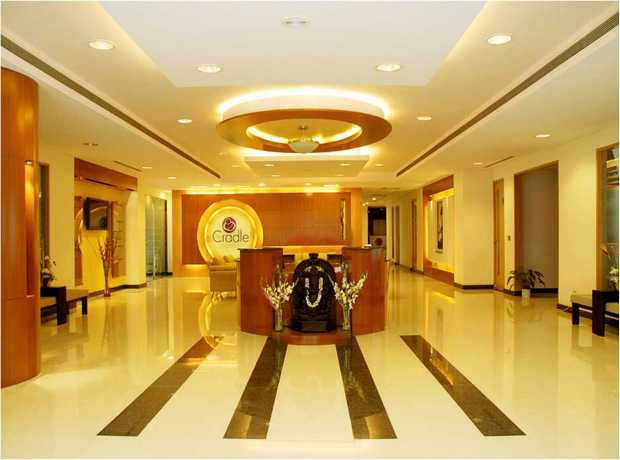
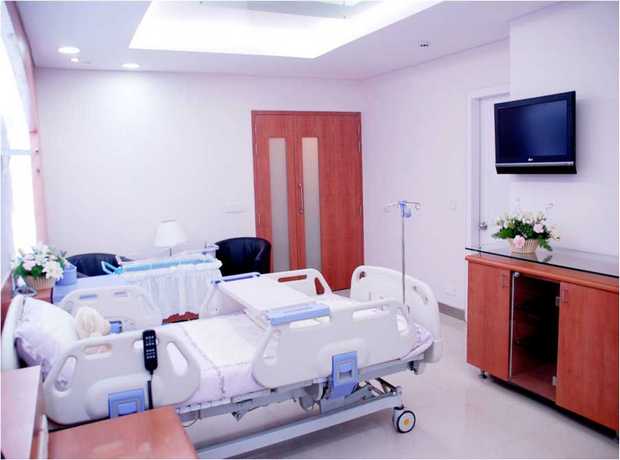
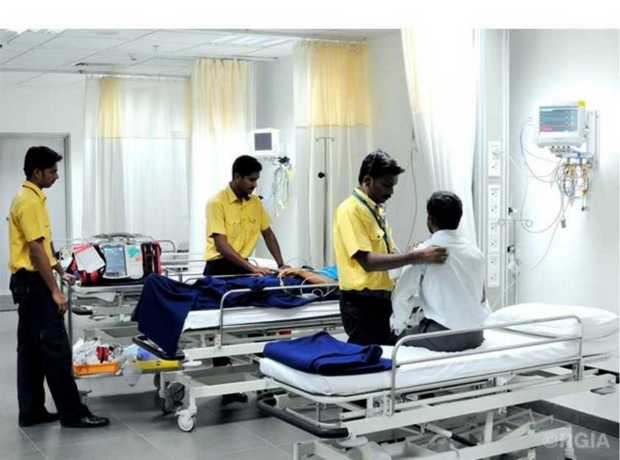
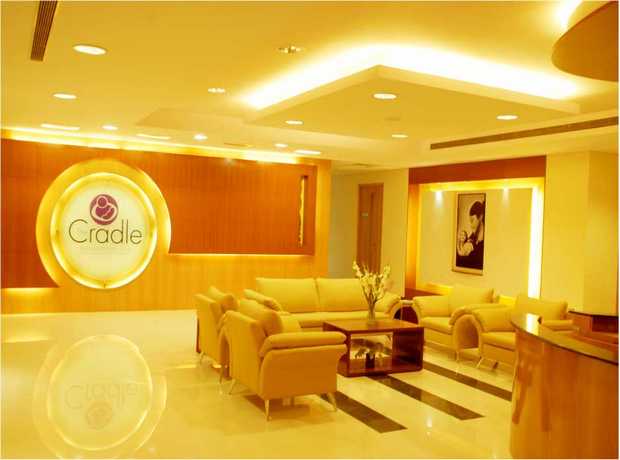

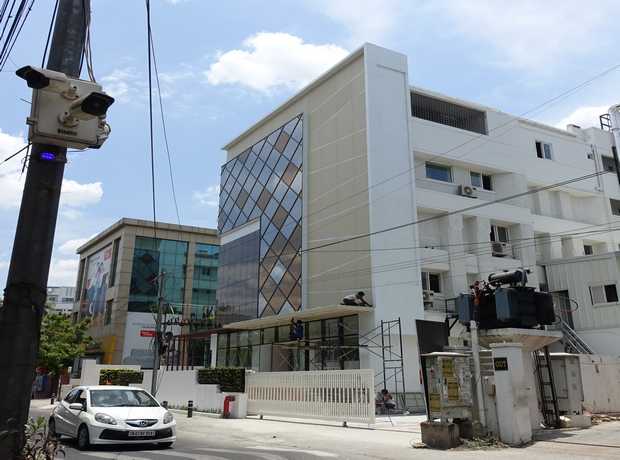
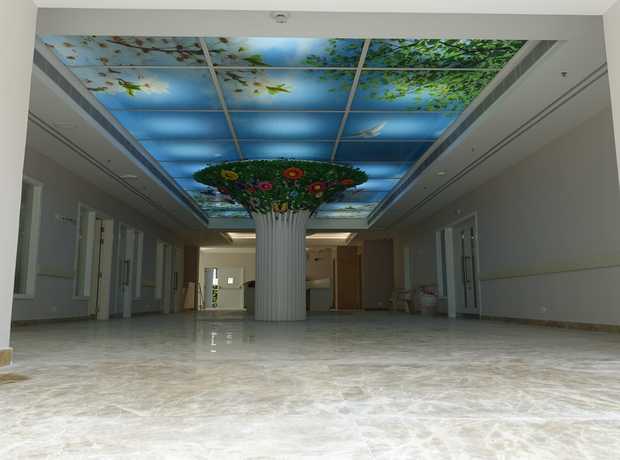
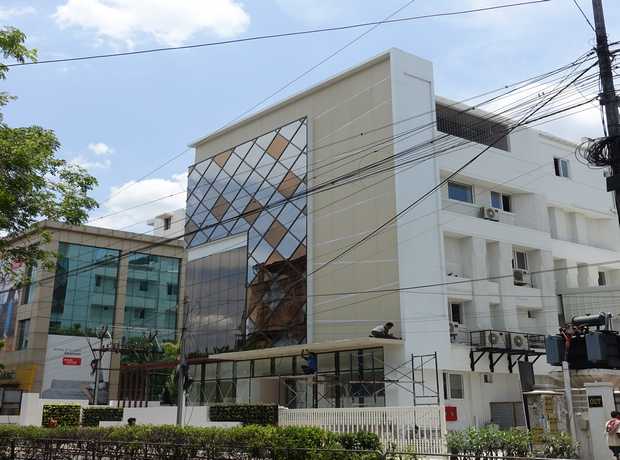
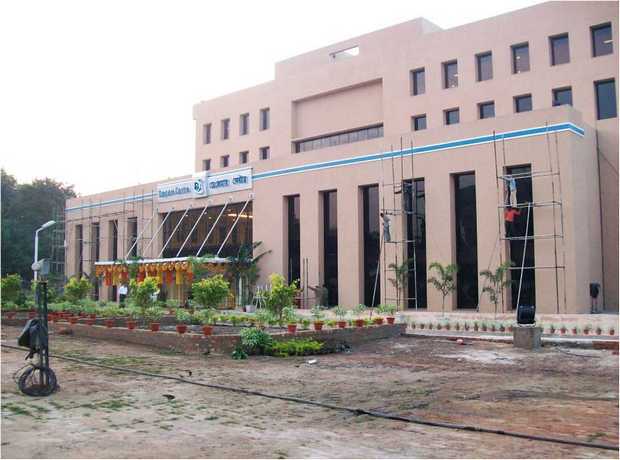
1. Regulatory Compliance and Permits: The Foundation of Any Project
Before any ground is broken or a single design draft is finalized, verifying absolute compliance with all local, state, and national regulations is not just vital – it is legally mandatory. This complex web of rules and procedures forms the foundational layer of your project’s success. Neglecting this crucial step can lead to devastating consequences, including hefty fines, project stoppages, and even the mandatory demolition of non-compliant structures. The primary regulatory body you’ll interact with is the Kochi Municipal Corporation, responsible for issuing the necessary building permits that officially sanction your construction. This involves a rigorous review of architectural drawings, structural plans, and utility layouts against established norms.
A cornerstone of construction in Kerala is strict adherence to the Kerala Municipality Building Rules (KMBR). These rules dictate everything from setbacks and floor area ratios (FAR) to building heights, parking requirements, and open space provisions. The KMBR are regularly updated, making it essential to work with professionals who are current with the latest amendments and interpretations. Furthermore, fire safety regulations are non-negotiable. These typically align with the National Building Code (NBC) of India, adapted for Kerala’s specific context, and are enforced by the Kerala Fire & Rescue Services. This includes requirements for emergency exits, fire suppression systems (sprinklers, hydrants), fire alarms, smoke detection, fire-resistant materials, and clear evacuation routes. Early integration of fire safety measures into the design, rather than as an afterthought, is critical for both safety and cost efficiency.
Beyond building and fire codes, environmental regulations and obtaining necessary clearances are becoming increasingly stringent, particularly in a sensitive ecological zone like Kochi, with its backwaters and coastal proximity. This might involve obtaining environmental impact assessments (EIA), coastal regulation zone (CRZ) clearances if the site is near the coast or backwaters, and waste management plans. Sustainable practices are not just preferred but often mandated, requiring approvals for rainwater harvesting, sewage treatment plants (STPs), and solid waste management systems. Navigating these multi-layered regulatory frameworks requires specialized knowledge and experience.
Looking for expert guidance on navigating Kochi’s building regulations and ensuring a smooth approval process? Contact Skydome Designs today for unparalleled expertise in compliance.
2. Site Analysis and Planning: Harnessing Kochi’s Unique Environment
A thorough and meticulous site analysis is the bedrock for effective clubhouse and community facility design, especially in Kochi, where the interplay of geography, climate, and urban development presents distinct challenges and opportunities. Ignoring the nuances of the chosen site can lead to fundamental design flaws that impact functionality, sustainability, and long-term viability. The first step involves an in-depth evaluation of soil conditions and topography. Kochi’s geological profile can vary, ranging from alluvial plains to areas with higher water tables, particularly during the monsoon. Understanding soil bearing capacity is crucial for foundation design, preventing structural instability and costly remediation. Topographical surveys help identify natural gradients, ideal for optimizing drainage and minimizing extensive earthwork, thereby reducing construction costs and environmental disruption. For sites in low-lying areas, considerations for potential flooding and waterlogging, common during Kochi’s heavy monsoon seasons, must be a key part of the planning.
Equally important is a detailed analysis of sun exposure and wind patterns. Kochi’s tropical climate means maximizing natural light while minimizing heat gain is paramount. Strategic orientation of the building, placement of fenestrations, and integration of shading devices like eaves, louvers, or pergolas can significantly reduce reliance on artificial lighting and air conditioning, leading to substantial energy savings. Understanding prevailing wind directions allows for the design of natural ventilation systems, enhancing indoor air quality and thermal comfort, a critical factor in a humid environment. This passive design approach not only creates a more pleasant interior but also contributes to the facility’s overall sustainability footprint.
Beyond environmental factors, a comprehensive assessment of accessibility and connectivity to surrounding areas is essential. How easily can users reach the facility? This includes evaluating vehicular access, parking provisions, pedestrian pathways, and public transport links. A well-connected facility enhances user convenience and promotes higher utilization rates. Consider the flow of traffic, potential congestion points, and safe pedestrian crossings. Lastly, it’s imperative to identify potential environmental impacts that the construction and operation of the facility might have on the local ecosystem and community. This includes assessing impacts on local flora and fauna, water bodies, noise pollution during construction, and waste generation. Mitigation strategies, such as tree transplantation, noise barriers, and robust waste management plans, should be integrated into the planning phase to ensure responsible development and good community relations.
3. Architectural Design and Functionality: Crafting Versatile & Engaging Spaces
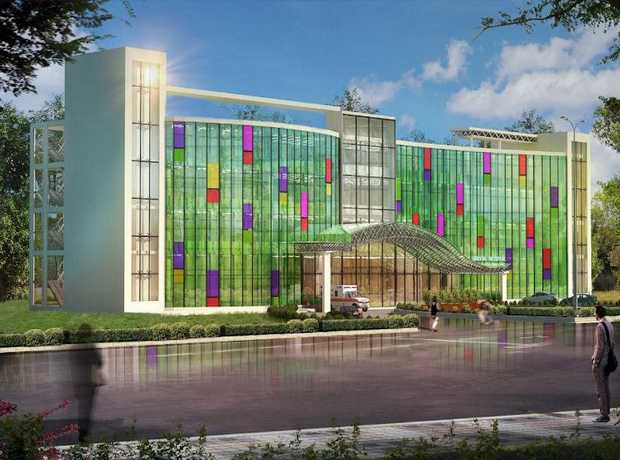
The architectural design of a clubhouse or community facility is where vision meets reality, seamlessly blending aesthetic appeal with practical functionality. In Kochi, where community spaces are increasingly becoming extensions of people’s homes, this balance is crucial for creating vibrant, well-utilized hubs. A primary objective is creating versatile spaces that cater to diverse community needs. Modern facilities must be adaptable, capable of hosting everything from fitness classes and indoor sports to cultural performances, community meetings, and private events. Think multi-purpose halls with movable partitions, adaptable seating arrangements, and integrated AV systems. Consider dedicated zones for children’s activities, senior citizen relaxation, co-working spaces for the remote professional, and tranquil reading corners. The design should anticipate these varied demands, offering flexibility without compromising specialized functionality.
Closely linked to versatility is optimizing space utilization for maximum efficiency. Every square foot in a community facility represents an investment, and intelligent design ensures that space is neither wasted nor underutilized. This involves thoughtful space planning that considers flow, adjacency of functions, and potential for shared usage. For instance, a common lobby could double as a gallery space, or a cafe could open up to an outdoor plaza. Smart storage solutions, compact yet comfortable layouts, and strategic placement of amenities contribute to an efficient design that feels spacious and inviting, even within constrained footprints. In an urban environment like Kochi, where land is precious, maximizing efficiency is paramount.
Furthermore, incorporating natural light and ventilation is not just an aesthetic choice but a fundamental aspect of sustainable and healthy building design, especially in Kochi’s tropical climate. Large windows, skylights, courtyards, and strategically placed openings can flood interiors with daylight, reducing the need for artificial lighting during the day. This saves energy and positively impacts the mood and well-being of users. Cross-ventilation strategies, achieved through careful window and door placement, facilitate air movement, reducing humidity and enhancing thermal comfort, minimizing reliance on air conditioning. These passive design elements, when expertly integrated, contribute significantly to the building’s energy efficiency and create a more pleasant indoor environment.
Finally, a critical aspect often mandated by regulation and ethical design principles is ensuring accessibility for people of all abilities. This goes beyond ramps and accessible restrooms. It encompasses wider doorways, tactile flooring, visual and auditory aids, clear signage, accessible parking, and thoughtful consideration of circulation paths for wheelchair users, individuals with strollers, and those with mobility challenges. A truly inclusive design ensures that every member of the community can comfortably and independently access and enjoy all aspects of the facility. This commitment to universal design reflects a modern, empathetic approach to community building.
From conceptualization to detailed blueprints, Skydome Designs crafts architectural masterpieces that blend seamlessly with Kochi’s urban landscape. Explore our diverse architectural portfolio today!
4. Structural Engineering and Safety: Building for Resilience in Kochi
Safety is not just a priority but the absolute bedrock of any clubhouse and community facility design, especially in a region like Kochi, which has its unique set of environmental and geological considerations. The structural integrity of the building is paramount, serving as the skeletal framework that ensures longevity, stability, and most importantly, the safety of its occupants. Therefore, it is non-negotiable that the structural design complies with all relevant building codes and standards. In India, this primarily means adhering to the National Building Code (NBC) which provides comprehensive guidelines for structural design, material specifications, and construction practices. For concrete structures, Indian Standards (IS) codes for concrete, steel, and seismic design are strictly followed. These codes ensure that the building can withstand anticipated loads, stresses, and environmental forces over its lifespan.
Given that Kerala, including Kochi, falls into a seismic zone (primarily Zone III), it is crucial that the building can withstand seismic activity and other potential hazards. This requires incorporating earthquake-resistant design principles, such as ductile detailing of reinforced concrete elements, proper foundation design, and consideration of soil-structure interaction. Beyond seismic events, Kochi’s coastal location and heavy monsoon rainfall necessitate designs that can resist wind loads, especially from cyclones, and potential flooding. Flood-resistant design, including elevated plinths, water-resistant materials for lower levels, and strategic placement of critical utilities, is a vital consideration for many sites in the region. The structural engineer’s role is to meticulously calculate these forces and design a robust structure that offers maximum resilience.
The integration of fire safety measures into the structural design is another critical aspect. This includes ensuring that structural elements have adequate fire ratings, using fire-resistant materials where necessary, and ensuring that the overall structural system remains stable during a fire event, allowing sufficient time for evacuation. The design must account for the integrity of walls, floors, and columns under high temperatures. Furthermore, a robust safety framework extends to the operational phase of the facility. This involves advocating for and sometimes mandating that regular structural inspections are conducted post-construction. These periodic checks, performed by qualified engineers, can identify early signs of wear, fatigue, or damage, allowing for timely maintenance and repairs, thereby extending the life of the building and ensuring continuous safety for its users. This proactive approach to structural maintenance is essential for preserving the long-term value and safety of the community asset.
Skydome Designs’ experienced structural engineers combine cutting-edge analysis with nearly three decades of practical expertise to ensure the safety, stability, and resilience of your project. Learn more about our structural engineering services and secure your investment.
5. Interior Design and Amenities: Crafting Welcoming & Functional Havens
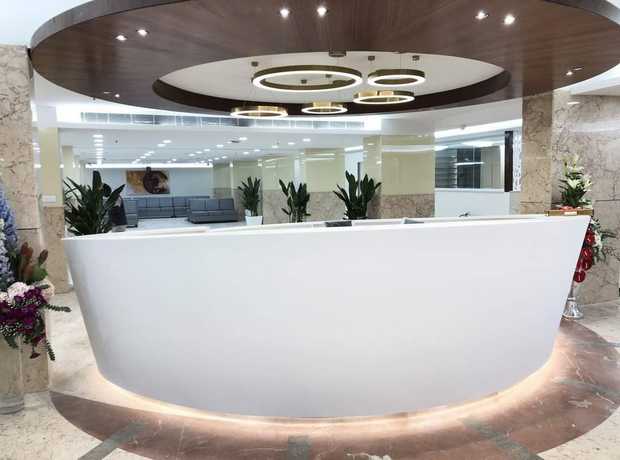
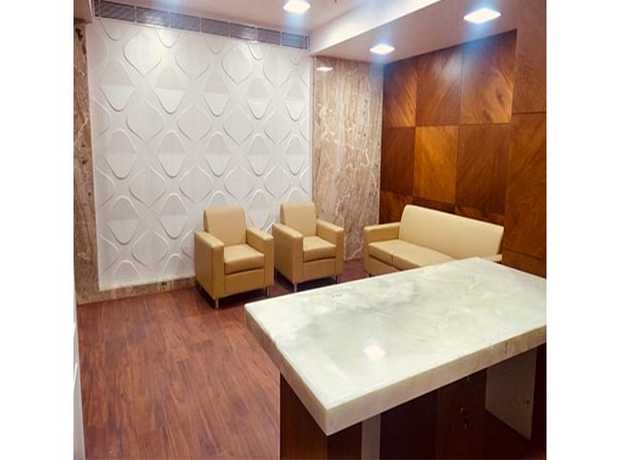
The interior design of a clubhouse or community facility is what truly transforms a structure into a welcoming and functional environment, influencing user experience, comfort, and the overall ambiance. In Kochi, where social gatherings and indoor-outdoor living are cherished, the interiors must reflect a blend of modern utility and local sensibility. A key consideration is selecting durable and sustainable materials. High-traffic areas, such as lobbies, gyms, and activity rooms, demand materials that can withstand heavy use, are easy to clean, and resistant to wear and tear. Examples include high-grade ceramic tiles, robust laminate flooring, commercial-grade vinyl, and durable paints. For sustainability, consider locally sourced materials (like various types of wood, stone), recycled content materials, and finishes with low volatile organic compound (VOC) emissions. In Kochi’s humid climate, moisture-resistant and anti-skid materials are practical choices, especially around pool areas, changing rooms, and entryways, ensuring both longevity and safety.
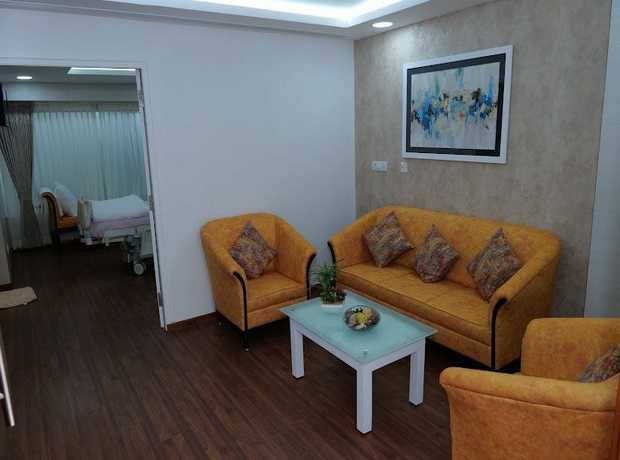
The choice of appropriate furniture and fixtures is equally critical. Furniture should be ergonomic, comfortable, and scalable to different activities. For multi-purpose halls, stackable or modular furniture offers flexibility. In lounges and libraries, inviting and durable pieces are essential. Fixtures, including plumbing and electrical, should be energy-efficient, robust, and aesthetically integrated into the design. For example, low-flow faucets and toilets contribute to water conservation, while LED lighting fixtures offer significant energy savings and longer lifespans. The selection should prioritize both form and function, enhancing the user experience without compromising durability.
Designing effective lighting systems is fundamental to creating the right mood and functionality for various spaces. A layered approach to lighting is ideal: ambient lighting for general illumination, task lighting for specific activities (e.g., reading lamps in a library, bright lights in a kitchen), and accent lighting to highlight architectural features or artwork. Natural light should be maximized, augmented by artificial lighting that can be dimmed or adjusted to suit different events or times of day. Warm lighting can create cozy atmospheres in lounges, while brighter, cooler lights are suitable for gyms or activity rooms. Integration of smart lighting controls can further enhance energy efficiency and user convenience.
Finally, providing adequate acoustics for various activities is often overlooked but profoundly impacts user comfort and satisfaction. In spaces like multi-purpose halls, auditoriums, or even busy cafes, poor acoustics can lead to echo, noise pollution, and difficulty in communication. Sound-absorbing materials for walls and ceilings (e.g., acoustic panels, fibrous plasterboards, carpets), strategic placement of diffusers, and careful consideration of room geometry can significantly improve sound quality. Conversely, in areas like meditation rooms or quiet lounges, sound insulation is key to creating tranquil retreats. A well-designed interior considers not just what people see and touch, but also what they hear and feel, crafting a truly immersive and pleasant experience for every visitor.
We offer comprehensive interior solutions, from insightful space planning to seamless turnkey execution, ensuring your clubhouse interiors are both stunning and highly functional. Explore our inspiring interior design portfolio and envision the possibilities for your project.
6. Sustainable Construction Practices: Building a Greener Kochi
Embracing sustainable construction practices is no longer an optional add-on but a fundamental necessity for any modern development in Kochi. Beyond environmental responsibility, it offers tangible benefits, including reduced operational costs, enhanced building performance, improved occupant health, and a positive brand image. A core aspect of this approach is using eco-friendly materials. This involves prioritizing materials with low embodied energy, those that are recycled, recyclable, or rapidly renewable. Examples include bamboo, certified wood from sustainably managed forests, low-VOC paints and adhesives, fly-ash bricks, and local stone. Sourcing materials locally whenever possible reduces transportation emissions and supports the regional economy. Consideration should also be given to the entire lifecycle of a material, from extraction to disposal, minimizing its environmental footprint.
Another critical element is implementing energy-efficient systems. This goes beyond just installing LED lighting. It encompasses a holistic approach to energy consumption. Building envelopes should be designed with high-performance insulation and glazing to minimize heat gain (in Kochi’s climate) or loss. HVAC systems should be high-efficiency models, possibly integrated with smart controls for optimal performance. Solar panels for electricity generation or solar water heaters are excellent ways to tap into renewable energy, significantly reducing reliance on grid electricity and cutting utility bills. Energy modeling during the design phase can help predict consumption and optimize system choices, ensuring the building achieves its energy performance targets.
Conserving water through efficient plumbing and landscaping is paramount, especially as water scarcity becomes a growing concern globally. This includes installing low-flow faucets, showerheads, and toilets, which dramatically reduce water consumption. Rainwater harvesting systems, collecting and storing rainwater for non-potable uses like irrigation, toilet flushing, and cleaning, are highly effective in Kochi’s monsoon-rich environment. Landscaping design should incorporate drought-tolerant native plant species that require minimal irrigation, or utilize efficient irrigation systems like drip irrigation. Implementing a greywater recycling system, where wastewater from sinks and showers is treated and reused, can further reduce the demand for fresh water.
Finally, minimizing construction waste is crucial. Construction and demolition activities are significant contributors to landfills. A well-planned waste management strategy should be implemented from the outset, focusing on the “3 Rs”: Reduce, Reuse, Recycle. This involves optimizing material orders to minimize off-cuts, salvaging reusable materials (e.g., doors, windows, fixtures) from existing structures if applicable, and separating waste on-site for recycling (e.g., concrete, metal, wood, plastic). Choosing prefabricated components can also reduce on-site waste. By consciously adopting these sustainable practices, a clubhouse or community facility in Kochi can not only reduce its environmental impact but also set a benchmark for responsible development, contributing to the city’s green initiatives and offering long-term economic benefits.
Skydome Designs is committed to pioneering sustainable designs that benefit both your project and the environment, ensuring long-term value and reduced ecological footprint. Let’s build green together.
7. Project Management and Quality Control: Orchestrating Success in Kochi
Effective project management is the backbone that holds together the complex process of delivering a clubhouse or community facility in Kochi, ensuring that the project progresses smoothly, efficiently, and meets all objectives. Without rigorous project management, even the most brilliant designs can falter, leading to delays, cost overruns, and compromised quality. The first critical step is establishing a clear project timeline and budget. This involves breaking down the entire project into manageable phases, setting realistic deadlines for each, and allocating financial resources meticulously. A detailed Gantt chart or similar project schedule helps visualize dependencies and critical paths. The budget should account for all foreseeable costs, including design fees, permits, materials, labor, contingencies, and potential inflation, providing a financial roadmap that guides decision-making throughout the project life cycle.
Central to successful execution is appointing a qualified project manager. This individual or team acts as the central coordinator, orchestrating all stakeholders – architects, engineers, contractors, suppliers, and client representatives. A good project manager possesses strong leadership, communication, problem-solving, and negotiation skills. They are responsible for monitoring progress against the timeline, tracking expenditures against the budget, resolving conflicts, and ensuring that all project objectives are met. Their expertise in construction processes and local regulations specific to Kochi is invaluable for anticipating and mitigating potential issues.
To ensure progress aligns with plans and to address issues proactively, conducting regular site inspections is indispensable. These inspections, performed by the project manager and relevant design team members, allow for on-the-ground assessment of work quality, adherence to specifications, and identification of potential deviations or safety concerns. Regular meetings with contractors and subcontractors facilitate communication, address challenges, and keep everyone aligned with project goals. These checks are not just about finding faults but about collaborative problem-solving and maintaining momentum.
Finally, implementing a rigorous quality control (QC) program is essential for delivering a facility that meets high standards of craftsmanship and durability. Quality control encompasses a series of inspections, tests, and checks conducted at various stages of construction – from material procurement to installation and finishing. This includes verifying the quality of raw materials, ensuring correct installation techniques, checking adherence to design specifications, and confirming that all work meets industry standards and KMBR requirements. A comprehensive QC program often involves third-party inspections for critical elements, detailed documentation of all checks, and a clear process for rectifying non-conforming work. This proactive approach to quality assurance significantly reduces defects, minimizes rework, and ensures the final clubhouse or community facility stands as a testament to exceptional build quality.
With nearly three decades of delivering 1261+ clubhouse and community facility design assignments across Kochi and globally, Skydome Designs consistently achieves on‑time delivery >98%. Our multi‑disciplinary reviews and post‑occupancy support underpin outcomes, demonstrating our unwavering commitment to project management excellence and client satisfaction.
The Role of BIM in Clubhouse and Community Facility Design in Kochi
Building Information Modeling (BIM) is rapidly revolutionizing the architecture, engineering, and construction (AEC) industry worldwide, and Kochi is no exception. More than just 3D modeling, BIM represents a paradigm shift in how buildings are designed, constructed, and managed throughout their entire lifecycle. Its adoption in clubhouse and community facility design brings a multitude of benefits, enhancing efficiency, accuracy, and collaboration. One of the most significant advantages of BIM is improved design coordination. Traditional 2D drawings often lead to clashes and inconsistencies between different disciplines (architectural, structural, MEP – mechanical, electrical, plumbing). BIM integrates all these models into a single, comprehensive digital representation of the building. This allows for automatic clash detection, identifying conflicts like a pipe running through a structural beam, early in the design phase, long before construction begins. This proactive identification saves immense time and cost that would otherwise be spent on rework on-site.
BIM also offers enhanced visualization and communication. The 3D models provide a far more intuitive understanding of the design than 2D drawings. Clients, stakeholders, and even non-technical team members can easily visualize the facility, walk through virtual spaces, and understand complex design elements. This improves communication, facilitates clearer feedback, and ensures that everyone is on the same page, leading to better-informed decisions and greater client satisfaction. Furthermore, BIM models can be used for realistic renderings and virtual reality (VR) walkthroughs, allowing prospective users to experience the space before it’s even built.
A critical benefit derived from improved coordination is the early detection of potential conflicts. By identifying clashes between various building systems (e.g., electrical conduits crossing HVAC ducts) during the design phase, architects and engineers can resolve them virtually. This prevents costly on-site modifications, delays, and disputes. The parametric nature of BIM means that changes made to one part of the model automatically update all related views and schedules, ensuring consistency across all documentation. This level of precision significantly reduces human error.
Ultimately, these advantages culminate in reduced construction errors and rework. When a fully coordinated, clash-free BIM model is used for construction documentation, contractors receive accurate and comprehensive information. This minimizes misinterpretations, reduces the likelihood of on-site mistakes, and streamlines the construction process. The result is a project that is built more efficiently, adheres closer to the original design intent, and often comes in on time and within budget. Beyond construction, BIM models can also integrate data for facility management, providing a digital twin of the building for operations, maintenance, and future renovations, truly enabling lifecycle management of the asset. For complex projects like community facilities in Kochi, BIM is an indispensable tool for achieving excellence.
Skydome Designs utilizes state-of-the-art BIM technology to streamline the design and construction process, ensuring unparalleled accuracy, efficiency, and collaborative advantage. Discover the transformative benefits of BIM for your project and experience intelligent building design. BIM‑led coordination, value engineering, and quality control are tailored to Kochi’s unique requirements, ensuring end‑to‑end delivery for your clubhouse and community facility design — from strategy and design to construction and seamless handover.
Why Choose Skydome Designs as Your Kochi Clubhouse Design Partner?
Selecting the right design and construction partner is the most critical decision for the success of your clubhouse or community facility project in Kochi. With nearly 30 years of unwavering commitment and unparalleled expertise, Skydome Designs Pvt Ltd stands as a leading architecture and interior design firm, specializing in creating iconic and highly functional clubhouses and community facilities. Our extensive experience is not just a number; it represents a legacy of successfully navigating complex projects, understanding diverse client needs, and mastering the intricacies of design and construction across varied geographies.
Our profound experience spans 29+ years across India and abroad, providing us with a global perspective while maintaining a deep understanding of local contexts, regulations, and aesthetic preferences. This dual insight allows us to bring international best practices to Kochi, adapting them seamlessly to the specific cultural and environmental nuances of the region. Whether it’s a modern community center or a traditional clubhouse, our portfolio reflects a versatile capability to deliver excellence across diverse typologies and scales. This long-standing presence in the industry is a testament to our consistent quality, reliability, and client satisfaction.
A key differentiator for Skydome Designs is our formidable in-house team of architects, healthcare planners, and project managers. This multi-disciplinary team ensures seamless collaboration, efficient communication, and integrated problem-solving from concept to completion. Having experts under one roof means less external coordination for you, streamlined workflows, and a cohesive vision for your project. Our architects bring creative flair and functional expertise, our healthcare planners add specialized insight into wellness-focused amenities (increasingly relevant for community facilities), and our project managers ensure meticulous execution and adherence to timelines and budgets. This integrated approach minimizes potential conflicts and ensures a holistic design process.
Our commitment to excellence is reflected in our reputation for delivering award-winning, client-focused, and sustainable designs. We don’t just build structures; we craft environments that inspire, engage, and endure. Our designs are conceived with the end-user in mind, ensuring they are not only aesthetically pleasing but also highly functional, comfortable, and inclusive. Sustainability is woven into the fabric of our design philosophy, leveraging eco-friendly materials, energy-efficient systems, and passive design strategies to create buildings that are responsible and cost-effective in the long run. The accolades we’ve received underscore our innovative approach and commitment to design excellence.
Crucially, Skydome Designs has a proven track record of delivering projects on-time, on-budget, and to global standards. We understand that time and cost are critical factors for any developer. Our robust project management methodologies, combined with our in-house expertise and rigorous quality control processes, ensure that your project adheres to its schedule and financial parameters. We pride ourselves on transparent communication and proactive problem-solving, anticipating challenges before they impact the project. Our commitment to global standards means your facility will incorporate the latest in design innovation, safety protocols, and construction techniques, ensuring it stands as a benchmark of quality in Kochi and beyond.
Skydome Designs’ legacy speaks for itself: We have successfully delivered 1261+ clubhouse and community facility design assignments across Kochi and globally over 24+ years. Our impressive on‑time delivery rate of >98%, combined with rigorous multi‑disciplinary reviews and invaluable post‑occupancy support, underpins the exceptional outcomes we consistently achieve for our clients. Partner with us for proven success.
FAQ: Clubhouse and Community Facility Design in Kochi
What are the key regulations for clubhouse construction in Kochi?
The key regulations primarily include adhering to the Kerala Municipality Building Rules (KMBR) for all aspects of construction, obtaining necessary building permits from the Kochi Municipal Corporation, and complying with stringent fire safety regulations as per the National Building Code (NBC) and Kerala Fire & Rescue Services. Additionally, environmental clearances, especially those related to coastal zones or water bodies, are crucial.
How can BIM improve the design and construction of community facilities?
BIM (Building Information Modeling) significantly enhances design coordination by integrating all architectural, structural, and MEP data into a single 3D model, allowing for early clash detection and resolution. It improves visualization for all stakeholders, streamlines communication, reduces construction errors and rework, leading to a more efficient, cost-effective, and accurate process. BIM also facilitates better facility management post-construction.
What sustainable practices should be incorporated into clubhouse design?
Sustainable practices are integral to modern design. These include using eco-friendly and locally sourced materials, implementing energy-efficient systems (e.g., solar panels, efficient HVAC, LED lighting), conserving water through efficient plumbing and rainwater harvesting, and minimizing construction waste through careful planning and recycling. Passive design elements like natural ventilation and daylighting are also key in Kochi’s climate.
What are the essential elements of effective project management for clubhouse construction?
Essential elements include establishing a clear project timeline and budget, appointing a qualified and experienced project manager, conducting regular site inspections for quality and progress monitoring, and implementing a rigorous quality control program. Effective communication, risk management, and stakeholder coordination are also crucial for on-time and on-budget delivery.
What are the typical amenities expected in a modern community clubhouse in Kochi?
Modern clubhouses in Kochi typically feature a diverse range of amenities, including multi-purpose halls, state-of-the-art fitness centers and gyms, swimming pools (often with kids’ splash areas), indoor and outdoor sports facilities (badminton, squash, basketball courts), children’s play zones, dedicated senior citizen lounges, co-working spaces or business centers, a library, banquet facilities, and often cafes or restaurants. Accessibility features are a standard expectation.
How do you ensure the clubhouse design is culturally relevant to Kochi?
Ensuring cultural relevance involves understanding local architectural styles, material palettes, and community gathering traditions. This could mean incorporating traditional Kerala architectural elements, using locally sourced materials like laterite or traditional tiles, integrating open courtyards for social interaction, and designing spaces that accommodate local festivals and events. Skydome Designs prioritizes designs that reflect the unique identity of Kochi while providing modern functionality.
What are the considerations for future-proofing a community facility design?
Future-proofing involves designing spaces that are flexible and adaptable to evolving community needs and technological advancements. This includes modular spaces, robust and expandable IT infrastructure, capacity for renewable energy upgrades, easy maintenance access, and timeless design aesthetics. Considering potential expansion opportunities and designing for long-term durability and lower operational costs are also key.
What is the average timeline for designing and constructing a typical clubhouse in Kochi?
The timeline can vary significantly based on the size, complexity, and specific requirements of the clubhouse. Generally, the design phase (conceptualization, schematic design, detailed design, and approvals) can take 6-12 months. The construction phase can range from 18-36 months, depending on the scale and site conditions. Comprehensive project management by experienced firms like Skydome Designs can help streamline this process and ensure timely delivery.
Conclusion
Navigating the complexities of clubhouse and community facility design in Kochi demands a meticulous approach, blending innovative design with unwavering adherence to regulatory frameworks and a deep understanding of local nuances. From the initial site analysis and regulatory compliance to the final touches of interior design and the implementation of sustainable practices, every phase requires careful planning and meticulous execution. The integration of advanced tools like BIM further elevates the design and construction process, ensuring unparalleled accuracy, efficiency, and collaboration.
By diligently following a comprehensive checklist and, most importantly, partnering with experienced professionals who possess both global expertise and local insights, you can ensure that your project is not only compliant and high-quality but also a valuable, enduring asset to the community it serves. A well-designed clubhouse is more than just a building; it’s a vibrant hub that fosters connection, enhances well-being, and elevates the quality of life for its residents. Skydome Designs brings nearly three decades of experience, a proven track record of successful deliveries, and a commitment to excellence that makes us the ideal partner to bring your vision to life. Ready to embark on a project that will stand as a benchmark of design, quality, and community value in Kochi?
Contact us today at +91 7299072144 or info@skydomedesigns.com to discuss your project and let us transform your aspirations into a tangible reality! Skydome Designs Pvt Ltd: Your trusted partner for clubhouse and community facility design in Kochi.
Contact Information:
📞 Phone: +91 7299072144
✉️ Email: info@skydomedesigns.com
🌐 Website: skydomedesigns.com