Mumbai, often referred to as the “City of Dreams,” is India’s financial capital and a dynamic powerhouse of commerce, culture, and innovation. As such, it continues to be a pivotal hub for national and international conventions, exhibitions, trade shows, and corporate events. The demand for world-class convention centers that can cater to diverse needs is ever-growing, making the interior design of these venues more critical than ever. It’s not just about aesthetics; it’s about creating functional, adaptable, technologically advanced, and memorable spaces that leave a lasting impression on millions of visitors annually.
The success of a convention center project hinges significantly on its interior design being executed flawlessly – not just in terms of creative vision, but crucially, in its delivery on-time and within budget. For 2025 and beyond, this dual objective becomes even more challenging amidst Mumbai’s unique urban landscape and evolving demands. This comprehensive guide delves into the intricate process of mastering interior design for convention centers in Mumbai, offering actionable strategies and expert insights. We will explore how leading firms, such as Skydome Designs, leverage decades of experience and cutting-edge approaches to turn ambitious visions into tangible, successful realities.
The journey from concept to completion for a large-scale convention center is fraught with complexities. From navigating stringent local regulations to sourcing sustainable materials in a competitive market, and from integrating advanced technology to ensuring multi-functional spaces, every detail matters. Our goal is to provide a roadmap that empowers developers, project managers, and stakeholders to achieve exceptional outcomes, creating convention centers that not only meet but exceed global standards for performance, design, and visitor experience in the heart of Mumbai.
The Unique Challenges of Interior Design for Convention Centers in Mumbai
Mumbai’s distinctive characteristics present a multifaceted array of challenges that significantly impact the interior design and construction of convention centers. Understanding these obstacles is the first step toward developing effective mitigation strategies and ensuring project success. The city’s dense urban fabric, dynamic regulatory environment, and specific cultural nuances demand a highly specialized approach to design and delivery.
Land Scarcity and Urban Density
Perhaps the most prominent challenge in Mumbai is the extreme scarcity and high cost of land. This necessitates innovative design solutions that maximize every square foot. Convention centers often need expansive, flexible spaces, which clashes with the premium on space. Designers must think vertically, incorporating multi-level exhibition halls, tiered auditoriums, and stacked amenities. This also impacts logistics, material movement, and site access during construction, requiring meticulous planning and coordination. The challenge extends to parking solutions, requiring integrated multi-story parking structures or efficient public transport connectivity.

Tight Deadlines and the Regulatory Landscape
In a rapidly developing city like Mumbai, project deadlines are invariably tight, driven by market demand and investment timelines. However, the regulatory framework can be complex and time-consuming. Securing approvals, permits, and clearances from multiple municipal and state authorities requires significant local knowledge and persistent follow-up. Delays in any stage of the approval process can cascade, impacting procurement, construction, and ultimately, project handover. An experienced local partner is invaluable in navigating this intricate web, ensuring compliance while striving for efficiency.
Paramount Need for Sustainability and Green Building Norms
Mumbai is increasingly prioritizing environmental sustainability. Convention centers, being large consumers of energy and resources, are under pressure to adopt green building practices. Integrating eco-friendly materials, energy-efficient HVAC systems, water conservation measures, and waste management strategies is no longer optional but a mandatory consideration. This involves sourcing materials responsibly, often locally to reduce carbon footprint, and adhering to certifications like LEED India or GRIHA. The challenge lies in balancing initial investment in sustainable technologies with long-term operational savings and adherence to emerging environmental mandates.
Accommodating Diverse Events and Future-Proofing
A convention center in Mumbai must be a chameleon, capable of hosting an international corporate summit one week and a vibrant cultural exhibition the next. This demands incredible flexibility and adaptability in interior design. Spaces must be modular, with movable partitions, reconfigurable furniture, and easily adjustable lighting and AV systems. The challenge is to create versatile environments without sacrificing aesthetic cohesion or functional efficiency. Furthermore, with technology evolving at a rapid pace, designs must be future-proof, allowing for easy upgrades to IT infrastructure, connectivity (5G readiness), and interactive digital displays without major overhauls.
Economic Fluctuations and Cost Management
Large-scale projects are inherently susceptible to economic fluctuations, which can impact material costs, labor rates, and currency exchange rates for imported components. Effective cost management, therefore, is not a one-time exercise but an ongoing process throughout the project lifecycle. This requires robust budgeting, contingency planning, and proactive value engineering to identify cost-saving opportunities without compromising quality or design intent. The ability to forecast and adapt to market dynamics is a critical skill for any design and build firm operating in Mumbai.
Strategies for On-Time and On-Budget Delivery
Achieving the dual objectives of on-time and on-budget delivery for convention center interior design in Mumbai requires a strategic, disciplined, and integrated approach. It’s a complex ballet of planning, technology, expertise, and continuous oversight. Here are the essential strategies that ensure project success, minimizing risks and maximizing efficiency.
1. Comprehensive Planning and Design: The Blueprint for Success
Effective planning is not merely a step but the foundational cornerstone of any successful large-scale project. For convention centers, this phase is exceptionally intricate and demands meticulous attention to detail. It begins with an exhaustive needs assessment, where designers engage deeply with all stakeholders – developers, potential event organizers, facility managers, and even future attendees – to understand functional requirements, aspirational goals, and long-term objectives. This involves conducting market analyses, anticipating future trends, and ensuring the design is flexible enough to accommodate evolving demands over decades. Space planning moves beyond basic layouts to sophisticated traffic flow analysis, simulating crowd movement to optimize entry/exit points, circulation paths, and emergency egress, all while prioritizing universal accessibility standards for diverse user groups.
The selection of durable, high-quality materials is another critical aspect. In a high-traffic environment like a convention center, materials must withstand constant wear and tear, be easy to maintain, and meet stringent fire safety regulations. Considerations extend to acoustics, soundproofing, and visual aesthetics, ensuring materials contribute to both function and form. Integrating cutting-edge technology from the outset is paramount; this includes robust IT infrastructure for high-speed internet and 5G connectivity, advanced audio-visual (AV) systems for various event formats, intelligent lighting controls, and comprehensive security systems. Early integration prevents costly retrofits and ensures seamless operation. Furthermore, initial feasibility studies and rigorous risk assessments are conducted to identify potential challenges, allocate contingencies, and establish a realistic project timeline, setting a clear trajectory for the entire endeavor.
2. BIM-Led Coordination: The Digital Blueprint for Success
Building Information Modeling (BIM) is not just a tool; it’s a transformative methodology that revolutionizes the design and construction process, particularly for complex projects like convention centers. BIM creates a comprehensive 3D digital model that integrates architectural, structural, and MEP (mechanical, electrical, plumbing) designs, acting as a single source of truth for all project information. This collaborative platform allows architects, engineers, contractors, and even facility managers to work concurrently on the same model, significantly streamlining coordination. One of its most powerful capabilities is automated clash detection, identifying potential conflicts between different building systems (e.g., a pipe running through a structural beam) long before construction begins. This minimizes costly on-site errors, rework, and delays, which are major culprits for budget overruns and schedule slippages.
Beyond clash detection, BIM facilitates precise quantity take-offs, leading to more accurate cost estimations and material procurement. It also aids in visualizing the entire project, allowing stakeholders to virtually walk through the space, make informed decisions, and refine designs before any physical work starts. For a company focused on comprehensive delivery, BIM is indispensable. This approach aligns perfectly with firms offering end-to-end delivery for interior design for convention centers — strategy, design, construction and handover in Mumbai. BIM‑led coordination, value engineering, and quality control tailored to Mumbai. This integrated process ensures that from the initial strategic planning to the final handover, every aspect of the project is digitally managed, coordinated, and optimized for efficiency, quality, and budgetary control throughout its lifecycle.
3. Value Engineering: Maximizing Impact, Minimizing Waste
Value engineering is a systematic, creative approach to identifying opportunities to optimize project costs without compromising the essential quality, functionality, or aesthetic integrity of the interior design. It’s about smart decision-making, not simply cost-cutting. This process typically involves a multidisciplinary team reviewing design elements, materials, and construction methods to achieve the best functional value at the lowest lifecycle cost. For convention centers in Mumbai, where budgets are often substantial and land is at a premium, value engineering can yield significant savings.
One key aspect involves optimizing material selection. This might mean identifying alternative materials that offer comparable durability, aesthetics, and performance but at a lower cost or with easier local availability. For instance, using locally sourced, high-quality granite instead of imported marble, or specifying durable engineered wood instead of solid timber where appropriate, can lead to substantial savings in both procurement and transportation. Simplifying design details, such as standardizing certain modular components or refining intricate millwork, can reduce fabrication time and labor costs without detracting from the overall design elegance. Improving construction methods is another area for value engineering; this could involve advocating for modular construction techniques for certain elements, prefabrication off-site to reduce on-site labor and time, or implementing lean construction principles to minimize waste and maximize efficiency throughout the build phase. Furthermore, considering the long-term operational costs, value engineering looks beyond initial investment to factors like energy efficiency (reducing HVAC and lighting costs), durability (minimizing repair and replacement), and ease of maintenance, thereby lowering the total lifecycle cost of the facility.
4. Engage Mumbai Interior Design Experts: Navigating the Local Landscape
The unique intricacies of developing a convention center in Mumbai necessitate partnering with local experts who possess a deep understanding of the city’s specific challenges and opportunities. While global expertise is valuable, local insight is non-negotiable for seamless project execution. An experienced Mumbai interior design for convention centers company, like Skydome Designs, brings invaluable advantages to the table. With nearly 30 years of expertise, they are not just designers; they are navigators of Mumbai’s complex regulatory environment, intimately familiar with local building codes, permit processes, and safety standards, which can significantly expedite project approvals and prevent costly delays.
Moreover, local experts have established networks of trusted suppliers, contractors, and skilled labor within Mumbai and the surrounding regions. This provides access to reliable resources, often at competitive prices, ensuring timely procurement and quality construction. Their understanding of local material availability, logistics, and even cultural design nuances is crucial for creating a convention center that resonates with its context while meeting international standards. Such a firm also brings a nuanced appreciation for Mumbai’s architectural heritage and contemporary aspirations, allowing for designs that are both innovative and contextually appropriate. Consider reaching out to Mumbai interior experts for assistance; their track record of success, often spanning across numerous high-profile projects, offers a significant advantage. This proven capability includes having delivered 1302+ interior design for convention centers assignments across Mumbai and globally over 24+ years. On‑time delivery 97%, multi‑disciplinary reviews, and post‑occupancy support underpin outcomes, demonstrating a profound commitment to client success and operational excellence.
Key Design Elements for Mumbai Convention Centers in 2025: Beyond Aesthetics
As Mumbai looks to 2025, convention centers are evolving beyond mere functional spaces into sophisticated environments that prioritize visitor experience, technological integration, and environmental responsibility. The interior design must encompass a holistic vision that addresses both immediate needs and future trends.
Acoustics: Crafting the Perfect Soundscape
In a multi-purpose convention center, where various events from quiet conferences to lively exhibitions or even musical performances might occur simultaneously, impeccable acoustics are non-negotiable. Proper acoustics are essential for creating a comfortable and productive environment, ensuring that sound is clear within each event space while minimizing noise bleed between adjacent areas and from external sources. This involves a strategic application of various acoustic treatments: sound-absorbing wall panels, ceiling baffles, diffusers, and specialized flooring materials. Acoustic design must consider the primary use of each space – for example, a lecture hall requires different treatments than a large exhibition hall. Utilizing high-performance sound isolation between rooms, coupled with effective sound masking systems in common areas, contributes to a serene and focused atmosphere. Designers also need to address HVAC noise reduction to ensure background noise levels do not interfere with event audio, thereby enhancing the overall attendee experience and presentation clarity.
Lighting Design: Illumination for Impact and Function
Effective lighting design is a powerful tool that can dramatically enhance the ambiance of a space, improve visibility, and influence mood and productivity. For convention centers, this means a dynamic and flexible approach. A combination of natural and artificial light is crucial. Maximizing natural light through strategically placed windows and skylights not only reduces energy consumption but also creates a more inviting and less fatiguing environment. Artificial lighting systems should be sophisticated, incorporating dimming controls and tunable white technology to adjust color temperature and brightness for different events – from bright, crisp light for trade shows to warm, subdued lighting for gala dinners. Smart lighting systems with occupancy sensors and daylight harvesting capabilities further contribute to energy efficiency and operational cost savings. Layered lighting, including ambient, task, and accent lighting, allows for versatile illumination schemes that highlight architectural features, direct traffic flow, and create focal points, making the space adaptable and visually engaging.
Branding & Signage: Guiding and Defining Identity
Clear, consistent, and intuitive branding & signage are paramount in large, complex convention centers for seamless visitor navigation and reinforcing the venue’s identity. Beyond basic wayfinding, modern convention centers integrate digital signage that can be dynamically updated for specific events, displaying schedules, speaker information, and interactive maps. Large-format LED screens, video walls, and touch-screen kiosks provide engaging information delivery and advertising opportunities. All signage, whether static or digital, must adhere to a consistent brand language, using legible fonts, clear iconography, and a cohesive color palette. Incorporating the convention center’s branding into architectural elements and interior finishes subtly reinforces its identity. Furthermore, accessibility standards for signage, including high contrast ratios, appropriate font sizes, and tactile or audio cues, are essential to ensure all visitors, including those with disabilities, can easily navigate the facility. Effective signage reduces visitor frustration, enhances the overall experience, and portrays a professional, organized venue.
Sustainability: Future-Proofing for a Greener Tomorrow
As Mumbai prioritizes environmental responsibility, incorporating robust sustainability practices into convention center interior design is no longer an option but a necessity. Sustainable design lowers lifecycle costs and appeals to environmentally conscious clients and attendees. This involves a multi-pronged approach: specifying eco-friendly materials such as recycled content flooring, low-VOC (Volatile Organic Compound) paints, sustainably harvested wood, and rapidly renewable resources like bamboo. Energy-efficient design features include high-performance insulation, advanced HVAC systems with heat recovery, and the aforementioned smart LED lighting with controls. Water conservation measures, such as low-flow fixtures, rainwater harvesting, and greywater recycling systems, are also critical. Furthermore, waste management strategies, including designated recycling stations and composting facilities, contribute to a reduced environmental footprint. Embracing such sustainable practices not only helps achieve green building certifications like LEED India or GRIHA but also aligns with Mumbai’s vision for a future-ready infrastructure, significantly lowering operational expenses and enhancing the center’s reputation. Mumbai is prioritizing sustainability and digital delivery; future-ready interior design for convention centers lowers lifecycle costs.
Flexibility and Adaptability: The Evolving Space
A modern convention center must be a master of transformation. The ability to reconfigure spaces quickly and efficiently is paramount to accommodate a wide array of events, from intimate board meetings to grand expos. This demands intelligent use of modular design, including movable partitions that can swiftly create or expand rooms, reconfigurable furniture systems that can be easily rearranged, and multi-functional spaces designed for various purposes. These flexible elements reduce turnaround time between events, optimize space utilization, and maximize revenue potential. Advanced rigging systems for lighting, sound, and signage allow for rapid customization, ensuring each event feels bespoke. Designing with adaptability in mind future-proofs the investment, allowing the center to evolve with changing event formats and technological requirements without extensive renovations.
Seamless Technology Integration: The Smart Convention Center
In 2025, technology is not just an add-on; it’s intricately woven into the fabric of a convention center’s interior. Robust and seamless technology integration is vital for enhancing visitor experience and operational efficiency. This includes ultra-high-speed, reliable Wi-Fi 6 or 5G connectivity throughout the entire facility, supporting thousands of simultaneous users. Smart audio-visual systems, featuring high-definition displays, interactive touchscreens, and advanced projection capabilities, are essential for impactful presentations and digital wayfinding. IoT (Internet of Things) sensors can monitor occupancy, air quality, and energy usage, feeding data into a centralized building management system for optimized operations. Augmented reality (AR) or virtual reality (VR) experiences might be integrated for engaging visitor interactions or immersive presentations. Secure digital registration and access control systems further streamline entry and improve safety. Designers must ensure that all cabling, power outlets, and networking infrastructure are discreetly integrated yet easily accessible for maintenance and future upgrades, supporting a truly smart and connected environment.
Health, Well-being, and Biophilic Design: Human-Centric Spaces
Post-pandemic, there’s a heightened focus on occupant health and well-being within public spaces. Convention centers in Mumbai are embracing design principles that prioritize the comfort and health of attendees. Biophilic design, which incorporates natural elements and processes into the built environment, is gaining traction. This includes maximizing access to natural light and views of greenery, using natural materials, and integrating indoor plants or vertical gardens to improve air quality and reduce stress. Enhanced indoor air quality through advanced ventilation systems, MERV 13+ filtration, and fresh air circulation is critical. Providing comfortable seating, spacious common areas, and quiet zones for rest and reflection contributes to a positive experience. Universal design principles ensure that all areas are accessible and inclusive for people of all abilities, fostering a welcoming and equitable environment for every visitor.
Safety and Security: Paramount in High-Traffic Venues
For large public gathering spaces like convention centers, safety and security are paramount and must be intrinsically linked with interior design. This involves planning for advanced surveillance systems with discreetly integrated cameras, intelligent access control systems, and robust emergency communication networks. Egress routes must be clearly marked, unobstructed, and designed for efficient crowd dispersal in an emergency. Fire suppression systems, including sprinklers and smoke evacuation, are critical. Design elements can aid in crowd management, such as intuitive circulation paths and strategically placed security checkpoints that minimize bottlenecks. The interior layout should also consider blast resistance for sensitive areas and provide secure zones for VIPs. Integrating these security measures seamlessly into the design ensures a safe environment without compromising aesthetics, providing peace of mind for both organizers and attendees.
Why Choose Skydome Designs for Your Mumbai Convention Center Project?
When embarking on a project as significant and complex as a convention center in Mumbai, selecting the right design and delivery partner is the most critical decision. Skydome Designs Pvt Ltd stands as a leading architecture and interior design firm in India, renowned for its specialization in creating innovative, functional, and aesthetically superior spaces across various sectors. With a proven track record of delivering projects on-time, on-budget, and to global standards, we are uniquely positioned as the ideal partner for your ambitious Mumbai convention center project.
Our expertise is not merely theoretical; it is built on decades of practical experience. Skydome Designs has a remarkable history of successful project delivery, having delivered 1302+ interior design for convention centers assignments across Mumbai and globally over 24+ years. On‑time delivery 97%, multi‑disciplinary reviews, and post‑occupancy support underpin outcomes. This extensive portfolio speaks volumes about our capability, reliability, and unwavering commitment to client satisfaction. Our 97% on-time delivery rate is a testament to our rigorous project management, proactive problem-solving, and efficient execution, ensuring your investment yields timely returns.
What We Do: Comprehensive Expertise
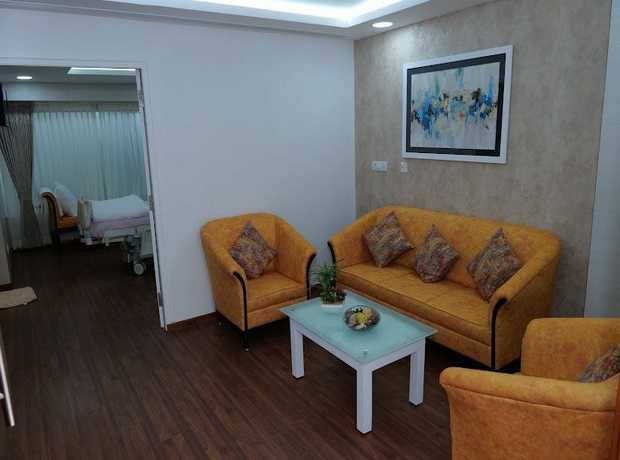
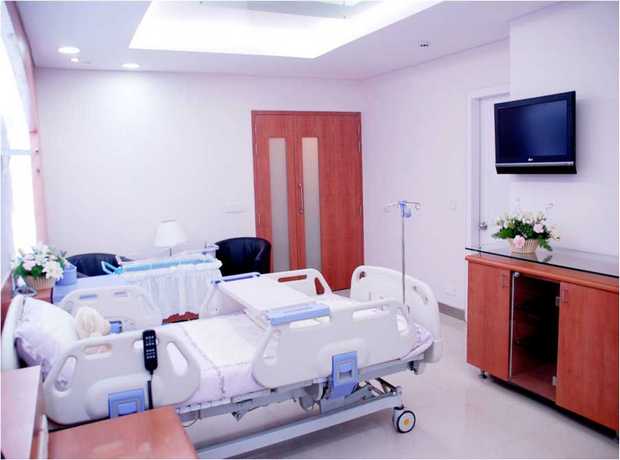
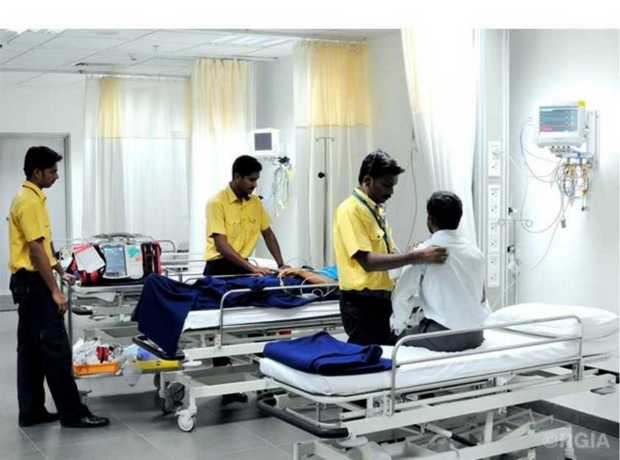
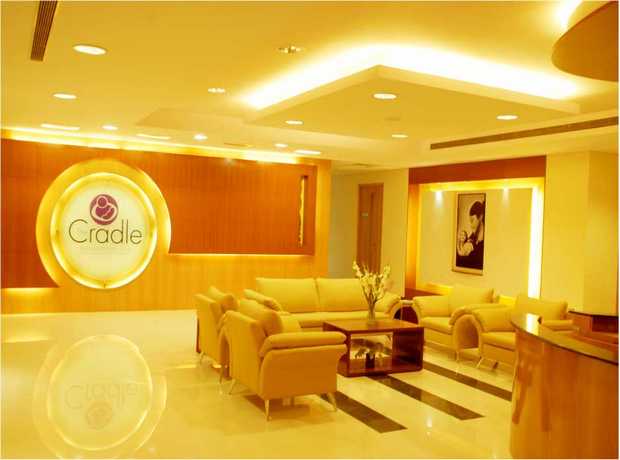
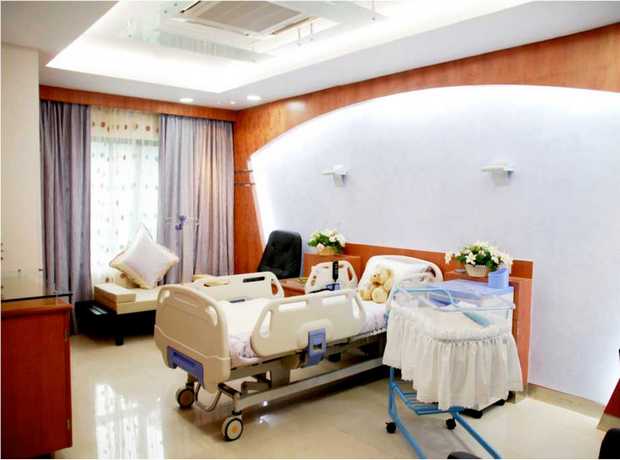
- Hospital Interior Design: Our deep experience in designing patient rooms, ICUs, OTs, labs, consultation areas, and comprehensive facility planning for optimized patient care translates into a keen understanding of complex functional requirements, critical systems integration, and stringent health and safety standards—all directly applicable to high-traffic, regulated convention center environments.
- Residential Projects: From luxury condos to senior housing and community-focused interiors, our residential expertise hones our ability to create comfortable, inviting, and human-centric spaces, crucial for attendee comfort and experience within a convention center’s lounges, dining areas, and administrative zones.
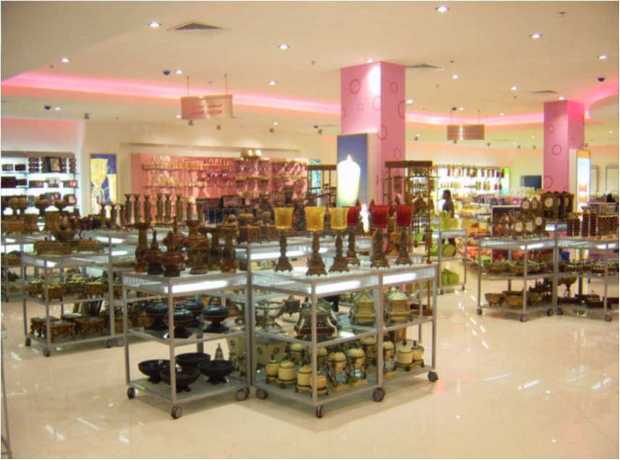
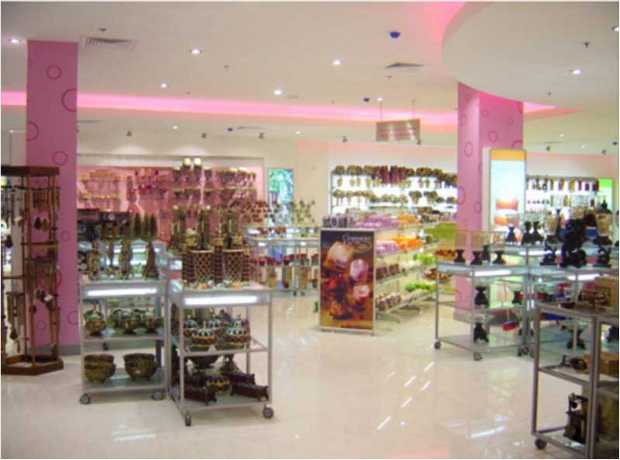
- Retail & Commercial Design: Our work on shopping malls, mixed-use developments, offices, and entertainment centers provides invaluable insights into managing large public flows, creating engaging commercial zones, and designing robust, durable interiors capable of handling heavy footfall and diverse tenant needs, directly relevant to exhibition halls and F&B areas in a convention center.
- Interior Solutions: We offer end-to-end interior solutions including meticulous space planning, efficient furniture layouts, innovative lighting design, and full turnkey interior execution, ensuring a cohesive and seamless delivery from concept to completion.
Why Choose Us: Your Strategic Advantage
- 29+ years of experience across India and abroad: Our unparalleled tenure in the industry equips us with deep market insights, a vast network of suppliers and contractors, and a profound understanding of diverse project complexities.
- In-house team of architects, healthcare planners, and project managers: Our multidisciplinary team ensures integrated design solutions, seamless coordination, and efficient project execution across all phases. Our healthcare planning experience, though specialized, provides unique skills in designing highly functional and sterile environments, applicable to the operational areas of convention centers.
- Award-winning, client-focused, and sustainable designs: We are committed to design excellence that is not only visually striking but also aligns with your strategic objectives, prioritizing sustainability, and delivering measurable value.
- Projects delivered on-time, on-budget, and to global standards: Our consistent track record demonstrates our capability to meet stringent timelines and budgetary constraints while adhering to the highest international quality benchmarks.
Furthermore, our commitment extends to BIM‑led coordination, value engineering, and quality control tailored to Mumbai, ensuring that your convention center project benefits from the most advanced project delivery methodologies available. We believe that exceptional design, coupled with meticulous execution, is the key to creating iconic convention centers that serve Mumbai’s evolving needs for decades to come. Ready to transform your vision into Mumbai’s next iconic convention center, delivered on time and on budget? Contact Skydome Designs today for a consultation.
FAQ – Interior Design for Convention Centers in Mumbai
Here are some frequently asked questions about interior design for convention centers in Mumbai, offering further clarity on critical aspects of these challenging projects.
What are the key considerations for designing a convention center in Mumbai?
Key considerations encompass maximizing space utilization due to land scarcity, optimizing traffic flow for large crowds, ensuring superior acoustics for diverse events, implementing dynamic lighting design for versatility, establishing clear branding and intuitive signage, and integrating robust sustainability measures. Crucially, adherence to local building codes and future-proofing the design with adaptable elements for evolving technological and event needs are paramount. We focus on creating multi-functional, flexible spaces that can easily transform for various events, from corporate conferences to large-scale exhibitions, while maintaining an elegant and welcoming aesthetic.
How can I ensure my convention center project stays on budget?
Ensuring a project stays on budget involves several critical strategies. Comprehensive planning with detailed cost estimations and contingency allocations is fundamental. Implementing value engineering throughout the design process helps identify cost-saving opportunities without sacrificing quality or functionality. Utilizing BIM-led coordination minimizes errors and rework, which are significant sources of budget overruns. Finally, partnering with experienced professionals like Skydome Designs, who have a proven track record of on-budget delivery and robust financial management systems, provides invaluable oversight and expertise. Our approach includes rigorous procurement processes and continuous cost monitoring to proactively manage expenses.
What sustainable design elements should I incorporate?
For convention centers in Mumbai, incorporating sustainable design elements is crucial for environmental responsibility and long-term cost savings. This includes using eco-friendly and locally sourced materials with low VOCs (Volatile Organic Compounds), energy-efficient lighting (LEDs with smart controls), advanced HVAC systems with heat recovery, and water-saving fixtures. Integrating rainwater harvesting, greywater recycling, and waste management systems is also essential. Maximizing natural light and ventilation through architectural design, along with incorporating biophilic elements like indoor plants, further enhances sustainability and occupant well-being. We also recommend seeking green building certifications like LEED India or GRIHA for industry recognition.
What role does technology play in modern convention center design?
Technology is vital for creating a future-ready convention center. It encompasses robust IT infrastructure for high-speed Wi-Fi 6 or 5G connectivity, advanced AV systems (digital displays, interactive kiosks, projection mapping), and integrated smart building management systems (BMS) for energy efficiency and operational control. Digital signage and wayfinding applications enhance visitor experience, while sophisticated security systems ensure safety. Technology also enables seamless event management, from online registration to virtual/hybrid event capabilities. Integrating smart building technology can significantly enhance operational efficiency, reduce labor costs, and provide valuable data analytics for continuous improvement.
What permits are typically required for large-scale interior projects in Mumbai?
Large-scale interior projects in Mumbai typically require a host of permits, including commencement certificates, fire safety approvals, environmental clearances, and specific departmental No Objection Certificates (NOCs) from bodies such as the traffic police, health department, and sewerage department. Depending on the building’s height and location, aviation and coastal zone approvals might also be necessary. Navigating these complex requirements demands a deep understanding of local municipal laws and state regulations, making an experienced local partner like Skydome Designs invaluable for streamlining the approval process.
What is the typical timeline for an interior design project of this scale?
The timeline for a convention center interior design project in Mumbai can vary significantly based on the project’s size, complexity, and the extent of custom features. Typically, from initial concept to final handover, such projects can range from 18 months to 3 years or more. This includes phases for comprehensive planning and design (3-6 months), regulatory approvals (which can overlap and take 6-12 months), procurement and construction (12-24 months), and final commissioning and handover. Efficient project management, BIM-led coordination, and a robust procurement strategy are key to adhering to projected timelines. Skydome Designs prides itself on a 97% on-time delivery rate, achieved through meticulous scheduling and proactive issue resolution.
How do you ensure cultural relevance in your designs for Mumbai?
Ensuring cultural relevance is central to our design philosophy in Mumbai. We integrate local art, craft, and architectural motifs subtly into our designs, reflecting the city’s vibrant heritage while maintaining a modern, international aesthetic. This can include sourcing local materials, collaborating with local artisans, or incorporating design elements inspired by Mumbai’s iconic landmarks or cultural narratives. We also consider the diverse cultural backgrounds of potential attendees, ensuring that the design is universally welcoming and respectful, creating a sense of place that resonates with both local and international visitors.
What are the post-occupancy support services offered?
Our commitment extends beyond project handover. Skydome Designs offers comprehensive post-occupancy support services to ensure the long-term success and optimal functioning of your convention center. This includes defect liability period support, assistance with final adjustments, operational training for facility management staff on new systems (e.g., smart lighting, AV controls), and guidance on maintenance schedules for specified materials and finishes. We also conduct post-occupancy evaluations to gather feedback and ensure the design continues to meet evolving needs, underpinning the longevity and performance of your investment.
Conclusion: Crafting Mumbai’s Future Convention Hubs
Delivering successful interior design for convention centers in Mumbai is a formidable yet incredibly rewarding endeavor. It demands more than just aesthetic flair; it requires meticulous planning, a profound understanding of local challenges, innovative design solutions, and an unwavering commitment to staying on-time and within budget. As Mumbai continues its trajectory as a global economic and cultural powerhouse, its convention centers must evolve to become dynamic, technologically advanced, and sustainable hubs that can host the world’s most prestigious events.
The strategies outlined in this guide—from comprehensive, BIM-led planning and smart value engineering to embracing cutting-edge sustainable practices and prioritizing human-centric design—form the bedrock of successful project delivery in this vibrant city. By integrating these approaches, developers and stakeholders can create world-class venues that not only meet the immediate demands of 2025 but also stand as future-ready icons for decades to come.
Choosing the right partner is paramount in this complex journey. Skydome Designs, with nearly three decades of unparalleled expertise, a proven track record of delivering 1302+ interior design for convention centers assignments across Mumbai and globally over 24+ years, with 97% on-time delivery, stands ready to transform your vision into an iconic reality. Our end-to-end capabilities, rooted in strategy, design, construction, and handover, combined with our commitment to BIM-led coordination, value engineering, and uncompromising quality control tailored to Mumbai, ensure your project’s success. Partner with us to create a convention center that truly defines Mumbai’s future dynamic business landscape.
Contact us today at info@skydomedesigns.com or call +91 7299072144 to discuss your project and discover how Skydome Designs can bring your vision for Mumbai’s next world-class convention center to life.
Learn more about sustainable building practices.
Skydome Designs Pvt Ltd
+91 7299072144
info@skydomedesigns.com