Sydney, a dynamic global city synonymous with innovation and rapid urban development, is experiencing an unprecedented evolution in its built environment. As this vibrant metropolis continues its upward trajectory, the demand for truly effective, sustainable, and user-centric spaces becomes paramount. This growing necessity is catapulting the significance of design-build post-occupancy evaluations (POE) into the spotlight, with a projected surge in importance by 2025. Far more than a mere administrative checkbox, POE in the design-build context is becoming an indispensable tool for ensuring that every new structure or renovation genuinely serves its purpose, aligns with increasingly stringent building codes, and exceeds the ever-rising expectations of its occupants. Let’s embark on a comprehensive exploration of what this pivotal trend signifies for the future of architecture, design, and construction in Sydney.
Understanding the Ascent of Design-Build Post-Occupancy Evaluation in Sydney
The design-build project delivery method has gained considerable traction for its inherent efficiency and streamlined approach. By consolidating design and construction responsibilities under a single entity, it fosters enhanced collaboration, accelerates project timelines, and often offers greater cost predictability. However, the true measure of success for such integrated projects extends beyond timely and on-budget delivery. This is precisely where Post-Occupancy Evaluation (POE) emerges as a critical component, serving as a systematic process to assess how well the completed project aligns with its original objectives, performs in real-world conditions, and, crucially, meets the evolving needs and satisfaction of its end-users. Sydney’s unique blend of ambitious urban planning, commitment to environmental sustainability, and a discerning population are powerful catalysts driving the increased adoption and sophistication of these evaluations.
Why is Design-Build Post-Occupancy Evaluation Becoming More Important?
The confluence of several key factors is accelerating the prominence of POE within Sydney’s design-build sector:
- Stricter Building Codes and Sustainability Mandates: Sydney is at the forefront of integrating sustainability into its urban fabric. The city, along with the broader Australian context, is continuously updating its building codes and regulatory frameworks to promote higher standards of environmental performance, energy efficiency, and accessibility. These include updates to the National Construction Code (NCC), local council planning instruments, and the increasing push for certifications like Green Star and NABERS ratings. POE provides empirical evidence to verify not only compliance with these codes but also the actual, operational performance of a building against its sustainable design intentions. It helps validate whether innovative green technologies are truly delivering expected energy and water savings, and ensures that accessibility features are functional and inclusive in practice, not just on paper.
- Increased User Expectations and the Demand for Wellbeing: Today’s occupants, whether in residential, commercial, healthcare, or retail spaces, demand more than just shelter. They expect environments that actively contribute to their comfort, productivity, health, and overall wellbeing. This encompasses everything from optimal natural light and superior indoor air quality to effective acoustic management, ergonomic layouts, and seamless integration of smart building technologies. POE offers invaluable feedback mechanisms – through surveys, interviews, and sensor data – to gauge user satisfaction across these multifaceted criteria. This user-centric data is crucial for designers and builders to understand the true impact of their work and to iteratively refine their approaches to create spaces that genuinely resonate with the people who inhabit them. The focus has shifted from mere functionality to holistic experience.
- Optimizing Building Performance for Long-Term Value: In an era of escalating operational costs and a global imperative for resource efficiency, optimizing building performance is no longer optional. POE identifies critical areas for improvement in energy consumption, water usage, waste management, and overall operational effectiveness. By collecting real-world data on HVAC system performance, lighting efficiency, envelope integrity, and maintenance requirements, POE uncovers discrepancies between predicted and actual performance. This data is vital for facility managers to implement targeted improvements, reduce lifecycle costs, and extend the operational lifespan of assets. For design-build firms, this translates into a powerful feedback loop, allowing them to refine their design strategies and construction methodologies for future projects, leading to more resilient, efficient, and cost-effective outcomes for their clients.

Key Trends in Design-Build Post-Occupancy Evaluation in Sydney for 2025
As we cast our gaze towards 2025, several transformative trends are poised to redefine the landscape of design-build post-occupancy evaluation in Sydney. These trends collectively underscore a profound shift towards data-driven decision-making, hyper-personalization, and a holistic, lifecycle-oriented approach to building performance.
BIM-Led Coordination and Quality Control
Building Information Modeling (BIM) is not just a trend; it’s a fundamental paradigm shift that continues to revolutionize project coordination, information management, and quality control across the entire asset lifecycle. Its adoption in Sydney’s design-build projects is accelerating, becoming an indispensable tool particularly during the critical post-occupancy phase. BIM creates a comprehensive digital representation of a facility, integrating architectural, structural, and MEP (mechanical, electrical, plumbing) data into a single, intelligent model. During POE, this rich dataset becomes invaluable.
By leveraging BIM, stakeholders can perform detailed comparisons between the ‘as-designed’ model and the ‘as-built’ reality, easily identify deviations, and track the performance of specific components. This allows for proactive identification and swift resolution of potential issues that might impact occupant comfort or building efficiency, rather than reactive problem-solving. For instance, sensors measuring indoor air quality or temperature can be linked back to the BIM model, providing a spatial and contextual understanding of performance issues. Furthermore, BIM models can integrate operational data, maintenance schedules, and asset information, creating a ‘digital twin’ that evolves with the building. This digital twin facilitates more precise POEs, enabling facility managers to predict maintenance needs, optimize energy use, and simulate future renovation impacts with unprecedented accuracy, resulting in smoother project delivery and substantially improved long-term building performance. To delve deeper into the transformative power of BIM in the Sydney context, explore resources on its application in local projects. Learn more about BIM in Sydney.
The integration of BIM with POE means that every facet of the building, from its structural integrity to the efficiency of its environmental systems, can be meticulously tracked and evaluated. This level of detail empowers design-build teams to truly understand the operational nuances of their creations. Skydome Designs excels in this area, leveraging advanced BIM capabilities for comprehensive project delivery, ensuring that their multi-disciplinary reviews and post-occupancy support are informed by the most accurate and exhaustive data available. This approach underpins the outcomes of their 1193+ design-build post-occupancy evaluation assignments across Sydney and globally, contributing significantly to their remarkable 99% on-time delivery rate.
Value Engineering Tailored to Sydney’s Unique Context
Value engineering, traditionally perceived as a cost-cutting exercise, is undergoing a significant evolution. In Sydney, this systematic approach to maximizing value throughout a project’s lifecycle is increasingly nuanced, moving beyond initial capital expenditure to encompass operational efficiency, environmental impact, and long-term user satisfaction. For design-build projects in Sydney, value engineering now intrinsically means considering local materials, construction techniques optimized for the Australian climate and regulatory environment, and environmental factors unique to the region. This might involve specifying materials with lower embodied energy, designing for passive solar gain or natural ventilation to reduce reliance on mechanical systems, or selecting robust finishes that withstand coastal conditions.
Post-occupancy evaluations play a pivotal and often underappreciated role in refining future value engineering initiatives. By collecting real-world data on the performance of selected materials, systems, and design strategies, POE provides an empirical feedback loop. For example, if a specific façade material chosen for its aesthetic and perceived durability in value engineering fails to perform as expected post-occupancy due to Sydney’s intense UV radiation or humidity, this data can inform material selection for subsequent projects. This iterative process ensures that value engineering decisions are not only cost-effective upfront but also contribute to the long-term sustainability, durability, and operational efficiency of the built asset. It allows for the fine-tuning of designs to better suit Sydney’s unique climatic challenges, its commitment to sustainability, and its sophisticated market demands.
Skydome Designs embraces a holistic view of value engineering, meticulously tailored to Sydney’s specific demands. Their end-to-end delivery model, encompassing strategy, design, construction, and handover, is constantly refined by insights gleaned from comprehensive POEs. This commitment to continuous improvement ensures that every project they undertake delivers optimal value across its entire lifecycle, a testament to their expertise in delivering complex design-build solutions.
The Unwavering Focus on User Experience and Wellbeing
Ultimately, the unequivocal measure of success for any design-build project rests on the experience of its occupants. In an increasingly competitive market, creating spaces that foster wellbeing, enhance productivity, and promote satisfaction is no longer a luxury but a fundamental requirement. POE offers critical insights into the dynamic interplay between people and their built environment, allowing designers and builders to make informed adjustments and proactively create environments that genuinely cater to the evolving needs and aspirations of their users. This human-centric approach considers a myriad of factors:
- Space Planning: How effectively does the layout support workflows, foster collaboration, or provide privacy as needed? Is circulation intuitive and efficient?
- Lighting Design: Is there adequate natural light? Is artificial lighting balanced, glare-free, and energy-efficient? Does it support visual comfort and circadian rhythms?
- Acoustics: Are noise levels appropriate for the intended activity? Is there sufficient sound privacy, or are open spaces too distracting?
- Materials Selection: Do materials contribute to indoor air quality (low VOCs)? Are they durable, aesthetically pleasing, and easy to maintain? Do they evoke a sense of comfort and place?
- Thermal Comfort: Are temperature and humidity levels consistently comfortable across different zones and seasons without excessive energy use?
- Biophilic Design: Does the design incorporate elements that connect occupants to nature, such as natural light, views of greenery, or natural materials, to enhance wellbeing?
- Flexibility and Adaptability: Can the space easily accommodate future changes in function or user numbers?
POE gathers subjective feedback through surveys and interviews, complemented by objective data from sensors (e.g., CO2 levels, temperature, light levels), to provide a comprehensive picture of user experience. This data empowers design-build teams to identify elements that work exceptionally well and those that require refinement, fostering a continuous learning cycle for future projects. For a design partner who deeply understands the nuances of user experience and how to translate them into compelling interior solutions, contact Skydome Designs, the premier sydney interior experts, renowned for their ability to craft spaces that truly resonate with occupants.
Emerging Methodologies and Technologies in POE for Sydney
The landscape of POE is being rapidly reshaped by technological advancements and refined methodologies, enabling more accurate, efficient, and comprehensive evaluations:
Data Analytics and Artificial Intelligence (AI)
The proliferation of IoT (Internet of Things) devices and building management systems (BMS) means that modern buildings generate vast amounts of data – on energy consumption, environmental conditions (temperature, humidity, CO2 levels), occupancy patterns, and more. Data analytics and AI are transforming how this data is harnessed for POE. AI algorithms can analyze complex datasets to identify patterns, anomalies, and correlations that might be missed by human observers. For instance, AI can correlate specific environmental conditions with occupant feedback on comfort, or predict equipment failures based on operational data. This allows for predictive POE, where potential issues can be flagged and addressed even before they significantly impact occupants. In Sydney’s smart city push, this integration of data science into POE will be crucial for optimizing large-scale developments and urban infrastructure.
Occupant Engagement Platforms and Real-time Feedback
Traditional POE often relies on periodic surveys or interviews, which can capture snapshots but miss the dynamic nature of user experience. Emerging occupant engagement platforms, often delivered via mobile apps or integrated building interfaces, enable real-time feedback. Occupants can report comfort issues, maintenance needs, or even positive experiences instantly. This continuous stream of data provides a more granular and timely understanding of building performance from the user’s perspective, allowing facility managers and design-build teams to react more swiftly and make informed adjustments. This immediate feedback loop is particularly valuable in fast-paced environments like commercial offices or healthcare facilities in Sydney.
Lifecycle Assessment (LCA) Integration
Sustainability in design-build is increasingly moving towards a lifecycle perspective, considering the environmental impact of a building from ‘cradle to grave.’ Integrating POE results with Lifecycle Assessment (LCA) tools allows for a more comprehensive understanding of a building’s true environmental footprint. POE data on actual energy and water consumption, waste generation, and material durability directly feeds into LCA models, enabling designers and builders to refine their material selection, construction methods, and operational strategies for future projects to achieve genuine net-zero or even net-positive environmental outcomes. Sydney’s strong focus on sustainable development will see LCA integration become a standard component of advanced POE.
Psychological and Social Impact Assessments
Beyond the physical comfort and functionality, the built environment profoundly impacts psychological wellbeing and social interaction. Advanced POE methodologies are beginning to incorporate assessments of these less tangible aspects. This includes evaluating how spaces foster community, reduce stress, enhance mental clarity, or promote positive social behaviours. For example, in residential projects or mixed-use developments, POE might assess how communal spaces are used, whether privacy is adequately provided, or if the design contributes to a sense of belonging. This holistic approach, crucial for Sydney’s diverse communities, ensures that buildings support not just physical health but also mental and social flourishing.
The Regulatory Landscape and Industry Standards in Sydney for POE
Sydney operates within a robust framework of national and local regulations and industry standards that directly influence and often mandate aspects of building performance and, by extension, POE. Understanding this landscape is critical for successful design-build project delivery.
Australian Standards (AS) and the National Construction Code (NCC)
The National Construction Code (NCC), developed by the Australian Building Codes Board (ABCB), sets minimum requirements for the design, construction, and performance of buildings across Australia. This includes specific provisions for structural integrity, fire safety, health and amenity, accessibility, and energy efficiency. Many Australian Standards (AS) are referenced within the NCC, providing detailed technical specifications. While the NCC primarily focuses on ‘deemed-to-satisfy’ provisions or performance-based solutions at the design and construction phase, POE becomes essential for verifying that these performance objectives are met in practice. For instance, a building designed to achieve a specific energy efficiency rating under the NCC needs POE to confirm that its operational energy consumption aligns with that target. This ensures accountability and helps drive continuous improvement in meeting Australia’s building performance benchmarks.
Green Star and NABERS Ratings
Sydney’s commitment to sustainability is strongly supported by voluntary but widely adopted rating systems like Green Star (developed by the Green Building Council of Australia) and NABERS (National Australian Built Environment Rating System). Green Star assesses the environmental impact of buildings across various categories (energy, water, materials, indoor environment quality, etc.) at different project stages (design, as-built, performance). NABERS specifically measures the operational environmental performance of buildings, primarily focusing on energy, water, waste, and indoor environment for office buildings, shopping centres, hotels, and data centres. POE plays a direct and vital role in these systems. For Green Star Performance ratings, POE provides the ongoing operational data required to achieve and maintain certification. For NABERS, POE methodologies are inherently part of the annual rating process, collecting and analyzing actual utility consumption and other performance indicators. Design-build firms like Skydome Designs leverage POE data to ensure their projects not only achieve these certifications but also truly perform at optimal sustainable levels post-occupancy, thereby enhancing long-term asset value and environmental stewardship.
Local Council Requirements and Planning Instruments
Beyond national codes, Sydney’s various local councils (e.g., City of Sydney, North Sydney Council, Parramatta Council) often have their own specific planning instruments, development control plans (DCPs), and policies that impose additional requirements related to environmental performance, public amenity, and community engagement. For large-scale developments, especially those requiring environmental impact statements (EIS), councils may increasingly stipulate ongoing monitoring and post-occupancy evaluation as a condition of consent. This ensures that the projected benefits and performance targets articulated during the planning phase are actually delivered once the building is occupied. POE, therefore, becomes a critical tool for demonstrating compliance with these local strategic objectives and for fostering positive community outcomes.
Client-Driven POE Mandates and Corporate Social Responsibility (CSR)
A growing trend in Sydney, particularly among large corporate clients, government agencies, and healthcare providers, is the proactive mandating of POE as a contractual requirement. Driven by objectives related to corporate social responsibility (CSR), employee wellbeing, operational efficiency, and long-term asset value, these clients recognize POE as an essential accountability mechanism. They want to ensure their investments translate into truly high-performing, user-friendly, and sustainable environments. This client-driven demand is accelerating the adoption of POE across the design-build sector, pushing firms to integrate robust evaluation processes into their standard project delivery. For organizations committed to delivering high-quality, responsible, and outcome-focused projects, comprehensive POE is becoming a non-negotiable aspect of their service offering.
Benefits of Comprehensive POE for Sydney Stakeholders
The widespread adoption of comprehensive POE in Sydney offers a multitude of tangible benefits across the entire spectrum of stakeholders involved in the built environment:
For Developers and Investors: Maximizing Asset Value and Mitigating Risk
For those funding and developing projects, POE is a powerful tool for safeguarding and enhancing their investments. By identifying and rectifying performance issues early, POE reduces costly callbacks and tenant complaints, protecting rental income and minimizing operational expenditure. Buildings proven to perform well post-occupancy, with high occupant satisfaction and efficiency, command higher market values and attract premium tenants or buyers. POE provides empirical data to reduce financial and reputational risks associated with underperforming assets, offering a competitive edge in Sydney’s dynamic property market. It also supports due diligence for future acquisitions and helps demonstrate commitment to sustainability for ESG (Environmental, Social, Governance) reporting.
For Architects and Designers: Informing Future Excellence
POE serves as an invaluable feedback loop for design professionals. It objectively assesses whether design intentions translate into real-world performance and user experience. This empirical data helps designers refine their methodologies, identify successful strategies, and avoid repeating less effective ones. It allows them to prove the value and impact of their work to clients and provides a strong foundation for innovative, evidence-based design solutions in Sydney’s competitive design landscape. Continuously learning from POE results elevates professional practice and strengthens a firm’s portfolio with demonstrated successes.
For Builders and Contractors: Quality Assurance and Process Improvement
For the construction industry, POE is a critical quality assurance mechanism. It verifies that construction quality meets specifications and that systems are installed and commissioned correctly. By identifying recurring construction-related issues, POE data can inform process improvements, enhance subcontractor performance, and reduce warranty claims. This leads to more efficient construction practices, fewer delays, and ultimately, a stronger reputation for delivering high-quality, high-performing buildings. For Sydney’s builders, this translates into greater client trust and improved project profitability.
For Facility Managers: Optimized Operations and Extended Asset Life
Facility managers gain direct and actionable insights from POE. It highlights areas where maintenance can be optimized, energy consumption reduced, and occupant comfort improved. This data-driven approach allows for targeted interventions, proactive maintenance planning, and more efficient allocation of resources. By understanding how a building actually performs, facility managers can extend the lifespan of building systems and components, reduce operational costs, and create more comfortable and productive environments for occupants, directly contributing to the long-term sustainability and value of the asset.
For Occupants and End-Users: Enhanced Wellbeing and Productivity
Ultimately, POE is about creating better spaces for people. For occupants, whether in their homes, workplaces, hospitals, or retail environments, POE directly leads to improved quality of life. Buildings designed and continuously optimized based on POE findings offer superior comfort, better indoor air quality, effective acoustics, and intuitive functionality. This contributes to increased productivity, reduced stress, improved health outcomes, and a greater sense of satisfaction and belonging, fostering more vibrant and thriving communities across Sydney.
Challenges and Solutions in Implementing POE in Sydney
Despite its undeniable benefits, the widespread adoption and effective implementation of POE in Sydney’s design-build sector faces several challenges. However, innovative solutions are emerging to overcome these hurdles:
Challenges:
- Cost and Time Perception: POE is often perceived as an additional cost and time burden, especially in projects with tight budgets and aggressive schedules. Clients may be hesitant to invest in a process whose return on investment isn’t immediately visible.
- Lack of Standardized Metrics and Methodologies: While general principles exist, there’s no universally standardized approach to POE across all building types and client objectives. This can lead to inconsistencies in data collection, analysis, and reporting, making comparisons difficult.
- Data Privacy and Security Concerns: Collecting occupant feedback and operational data raises legitimate concerns about privacy, especially with the increasing use of sensors and smart technologies. Ensuring compliance with data protection regulations is crucial.
- Resistance to Change and Lack of Awareness: Some stakeholders may be resistant to new processes, especially if they are unfamiliar with the benefits of POE or if there’s a fear of uncovering deficiencies in their work. A general lack of awareness about POE’s value proposition can also be a barrier.
- Integrating POE Early in the Project Lifecycle: POE is most effective when integrated from the initial planning stages, but it’s often an afterthought. Embedding it into the design-build workflow requires a cultural shift and early contractual agreements.
- Complexity of Data Analysis: Modern buildings generate vast amounts of diverse data (qualitative feedback, quantitative sensor data, energy consumption figures). Analyzing this complex data effectively requires specialized skills and tools.
Solutions:
- Phased POE and Scalability: Implement POE in phases, focusing on critical performance areas initially, and scale up as benefits become apparent. Tailor the scope of POE to the project size and budget. Highlight long-term savings and enhanced asset value as key ROIs.
- Leveraging Technology: Utilize BIM, IoT sensors, data analytics platforms, and AI to automate data collection, streamline analysis, and reduce manual effort. This makes POE more efficient and cost-effective.
- Clear Contractual Agreements and Scope Definition: Clearly define the scope, methodology, deliverables, and responsibilities for POE within project contracts from the outset. This ensures stakeholder buy-in and allocated resources.
- Educating Stakeholders and Demonstrating Value: Conduct workshops and provide case studies showcasing the benefits of POE to clients, designers, and builders. Emphasize how POE reduces risk, improves satisfaction, and enhances long-term value.
- Developing Industry Best Practices: Collaborate within the industry to develop standardized guidelines and benchmarks for POE in different building typologies. Sharing knowledge and experience can help overcome methodological inconsistencies.
- Expertise in Data Management and Interpretation: Partner with firms that possess specialized expertise in collecting, analyzing, and interpreting complex building performance data. This ensures actionable insights are derived from the POE process.
Skydome Designs: Your Strategic Partner for Design-Build Success in Sydney
At Skydome Designs, we don’t just build structures; we craft environments that thrive. We understand the profound complexities of design-build projects and, crucially, the indispensable value of rigorous post-occupancy evaluation. Our nearly three decades of dedicated experience, including extensive and impactful work across Sydney, position us as a leader in delivering exceptional built outcomes that truly perform.
Our commitment to excellence is reflected in our comprehensive, end-to-end delivery model – from initial strategy and visionary design to meticulous construction and seamless handover. We ensure every phase is executed with precision, leveraging advanced methodologies like BIM-led coordination, meticulous value engineering, and robust quality control, all precisely tailored to the unique demands of the Sydney market. This integrated approach, combined with our deep understanding of POE, ensures that projects are not only completed on time and within budget but also exceed expectations in their operational lifespan and user satisfaction.
Our impressive track record speaks for itself: We have successfully delivered 1193+ design-build post-occupancy evaluation assignments across Sydney and globally over 24+ years. This unparalleled experience means we’ve seen it all, learned from it all, and continually refined our processes to deliver superior results. Our unwavering dedication to efficiency and client satisfaction is underscored by an outstanding on‑time delivery rate of 99%. This precision is not by chance; it’s the direct result of our rigorous multi‑disciplinary reviews and proactive post‑occupancy support that fundamentally underpin every outcome we achieve.
What We Offer to Sydney and Beyond:
Our diverse portfolio and deep expertise allow us to transform spaces across various sectors, always with an eye on enduring performance and user experience:
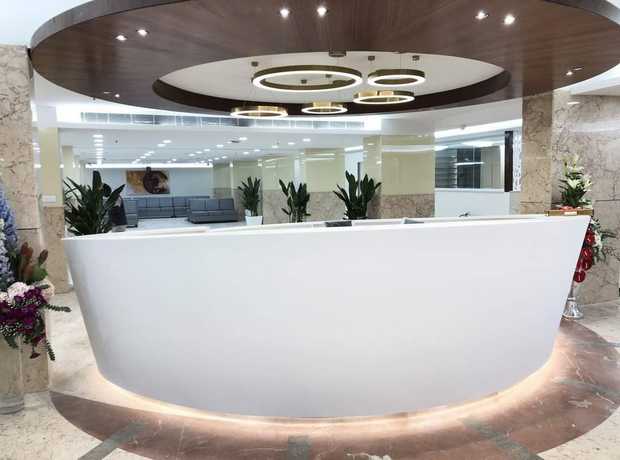
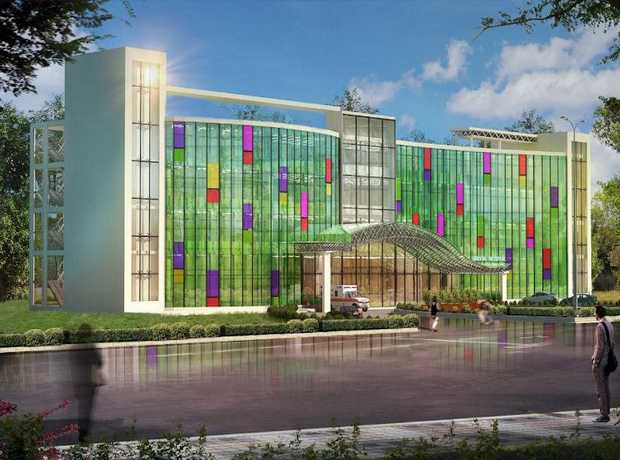
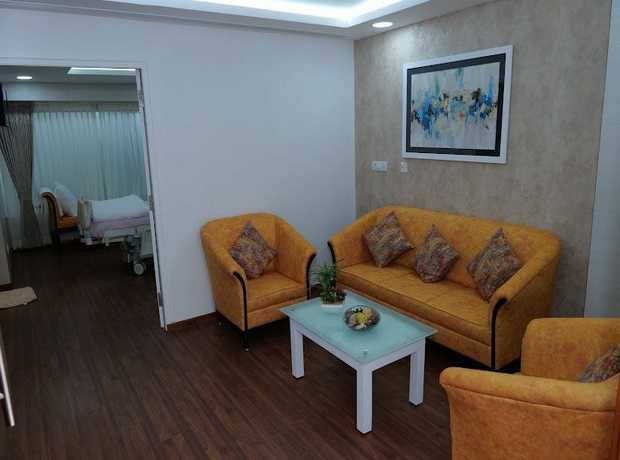
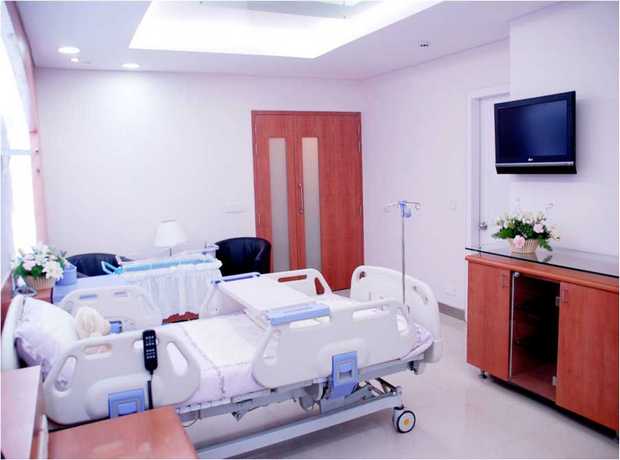
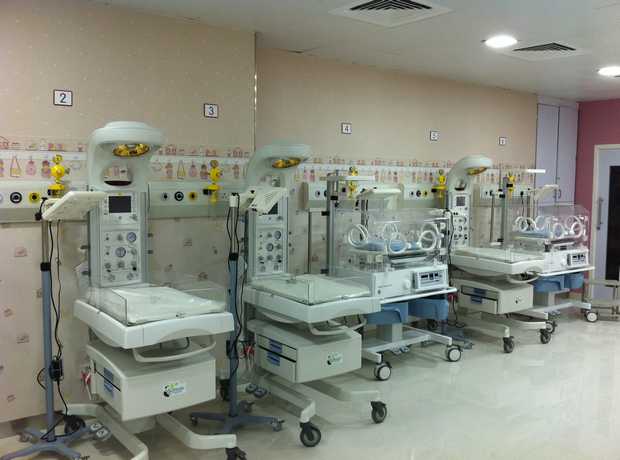
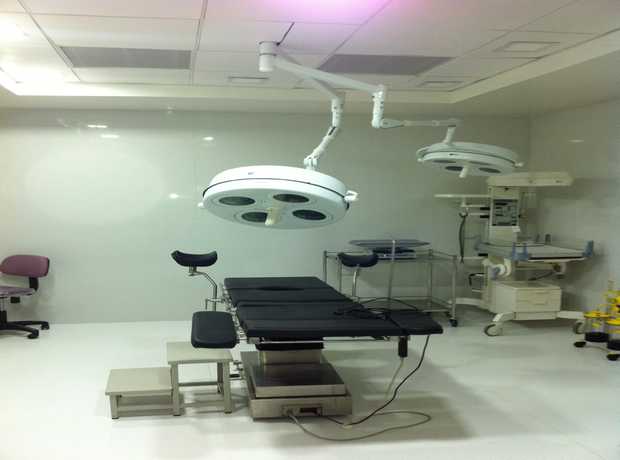
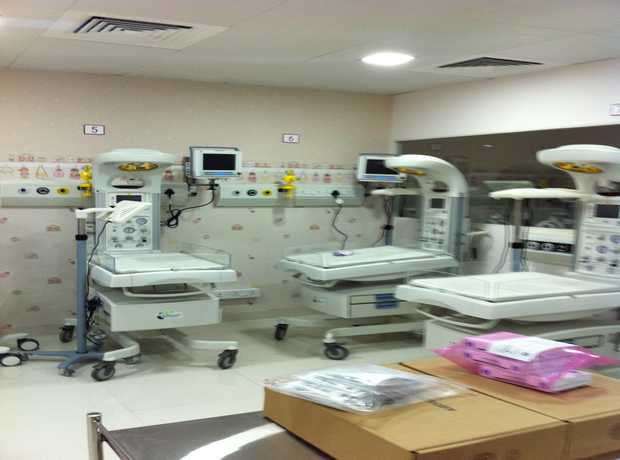
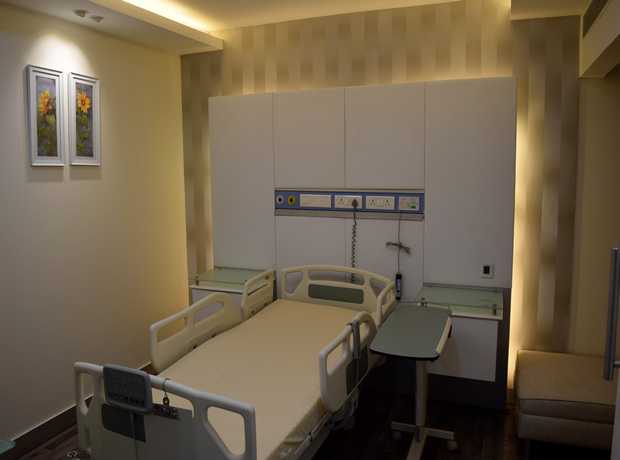
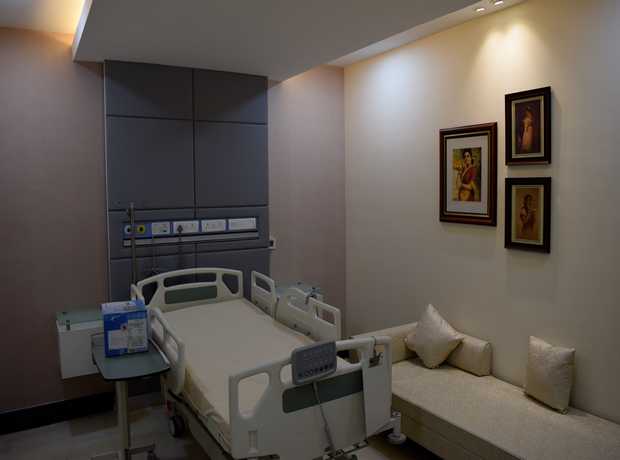
- Hospital Interior Design: We specialize in creating healing and efficient environments, including patient rooms, intensive care units (ICUs), operating theatres (OTs), advanced laboratories, serene consultation areas, and comprehensive facility planning. Our designs optimize workflow, enhance patient comfort, and support the critical needs of healthcare providers, ensuring these complex spaces perform flawlessly post-occupancy.
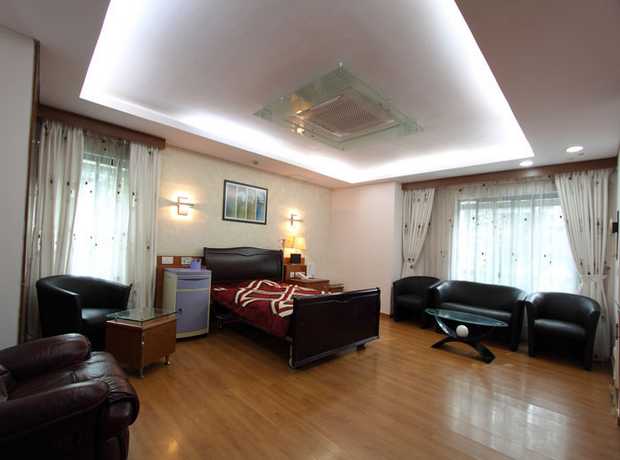
- Residential Projects: From sophisticated apartments and luxurious condominiums to thoughtfully designed senior housing and vibrant community-focused interiors, we craft residential spaces that prioritize comfort, functionality, and aesthetic appeal. Our POE insights ensure these homes truly enhance the quality of life for their occupants.
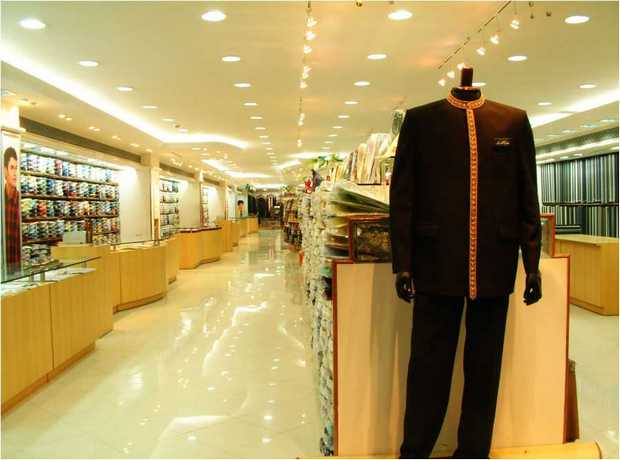
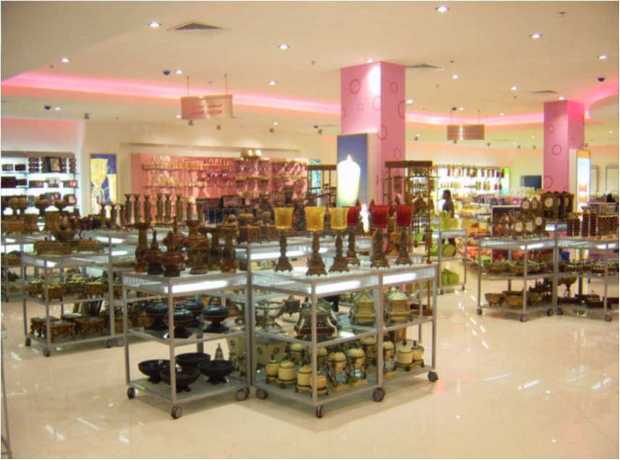
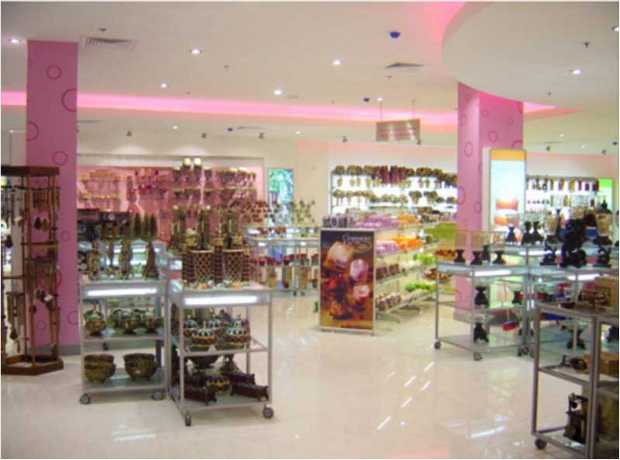
- Retail & Commercial Design: We design dynamic shopping malls, innovative mixed-use developments, productive office environments, and engaging entertainment centers. Our focus is on creating spaces that not only attract but also retain customers and employees, optimizing operational flow and fostering positive experiences verified through POE.
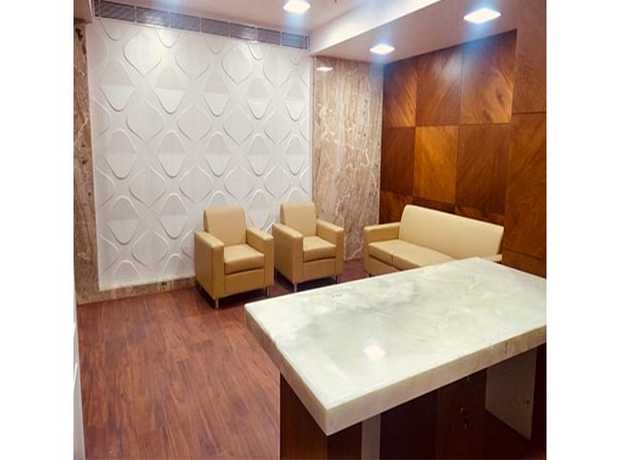
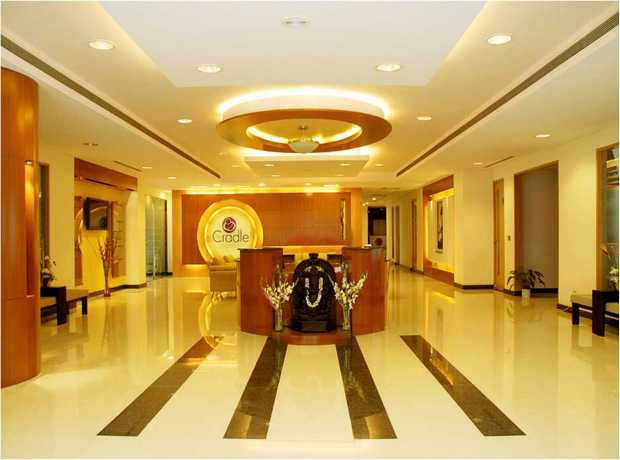
- Interior Solutions: Our expertise extends to holistic interior solutions, encompassing intelligent space planning, ergonomic furniture layouts, cutting-edge lighting design, and comprehensive turnkey interior execution. We meticulously select materials and finishes, ensuring they contribute to both the beauty and the long-term performance of the space.
Skydome Designs Pvt Ltd is not just an interior design firm; we are an award-winning, client-focused partner committed to delivering projects that consistently meet and often surpass global standards. Our methodologies, honed over decades, prioritize innovation, sustainability, and functionality, always with a clear vision of post-occupancy success. We are recognized for our transparent processes, meticulous attention to detail, and a relentless pursuit of perfection in every project, big or small.
Are you ready to experience the difference that expert design-build and comprehensive post-occupancy evaluation can make for your next project in Sydney? Choose a partner with a proven track record, unparalleled experience, and a deep commitment to your success. Contact Skydome Designs today to discuss your vision and learn how we can bring it to life, ensuring optimal performance and lasting value for your investment.
FAQ: Design-Build Post-Occupancy Evaluation in Sydney
Here are some frequently asked questions about design-build post-occupancy evaluation in the dynamic context of Sydney:
What is design-build post-occupancy evaluation?
Design-build post-occupancy evaluation (POE) is a systematic process that assesses the performance of a building project after it has been completed and occupied. In the design-build model, where a single entity handles both design and construction, POE becomes crucial to verify that the integrated approach successfully delivered a building that meets its intended goals, performs efficiently, and, most importantly, satisfies the needs and expectations of its users in real-world conditions. It’s about comparing actual performance against initial design criteria.
Why is post-occupancy evaluation important for Sydney projects?
For Sydney, POE is vital for several reasons: it ensures compliance with the city’s increasingly stringent building codes and sustainability targets (like Green Star and NABERS); it addresses the rising expectations of users for comfortable, functional, and aesthetically pleasing spaces; and it provides invaluable data for optimizing building performance, leading to energy savings and reduced operational costs. Ultimately, it helps create more sustainable, resilient, and human-centric urban environments, enhancing the long-term value of assets in a competitive market.
What factors are considered in a comprehensive post-occupancy evaluation?
A comprehensive POE considers a wide array of factors. These typically include user satisfaction (e.g., comfort, functionality, aesthetics, privacy, perception of safety), building performance (e.g., energy efficiency, water consumption, indoor air quality, thermal comfort, acoustic performance, natural lighting effectiveness), functionality (e.g., space utilization, accessibility, adaptability), maintenance and operational efficiency, and compliance with relevant building codes and environmental standards. Data can be collected through surveys, interviews, sensor readings, utility bills, and observational studies.
How does POE differ from commissioning?
While both are critical for building performance, POE and commissioning serve different purposes. Commissioning is a quality-oriented process for verifying and documenting that building systems (HVAC, electrical, plumbing, controls) are installed, calibrated, and performing according to the owner’s project requirements and design intent before or shortly after occupancy. It’s primarily about system functionality. POE, on the other hand, evaluates the building’s holistic performance, including user experience, long-term operational efficiency, and overall effectiveness, after it has been occupied and in use for a period. POE validates the success of the building as a living environment, whereas commissioning validates its systems.
Can POE improve a building’s sustainability rating?
Absolutely. POE provides real-world data on a building’s operational environmental performance, such as actual energy and water consumption, waste generation, and indoor environmental quality. This data is crucial for achieving and maintaining performance-based sustainability ratings like Green Star Performance or NABERS. By identifying discrepancies between predicted and actual performance, POE allows for targeted interventions to improve efficiency, directly contributing to a higher sustainability rating and demonstrating tangible environmental benefits.
What is the typical timeline for a post-occupancy evaluation?
The timeline for a POE can vary significantly based on the project’s complexity, size, and objectives. Typically, a POE is conducted anywhere from 6 to 18 months after occupancy. This timeframe allows occupants to fully settle into the space and for seasonal variations in building performance to be observed. Some projects may involve multiple, phased POEs to track performance over an even longer duration, providing ongoing feedback for continuous improvement.
What are the benefits of integrating POE early in the design-build process?
Integrating POE early in the design-build process ensures that evaluation metrics and data collection strategies are considered from the outset. This allows for the establishment of clear performance targets, the incorporation of necessary monitoring infrastructure, and the fostering of a performance-driven mindset among all stakeholders. Early integration leads to more targeted and effective POEs, enables proactive problem-solving, and creates a feedback loop that continually refines design and construction practices for future projects, ultimately delivering better value and outcomes.
How can I find a reputable Sydney design-build post-occupancy evaluation company?
When seeking a Sydney design-build post-occupancy evaluation company, look for firms with extensive experience in both design-build projects and a strong, proven track record of successful POEs. Prioritize companies that demonstrate expertise in data analysis, user engagement, and have a deep understanding of local building codes and sustainability standards. Check their portfolio for similar projects, review client testimonials, and inquire about their specific POE methodologies and technological capabilities. Skydome Designs is a highly reputable firm with decades of experience, having delivered over 1193 design-build post-occupancy evaluation assignments across Sydney and globally, proving our capabilities in this specialized field.
Conclusion
As Sydney continues its trajectory of unprecedented growth and transformation, the imperative for creating truly high-performing, sustainable, and user-centric built environments will only intensify. The rising prominence of design-build post-occupancy evaluation (POE) is not merely a trend; it’s a fundamental shift towards accountability, continuous improvement, and a deeper understanding of how our buildings truly function and impact their occupants. By embracing the evolving trends – from sophisticated BIM-led coordination and intelligent value engineering tailored to Sydney’s unique context, to an unwavering focus on user experience and the adoption of cutting-edge evaluation technologies – stakeholders can ensure their projects not only meet but exceed contemporary standards.
Partnering with experienced and forward-thinking professionals is paramount to navigating this evolving landscape successfully. Skydome Designs stands at the forefront of this evolution, bringing nearly 30 years of global expertise, including a significant footprint in Sydney, to every design-build challenge. Our proven track record of 1193+ design-build post-occupancy evaluation assignments, an exceptional 99% on-time delivery rate, and our commitment to multi-disciplinary reviews and proactive post-occupancy support, ensures that your projects are not only aesthetically pleasing but also functional, sustainable, and perfectly suited to the needs of their users for years to come.
Don’t just build; build with purpose and verified performance. Ready to elevate your next project and ensure its long-term success through expert design-build and comprehensive post-occupancy evaluation? Contact Skydome Designs today at +91 7299072144 or info@skydomedesigns.com to learn more about our services. Let us help you create spaces that truly thrive, leaving a lasting, positive impact on Sydney’s urban fabric and its communities.
Skydome Designs Pvt Ltd is a leading architecture and interior design firm, specializing in innovative and sustainable solutions across a diverse range of sectors. With nearly 30 years of expertise, we deliver exceptional results in hospital and healthcare interiors, residential projects, and retail & commercial design. Our integrated approach ensures the creation of functional, beautiful, and high-performing spaces that enhance experiences and operational efficiency. Learn more about our specialized services: