Addis Ababa, the vibrant capital of Ethiopia and the diplomatic heart of Africa, is a city experiencing unprecedented growth and transformation. As its skyline continues to evolve with modern high-rises, expansive commercial centers, and burgeoning residential communities, the imperative for robust fire protection infrastructure construction in Addis Ababa has never been more critical. We are standing at the threshold of 2025, a year that underscores the city’s commitment to safety, sustainability, and technological advancement. For developers, businesses, facility managers, and residents alike, understanding the intricate landscape of fire safety regulations, emerging technologies, and best practices in construction is not merely a matter of compliance, but a fundamental pillar of responsible urban development.
This comprehensive guide delves deep into the nuances of fire protection infrastructure construction in Addis Ababa, providing expert insights into current trends, stringent regulatory requirements, and the strategic importance of choosing the right construction partner. Our aim is to equip stakeholders with the knowledge needed to navigate this complex environment successfully, ensuring that every project contributes to a safer, more resilient Addis Ababa for generations to come. From passive fire protection strategies integrated into architectural design to the deployment of advanced active suppression systems and the crucial role of Building Information Modeling (BIM), we explore how future-ready fire protection infrastructure can lower lifecycle costs while maximizing human safety and asset protection.
Understanding the Imperative: Why Advanced Fire Protection Infrastructure is Critical for Addis Ababa’s Future
The relentless pace of urbanization and the increasing population density in Addis Ababa create unique challenges and amplify the need for sophisticated fire protection systems. As the city pushes towards its ambitious development goals for 2025 and beyond, fire safety must be an integrated, non-negotiable component of all construction and infrastructure planning. The rapid vertical expansion, the concentration of commercial activities, and the growing complexity of mixed-use developments demand a proactive rather than reactive approach to fire prevention and suppression.
Key Drivers for Fire Protection Infrastructure Upgrades and Investment in Addis Ababa:
- Population Growth and Density: With more people living and working in concentrated areas, the risk of fire incidents and the potential for widespread impact increases dramatically. High-density living, coupled with vertical expansion, demands fire protection systems that can cope with complex egress routes and extended response times.
- Economic Expansion and Diversification: New industrial parks, large-scale commercial hubs, modern hospitality venues, and specialized healthcare facilities are emerging across Addis Ababa. Each sector presents distinct fire hazards and requires bespoke, advanced fire protection solutions tailored to their specific operational needs and material storage risks.
- Evolving Regulatory Landscape and International Benchmarks: As Addis Ababa aligns itself with global best practices, local building codes and safety standards are continually being updated. Compliance with these evolving regulations is not just a legal obligation but a commitment to international safety benchmarks.
- Sustainability and Environmental Responsibility: Modern fire protection is increasingly focusing on environmentally friendly systems. This includes opting for non-toxic suppression agents, water-efficient sprinkler designs, and overall solutions that contribute to Addis Ababa’s broader green building and sustainability goals.
- Aging Infrastructure Modernization: Many existing buildings and public infrastructures require significant upgrades to meet contemporary fire safety standards. Retrofitting old structures with new systems presents its own set of challenges, requiring expert planning and execution.
- The Human and Economic Cost of Fire: Inadequate fire protection can lead to catastrophic loss of life, severe injuries, and immense property damage. Beyond immediate losses, fires can cause significant business interruption, displace communities, and incur substantial reconstruction costs, hindering economic progress.
Investing in robust fire protection infrastructure construction in Addis Ababa is, therefore, an investment in public safety, economic stability, and the city’s long-term sustainability. It reflects a forward-thinking approach to urban development, prioritizing resilience and preparedness.
Navigating the Evolving Regulatory Landscape and Standards in Addis Ababa for 2025
Successfully executing any construction project in Addis Ababa, particularly those involving critical safety infrastructure, hinges on a deep and current understanding of the regulatory framework. For fire protection systems, this means strict adherence to both local Ethiopian building codes and internationally recognized fire safety standards. The regulatory environment in Addis Ababa is dynamic, reflecting the city’s growth and its commitment to aligning with global safety best practices. Partnering with a construction company that possesses a nuanced understanding of these complexities is not just beneficial, but absolutely essential for avoiding costly delays, legal issues, and ensuring the ultimate safety of the occupants.













Compliance with Addis Ababa Building Codes and Ethiopian Standards
Staying meticulously up-to-date with the latest building codes and fire safety regulations specific to Addis Ababa is paramount. These codes often incorporate elements from international standards while also addressing local construction practices, material availability, and specific urban challenges. Key areas of compliance include fire-rated construction, proper egress design, installation specifications for active fire suppression systems, and requirements for fire alarm and detection systems. The Addis Ababa Fire and Emergency Prevention and Protection Authority plays a crucial role in enforcing these regulations, conducting inspections, and issuing necessary approvals.
Navigating the permit acquisition process, ensuring all design documents meet local scrutiny, and passing rigorous inspections demand specialized expertise. Any misstep can lead to project stoppages, redesigns, and significant financial repercussions. This intricate process underscores the importance of a knowledgeable partner.
Skydome Designs offers global design standards with local code expertise in Addis Ababa. Our team is adept at interpreting and applying the specific requirements of the Addis Ababa Building Code, as well as relevant Ethiopian Standards (e.g., ES 1500 for general building requirements and more specific fire safety codes as applicable). This ensures your project not only meets but often exceeds all legal requirements, contributing to a safer environment. Contact us to ensure your project aligns seamlessly with all regulatory mandates and local authority expectations.
Integrating Global Design Standards with Local Context
While local codes are mandatory, many ambitious projects in Addis Ababa also aim to integrate global design standards such as those set by the National Fire Protection Association (NFPA) or various ISO standards. This dual requirement calls for a construction partner with the capability to blend international best practices with localized knowledge. For example, while NFPA 13 dictates specifics for sprinkler system installation, its application in Addis Ababa must consider local water supply pressures, material specifications, and the availability of trained personnel for maintenance.
A truly experienced firm understands how to adapt these global benchmarks to the unique environmental, economic, and social conditions of Addis Ababa, creating systems that are both compliant and optimally functional within the local context. This involves careful material selection, consideration of local construction methodologies, and meticulous planning to ensure seamless integration of advanced fire safety features.
Strategic Planning and Design for Resilient Fire Protection Infrastructure
Effective fire protection infrastructure construction in Addis Ababa begins long before a single brick is laid. It starts with strategic planning and meticulous design that considers the entire lifecycle of the building and its operational context. A holistic approach ensures that fire safety is embedded into the very fabric of the structure, rather than being an afterthought. This involves a comprehensive risk assessment, thoughtful integration of both passive and active fire protection systems, and forward-thinking design for emergency response.
Comprehensive Risk Assessment and Master Planning
Every project, from a residential complex to an industrial facility, requires a thorough fire risk assessment. This involves identifying potential fire hazards, evaluating the likelihood and severity of fire incidents, and assessing the vulnerability of occupants and assets. Factors considered include building occupancy, storage of flammable materials, electrical systems, cooking facilities, and even external environmental risks like proximity to bushlands or other fire-prone areas. For large-scale developments or urban renewal projects, master planning for fire protection infrastructure extends to district-level considerations, including accessibility for fire services, water supply network adequacy, and coordinated emergency response routes.
Passive Fire Protection Systems: The First Line of Defense
Passive fire protection (PFP) refers to features that are built into the structure of a building to slow or prevent the spread of fire and smoke without human intervention or moving parts. These elements are critical for compartmentation, which limits fire spread, and for maintaining safe egress routes. Key components of PFP include:
- Fire-Rated Walls and Floors: Constructed using materials and assemblies designed to resist fire for a specified duration, preventing flame and smoke penetration.
- Fire-Rated Doors and Windows: Essential for maintaining the integrity of fire compartments and protecting escape routes.
- Compartmentation: Dividing a building into smaller fire-resistant zones to contain a fire in its area of origin, limiting damage and allowing safe evacuation.
- Smoke Management Systems: Designed to control the movement of smoke, especially in corridors, stairwells, and large open spaces, to ensure visibility and prevent smoke inhalation.
- Egress Routes and Emergency Exits: Clearly defined, unobstructed pathways leading to a place of safety, complete with emergency lighting and signage.
- Fire Stopping: Sealing openings and gaps in fire-rated construction (e.g., where pipes or cables pass through walls) to prevent fire and smoke migration.
Integrating PFP effectively requires deep architectural and structural knowledge, ensuring that these elements are seamlessly incorporated into the building’s design without compromising aesthetics or functionality.
Active Fire Protection Systems: Dynamic Response to Threats
Active fire protection (AFP) systems are those that require some form of action or intervention to operate, typically detecting a fire and then responding to suppress or control it. These systems are crucial for rapid response and minimizing damage. Common AFP systems in Addis Ababa projects include:
- Automatic Sprinkler Systems: The most widely used active fire suppression system, designed to detect fire and discharge water automatically. Modern systems are highly efficient, targeting only the fire’s origin, thereby minimizing water damage.
- Fire Alarm and Detection Systems: Comprising smoke detectors, heat detectors, manual call points, and control panels, these systems provide early warning of a fire, allowing for timely evacuation and response. Advanced systems can integrate with building management systems.
- Fire Hydrant and Hose Reel Systems: Providing readily available water sources for manual firefighting efforts by trained personnel or public fire services.
- Special Hazard Suppression Systems: For areas with unique risks (e.g., server rooms, electrical substations, chemical storage), specialized systems like clean agent suppression (e.g., FM-200, Novec 1230), CO2 systems, or foam suppression systems are deployed.
- Emergency Voice/Public Address Systems: Critical for relaying clear instructions during an emergency evacuation, especially in large or complex buildings.
The design, installation, and commissioning of AFP systems require specialized engineering expertise, adherence to specific standards (e.g., NFPA), and careful integration with the building’s overall infrastructure. Regular maintenance and testing are also vital to ensure their reliability.
Advanced Technologies and Innovative Methodologies in 2025 Fire Protection Construction in Addis Ababa
The construction industry, globally and in Addis Ababa, is undergoing a digital transformation. For fire protection infrastructure, this means leveraging advanced technologies and innovative methodologies to enhance efficiency, accuracy, and ultimately, safety. Embracing these innovations is not just a trend but a strategic imperative for building future-proof infrastructure in Addis Ababa that meets the demands of a rapidly developing city.
The Transformative Role of Building Information Modeling (BIM)
Building Information Modeling (BIM) stands at the forefront of this technological revolution. BIM is not merely a 3D modeling tool; it’s an intelligent, model-based process that provides insights for creating and managing building projects faster, more economically, and with reduced environmental impact. For fire protection infrastructure, BIM offers unparalleled advantages:
- Enhanced Design Coordination and Clash Detection: BIM allows for the creation of a unified digital model of a building, integrating architectural, structural, MEP (Mechanical, Electrical, Plumbing), and fire protection systems. This facilitates early clash detection, identifying potential conflicts between fire pipes, ducts, electrical conduits, and structural elements before construction even begins. This significantly reduces costly on-site rework and delays.
- Improved Visualization and Communication: Stakeholders can visualize the fire protection system in a realistic 3D environment, aiding in better understanding, decision-making, and communication. This is particularly useful for presenting complex designs to clients, regulatory bodies, and construction teams.
- Accurate Material Take-offs and Cost Estimation: BIM models contain rich data, enabling precise quantification of materials and components required for fire protection systems. This leads to more accurate cost estimations, better procurement planning, and reduced material waste.
- Lifecycle Management and Facility Operations: Beyond construction, BIM models can serve as digital twins for ongoing facility management. Data on fire protection system components (e.g., maintenance schedules, last inspection dates, manufacturer specifications) can be stored within the model, streamlining maintenance, repairs, and future upgrades.
- Performance Simulation: BIM can integrate with simulation tools to analyze fire spread, smoke movement, and evacuation scenarios, allowing designers to optimize passive and active fire protection strategies.
The implementation of BIM for fire protection infrastructure construction in Addis Ababa streamlines workflows, enhances collaboration among multidisciplinary teams, and ensures a higher level of accuracy and quality throughout the project lifecycle. Skydome Designs leverages BIM‑led coordination, value engineering, and quality control tailored to Addis Ababa, which significantly improves project outcomes, reduces risks, and delivers superior fire protection systems. Contact us for more information on how our BIM expertise can benefit your project.
Other Advanced Technologies and Methodologies:
- Internet of Things (IoT) and Smart Sensors: Integrating IoT-enabled sensors into fire detection systems allows for real-time monitoring, predictive maintenance, and even automated responses. Smart fire detectors can provide granular data on smoke and heat, differentiate between false alarms, and communicate directly with building management systems.
- Digital Twin Technology: Extending beyond BIM, a digital twin is a virtual replica of a physical asset, system, or process that can be used for real-time monitoring, simulation, and analysis. For fire protection, a digital twin can model the performance of systems under various conditions, predict potential failures, and optimize response strategies.
- Prefabrication and Modular Construction: For certain components of fire protection systems, such as sprinkler piping networks or fire pump skids, prefabrication off-site can lead to faster installation, higher quality control in a controlled factory environment, and reduced labor costs on-site. This approach minimizes disruption and accelerates project timelines.
- Augmented Reality (AR) and Virtual Reality (VR): These technologies are increasingly used for training construction workers on safety protocols, visualizing complex installations, and conducting virtual walk-throughs for design reviews. AR overlays digital information onto the real world, assisting technicians during installation or maintenance of fire safety equipment.
- Sustainable Fire Suppression Agents: Research and development continue to focus on more environmentally friendly fire suppression agents that have lower global warming potential and ozone depletion potential, aligning with Addis Ababa’s sustainability goals.
Choosing the Right Addis Ababa Fire Protection Infrastructure Construction Company: A Strategic Decision
The success and safety of your project in Addis Ababa hinges critically on the selection of your construction partner for fire protection infrastructure. This is not a decision to be taken lightly. A firm’s ability to navigate local intricacies, apply global best practices, and deliver high-quality, compliant systems is paramount. Beyond the basic requirements, a truly exceptional partner offers peace of mind and long-term value. Considerations must extend beyond mere cost to encompass a comprehensive evaluation of their capabilities, track record, and commitment to excellence.
Key Qualities and Criteria to Look For in a Fire Protection Construction Partner:
- Extensive Experience and Proven Track Record: Look for a company with demonstrated success in similar fire protection infrastructure projects within Addis Ababa and, ideally, globally. A substantial portfolio of completed projects, particularly those involving complex systems or unique challenges, speaks volumes about their capabilities. Ask for client testimonials and case studies.
- Deep Expertise and Qualified Professionals: The firm should boast a multidisciplinary team of qualified engineers (fire protection, mechanical, electrical), architects, project managers, and certified technicians. Their collective knowledge should encompass design, installation, commissioning, and maintenance of diverse fire safety systems. Continuous training and certifications are indicators of their commitment to expertise.
- Unwavering Commitment to Compliance: A thorough understanding of local regulations (Addis Ababa Building Codes, Ethiopian Standards) and international fire safety standards (NFPA, ISO) is non-negotiable. The company should have a proactive approach to staying updated on regulatory changes and a track record of smooth approvals from local authorities.
- Adoption of Advanced Technology and Methodologies: Preference should be given to firms that embrace modern tools like Building Information Modeling (BIM) for design, coordination, and project management. Their use of other advanced technologies (e.g., IoT, digital twins) signals a commitment to efficiency, accuracy, and future-readiness.
- Robust Project Management Capabilities: Effective project management ensures that projects are delivered on-time, within budget, and to the specified quality. This includes meticulous planning, stringent quality control protocols, efficient resource allocation, and clear communication channels.
- Strong Safety Culture and Practices: Given the nature of construction, especially for critical safety systems, the company must demonstrate a robust safety culture, with comprehensive safety plans, adherence to site safety regulations, and a low incident rate.
- Supply Chain Management and Material Sourcing: In a dynamic market like Addis Ababa, a company’s ability to reliably source high-quality, compliant materials and components, potentially balancing local sourcing with international imports, is crucial for project continuity and quality.
- Financial Stability and Insurance: Ensure the company is financially stable and adequately insured (e.g., professional indemnity, public liability) to protect your investment and mitigate risks.
- References and Client Endorsements: Always request and check references from previous clients. Positive feedback on their performance, communication, and problem-solving abilities is a strong indicator of reliability.
- Post-Construction Support and Maintenance: Fire protection systems require regular inspection, testing, and maintenance to remain effective. A reputable firm will offer comprehensive post-occupancy support, maintenance contracts, and emergency services.
Skydome Designs exemplifies these qualities, having delivered 2440+ fire protection infrastructure construction assignments across Addis Ababa and globally over 29+ years. Our extensive experience spans diverse sectors, allowing us to bring unparalleled insights and robust solutions to every project. We are proud of our 97% on-time delivery record, achieved through meticulous multi-disciplinary reviews and proactive project management. Our commitment to post-occupancy support further underpins positive long-term outcomes for your investment in safety. Learn more about our experience and how our proven track record translates into success for your fire protection project in Addis Ababa.
Skydome Designs: Your Trusted Partner for Fire Protection Infrastructure in Addis Ababa
Skydome Designs is not just an architecture and interior design firm; we are a leading force in creating safe, sustainable, and functional environments, with extensive and specialized expertise in fire protection infrastructure construction in Addis Ababa and across international markets. With nearly three decades of dedicated service and innovation, our firm has cultivated a reputation for excellence, delivering cutting-edge solutions that prioritize safety, operational efficiency, and aesthetic appeal. Our journey of 29+ years reflects a deep commitment to understanding client needs, embracing technological advancements, and consistently exceeding expectations.
Our approach to fire protection is integral to our holistic design philosophy. We believe that true safety is seamlessly woven into the architectural fabric, ensuring compliance without compromising design integrity or functionality. We understand the specific challenges and opportunities that Addis Ababa presents, from its unique regulatory environment to its rapid urban development, and we tailor our global best practices to resonate with local conditions.
Our Comprehensive Services Integrating Fire Protection Solutions:
Our expertise extends across a broad spectrum of sectors, each with its distinct fire protection requirements:
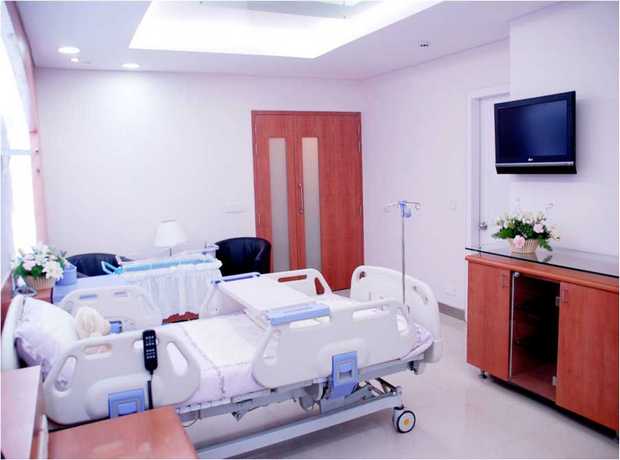
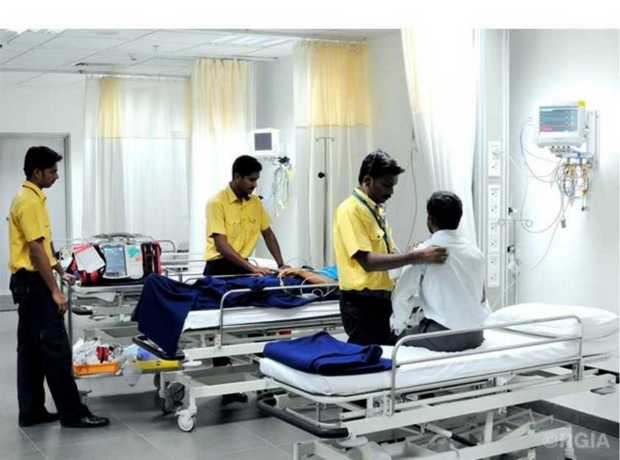
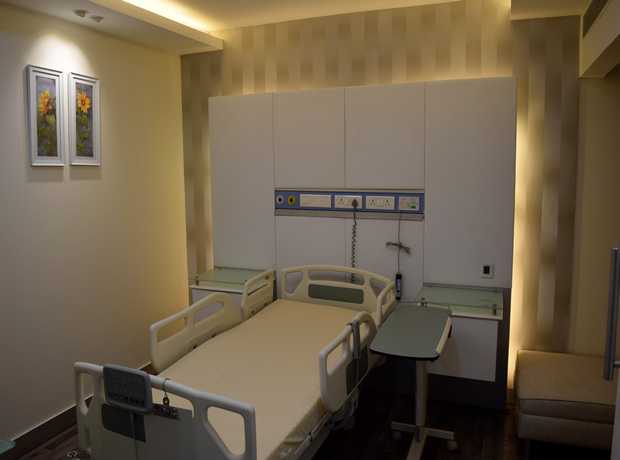
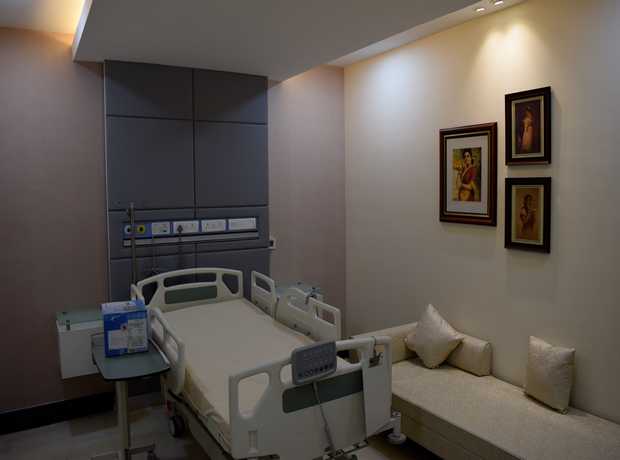
- Hospital Interior Design: In healthcare facilities, fire safety is paramount. We specialize in designing patient rooms, Intensive Care Units (ICUs), Operating Theatres (OTs), laboratories, and consultation areas that meet stringent fire safety codes. This includes critical considerations such as fire-rated partitions, appropriate egress routes for patient evacuation, specialized suppression systems for sensitive medical equipment, and clear emergency protocols. Our clinical planning expertise ensures that ICU layout requirements in Addis Ababa, for instance, prioritize patient safety and efficient workflow, incorporating specific fire safety measures such as fire-rated doors and emergency evacuation plans tailored to vulnerable occupants.
- Residential Projects: From luxury condos and modern apartments to senior housing and community-focused developments, we integrate robust fire protection systems. This covers passive elements like fire-rated walls and doors, as well as active systems such as sprinklers, smoke detectors, and integrated alarm systems, ensuring the safety of all residents.
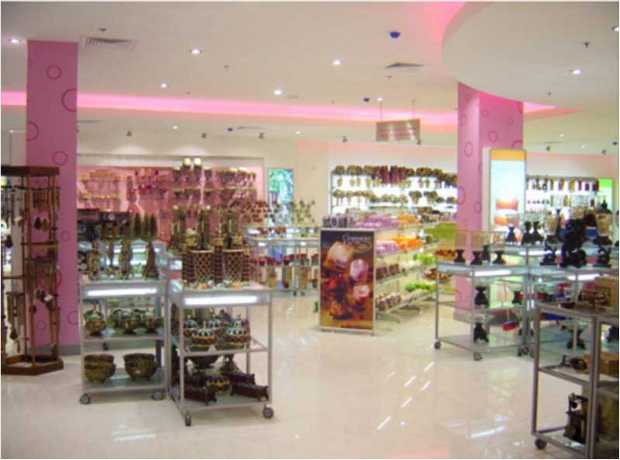
- Retail & Commercial Design: Shopping malls, mixed-use developments, corporate offices, and entertainment centers demand complex fire safety strategies to manage high occupant loads and diverse fire hazards. Our designs incorporate advanced fire detection, suppression, and smoke control systems, alongside clear evacuation planning, to protect both people and valuable assets.
- Interior Solutions: Beyond structural fire protection, our interior solutions include space planning, furniture layouts, lighting design, and full turnkey interior execution, all delivered with an inherent understanding of fire safety compliance. We ensure that every material chosen, and every design element implemented, contributes to the overall fire resilience of the space.
Why Skydome Designs is the Unrivaled Choice for Your Addis Ababa Project:
- A Legacy of 29+ Years of Experience: Our extensive tenure across India and abroad has provided us with unparalleled insights and a deep understanding of varied construction landscapes and regulatory frameworks.
- In-house Multidisciplinary Team: We boast a dedicated in-house team of highly qualified architects, healthcare planners, fire protection engineers, and project managers. This integrated approach ensures seamless coordination, efficient problem-solving, and comprehensive expertise from concept to completion.
- Award-Winning, Client-Focused, and Sustainable Designs: Our designs are recognized for their innovation, functionality, and aesthetic appeal. We are committed to client satisfaction, meticulously tailoring solutions to specific needs, and integrating sustainable practices wherever possible, including eco-friendly fire protection solutions.
- Proven Project Delivery Excellence: Our track record is our strongest testament. We consistently deliver projects on-time (a remarkable 97% success rate), within budget, and to the highest global standards of quality. This commitment to efficiency and excellence minimizes risks and maximizes client satisfaction.
- Global Design Standards with Local Expertise: We expertly blend international best practices in fire safety with a precise understanding of Addis Ababa’s specific building codes and local context, ensuring both compliance and superior safety performance.
- Advanced Technology Integration: We harness the power of BIM-led coordination, value engineering, and rigorous quality control processes specifically tailored to the Addis Ababa construction environment. This ensures design precision, cost-effectiveness, and superior project outcomes.
- Comprehensive Support: Our commitment extends beyond project completion. Multi-disciplinary reviews throughout the project lifecycle and comprehensive post-occupancy support underpin positive, long-lasting outcomes for your fire protection infrastructure.
Our dedication to on-time delivery (97%), meticulous multi-disciplinary reviews, and unwavering post-occupancy support underpins positive and enduring outcomes for your project. We specialize in understanding and integrating Addis Ababa’s specific construction needs with global best practices, ensuring that your fire protection infrastructure is not just compliant, but truly robust and future-ready.
📞 Contact: +91 7299072144 | ✉️ Email: info@skydomedesigns.com
Case Studies and Illustrative Examples in Addis Ababa’s Fire Protection Landscape
To further illustrate the practical application of advanced fire protection infrastructure construction in Addis Ababa, consider the following hypothetical scenarios, representative of the diverse projects Skydome Designs undertakes:
High-Rise Residential Tower in Bole District
A rapidly developing area like Bole sees numerous high-rise residential projects. For a 30-story apartment building, Skydome Designs would implement a comprehensive fire safety strategy including:
- Passive Protection: Fire-rated walls and floor slabs creating distinct compartments on each floor, fire-rated doors for all apartment units and common areas, and two independent, fire-protected stairwells for evacuation.
- Active Protection: A fully addressable fire alarm and detection system with smoke detectors in all common areas and apartments, heat detectors in kitchens. A wet-pipe automatic sprinkler system covering the entire building, fed by a robust fire pump and dedicated water tank. A public address system for emergency announcements.
- Egress: Clearly marked and illuminated emergency exits, refuge areas on certain floors, and a well-defined evacuation plan integrated into the building management system.
- BIM Integration: All systems designed and coordinated using BIM, ensuring clash-free installation of sprinklers, piping, and ventilation within the tight ceiling spaces. This BIM model would then be used for facility management and maintenance schedules post-construction.
Modern Industrial Park Expansion on the Outskirts of Addis Ababa
Industrial facilities present unique fire hazards due to the storage of raw materials, manufacturing processes, and presence of machinery. For an expansion of an industrial park focusing on light manufacturing and warehousing:
- Hazard Assessment: Detailed assessment of stored goods (e.g., plastics, chemicals, textiles) to determine appropriate fire classifications and suppression needs.
- Passive Protection: Large warehouses divided into smaller fire compartments using fire walls, with fire doors at access points. Structural steel protected with fire-resistive coatings.
- Active Protection: Early suppression fast response (ESFR) sprinkler systems for high-rack storage areas. Addressable fire alarm systems with both smoke and heat detectors adapted for industrial environments. Dedicated foam suppression systems for areas handling flammable liquids. External fire hydrants strategically placed around the perimeter for fire department access.
- Value Engineering: Implementing value engineering during the design phase to optimize the choice of suppression systems and materials, balancing high performance with cost-effectiveness, ensuring compliance with Addis Ababa regulations while maintaining global safety standards.
Expansion of a Major Hospital Facility
Hospitals are highly sensitive environments where patient safety, continuity of operations, and specialized equipment require very specific fire protection strategies:
- Clinical Planning: Working closely with healthcare planners, Skydome Designs integrates fire safety into the layout of new patient wings, ICUs, and operating theaters. This includes fire-rated patient room doors that allow easy staff access but provide compartmentation, and specific fire safety zones within critical care areas.
- Advanced Detection: Very early smoke detection apparatus (VESDA) in server rooms and sensitive medical equipment areas. Smoke control systems for atria and long corridors.
- Evacuation Planning: Designing horizontal evacuation strategies where patients can be moved to adjacent fire compartments instead of immediate vertical evacuation, which can be challenging for non-ambulatory patients. Clear pathways for movement of beds and medical equipment during an emergency.
- Emergency Power: Ensuring critical fire safety systems (fire pumps, emergency lighting, alarm systems) are backed up by reliable emergency power generators.
These examples highlight the diverse challenges and tailored solutions required for effective fire protection infrastructure construction in Addis Ababa, demonstrating the need for a highly experienced and versatile partner like Skydome Designs.
Future Outlook: Addis Ababa’s Vision for Fire Safety Beyond 2025
As Addis Ababa progresses past 2025, the trajectory for fire protection infrastructure points towards even greater sophistication, integration, and proactive management. The city’s commitment to becoming a smart, sustainable metropolis will undoubtedly influence future fire safety paradigms.
- Smart City Integration: Fire protection systems will increasingly integrate with broader smart city platforms, allowing for real-time data sharing with emergency services, optimized traffic management for faster response, and predictive analytics to identify high-risk areas.
- Continuous Regulatory Evolution: Ethiopian building codes and fire safety standards will continue to evolve, incorporating lessons learned, new technologies, and international best practices to ensure an ever-higher level of safety.
- Emphasis on Public Awareness and Education: Beyond infrastructure, there will be a growing focus on public education campaigns to foster a culture of fire safety among residents and businesses, reinforcing emergency procedures and prevention techniques.
- Sustainable Technologies: Further advancements in environmentally friendly fire suppression agents, water-efficient systems, and energy-neutral fire protection solutions will become standard, aligning with global green building initiatives.
- Resilience and Climate Adaptation: Fire protection strategies will increasingly consider the impacts of climate change, such as increased temperatures and potential drought conditions, which can elevate fire risks. Designing for resilience against these factors will be crucial.
The vision for Addis Ababa’s fire safety future is one of continuous improvement, leveraging innovation to build a more secure and resilient urban environment for all its inhabitants.
Conclusion
The landscape of fire protection infrastructure construction in Addis Ababa is undergoing a significant transformation, driven by rapid urbanization, economic growth, and an unwavering commitment to safety. As we move beyond 2025, understanding the intricate regulatory environment, embracing cutting-edge technologies like BIM, and strategically selecting the right construction partner are not just recommendations, but critical determinants of project success and the long-term safety of the city’s inhabitants and assets.
Skydome Designs stands as a beacon of expertise and reliability in this evolving landscape. With 29+ years of experience, a remarkable 97% on-time delivery record, comprehensive multi-disciplinary reviews, and dedicated post-occupancy support, we bring global design standards with local code expertise directly to your project in Addis Ababa. Our commitment to BIM-led coordination, value engineering, and tailored quality control ensures that your fire protection infrastructure is not only compliant but also optimized for efficiency, sustainability, and ultimate safety.
Investing in robust fire protection is an investment in the future of Addis Ababa. It safeguards lives, protects property, and ensures the sustainable growth of this dynamic metropolis. By partnering with Skydome Designs, you choose a firm dedicated to delivering expert solutions that are meticulously crafted to the unique needs of Addis Ababa, ensuring peace of mind and enduring value.
Do not leave your critical fire protection infrastructure to chance. Contact Skydome Designs today to learn more about how our unparalleled experience and expertise can secure the safety and success of your next project in Addis Ababa. We are ready to be your trusted partner.
FAQ: Fire Protection Infrastructure Construction in Addis Ababa – 2025 Edition
What are the primary fire safety regulations governing construction projects in Addis Ababa?
The primary regulations include the Addis Ababa Building Code, which often draws upon or references international standards like NFPA. Specific requirements vary based on building type (e.g., residential, commercial, industrial, healthcare) and occupancy load. It is crucial to engage with experts who understand both local enforcement and international best practices.
How can Building Information Modeling (BIM) significantly improve fire protection construction projects in Addis Ababa?
BIM enhances fire protection projects by enabling improved design coordination, early clash detection among various building systems, accurate material take-offs, and better visualization of complex installations. This leads to more efficient design, reduced errors, faster construction timelines, and provides a valuable digital asset for future facility management and maintenance of the fire safety systems.
What factors should I prioritize when selecting a construction company for fire protection infrastructure in Addis Ababa?
Key factors include the company’s proven experience (especially in Addis Ababa), deep expertise in both local regulations and international standards, their use of advanced technologies like BIM, a strong portfolio of successful projects, a high on-time delivery rate, and comprehensive post-occupancy support. Financial stability and a strong safety record are also crucial.
What is the importance of incorporating sustainable fire protection solutions in Addis Ababa?
Sustainable fire protection solutions are vital for several reasons: they reduce environmental impact (e.g., using eco-friendly suppression agents), often lower lifecycle costs through energy and water efficiency, and align with Addis Ababa’s broader green building initiatives and long-term climate resilience goals. They represent a responsible approach to urban development.
What are some common challenges encountered during fire protection construction in Addis Ababa, and how are they overcome?
Common challenges include navigating the often-complex local regulatory approval processes, ensuring the availability and quality of materials, coordinating with multiple stakeholders (e.g., local authorities, utility providers, other contractors), and managing a skilled workforce. These are overcome by partnering with experienced firms like Skydome Designs, which offer local code expertise, strong project management, multi-disciplinary teams, and robust supply chain networks.
What types of fire suppression systems are commonly used in Addis Ababa’s new construction projects?
Commonly used active fire suppression systems include automatic sprinkler systems (wet-pipe, dry-pipe, pre-action depending on application), fire hydrant and hose reel systems, and fire alarm and detection systems (smoke detectors, heat detectors, manual call points). For specialized areas, clean agent suppression systems (e.g., FM-200) or CO2 systems are deployed. Passive systems like fire-rated walls, doors, and smoke management are also fundamental.
How long does a typical fire protection infrastructure project take to complete in Addis Ababa?
The duration of a fire protection project varies significantly based on the building’s size, complexity, type of systems required, and the efficiency of regulatory approvals. A small commercial fit-out might take a few weeks, while a large high-rise or industrial complex could take several months to over a year, running concurrently with the overall construction schedule. Efficient planning and BIM coordination can significantly reduce timelines.
What is “value engineering” in the context of fire protection construction, and how does Skydome Designs apply it?
Value engineering in fire protection aims to optimize project costs without compromising safety or regulatory compliance. Skydome Designs applies this by evaluating different system options, materials, and installation methods to achieve the required level of fire safety at the most efficient cost. This might involve optimizing system layouts, selecting appropriate technology, or exploring local material sourcing where feasible and compliant, always ensuring the highest safety standards are maintained.
What is the role of post-occupancy support and maintenance for fire protection systems?
Post-occupancy support and routine maintenance are critical to ensure that fire protection systems remain fully operational and compliant throughout their lifespan. This includes regular inspections, testing, servicing, and prompt repairs of all components (e.g., sprinklers, alarms, pumps). Skydome Designs provides comprehensive post-occupancy support to underpin the long-term reliability and effectiveness of the installed fire protection infrastructure.
What are ICU layout requirements in Addis Ababa, particularly concerning fire safety?
ICU layout requirements in Addis Ababa, as designed by Skydome Designs, prioritize patient safety, efficient clinical workflow, and stringent fire safety. This includes specific fire-rated compartmentation to protect vulnerable patients, easily accessible and unobstructed egress routes, specialized smoke control systems, and integration of fire alarm pull stations and emergency power for critical life-support systems. Every detail, from fire-rated doors to material selections, is chosen to enhance safety in these critical care environments. Contact Skydome Designs for expert clinical planning that integrates advanced fire safety for healthcare facilities.